
100 Lunch Box Recipes That Actually Survive the Commute
Updated July 16, 2026 · Curated by Chefadora
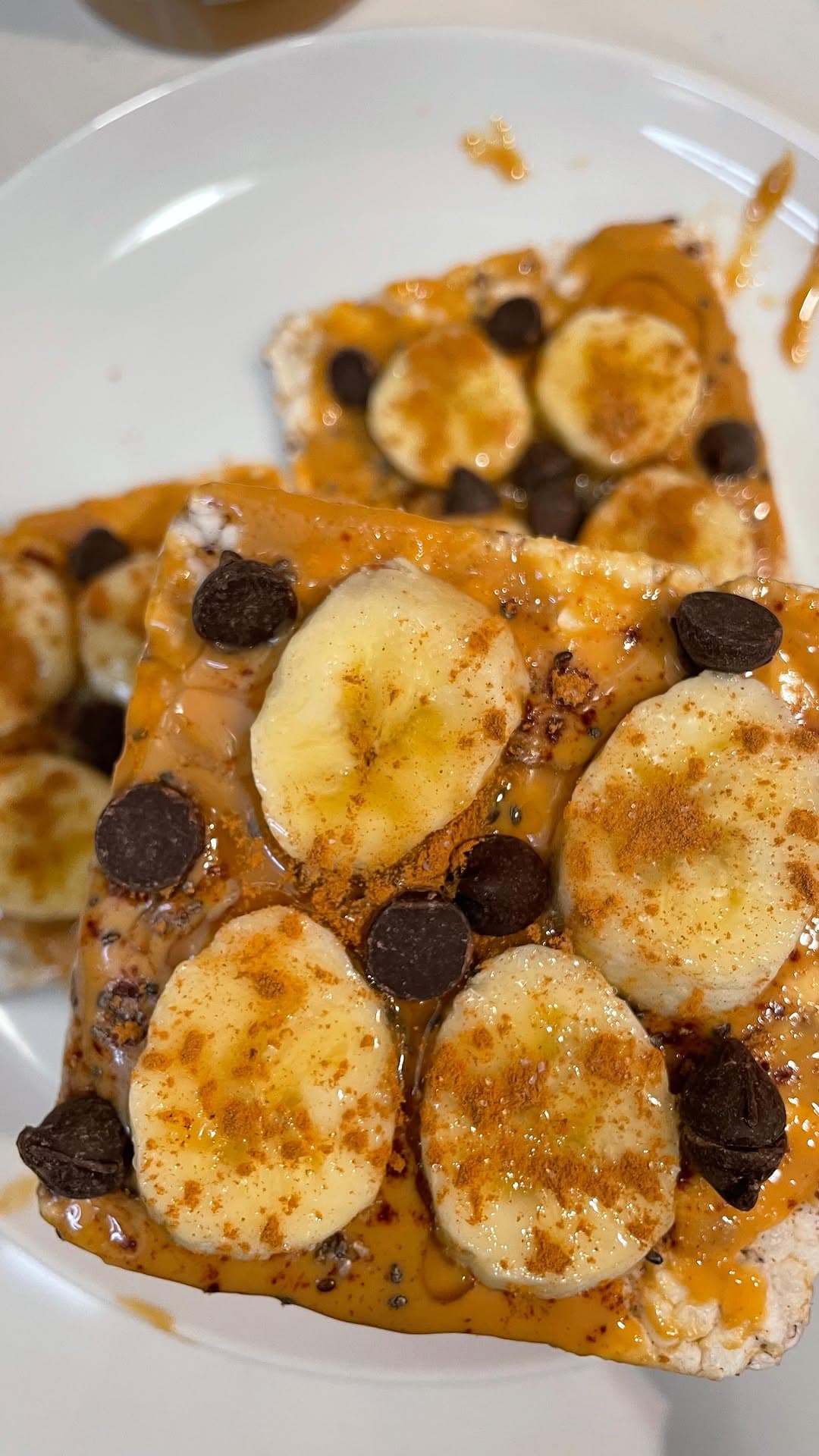
Every dabba is a small engineering problem. You pack at 7am, someone opens it at 1pm, and in between it rides a scooter, a school bag, a metro coach and a warm cupboard. Most lunch box recipes fail somewhere in that six-hour gap — the roti sweats into leather, the salad weeps, the gravy finds the one weak corner of the lid. So this collection is organised around the box itself, not around what tastes nice fresh off the stove.
I pulled 100 dishes from Chefadora that are tagged for the tiffin and actually earn it. There are school-bag classics, desk meals with enough protein to stop the 4pm biscuit run, rice and noodle boxes that eat happily at room temperature, paratha rolls and wraps, dry snacks that travel without a second container, and make-ahead components you build on Sunday.
Every one has a note on how it holds, because the honest test is never the first bite at home. It is the bite six hours later, cold, on a plastic fork, with nine minutes left of your break. That is the standard I judged every one of these tiffin recipes against.
School Tiffin Ideas Kids Will Actually Finish
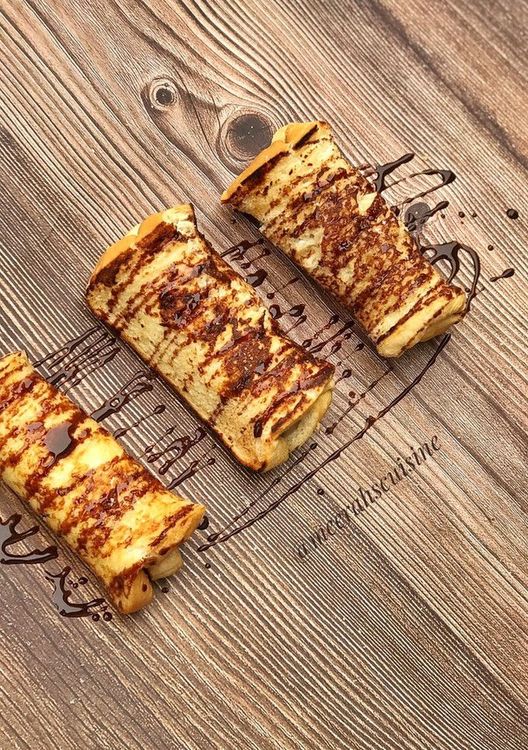
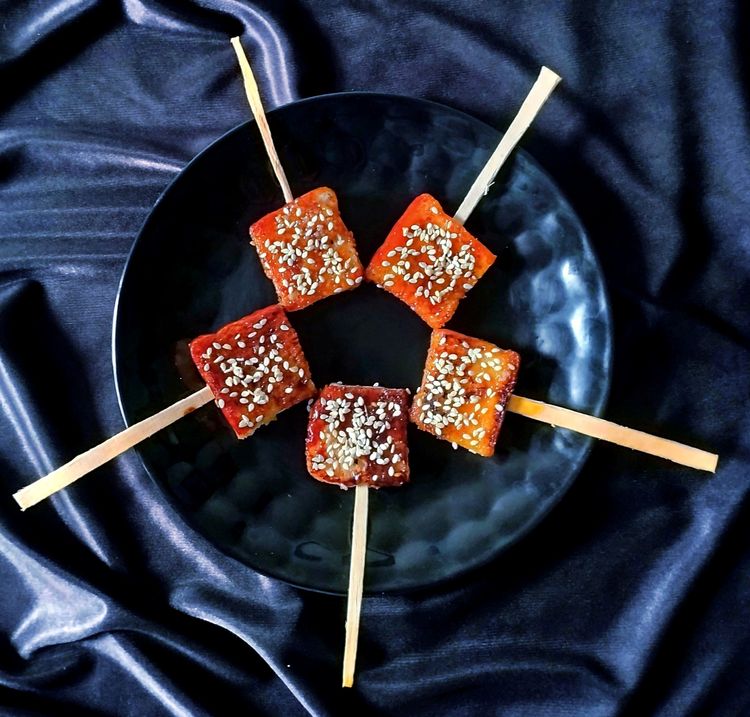
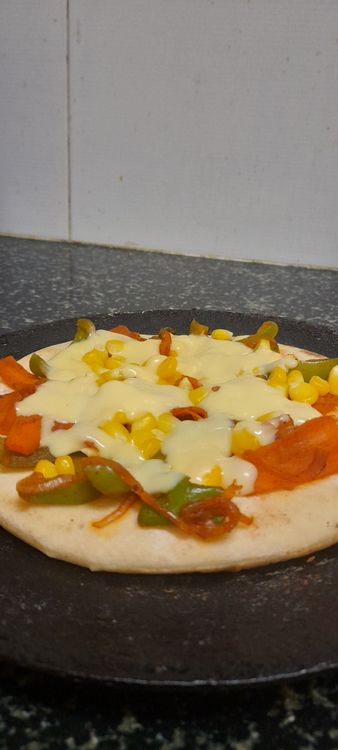
A child's dabba comes home judged. The best school tiffin ideas share three traits: they eat with hands or a single spoon, they hold their shape after a bag has been swung around, and they look the same at 1pm as they did at 7am. Keep pieces small — a whole sandwich intimidates a seven-year-old with fifteen minutes and a friend to talk to. Cut, skewer, roll, or lollipop it. And pack one sweet thing, always, so the box ends on a win rather than a negotiation. Most school tiffin ideas fail on presentation long before they fail on taste.


- Vegetarian
- Snack


- Gluten-Free
- Breakfast

- Italian
- Non-Vegetarian
- Dinner


- Vegetarian
- Dessert

- Gluten-Free
- Breakfast

- Vegetarian
- Dessert


- American
- Eggetarian
- Breakfast

- Vegetarian
- Dessert

- Vegetarian
- Breakfast
- American
- Eggetarian
- Breakfast
- American
- Eggetarian
- Breakfast
- Indian
- Vegetarian
- Snack

- American
- Vegan
- Snack
- Fusion
- Vegetarian
- Dinner
Office Lunch Box Recipes for the 1pm Desk Meal
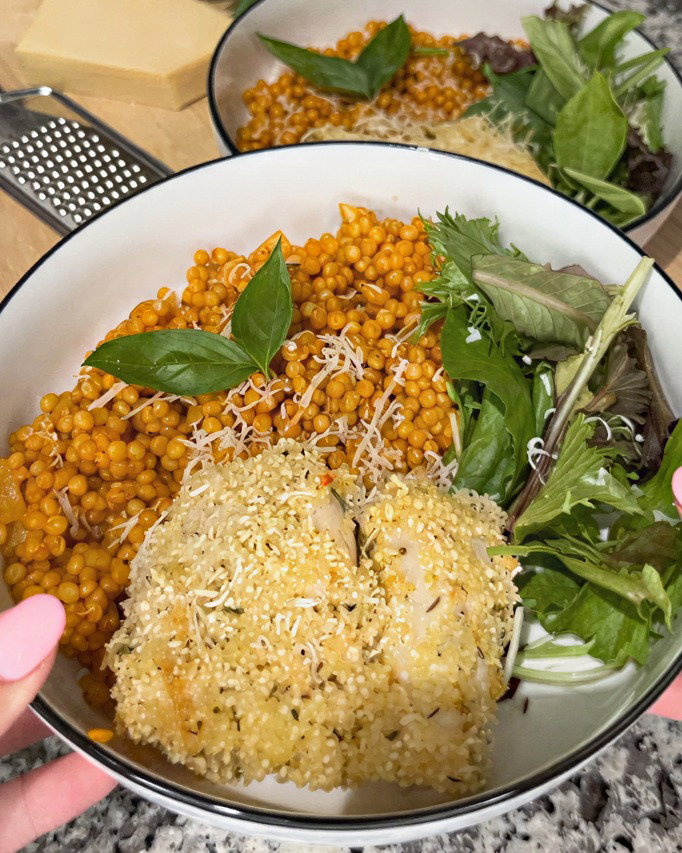
Desk eating has its own rules. You want protein you can feel at 4pm, no aroma that announces itself across an open floor, and nothing that needs a microwave queue — because on the days it matters most, that queue is eleven people long. These lean on grains, pulses, chicken and beans, dressed on the side so the greens stay crisp. Build them tall in a deep container rather than wide and shallow; less surface area means less oxidation and fewer sad, browning edges by noon. A good office lunch box is quiet, cold and dense.

- Vegetarian
- Salad

- Vegetarian
- Lunch

- Vegetarian
- Salad

- Gluten-Free
- Salad

- Lactose-Free
- Dinner

- Vegetarian
- Side Dish


- Non-Vegetarian
- Lunch
- American
- Eggetarian
- Breakfast
Rice, Noodle and One-Pot Boxes That Eat Cold
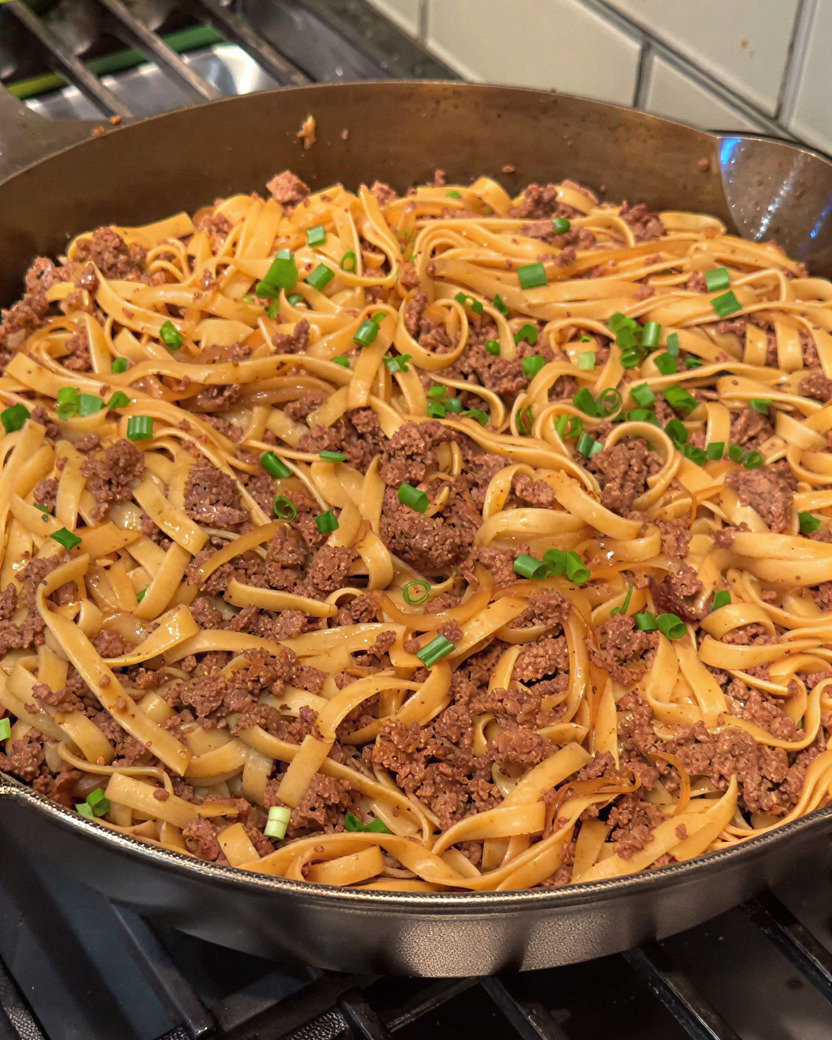
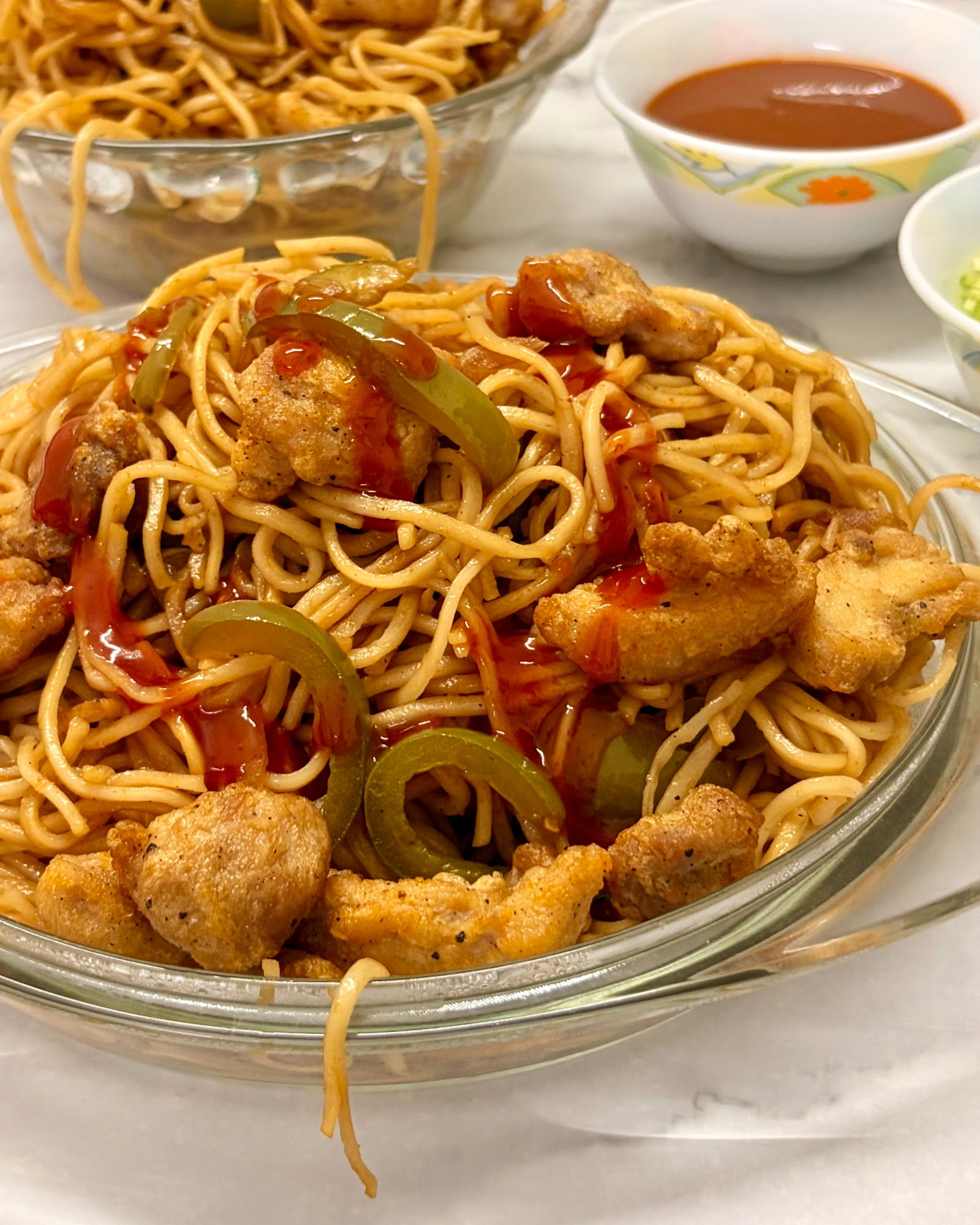
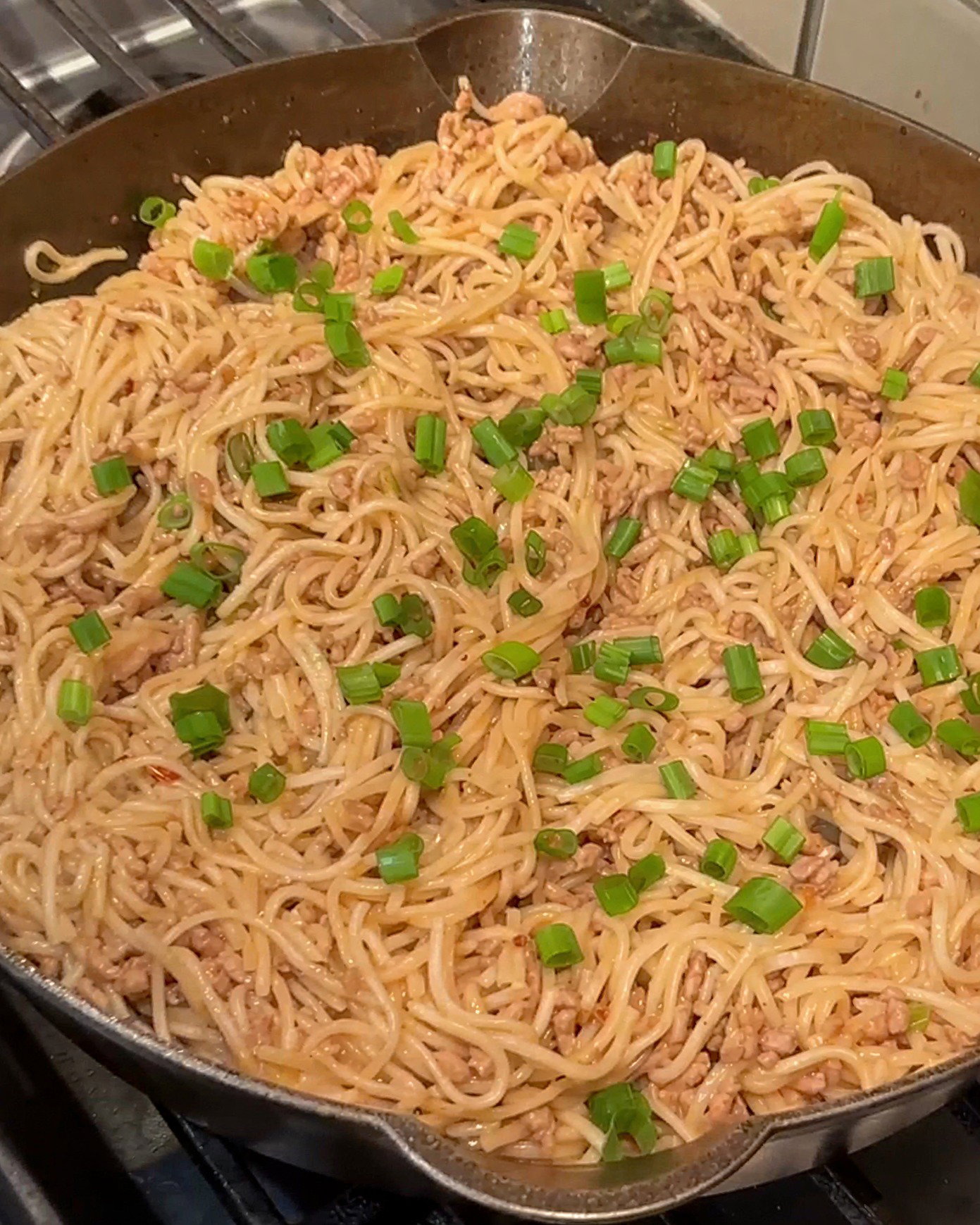
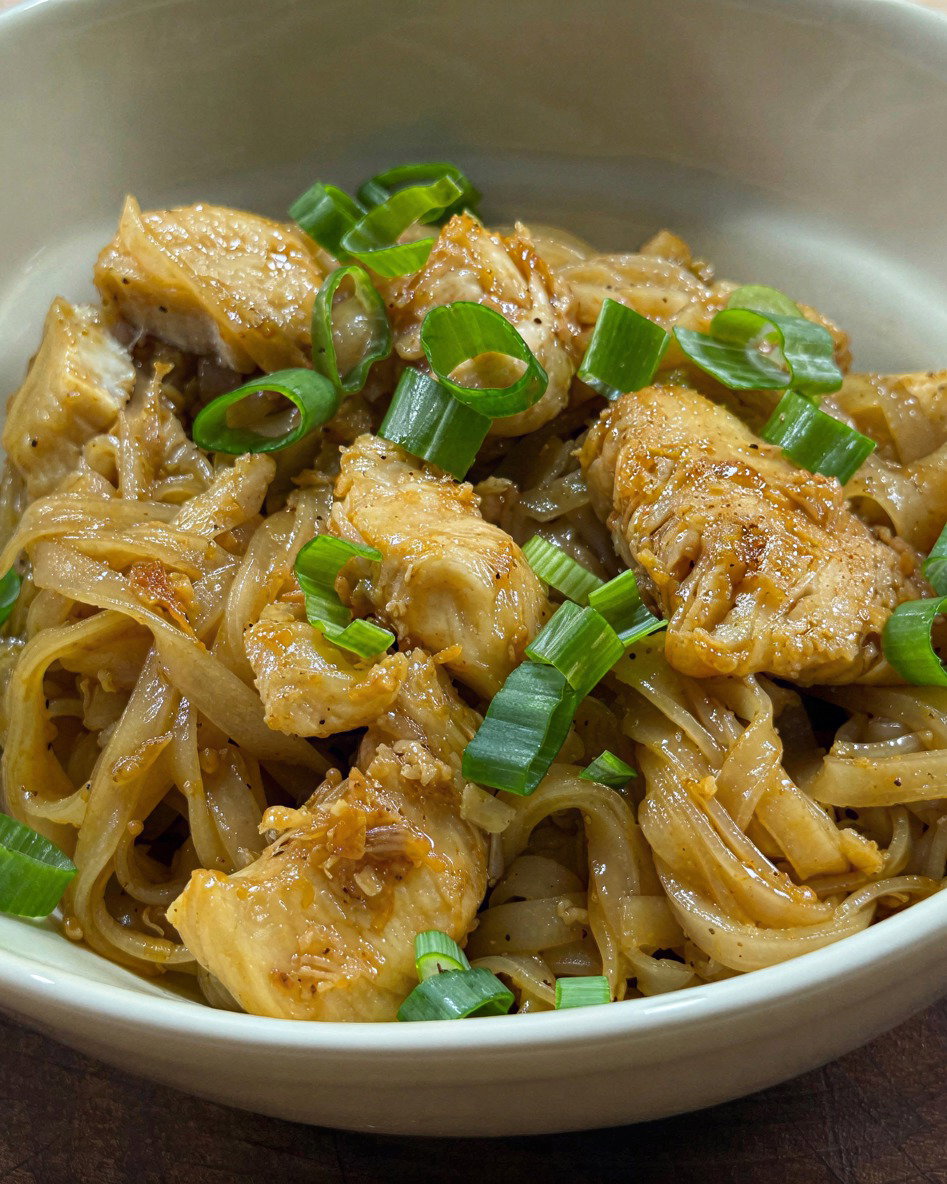
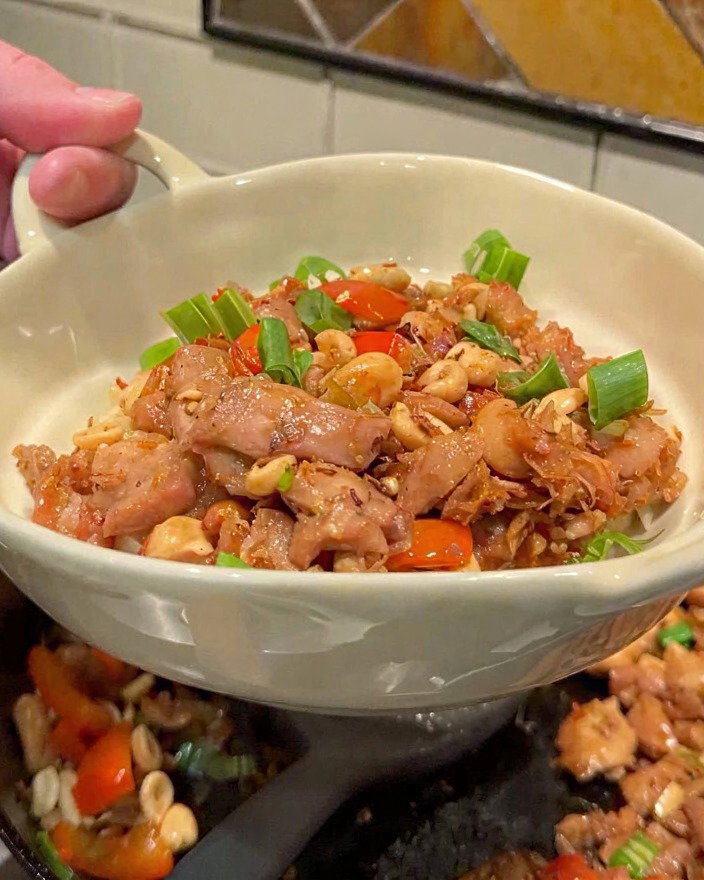
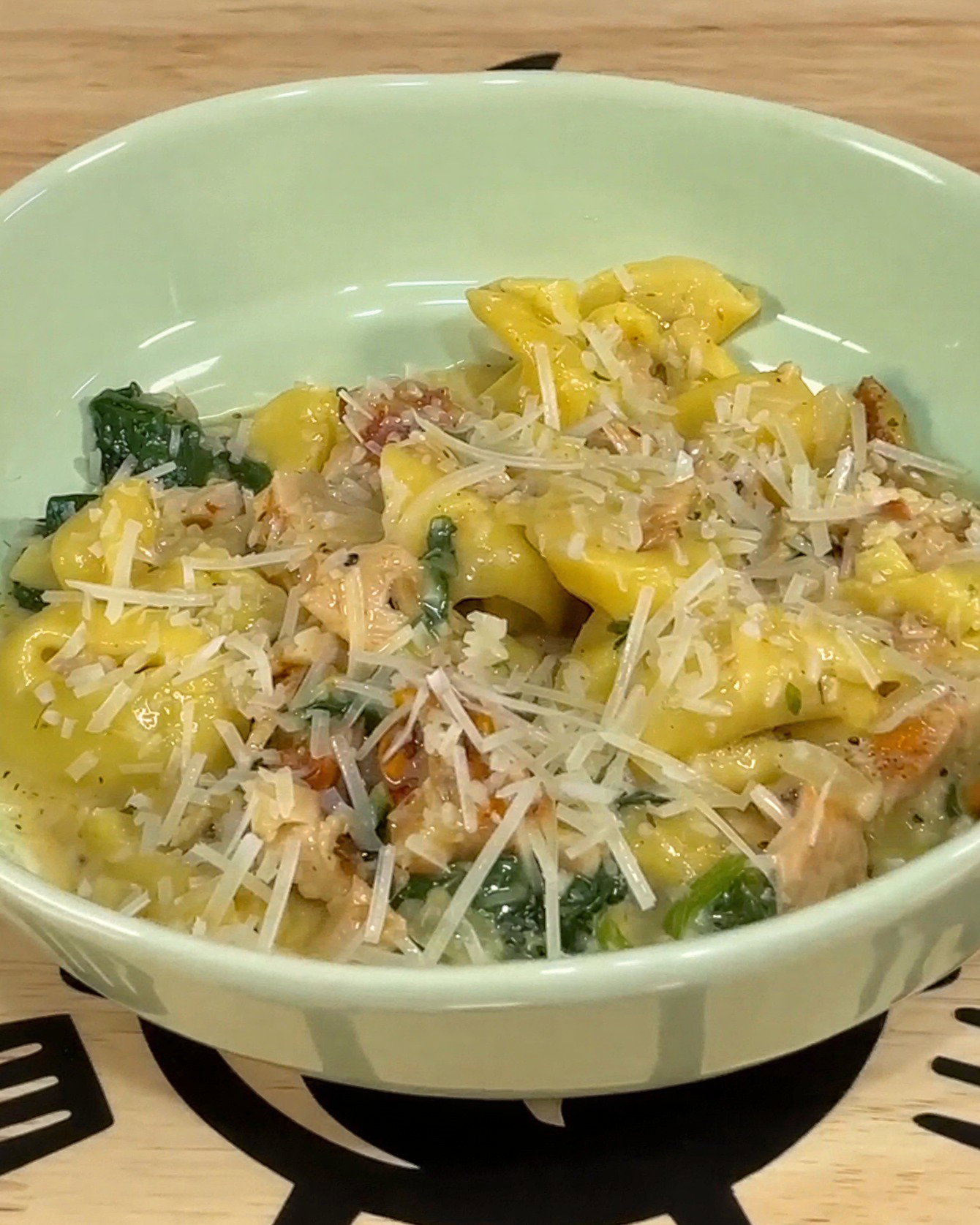
Rice and noodles are the workhorses of tiffin culture for a plain physical reason: they carry fat and seasoning through the cooling process better than almost anything else. A tempered mango rice or a chow mein tastes deliberate at room temperature, not defeated. Cook the grain slightly firmer than you would for dinner — it keeps absorbing moisture in the box and a soft grain becomes paste by noon. Oil is your friend here; it coats each strand and stops the fridge-clump that ruins reheat-free eating. These are the tiffin recipes I reach for on the busiest weeks.

- Gluten-Free
- Lunch

- Gluten-Free
- Main Course


- Indian
- Vegan
- Main Course
- Dairy-Free
- Dinner
- Non-Vegetarian
- Dinner

- Italian
- Vegetarian
- Main Course
- Nut-Free
- Dinner

- Dairy-Free
- Dinner
- Gluten-Free
- Dinner

- Cuban
- Eggetarian
- Side Dish

- Gluten-Free
- Breakfast

- Vegetarian
- Main Course
- Non-Vegetarian
- Dinner
Roti Rolls, Paratha and Sandwiches
The roll is the great tiffin invention — a plate, a fork and a napkin collapsed into one object. Everything the North Indian dabba does well lives here: stuffed parathas, chapatti wrapped around a dry filling, sandwiches that hold. The rule is moisture control. Any wet element goes in the middle, never touching the bread, with something fatty as a barrier — butter, cheese, thick chutney. Wrap in foil or parchment while still warm and the steam softens the roll rather than soaking it. Half the best school tiffin ideas in India are simply a good roll, wrapped properly.

- Gluten-Free
- Lunch
- Gluten-Free
- Dinner


- Asian
- Vegetarian
- Breakfast

- Indian
- Vegetarian
- Main Course


- Indian
- Vegetarian
- Breakfast


- Nigerian
- Eggetarian
- Breakfast


- Non-Vegetarian
- Street Food
- Gluten-Free
- Breakfast

- Vegetarian
- Breakfast

- Non-Vegetarian
- Lunch

- Indian
- Vegetarian
- Main Course

- Dairy-Free
- Lunch


- Indian
- Vegetarian
- Lunch

- American
- Non-Vegetarian
- Lunch

- Uruguayan
- Non-Vegetarian
- Lunch


- Punjabi
- Vegetarian
- Breakfast
- Indian
- Vegetarian
- Snack

- Asian
- Non-Vegetarian
- Snack


- American
- Vegetarian
- Lunch
- Chilean
- Non-Vegetarian
- Lunch
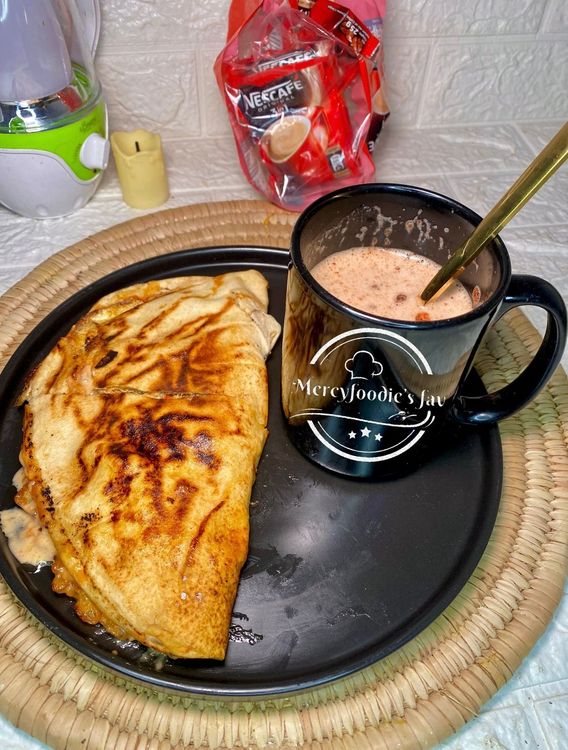
- African
- Pescatarian
- Bread & Baking


- Indian
- Eggetarian
- Breakfast
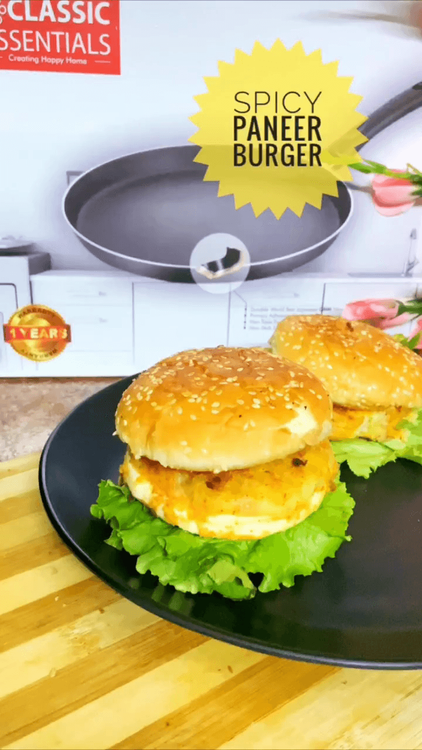
- Indian
- Vegetarian
- Snack

- Fusion
- Eggetarian
- Breakfast

- American
- Vegetarian
- Lunch
Dry Snacks and Bakes That Travel
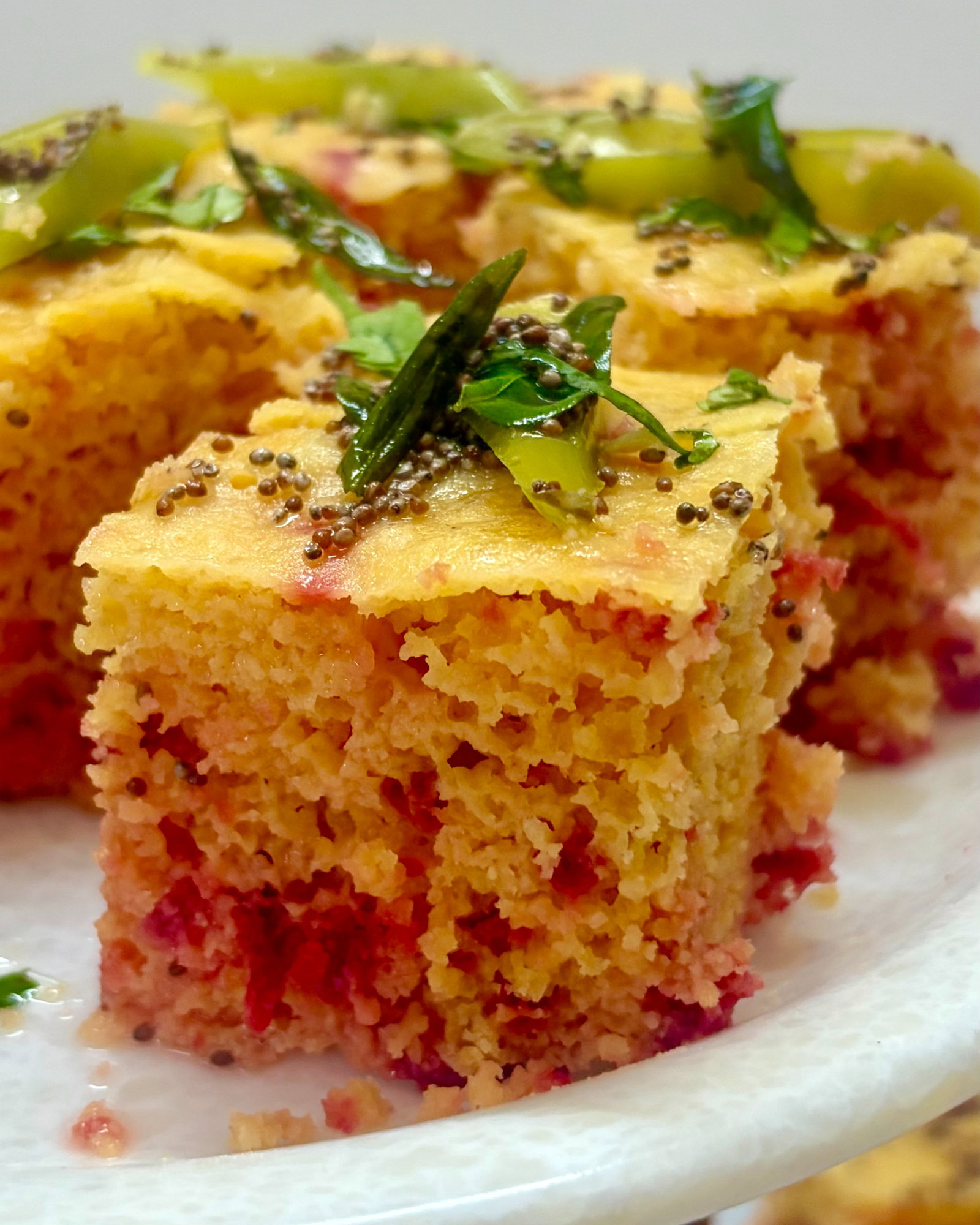
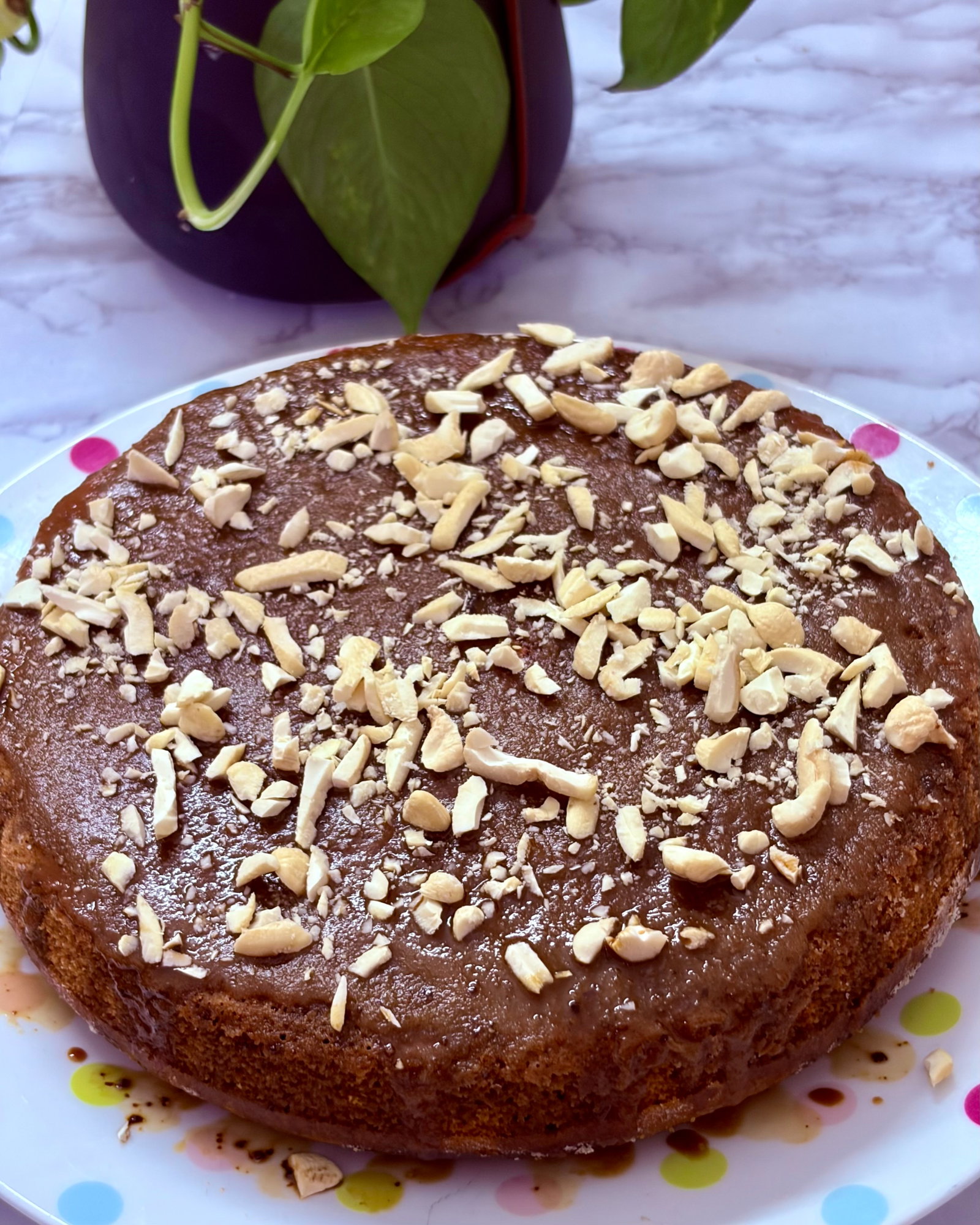
These are the things that need no container of their own — they go in the side compartment, the pocket, the corner. Bakes, bars, bites and dhokla: low free moisture, structurally sound, no leak risk whatsoever. This is where a big batch pays for itself, because most of them keep three to five days in a tin and slot into any box without planning. If you make one category ahead this week, make it this one; it turns a bare dabba into a complete one in about four seconds. They are the cheapest lunch box ideas going, in time as much as money.
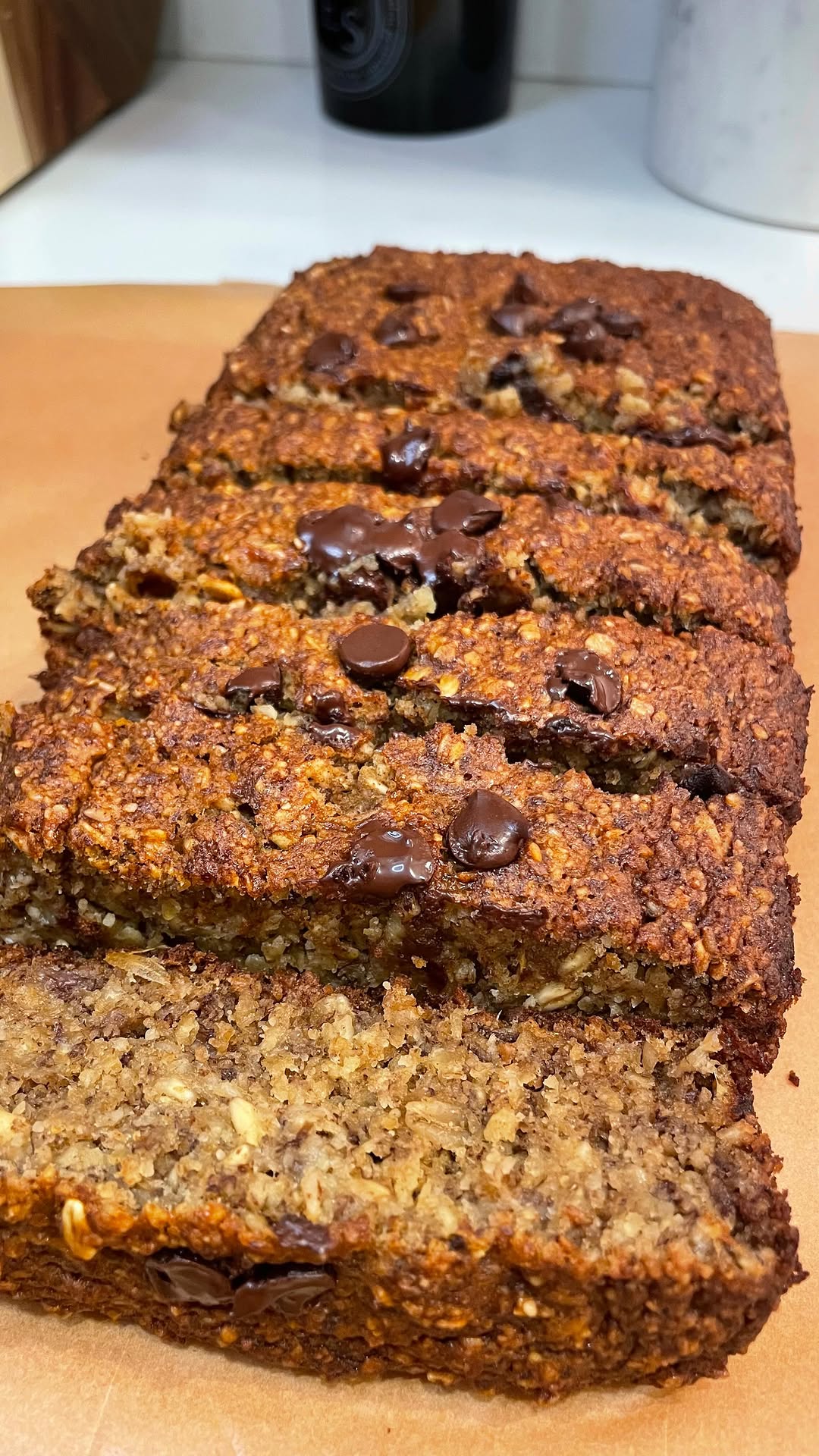
- Gluten-Free
- Bread & Baking

- Vegetarian
- Snack

- Vegetarian
- Snack
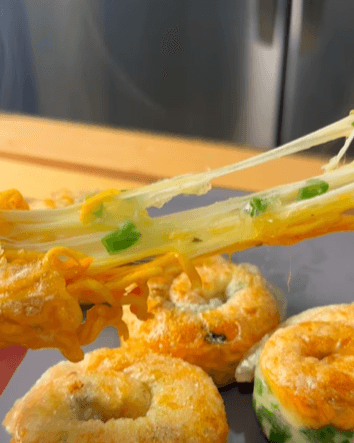

- Japanese
- Eggetarian
- Appetiser
- Vegetarian
- Breakfast
- Gluten-Free
- Main Course
- Peanut-Free
- Dessert


- Vegetarian
- Street Food

- Vegetarian
- Dessert

- Gluten-Free
- Dessert


- Gluten-Free
- Dessert

- Dairy-Free
- Bread & Baking

- Vegetarian
- Snack

- Vegetarian
- Breakfast

- Korean
- Pescatarian
- Snack

- Russian
- Eggetarian
- Breakfast
Make-Ahead Prep: Build Sunday, Pack All Week
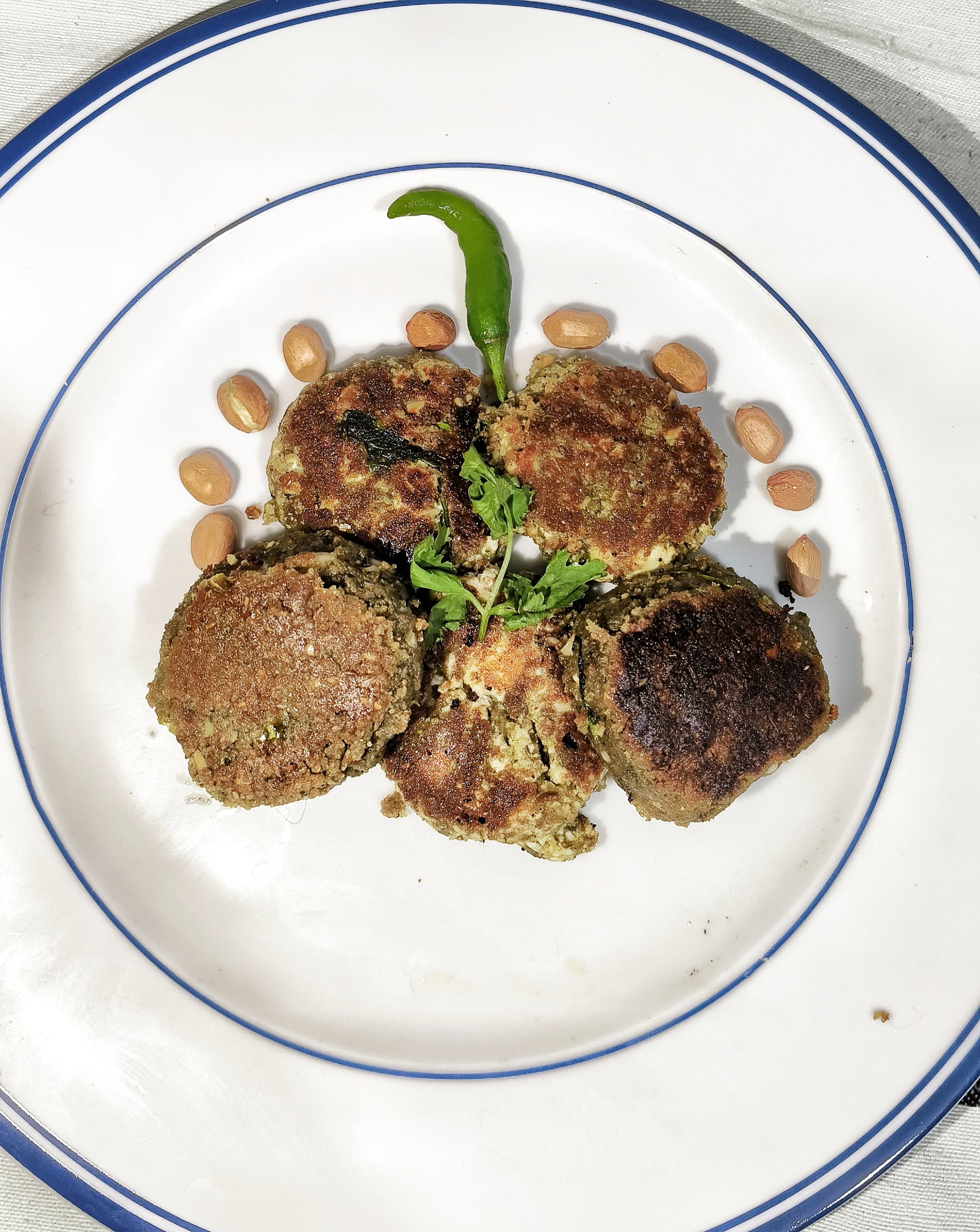
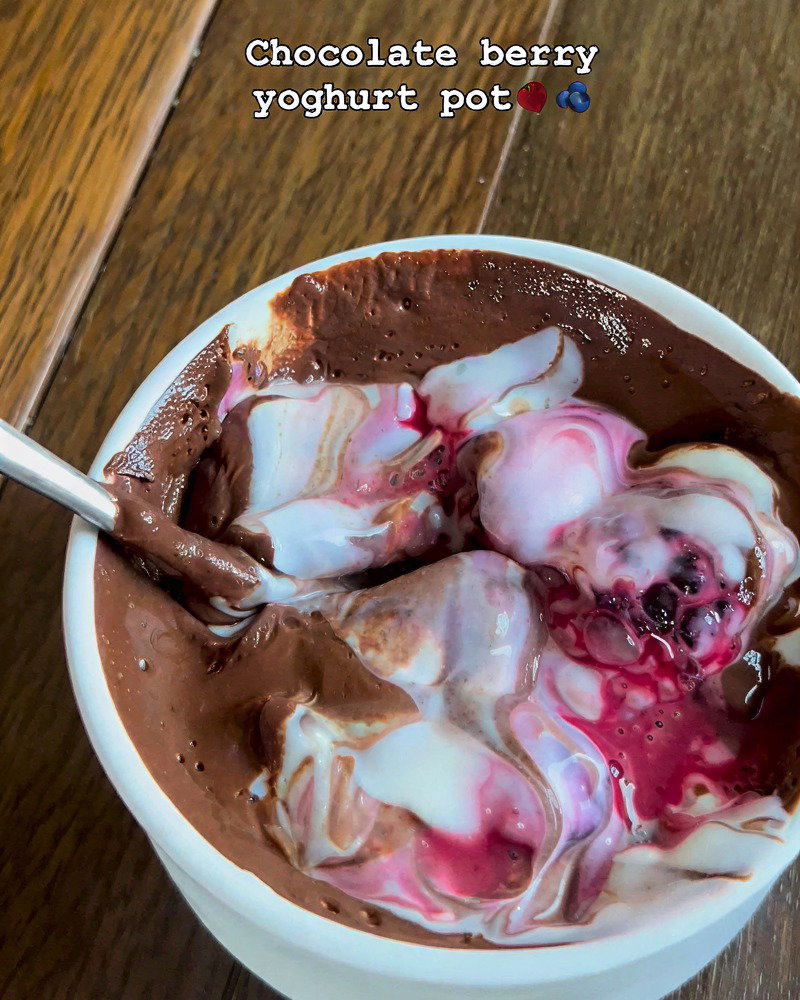
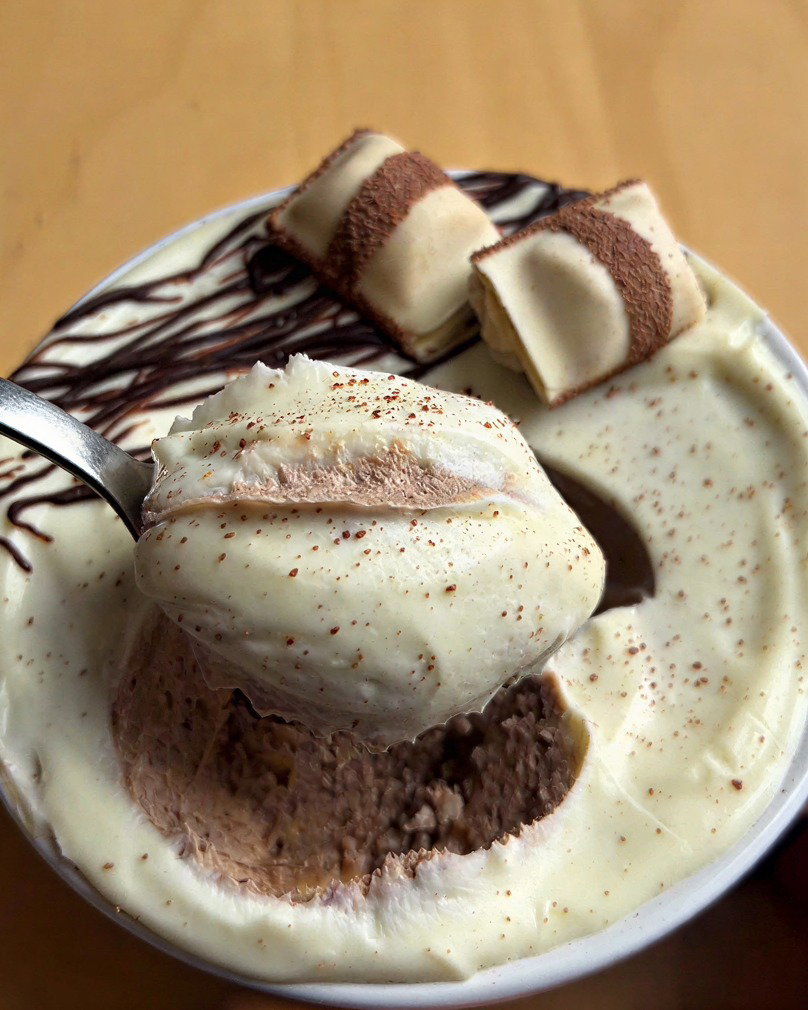
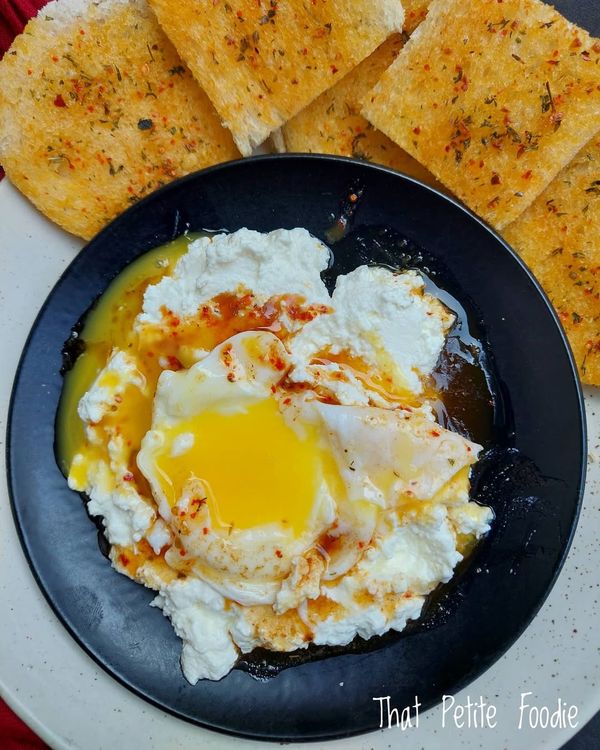
The real trick behind good tiffin recipes is that almost nothing gets cooked on the morning it gets packed. You build components — a dry sabzi, a jar of chutney, labneh, a batch of chia pots — and assemble in ninety seconds while the kettle boils. Dry sabzis actually improve on day two as the masala settles into the vegetable. Puddings and overnight bowls set in the container they travel in, which is the whole point: fewer transfers, fewer lids, fewer chances to spill something into a laptop bag.

- Vegetarian
- Breakfast

- Vegetarian
- Breakfast

- Vegetarian
- Breakfast

- Vegetarian
- Dessert

- Vegetarian
- Appetiser

- Vegetarian
- Appetiser

- Gluten-Free
- Breakfast
- Indian
- Vegetarian
- Main Course

- Vegetarian
- Dinner

- Indian
- Vegetarian
- Side Dish


- Vegetarian
- Breakfast

- Main Course

- Gluten-Free
- Appetiser

- Vegan
- Breakfast

- Eggetarian
- Breakfast
- Vegetarian
- Dessert
- Vegetarian
- Breakfast

- Vegetarian
- Snack

- Vegetarian
- Breakfast

- Vegetarian
- Breakfast
- Turkish
- Nut-Free
- Breakfast

- American
- Eggetarian
- Breakfast
- Indian
- Vegan
- Lunch
Packing a Box That Still Tastes Good at 1pm
The single biggest mistake is packing hot. Steam has nowhere to go inside a sealed container, so it condenses on the lid and rains back down onto your food. That is where the sogginess comes from — not from the recipe, from the physics. Cool everything on a rack until it is barely warm to the back of your hand. It costs eight minutes and it changes the outcome completely.
Second: separate by moisture, not by course. Wet things belong in their own compartment, and if they must share, put fat between them. Butter on bread, cheese under a filling, oil over labneh. This is why the best tiffin recipes are so often built around a dry component plus a chutney in its own tiny pot, rather than one saucy dish sloshing about.
Third: think about the seal, not just the lid. A screw-top jar survives a bag on its side; a snap-lid box usually does not. If you are carrying gravy at all, carry it in the jar and everything else in the box. And pack tight — a full container cannot slosh, while a half-empty one turns your careful arrangement into a shaken salad by the second bus stop.
Finally, taste for cold. Salt, acid and chilli all read weaker at room temperature than they do straight from the pan, so season a touch harder than feels right. A squeeze of lemon added just before the lid goes on will still be doing work six hours later, when everything else has flattened out. Underseasoning is why so many promising lunch box ideas taste like nothing at the desk.
What Travels and What Turns to Mush
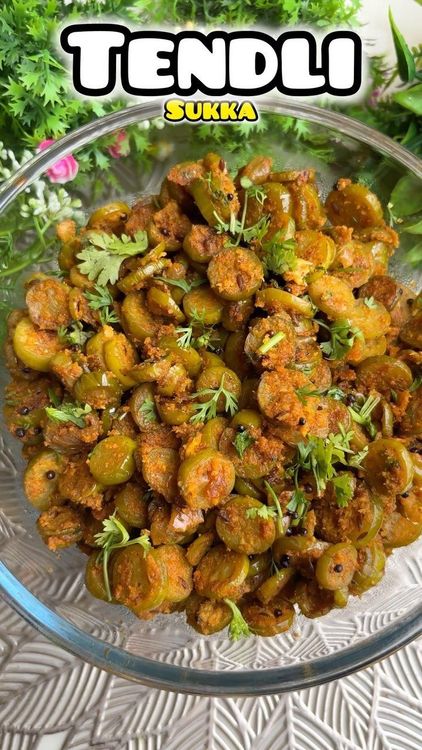
Things that travel: anything dry and spiced, anything set, anything fried hard. Dry sabzis, stuffed parathas, dhokla, bakes, chia pots, bean salads, well-oiled rice. These share a property — low free water. Water is what migrates, and migration is what ruins texture. A tendli sukka or a jeera bhindi is genuinely better on day two because the masala has had time to move into the vegetable rather than out of it. Generations of tiffin recipes were engineered around exactly that property, long before anyone owned a fridge.
Things that do not travel: anything crisp that is thin, anything dressed in advance, anything assembled hot. Papad, crisp dosa, a salad already tossed in vinaigrette, a toasted sandwich packed straight off the pan. Crisp is a temporary state — it is a moisture gradient, and gradients equalise. You cannot pack crunch for six hours; you can only pack the crunchy thing separately and add it at the table. That is not a compromise, it is the actual technique.
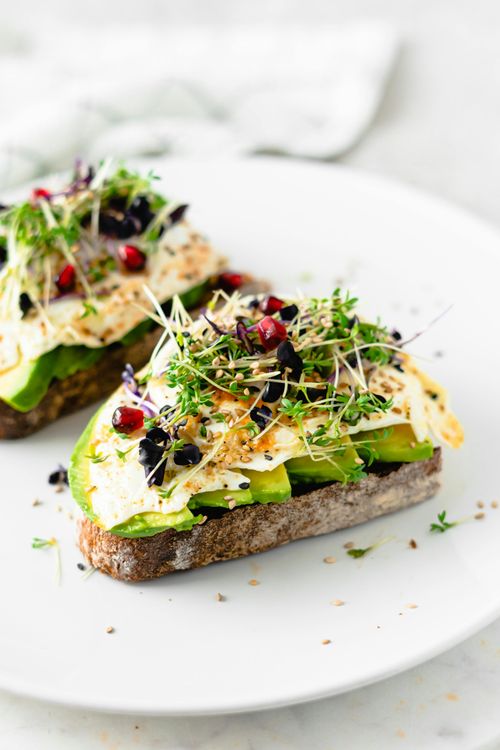
The mush cases are almost all predictable. Long pasta clumps because starch gels as it cools; use short shapes and extra oil. Cucumber and tomato weep because salt draws water out; salt and drain them first or add them raw and undressed. Avocado browns because of oxygen; a hard hit of lemon and a container packed to the brim solves it. Bread goes soft because the filling is wet; the fat barrier is the whole answer.
And when a dish genuinely will not survive, deconstruct it. Most failed lunch box ideas are not bad recipes — they are good recipes packed as a finished plate instead of as parts. Send the components and spend thirty seconds assembling at the other end. Nobody has ever regretted that trade.
Pro Tips From Years of Packing
- Freeze one item — a smoothie, a yoghurt pot, a set dessert — and it works as the cold pack while it thaws. By 1pm it is drinkable and everything around it stayed safe. This single habit removes the need for a separate ice brick entirely.
- Buy containers with compartments before you buy more recipes. Half the problems people blame on the food are actually a single-chamber box forcing a dry sabzi to sit in the same space as a chutney for six hours. Two compartments unlock more lunch box ideas than any cookbook will.
- Wrap rolls and parathas in parchment first, then foil. Parchment absorbs the condensation that foil alone would trap against the surface, and the foil holds the shape. The difference at noon is the difference between pliable and clammy.
- Cook grains one minute short of done for anything that gets packed. Rice, pasta and noodles keep absorbing moisture in a sealed container, so the perfect texture at 7am is guaranteed mush by lunch.
- Keep a jar of one sharp chutney or pickle in the fridge at all times. It rescues any bland box in a single spoonful and turns leftovers into something that reads as deliberate rather than resigned. Most tiffin recipes in my rotation depend on it.
- Cool on a wire rack, never on a plate. A hot base sitting on a flat surface steams its own underside, and that soft grey patch you find at lunch was created in the first four minutes after cooking.
Frequently Asked Questions
Which lunch box recipes hold up best without any reheating?
Dry, spiced dishes and set ones. Stuffed parathas, dry sabzis like tendli sukka or jeera bhindi, tempered rice, bean salads, dhokla, chia pots and bakes all eat properly at room temperature. They have low free moisture, so nothing migrates and nothing turns to paste. Sauce-heavy dishes technically survive but taste flat and greasy cold.
How do I stop roti and paratha from going hard by lunch?
Fat and wrapping. Use a laminated dough with ghee or oil, which keeps the flatbread pliable as it cools. Then wrap while still warm in parchment and foil so the residual steam softens it rather than escaping. Ragi and akki roti stay softer than plain wheat, which is why they suit the dabba so well.
What are good office lunch box options that do not smell?
Grain and bean salads, pesto pasta salad, cold protein bowls and anything built around herbs rather than heavy tempering. Fish, boiled egg and strong asafoetida travel badly in an open-plan room. Dress on the side, keep it cold, and choose acid over chilli oil for punch — lemon reads clean where sesame reads loud. An office lunch box should be forgettable to everyone except you.
Is it safe to leave a packed meal out of the fridge until 1pm?
For six hours in a warm room, be careful with meat, egg and dairy. Cool the food fast before packing, pack it cold, use an insulated bag and add a frozen item alongside. Fully cooked dry dishes, bakes and vegetarian rice are much more forgiving. If a box has sat warm and smells at all sour, do not eat it.
How far ahead can I actually prepare these?
Components go three to five days. Dry sabzis, chutney, labneh, cooked grains, bakes and bars all hold that long refrigerated, and several improve. Assembly is the part you do fresh — the morning job should be moving things into the box, not cooking. Dressings, crisp elements and avocado are the only things worth leaving until the last minute.
What should go in a kids lunch box that comes back empty?
Small, handheld pieces they can eat in ten minutes while talking. Roll-ups, lollipops, bites, small sandwiches cut into quarters, one sweet thing. Avoid anything needing cutlery or a plate. Familiar beats adventurous at school — a child will not experiment in front of friends, so save the new dish for a weekend at home. The best kids lunch box is boring and finished, not clever and returned.
How do I keep salad from going watery in a container?
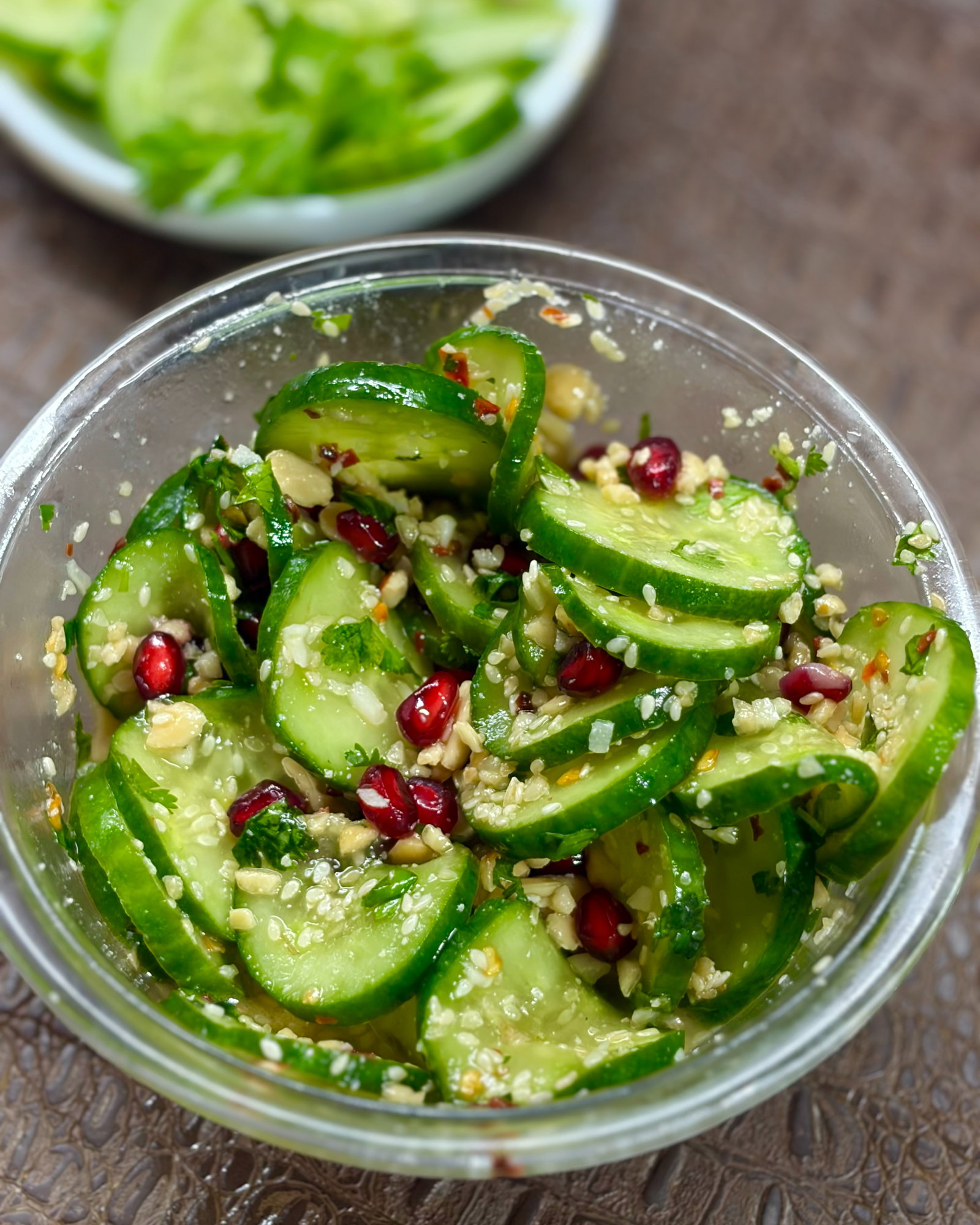
Salt and drain cucumber, tomato and cabbage before they go anywhere near the box, then pat them dry. Keep dressing in a separate pot and toss at the table. Pack tall rather than wide to reduce surface area, and add leaves last, on top, so they are not compressed under the weight of everything else.
The good lunch box recipes are not the fanciest ones — they are the ones built backwards from the moment the lid comes off. Cool before packing, keep wet away from dry, put fat between them, and season for cold. Do that and a dabba stops being a compromise and starts being the meal you were actually looking forward to all morning.
Related
- tiffin
- meal prep
- make ahead
- picnic ready
- no reheat
- packed lunch
Popular Searches
- Best lunch box recipes
- Easy lunch box recipes
- Quick lunch box recipes
- Healthy lunch box recipes
- Simple lunch box recipes
- Homemade lunch box recipes
- Delicious lunch box recipes
- Popular lunch box recipes
- lunch box ideas
- tiffin recipes
- kids lunch box
- office lunch box
Marnirni-apinthi Building, Lot Fourteen,
North Terrace, Adelaide, South Australia, 5000
Australia
