
Top 100 Apple Recipes: Pies, Crisps, Cakes, Sauces and Savory Dishes
Updated June 29, 2026 · Curated by Chefadora
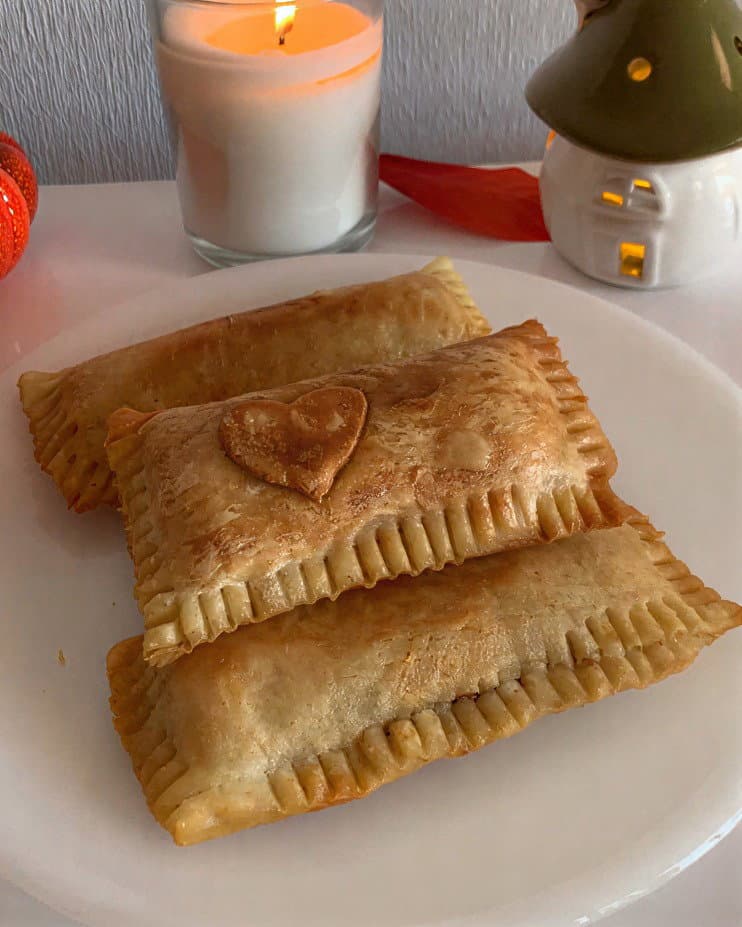
Apple recipes are the backbone of comfort baking and a quiet workhorse on the savory side too: one fruit that swings from a flaky, cinnamon-scented pie to a sharp slaw that cuts through roast pork. The recipes below were chosen to show that full range — bubbling crisps and crumbles, moist spiced cakes and breads, silky sauces and slow apple butter, and the savory dishes where apple earns its keep — rather than ten versions of the same pie.
What makes apples so useful in the kitchen is that they are not one ingredient but many. A tart, firm Granny Smith holds its shape and shrugs off heat in a pie; a sweet, soft McIntosh collapses into glossy applesauce; a crisp Honeycrisp stays snappy raw in a salad. Choosing the right apple for the job is the single decision that most often separates a great apple dish from a disappointing one, and the guides here keep coming back to it.
You will find four clusters here: pies, crisps and crumbles; cakes, muffins and breads; sauces, butters and baked apples; and the savory dishes and salads. The core moves repeat across all of them — peel or not, slice thin or thick, pre-cook or not, and balance the apple's sweetness with acid, spice and a little salt — so once you have the technique down, every apple recipe gets easier, and the same handful of decisions carries you from a holiday pie clear through to a weeknight slaw.
Treat this as a working reference rather than a list to read once. Each recipe links to full ingredients and steps on Chefadora, and the guides below cover the things that actually decide whether your apples turn out properly: which varieties to reach for and why, how to stop a pie filling from going watery or leaving a gap under the crust, how to coax soft fruit into silky sauce and dark spiced butter, and the simple acid trick that keeps cut apples from browning in a salad.
Apple Pies, Crisps & Crumbles
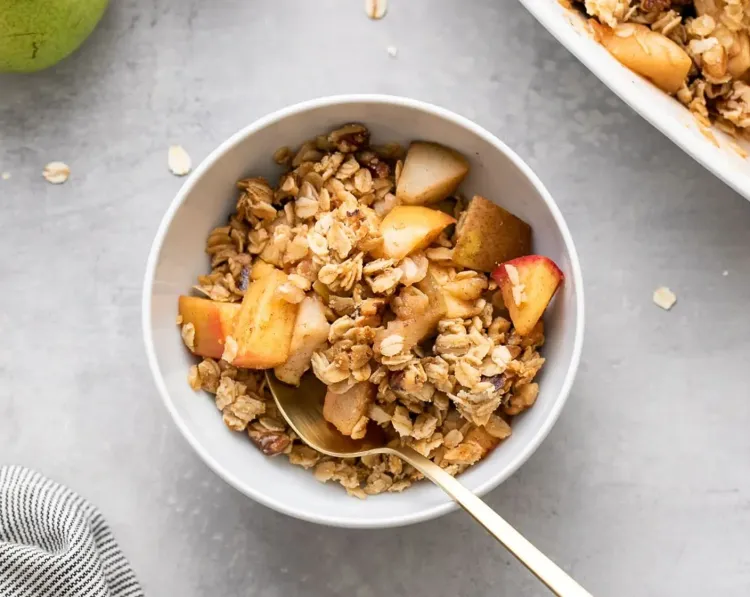
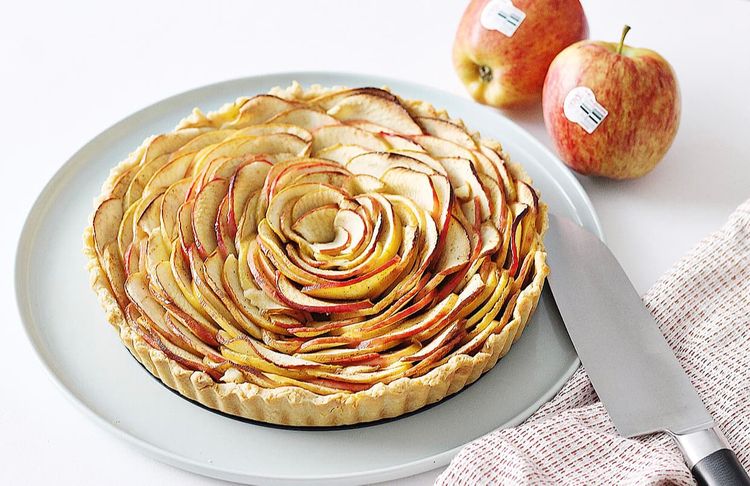
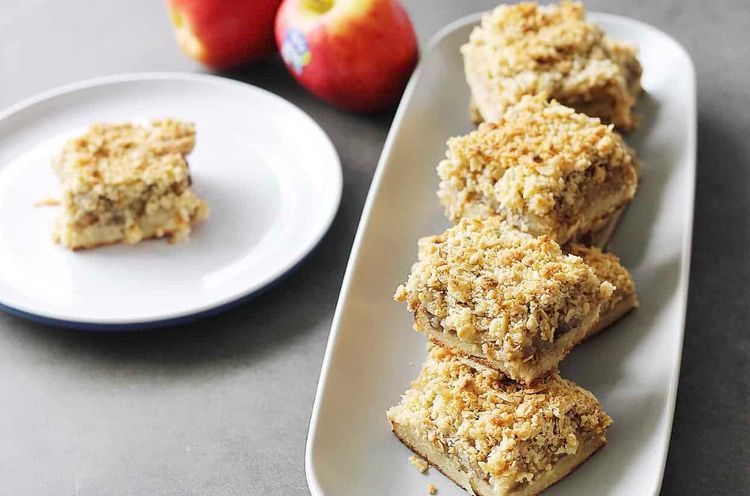
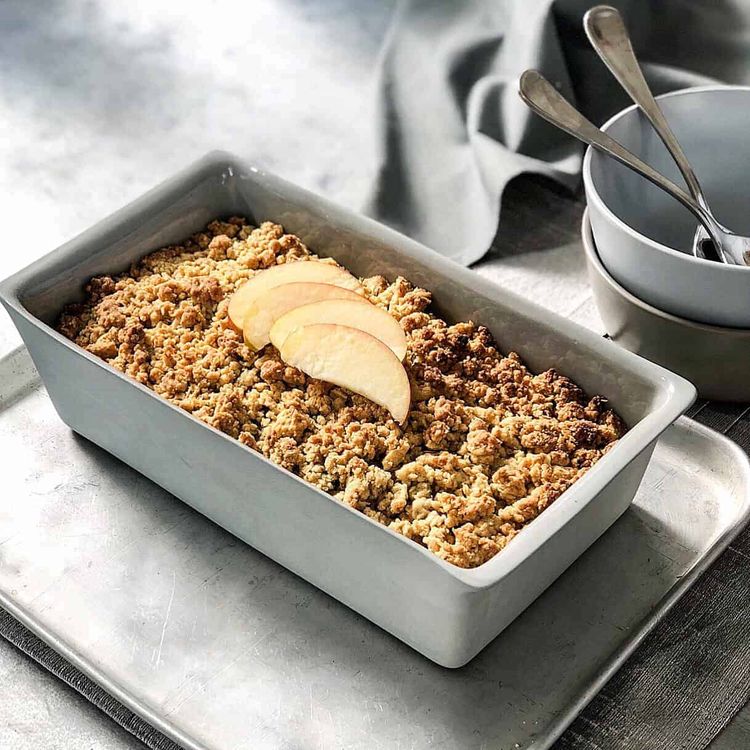
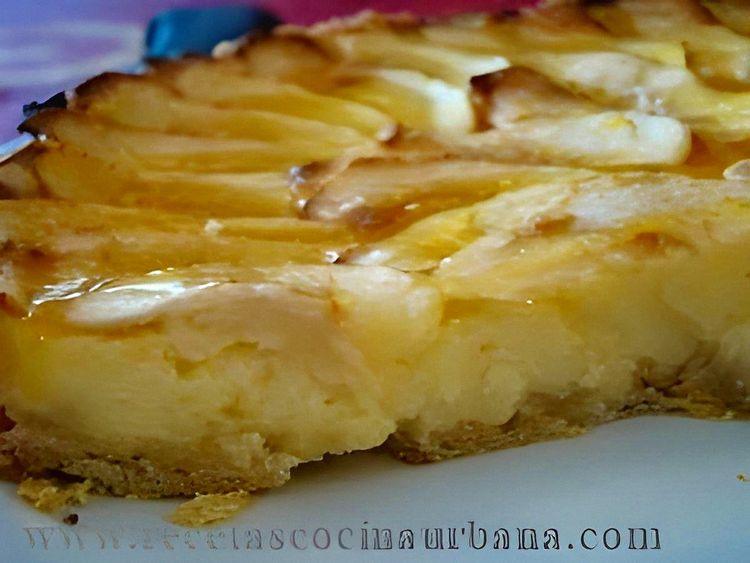
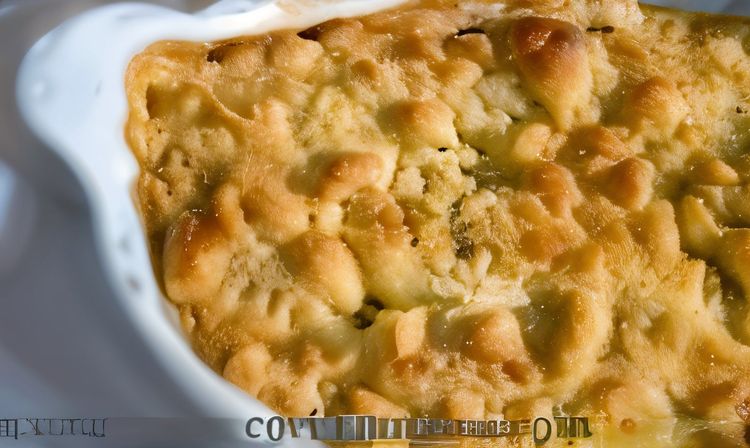
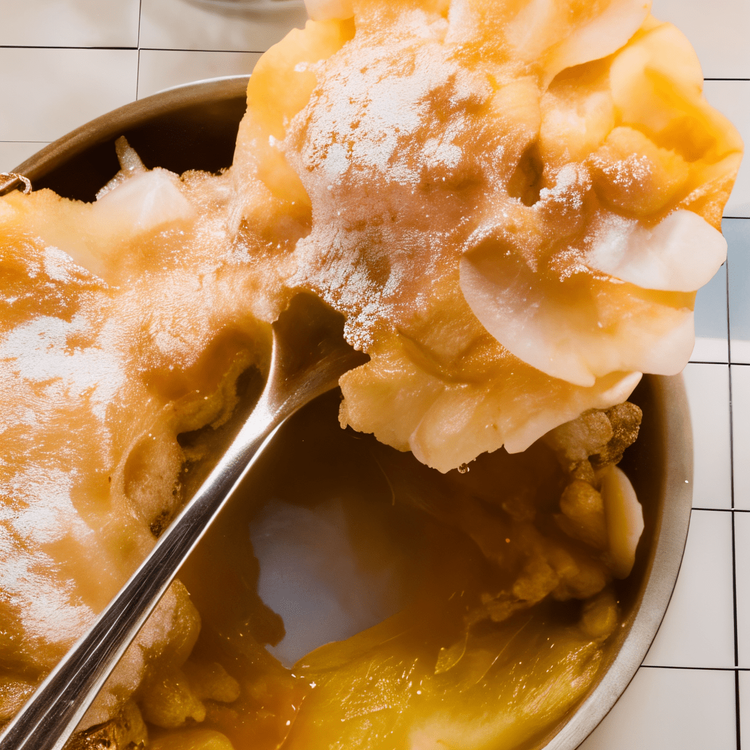
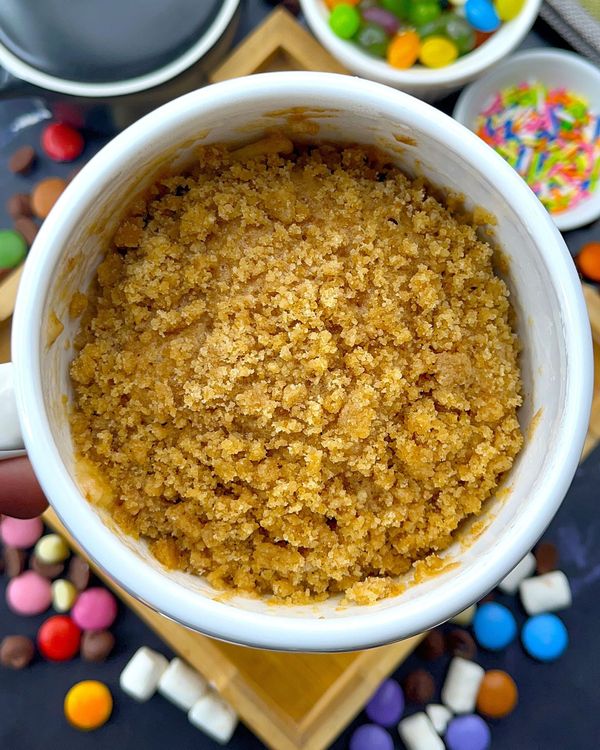
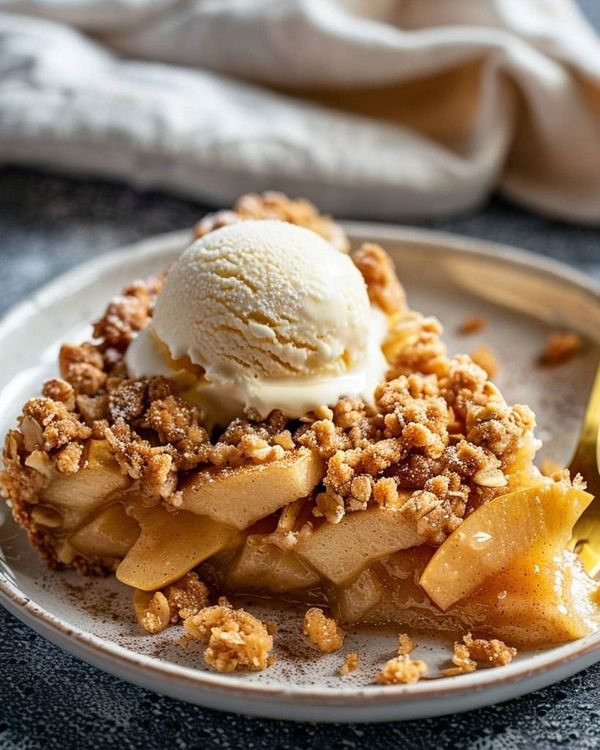
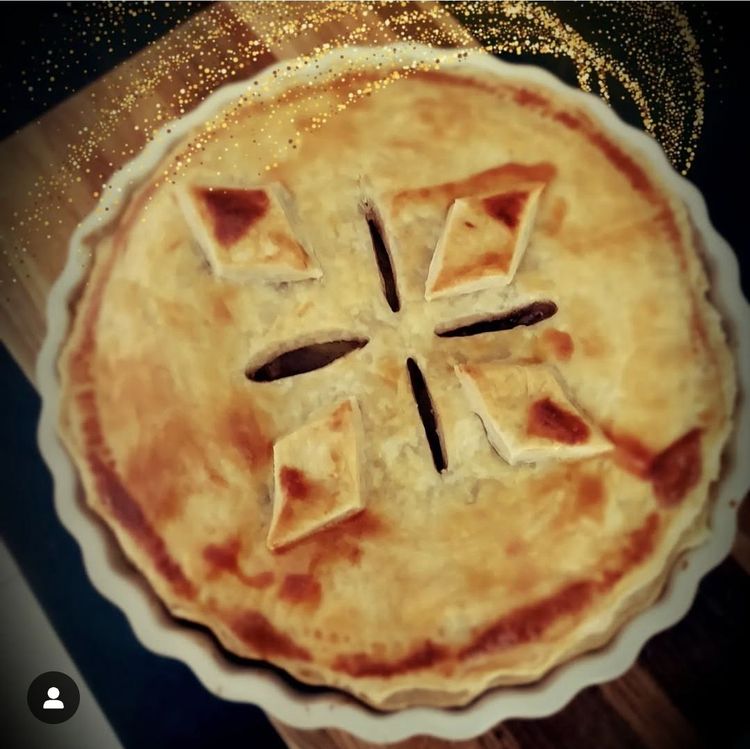
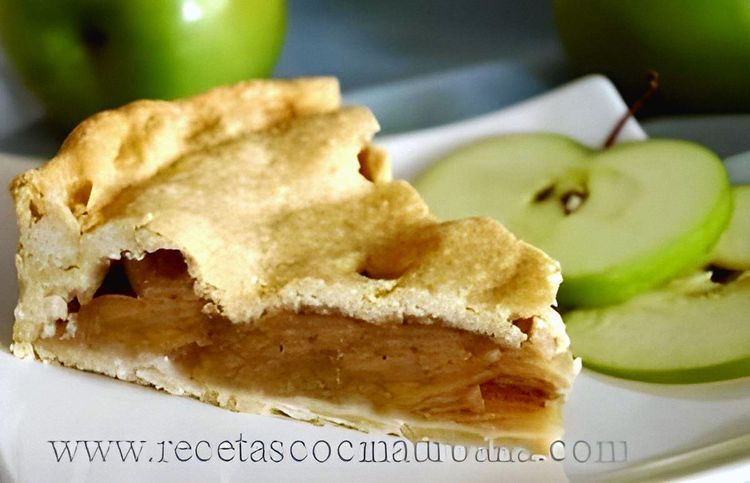
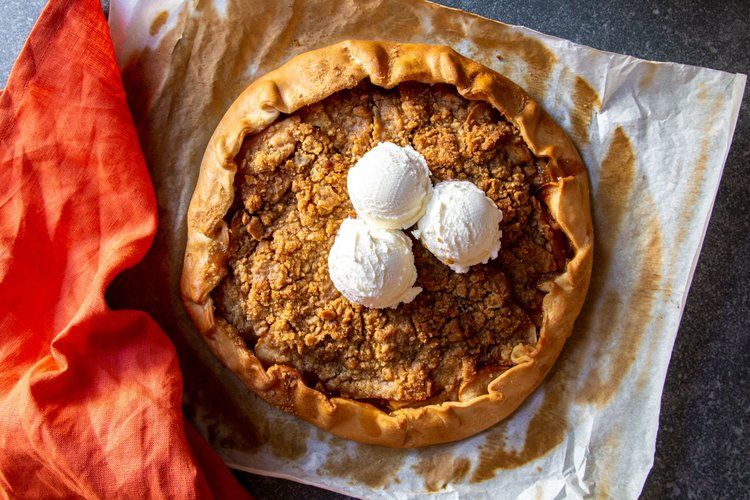
The headline apple desserts all rest on one decision and one technique. The decision is the apple: reach for firm, tart bakers like Granny Smith, Honeycrisp, Braeburn or Bramley that hold their slices instead of slumping into mush, and consider mixing two varieties so you get structure and sweetness at once. The technique is managing the water. Raw apples shed a surprising amount of liquid as they bake, which is exactly why so many pies turn out soupy with a hollow gap between the fruit and the top crust. Beat it by macerating the sliced apples in sugar and draining off the juice, or by briefly pre-cooking the filling so the slices do their shrinking before the pie is even assembled and settle into a tight, level pack. Thicken with cornstarch for a clear glossy set, flour for rustic, or tapioca for the most heat-stable result, then cool the pie or crisp for a couple of hours before slicing so the starch sets and the juices stop running. For crisps and crumbles, lean on a generous, buttery oat topping and a hot oven for that crunchy golden lid. Standouts here include Gluten Free McDonald’s Inspired Apple Pie and Peanut Butter Apple Crumble, plus Apple and Pear Crisp.


- Vegetarian
- Dessert


- Vegetarian
- Dessert
- American
- Vegan
- Dessert

- American
- Vegetarian
- Dessert
- Western
- Vegetarian
- Dessert

- Vegetarian
- Breakfast

- American
- Vegetarian
- Dessert
- Western
- Eggetarian
- Snack
- Western
- Vegetarian
- Dessert
- International
- Eggetarian
- Snack
- European
- Eggetarian
- Dessert
- English
- Vegetarian
- Dessert
- American
- Vegetarian
- Dessert

- Vegan
- Dessert

- American
- Vegetarian
- Snack

- British
- Vegetarian
- Dessert


- Eggetarian
- Dessert

- Eggetarian
- Dessert
- American
- Vegetarian
- Dessert
- American
- Eggetarian
- Snack

- Eggetarian
- Dessert
- French
- Eggetarian
- Snack
- American
- Vegetarian
- Snack
- American
- Eggetarian
- Dessert
- American
- Eggetarian
- Dessert
- Fusion
- Vegetarian
- Snack

- French
- Vegetarian
- Dessert
Apple Cakes, Muffins & Breads
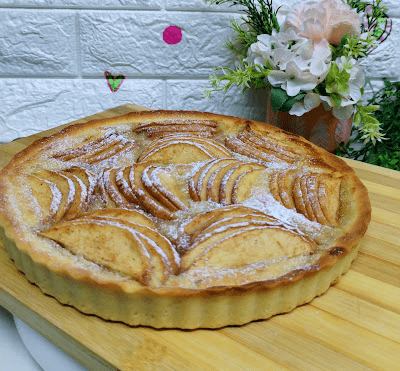
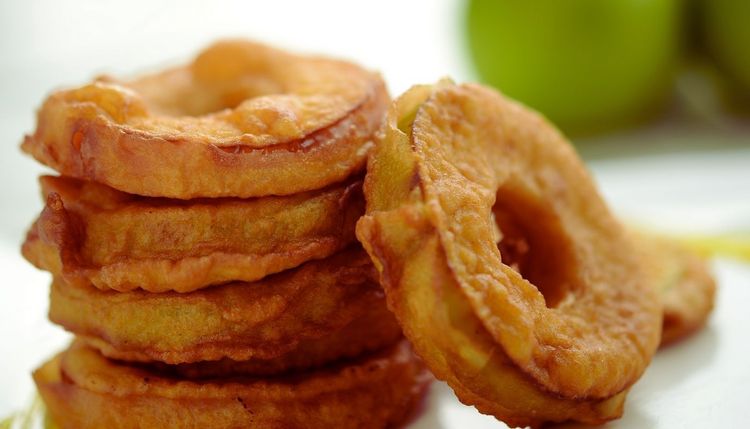
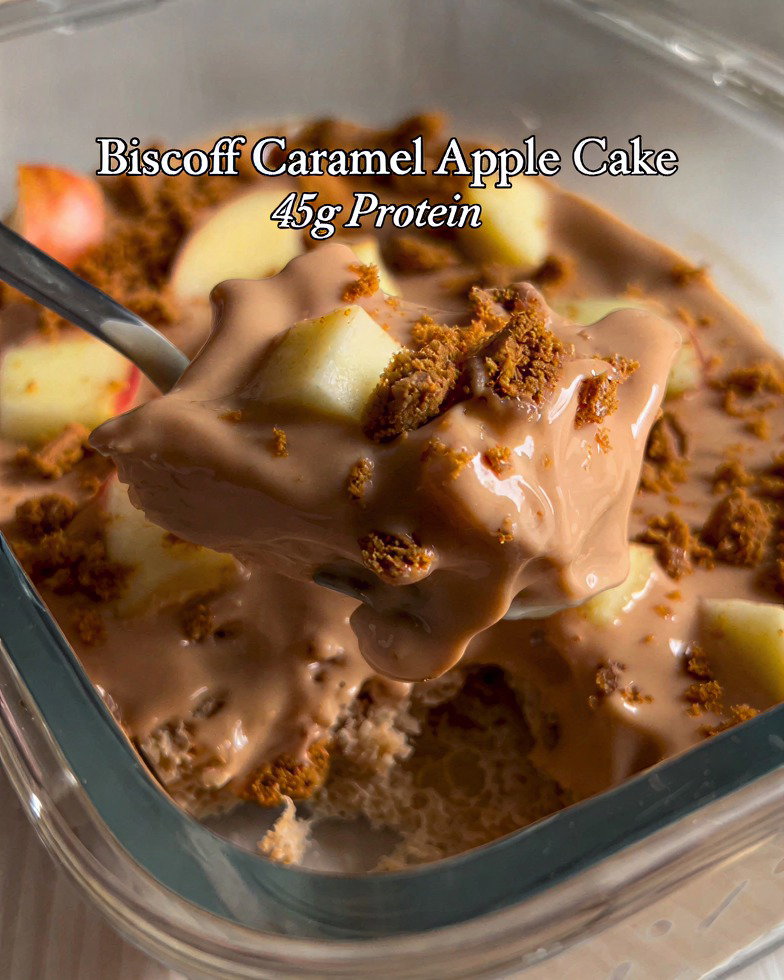
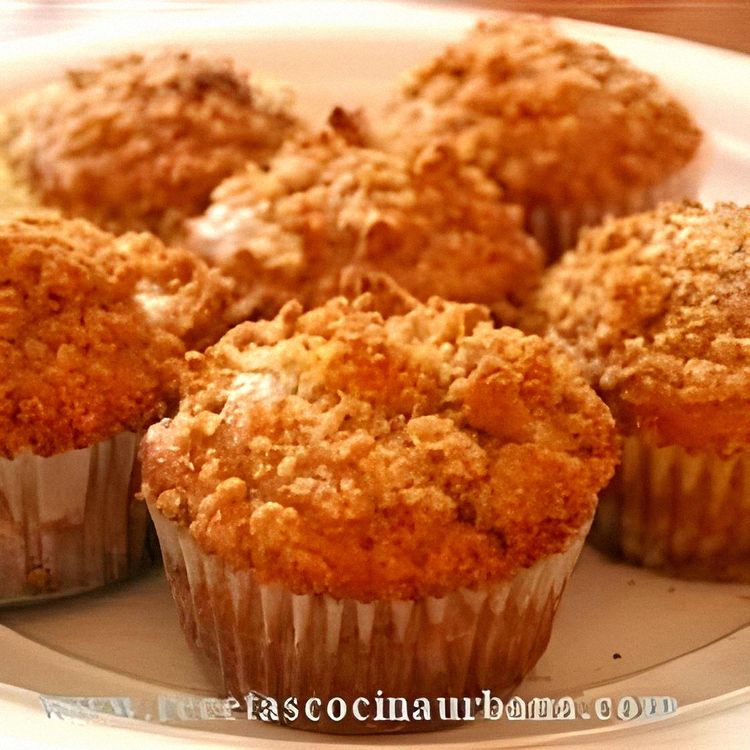
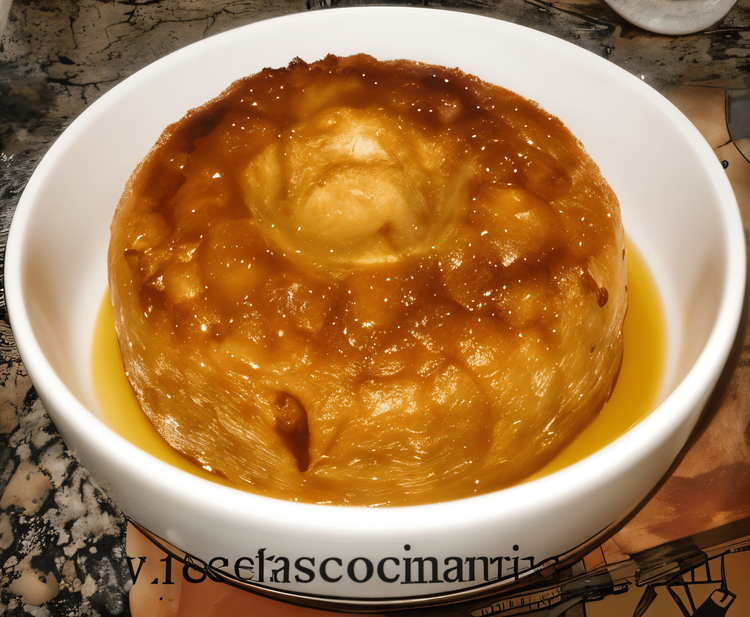
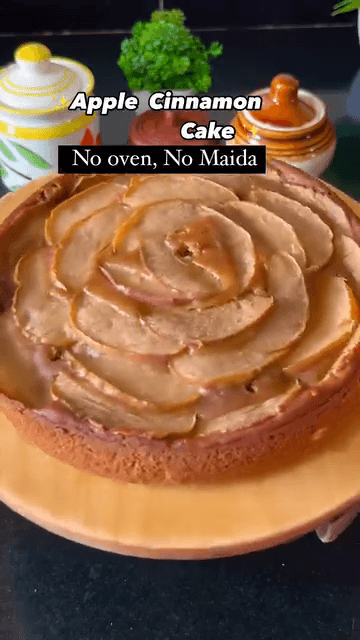
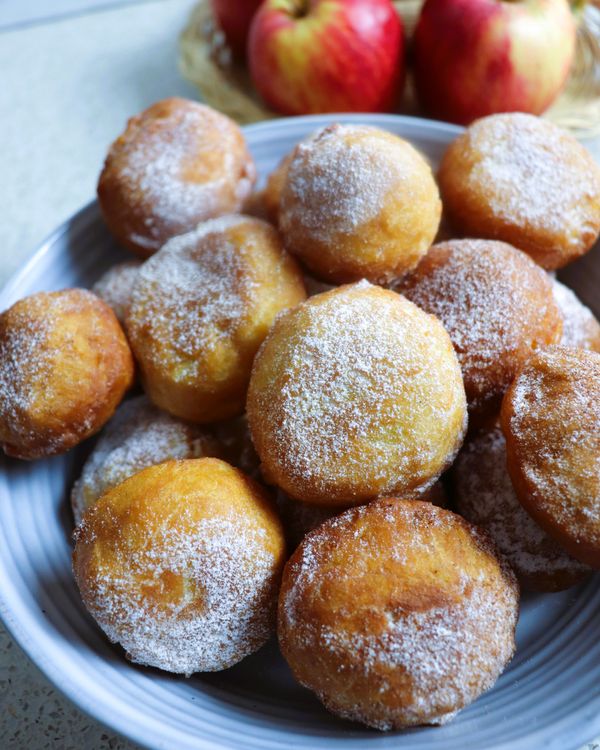
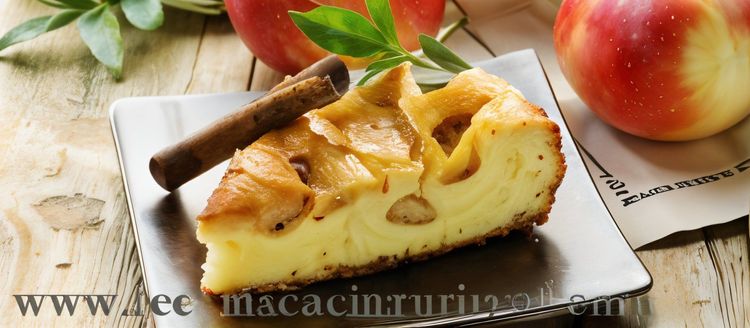
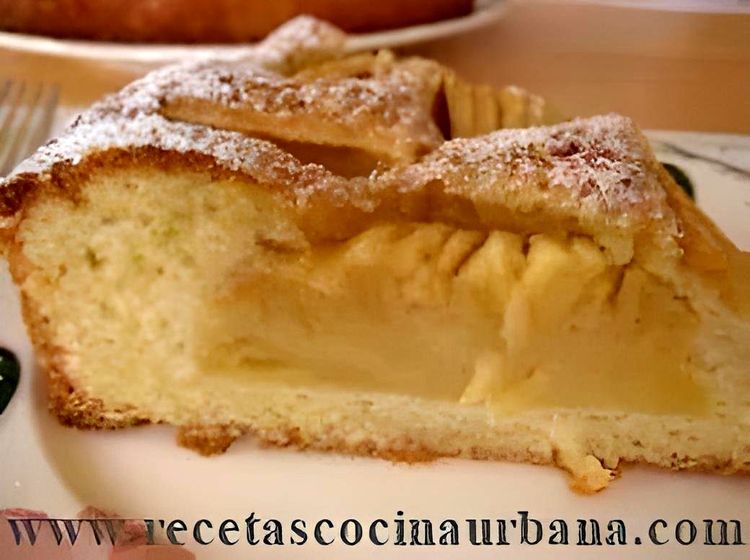
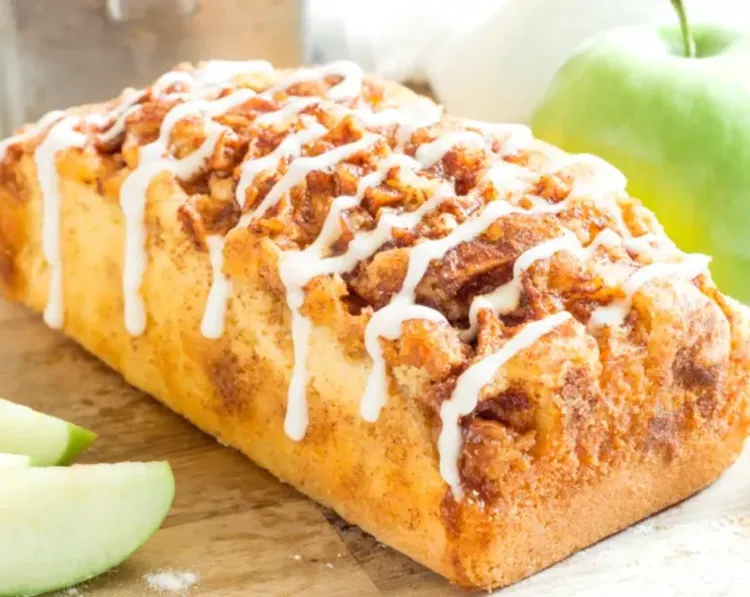
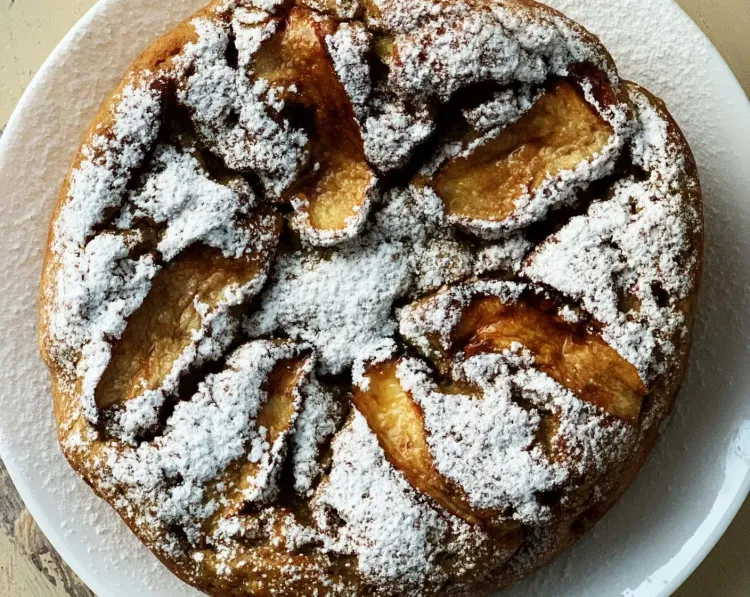
Apples bring something to a batter that few other fruits can: moisture, a gentle sweetness, and a tender crumb that stays soft for days. Grated apple practically melts into a cake and keeps it damp; diced apple gives little pockets of soft fruit; and thin slices fanned on top caramelize into a glossy, almost custardy layer. Because the fruit adds so much moisture, the main thing to watch is balance — do not slacken the batter with too much extra liquid, and resist over-mixing once the flour goes in, which builds gluten and turns a tender cake tough and rubbery. Cinnamon is the obvious partner, but nutmeg, cardamom, ginger and a little brown sugar add warmth and depth, and a pinch of salt plus a squeeze of lemon keeps the sweetness from going flat. For muffins and quick breads, fold the wet and dry together with a light hand just until no streaks remain, and check for doneness with a skewer, since the apples can make the center read underbaked even when the edges are set. These are the bakes that fill a kitchen with the smell of fall. Standouts here include Easy Protein Apple Cake and C02 : Apple Fritters, plus Apple Cinnamon Protein Breakfast Cake.

- Snack
- American
- Vegan
- Snack
- Breakfast

- Breakfast
- American
- Eggetarian
- Breakfast

- Traditional
- Eggetarian
- Snack
- Argentine
- Eggetarian
- Dessert

- International
- Eggetarian
- Snack
- Indian
- Vegetarian
- Dessert


- American
- Eggetarian
- Breakfast

- Non-Vegetarian
- Dinner

- American
- Eggetarian
- Breakfast
- Ukrainian
- Eggetarian
- Snack

- International
- Eggetarian
- Snack
- International
- Eggetarian
- Snack
- Swiss
- Eggetarian
- Dessert
- American
- Eggetarian
- Snack
- American
- Eggetarian
- Snack
Applesauce, Apple Butter & Baked Apples
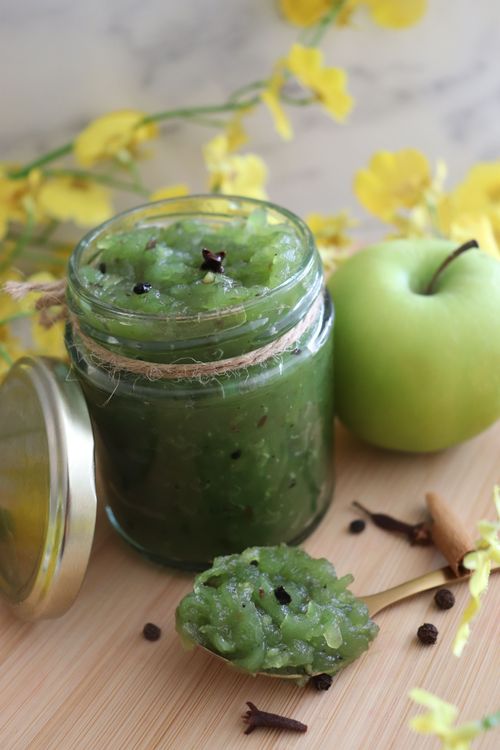
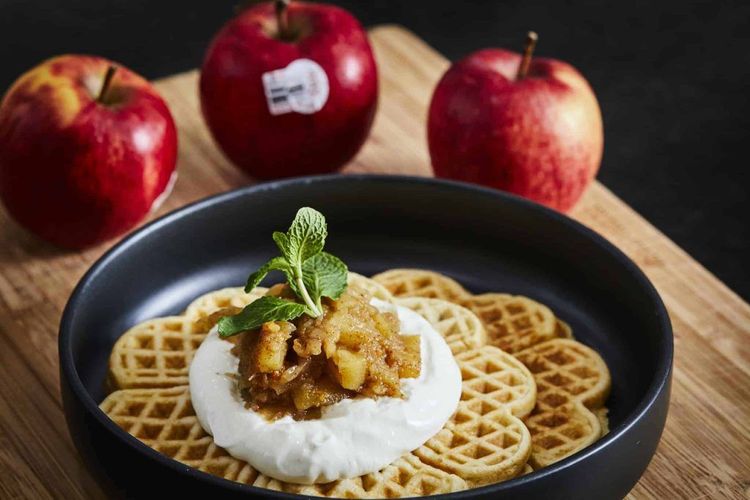
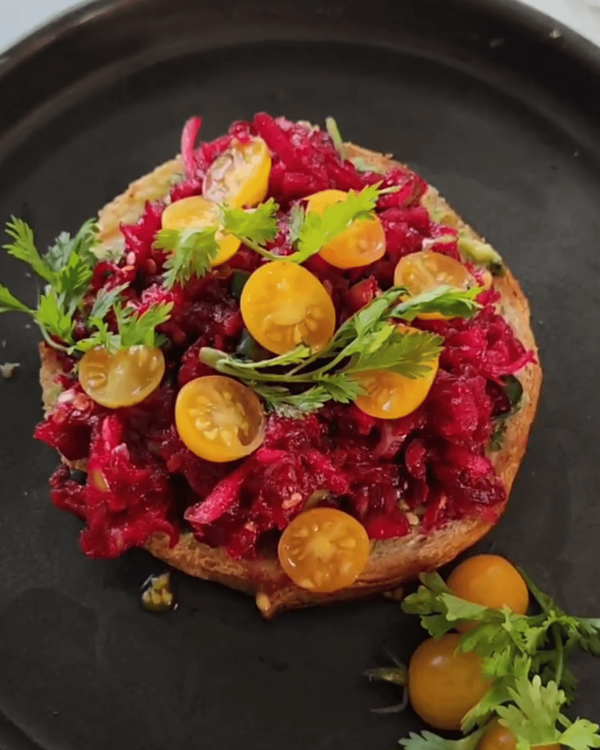
This is the slow, comforting end of the apple spectrum, where heat and patience do almost all the work. Applesauce is the gateway: peel, core and chop soft, sweet apples like McIntosh or Cortland, simmer with a splash of water and maybe a cinnamon stick until they collapse, then mash for chunky or blend for smooth. Taste before you add any sugar, because a ripe apple often needs none, and a squeeze of lemon keeps it bright. Push that same purée much further — hours on low heat or in a slow cooker, stirred often so the bottom never scorches — and the water drives off while the sugars caramelize into thick, dark, mahogany apple butter that mounds on a spoon. Baked apples are the whole-fruit version: core a firm variety without cutting all the way through, score the skin so it does not split, stuff the cavity with butter, brown sugar, cinnamon, oats and nuts or raisins, and bake until tender, basting with the syrup that pools below. Across all three, gentle heat and a little acid and salt are what turn plain fruit into something deeply comforting. Standouts here include Green Apple Chutney - Sweet & Tangy! and Healthy ABC Jam: Apple, Beet, Carrot Goodness (No Refined Sugar!), plus Spelt Waffles with Spiced Apple Compote.
- Indian
- Vegan
- Sauce & Condiment

- Global
- Vegan
- Breakfast
- Western
- Eggetarian
- Breakfast
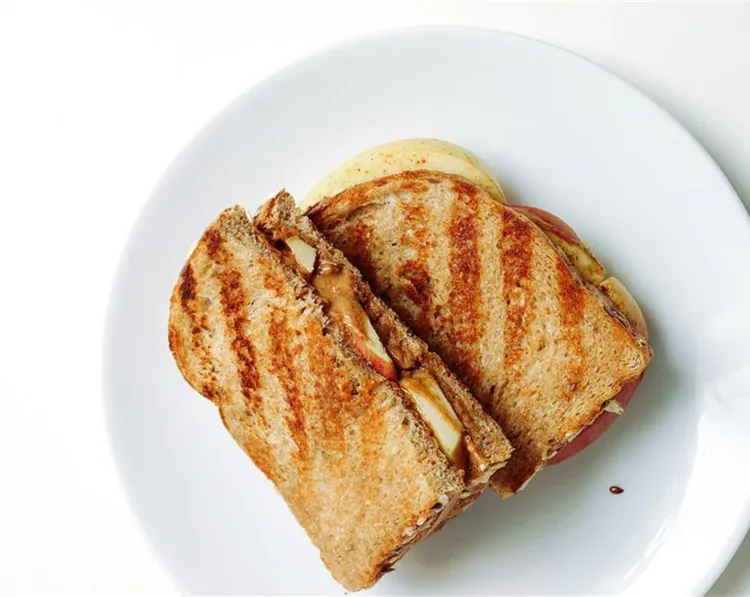
- American
- Vegan
- Breakfast
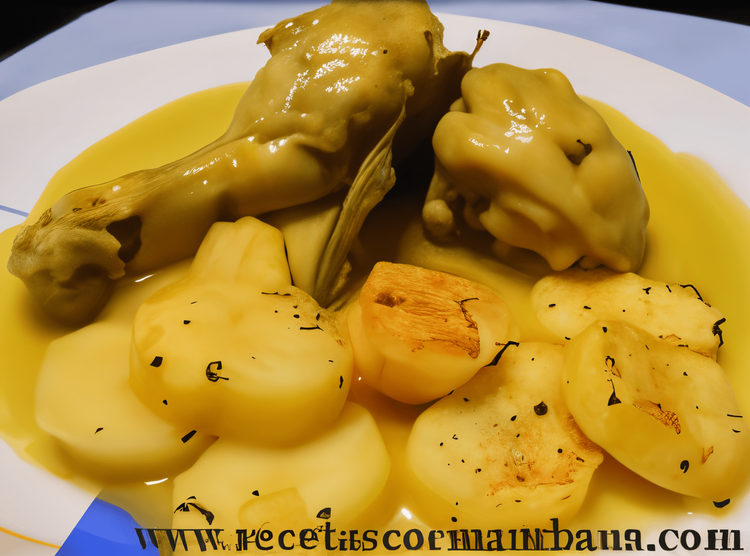
- International
- Non-Vegetarian
- Dinner


- American
- Vegan
- Beverage

- International
- Vegan
- Sauce & Condiment
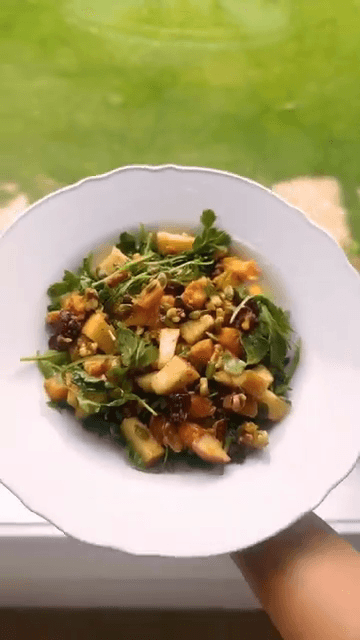

- American
- Vegan
- Salad
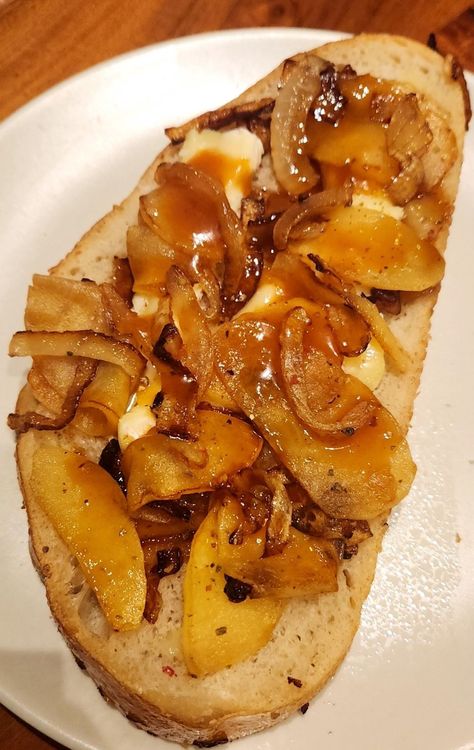

- American
- Vegetarian
- Breakfast
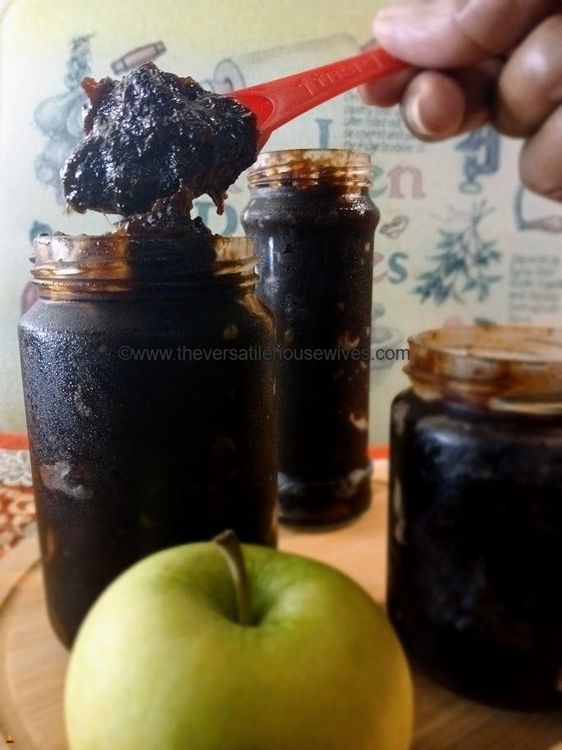
- Indian
- Vegan
- Sauce & Condiment
Savory Apple Dishes & Salads
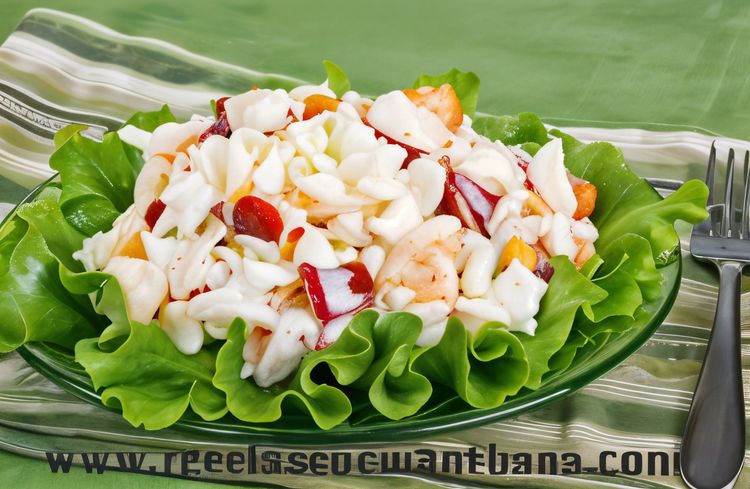
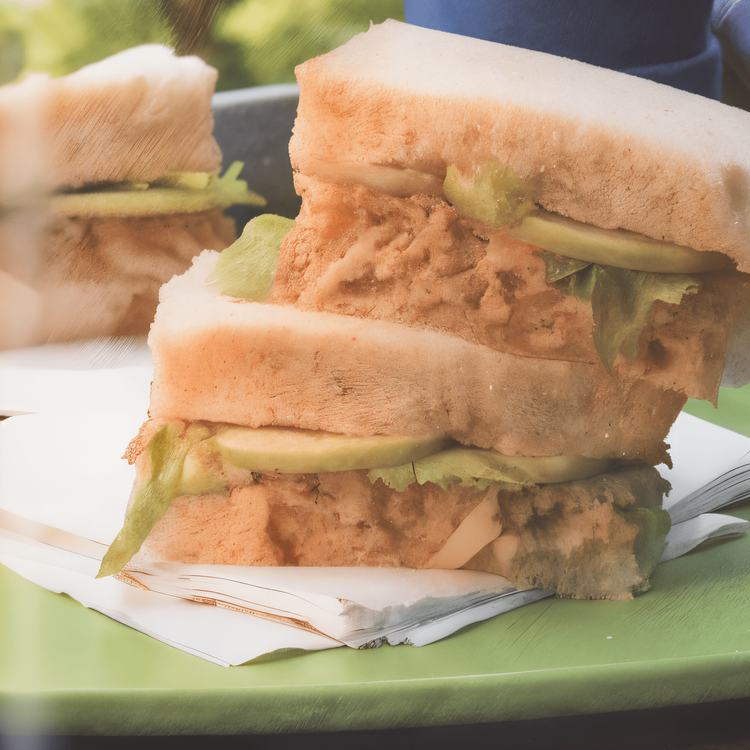
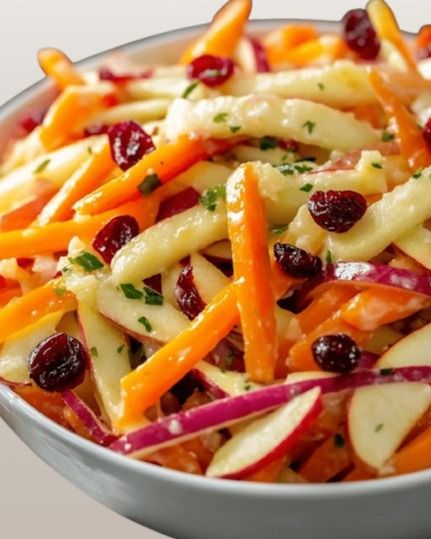
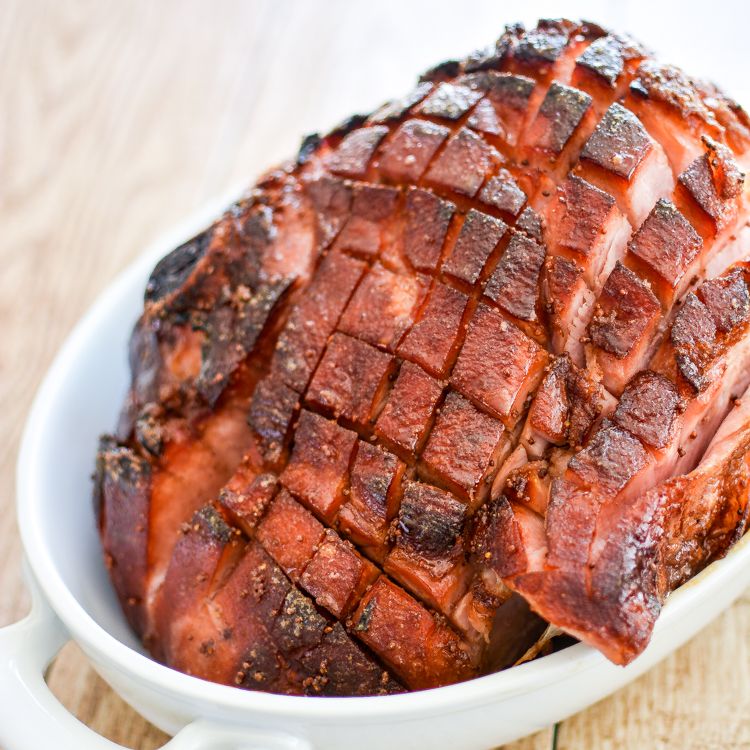
Apple is too often boxed into dessert, and this cluster is the argument against that. Its sweet-tart snap is a classic foil for rich, fatty foods, which is why it has paired with pork for centuries — sliced into a pan sauce, cooked down into a glaze, or roasted alongside a loin or chops where its acidity cuts the fat. Raw, a crisp firm variety like Honeycrisp, Pink Lady or Fuji adds crunch and brightness to a slaw or salad; matchstick it with cabbage and a sharp mustard-vinegar dressing, or toss it with bitter greens, toasted nuts and a salty cheese. The key with raw apple is to slice it last and dress it immediately so it does not brown, letting the acid in the dressing do double duty. In cooked savory dishes, lean on tart apples that hold up to heat, and balance their sweetness deliberately with vinegar, mustard, salt or a smoky element so the dish reads savory rather than candied. Stuffings, grain salads, sausage-and-apple skillets and apple-and-cheddar sandwiches all live here, proof that the fruit belongs at the center of the plate, not just the end of the meal. Standouts here include Pork Sausage and Apple Stuffing and Orange–Beetroot–Carrot–Apple High-Protein Salad, plus Turkey Cheddar & Apple Melt.
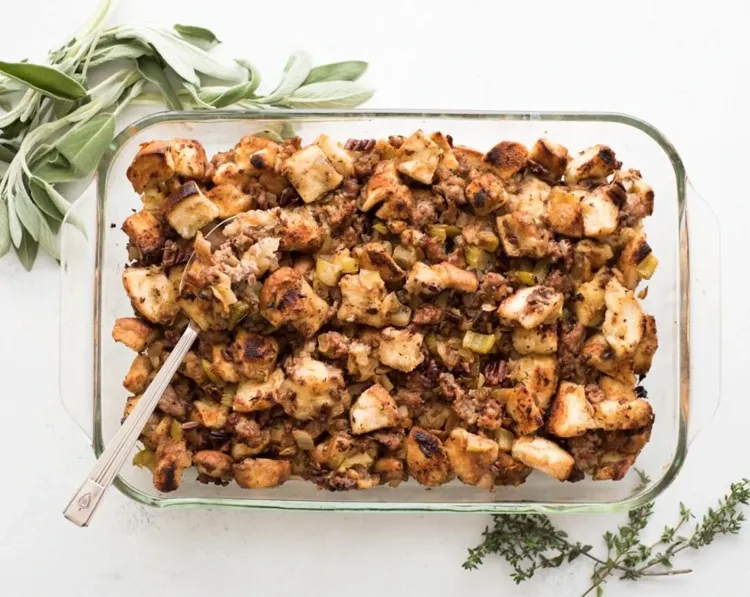
- American
- Non-Vegetarian
- Dinner

- Indian
- Vegetarian
- Lunch
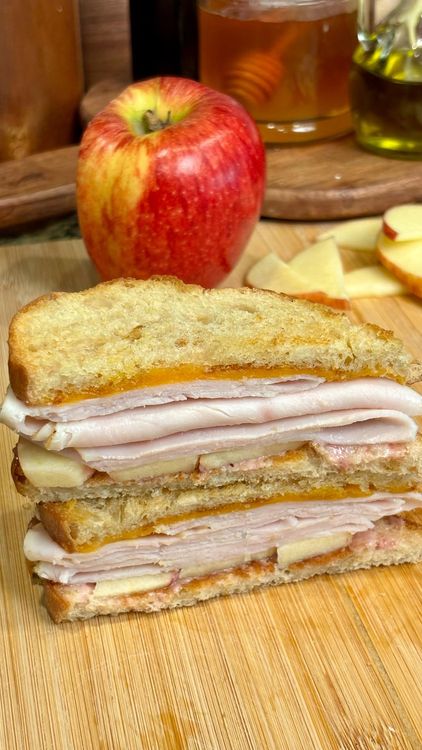
- American
- Non-Vegetarian
- Lunch
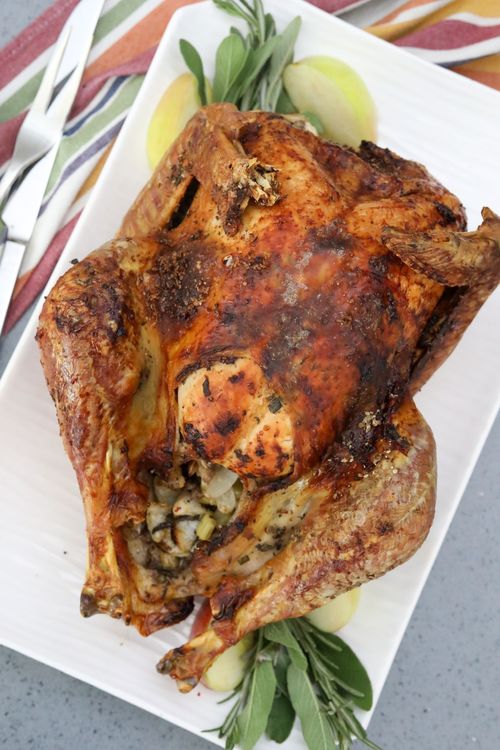
- American
- Non-Vegetarian
- Dinner
- International
- Non-Vegetarian
- Salad
- International
- Pescatarian
- Lunch


- American
- Non-Vegetarian
- Dinner
- International
- Vegetarian
- Snack
- American
- Non-Vegetarian
- Dinner
More Apple Favourites
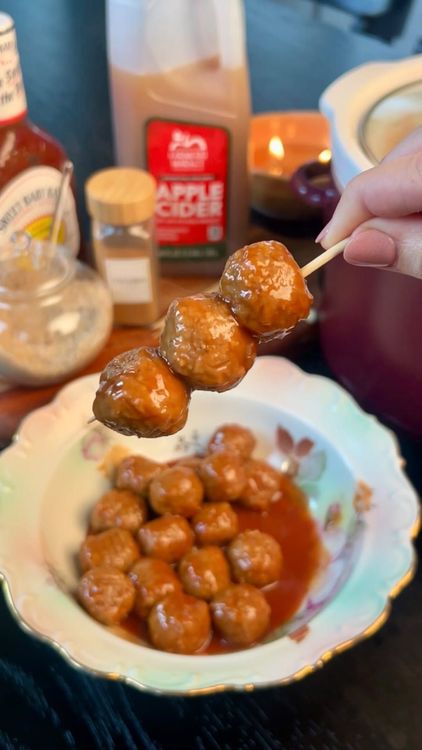
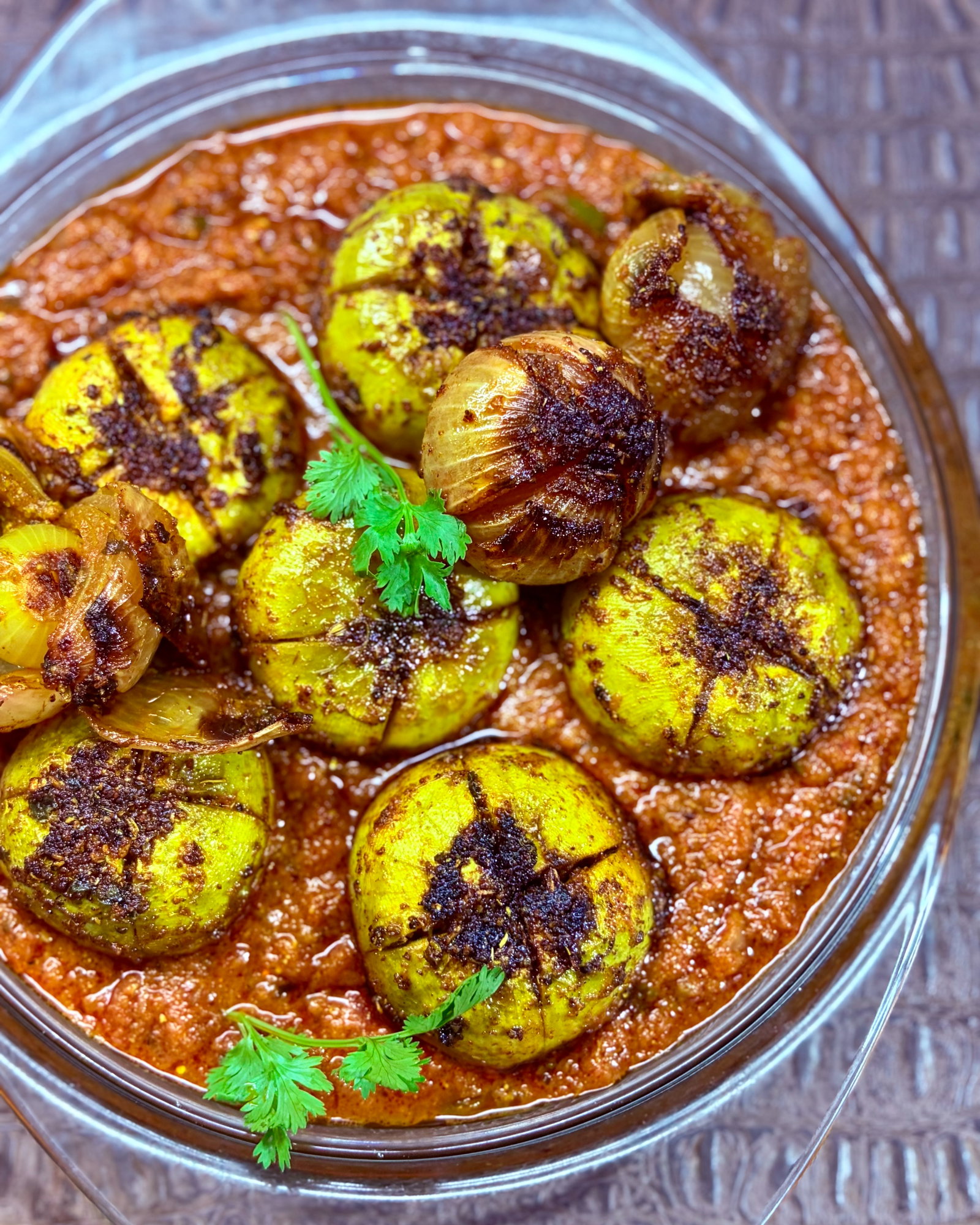
A handful of apple dishes never quite fit a single category, and these are the ones worth keeping in your back pocket once the classic pie and crisp feel routine. They lean on the same fundamentals you already know — choose the right variety for the job, manage the fruit's water and sweetness, and balance it with acid, spice and a little salt — but steer the apple toward different textures and formats, from caramel-dipped and poached to fritters, turnovers, dumplings and drinks like cider and mulled apple. Picking your next one is mostly about matching effort to mood: reach for a quick fritter, a simple compote or a fresh apple salad on a busy evening when you want results in minutes, and save the laminated turnovers, slow-cooked butters and whole baked apples for a weekend when you can let things take their time. Pay attention to the variety even here, since a tart, firm apple that shines in a pie may be wrong for a raw garnish or a sauce. Think of this group as the natural next step after the staples, the recipes that quietly earn a regular spot in your rotation once you have tried them. Standouts here include Apple & Blue Cheese Croquettes and Apple and Blackberry Crumpet Bake, plus Apple Cider BBQ Meatballs.

- Nut-Free
- Snack

- Eggetarian
- Breakfast
- American
- Non-Vegetarian
- Appetiser
- Vegetarian
- Main Course

- International
- Eggetarian
- Snack
- International
- Eggetarian
- Dessert

- Healthy
- Vegetarian
- Breakfast


- Indian
- Vegetarian
- Beverage


- Vegetarian
- Dessert
- American
- Vegan
- Snack

- Vegan
- Snack


- Indian
- Vegetarian
- Beverage

- Eggetarian
- Snack

- Eggetarian
- Breakfast

- English
- Vegan
- Breakfast
- American
- Non-Vegetarian
- Dinner
- American
- Vegan
- Breakfast

- Fusion
- Vegetarian
- Snack
- Peruvian
- Eggetarian
- Dessert

- Latin American
- Eggetarian
- Snack

- Indian
- Vegan
- Lunch
- Fusion
- Eggetarian
- Breakfast
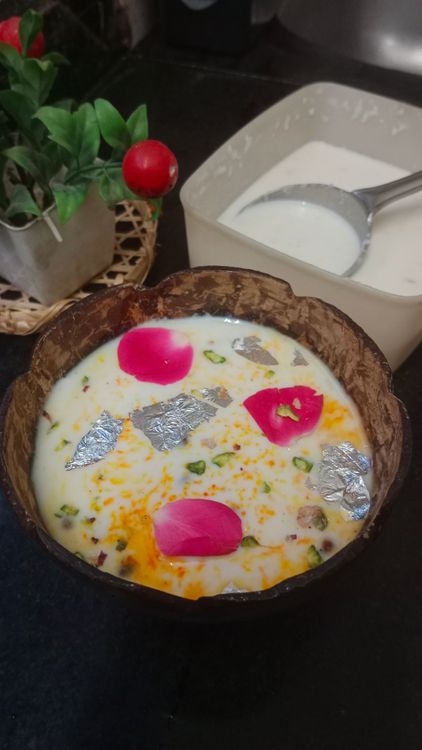
- Indian
- Vegetarian
- Dessert

- Fusion
- Vegetarian
- Dessert
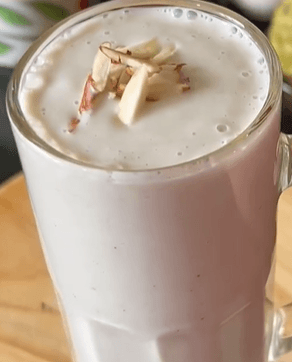
- Indian
- Vegan
- Snack
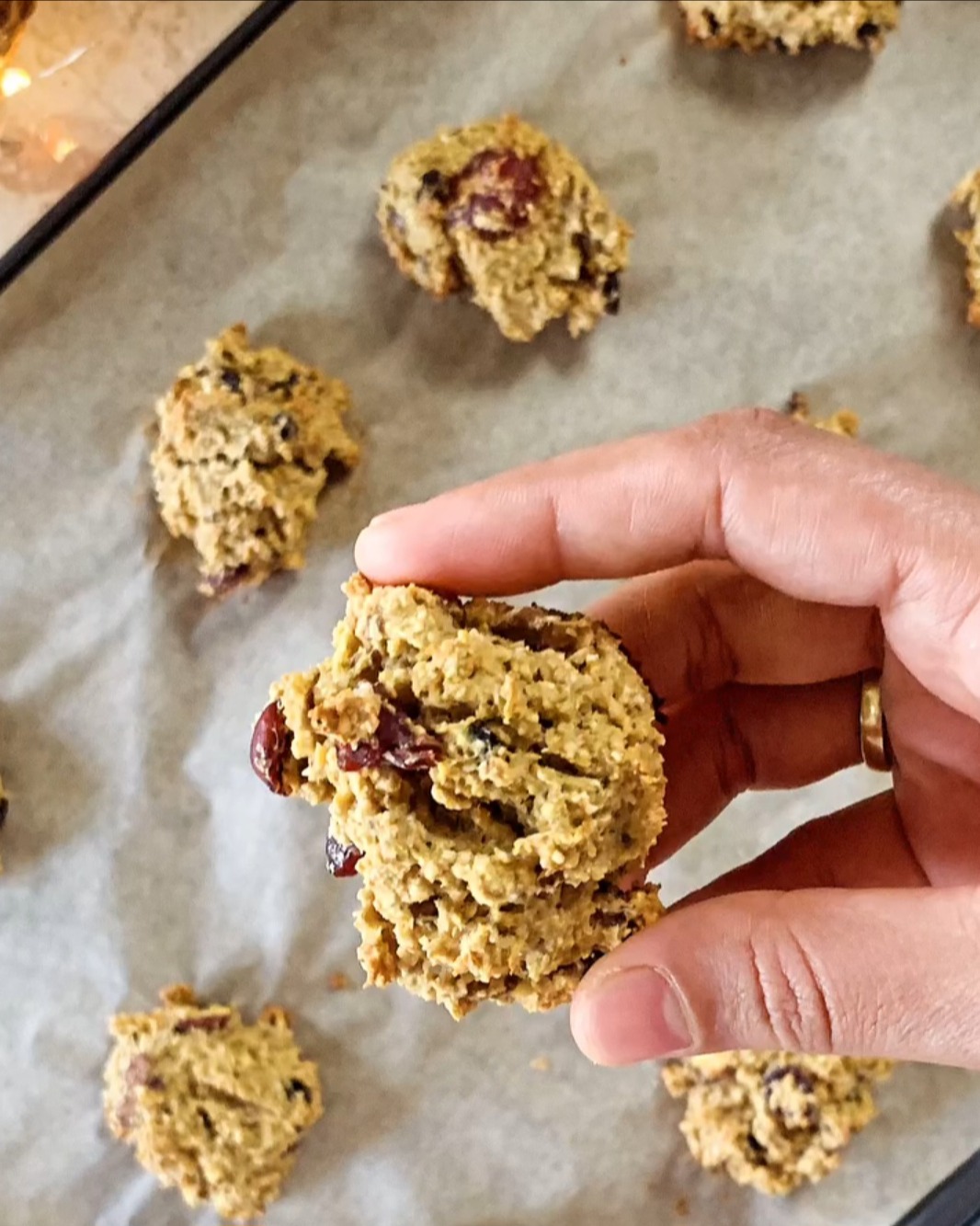
- International
- Eggetarian
- Breakfast
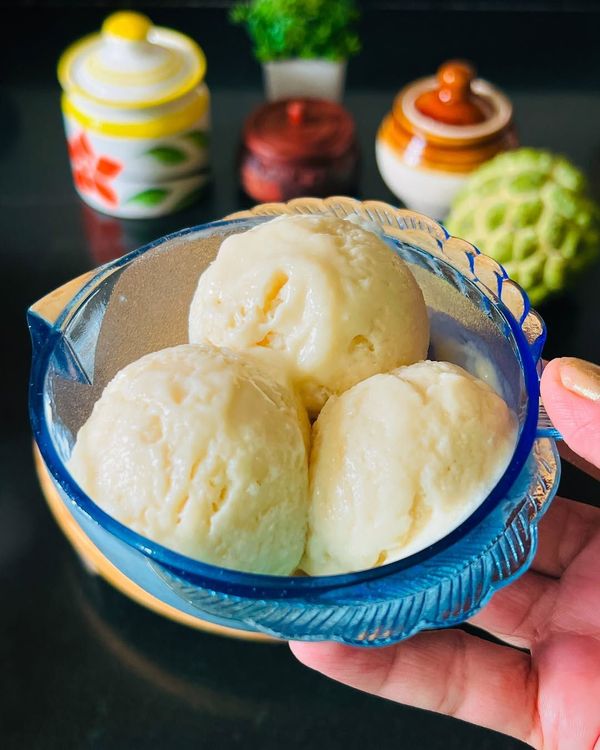
- Indian
- Vegetarian
- Dessert
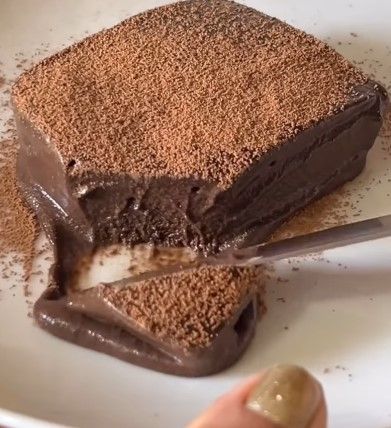
- Dessert
- Vegetarian
- Dessert
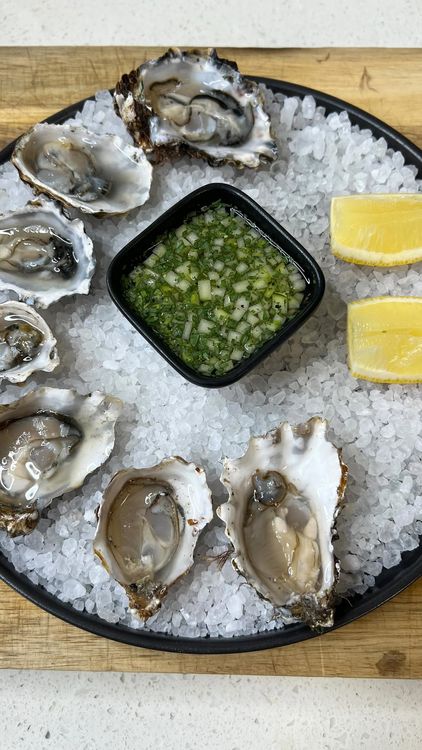
- French
- Pescatarian
- Appetiser
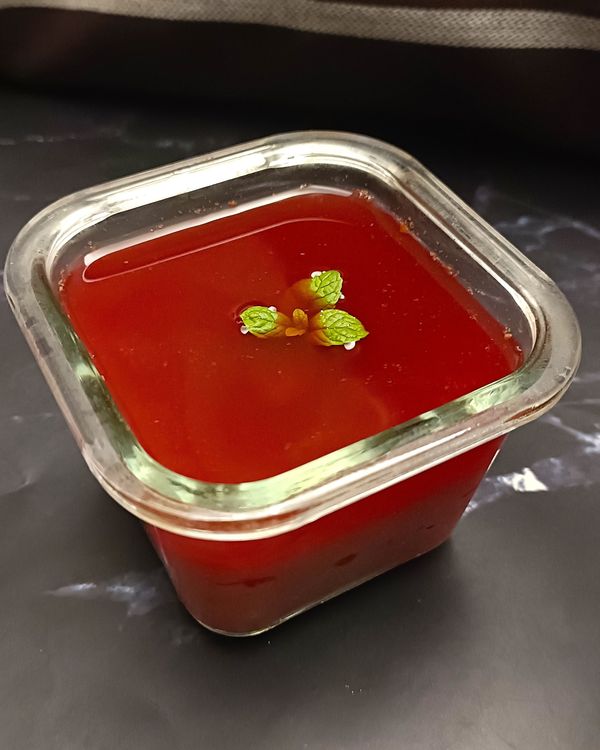
- Global
- Vegan
- Breakfast

- Indian
- Vegetarian
- Dessert
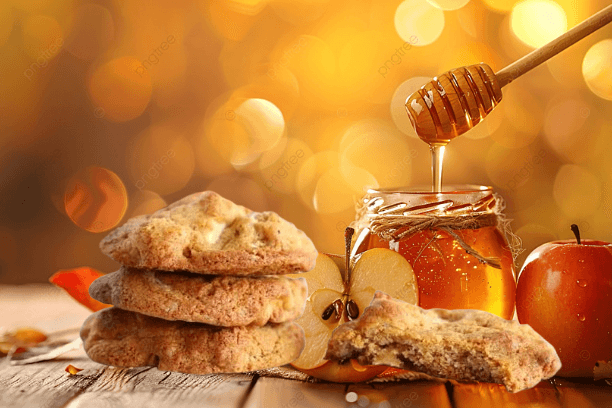
- Middle Eastern
- Eggetarian
- Snack

- American
- Vegan
- Snack

- International
- Vegetarian
- Breakfast
- Russian
- Eggetarian
- Dessert
- Indian
- Vegetarian
- Snack
Choosing the Right Apple for the Job
The first decision in any apple recipe is the variety, and it matters more than people expect. For pies, crisps and anything baked where you want the slices to keep their shape and a tart edge, reach for firm, tangy bakers: Granny Smith, Honeycrisp, Braeburn, Jonagold, Pink Lady and the old favorite Bramley (in the UK) all hold up in the oven instead of dissolving into mush. Mixing two or three varieties — say tart Granny Smith with sweeter Honeycrisp — gives a filling with both structure and depth.
For applesauce, apple butter and anything you want to collapse into a smooth purée, the opposite is true: softer, sweeter apples like McIntosh, Cortland, Fuji or Gala break down fast and need little or no added sugar. They are a poor choice for a pie, where they turn to slush and shrink away from the crust, but exactly right when the goal is a silky, spoonable sauce with minimal effort.
For eating raw — in slaws, salads and on a cheese board — prioritize crunch and a balanced sweet-tart flavor that will not brown too fast: Honeycrisp, Pink Lady, Fuji, Gala and Braeburn all stay crisp and snappy. As a rule of thumb, tart-and-firm for baking, soft-and-sweet for saucing, crisp-and-balanced for raw. When a recipe just says "apples," let the method tell you which type it really wants.
Pie & Crisp Fillings That Are Not Watery
The classic apple-pie failure is a soupy filling with a hollow gap between the apples and the top crust — the result of raw apples shrinking as they release water in the oven. The fix is to deal with that water before the pie goes in. Many bakers macerate the sliced apples in sugar and a little salt for thirty minutes to an hour, then drain off the liquid, reduce it on the stove with a knob of butter until syrupy, and toss it back through the fruit. You lose the excess water but keep the flavor.
A faster, very reliable route is to pre-cook the filling: sauté the spiced apples briefly until they just begin to soften and give up their juice, let them cool, then fill the crust. Pre-cooked apples have already done their shrinking, so the slices settle into a tight, level pack with no air gap, and the pie holds a clean slice. Either way, thicken the juices with a starch — cornstarch for a glossy, clear set, flour for a softer, more rustic one, or tapioca, which tolerates the heat best of all.
Spice and balance matter as much as texture. Cinnamon is the backbone, but a little nutmeg, allspice or cardamom adds depth, and a pinch of salt plus a squeeze of lemon keeps a sweet filling from tasting flat. Cool a baked pie or crisp for at least a couple of hours — ideally longer — before cutting; the starch needs time to set, and a pie sliced hot will always run. For crisps and crumbles, a higher ratio of buttery oat topping to fruit and a hot oven give you the crunchy, golden lid that defines the dish.
Applesauce, Apple Butter and Baked Apples
Applesauce is the easiest apple recipe there is: peel, core and chop soft, sweet apples, then simmer with a splash of water (and a strip of lemon peel or a cinnamon stick if you like) until they collapse, fifteen to twenty-five minutes. Mash for a rustic, chunky sauce or blend for a smooth one. Taste before adding any sugar — a good ripe apple often needs none — and brighten with a little lemon juice. Leaving the peels on while cooking and passing the sauce through a food mill gives extra color and pectin.
Apple butter is applesauce taken much further: the same purée cooked long and low — for hours on the stove or in a slow cooker — until the water drives off and the natural sugars caramelize into a thick, dark, spreadable spread the color of mahogany. The keys are gentle heat so the bottom does not scorch, frequent stirring as it thickens, and patience; you are looking for a butter so reduced that a spoonful mounds and holds its shape. Spices go in toward the end so they stay fragrant.
Baked apples are the whole-fruit version of comfort. Choose a firm baking variety that will hold its shape, core it without cutting all the way through so the filling stays put, and score a line around the middle so the skin does not split. Stuff the cavity with butter, brown sugar, cinnamon, oats and chopped nuts or raisins, add a little liquid to the dish, and bake until the apple is tender and the filling is bubbling. Baste once or twice with the syrup that pools in the dish, and serve warm with cream or ice cream.
Prepping Apples: Browning, Peeling and Storage
Cut apples brown because their flesh oxidizes on contact with air, and for raw uses — salads, slaws, snack plates — that discoloration is the main thing to manage. The simplest fix is acid: toss the slices in a bowl of water with a squeeze of lemon (or any citrus), or in a splash of juice on their own. A little salt water works too. For a salad you are dressing right away, a vinaigrette with lemon or vinegar does double duty, so slice the apples last and dress them immediately.
Whether to peel is a flavor and texture choice. Skins add color, fiber and a slight chew, and they help applesauce set thanks to pectin, so leave them on for rustic sauces (then mill) and for crisps where you do not mind the texture. Peel for a smooth pie or a refined cake. To core efficiently, an apple corer or a melon baller makes quick work of whole baked apples, while quartering and cutting the core out with a knife is fastest for slices. Slice to an even thickness so everything cooks at the same rate.
Store whole apples in the coldest part of the fridge, ideally in the crisper drawer, where they keep for weeks — far longer than at room temperature, where they go mealy. Keep them away from other produce, as apples give off ethylene gas that ripens (and over-ripens) everything nearby. For longer storage, peeled slices freeze well tossed in a little lemon juice or sugar, ready to drop straight into a pie or crisp; and homemade applesauce and apple butter freeze beautifully for months.
Pro Tips from the Test Kitchen
- Use firm, tart bakers (Granny Smith, Honeycrisp, Braeburn, Bramley) for pies and crisps so the slices hold their shape instead of turning to mush.
- Reach for soft, sweet apples (McIntosh, Cortland, Fuji) for applesauce and apple butter — they collapse fast and need little added sugar.
- Macerate or pre-cook pie apples to shed their water first; this kills the soupy filling and the hollow gap under the top crust.
- Thicken fillings with cornstarch for a clear glossy set, flour for rustic, or tapioca for the most heat-stable result.
- Toss cut apples in lemon water or a citrus splash to stop them browning in salads and slaws.
- Cool a baked pie or crisp at least a couple of hours before slicing so the starch can set and the juices stop running.
- Mix two or three apple varieties in a pie for a filling with both structure and depth of flavor.
- Cook apple butter long and low, stirring often, until a spoonful mounds and holds — patience is the whole technique.
- A pinch of salt and a squeeze of lemon keep any sweet apple bake from tasting flat.
- Store whole apples in the fridge crisper, away from other produce, since their ethylene gas over-ripens neighbors.
Frequently Asked Questions
What are the best apples for baking and apple pie?
Firm, tart varieties that hold their shape in the oven: Granny Smith, Honeycrisp, Braeburn, Jonagold, Pink Lady and (in the UK) Bramley. These keep their slices distinct and bring a tartness that balances the sugar, rather than dissolving into mush the way softer apples do. Many bakers mix two — a tart one for structure and a sweeter one for flavor — to get the best of both in a single pie.
Why is my apple pie filling watery?
Raw apples release a lot of water as they bake, and if that liquid is not managed it pools into a soupy filling and the fruit shrinks away from the crust. Fix it by macerating the sliced apples in sugar and draining (then reducing) the juice, or by pre-cooking the filling until the apples just soften before they go in the crust. Thicken with cornstarch, flour or tapioca, and always cool the pie before slicing.
How do I stop the gap between the apples and the top crust?
That hollow gap forms because raw apples shrink as they cook and release water, while the rigid top crust sets in place above them. The cure is to pre-cook or macerate the apples so they do their shrinking before the pie is assembled — pre-cooked slices settle into a tight, level pack. Mounding the filling generously and tossing the apples to remove air pockets also helps the crust sit snugly on the fruit.
What apples are best for applesauce and apple butter?
Softer, sweeter apples that break down easily: McIntosh, Cortland, Fuji, Gala and Golden Delicious are all good choices, and a mix gives a rounder flavor. Because they cook to a smooth purée quickly and carry plenty of natural sweetness, they often need little or no added sugar. Leaving the peels on while cooking, then passing the sauce through a food mill, deepens the color and adds pectin for a thicker set.
Do I need to peel apples for baking?
It depends on the dish. Peel for a smooth, refined apple pie or a tender cake where skins would be intrusive. Leave them on for rustic applesauce (the peels add color and pectin, then mill the sauce smooth) and for many crisps and crumbles where a little extra texture is welcome. For raw uses like salads, peeling is purely a preference — the skin adds fiber, color and a pleasant chew.
How do I keep cut apples from turning brown?
Browning is oxidation, and a little acid slows it dramatically. Toss the cut slices in water with a squeeze of lemon or lime, or in a splash of citrus juice on its own; a mild salt-water soak works too. For salads and slaws, slice the apples last and dress them immediately with a lemon or vinegar dressing, which does double duty. Stored airtight in the fridge, acid-treated slices stay bright for hours.
What is the difference between an apple crisp, crumble and cobbler?
All three are baked fruit desserts with a topping, but the topping differs. A crisp has a topping that includes oats (and often nuts) for crunch; a crumble is a similar streusel of flour, butter and sugar, traditionally without oats; and a cobbler is topped with a biscuit or batter dough that bakes up like scones over the fruit. All are far simpler than pie since there is no bottom crust to roll or blind-bake.
Can I use apples in savory cooking?
Absolutely — apple's sweet-tart snap is a classic partner to rich, fatty foods. It cuts through roast pork and sausage, brightens a cabbage or fennel slaw, lifts a stuffing, and pairs beautifully with sharp cheddar or brie. Use a crisp, firm variety raw in salads and slaws, and a tart apple that holds up when you cook it down into a sauce, glaze or braise alongside meat. A little vinegar or mustard keeps the sweetness in check.
How do I make smooth versus chunky applesauce?
It comes down to how you finish it. For chunky sauce, cook soft apples until they collapse and then mash with a fork or potato masher, leaving some texture. For silky-smooth sauce, blend the cooked apples or pass them through a food mill or sieve, which also removes any peels. The variety matters too: softer apples like McIntosh break down naturally, while firmer ones need more cooking or blending to smooth out.
How should I store apples to keep them fresh?
Keep whole apples in the coldest part of the fridge, ideally the crisper drawer, where they stay firm for several weeks — much longer than on the counter, where they quickly turn soft and mealy. Store them away from other fruits and vegetables, because apples release ethylene gas that over-ripens nearby produce. For longer keeping, freeze peeled slices tossed in lemon juice, or freeze homemade sauce and apple butter, which both keep for months.
The thread through every apple recipe here is the same: match the apple to the method, manage its water and sweetness, and balance it with acid, spice and a little salt. Get the variety right — tart and firm for baking, soft and sweet for saucing, crisp for raw — and pies, crisps, cakes and even savory dishes all fall into place around that one decision.
Pick three to cook this season — a proper pie, a quick crisp and a slow batch of apple butter — and save your favorites to a Chefadora cookbook. Then work through the rest, from spiced cakes to pork with apples; this page is built to be the apple reference you actually come back to.
Related
- Apple
- Baking
- Dessert
- Pie
- Fall
- Fruit
- Comfort food
- Cinnamon
Popular Searches
- Best apple recipes
- Easy apple recipes
- Quick apple recipes
- Healthy apple recipes
- Simple apple recipes
- Homemade apple recipes
- Delicious apple recipes
- Popular apple recipes
- apple pie
- apple crisp
- apple cake
Marnirni-apinthi Building, Lot Fourteen,
North Terrace, Adelaide, South Australia, 5000
Australia
