
99 Low Sodium Recipes That Taste Like You Didn't Cut Anything
Updated July 16, 2026 · Curated by Chefadora

I went looking for low sodium recipes on Chefadora and found something I did not expect: ninety-nine of them, and almost every one of them sweet. Cakes, kheers, crumbles, mug cakes, halwa, granola. At first that read like a filing error. Then I thought about where salt actually hides in a normal week, and it is not the shaker on the table. It is the packet. Shop-bought biscuits, cereal, bread, granola and ready-made puddings all carry salt you never tasted going in.
So this is a collection of the things you would otherwise buy. Make the granola yourself and you decide what goes in it. Make the bread pudding with unsalted butter and you decide again. That is the whole argument for cooking sweet things at home when you are paying attention to what you eat: control moves back into your kitchen, and low sodium meals stop being a thing you buy and start being a thing you make. Below, the ninety-nine are grouped six ways - fast fixes, milk puddings, festival sweets, fruit bakes, chocolate and bakery, and breakfast bowls. Every single one has a note on what it actually takes to make.
Fast Low Sodium Recipes for a Weeknight Craving
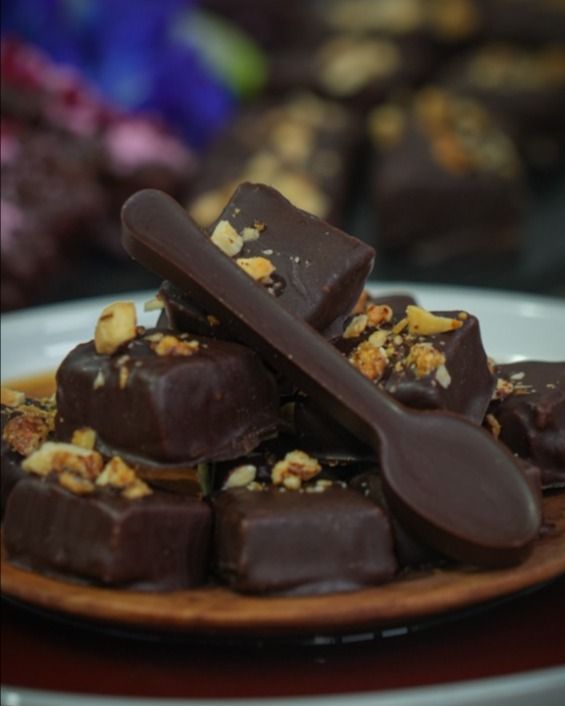
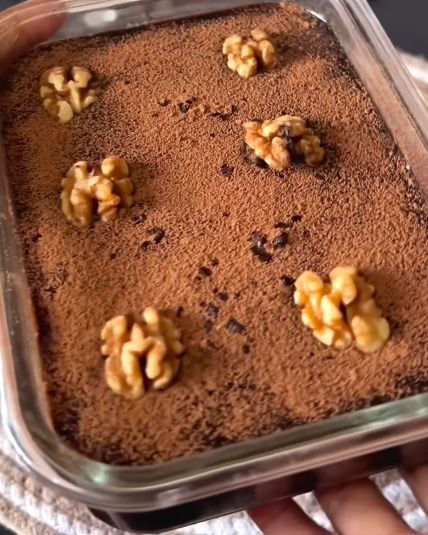
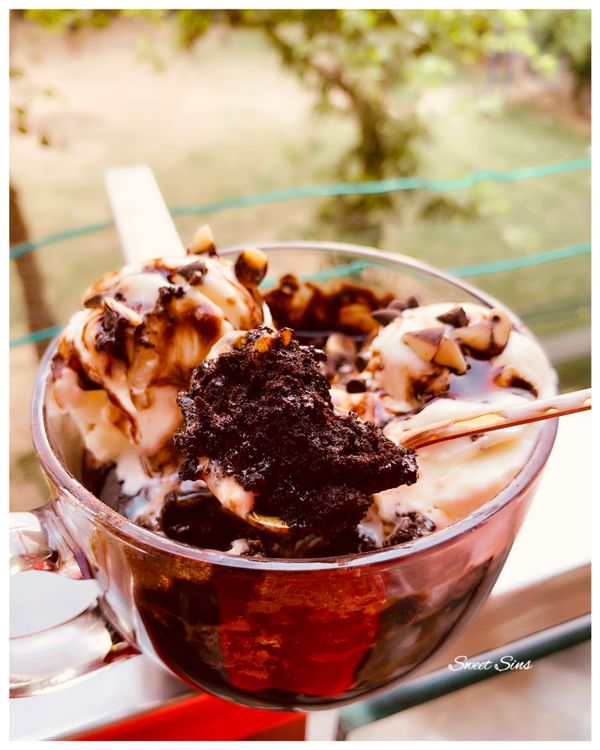
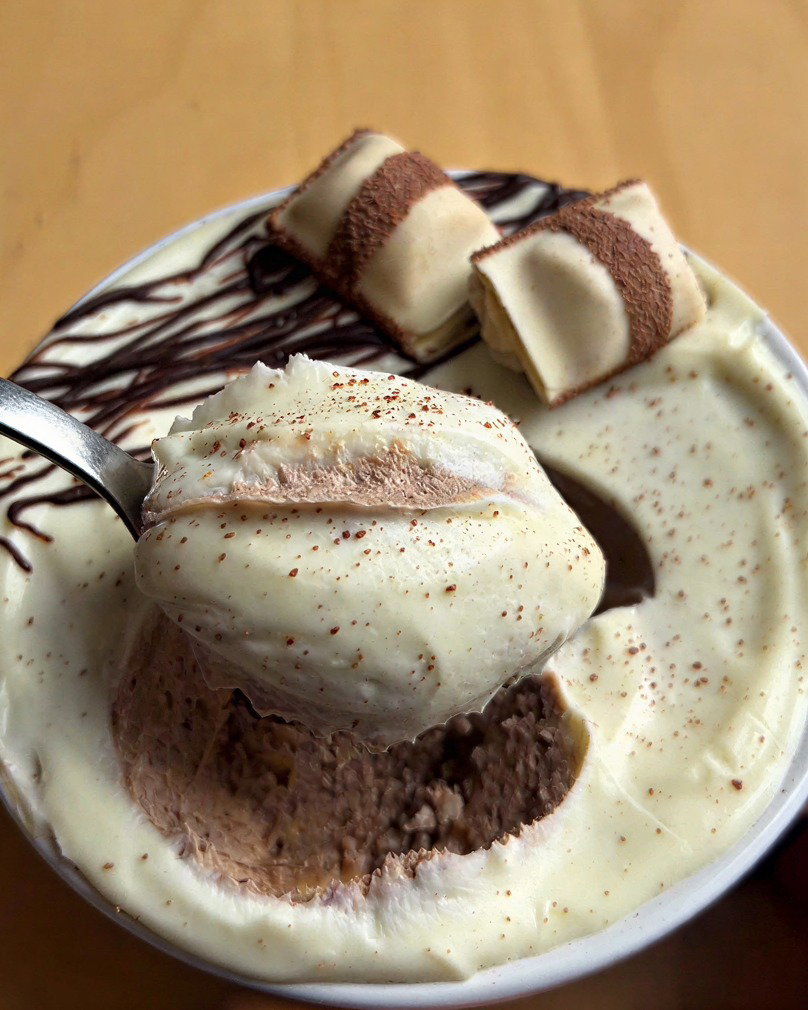
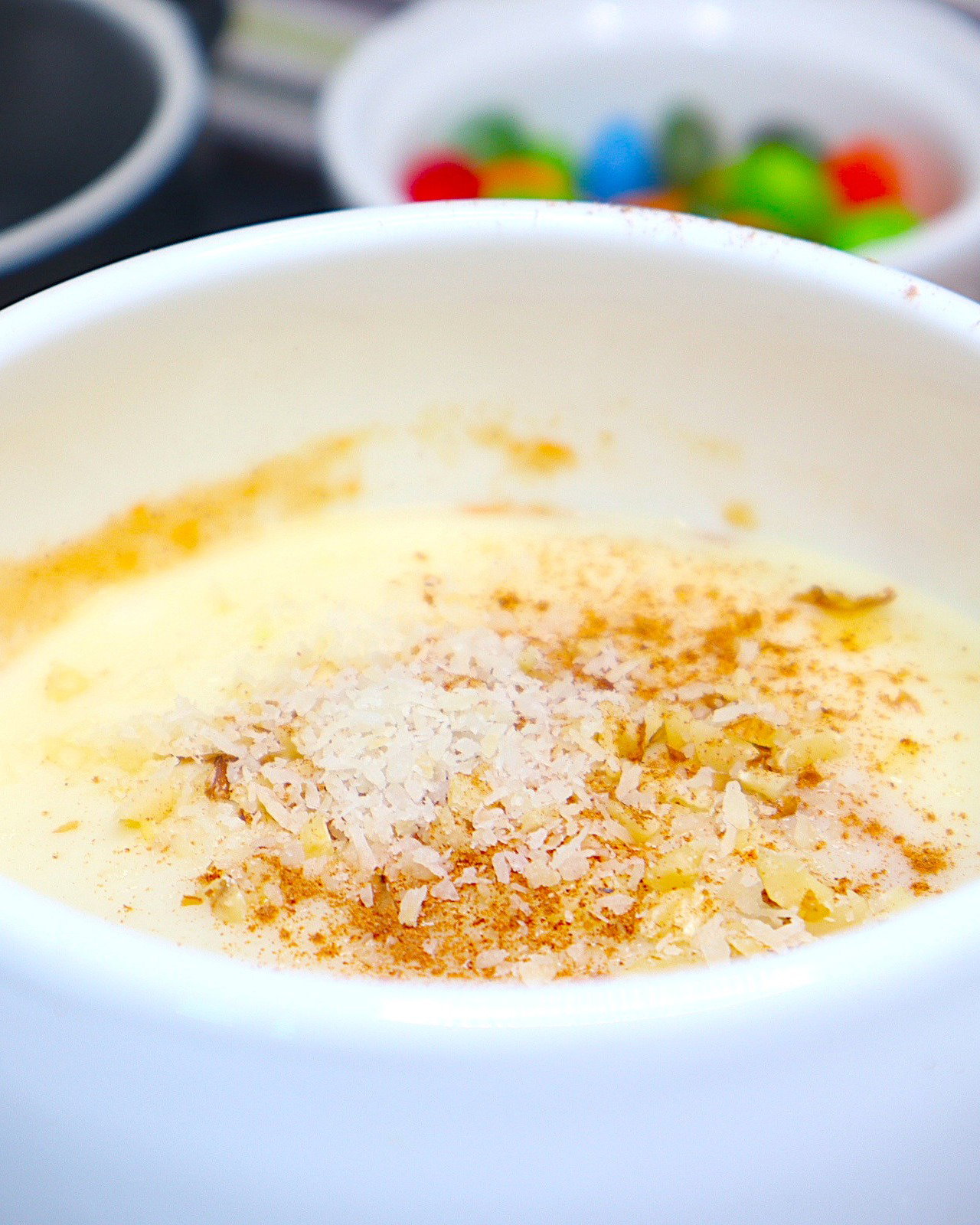
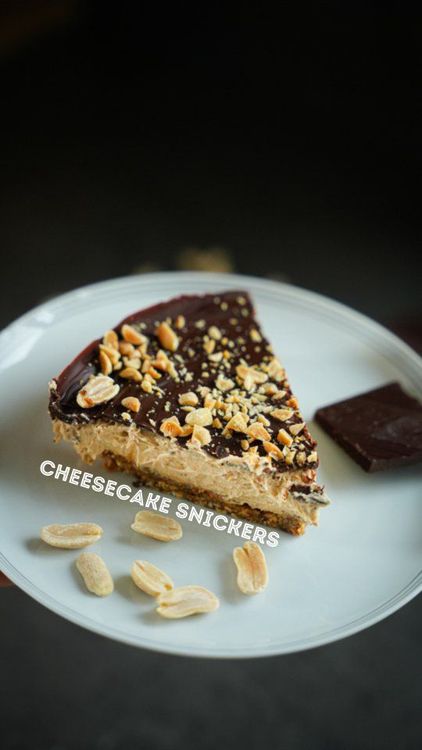
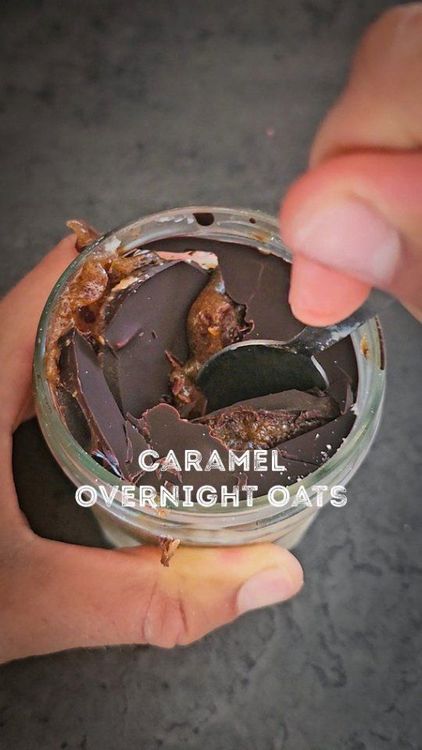
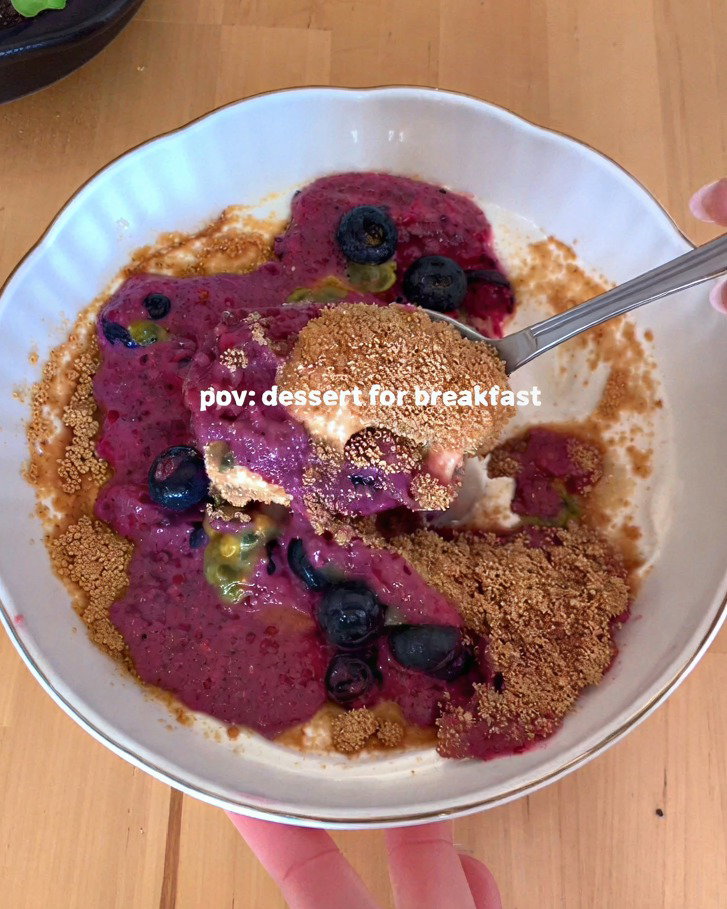
These twenty are the ones I actually reach for. Nothing here needs an oven you preheated half an hour ago - mug cakes, overnight jars, blender mousses, chilled fudge. Most are done inside fifteen minutes. Because they are built from whole ingredients rather than a packet, they slot straight into the low salt recipes you are already planning around: you are seasoning nothing, so there is nothing to dial back. Start with the tofu mousse if you are sceptical.


- Vegetarian
- Breakfast


- Vegetarian
- Dessert

- Indian
- Vegan
- Snack
- International
- Vegan
- Snack

- American
- Vegetarian
- Snack
- Indian
- Vegetarian
- Beverage


- American
- Vegan
- Appetiser
- Indian
- Vegetarian
- Snack

- Vegetarian
- Dessert


- Maharashtrian
- Vegetarian
- Snack

- Vegetarian
- Dessert

- American
- Vegetarian
- Dessert

- Vegetarian
- Breakfast

- American
- Vegetarian
- Dessert

- Vegetarian
- Breakfast

- American
- Vegetarian
- Dessert
- International
- Vegan
- Dessert
- French
- Vegan
- Breakfast

- Vegan
- Dessert

- Vegetarian
- Breakfast
Milky Puddings, Kheers and Payasams
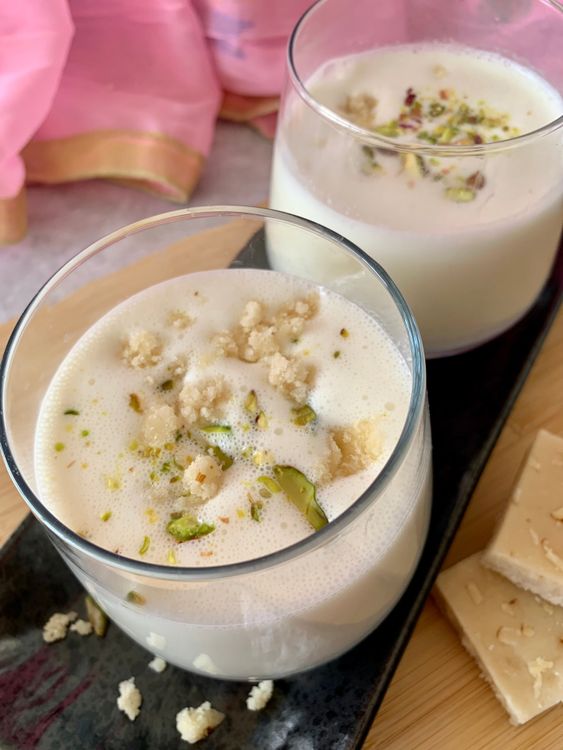
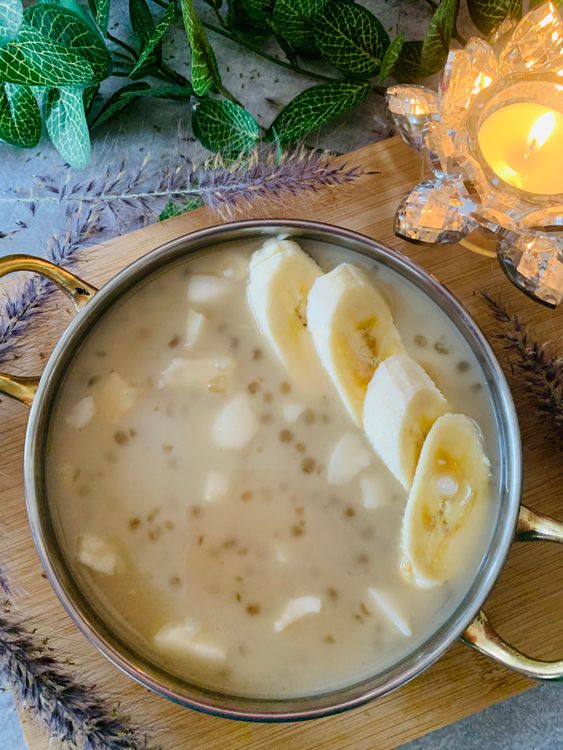
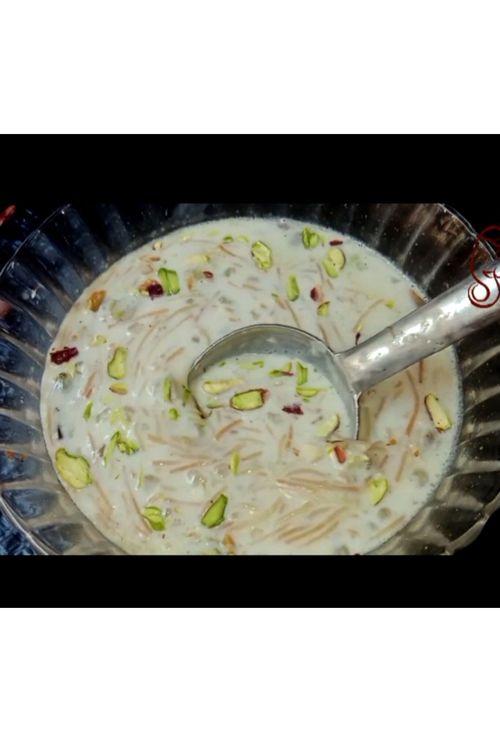
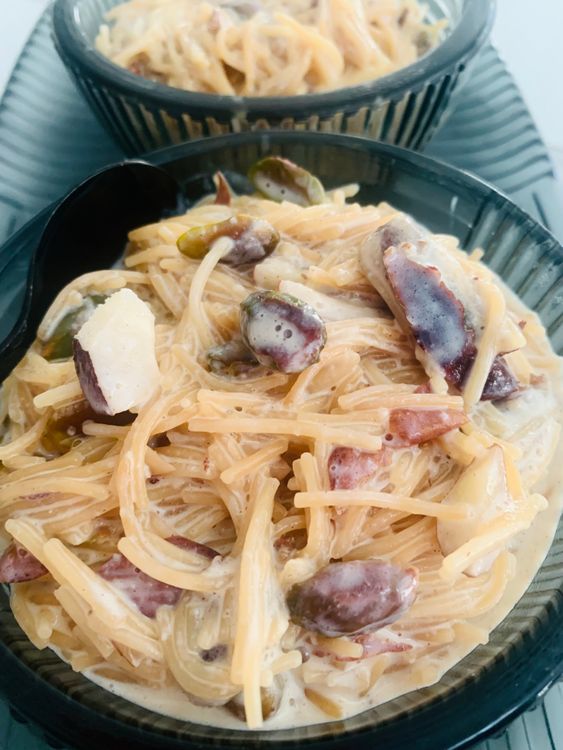
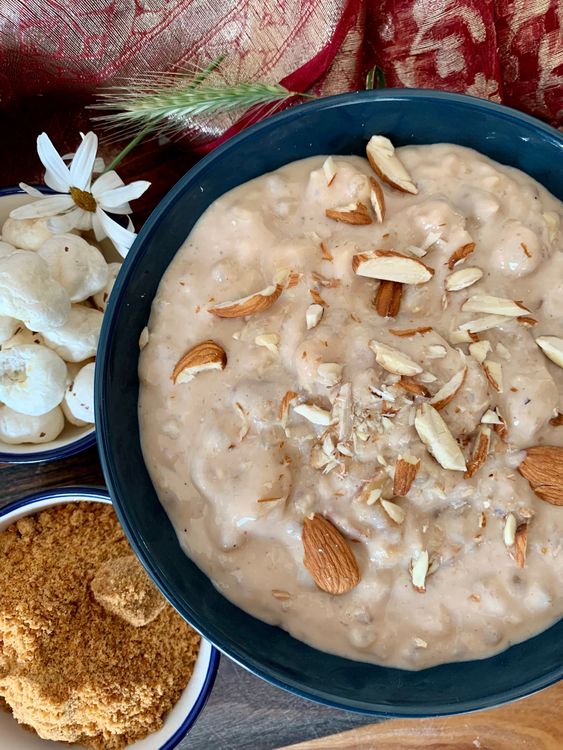
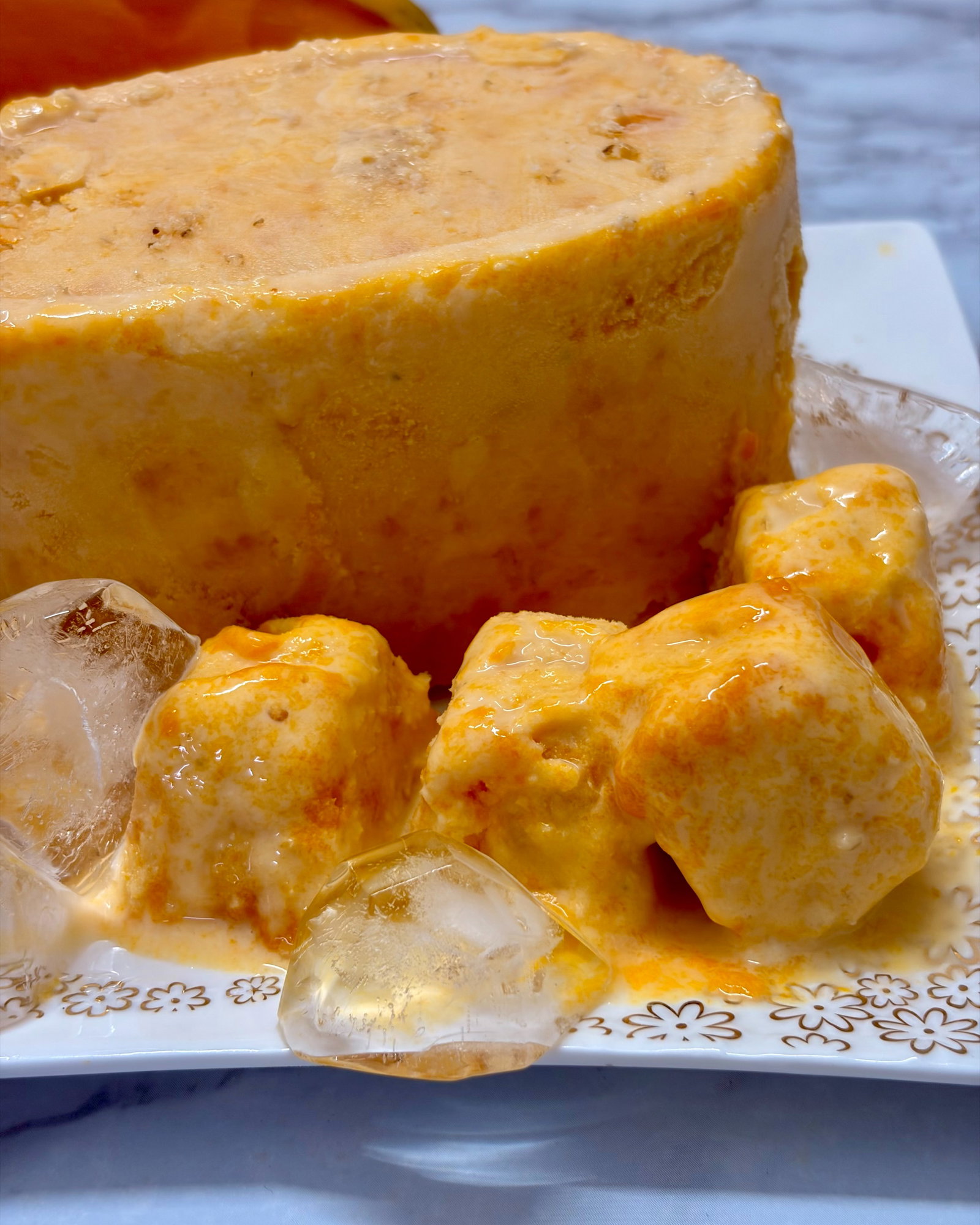
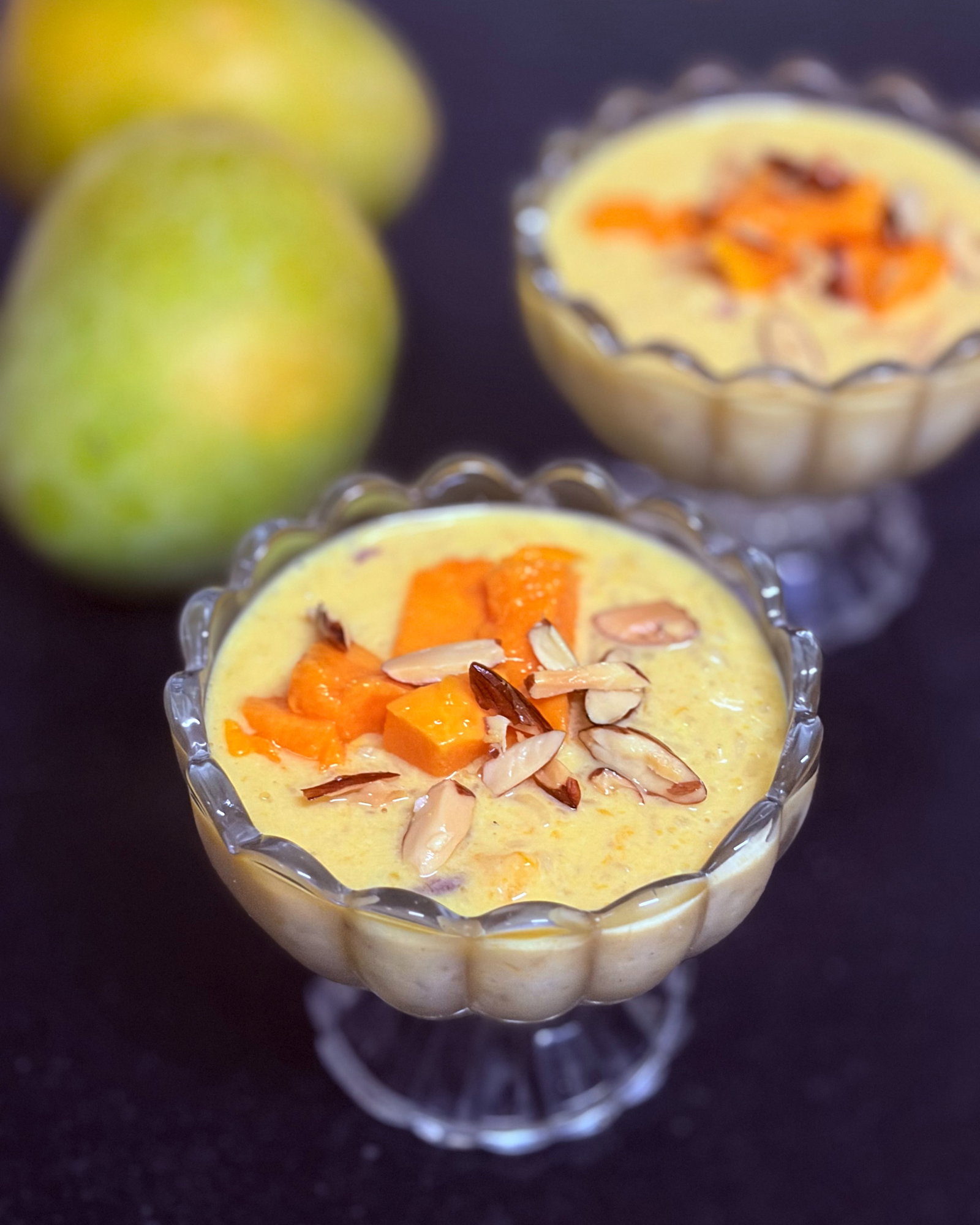
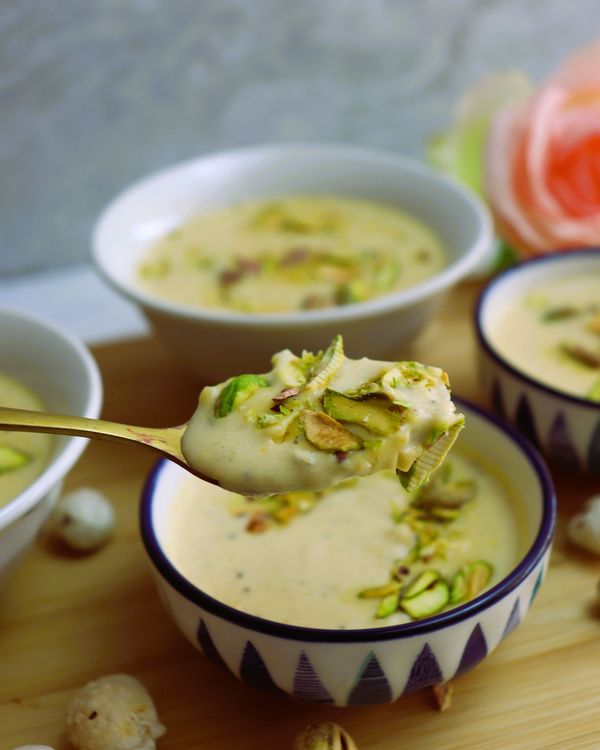
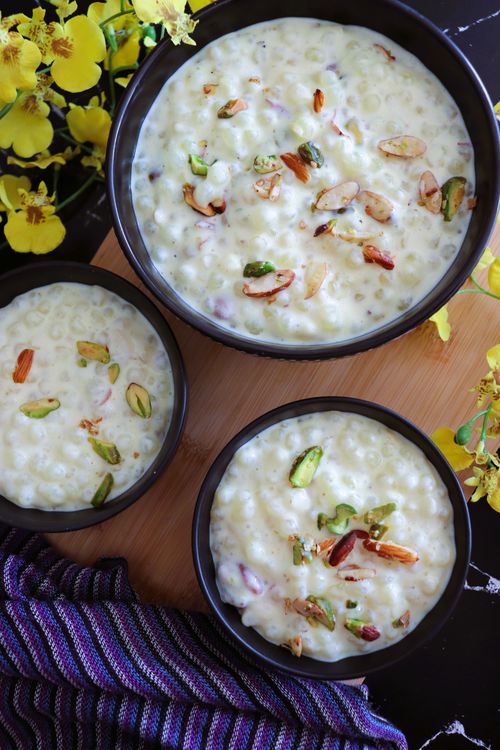
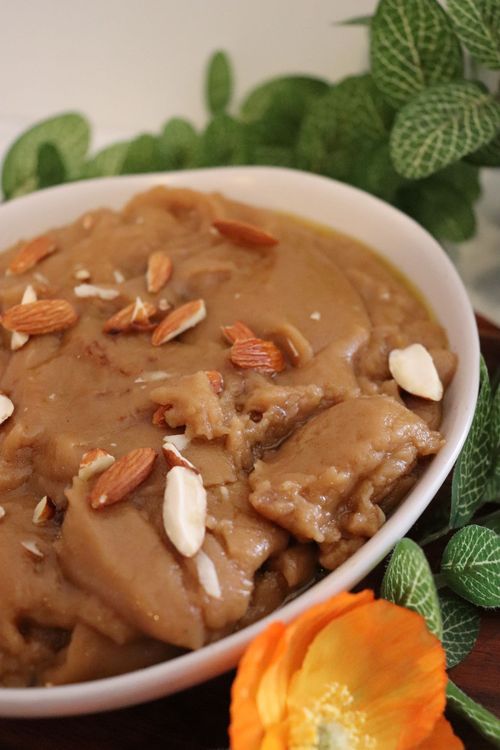
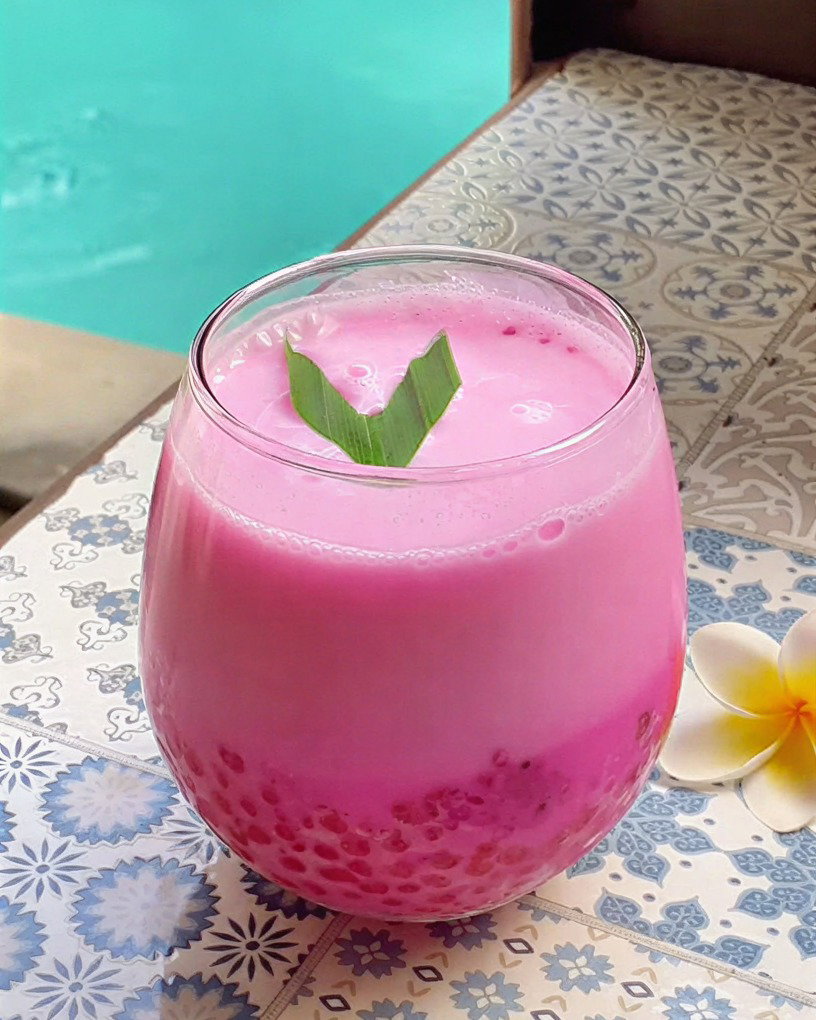
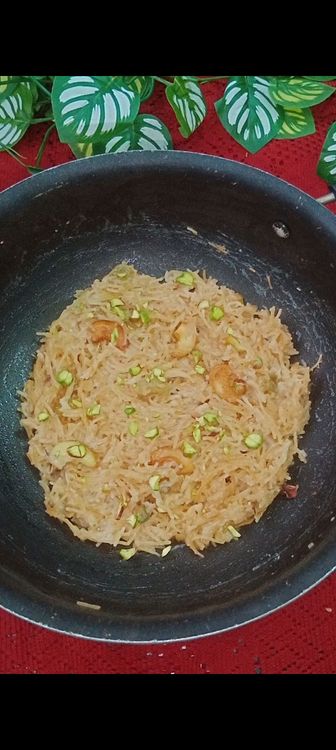
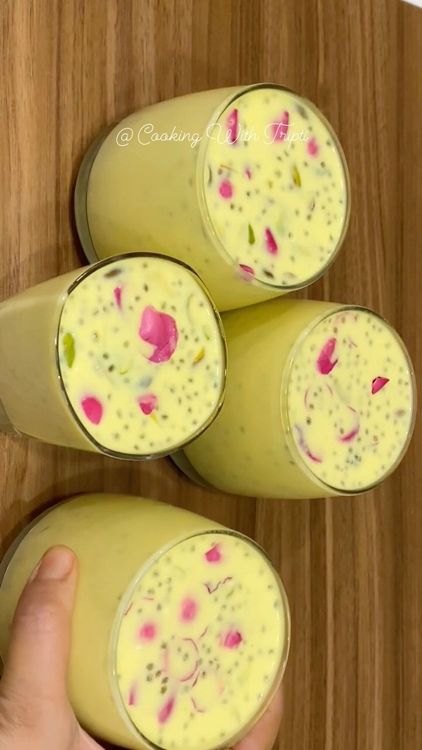
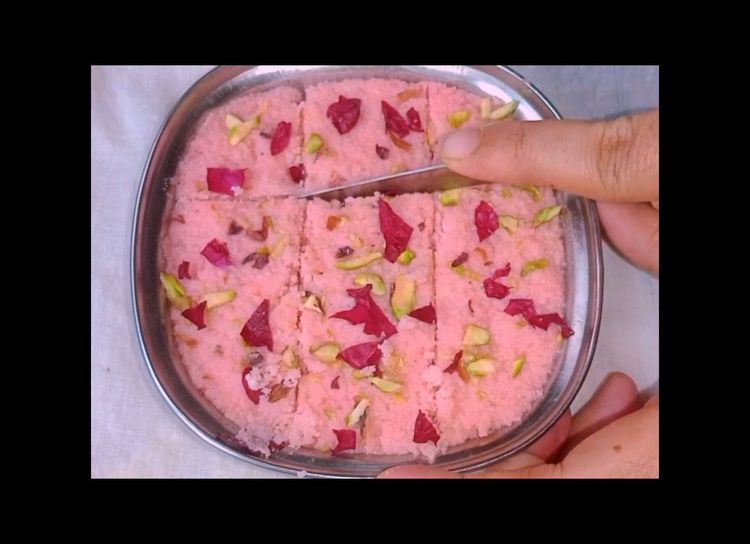
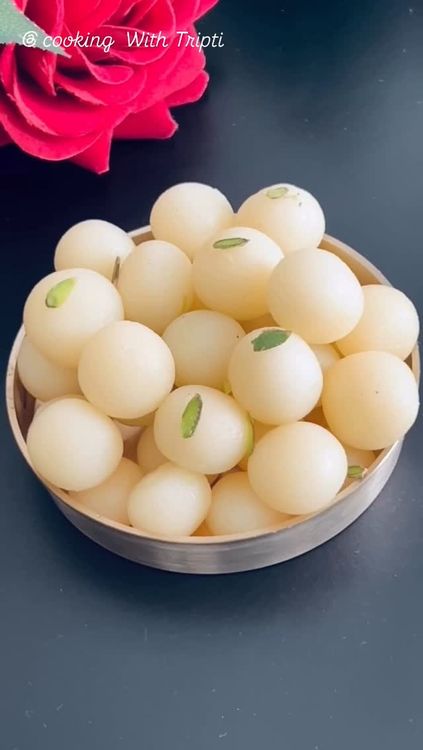
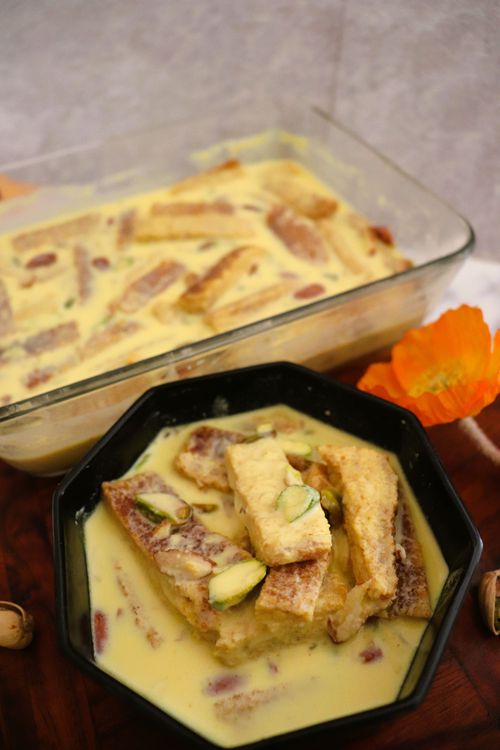
Reduced milk is its own seasoning. Simmer full-fat milk long enough and the sugars caramelise faintly, the proteins concentrate, and you get a rounded depth that reads as finished without a grain of salt near it. That is why kheer, payasam and rabdi survive so well as no salt recipes - nobody was salting them in the first place. The technique that matters here is patience: low heat, and scrape the skin back into the pan as it forms.

- Vegetarian
- Dessert
- Indian
- Vegan
- Dessert
- Maharashtrian
- Vegetarian
- Dessert
- Indian
- Vegetarian
- Dessert
- Indian
- Vegetarian
- Dessert

- Vegetarian
- Dessert

- Indian
- Vegetarian
- Dessert

- Indian
- Vegetarian
- Dessert
- Vegetarian
- Dessert
- Vegetarian
- Dessert
- Indian
- Vegetarian
- Dessert
- Indian
- Vegetarian
- Dessert
- Indian
- Vegetarian
- Dessert

- Vegetarian
- Dessert
- Middle Eastern
- Vegetarian
- Dessert

- Indian
- Vegetarian
- Snack
- Indian
- Vegetarian
- Dessert
- Indian
- Vegetarian
- Dessert
Halwa, Ladoo and Festival Sweets
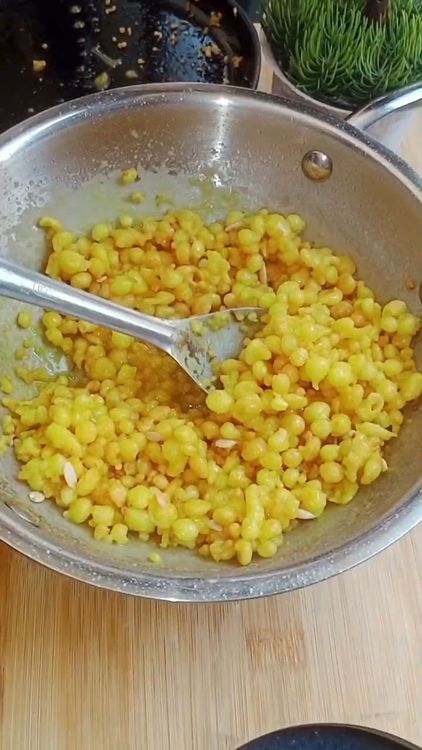
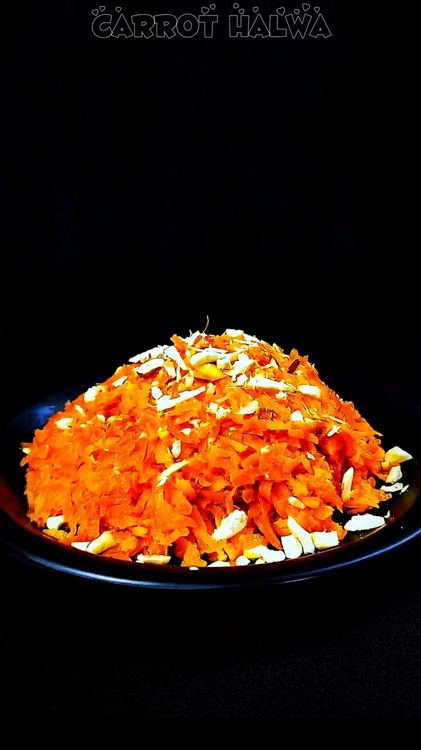
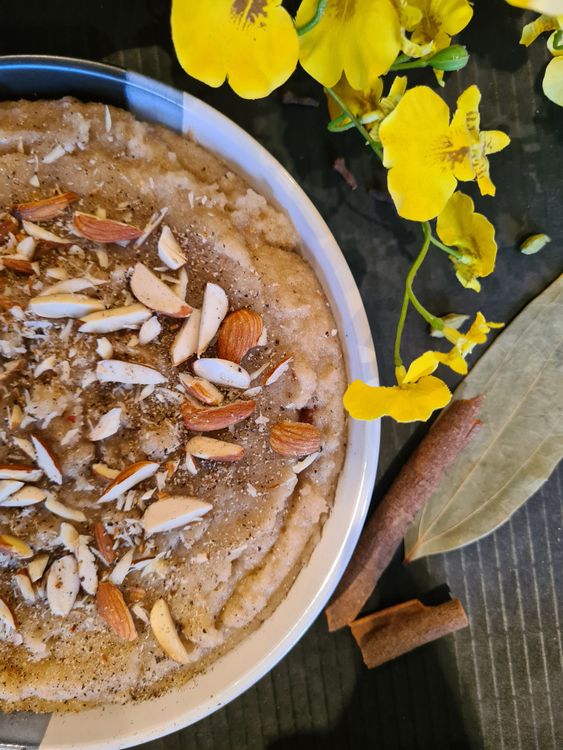
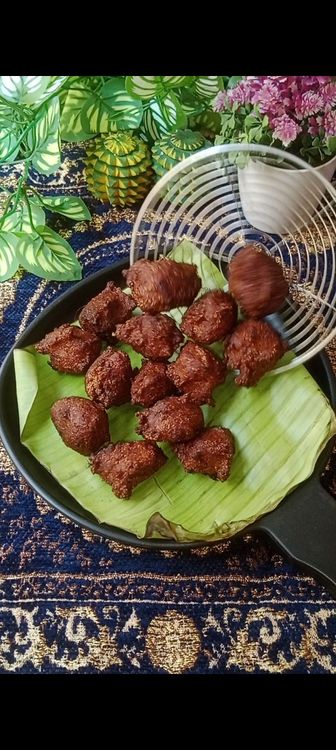
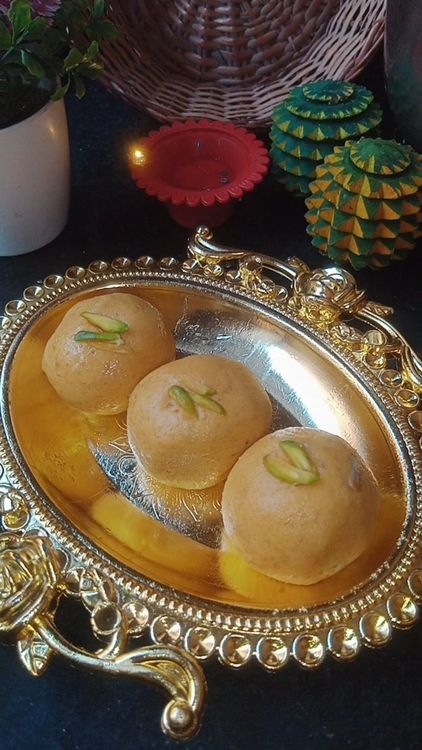
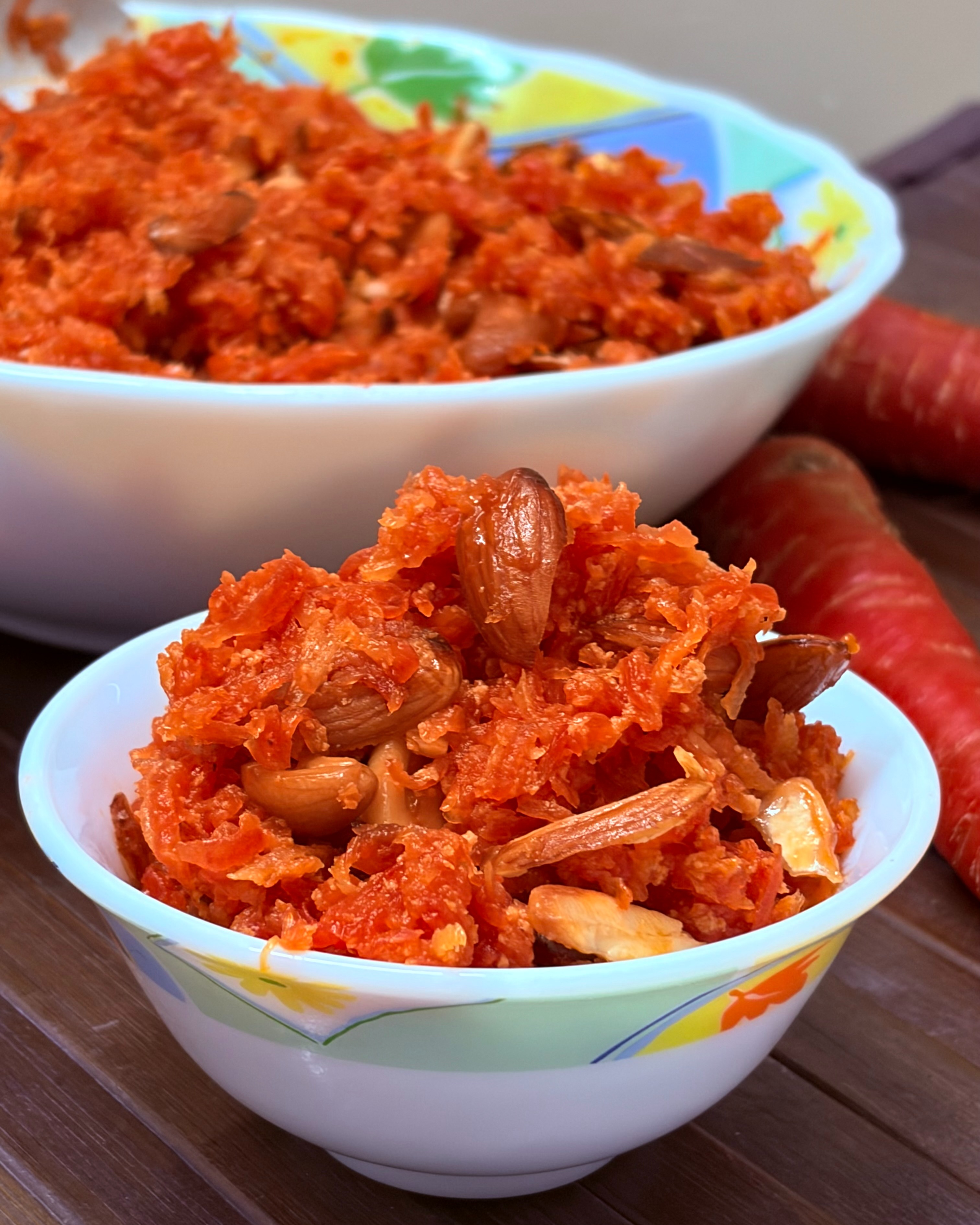
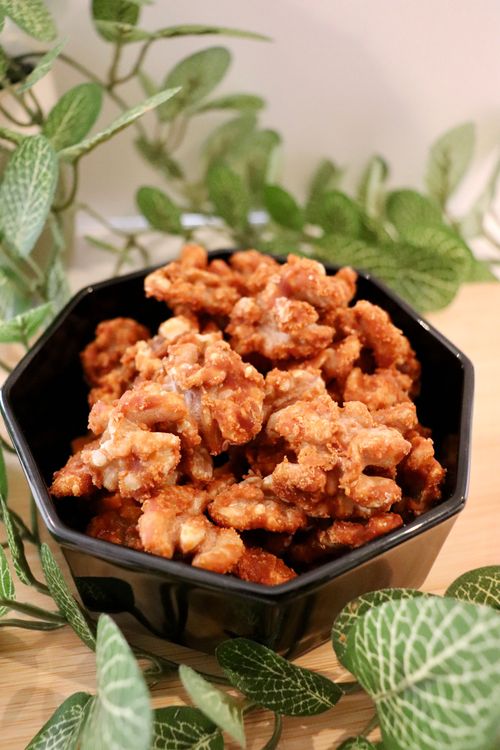
Festival cooking runs on ghee, jaggery and time. Roast besan until it smells like biscuits. Stir carrot halwa until the pan runs dry and the mixture glosses. Fry modak until the shell blisters. None of those steps involve salt and none of them suffer for it, because cardamom, saffron and properly toasted flour carry the whole thing themselves. Nineteen recipes here, from a twenty-five-minute modak to a gujiya that will happily eat your Saturday.
- Indian
- Vegan
- Dessert

- Indian
- Vegetarian
- Dessert

- Konkani
- Vegan
- Side Dish

Gujiya

- Indian
- Vegetarian
- Dessert
- Indian
- Vegetarian
- Dessert
- Indian
- Vegetarian
- Dessert
- Indian
- Vegan
- Breakfast

- Indian
- Vegetarian
- Side Dish

- Vegetarian
- Snack

- Indian
- Vegetarian
- Dessert

- South Indian
- Vegetarian
- Snack
- Indian
- Vegetarian
- Snack
- Indian
- Vegetarian
- Dessert

- Indian
- Vegetarian
- Dessert

- Indian
- Vegetarian
- Dessert


- Indian
- Vegetarian
- Snack
- Goan
- Vegetarian
- Snack
- Indian
- Vegetarian
- Dessert
- Indian
- Vegan
- Snack
Fruit-Forward Bakes and Crumbles
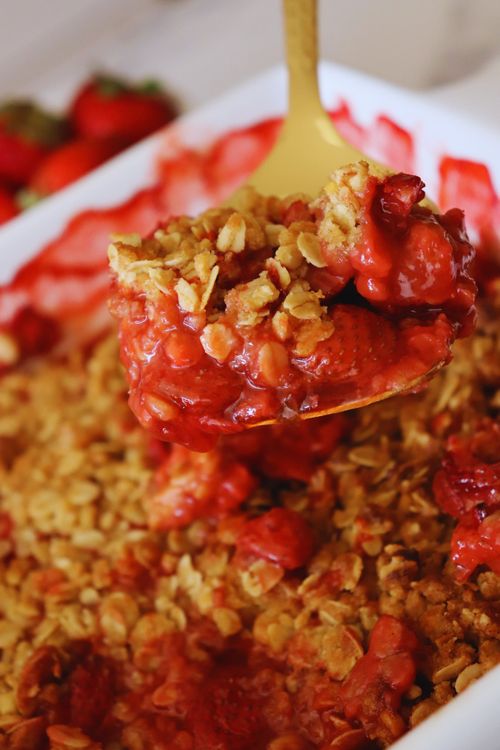
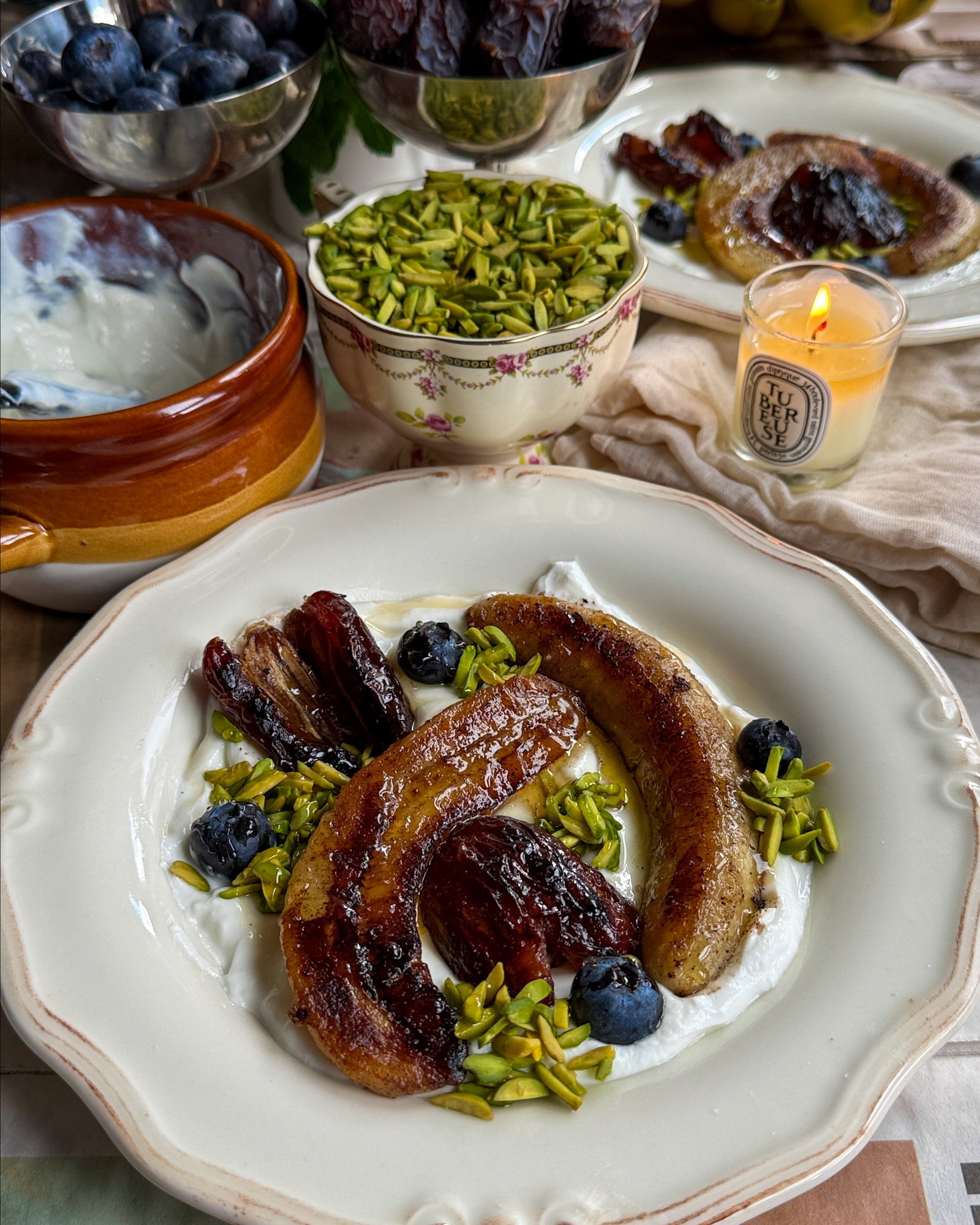
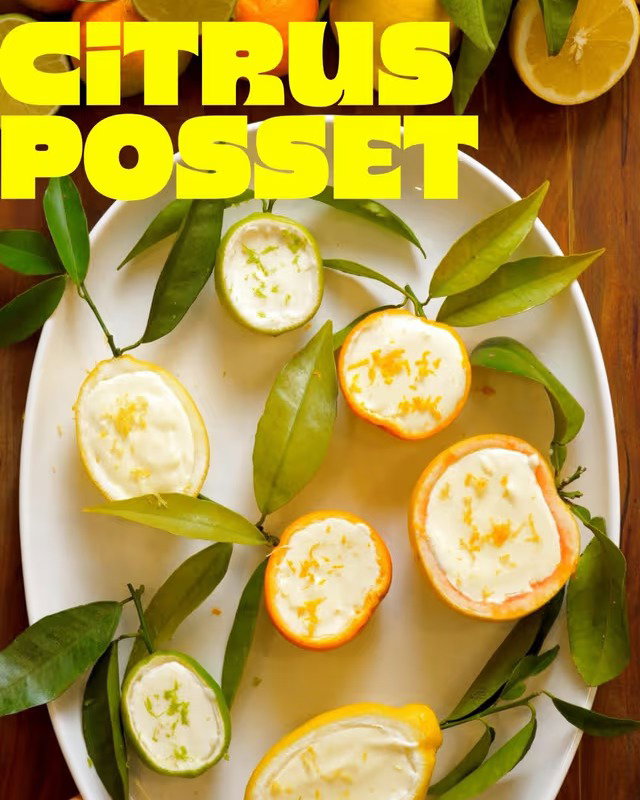
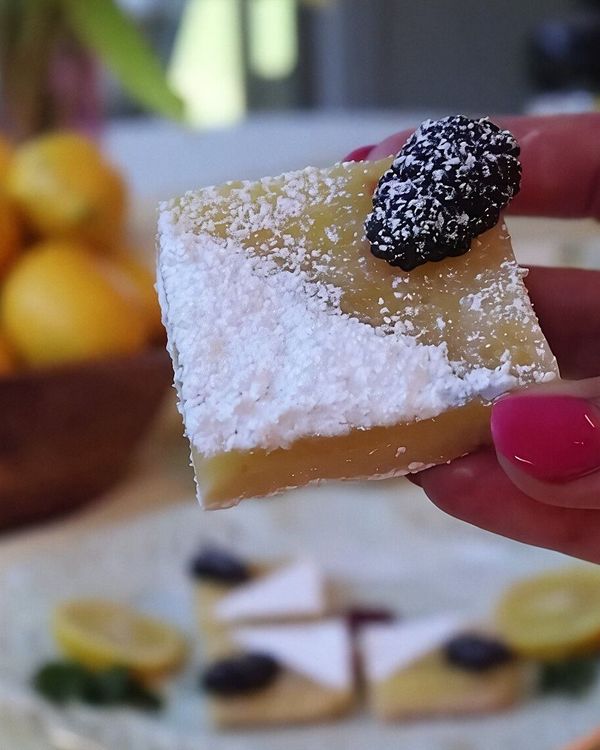
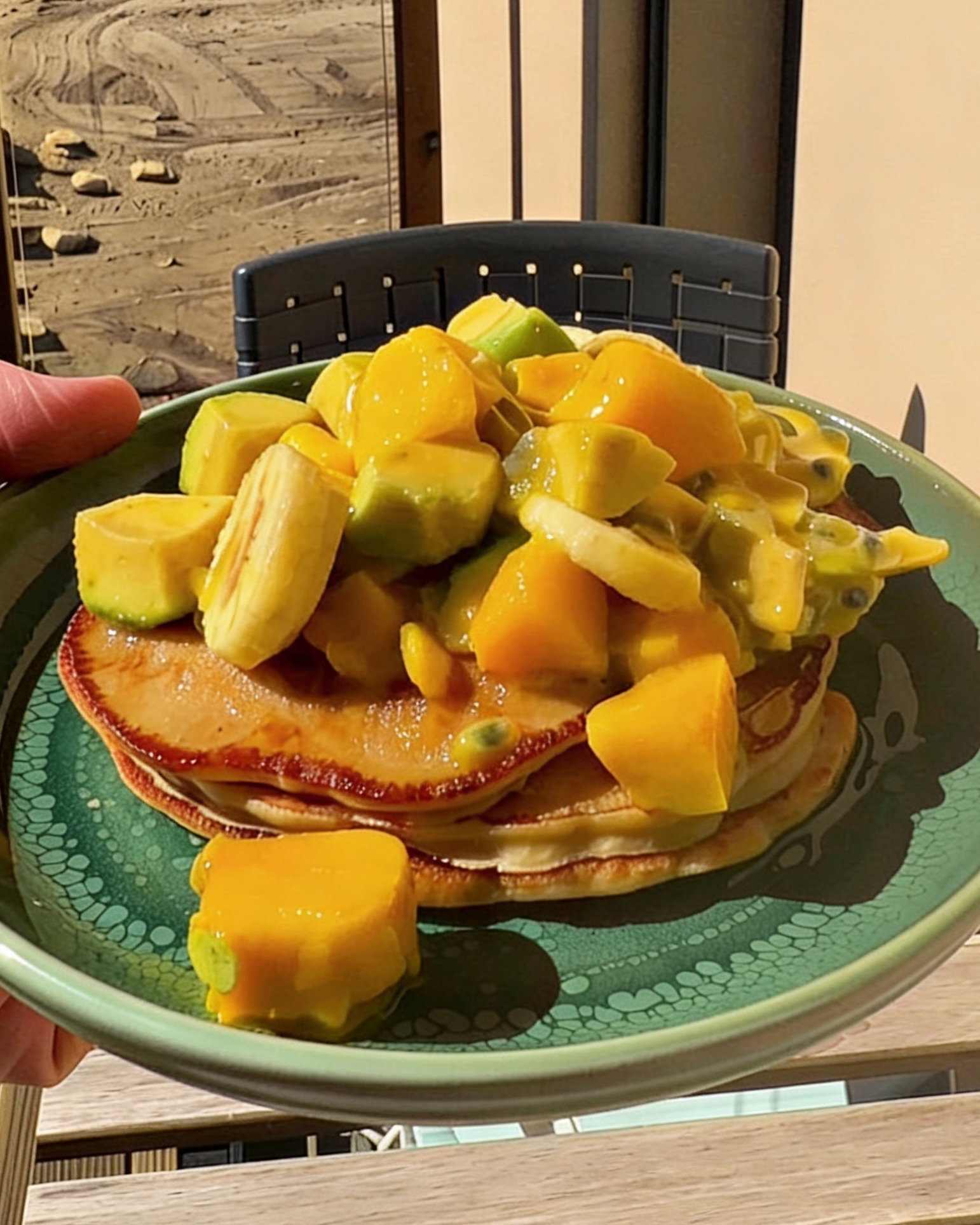
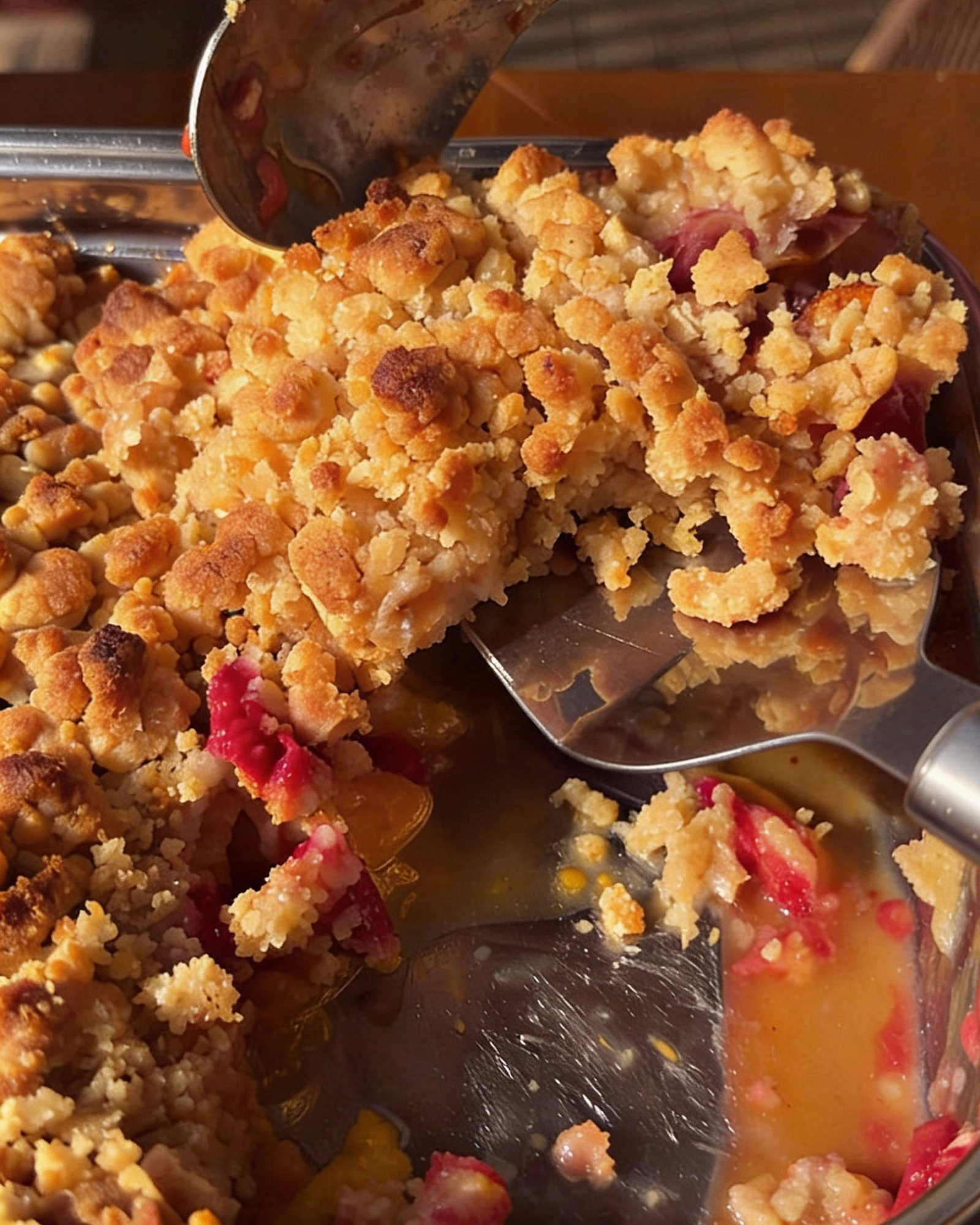
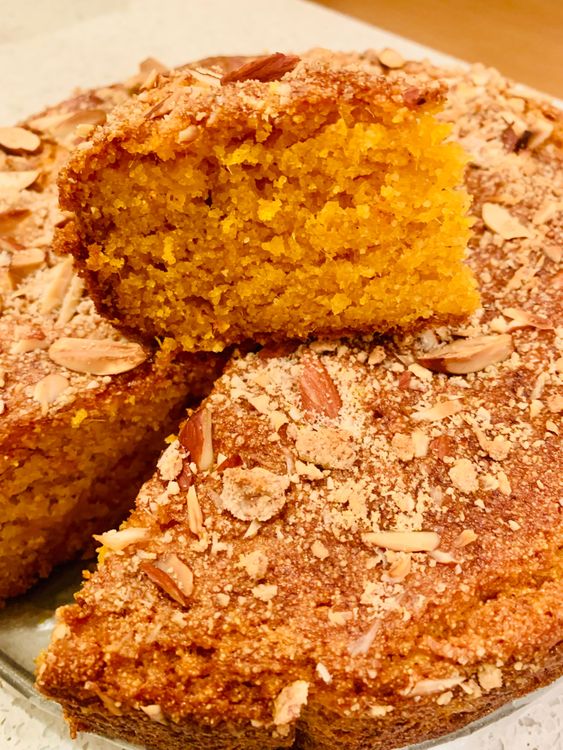
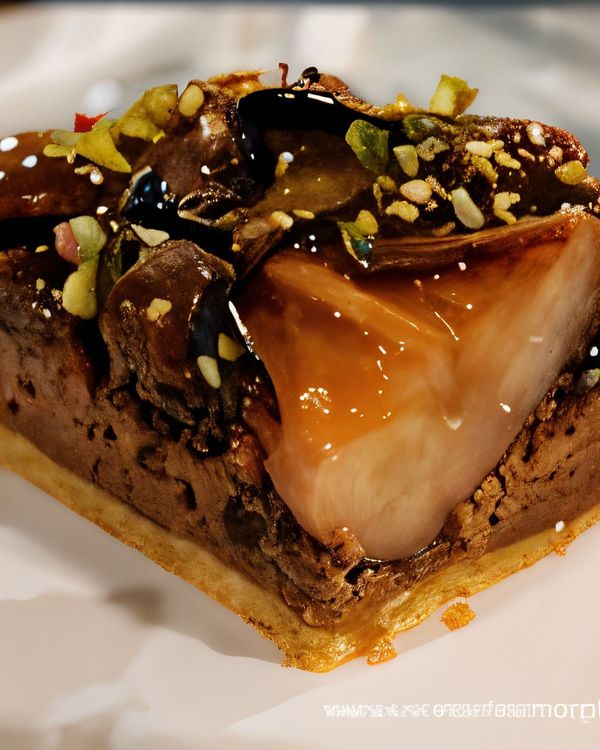
Acid is the lever. A crumble made with underripe fruit and no lemon tastes dull, and the reflex is to reach for a pinch of salt to fix it - but what the fruit actually wanted was sharpness. These twelve lean on citrus, tart berries and slightly-under-ripe stone fruit. Macerate first, taste the raw fruit before it goes anywhere near the oven, and adjust with lemon rather than the shaker. That habit transfers to everything else you cook.

- Gluten-Free
- Dessert

- Vegetarian
- Dessert

- Vegetarian
- Dessert
- American
- Vegetarian
- Dessert
- Indian
- Vegetarian
- Appetiser

- Vegetarian
- Breakfast

- Vegetarian
- Dessert
- American
- Eggetarian
- Snack

- Gluten-Free
- Breakfast
- Vegetarian
- Dessert
- Indian
- Vegetarian
- Snack
- Eastern European
- Eggetarian
- Dessert
Chocolate, Cakes and Bakery Classics
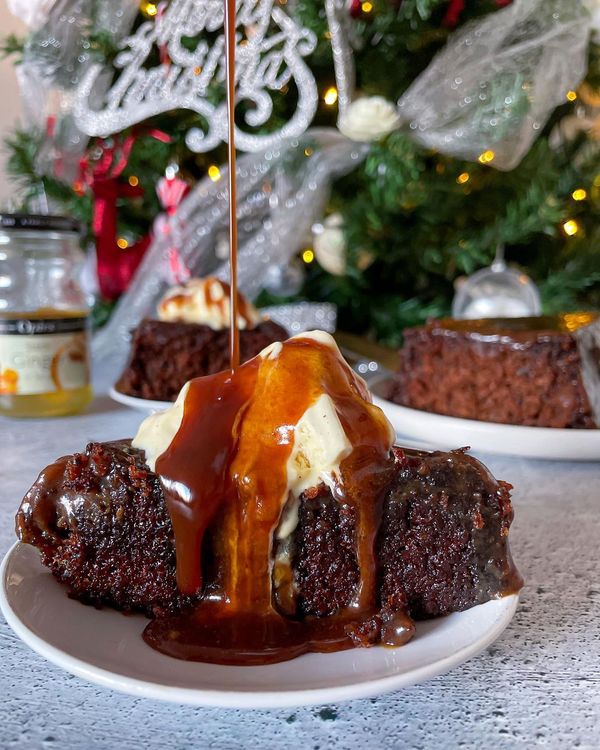
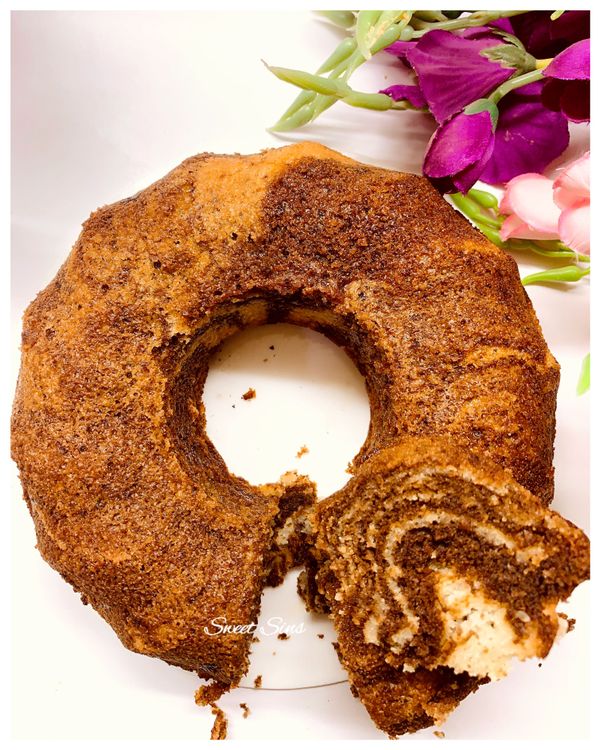
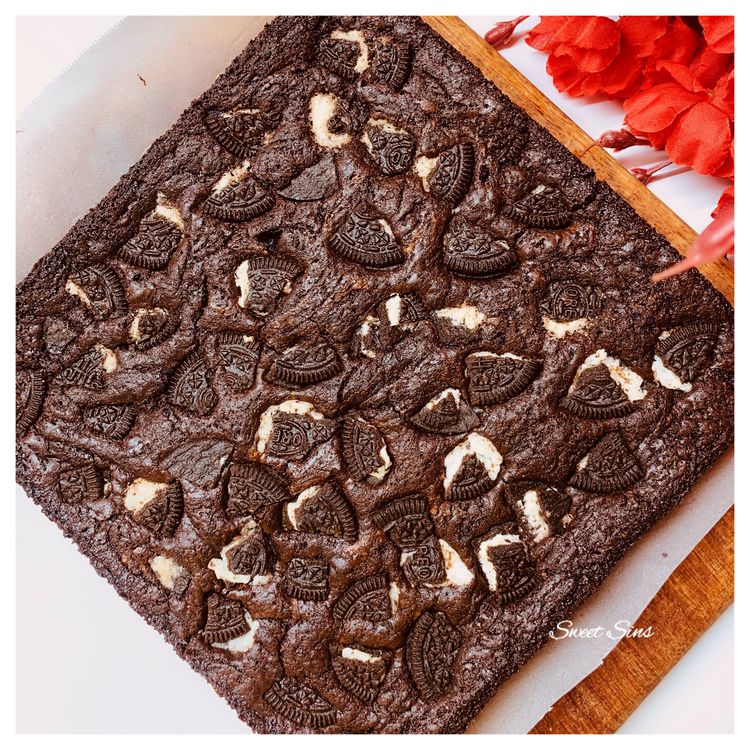
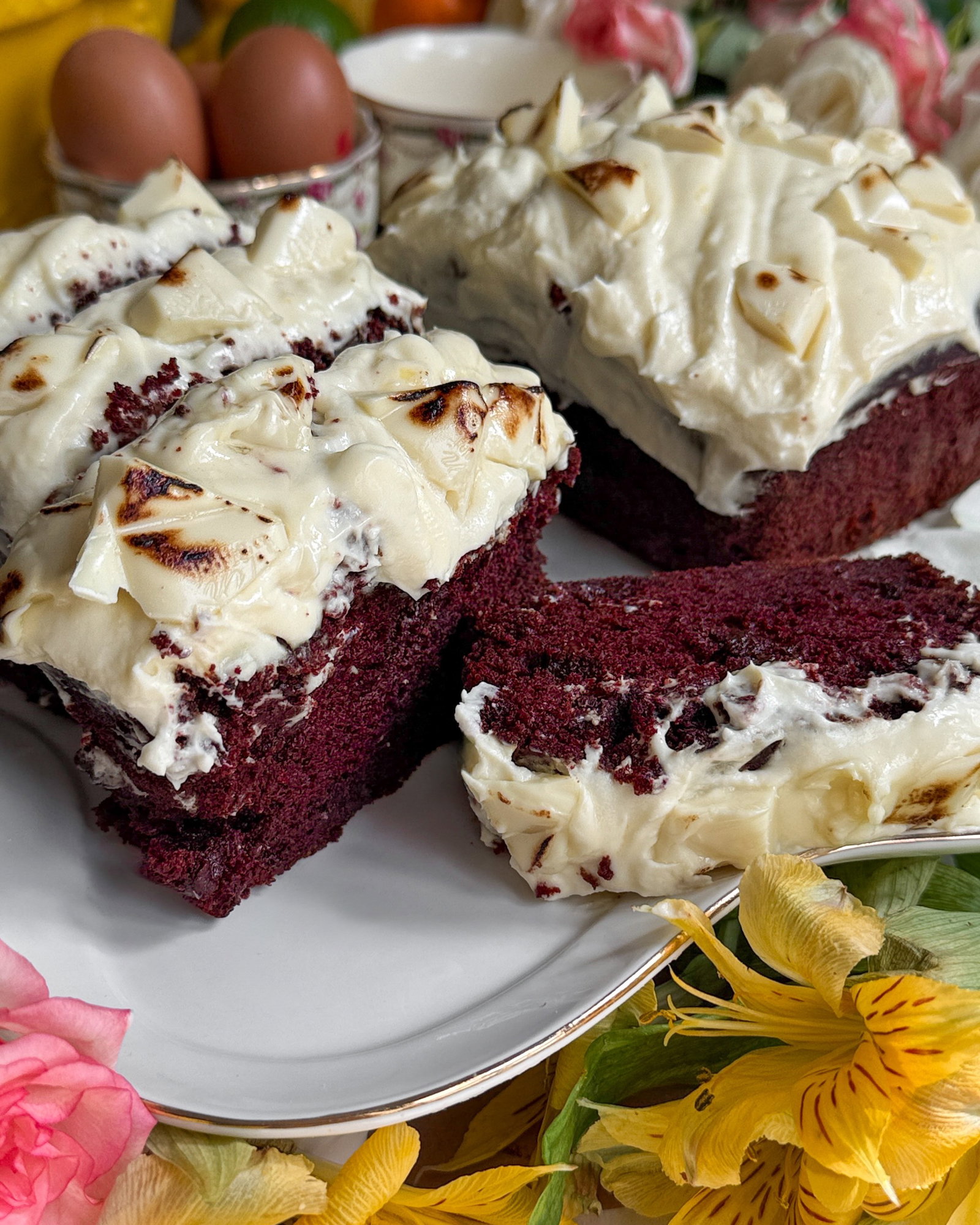
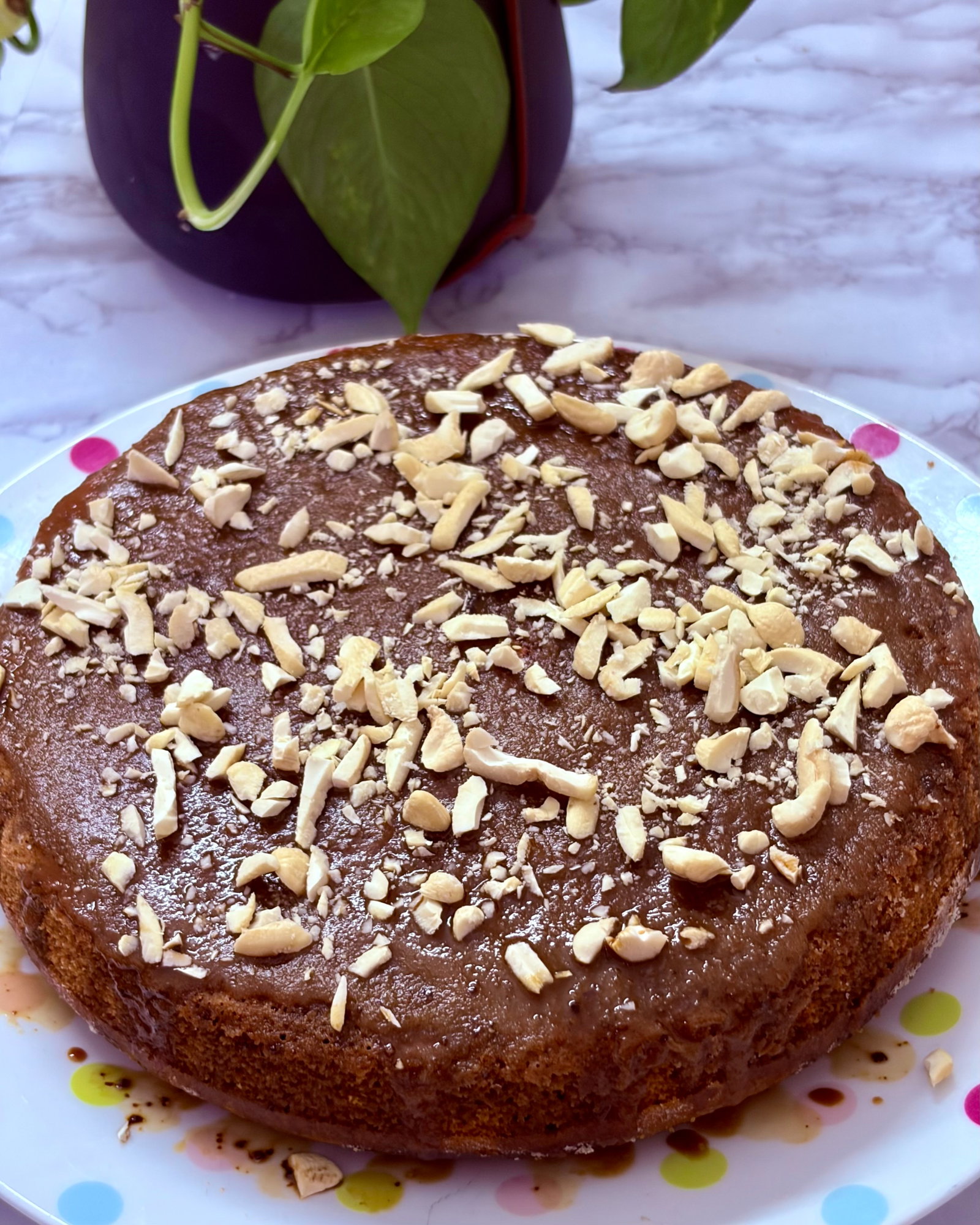
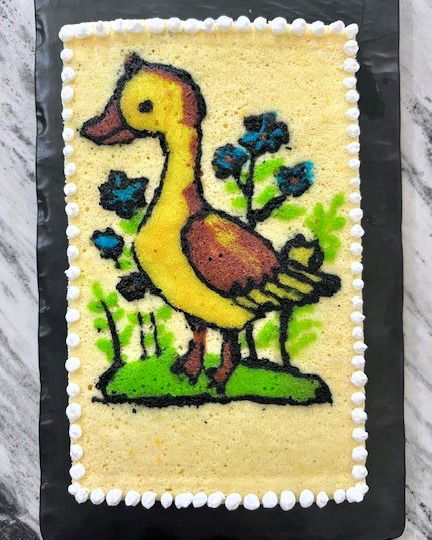
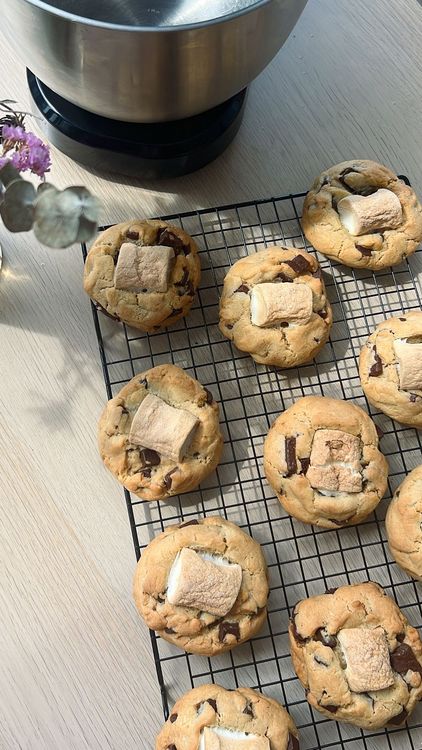
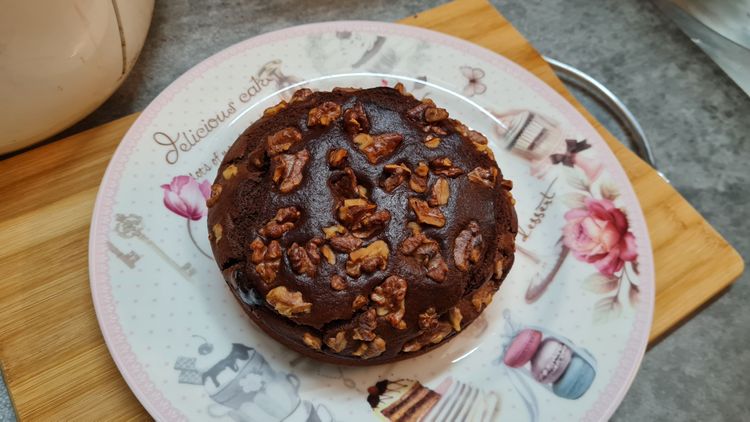
This is the biggest group and the one where cutting salt genuinely changes something, so it is worth being honest: a chocolate bake with nothing at all in it can taste slightly flat. The fixes are real, though. Brown your butter. Use a darker chocolate. Add coffee, which sharpens cocoa the way a pinch normally does. Toast your nuts properly. Twenty-one recipes here, and the brown butter banana bread is the clearest demonstration of all four.

- Nut-Free
- Breakfast

- Gluten-Free
- Dessert

- Gluten-Free
- Dessert
- English
- Eggetarian
- Dessert
- English
- Vegetarian
- Dessert

- South African
- Eggetarian
- Snack


- Nigerian
- Vegan
- Appetiser
- American
- Vegetarian
- Dessert
- Eggetarian
- Dessert
- Peanut-Free
- Dessert

- International
- Eggetarian
- Dessert

- American
- Eggetarian
- Snack

- International
- Vegetarian
- Appetiser

- Vegetarian
- Bread & Baking
- American
- Eggetarian
- Breakfast
- American
- Eggetarian
- Dessert
- American
- Vegetarian
- Snack
- International
- Vegetarian
- Snack

- Hong Kong
- Eggetarian
- Breakfast
- American
- Eggetarian
- Dessert

- American
- Eggetarian
- Dessert
Breakfast Bowls and Everyday Snacks
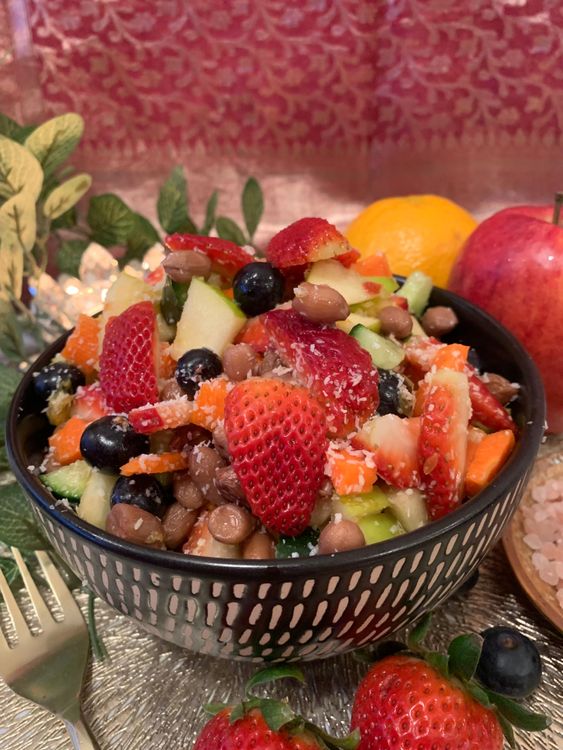
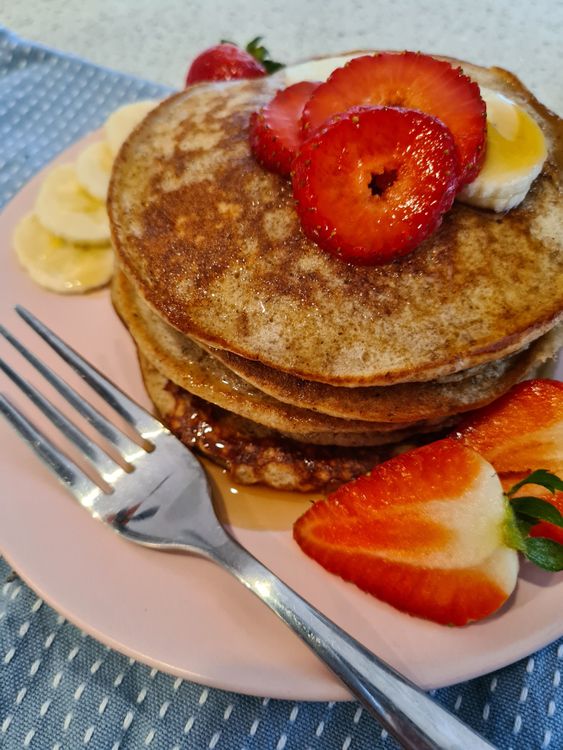
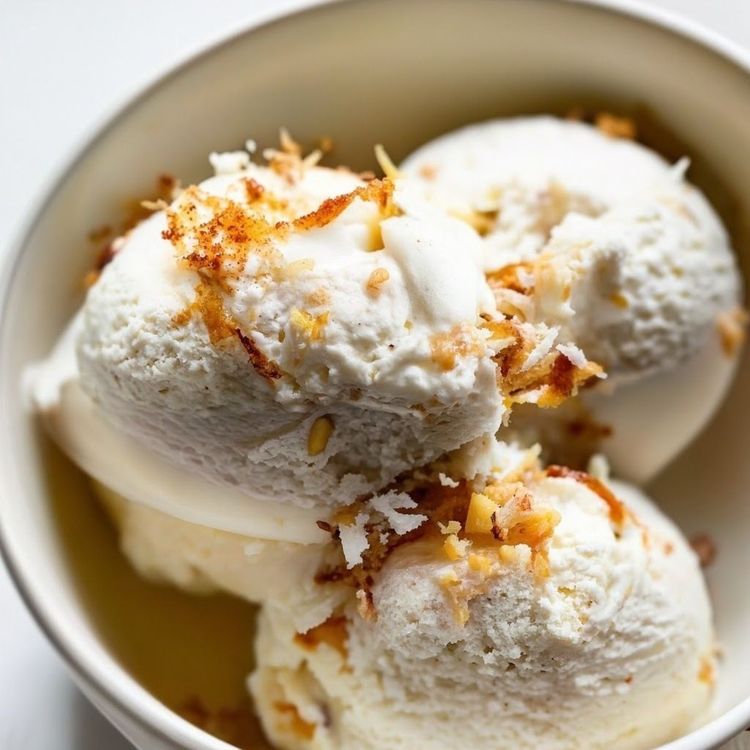
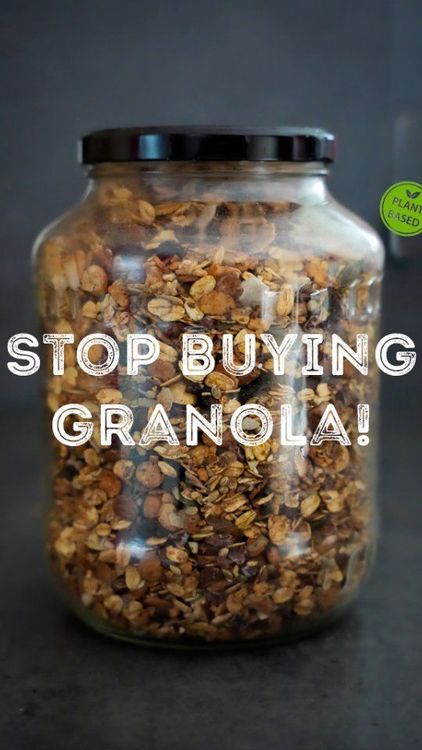
Breakfast is where packaged salt does its quietest work: cereal, bread, granola, flavoured yoghurt. These nine hand the job back to you. Homemade granola, blended oat pancakes, a rainbow salad seasoned entirely with vinegar and citrus, a slow congee, baked oats. It is also the easiest place to start if low sodium meals are new to you. If you are building a blood pressure diet with your doctor, breakfast is the meal where one small swap compounds fastest, simply because you eat it every single day of the week.

- Vegetarian
- Salad
- American
- Eggetarian
- Breakfast

- Thai
- Vegan
- Dessert

- Breakfast
- International
- Eggetarian
- Snack
- Indian
- Eggetarian
- Dessert

- Vegetarian
- Breakfast
- American
- Vegan
- Breakfast

- Korean
- Eggetarian
- Snack
Flavour Without Salt: Acid, Spice, Umami and Herbs
Salt does four jobs at once: it suppresses bitterness, sharpens sweetness, adds its own savoury note, and makes aromas more volatile. The useful realisation is that you can hire each of those out separately. For bitterness and sweetness, use acid - lemon, lime, vinegar, tamarind, tart fruit. A crumble with lemon zest through the fruit reads as seasoned even though nothing salted it. For the savoury note, go to umami: reduced milk, toasted nuts, browned butter, mushroom, tomato, aged cheese if dairy is allowed, and coffee or dark cocoa in sweet work. For volatility, use spice and heat - cardamom, cinnamon, chilli, black pepper, fresh ginger. They fill the top of the palate the way a finishing pinch does.
Herbs are the cheapest upgrade in this whole conversation. Add the hardy ones - rosemary, thyme, bay - early, and the soft ones - coriander, mint, basil, dill - off the heat at the very last second, or the perfume simply boils away. Texture counts too. A crisp element makes food taste more seasoned than it is, which is why toasted coconut, crushed nuts and a properly rubbly crumble lid punch so far above their weight. My working rule, when something tastes flat and I cannot reach for the shaker: acid first, then heat, then texture, then fat. That gets me there roughly nine times in ten, and by the tenth I have stopped wanting the salt anyway. That reflex, once it settles in, is what makes a low sodium diet sustainable rather than joyless.
Pro Tips
- Toast every nut and seed before it goes in. Two minutes in a dry pan builds a savoury depth that reads, on the tongue, like seasoning - and it costs you nothing but attention.
- Buy unsalted butter as your default. You can always add salt to a dish later; you can never take it back out of the butter you creamed into a batter twenty minutes ago.
- When a bake tastes flat, reach for acid before anything else. A quarter-teaspoon of lemon juice in a caramel or a fruit filling wakes it up faster than a pinch ever would.
- Brown your butter whenever a recipe allows it. The nutty milk solids give chocolate and banana bakes the savoury counterweight that seasoning normally provides, and it takes four minutes.
- Read labels per hundred grams, never per serving. Manufacturers choose the serving size, and the portion of granola pictured on a box is rarely the portion in your actual bowl.
- Add soft herbs and ground spice off the heat, right at the end. Cardamom and cinnamon stirred in during the last minute perfume far harder than the same amount boiled for twenty.
Frequently Asked Questions
Are low sodium recipes actually useful if I'm watching my blood pressure?
They support a lower-sodium way of eating, which is one part of how many people manage blood pressure alongside their doctor's advice - but cooking this way is not a treatment for hypertension, and nothing here should replace medical guidance. If you have been given a specific daily sodium target, work to that number. Ask your GP or a dietitian what your limit actually is before you change anything.
How much salt is really in a dessert?
Homemade, usually very little - a pinch in the batter, whatever came in the butter. Shop-bought is a different animal entirely: commercial biscuits, cake mixes, sweet spreads and packaged granola all use salt as a flavour tool, and you rarely taste it. That gap is the whole reason low salt recipes for sweet things are worth cooking rather than buying off a shelf.
Can I just leave the salt out of a baking recipe?
In most sweet bakes, yes. A quarter-teaspoon in a cake is there for flavour, not structure, so removing it costs you a little contrast rather than a collapse. Yeasted dough is the real exception: salt controls the rate of the ferment, so cutting it out entirely gives you a fast, slack, over-proved dough. Reduce it there rather than removing it outright.
What can I use instead of salt to make food taste finished?
Acid, umami, spice and texture, roughly in that order. Lemon or vinegar sharpens sweetness and knocks back bitterness. Toasted nuts, browned butter, coffee and dark cocoa supply savoury depth. Cardamom, ginger and chilli fill the top of the palate. A crunchy element makes almost anything taste more seasoned than it is. Try them one at a time and you will learn which lever your own palate actually misses.
Is switching to unsalted butter enough on its own?
It helps more than people expect, because butter is one of the quietest sources in a baker's kitchen - but it is one lever, not the answer. Bread, cereal and packaged snacks usually contribute far more across a day. Switching your butter and then eating four slices of shop bread has not really moved the needle much at all.
Do no salt recipes taste flat?
Only if you change nothing else. Cook exactly as you did before, minus the seasoning, and yes - it tastes like something is missing, because something is. Cook with more acid, more toasted nuts, more spice and a crisp element on top, and most people genuinely do not notice. The first fortnight is the hard part; palates recalibrate much faster than you would think.
How do I stick to a low sodium diet when I eat out?
Restaurant food is salted heavily and you have almost no control over it, so pick your battles. Order things that are grilled or roasted rather than cured, braised or sauced. Ask for dressings and sauces on the side. Skip the bread basket. Eating out twice a week on a blood pressure diet is survivable; eating out daily is not.
Ninety-nine low sodium recipes, and nearly all of them sweet - which turned out to be the honest lesson rather than a quirk of tagging. The salt you cut here is the salt you never chose in the first place. So cook the granola, brown the butter, reach for the lemon before the shaker, and check your own daily targets with your doctor rather than guessing.
Related
- low salt
- no salt cooking
- heart healthy
- unsalted baking
- blood pressure diet
- healthy desserts
Popular Searches
- Best low sodium recipes
- Easy low sodium recipes
- Quick low sodium recipes
- Healthy low sodium recipes
- Simple low sodium recipes
- Homemade low sodium recipes
- Delicious low sodium recipes
- Popular low sodium recipes
- low salt recipes
- low sodium meals
- no salt recipes
- low sodium diet
Marnirni-apinthi Building, Lot Fourteen,
North Terrace, Adelaide, South Australia, 5000
Australia
