We use cookies on this website to ensure its proper functioning and to improve the quality of our services. Cookie Policy
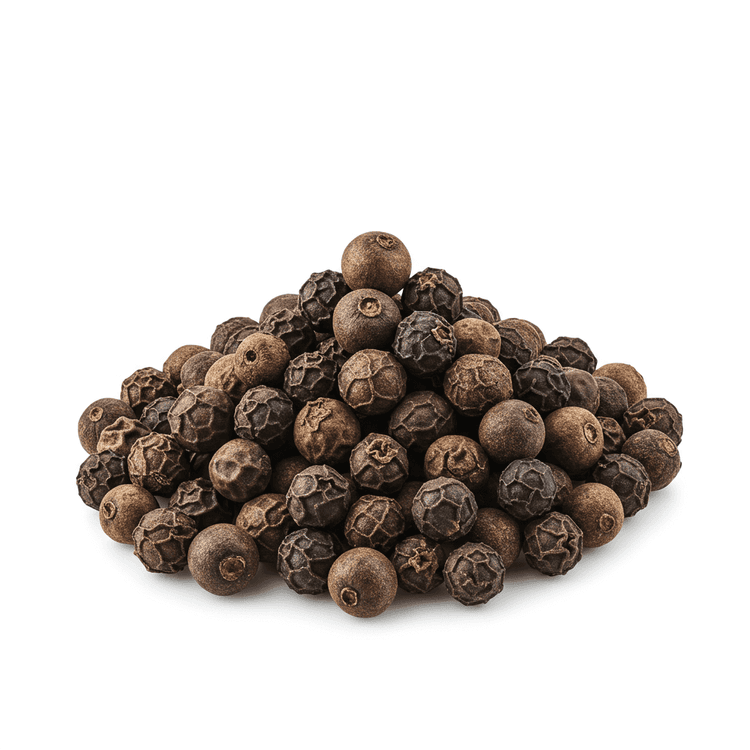
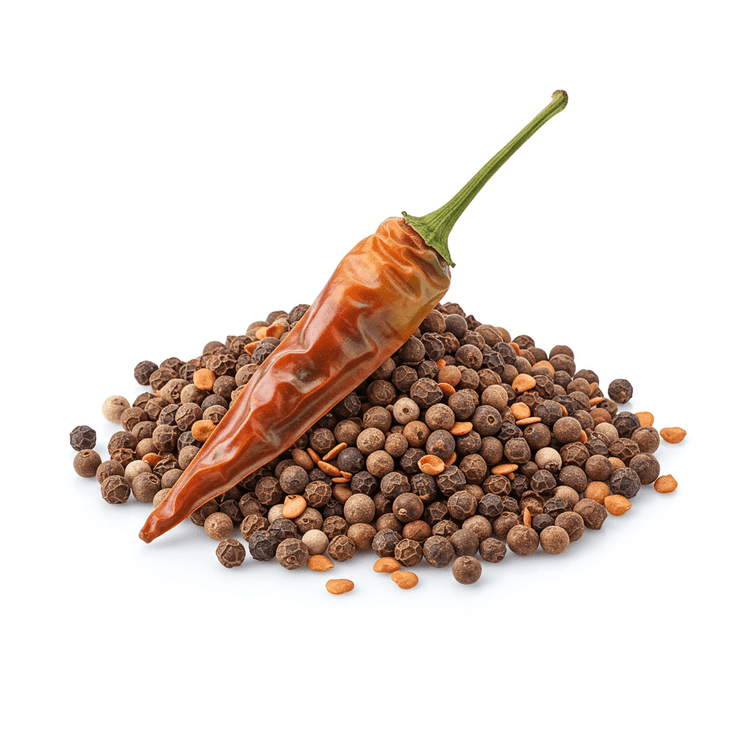
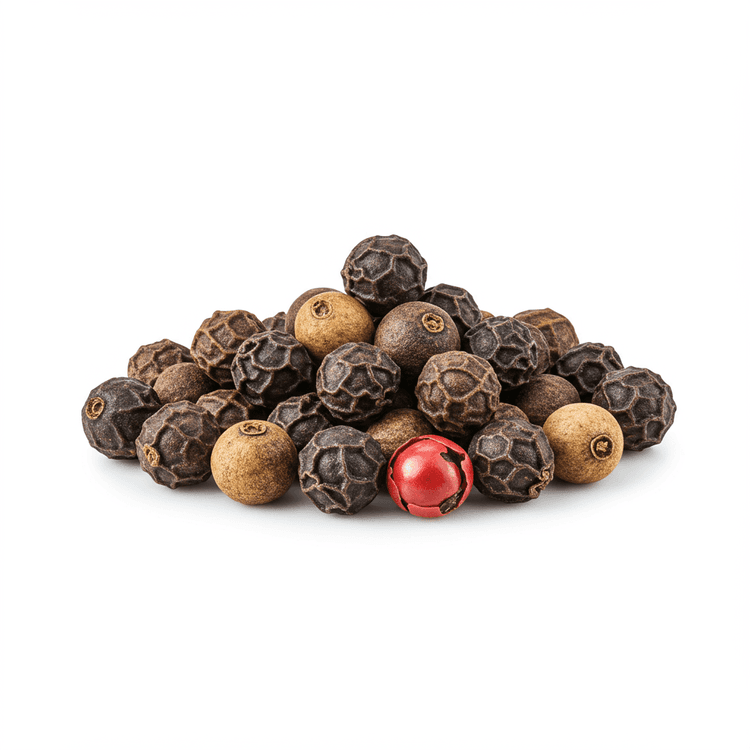
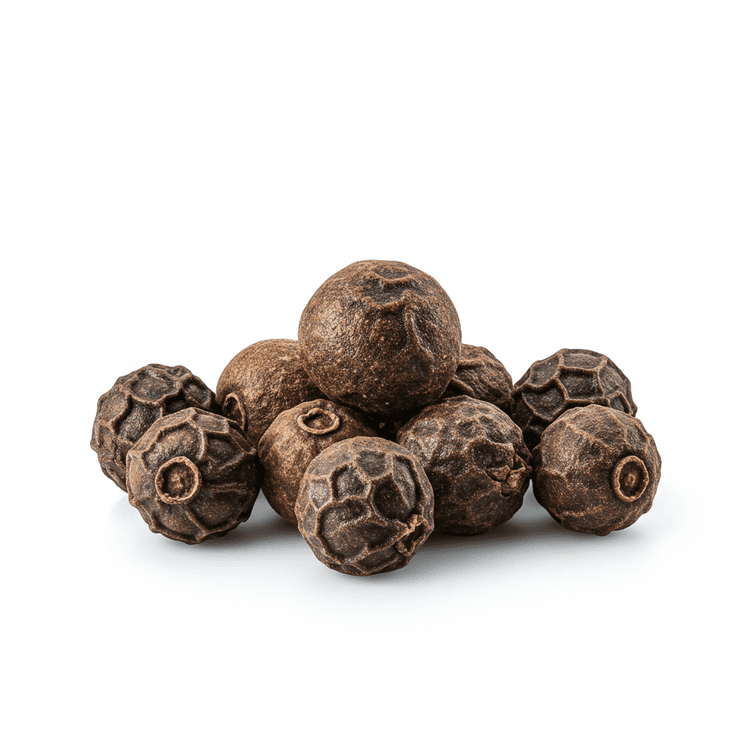
Black pepper, the dried fruit of the Piper nigrum plant, is a ubiquitous spice prized for its pungent, sharp, and slightly hot flavor. The peppercorns, which are typically dark brown to black, possess a wrinkled texture and release an aromatic scent when ground. Whole black peppercorns are often used to infuse flavor slowly, while ground black pepper is frequently added during cooking or as a finishing touch to enhance a wide array of dishes. Searching for the best ways to use black pepper? Need information about black pepper uses in recipes? Want to understand black pepper flavor profiles? You've come to the right place!
So what does black pepper actually taste like? Fresh off the grinder, it's warm and woodsy up front, with a piney, almost citrusy brightness and a heat that builds slowly at the back of the throat rather than hitting all at once like a chili. That heat comes from a compound called piperine, and it fades fast, which is exactly why pepper works on nearly everything without overwhelming it. The key thing to know is that most of pepper's aroma lives in volatile oils that escape the moment a peppercorn is cracked, so pepper you grind yourself tastes noticeably livelier and more complex than the pre-ground stuff that's been sitting in a tin.
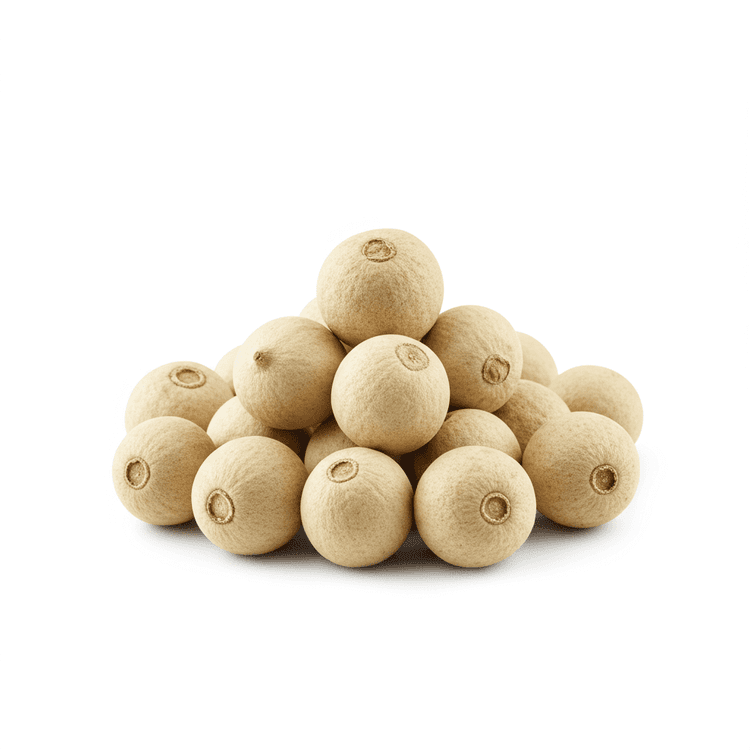
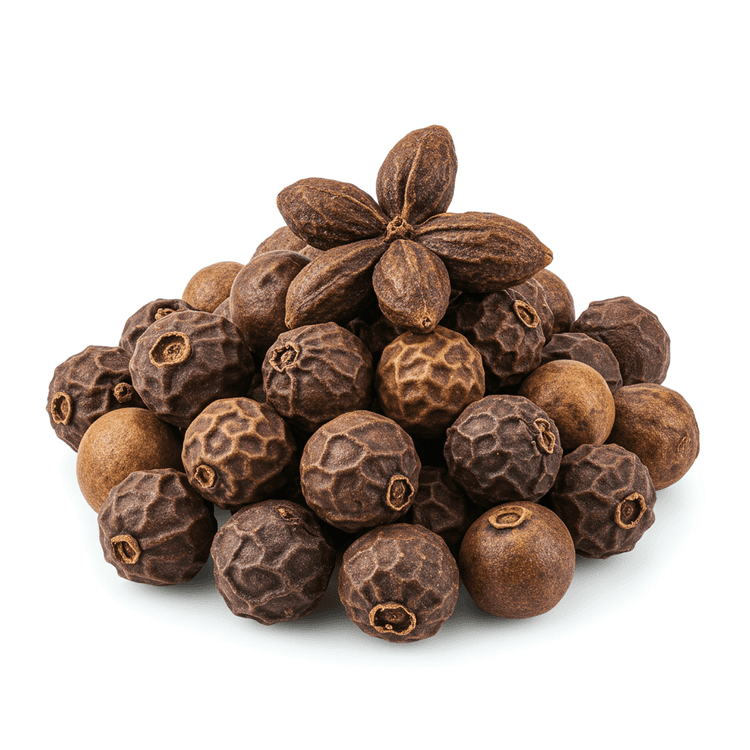
Black pepper is one of the most forgiving spices you can keep in the kitchen, and it plays well with nearly every cuisine. It's naturally gluten-free, vegan, and carries essentially no calories in the pinches you'd normally use, which makes it a safe bet for most diets including keto and paleo. If you ever run out, a peppercorn is a peppercorn at heart, so a whole peppercorn blend or a milder white pepper will cover you in a pinch, and it sits comfortably in the wider family of everyday spice staples.
Save recipes from anywhere, and get answers, swaps, and help as you cook.


Available now for early access users.