Spices: Nature's Flavor Enhancers and Health Boosters
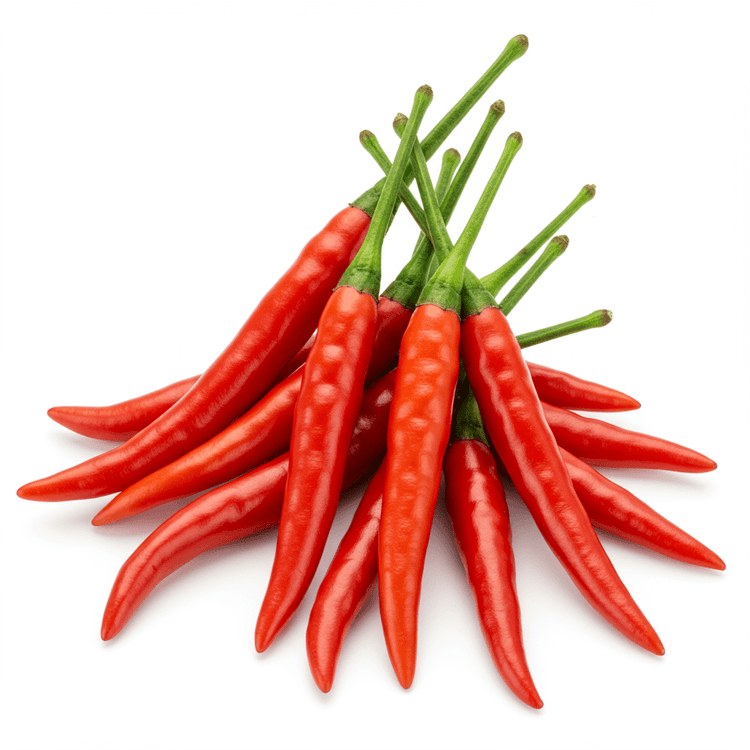
Spices, the aromatic seeds, fruits, roots, bark, or other plant substances, have been prized for centuries not just for their culinary prowess but also for their potent health benefits. These tiny powerhouses are packed with antioxidants, vitamins, and minerals that can contribute significantly to overall well-being. From the warmth of cinnamon to the fiery kick of chili peppers, spices offer a diverse range of flavors and therapeutic properties.
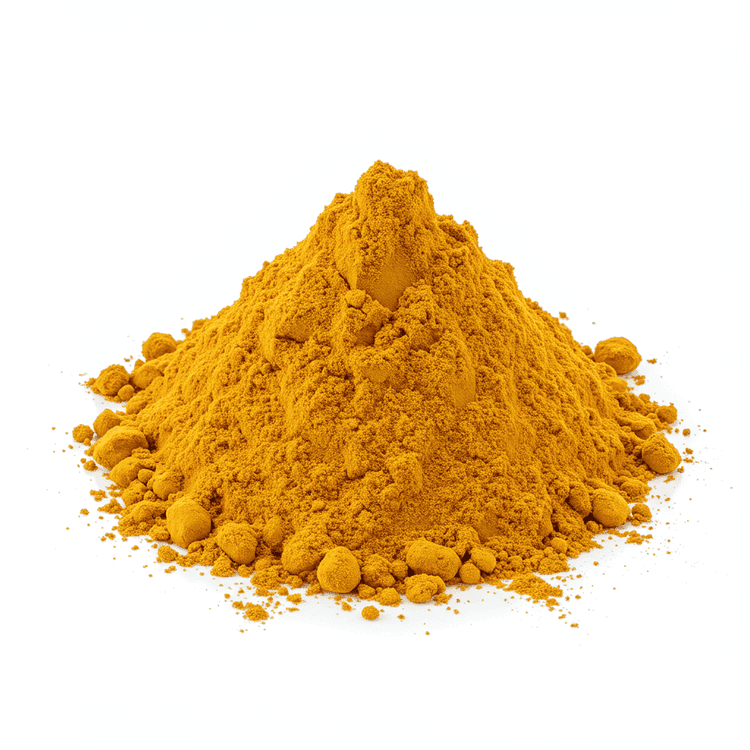
Many spices are excellent sources of antioxidants, compounds that help protect the body against damage from free radicals. Turmeric, for example, boasts curcumin, a powerful antioxidant with anti-inflammatory properties. Studies suggest curcumin may help reduce the risk of chronic diseases such as heart disease, Alzheimer's disease, and certain types of cancer. Ginger, another common spice, contains gingerol, known for its anti-inflammatory and anti-nausea effects. Cloves are exceptionally high in eugenol, an antioxidant with antiseptic and anesthetic properties.
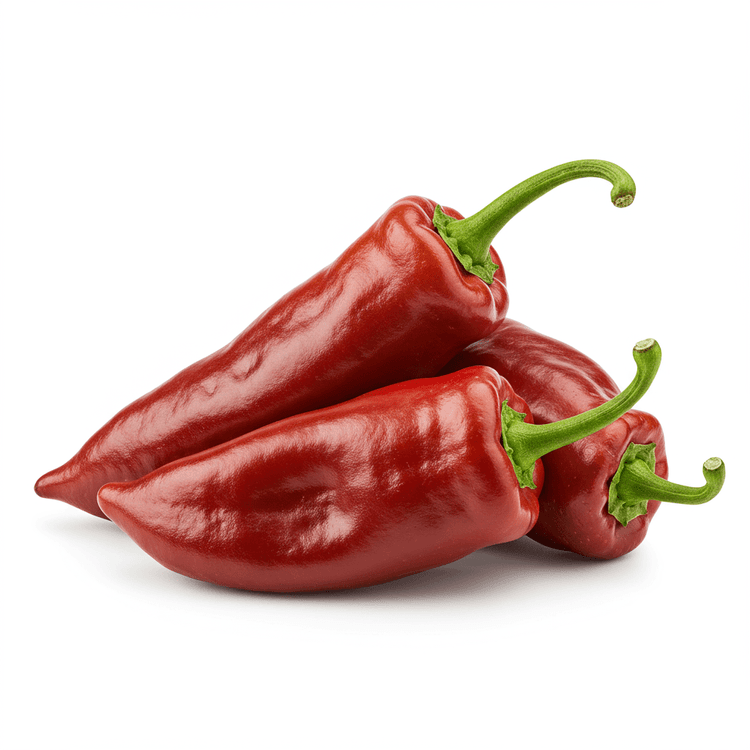
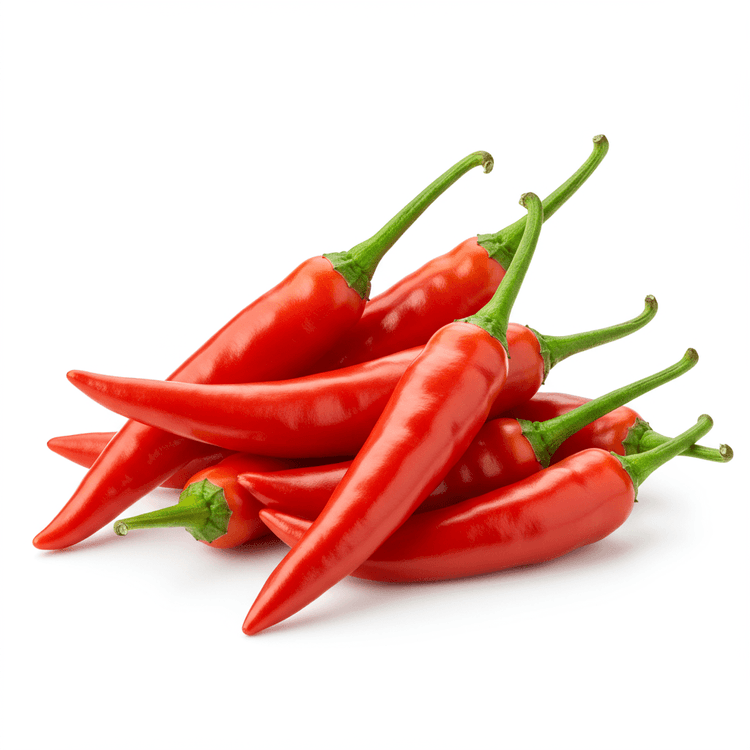
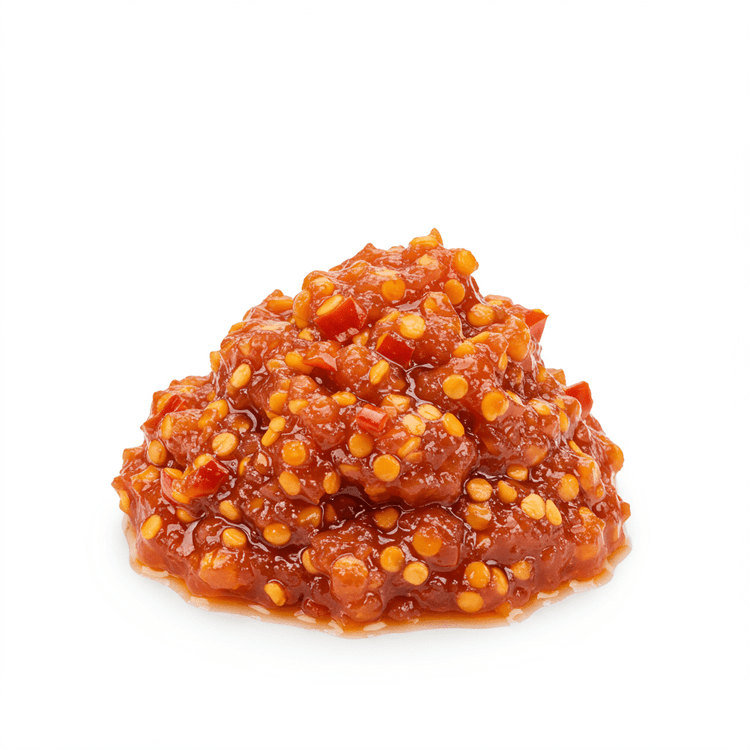
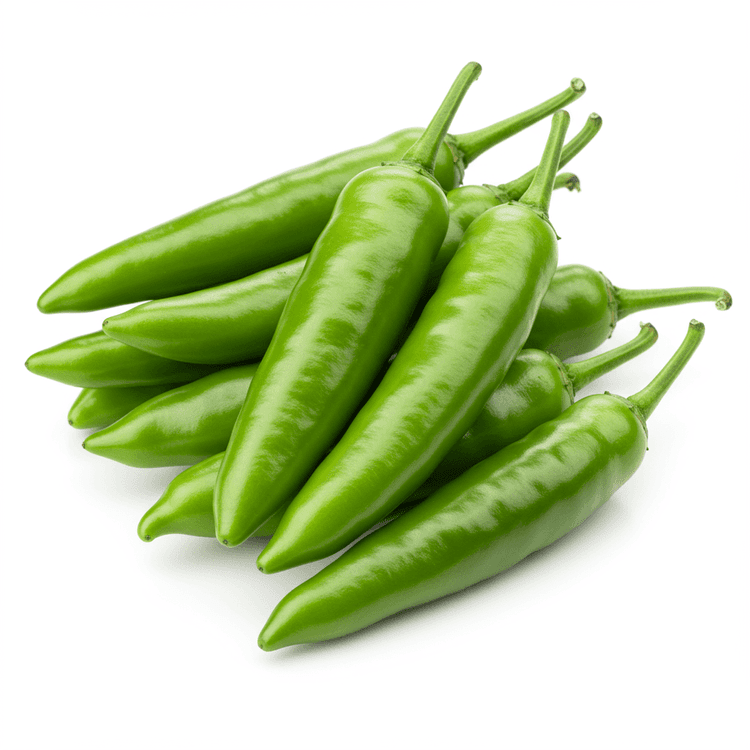
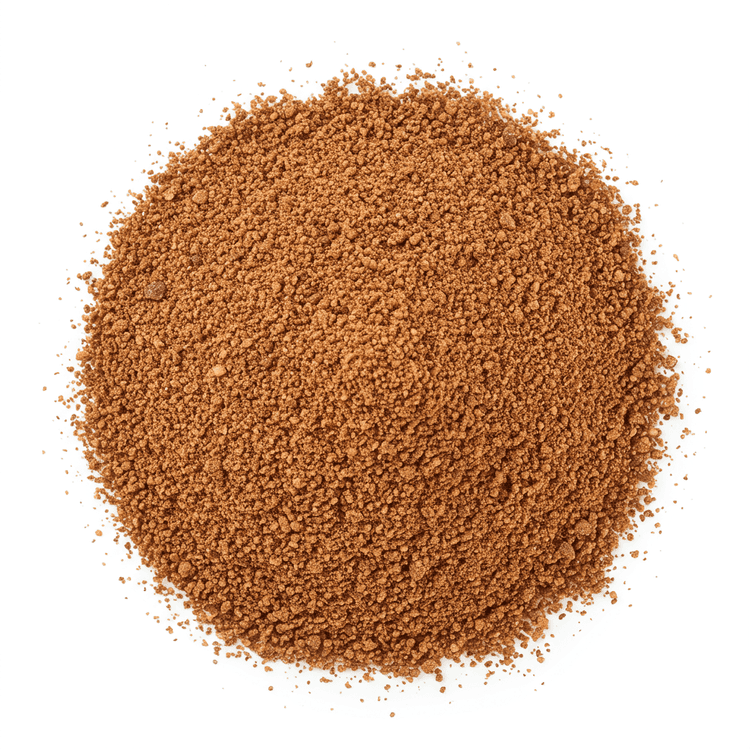
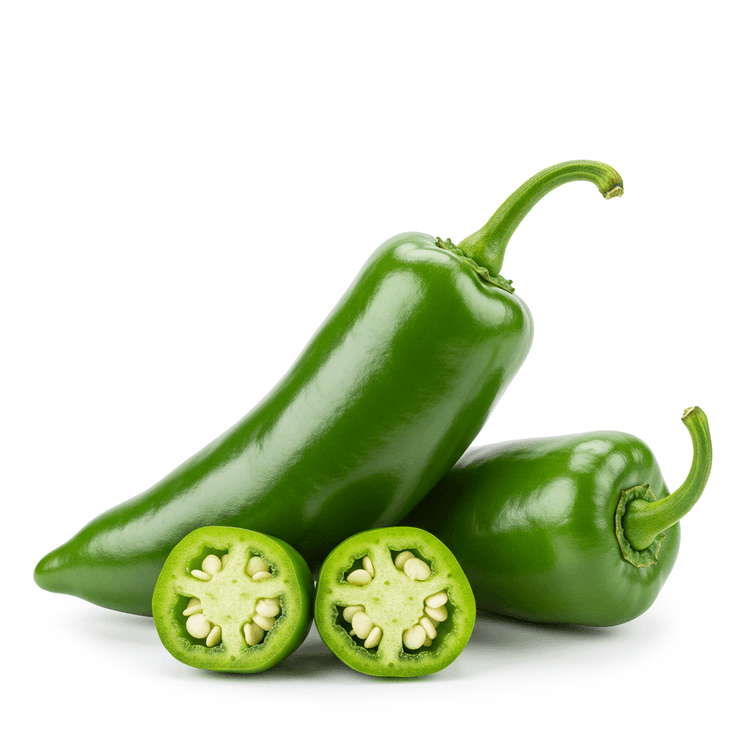
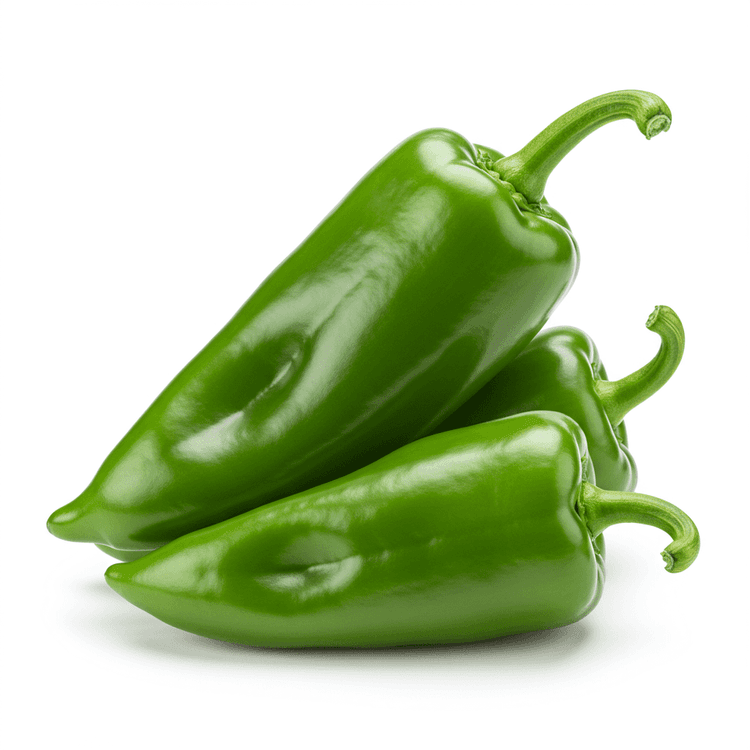
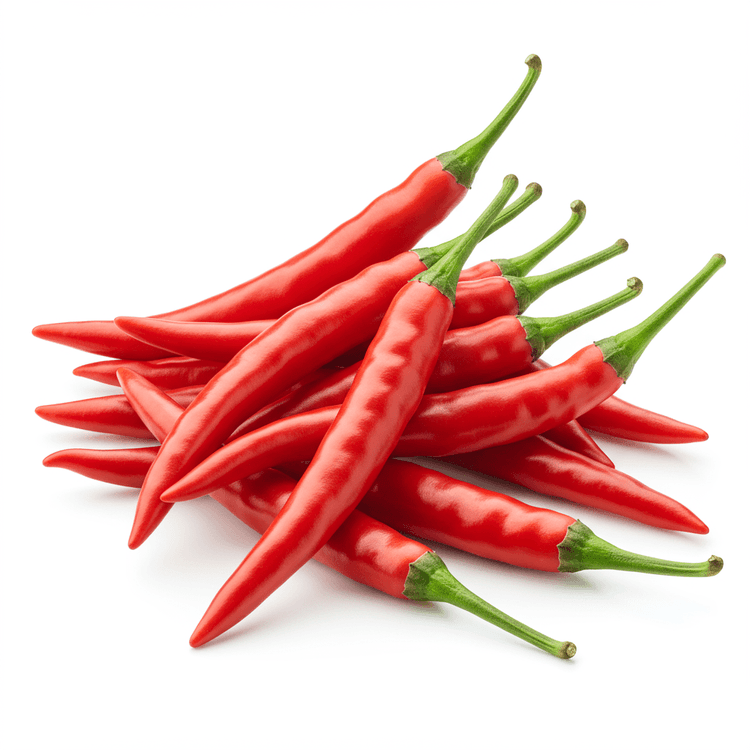
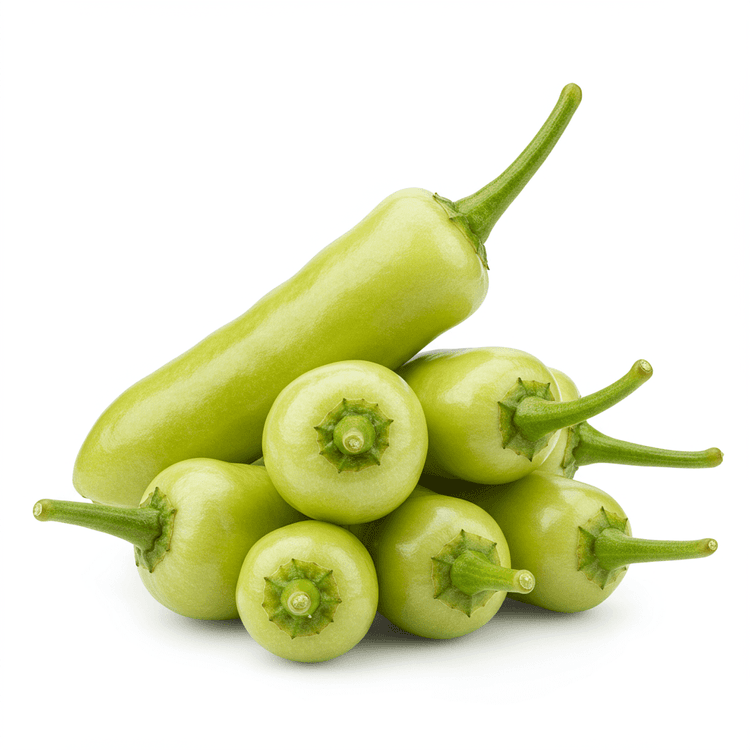
Beyond antioxidants, spices often contain essential vitamins and minerals. Chili peppers, for instance, are rich in vitamin C, vital for immune function and collagen production. Cinnamon contains manganese, important for bone health and metabolism. Cumin is a good source of iron, crucial for red blood cell formation and energy levels. The nutritional contributions, though often in small quantities per serving, add up significantly when spices are used regularly as part of a balanced diet.
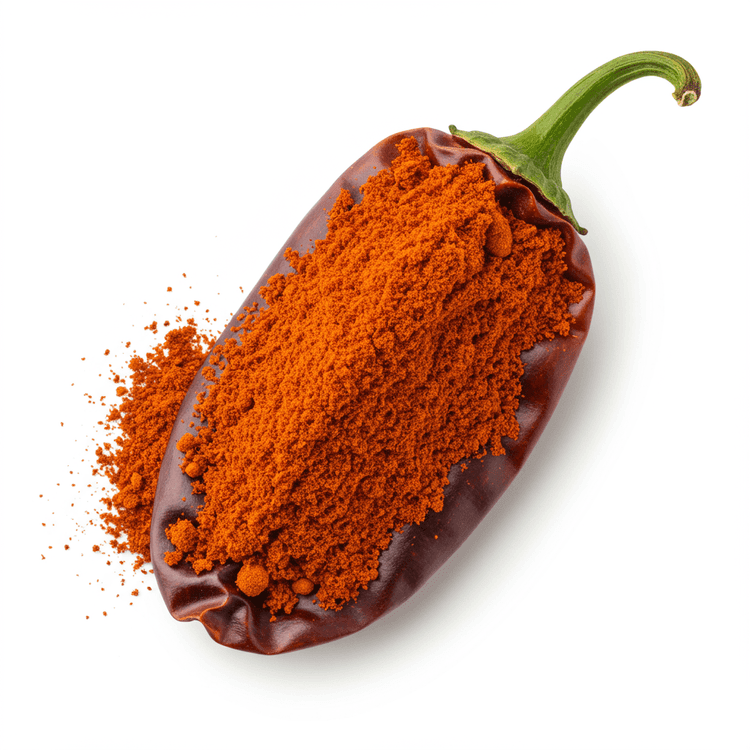
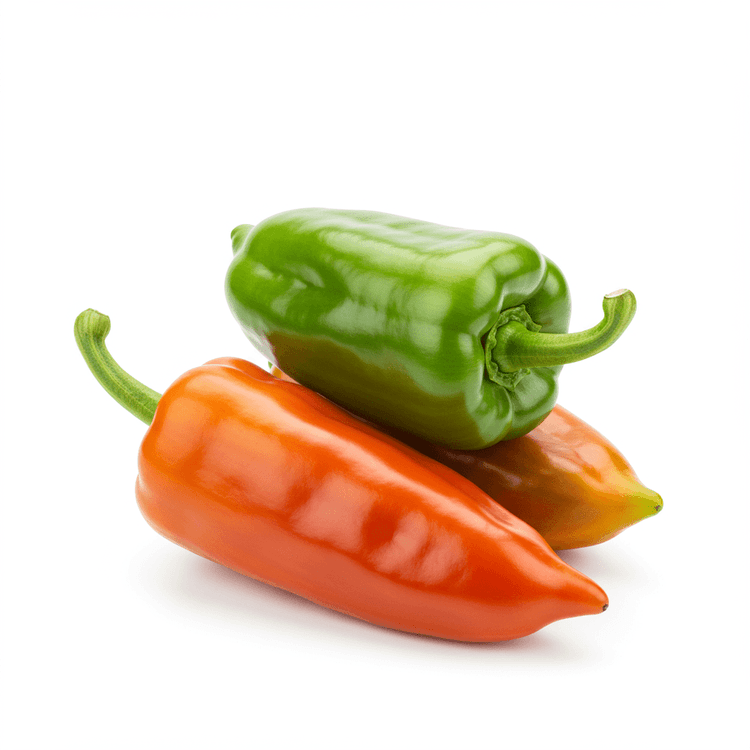
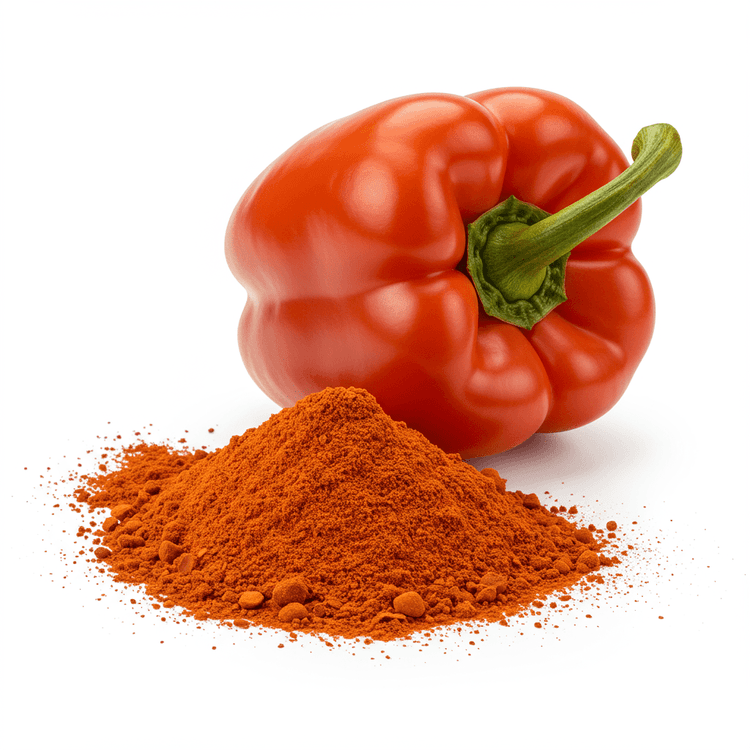
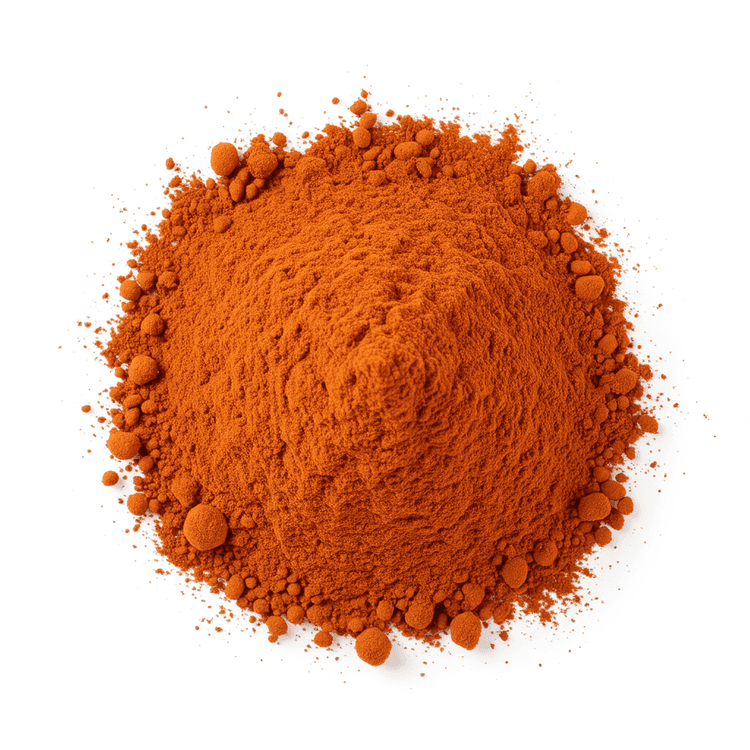
In the culinary world, spices are indispensable. They add depth, complexity, and excitement to dishes from around the globe. Cumin and coriander are staples in Indian curries and Mexican cuisine. Paprika lends its vibrant color and smoky flavor to Spanish paella and Hungarian goulash. Cinnamon elevates baked goods, adds warmth to beverages, and complements savory dishes like tagines. Spices are used in countless marinades, rubs, sauces, and stews, transforming simple ingredients into culinary masterpieces. Popular dishes incorporating spices include chili con carne, ginger chicken stir-fries, spiced pumpkin pie, and Moroccan tagine.
The use of spices extends beyond adding flavor; they can also help reduce the need for excess salt and sugar in recipes. By enhancing the natural flavors of food, spices allow you to create delicious and satisfying meals with less sodium and added sugar, contributing to a healthier diet.
Spices are crucial for a balanced diet because they offer a unique combination of flavor enhancement and nutritional benefits. Their high antioxidant content helps protect against cellular damage, while their vitamin and mineral contributions support various bodily functions. Regular consumption of a variety of spices can contribute to improved digestion, reduced inflammation, enhanced immunity, and overall wellness. Incorporating spices into your daily cooking is a simple and effective way to boost your health and enjoy delicious, flavorful meals. Don't underestimate the power of these tiny flavor bombs – they are a secret ingredient to both culinary delight and a healthier life. ||
Spice are an essential part of a healthy diet, providing a wide range of nutrients and health benefits. Explore our collection of spice ingredients.