We use cookies on this website to ensure its proper functioning and to improve the quality of our services. Cookie Policy
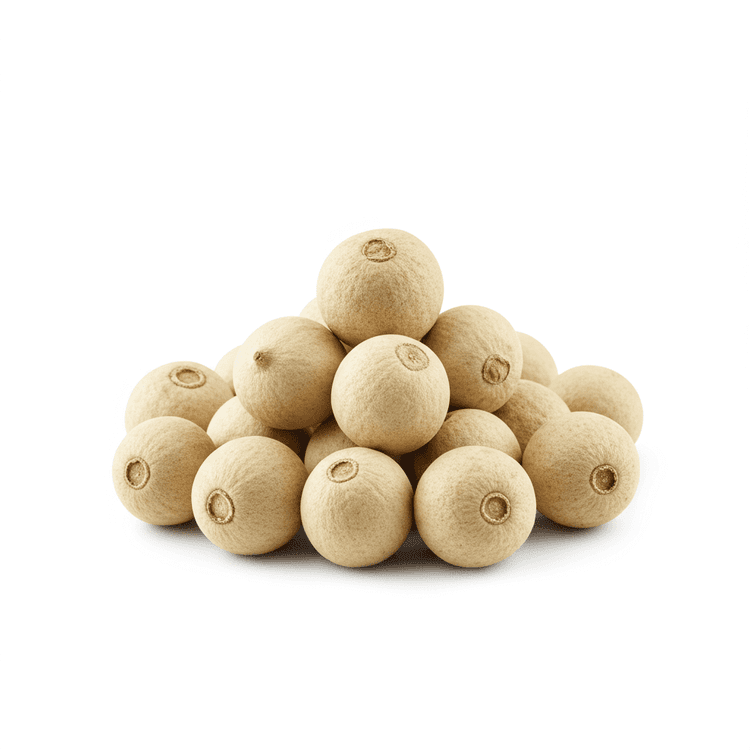
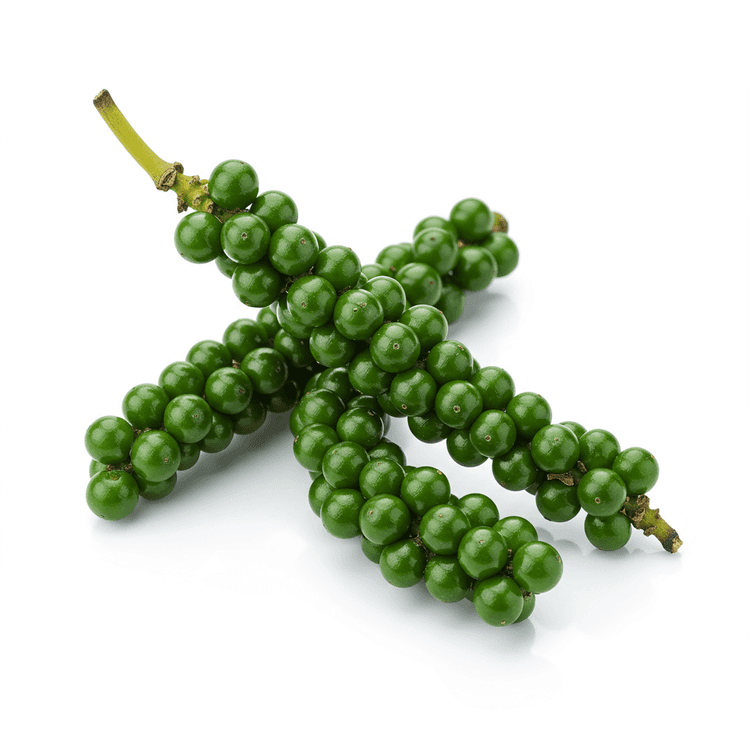
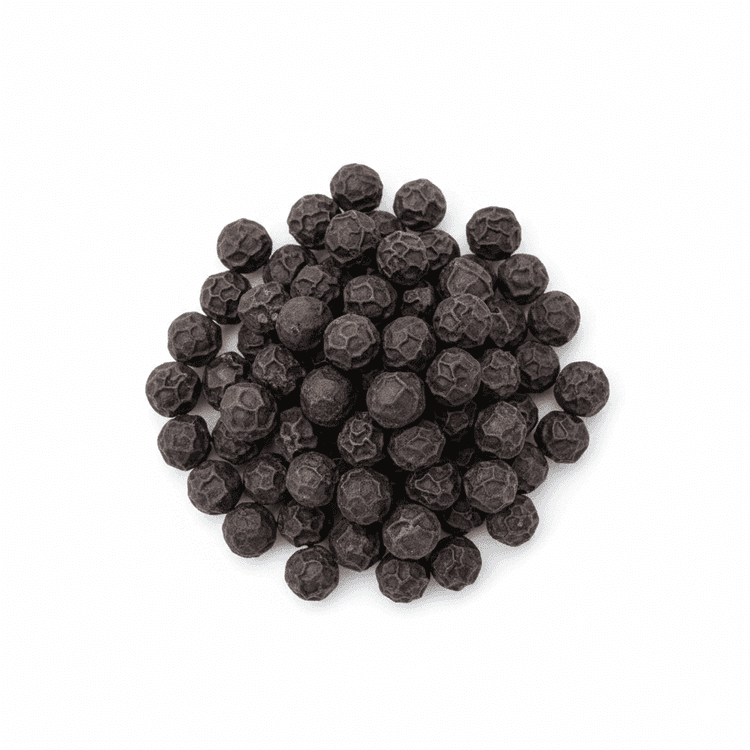
White pepper is a spice made from the dried berries of the Piper nigrum plant — the very same plant that gives us black pepper. The difference comes down to processing. For white pepper, the outer layer of the berry (the pericarp) is removed before drying, either by soaking the berries in water until that skin softens and rubs away, or by taking it off mechanically. What's left is a smooth, ivory-colored peppercorn with a flavor all its own. Compared to black pepper, white pepper tastes more subtle and a little less complex, sometimes with a faintly musty, fermented, earthy edge. It still brings that sharp, pungent bite, but it skips the bright, fruity notes you'd get from black pepper.
That mellow-but-warm character is exactly why cooks reach for it. If you've ever had a silky cream sauce or a pale soup with a gentle heat you couldn't quite place, there's a good chance white pepper was doing the work. Its fine, powdery texture blends seamlessly into light-colored dishes, so you get all the seasoning and none of the dark specks that would stand out in something meant to look pristine.
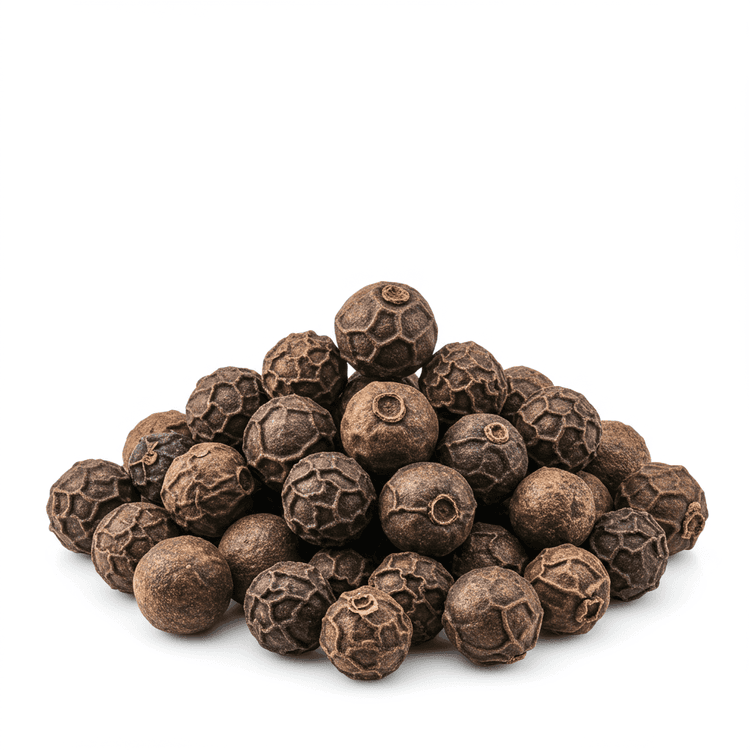
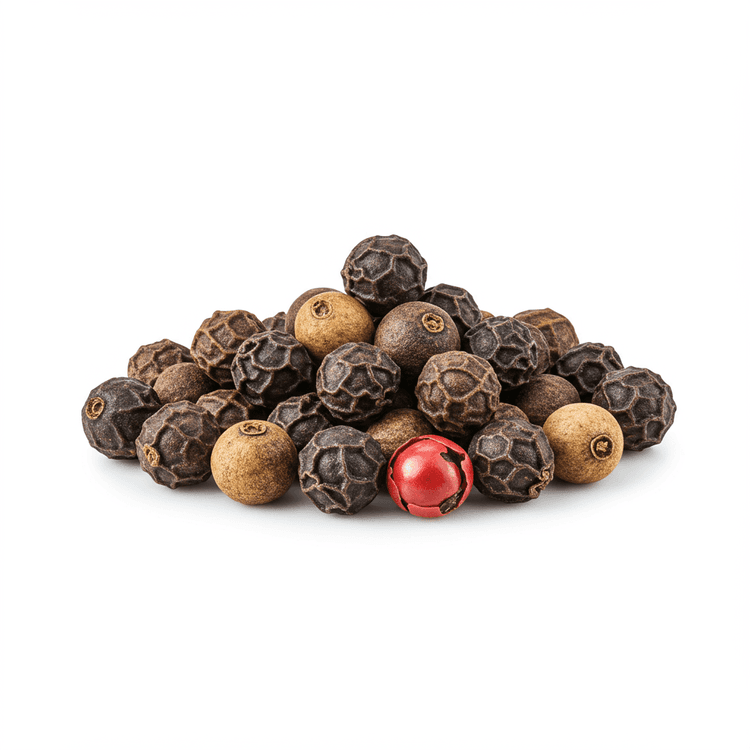
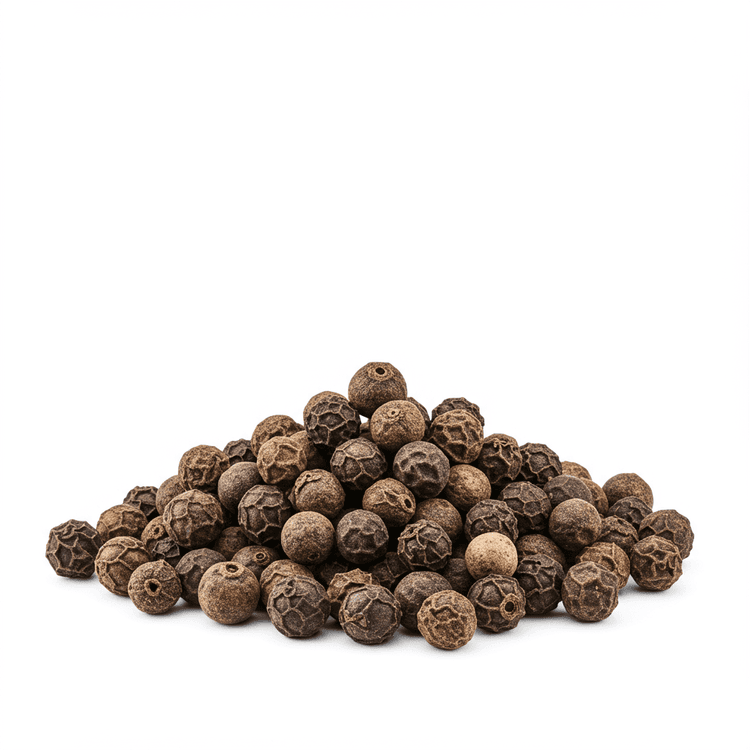
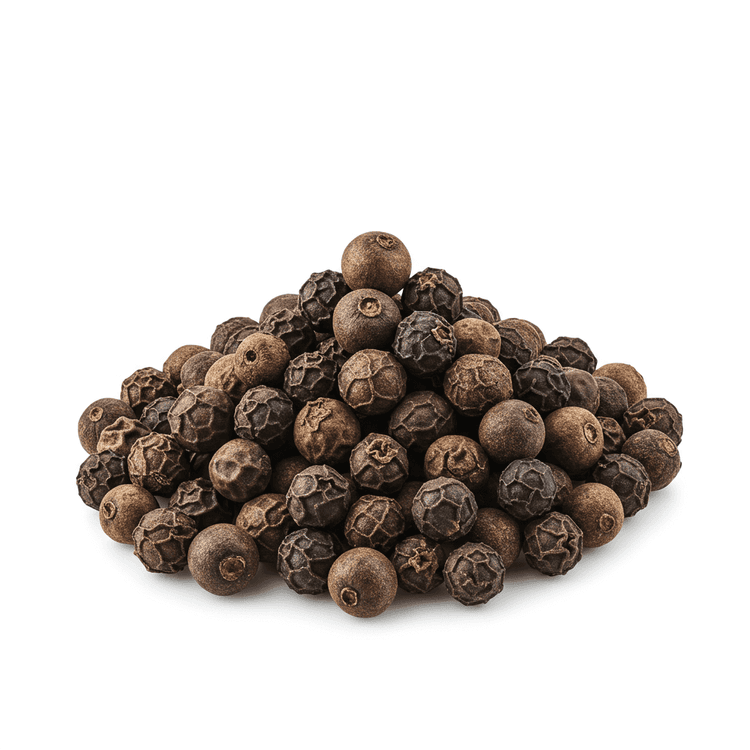
It's a genuinely global spice, showing up everywhere from French kitchens to Chinese soup pots. If you're deciding between the two, think of black pepper as the bold, aromatic one and white pepper as its quieter, funkier cousin — great when you want warmth and depth without changing how the dish looks. For a fuller picture of the whole family, it's worth exploring black pepper and the wider world of peppercorn varieties.
Save recipes from anywhere, and get answers, swaps, and help as you cook.


Available now for early access users.