
100 Gut Health Recipes That Quietly Support Better Digestion
Updated July 16, 2026 · Curated by Chefadora
I started collecting gut health recipes the year my mother-in-law told me, flatly, that we had stopped eating properly. She meant we had stopped eating fermented things — the curd set overnight on the counter, the idli batter breathing in a corner, the pickle jar on the windowsill. She had a point. Most of what supports digestion was already sitting in an Indian kitchen long before anyone printed the word microbiome on a yogurt tub.
So this is a working collection of 100 dishes, pulled from cooks who actually make them: fermented batters, dals thick with fibre, curd and buttermilk, gentle khichdi, raw salads, pickles, whole-grain bakes. Nothing here will cure anything, and I won't pretend otherwise. What these dishes do is feed you a wide range of plants, fibre and live cultures — which is what nutrition research keeps pointing to when it describes a healthy gut diet.
Cook a few. Notice what your body says.
Fermented Gut Health Recipes: Idli, Dosa & Cultured Batters
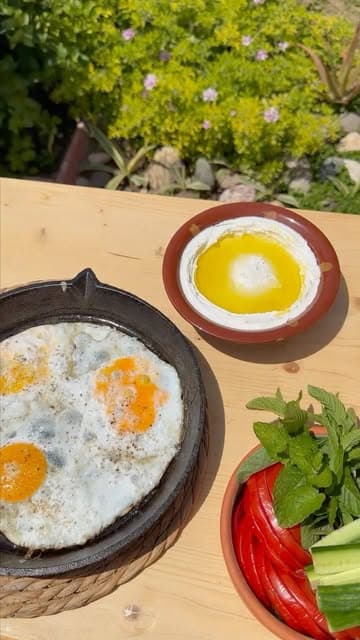
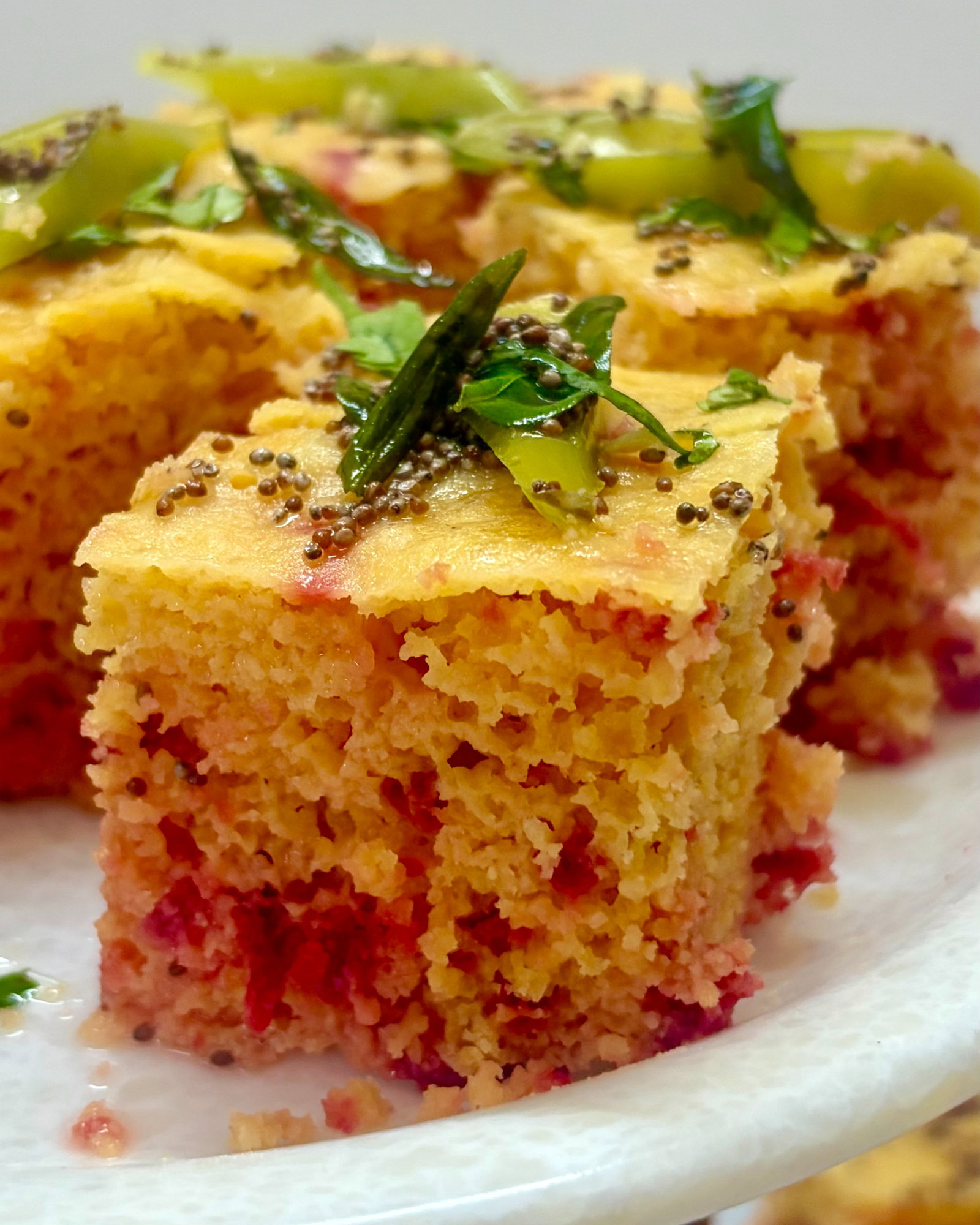
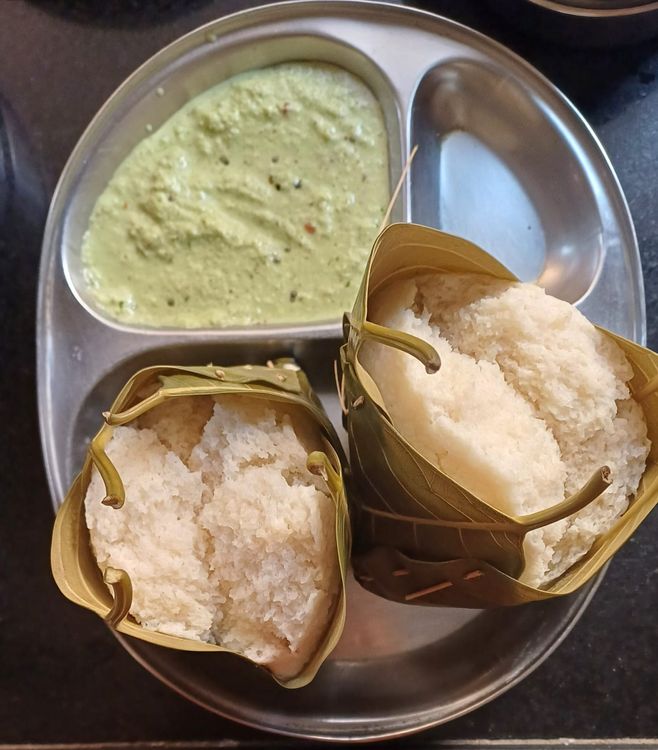
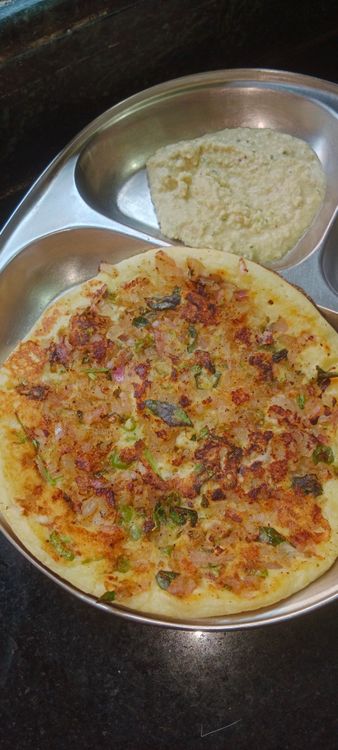
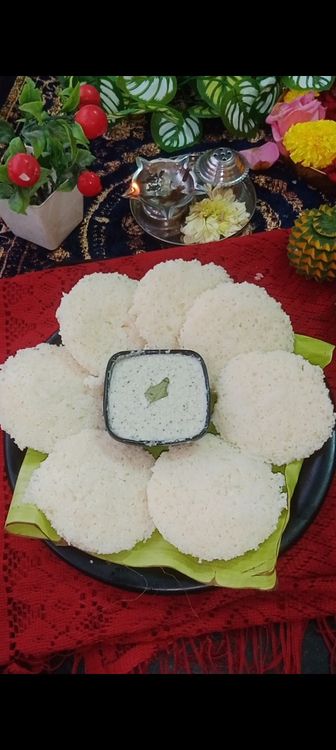
Fermentation is the oldest kitchen technology we have, and South Indian cooking never let it go. A batter left overnight isn't just rising — wild lactobacilli are pre-digesting the rice and dal for you, which is why a plate of idli sits so lightly. These range from the classic rice-and-urad grind to a fifteen-minute moong dal shortcut. Labneh, beetroot dhokla and a low-FODMAP sourdough round it out. Fermented foods reward patience far more than skill.


- Vegetarian
- Appetiser


- South Indian
- Vegetarian
- Breakfast

- Indian
- Vegan

- Vegetarian
- Breakfast

- Vegan
- Breakfast

- Indian
- Vegan
- Breakfast

- Indian
- Vegan
- Breakfast
- Indian
- Vegetarian
- Breakfast
- South Indian
- Vegan
- Breakfast
- Indian
- Vegetarian
- Breakfast


- Vegetarian
- Breakfast
- American
- Non-Vegetarian
- Lunch
Fibre-Rich Dals, Beans & Protein-Packed Curries
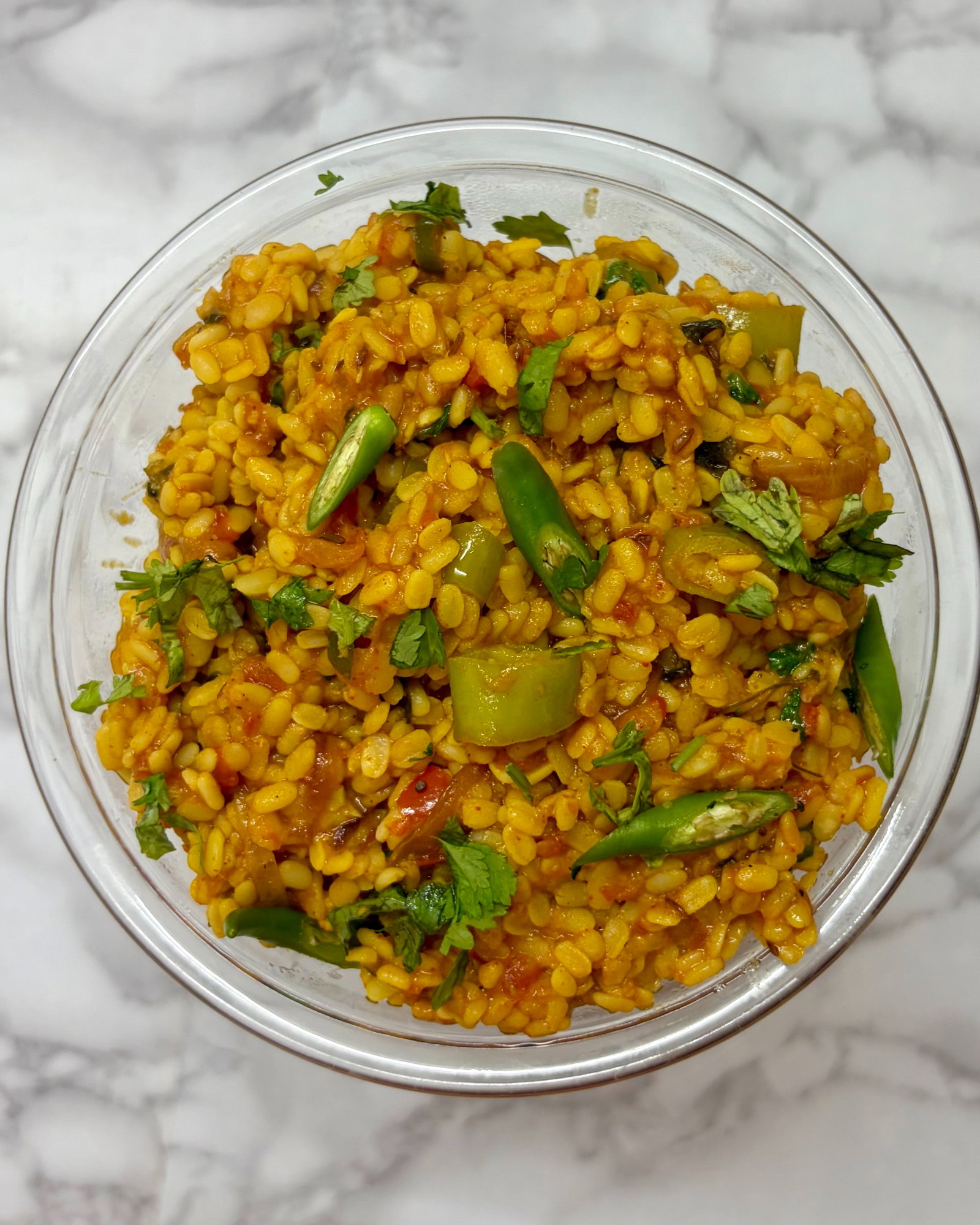
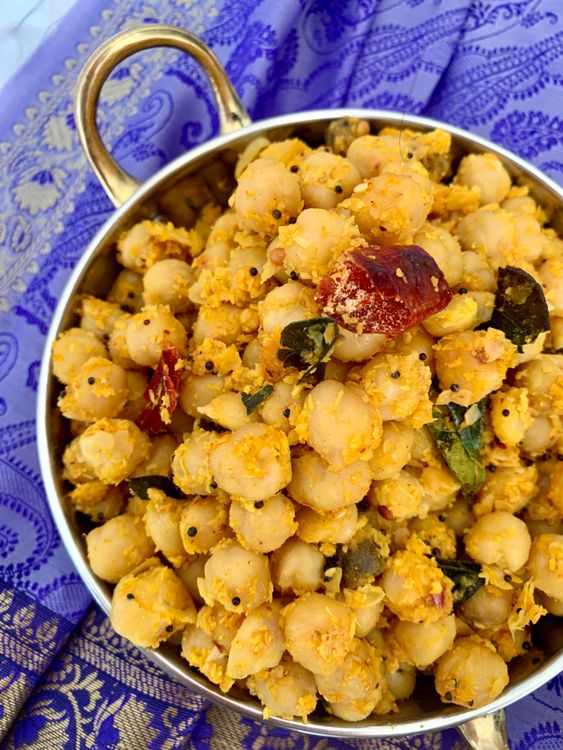
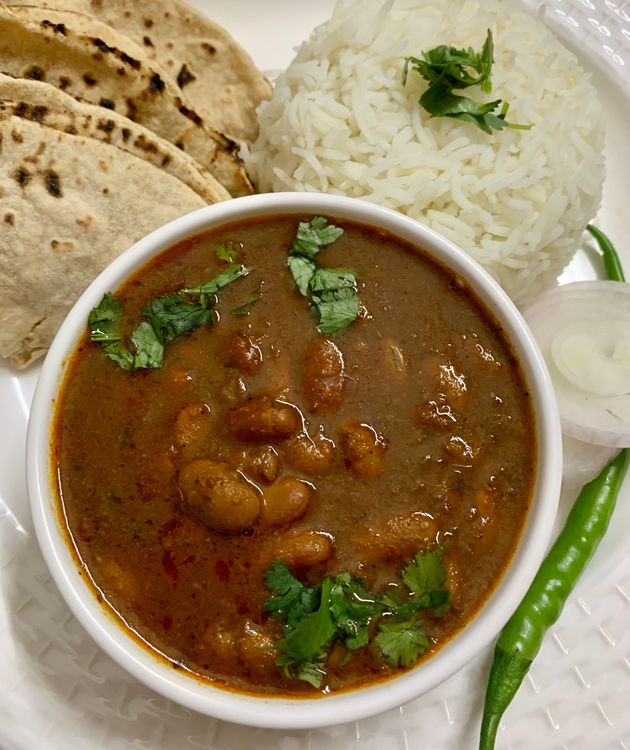
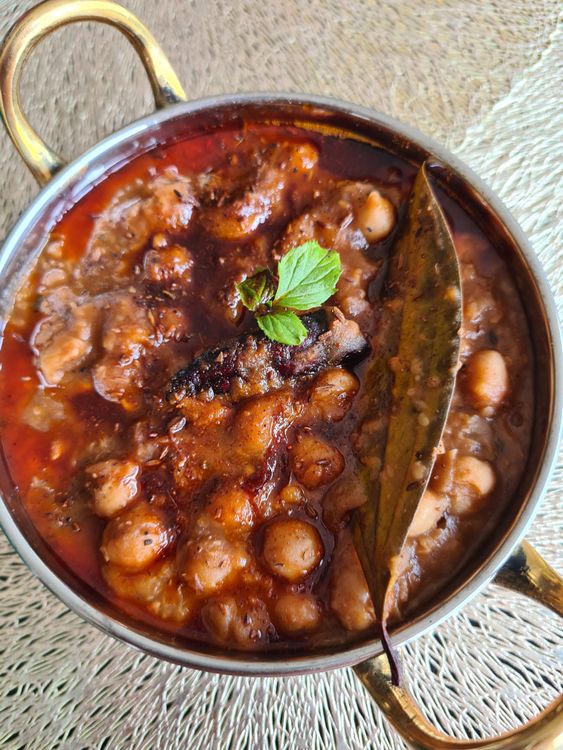
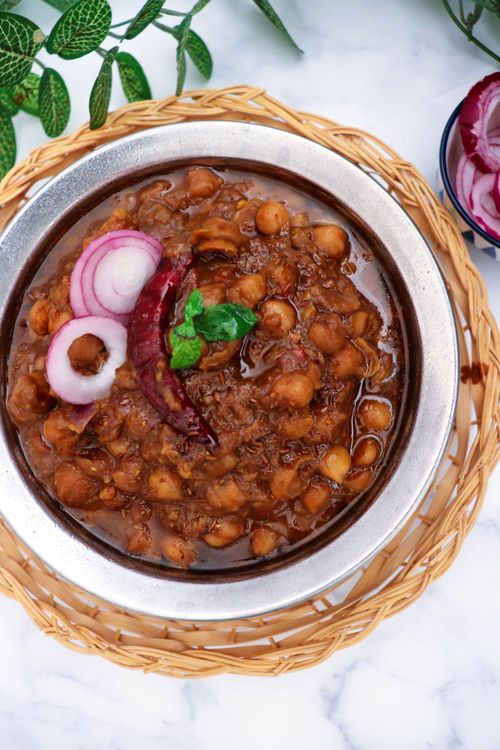
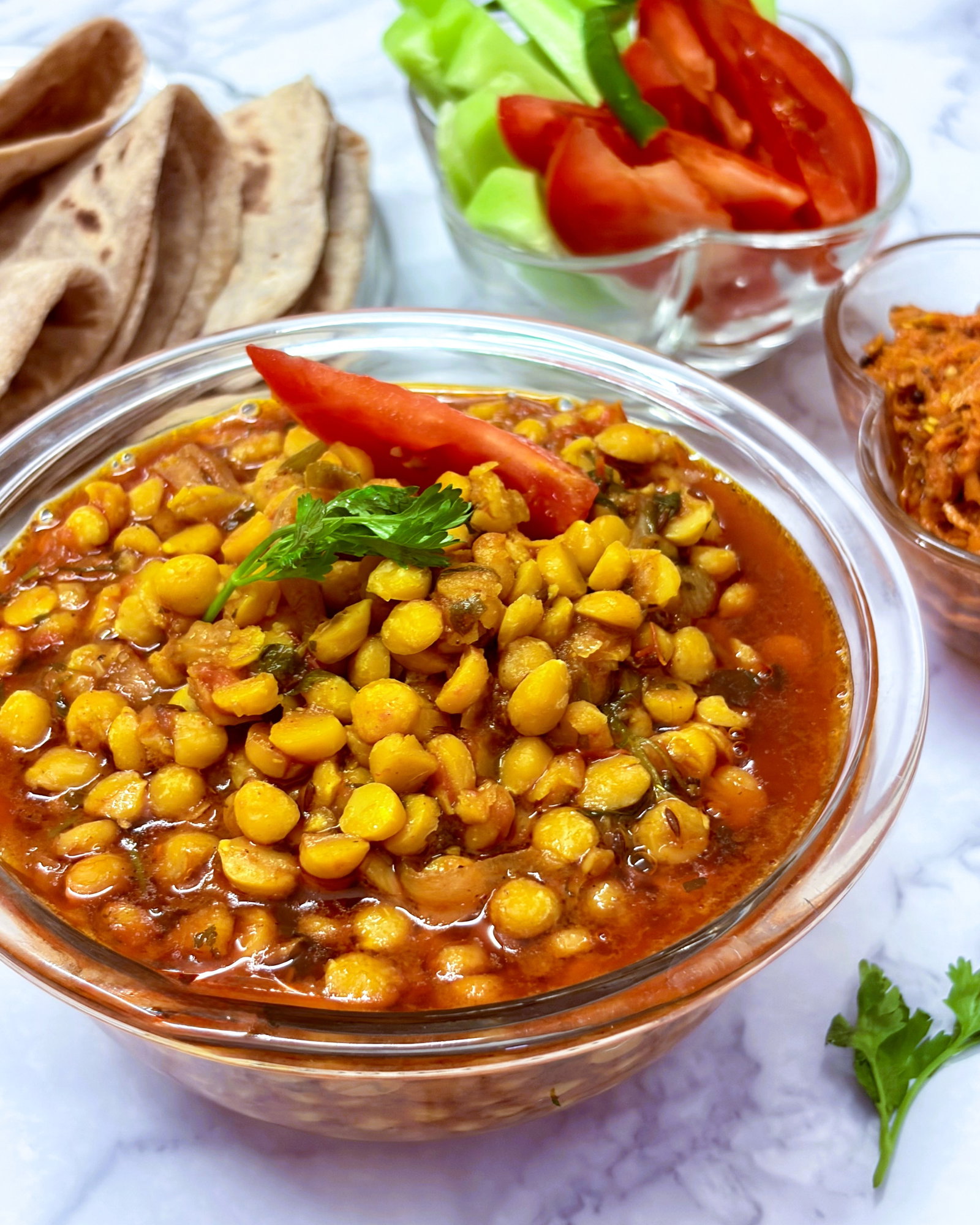
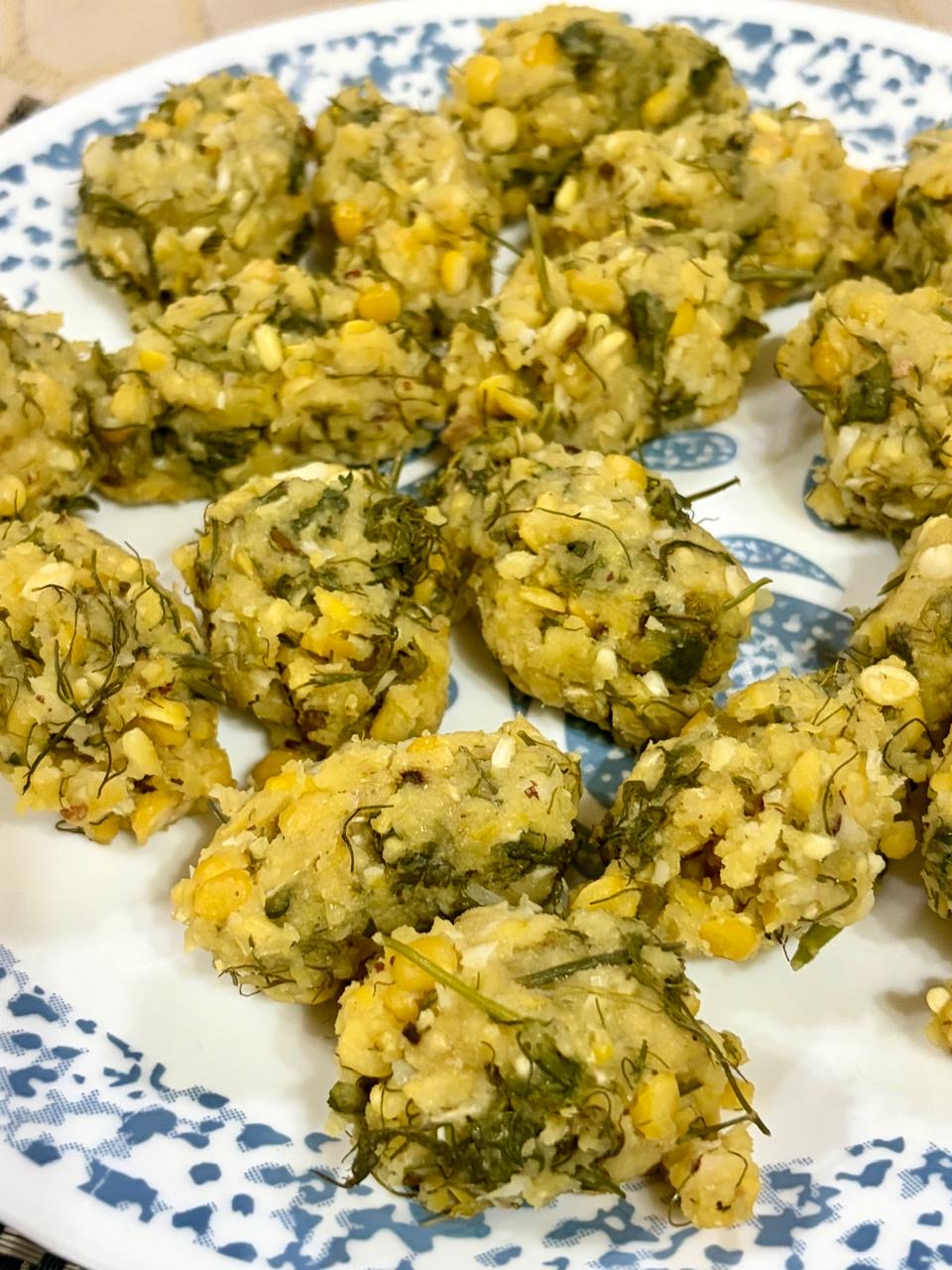
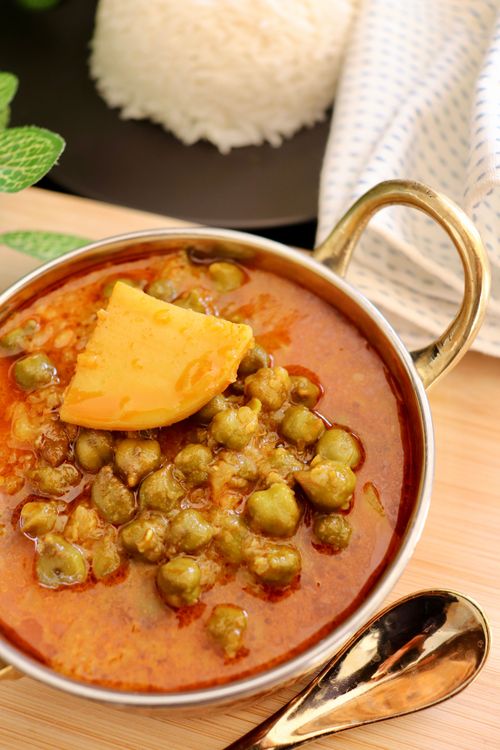
Dals and beans are where the fibre actually lives. A cup of cooked rajma or chana carries soluble fibre plus the resistant starch your colon bacteria ferment into short-chain fatty acids — the mechanism behind most gut friendly foods. Soak them properly (eight hours minimum, longer for chickpeas), cook them well past the point of firmness, and start with small portions if beans usually leave you gassy. Your gut bacteria adapt over a few weeks.


- Vegetarian
- Dessert

- Gluten-Free
- Dinner
- Vegetarian
- Main Course
- Indian
- Vegan
- Appetiser
- Indian
- Vegan
- Lunch
- Indian
- Vegetarian
- Lunch
- Gluten-Free
- Dinner
- Indian
- Vegetarian
- Dinner

- Indian
- Vegan
- Dinner
- Vegetarian
- Main Course

- Indian
- Vegetarian
- Dinner
- Indian
- Non-Vegetarian
- Lunch

- Indian
- Vegan
- Snack
- Indian
- Vegan
- Lunch
Probiotic Curd, Raita & Cooling Buttermilk Drinks
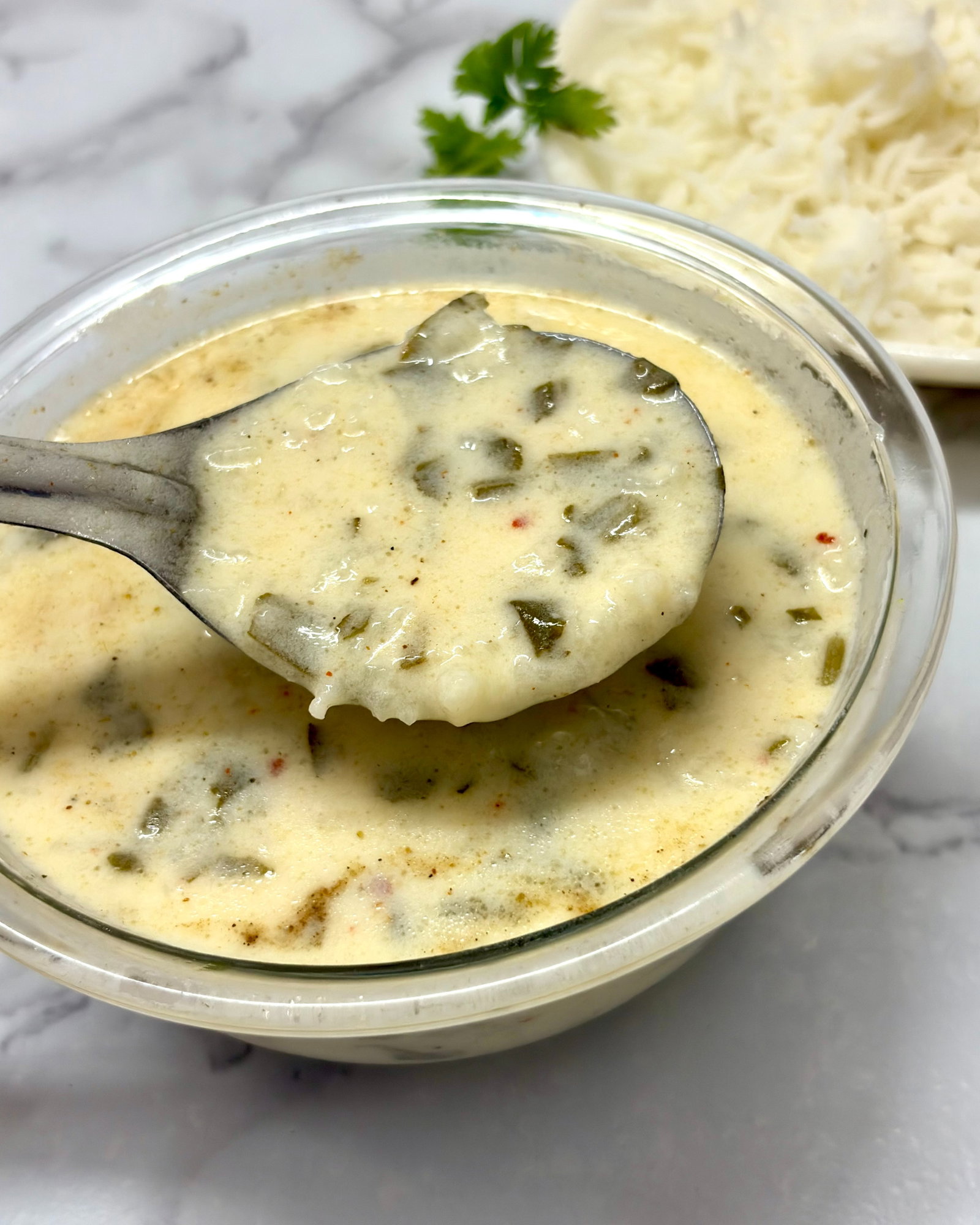
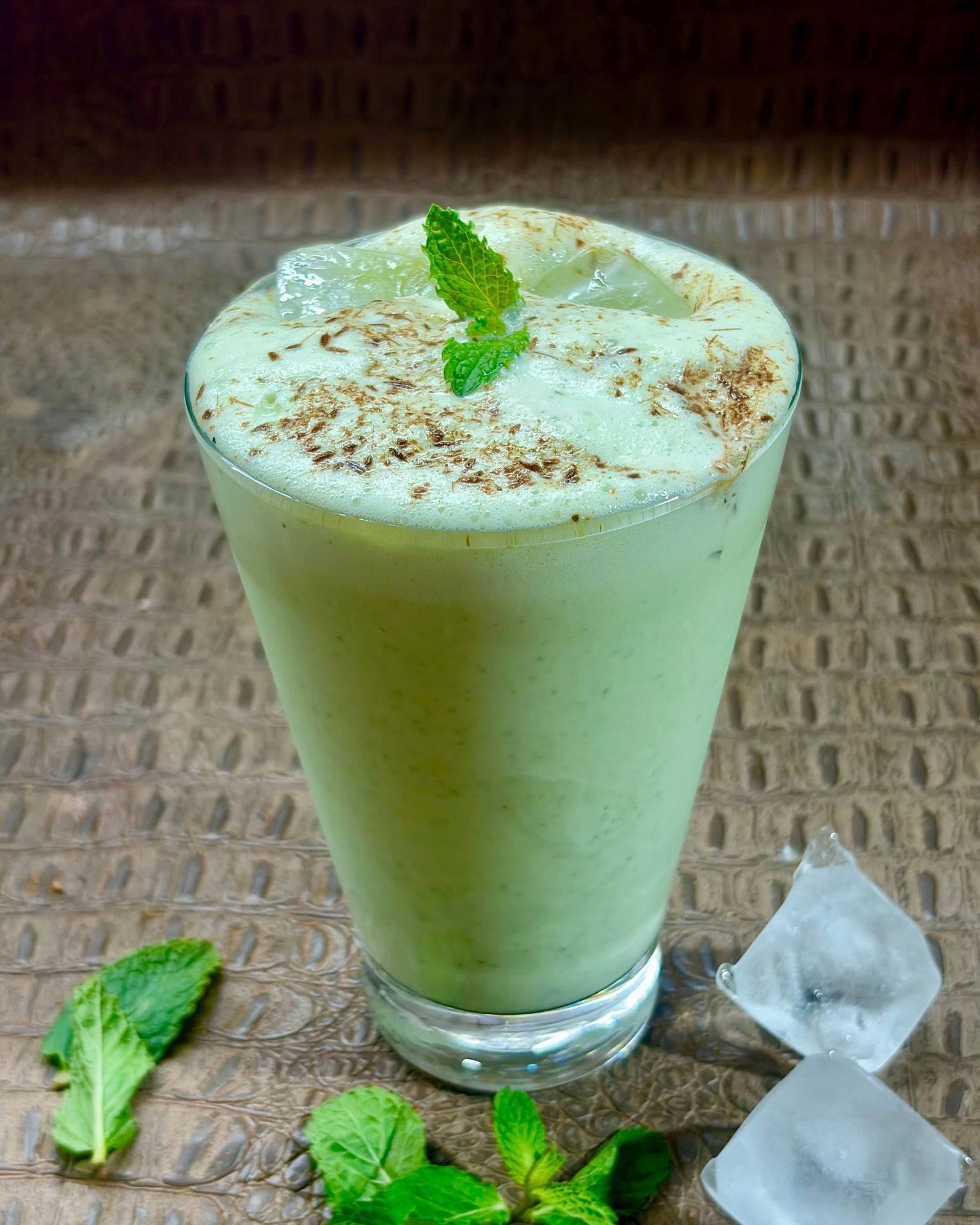
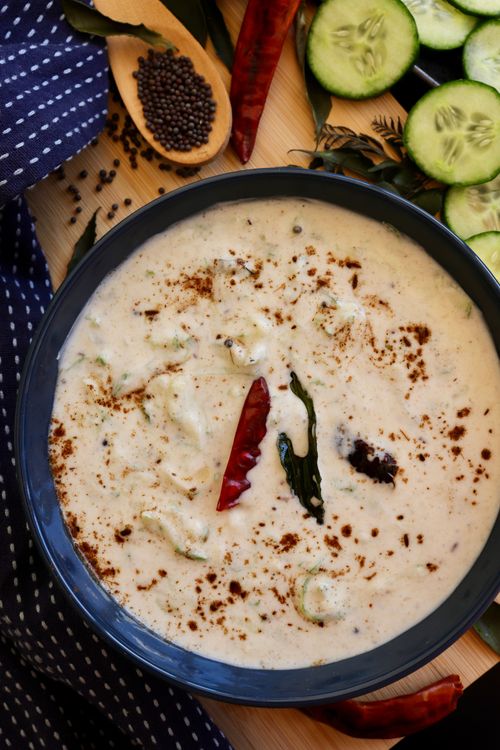
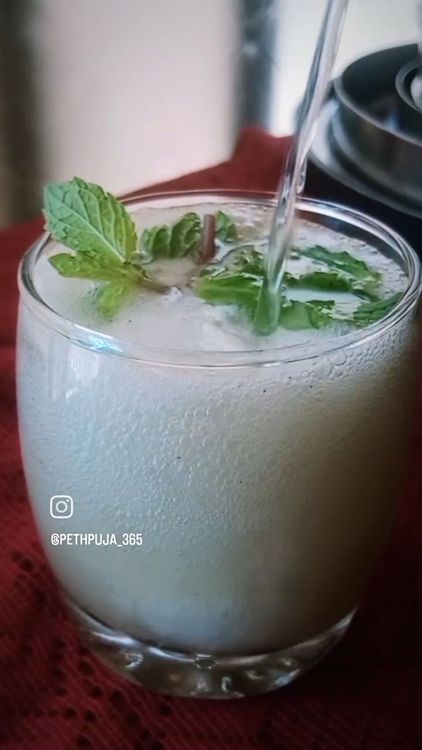
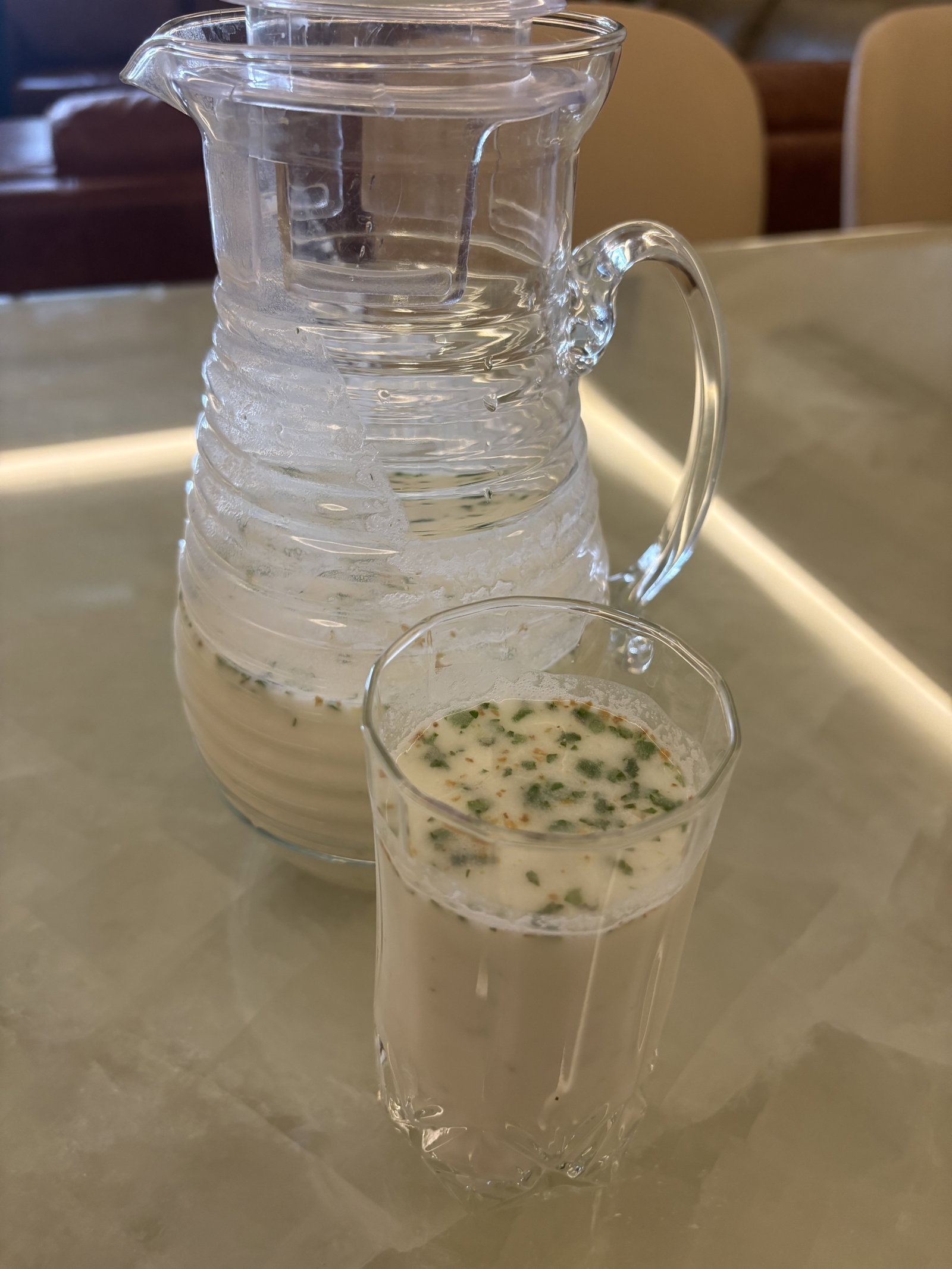
Set your own curd and you get live cultures for the price of milk. Warm it to blood temperature, stir in a spoon of the previous batch, and leave it covered somewhere warm for six to eight hours. From there it becomes raita, lassi, buttermilk, curd rice. These probiotic recipes are also the coolest things on an Indian table — literally, in a Delhi May, when nothing else will go down. Cultured dairy is the least effortful gut health habit I know.

- Gluten-Free
- Breakfast

- Vegetarian
- Vegetarian Recipes

- Goan
- Vegan
- Appetiser
- Vegetarian
- Main Course

- Indian
- Vegetarian
- Side Dish
- Vegetarian
- Vegetarian

- Indian
- Vegetarian
- Lunch
- Indian
- Vegetarian
- Beverage
- Indian
- Vegetarian
- Side Dish
- Asian
- Vegan
- Beverage
- Vegetarian
- Beverage
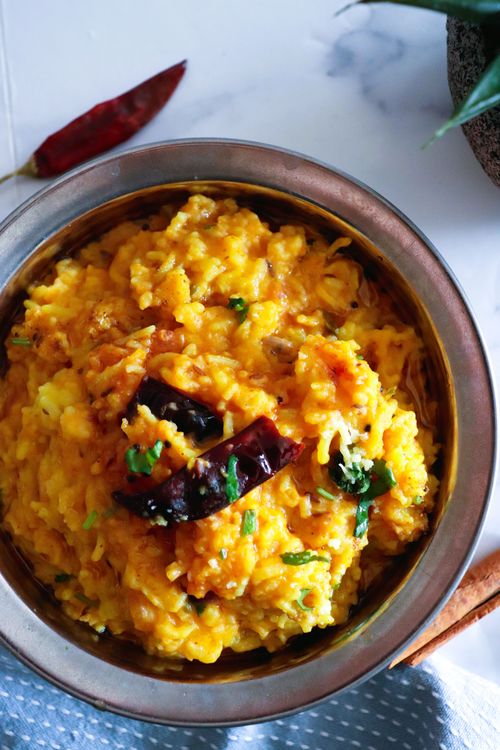
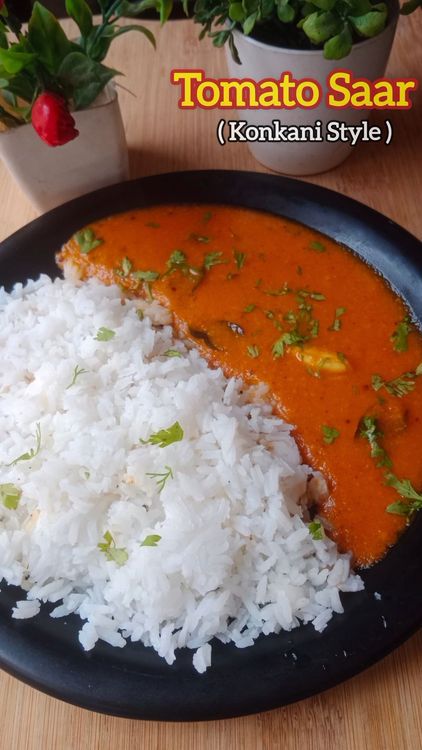
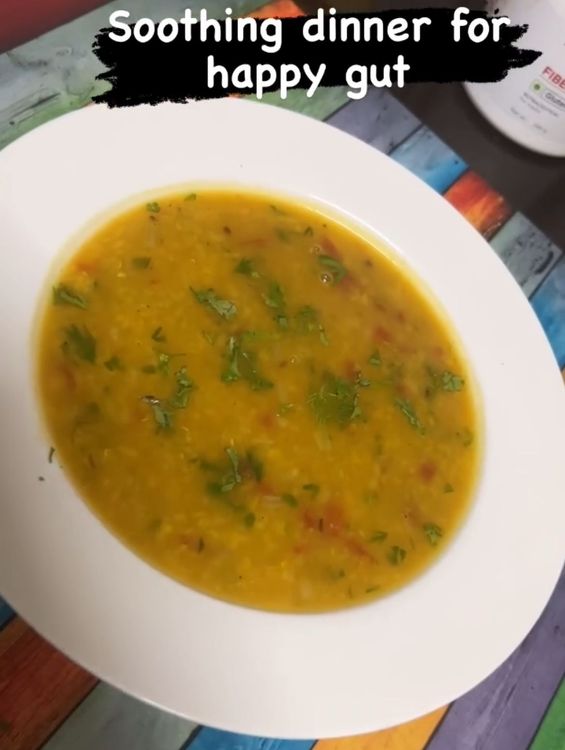
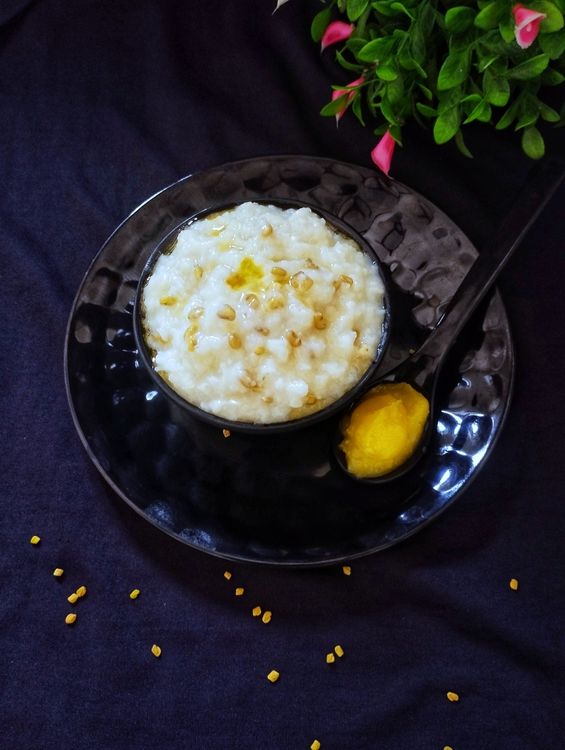
Light Soups, Rasam, Khichdi & Gentle Porridges
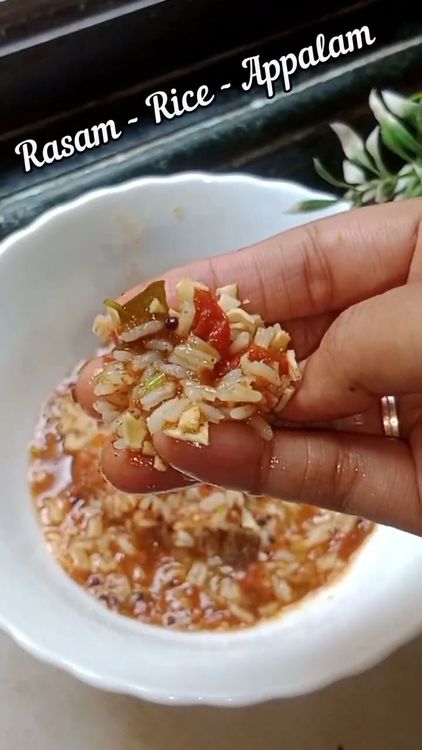
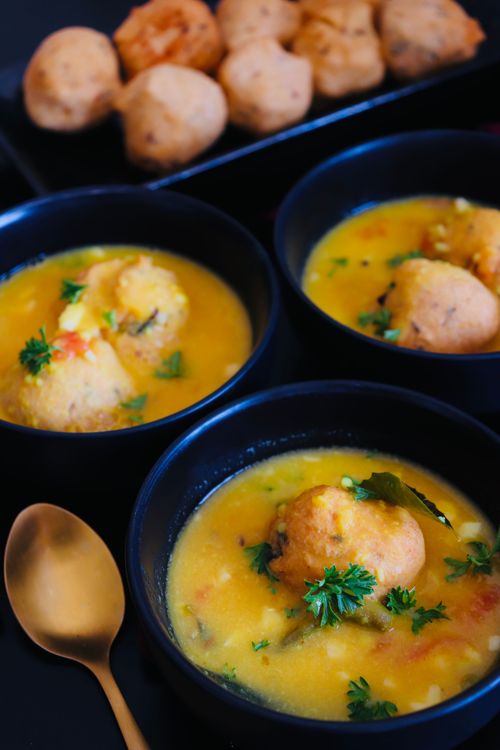
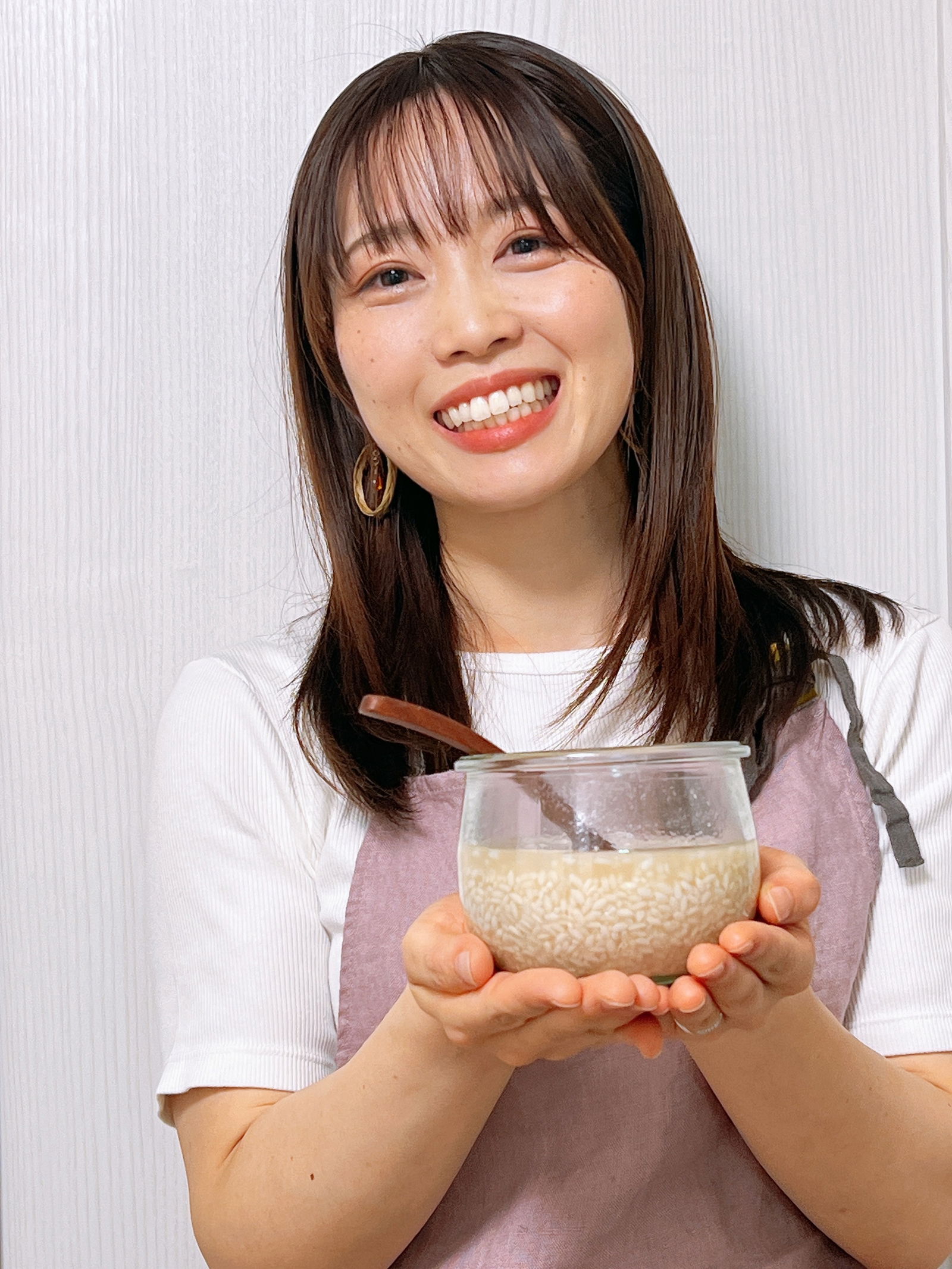
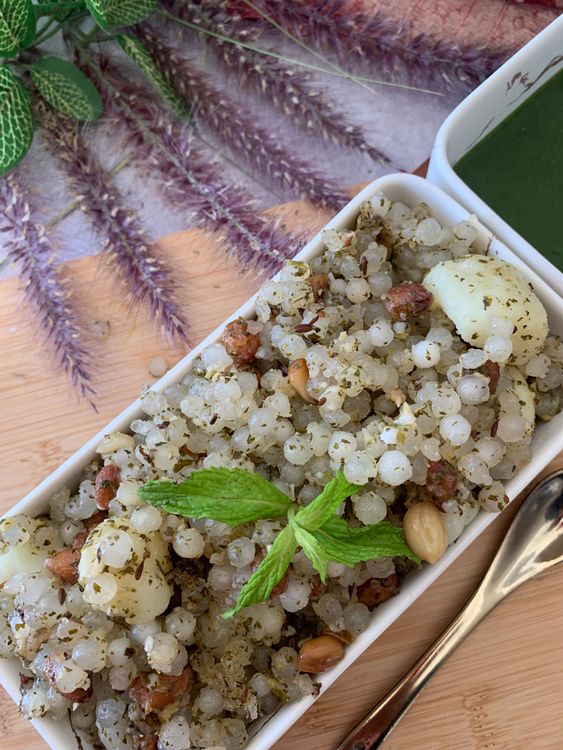
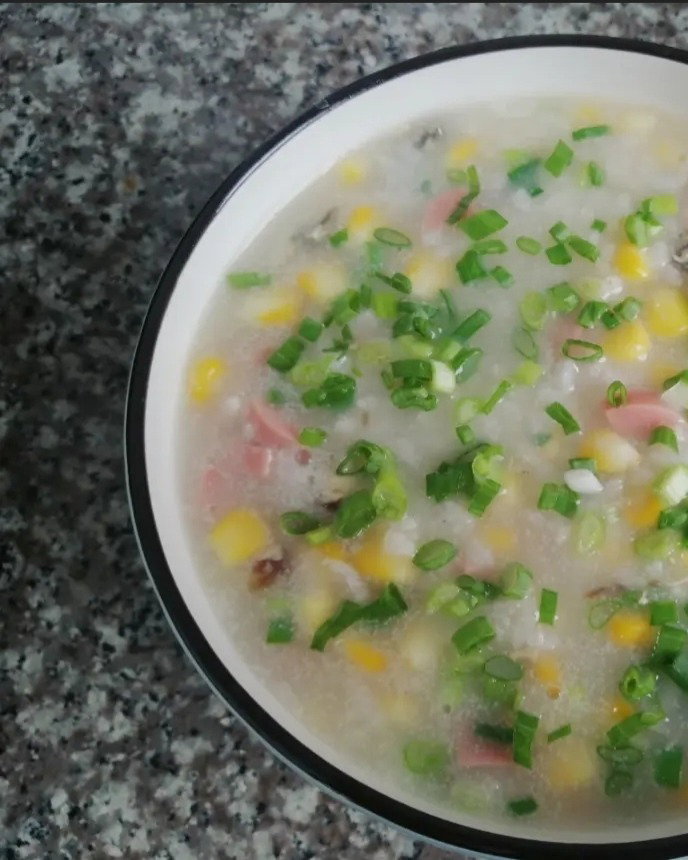
There are days when the right answer is a bowl of something soft and warm. Khichdi, rasam, congee, porridge — food that asks nothing of you. Cook the dal until it collapses, keep the spicing to cumin, ginger and turmeric, and thin the pot more than feels right. These are the digestive health recipes I turn to after a heavy weekend, a long flight, or a week of eating out.
- South Indian
- Vegan
- Lunch
- Indian
- Vegan
- Breakfast

- Japanese
- Vegan
- Side Dish
- Indian
- Vegan
- Breakfast

- Gluten-Free
- Breakfast

- Gluten-Free
- Breakfast

- Vegetarian
- Dessert
- Indian
- Vegetarian
- Lunch
- Indian
- Vegan
- Lunch

- Indian
- Vegetarian
- Dinner
- Indian
- Vegetarian
- Breakfast
Prebiotic Vegetables, Crunchy Salads & Tangy Pickles
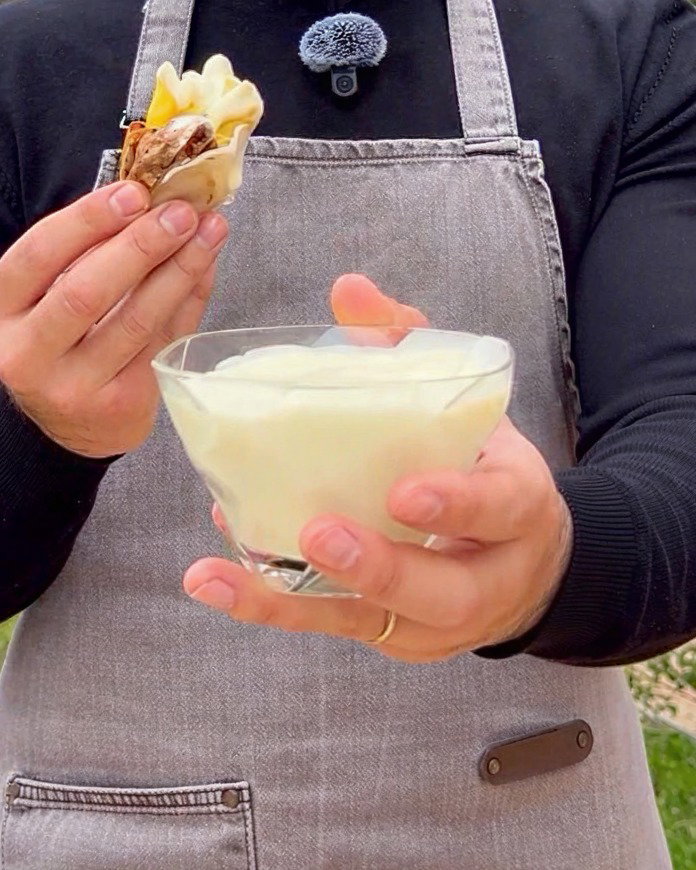
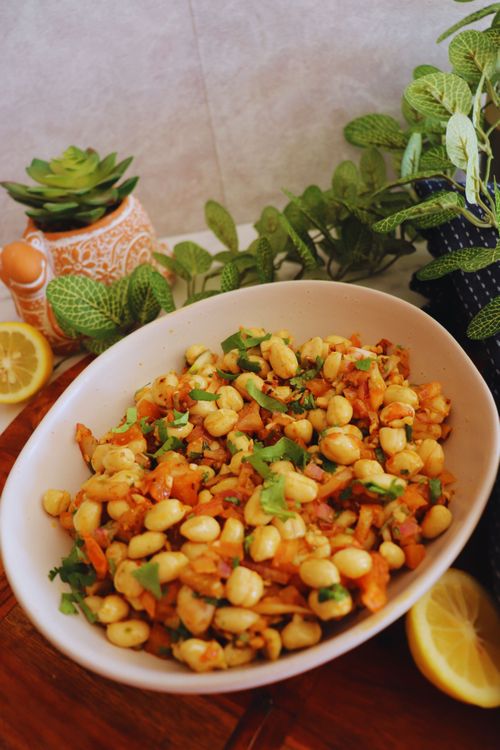
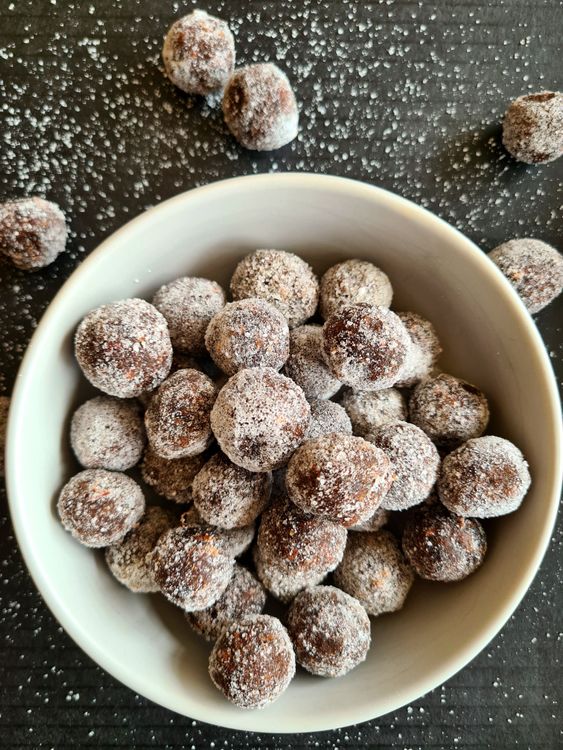
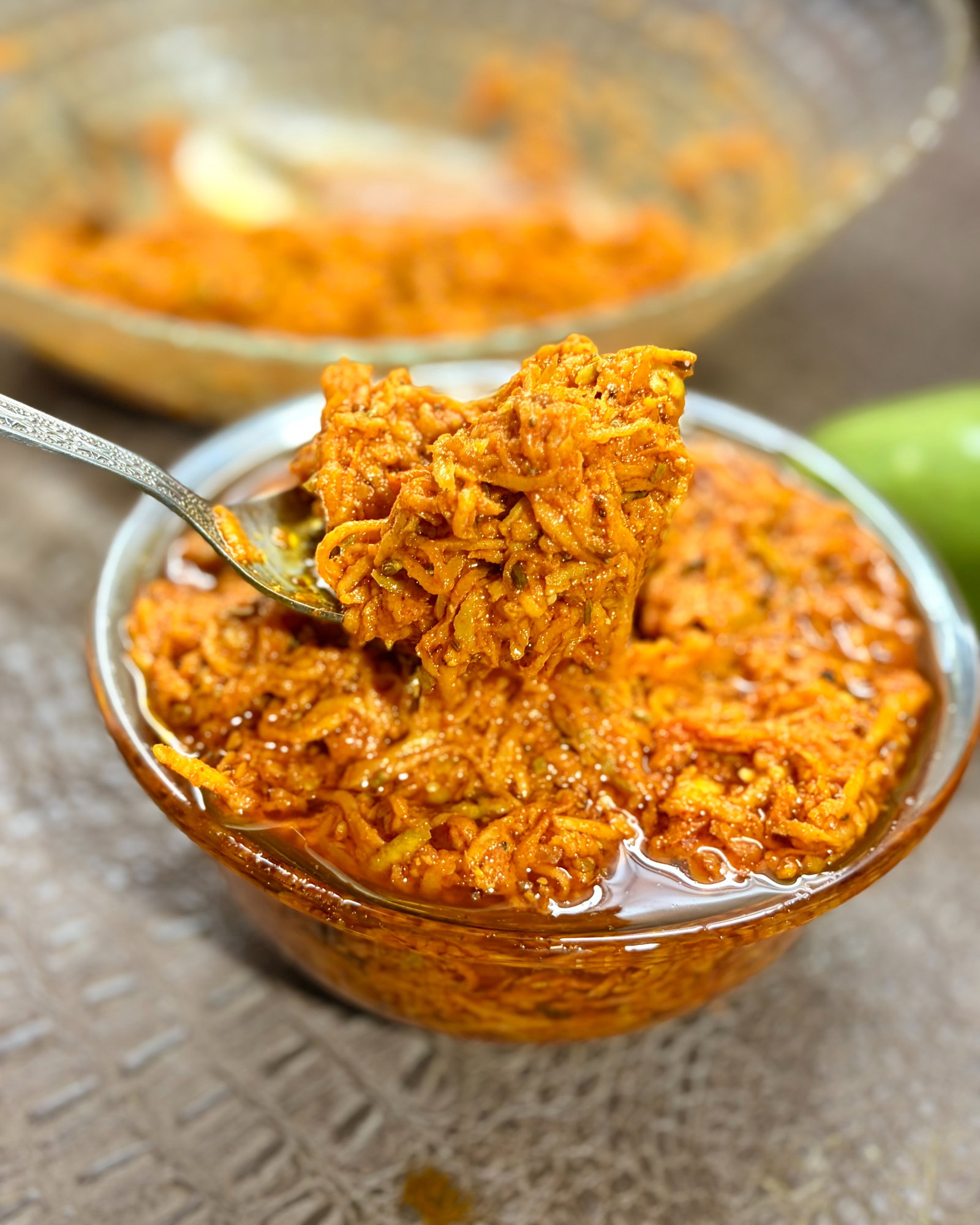
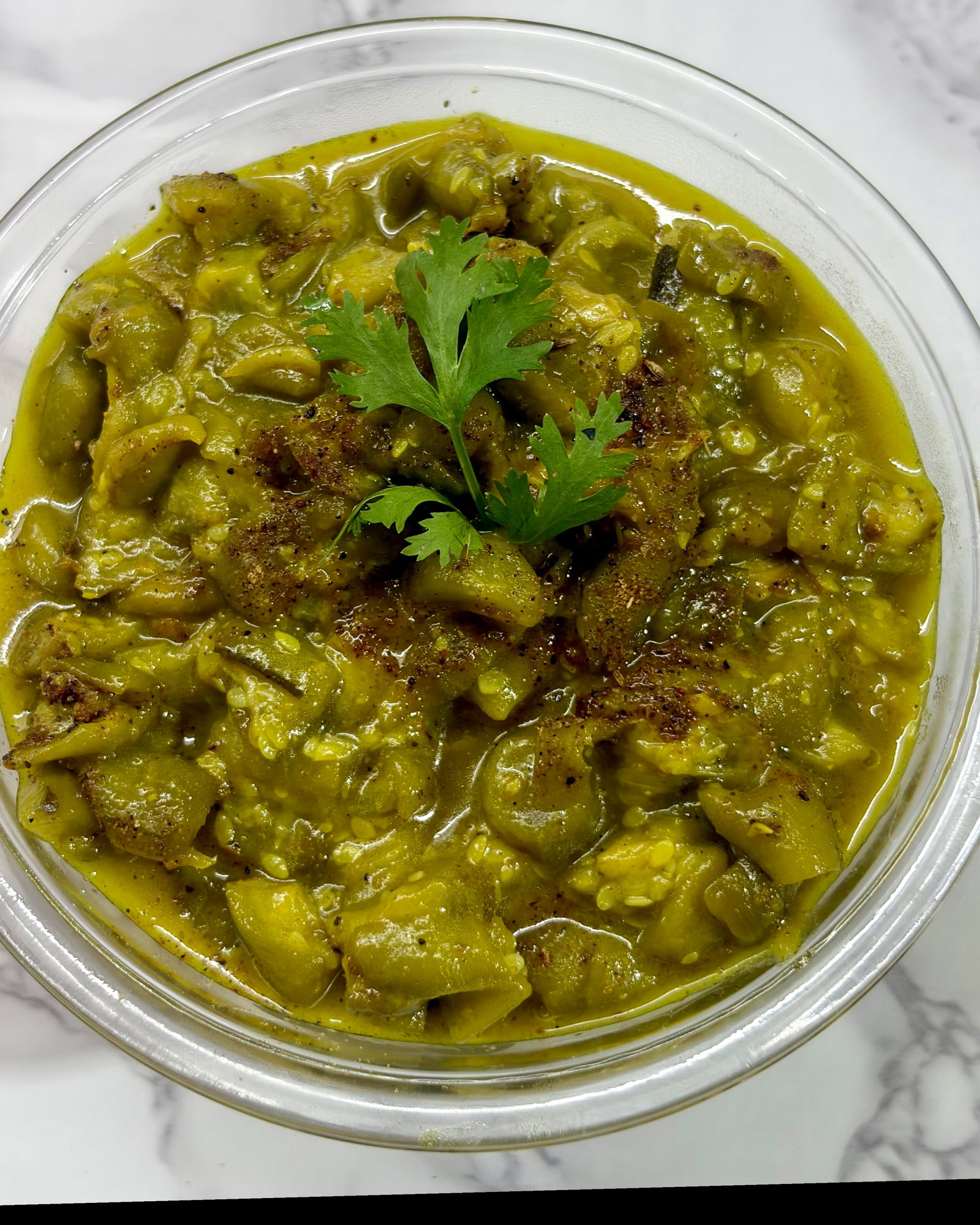
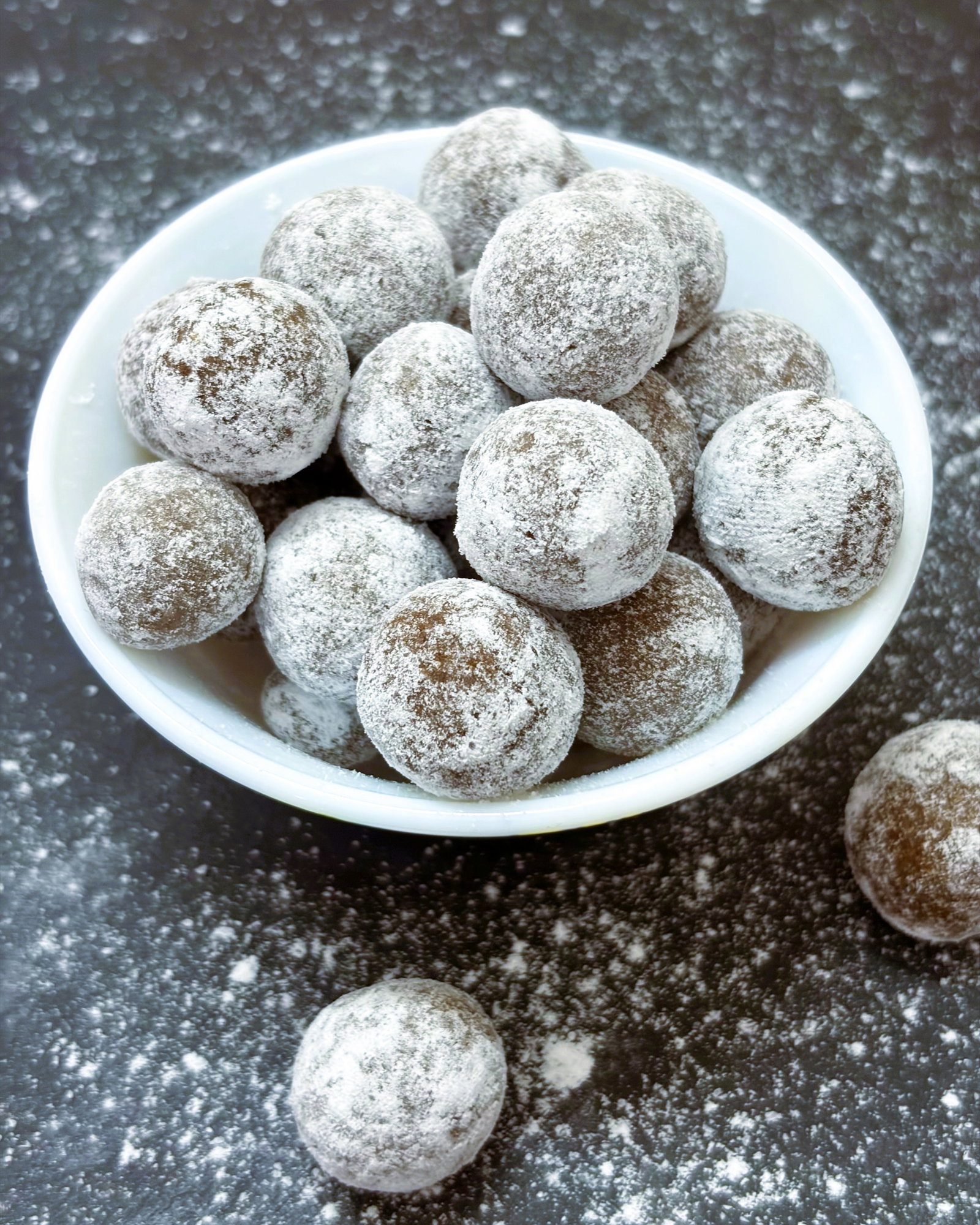
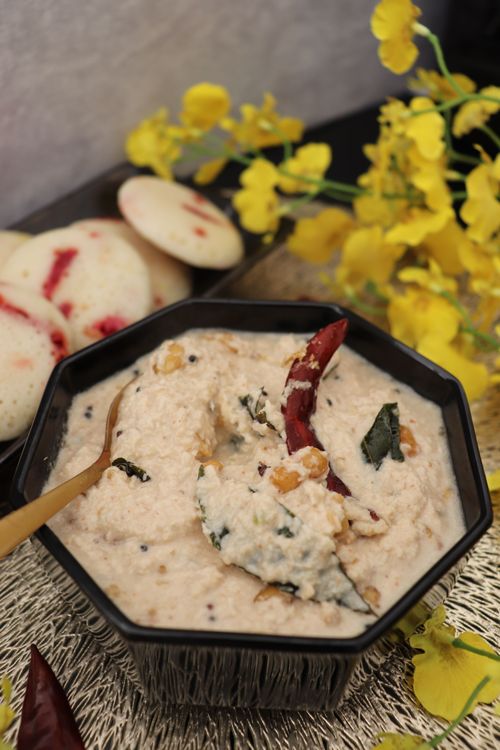
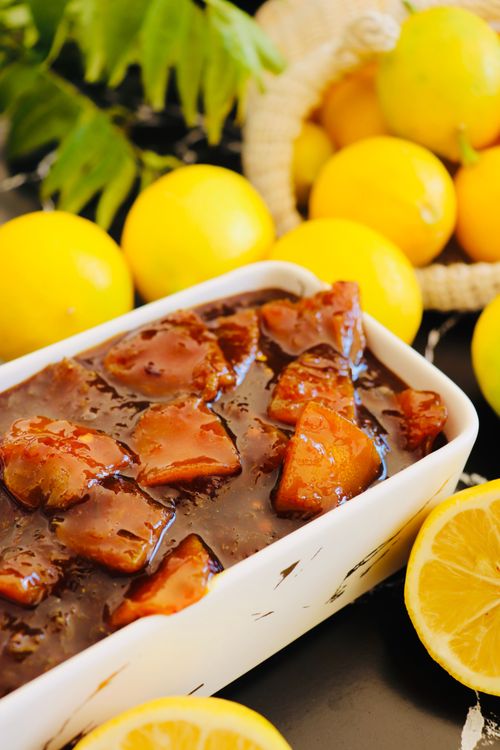
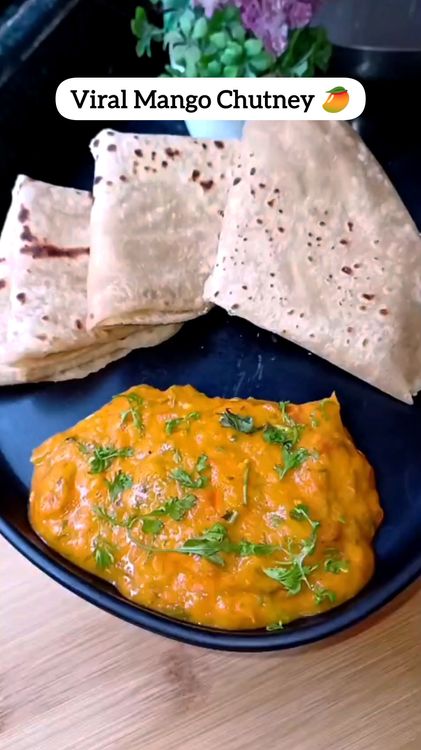
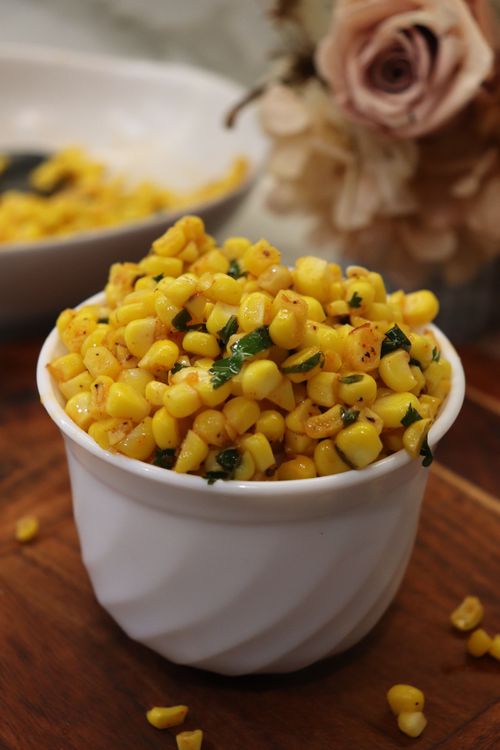
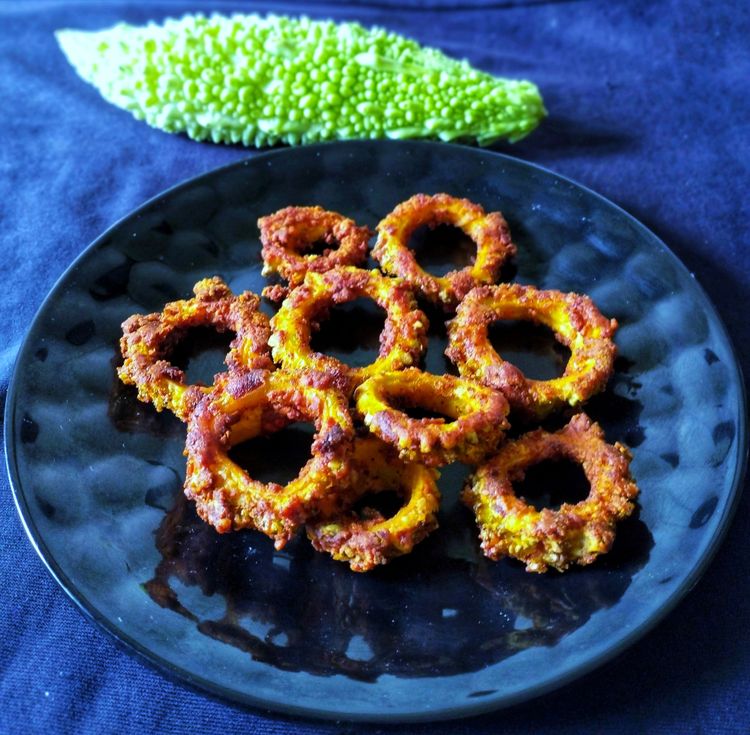
Prebiotics are the plant fibres your bacteria eat: onion, garlic, raw banana, whole vegetables with their skins left on. This is where most of that variety lives — charred eggplant, ridge gourd, bitter gourd, smashed cucumbers, a Nepali peanut salad. The pickles and chutneys belong here too. A spoonful of raw mango chutney or a jeera goli after lunch isn't a health claim; it's what people have always done, and the sourness helps.
- Vegetarian
- Sauce & Condiment
- Nepalese
- Vegan
- Appetiser
- Indian
- Vegan
- Appetiser

- Indian
- Vegetarian
- Breakfast
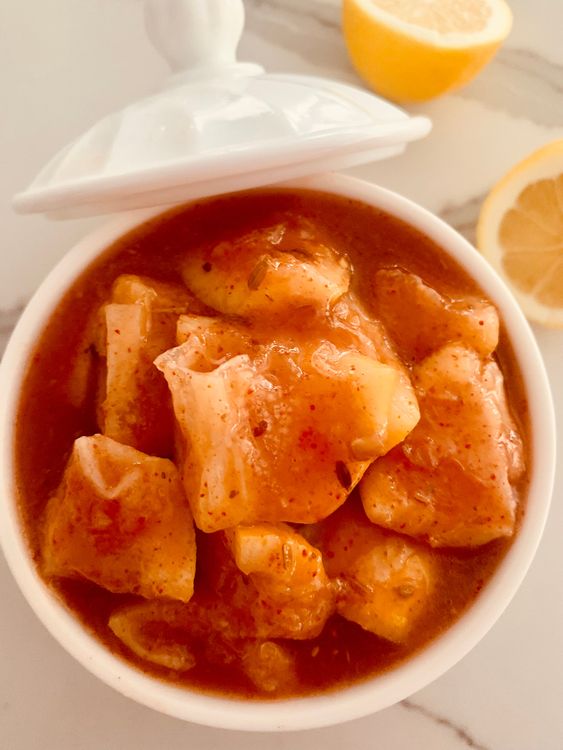
- Indian
- Vegan
- Side Dish
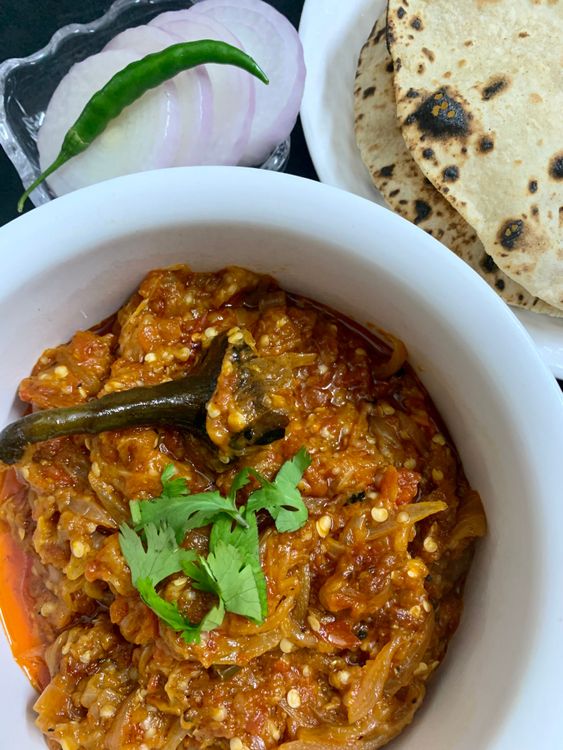
- Indian
- Vegetarian
- Lunch
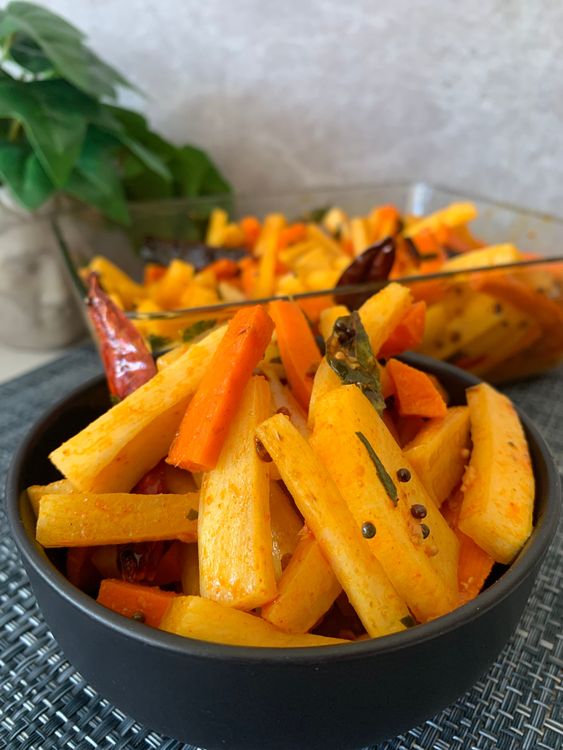
- Indian
- Vegan
- Side Dish
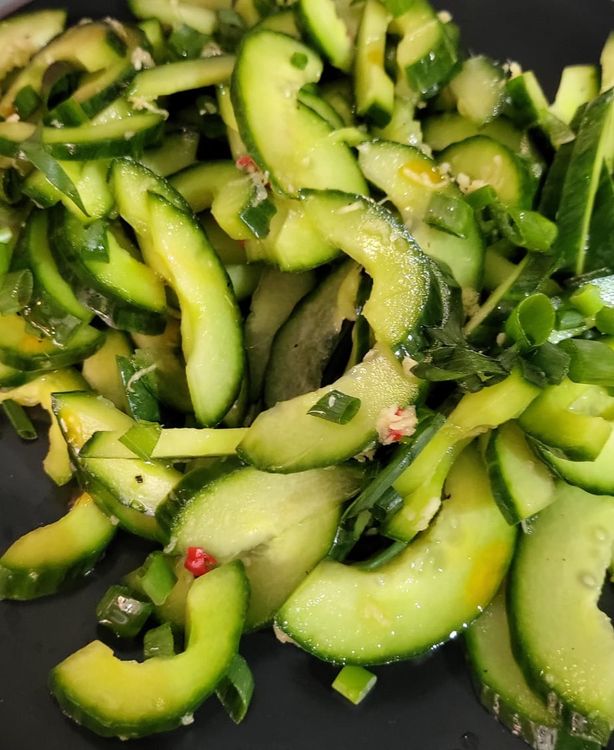

- Chinese
- Vegetarian
- Appetiser

- South Indian
- Vegetarian
- Main Course
- Indian
- Vegetarian
- Lunch

- Indian
- Vegan
- Side Dish
- Indian
- Vegan
- Side Dish
- Vegetarian
- Sauce & Condiment

- Indian
- Vegan
- Side Dish

- Indian
- Vegetarian
- Side Dish

- North Indian
- Vegan
- Dinner
- Vegetarian
- Main Course

- Vegan
- Side Dish

- Vegan
- Main Course

- Indian
- Vegan
- Sauce & Condiment

- Main Course
- Vegetarian
- Snack


- Pescatarian
- Main Course

- Indian
- Vegan
- Sauce & Condiment
- South Indian
- Vegetarian
- Side Dish
- Indian
- Vegan
- Sauce & Condiment
- Indian
- Vegan
- Sauce & Condiment


- American
- Vegetarian
- Appetiser
- Indian
- Vegetarian
- Snack
- Indian
- Vegetarian
- Side Dish
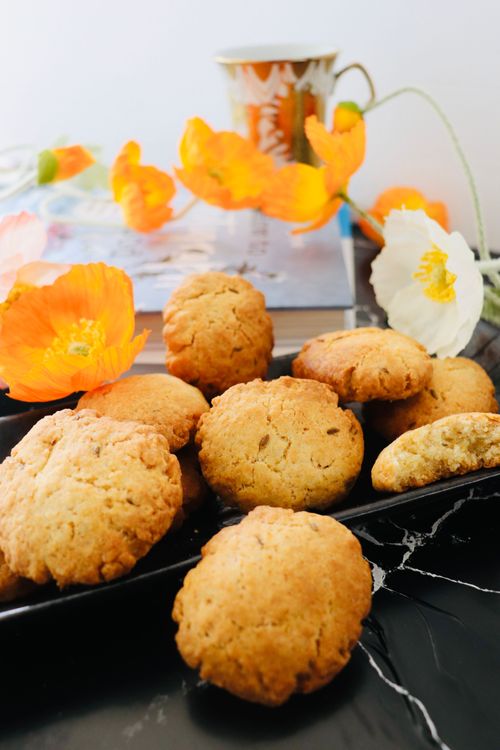
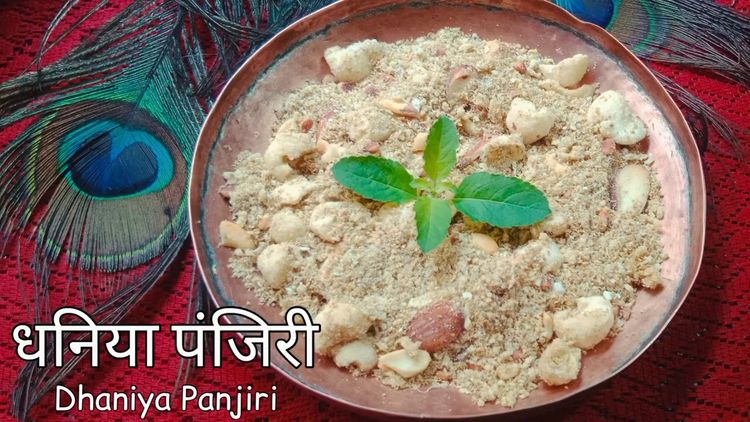
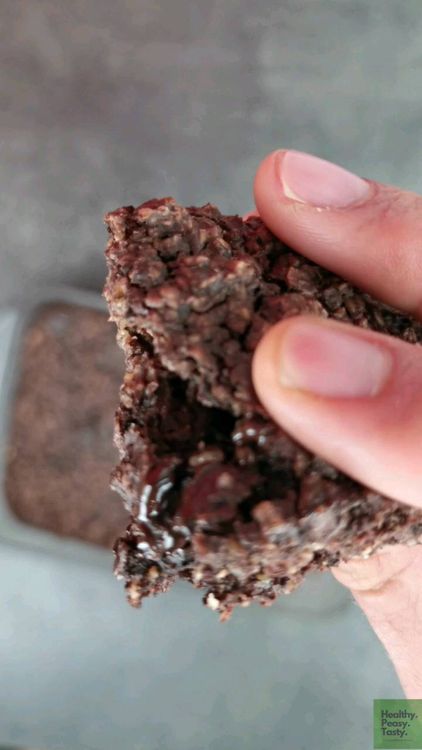
Whole Grains, Millets & Fibre-Rich Bakes
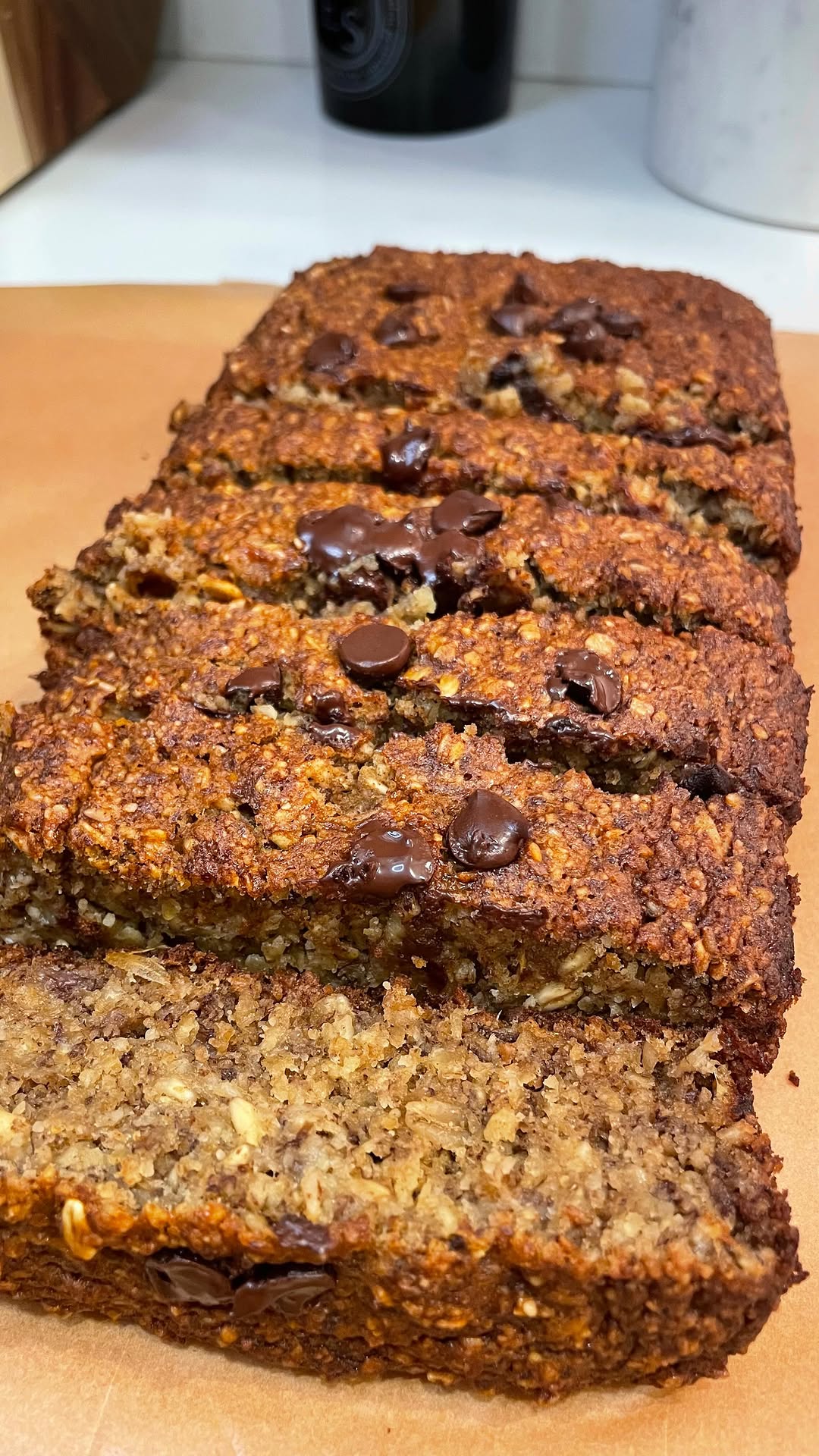
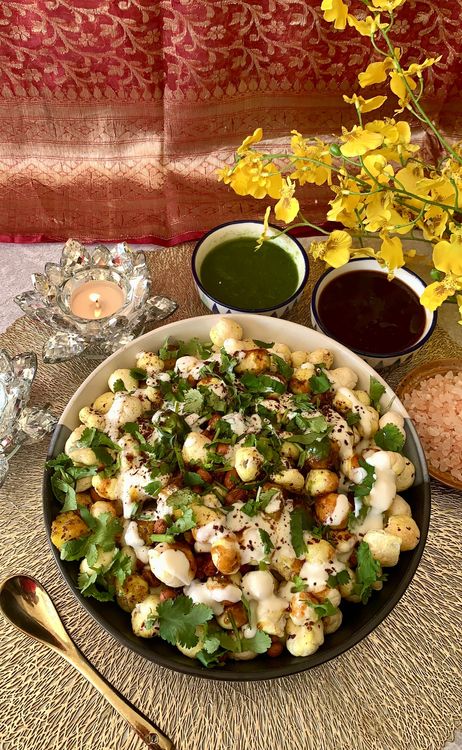
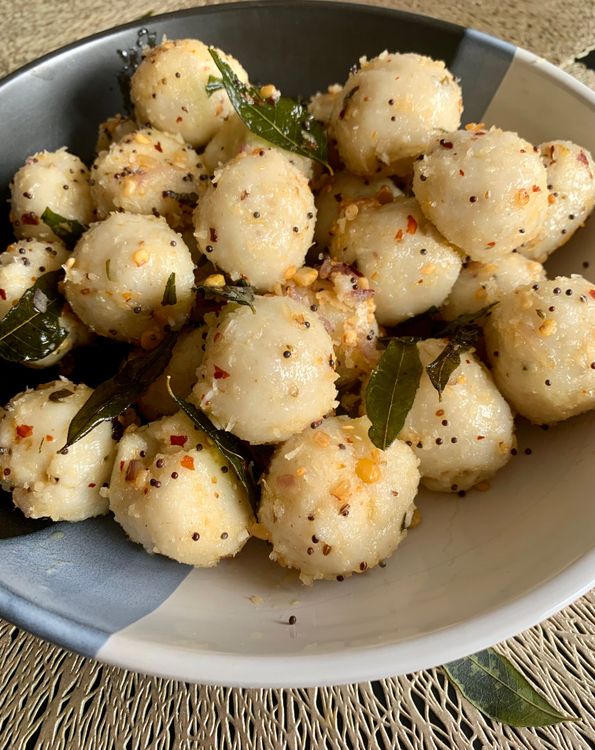
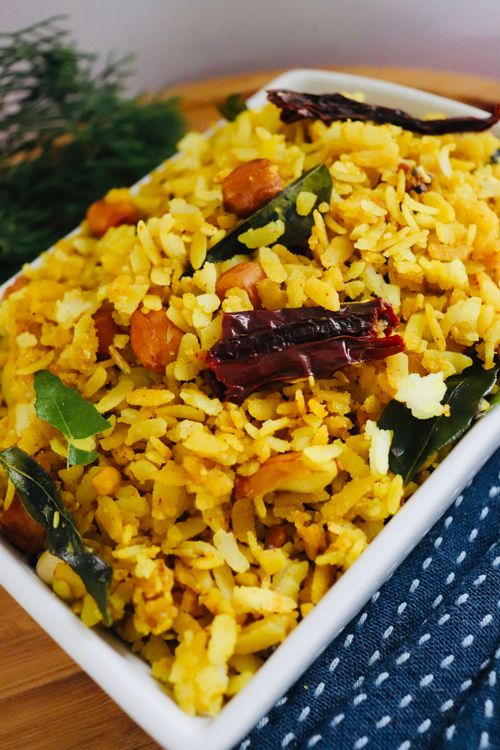
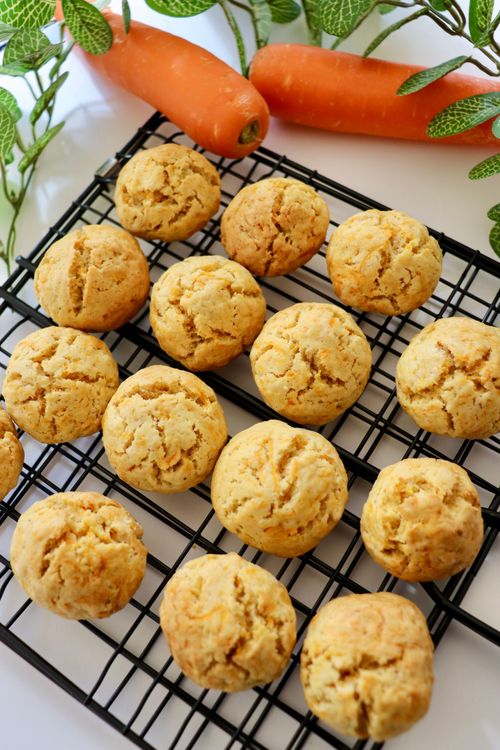
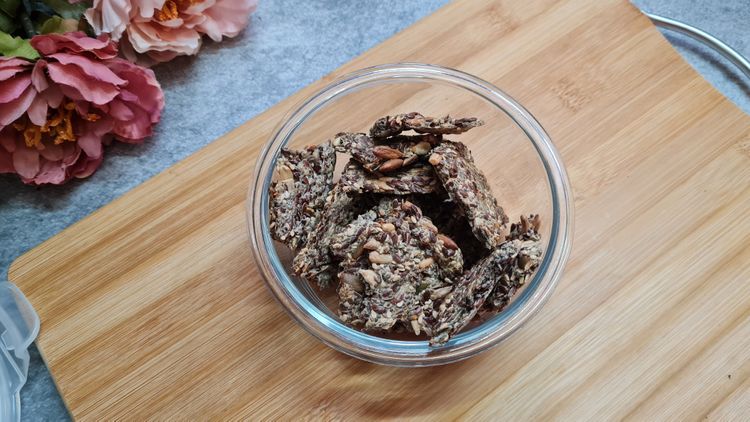
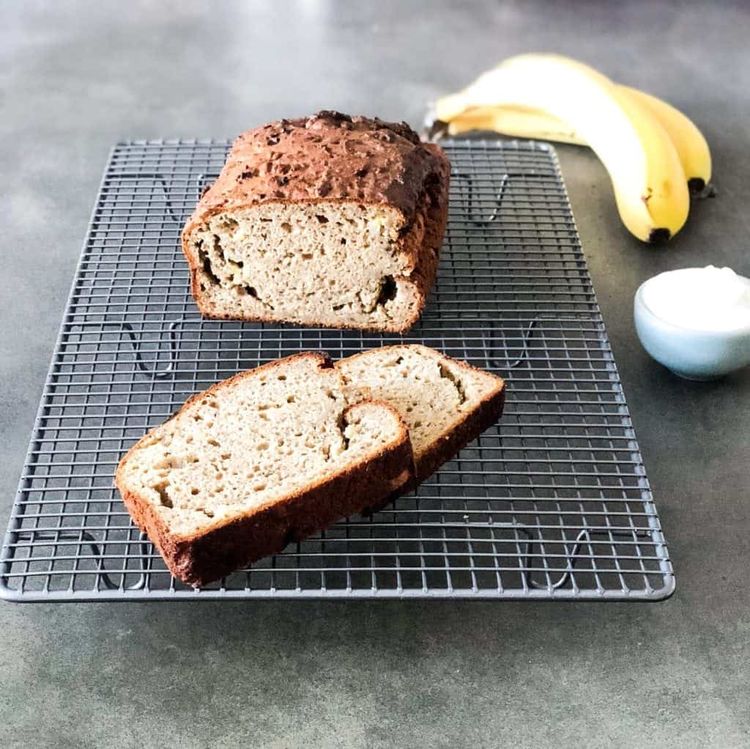
Whole grains do quiet work: ragi, oats, barley, semolina, whole wheat. The bakes here lean on fruit and jaggery instead of refined sugar, and the snacks — makhana chaat, seed crackers, tamarind poha — replace the fried thing you'd otherwise reach for at four o'clock. None of it is diet food, and none of it tastes like penance. It's just built from grains that still have their bran attached.
- Gluten-Free
- Bread & Baking

- Vegetarian
- Dessert

- Vegetarian
- Dessert
- Indian
- Vegetarian
- Appetiser
- Indian
- Vegan
- Breakfast
- Indian
- Vegan
- Breakfast
- American
- Eggetarian
- Snack

- Indian
- Vegetarian
- Dinner

- Indian
- Vegetarian
- Main Course

- Fusion
- Vegan
- Appetiser
- International
- Dairy-Free
- Breakfast

- Vegetarian
- Breakfast

- Indian
- Vegetarian
- Dinner
- Indian
- Vegetarian
- Breakfast
- Indian
- Vegetarian
- Breakfast
- Indian
- Vegetarian
- Snack
- Indian
- Vegetarian
- Snack
- Fusion
- Vegetarian
- Breakfast
- International
- Eggetarian
- Snack
- Italian
- Eggetarian
- Lunch

- Indian
- Vegetarian
- Lunch

- Indian
- Vegetarian
- Snack
How Fermented Indian Foods Feed Your Gut
Fermentation happens when bacteria and yeasts already living on grain, dal and vegetables get warmth, moisture and time. In an idli batter, lactobacilli convert some of the starch into lactic acid — that faint sourness you can smell by the second morning. Along the way they break down phytates that bind up minerals, produce B vitamins, and make the whole mixture easier to digest. Fermented foods like idli, dosa, dhokla and appam arrive at your table partly digested already, which is why a plate of them rarely feels like a brick.
How much of that bacteria survives cooking is a fair question, and the honest answer is: not much. Steam an idli and you kill most of the live culture. What survives the heat are the by-products — the acids, the vitamins, the broken-down starch — and those still matter. Live organisms reach you through the uncooked things: set curd, buttermilk, labneh, kefir, a salt-brined pickle that was never boiled. So a sensible plate carries both. Idli for the pre-digested grain, a bowl of curd on the side for the cultures. This isn't a supplement protocol, and no single dish moves your gut health on its own. It's a pattern of eating, repeated until it's simply how you cook.
Fibre, Prebiotics & Probiotics — What Actually Matters
Three words get thrown around loosely, so: fibre is plant material you can't digest. Prebiotics are the subset of that fibre your gut bacteria can eat — inulin in garlic and onion, resistant starch in cooled rice and cooked beans. Probiotics are the live bacteria themselves, in curd, buttermilk and unheated pickles. Most talk about gut health collapses the three into one word, which helps nobody. You want all three on the plate, and the prebiotic side is where most people quietly fall short.
The most useful rule I've found is unglamorous: variety of plants beats quantity of any single one. Aim for thirty different plants across a week — spices, seeds, nuts and pulses all count, not just vegetables. It's a rule of thumb rather than a law, but an Indian kitchen hits it almost by accident: a dal, two sabzis, a chutney, a raita and a spoon of seeds is already a dozen. Beyond that, go slowly. Double your fibre overnight and you will bloat, then blame the food rather than the pace. Add one new pulse a week. Drink more water than feels necessary — fibre without water is worse than no fibre at all. And if something consistently disagrees with you, that's useful information about you, not a verdict on gut friendly foods in general.
Pro Tips
- Set curd at blood temperature — if the milk feels neither warm nor cool against your wrist, it's right. Too hot and you kill the culture; too cold and you'll wait all night for a thin, weepy set that never firms up.
- Idli batter that hasn't risen is almost always a temperature problem, not a ratio problem. Below roughly 25°C it stalls indefinitely. Park the vessel inside an oven with only the light switched on, and it'll be domed by morning.
- Soak your dals and beans, throw the soaking water away, and add a pinch of asafoetida or a bay leaf to the pot. It won't eliminate the gas, but it takes the edge off — and so does simply eating beans more regularly.
- Cook rice, then chill it overnight before reheating. That cooling converts some of the starch into resistant starch, which behaves more like fibre than sugar. Curd rice made a day ahead gets you this for free.
- Add fibre in increments. Going from two vegetables a day to eight in one week guarantees a bloated, miserable fortnight, and that's exactly where most people give up on gut health entirely. Add one new plant every few days instead.
- Buy pickles off the shelf and you're mostly buying oil, vinegar and preservative. If you want live cultures in a pickle it has to be salt-brined and unheated — or just make the quick carrot-radish version here and eat it within the week.
Frequently Asked Questions
Which gut health recipes should I start with if I'm new to this?
Start with curd and khichdi — two things almost everyone tolerates. Set your own curd for a week and eat a bowl daily, then add moong dal khichdi twice a week. Once that feels ordinary, bring in a fermented batter like idli and one new vegetable. Small, boring changes hold. Dramatic overhauls don't.
Do fermented foods survive cooking?
Mostly not. Steaming an idli or griddling a dosa kills the live bacteria, so what you're eating are the by-products of fermentation — lactic acid, extra B vitamins, broken-down starch — rather than the cultures themselves. Those by-products still count. For live organisms, you want uncooked cultured things: set curd, buttermilk, labneh, kefir, or a salt-brined pickle.
Will eating this way fix my bloating or IBS?
No recipe collection can promise that, and anyone who does is selling something. Bloating and IBS have many causes, and some people find high-fibre or high-FODMAP foods make symptoms worse rather than better. If your symptoms are persistent, painful, or come with weight loss or bleeding, see a doctor before changing your diet. Food supports digestion; it doesn't diagnose, and gut health is a long game rather than a protocol.
How much curd or buttermilk is sensible in a day?
A bowl of curd or a glass of buttermilk daily is a normal, sustainable amount for most people, and that's roughly what an Indian household has always eaten anyway. There's no prize for force-feeding yourself four bowls. If dairy doesn't agree with you, plant-based fermented foods — dosa batter, dhokla, kanji — cover very similar ground.
What actually counts as a prebiotic in an Indian kitchen?
More than you'd guess. Onion, garlic and ginger in nearly every tadka. Raw banana, jackfruit, drumstick, and the skins on gourds and pumpkins. Cooled rice and cooked, cooled rajma both carry resistant starch. Flaxseed, methi and chia bring soluble fibre. You don't need a supplement aisle. You need to stop peeling everything.
Can I follow a healthy gut diet without any dairy?
Easily — plant fermentation is the older tradition anyway. Dosa and idli batters, dhokla, kanji, sourdough and fresh brined pickles all deliver the same principle without milk. For creaminess in raita-style dishes, thick coconut milk cultured overnight with a probiotic capsule works well, though the flavour lands differently: sweeter, less sharp.
Are pickles and chutneys really good for digestion, or is that folklore?
Some of both. A salt-brined, unheated pickle carries live lactobacilli, so that claim holds up. Most Indian pickles, though, are oil-and-heat preserved, which kills the cultures — what's left is sour, salty and appetite-stimulating, which is genuinely why they're served before and after meals. Enjoy them for that, and keep an eye on the salt.
None of these gut health recipes is a cure, and I'd be wary of anyone who framed them that way. They're just good food — fermented, fibrous, varied, mostly built from things already sitting in the pantry. Cook two or three this week, keep the ones your body likes, and let the rest go. That's the whole method.
Related
- fermented foods
- probiotic recipes
- high fibre
- curd and raita
- khichdi
- digestive health recipes
Popular Searches
- Best gut health recipes
- Easy gut health recipes
- Quick gut health recipes
- Healthy gut health recipes
- Simple gut health recipes
- Homemade gut health recipes
- Delicious gut health recipes
- Popular gut health recipes
- gut friendly foods
- probiotic recipes
- digestive health recipes
- fermented foods
Marnirni-apinthi Building, Lot Fourteen,
North Terrace, Adelaide, South Australia, 5000
Australia
