We use cookies on this website to ensure its proper functioning and to improve the quality of our services. Cookie Policy

Tags and nutritional info are auto-generated and may be inaccurate. Always check the full ingredient list before cooking.


Wash rice, urad dal, methi seeds, and sabudana together thoroughly. Soak for 3–4 hours.


In a blender , grind batchwise. Add soaked poha while grinding.

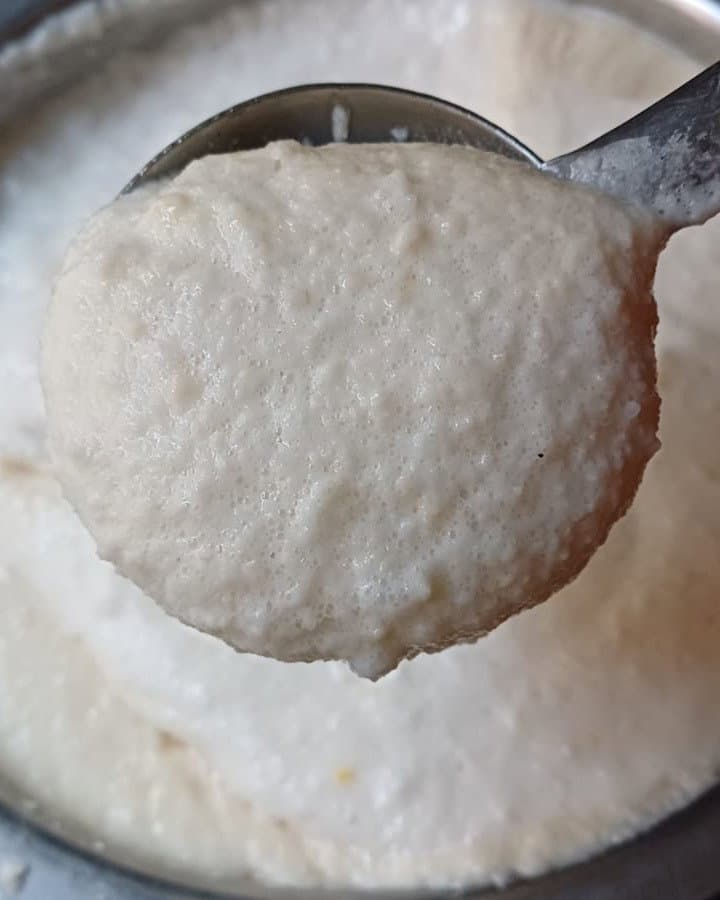
Grind into a smooth, slightly fluffy batter using cold water. Should be smooth , thick and grainy.

Transfer batter to a large vessel.
Add rock salt and mix well using your hands (this helps fermentation).


Cover and keep in a warm place for 10–12 hours or until batter rises well. Don't overmix post fermentation.


Pour into greased idli moulds and steam for 15-20 minutes.

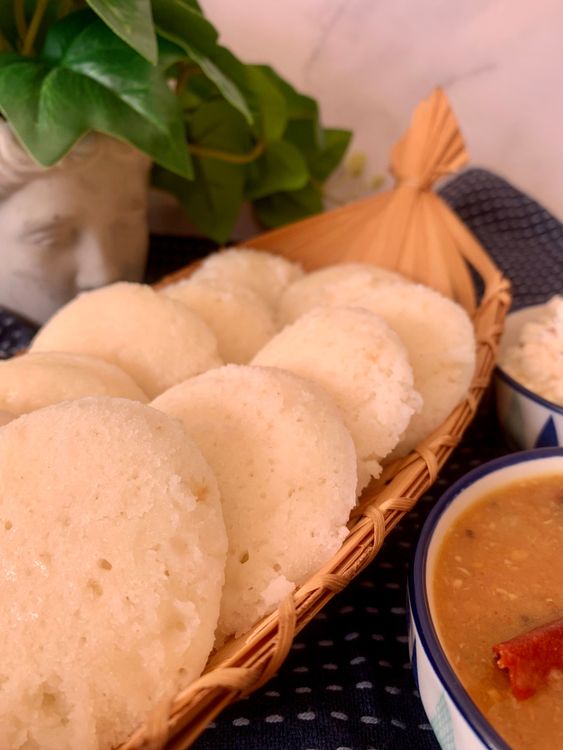
Enjoy soft, spongy idlis with chutney and sambhar.


Want to keep this recipe for later? We can email it to you!
Adding sabudana and poha gives extra softness and light texture.
Always grind batter slightly grainy and thick, not watery.
Use hands to mix, natural bacteria and it's warmth boosts fermentation.
Ferment in a warm spot, especially important in cooler weather. Don't over ferment. 12 hours maximum.
Do not overmix after fermentation, handle batter gently. This helps the idlis to remain soft and fluffy post steam.
Why should I use sabudana and poha in the batter?
Sabudana and poha add extra softness and a light texture to the idlis, making them fluffy and spongy.
How long should I ferment the batter?
Ferment the batter for 10–12 hours or until it rises well. Fermentation time may vary depending on the temperature. If the weather is too cold 15 hours is enough.
Can I use warm water for grinding the batter?
No, use cold water while grinding to prevent overheating and to maintain the batter's consistency.
Why is mixing the batter with hands important?
Mixing with hands helps boost fermentation due to the natural warmth of your hands.
What should I do if the batter doesn't rise well?
Ensure the batter is kept in a warm spot for fermentation. In cooler weather, you can place it in an oven with the light on or near a warm appliance.

Cooking has always been my way of spreading love and warmth. Through this channel, I share recipes close to my heart—some from childhood memories, some from daily life, and some festive treats. It’s my little space to celebrate the joy of homemade food and connect with fellow food lovers.
...