We use cookies on this website to ensure its proper functioning and to improve the quality of our services. Cookie Policy

Tags and nutritional info are auto-generated and may be inaccurate. Always check the full ingredient list before cooking.


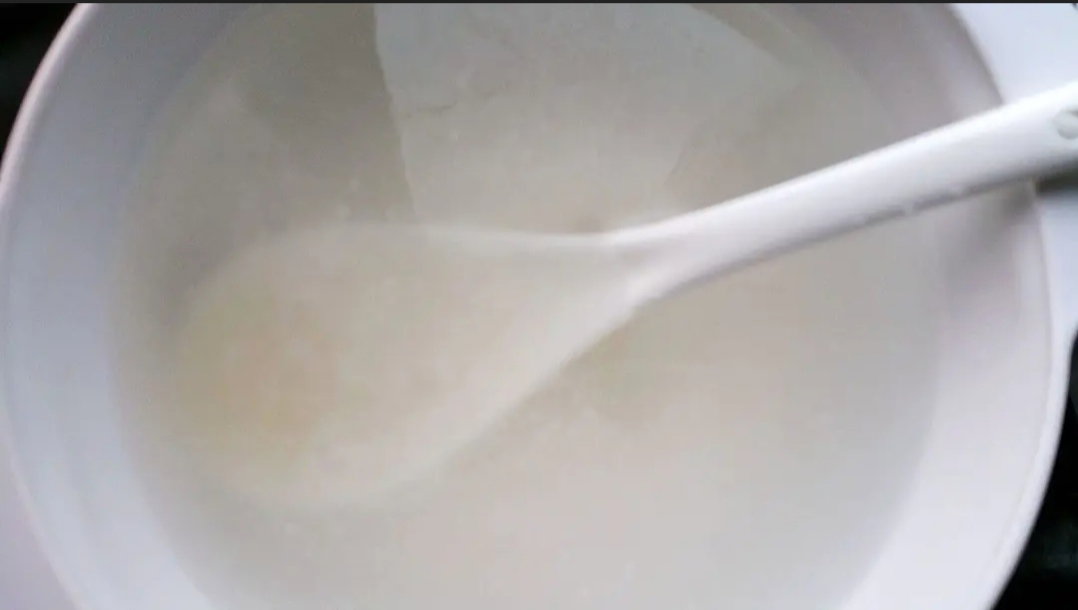
1. Rinse sago pearls and jasmine rice thoroughly. Put them into a clay pot and pour in 7 times the volume of water. Turn on the heat.
Rinse pearl rice and sago thoroughly and set aside.

2. Bring the water to a rolling boil over high heat. Stir the bottom of the pot frequently to prevent sticking. Once boiling, turn down to low heat (400W) and simmer until the congee thickens.
Bring water to a full boil, then add pearl rice and sago. Cook over low heat while stirring occasionally to prevent sticking to the pot bottom.
3. While the congee cooks, wash and chop fresh lotus leaves. Place them in a blender, add water little by little until the mixture can flow freely, then blend into juice.
Blanch fresh lotus leaves briefly in hot water to lock in their bright green color and fresh fragrance.

4. Strain the lotus leaf juice through a fine sieve to remove leaf residue.
Place the processed lotus leaves into the porridge, simmer on low heat for 15–20 minutes to infuse the porridge with a delicate lotus aroma.

5. When the congee turns thick and creamy, pour in the filtered lotus leaf juice and bring it back to a boil.
Add rock sugar according to your preferred sweetness, stir until fully dissolved, then turn off the heat.

6. Add rock sugar and stir until fully dissolved, then turn off the heat.
Let the porridge rest for 10 minutes before serving to enhance the flavor.

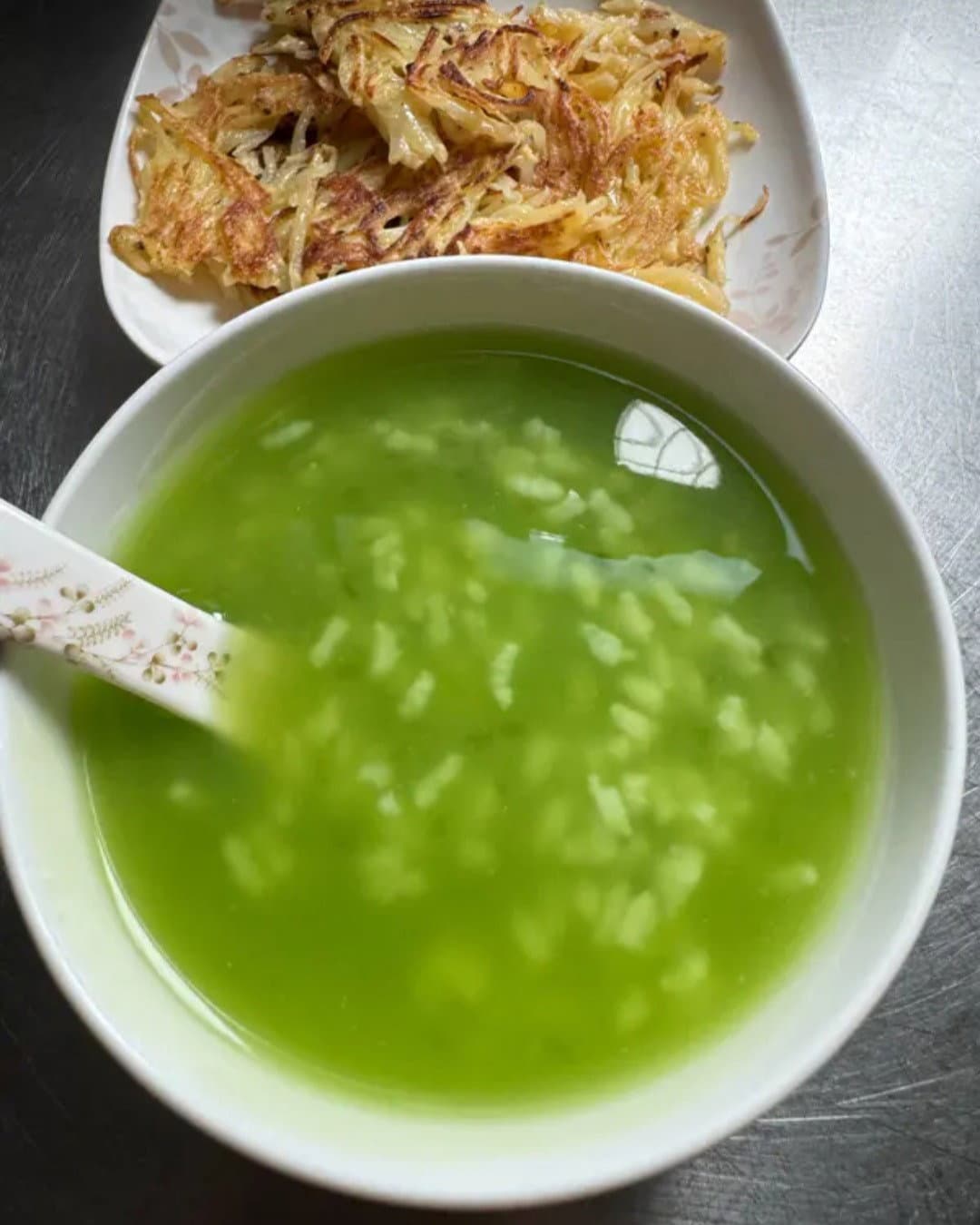
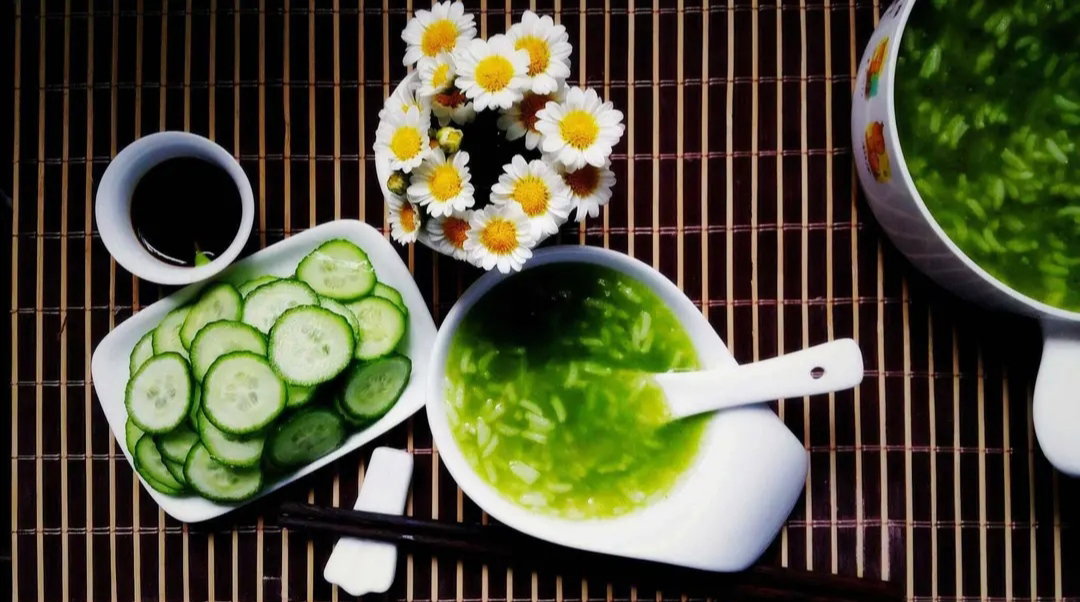
7. Serve warm. This congee retains the bright green color and fresh aroma of lotus leaves, with plump rice grains and a jelly-like texture.
Tips
1. Keep the ratio of water, sago and rice exact, and cook in a clay pot for the best texture.
2. Leftover lotus leaf juice can be chilled and drunk as refreshing lotus leaf tea.
3. You can replace lotus juice with other fresh edible green herb juices to make different kinds of savory sweet soups.
Feel free to DIY and adjust ingredients to your taste.
If you are allergic to nuts, you may skip them. No need to force ingredients, mix and match freely.
Want to keep this recipe for later? We can email it to you!
Blanching the lotus leaves briefly in hot water helps preserve their vibrant color and fragrance.
Stir the porridge occasionally while cooking to prevent the rice and sago from sticking to the pot bottom.
Adjust the amount of rock sugar based on your sweetness preference.
Can I use dried lotus leaves instead of fresh ones?
Yes, but fresh lotus leaves provide a more vibrant aroma and color. If using dried leaves, soak them in warm water until softened before blanching.
How do I prevent the sago from clumping together?
Stir the porridge occasionally while cooking to keep the sago pearls evenly distributed and prevent clumping.
Can I substitute rock sugar with regular sugar?
Yes, regular sugar can be used, but rock sugar adds a subtle depth to the sweetness.
How long can I store the porridge?
The porridge is best enjoyed fresh, but it can be stored in the refrigerator for up to 2 days. Reheat gently before serving.
Can I add other ingredients to the porridge?
Yes, you can add ingredients like dried fruits or nuts for additional texture and flavor.