
Top 100 Low Calorie Recipes: Light Dinners, Soups, Snacks and More
Updated June 29, 2026 · Curated by Chefadora
Low calorie recipes get a bad reputation they do not deserve. Done badly, "light" means a sad, undersized plate that leaves you raiding the cupboard an hour later. Done well, it simply means cooking that delivers a satisfying, generous meal for fewer calories — by leaning on lean protein, water-rich vegetables, herbs, acid and smart technique instead of heavy fats and sugar. The recipes below are built to fill you up, not to make you feel deprived.
The single most useful idea in light cooking is energy density: how many calories a food packs per bite. Vegetables, broths, fruit and lean proteins are low in energy density, so you can eat a large, genuinely filling portion for very little. Oil, cheese, sugar and refined starch are the opposite — a small amount adds up fast. Keep the volume high and the dense extras measured, and a plate can be both big and light.
You will find four clusters here: filling dinners and mains that come in under roughly 400 calories, broth-based soups and big salads, protein-forward snacks and breakfasts, and lighter desserts that still feel like a treat. This is deliberately about calorie-light eating rather than cutting carbs — there is plenty of fruit, grains and starchy vegetables here, just used thoughtfully.
Treat this as a working reference rather than a diet. Each recipe links to full ingredients and steps on Chefadora, and the guides below cover the things that actually decide whether light cooking tastes good — how to build flavor without fat, how to make vegetables the centre of the plate, how to keep lean protein juicy, and how to satisfy a sweet tooth for a fraction of the usual cost.
Low Calorie Dinners & Mains (Under 400 Calories)
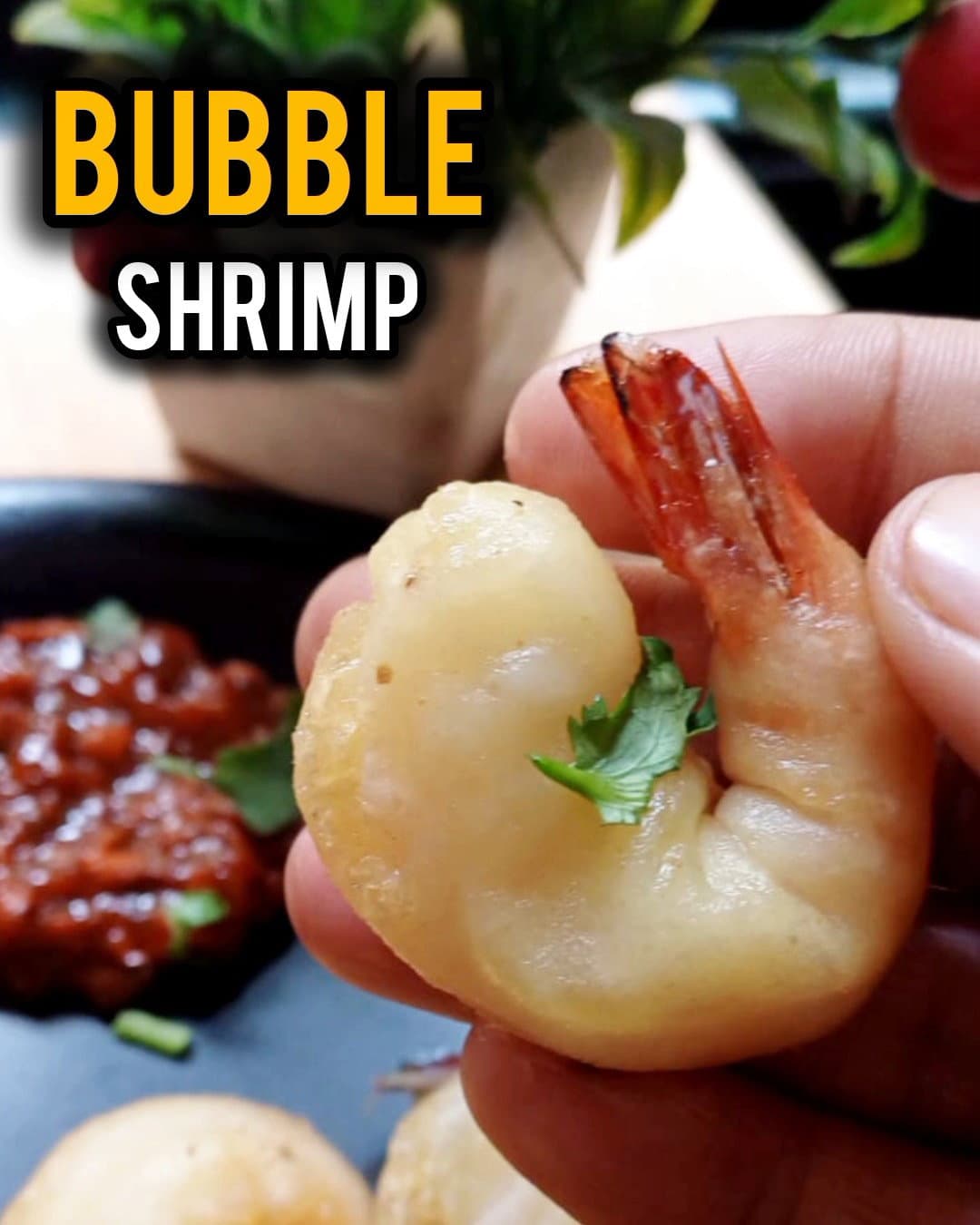
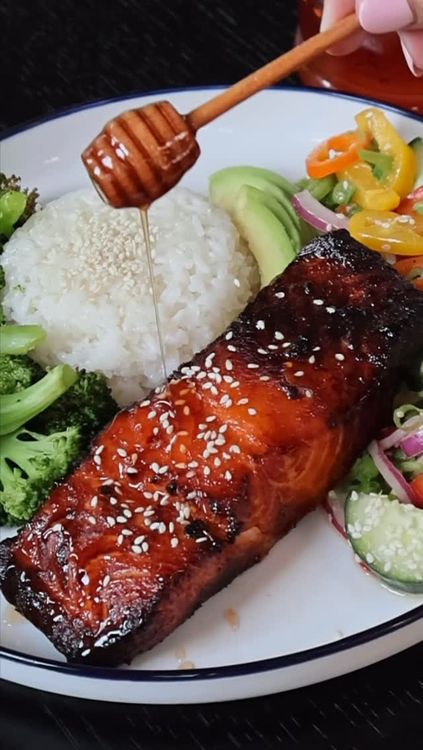
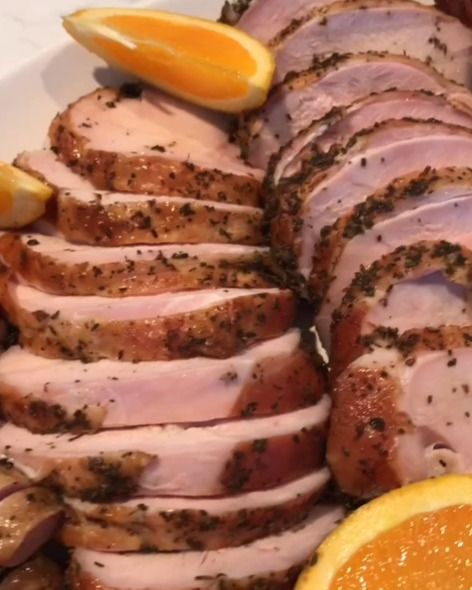
The whole challenge of a light dinner is making it feel like a full meal rather than a compromise, and the answer is almost always the ratio on the plate. Build these around a palm-sized portion of lean protein — chicken breast, white fish, shrimp, turkey or tofu — then fill the rest with vegetables cooked so they are genuinely good: roasted until the edges char, stir-fried hard and fast in a ripping pan, or grilled for smoke. The dense extras that blow up the calorie count, oil and cheese and rice, get measured rather than free-poured, and a bright sauce built on acid, aromatics and stock does the work that cream and butter usually would. The most common mistake here is treating "low calorie" as "small portion", which leaves you hungry an hour later; instead, keep the volume high with vegetables and let a little starch — some rice, a handful of noodles, a few potatoes — round things out so the plate satisfies. Cook the protein gently and pull it early so it stays juicy, and most of these land comfortably under 400 calories while eating like a proper dinner. Standouts here include Bubble Shrimps 🍤 and Ashtami Kebabs, plus Baby Shrimp Masala.


- Dairy-Free
- Appetiser

- Vegetarian
- Snack

- Maharashtrian
- Pescatarian
- Main Course

- American
- Pescatarian
- Dinner
- American
- Non-Vegetarian
- Dinner

- American
- Non-Vegetarian
- Lunch
Light Soups & Salads
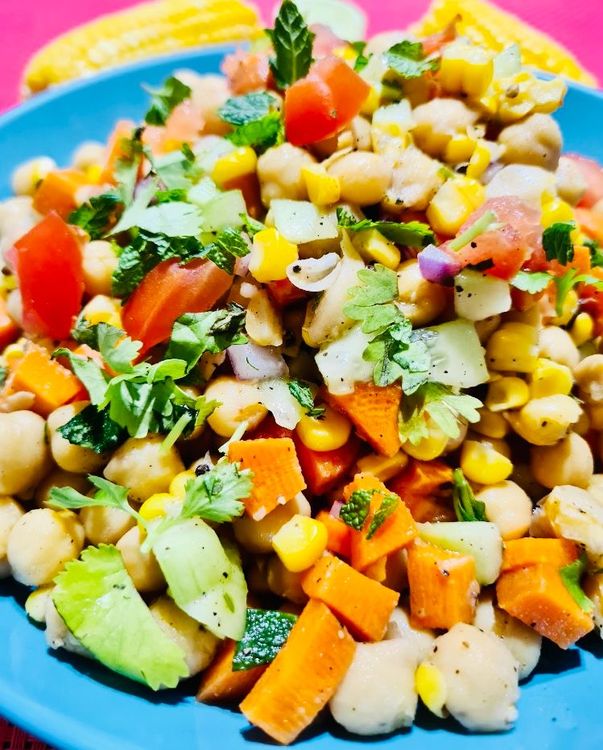
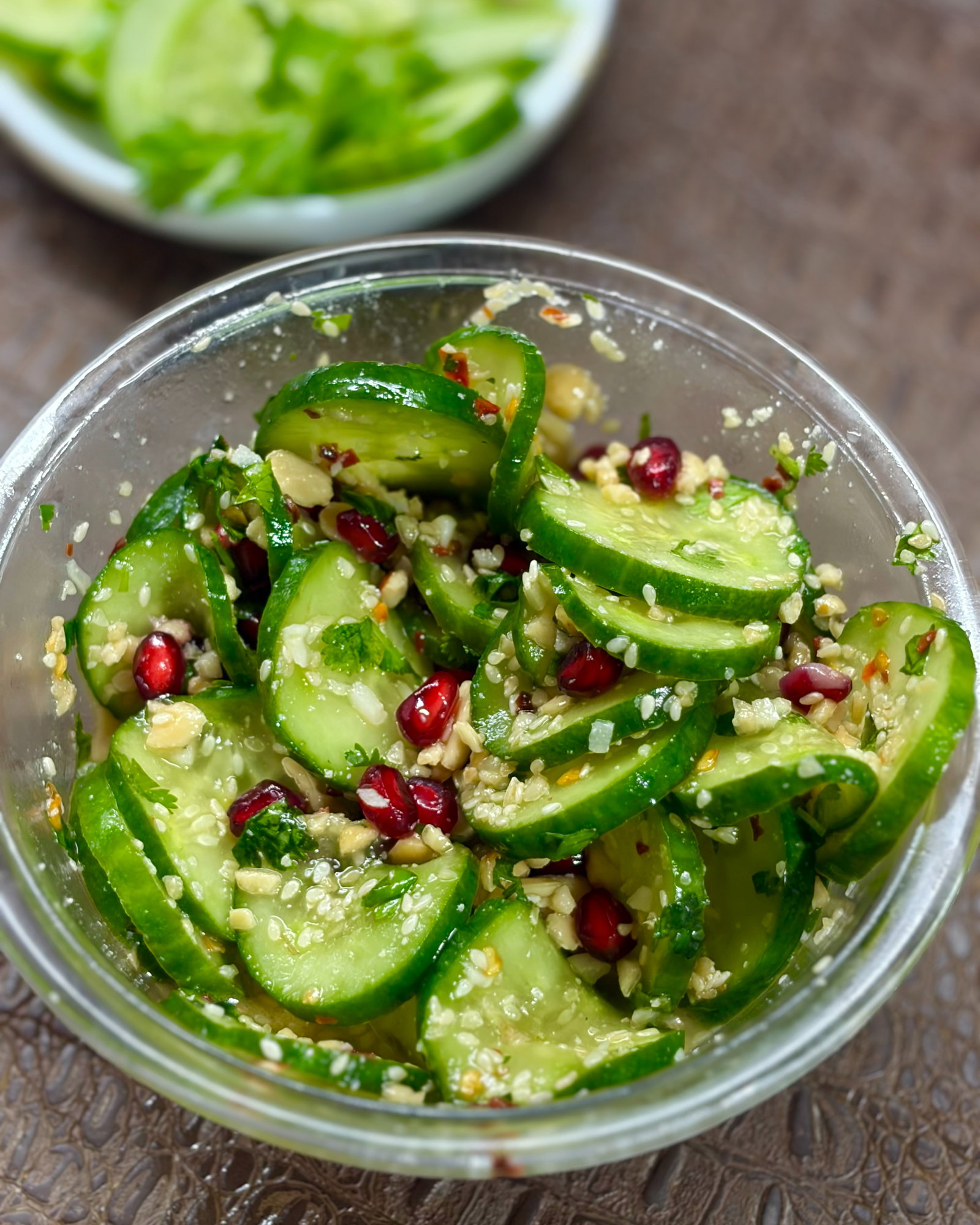
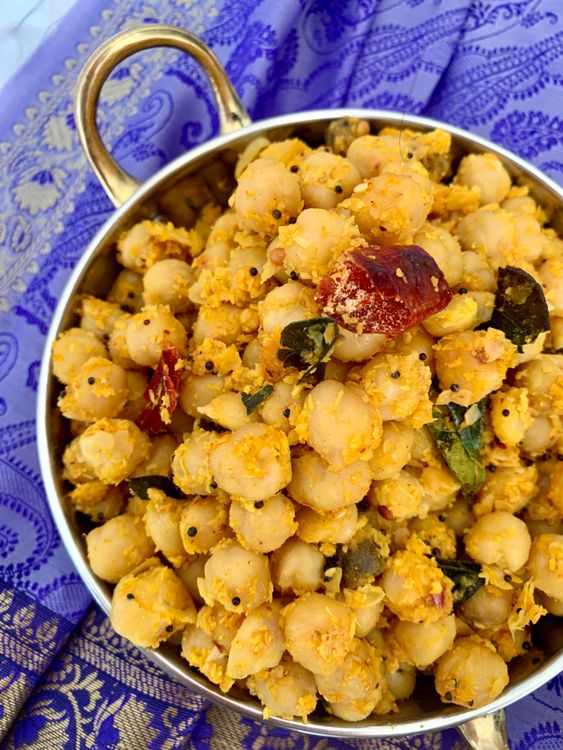
Soups and salads are where light cooking gets easy, because they are naturally high in volume and low in energy density — you can eat a big, genuinely filling bowl for very little. The principle that ties them together is water-rich vegetables doing the bulk of the work, with lean protein and a careful hand on the dressing. For brothy soups, start with a good base of aromatics sweated in a spritz of oil, build with stock rather than cream, and lean on beans, lentils or shredded chicken for staying power; a squeeze of lemon and a scatter of herbs at the end lifts the whole pot. For salads, the trap is the dressing, which is where most of the calories quietly hide — dress lightly, use acid and mustard and yogurt to carry flavor, and add the oil sparingly. Treat both as templates rather than fixed recipes: whatever vegetables you have, plus protein, plus brightness. A bowl of soup before a meal or a generous salad alongside is one of the simplest ways to eat well and stay light without ever counting a thing. Standouts here include Chickpea and Corn Salad and Cream of White Pumpkin Soup | Weight Loss Soup, plus Protein-Packed Cucumber Salad (Healthy & Easy).

- Vegan
- Appetiser

- Asian
- Vegetarian
- Soup
- Vegetarian
- Side Dish
- Indian
- Vegetarian
- Breakfast
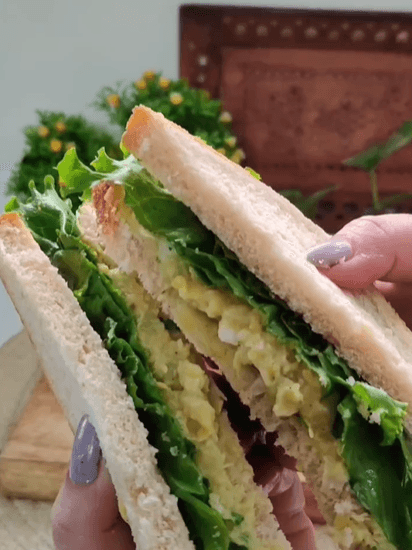

- Fusion
- Vegan
- Breakfast
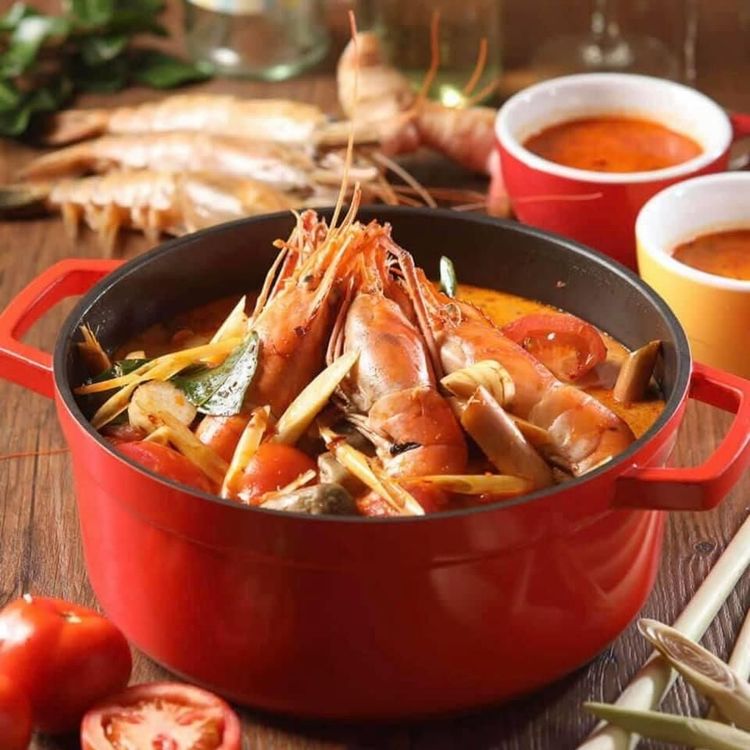

- Thai
- Non-Vegetarian
- Lunch
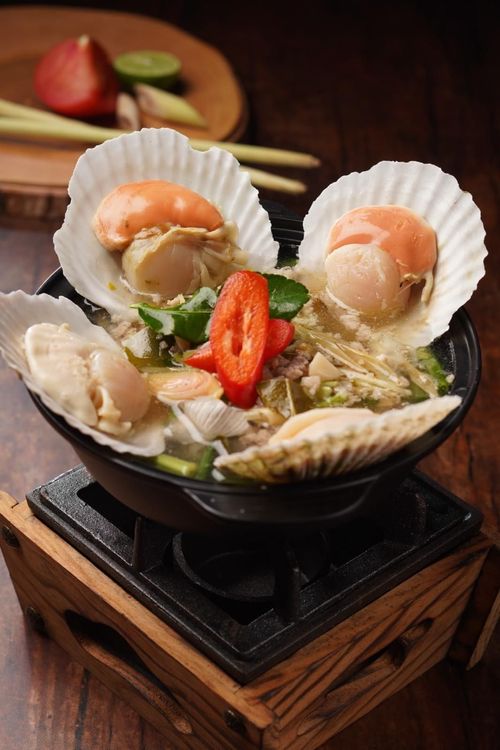
- Thai
- Non-Vegetarian
- Lunch
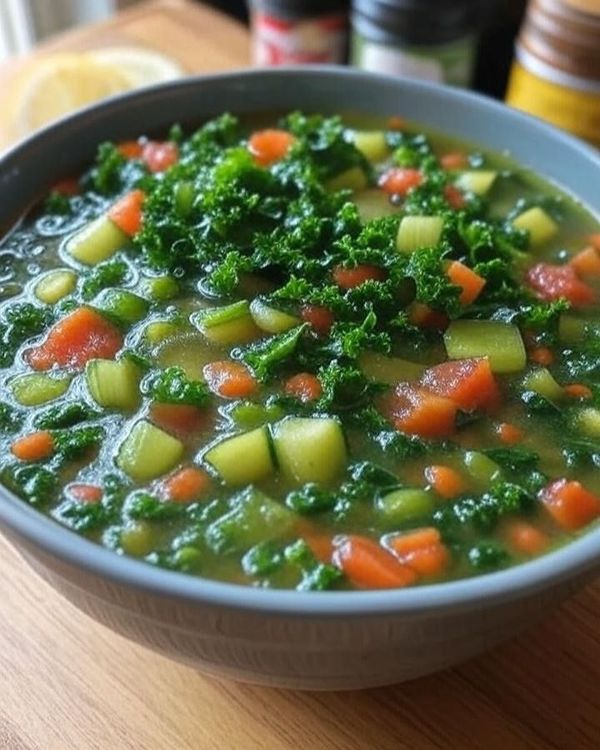
- Global
- Vegan
- Lunch
Light Snacks & Breakfast
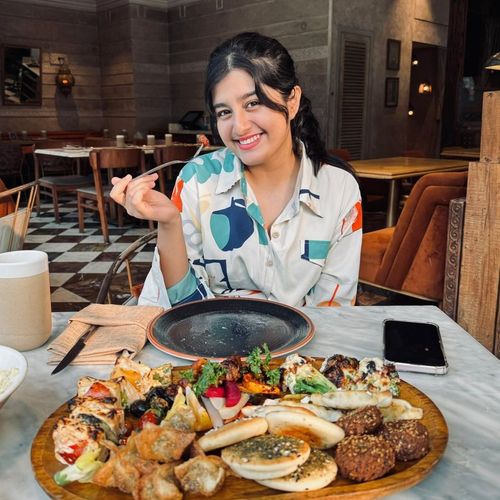
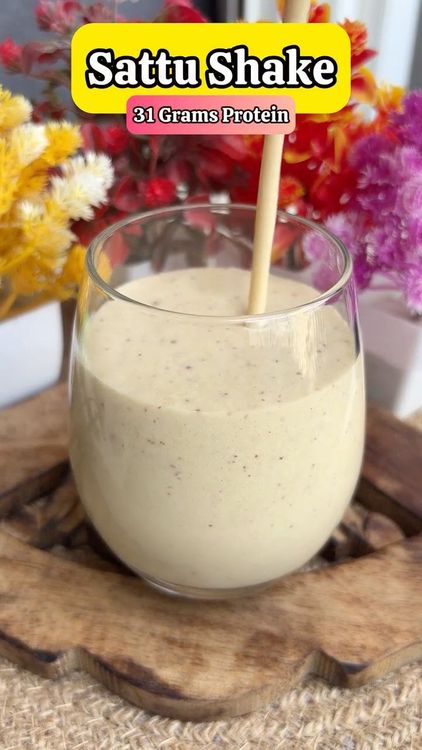
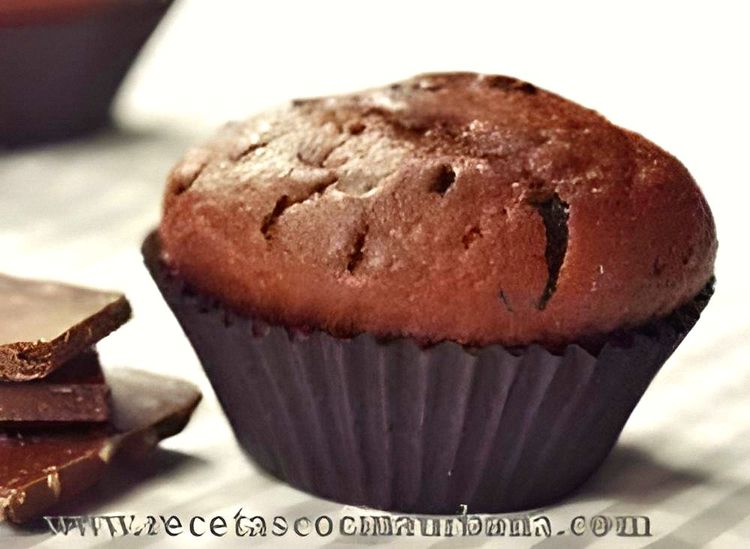
The snacks and breakfasts that work for light eating all share one job: keeping hunger honest for as few calories as possible, so you arrive at the next meal in control rather than ravenous. That means leaning hard on protein and fibre, the two most satiating things you can eat. A Greek yogurt parfait, a vegetable-packed omelette or egg-white scramble, overnight oats, cottage cheese with fruit, or crisp vegetables with hummus all fill you up for a fraction of the calories of the usual grab-and-go options. The mistake people make is snacking on energy-dense, low-volume food — a handful of nuts or a granola bar disappears in three bites and barely registers — when the better move is something with bulk and protein that actually takes a while to eat. For breakfast, front-load the protein so you are not hungry by mid-morning. Roasted chickpeas, yogurt bark and chia puddings make great keep-ahead bites. Prep these in batches at the weekend and you remove the single biggest reason light eating falls apart, which is being caught hungry with nothing good on hand. Standouts here include High Protein & Guilt-free Veg Burgers and Sattu Protein Shake, plus Chocolate and Walnut Muffins.

- fusion
- Vegetarian
- Dinner

- Indian
- Vegetarian
- Beverage
- International
- Eggetarian
- Breakfast
More Low Calorie Favourites
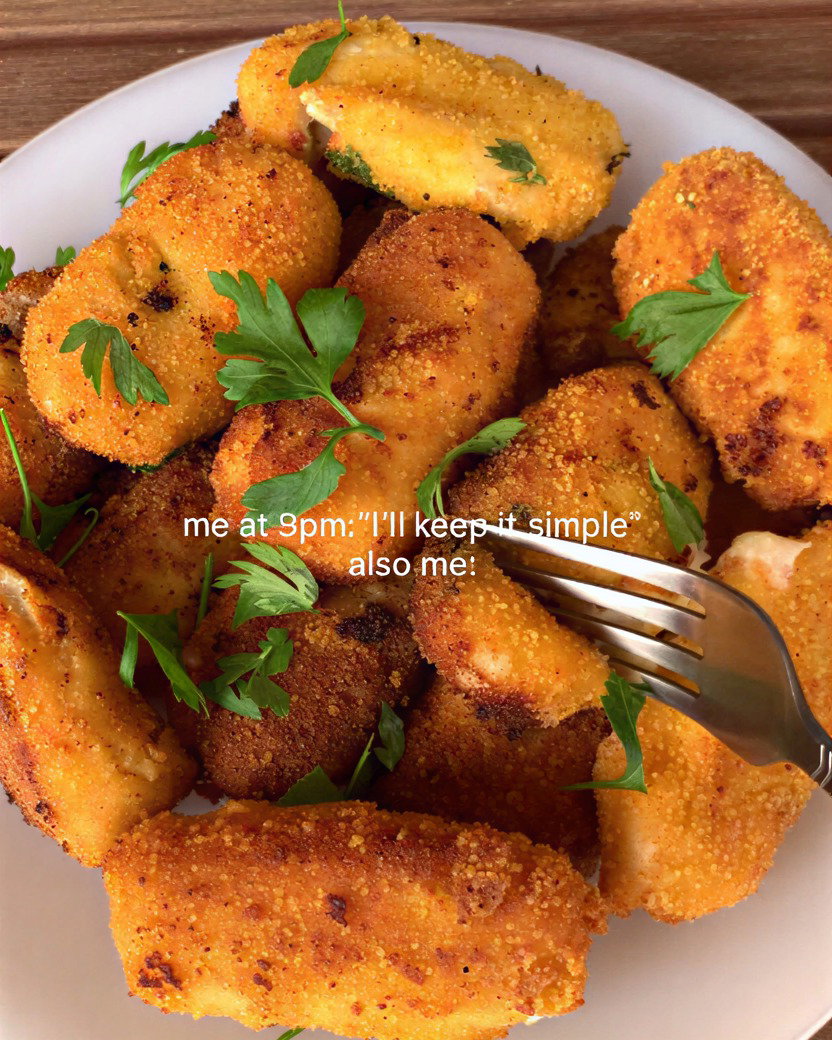
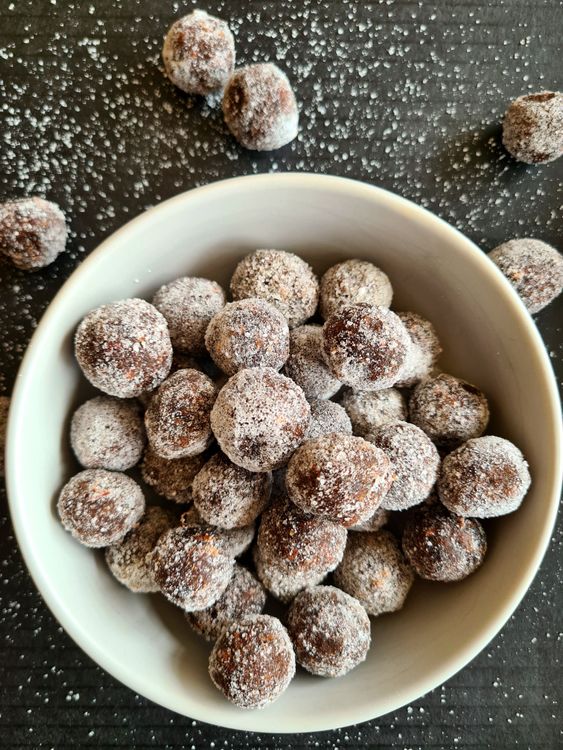
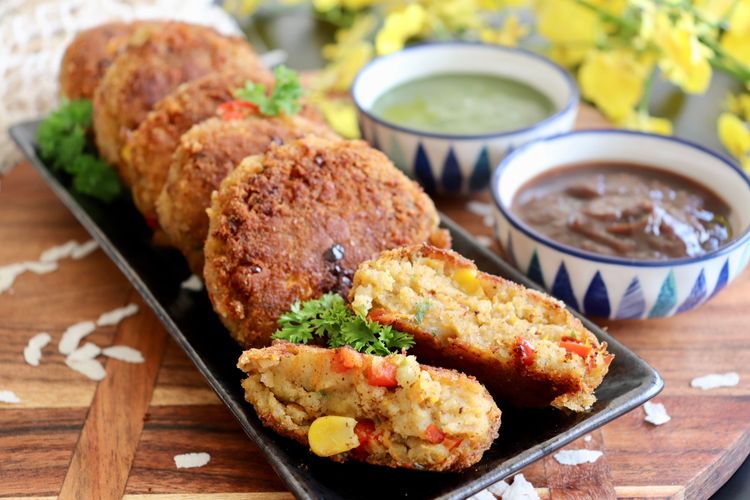
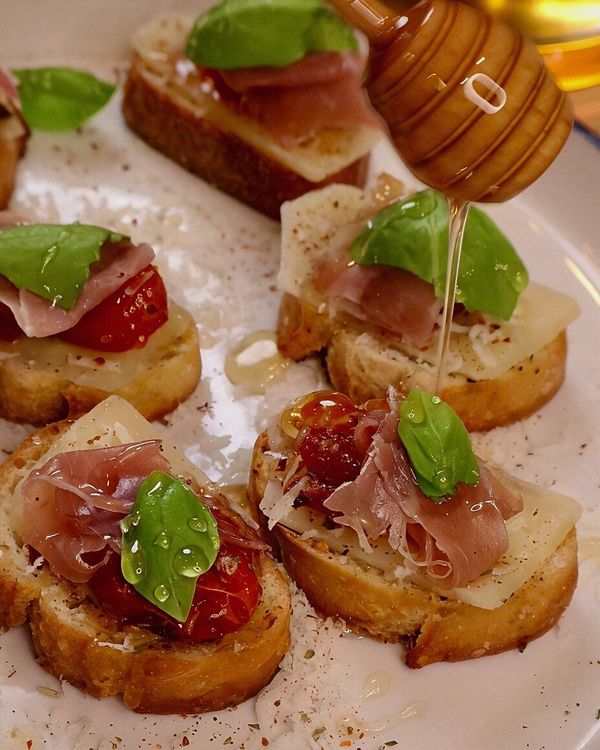
A few dishes never sit neatly in one category, and these are the ones worth keeping in your back pocket once the staples feel routine — the light meals that blur the line between lunch and dinner, snack and small plate. They lean on the same handful of moves you already know: keep the volume high with vegetables, build flavor with acid, aromatics and char rather than fat, cook lean protein gently and pull it early, and measure the dense extras instead of free-pouring them. Picking your next one is mostly about matching effort to mood and what is in the fridge. On a busy night, reach for something that is mostly assembly — a grain bowl, a loaded salad, a quick brothy soup — and save the dishes that ask for a marinade or a slow roast for when you have the time to let flavors build. Pay attention to how filling each one actually is, since the best light recipes are the ones you forget were ever meant to be light. Think of this group as the natural next step after the basics, the recipes that quietly earn a regular spot in the rotation. Standouts here include Apple & Blue Cheese Croquettes and Tamarind Candy (Imli Goli), plus Crispy Medu Vada (no refined flour-no semolina).

- Nut-Free
- Snack
- Indian
- Vegan
- Appetiser

- South Indian
- Vegan
- Breakfast
- Indian
- Vegan
- Sauce & Condiment
- Indian
- Vegetarian
- Dessert
- Indian
- Vegan
- Sauce & Condiment
- Indian
- Vegan
- Appetiser
- Indian
- Vegetarian
- Lunch
- Indian
- Vegetarian
- Appetiser
- Indian
- Vegetarian
- Breakfast
- Italian
- Non-Vegetarian
- Dinner
- Indian
- Vegan
- Appetiser
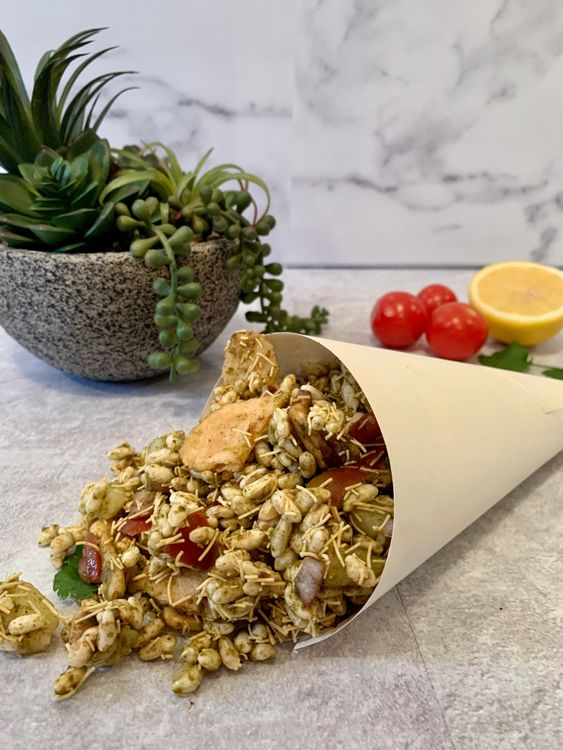
- Indian
- Vegan
- Snack
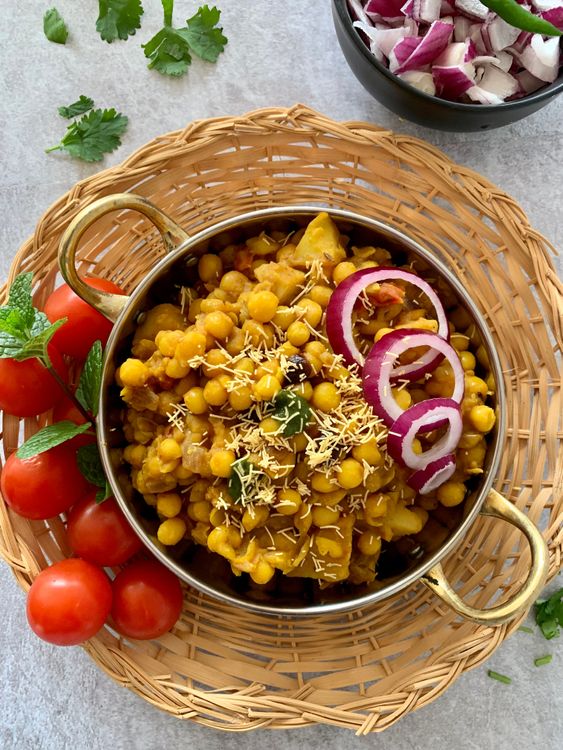
- Indian
- Vegan
- Snack
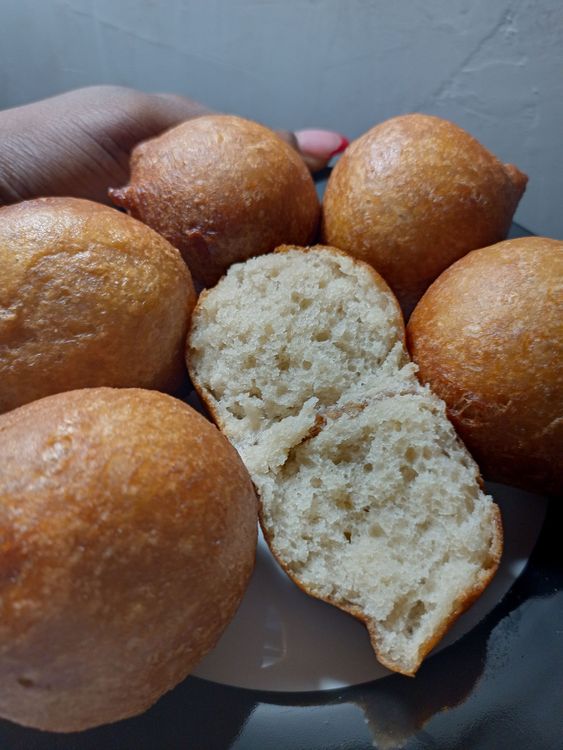
- Nigerian
- Vegan
- Snack
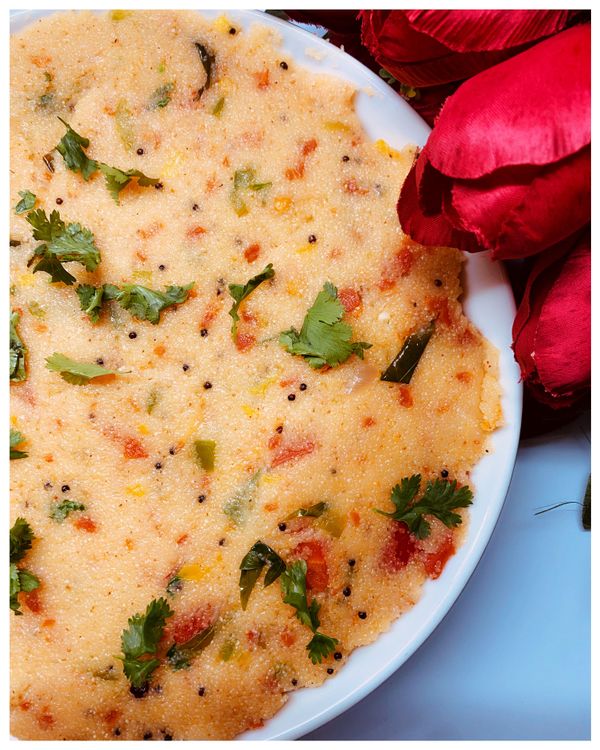

- Indian
- Vegan
- Breakfast
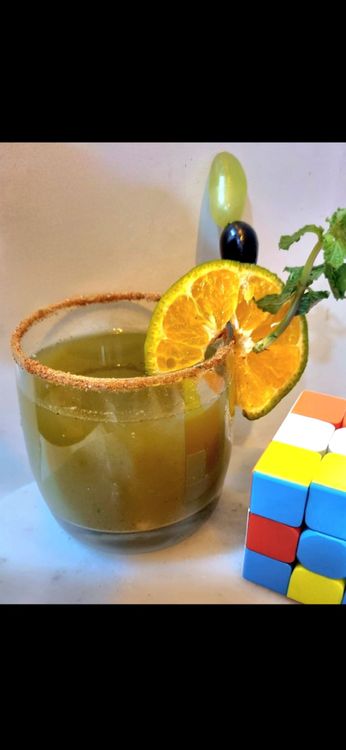

- Indian
- Vegetarian
- Beverage
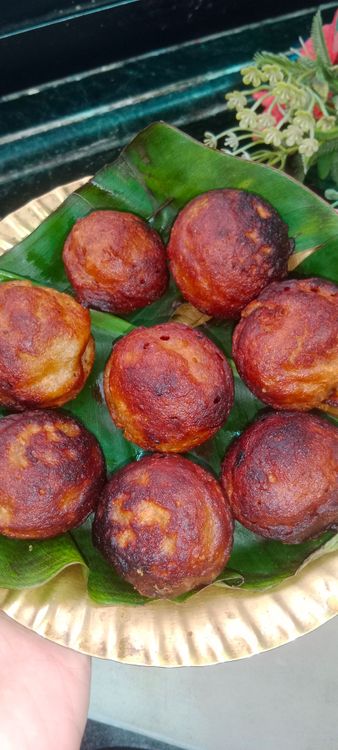
- Indian
- Vegetarian
- Breakfast

- Kerala
- Pescatarian
- Main Course

- Vegan
- Beverage
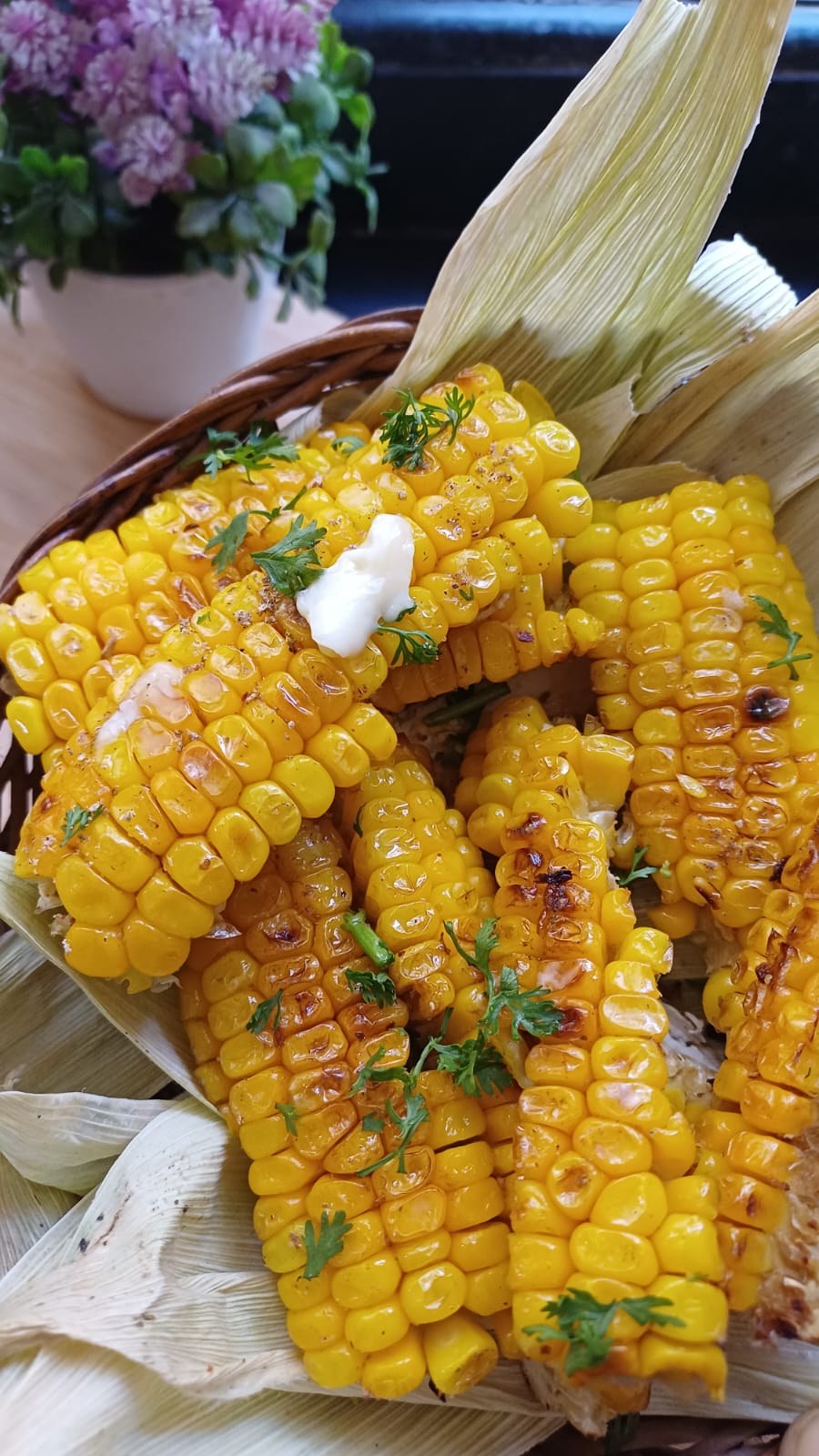
- Southeast Asian
- Vegetarian
- Snack
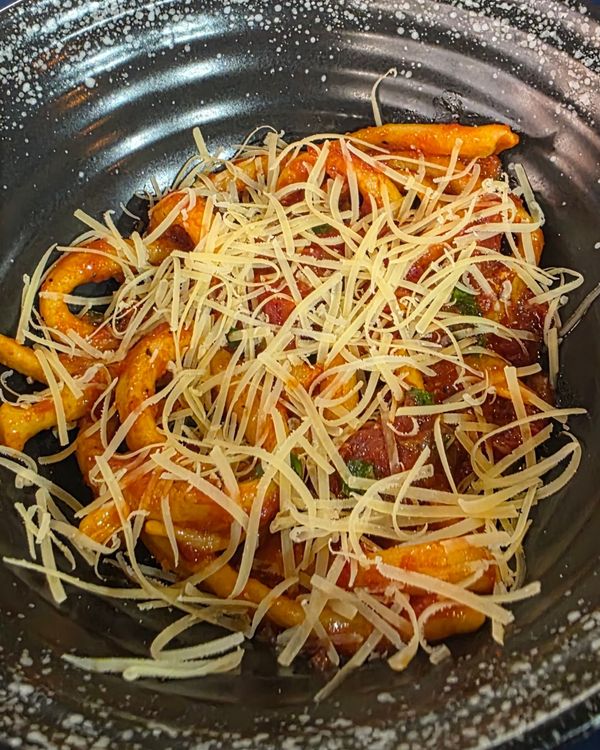

- Italian
- Vegetarian
- Lunch
- Indian
- Vegan
- Sauce & Condiment

- International
- Vegan
- Beverage
- Indian
- Vegan
- Sauce & Condiment
- Indian Fusion
- Vegetarian
- Dessert

- Indian
- Vegan

- Asian Fusion
- Vegetarian
- Dessert
- Malaysian
- Vegetarian
- Breakfast
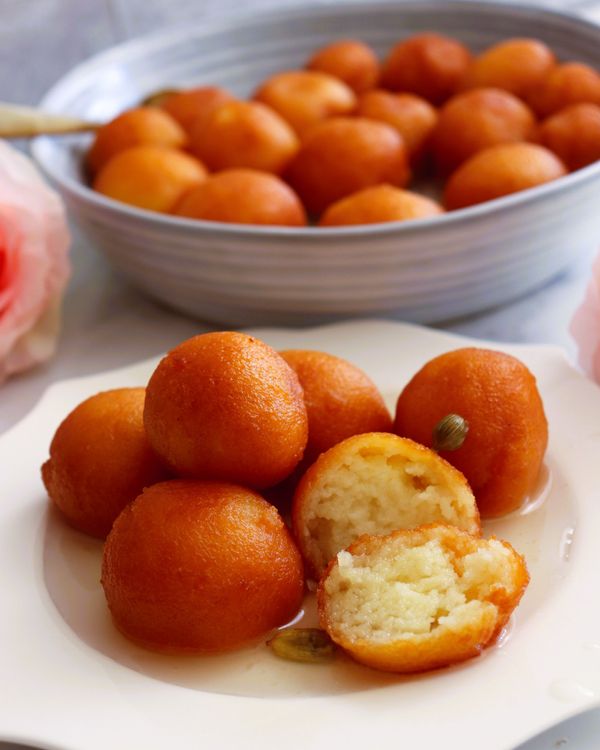
- Indian
- Vegetarian
- Dessert
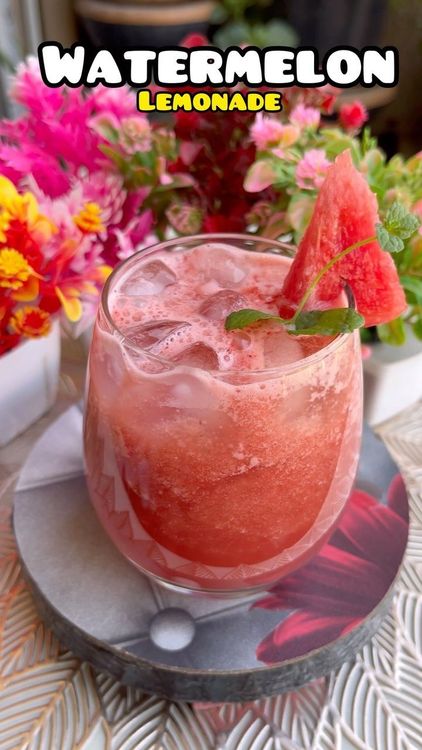
- Global
- Vegan
- Beverage
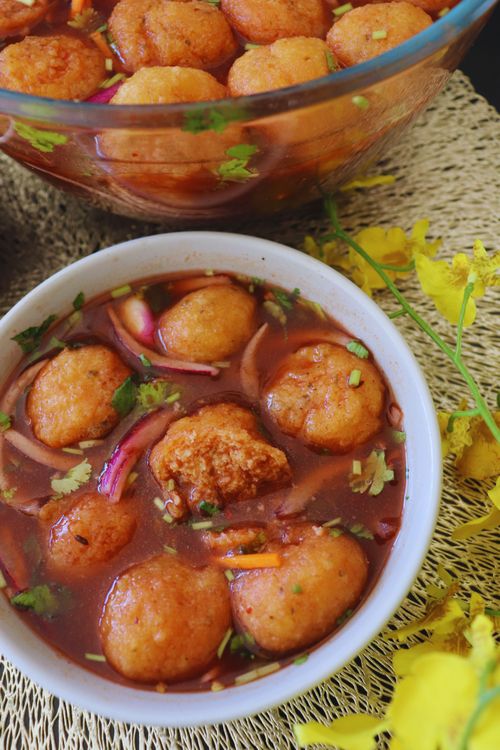
- Indian
- Vegan
- Appetiser
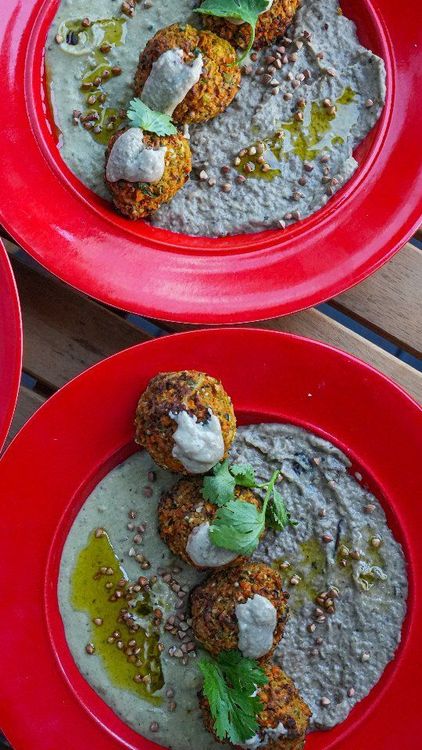
- Lebanese
- Vegan
- Appetiser
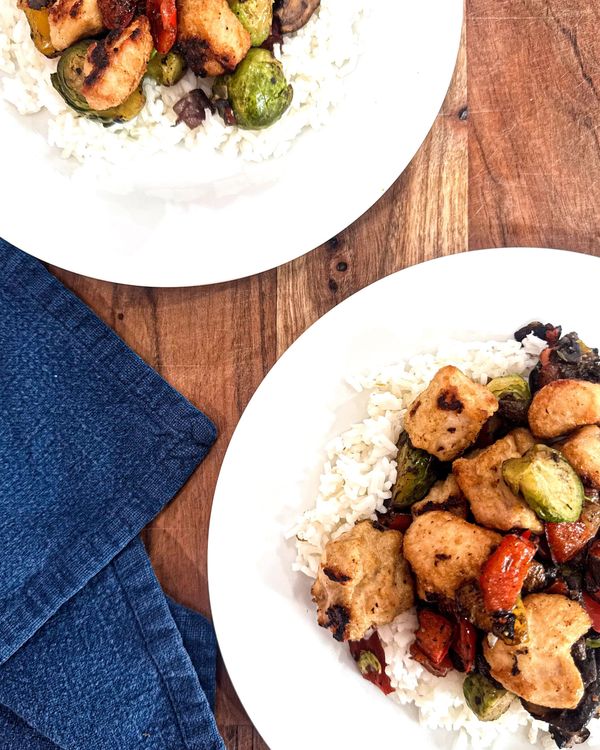

- American
- Non-Vegetarian
- Dinner
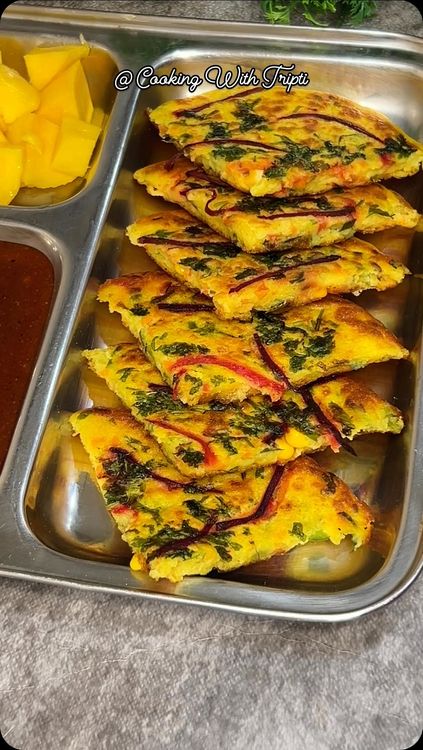
- Indian
- Vegetarian
- Breakfast
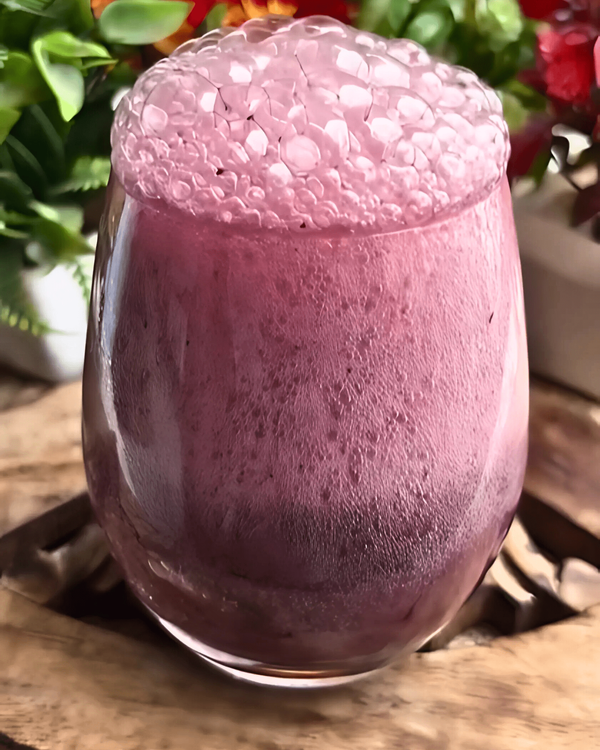
- Indian
- Vegan
- Beverage
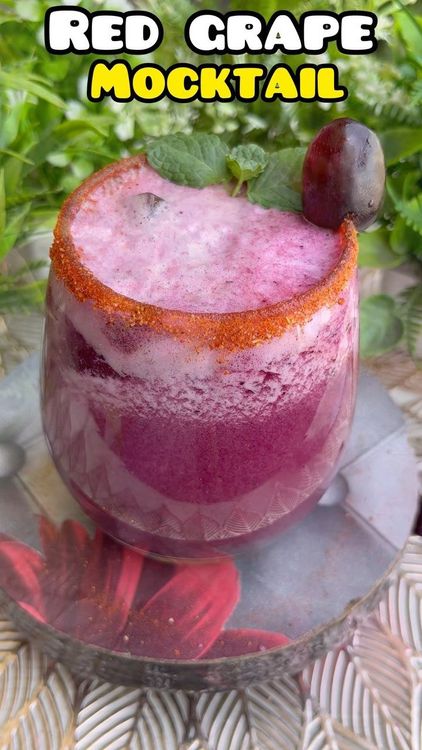
- Indian
- Vegan
- Beverage


- Vegetarian
- Main Course

- Indian
- Vegan
- Snack
- Indian
- Vegan
- Beverage
- Indian
- Vegan
- Beverage
- Indian
- Vegetarian
- Snack
- International
- Vegan
- Sauce & Condiment
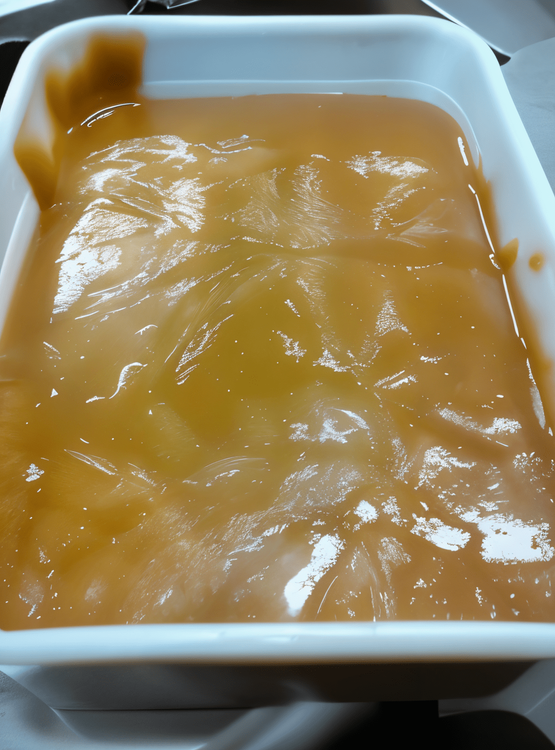
- Latin American
- Vegetarian
- Dessert
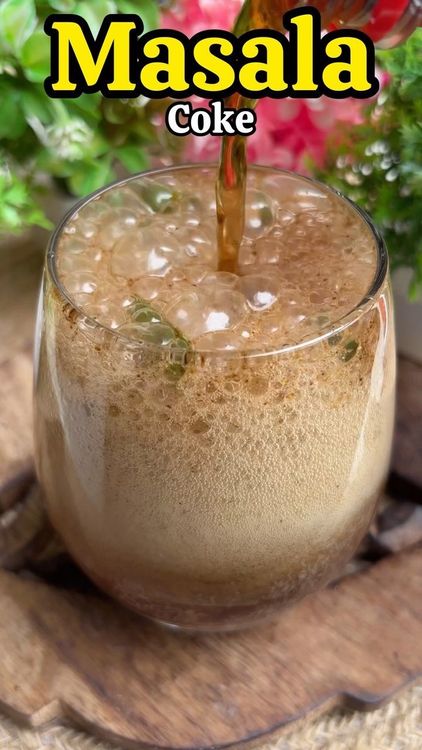
- Indian
- Vegan
- Beverage
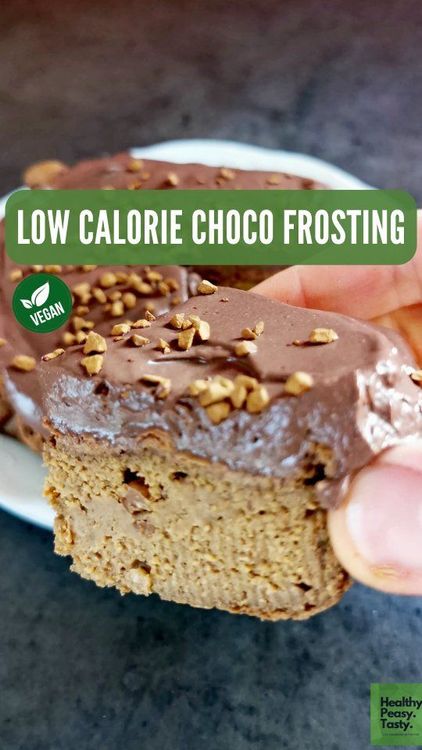
- International
- Vegetarian
- Dessert
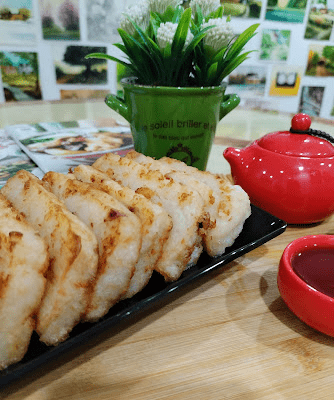
- Cantonese
- Dairy-Free
- Lunch
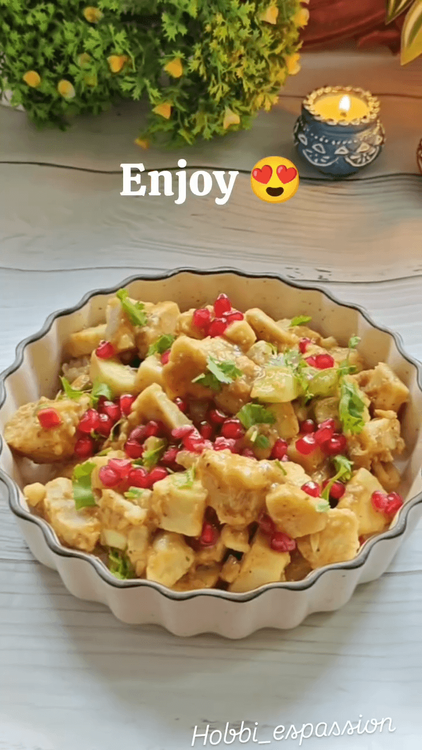
- Punjabi
- Vegan
- Snack
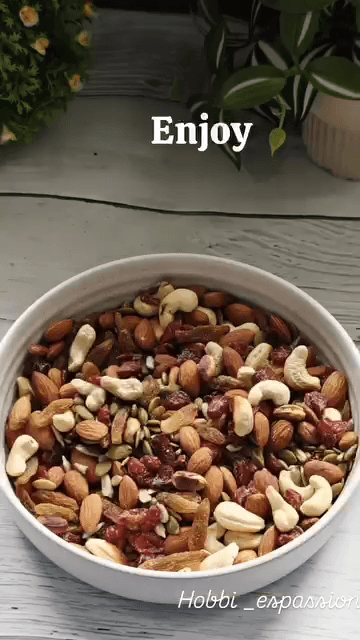
- Indian
- Vegan
- Snack

Building Flavor Without the Fat
Fat carries flavor, so when you cut it you have to replace that impact with other tools — and there are plenty. Acid is the biggest lever: a squeeze of lemon or lime, a splash of vinegar, or a spoon of yogurt brightens a dish and makes it taste fuller and more seasoned without a single extra calorie of oil. Salt the food properly and in layers, and taste as you go, because under-seasoning is what makes light food taste like diet food.
Aromatics and spice do the rest of the heavy lifting. Garlic, ginger, chilli, onions and fresh herbs cost almost nothing in calories but transform a plate. Toast whole spices or bloom ground ones briefly in your small amount of oil so they taste cooked rather than raw. Char and browning add depth too — a hard sear, a blistered grill mark, or roasted edges create the savory, almost meaty notes that fat would otherwise provide.
Be deliberate with the fat you do use. A teaspoon of toasted sesame oil, a little grated parmesan, or a few olives go a long way when added at the end, where you taste them most, rather than cooked invisibly into the dish at the start. Use a non-stick pan and a quick spritz of oil instead of a glug, and reach for stock, wine or water to deglaze and build a sauce that clings without cream.
Making Vegetables the Centre of the Plate
The simplest way to lower the calories of any meal is to change the ratio: more vegetables, less of everything dense. Aim to fill half the plate with non-starchy vegetables, a quarter with lean protein and a quarter with a starch, and most dinners fall into a sensible calorie range on their own. Vegetables bring fibre and water, so they fill you up physically and slow you down, which is half the battle with appetite.
Technique is what makes a pile of vegetables crave-worthy rather than a chore. Roasting at high heat caramelizes the edges and concentrates sweetness; a hard sauté in a hot pan gives char without much oil; grilling adds smoke. Cut everything to a uniform size so it cooks evenly, do not crowd the tray or pan (crowding steams instead of browning), and season aggressively, because vegetables can take far more salt, acid and spice than people give them.
Swaps stretch a meal without stretching the calories. Spiralized zucchini or spaghetti squash stands in for some of the pasta, cauliflower rice bulks out a grain bowl, and shredded cabbage or lettuce adds crunch and volume to wraps and tacos. The trick is to treat these as partners to the real thing rather than grim substitutes — a bowl that is half noodles and half zoodles is satisfying in a way an all-zoodle bowl rarely is.
Keeping Lean Protein Juicy
Lean proteins — chicken breast, white fish, shrimp, turkey, egg whites, tofu — are the backbone of light cooking because they are filling for very few calories. Their weakness is that with little fat to protect them, they dry out and turn rubbery the moment they overcook. The fix is to cook them gently and pull them early: a thermometer beats the clock every time, and carryover heat finishes the job after the pan.
Brining and marinating buy you a margin of safety. A short soak in salted water, or a marinade built on yogurt, citrus and herbs, seasons the protein through and helps it hold moisture under heat. For chicken breast, pounding it to an even thickness means it cooks uniformly instead of drying at the thin end before the thick end is done. White fish and shrimp need only minutes, so start checking early and remember they keep cooking off the heat.
Cooking method matters as much as timing. Poaching, steaming and gentle baking keep lean protein tender and add no fat at all; a quick high-heat sear or grill adds flavor with very little oil if the surface is patted dry first. Rest meat a few minutes before slicing so the juices redistribute rather than running onto the board. Get protein right and the rest of a light plate forgives a lot.
Satisfying a Sweet Tooth, Lightly
Lighter desserts work by leaning on flavors that already read as indulgent — vanilla, cinnamon, cocoa, citrus zest, a little real maple or honey — so a small amount of sweetness does a lot. Fruit is the foundation: roasting, grilling or poaching it concentrates its natural sugar and deepens the flavor, so a baked apple or a poached pear tastes like dessert with almost nothing added. Let the fruit do the work and you barely need sugar at all.
Dairy swaps cut the heaviest calories without killing the pleasure. Greek yogurt stands in for cream in a parfait or a mousse, frozen banana blitzes into a soft-serve "nice cream", and whipped egg whites or a meringue give you airy sweetness for very little. Chia seeds set milk into a pudding with no cooking at all. The aim is texture and richness from clever ingredients rather than from butter, double cream and refined sugar.
Portion and presentation finish the job. A small treat served thoughtfully — frozen yogurt bark broken into shards, berries layered in a glass, a single perfect square of mug cake — satisfies far better than a big bowl eaten mindlessly. Add contrast and crunch with a scatter of toasted nuts or seeds (measured, since they are calorie-dense), and finish with zest or a pinch of flaky salt to make a light dessert taste like a deliberate one.
Pro Tips from the Test Kitchen
- Fill half the plate with non-starchy vegetables — it lowers the calories of almost any meal automatically.
- Reach for acid before fat: lemon, lime, vinegar or yogurt makes light food taste fuller without the calories.
- Use a thermometer and pull lean protein early — with little fat to protect it, it dries out the second it overcooks.
- Roast or hard-sear vegetables in a single layer; crowding the pan steams them grey instead of caramelizing them.
- Add your small amount of fat at the end where you taste it most — finishing oil, a little parmesan, a few olives.
- Spritz oil from a mister instead of pouring a glug; a teaspoon goes much further than a free-poured tablespoon.
- Bulk up bowls and wraps with zucchini noodles, cauliflower rice or shredded cabbage as partners, not full swaps.
- Marinate lean protein in yogurt and citrus — it seasons it through and helps it hold moisture under heat.
- Roast or poach fruit for dessert to concentrate its natural sugar so you barely need to add any.
- Season light food in layers and taste as you go; under-salting is what makes it taste like diet food.
Frequently Asked Questions
What counts as a low calorie meal?
There is no fixed legal definition, but a useful working guide for a main meal is roughly 400 to 500 calories or less, and for a snack around 100 to 200. What matters more than a hard number is energy density — how filling the food is for its calories. A 400-calorie plate built on vegetables and lean protein satisfies far longer than a 400-calorie pastry, so focus on filling, not just counting.
How do I make food taste good with fewer calories?
Replace the impact of fat with other tools: acid (lemon, vinegar, yogurt), aggressive seasoning, aromatics like garlic and ginger, fresh herbs, and browning or char for savory depth. Use a non-stick pan and a spritz of oil instead of a glug, and add the little fat you do use at the end where you taste it most. Under-seasoning, not lack of fat, is the usual reason light food tastes flat.
Are low calorie meals the same as low carb?
No, and this collection is deliberately about cutting calories rather than carbs. Low-carb cooking limits bread, rice, pasta, fruit and starchy vegetables; low-calorie cooking keeps all of those on the table and instead controls overall energy by leaning on vegetables, lean protein and lighter cooking methods. You will find fruit, grains and potatoes here — just used thoughtfully alongside plenty of volume.
How can I feel full eating fewer calories?
Lean on high-volume, low-energy-density foods: vegetables, broth-based soups, fruit and lean protein fill your stomach for very few calories. Protein and fibre are the most satiating, so build meals around them. Soup before a meal, a big salad alongside, and a glass of water all genuinely blunt appetite. Eating slowly helps too, since fullness signals take time to register.
What are good low calorie dinner ideas?
Think lean protein plus a mountain of vegetables and a bright sauce: a chicken or shrimp stir-fry, baked white fish with herbs, turkey lettuce wraps, a cauliflower-rice bowl, zucchini noodles with a light tomato sauce, or stuffed peppers. Most land comfortably under 400 calories while still feeling like a full plate. Keep dense extras like oil, cheese and rice measured and let vegetables take up the room.
Can I eat low calorie desserts?
Yes — lighter desserts work by leaning on fruit, Greek yogurt, frozen banana, chia and whipped egg whites instead of butter, cream and lots of sugar. Roasting or poaching fruit concentrates its natural sweetness so you need very little added sugar. A small portion served thoughtfully, with a little crunch and a hit of zest or vanilla, satisfies far better than a big bowl of something heavy.
Is it cheaper to cook low calorie meals?
Often, yes. Light cooking leans heavily on vegetables, beans, lentils, eggs and modest amounts of protein, which are some of the cheapest things in the shop, and uses less of the pricey extras like cheese and oil. Seasonal vegetables and dried pulses stretch furthest. The bigger saving is in waste: cooking generous, vegetable-forward meals at home tends to cost less than takeaways or convenience food.
How do I keep chicken breast from drying out?
Lean chicken breast has little fat to protect it, so the trick is gentle cooking and early removal. Pound it to an even thickness so it cooks uniformly, brine or marinate it for moisture and seasoning, and use a thermometer — pull it at 74C/165F and let carryover finish it. Poaching and gentle baking are foolproof; a hot sear works too if you do not leave it on a second too long.
Do low calorie recipes take a lot of time?
Not usually. Much of light cooking is fast by nature — stir-fries, grilled fish, big salads and brothy soups come together quickly, and many need little more than chopping and a hot pan. Batch-roasting a tray of vegetables or cooking a pot of soup at the weekend gives you a base for several quick meals. The slowest part is prep, so a little chopping ahead pays off all week.
Will low calorie eating leave me hungry?
It should not, if you build meals around filling foods. The mistake people make is cutting portions across the board, which leaves them genuinely hungry. Instead, swap the ratio — more vegetables and lean protein, less dense fat, sugar and refined starch — so you eat a large, satisfying volume for fewer calories. If you are hungry, the fix is usually more vegetables and protein, not smaller plates.
The thread through every recipe here is the same: eat generously, but choose foods that are filling for their calories. Build plates around vegetables and lean protein, replace the impact of fat with acid, char and seasoning, and let fruit do the work in dessert. Get those habits down and light cooking stops feeling like a sacrifice and starts feeling like the way you actually want to eat.
Pick three to cook this week — a quick under-400 dinner, a big-batch soup or salad, and a lighter dessert — and save your favorites to a Chefadora cookbook. Then work through the rest; this page is built to be the low-calorie reference you come back to whenever you want a meal that is both satisfying and light.
Related
- Low Calorie
- Healthy
- Light Meals
- Weight Loss
- High Protein
- Vegetable Forward
- Dinner
- Clean Eating
Popular Searches
- Best low calorie recipes
- Easy low calorie recipes
- Quick low calorie recipes
- Healthy low calorie recipes
- Simple low calorie recipes
- Homemade low calorie recipes
- Delicious low calorie recipes
- Popular low calorie recipes
- low calorie dinner ideas
- low calorie meals
- light dinner recipes
Marnirni-apinthi Building, Lot Fourteen,
North Terrace, Adelaide, South Australia, 5000
Australia
