
Top 99 Banana Recipes: Banana Bread, Pancakes, Frozen Treats and More
Updated June 29, 2026 · Curated by Chefadora
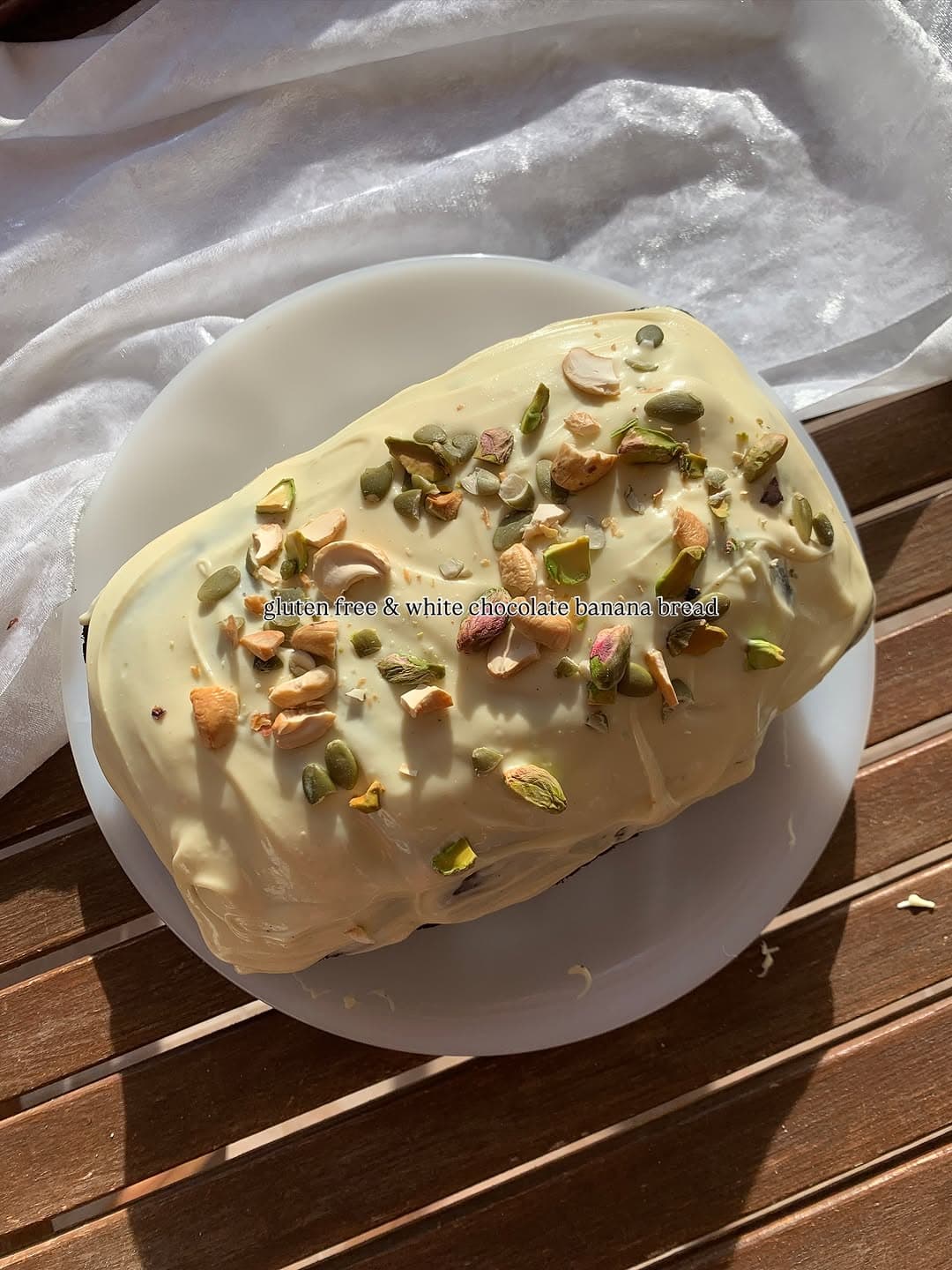
Banana recipes are the answer to the most common question in any kitchen: what do I do with these bananas going brown on the counter? Few ingredients reward neglect like a banana does — the spottier and softer it gets, the sweeter and more intensely flavored it becomes, which is exactly what you want for baking and blending. The recipes below were chosen to use that ripeness, spanning moist loaves, fluffy pancakes, churn-free frozen treats and quick caramelized desserts rather than ten near-identical banana breads.
What makes banana so useful is that it does three jobs at once. It sweetens, so you can pull back on sugar; it adds moisture and binds, so it can stand in for some of the fat or eggs; and frozen, it whips into something astonishingly creamy with no dairy at all. That versatility is also its quirk: an underripe banana is starchy and bland, while a black, freckled one is soft, fragrant and almost jammy. Choosing the right ripeness for the job is half the battle.
You will find four clusters here: banana bread and baked goods, pancakes and smoothies for breakfast, frozen and no-bake treats, and the ripe-banana desserts and snacks like bananas foster and fritters. The same handful of moves — mashing, freezing, caramelizing — carries across all of them, so once you have a feel for how a banana behaves, every recipe on the page gets easier. Better still, most of them start from the very same bowl of soft, spotty fruit, which means one ripe bunch can become breakfast, dessert and a freezer treat in a single afternoon.
Treat this as a working reference for the fruit you always seem to have too much of. Each recipe links to full ingredients and steps on Chefadora, and the guides below cover the decisions that actually matter: how ripe is ripe enough, how to keep a loaf moist without going gummy, how to freeze bananas so they are ready when you are, and how to caramelize them without a soggy mess. Get those few things right and you will stop wasting bananas for good, turning a counter full of brown fruit into the best part of the week.
Banana Bread & Baked Goods
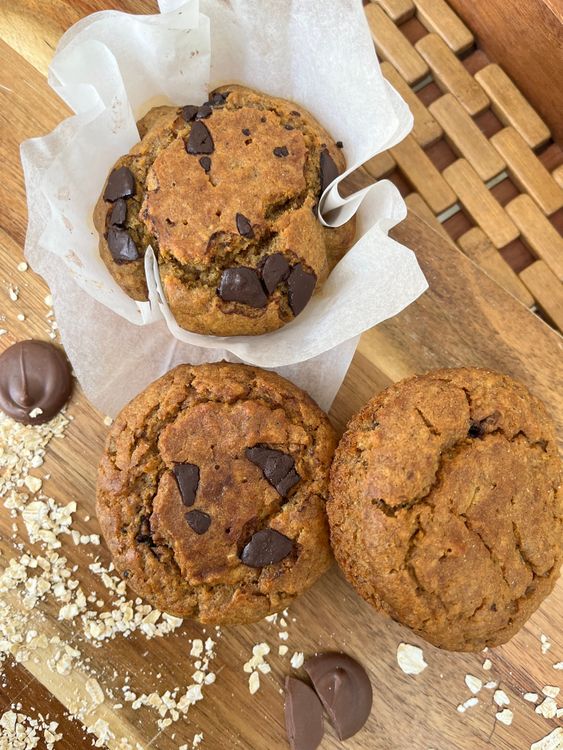
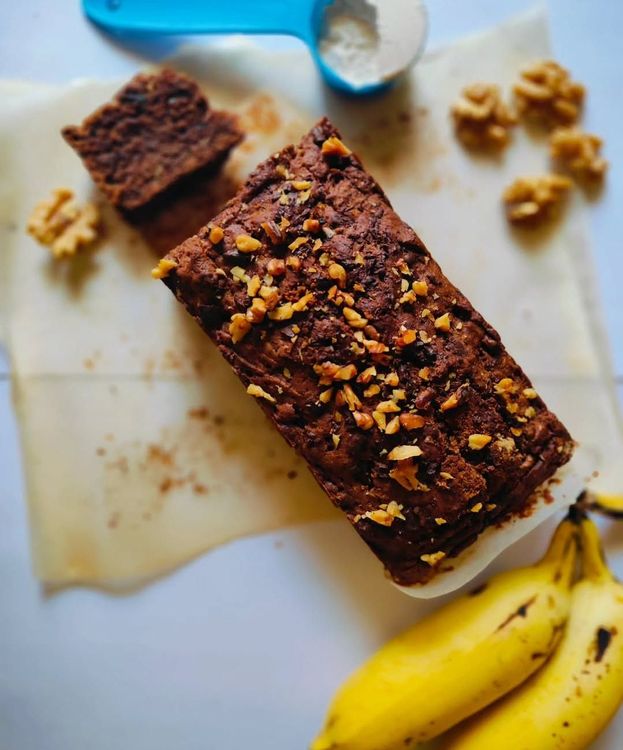
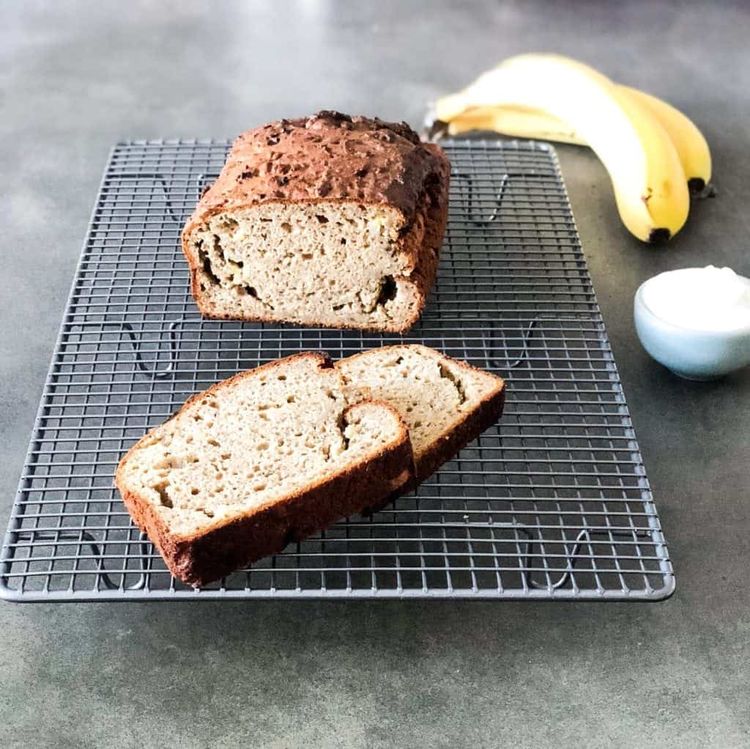
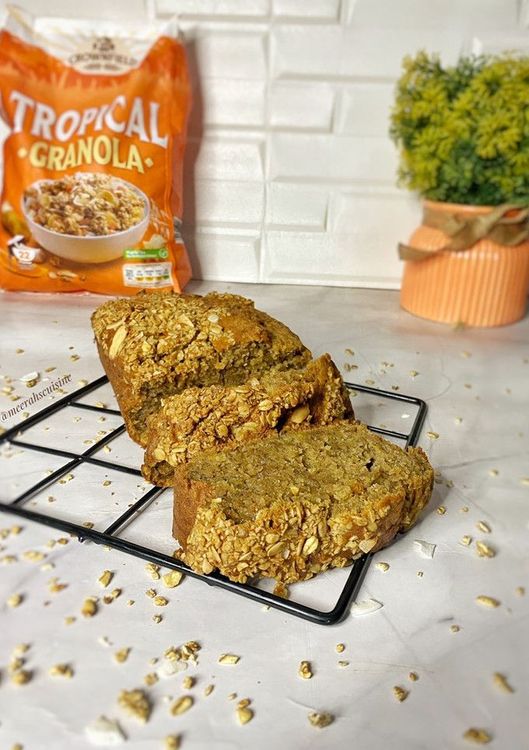
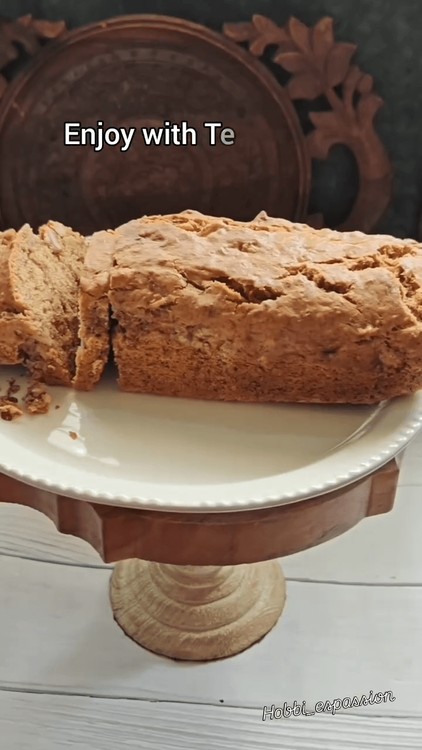
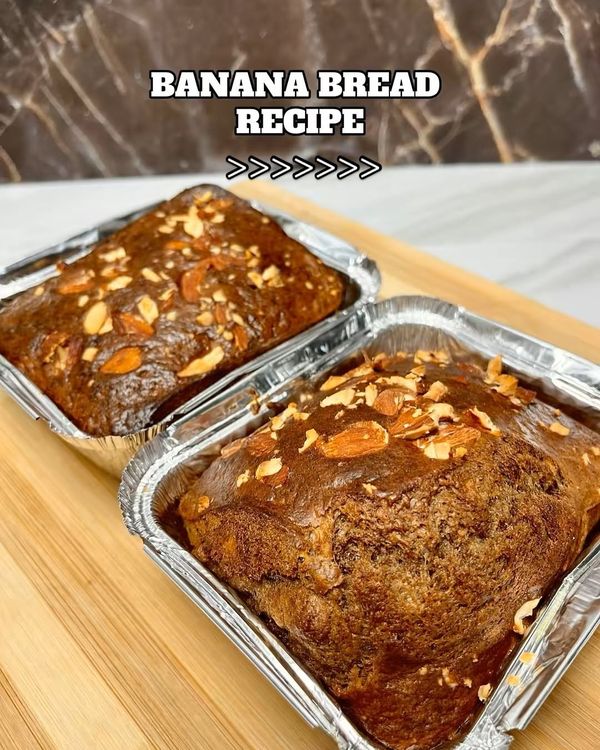
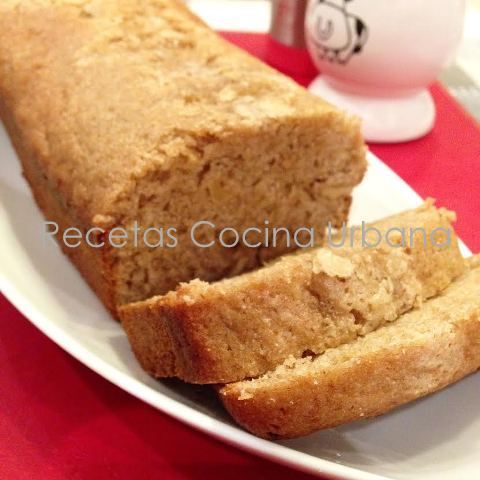
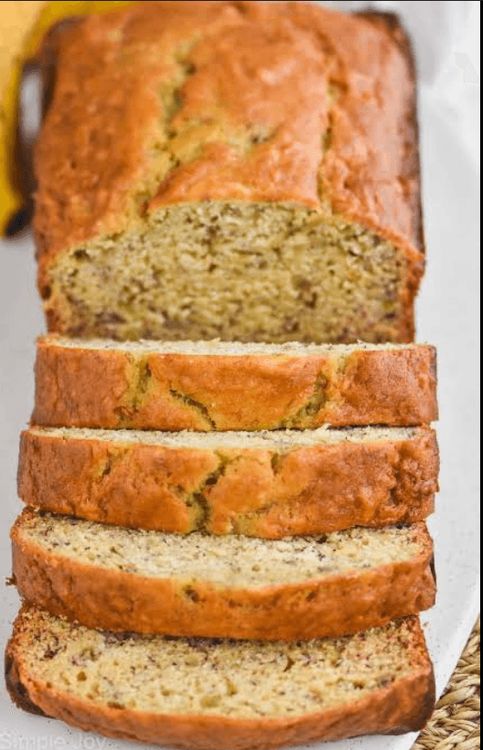
This is the natural home for a banana that has gone too far to eat plain, and the riper it is, the better the bake. Those brown and black spots mean the starch has turned to sugar, so a heavily freckled banana gives you a sweeter, more fragrant loaf with deep banana flavor; a pale yellow one bakes up starchy and flat. Mash three or four very ripe bananas well, leaving just a few lumps, and fold the dry ingredients in only until they disappear. The single biggest mistake here is overmixing, which develops gluten and turns a tender loaf rubbery and gummy. Measure your flour by spooning and leveling rather than scooping, since too much is the usual cause of a dry, dense crumb. Bake low and slow, around 175C/350F, and tent the top with foil if it colors before the dense center sets. The same batter stretches into muffins, cake and blondies, so master the loaf and the rest are quick variations on one bowl. Standouts here include Gluten-Free Banana Bread and Banana Breadmaxxing with Biscoff and Strawberries, plus Strawberry Banana Bread.


- Gluten-Free
- Dessert


- Dairy-Free
- Bread & Baking

- Gluten-Free
- Breakfast

- Eggetarian
- Breakfast

- American
- Eggetarian
- Breakfast

- English
- Vegetarian
- Breakfast

- American
- Eggetarian
- Snack
- International
- Dairy-Free
- Breakfast

- Gluten-Free
- Breakfast

- Vegan
- Snack

- Vegan
- Snack

- Vegan
- Snack
- Gluten-Free
- Dessert

- Vegetarian
- Snack


- American
- Eggetarian
- Dessert

- American
- Vegetarian
- Snack

- American
- Eggetarian
- Breakfast
- International
- Eggetarian
- Dessert

- Indian
- Vegetarian
- Snack


- International
- Eggetarian
- Dessert
- American
- Vegetarian
- Snack
- American
- Eggetarian
- Breakfast
- American
- Eggetarian
- Breakfast
- American
- Eggetarian
- Snack
- American
- Vegetarian
- Breakfast

- Indian
- Eggetarian
- Breakfast
- American
- Eggetarian
- Snack

- American
- Vegetarian
- Snack

- Healthy
- Vegetarian
- Snack
- American
- Eggetarian
- Breakfast
- Indian
- Eggetarian
- Snack
- Ghanaian
- Eggetarian
- Breakfast
- Indian
- Vegetarian
- Breakfast
- American
- Eggetarian
- Bread & Baking

- American
- Eggetarian
- Breakfast
- American
- Eggetarian
- Snack
- American
- Eggetarian
- Breakfast

- Eggetarian
- Dessert

- Nut-Free
- Dessert
- Indian
- Vegetarian
- Dessert
- American
- Eggetarian
- Breakfast

- Fusion
- Vegan
- Dessert

- Vegetarian
- Breakfast

- Eggetarian
- Dessert

- Eggetarian
- Snack

- Vegan
- Snack

- Indian
- Vegetarian
- Snack
- International
- Vegan
- Snack
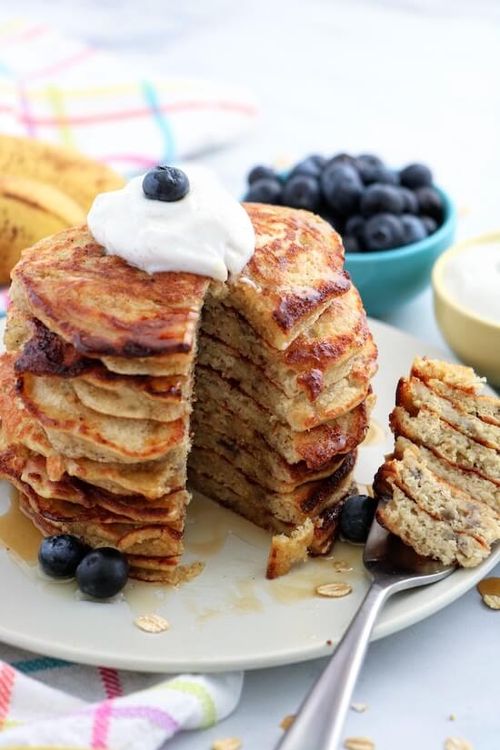
- American
- Eggetarian
- Breakfast
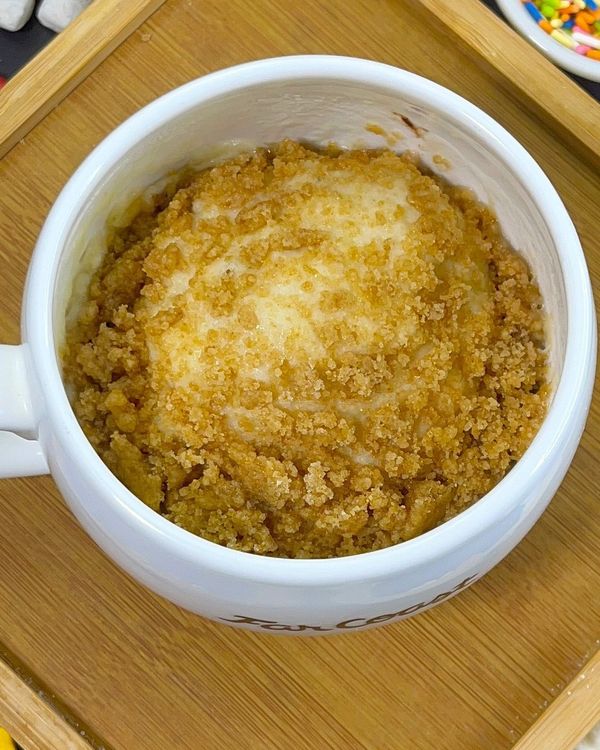
- American
- Vegetarian
- Snack
Pancakes, Smoothies & Breakfast
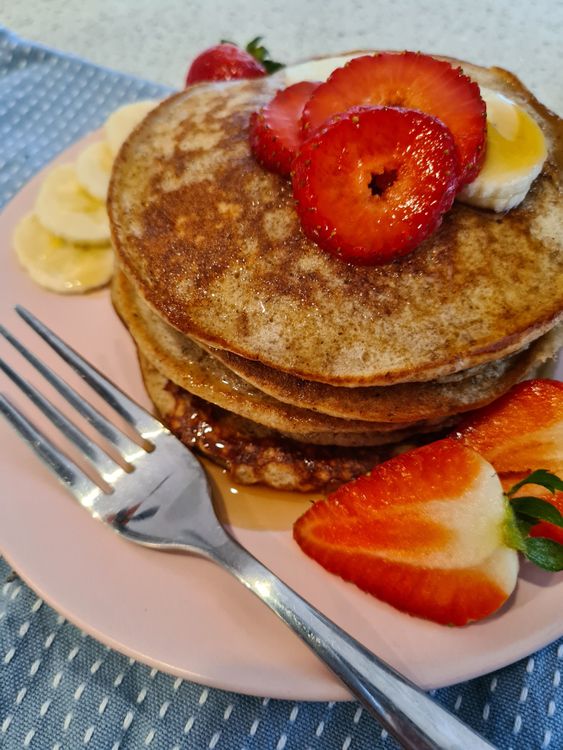
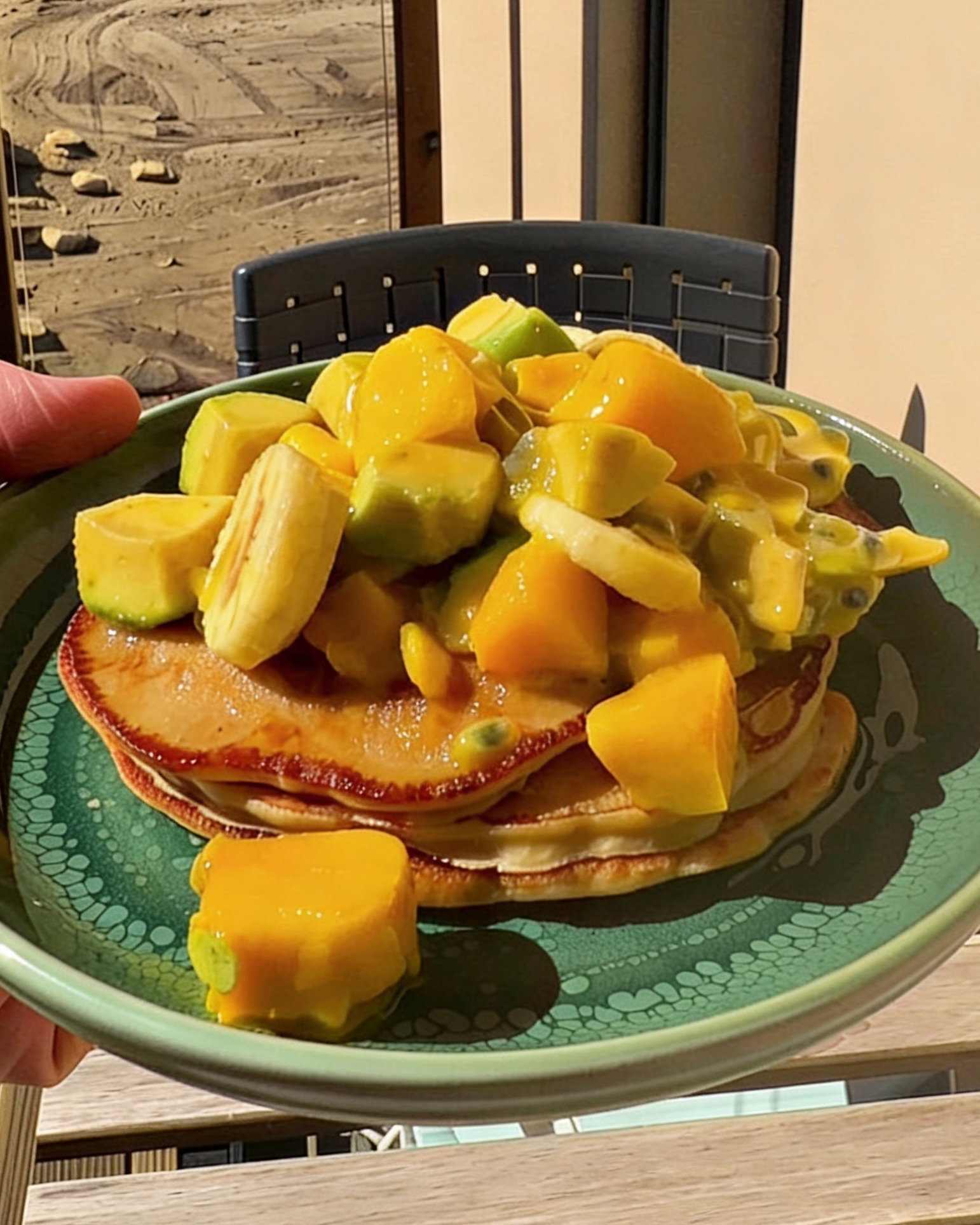
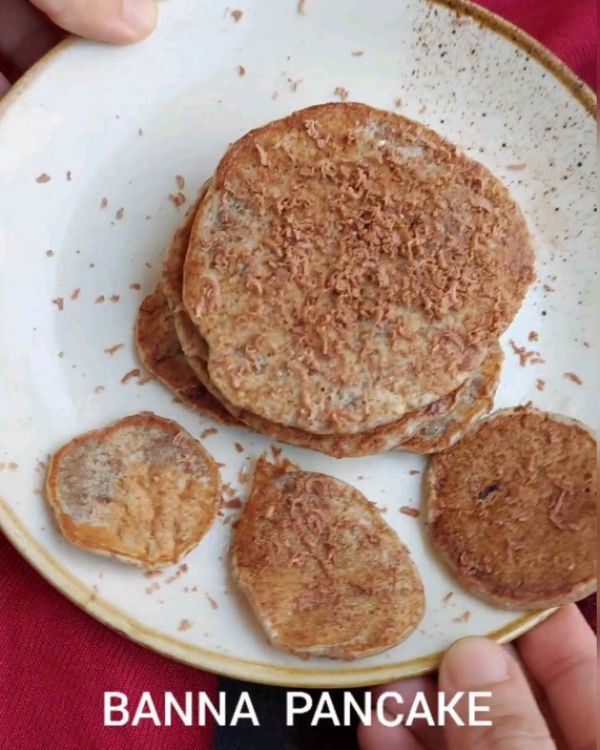
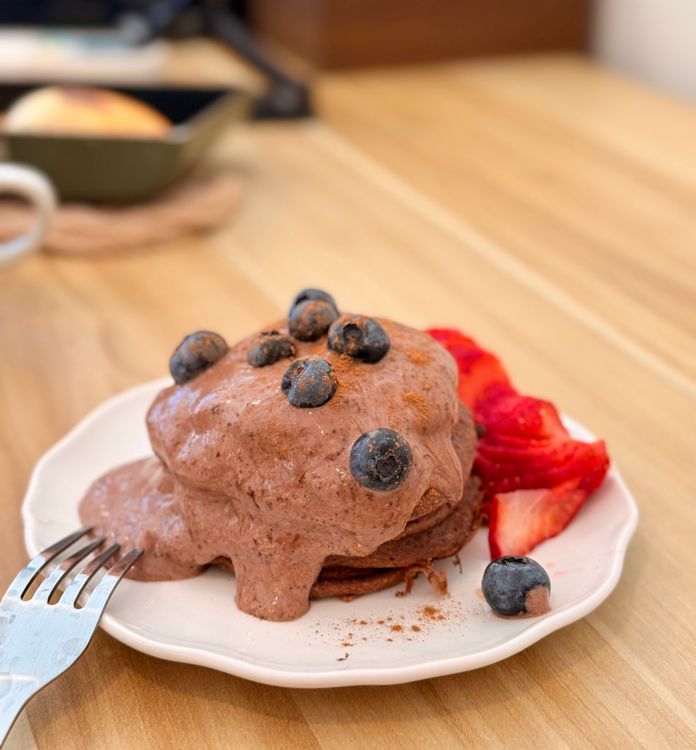
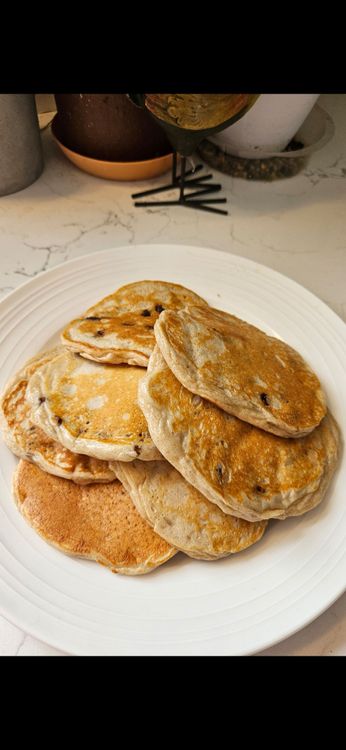
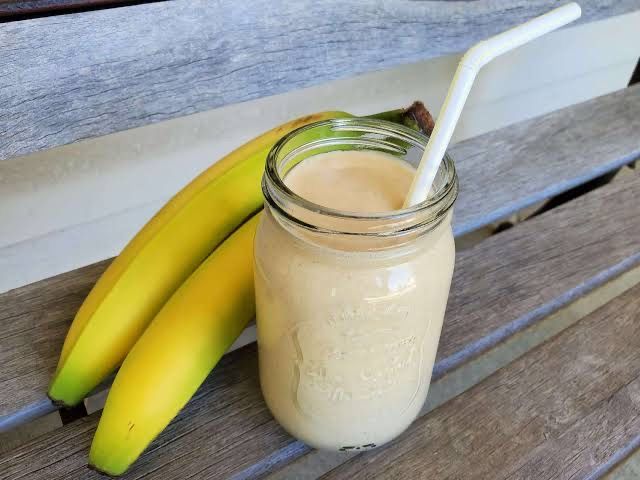
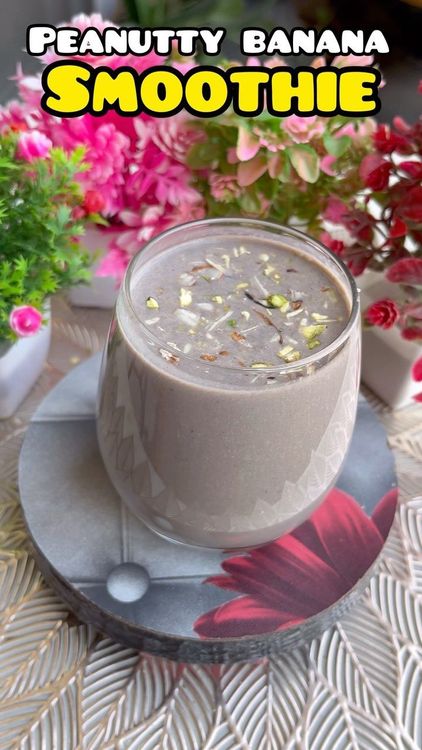
Mashed or blended, banana is the easiest way to make breakfast feel like a treat without much effort or added sugar. In pancakes and waffles it does double duty, sweetening the batter and binding it so you can lean on less sugar and sometimes skip an egg; in oatmeal it melts into the pot and turns plain oats creamy and naturally sweet as it cooks. For smoothies and shakes, the trick is to use frozen banana coins rather than fresh fruit plus ice, because frozen banana thickens and chills the blend while staying intensely fruity instead of watering it down. Aim for ripe, spotty bananas here too, since under-ripe fruit reads starchy and bland in a glass. The common stumble is overmixing pancake batter once the banana goes in, which makes the cakes tough and dense; fold gently and leave it lumpy. Whether you are flipping pancakes, stirring oatmeal or blitzing a smoothie, ripe banana is the shortcut to a fast, satisfying morning. Standouts here include Caramelised Banana Oatmeal and Banana and Blueberry Breakfast, plus Banana Berry Oatmeal / Healthy breakfast bowl.
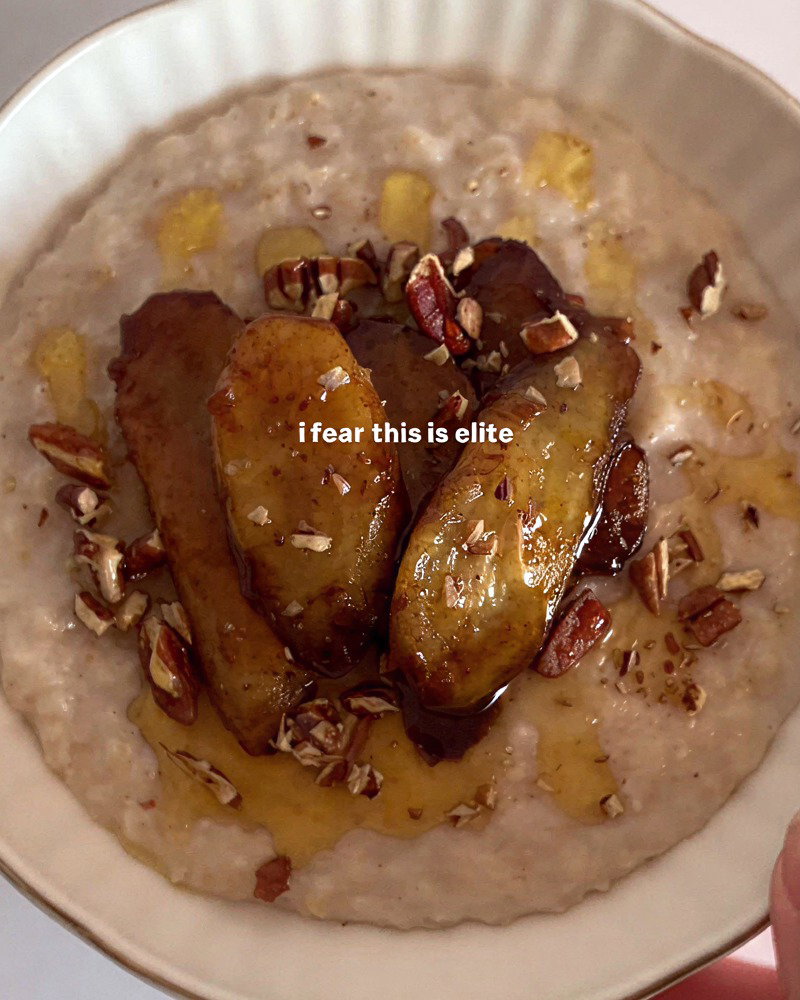
- Vegetarian
- Breakfast
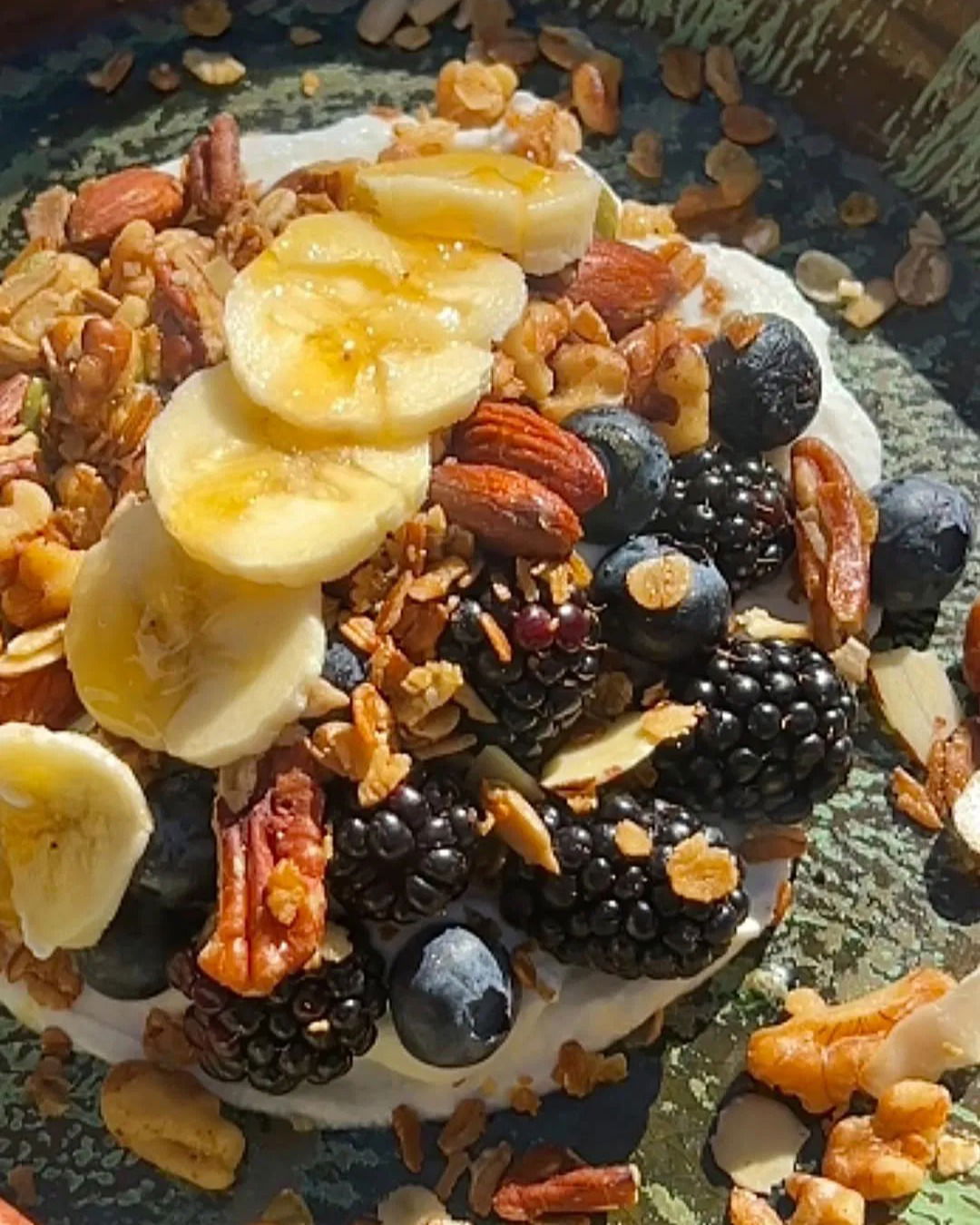

- American
- Vegetarian
- Breakfast
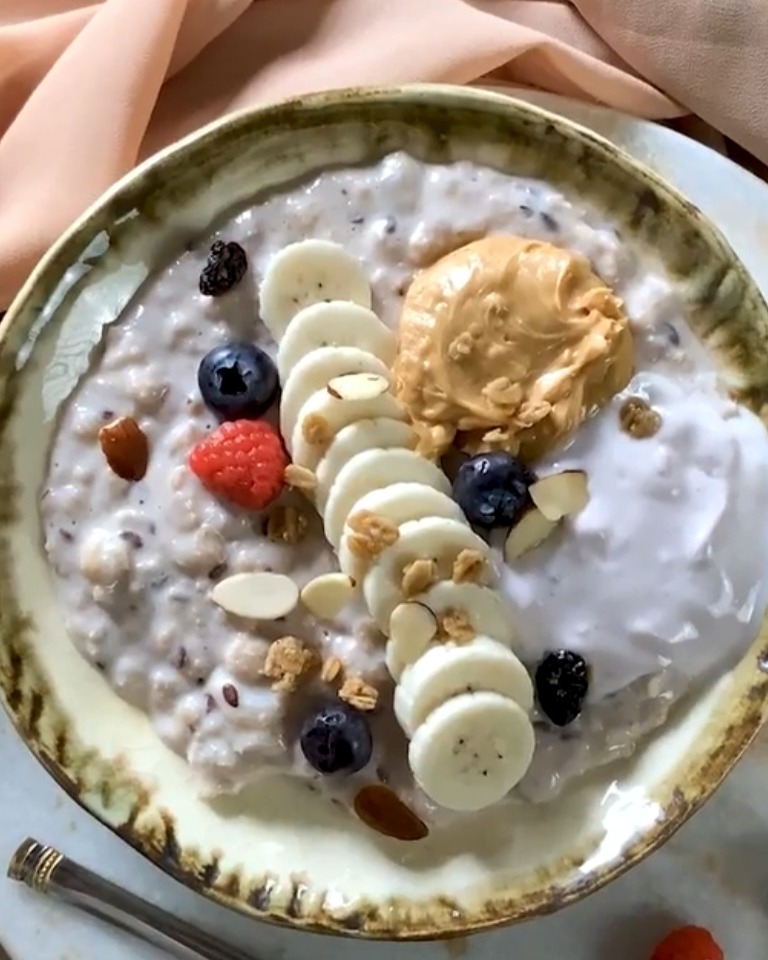
- International
- Vegetarian
- Breakfast
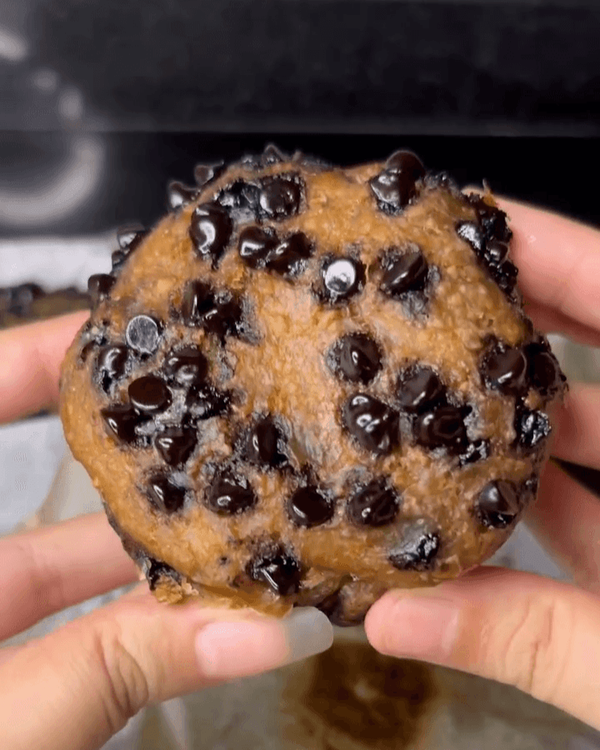
- American
- Vegetarian
- Breakfast

- Vegetarian
- Breakfast
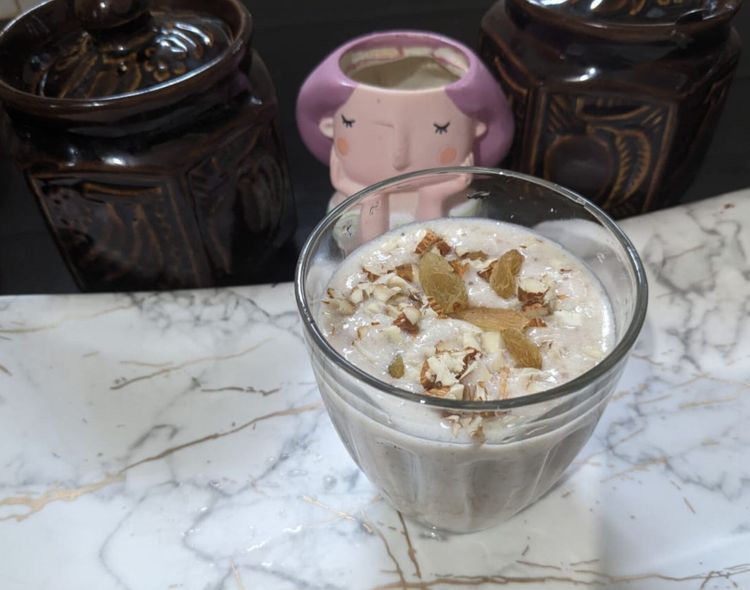
- American
- Vegetarian
- Breakfast

- American
- Vegetarian
- Snack

- Global
- Vegetarian
- Beverage
Frozen & No-Bake Treats
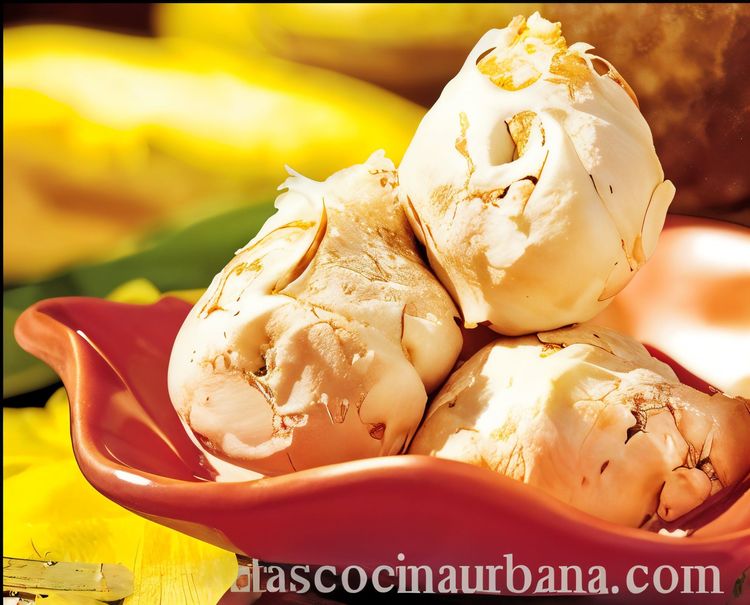
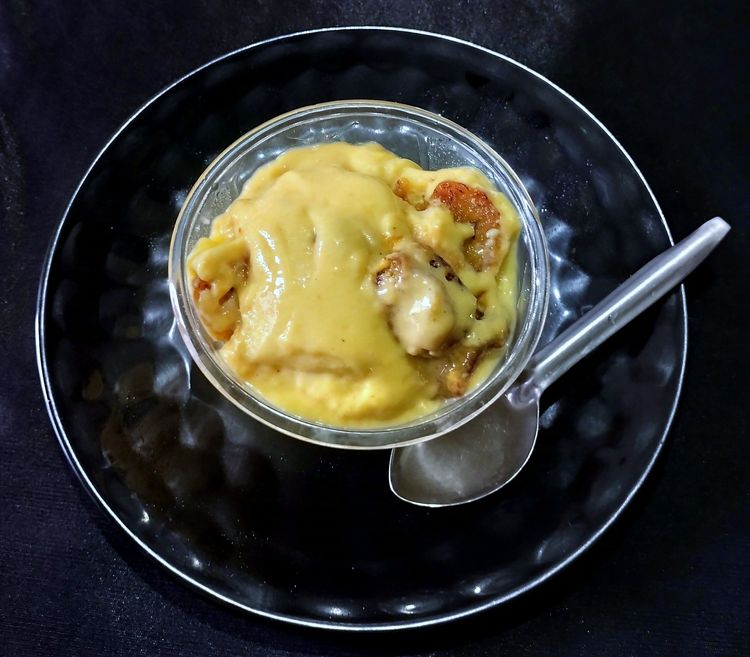
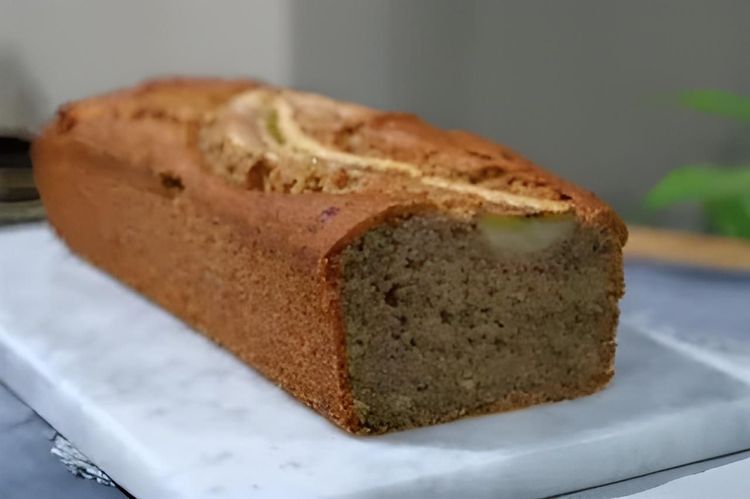
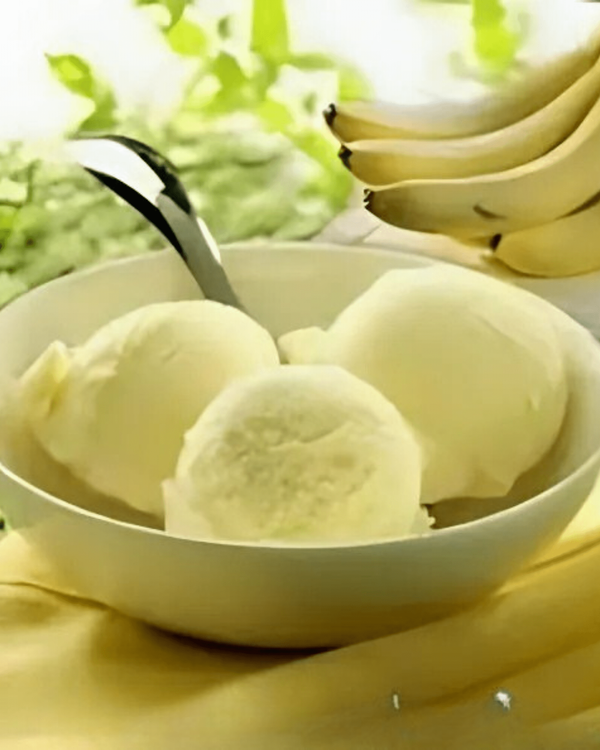
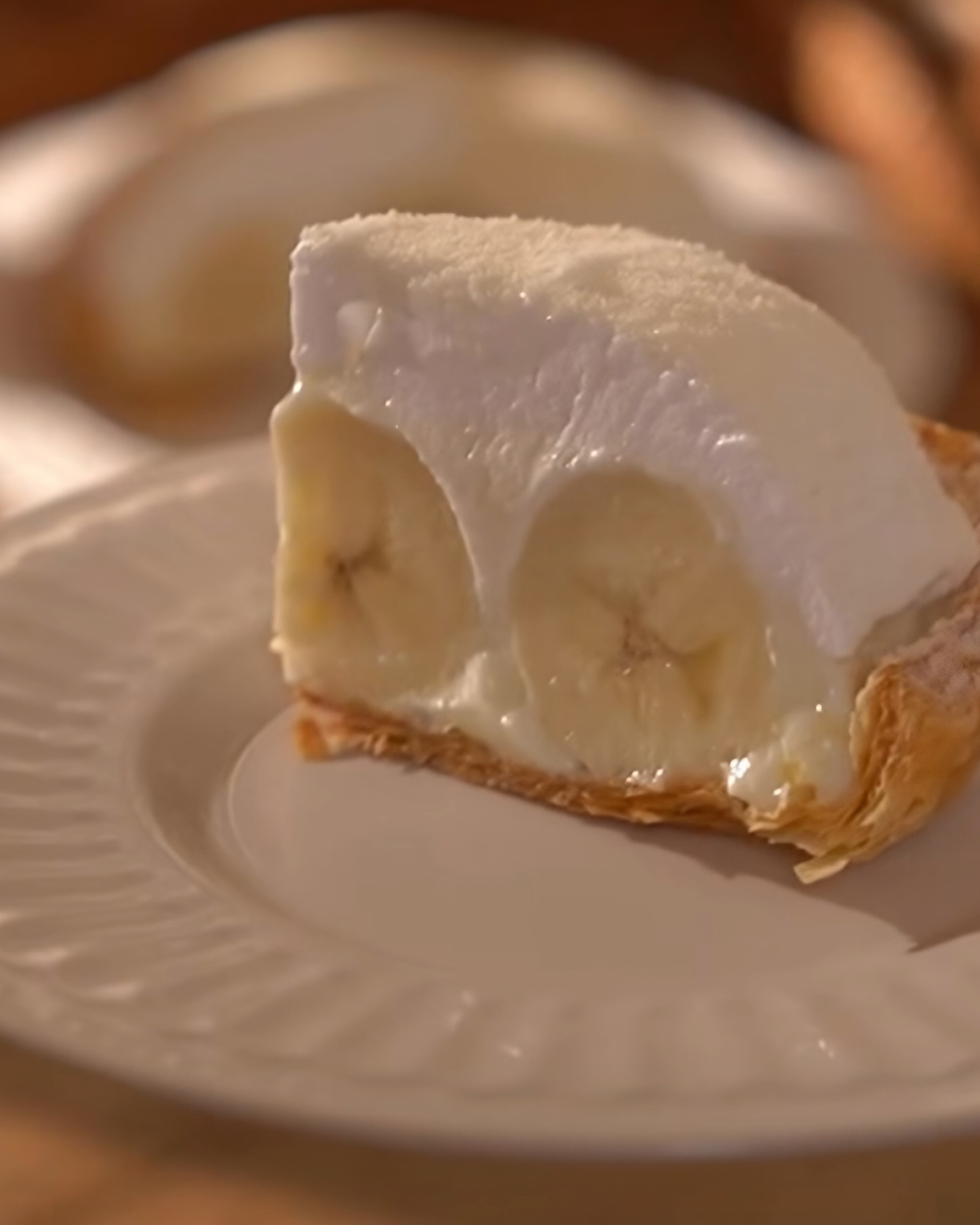
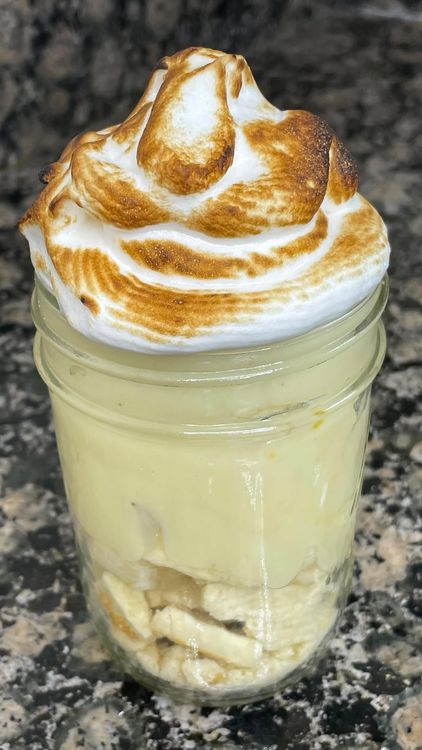
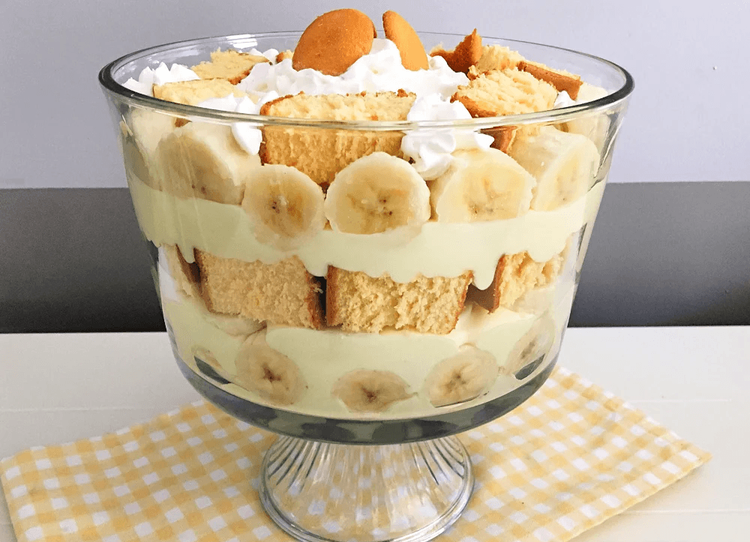
Here is where a freezer full of ripe banana quietly pays off, turning into creamy frozen desserts with no churning and no oven. The headline trick is "nice cream": blend frozen banana coins in a food processor, scraping down as you go, and they move from crumbly to gravelly to suddenly smooth and silky, just like soft-serve, with no dairy at all. The whole thing depends on freezing the banana at peak ripeness and slicing it before it freezes, since bland or whole-frozen fruit either tastes flat or jams the machine. Add liquid only a tablespoon at a time so you do not accidentally make a smoothie, then fold in peanut butter, cocoa or berries. Beyond nice cream, the same ripe banana sets puddings and parfaits, freezes into pops on a stick dipped in chocolate, and layers into icebox pies and yogurt bark. None of it needs heat, which makes this the cluster for hot days, quick wins and getting kids into the kitchen with little more than assembly. Standouts here include Banana Ice Cream and Banana Custard Ice Cream, plus Banana Pudding.
- International
- Eggetarian
- Snack
- Indian
- Vegetarian
- Snack
- International
- Eggetarian
- Snack
- Dessert
- Eggetarian
- Dessert
- International
- Eggetarian
- Dessert
- American
- Eggetarian
- Dessert
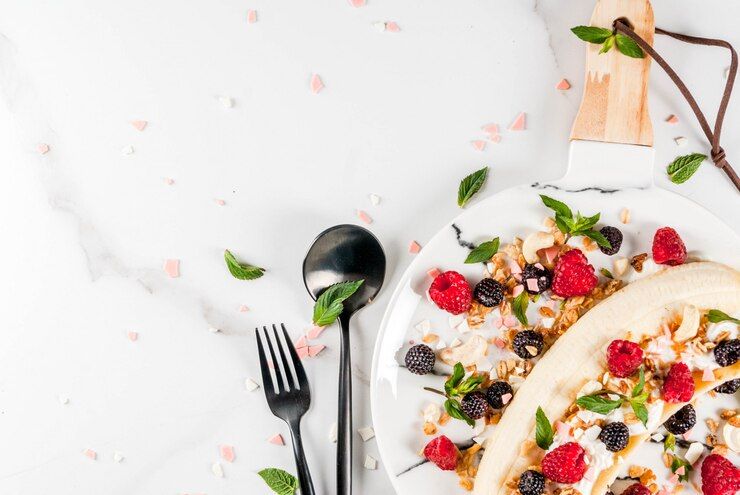
- American
- Vegan
- Snack

- International
- Vegetarian
- Dessert
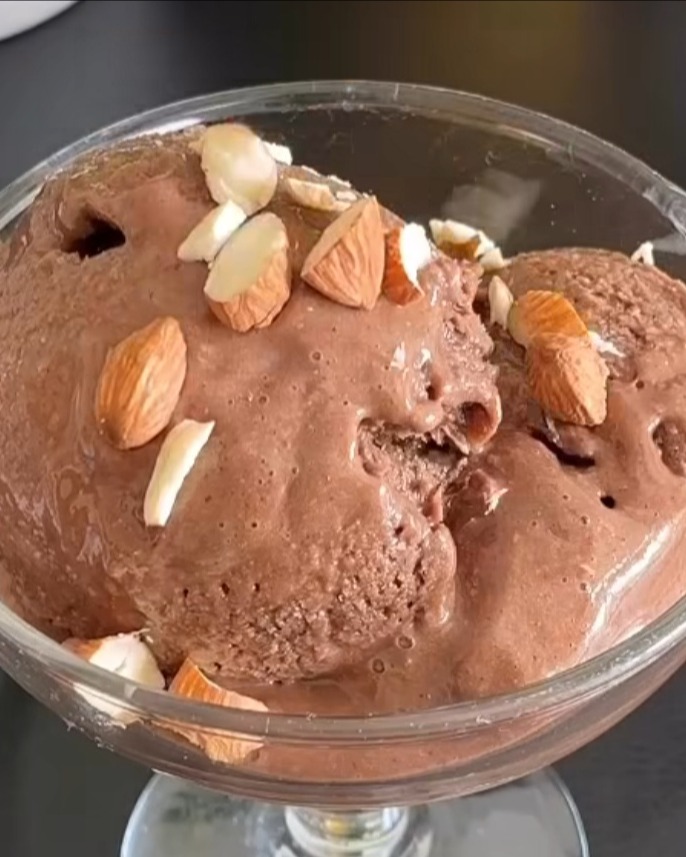
- International
- Vegetarian
- Dessert
Ripe-Banana Desserts & Snacks
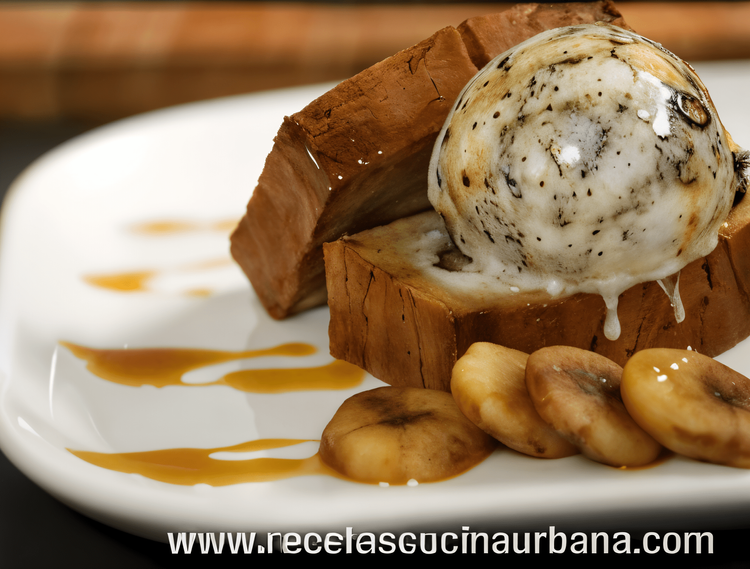
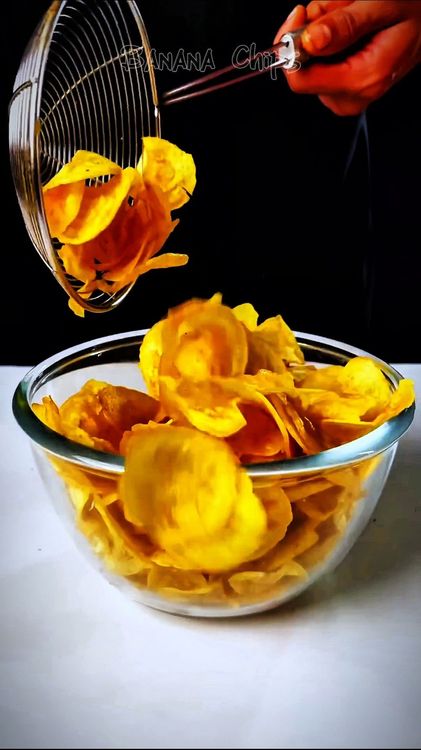
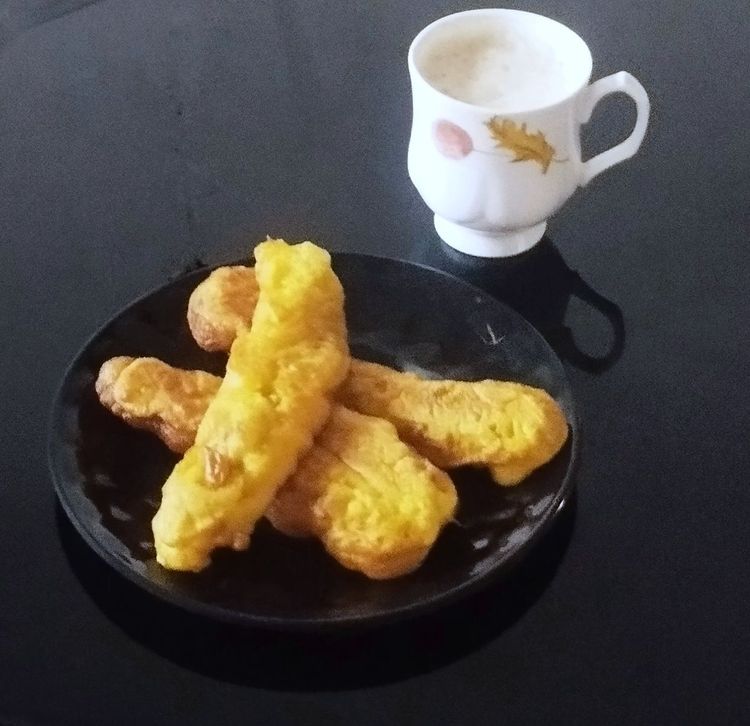
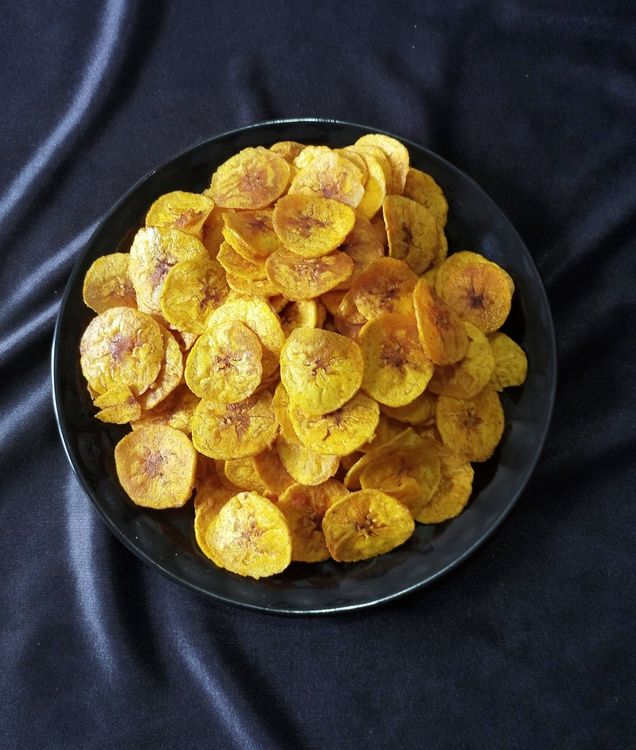
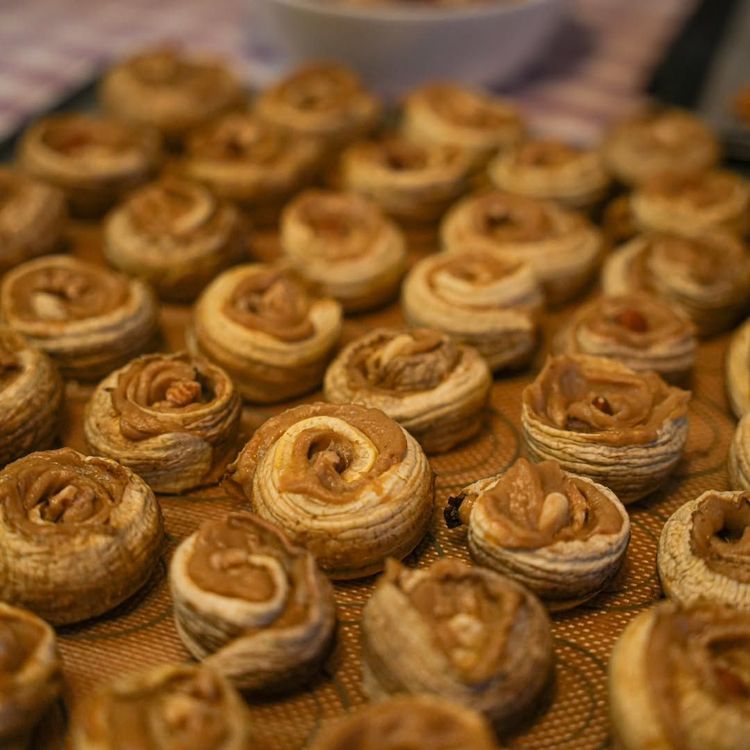
This is the skillet-and-fryer end of banana cooking, where a couple of soft bananas become dessert in minutes. Caramelizing is the signature move: melt butter, bubble in brown sugar until it turns to glossy sauce, then lay firm-ripe banana cut-side down and leave it undisturbed so it takes on color rather than collapsing into the pan. Ripeness matters as much as heat here — too soft and the fruit turns to mush before it caramelizes, so reach for bananas that are sweet but still hold their shape. The classic bananas foster finishes with a careful flambé of dark rum and lands on vanilla ice cream while still warm. Fritters work on the same logic of firm fruit and hot fat: a light batter and oil held around 175C/350F give a crisp shell and a soft, sweet center, as long as you fry in small batches so the temperature holds. Because banana is already sweet, you need very little added sugar — let the caramel and the fruit carry it, and a pinch of salt keeps everything from turning cloying. Standouts here include Goud Saraswat Brahmin style Banana Fried Modak and Banana Chocolate Yogurt Dessert, plus Crispy Banana Chips.
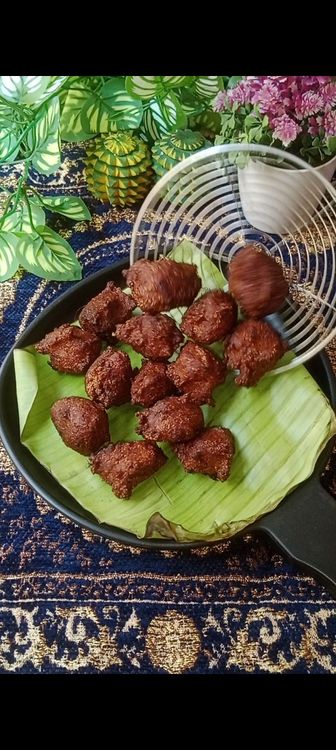

- Indian
- Vegan
- Breakfast
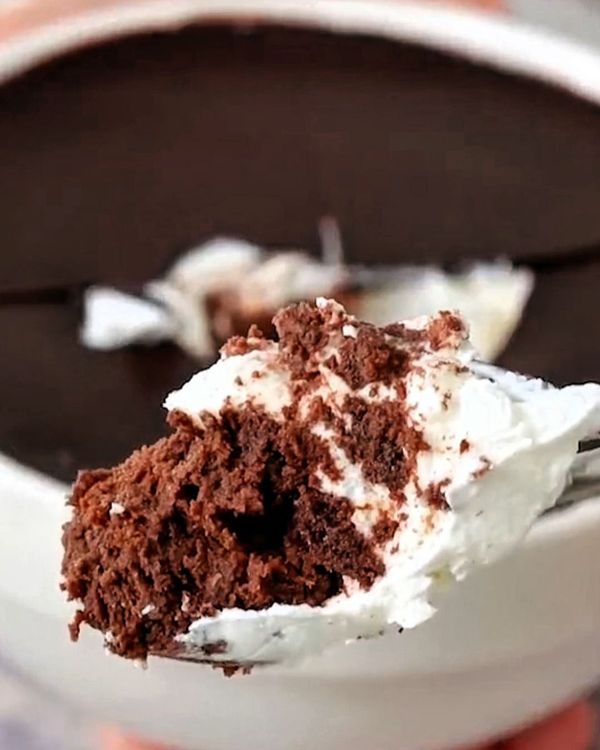
- International
- Eggetarian
- Snack
- Tropical
- Vegan
- Snack


- American
- Vegetarian
- Beverage
- Indian
- Vegan
- Snack
- Indian
- Vegan
- Snack
- American
- Vegan
- Snack
More Banana Favourites
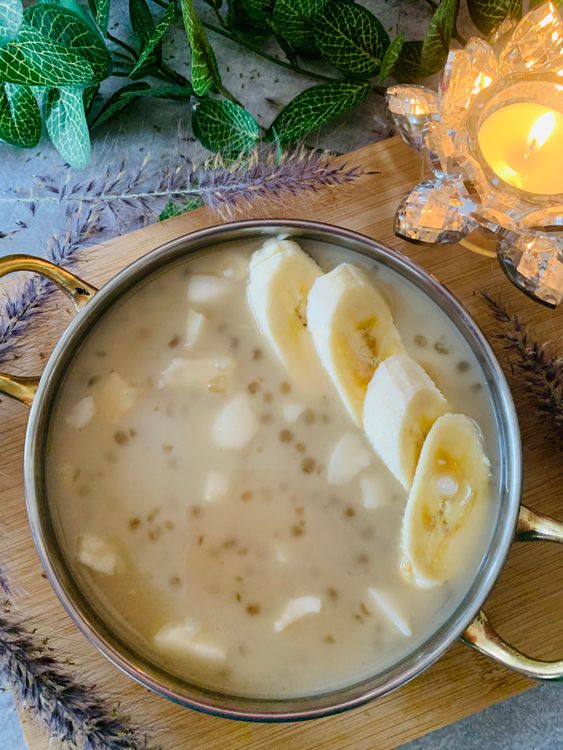
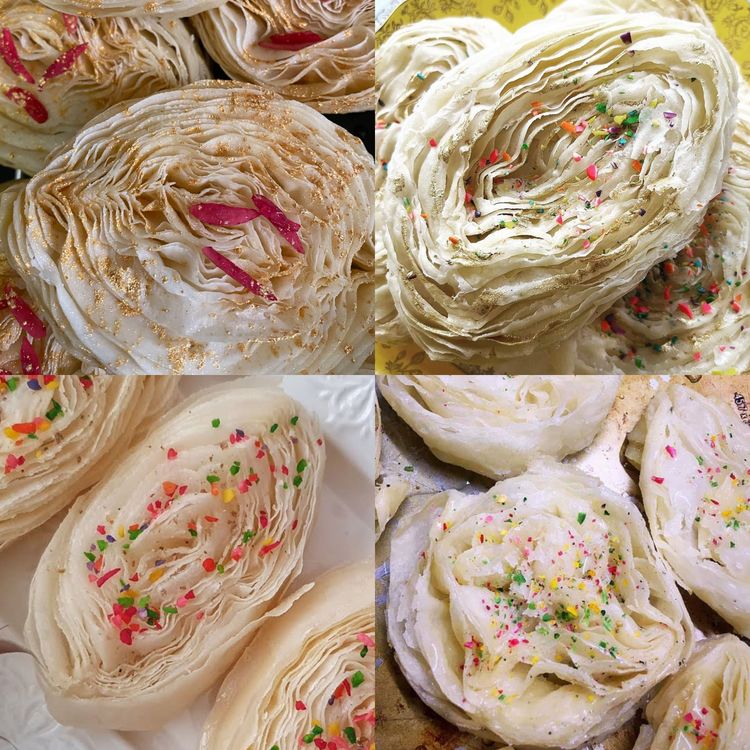
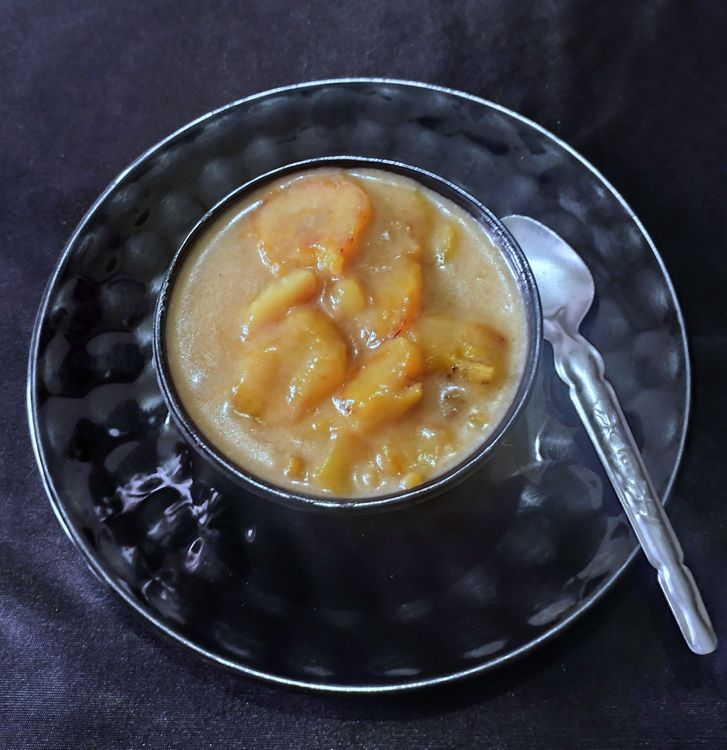
A few banana dishes never sit neatly in one category, and these are the ones worth keeping in your back pocket once the staples feel routine. They lean on the same handful of techniques you already know — a good mash, a freezer stash, a confident caramel, a gentle bake — but point them toward different textures and formats, so the fruit never tastes quite the same twice. Picking your next one is mostly about matching effort to mood and to how ripe your bananas are: blend a no-churn frozen treat or whip up pancakes on a busy morning when you want something in fifteen minutes, and save the layered puddings, banoffee and slow-caramelized numbers for when you can fuss a little. Pay attention to ripeness as you choose, since the spottiest bananas belong in anything mashed or blended, while the firmer-ripe ones hold up for slicing, frying and caramelizing. Think of this group as the natural next step after the classics — the recipes that quietly earn a regular spot once you realize a bowl of overripe bananas is an opportunity, not a problem. Standouts here include Banana in Sago Cream and Banana puri , plus Instant Banana Appam.
- Indian
- Vegan
- Dessert
- Indian
- Vegetarian
- Appetiser
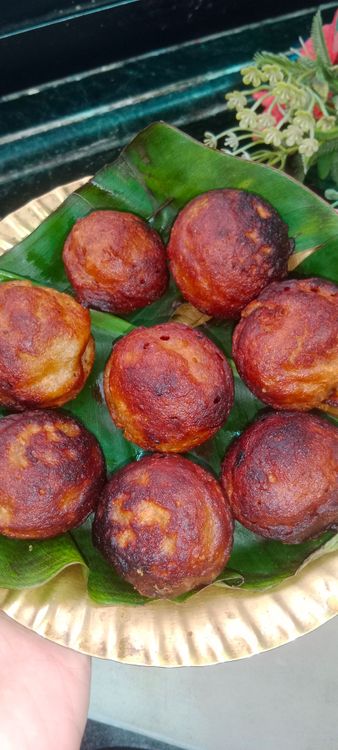
- Indian
- Vegetarian
- Breakfast
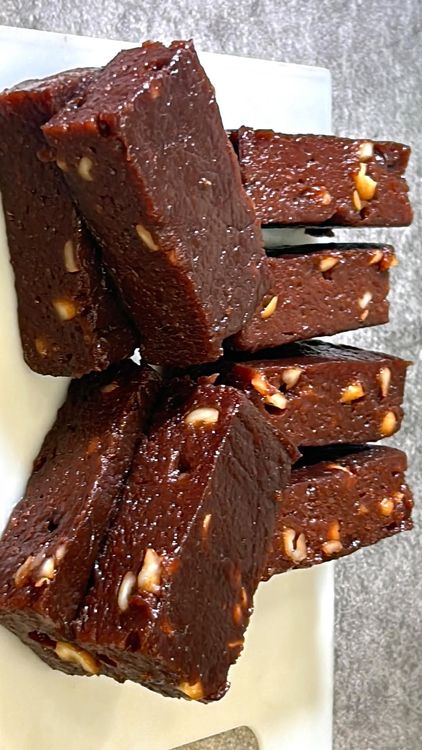
- Indian
- Vegetarian
- Snack
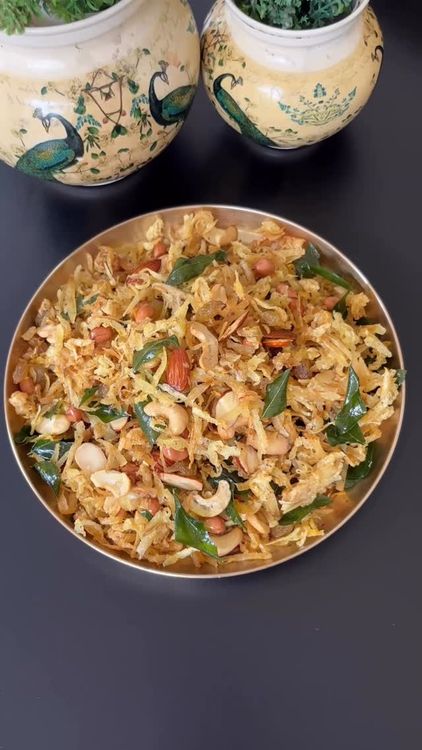
- Indian
- Vegan
- Snack
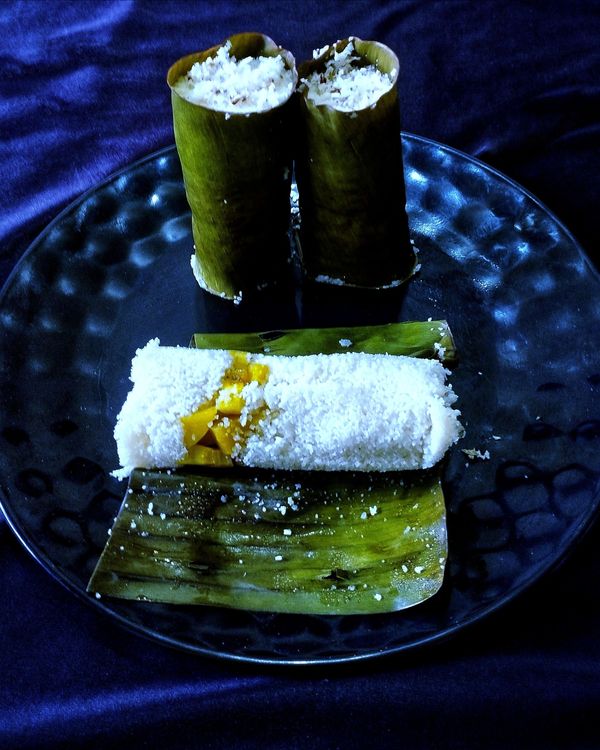
- Kerala
- Vegan
- Breakfast
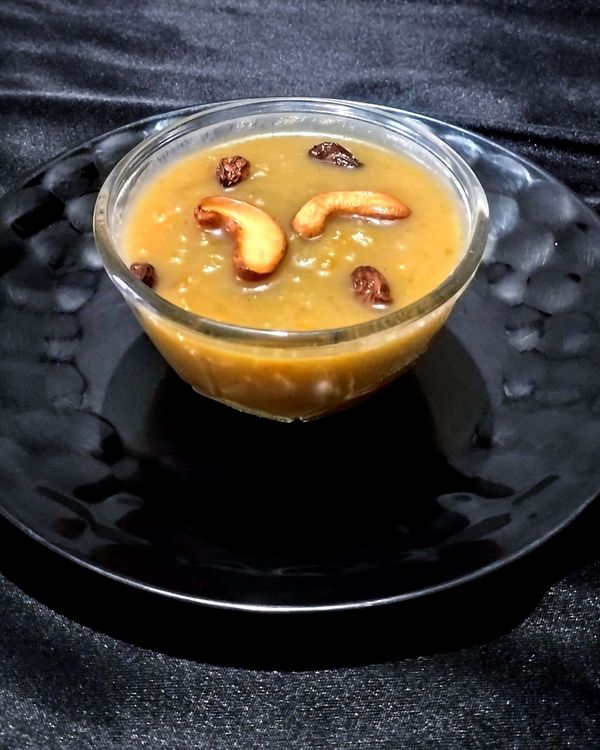
- South Indian
- Vegetarian
- Dessert
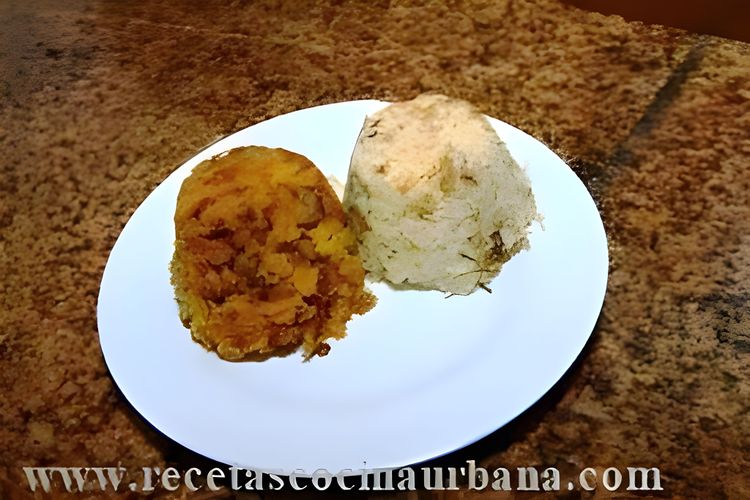
- Bolivian
- Non-Vegetarian
- Appetiser
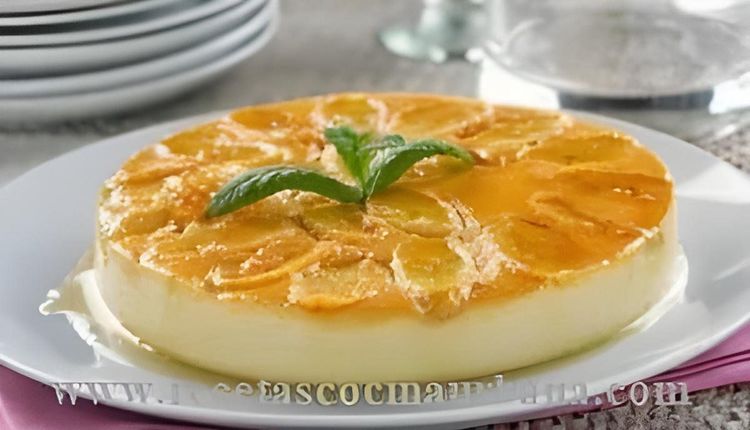
- Cuban
- Eggetarian
- Dessert
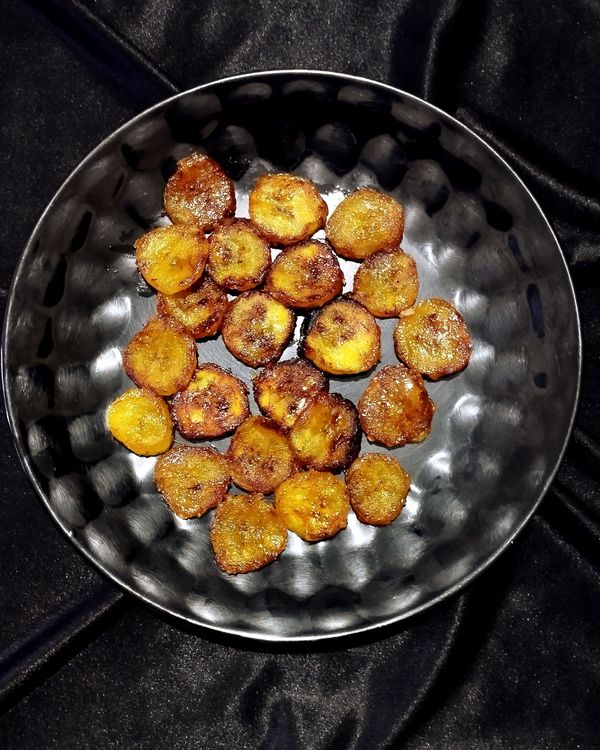
- Indian
- Vegetarian
- Breakfast
- Indian
- Vegetarian
- Dessert
- Punjabi
- Vegetarian
- Dessert

- South Indian
- Vegetarian
- Snack
- Indian
- Vegetarian
- Snack

- Fusion
- Eggetarian
- Breakfast

- Global
- Vegan
- Beverage
- Indian
- Vegan
- Appetiser
- Indian
- Vegan
- Appetiser
- American
- Vegetarian
- Dessert
- International
- Vegetarian
- Snack
Ripeness: Why Spotty Bananas Are the Goal
For almost everything on this page, you want bananas riper than you would ever eat out of hand. As a banana ripens, its starch converts to sugar and the flesh softens, so a heavily freckled, even blackened peel signals peak sweetness and the strongest banana flavor. A yellow banana with no spots is fine for a smoothie but disappointing in bread — it bakes up bland and a touch starchy. When a recipe says "ripe," read it as "spotty"; when it says "very ripe," reach for the ones you were about to throw out.
If your bananas are not ripe enough and you need them now, the oven gives you a shortcut. Bake unpeeled bananas at 150C/300F for 15 to 20 minutes until the skins turn glossy black and the fruit inside goes soft; let them cool, then peel and mash. The flesh will be sweeter and looser than fresh, so this works best for bread, muffins and pancakes rather than anything where you want firm slices. It is not quite the same as days of natural ripening, but it rescues a bake in a pinch.
To slow ripening down instead, separate the bananas from the bunch — they ripen faster touching — and keep them cool. Once they hit the perfect spot, refrigerate them: the peel will turn brown and ugly but the flesh inside stays good for several more days. And the most useful move of all is to freeze the ones you cannot use in time. A freezer stash of ripe banana means you are never short for a loaf or a smoothie, and never staring at fruit you have to bin.
Banana Bread & Muffins That Stay Moist
Moist banana bread starts with enough banana and a light hand on the flour. Use three to four very ripe bananas for a standard loaf and mash them well, leaving just a few small lumps for texture. The single most common mistake is overmixing once the flour goes in — stir only until you no longer see dry streaks. Overworking the batter develops gluten and gives you a tough, rubbery, gummy crumb instead of a tender one. Fold, do not beat, and stop early.
Measure flour properly, because too much is the other enemy of a moist loaf. Spoon flour into the cup and level it off rather than scooping straight from the bag, which packs in far more than the recipe intends. A little fat — butter, oil or yogurt — keeps the crumb soft, and a few tablespoons of sour cream or buttermilk adds richness and a gentle tang that balances the sweetness. Brown sugar over white deepens the flavor and adds moisture from its molasses.
Bake low and slow and resist the urge to rush it. A banana loaf wants a moderate oven, around 175C/350F, for 55 to 65 minutes; too hot and the outside sets and cracks before the dense center cooks, leaving a raw streak. Tent the top with foil if it browns too fast. Test with a skewer in the very middle — it should come out with a few moist crumbs, not wet batter. Cool in the pan for ten minutes, then on a rack, or the trapped steam turns the bottom soggy. For muffins, the same batter bakes in 18 to 22 minutes.
Frozen Banana: Nice Cream and No-Bake
Frozen ripe banana is the backbone of churn-free "nice cream," and a little prep makes it foolproof. Peel the bananas before freezing — frozen peels are nearly impossible to remove — and slice them into coins so they blend evenly and do not strain your machine. Spread the slices on a lined tray so they freeze loose rather than in one solid brick, then bag them once firm. Freeze them at peak ripeness; bland bananas frozen green make bland nice cream, and no amount of blending fixes that.
To make the soft-serve, blend the frozen slices in a food processor or high-speed blender, pausing to scrape down the sides. It will go through stages — crumbly, then gravelly, then suddenly smooth and creamy like real ice cream. Add liquid only a tablespoon at a time if it refuses to come together, because too much turns it into a smoothie. A splash of milk, a spoon of peanut butter, cocoa, vanilla or berries all fold in beautifully. Eat it straight away for soft-serve, or freeze for an hour for scoopable scoops.
The same frozen or fresh ripe banana powers a whole range of no-bake desserts. Mashed banana thickens and sweetens puddings and parfaits without cooking; sliced banana sets into yogurt bark and creamy icebox pies; and a single frozen banana on a stick, dipped in melted chocolate and rolled in nuts, becomes a frozen pop in minutes. None of these need an oven, which makes them ideal for hot days and for getting kids cooking. Keep the banana ripe and the rest is mostly assembly.
Caramelizing and Frying Ripe Bananas
Caramelized bananas — the bananas foster move — are fast and dramatic, but ripeness and heat are everything. Use bananas that are ripe but still firm enough to hold their shape; a mushy black banana will collapse into the pan. Melt butter, stir in brown sugar until it bubbles into a sauce, then lay the halved or sliced bananas in cut-side down and let them sit undisturbed for a minute so they take on color. Move them too soon and too often and they turn to mush before they caramelize. A splash of dark rum, flambéed off the heat, is the classic finish.
For fritters and fried bananas, the batter and the oil temperature decide everything. Coat firm-ripe banana pieces in a light batter — flour, a little rice flour for crispness, a pinch of sugar and just enough liquid to cling — and fry in oil held at around 175C/350F. Too cool and the fritters drink oil and go greasy; too hot and the outside browns before the banana inside turns soft and sweet. Fry in small batches so the temperature does not crash, and drain on a rack rather than paper so steam escapes and the crust stays crisp.
These quick desserts are forgiving and endlessly riffable. Caramelized banana is as good over pancakes, oatmeal or ice cream as it is on its own; fritters take a dusting of cinnamon sugar or a drizzle of honey; and a sliced banana seared in a buttery pan turns a plain scoop of vanilla into something special in two minutes. Because the fruit is already sweet, you need very little added sugar — let the caramel and the banana do the work, and finish with a pinch of salt to keep it from cloying.
Pro Tips from the Test Kitchen
- For bread and bakes, use bananas that are spotty to nearly black — the riper they are, the sweeter and more banana-forward the result.
- Need ripe bananas fast? Bake them unpeeled at 150C/300F for 15–20 minutes until the skins blacken and the flesh softens.
- Freeze ripe bananas peeled and sliced into coins on a tray, then bag them — they are ready for nice cream and smoothies anytime.
- Mix banana bread batter only until the flour disappears; overmixing develops gluten and gives a tough, gummy loaf.
- Spoon and level your flour rather than scooping — too much flour is the most common cause of a dry, dense loaf.
- Bake banana bread low and slow (≈175C/350F, 55–65 min) and tent with foil if the top browns before the center sets.
- For nice cream, blend frozen banana coins and add liquid a tablespoon at a time — too much turns soft-serve into a smoothie.
- For bananas foster, use firm-ripe bananas and let them sit cut-side down so they caramelize instead of turning to mush.
- Fry banana fritters at ≈175C/350F in small batches so the oil stays hot and the crust crisps before the inside oversoftens.
- Refrigerate ripe bananas to pause them — the peel browns but the flesh stays good for several more days.
Frequently Asked Questions
How ripe should bananas be for banana bread?
Riper than you would eat them plain. You want a peel covered in brown spots, even mostly black — that is when the starch has turned to sugar and the flavor is strongest. A spotless yellow banana bakes up bland and starchy. If yours are not there yet and you need them now, bake the unpeeled bananas at 150C/300F for 15 to 20 minutes until the skins blacken, then cool, peel and mash.
How do you keep banana bread moist?
Three things: enough very ripe banana, a fat that holds moisture, and a gentle hand. Use three to four ripe bananas, add a little oil, butter or yogurt, and mix only until the flour disappears so you do not develop gluten and toughen the crumb. Measure flour by spooning and leveling rather than scooping, and avoid overbaking — pull the loaf when a skewer comes out with a few moist crumbs.
Can you freeze bananas, and how?
Yes, and it is the best way to never waste them. Peel ripe bananas, slice them into coins, and spread them on a lined tray so they freeze loose rather than in a clump, then transfer to a bag or container once firm. Frozen this way they blend straight into nice cream and smoothies and thaw quickly for baking. Freeze them at peak ripeness — freezing does not improve a bland banana.
How do you make banana ice cream without a machine?
Blend frozen ripe banana coins in a food processor or high-speed blender, scraping down the sides as you go. It moves through crumbly and gravelly stages, then suddenly turns smooth and creamy like soft-serve — no churning or dairy needed. Add milk only a tablespoon at a time if it stalls. Stir in peanut butter, cocoa, vanilla or berries, and eat it soft right away or freeze briefly for scoopable texture.
Why is my banana bread gummy or dense in the middle?
Usually overmixing, too much flour, or underbaking. Stir the batter only until no dry flour remains — beating it develops gluten and gives a gummy crumb. Spoon and level your flour instead of scooping so you do not pack in too much. And bake long enough at a moderate temperature; a dense, banana-heavy batter needs time, so tent the top if it browns early and test the very center with a skewer.
Can I substitute banana for eggs, sugar or fat in baking?
To a degree. Half a mashed banana (about 60g) can replace one egg as a binder in muffins, pancakes and quick breads, adding moisture but not lift, so use it where a little density is fine. Banana also lets you cut some of the sugar, since ripe fruit is sweet, and can replace part of the fat for a lighter bake. Expect a more tender, moist result with a noticeable banana flavor.
What can I make with overripe bananas besides bread?
Plenty. Mash them into pancakes, waffles or oatmeal; blend them into smoothies and milkshakes; freeze them for nice cream and frozen pops; bake muffins, cake or blondies; or caramelize them for bananas foster and fry them into fritters. Overripe bananas are sweeter and softer, which makes them ideal for anything mashed, blended or baked rather than eaten in slices. Freezing buys you time if you cannot cook them right away.
How do I stop sliced bananas from turning brown?
Bananas brown when cut flesh meets air, so slow it with a little acid — toss the slices in lemon, lime, orange or pineapple juice, which keeps them pale for hours. Keeping them cold helps too. For whole bananas, separating them from the bunch and refrigerating once ripe slows things down; the peel darkens but the inside stays fine. For garnishes and fruit salads, slice just before serving for the freshest look.
What makes the best bananas foster?
Firm-ripe bananas and patience with the caramel. Melt butter, stir in brown sugar until it bubbles into a glossy sauce, often with a little cinnamon, then add the bananas cut-side down and let them sit so they take on color rather than breaking apart. Spoon the sauce over, and finish with a careful flambé of dark rum off the heat for the signature flavor. Serve immediately over vanilla ice cream while it is still warm.
Are bananas a healthy ingredient to bake with?
Bananas bring real benefits — potassium, fiber, vitamin B6 and natural sweetness that lets you cut added sugar. Their moisture also means you can use less fat in many bakes. That said, a slice of banana bread is still cake-adjacent, so the overall sugar and butter in the recipe matter most. Pancakes, oatmeal and frozen banana nice cream are among the lighter, more nutritious ways to enjoy the fruit.
The thread through every banana recipe here is the same: a fruit that gets better, not worse, as it ripens, rewarding you for using the spotty ones everyone else throws away. Learn the few moves in the guides — pick the right ripeness, mash and mix gently, freeze a stash, caramelize with care — and bread, pancakes, frozen treats and desserts all fall into place from the same bowl of soft bananas.
Pick three to make this week — a moist loaf, a batch of frozen nice cream and a quick caramelized dessert — and save your favorites to a Chefadora cookbook. Then keep a few bananas freezing for next time; this page is built to be the one you come back to every time the fruit bowl goes spotty.
Related
- Banana
- Baking
- Banana Bread
- Breakfast
- Dessert
- No Bake
- Frozen Treats
- Vegetarian
Popular Searches
- Best banana recipes
- Easy banana recipes
- Quick banana recipes
- Healthy banana recipes
- Simple banana recipes
- Homemade banana recipes
- Delicious banana recipes
- Popular banana recipes
- banana bread recipe
- banana pancakes
- frozen banana dessert
Marnirni-apinthi Building, Lot Fourteen,
North Terrace, Adelaide, South Australia, 5000
Australia
