
100 Microwave Recipes That Actually Taste Like Food
Updated July 16, 2026 · Curated by Chefadora
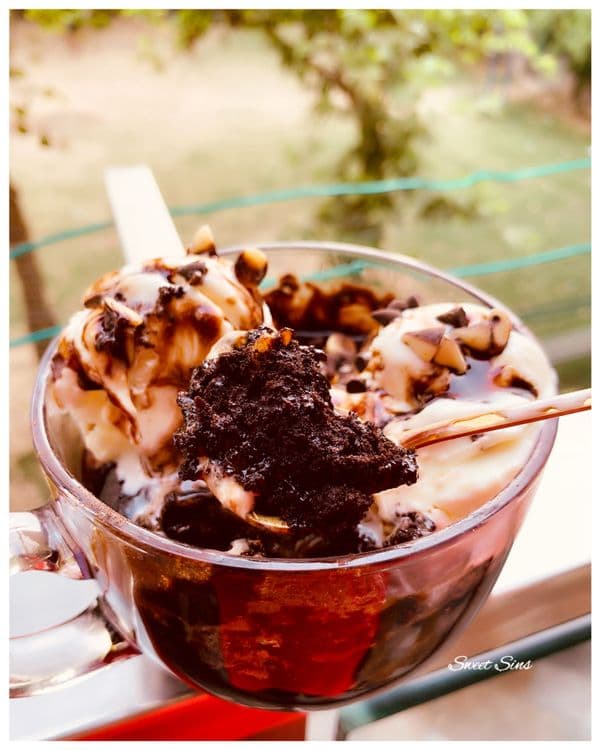
I cooked out of a hostel room for two years, with a secondhand box balanced on a mini fridge and no gas ring anywhere in the building. That is where I learned that microwave recipes carry an unfair reputation. The machine was never the problem. The problem was that nobody had told me what it is genuinely good at, and what it will never do.
It steams, melts, softens, and bakes a single-serve cake in ninety seconds. It will not brown, sear or crisp, and pretending otherwise is how people end up with grey, weeping chicken and a lifelong grudge.
So this is 100 dishes from Chefadora built for exactly that machine: mostly mug recipes, because that is what it does best, plus protein oats, savoury microwave meals, and a few shortcuts that save real time. Almost every one is single-serving. Every one works in a dorm, an office kitchen, or a room with one plug socket.
Chocolate Mug Cakes & 90-Second Brownies
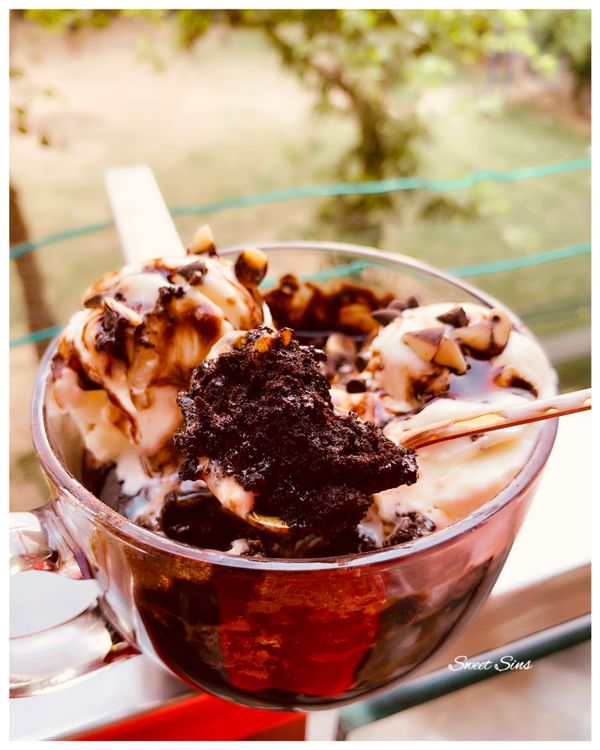
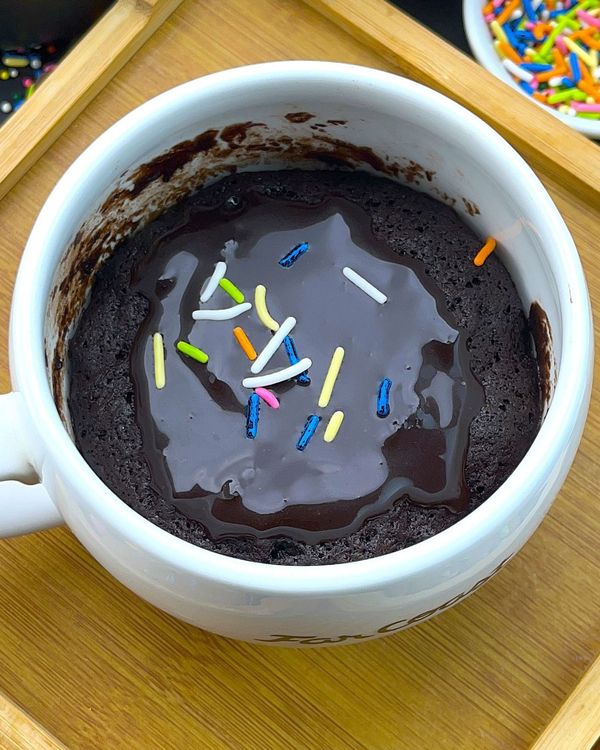
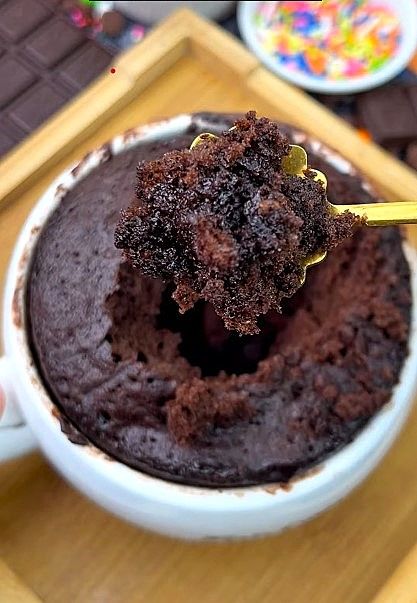
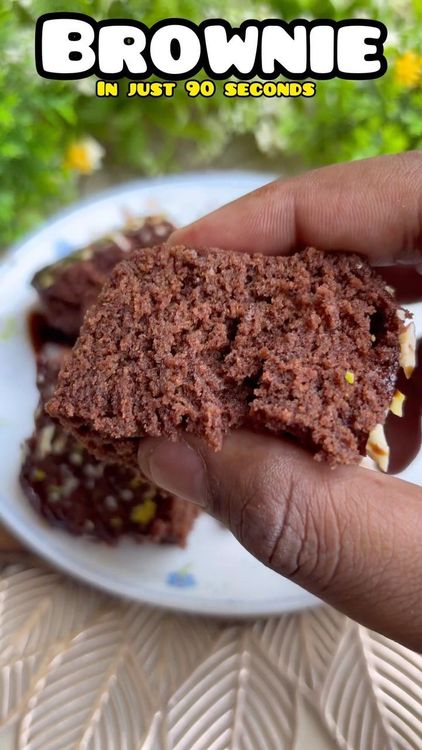
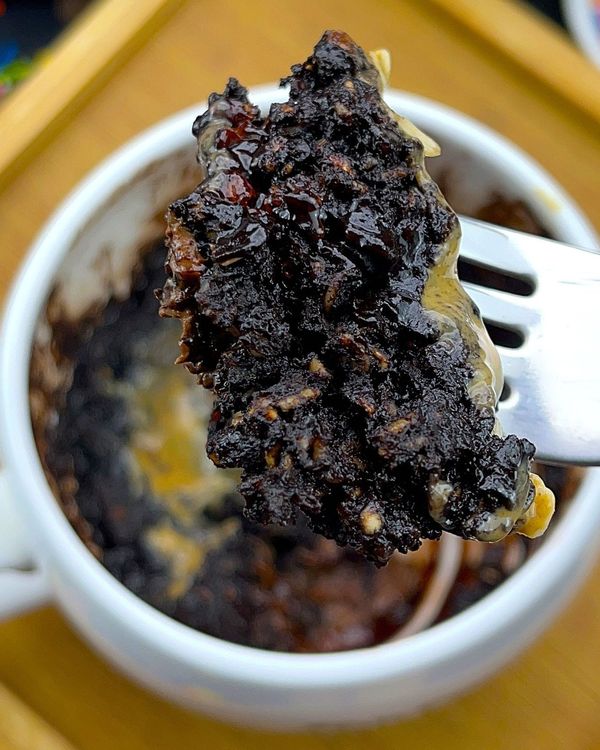
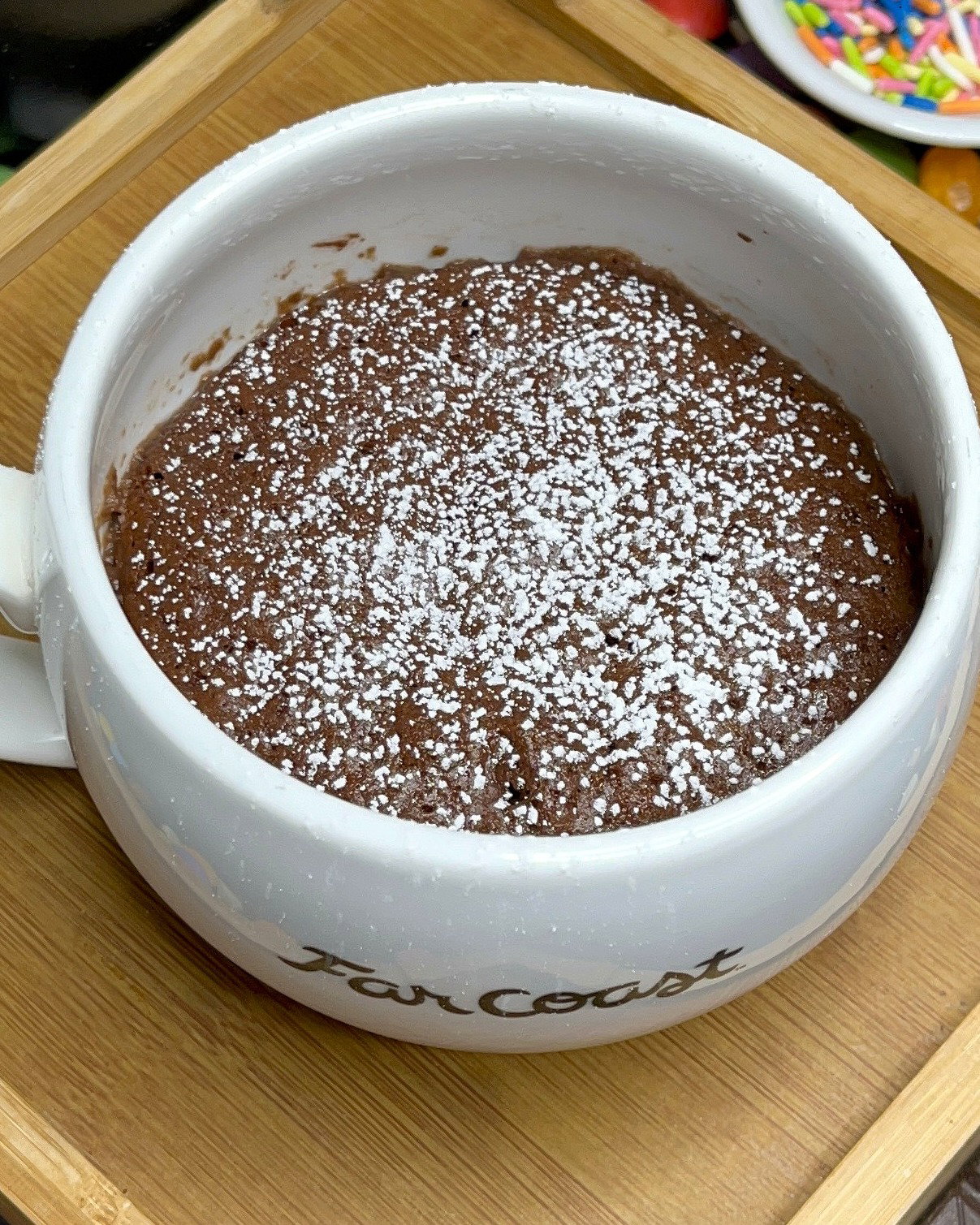
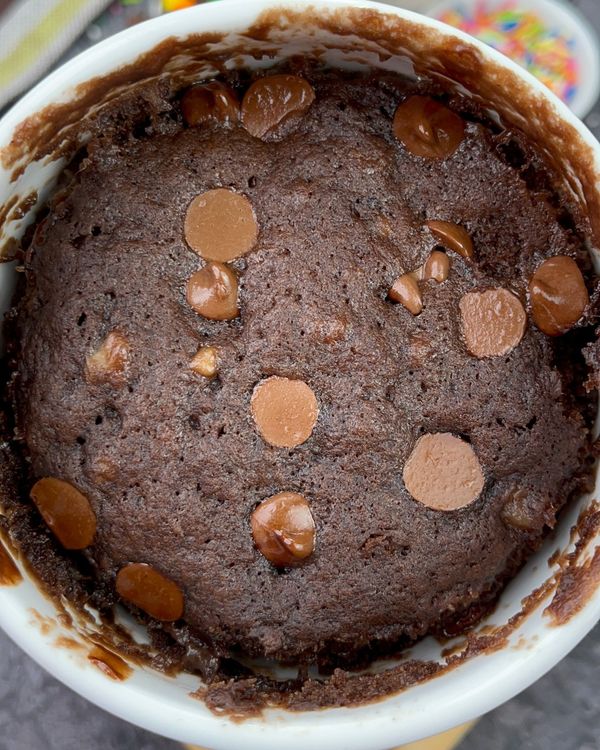
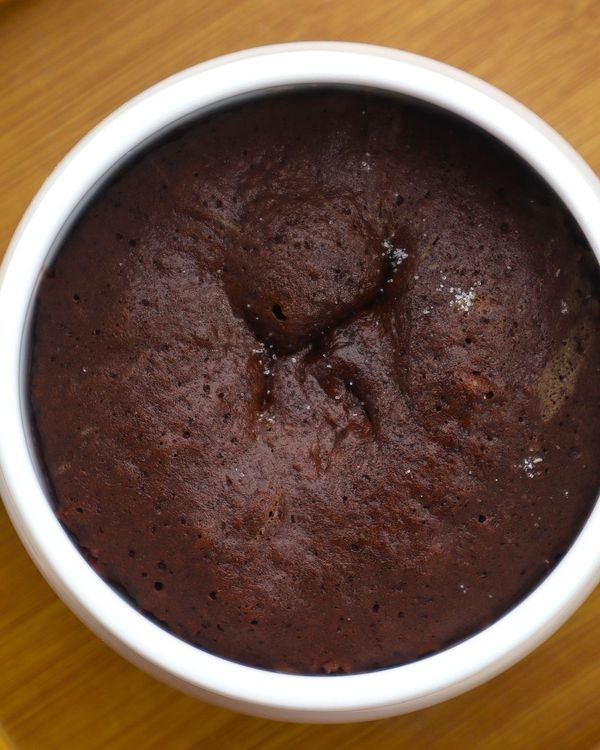
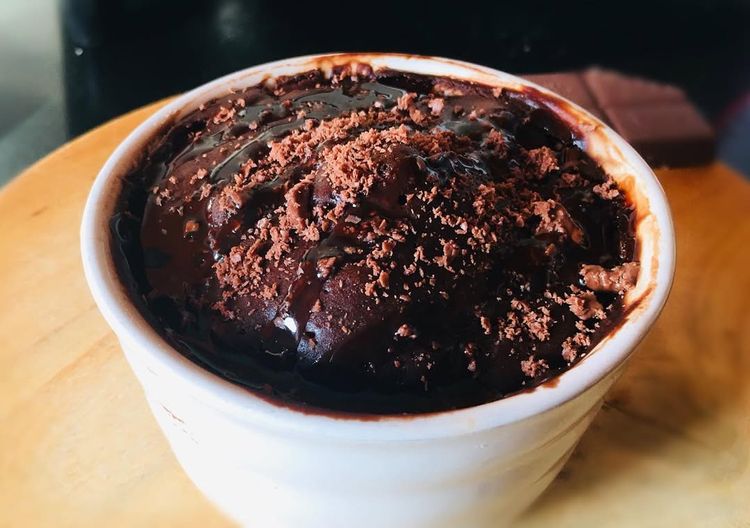
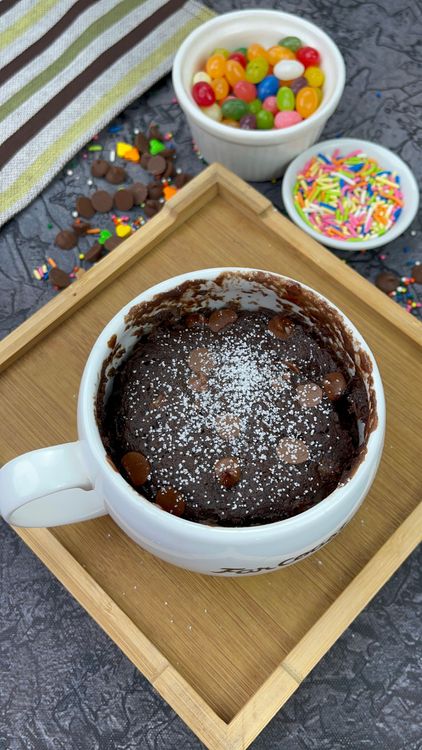
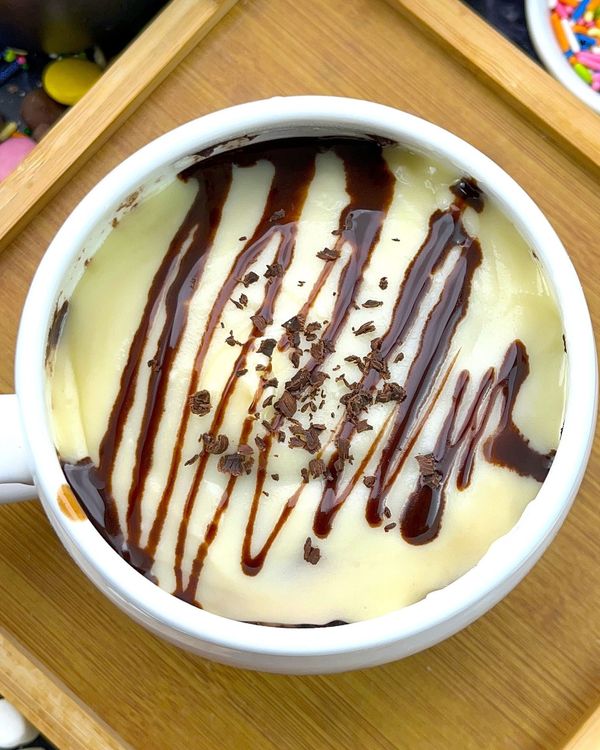
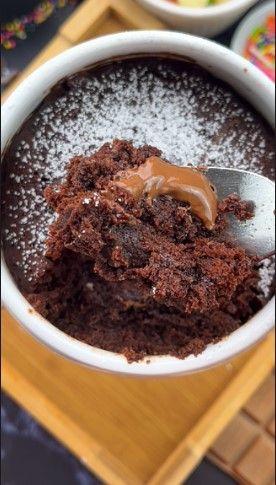
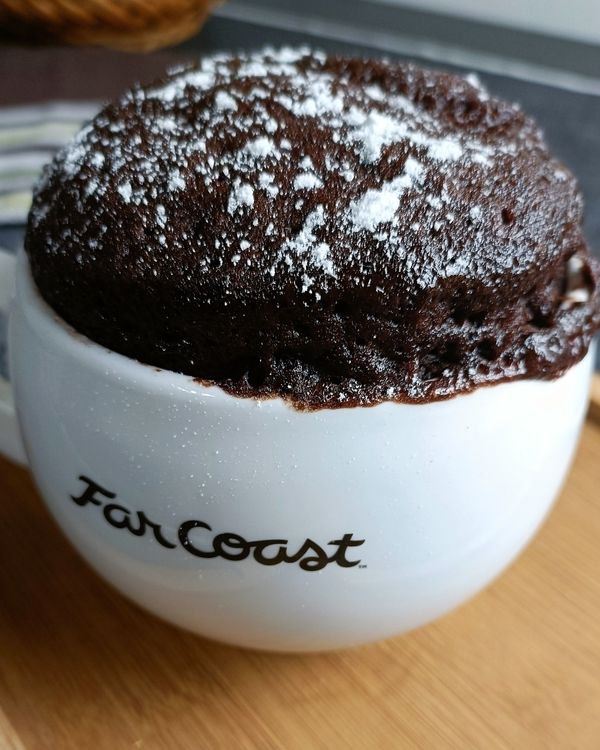
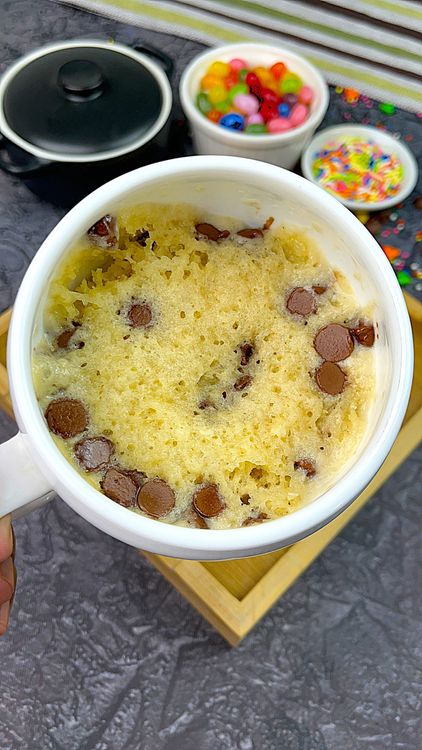
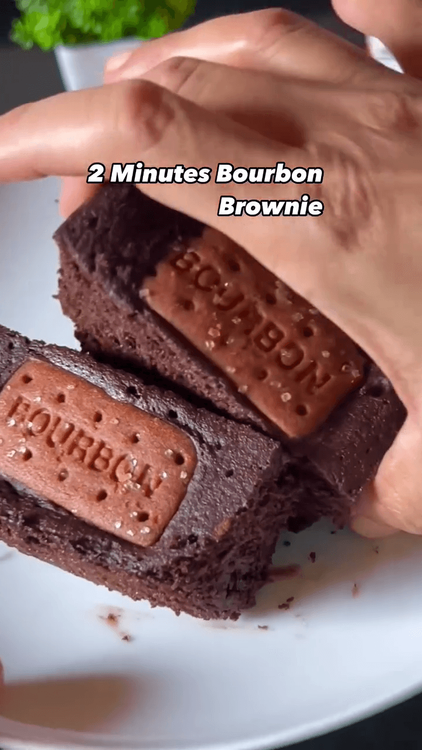
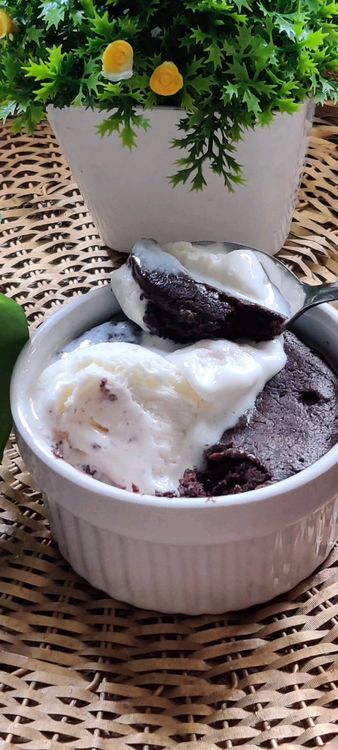
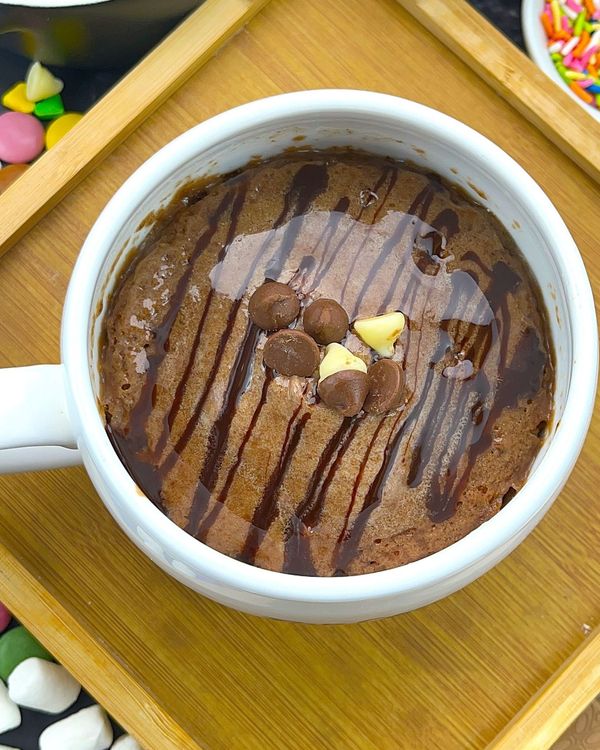
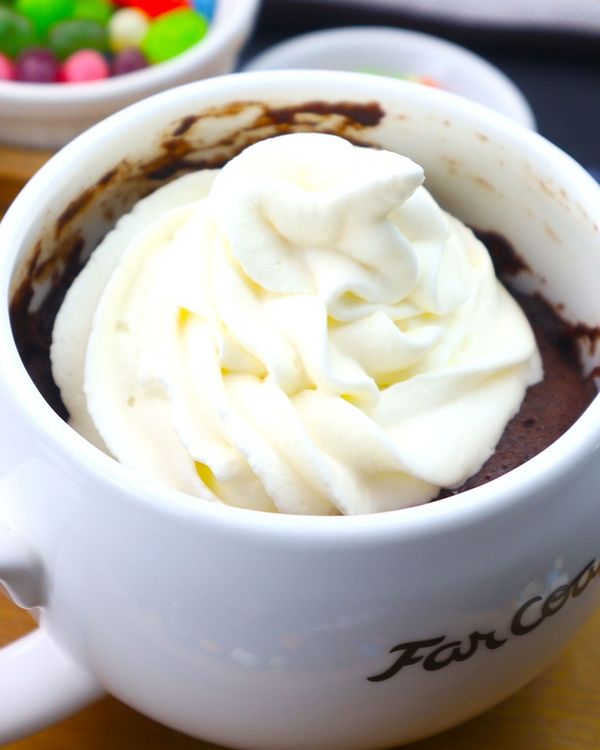
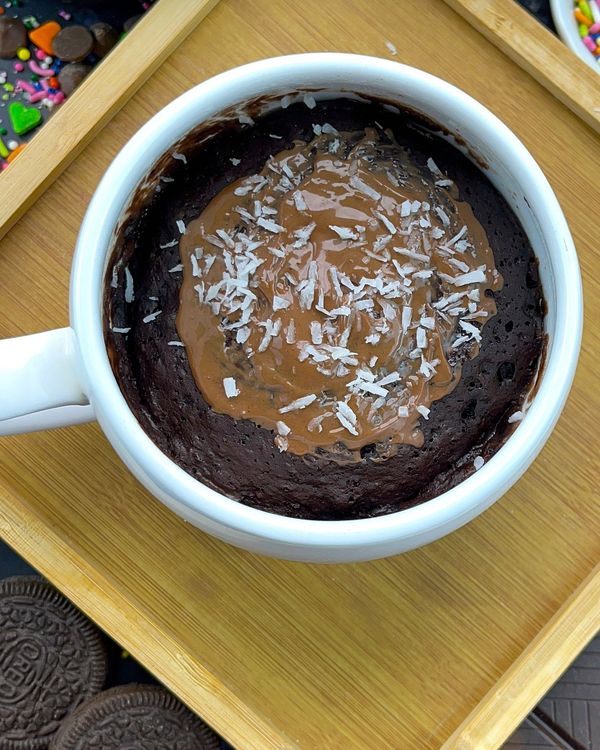
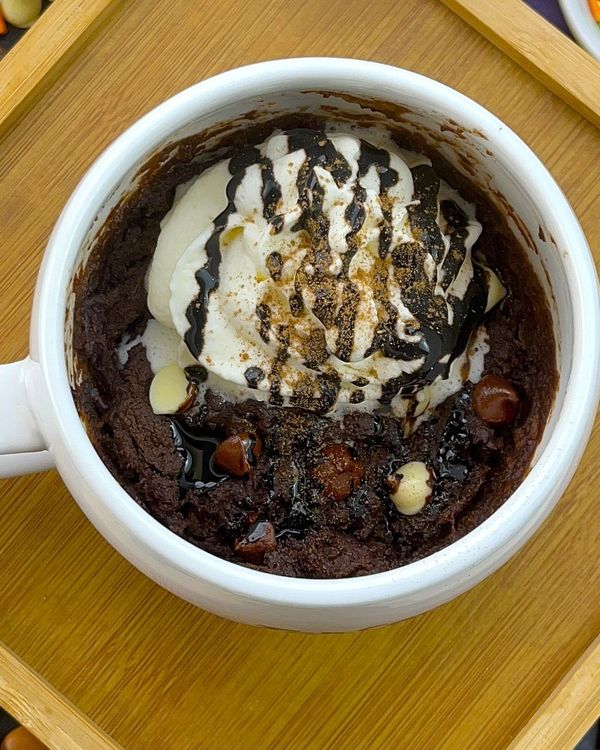
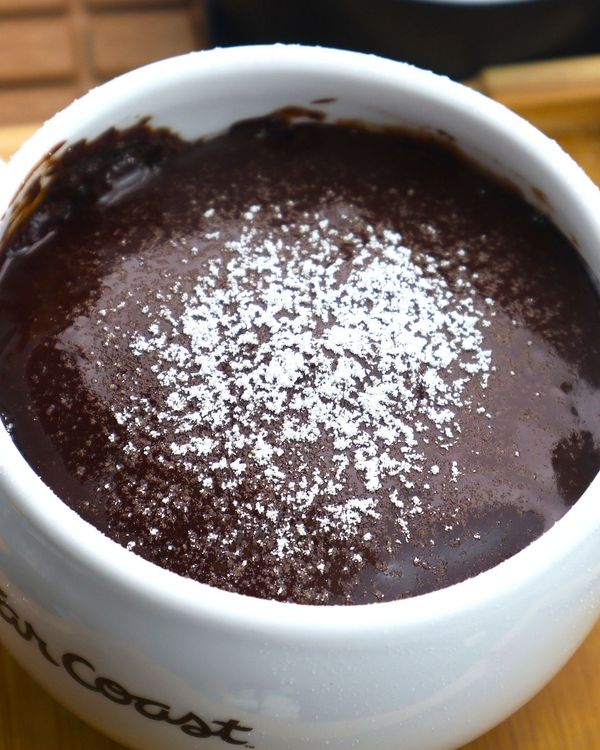
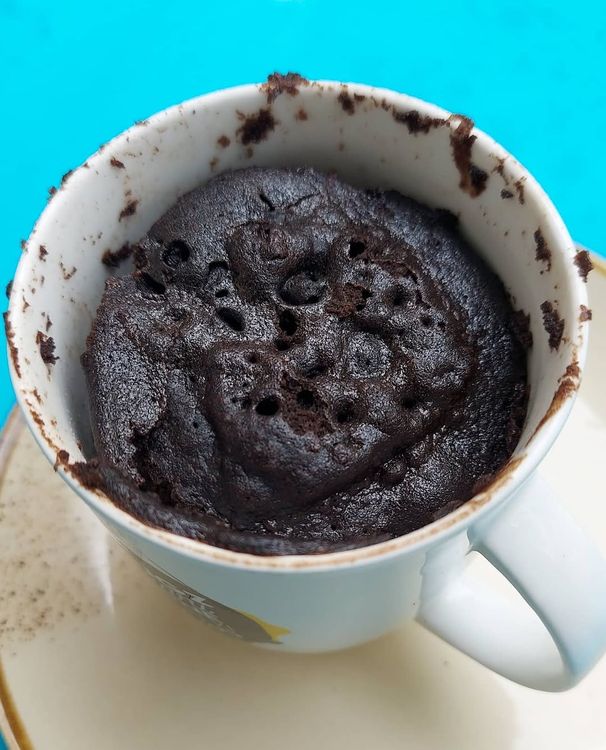
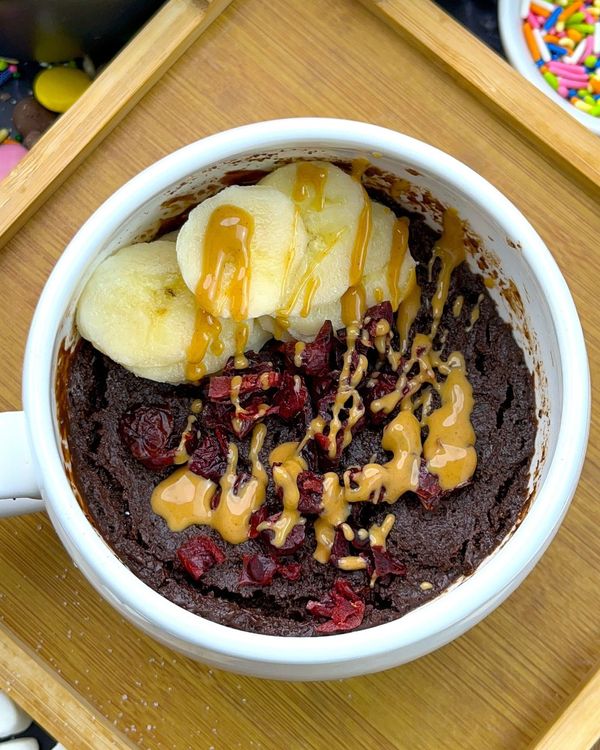
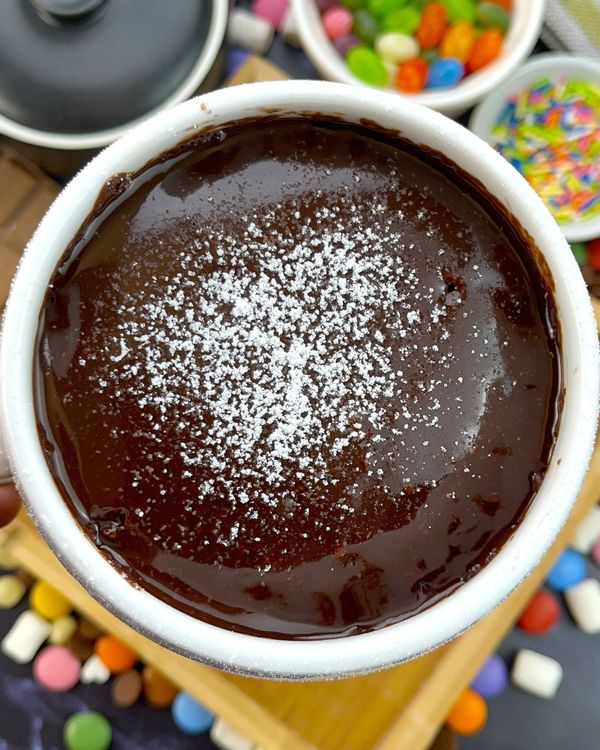
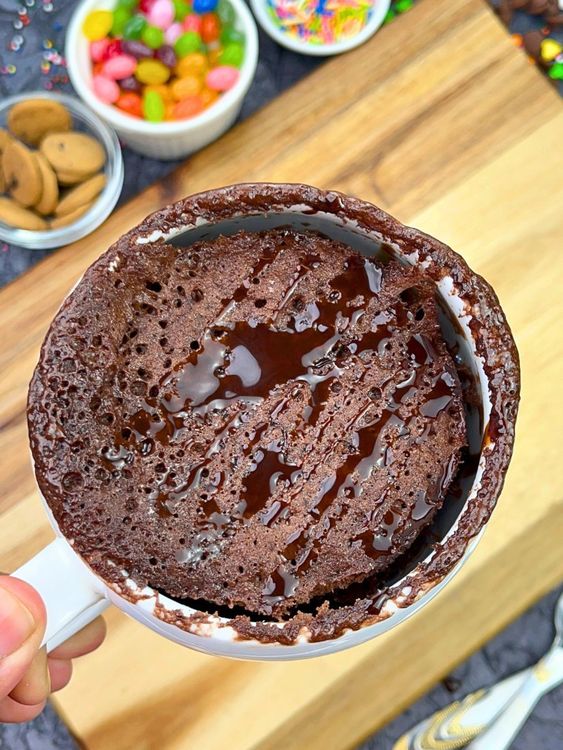
Chocolate is where quick microwave food earns its keep, because cocoa does not need browning to taste of anything. The whole craft is knowing when to stop. A mug cake goes from molten to rubber in about fifteen seconds, so pull it while the top still looks faintly wet and let carryover heat finish the middle. For a lava centre, underbake on purpose and bury something meltable in the batter before you start. These are the mug recipes I reach for first when it is late.

- Vegetarian
- Dessert

- International
- Vegetarian
- Snack

- American
- Vegetarian
- Dessert
- American
- Eggetarian
- Snack

- International
- Vegetarian
- Snack
- American
- Vegetarian
- Snack
- International
- Eggetarian
- Snack
- American
- Vegetarian
- Dessert
- American
- Vegetarian
- Snack
- American
- Vegetarian
- Snack
- American
- Vegan
- Snack
- American
- Vegetarian
- Snack
- American
- Vegetarian
- Snack
- American
- Vegetarian
- Snack
- International
- Eggetarian
- Snack
- American
- Vegetarian
- Snack
- American
- Vegetarian
- Snack
- American
- Vegetarian
- Snack

- International
- Vegetarian
- Snack
- International
- Vegetarian
- Snack
- American
- Vegetarian
- Snack
- International
- Vegetarian
- Snack
- American
- Vegetarian
- Snack
Fruit, Citrus & Orchard Mug Cakes
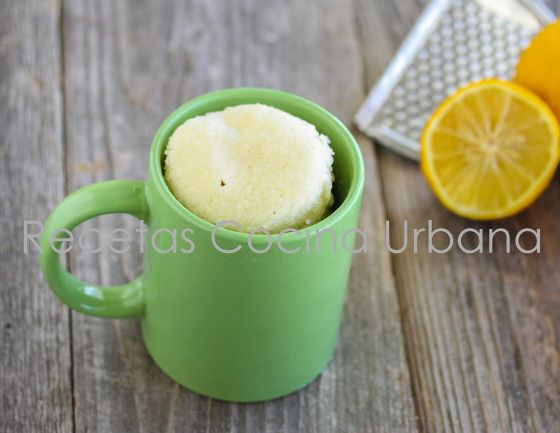
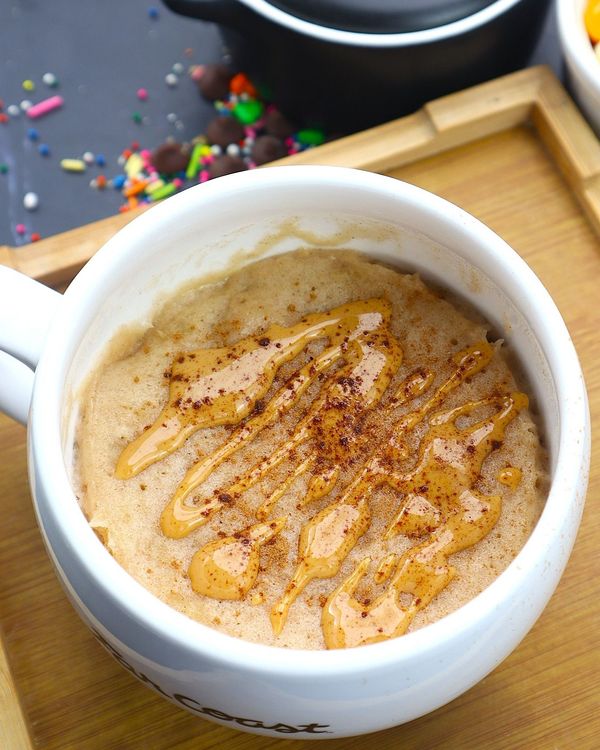
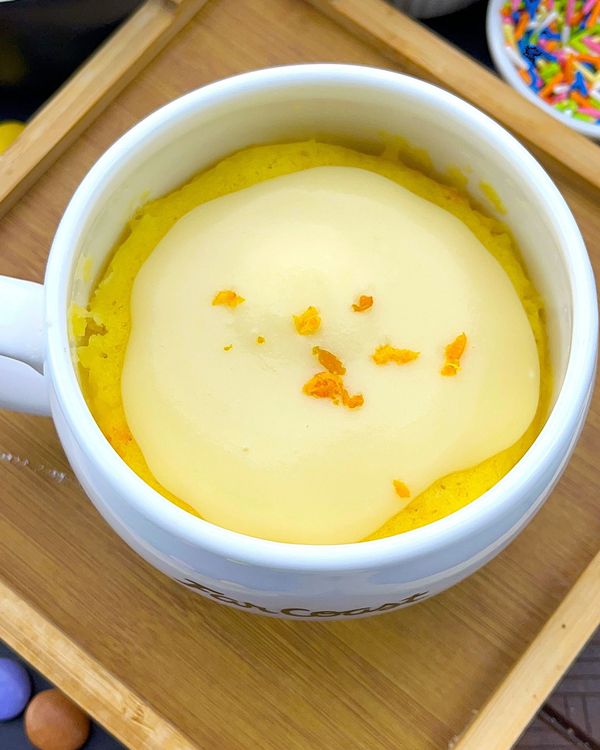
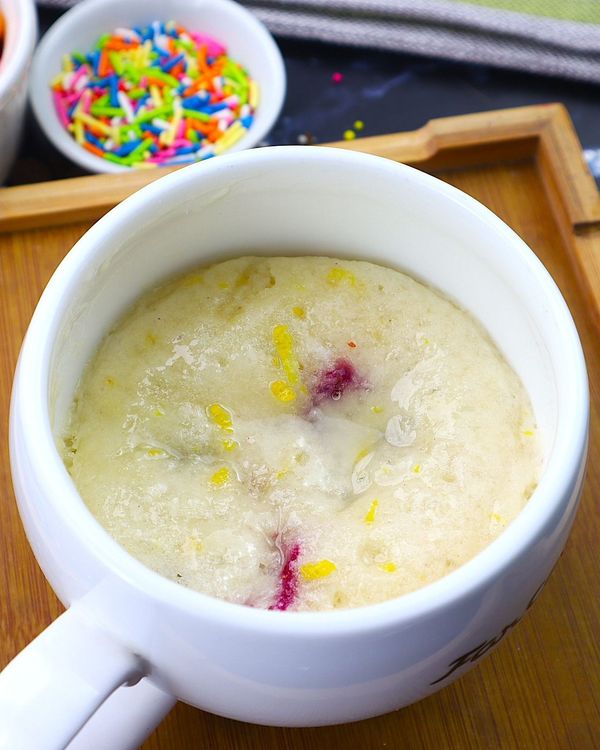
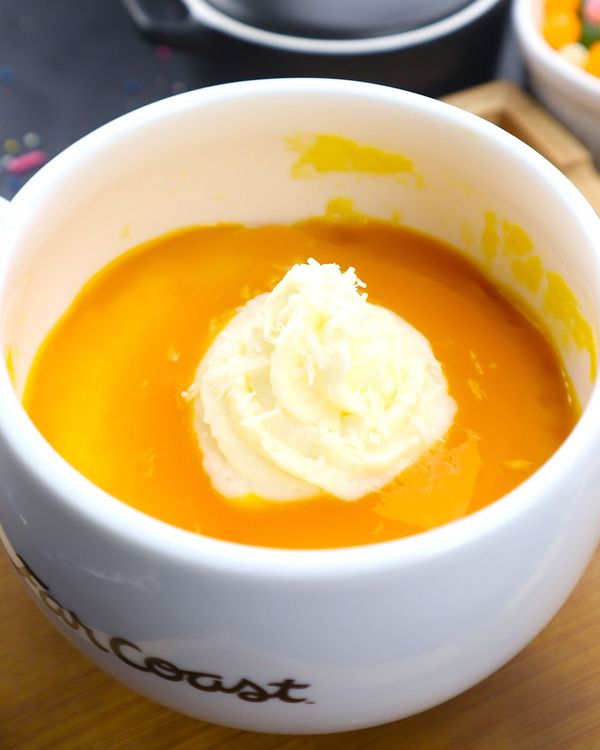
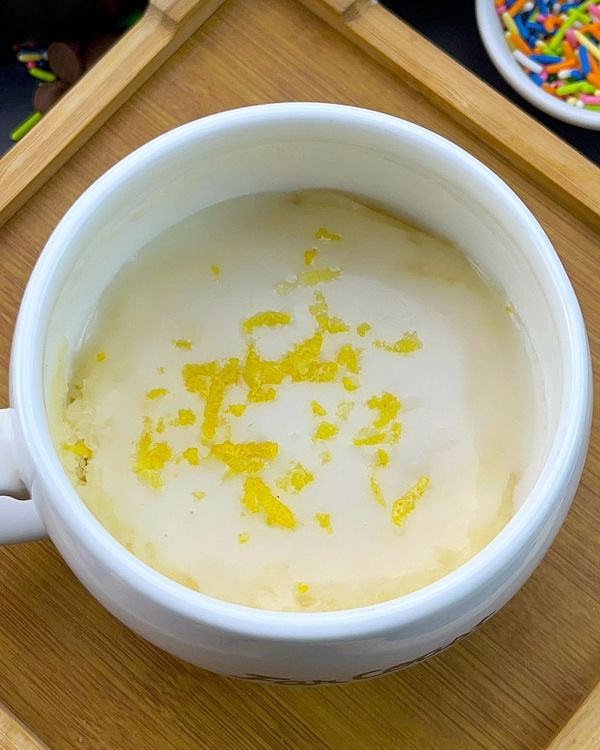
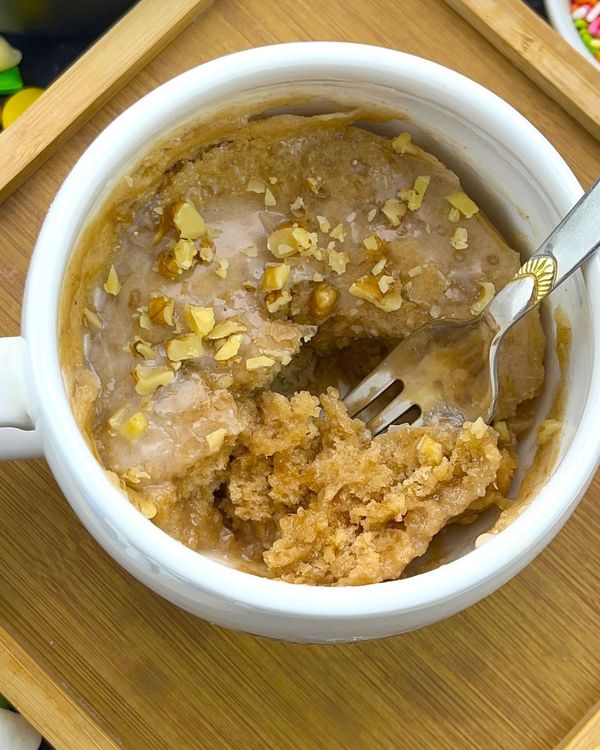
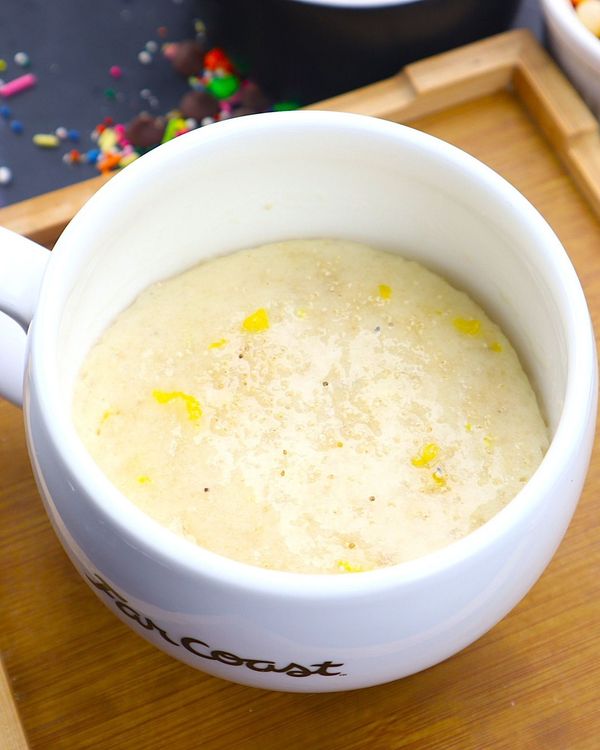
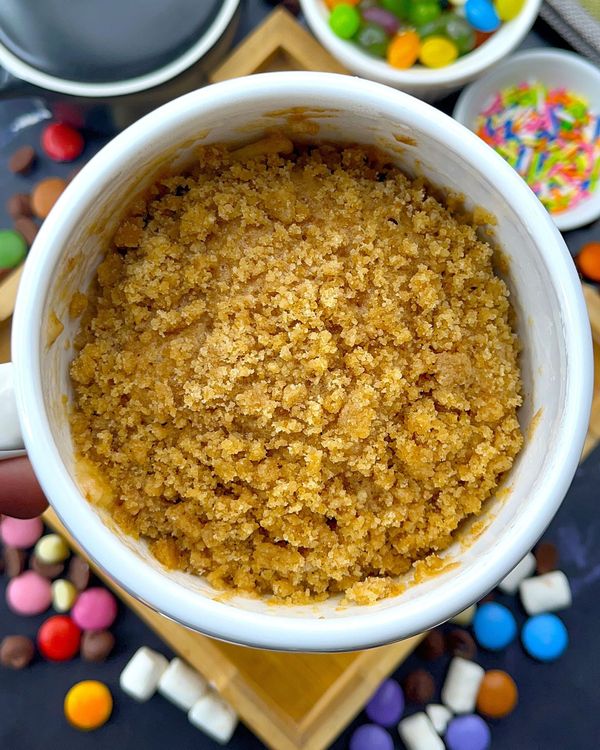
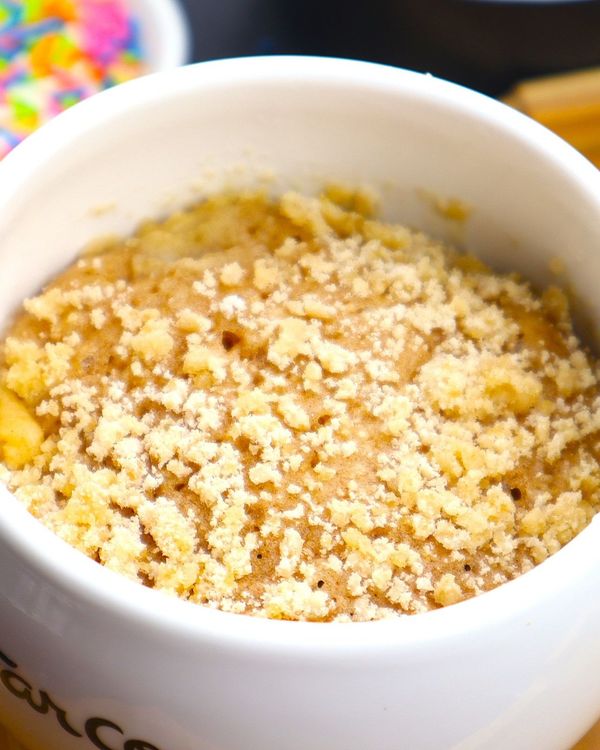
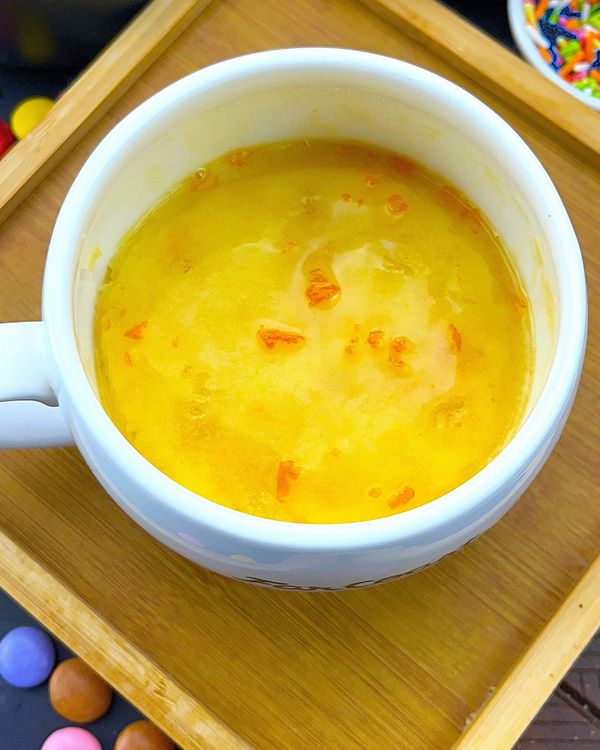
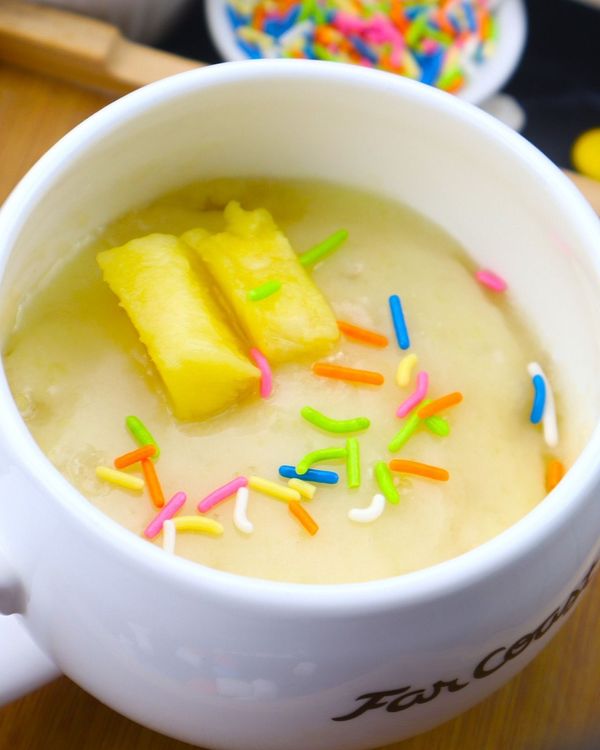
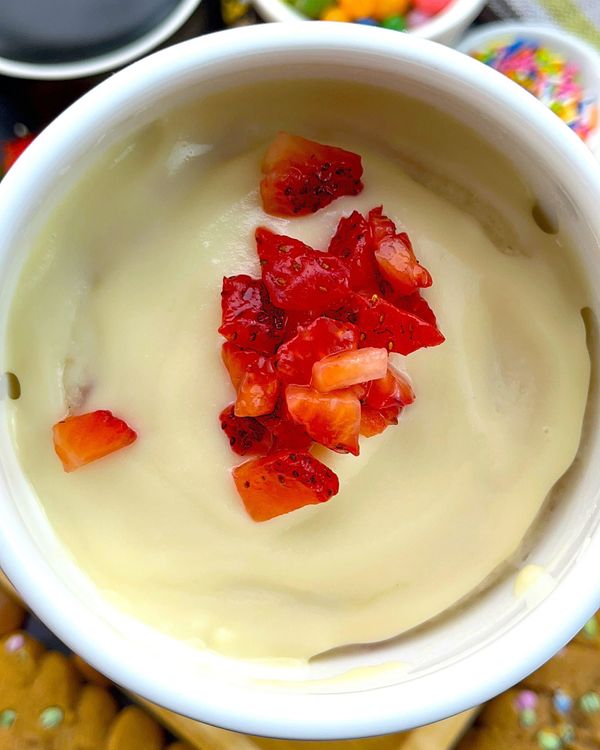
Fruit brings water, and water changes everything in these mug recipes. Fresh strawberries, pineapple and blueberries all release liquid as they heat, which is why a sponge that worked yesterday turns gummy today. Drain wet fruit properly, toss berries in a spoon of flour so they do not all sink to the bottom, and cut the milk back slightly when you are working with purees or applesauce. Zest, not juice, is what carries citrus flavour through the heat.
- American
- Eggetarian
- Snack
- American
- Vegetarian
- Snack
- American
- Eggetarian
- Snack
- American
- Vegetarian
- Snack
- Global
- Vegetarian
- Snack
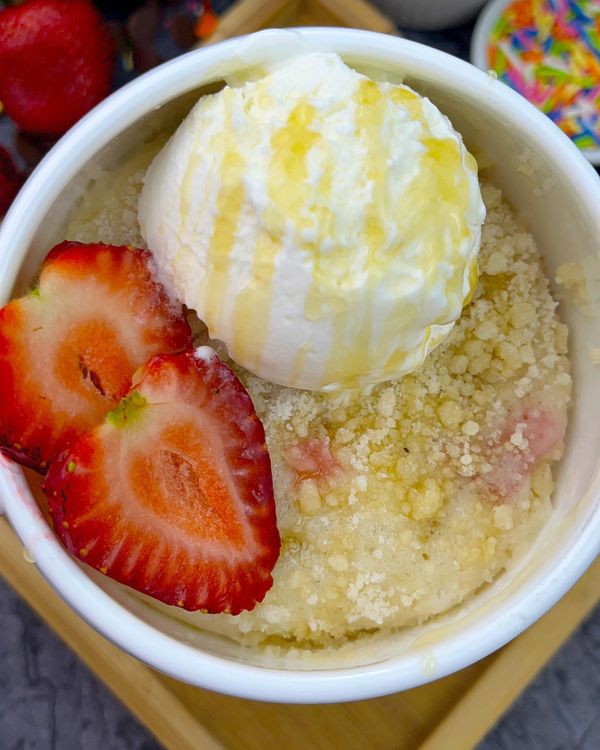
- American
- Vegetarian
- Snack
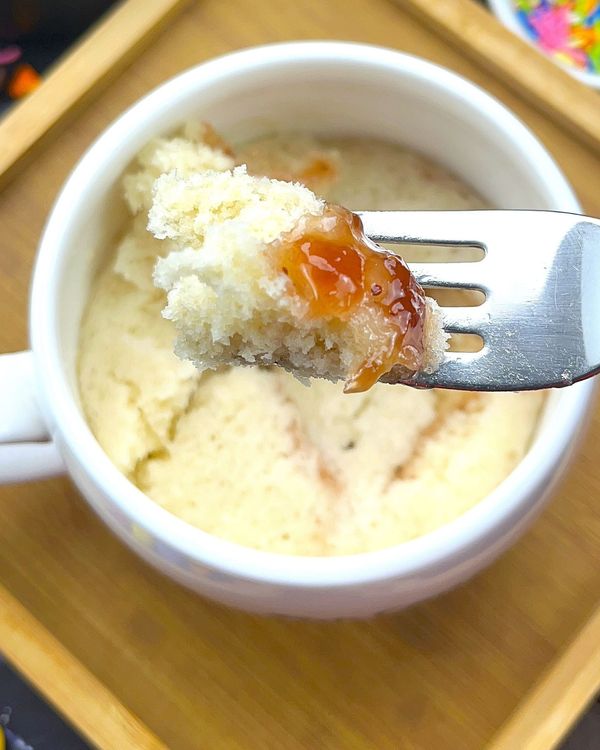
- American
- Vegetarian
- Snack
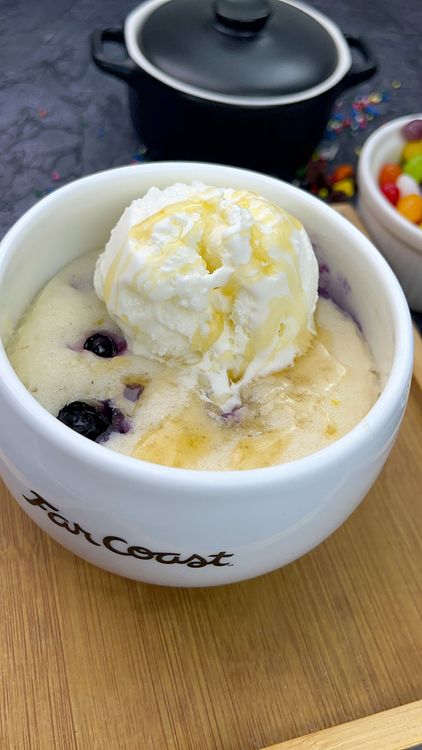
- American
- Vegetarian
- Snack
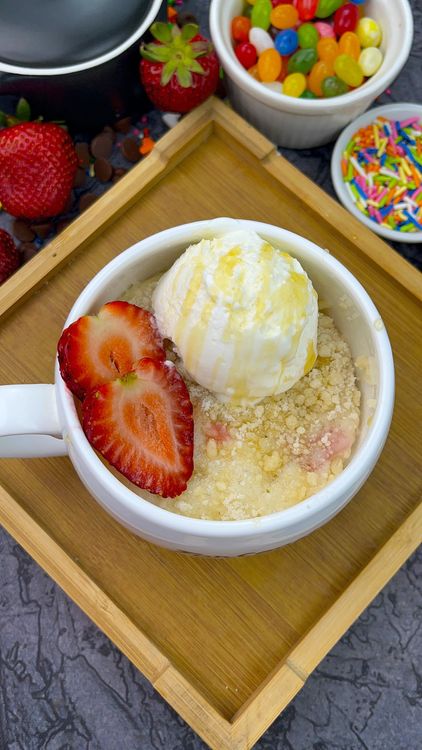
- American
- Vegetarian
- Snack
- American
- Vegetarian
- Snack
- American
- Vegetarian
- Snack
- American
- Vegetarian
- Breakfast
- American
- Vegetarian
- Snack
- American
- Vegetarian
- Snack
- American
- Vegetarian
- Snack
- Tropical
- Vegetarian
- Snack
- American
- Vegetarian
- Snack
Cheesecake, Caramel & Cookie-Crumb Mugs
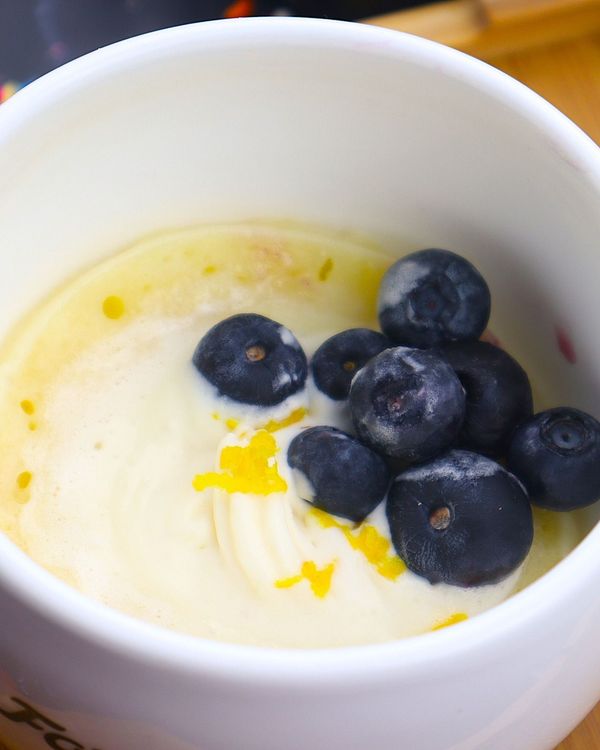
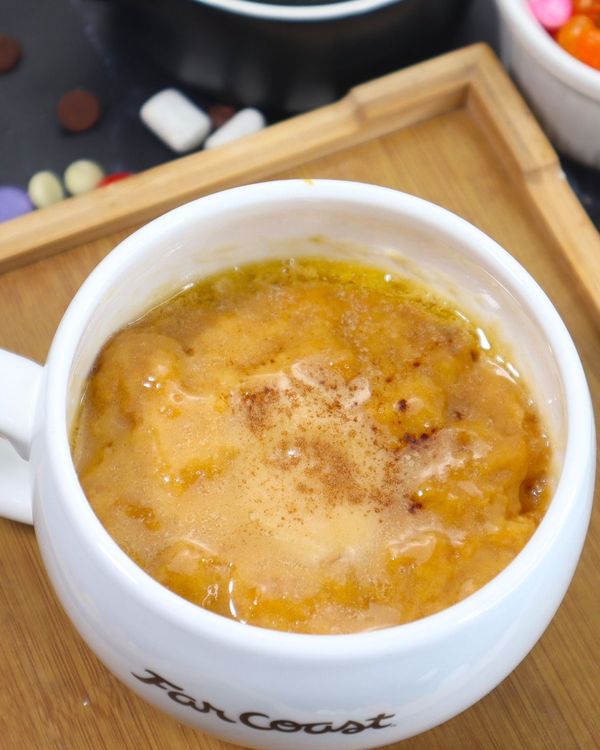
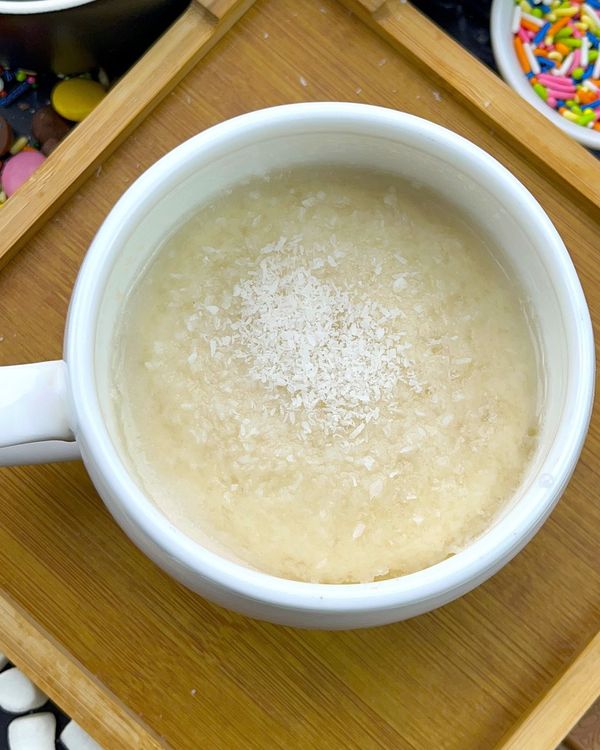
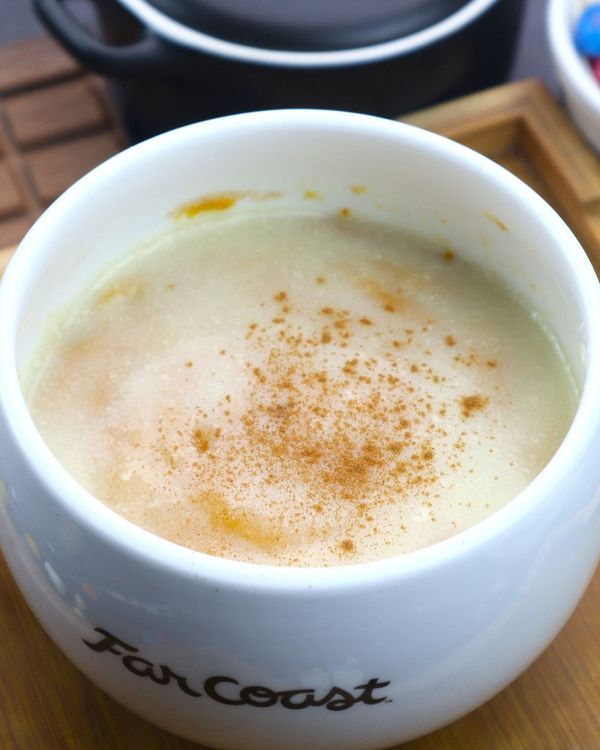
Cream cheese and caramel ask for patience that the other mug recipes here do not. Cream cheese has to be at room temperature or it stays lumpy no matter how hard you beat it, and every cheesecake in this group improves if you chill it for ten minutes after cooking, because that is when it actually sets. Frost nothing while it is hot. The frosting slides straight off and pools at the bottom.
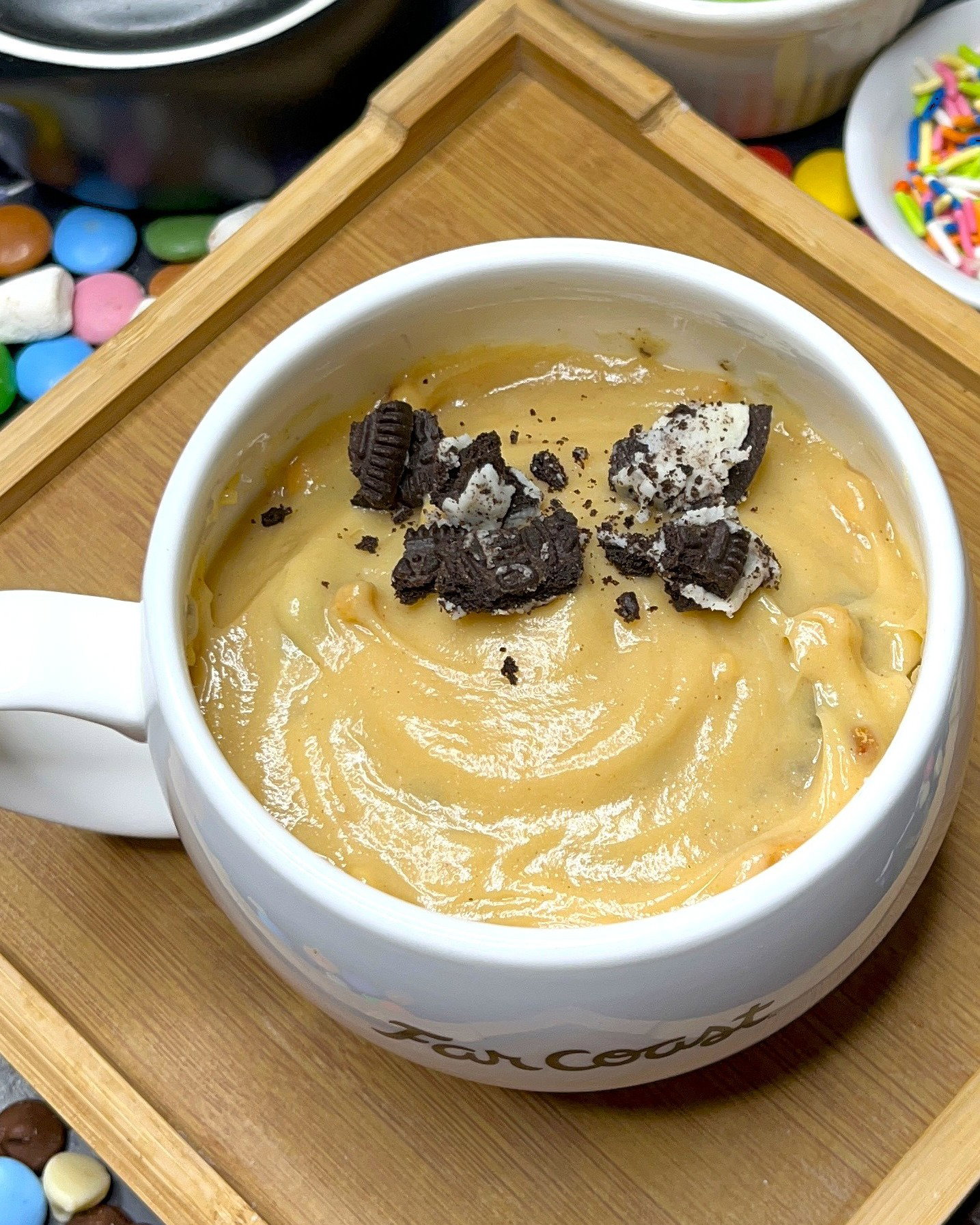
- American
- Vegetarian
- Dessert

- American
- Vegetarian
- Dessert

- American
- Vegetarian
- Dessert
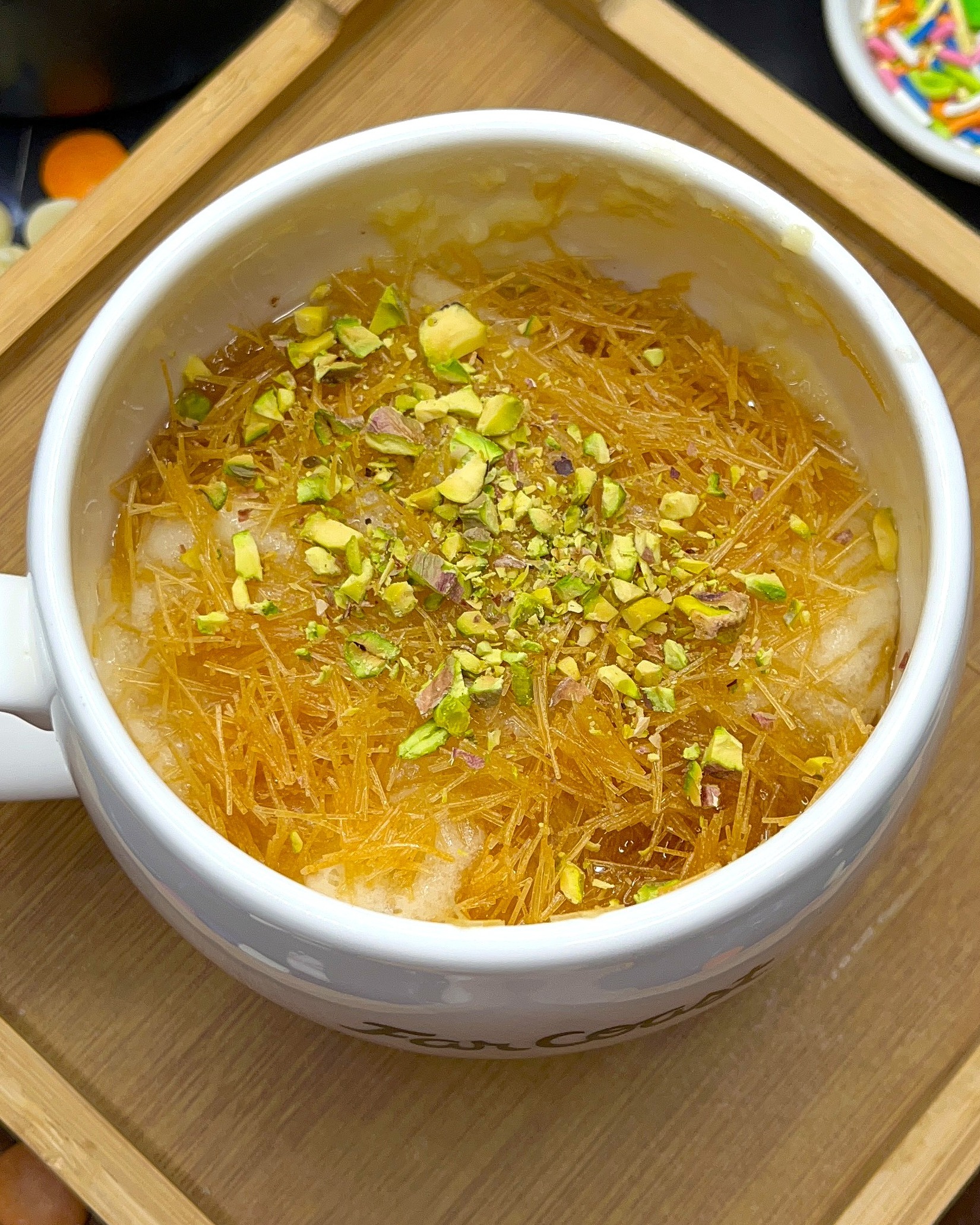
- Middle Eastern
- Vegetarian
- Dessert
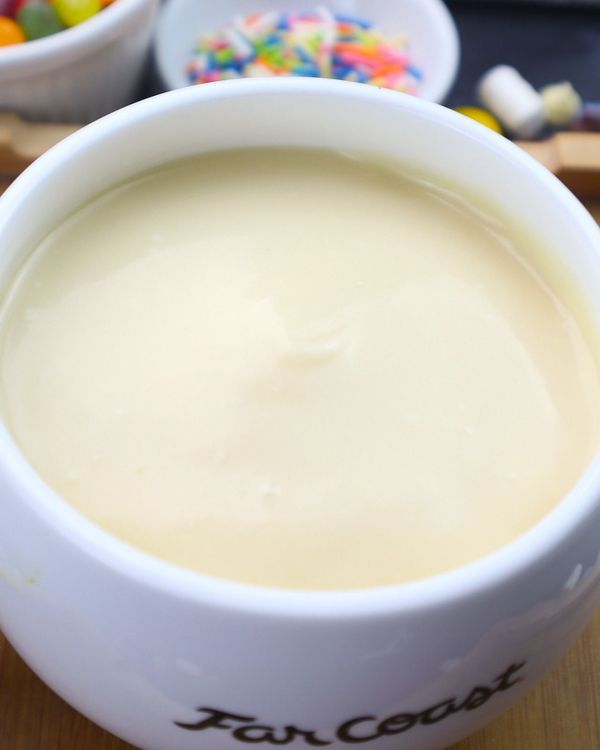
- American
- Vegetarian
- Snack
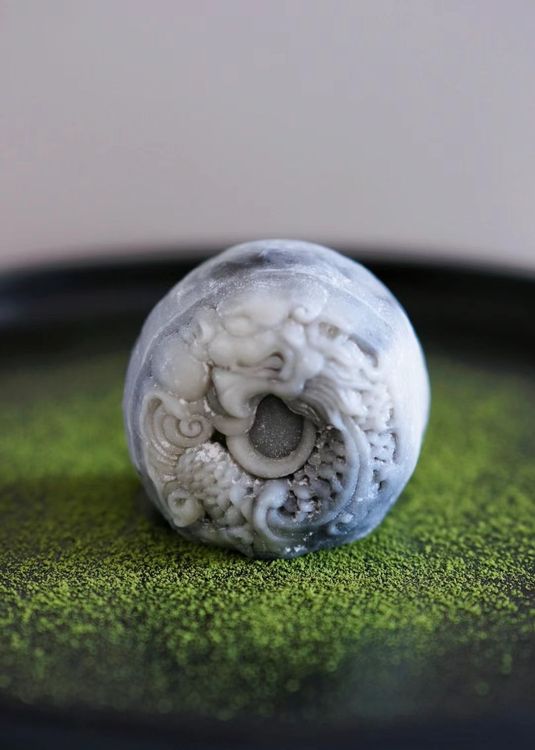

- Asian
- Vegetarian
- Snack
- American
- Eggetarian
- Snack
- American
- Vegetarian
- Snack
- Global
- Vegan
- Snack
- American
- Vegetarian
- Snack
Bakery-Style Vanilla, Spice & Classic Mug Bakes
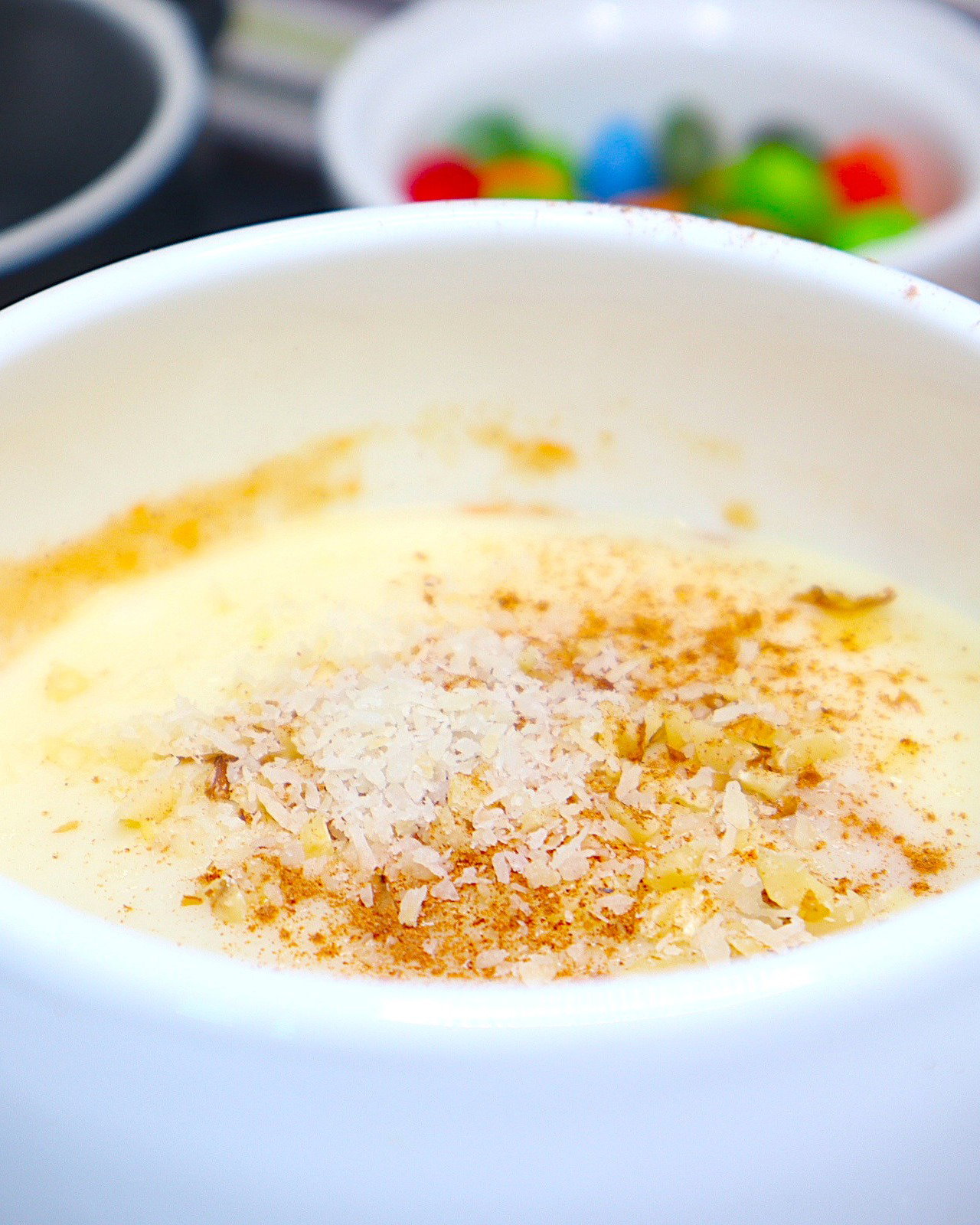
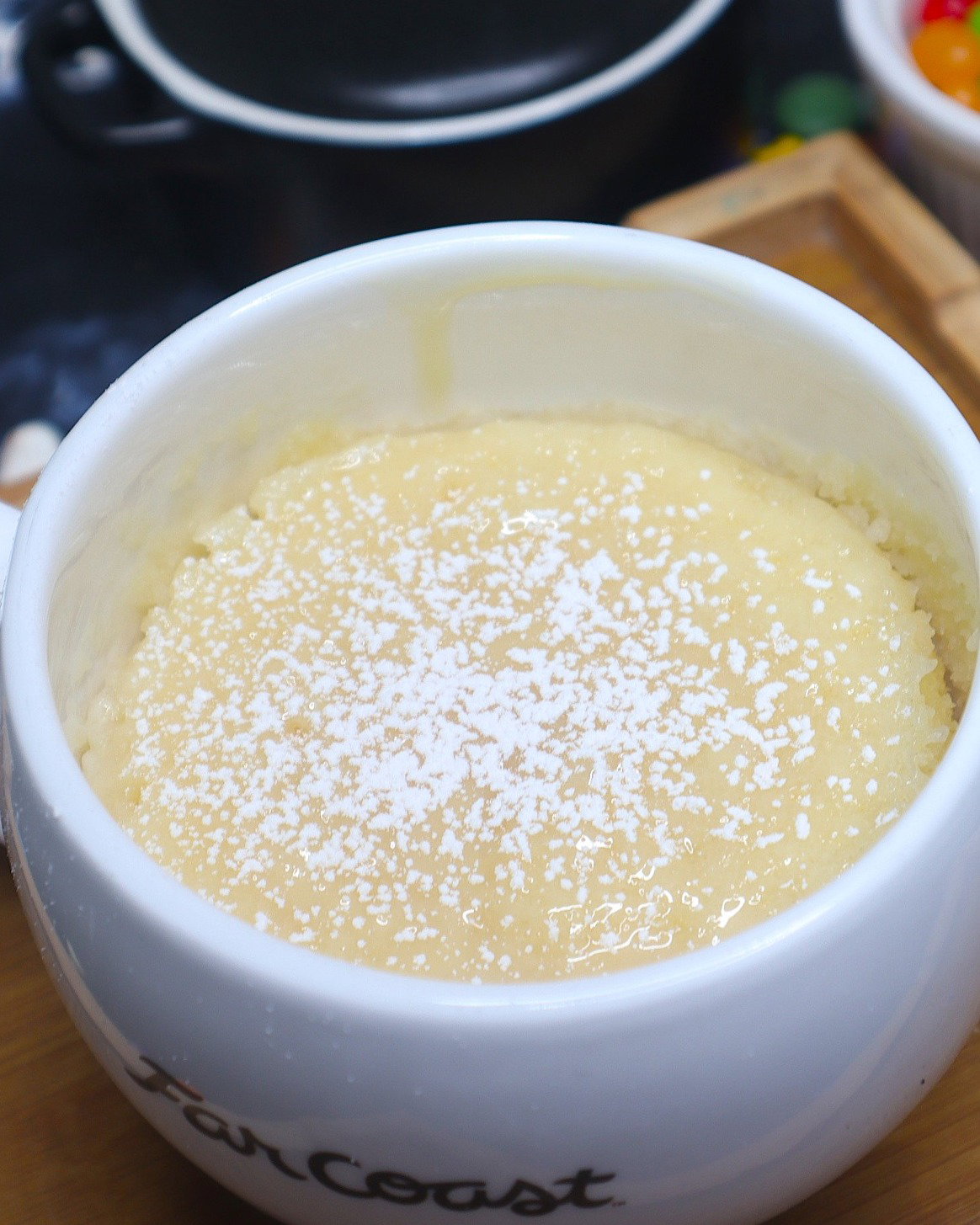
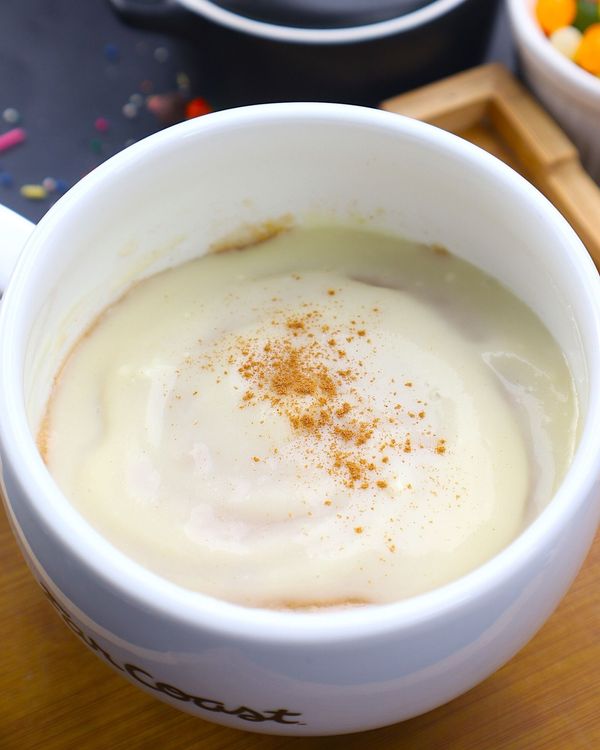
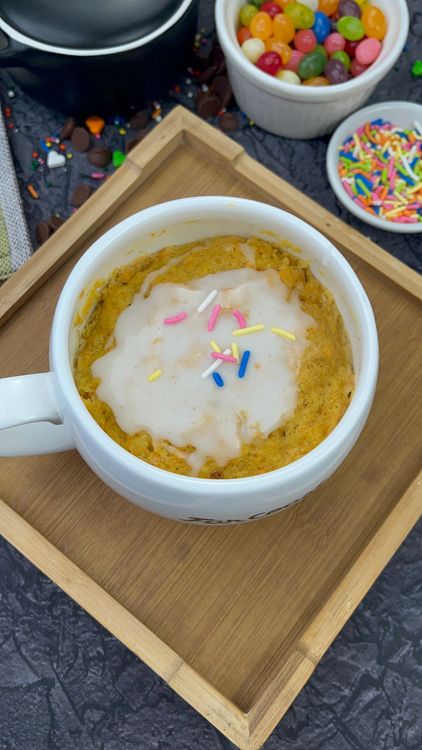
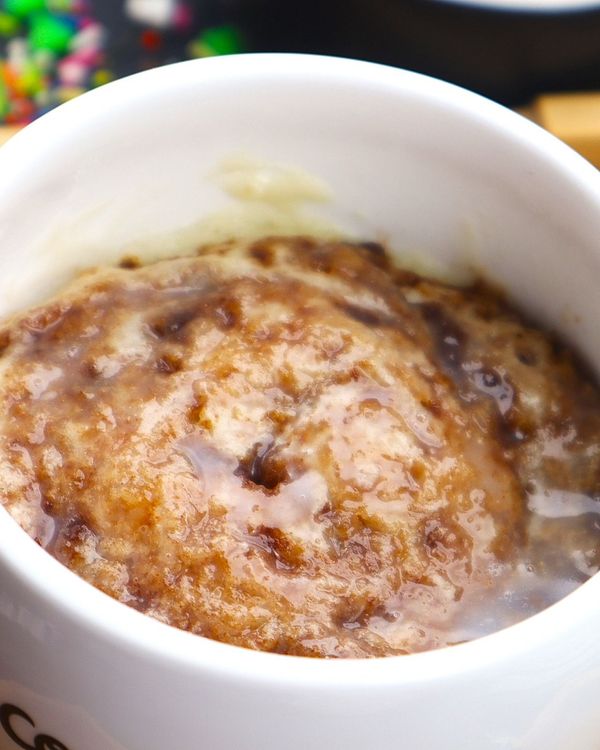
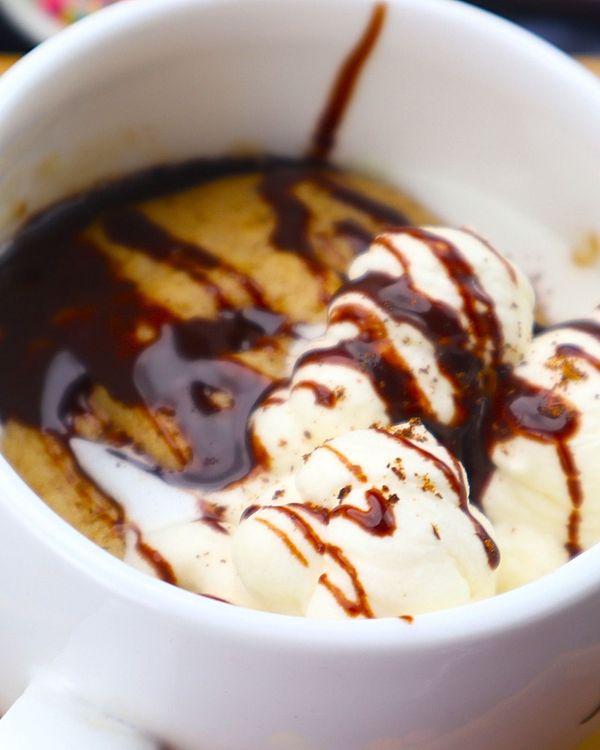
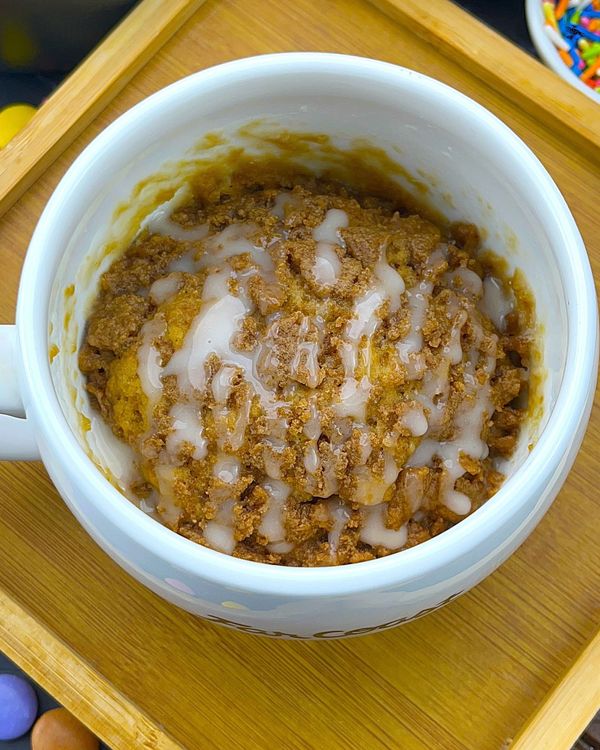
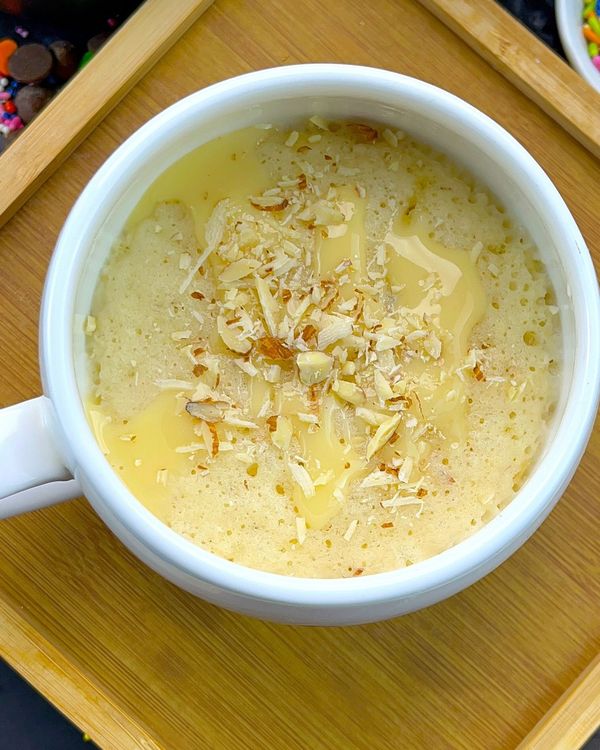
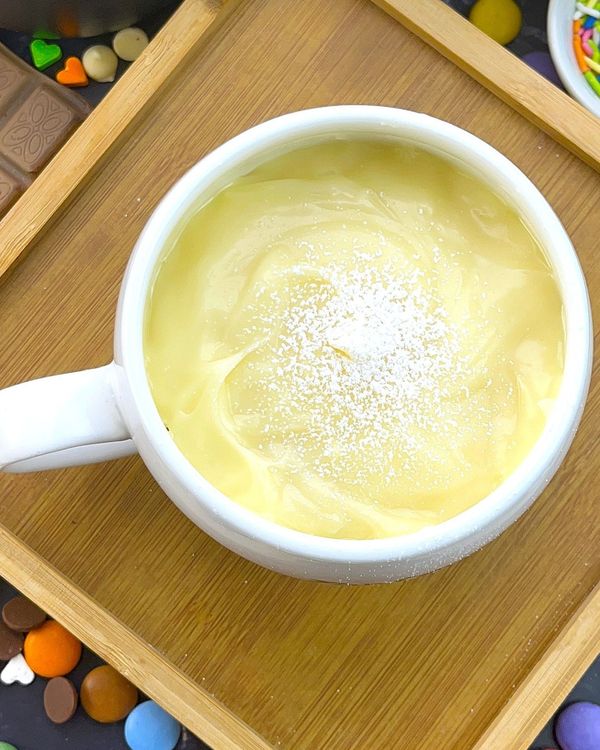
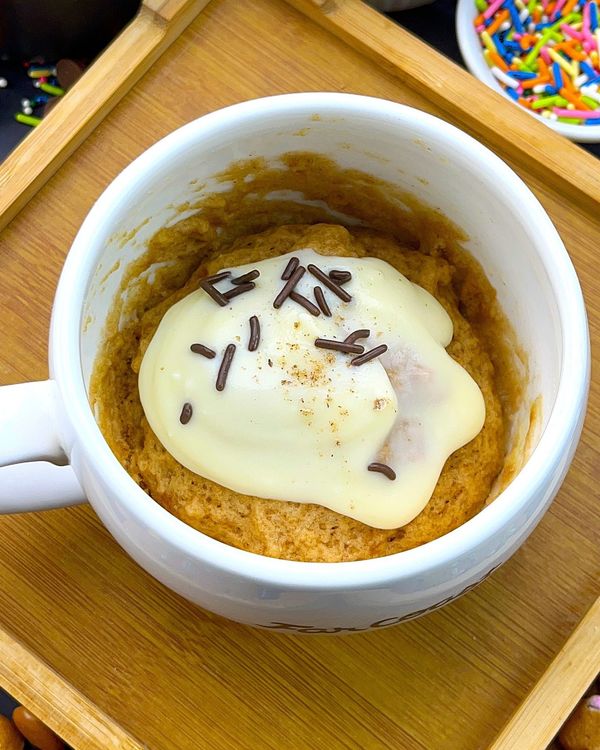
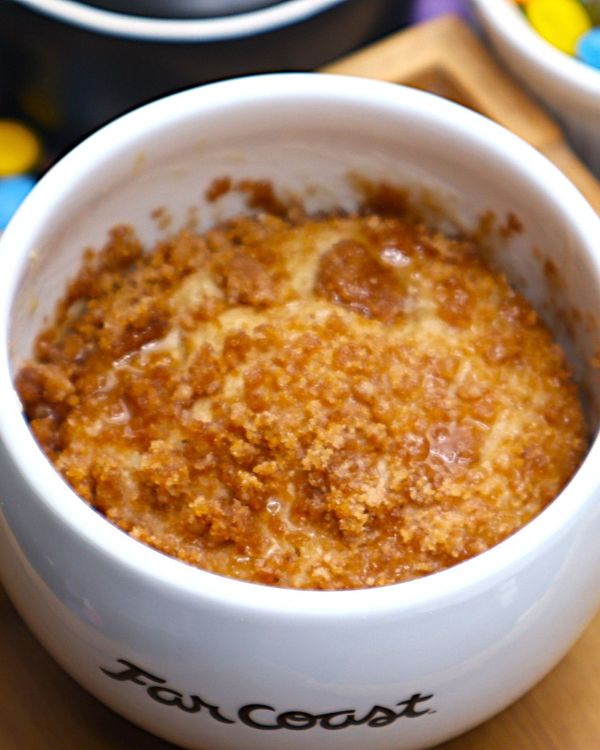
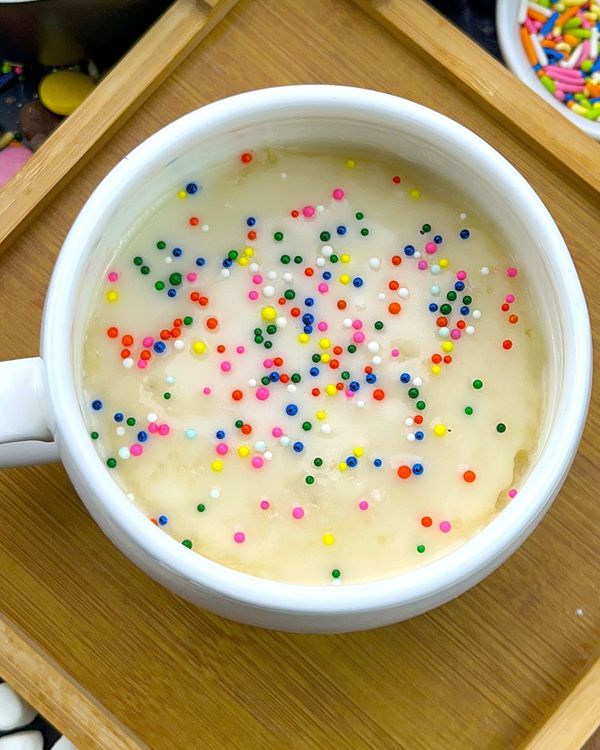
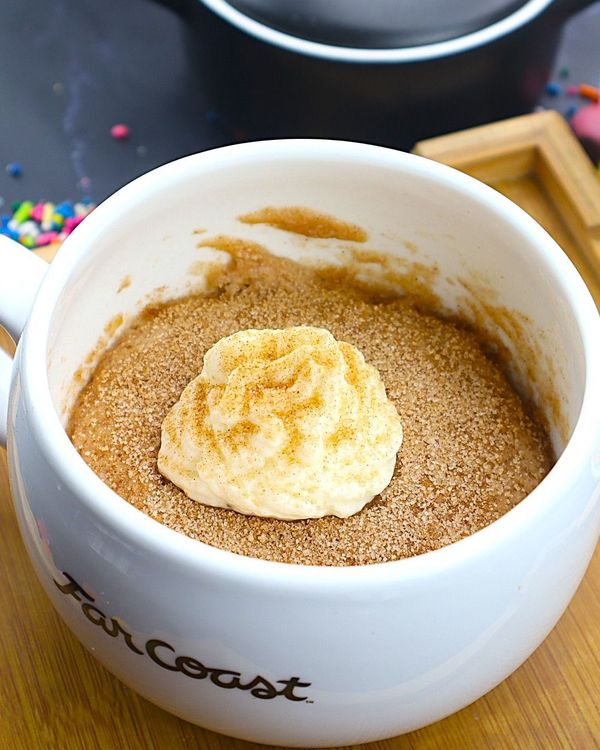
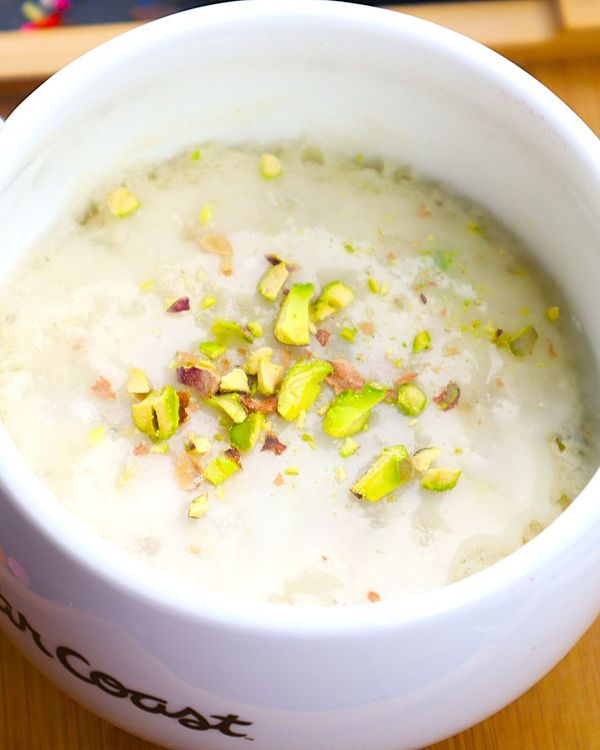
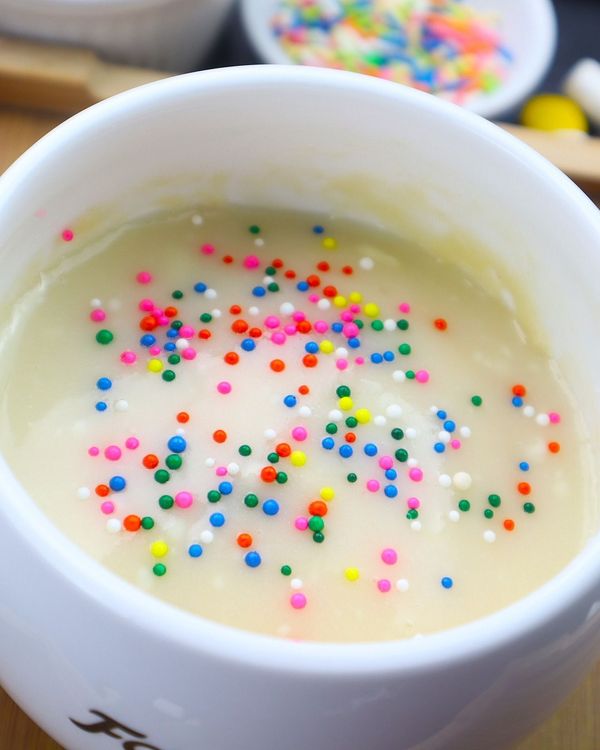
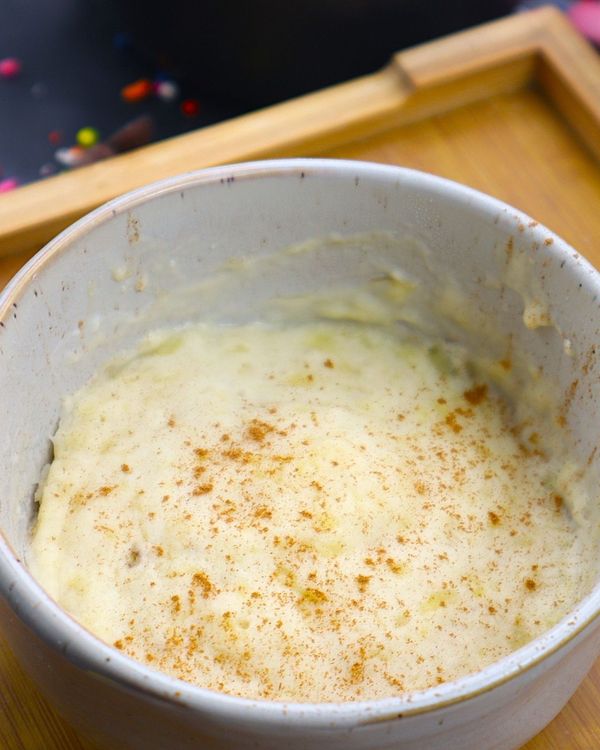
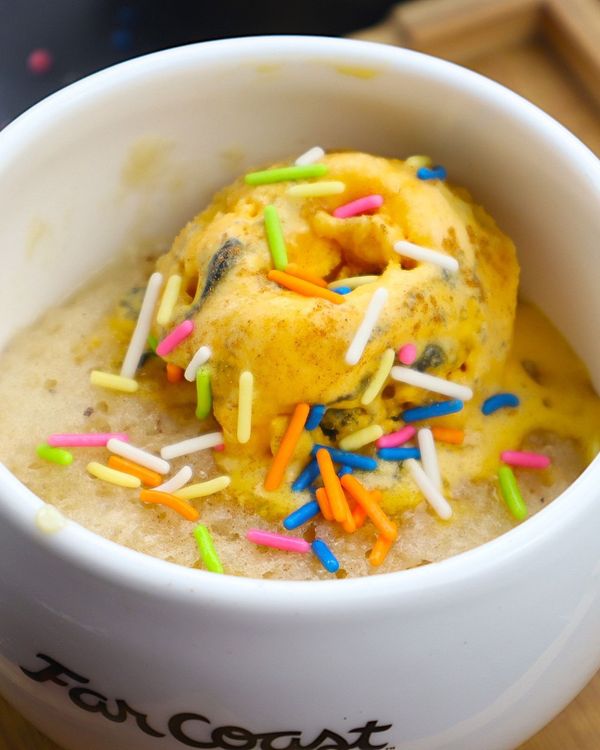
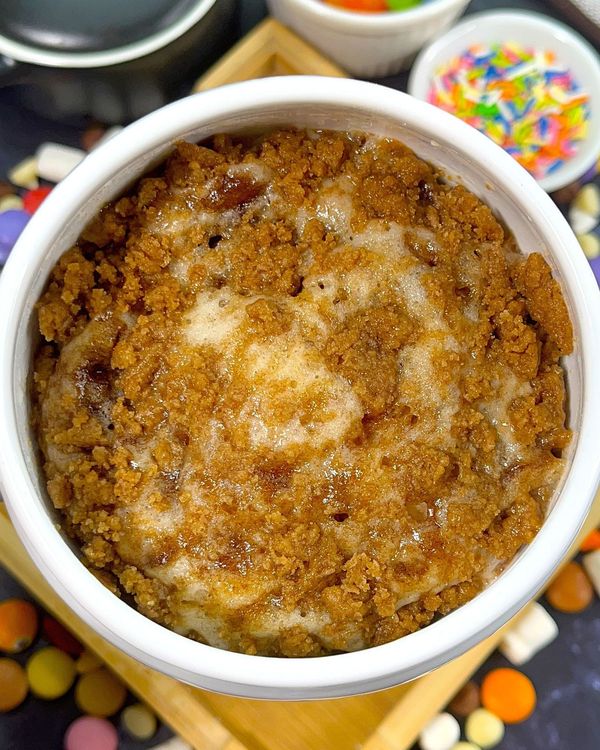
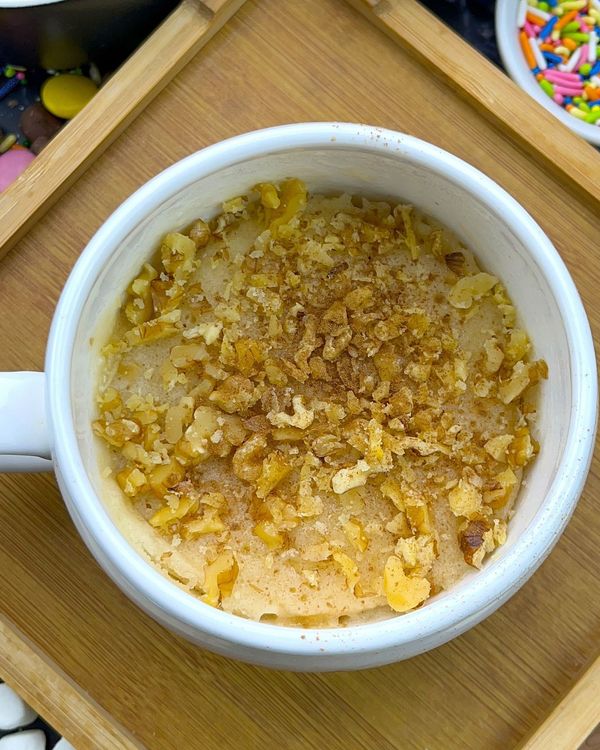
This is the biggest group here and the most useful, because a plain vanilla or spice base is a platform rather than a destination. Learn one ratio, flour and sugar and oil and milk and leavening, and you can steer it toward cinnamon roll, churro, gingerbread or bakery-style crumb without ever learning a new formula. Warm spices bloom well under the fast heat of microwave cooking. Crumble toppings go on before cooking, not after, or they never set into anything.

- Belgian
- Vegetarian
- Dessert
- American
- Vegan
- Snack
- American
- Vegetarian
- Dessert
- Vegetarian
- Dessert
- American
- Vegetarian
- Breakfast
- American
- Vegetarian
- Snack
- American
- Vegetarian
- Snack
- American
- Vegetarian
- Snack
- American
- Vegetarian
- Snack
- Global
- Vegetarian
- Snack
- American
- Vegetarian
- Snack
- American
- Vegetarian
- Snack
- American
- Vegetarian
- Snack
- American
- Vegetarian
- Snack
- American
- Vegetarian
- Snack
- American
- Vegetarian
- Snack
- American
- Vegetarian
- Snack
- Middle Eastern
- Vegetarian
- Snack
- International
- Vegetarian
- Snack
- American
- Vegetarian
- Snack
- American
- Vegetarian
- Snack
- American
- Vegetarian
- Snack
- American
- Vegetarian
- Breakfast
- American
- Vegetarian
- Snack
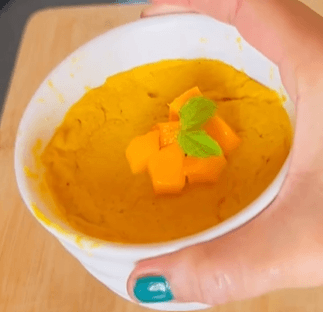
High-Protein Mug Bakes & Breakfast Oats
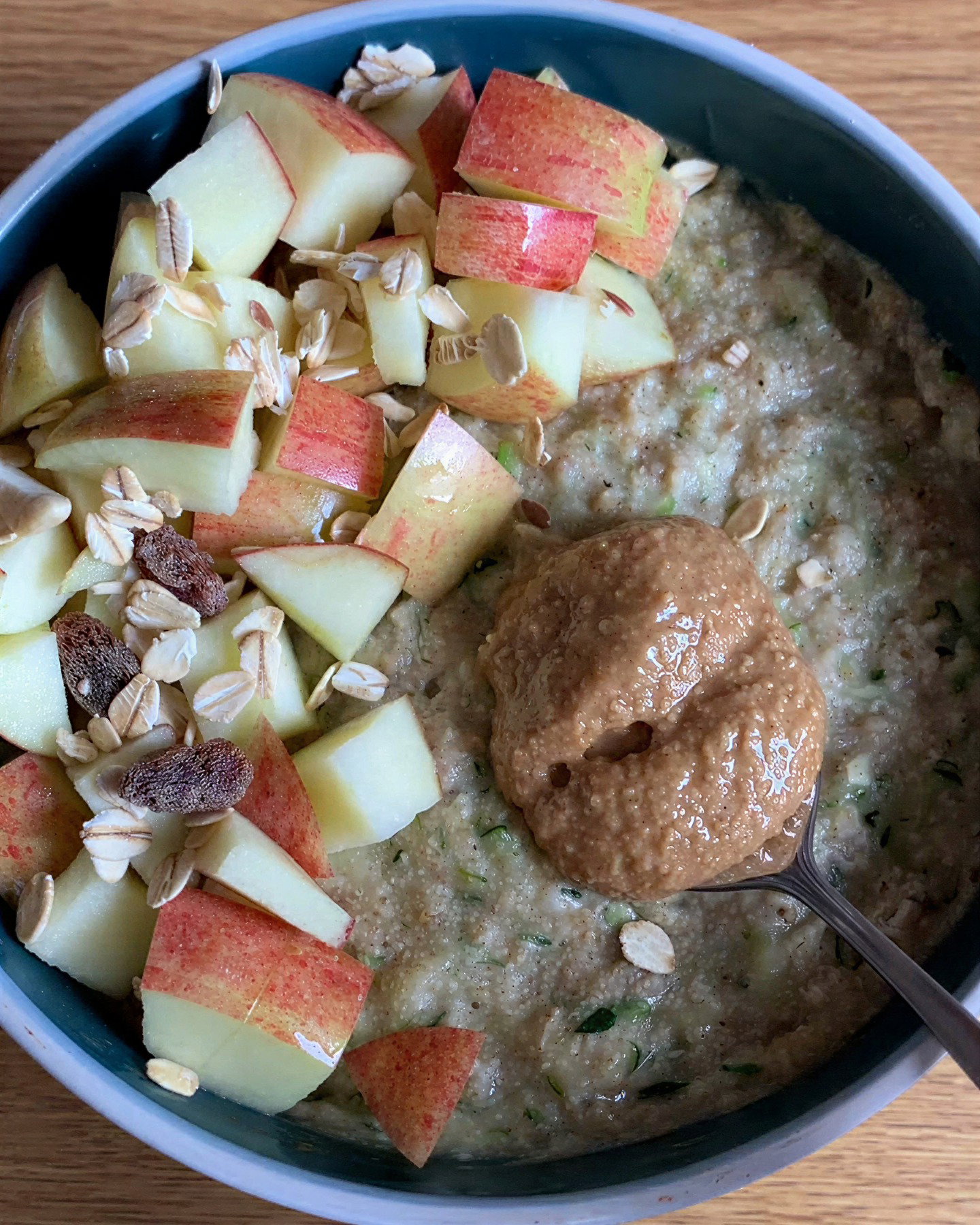
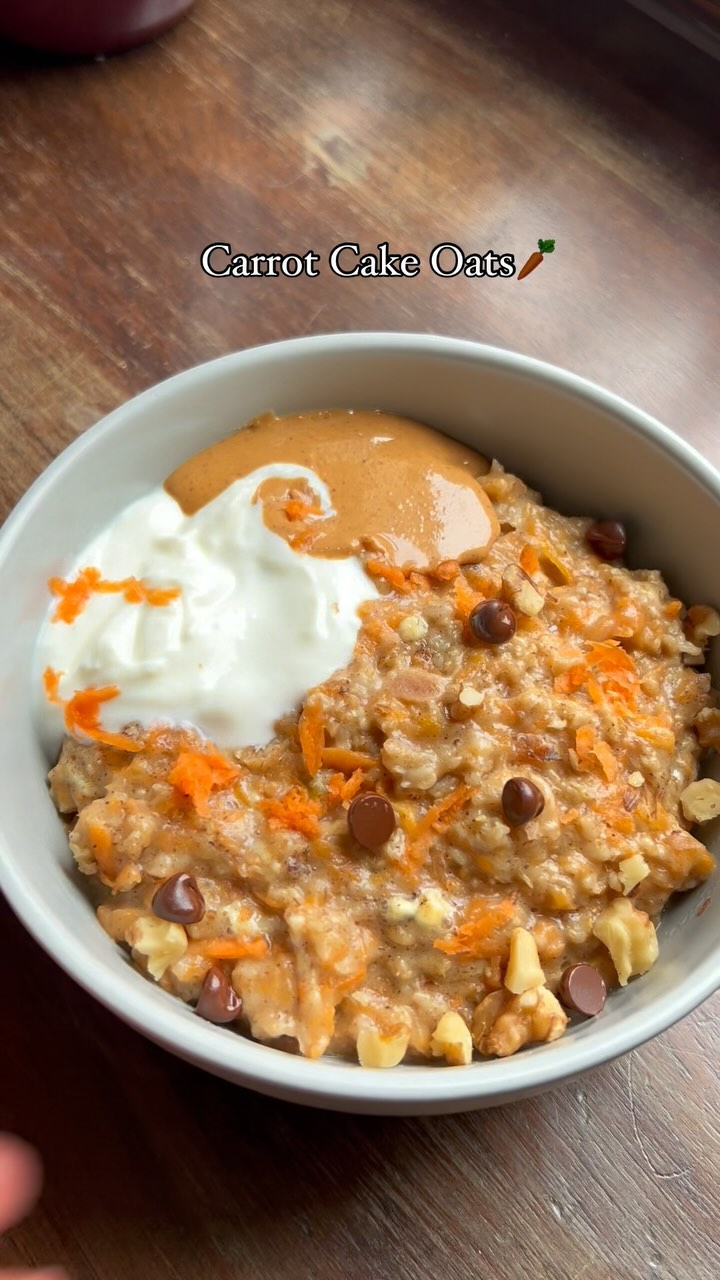
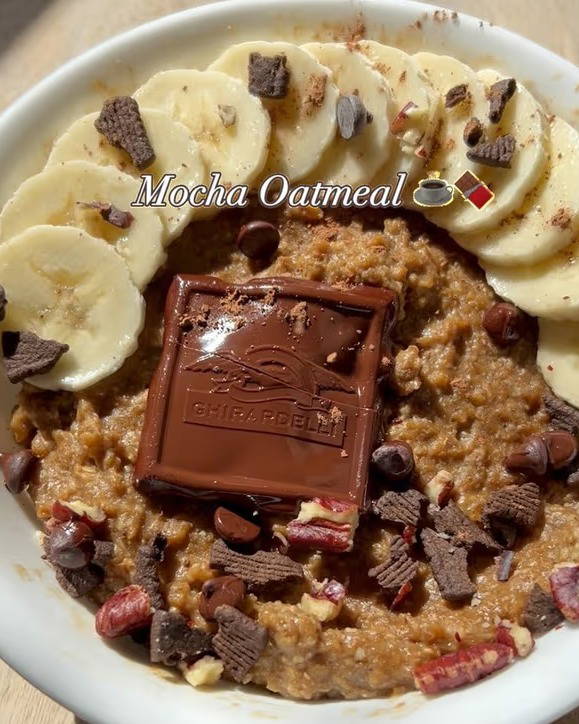
Protein powder is unforgiving. It sets hard and fast, so every bake in this group wants less time than you think. Pull it while the centre still looks underdone and it firms up on the counter into something fudgy rather than squeaky. Oats are the opposite problem: they want a roomy bowl, because they climb the sides and go over. These are the microwave meals I actually eat on weekday mornings, standing up.

- Vegan
- Breakfast

- Gluten-Free
- Dessert

- Vegetarian
- Breakfast

- Gluten-Free
- Snack

- Vegetarian
- Snack
- Vegetarian
- Breakfast

- Vegan
- Breakfast

- Vegetarian
- Dessert

- Vegetarian
- Breakfast

- Vegan
- Dessert

- Vegetarian
- Breakfast
- Vegan
- Breakfast

- Vegetarian
- Dessert
- American
- Vegan
- Snack


- Vegetarian
- Breakfast
- Indian
- Vegetarian
- Breakfast
Savory Microwave Recipes & Kitchen Shortcuts
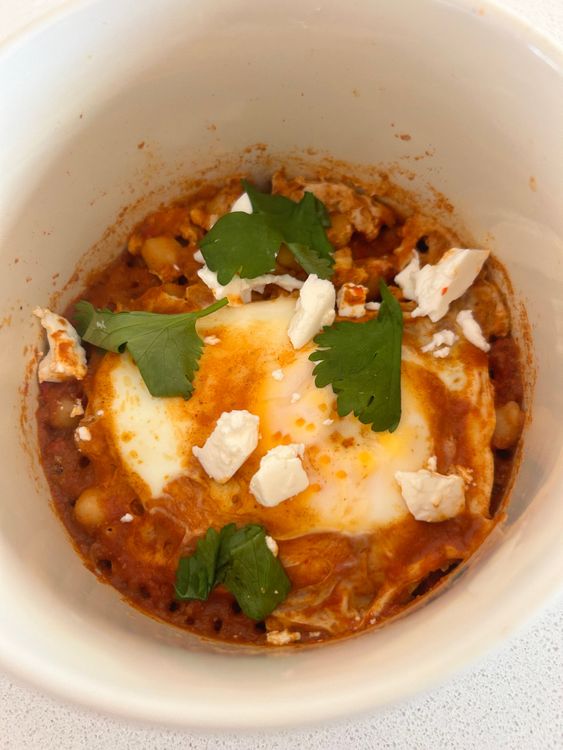
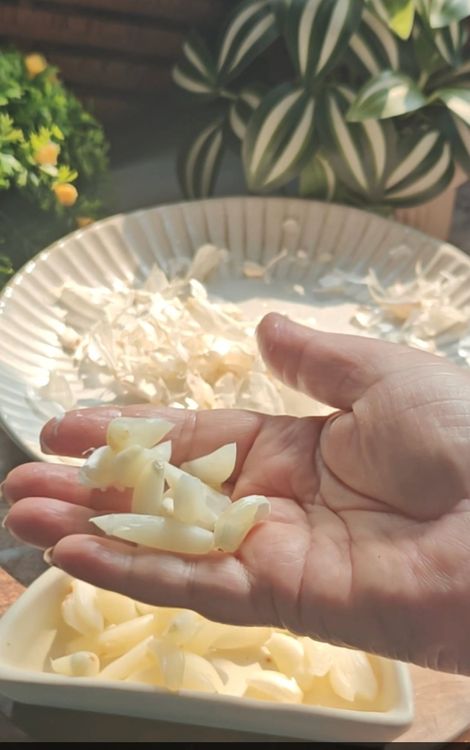
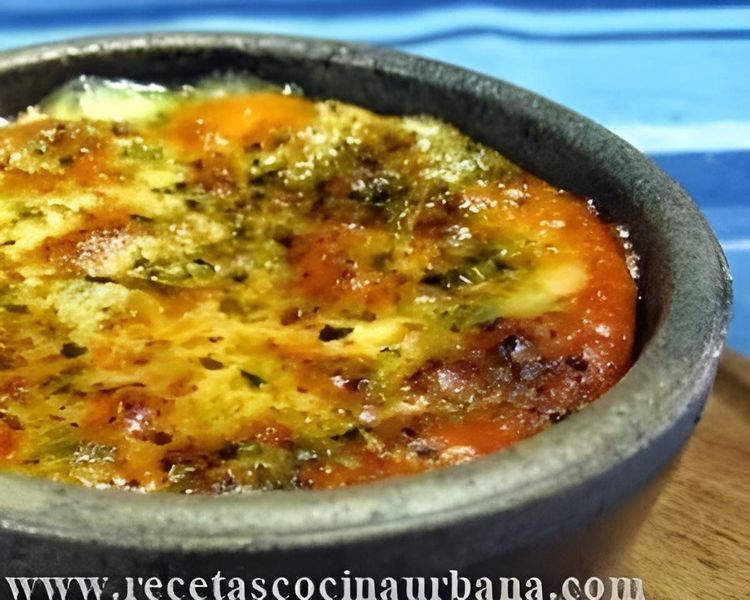
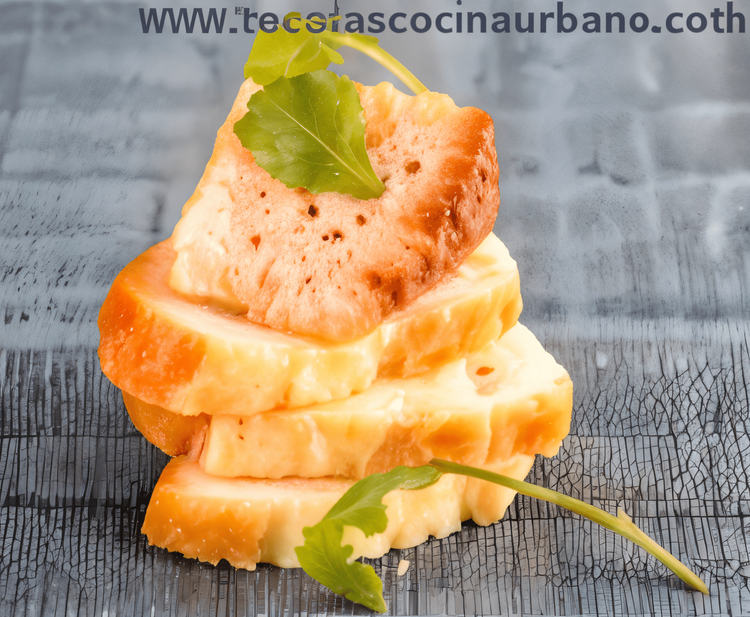
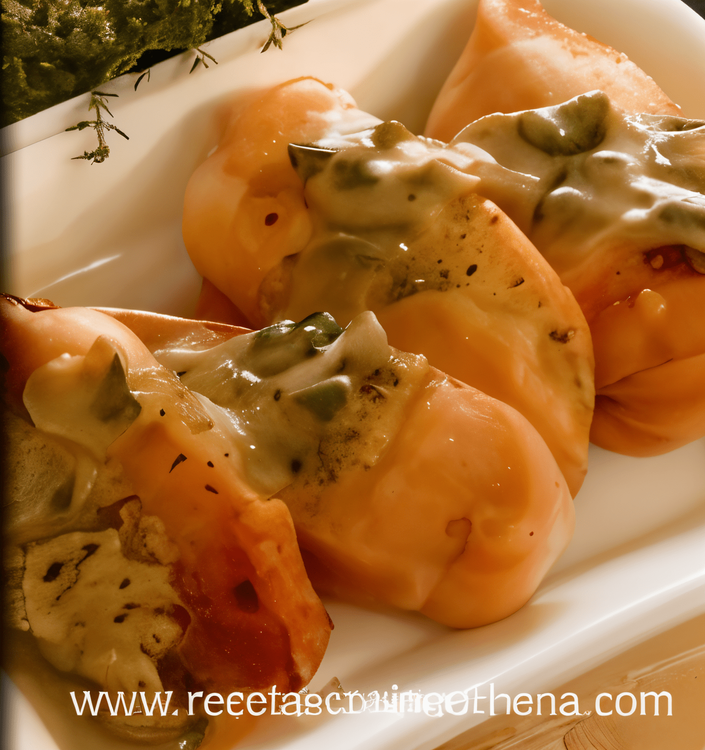
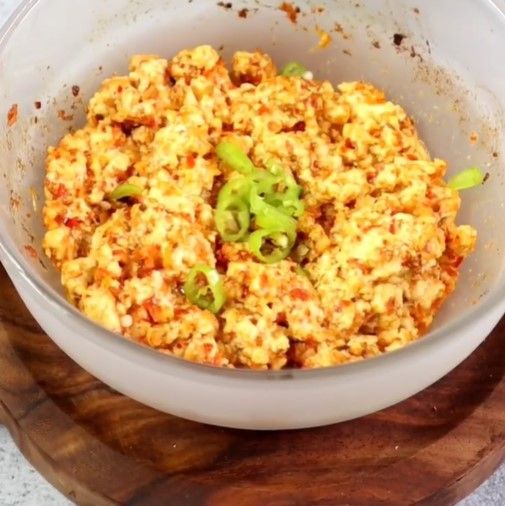
This is where most people give up, usually after one grey chicken breast. Fair enough. But the machine is excellent at gentle, even, wet heat, which is exactly what eggs, paneer, chickpeas, melted cheese and slow fruit pastes want from a cook. Nothing here is pretending to be a grill. These are the savoury microwave meals that genuinely come out well without a flame, plus one peeling trick you will use every week.

- International
- Eggetarian
- Breakfast
- General
- Vegan
- Sauce & Condiment
- Italian
- Vegetarian
- Appetiser
- French
- Non-Vegetarian
- Appetiser
- Spanish
- Vegan
- Snack
- International
- Non-Vegetarian
- Lunch
- Indian
- Vegetarian
- Lunch


- Ghanaian
- Pescatarian
- Breakfast
- Indian
- Vegetarian
- Appetiser

- Eggetarian
- Breakfast
What a Microwave Is Actually Good At
The physics is simple, and it explains everything. The box excites water molecules, they vibrate, friction makes heat. Heat comes from inside the food outward, rather than from a hot surface inward. Every strength and every failure follows from that one fact.
The strengths: anything where you want steam. Vegetables cooked in a covered bowl with a spoon of water come out brighter and better than boiled ones, because none of the flavour leaches into a pot you then pour down the sink. Melting is the other real talent, whether that is chocolate, butter, cheese or caramel, in ten-second bursts with a stir between each. Softening works too, on hard butter, cold honey, stiff peanut butter, garlic skins. And baking a single-serve cake: the mug recipes on this page are really just batter steamed fast enough to set before it dries out.
The failures: browning, and everything downstream of browning. There is no dry, hot surface, so no Maillard reaction, no crust, no sear. A steak goes grey. Chips go limp. Bread goes tough, then leathery. Stop asking for a crust and microwave cooking stops disappointing you, because you are finally asking the machine for the thing it was built to do.
Microwave-Safe Vessels & Power Levels
Glass and ceramic are the safe defaults, with one condition: no metallic trim. That thin gold band on your grandmother's teacup will arc and spark, and so will a lustre glaze. Metal is out entirely: no foil, no cutlery, no takeaway lids with a foil layer. Plastic only when it is explicitly marked for this use, because anything else can warp or leach. And never heat something sealed. A screw-top jar, a vacuum flask, a taped tub: steam has to go somewhere, and a sealed vessel simply becomes a pressure vessel. Vent the lid or leave it ajar.
Power matters more than time, and this is where most timings fall apart. Machines run roughly 700 to 1,100 watts, and older ones are often weaker than the label claims, so a recipe written for a 1,000 watt unit underbakes by nearly half in a 700 watt one. Treat every time here as a starting point, then learn your box. Two hazards in microwave cooking are worth stating. Never cook a whole egg in its shell, and pierce the yolk of a shelled one, because steam builds under the membrane and bursts it. And plain water in a very smooth mug can superheat past boiling without a bubble, then erupt when you jog it. A wooden stirrer gives bubbles somewhere to start.
Pro Tips
- Give it room. A mug should be no more than two-thirds full before you start, because batter climbs and oats climb further. The one time you ignore this is the one time you scrub the whole cavity.
- Cook in bursts, never one long run. Thirty seconds, check, thirty more. You cannot undo an overcooked mug cake, but you can always add another ten seconds to an underdone one. This habit separates good microwave cooking from bad.
- Never cook a whole egg in its shell, and always pierce the yolk of a shelled one with a fork tip first. Steam builds under the membrane and it bursts, sometimes on the plate, sometimes on you.
- Let it stand. Carryover cooking is real: the mug recipes here keep setting for a full minute after the timer stops, which is exactly why pulling it looking slightly wet is correct rather than lazy.
- Cover wet things, uncover dry ones. A plate over a bowl of dal traps steam and cooks it evenly. Most savoury microwave snacks want a cover; the same plate over a cake batter makes the top slick and pale.
- Boiling plain water in a smooth ceramic mug can superheat, with no bubbles and then a sudden eruption when you move it. Drop in a wooden stirrer or a spoon of sugar first, and it boils normally.
Frequently Asked Questions
Are microwave recipes actually worth cooking, or just a compromise?
Both, honestly. For steaming vegetables, melting chocolate, softening butter and baking a single-serve cake, the box beats a hob on speed and often on results too. For anything that needs a crust or a sear, it is a genuine compromise and always will be. Cook to the strengths and quick microwave food stops feeling like second best.
What wattage are these times written for?
Wattage is the biggest variable in microwave cooking; most times here assume a 900 to 1,000 watt machine. If yours is 700 watts, add roughly forty per cent to every time; if it is 1,200, cut about fifteen. The reliable method is to run one plain vanilla mug cake at the stated time, see how far off it lands, then apply that same offset to everything else.
Why did my mug cake come out rubbery?
You cooked it about twenty seconds too long. The mug recipes here share one failure mode: gluten and egg proteins tighten fast under this heat, and unlike an oven there is no gentle ramp to warn you. Pull it while the very centre still looks glossy and underdone, then leave it on the counter for sixty seconds. Carryover heat finishes the job.
Can I cook a proper meal in a dorm room with nothing else?
Yes, within limits. Eggs, paneer, chickpeas, oats, instant noodles, dal and most vegetables all cook well, and a rice pot designed for the job works too. What you cannot do is brown anything, so build around dishes never meant to be crisp. The microwave meals in the savoury section above are exactly that list.
Which containers are safe, and which will ruin my day?
Plain glass and ceramic without metallic trim are the safe defaults. No foil, no cutlery, no gold-rimmed china, no takeaway lids with a metal layer. Plastic only when it is explicitly labelled for this use. And never anything sealed: a closed jar or a taped tub becomes a pressure vessel, because the steam has nowhere to go.
Are microwave snacks any healthier than fried ones?
Usually, and mostly by accident. You are cooking with steam and almost no added fat, and vegetables keep more of their vitamin C than they do in a pot of boiling water. That said, a mug cake is still cake. The honest win here is portion size, because the vessel caps you at one serving.
Is there anything I genuinely should not put in?
Four things. Whole eggs in the shell, which explode. Any sealed container, which becomes a pressure vessel. Metal of any kind, which arcs and can damage the machine. And grapes, which is a real and genuinely strange phenomenon that produces plasma. Beyond that, plain water in a very smooth vessel can superheat and erupt, so add a stirrer.
None of this is a compromise once you know what you are holding. The best microwave recipes lean into steam, speed and single portions instead of fighting for a crust that was never coming anyway. Start with the plain vanilla mug cake, learn your own machine's real timing, and the other ninety-nine get easy fast.
Related
- mug cake
- single serving
- dorm cooking
- no oven
- quick desserts
- high protein
Popular Searches
- Best microwave recipes
- Easy microwave recipes
- Quick microwave recipes
- Healthy microwave recipes
- Simple microwave recipes
- Homemade microwave recipes
- Delicious microwave recipes
- Popular microwave recipes
- microwave meals
- microwave cooking
- mug recipes
- microwave snacks
Marnirni-apinthi Building, Lot Fourteen,
North Terrace, Adelaide, South Australia, 5000
Australia
