
Top 100 Low Carb Recipes: Easy Dinners, Veg Swaps, Breakfasts and More
Updated June 29, 2026 · Curated by Chefadora
Low carb recipes are less about deprivation than about rebuilding a plate around the parts that satisfy: protein, fat and vegetables, with the starch quietly swapped out or scaled back. Done well, you barely notice what is missing — a garlic-butter salmon, a creamy chicken skillet, cauliflower fried rice that genuinely tastes fried. The recipes below were chosen to show that range rather than ten variations on a bunless burger, spanning weeknight dinners, smart vegetable swaps, easy breakfasts and even dessert.
The reason low carb feels so doable once you have the technique is that fat and seasoning carry flavor better than carbohydrate ever did. A plain boiled potato is bland; a wedge of roasted cauliflower tossed in olive oil, salt and parmesan is not. The trick is treating the substitution as its own dish with its own seasoning and cooking method, not as a sad stand-in, and learning the handful of moves — searing hard, drying vegetables well, building richness — that make low-carb food crave-able.
You will find four clusters here: protein-forward dinners and mains, the cauliflower and vegetable swaps that replace rice and pasta, low-carb breakfasts and snacks, and desserts and fat bombs for the sweet finish. The same handful of principles runs through all of them — dry your ingredients, sear hot, lean on fat and seasoning, count net carbs honestly — so once you nail a couple of dinners and one good swap, the rest of the page opens up quickly and you stop needing to think about it.
Treat this as a working reference rather than a one-off read. Each recipe links to full ingredients and steps on Chefadora, and the guides below cover the things that actually decide whether low-carb cooking sticks for the long haul: how to count net carbs and build a balanced plate, how to coax water-heavy vegetables into browning instead of steaming, which sweeteners and flours actually behave, and how to meal-prep in components so the plan survives even your busiest week.
Low Carb Dinners & Mains
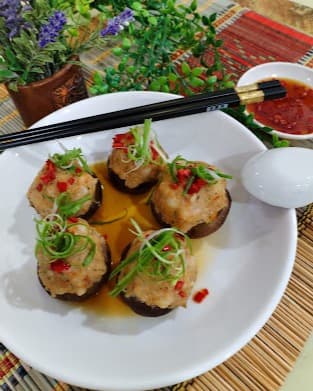
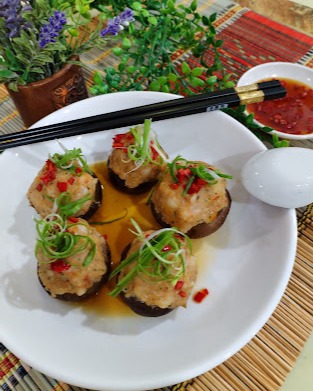
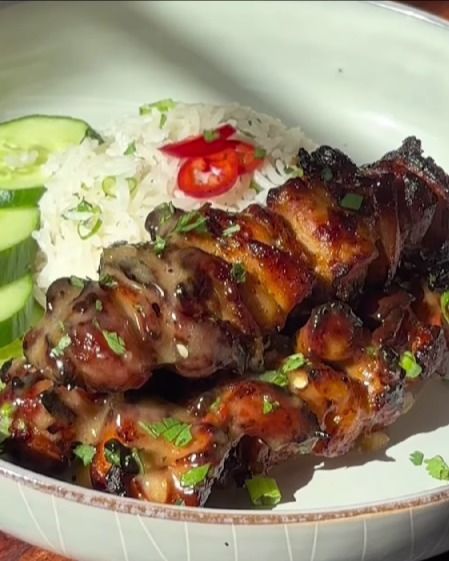
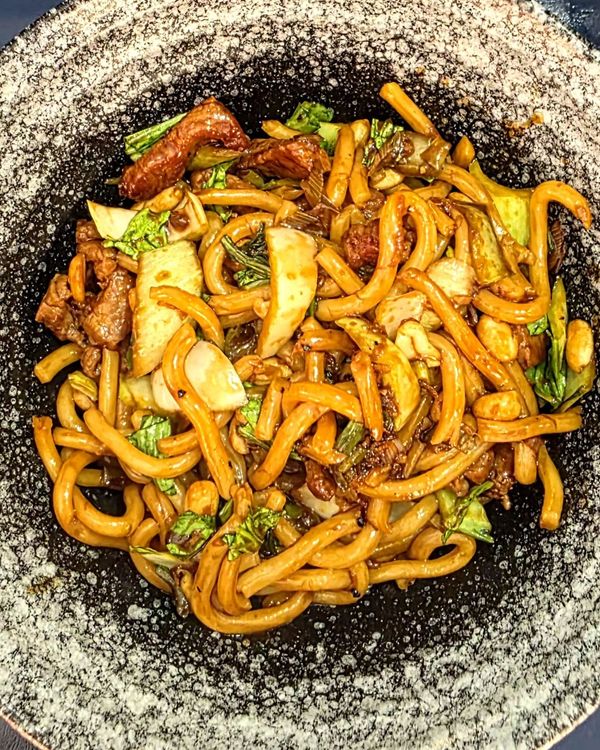
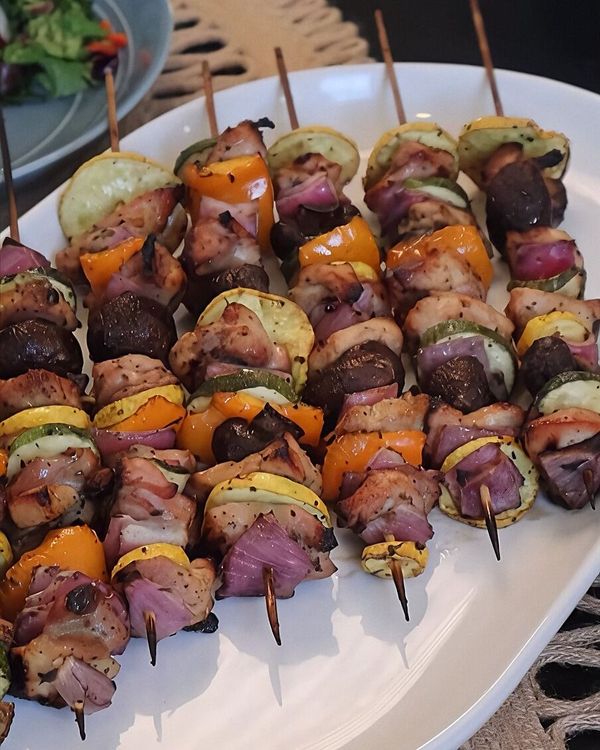
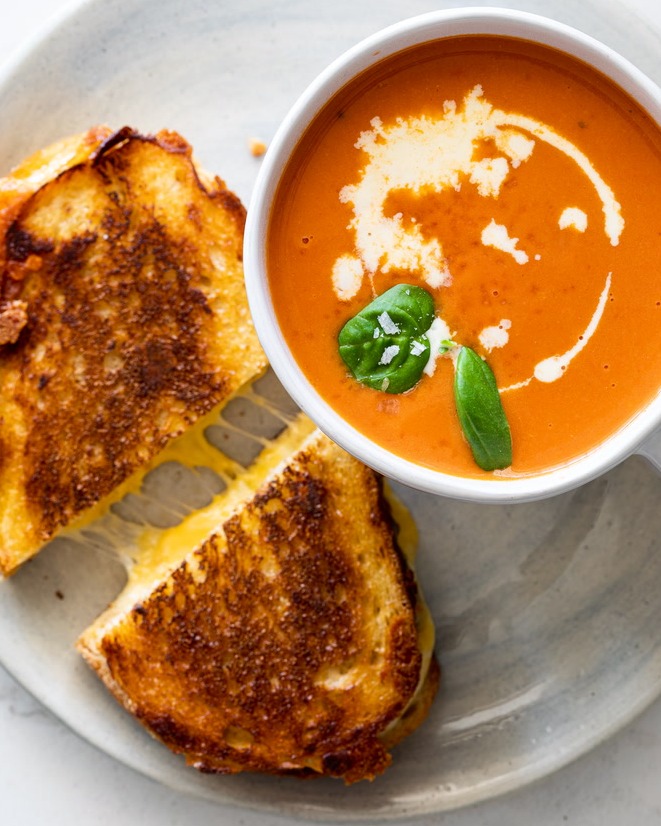
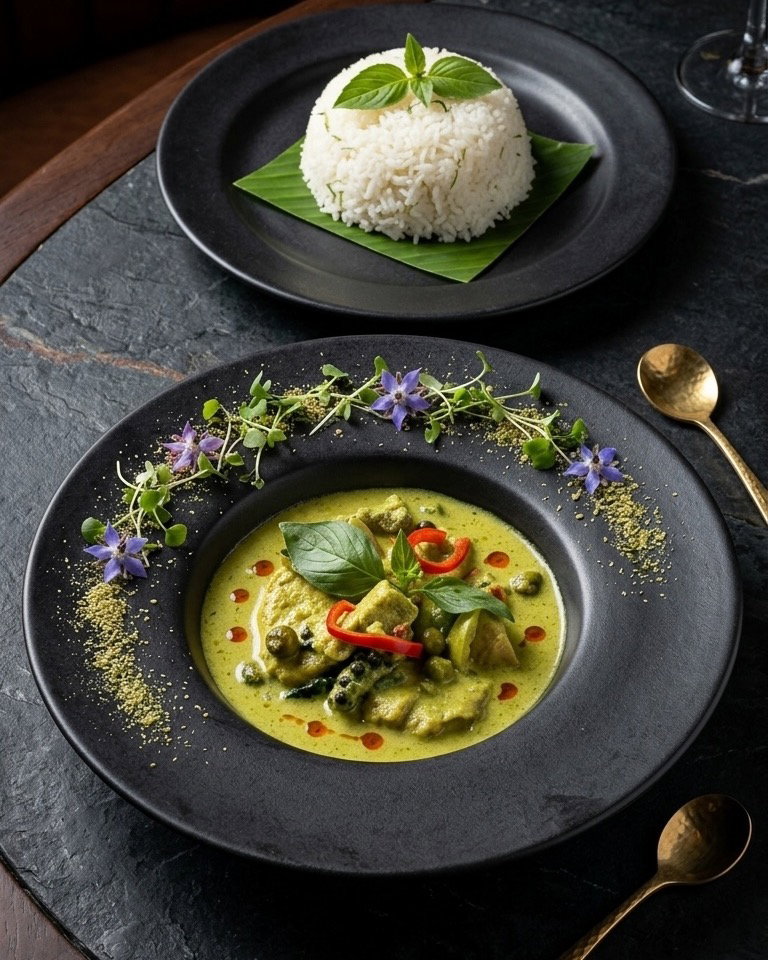
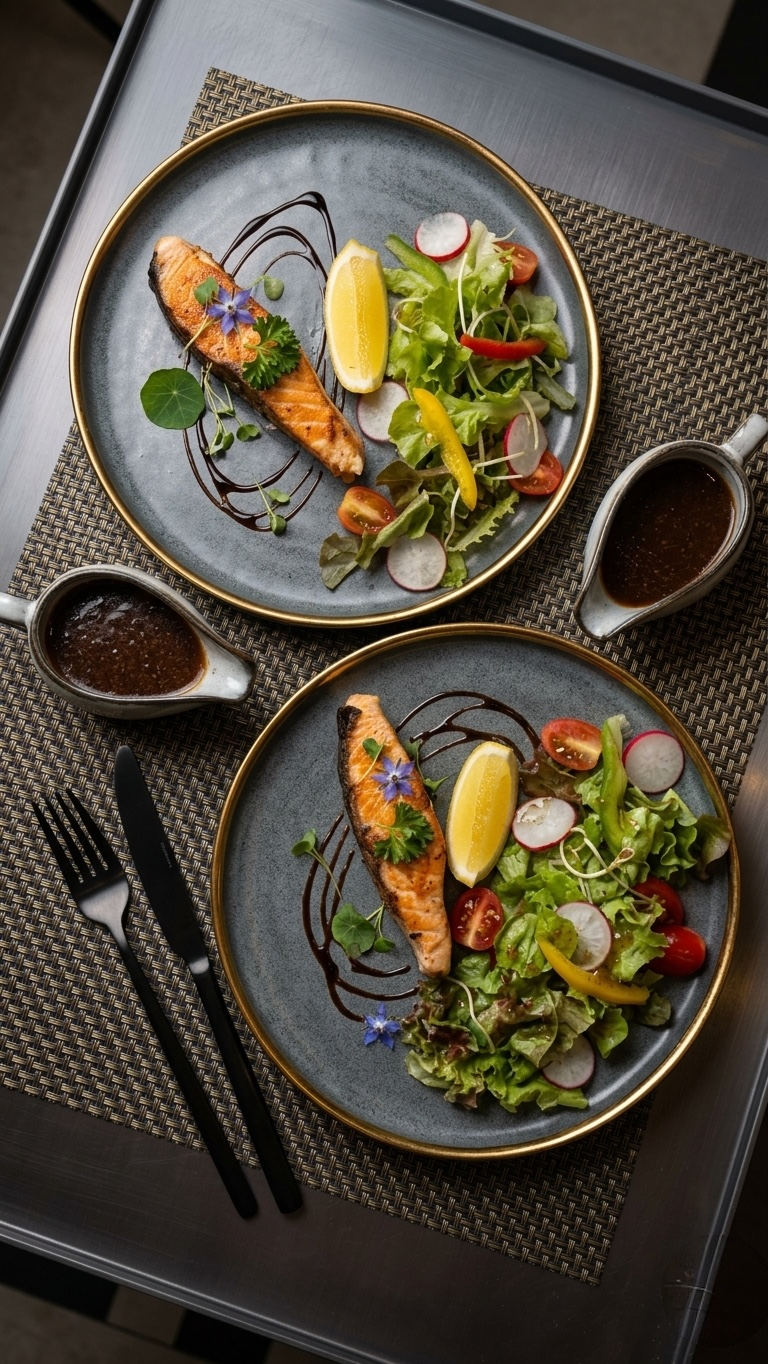
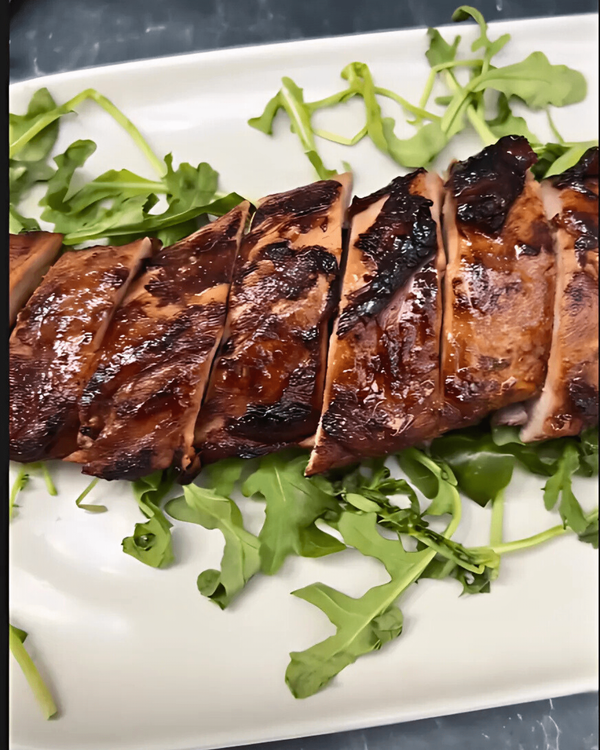
Dinner is where low-carb cooking earns its keep, because a protein-forward plate was never really missing the rice in the first place. The move is to make the protein genuinely good rather than relying on a side to carry it: pat chicken thighs or salmon bone-dry, lay them into a hot, oiled pan and leave them undisturbed until a deep golden crust forms before you touch them, because that sear is where the flavor lives. Crowding a lukewarm pan is the classic mistake, since it steams the meat grey and weeps liquid everywhere; give each piece room and let it color. From there, fat does the work starch used to: a swirl of garlic butter, a spoon of cream cheese melted into the pan, a handful of cheese under the broiler on a casserole. Build the plate as protein plus a generous pour of fat plus a pile of low-carb vegetables, season boldly at the end, and you have a dinner that satisfies for hours rather than leaving you hunting the pantry an hour later. These are the weeknight anchors worth rotating through. Standouts here include Steamed Stuffed Fresh Mushrooms with Seafood Paste and Bang Bang Chicken Skewers, plus Air Fryer Shrimp Dumpling Spirals.
- Asian
- Pescatarian
- Appetiser

- Asian
- Non-Vegetarian
- Dinner


- Asian
- Pescatarian
- Appetiser
- American
- Non-Vegetarian
- Lunch

- Asian
- Non-Vegetarian
- Dinner

- Asian
- Non-Vegetarian
- Lunch


- Non-Vegetarian
- Lunch
- American
- Non-Vegetarian
- Lunch

- Asian
- Non-Vegetarian
- Lunch


- American
- Non-Vegetarian
- Dinner
- Latin American
- Non-Vegetarian
- Lunch
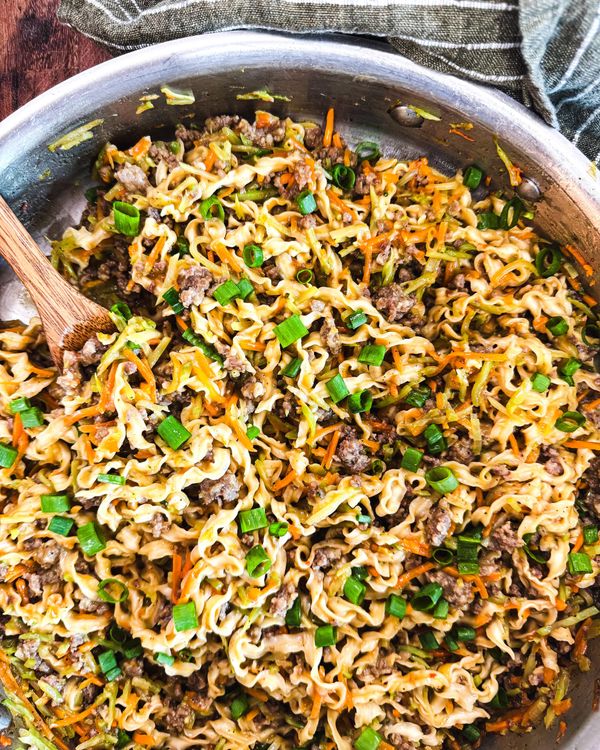
- Asian
- Non-Vegetarian
- Lunch
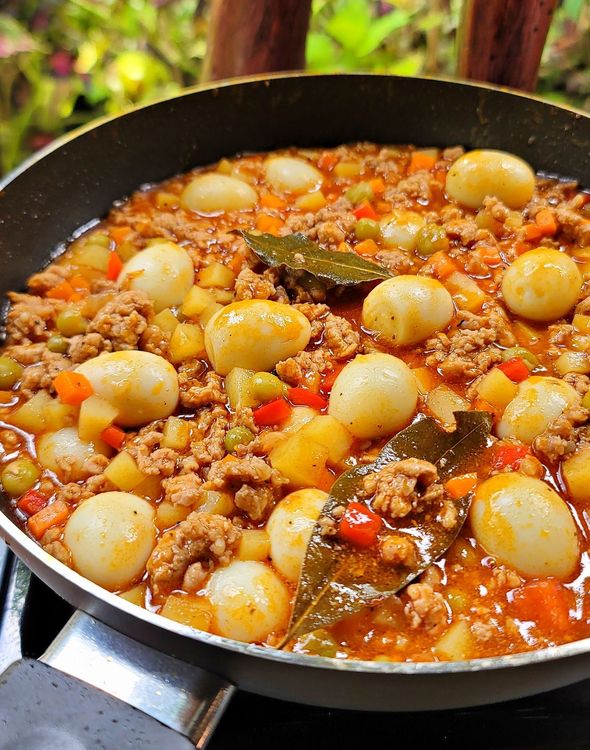

- Filipino
- Non-Vegetarian
- Lunch
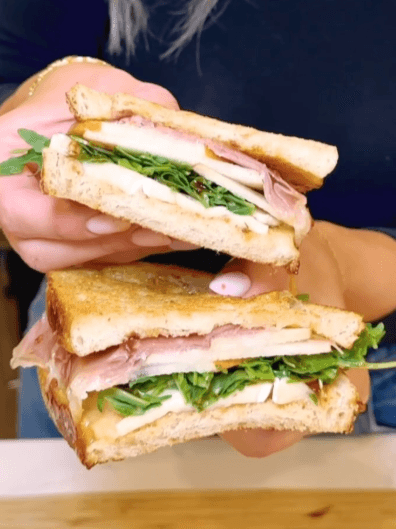

- American
- Non-Vegetarian
- Lunch
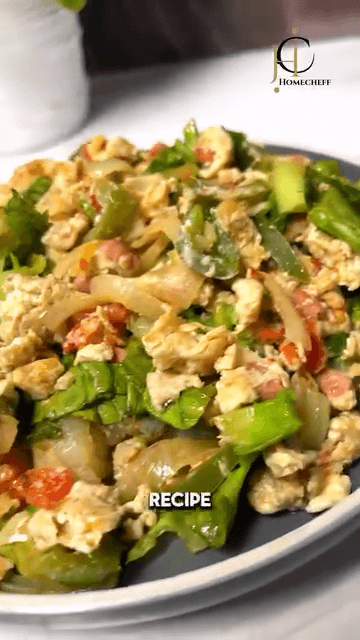

- American
- Non-Vegetarian
- Breakfast

- American
- Non-Vegetarian
- Appetiser
- Ghanaian
- Vegan
- Sauce & Condiment

- American
- Non-Vegetarian
- Lunch
- American
- Vegetarian
- Lunch
- American
- Non-Vegetarian
- Dinner
- American
- Non-Vegetarian
- Dinner

- Non-Vegetarian
- Lunch
- Pescatarian
- Lunch
- American
- Non-Vegetarian
- Lunch
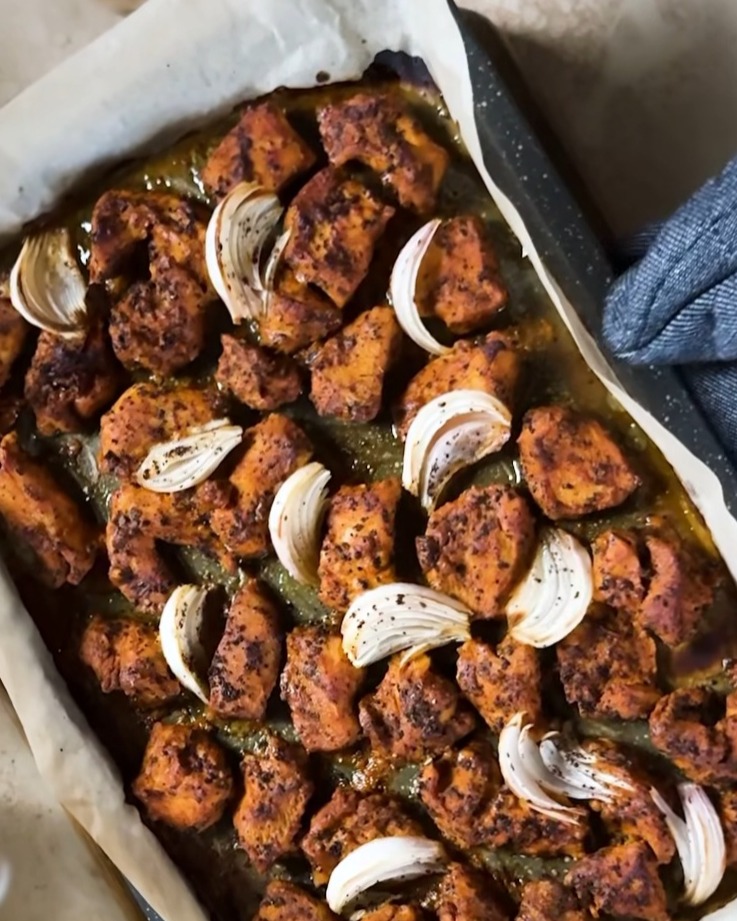
- Middle Eastern
- Non-Vegetarian
- Dinner

- American
- Non-Vegetarian
- Dinner
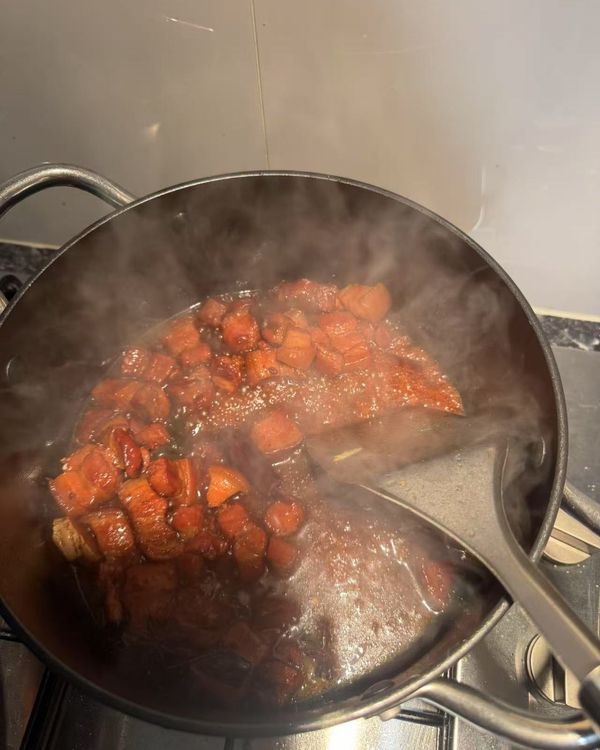
- Chinese
- Non-Vegetarian
- Lunch
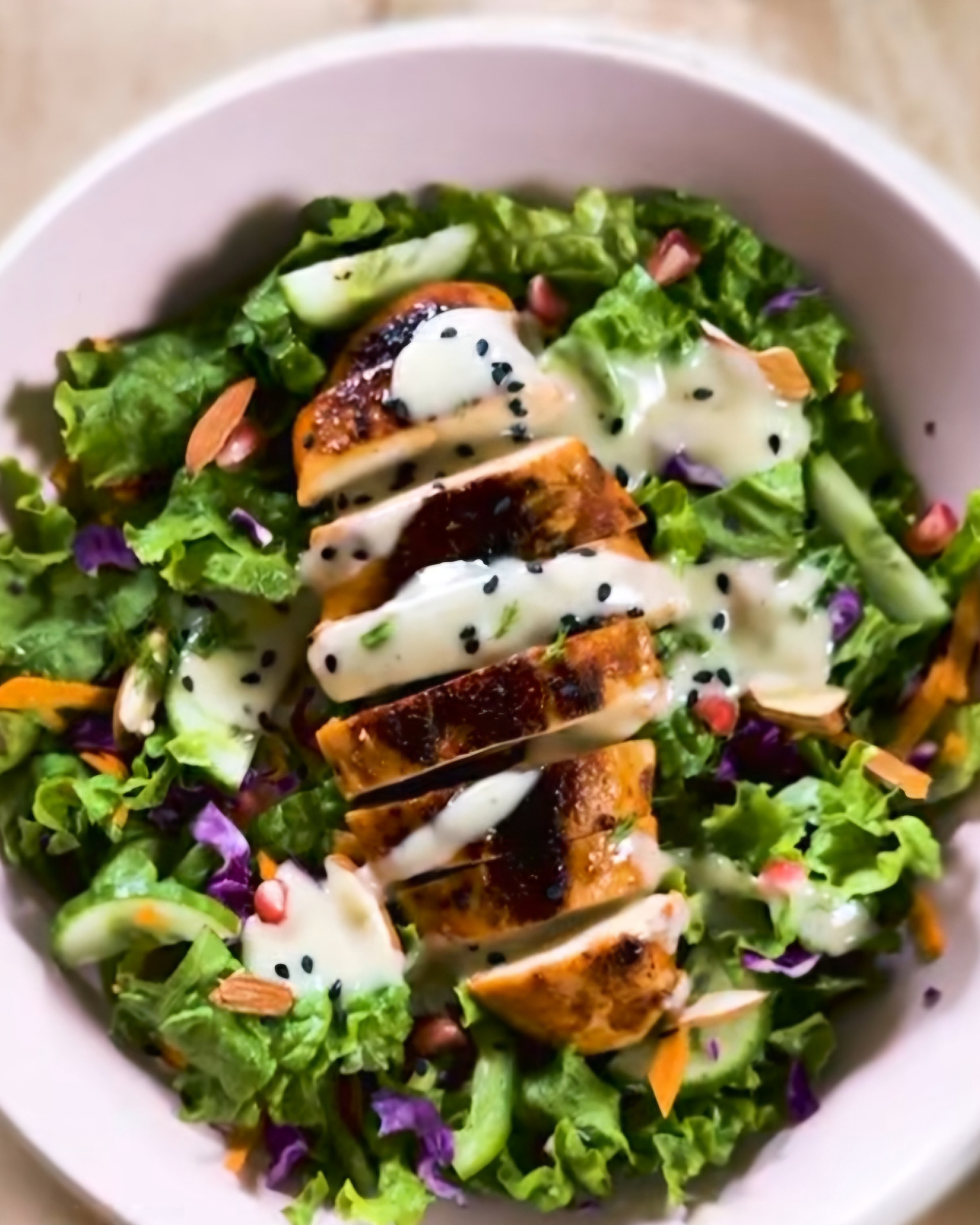
- Fusion
- Non-Vegetarian
- Lunch
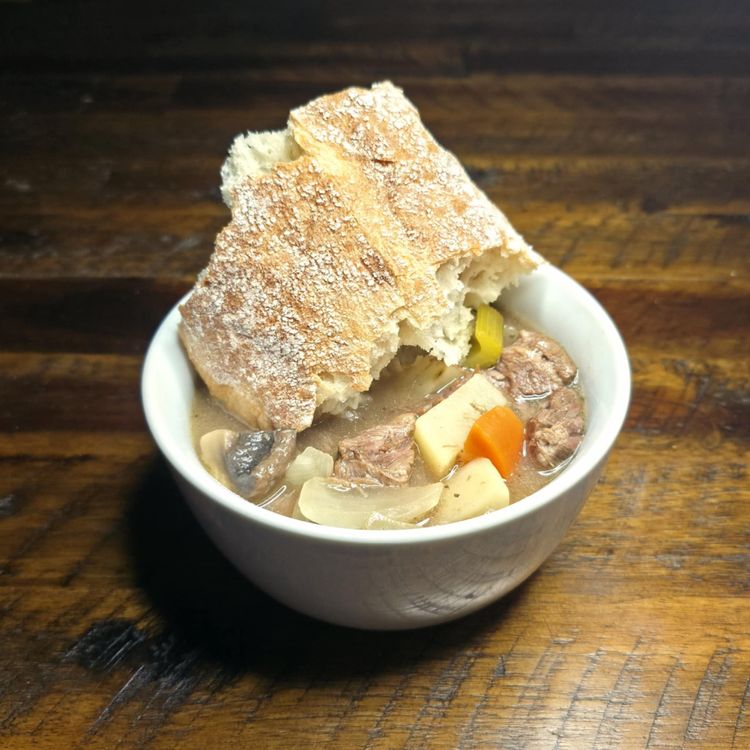

- American
- Non-Vegetarian
- Dinner
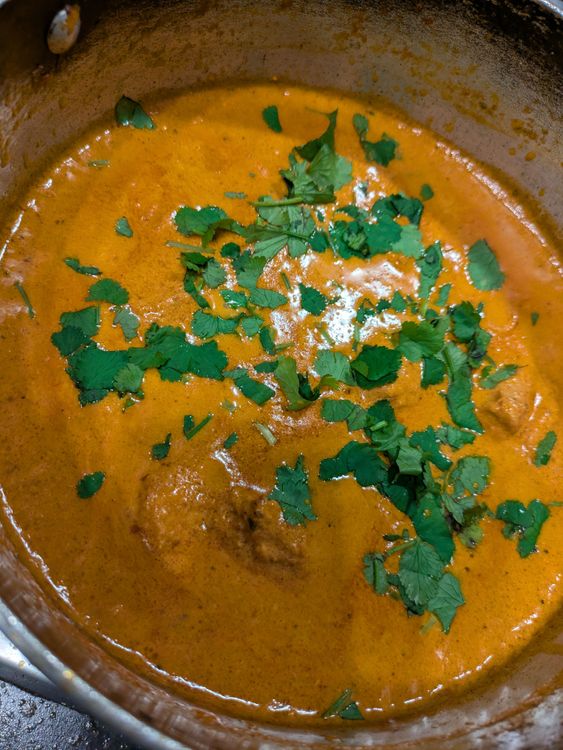
- Indian
- Non-Vegetarian
- Dinner
Cauliflower & Veg Swaps
This is the cluster that decides whether low carb feels like a diet or just like dinner, because a good swap stands in for rice or pasta so convincingly you stop missing the original. The whole game is water. Cauliflower and zucchini are mostly moisture, and if you tip them into a cool, crowded pan they dump it all at once and stew into a soggy, grey heap. Beat that before you cook: salt riced cauliflower and squeeze it dry in a clean towel, or salt and rest zucchini noodles for ten minutes and blot them hard, and you will be amazed how much liquid you pull out. Then cook hot and thin, in a wide pan over medium-high heat with a real film of fat, spread in a single layer and left alone for a minute so the surface browns instead of steaming, working in batches if you must. Season like you mean it, because water-heavy vegetables dilute flavor; browned butter, garlic, parmesan, soy or coconut aminos and a squeeze of acid are what make cauliflower fried rice taste fried and mashed cauli taste like the real comfort it is replacing. Standouts here include Low-Carb Zucchini Rings + Creamy Zesty Dip and Low Carb Taco Sandwich (Viral Cheesy Cauliflower Fold), plus Low-Carb Zucchini Rings with Creamy Zesty Dip.
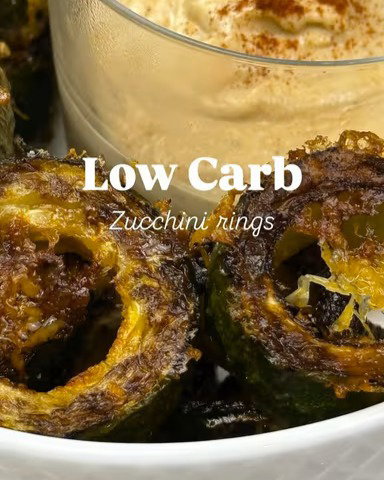

- Vegetarian
- Snack

- Non-Vegetarian
- Lunch

- Vegetarian
- Snack
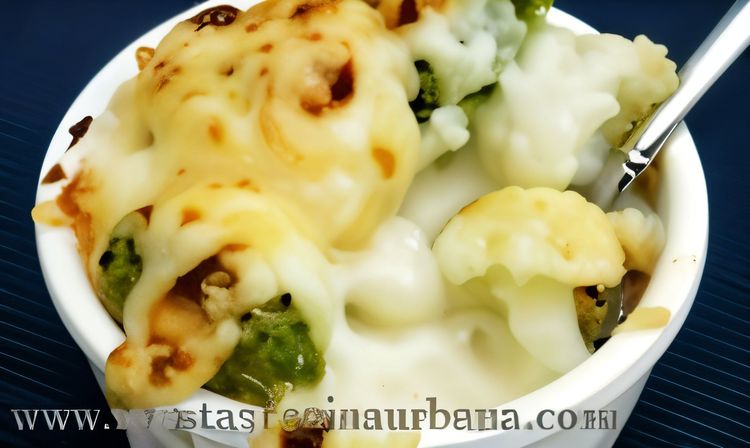
- Mediterranean
- Non-Vegetarian
- Lunch
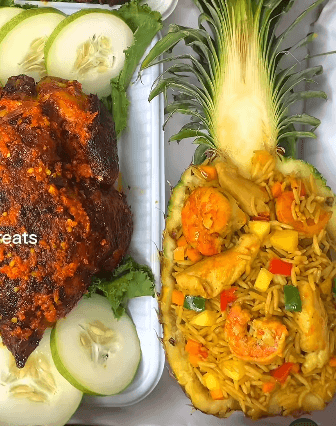

- African
- Non-Vegetarian
- Dinner
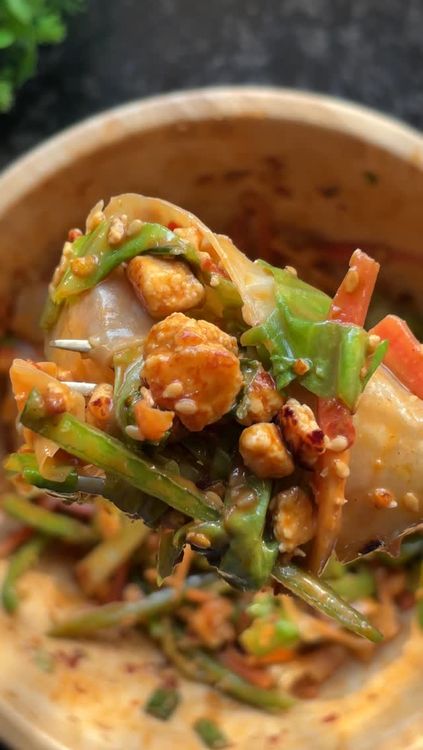
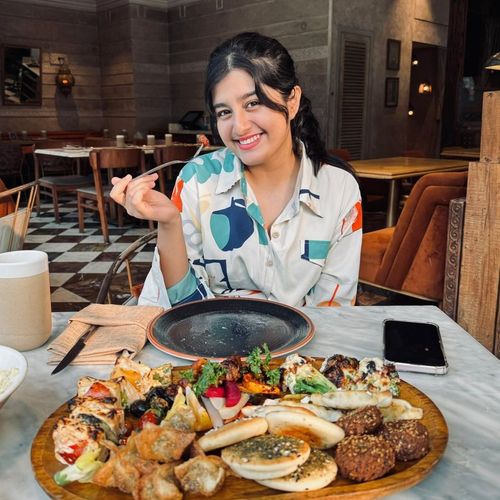
- Fusion
- Vegetarian
- Lunch
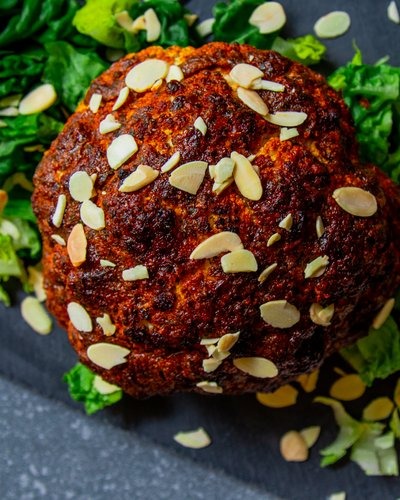

- Mediterranean
- Vegetarian
- Main Course
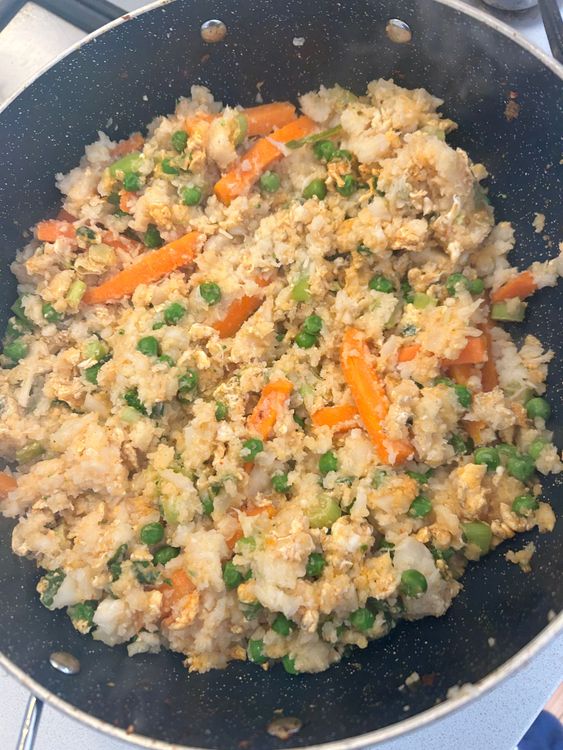

- Asian Fusion
- Eggetarian
- Lunch
Low Carb Breakfast & Snacks
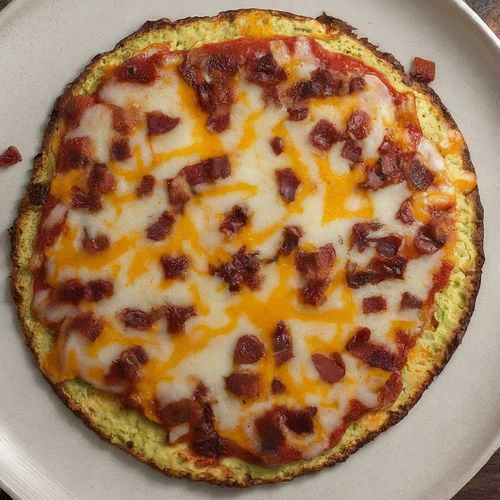
Mornings are where low-carb plans quietly fall apart, because the default breakfast is toast, cereal or a pastry, and the fix is to have something protein-rich and genuinely good ready to go. Eggs are the backbone here, endlessly adaptable into omelets, frittatas you slice for the week, and muffin-tin egg cups that travel; the trick is to cook them low and slow for softness rather than blasting them into rubber, and to fold in fat and flavor — cheese, bacon, avocado, sautéed vegetables — so they keep you full past mid-morning. Avocado bowls and a smear of nut butter add the healthy fat that staves off the eleven-o'clock slump, and the snack side of this group is about having grab-able bites that do not derail you: cheese crisps baked until lacy and golden, deviled eggs, jerky, a handful of nuts. The principle that ties it all together is to plan and prep ahead, because the failure mode of low carb is being caught hungry with no compliant option in reach. Batch these on the weekend and the hardest meal of the day takes care of itself. Standouts here include Egg Kurma and Healthy, Low-Carb, Gluten-Free Sweet Potato Avocado Toast, plus Healthy, Low-Carb, Gluten-Free Eggplant Mini Pizzas.
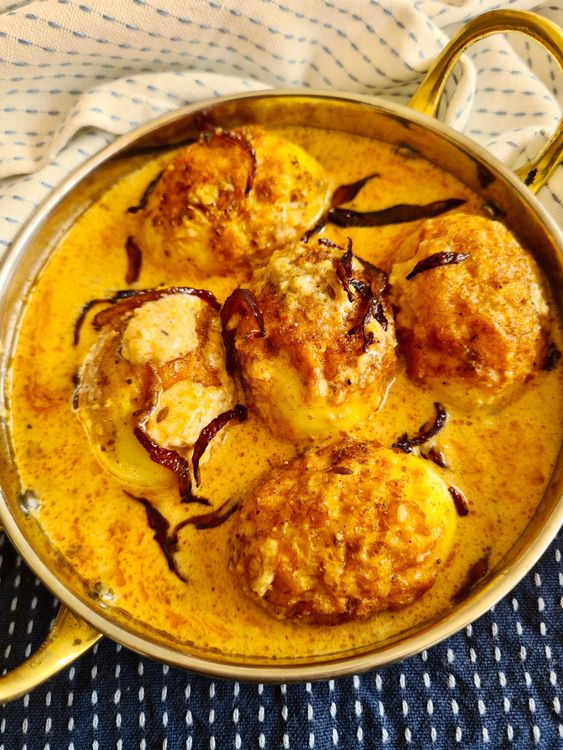

- Indian
- Eggetarian
- Lunch

- Non-Vegetarian
- Lunch
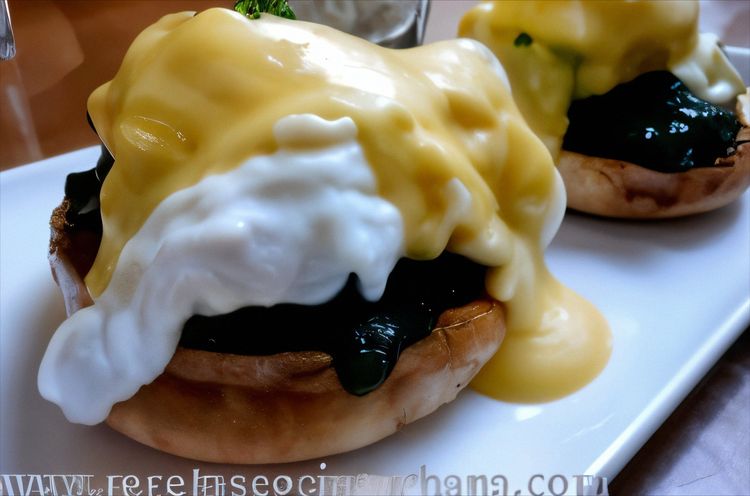
- French
- Eggetarian
- Dinner


- American
- Non-Vegetarian
- Side Dish
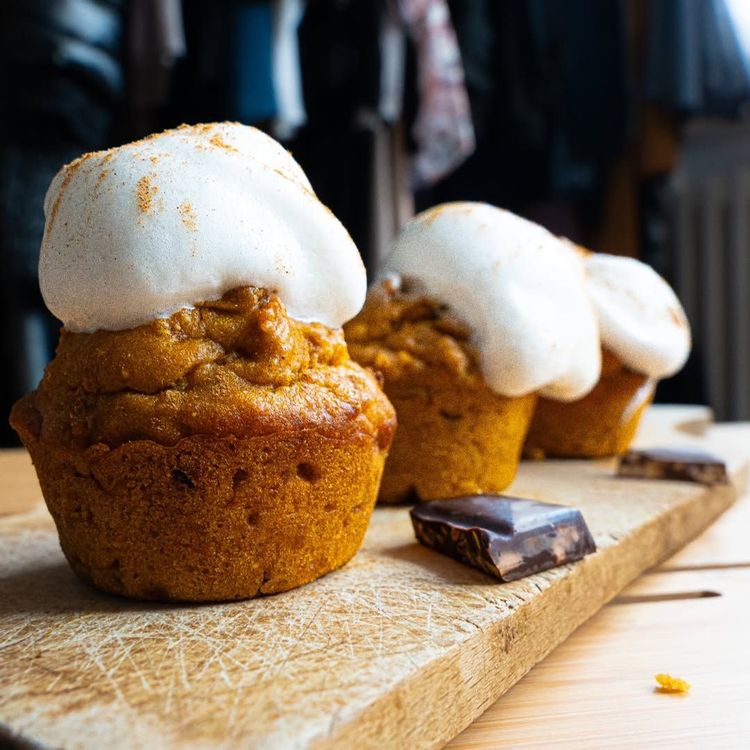
- International
- Vegan
- Breakfast
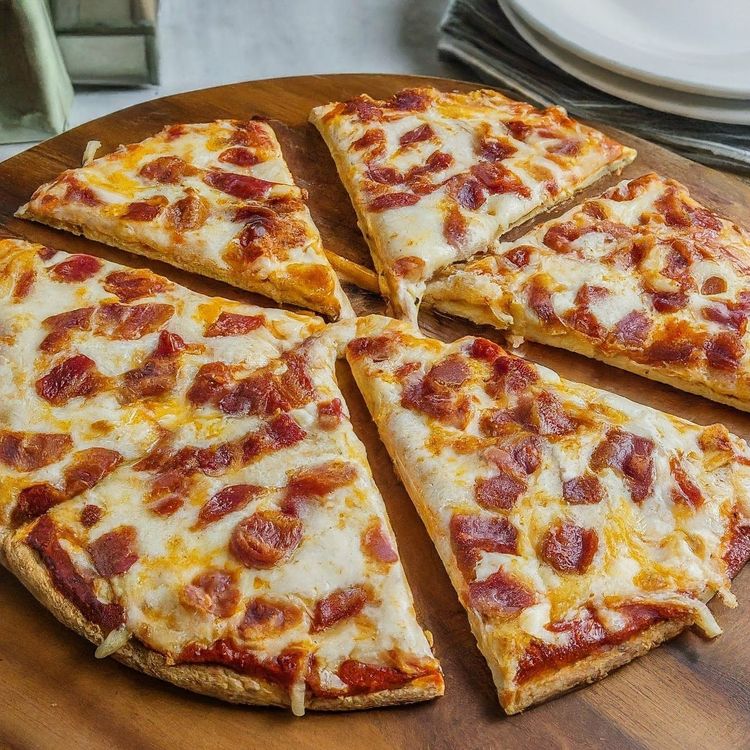
- American
- Non-Vegetarian
- Side Dish
- Global
- Vegan
- Lunch
More Low Carb Favourites
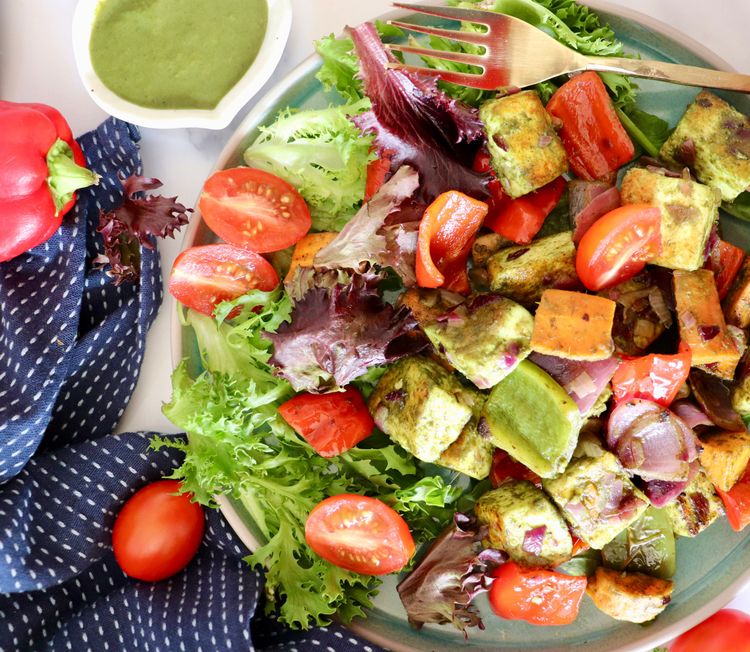
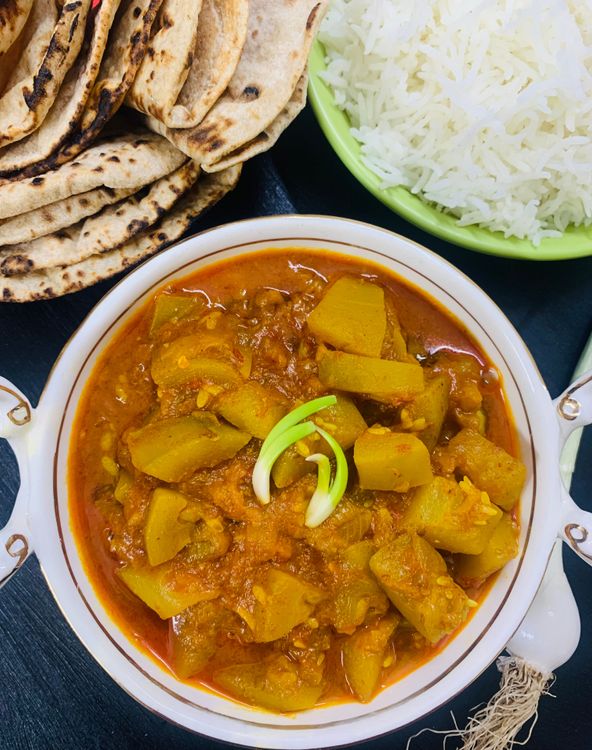
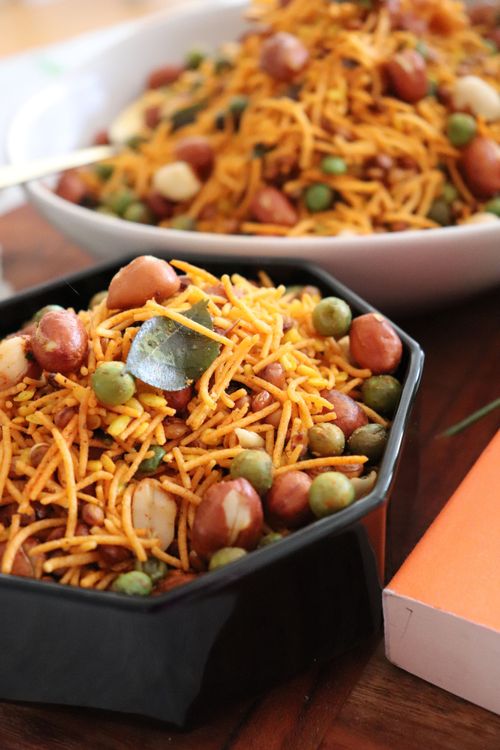
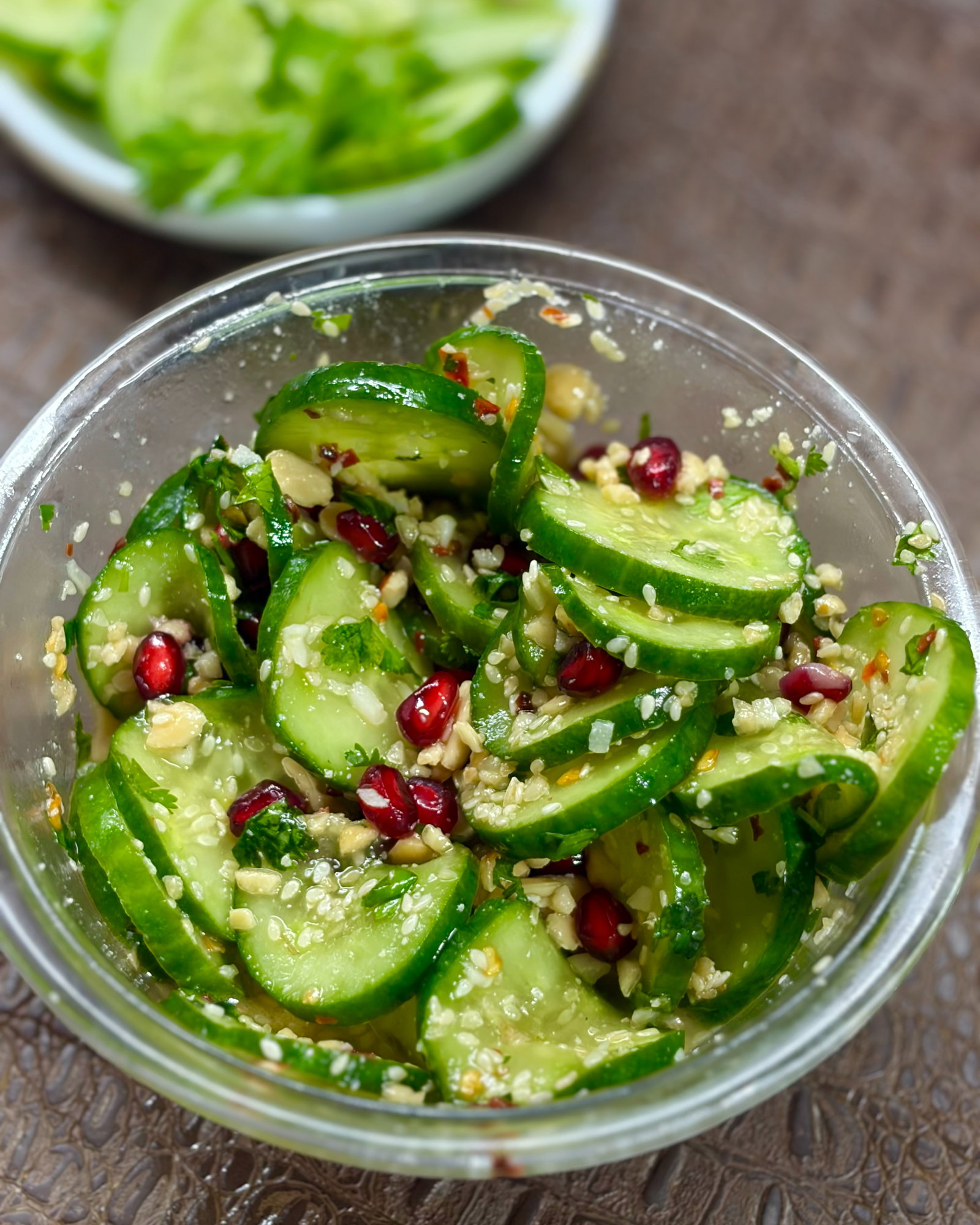
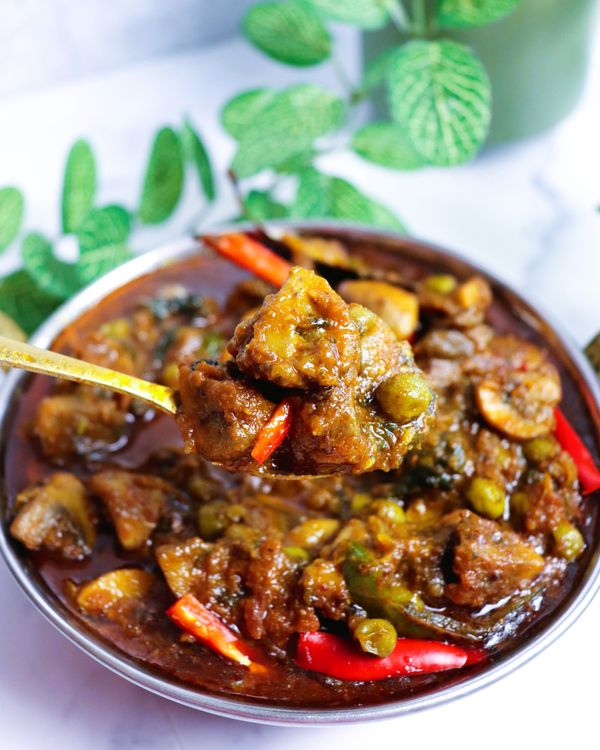
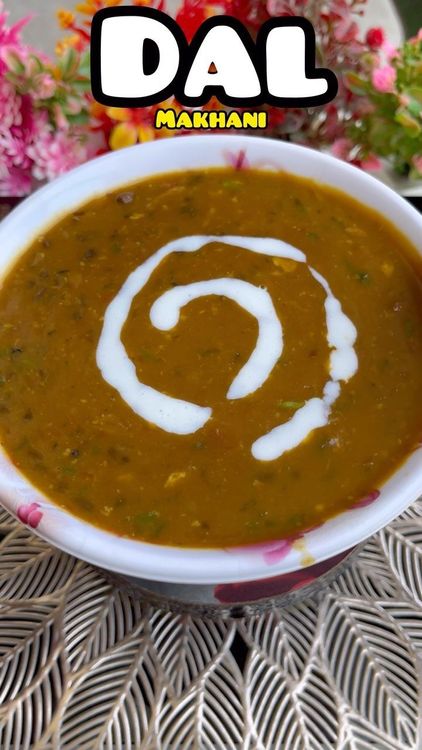
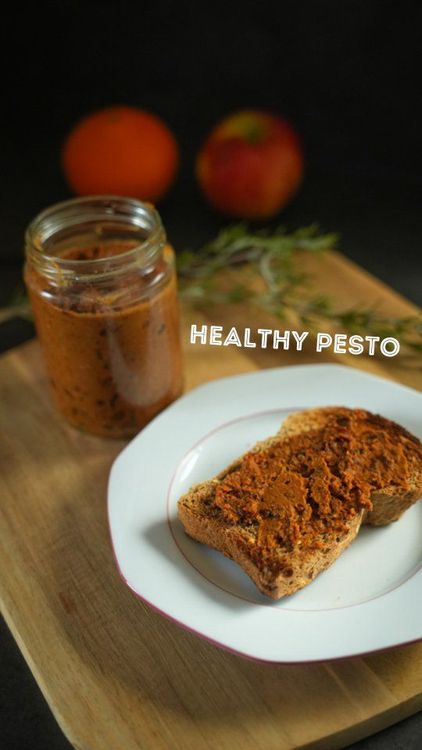
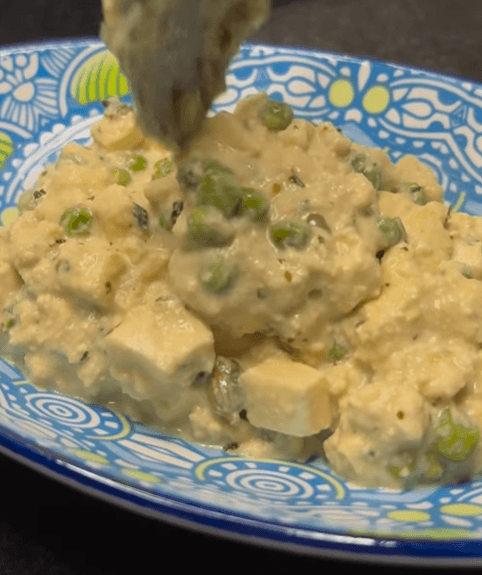
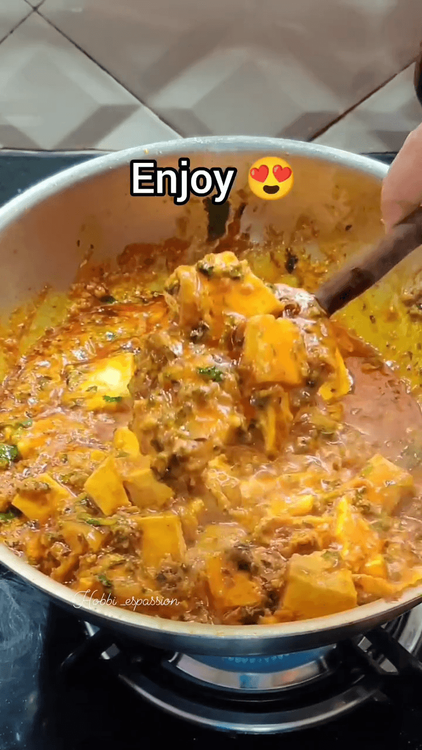
A few sweet and savory ideas never quite fit a single category, and these are the ones worth keeping in your back pocket once the staple dinners, swaps and breakfasts feel routine. They lean on the same handful of techniques you already know — a confident hard sear, a vegetable dried and browned rather than steamed, a fat-rich finish, a sugar-free sweetener handled with respect — but steer them toward different textures and flavor profiles so low-carb eating never tastes the same twice. Picking your next one is mostly about matching effort to mood: reach for a quick skillet, a tray of roasted vegetables or a no-cook fat bomb on a busy night when you want something on plan in fifteen minutes, and save the layered casseroles and almond-flour bakes for a weekend when you can let things brown and set properly. Pay attention to the same fundamentals throughout — dry your ingredients, cook hot and uncrowded, count net carbs honestly, and season boldly — and any new dish slots neatly into the rotation. Think of this group as the natural next step after the basics, the recipes that quietly earn a regular spot once you have tried them. Standouts here include Cottage Cheese Salad (Paneer Salad) and Bottle Gourd Curry (Lauki Sabzi) , plus Bombay Mixture.
- Indian
- Vegetarian
- Appetiser
- Indian
- Vegetarian
- Lunch
- Indian
- Vegan
- Snack

- Indian
- Vegan
- Beverage
- Vegetarian
- Side Dish
- Indian
- Vegetarian
- Dessert
- Indian
- Vegetarian
- Lunch
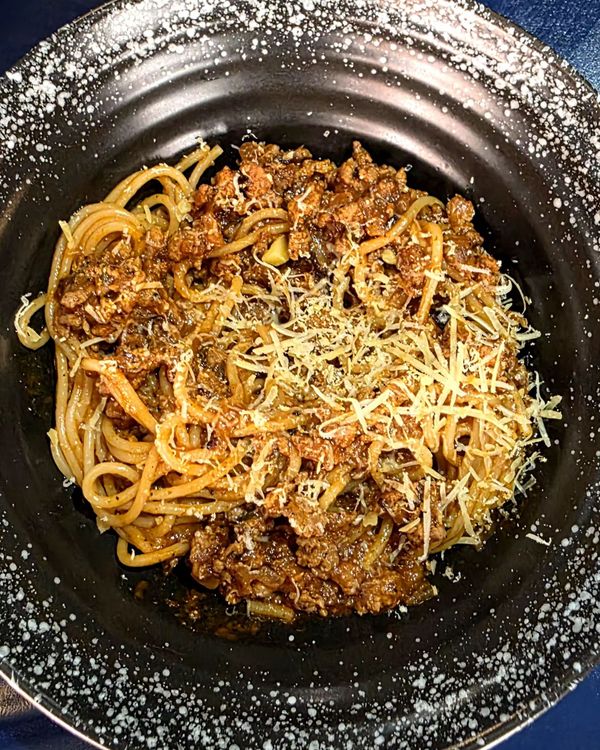
- Italian
- Non-Vegetarian
- Lunch
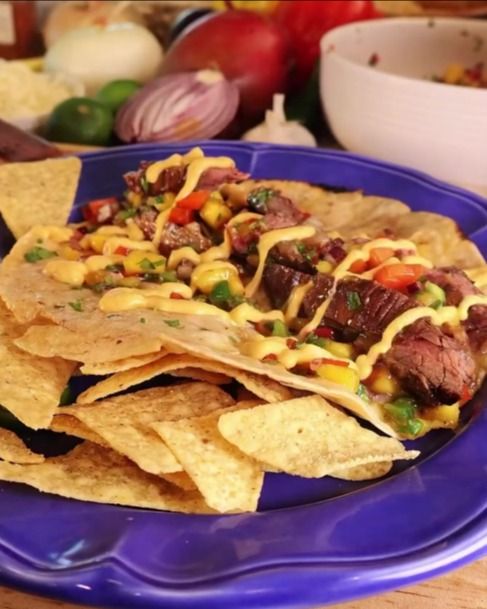
- Mexican
- Non-Vegetarian
- Lunch
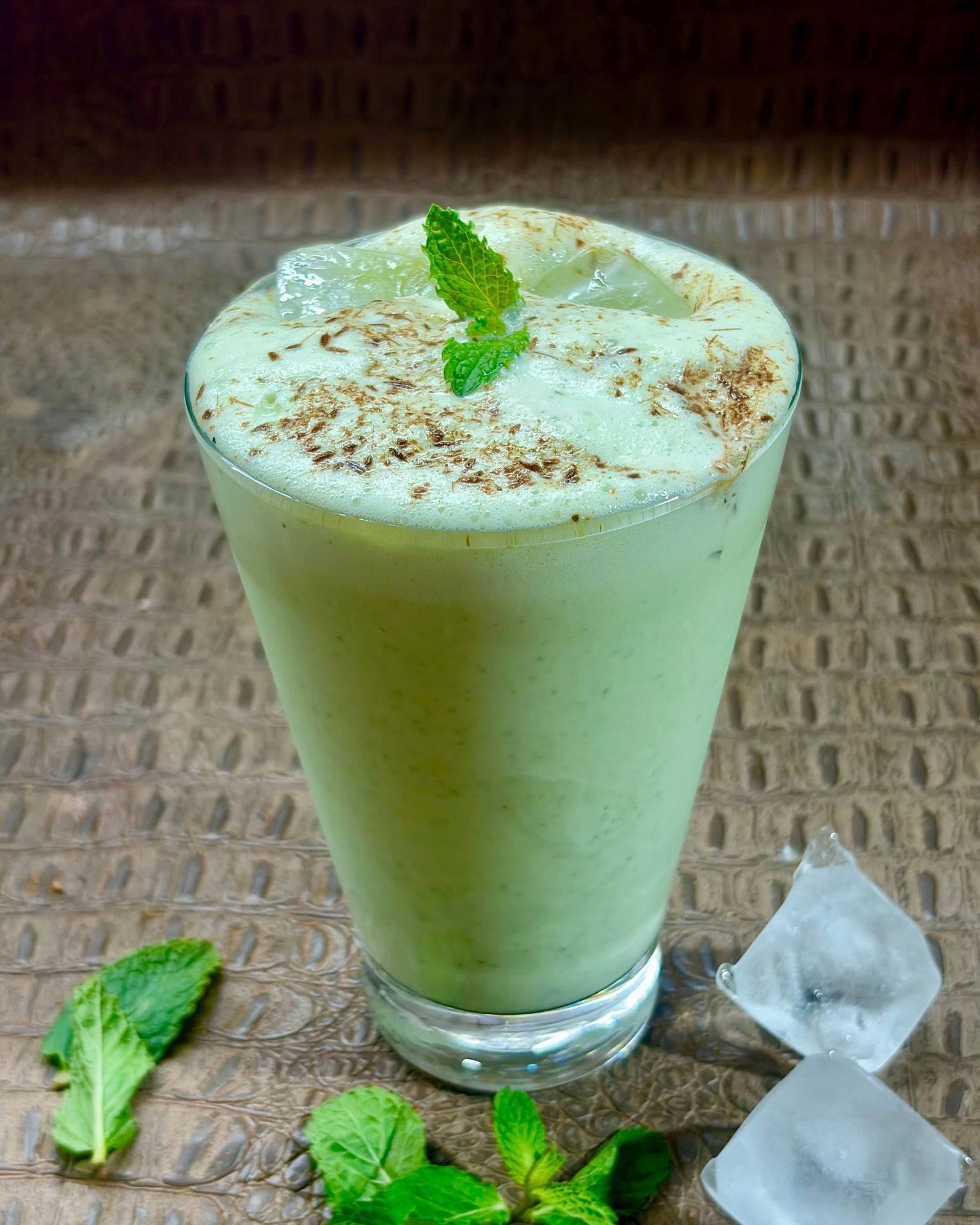
- Indian
- Vegetarian
- Beverage
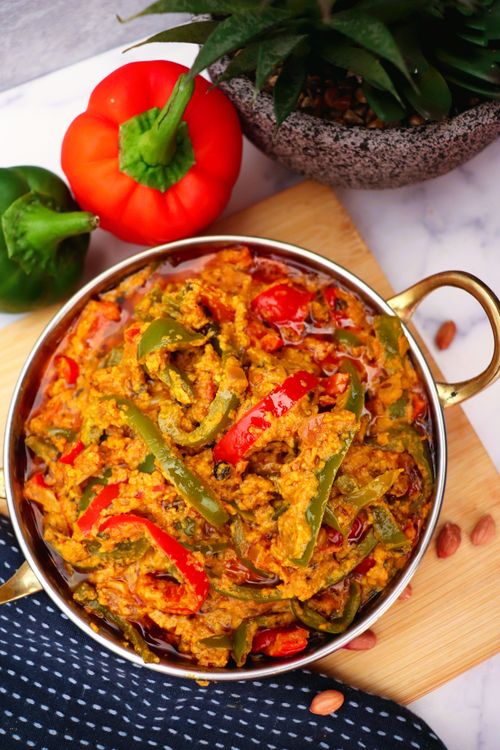
- Indian
- Vegetarian
- Lunch
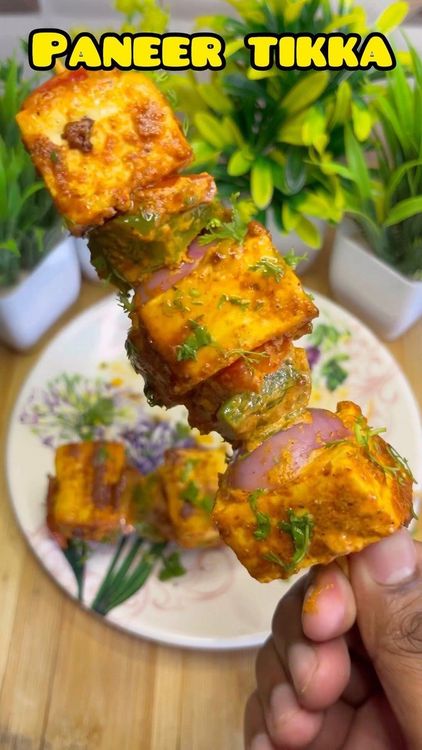

- Indian
- Vegetarian
- Appetiser
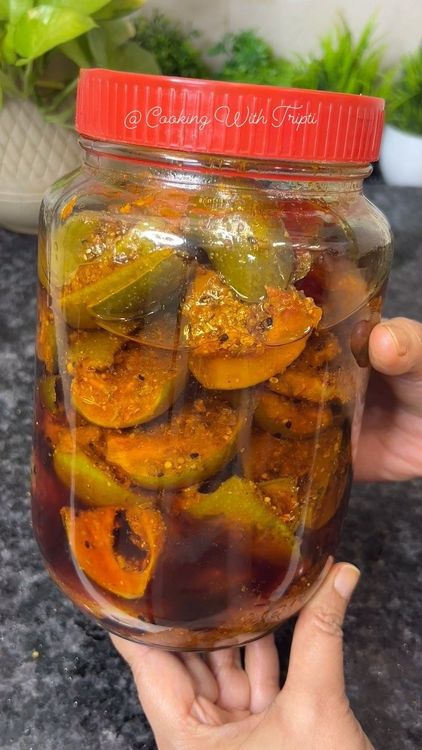

- Indian
- Vegan
- Side Dish
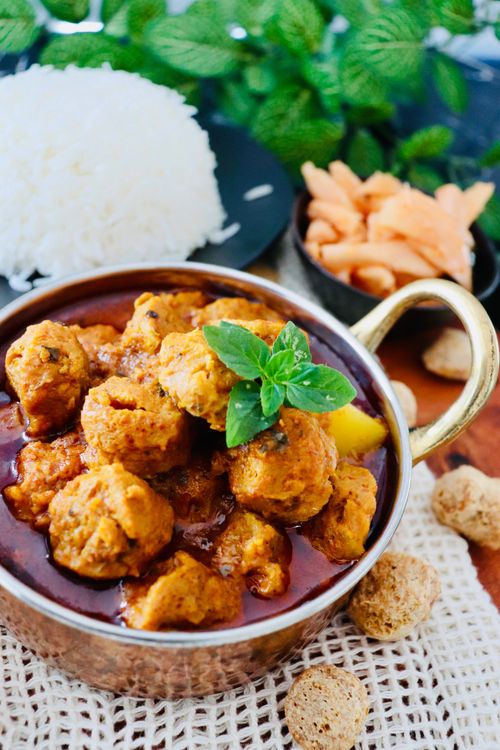
- Indian
- Vegan
- Lunch
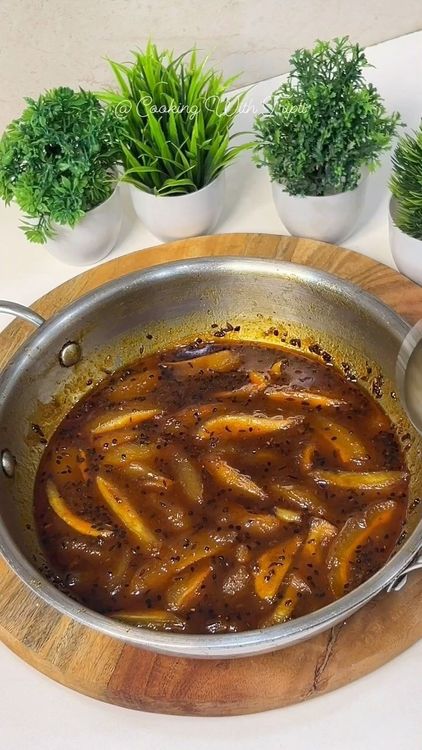
- Indian
- Vegan
- Sauce & Condiment

- Tex-Mex
- Eggetarian
- Side Dish
- European
- Eggetarian
- Snack
- Italian
- Vegetarian
- Snack
- International
- Vegetarian
- Side Dish
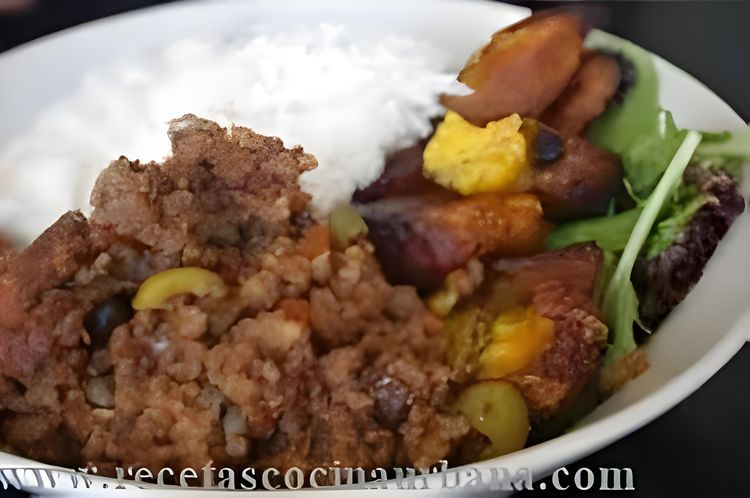
- Cuban
- Non-Vegetarian
- Lunch
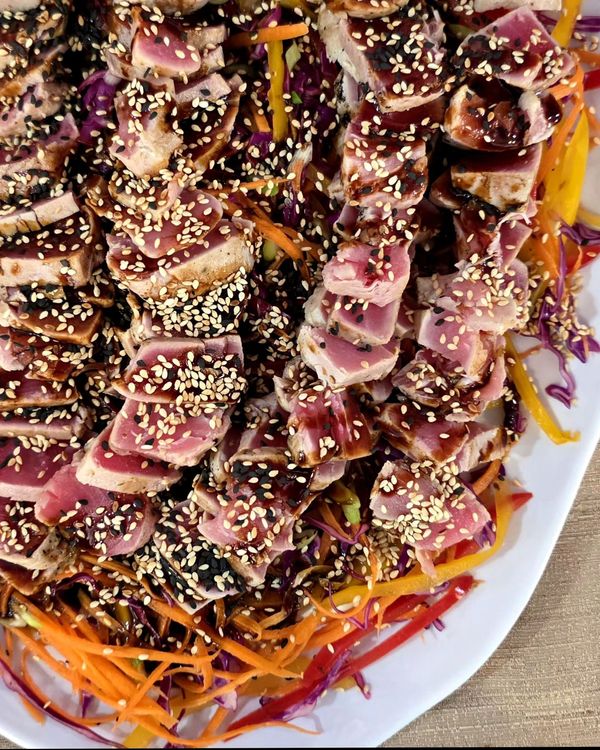
- Asian
- Pescatarian
- Lunch

- Indian
- Vegan
- Breakfast
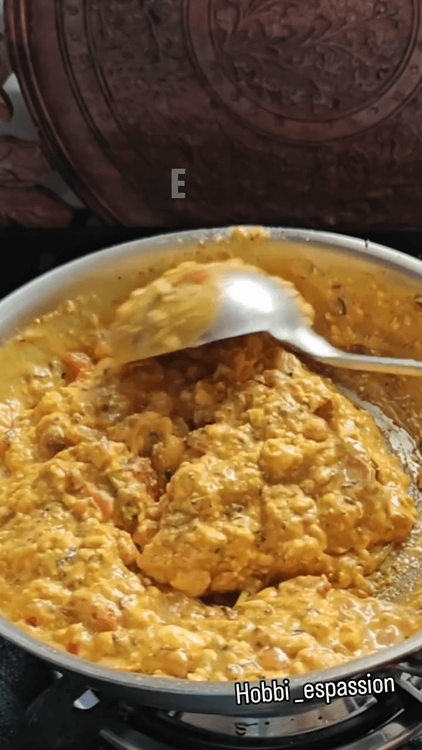

- Indian
- Vegetarian
- Lunch
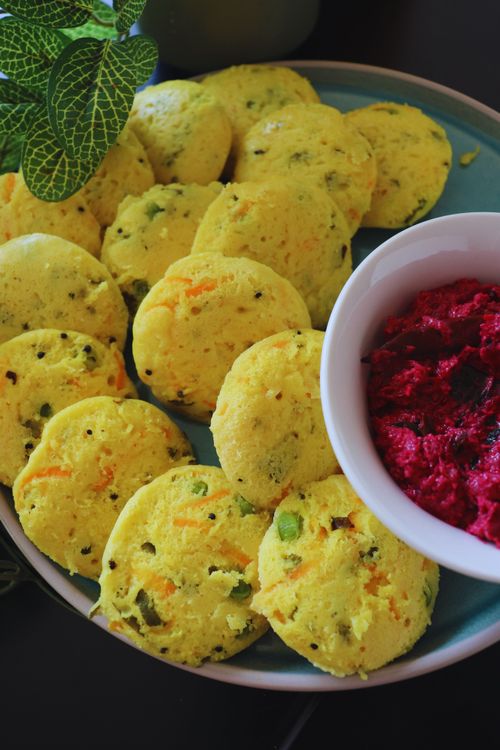
- Indian
- Vegetarian
- Breakfast
- Indian
- Vegetarian
- Lunch
- Italian
- Vegan
- Snack
- South Indian
- Vegan
- Lunch

- Indian
- Non-Vegetarian
- Lunch
- Indian
- Vegetarian
- Snack
- Indian
- Vegetarian
- Dinner
- American
- Vegetarian
- Salad

- French
- Non-Vegetarian
- Lunch
- Indian
- Vegetarian
- Lunch
- Seafood
- Pescatarian
- Appetiser
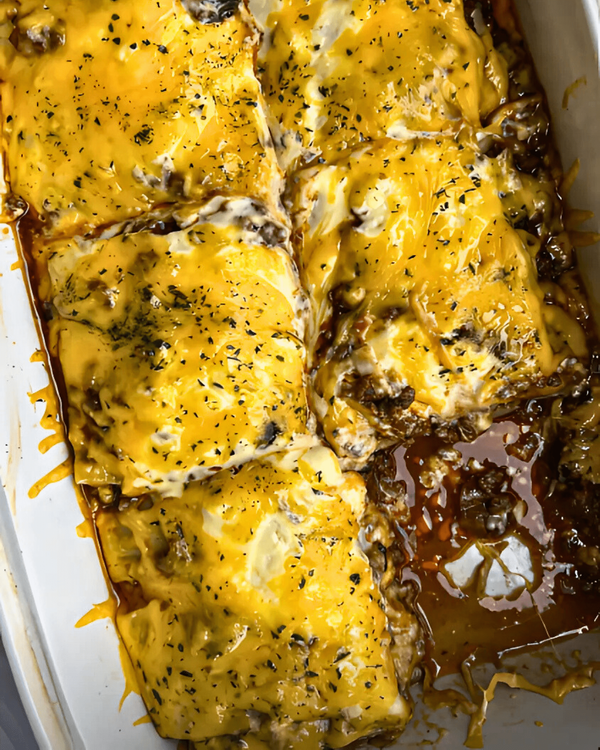
- Italian
- Non-Vegetarian
- Dinner
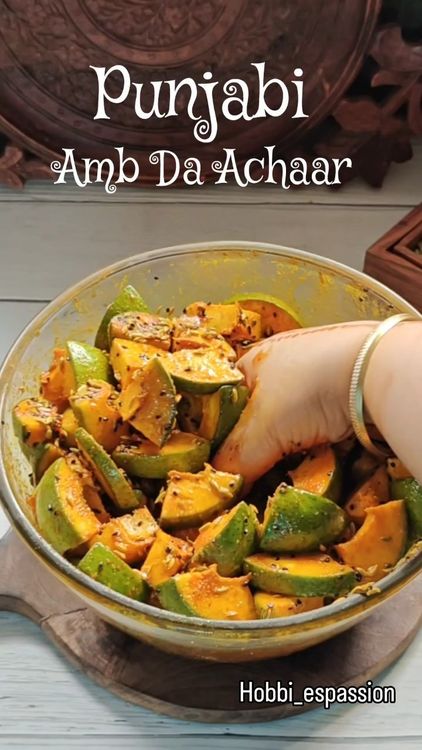
- Punjabi
- Vegan
- Sauce & Condiment

- Non-Vegetarian
- Sauce & Condiment
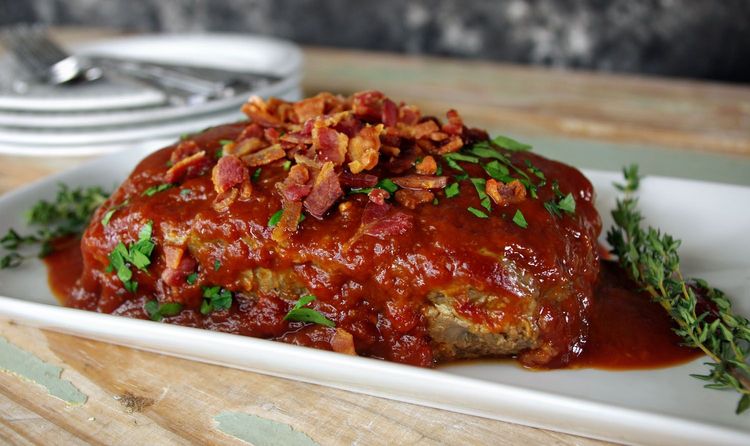

- American
- Non-Vegetarian
- Dinner
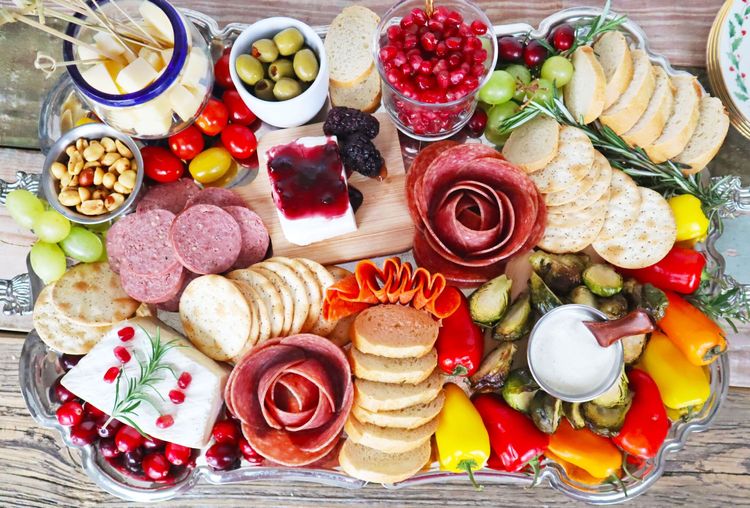
- French
- Non-Vegetarian
- Appetiser
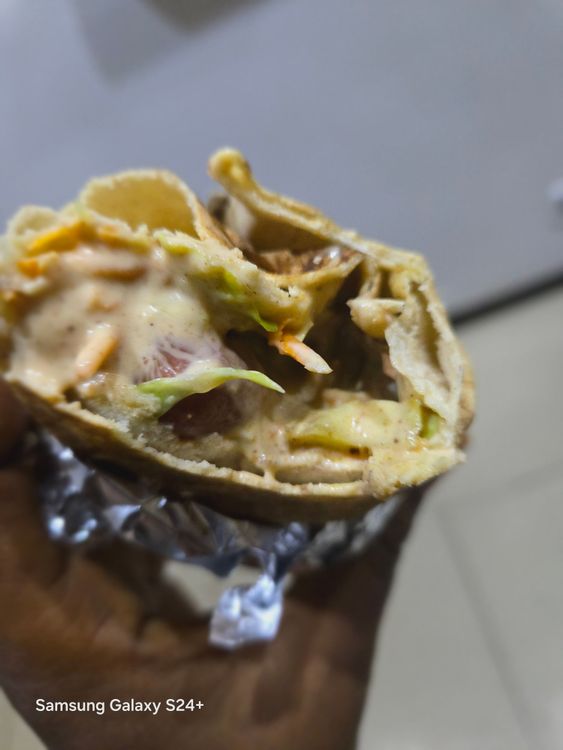

- Nigerian
- Non-Vegetarian
- Brunch
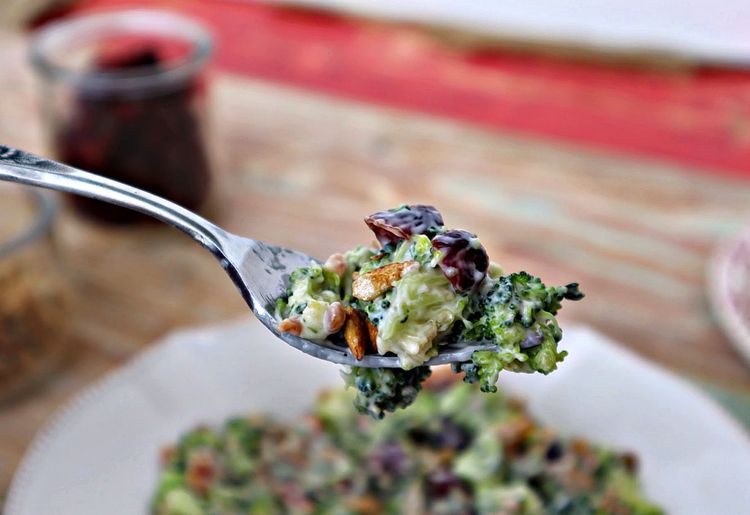
- American
- Non-Vegetarian
- Snack
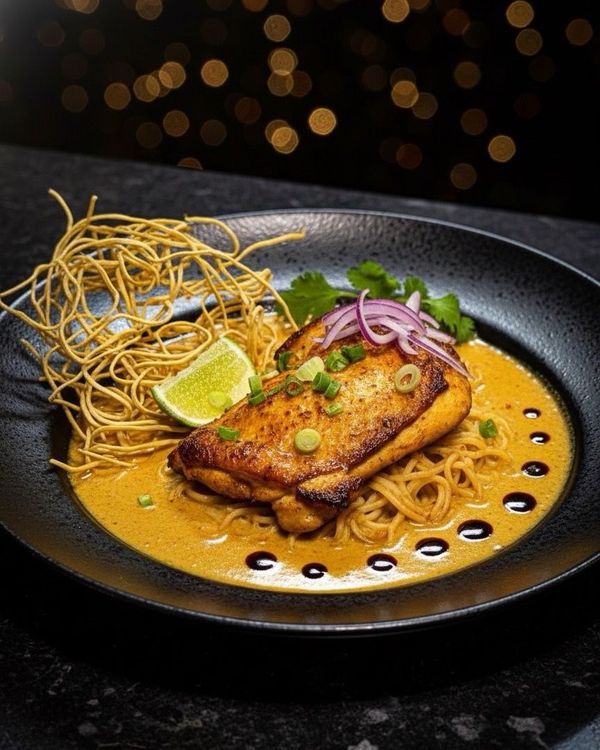
- Thai
- Non-Vegetarian
- Lunch
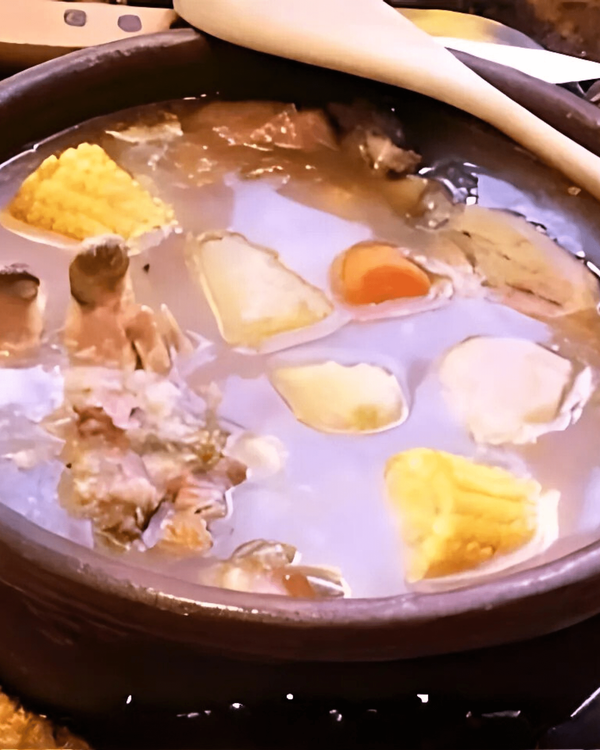
- Latin American
- Non-Vegetarian
- Lunch
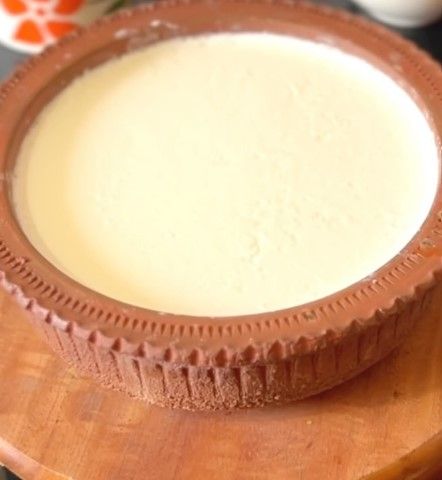
- Indian
- Vegetarian
- Snack
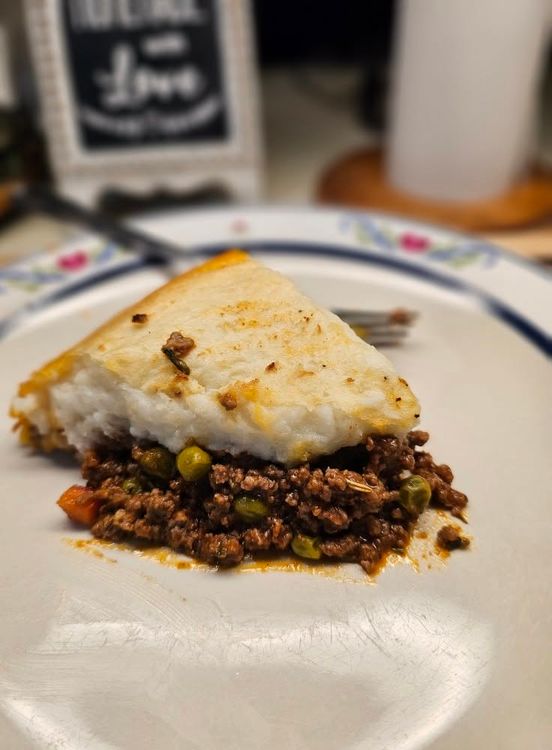
- British
- Non-Vegetarian
- Dinner
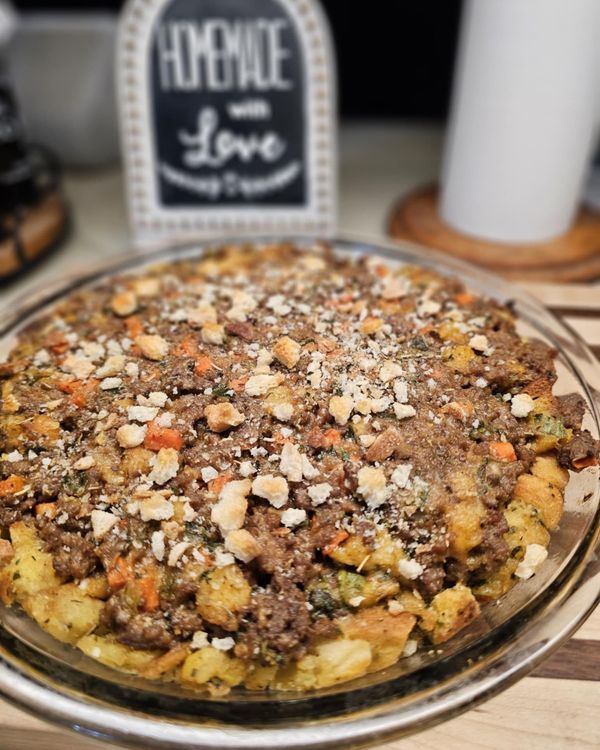
- American
- Non-Vegetarian
- Dinner
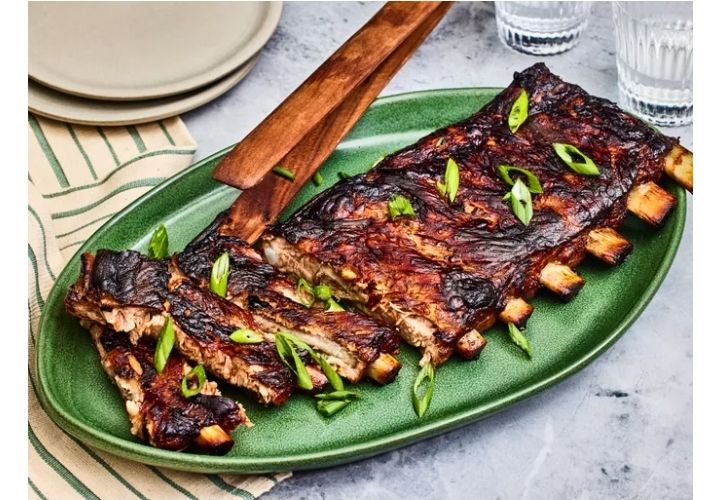
- Chinese
- Non-Vegetarian
- Dinner

- Fusion
- Eggetarian
- Snack
- American
- Eggetarian
- Breakfast
Counting Net Carbs and Building a Plate
Most low-carb and keto cooks count net carbs — total carbohydrate minus fiber, and minus most sugar alcohols like erythritol — because fiber and those sweeteners have little impact on blood sugar. That is why a cup of riced cauliflower (around 3g net) replaces a cup of rice (around 45g) without blowing the day, and why almond flour stands in for wheat flour. Read labels for total carbs and fiber and do the subtraction; the front-of-pack "net carb" claim is not always honest.
Build the plate in a fixed order and the macros take care of themselves: a palm-sized portion of protein, a generous pour of healthy fat (olive oil, butter, avocado, cheese), and pile the rest of the plate with low-carb vegetables — leafy greens, cruciferous, peppers, zucchini, mushrooms. The vegetables give you volume, fiber and the feeling of a full meal, while the fat keeps you satisfied long enough that you are not raiding the pantry an hour later.
Know your high-carb traps so you can swap them deliberately: rice, pasta, bread, potatoes, sugar, and sneaky ones like thick sauces, breaded coatings and sweet marinades. Most have a clean low-carb stand-in — cauliflower or zoodles for the starch, almond or coconut flour for breading, a sugar-free sweetener for the sugar — so you are rarely giving a dish up, just rebuilding it. Plan the swap before you cook, not mid-recipe when you are already hungry.
Getting Vegetable Swaps to Brown, Not Steam
The single biggest reason cauliflower rice and zoodles disappoint is water. These vegetables are mostly moisture, and if you crowd them in a cool pan they release it all at once and stew into a soggy, grey mush. The fix is to remove water before and during cooking: salt riced cauliflower and let it sit, then squeeze it dry in a clean towel; for zucchini noodles, salt, rest ten minutes, and blot hard. You will be surprised how much liquid comes out.
Then cook hot and in a single layer. Use a wide pan over medium-high to high heat with a real film of fat, spread the vegetable thin, and resist stirring for the first minute or two so the surface touching the metal can brown. Work in batches rather than piling everything in — a crowded pan traps steam and you lose the toasty, almost nutty char that makes cauliflower fried rice taste fried instead of boiled. The pan should sizzle when the vegetable lands.
Season like you mean it, because water-heavy vegetables dilute flavor. Salt at the end (salting early draws out more water mid-cook), and lean on the things that read as savory and rich: browned butter, garlic, soy or coconut aminos, parmesan, toasted sesame, a squeeze of acid. For mashed cauliflower, steam it soft, drain thoroughly, then blend with butter and cream cheese — the dairy gives the body and silkiness that the missing starch would have provided.
Low-Carb Baking: Flours and Sweeteners
Almond flour and coconut flour are the workhorses, and they are not interchangeable. Almond flour is fatty and behaves closest to a soft wheat flour, good for cookies, crusts and quick breads roughly cup-for-cup but a touch denser. Coconut flour is extremely thirsty — it absorbs three to four times its weight in liquid — so you use a fraction of the amount and add extra eggs and moisture. Swapping one for the other directly is the classic disaster; follow recipes written for the specific flour.
For sweetness, the reliable choices are erythritol, monk fruit and allulose, usually as blends. Erythritol measures close to sugar but can leave a cooling aftertaste and recrystallize in chilled bakes; allulose browns and stays soft like real sugar, which makes it lovely in caramels and soft cookies but it is sweeter by volume, so check the conversion. Avoid maltitol, which spikes blood sugar more than the others and is famously hard on the stomach in quantity.
Expect low-carb bakes to behave differently and adjust your expectations, not just the recipe. Without gluten there is little structure, so things are more fragile and benefit from cooling fully before you cut them — a warm almond-flour brownie falls apart, a chilled one slices clean. Eggs and binders like xanthan gum do the lifting that gluten normally would, fat keeps everything moist, and most of these treats are richer and more filling than their sugar counterparts, so smaller portions go a long way.
Meal Prep, Storage and Eating Out
Low carb lives or dies on having something ready when hunger hits, because the failure mode is grabbing fast carbs in a rush. Batch-cook a couple of proteins (a tray of chicken thighs, a pot of taco beef), roast a big sheet of low-carb vegetables, and make a jar of egg muffins or a frittata you can slice for breakfasts. With those three components in the fridge you can assemble a compliant meal in minutes for several days without cooking from scratch each time.
Most components keep three to four days refrigerated; cooked proteins and roasted vegetables freeze well, while riced cauliflower freezes raw and cooks straight from frozen (no thawing — it only adds water). Fat bombs and many almond-flour treats are best stored cold and even frozen, both for texture and to keep portions in check. Store sliced avocado with a squeeze of lemon and an airtight seal to slow browning, and keep dressings separate so prepped salads do not wilt.
Eating out is mostly about a few reliable swaps: ask for the bun-less burger over a salad, double the vegetables instead of fries, choose grilled over breaded, and watch sauces and glazes, which are where hidden sugar hides. Most kitchens will happily swap a side. The point of the meal-prep and the guides above is to make the easy default a low-carb one, so the occasional restaurant meal is a simple set of choices rather than a derailment.
Pro Tips from the Test Kitchen
- Count net carbs — total carbs minus fiber and most sugar alcohols — so high-fiber vegetables and almond flour stay in budget.
- Squeeze riced cauliflower and salted zoodles dry before cooking; their water is what turns swaps to mush.
- Cook vegetable swaps hot, in a single layer, in batches — a crowded pan steams instead of browning.
- Build every plate as protein + a generous pour of fat + a pile of low-carb vegetables, in that order.
- Salt water-heavy vegetables at the end of cooking; early salt draws out moisture mid-sear.
- Almond and coconut flour are not interchangeable — coconut flour needs a fraction of the amount and far more egg.
- Use erythritol or monk fruit blends; skip maltitol, which spikes blood sugar and upsets stomachs.
- Cool low-carb bakes fully before cutting — without gluten they slice clean only when set and chilled.
- Batch a couple of proteins, a sheet of roasted veg and a tray of egg muffins so a meal is minutes away.
- Watch sauces, glazes and breading when eating out — that is where hidden carbs and sugar live.
Frequently Asked Questions
What is the difference between low carb and keto?
They overlap but are not identical. Low carb simply means eating fewer carbohydrates than a standard diet — often 50 to 130g a day — with no strict ratio. Keto is a stricter, higher-fat version, usually under 20 to 50g net carbs a day, designed to push the body into ketosis where it burns fat for fuel. Most recipes here work for both; keto eaters just watch the net-carb total more closely and lean harder on fat.
How many carbs a day is considered low carb?
There is no single official number, but most people treat anything under about 130g of net carbs a day as low carb, with 50 to 100g a common, sustainable range. Stricter keto plans aim for 20 to 50g. The right target depends on your goals and how your body responds, so it is worth starting moderate and adjusting rather than slashing carbs to near zero on day one.
What are the best low carb dinner ideas?
Protein-forward plates that need no starch: garlic-butter salmon or shrimp, seared chicken thighs with roasted vegetables, a cheesy low-carb chicken casserole, steak with mashed cauliflower, stuffed peppers without the rice, and lettuce-wrap tacos. Pair any of them with a vegetable swap like cauliflower rice or zoodles and you have a complete, satisfying dinner. This collection groups all of these under the dinners and mains cluster to make picking one easy.
What can I eat instead of rice and pasta on low carb?
Riced cauliflower stands in for rice at roughly 3g net carbs a cup versus 45g, and it fries, pilafs and goes into "fried rice" beautifully once you cook out the water. For pasta, spiralized zucchini (zoodles), spaghetti squash, hearts-of-palm noodles and shirataki all work. The key with all of them is removing moisture and cooking hot so they stay firm and toasty rather than turning to watery mush.
How do I keep cauliflower rice from getting soggy?
Get the water out and use high heat. Salt the riced cauliflower, let it sit a few minutes, then wring it in a clean towel — you will pull out a surprising amount of liquid. Then cook it in a wide, hot pan with a real film of oil, spread thin and in batches, and leave it alone for a minute or two so it browns instead of steaming. Season at the end so the salt does not draw moisture back out.
Is low carb good for weight loss?
For many people, yes. Cutting refined carbs and sugar tends to reduce appetite and overall calorie intake, stabilize energy, and trim water weight quickly at the start. Protein and fat are also more satiating, so you eat less without feeling deprived. That said, calories still count, and the best diet is the one you can stick to — low carb works well because it is filling, not because carbs are uniquely fattening.
What sweeteners can I use in low carb desserts?
The reliable ones are erythritol, monk fruit and allulose, often sold as blends. Erythritol measures close to sugar but can leave a cooling aftertaste and recrystallize when chilled; allulose browns and stays soft like real sugar, ideal for caramels and soft cookies, though it is sweeter by volume. Stevia is intensely sweet and best in tiny amounts. Avoid maltitol, which raises blood sugar more than the others and can cause digestive trouble.
Can I bake low carb with almond and coconut flour?
Yes, but they are not interchangeable. Almond flour is fatty and behaves closest to soft wheat flour, working roughly cup-for-cup in cookies, crusts and quick breads, though a little denser. Coconut flour is extremely absorbent, so you use about a quarter of the amount and add several extra eggs and liquid. Swapping one directly for the other is the most common low-carb baking failure, so follow recipes written for the flour you have.
What are fat bombs?
Fat bombs are small, rich, low-carb snacks built mostly from fat — usually a base of coconut oil, butter, cream cheese or nut butter, sweetened with a sugar-free sweetener and flavored with things like cocoa, vanilla or peanut butter. They are set in the fridge or freezer and eaten in small portions to hit fat targets, curb sweet cravings, or stave off hunger. Because they are so rich, one or two satisfy, which is exactly the point.
How do I meal prep low carb for the week?
Cook in components rather than full meals so you can mix and match. Batch a couple of proteins (a tray of chicken thighs, a pot of taco beef), roast a big sheet of low-carb vegetables, and make egg muffins or a frittata for breakfasts. Store most things three to four days in the fridge; cooked proteins, roasted veg and fat bombs freeze well, and raw riced cauliflower cooks straight from frozen. Keep dressings separate so salads stay crisp.
The thread through every low carb recipe here is the same: rebuild the plate around protein, fat and vegetables, and treat each swap as its own dish rather than a substitute to apologize for. Master the few moves in the guides — count net carbs, dry and sear your vegetables, respect the flours and sweeteners, and prep ahead — and dinners, swaps, breakfasts and even dessert fall into place.
Pick three to cook this week — a protein-forward dinner, one good vegetable swap and a make-ahead breakfast — and save your favorites to a Chefadora cookbook. Then work through the rest, including the fat bombs and bakes; this page is built to be the low-carb reference you actually come back to.
Related
- Low Carb
- Keto
- High Protein
- Cauliflower
- Gluten Free
- Healthy
- Dinner
- Meal Prep
Popular Searches
- Best low carb recipes
- Easy low carb recipes
- Quick low carb recipes
- Healthy low carb recipes
- Simple low carb recipes
- Homemade low carb recipes
- Delicious low carb recipes
- Popular low carb recipes
- low carb dinner ideas
- low carb meal ideas
- easy low carb dinners
Marnirni-apinthi Building, Lot Fourteen,
North Terrace, Adelaide, South Australia, 5000
Australia
