We use cookies on this website to ensure its proper functioning and to improve the quality of our services. Cookie Policy

Tags and nutritional info are auto-generated and may be inaccurate. Always check the full ingredient list before cooking.


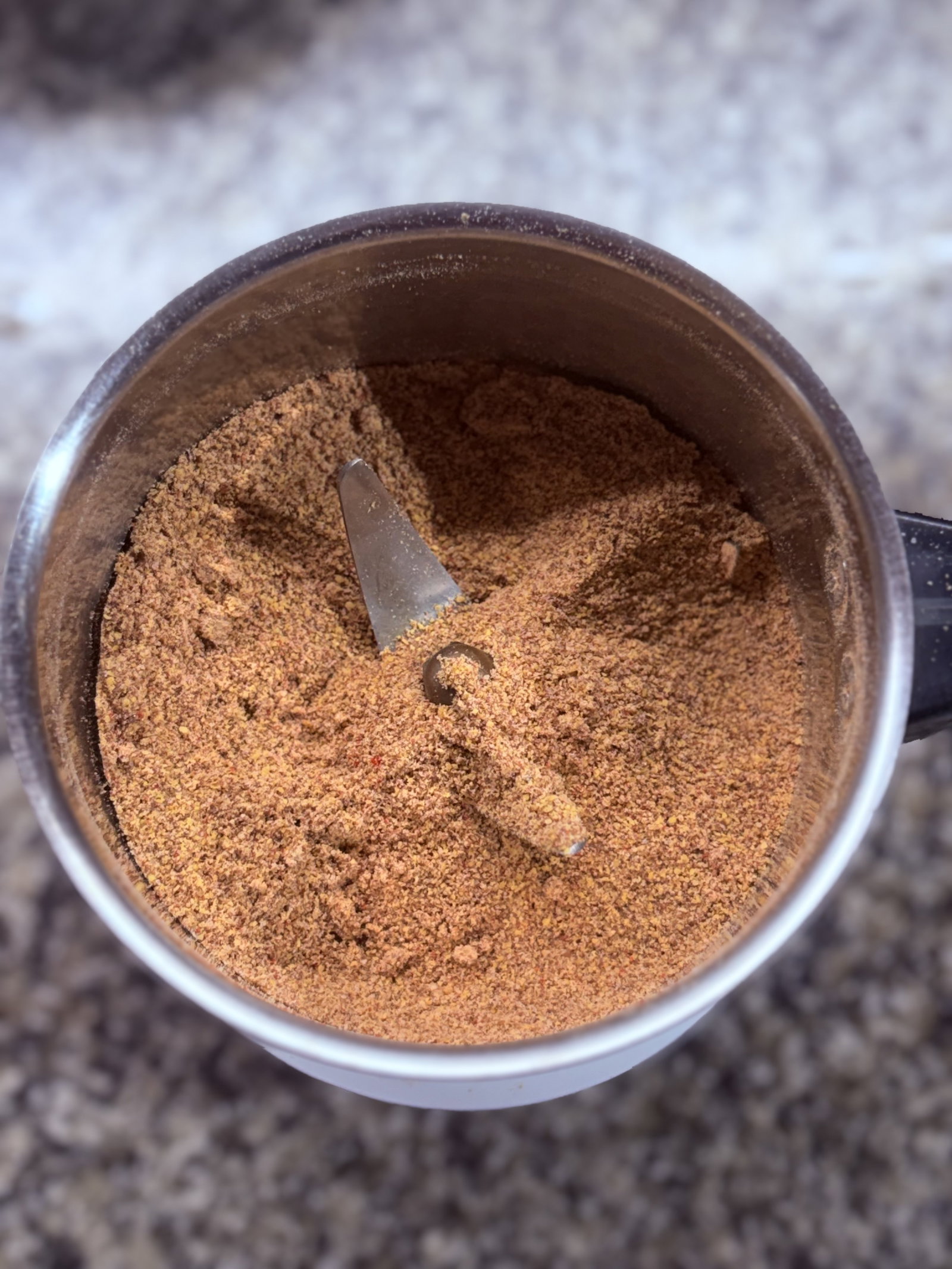
Grind the mustard seeds to a fine powder.
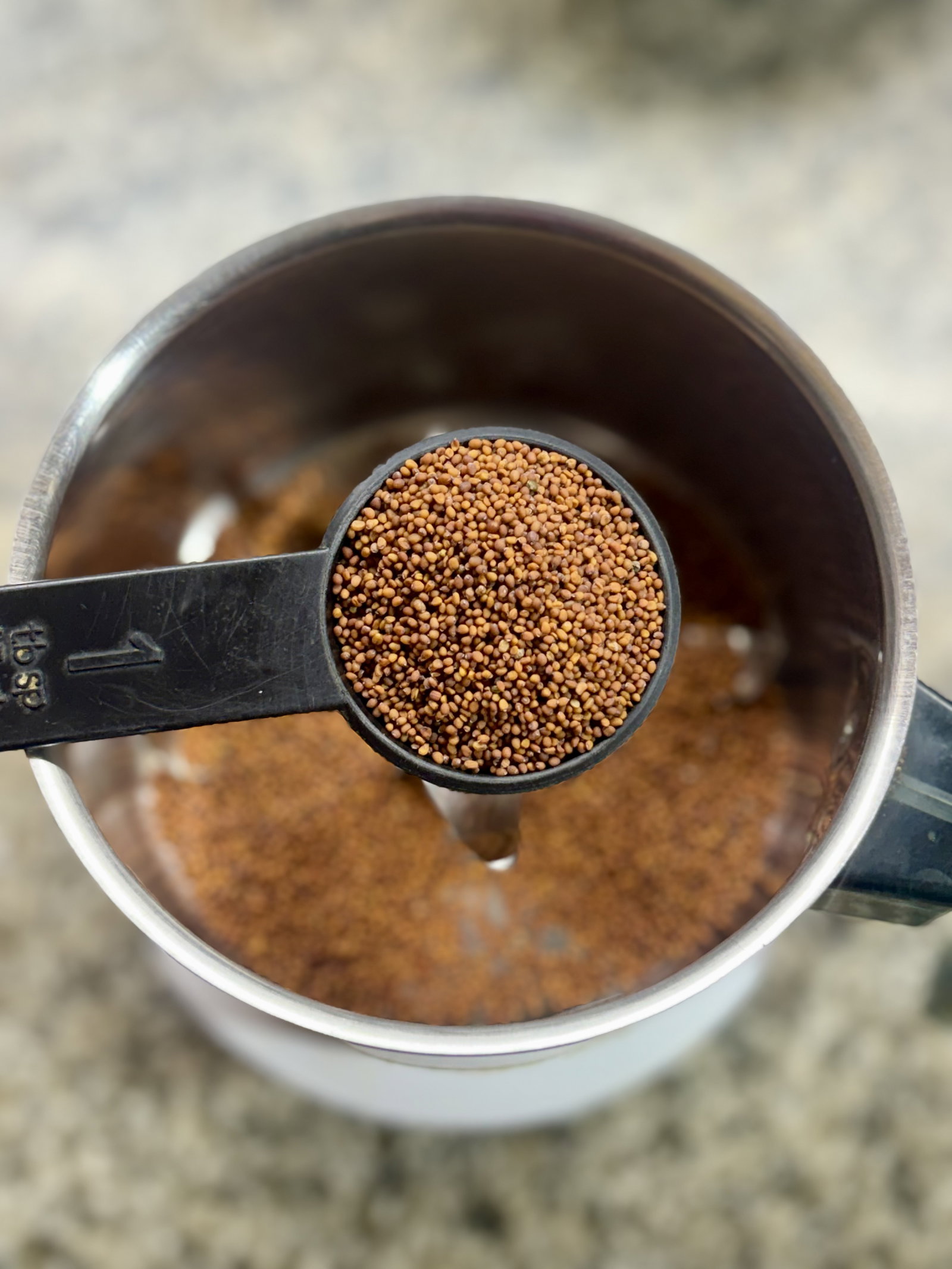
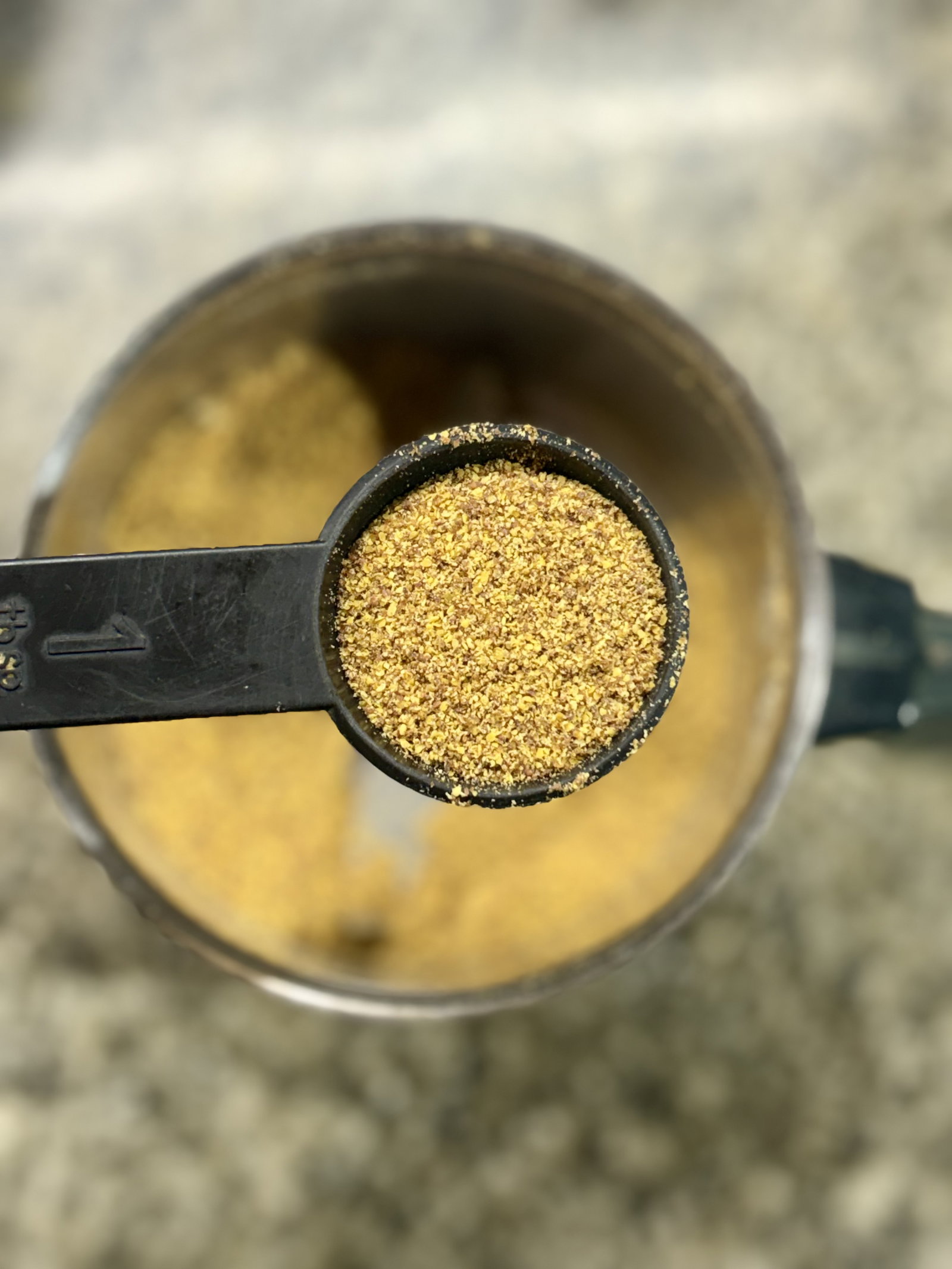
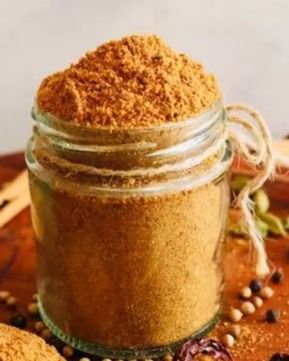
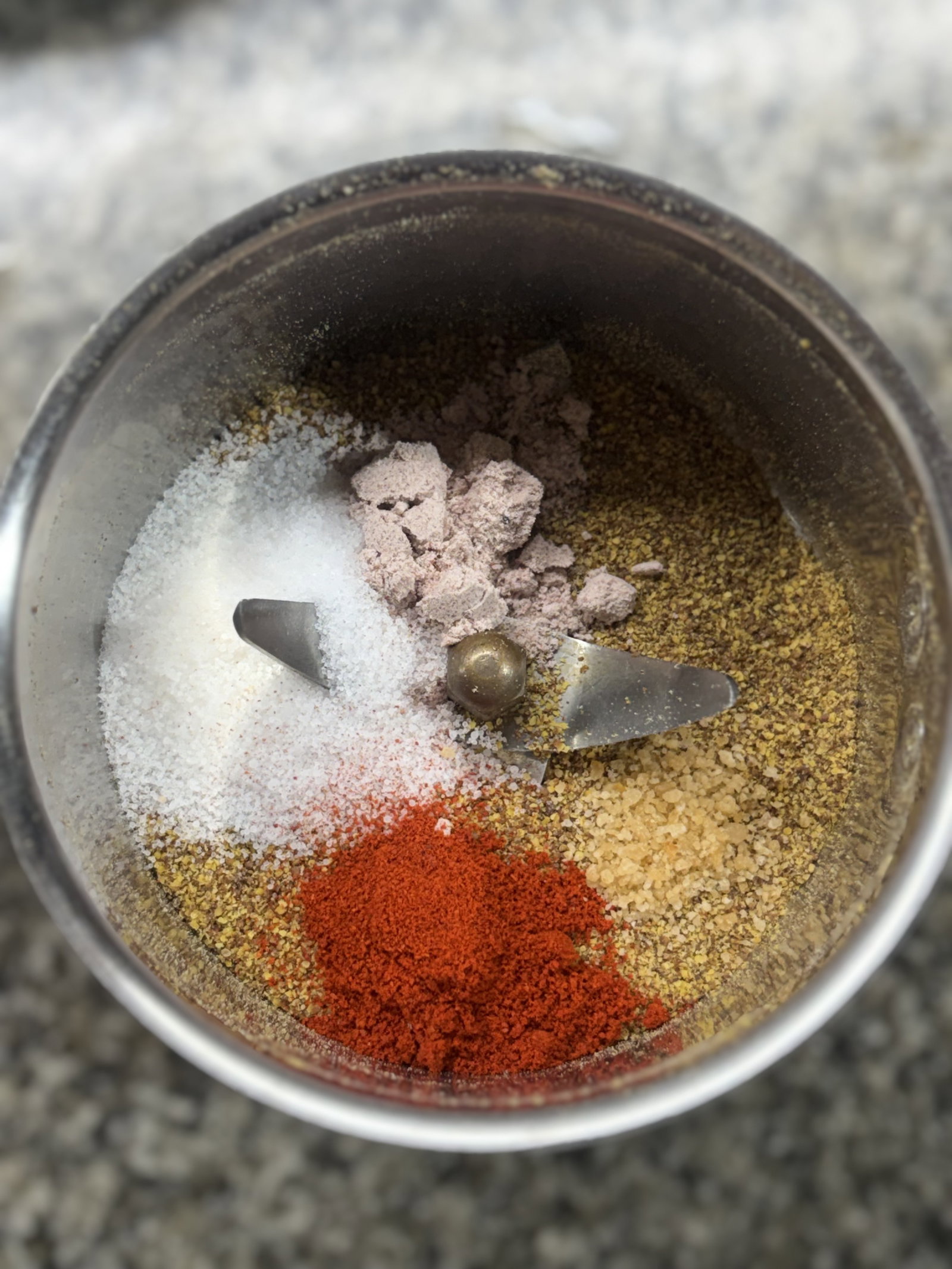
Add salt, black salt, red chilli powder, and hing, if using. Pulse briefly 2-3 times to combine evenly. Set aside.
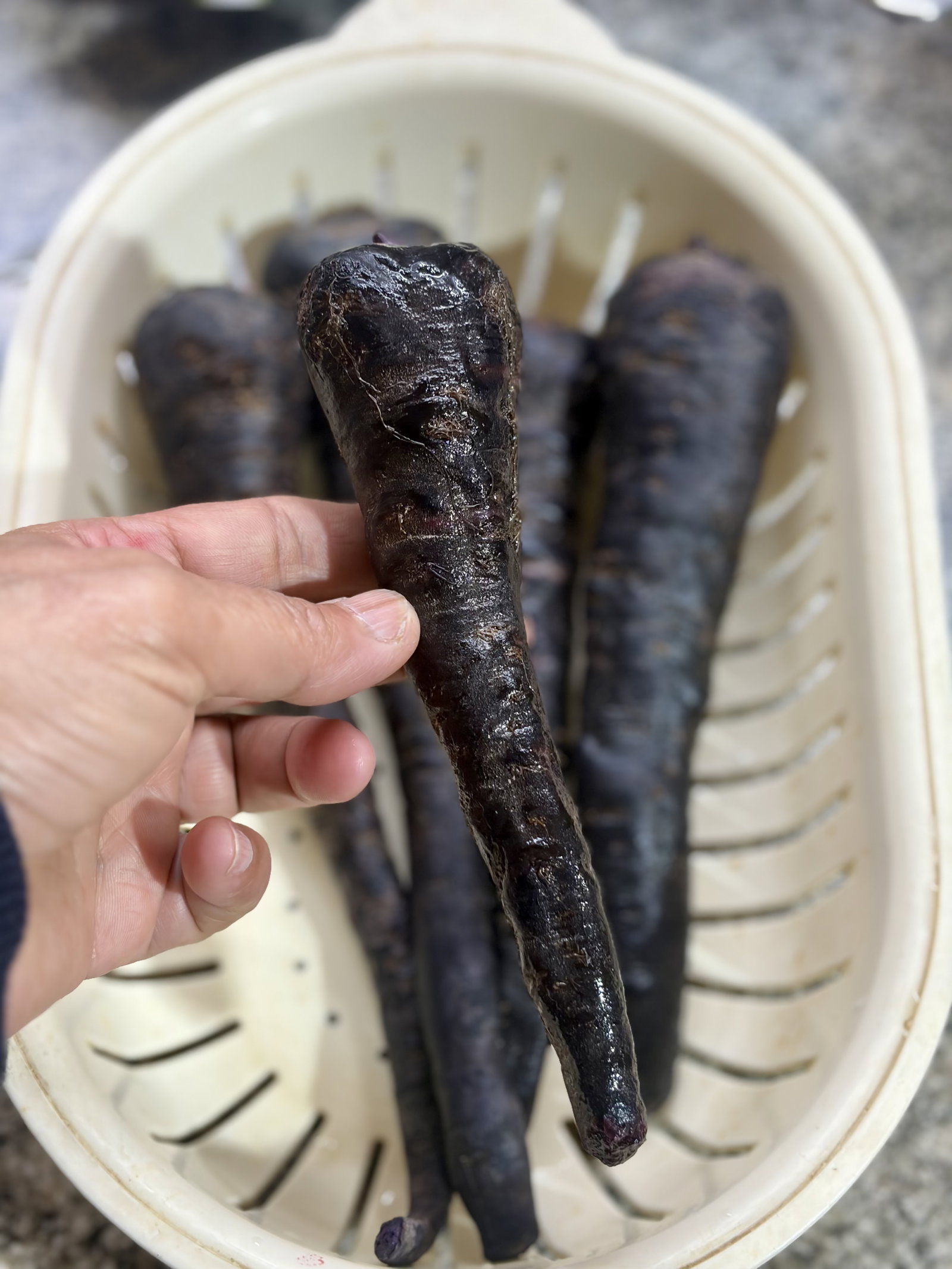
Wash and peel the black carrots and cut them into 2-inch batons.
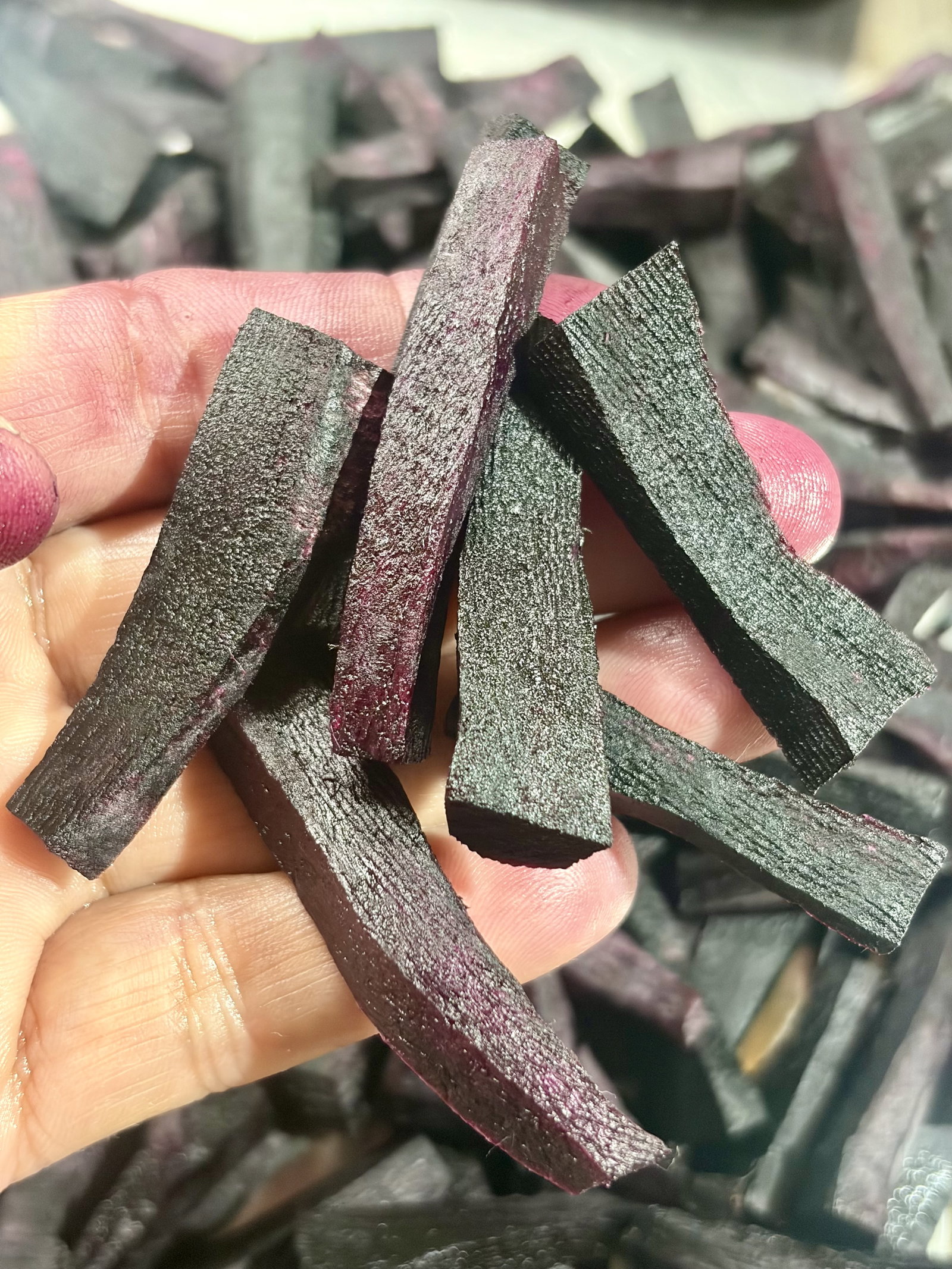
Option A (Blanching): Bring the water to a boil. Add carrot batons and blanch for 2–3 minutes. Turn off the heat and let the mixture cool completely to room temperature. This softens the carrots and speeds up the infusion.
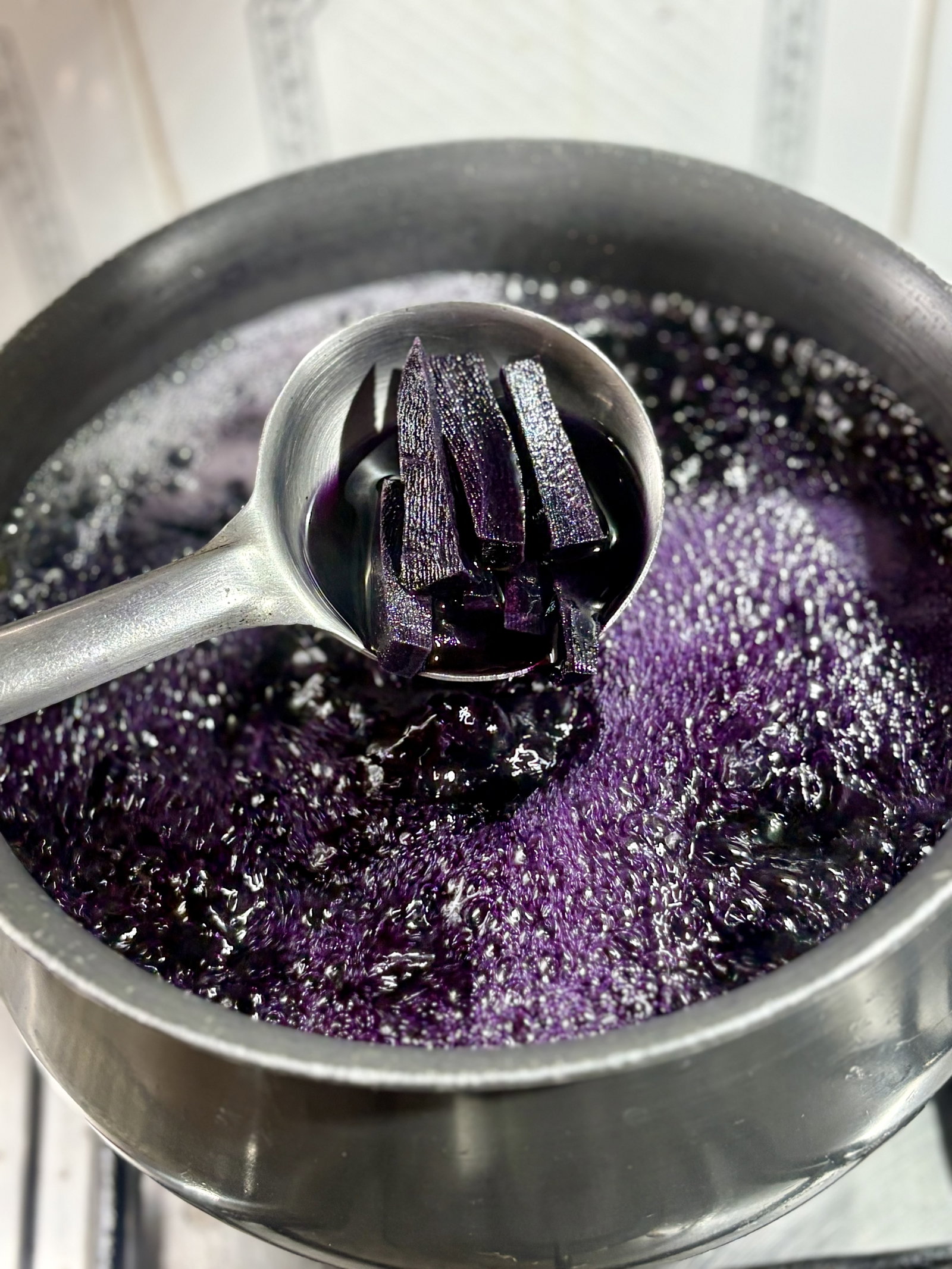
Option B (Raw/Traditional): Skip the boiling. Simply place the raw carrot batons directly into your fermentation jar. Ensure you use water that has been previously boiled and cooled to room temperature.
Transfer the cooled carrots and water into a sterilized glass or ceramic jar (bharani).
Add the prepared spice mix and jaggery. Stir well using a clean, dry spoon.
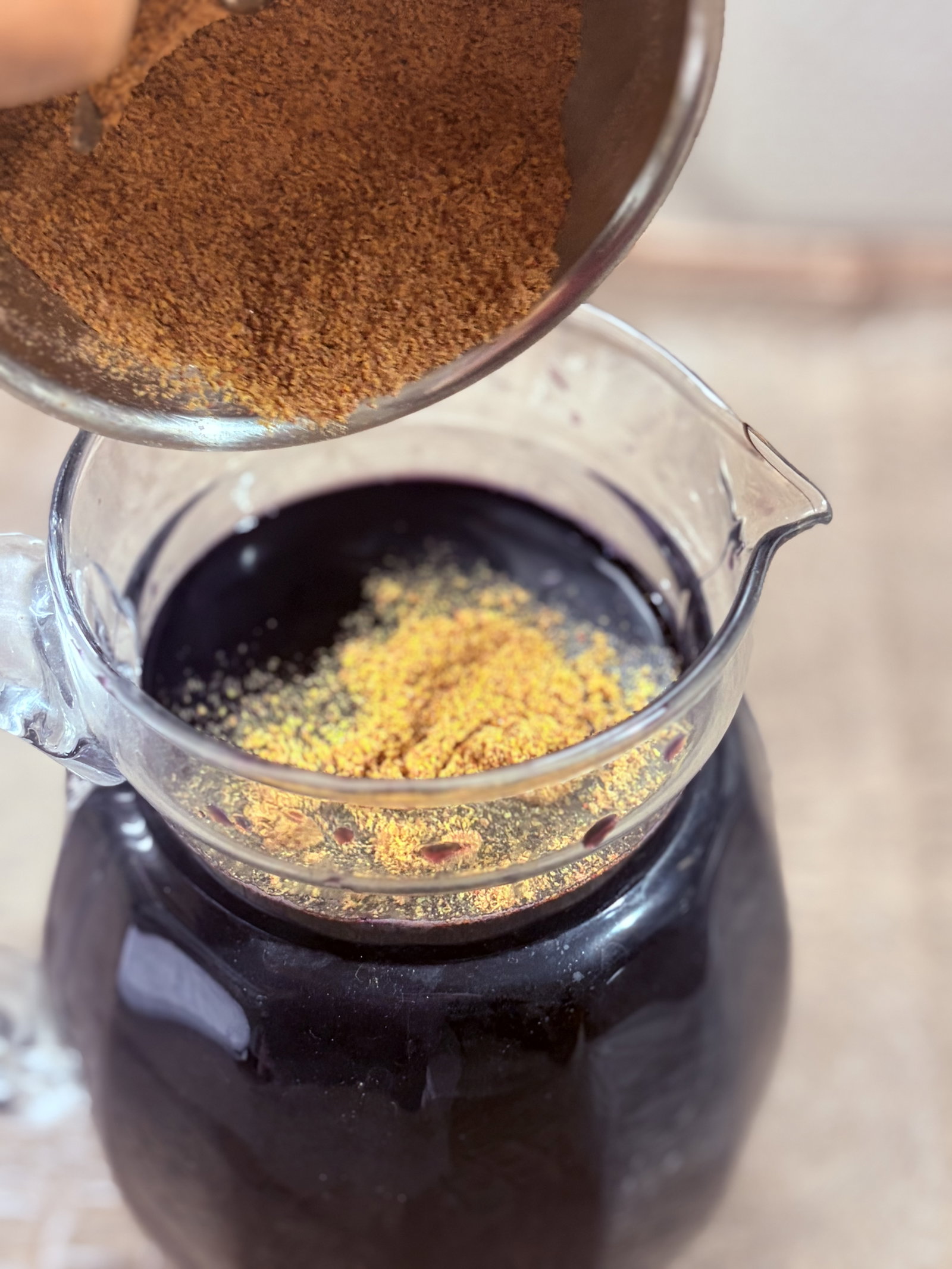
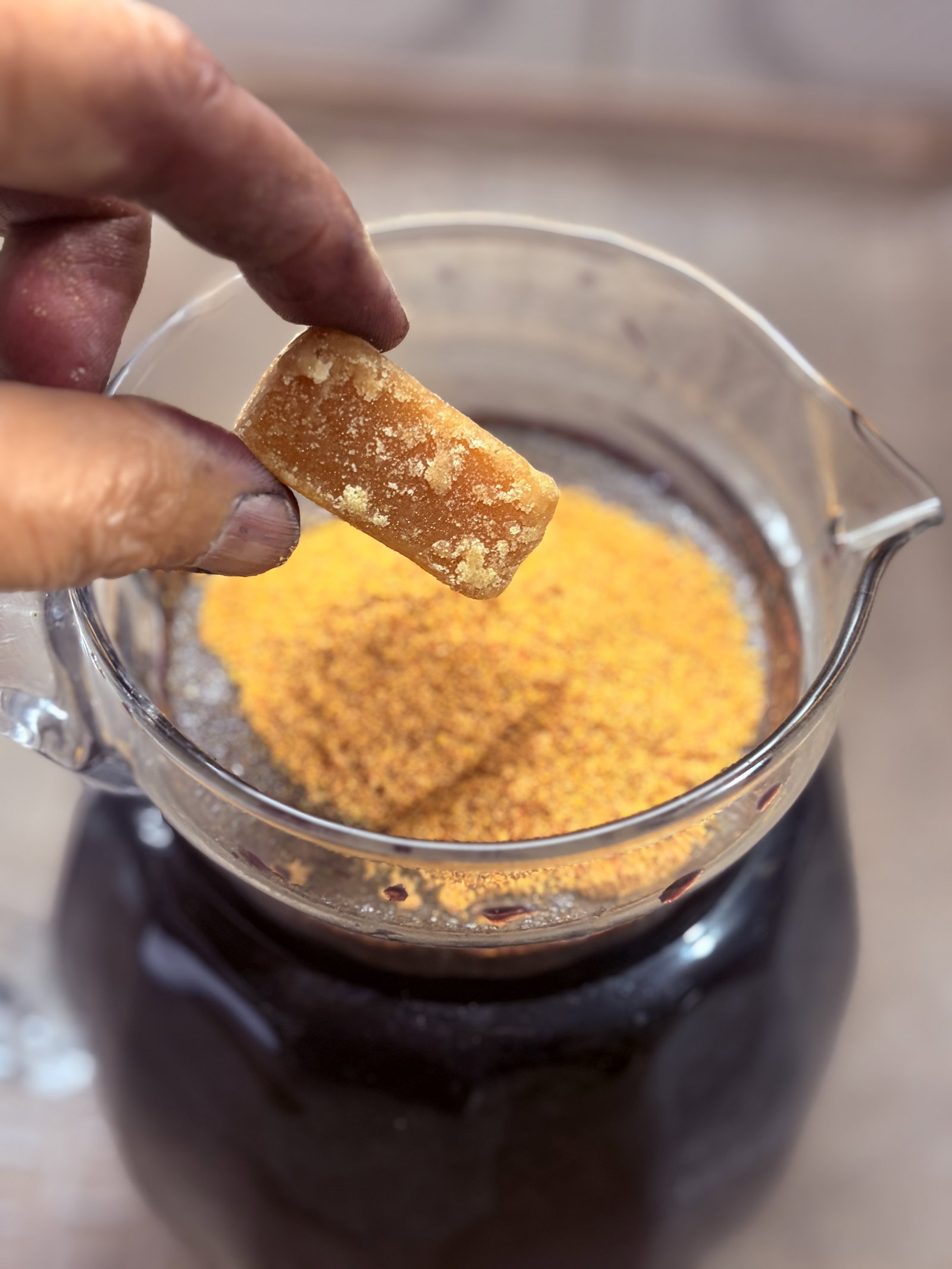
Cover the mouth of the jar with a lid or tie a breathable muslin cloth over it.
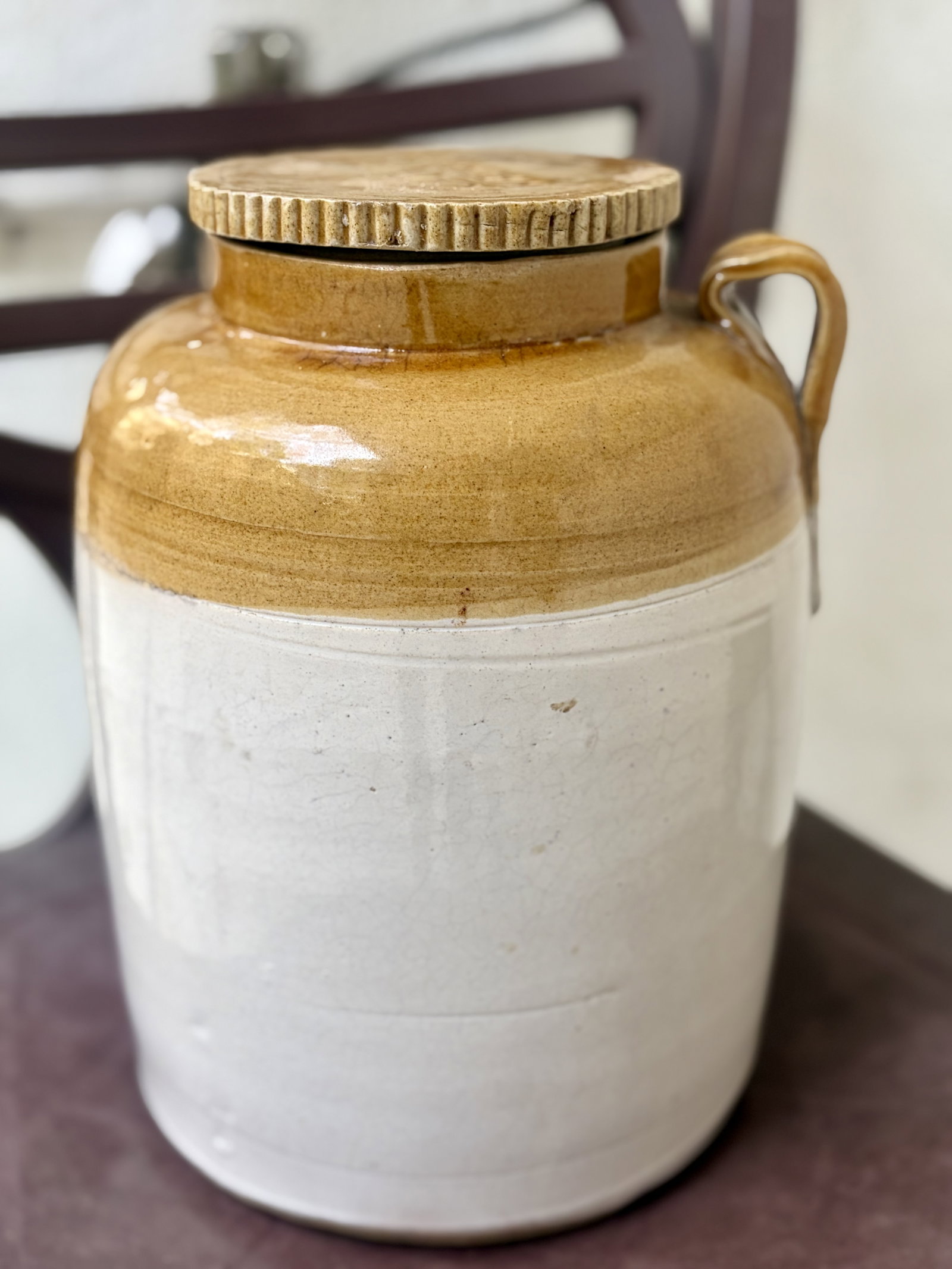
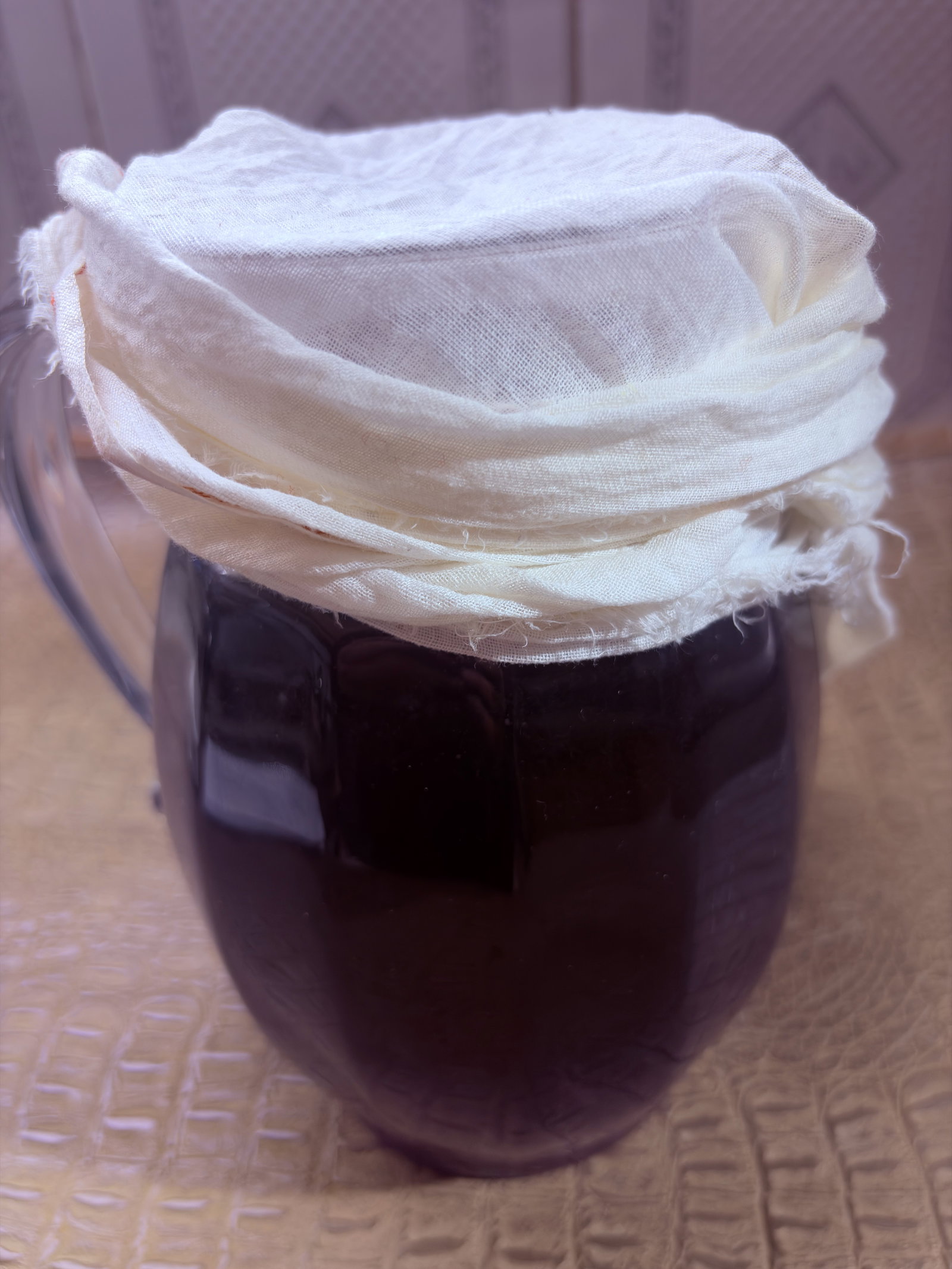
Place the jar in a sunny spot for 3-5 days. Stir once daily with a dry spoon to aerate the liquid and prevent any surface film from forming.
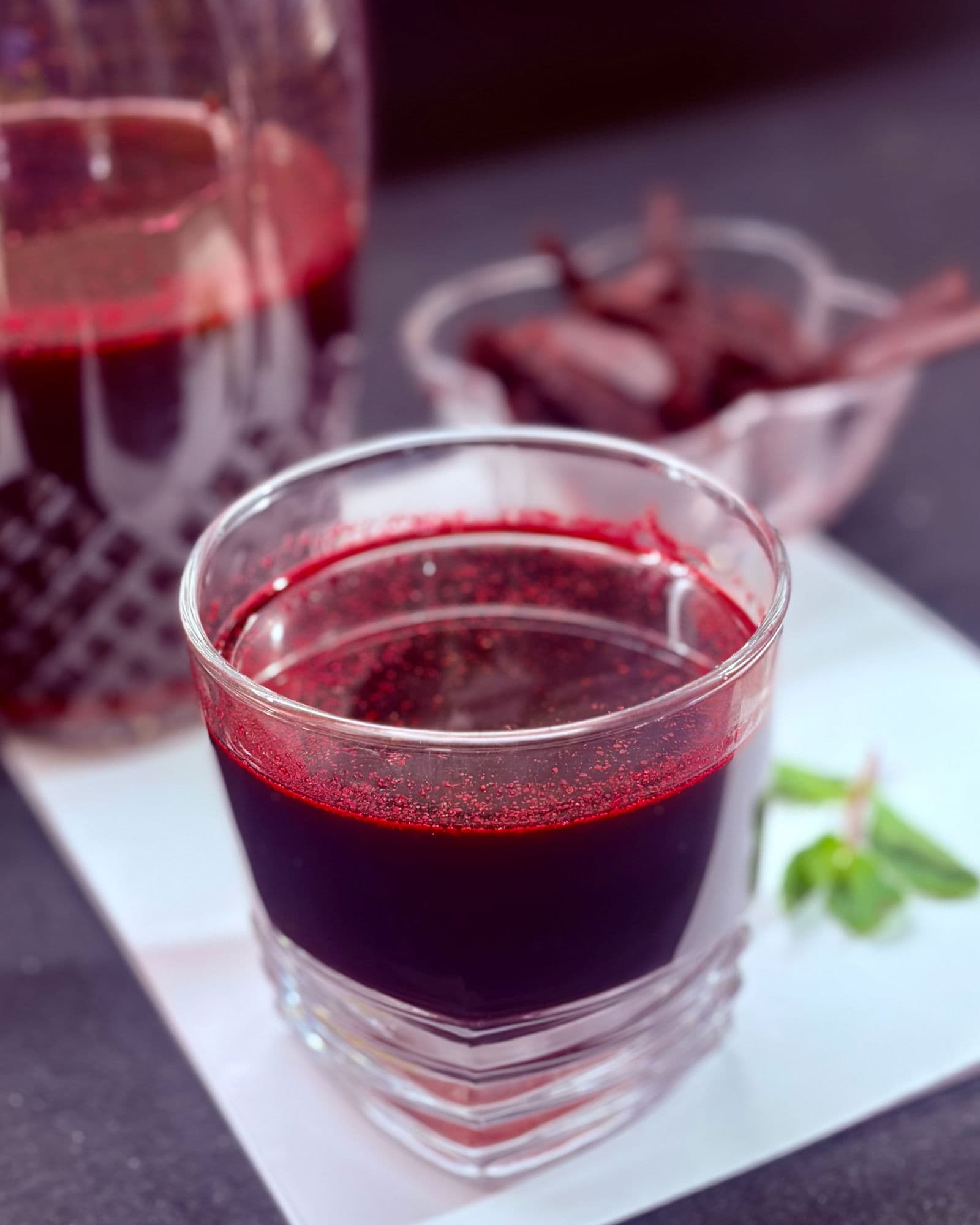
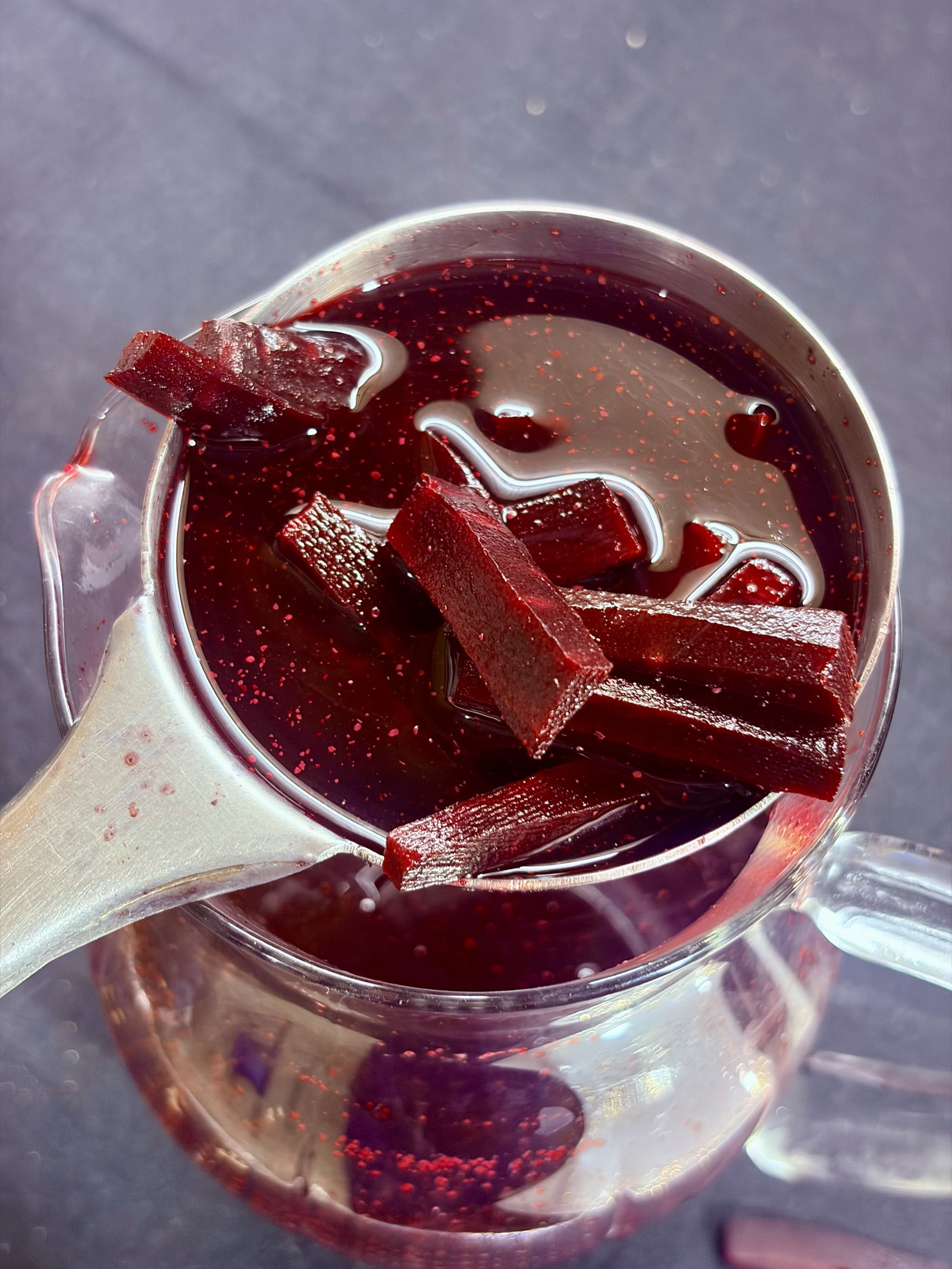
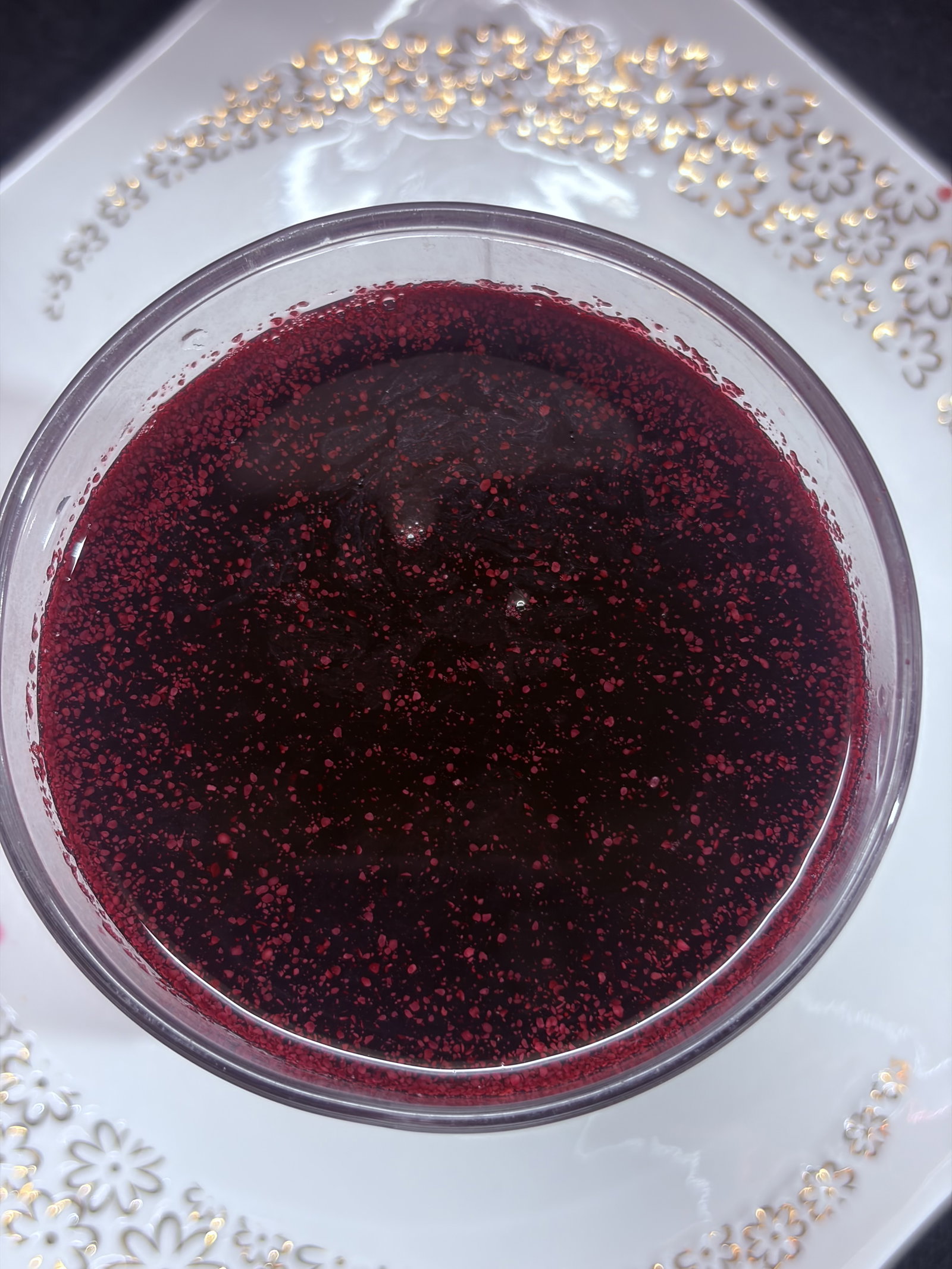
Once the liquid turns a deep purple-black and tastes pleasantly tart/pungent, your Kanji is ready.
As a Drink: Serve chilled or at room temperature in a glass.
As a Snack: Don't discard the carrots! Serve them as a crunchy, pickled salad on the side.
Traditional Twist: Soak small moong dal vadas (lentil fritters) in the Kanji for a few hours to make the classic Kanji Vada.
Want to keep this recipe for later? We can email it to you!
If black carrots aren't in season, use regular carrots plus half a beetroot to achieve the burgundy hue, though the flavor will be slightly milder.
Jaggery (Optional): While optional, adding jaggery balances the sharp, pungent heat of the mustard seeds and the tang of fermentation, giving the drink a smoother, more rounded finish.
Once it reaches your preferred tanginess, move the jar to the fridge. This slows down the fermentation and keeps it fresh for up to 3 weeks.
If you don't have direct sunlight, place the jar on a bright windowsill instead. It may take an extra day or two, but it will ferment beautifully.
Why does my Kanji taste bitter?
This usually happens if the mustard seeds are over-ground or if the fermentation is just beginning. The bitterness turns into a pleasant tang after 3–4 days.
Can I make this without a glass jar?
Use ceramic or glass only. Avoid plastic or metal, as the acid in the fermentation can leach chemicals or react with the material.
Is the white film on top dangerous?
A thin white film (Kahm yeast) is usually harmless. Scrape it off and stir daily.
How do I know it's ready?
The color will be deep purple, and the smell will be sharp and fermented (like a pickle). The taste should be sour and slightly 'bubbly' on the tongue.