We use cookies on this website to ensure its proper functioning and to improve the quality of our services. Cookie Policy
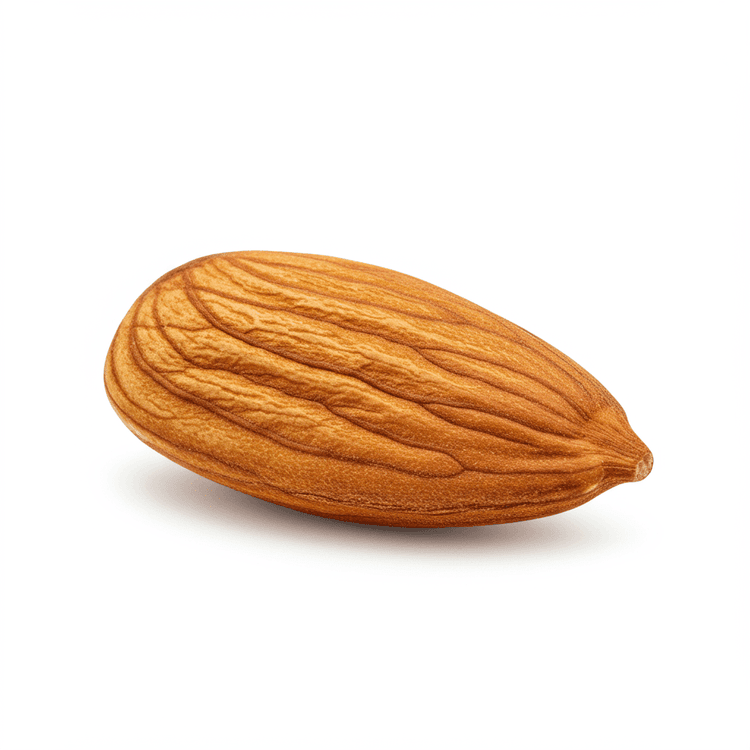
Almonds are a popular and nutritious tree nut, prized for their subtly sweet and buttery flavor. These versatile nuts have a delicate crunch and a smooth, firm texture. In their natural state, almonds are encased in a light brown skin, but blanched almonds offer a smooth, ivory appearance. Whether enjoyed whole, sliced, slivered, or ground into almond flour or butter, almonds add a delicious and healthy boost to countless recipes. They are a great source of healthy fats, fiber, and vitamin E, making them a valuable addition to any balanced diet. Discover the endless possibilities with these tasty and beneficial nuts.
Save recipes from anywhere, and get answers, swaps, and help as you cook.
Almonds should be stored properly to prevent them from becoming rancid. For short-term storage (a few weeks), keep them in an airtight container in a cool, dark, and dry place like a pantry, away from heat and direct sunlight. For longer storage (several months), refrigerate them in an airtight container. For even longer storage (over a year), freezing is an excellent option; ensure they are in a freezer-safe bag or container to prevent freezer burn.


Available now for early access users.