We use cookies on this website to ensure its proper functioning and to improve the quality of our services. Cookie Policy
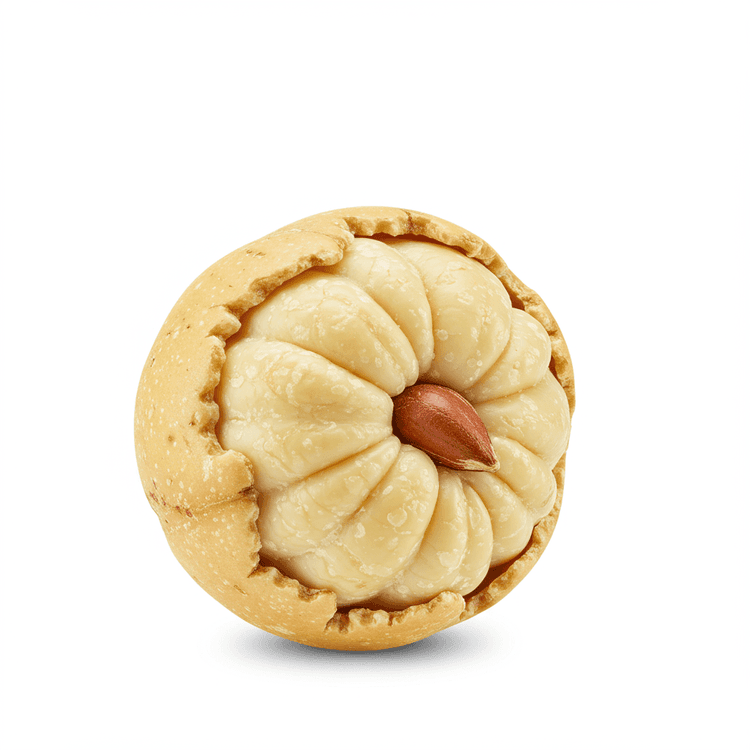
Charoli nuts, also known as chironji, are small, almond-flavored seeds prized in Indian cuisine. These tiny, teardrop-shaped nuts have a pale brown color and a smooth texture. They offer a delicate, slightly sweet flavor with a subtle nutty aroma, making them a versatile ingredient in both sweet and savory dishes. Searching for that unique nutty flavor? Charoli nuts are often used to enhance the richness and texture of various culinary preparations.
Despite the name, charoli isn't a true nut at all — it's the kernel of the fruit from the Buchanania lanzan tree, which grows wild across the dry forests of central and northern India. Once you crack past the hard outer shell, you're left with a lentil-sized seed that tastes like a cross between an almond and a pine nut, with a whisper of that same soft, buttery quality. Raw, the flavor is mild and a little green; toast them for a minute or two and they bloom into something warmer and toastier, closer to a lightly roasted almond.
In most Indian kitchens, charoli sits in the same drawer as the other festive nuts and seeds — pulled out for Holi and Diwali sweets, folded into rich milk puddings, or ground into gravies to add body without overpowering the dish. Because they're so small and soft, they don't need soaking or chopping the way bigger nuts do, which makes them one of the easier garnishes to keep on hand. If a recipe calls for a gentle, almondy richness and a bit of delicate crunch, charoli is usually the ingredient doing the quiet work.
Save recipes from anywhere, and get answers, swaps, and help as you cook.


Available now for early access users.