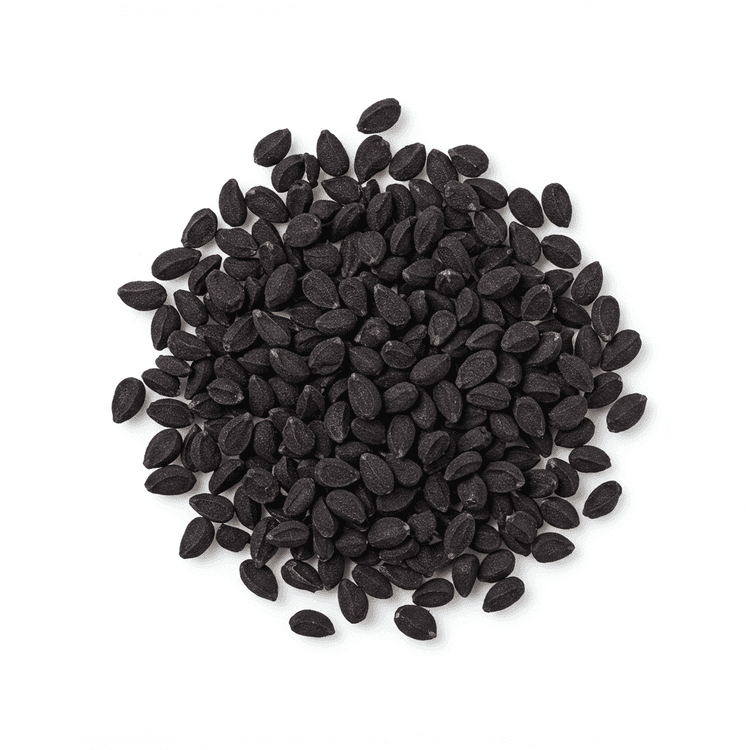
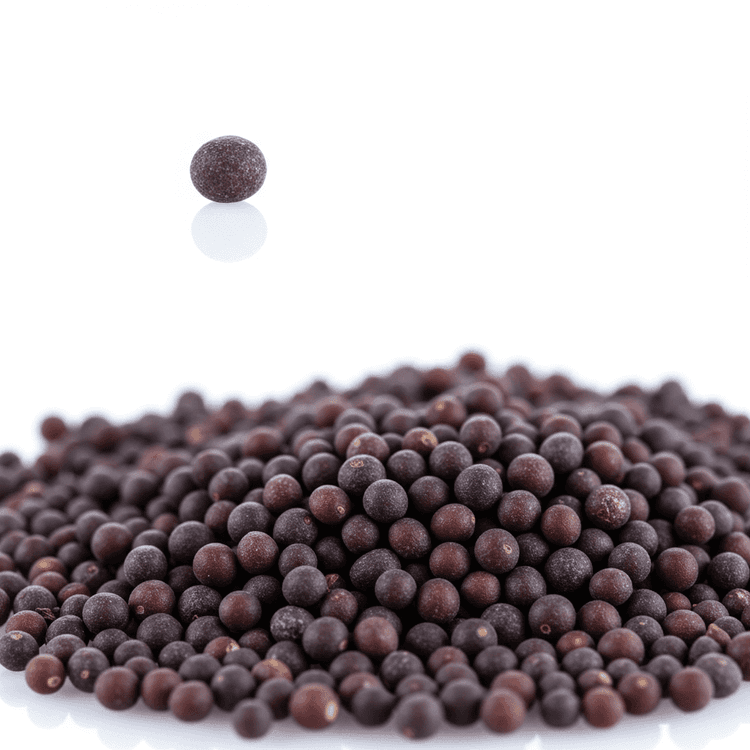
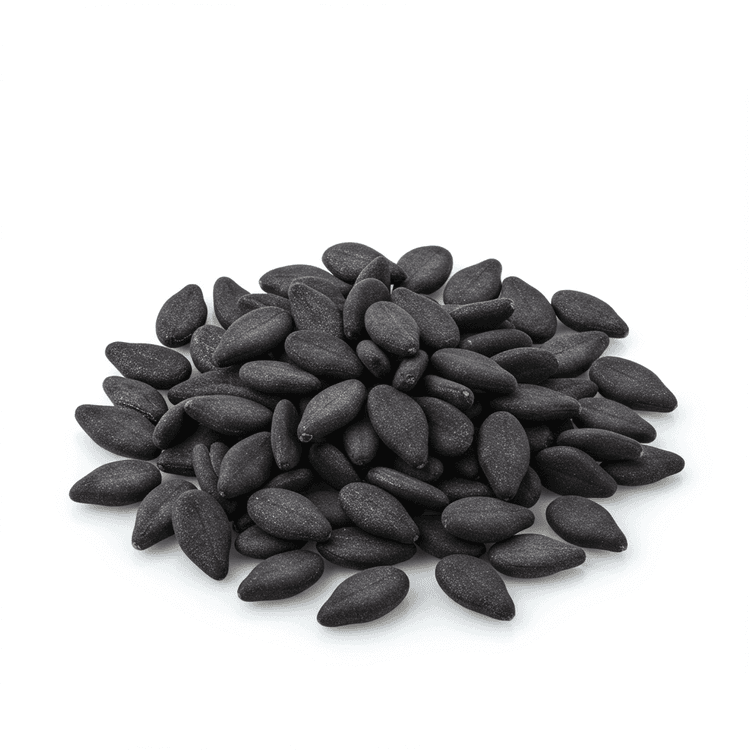
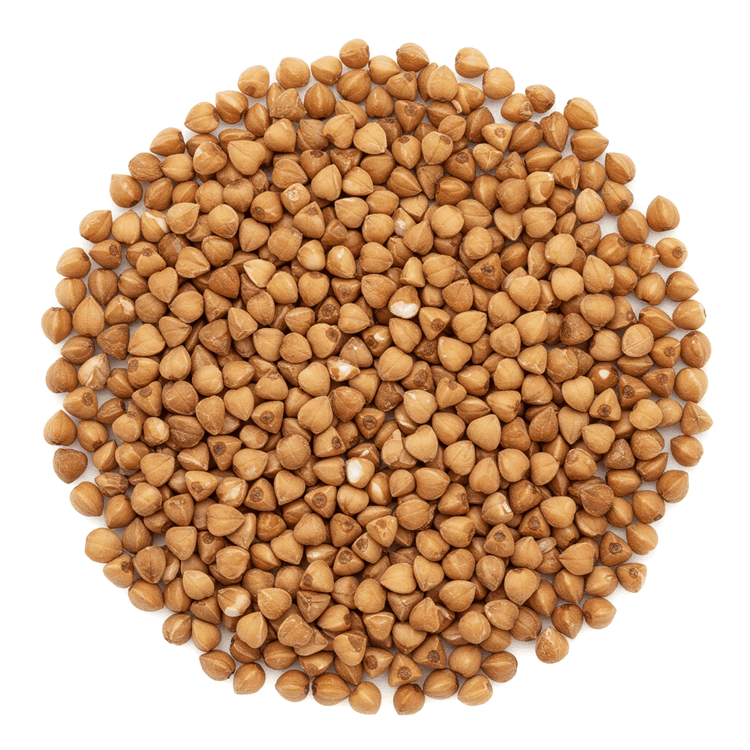
Seeds: Tiny Powerhouses of Nutrition and Flavor
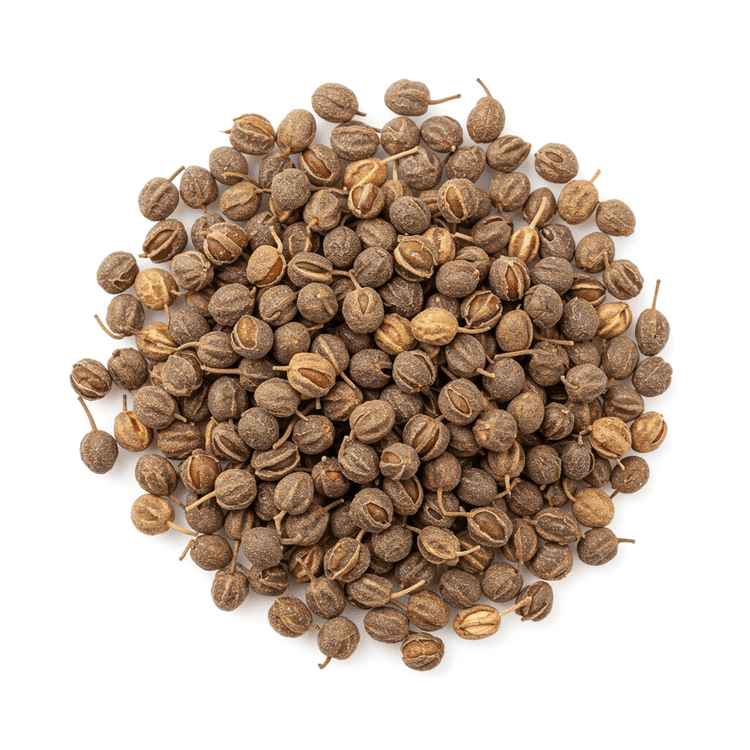
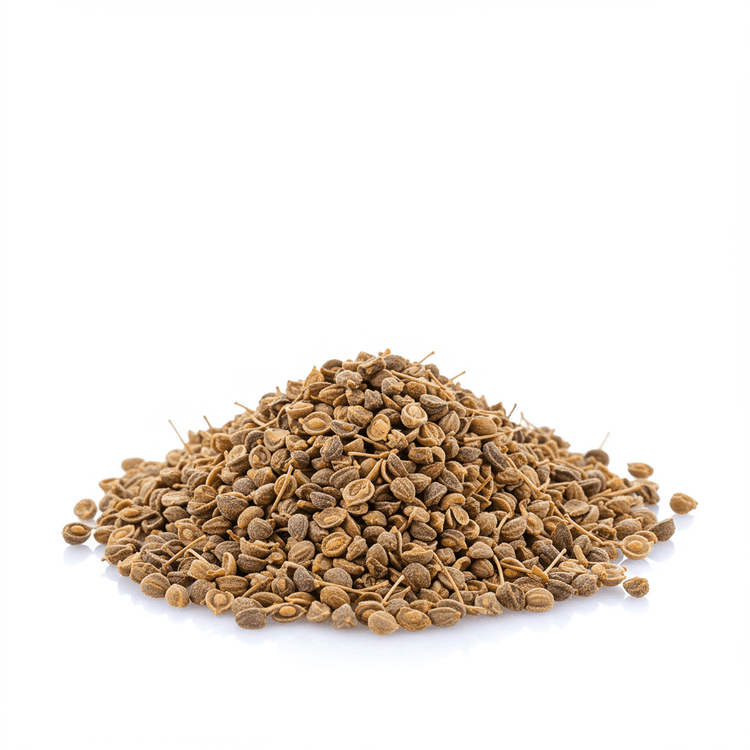
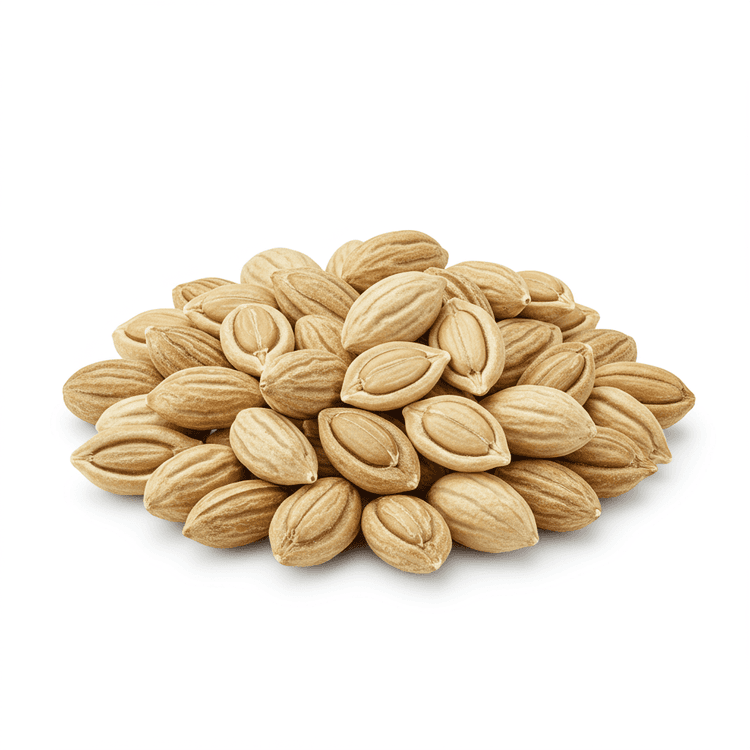
Seeds, often overlooked, are nutritional dynamos packed with essential nutrients and culinary versatility. From the humble sunflower seed to the mighty chia, these tiny packages offer a wealth of health benefits and can elevate your meals from ordinary to extraordinary. Incorporating seeds into your diet is a simple yet impactful way to boost your overall well-being.
Health Benefits: A Nutritional Goldmine
Seeds are a fantastic source of several vital nutrients. They are typically rich in healthy fats, including omega-3 fatty acids, which are crucial for brain health, reducing inflammation, and supporting cardiovascular function. Many seeds, like flaxseeds and hemp seeds, are particularly high in these beneficial fats. Additionally, seeds are excellent providers of plant-based protein, essential for building and repairing tissues, supporting immune function, and keeping you feeling full and satisfied. Fiber is another key component, aiding digestion, regulating blood sugar levels, and promoting gut health. The high fiber content in seeds like chia and psyllium can also contribute to weight management.
Beyond macronutrients, seeds are brimming with micronutrients. They are often good sources of vitamins like vitamin E, a powerful antioxidant that protects cells from damage, and B vitamins, which play a vital role in energy metabolism. Minerals like magnesium, zinc, iron, and selenium are also abundant in many seeds. Magnesium is essential for muscle and nerve function, zinc supports immune health and wound healing, iron is crucial for oxygen transport, and selenium acts as an antioxidant and supports thyroid function.
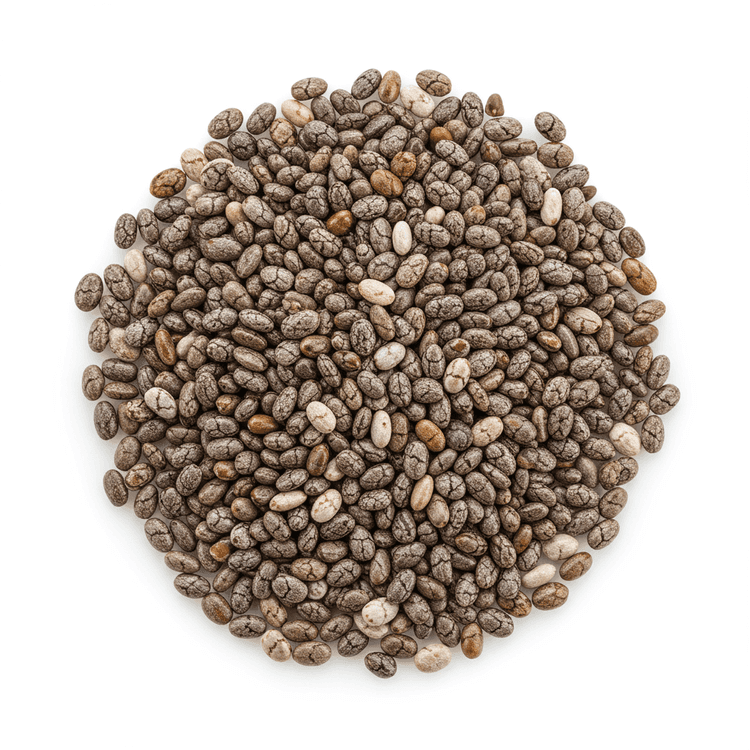
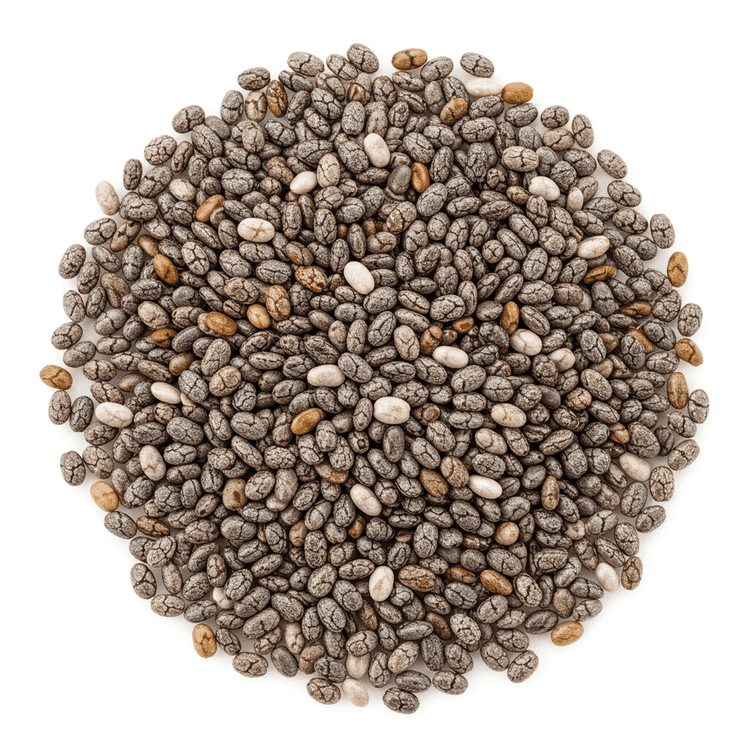
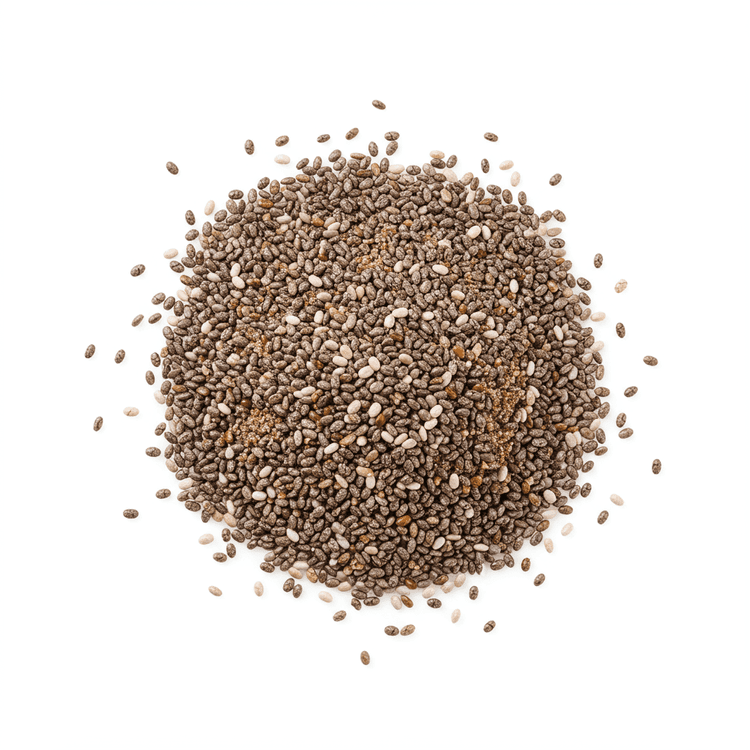
Specific seeds offer unique benefits. For example, flaxseeds are a top source of lignans, plant compounds that may have antioxidant and hormone-balancing effects. Pumpkin seeds are known for their high zinc content and have been linked to prostate health. Sunflower seeds are a good source of vitamin E and selenium. Chia seeds are renowned for their exceptional fiber content and ability to absorb liquid, making them a great addition to smoothies and puddings.
Culinary Uses: A World of Flavor and Texture
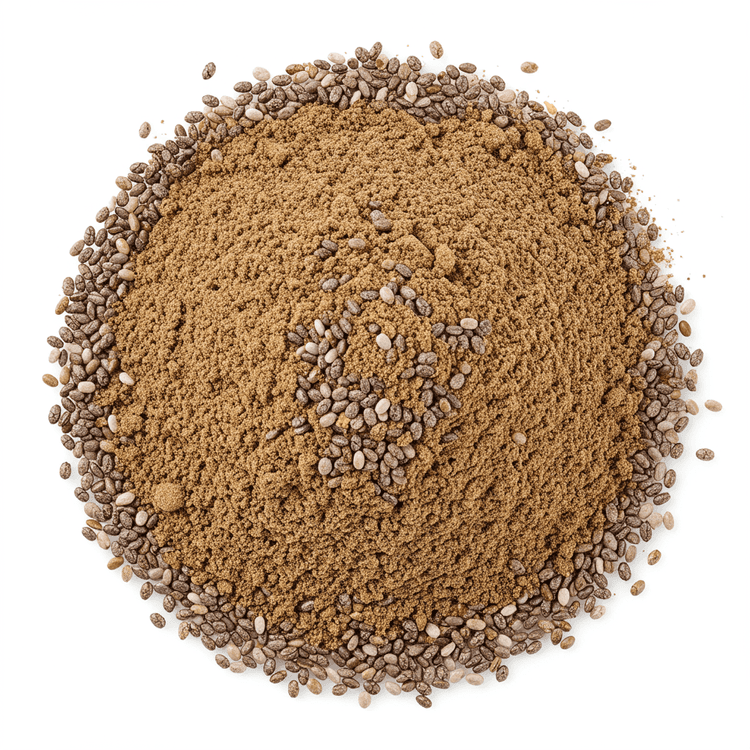
Seeds are incredibly versatile in the kitchen. They can be enjoyed raw, toasted, ground, or sprouted. Add them to smoothies, yogurt, oatmeal, or salads for a nutritional boost and a satisfying crunch. Toasted seeds add a nutty flavor to baked goods like bread, muffins, and cookies. Ground seeds, such as flaxseed meal, can be used as a binder in vegan baking or added to smoothies for extra fiber. Seeds can also be used to make delicious and nutritious snacks, like homemade granola bars or energy bites.
Popular dishes featuring seeds include: Chia seed pudding, a simple and healthy breakfast or snack. Sunflower seed butter, a delicious alternative to peanut butter. Sesame chicken, a classic Asian-inspired dish. Everything bagel seasoning, a flavorful blend of seeds and spices. Pumpkin seed pesto, a vibrant and nutty twist on traditional pesto. Seed crackers, a healthy and gluten-free snack.
Importance for a Balanced Diet: Nutritional Advantages
Seeds are an important addition to a balanced diet because they offer a unique combination of nutrients that are often lacking in modern diets. Their high fiber content promotes digestive health and helps regulate blood sugar levels, while their healthy fats support brain and heart health. The plant-based protein in seeds is a valuable source for vegetarians and vegans. Furthermore, the abundance of vitamins, minerals, and antioxidants in seeds contributes to overall health and well-being. By incorporating a variety of seeds into your diet, you can enjoy their numerous health benefits and enhance the flavor and texture of your meals. The concentrated nutrition in a small package, combined with their versatility, makes seeds a powerful tool for achieving optimal health and a balanced diet. ||
Seed are an essential part of a healthy diet, providing a wide range of nutrients and health benefits. Explore our collection of seed ingredients.