
100 Heart Healthy Recipes That Are Genuinely Worth Cooking
Updated July 16, 2026 · Curated by Chefadora
I started collecting heart healthy recipes the year my father was told to bring his cholesterol down, and the first thing I learned is that the food does not have to be dull. Everything below comes from the Chefadora kitchen, tagged by our team against the pattern a heart friendly diet is built on: oily fish, pulses, vegetables, whole grains, nuts and decent oil, cooked with enough acid and spice to taste like dinner rather than a prescription.
There are 100 of them, sorted the way people actually cook. Baked fish for a quiet Tuesday. One-pot stews for a Sunday. Salads, dips and sauces that live in the fridge and rescue the rest of the week. Some are naturally light; others are comfort food rebuilt with a brush instead of a pour.
None of this replaces medical advice. If you are managing blood pressure, cholesterol or a diagnosed cardiac condition, talk to your doctor or a dietitian about what your plate should look like — then come back and pick something you genuinely want to eat.
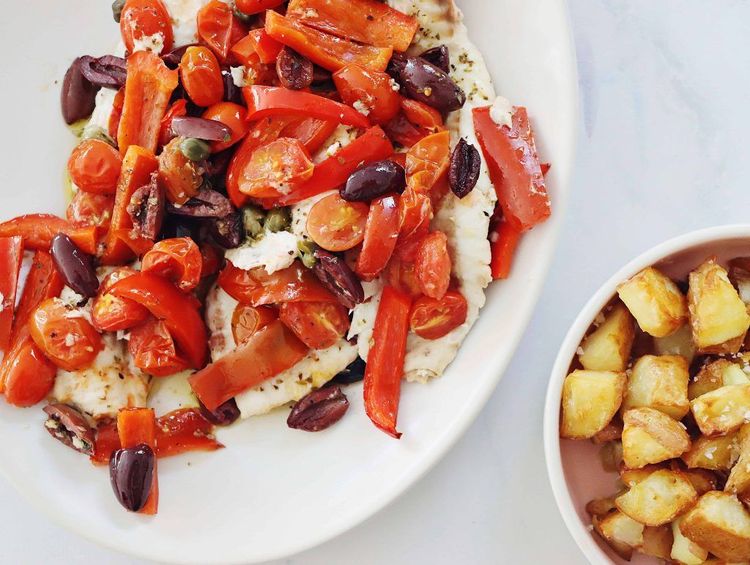
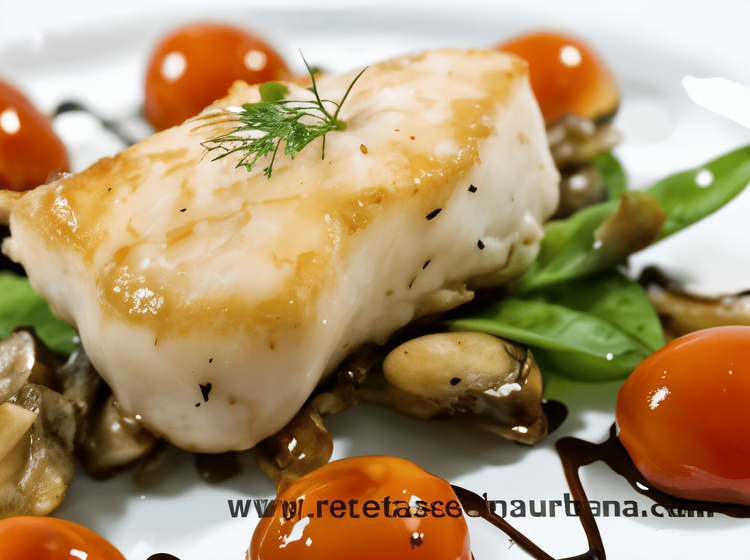
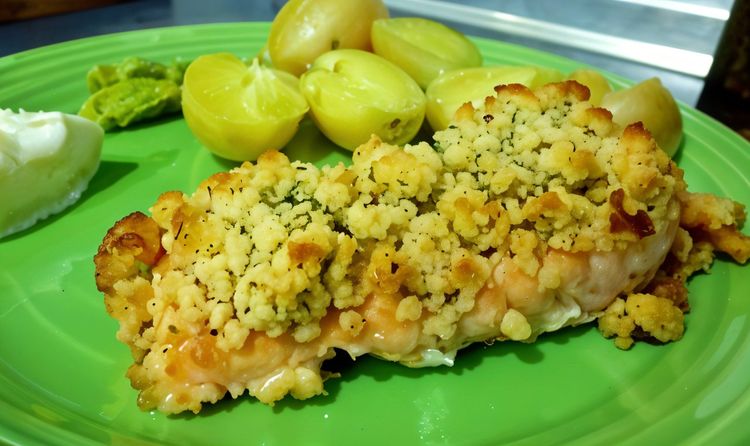
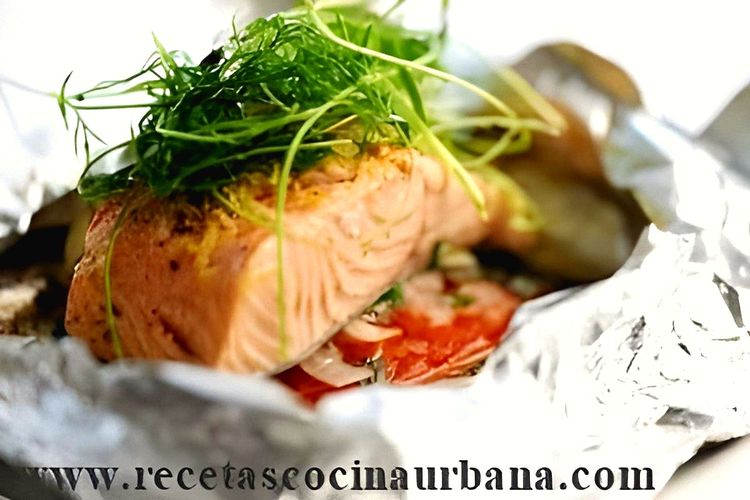
Baked, Steamed and Papillote Fish: The Backbone of Heart Healthy Recipes
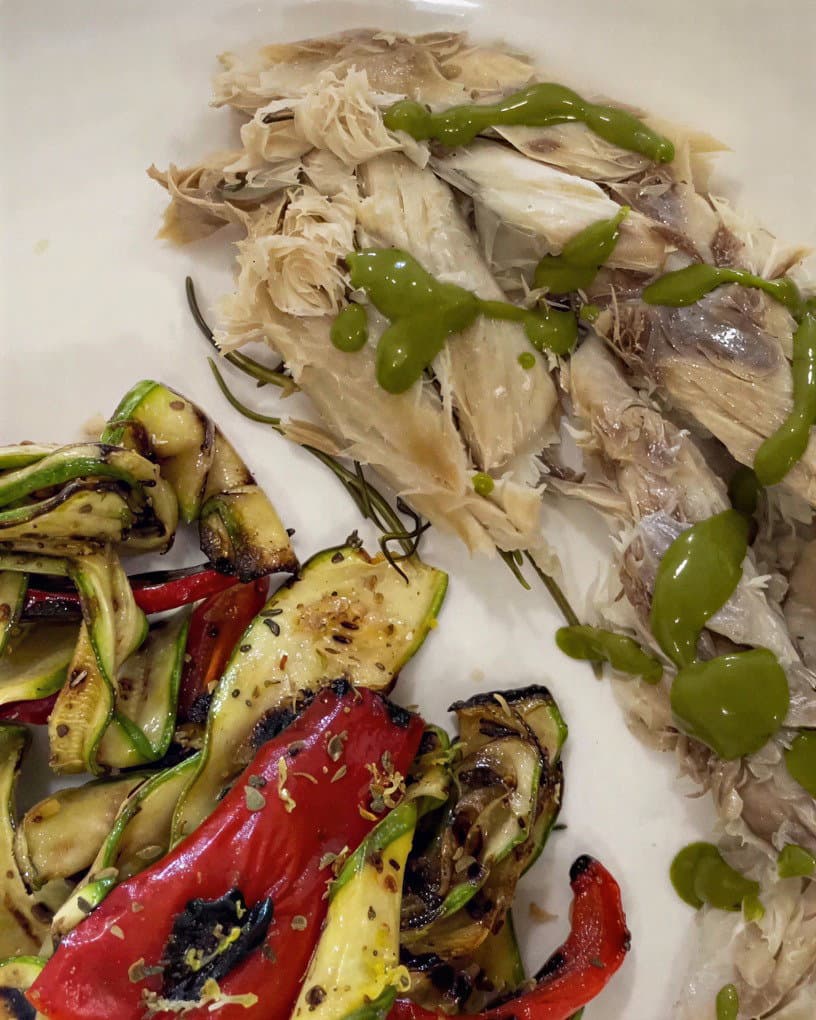
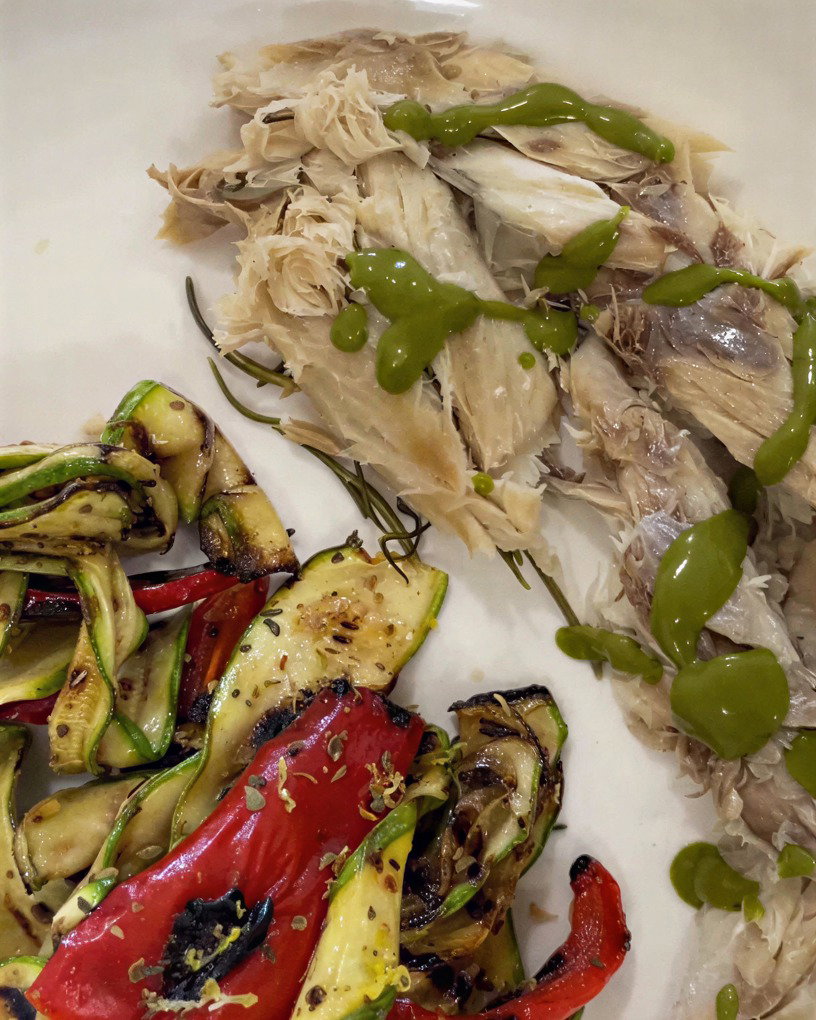
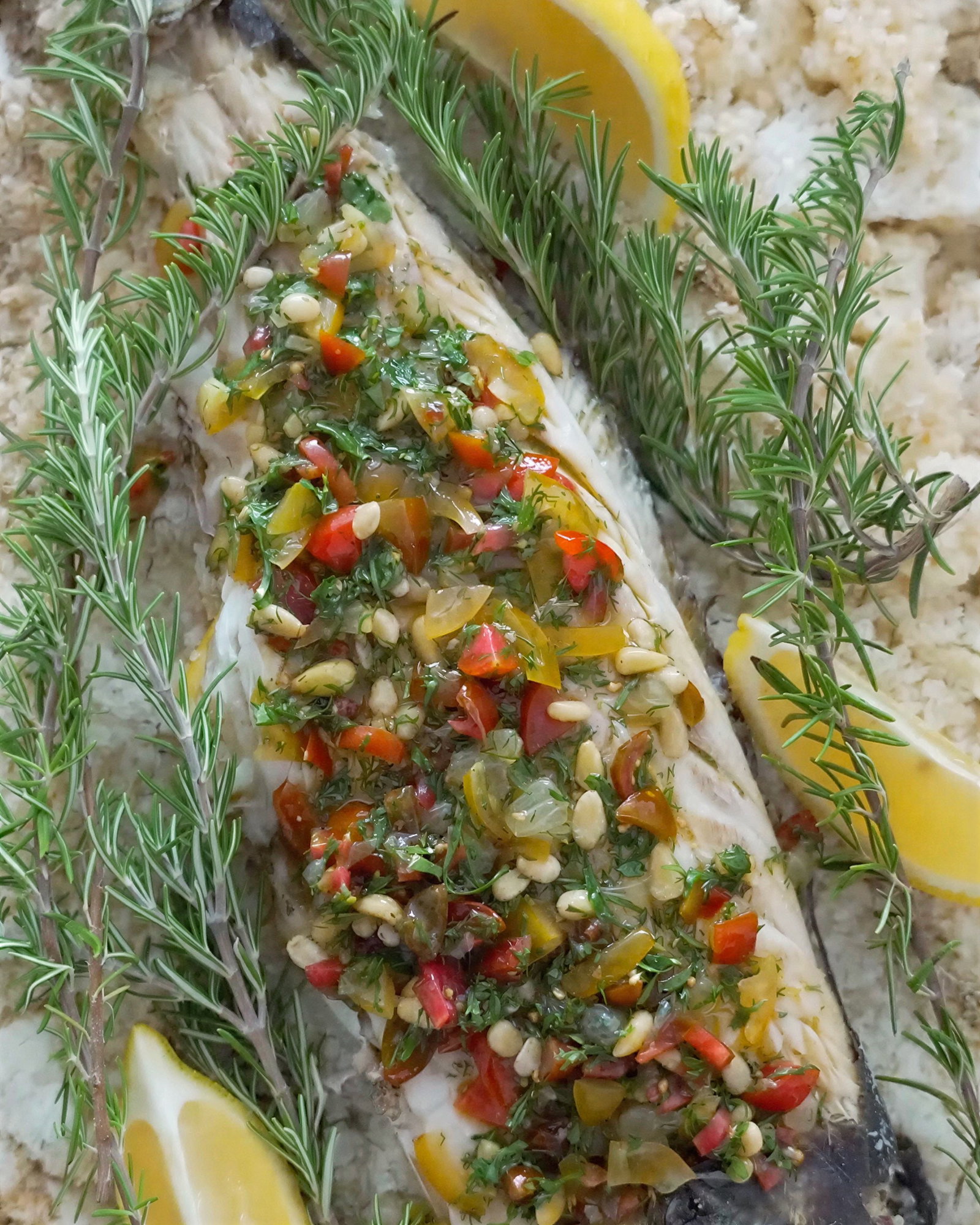
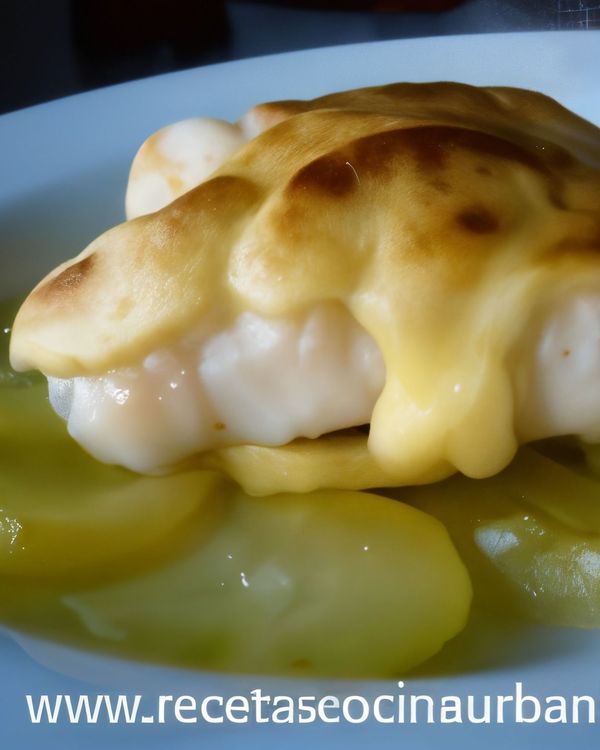
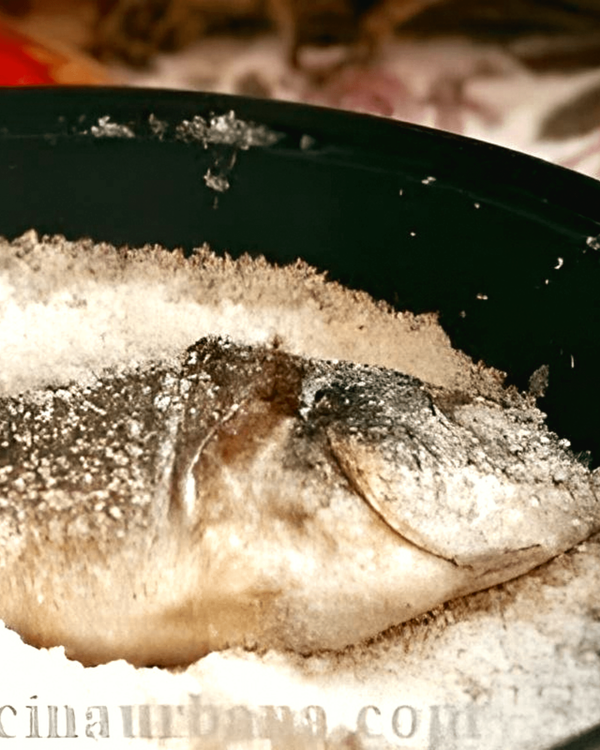
Gentle heat is a fish cook's best friend. Salt crusts, paper parcels and a moderate oven all cook by trapped steam, so the fillet stays moist without a knob of butter or a pan of oil to help it. Whole fish takes longer than you expect — allow roughly ten minutes per 500g at 200C, then test at the thickest point near the spine. If the flesh parts cleanly from the bone, it is ready. Salmon and mackerel forgive an extra minute in the oven; lean cod and sole will not.

- Gluten-Free
- Main Course

- Filipino
- Non-Vegetarian
- Lunch


- Pescatarian
- Dinner
- Pescatarian
- Main Course


- Gluten-Free
- Dinner
- Mediterranean
- Pescatarian
- Dinner
- French
- Pescatarian
- Lunch
- European
- Pescatarian
- Dinner
- French
- Pescatarian
- Dinner
- Spanish
- Pescatarian
- Lunch
- Mediterranean
- Pescatarian
- Lunch
- International
- Pescatarian
- Lunch
One-Pot Fish Stews, Green Sauces and Skillet Suppers
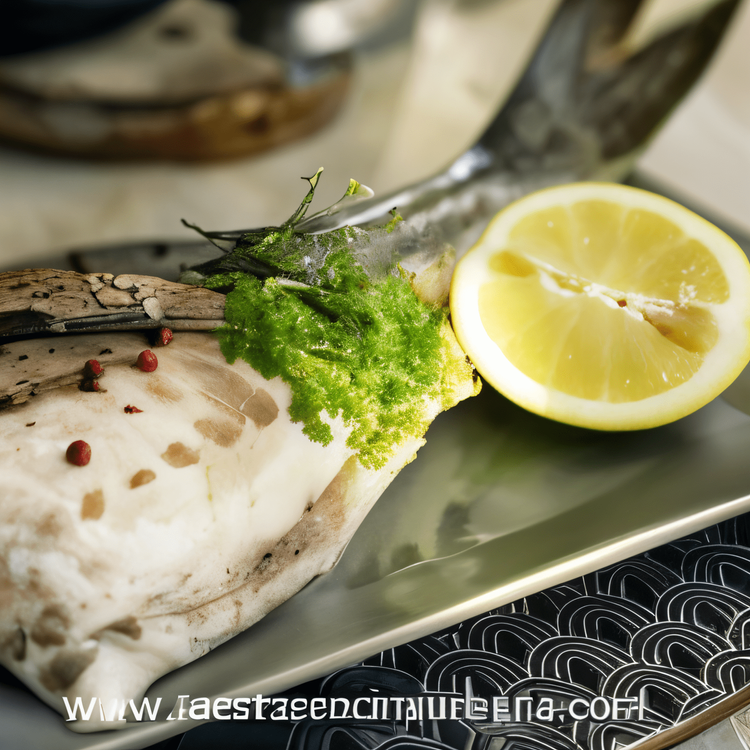
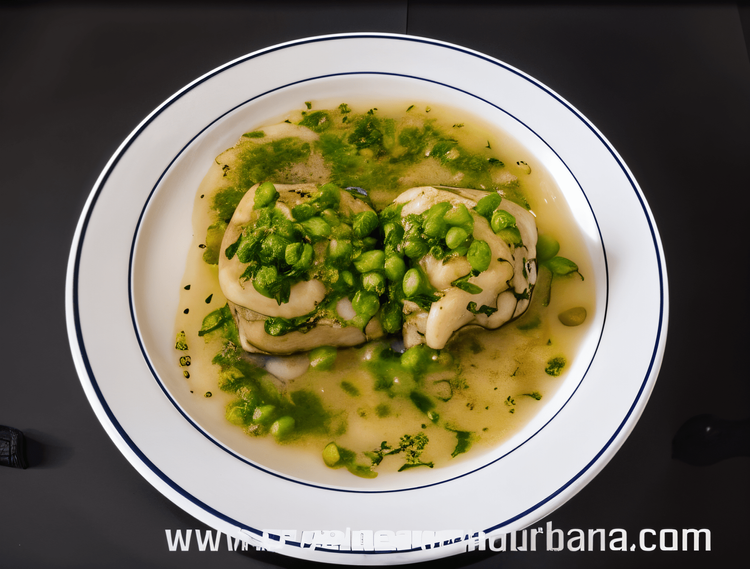
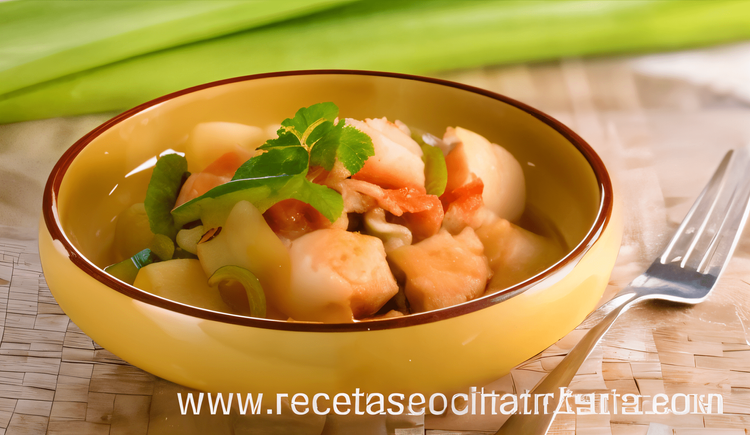
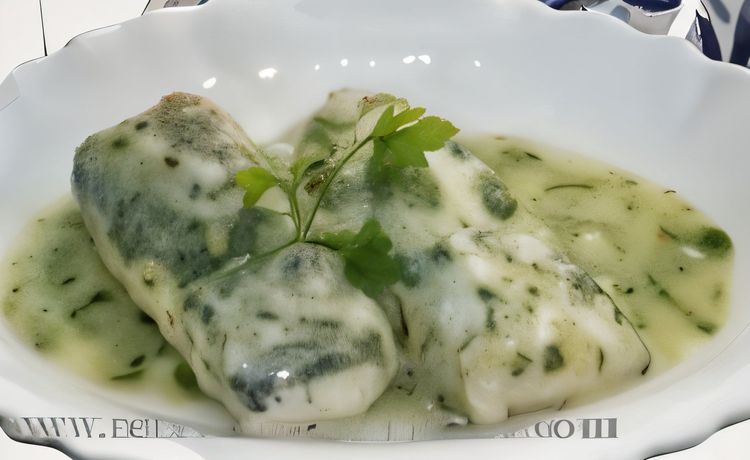
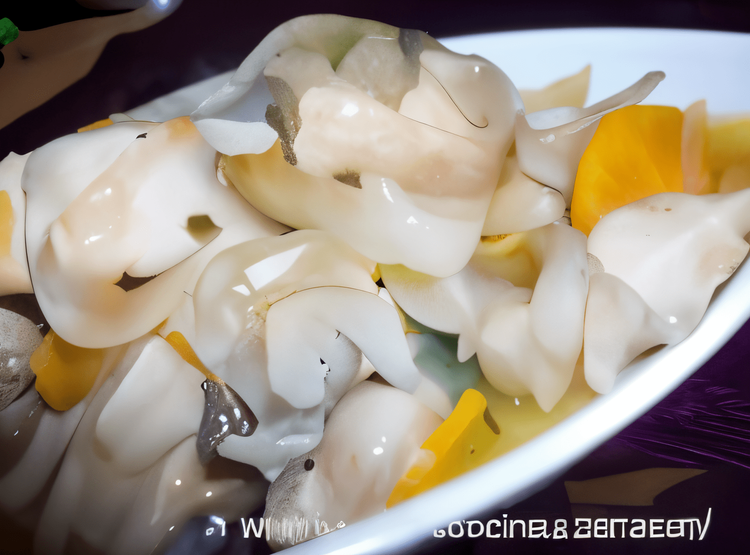
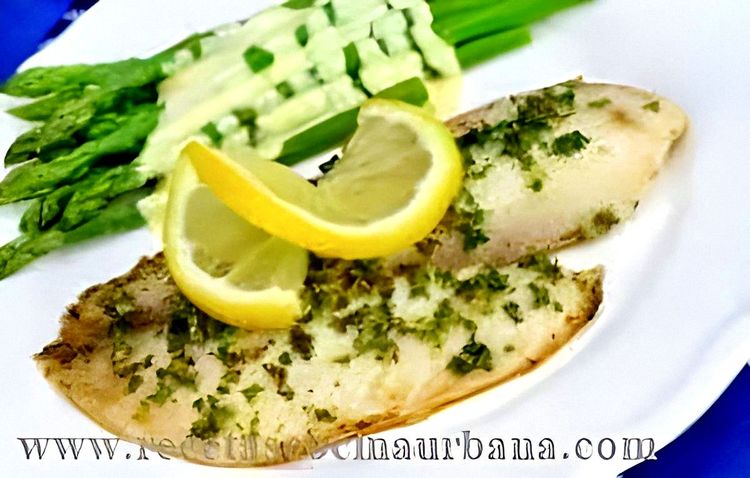
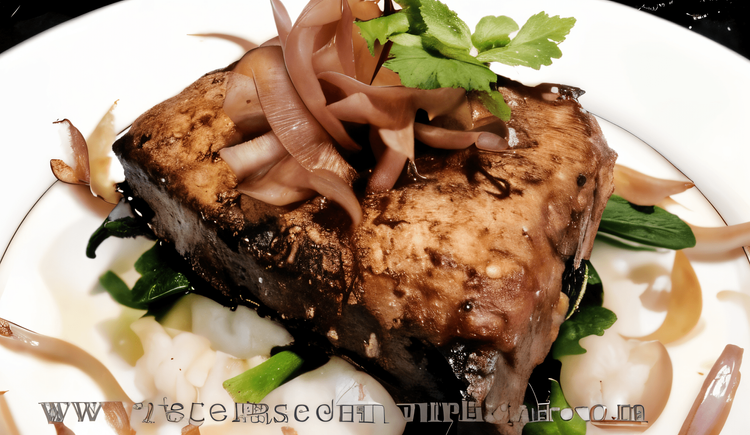
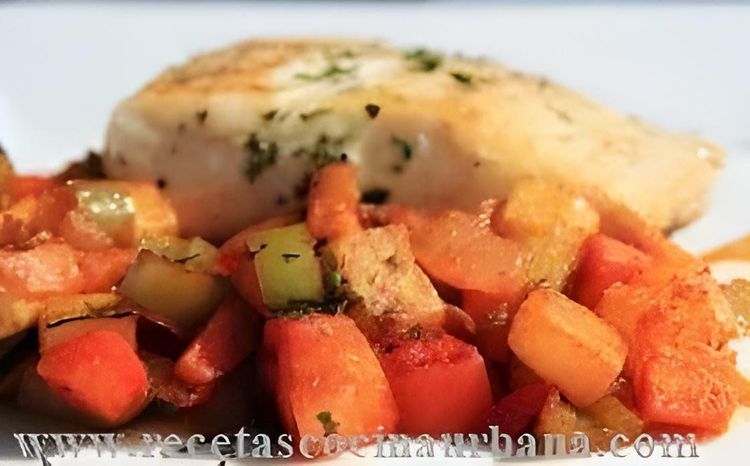
Spanish and Balkan cooks worked out long ago that fish makes its own sauce. Hake in green sauce needs nothing but parsley, garlic, wine and a pan you can swirl — gelatine from the fish thickens it as you go, so cream never enters the conversation. Keep the heat low and move the pan, not a spoon. For stews, add the fish last and pull the pot off the heat while the pieces are still slightly underdone. Hake, cod and bream are about as lean as a healthy heart food gets, and the broth is where the interest lives.
- Mediterranean
- Pescatarian
- Lunch
- Spanish
- Pescatarian
- Lunch
- Latin American
- Pescatarian
- Lunch
- Spanish
- Pescatarian
- Lunch
- International
- Pescatarian
- Lunch
- Spanish
- Pescatarian
- Sauce & Condiment
- Mediterranean
- Pescatarian
- Lunch
- Mediterranean
- Pescatarian
- Lunch
- Mediterranean
- Pescatarian
- Lunch
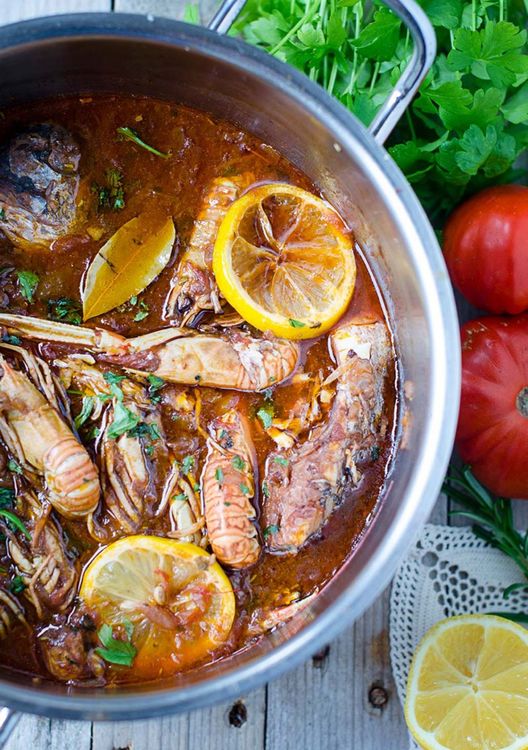
- Croatian
- Pescatarian
- Lunch
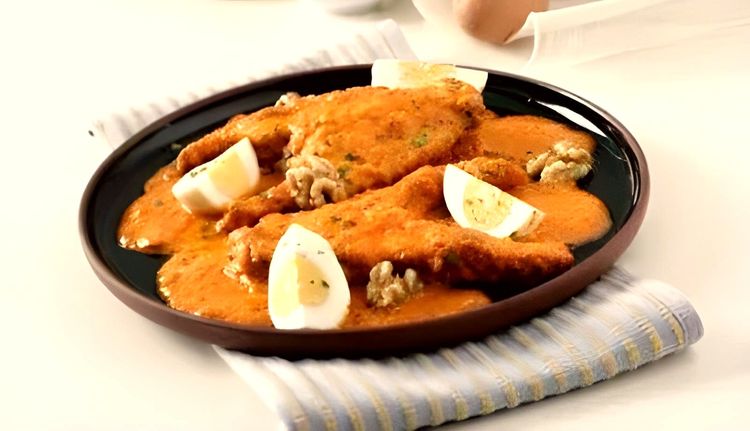
- Mediterranean
- Pescatarian
- Lunch
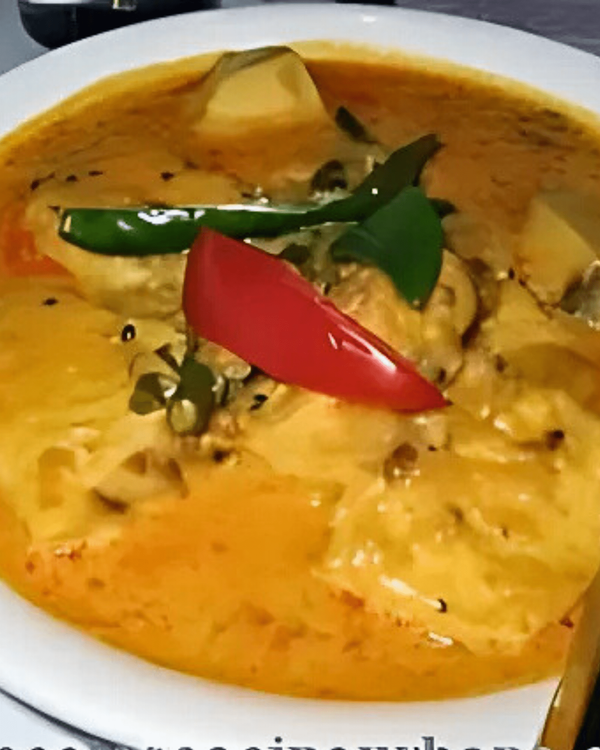
- Latin American
- Pescatarian
- Lunch
Grilled, Seared and No-Cook Seafood Plates
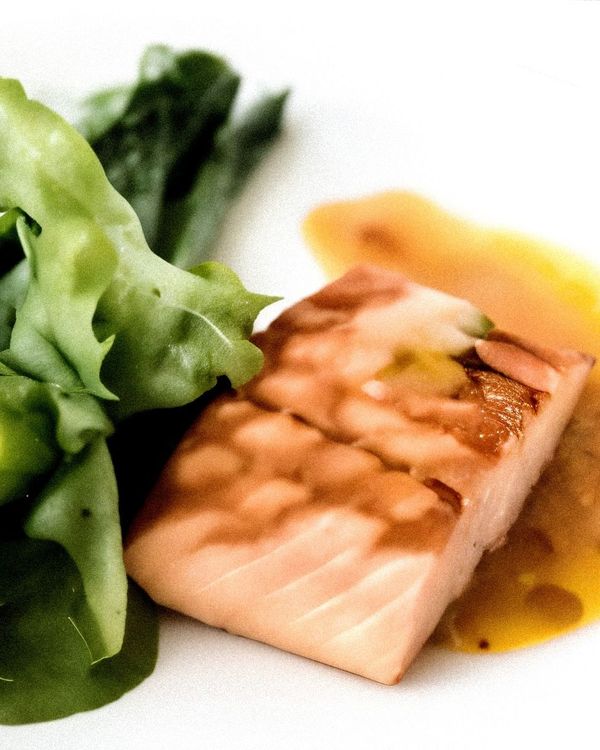
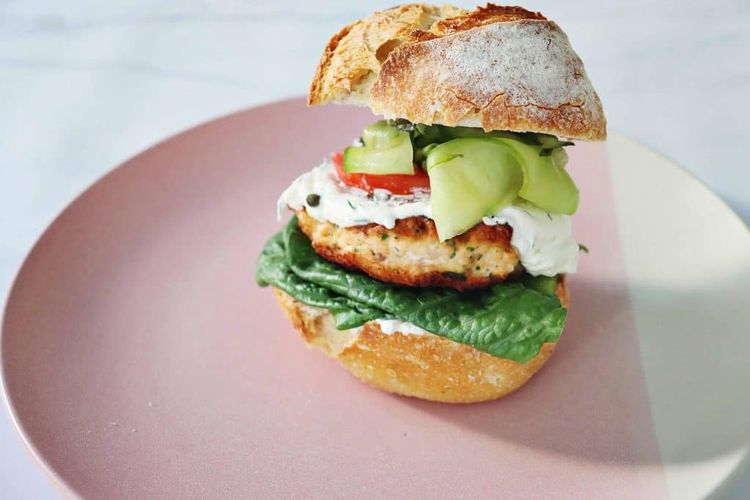
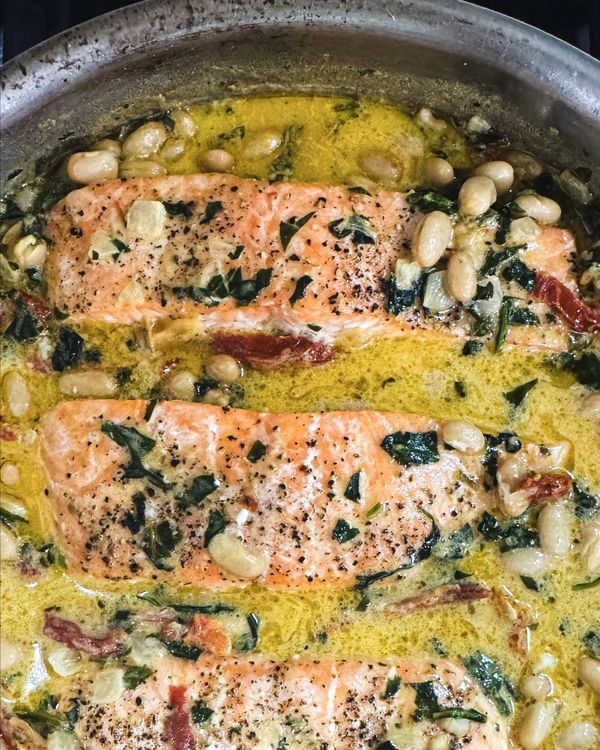
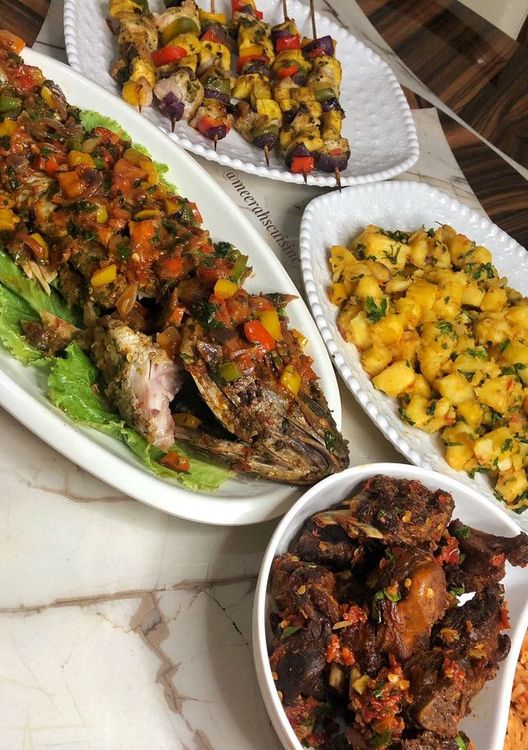
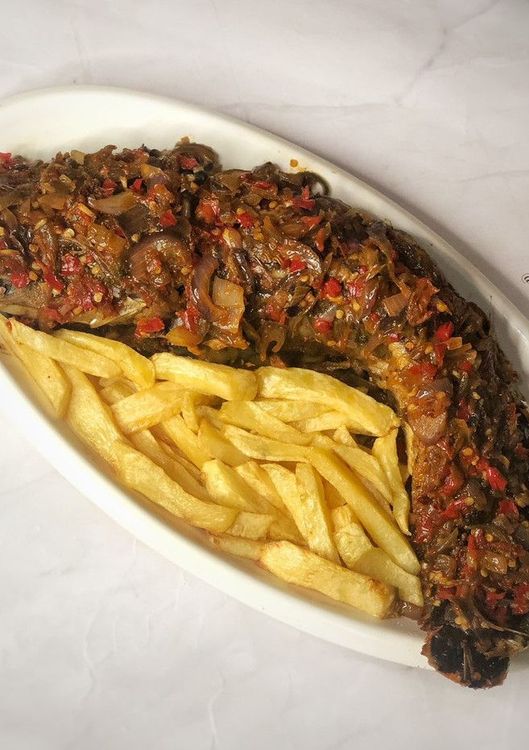
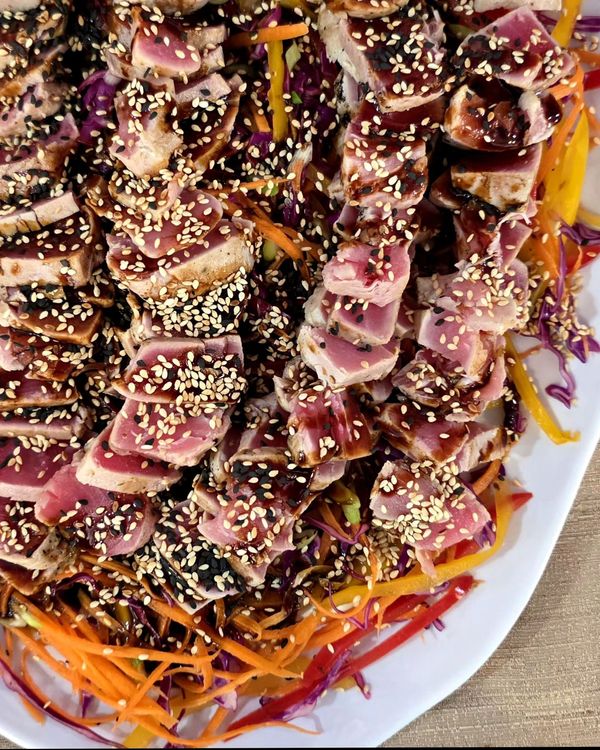
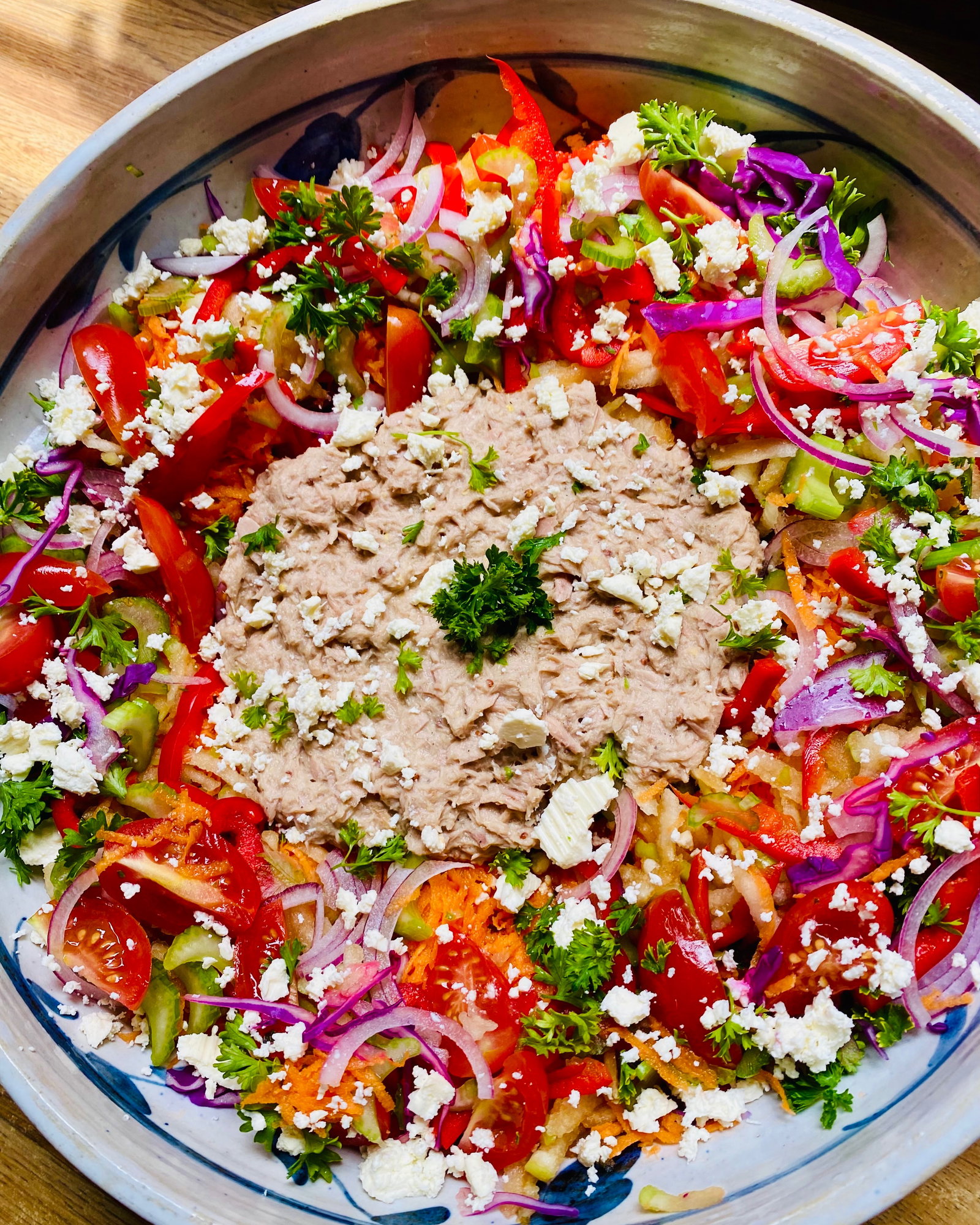
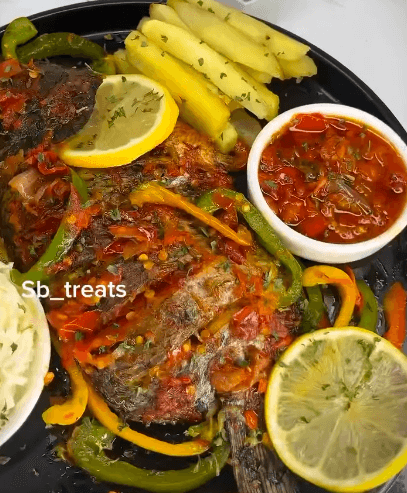
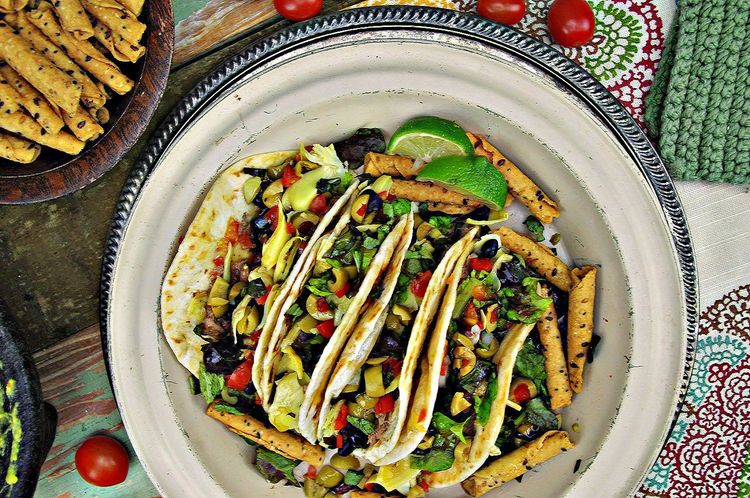
This is where dinner gets fast. Searing, grilling and simply opening a tin all put oily fish on the plate in under half an hour, which is what makes heart healthy meals survive a working week. Get the pan properly hot before the fish goes near it, season the surface rather than the marinade, and then leave it alone for ninety seconds before you touch it. Tinned sardines and tuna are the cheapest omega-3 going, and nobody should feel sheepish about reaching for them on a Wednesday.
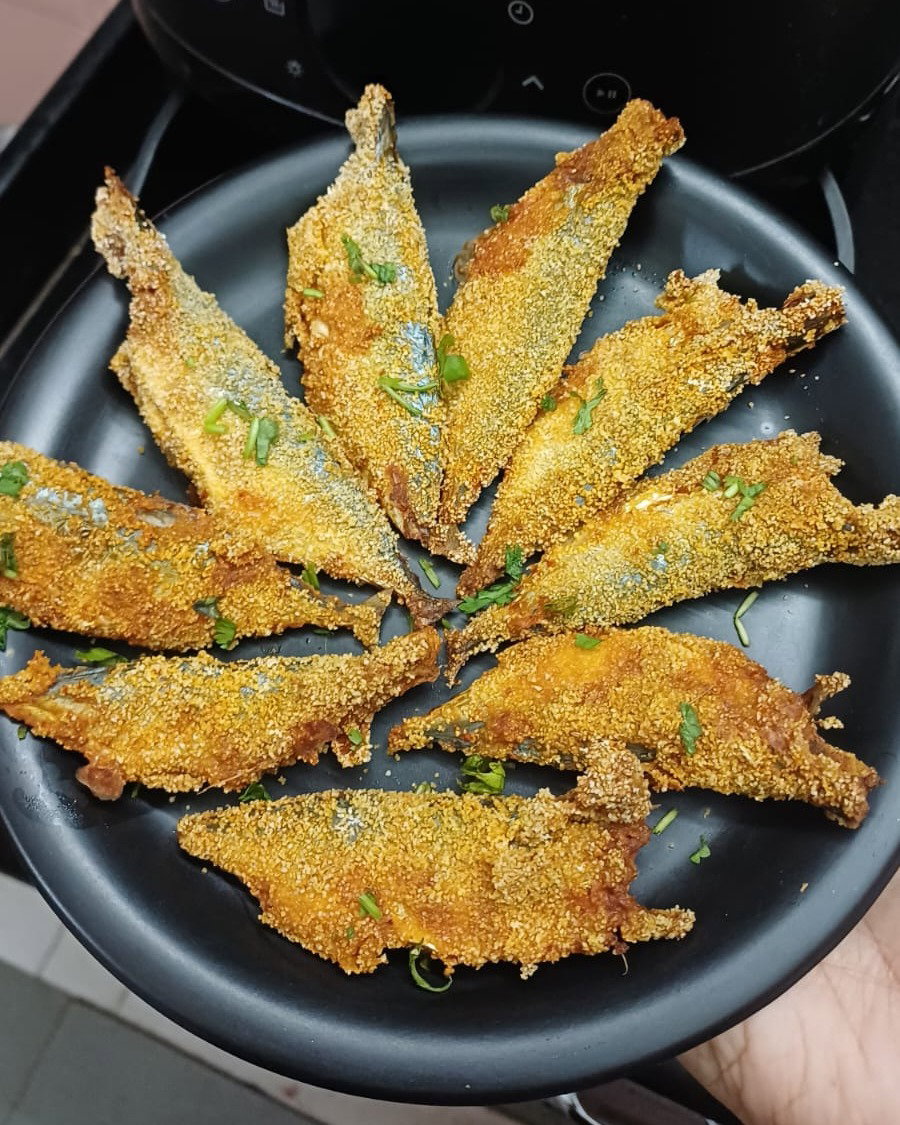

- Dairy-Free
- Main Course


- Fusion
- Pescatarian
- Dinner
- Mediterranean
- Pescatarian
- Lunch

- American
- Pescatarian
- Dinner

- African
- Pescatarian
- Lunch
- African
- Pescatarian
- Lunch
- Mediterranean
- Pescatarian
- Lunch
- International
- Pescatarian
- Dinner
- Sicilian
- Pescatarian
- Lunch
- Latin American
- Pescatarian
- Lunch

- Asian
- Pescatarian
- Lunch

- Pescatarian
- Lunch

- African
- Pescatarian
- Dinner

- Fusion
- Pescatarian
- Lunch
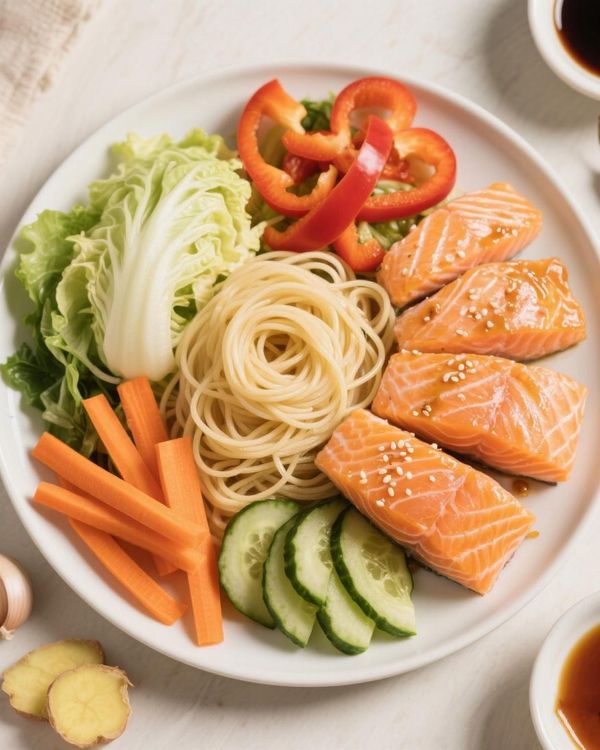

- Asian
- Pescatarian
- Lunch
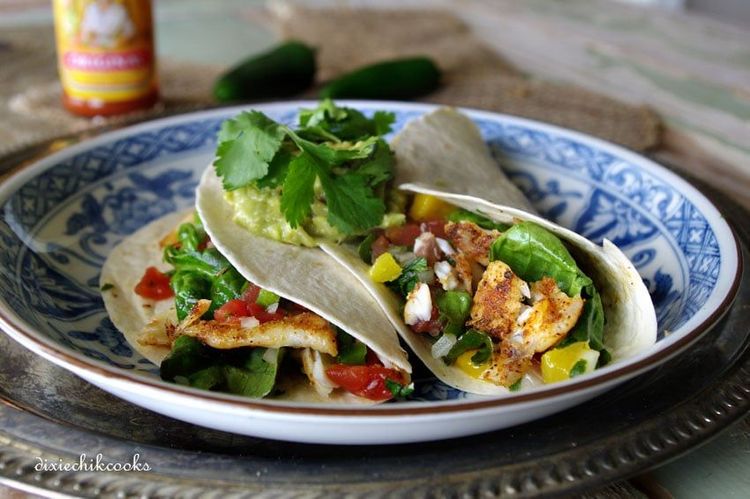
- Mexican
- Pescatarian
- Lunch
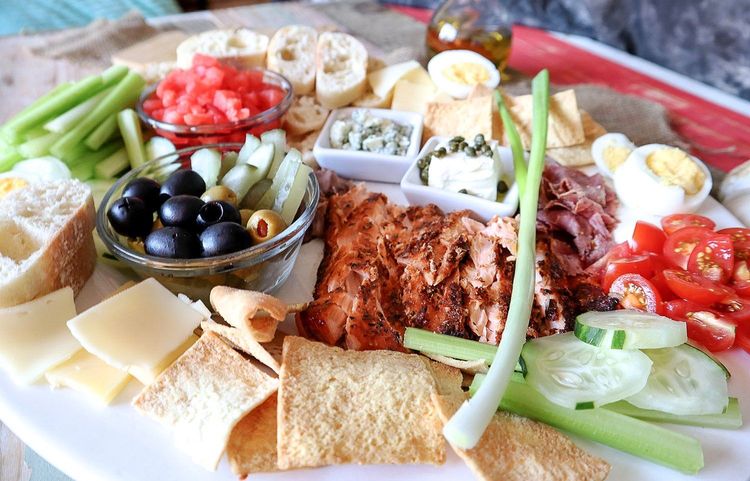
- American
- Nut-Free
- Appetiser
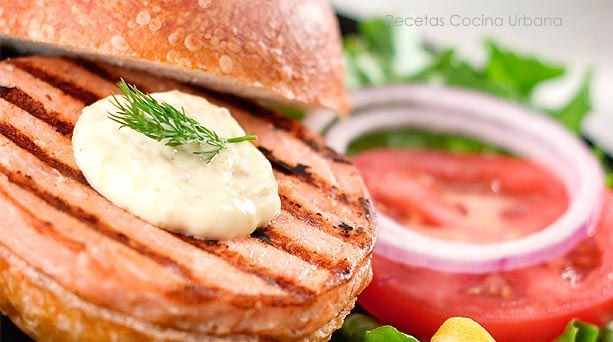
- Modern
- Pescatarian
- Main Course
Lean Poultry, Pork and Slow-Cooked Meat
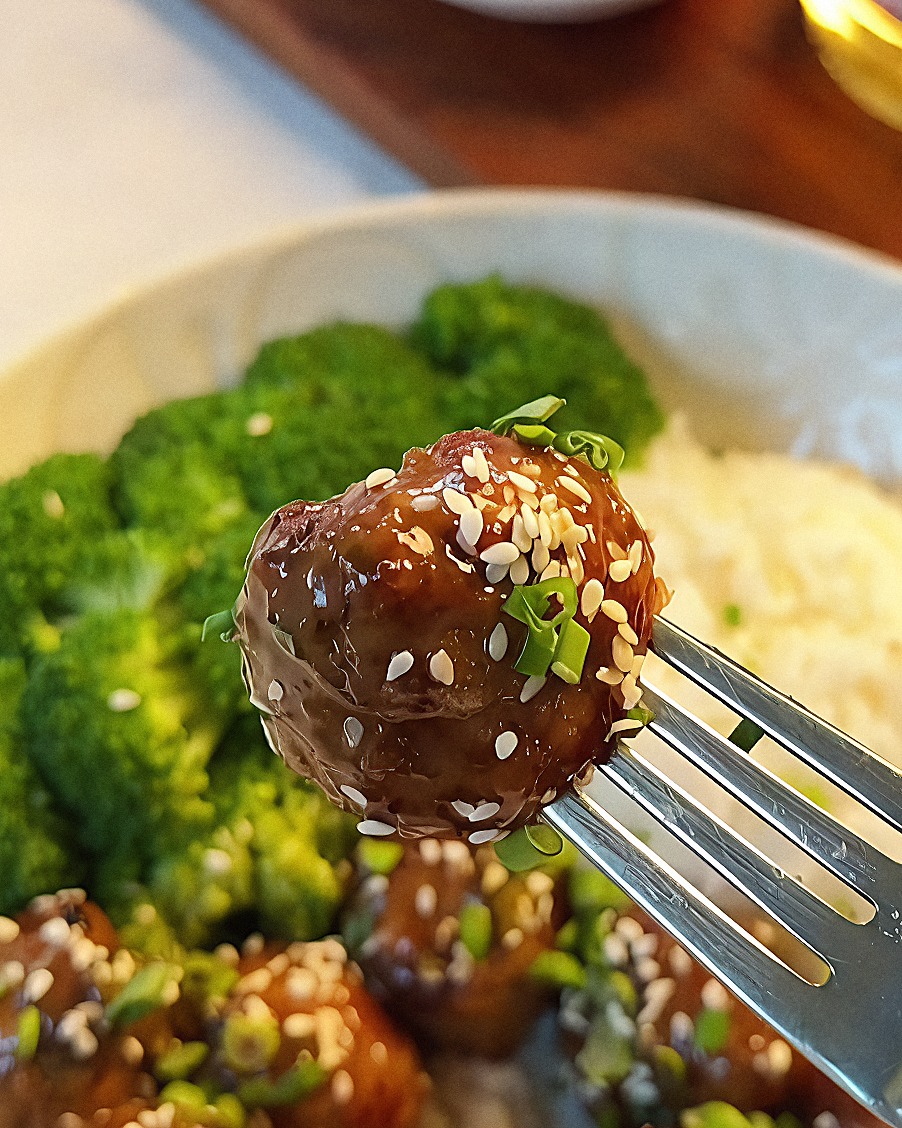
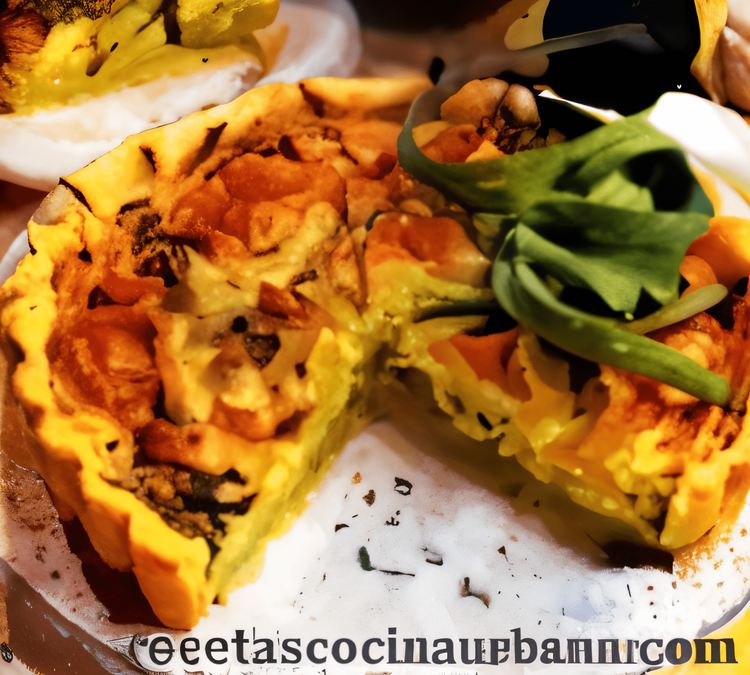
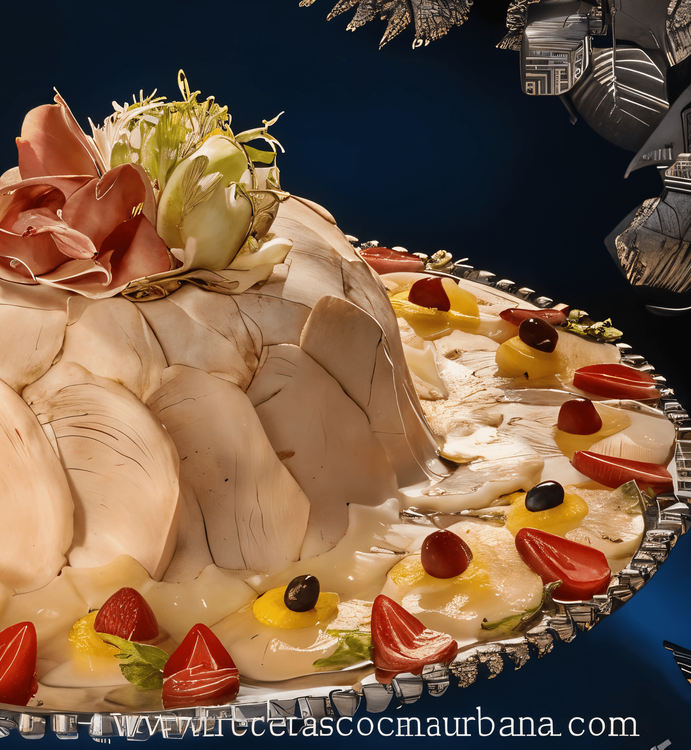
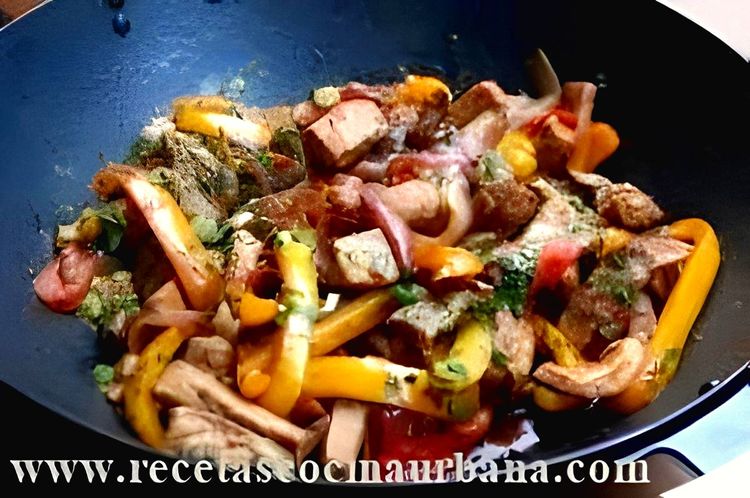
Meat is not banned here; the cut and the cooking do the work. Skinless chicken, turkey mince and trimmed pork loin carry a fraction of the saturated fat of the same weight of lamb shoulder. Most cardiac diet recipes drop meat entirely — these do not, they change the ratio instead. When you do braise something fatty, cook it a day ahead, chill it overnight and lift the set cap of fat straight off. Bulk the pot out with root vegetables so the meat flavours the dish rather than dominating it.
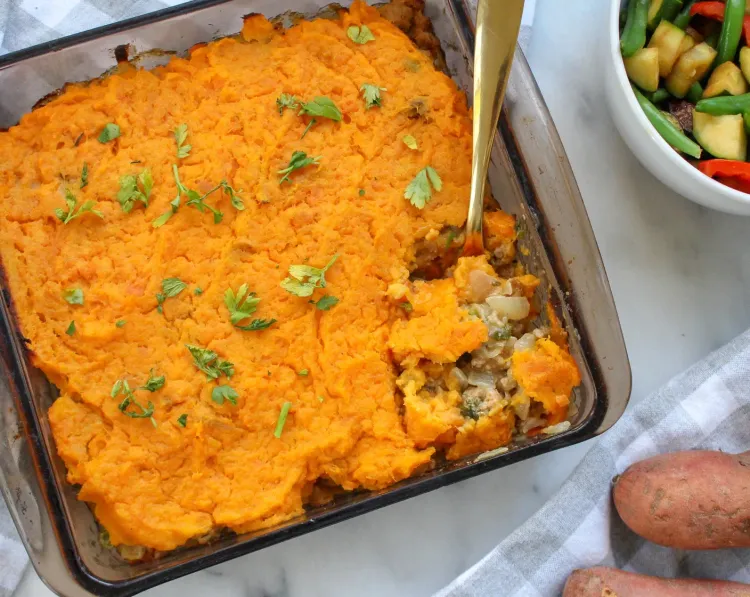
- American
- Non-Vegetarian
- Dinner
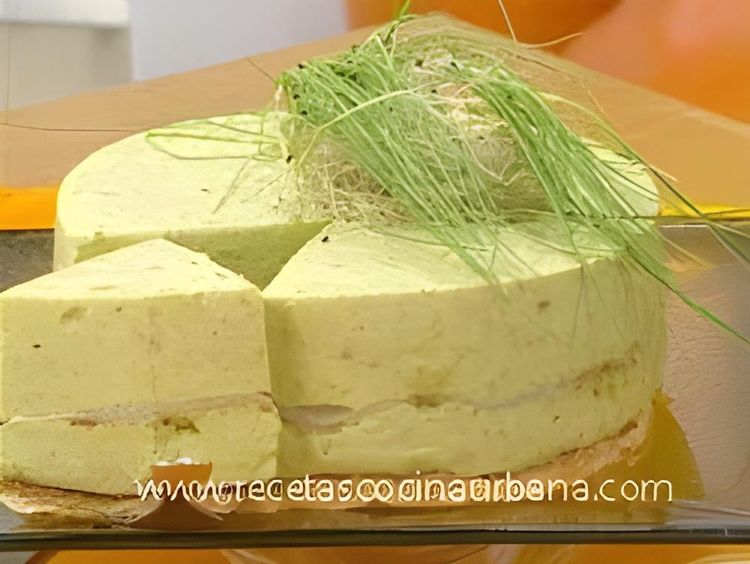
- Mexican
- Non-Vegetarian
- Appetiser
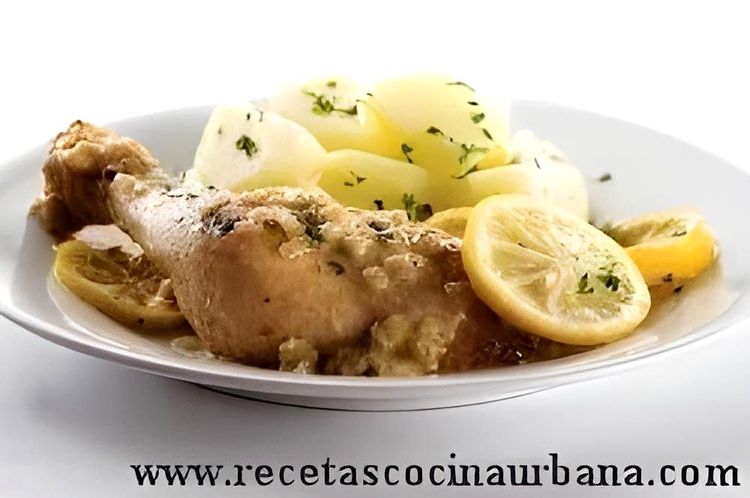
- International
- Non-Vegetarian
- Lunch

- Asian
- Non-Vegetarian
- Dinner
- French
- Non-Vegetarian
- Lunch
- International
- Non-Vegetarian
- Dinner
- Asian
- Non-Vegetarian
- Lunch
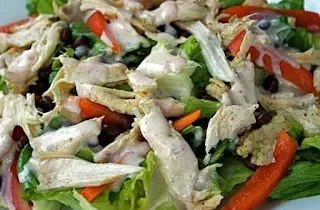
- Mexican
- Non-Vegetarian
- Salad
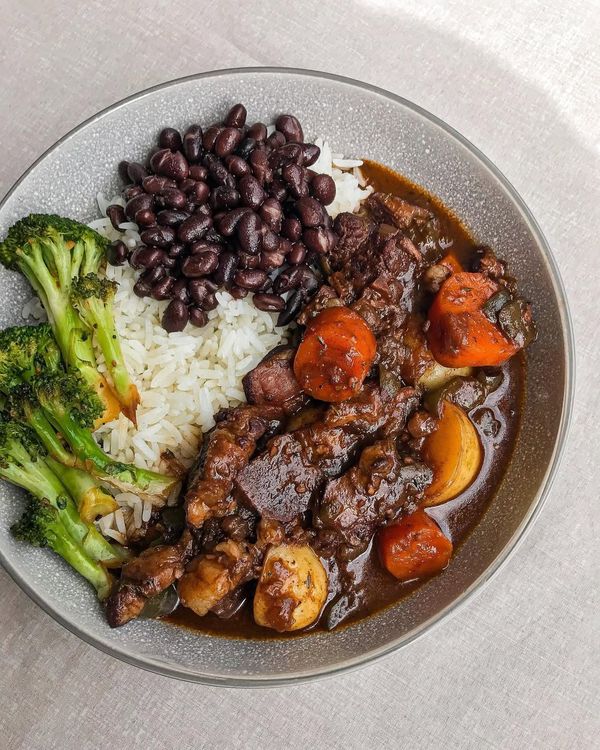
- Mediterranean
- Non-Vegetarian
- Dinner
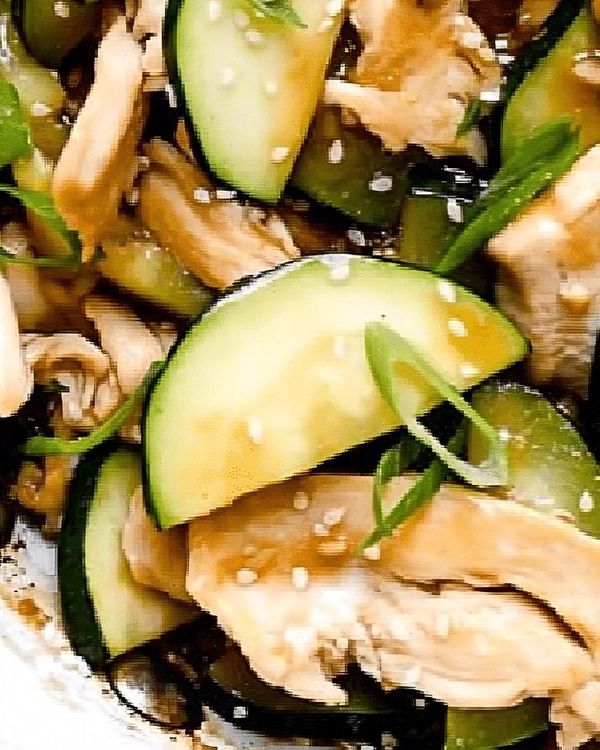
- Asian
- Non-Vegetarian
- Lunch
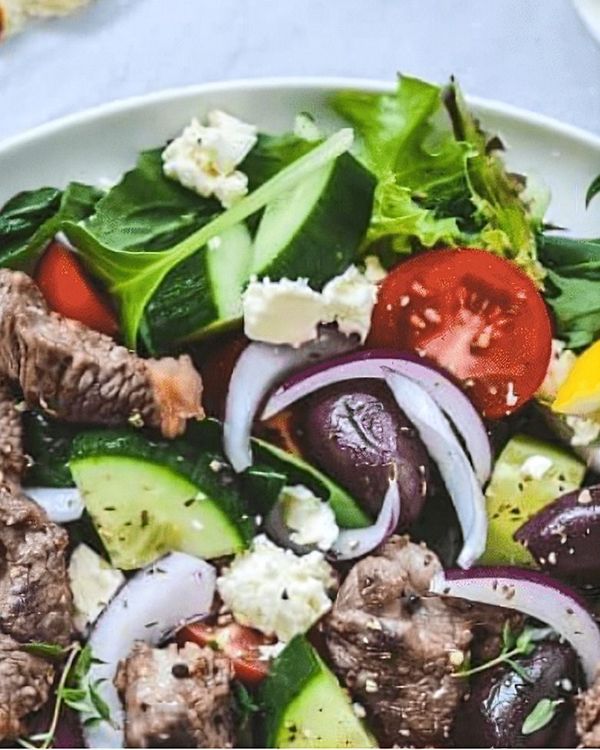
- Greek
- Non-Vegetarian
- Lunch
Vegetable-Forward Mains, Grains and Big Salads
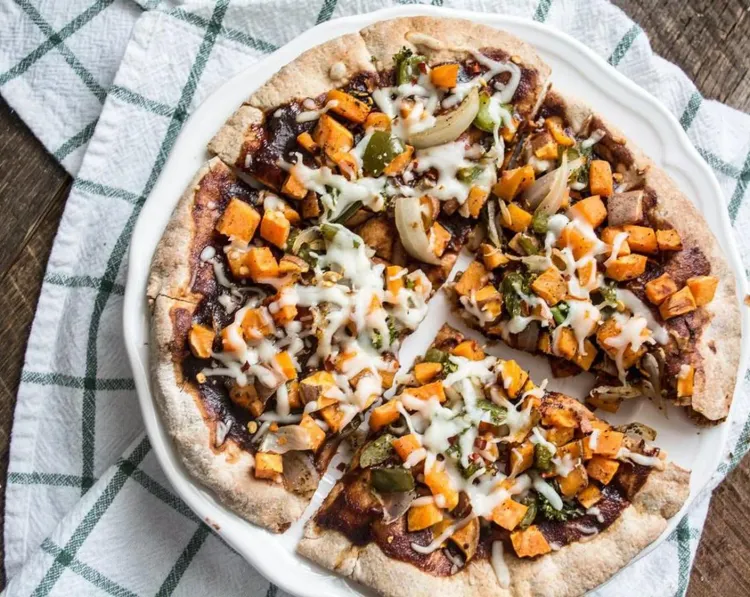
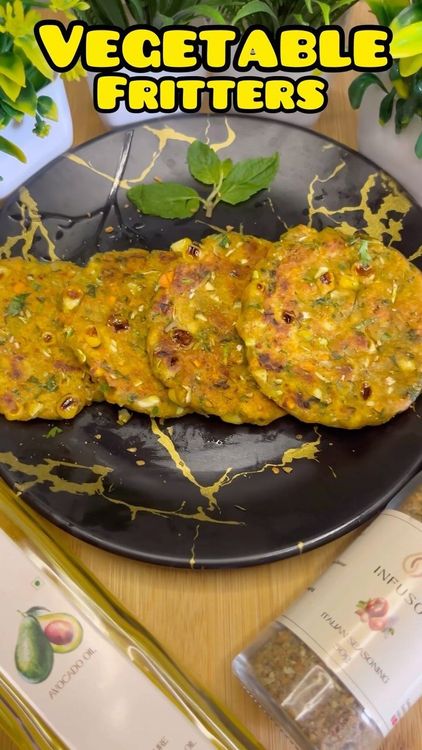
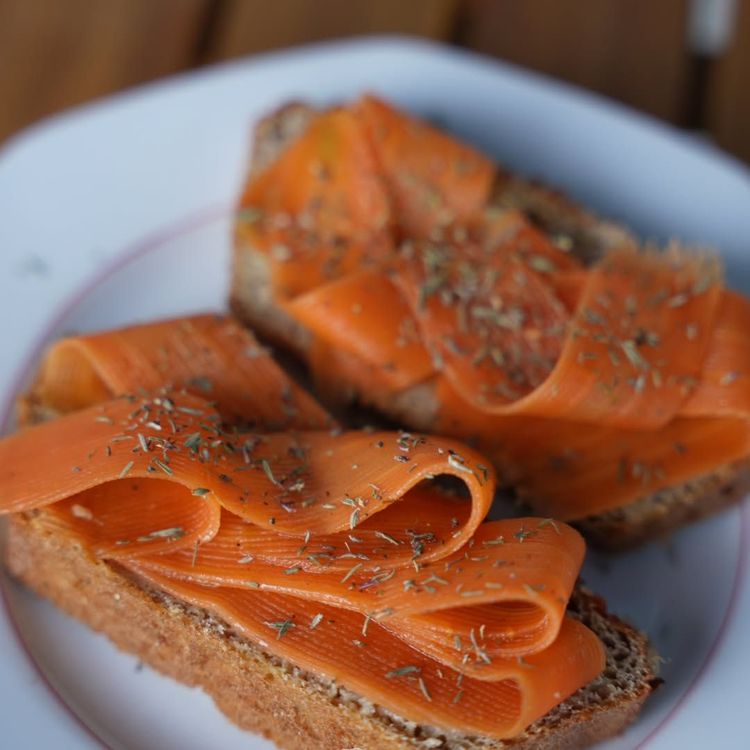
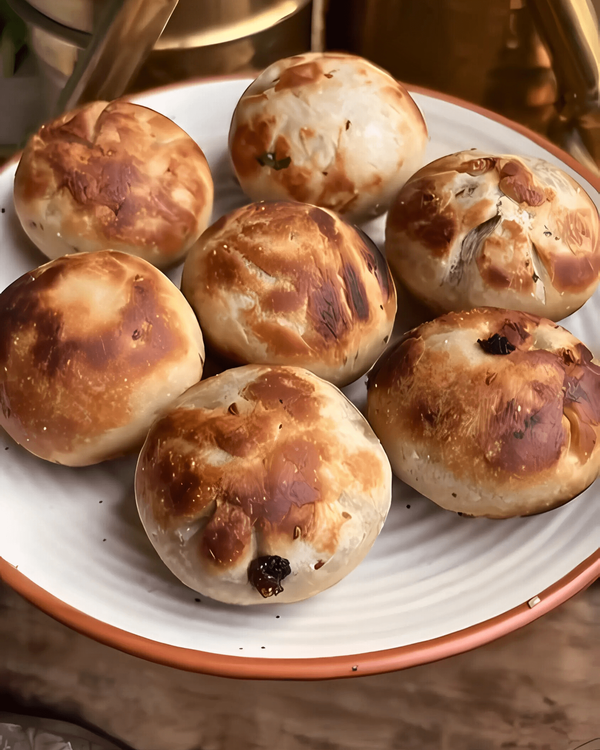
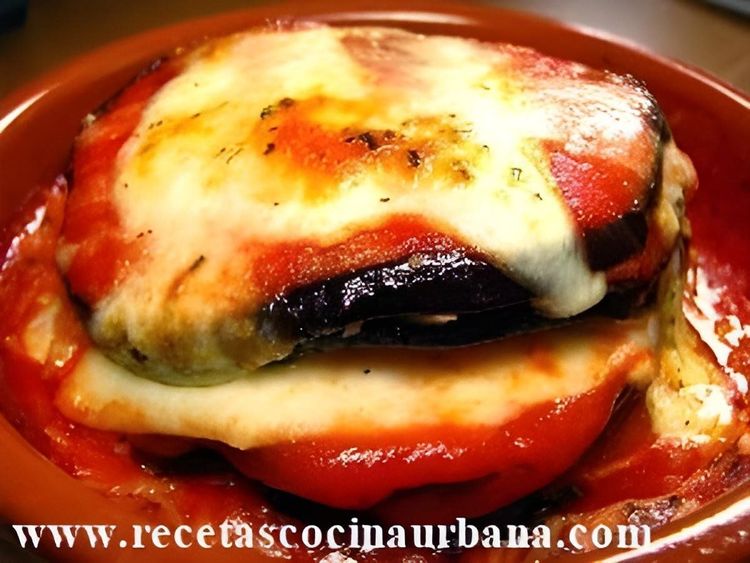
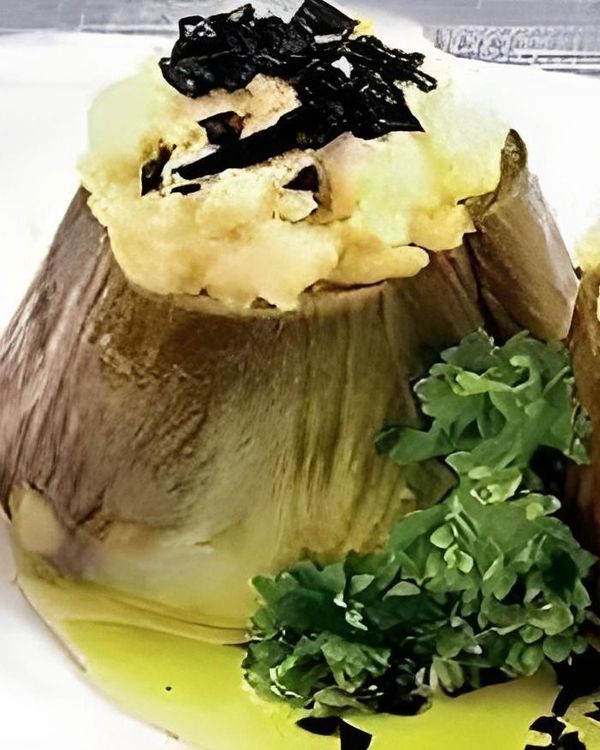
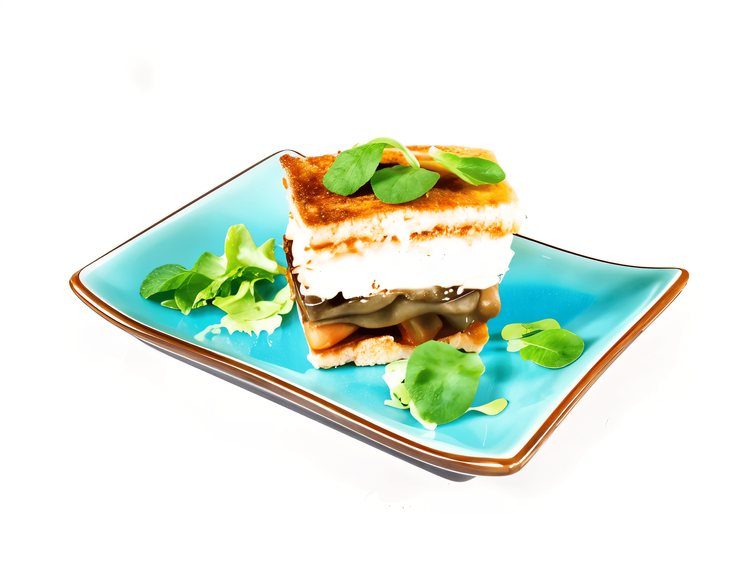
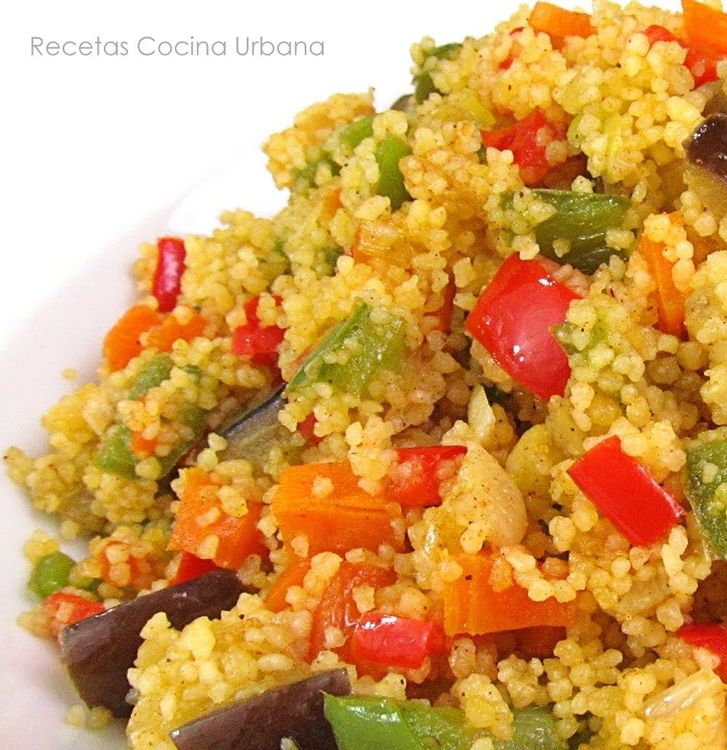
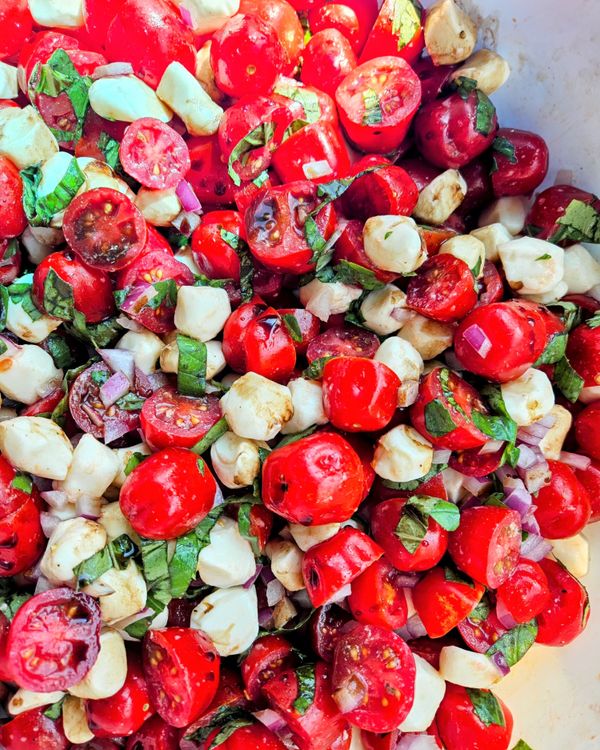
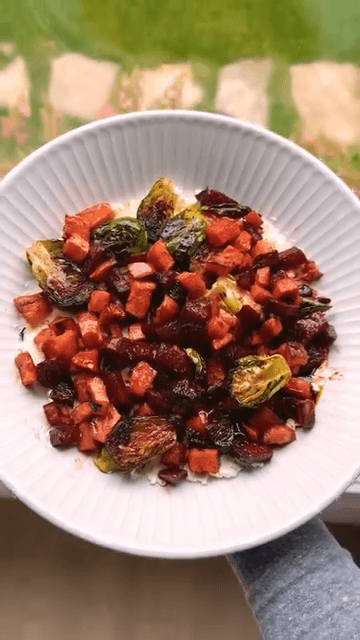
Vegetables do the heavy lifting in most heart healthy meals, and half of these dishes would be at home on any table, diagnosis or not. They bring soluble fibre and potassium, both of which support a normal blood pressure as part of a sensible overall pattern. The trick is treating them as the main event rather than the garnish: roast hard for browning, season with acid and toasted spice instead of salt, and finish with a spoon of good oil off the heat, where the flavour actually survives. Pulses and whole grains fill the plate out.
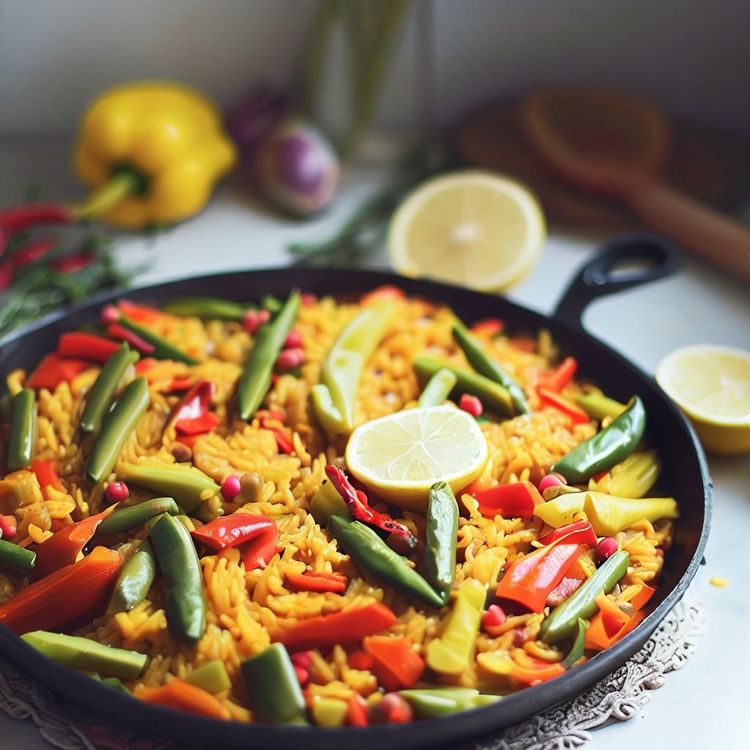

- Spanish
- Vegan
- Lunch
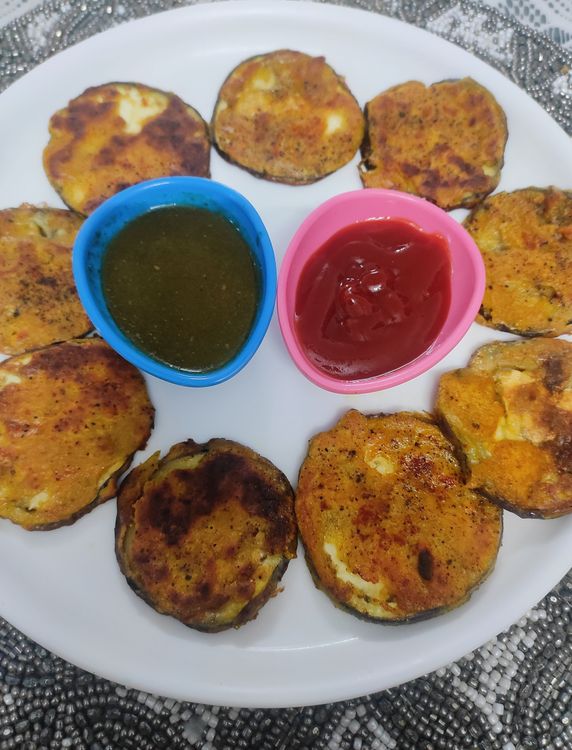

- Indian
- Vegan
- Appetiser
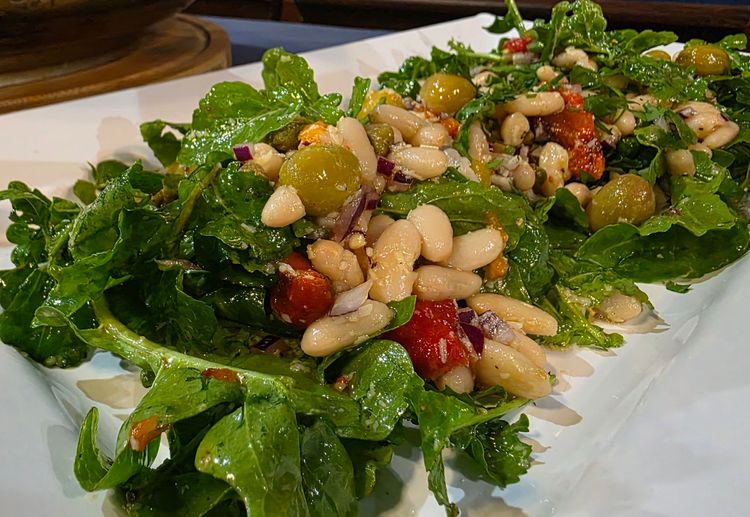
- Italian
- Vegetarian
- Salad
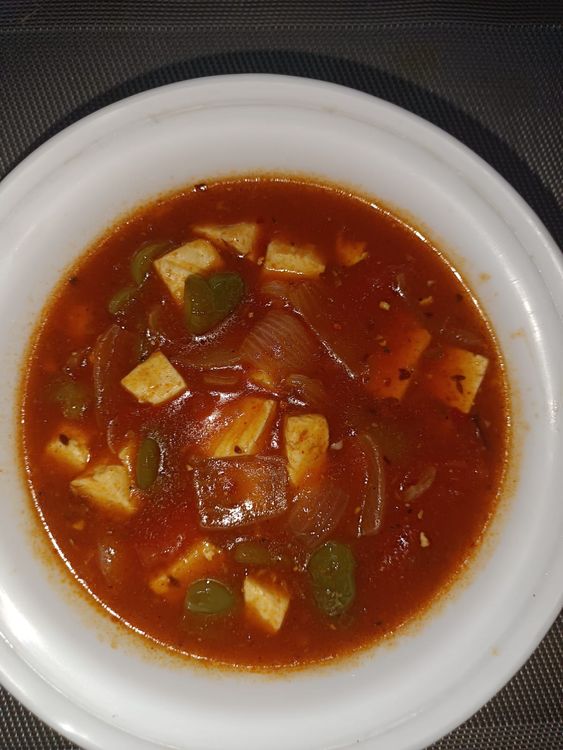
- Chinese
- Vegetarian
- Lunch
- American
- Vegetarian
- Lunch

- Indian
- Vegetarian
- Appetiser
- Fusion
- Vegan
- Appetiser
- Indian
- Vegetarian
- Appetiser
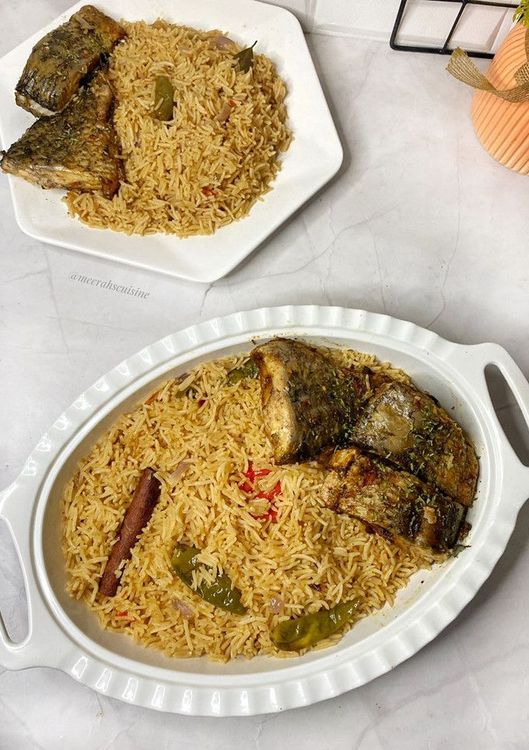
- Arabian
- Vegan
- Lunch
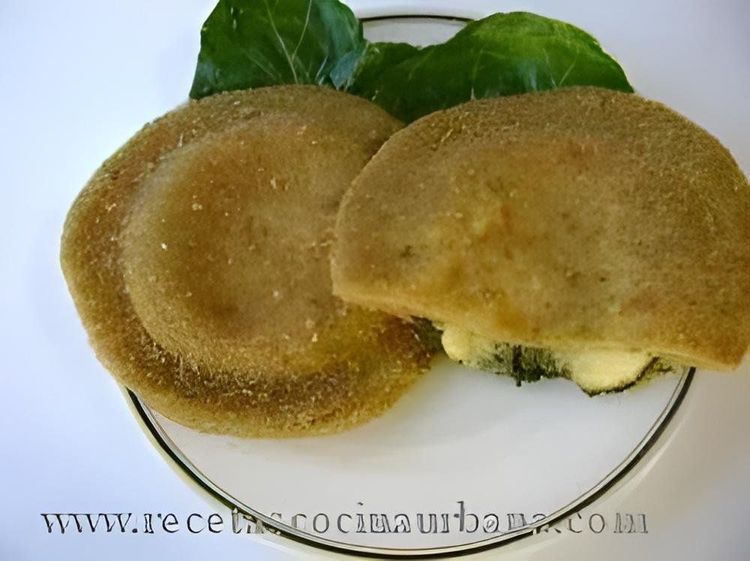
- International
- Eggetarian
- Lunch
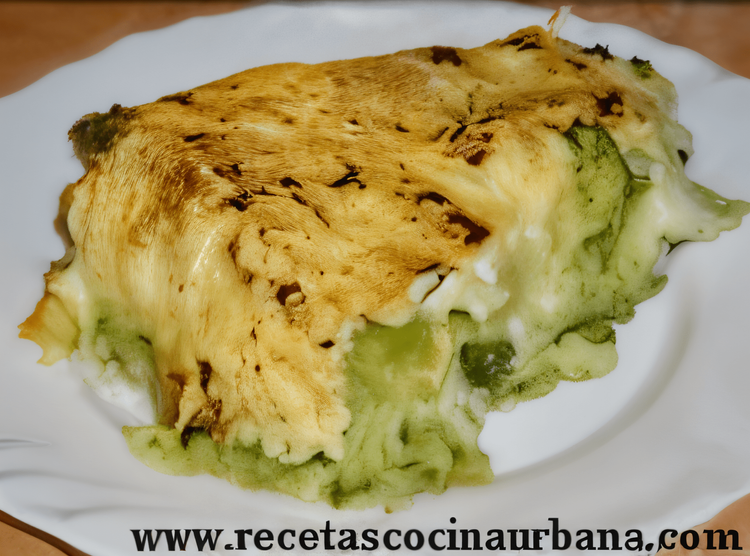
- European
- Vegetarian
- Lunch


- Italian
- Non-Vegetarian
- Dinner
- International
- Vegetarian
- Lunch
- Italian
- Vegetarian
- Lunch
- Mediterranean
- Non-Vegetarian
- Lunch
- Mediterranean
- Non-Vegetarian
- Appetiser
- Indian
- Vegan
- Snack
- Italian
- Vegan
- Lunch
- Mediterranean
- Vegetarian
- Lunch
- International
- Eggetarian
- Dinner
- North African
- Vegan
- Main Course
- Indian
- Vegetarian
- Main Course
- Italian
- Vegetarian
- Appetiser

- American
- Vegetarian
- Side Dish
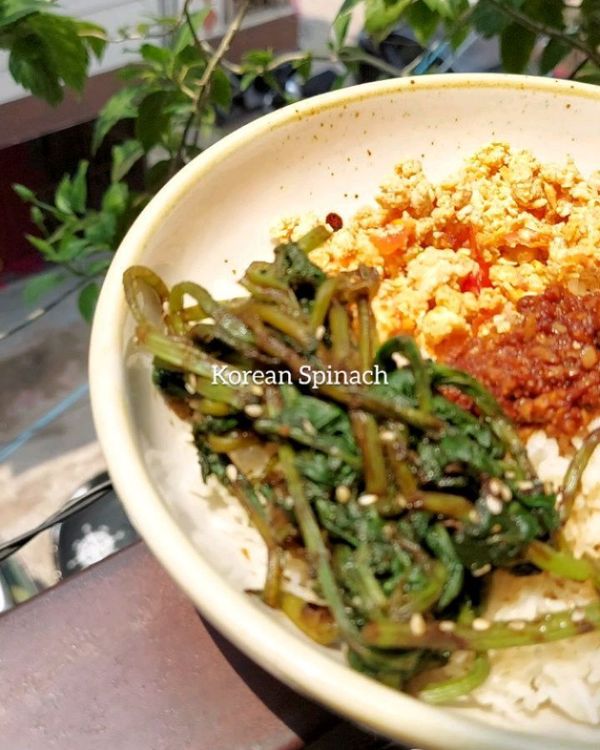
- Korean
- Vegan
- Snack
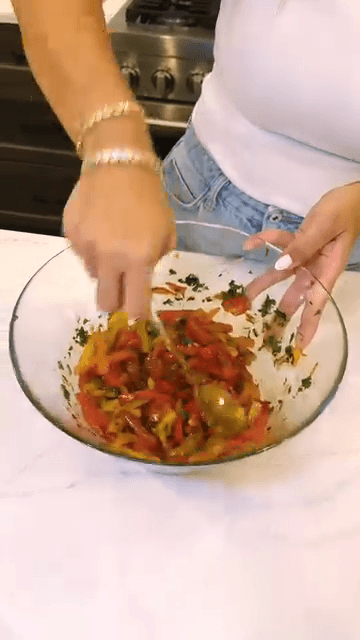
- Mediterranean
- Vegan
- Appetiser
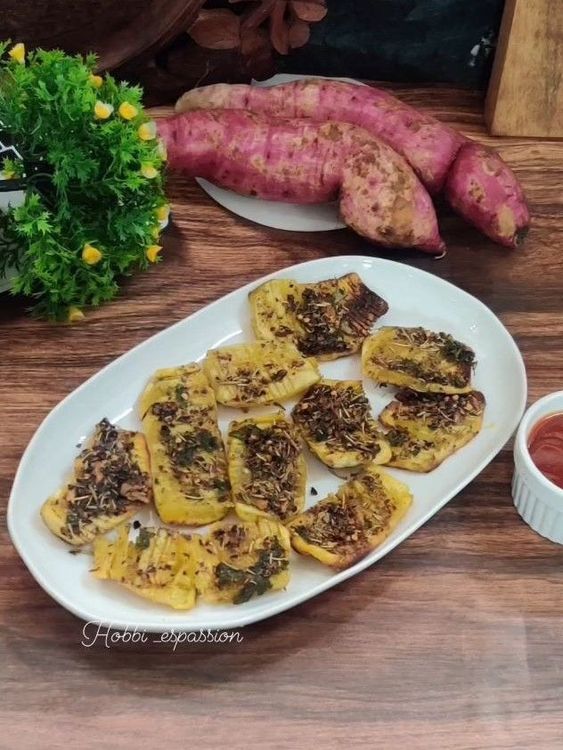

- Fusion
- Vegan
- Snack
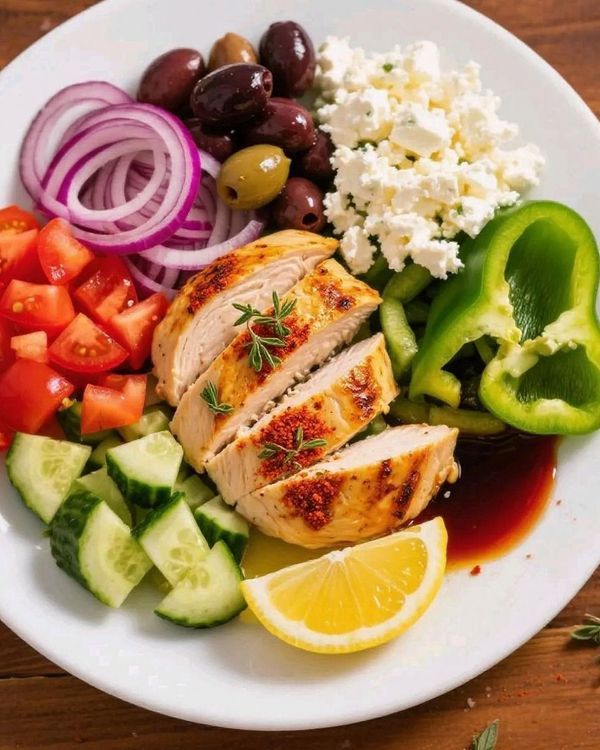
- Greek
- Non-Vegetarian
- Lunch
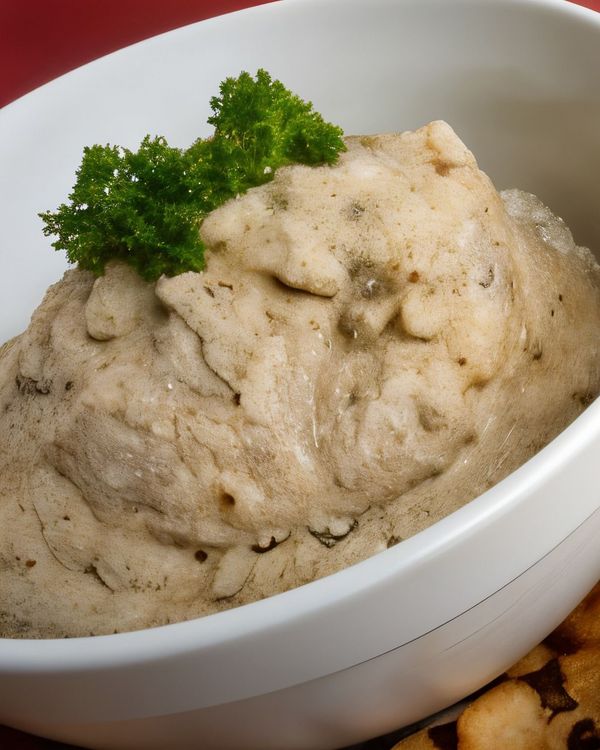
- Mediterranean
- Vegan
- Sauce & Condiment
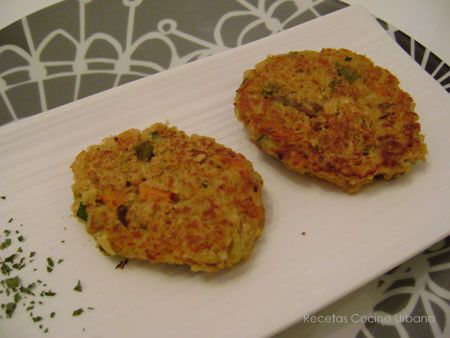
- American
- Vegan
- Lunch
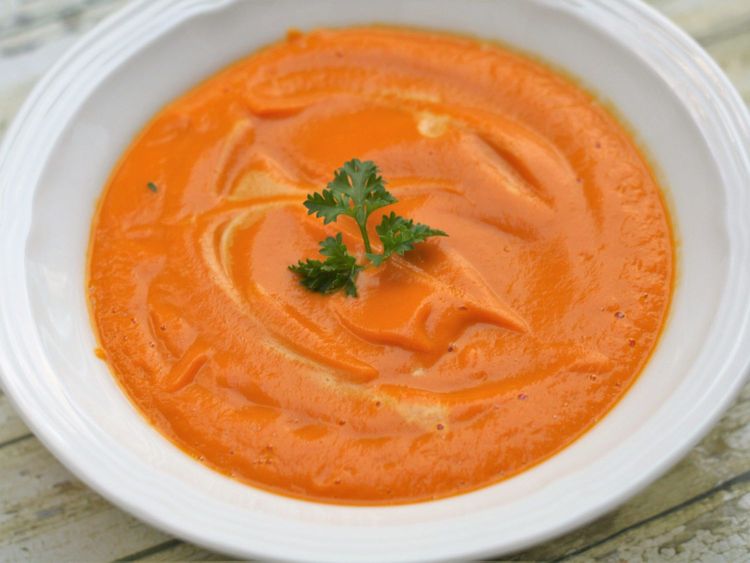
- International
- Non-Vegetarian
- Lunch
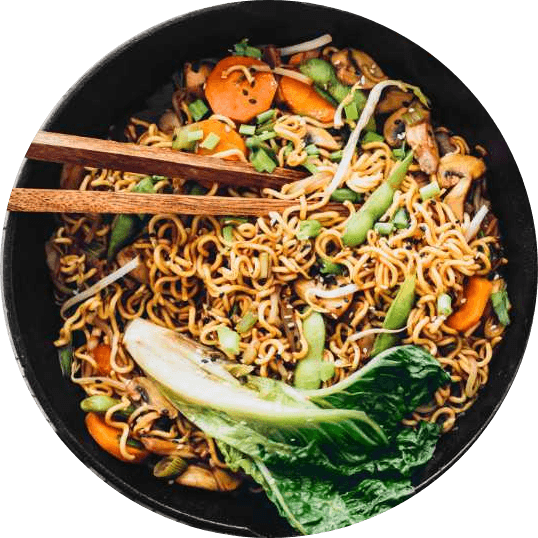
- Asian
- Vegan
- Lunch
Dips, Sauces, Breakfasts and Lighter Sweets
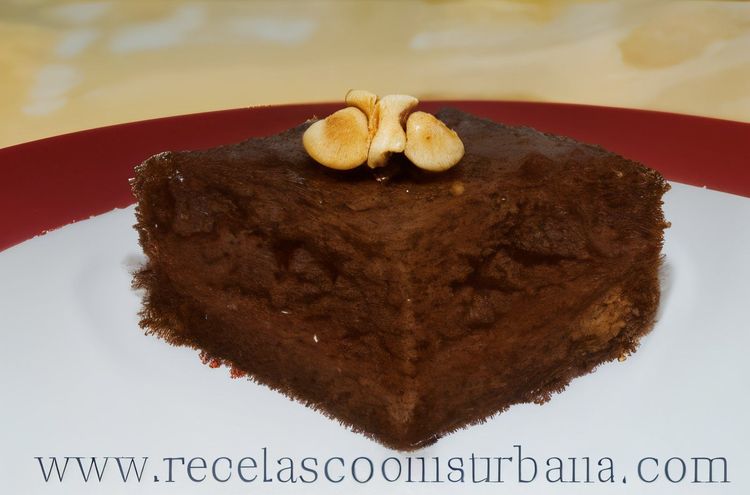
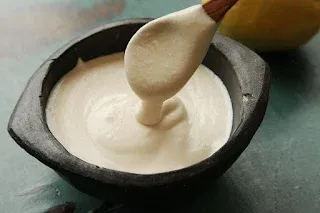
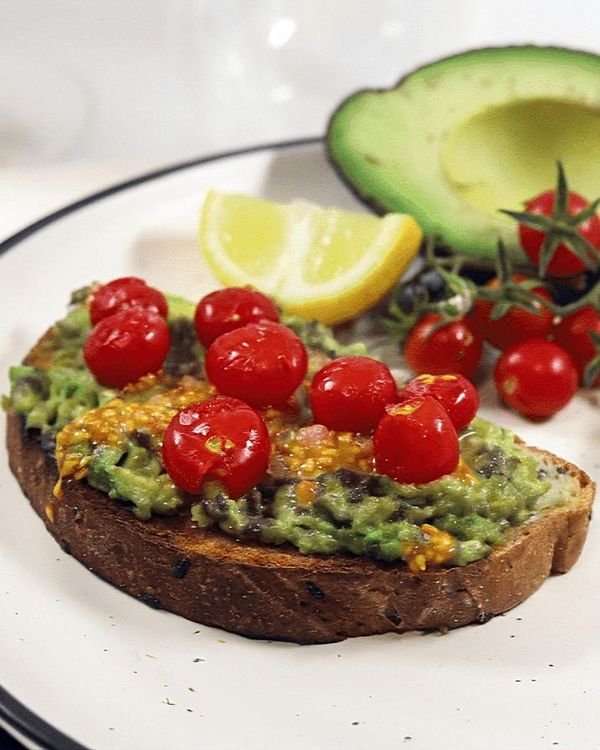
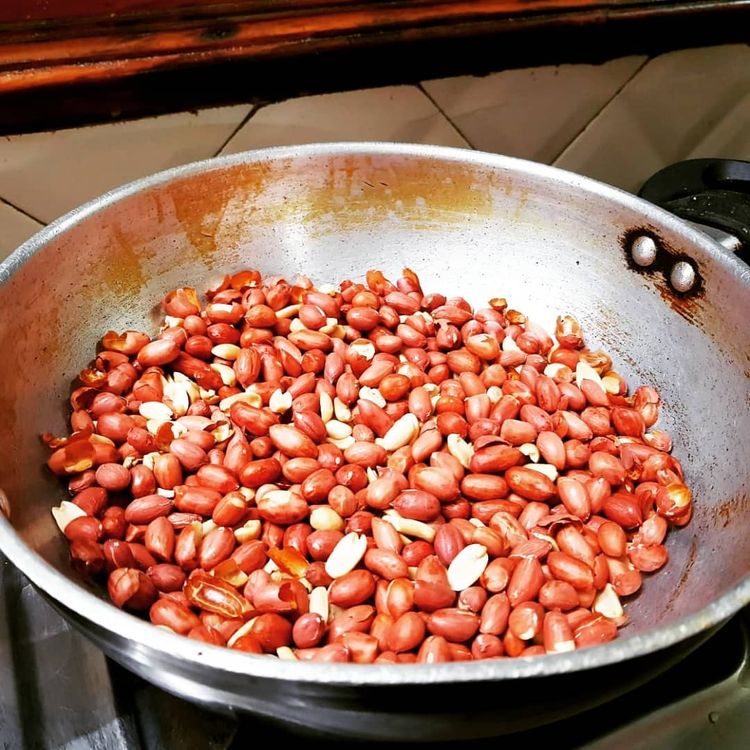
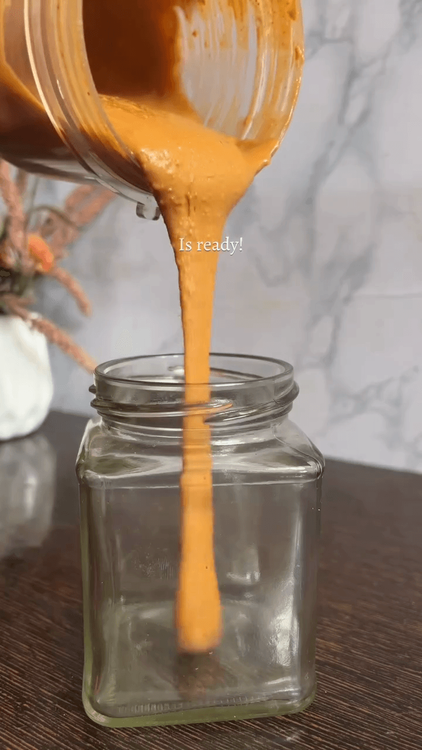
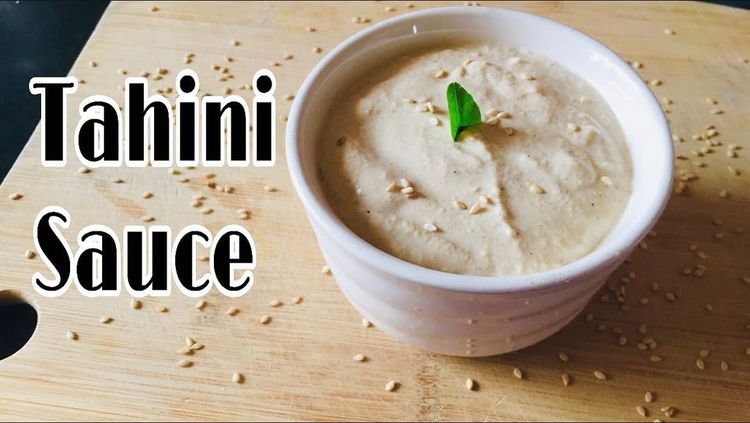
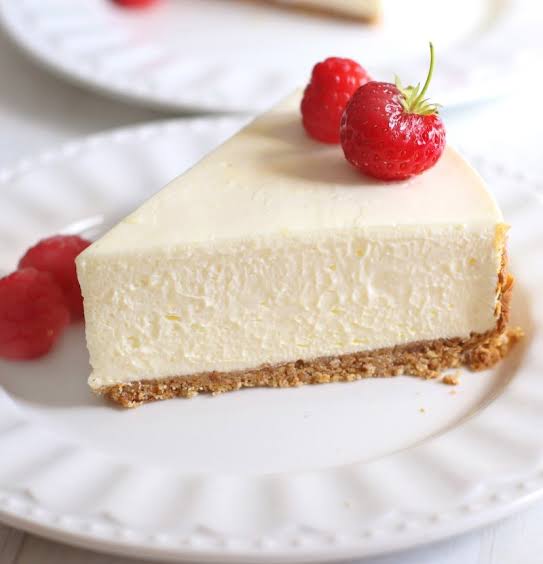
The small things decide whether the rest sticks. A jar of tahini, a batch of pesto or a homemade peanut butter turns plain steamed vegetables into something you want to eat, and none of them need the palm oil and added sugar that supermarket versions carry. Breakfast matters too: oats deliver soluble fibre, the ingredient most low cholesterol recipes are quietly built on. The sweets lean on nuts, dates and fruit rather than refined sugar — still dessert, just built differently.
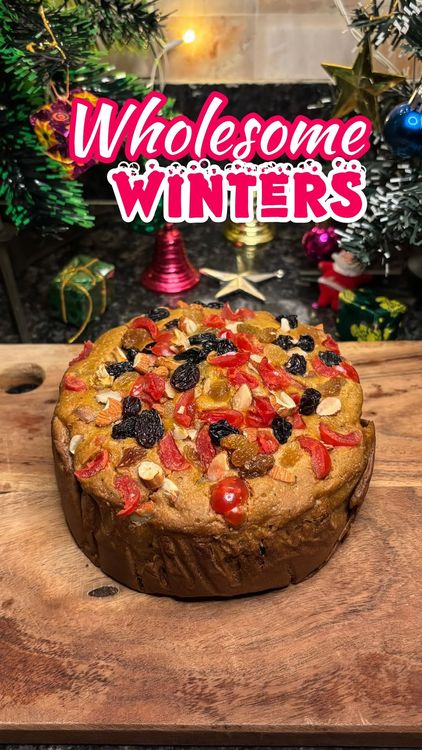
- Indian
- Vegetarian
- Dessert
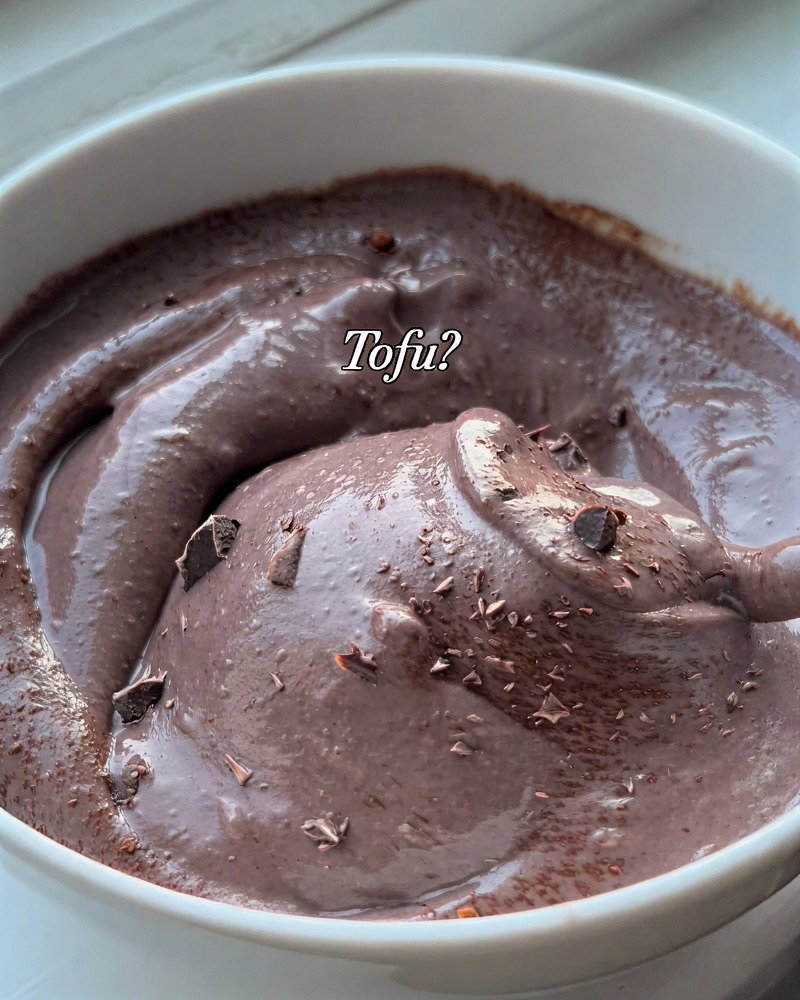

- Vegetarian
- Dessert
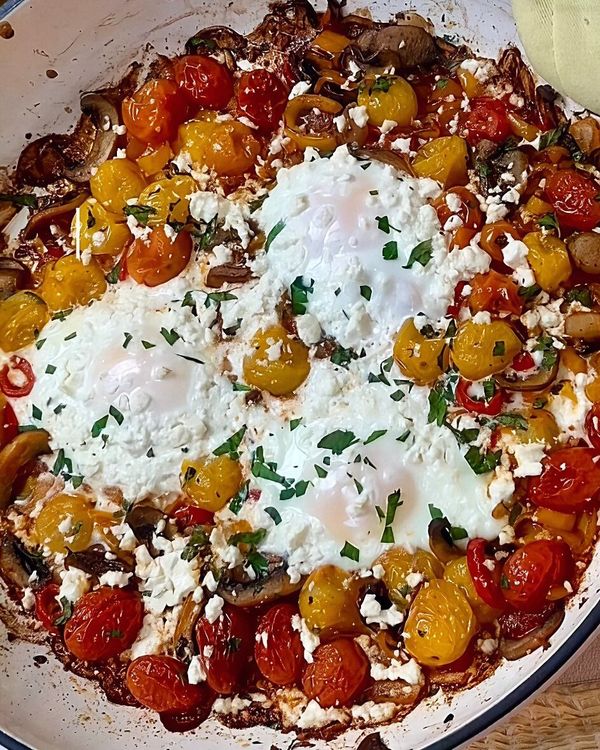
- Mediterranean
- Eggetarian
- Breakfast
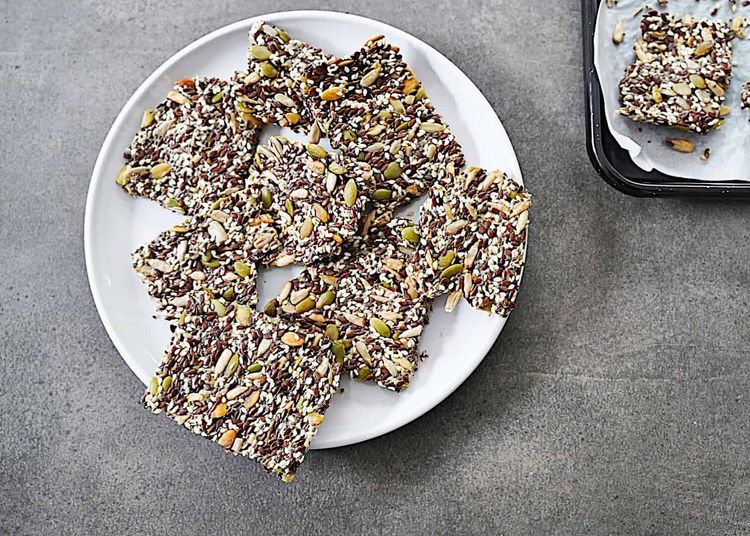
- International
- Vegan
- Snack

- Vegan
- Breakfast
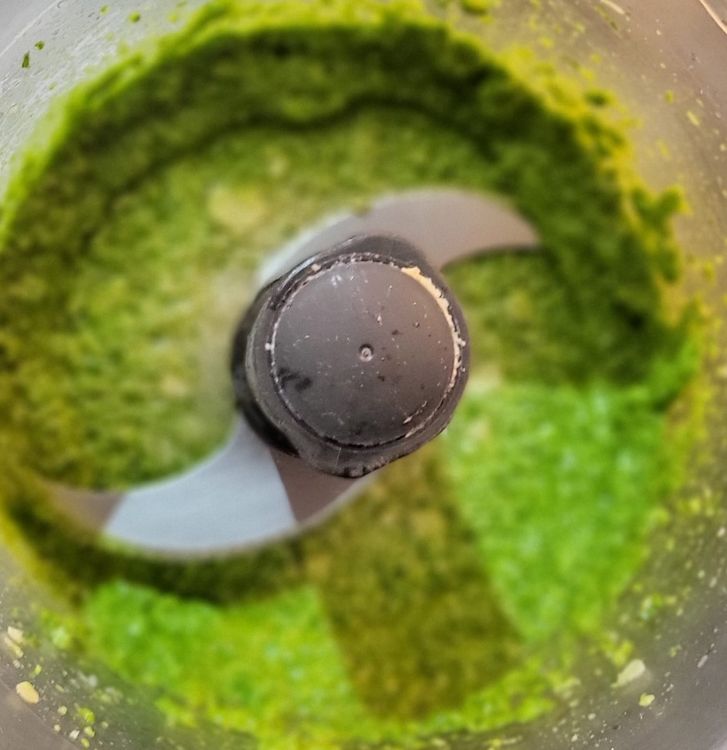
- Italian
- Vegetarian
- Sauce & Condiment
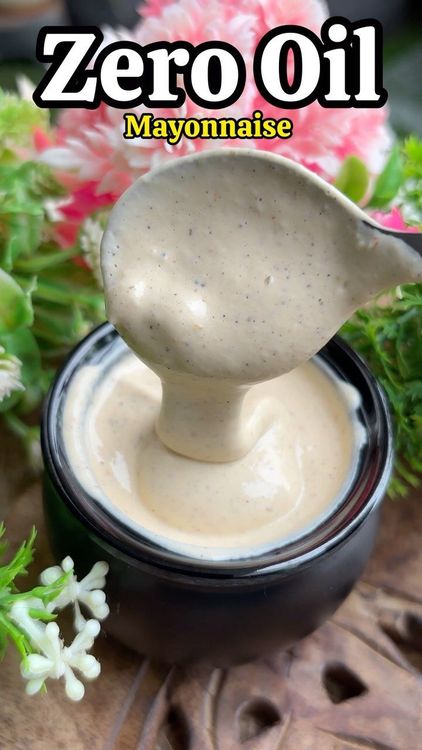
- Fusion
- Vegetarian
- Sauce & Condiment
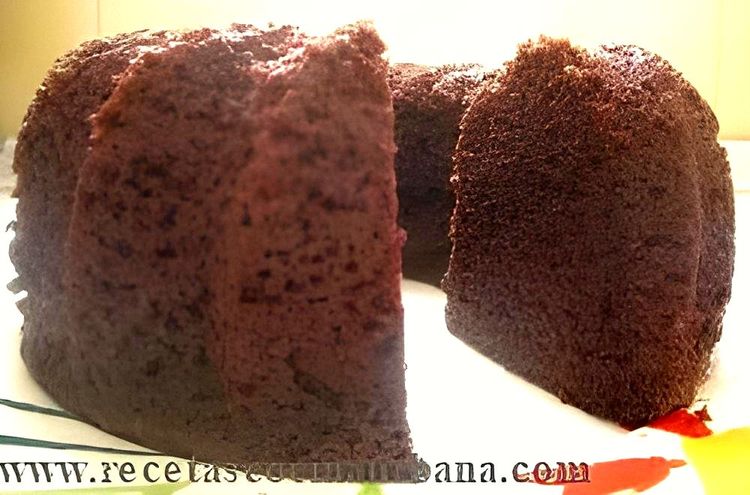
- International
- Vegetarian
- Snack
- European
- Eggetarian
- Snack
- Arabic
- Vegan
- Side Dish
- International
- Vegetarian
- Breakfast
- Indian
- Vegan
- Snack
- American
- Vegan
- Snack
- Middle Eastern
- Vegan
- Sauce & Condiment
- American
- Vegetarian
- Dessert
What Makes a Meal Heart-Healthy (fats, sodium, fibre)
Three levers do most of the work, and none is exotic. The first is fat quality rather than fat quantity. Swapping saturated fat — butter, ghee, coconut oil, fatty red meat — for unsaturated fat from olive oil, nuts, seeds and oily fish is the change with the most evidence behind it. That is why so many cardiac diet recipes are built around fish, pulses and a bottle of decent olive oil.
The second lever is sodium. Most of it never comes from the salt cellar; it comes from bread, cheese, cured meat, stock cubes and bottled sauces. Cooking from scratch, as almost every dish here does, cuts your intake before you season anything at all. Use acid, chilli, herbs and toasted spice to fill the gap — a squeeze of lemon reads as properly seasoned to the tongue in much the way salt does.
The third is fibre, particularly the soluble kind found in oats, barley, beans, lentils and apples, which is associated with modest reductions in LDL cholesterol. Build heart healthy meals around all three levers and the plate largely sorts itself out. What none of this can do is replace individual medical advice — if you have a diagnosed condition, your doctor or dietitian should set your targets.
Cooking Oils & Swaps for an Indian Kitchen
Indian cooking is not the problem people assume it is; the oil and the ghee are simply used with a generous hand. Mustard oil, groundnut oil and rice bran oil are all high in unsaturated fat and hold up to the temperatures a tadka actually needs. Ghee and coconut oil are high in saturated fat — not forbidden, but treat them as a finishing flavour, a teaspoon stirred through dal, rather than the medium you fry a kilo of onions in.
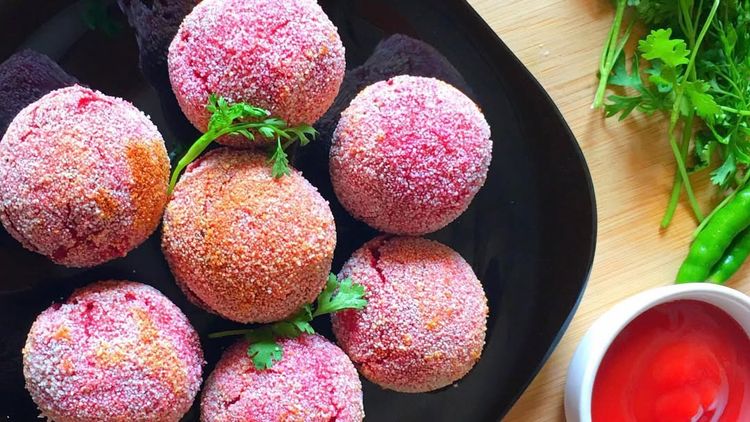
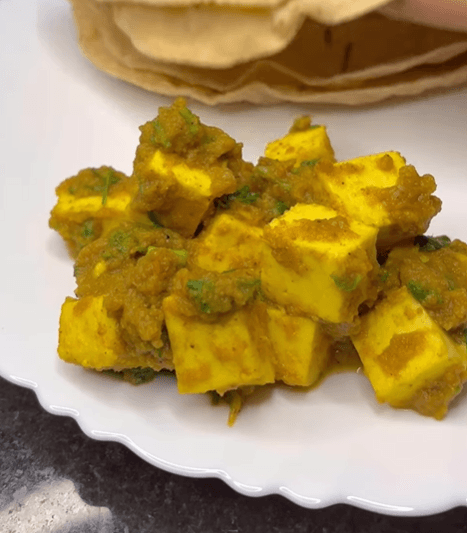
The practical swaps are small ones. Use a pastry brush instead of a pour for shallow-frying: the Baingan Bhaja and the Beetroot Cutlets both work on a fraction of the usual oil. Bake samosas rather than deep-frying them, as the version here does. Thicken gravies with soaked cashews or blended onion instead of cream. Choose paneer in a tomato masala over a malai base, or skip the oil altogether the way the No Oil Paneer does.
Most low cholesterol recipes in an Indian kitchen come down to this: keep the spices, keep the technique, change the fat. Buy oil in small bottles so it never turns rancid, store it away from the hob, and do ask your doctor first if you are already being treated for anything.
Pro Tips
- Buy a cheap digital thermometer and pull salmon at around 50C, cod at 55C. Overcooked fish is dry fish, and dry fish is the entire reason people tell you they do not like fish.
- Season the surface of protein just before it hits the pan rather than salting the sauce. You taste surface salt far more strongly, so you use noticeably less of it for the same effect on the plate.
- Cook fatty braises like the lamb stew a day ahead, chill them overnight, and lift the solid cap of fat straight off. It costs you nothing in flavour and removes a good share of the saturated fat.
- Keep two oils on the go: a cheap neutral one for actual heat, and a good extra virgin olive oil you only add off the heat, where its flavour and its polyphenols survive rather than burning away.
- Tinned sardines, mackerel and tuna are the most underrated healthy heart food in the shop — cheap, shelf-stable, and every bit as rich in omega-3 as the fresh fillet at four times the price.
- Batch-roast a tray of vegetables and a pot of lentils on Sunday. Heart healthy meals fall apart on Wednesday night when there is nothing in the fridge to build them from and the takeaway app is right there.
Frequently Asked Questions
What makes these heart healthy recipes different from any other collection?
Every dish is tagged by our team against one simple pattern: unsaturated fat in place of saturated, plenty of vegetables and fibre, and no leaning on stock cubes or cured meat for flavour. That is a pattern that supports cardiovascular health as part of a whole diet — it is not a treatment, and your doctor still sets your targets.
Can I eat eggs and cheese on a heart friendly diet?
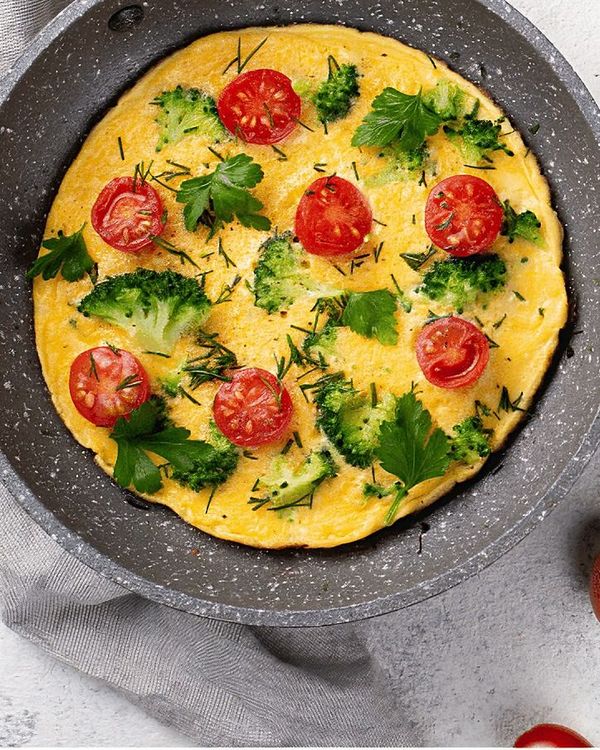
In most cases, yes, in sensible amounts. Current thinking puts far more weight on your overall dietary pattern than on eggs specifically, and the egg bake and frittata here pair them with a lot of vegetables. Cheese carries both saturated fat and a surprising amount of sodium, so use it as a seasoning — the Greek salad shows the ratio well.
Are red meat and lamb completely off the menu?
No. Frequency and cut matter far more than an outright ban. The souvlaki uses lean cubes and the pork loin is trimmed and stir-fried, so the meat stretches across a plate full of vegetables. The slow-cooked lamb stew is a once-in-a-while dish, and chilling it overnight lets you lift most of the fat off before serving.
How do these compare with low cholesterol recipes I find elsewhere?
The mechanics are much the same, because dietary cholesterol matters less than the saturated fat and fibre surrounding it. What you will notice here is more oily fish, more pulses, and Indian and Mediterranean dishes rather than an endless list of plain grilled chicken. The oats, beans and lentils are doing the LDL work quietly in the background.
I have been told to follow a cardiac diet. Can I just cook from this page?
Not on its own. Cardiac diet recipes vary enormously depending on whether you are managing blood pressure, heart failure, cholesterol or a fluid restriction, and some conditions need tight sodium or potassium limits. Take this collection to your doctor or a registered dietitian, tell them what you actually like eating, and let them adjust the specifics for you.
What should I cook first if I am new to this?
Start with something you would happily order anyway. The Crispy Baked Salmon takes twenty-five minutes and needs no technique at all; the Weeknight Tuscan Salmon puts fish and white beans in one pan. If you cook Indian food, the No Oil Paneer will teach you more than any amount of reading about swaps will.
How much fish should I be eating each week?
Most national guidelines land on roughly two portions of fish a week, with at least one of them oily — salmon, mackerel, sardines or tuna. That is easier than it sounds when a tin counts towards it. The mackerel fry, the sardine rolls and the salmon papillote between them cover a week without much effort or expense.
That is 100 heart healthy recipes, which ought to be enough to stop "what do I cook tonight" being the obstacle. Start with the fish, keep a jar of tahini and a tray of roast vegetables in the fridge, and let the rest follow from there. And do talk to your doctor about what your own plate should carry.
Related
- low sodium
- oily fish
- mediterranean
- low cholesterol
- high fibre
- weeknight dinner
Popular Searches
- Best heart healthy recipes
- Easy heart healthy recipes
- Quick heart healthy recipes
- Healthy heart healthy recipes
- Simple heart healthy recipes
- Homemade heart healthy recipes
- Delicious heart healthy recipes
- Popular heart healthy recipes
- heart healthy meals
- low cholesterol recipes
- cardiac diet recipes
- healthy heart food
Marnirni-apinthi Building, Lot Fourteen,
North Terrace, Adelaide, South Australia, 5000
Australia
