
100 Chutney Recipes Worth Grinding, From Coconut to Sweet Mango
Updated July 15, 2026 · Curated by Chefadora
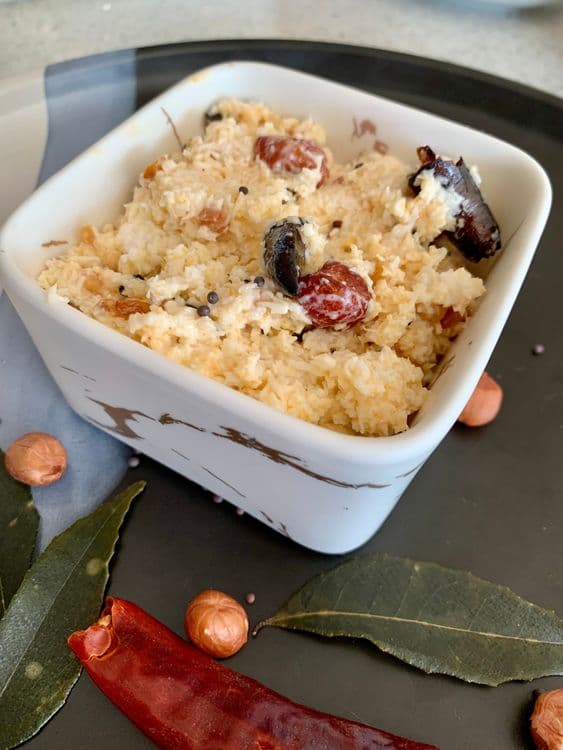
Ask ten Indian cooks what belongs on the table and you will get ten different answers, but a small bowl of something bright, sharp and freshly ground will be on every one of them. The 100 chutney recipes below come from our community kitchens: Udupi hotel-style coconut ground with roasted gram, Maharashtrian dry powders that keep for a month, Punjabi green blends that go on every sandwich, and slow-simmered mango preserves that turn a plain paratha into a meal.
I have sorted them into six sections so you can find what you actually need, whether that is the smooth white bowl for idli, the fiery red one for dosa, a sweet-sour spoonful for chaat, or a coarse powder to shake over rice with a spoon of ghee. Times run from five minutes in a blender to two and a half hours on the stove.
Most need nothing more than a mixer, a small tempering pan, and whatever is wilting in the crisper drawer.
Coconut Chutneys for Idli, Dosa and South Indian Breakfast
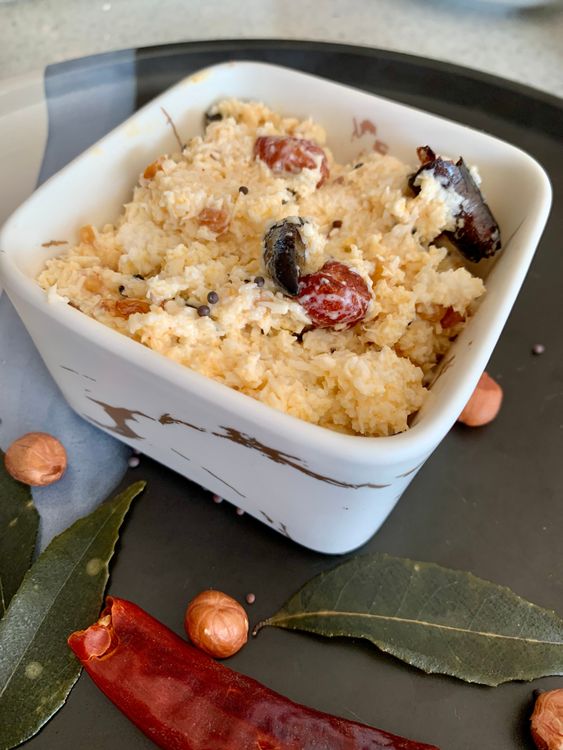
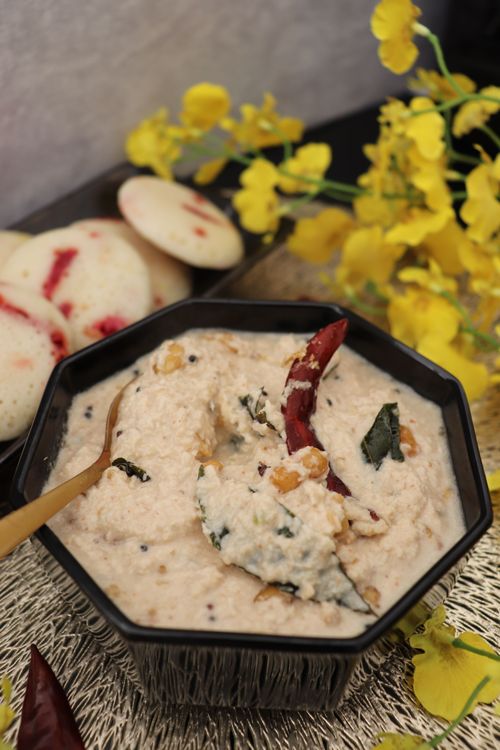
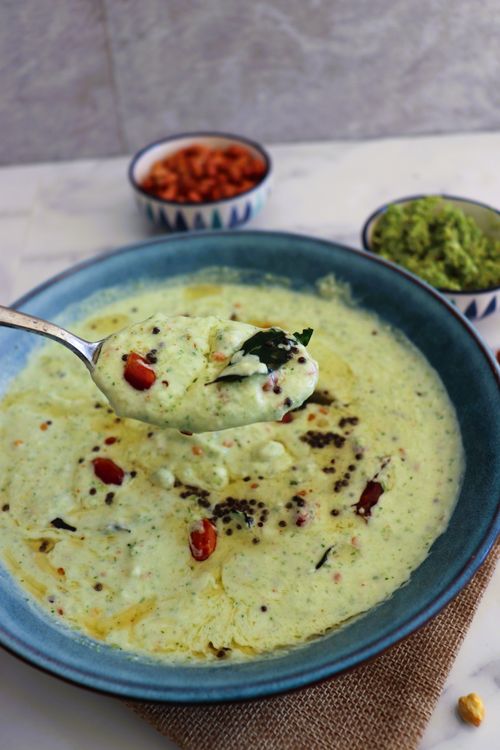
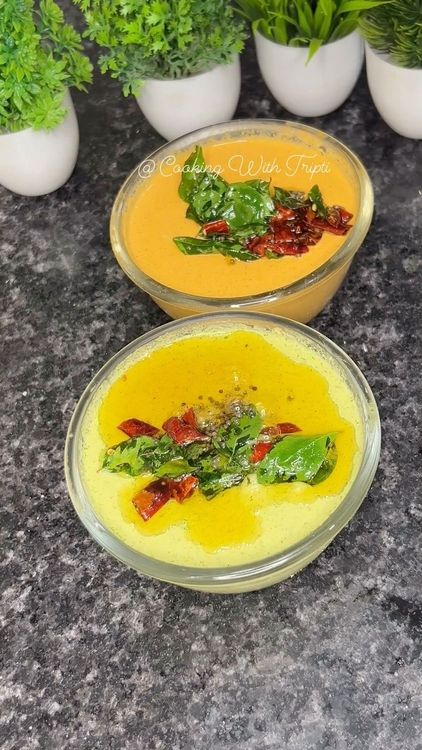
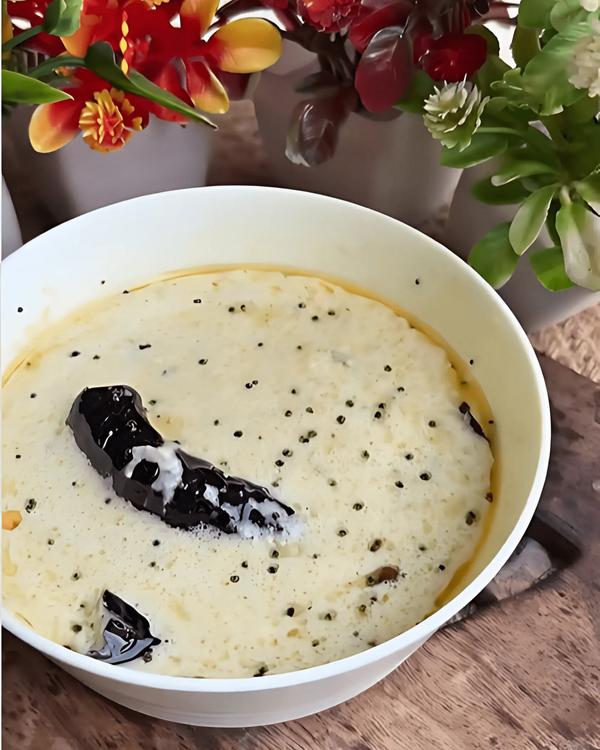
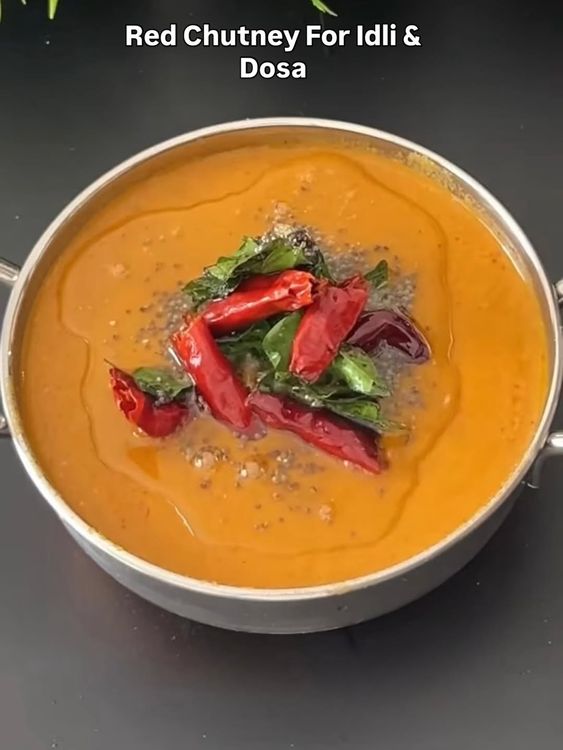
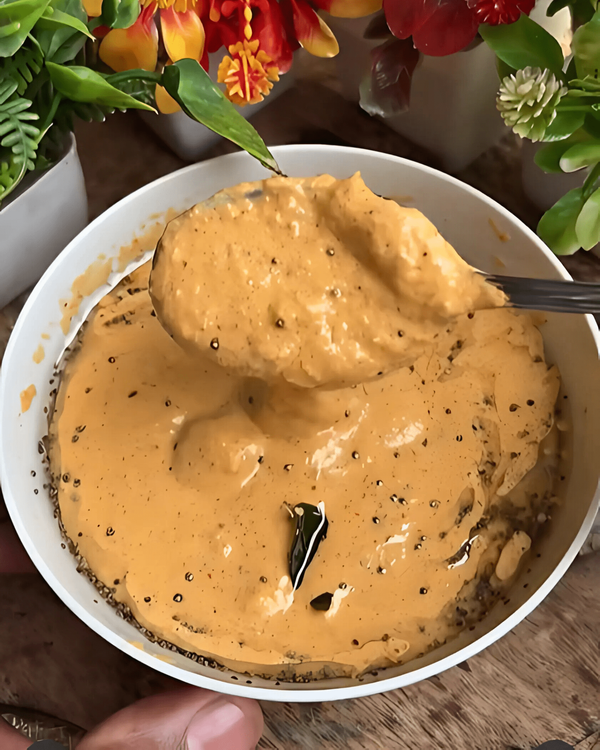
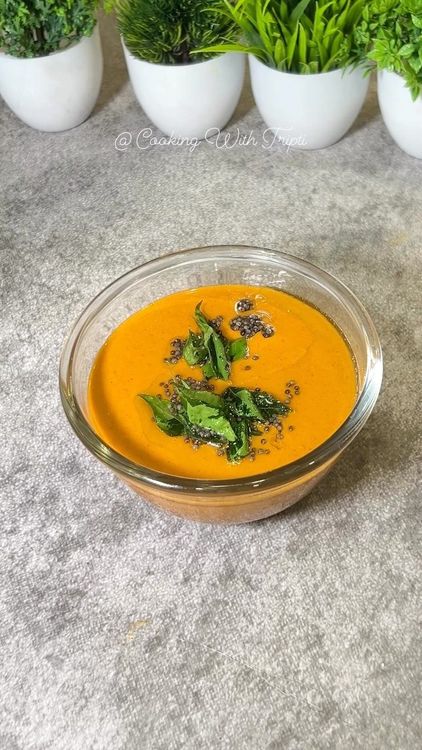
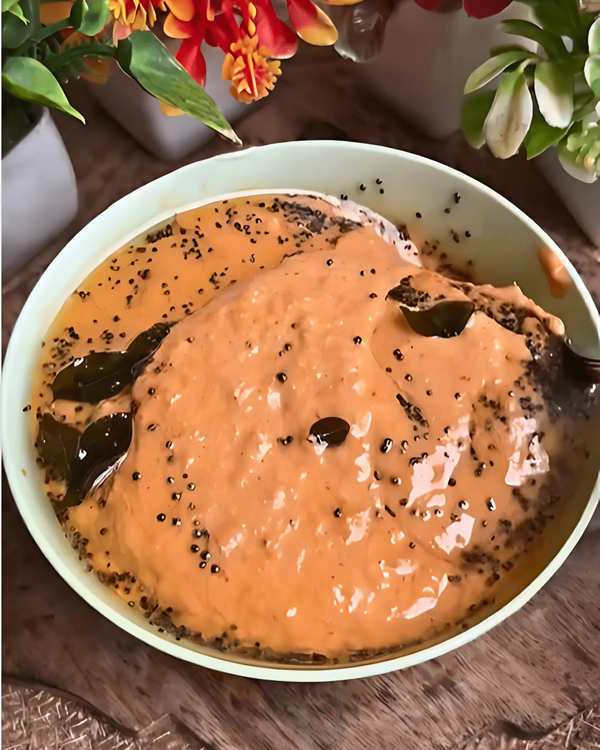
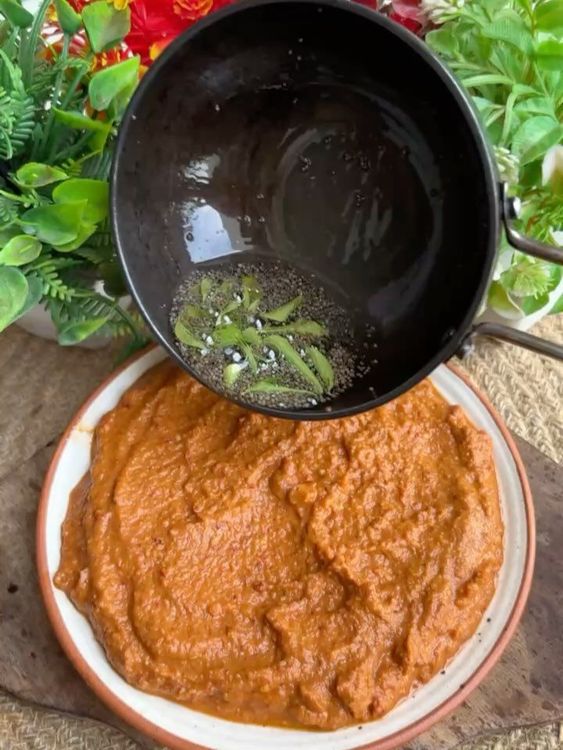
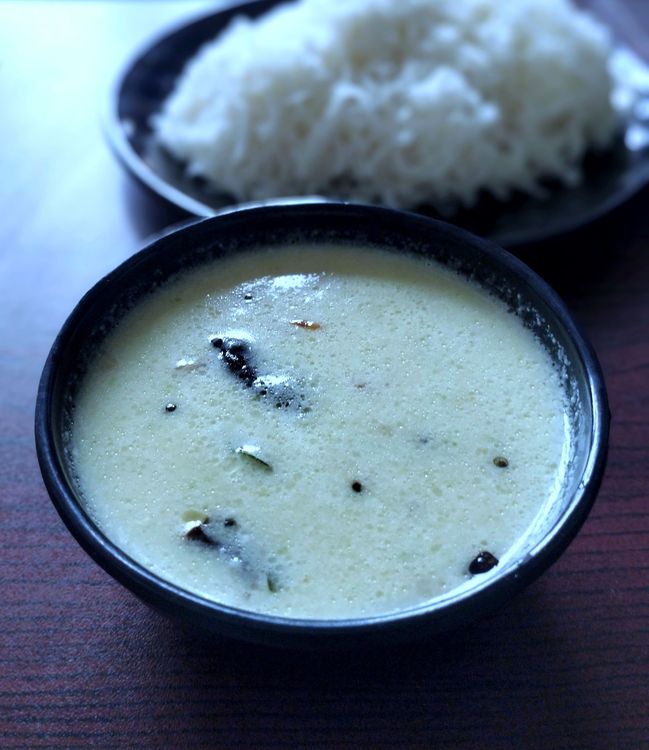
The template barely changes: fresh grated coconut, roasted gram dal for body, green chillies for heat, a knob of ginger, and enough water to bring it to a spoon-coating consistency. What separates a hotel-style coconut chutney from a flat one is the tempering, mustard seeds popped in hot oil with curry leaves and a torn dried red chilli, poured over at the last second. Grind cold, temper hot, and taste after it has rested.

- Indian
- Vegetarian
- Side Dish


- Indian
- Vegan
- Side Dish

- Vegan
- Side Dish
- South Indian
- Vegetarian
- Side Dish
- Indian
- Vegan
- Sauce & Condiment
- Indian
- Vegetarian
- Side Dish

- South Indian
- Vegan
- Breakfast

- South Indian
- Vegan
- Snack
- Indian
- Vegan
- Sauce & Condiment
- South Indian
- Vegan
- Snack
- South Indian
- Vegan
- Sauce & Condiment
- South Indian
- Vegan
- Sauce & Condiment
- South Indian
- Vegan
- Snack
- South Indian
- Vegan
- Sauce & Condiment


- South Indian
- Vegan
- Sauce & Condiment
- South Indian
- Vegan
- Sauce & Condiment
Mint, Coriander and Green Herb Chutneys
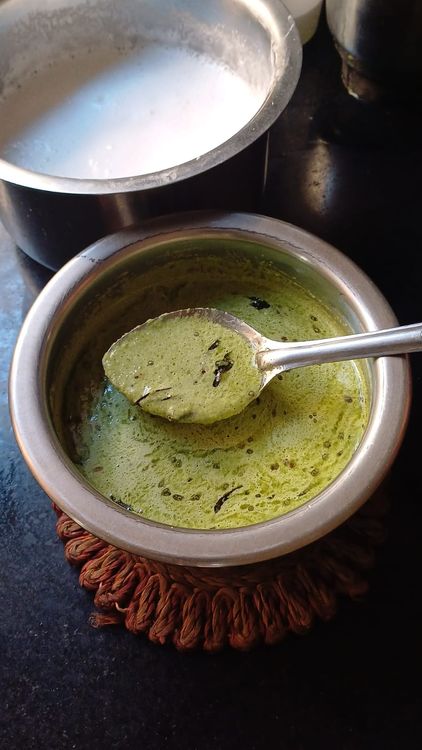
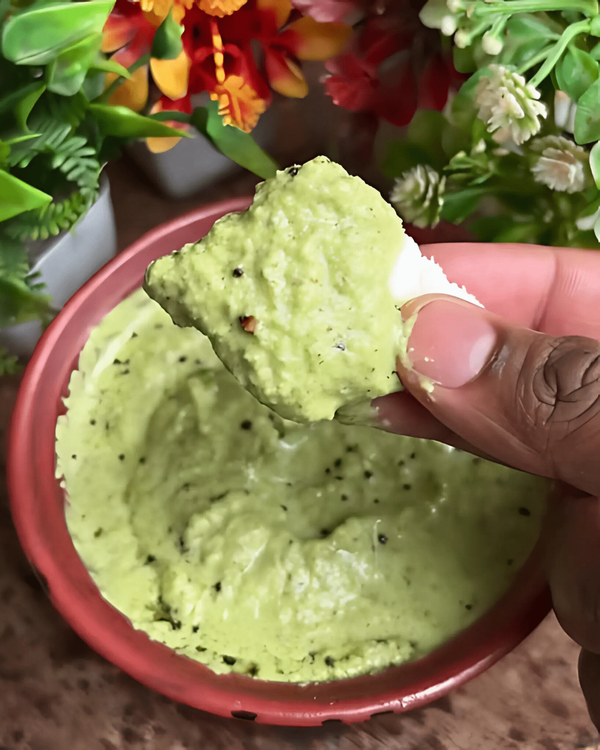
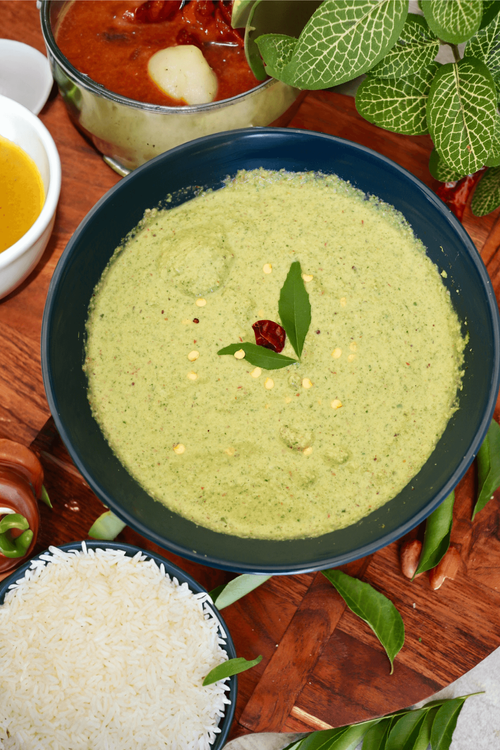
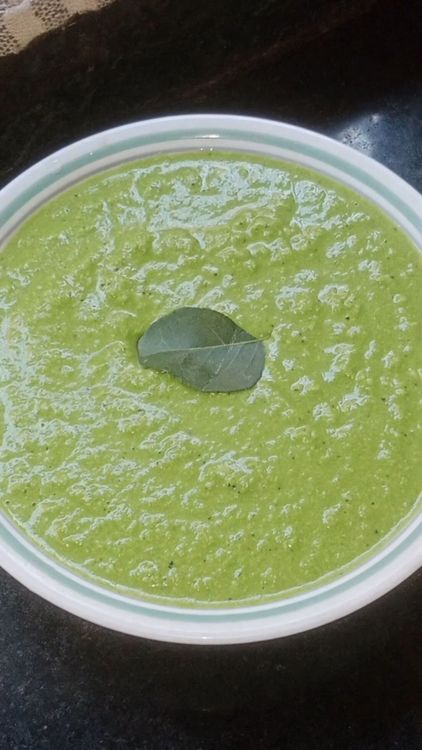
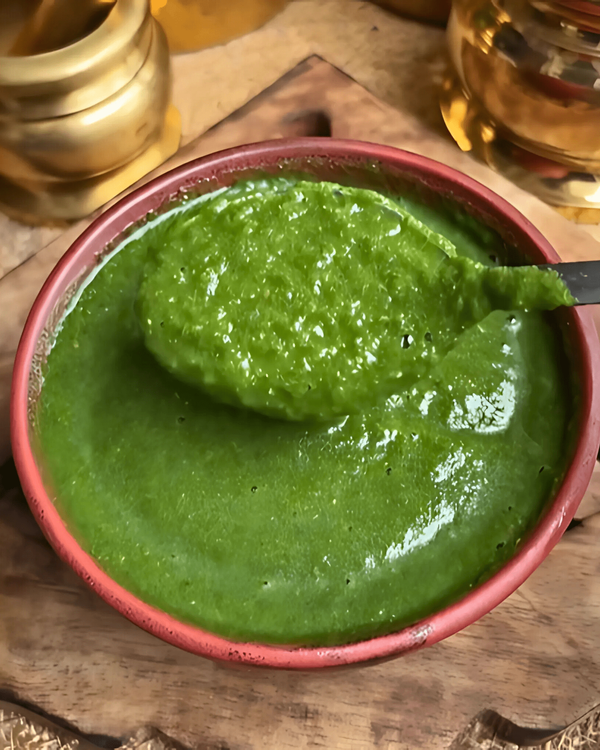
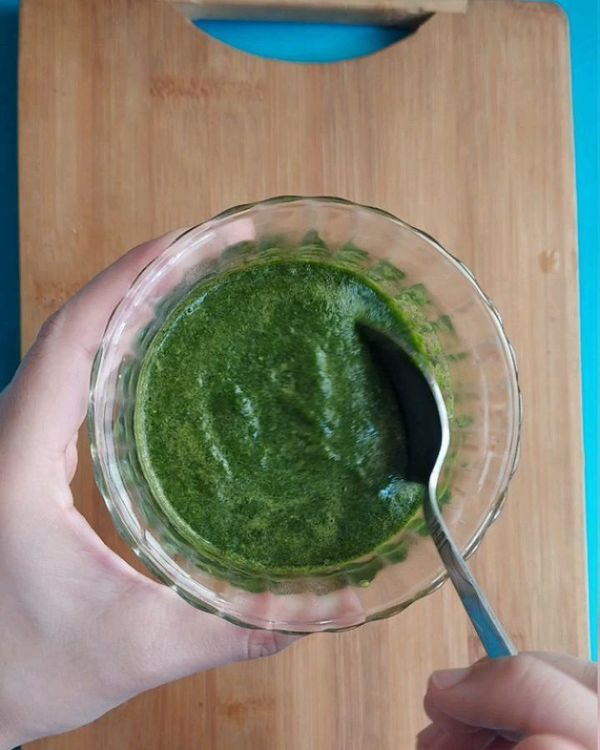
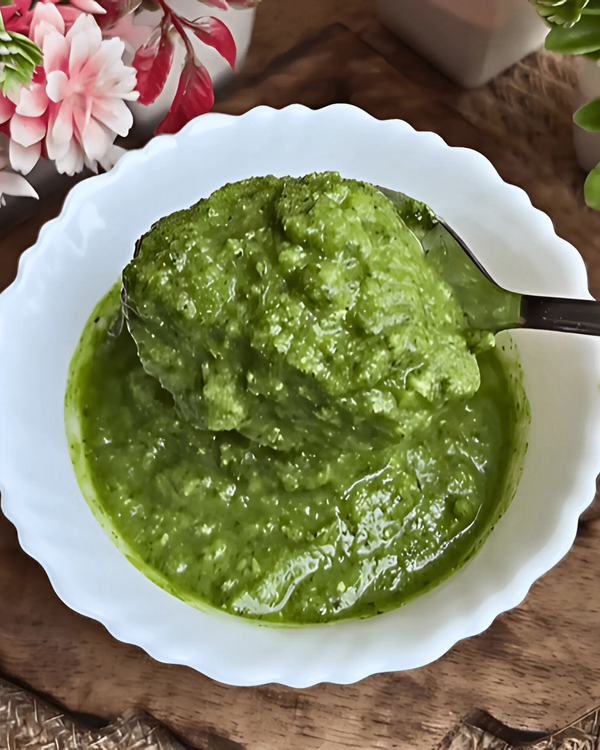
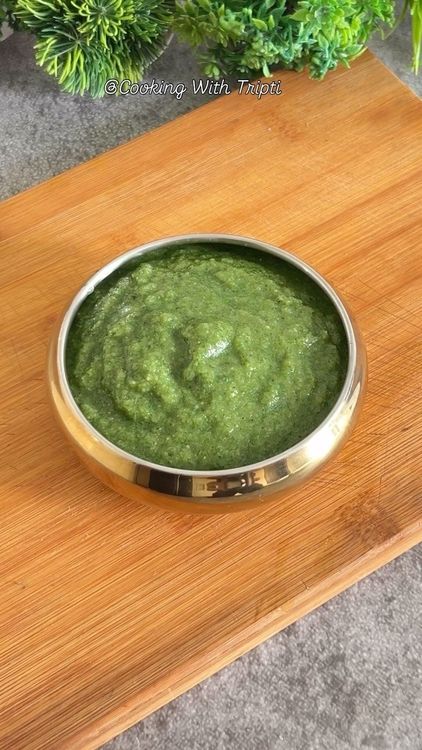
Herbs bruise and turn khaki the moment they meet a warm blade. Chill the jar, work in short pulses, and keep the water to a trickle, because a thick green chutney holds its colour for days while a watery one goes grey by lunch. Lemon juice added at the end locks the brightness in, and a spoon of roasted chana dal or a few peanuts gives enough body to sit on a sandwich instead of soaking through it. Mint chutney and coriander blends behave the same way.
- Indian
- Vegetarian
- Appetiser

- Indian
- Vegan
- Sauce & Condiment
- Indian
- Vegan
- Side Dish

- Indian
- Vegan
- Snack
- Indian
- Vegan
- Side Dish
- Indian
- Vegan
- Sauce & Condiment

- Indian
- Vegan
- Sauce & Condiment
- Indian
- Vegan
- Sauce & Condiment

- Indian
- Vegan
- Sauce & Condiment
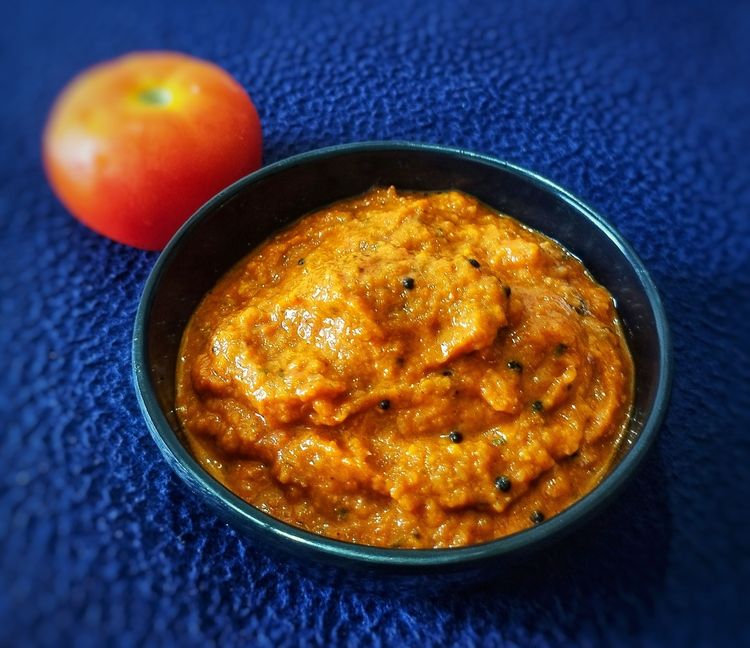
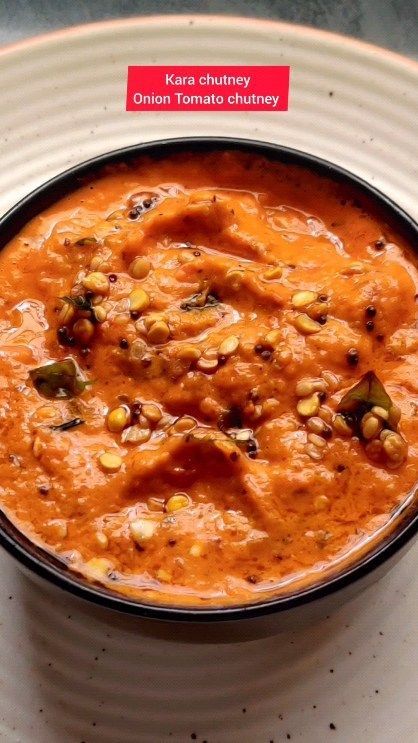
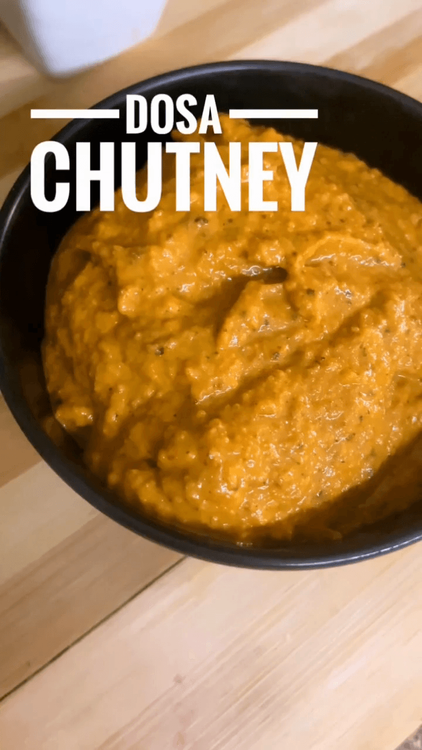
Tomato and Onion Chutneys with Real Heat
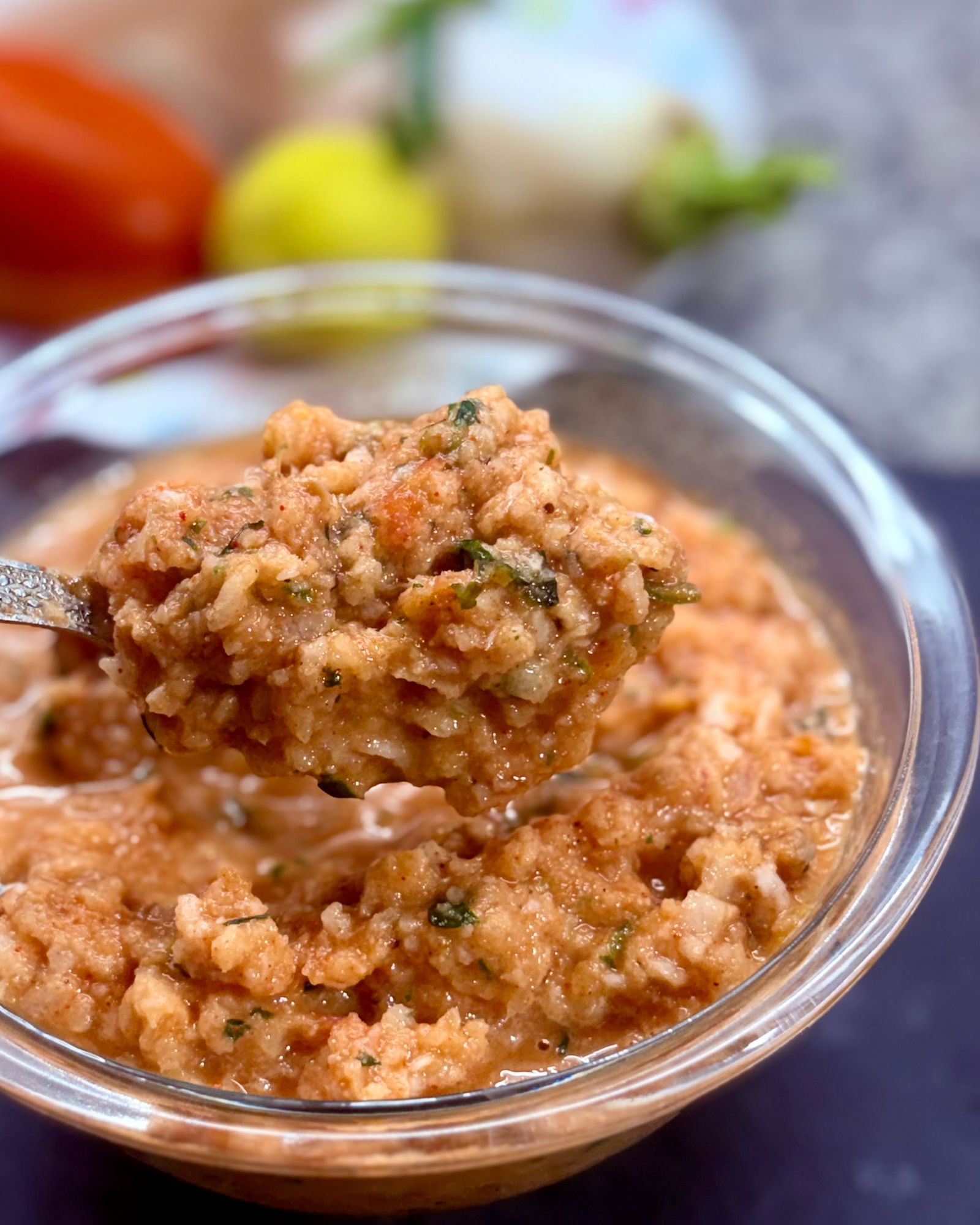
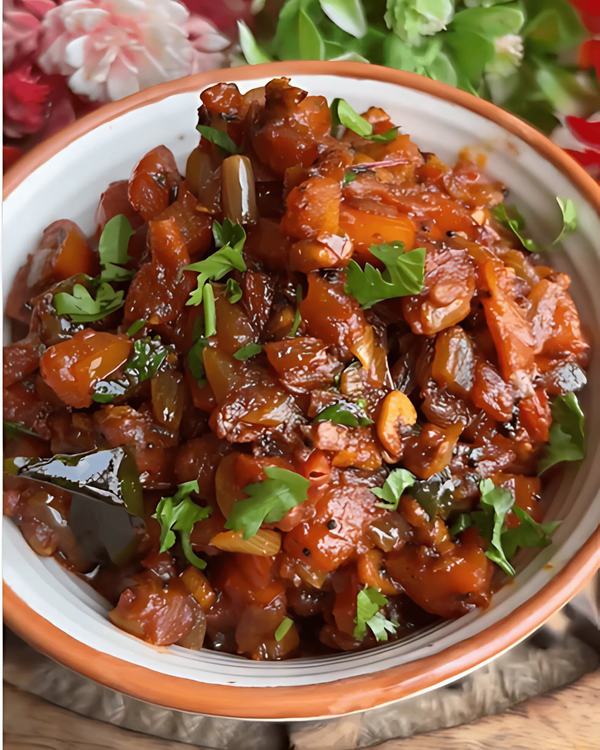
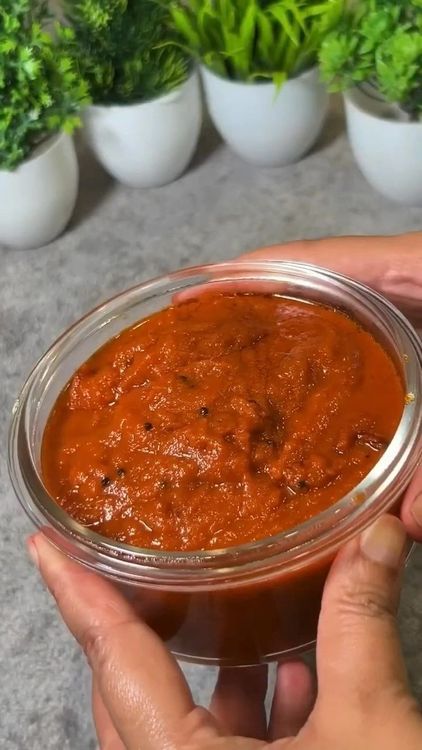
These want time in the pan, not speed. Sweat the onions until the edges catch gold, then add tomatoes and let them collapse completely, because you are looking for a jammy mass that pulls away from the sides, usually twelve to fifteen minutes on medium. Rushing gives you a raw, metallic tomato chutney; patience gives you depth. Dried red chillies soaked and ground in bring colour without brute heat, and a pinch of jaggery rounds off the acid.


- Vegetarian
- Indian
- Vegan
- Side Dish
- Indian
- Vegan
- Snack
- South Indian
- Vegan
- Breakfast
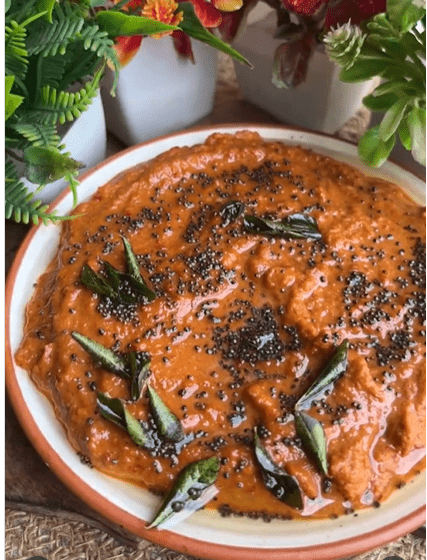
- South Indian
- Vegan
- Side Dish
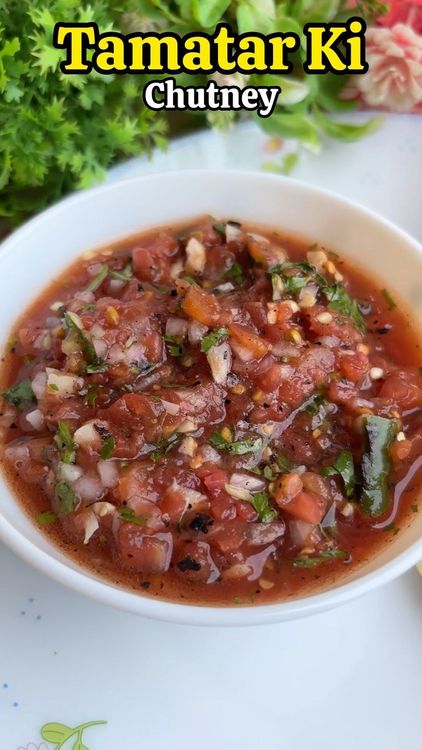
- Indian
- Vegan
- Sauce & Condiment
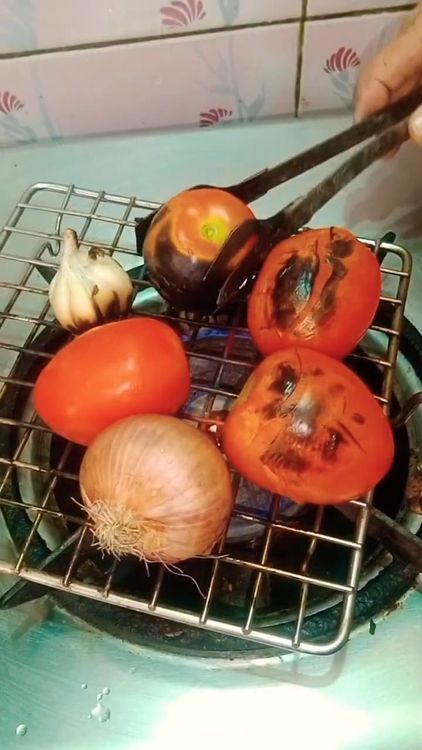
- Indian
- Vegan
- Sauce & Condiment
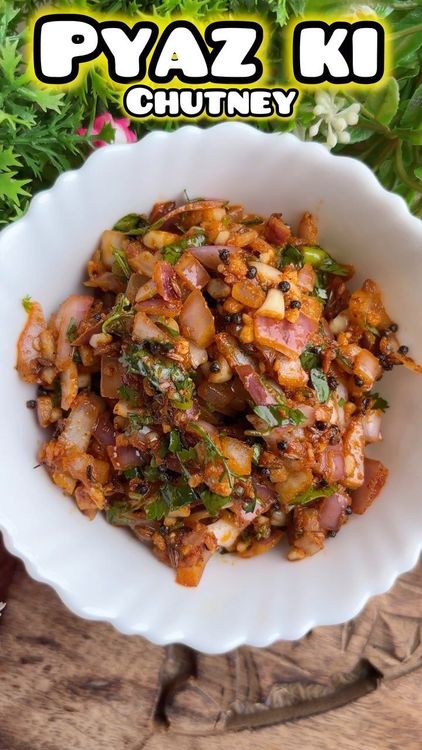
- Indian
- Vegan
- Sauce & Condiment
- Indian
- Vegan
- Sauce & Condiment

- South Indian
- Vegan
- Sauce & Condiment
- Indian
- Vegan
- Side Dish
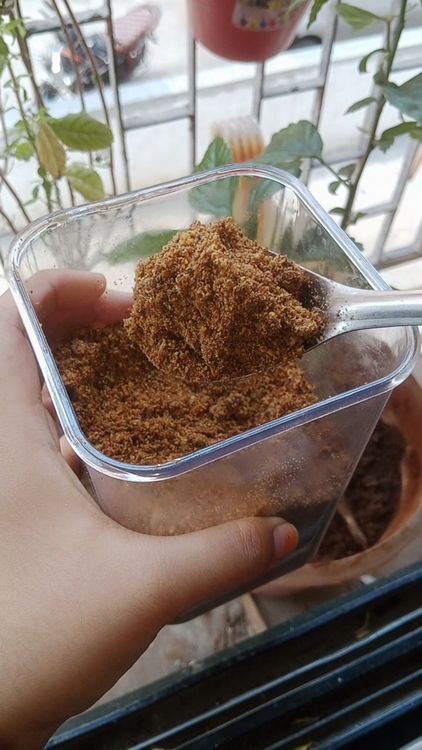
Dry Chutneys, Podi and Vada Pav Powders
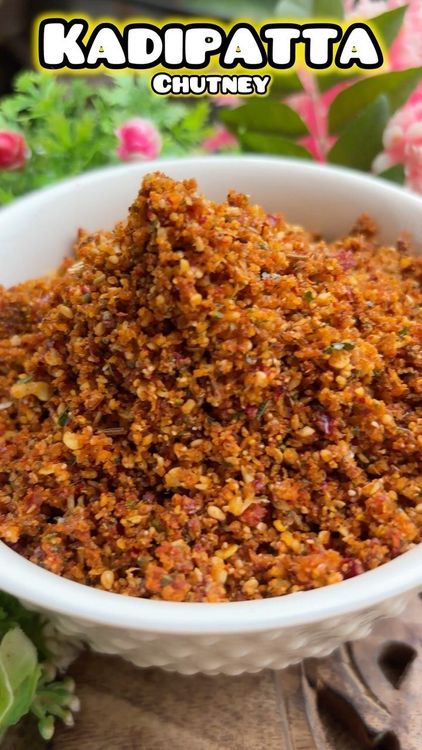
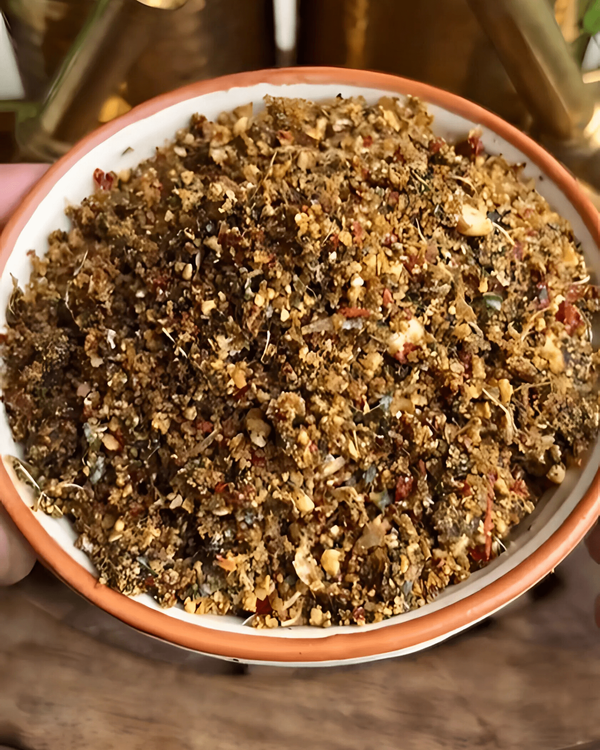
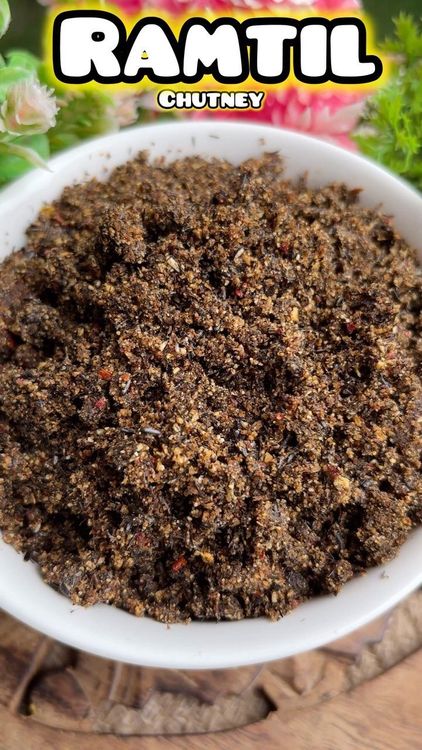
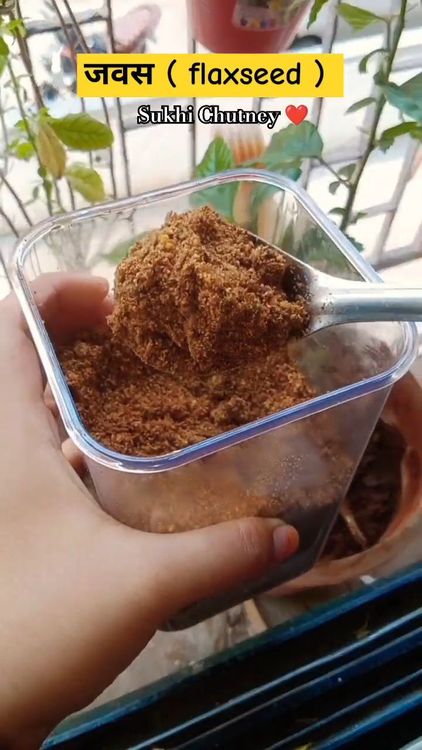
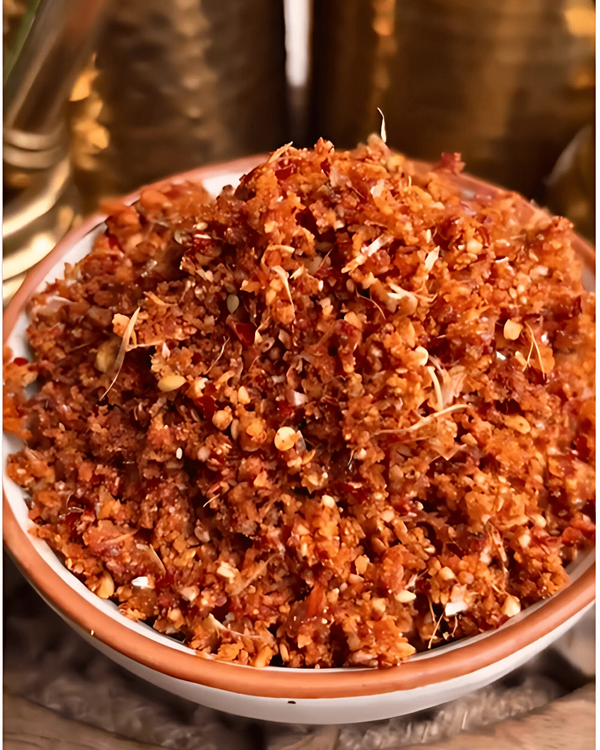
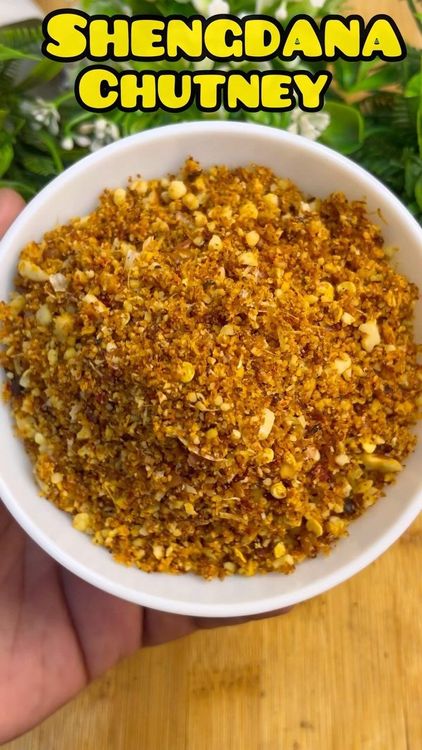
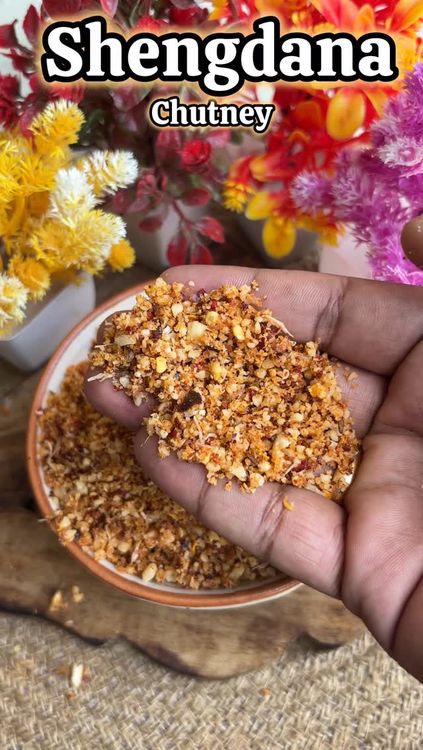
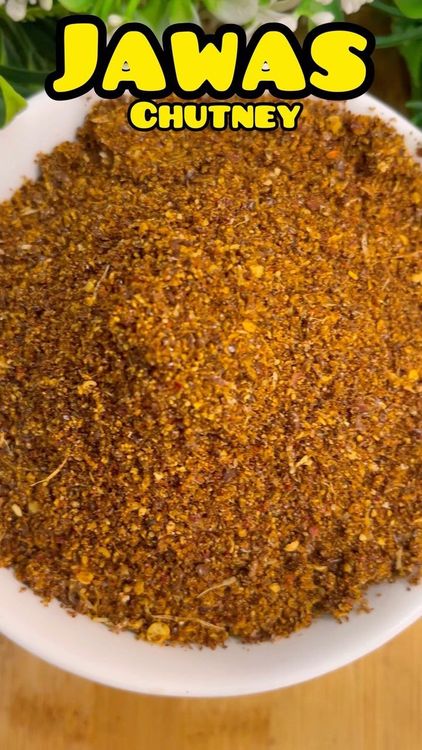
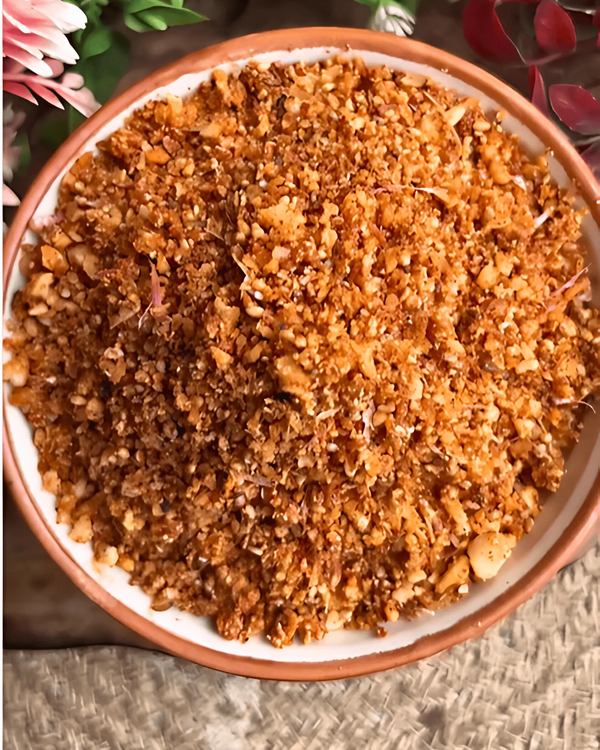
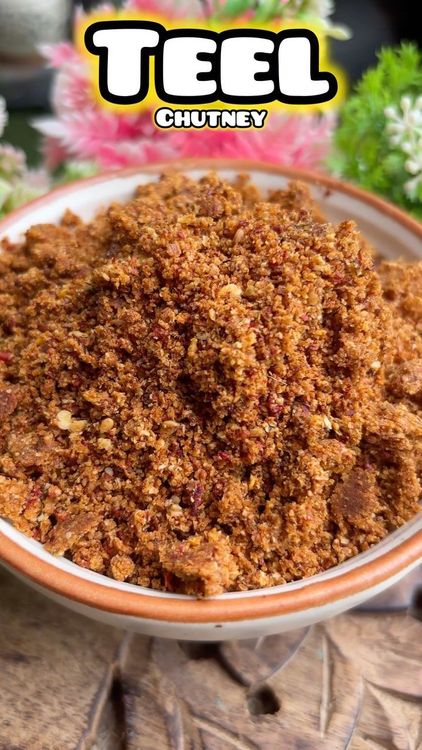
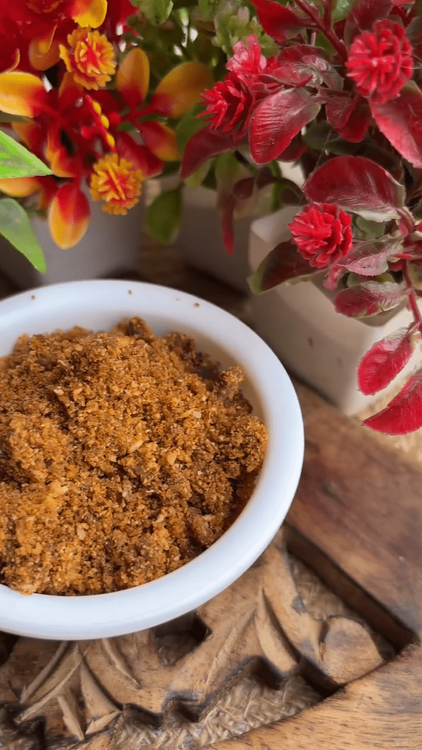
Dry versions are pantry insurance. Roast each element separately, since garlic goes leathery long before sesame browns, cool everything to room temperature, then pulse rather than grind so you finish with sand and not paste. Any residual warmth turns the powder into a damp clump within a week. Stored properly in a dry glass jar with a dry spoon, these keep a month at room temperature and stretch to three in the fridge.
- Indian
- Vegan
- Sauce & Condiment

- Indian
- Vegan
- Sauce & Condiment


- Vegetarian
- Side Dish
- Indian
- Vegan
- Snack

- Vegetarian
- Side Dish
- Indian
- Vegan
- Sauce & Condiment
- Indian
- Vegan
- Sauce & Condiment
- Maharashtrian
- Vegan
- Snack
- Maharashtrian
- Vegan
- Snack

- Indian
- Vegan
- Snack
- Maharashtrian
- Vegan
- Sauce & Condiment
- Indian
- Vegan
- Sauce & Condiment
- Indian
- Vegetarian
- Side Dish
- Indian
- Vegan
- Snack
- Indian
- Vegan
- Sauce & Condiment
Sweet and Tangy Fruit Chutneys
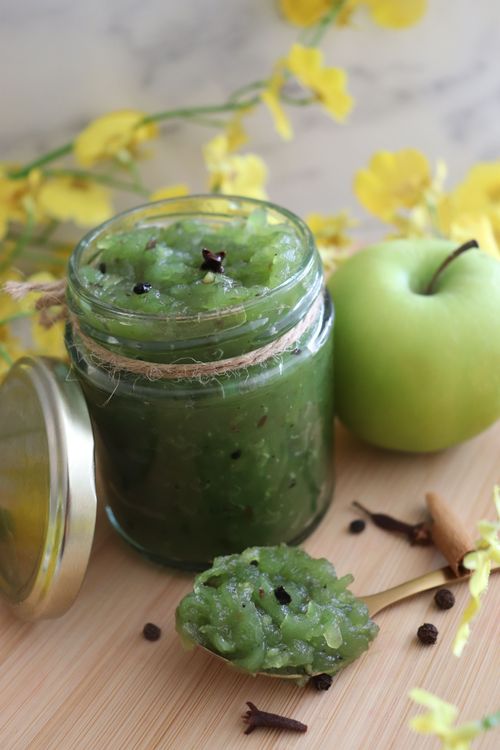
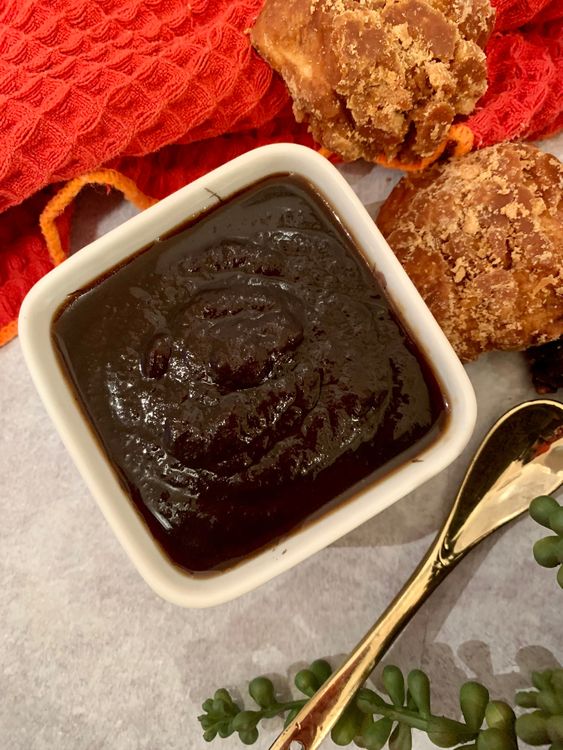
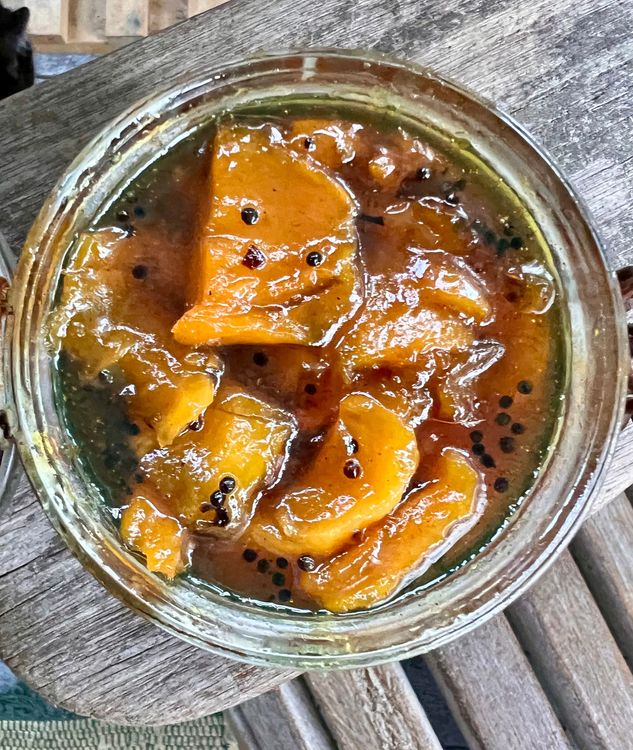
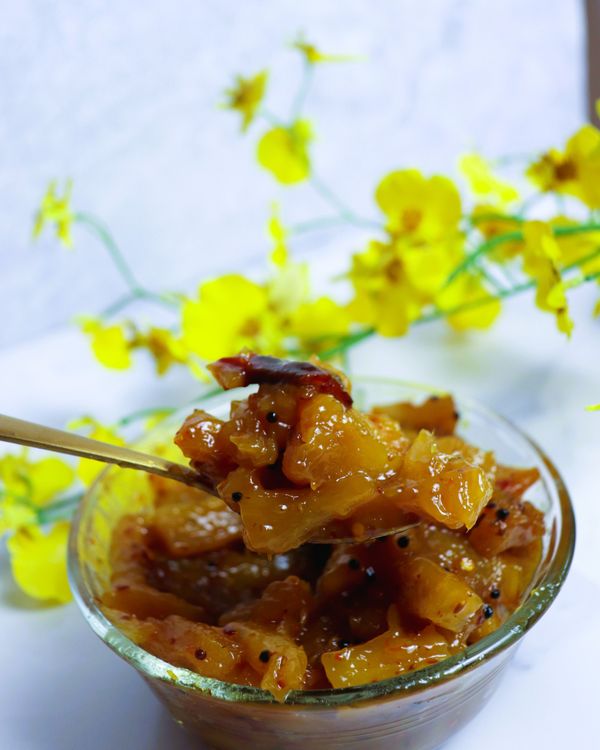
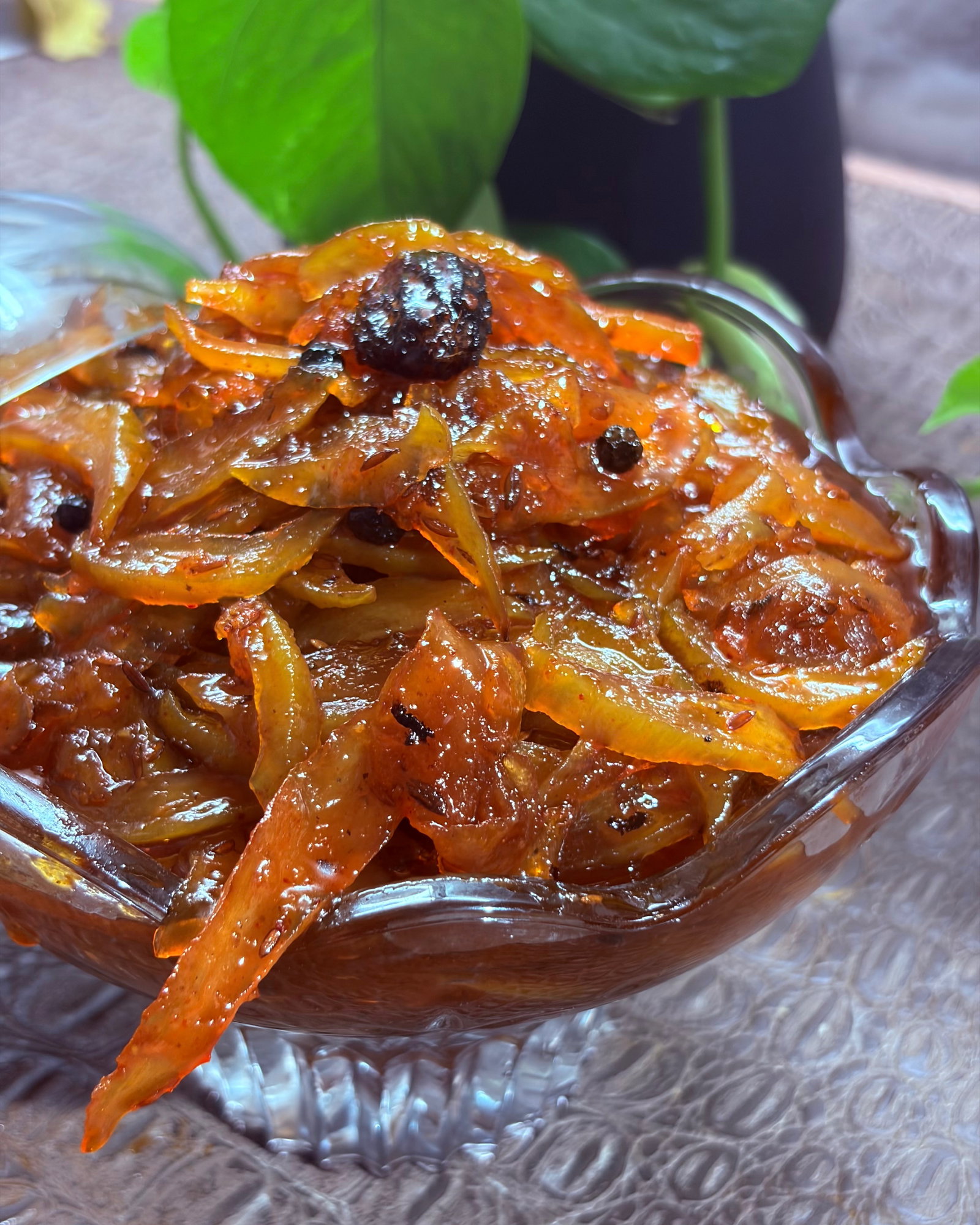
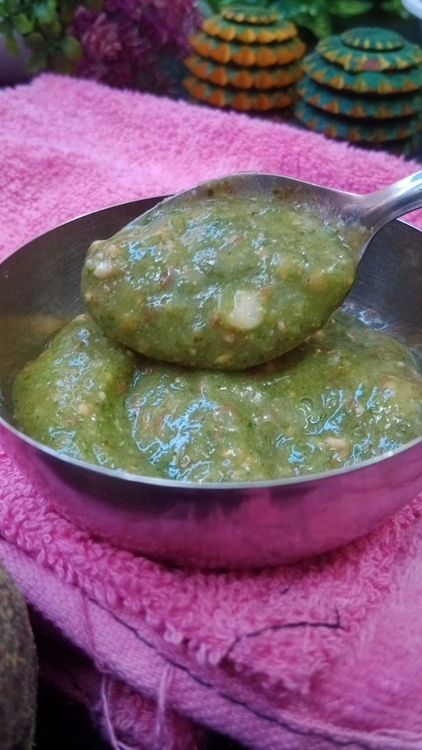
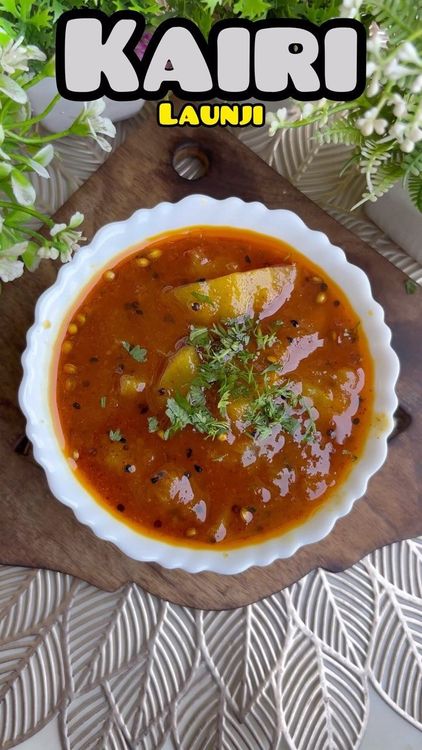
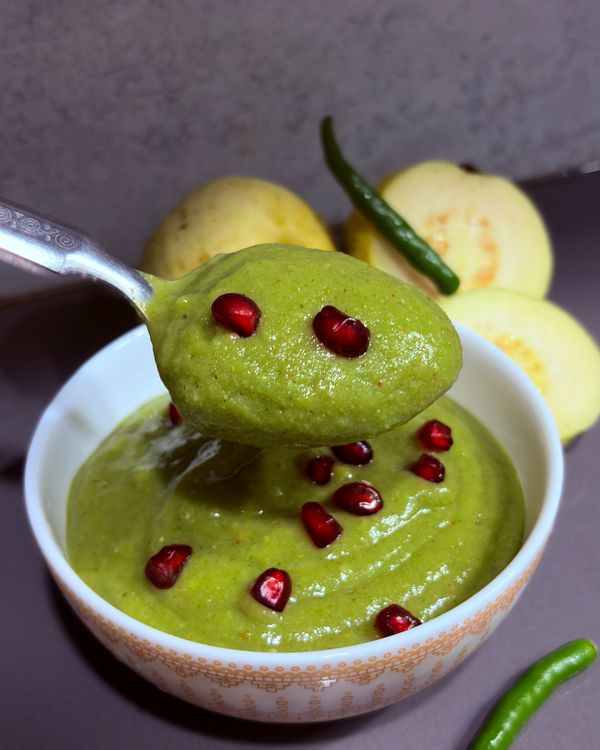
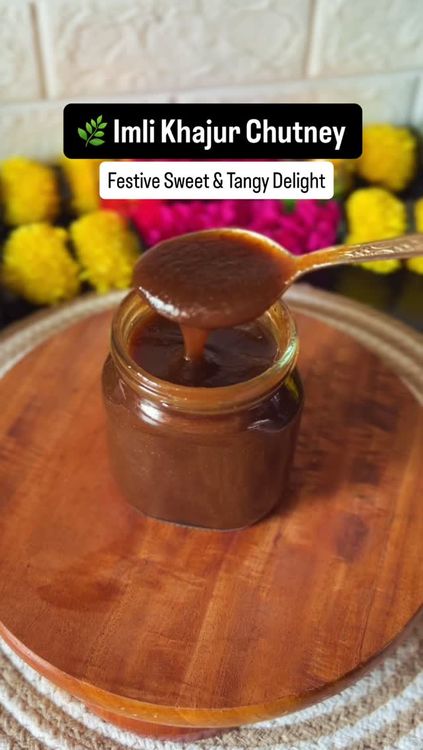
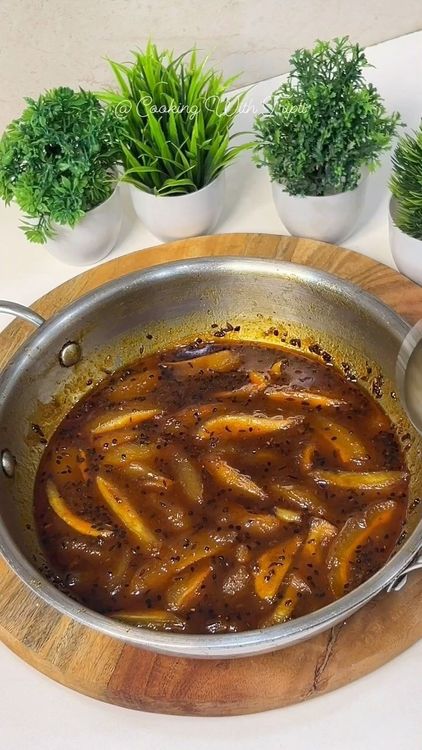
Sugar, acid and salt do the work here. Raw mango, plum, guava, pineapple, apple and pear all break down at different speeds, so cook to a visual cue rather than a clock: the syrup should sheet off a spoon and leave a clean line when you drag a spatula through the pan. Whole spices such as nigella, fennel and a snapped cinnamon stick go in early, while powdered chilli goes in late so it does not scorch. Everything thickens as it cools, so pull the pan while it looks slightly loose.
- Indian
- Vegan
- Sauce & Condiment
- Indian
- Vegan
- Sauce & Condiment

- Indian
- Vegan
- Sauce & Condiment

- Indian
- Vegetarian
- Side Dish
- Indian
- Vegan
- Side Dish
- Indian
- Vegan
- Sauce & Condiment

- Indian
- Vegan
- Sauce & Condiment
- Indian
- Vegan
- Snack
- Indian
- Vegan
- Sauce & Condiment

- Indian
- Vegan
- Sauce & Condiment
- Indian
- Vegan
- Snack

- Indian
- Vegetarian
- Snack
- Indian
- Vegan
- Side Dish
- Indian
- Vegan
- Snack
- Indian
- Vegan
- Sauce & Condiment
- Indian
- Vegan
- Snack
- Indian
- Vegan
- Sauce & Condiment
- Indian
- Vegan
- Sauce & Condiment

- Indian
- Vegan
- Side Dish
Regional and Fusion Chutney Recipes Worth Making
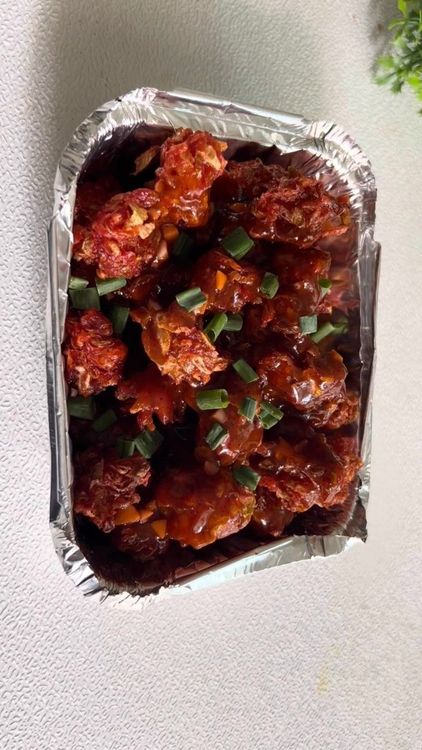
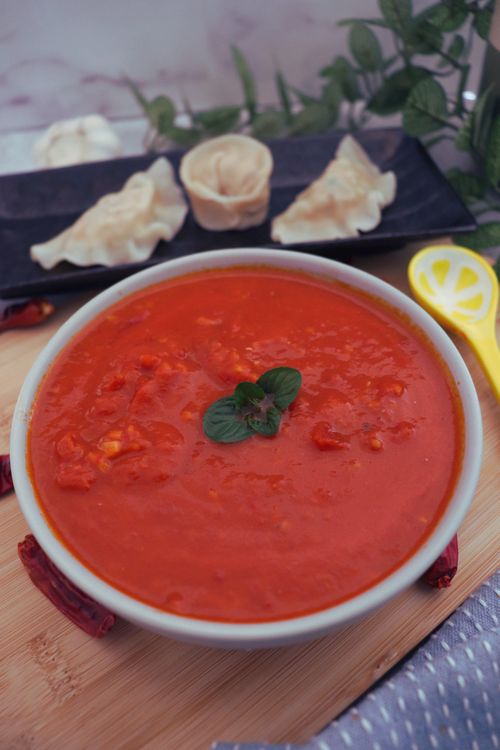
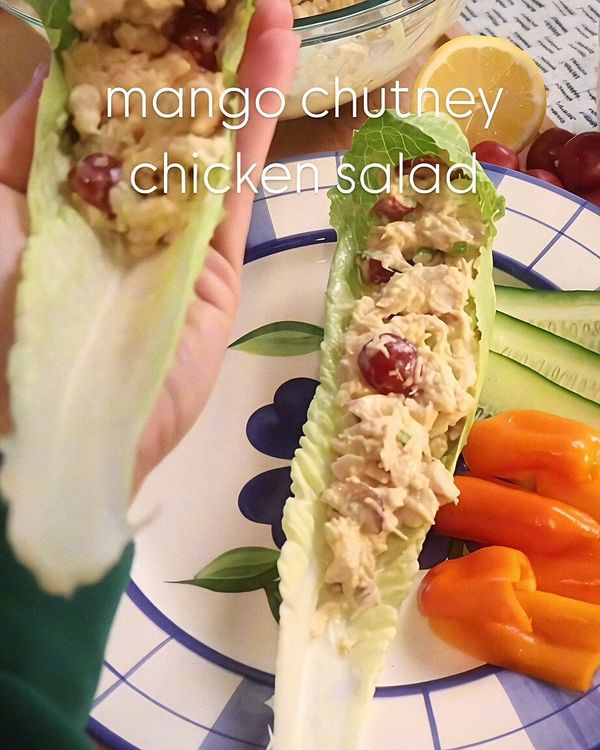
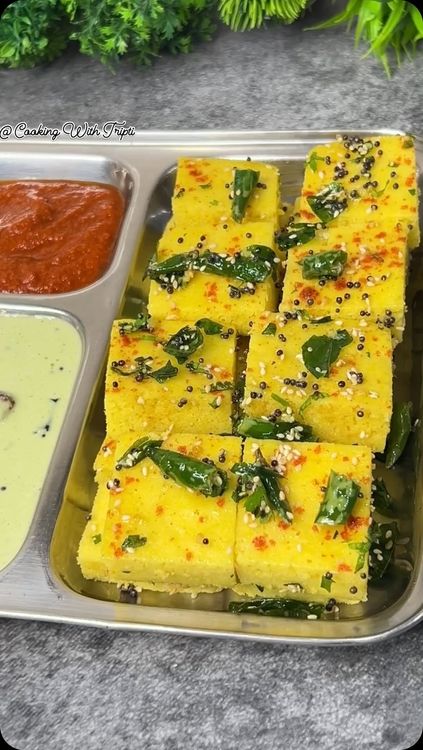
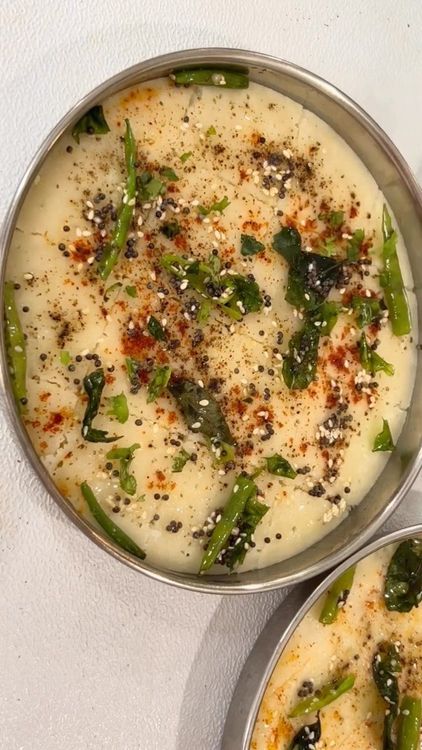
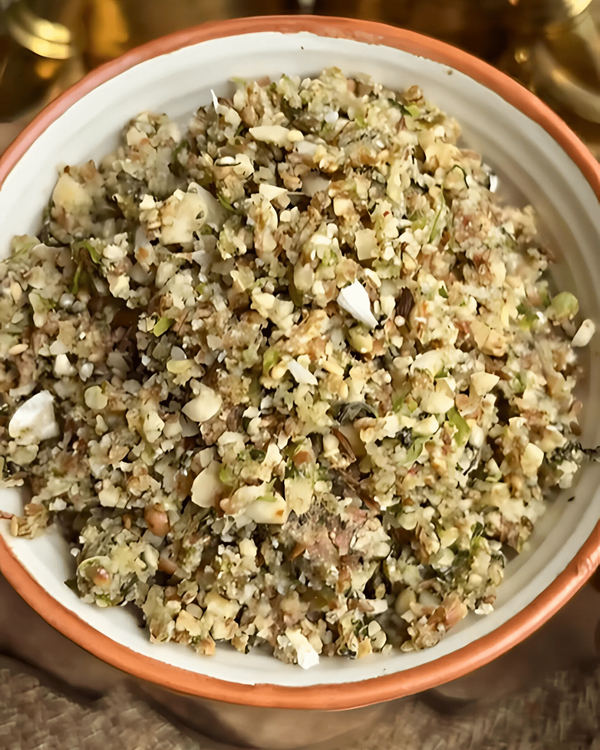
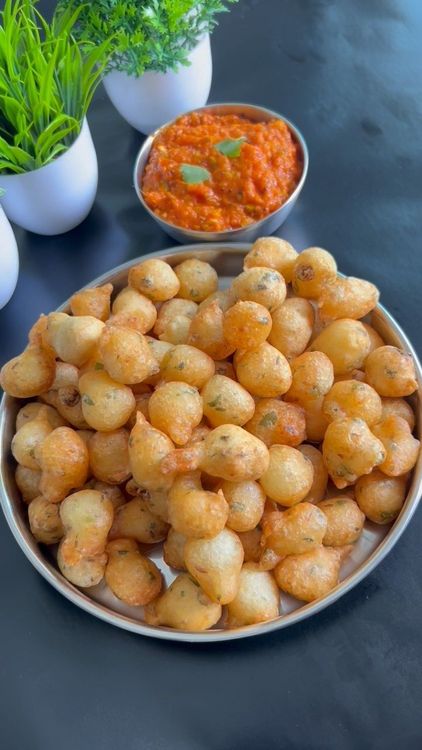
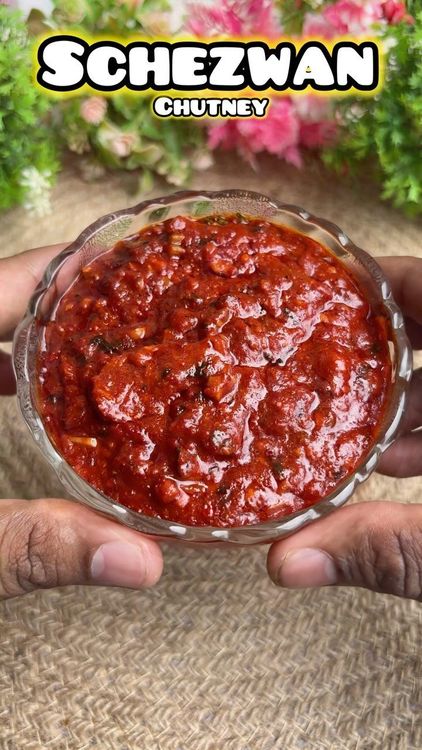
This last group is where the pantry gets interesting: Nepali momo chutney thickened with soaked sesame, Indo-Chinese schezwan paste, Bengali pineapple, a Provencal ratatouille-style relish, plus the snack-and-sauce pairings, from pakoras and dhokla to dosa and idli, where the dip and the dish were developed together. If you want to understand how regional Indian chutney thinking travels and mutates, start here.


- Gluten-Free
- Lunch
- Indo-Chinese
- Vegan
- Snack

- Indian
- Vegan
- Breakfast
- Indian
- Vegetarian
- Appetiser
- Indian
- Vegan
- Sauce & Condiment
- Fusion
- Non-Vegetarian
- Lunch

- South Indian
- Vegetarian
- Breakfast
- Indian
- Vegetarian
- Side Dish
- South Indian
- Vegan
- Breakfast

- Indian
- Vegetarian
- Appetiser
- Indian
- Vegetarian
- Appetiser

- Indian
- Vegan
- Sauce & Condiment
- Indian
- Vegan
- Breakfast

- Indian
- Vegetarian
- Snack

- Indian
- Vegan
- Breakfast

- Indian
- Vegetarian
- Appetiser
- Maharashtrian
- Vegan
- Snack
- Maharashtrian
- Vegan
- Sauce & Condiment
- Indian
- Vegan
- Snack

- Indian
- Vegetarian
- Appetiser

- South Indian
- Vegetarian
- Breakfast
- Chinese
- Vegan
- Sauce & Condiment

- South Indian
- Vegetarian
- Breakfast
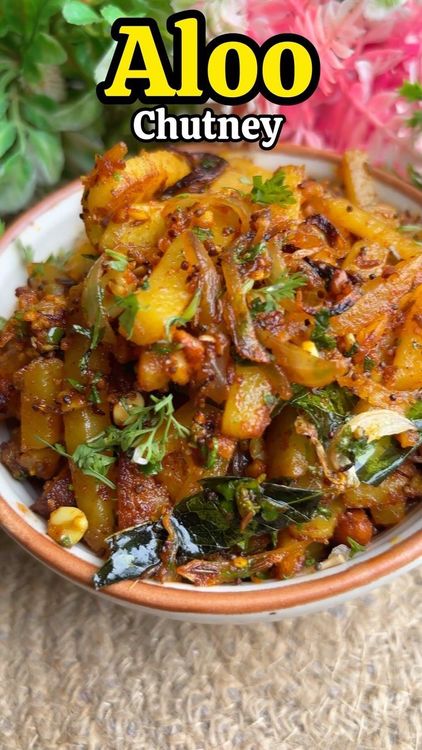
- Indian
- Vegan
- Snack
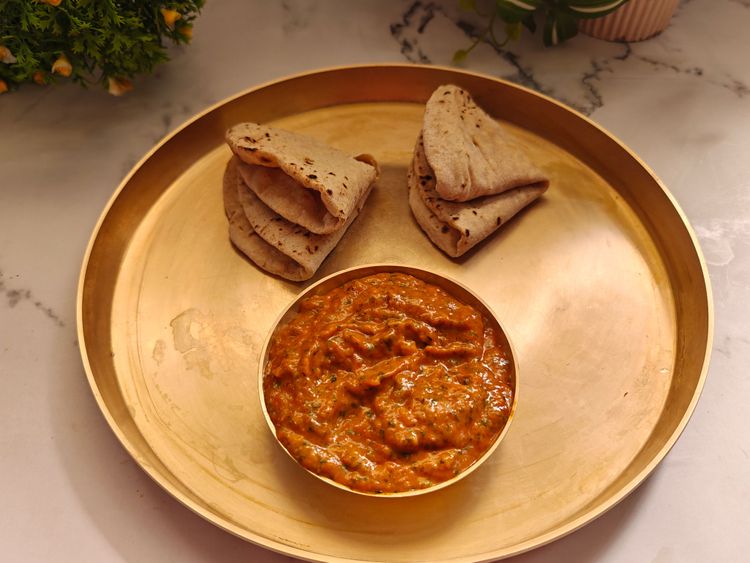
- Indian
- Vegan
- Side Dish
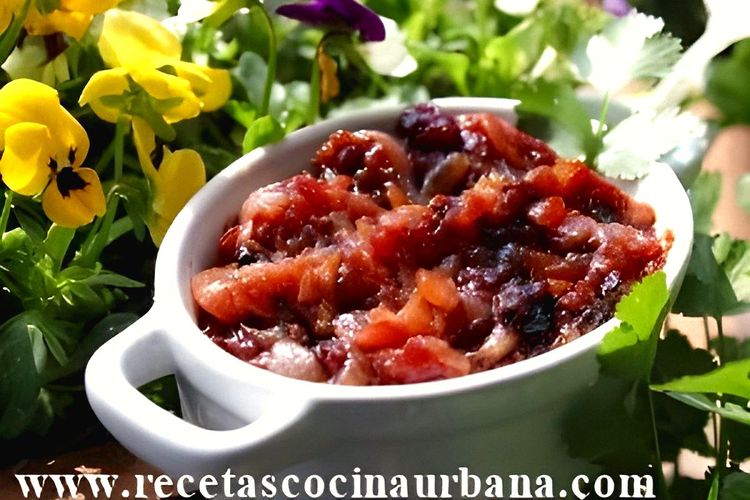
- International
- Vegan
- Sauce & Condiment
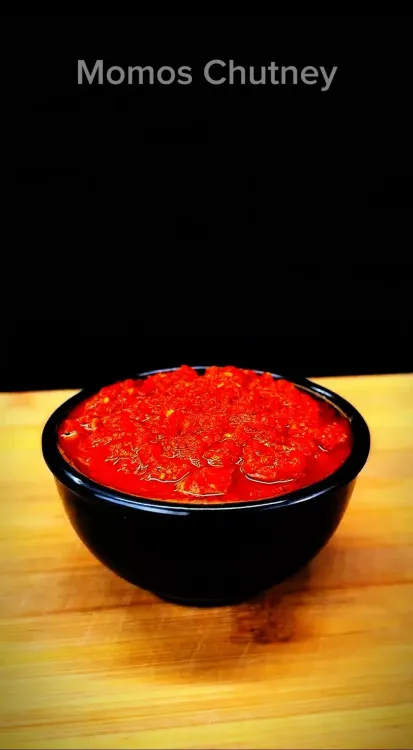
- Tibetan
- Vegan
- Sauce & Condiment
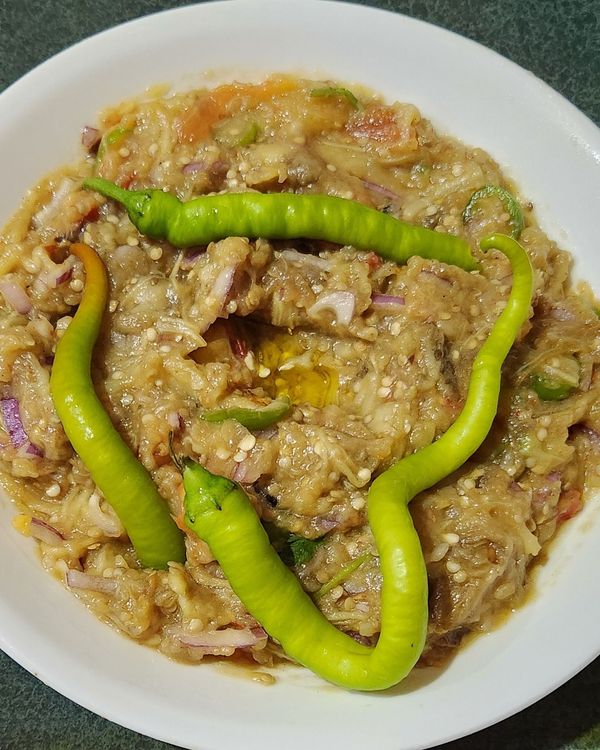
- Bangladeshi
- Vegan
- Sauce & Condiment
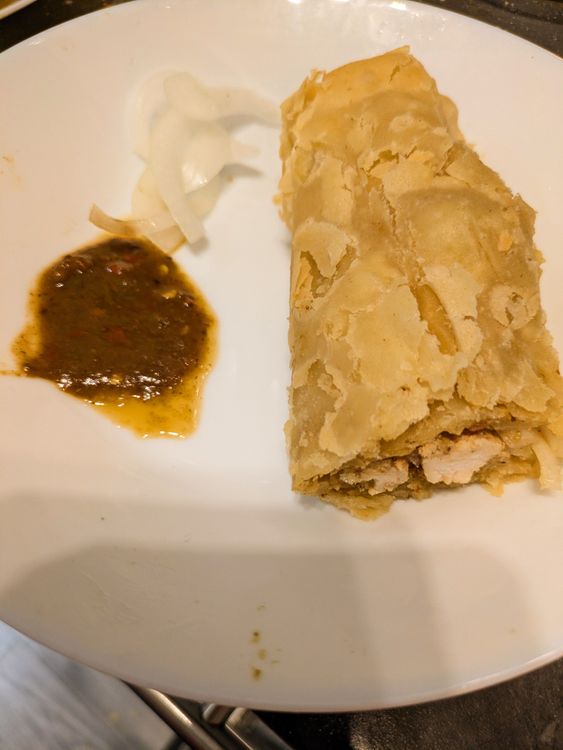
- Indian
- Nut-Free
- Snack


- Fusion
- Vegan
- Sauce & Condiment
Grinding and Tempering a Great Chutney
The real question is not how to make chutney, it is how to make one that tastes like the bowls you remember. Texture is decided before you press the button. Fresh coconut should be grated, not chunked, and herbs should be dry-ish, patted down if they came out of a wash. Roasted gram dal goes in whole and dry so it powders first and then thickens everything around it. Add water a tablespoon at a time, because you can always loosen a thick grind but you cannot un-water a thin one. Small jars beat big ones: a 500ml jar filled to a third gives the blades something to catch.
The tempering is the other half, and it is where most home versions fall down. Heat two teaspoons of oil until a mustard seed dropped in cracks within a second, coconut oil in the south, groundnut in the west. Mustard first; wait for the popping to slow. Then urad dal until it turns the colour of weak tea, a torn dried red chilli, a pinch of hing, and curry leaves last because they burn in ten seconds flat. Pour it over, do not stir, and let it sit two minutes.
Taste at room temperature. Cold flattens salt, and almost every under-seasoned batch I have made tasted fine straight off the stove.
Storing Chutney So It Stays Fresh
Fresh coconut is the clock. A ground coconut base is safe for about twenty-four hours in the fridge and starts souring by day two. That faint fizz on the tongue means it has gone, and no amount of re-tempering brings it back. Herb blends hold three or four days if you press cling film onto the surface so no air touches it. Onion and tomato bases, cooked down properly and finished with oil, last a week. Anything built on tamarind, sugar or fruit sits happily for three to four weeks, because the acid and the sugar are doing preservation work for you.
Freezing works better than most people expect. Ice cube trays are the trick: freeze in portions, bag the cubes, and you get single servings that thaw in ten minutes. Coconut and herb versions freeze for two months with a slight loss of colour, while cooked fruit and tamarind versions freeze for six and taste identical coming out. Dry powders do not belong in the freezer at all, since condensation ruins the grind on the first thaw.
Two habits do most of the work. Sterilise your jars with boiling water and dry them completely, and never dip a wet or already-used spoon into one. That is why a month-old jar of tamarind paste can taste like day one.
Pro Tips
- Grind your coconut with a couple of ice cubes instead of water, because the friction heat from the blades is what dulls the flavour and turns a fresh grind flat within the hour.
- Roasted chana dal, sold as dalia, is the single best thickener here: two tablespoons give real body without the raw-flour taste you get from besan stirred in at the end.
- If a batch tastes muddy, it is almost always missing acid rather than salt. A squeeze of lime or a small ball of tamarind will sharpen the whole bowl instantly.
- Fry your dried red chillies for ten seconds before grinding them. It is the difference between colour that carries flavour and colour that is only colour.
- For anything sweet and simmered, undercook by about five minutes. It firms up considerably as it cools, and a stiff jar is much harder to rescue than a loose one.
- Keep a dedicated small tempering pan within arm's reach of the stove. Nothing else spatters as much, and having it to hand is the reason a tadka actually gets made rather than skipped.
Frequently Asked Questions
Which chutney recipes should a complete beginner start with?
Start with a coconut grind and a green herb one. Between them they cover breakfast and every fried snack you are likely to make. Both are no-cook, both take under fifteen minutes, and both teach the two skills everything else here depends on: judging water as you grind, and getting a tempering hot enough without burning the curry leaves.
How long does homemade chutney keep in the fridge?
It depends entirely on the base. Fresh coconut lasts about a day, herb blends three to four days, cooked onion and tomato around a week, and tamarind or fruit versions three to four weeks because sugar and acid preserve them. Dry powders keep a month on the shelf. Sterilised jars and a clean dry spoon roughly double all of those numbers.
Why does my green chutney turn black?
Oxidation, plus heat from the blades. Chill the herbs and the jar first, pulse in short bursts rather than running the motor continuously, and add lemon juice or a few drops of vinegar at the end rather than the start. Storing it airtight with cling film pressed onto the surface keeps the colour for days instead of hours.
Can I make coconut chutney without fresh coconut?
Yes. Soak desiccated coconut in warm water or warm milk for twenty minutes first, then grind. It rehydrates and behaves almost identically, though it is slightly less sweet. Frozen grated coconut is better still, so long as you thaw it fully before grinding. If you have neither, roasted peanuts or roasted gram dal make a genuinely good stand-in with a nuttier finish.
What is the difference between a chutney, a pickle and a relish?
Broadly, texture and shelf life. Pickles are cut pieces cured in salt and oil, and they keep for months or years. Relishes sit somewhere in between, chunky and lightly cooked. The Indian kind is usually ground or simmered to a spoonable paste and eaten within days or weeks. It is made to be finished, not stored.
How do I fix a tomato chutney that turned out too watery?
Put it back on medium heat uncovered and let it reduce for eight to ten minutes, stirring so the base does not catch. If you are short on time, a tablespoon of roasted gram dal powder or a few soaked and ground peanuts will thicken it without changing the flavour much. Never add cornflour, which goes gluey and tastes of nothing.
Are these suitable for a vegan or gluten-free diet?
Nearly all of them are, by default. Grinds built on coconut, herbs, dal, tomato or fruit contain no dairy and no wheat at all. The exceptions worth checking are the few curd-based grinds and the chicken and sandwich fillings, which use yoghurt or bread. Swapping thick coconut milk for curd works cleanly in every one of them.
Pick two to start, one fresh grind for breakfast and one dry powder for the days you have not shopped. The best chutney recipes are not the elaborate ones; they are the ones you make often enough to get fast at. Once the tempering becomes automatic, the rest is just whatever is in the fridge and how much heat you want.
Related
- coconut chutney
- green chutney
- tomato chutney
- south indian breakfast
- idli dosa sides
- indian condiments
Popular Searches
- Best chutney recipes
- Easy chutney recipes
- Quick chutney recipes
- Healthy chutney recipes
- Simple chutney recipes
- Homemade chutney recipes
- Delicious chutney recipes
- Popular chutney recipes
- coconut chutney
- mint chutney
- tomato chutney
- green chutney
Marnirni-apinthi Building, Lot Fourteen,
North Terrace, Adelaide, South Australia, 5000
Australia
