
100 Budget Friendly Recipes That Make Cheap Ingredients Taste Expensive
Updated July 16, 2026 · Curated by Chefadora
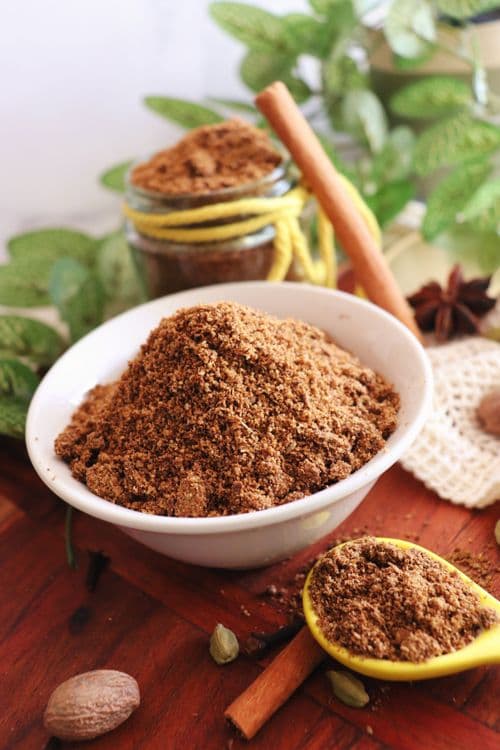
I have cooked on a tight budget for long stretches of my life, and the thing nobody tells you is that it is a skill, not a punishment. The best budget friendly recipes are not thinner versions of good food. They are the ones where you grind your own masala, fill your own jar, and get more out of a litre of milk than the shop ever will.
So this collection of 100 dishes is built on one principle: cost per serving falls when you stop outsourcing the small things. A jar of homemade garam masala changes every curry you cook for six months. A block of paneer from a litre of milk feeds four. Cheap meals get their character from technique, timing and seasoning, not from spending more at the till. You will find spice blends, chutneys, pickles, DIY dairy, snacks, drinks and one-pot dinners here. Start anywhere — most take under thirty minutes.
Homemade Spice Blends and Masalas Worth Grinding Yourself
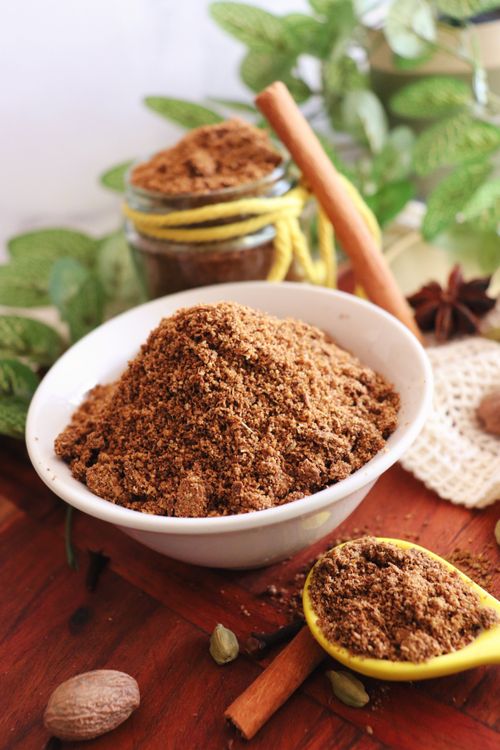
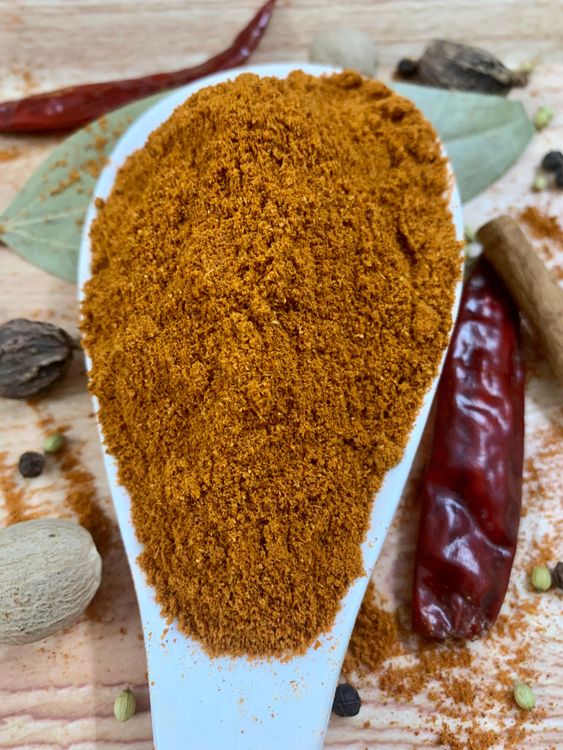
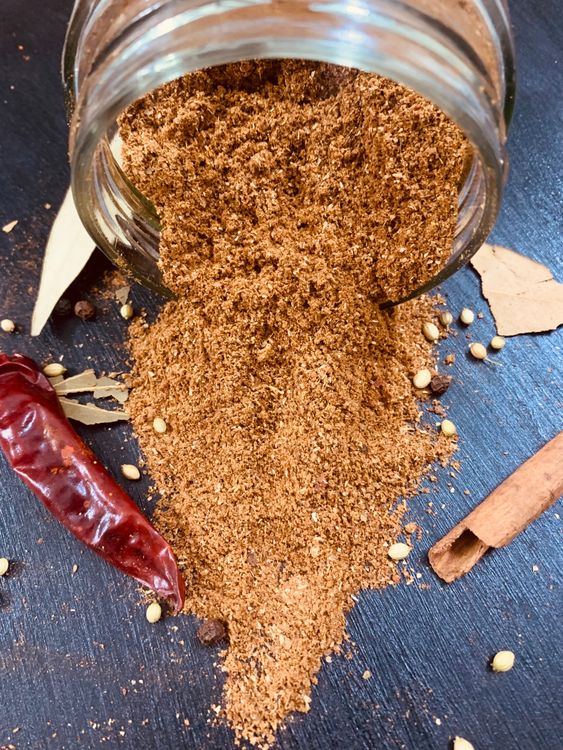
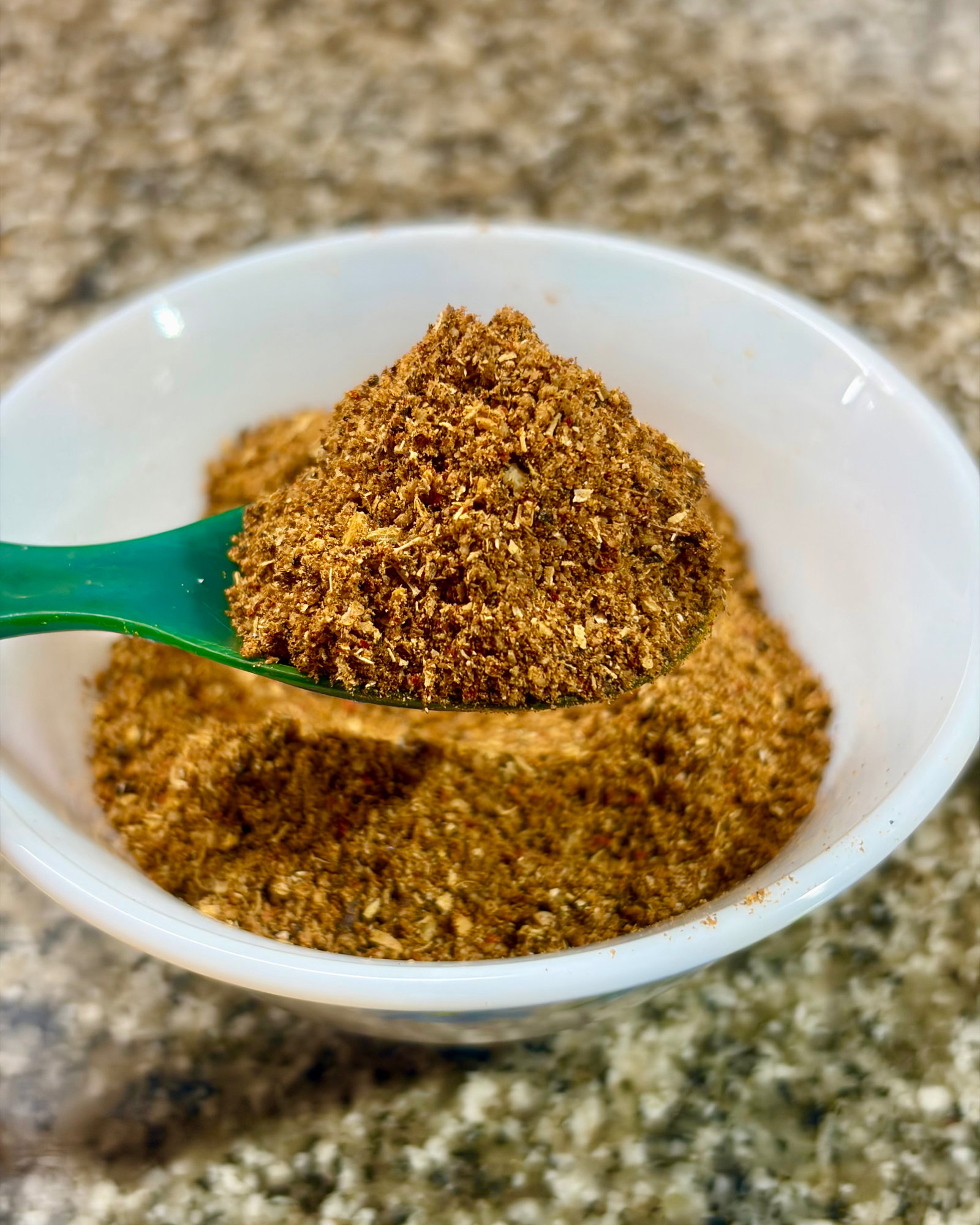
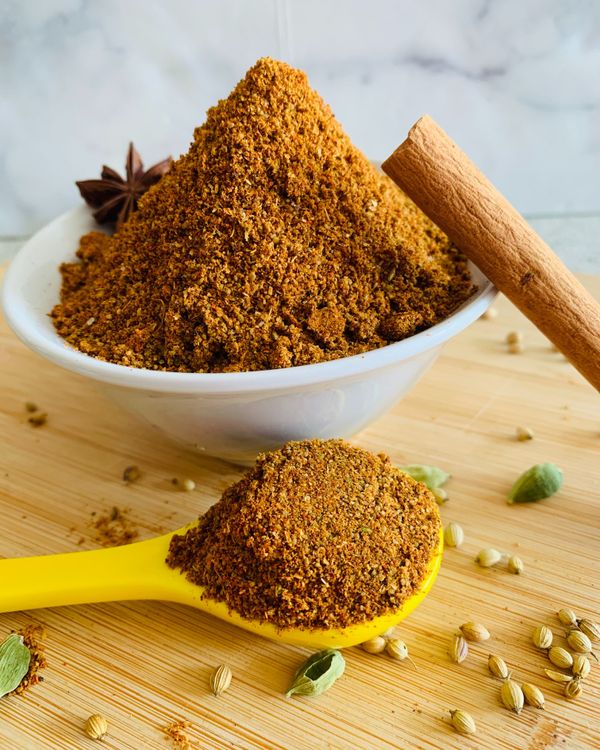
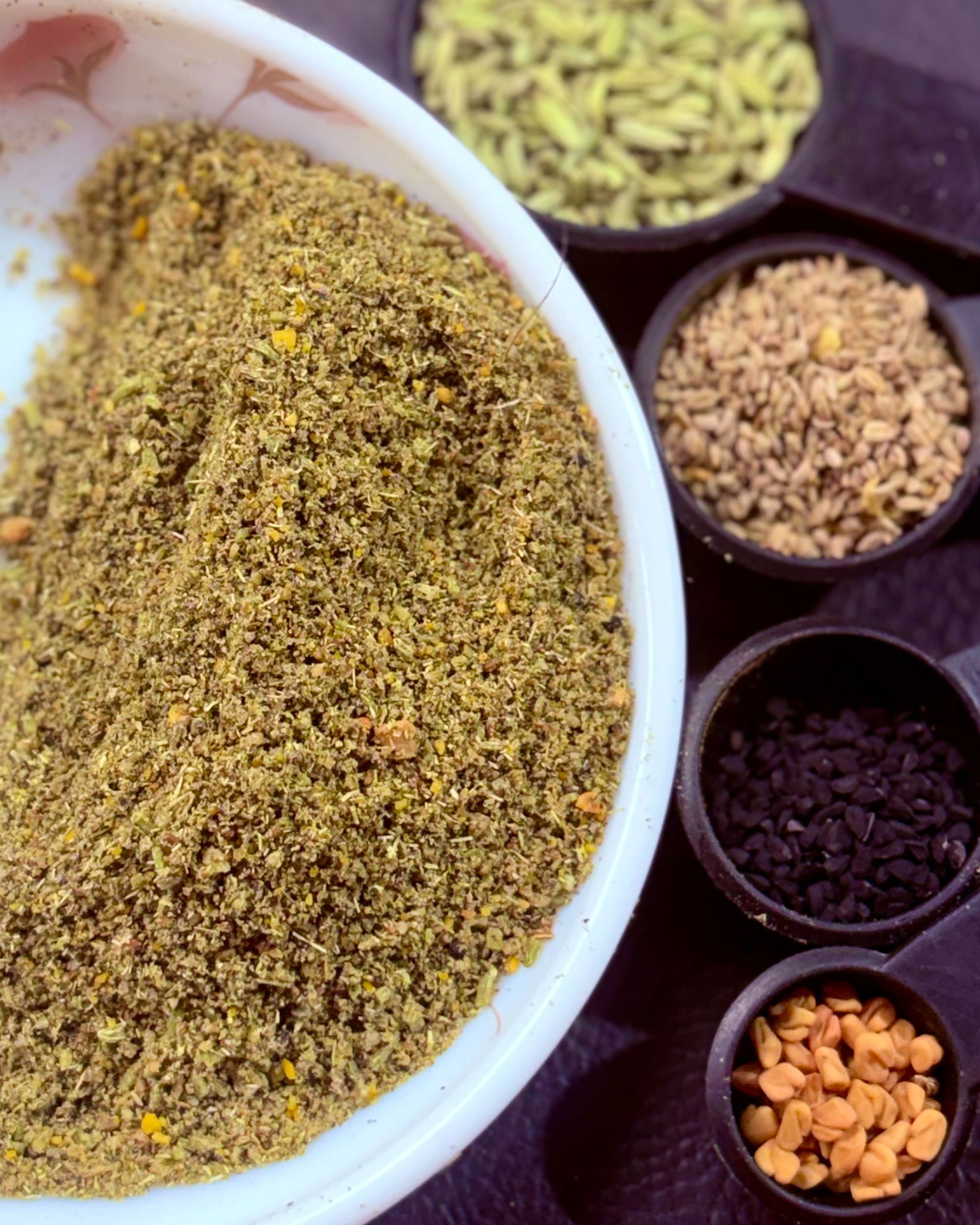
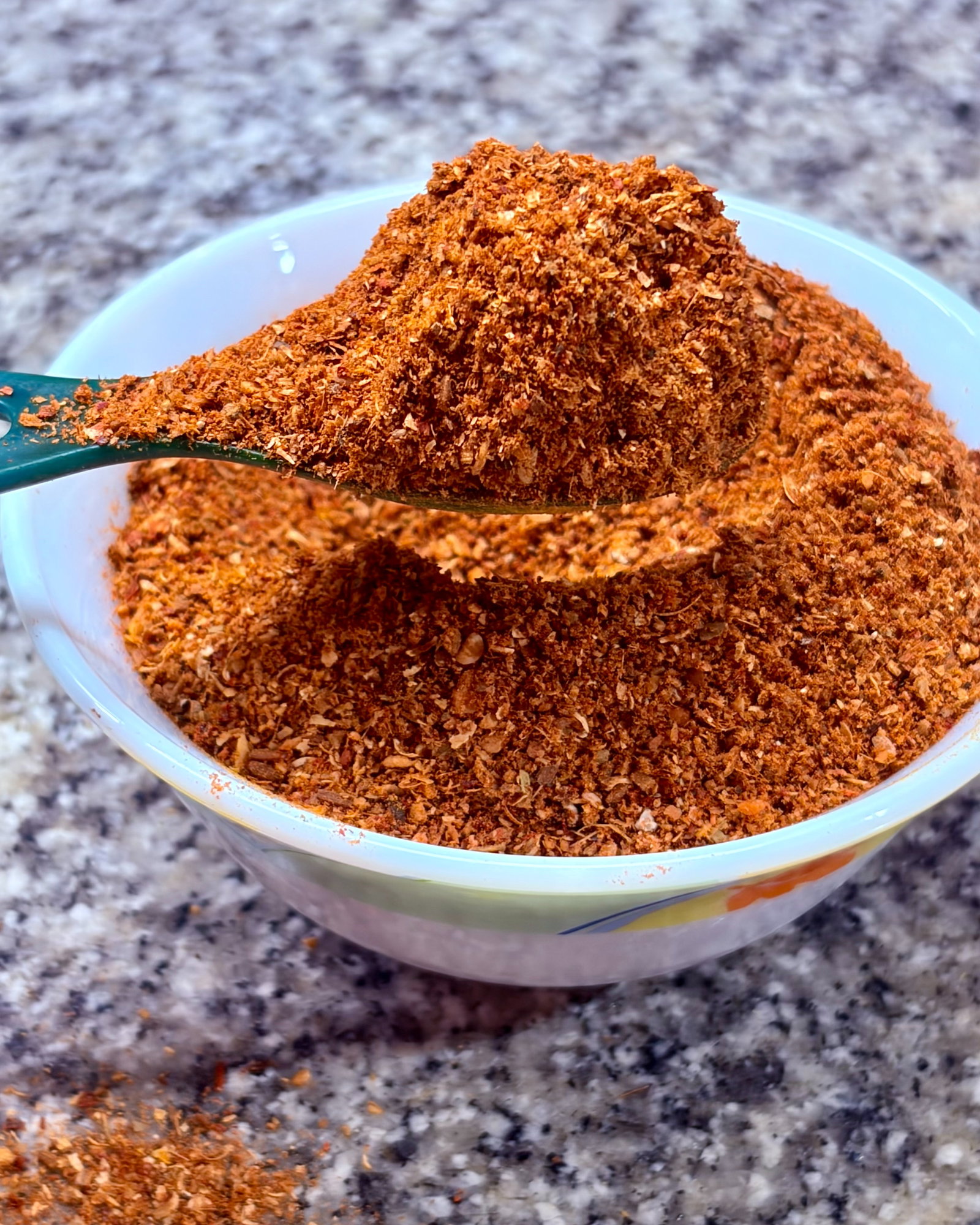
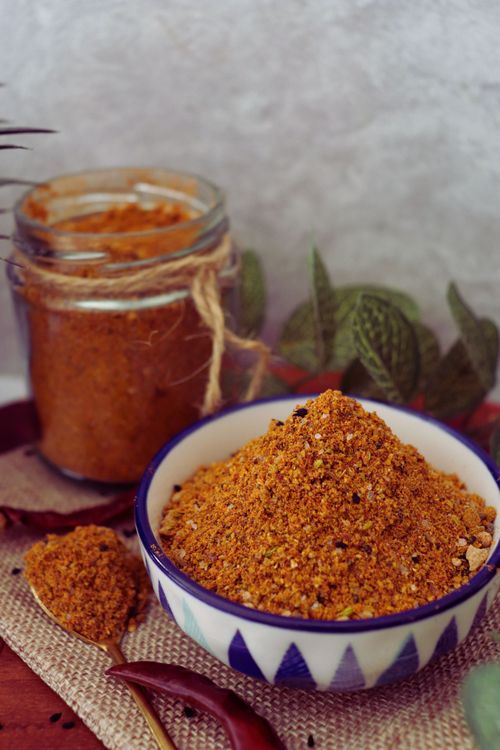
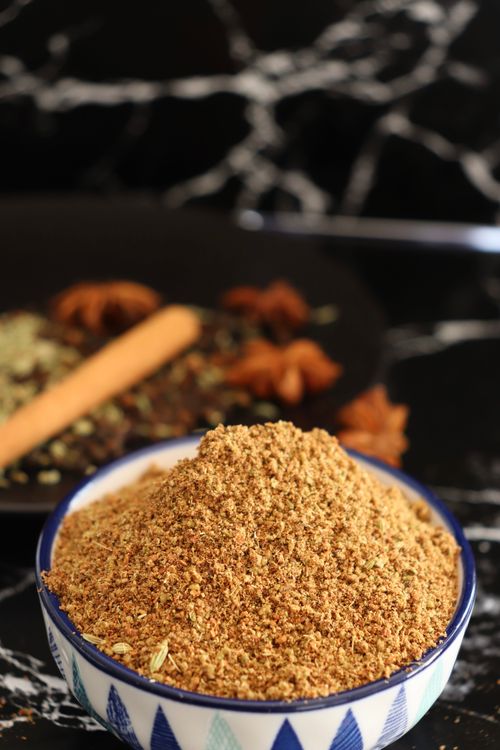
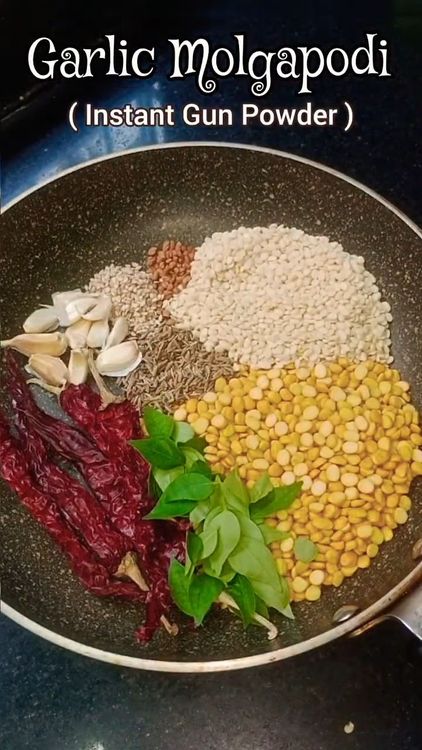
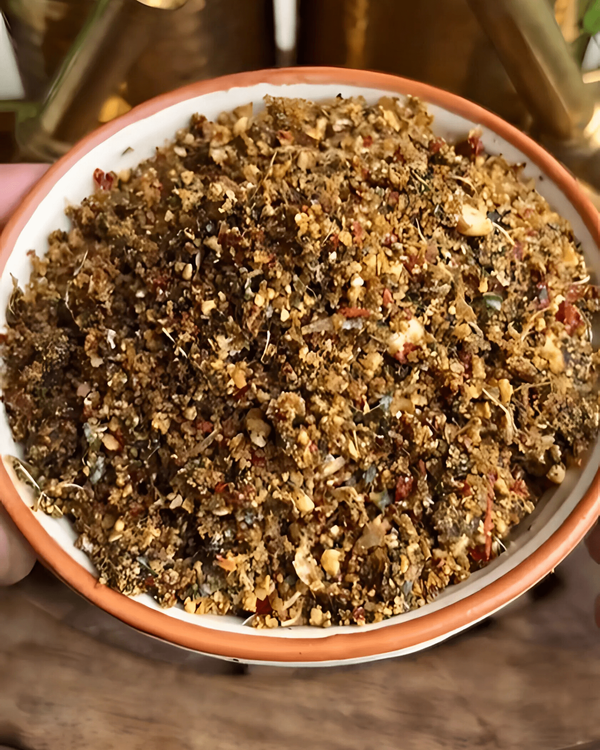
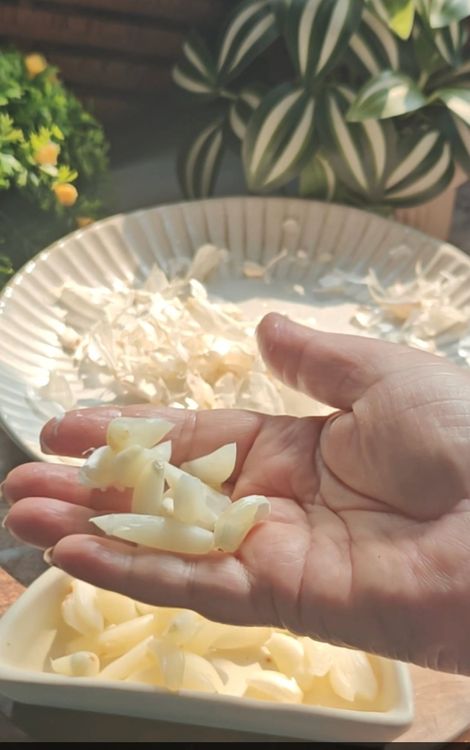
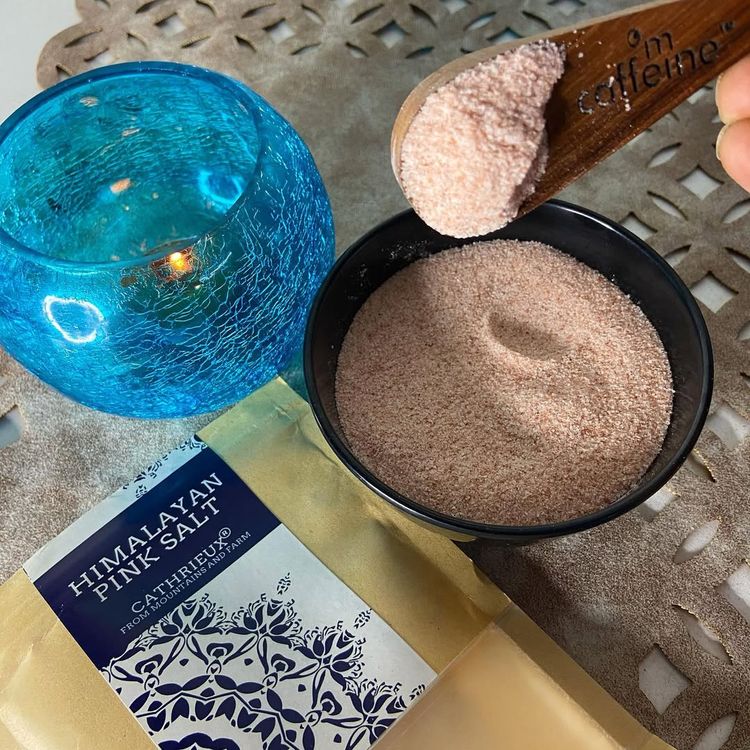
Packet masala is the quietest leak in any kitchen: you pay for filler, for spice that went stale months ago, and for the printed pouch it came in. Toast whole spices in a dry pan until they smell like themselves, grind them while still warm, and store them away from light. A batch takes twenty minutes and lasts months, which makes it the most budget-friendly habit on this list. This is where affordable recipes get their whole personality. Buy whole spices by weight when you can — they hold their oils far longer than pre-ground powder, and the cost per meal drops to almost nothing.

- Indian
- Vegan
- Sauce & Condiment
- Indian
- Vegan
- Sauce & Condiment
- Indian
- Vegan
- Sauce & Condiment

- Indian
- Vegan
- Sauce & Condiment
- Vegetarian
- Sauce & Condiment
- Indian
- Vegan
- Sauce & Condiment
- Indian
- Vegan
- Sauce & Condiment
- Vegetarian
- Sauce & Condiment
- Indian
- Vegan
- Sauce & Condiment
- Chinese
- Vegan
- Sauce & Condiment

- South Indian
- Vegan
- Sauce & Condiment
Chutneys, Sauces and Dressings That Carry Plain Food
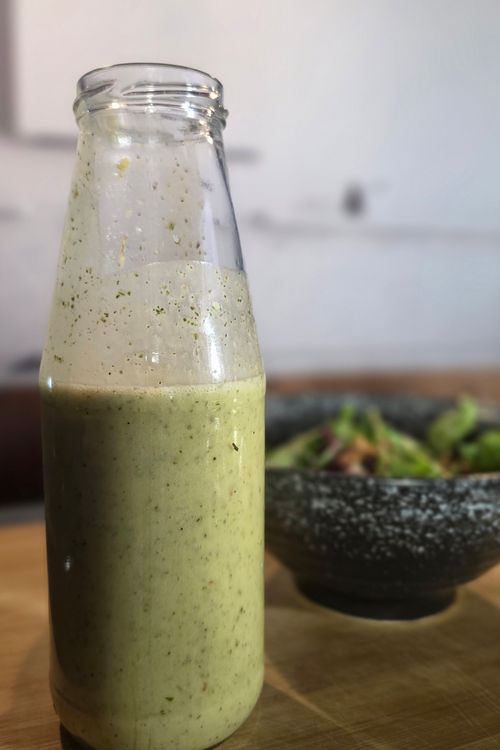
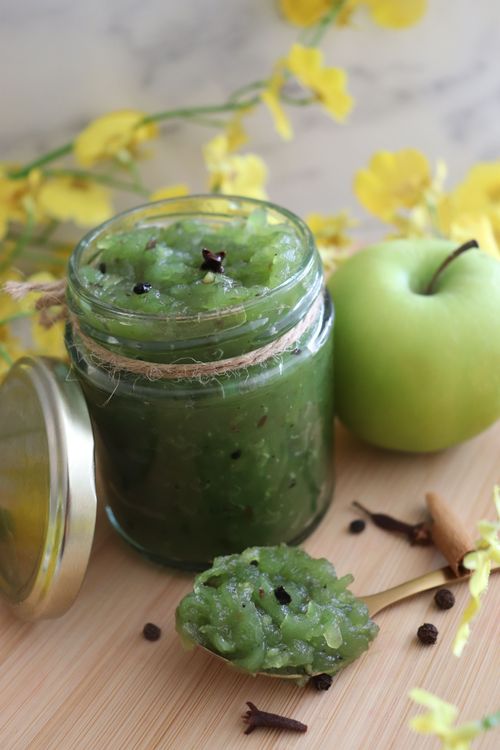
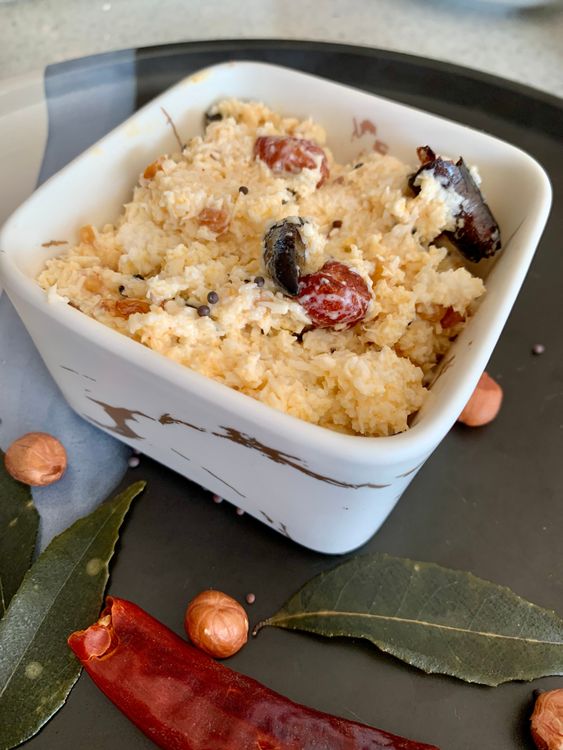
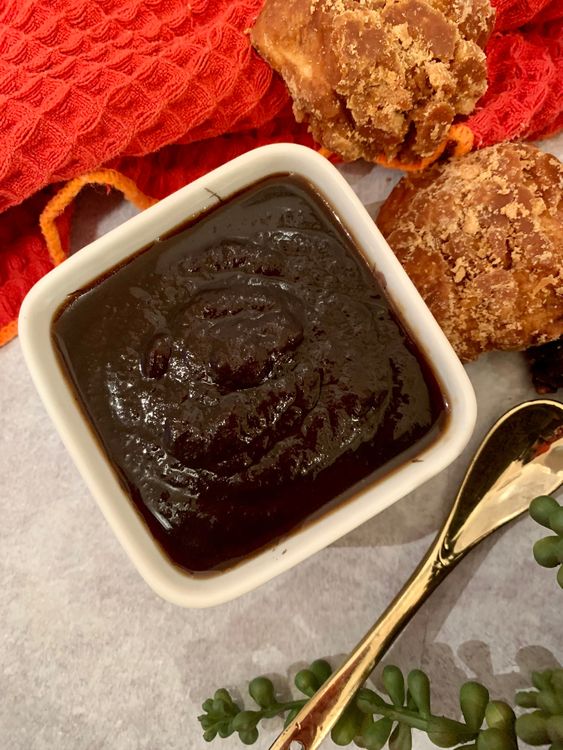
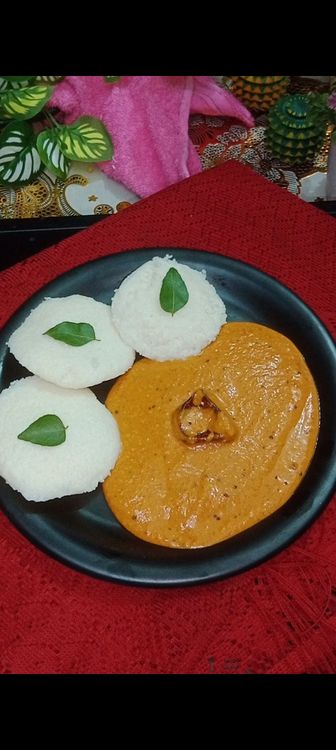
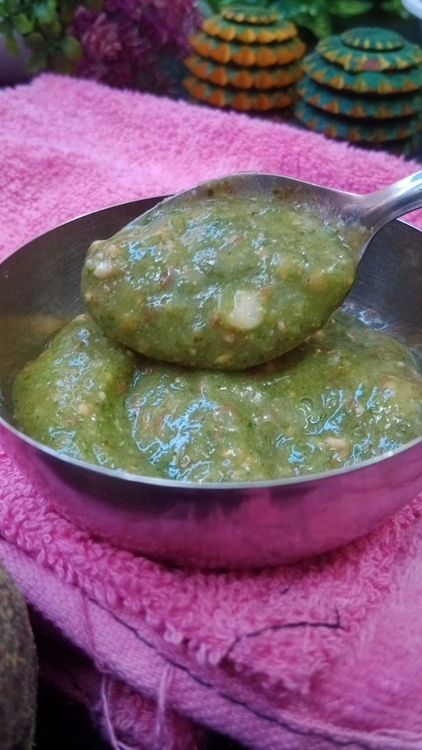
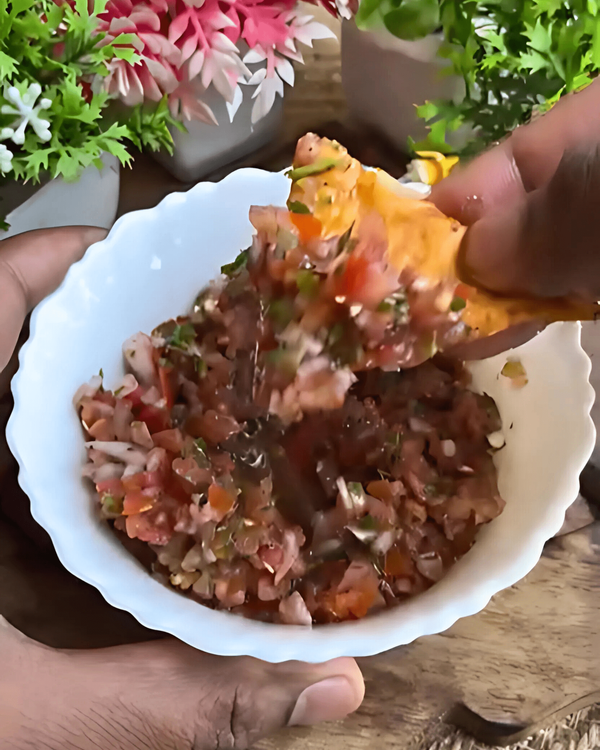
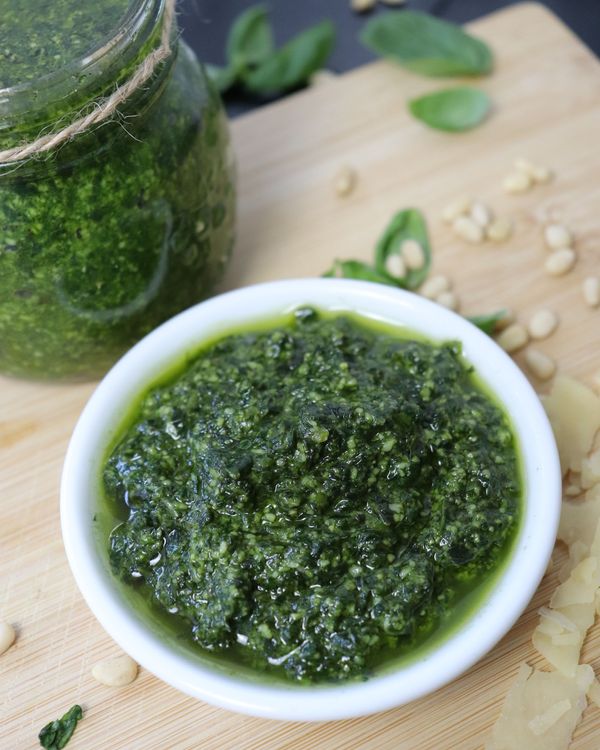
This section does the most work for the least money. A good chutney or sauce is what stops a plate of rice, roti or boiled potatoes being plain and turns it into something you actually look forward to. Most take under twenty minutes, and a surprising number use the parts other cooks throw away: mango skins, herb stems, guavas gone soft, yesterday's dal sitting in the pot. Keep two budget-friendly jars in the fridge at all times and you will never face a dull plate again. Budget meals live or die on the condiment shelf.


- Vegetarian
- Sauce & Condiment

- Vegetarian
- Sauce & Condiment


- Vegetarian

- Lebanese
- Vegetarian
- Sauce & Condiment
- Indian
- Vegan
- Sauce & Condiment
- Indian
- Vegetarian
- Side Dish


- Vegan
- Sauce & Condiment
- Indian
- Vegan
- Sauce & Condiment
- Indian
- Vegan
- Side Dish

- Indian
- Vegetarian
- Side Dish


- Vegetarian
- Sauce & Condiment
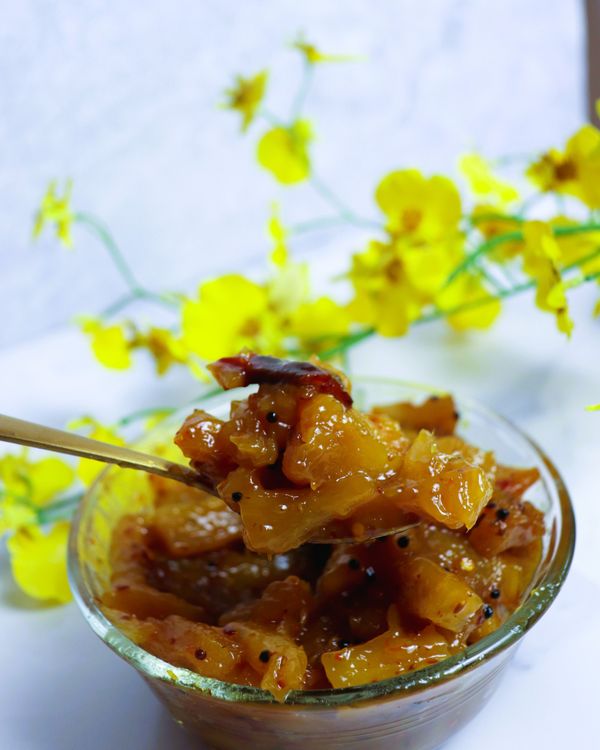
- Indian
- Vegan
- Side Dish
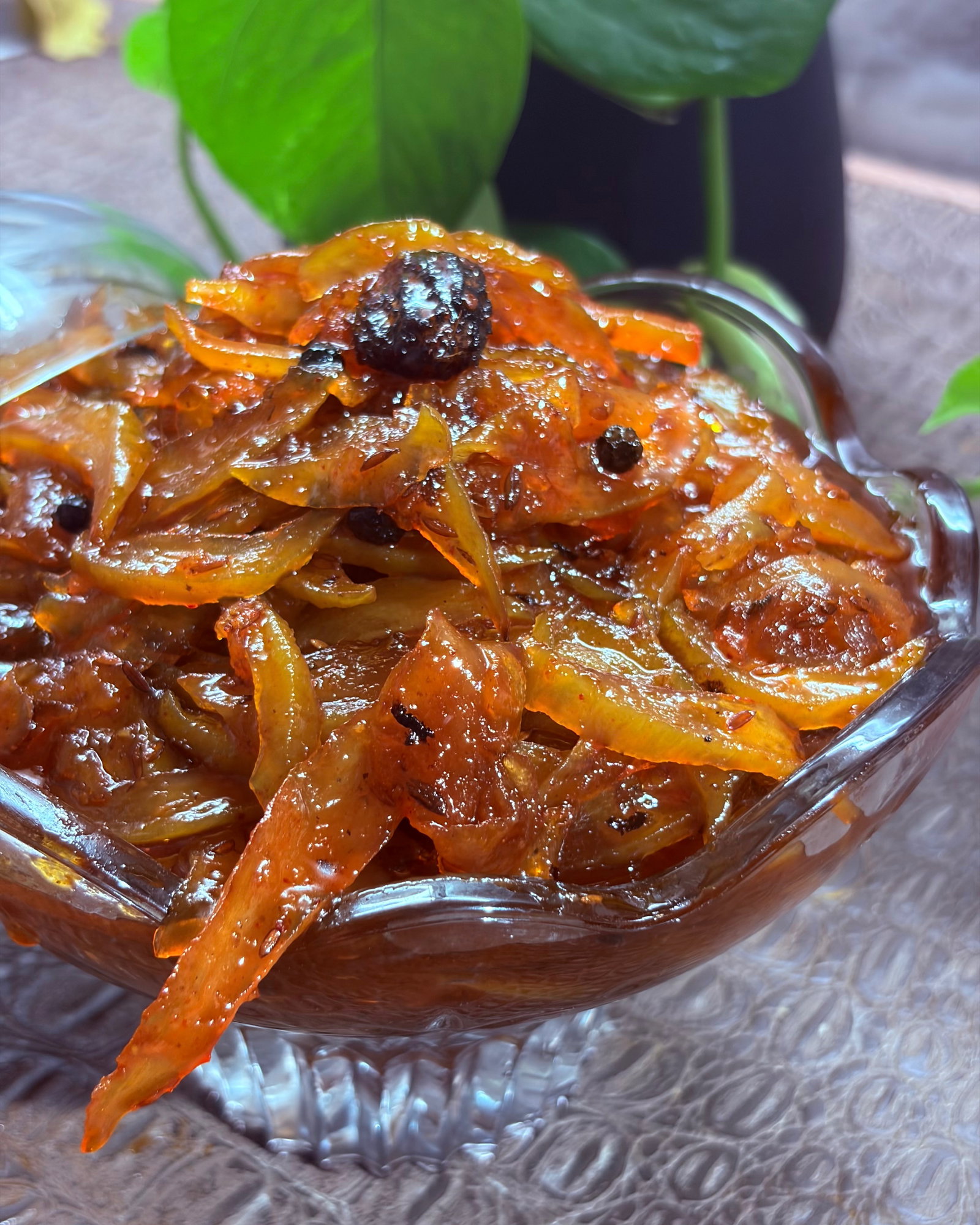
- Indian
- Vegan
- Sauce & Condiment

- Indian
- Vegan
- Breakfast

- Vegetarian
- Sauce & Condiment
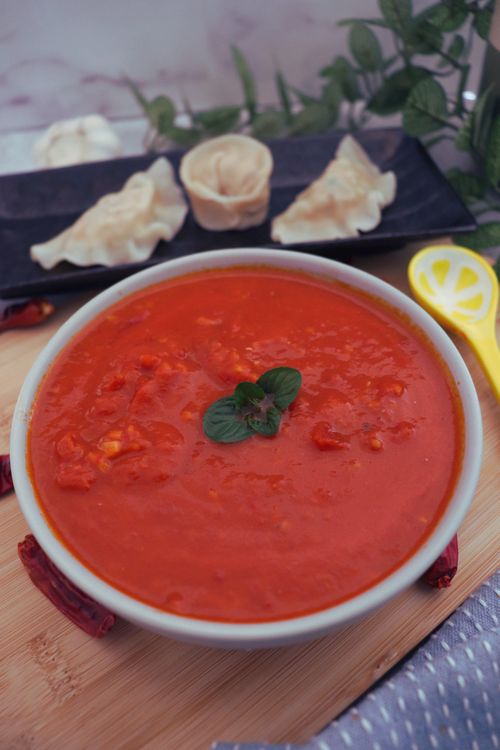
- Indian
- Vegetarian
- Appetiser

- Fusion
- Vegan
- Snack
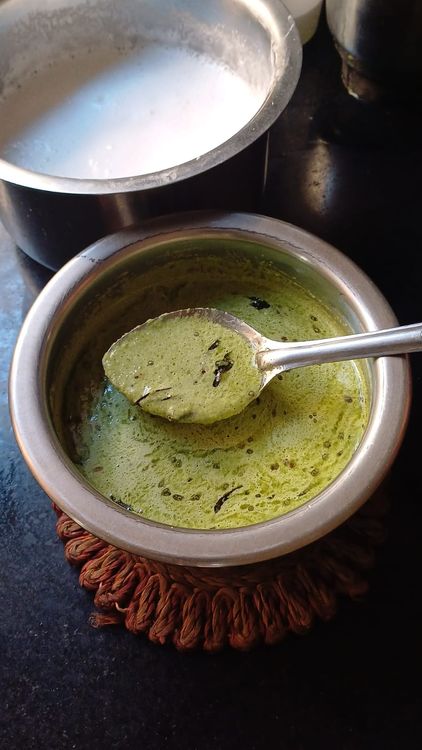
- Indian
- Vegan
- Sauce & Condiment
- Indian
- Vegan
- Sauce & Condiment

- Mexican
- Vegan
- Appetiser
- Italian
- Vegetarian
- Sauce & Condiment

- Italian
- Vegan
- Snack

- Indian
- Vegan
- Sauce & Condiment

- Gluten-Free
- Sauce & Condiment
- Indian
- Vegan
- Snack
Pickles and Preserves for the Long Haul
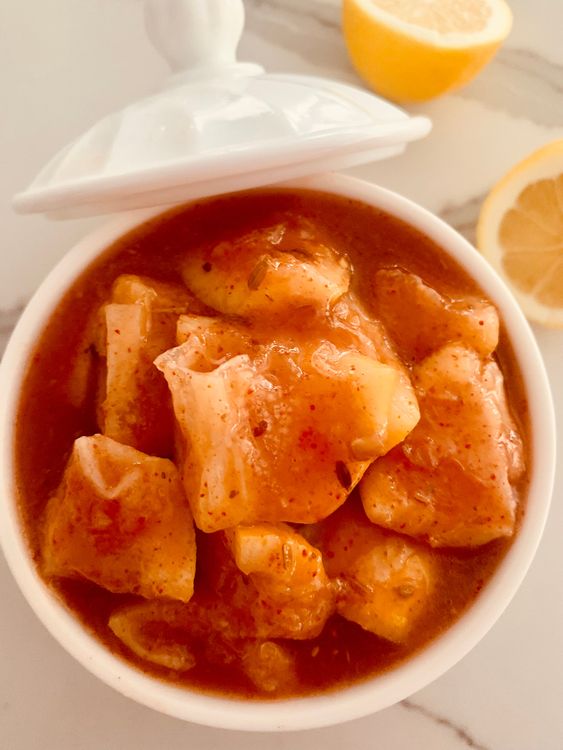
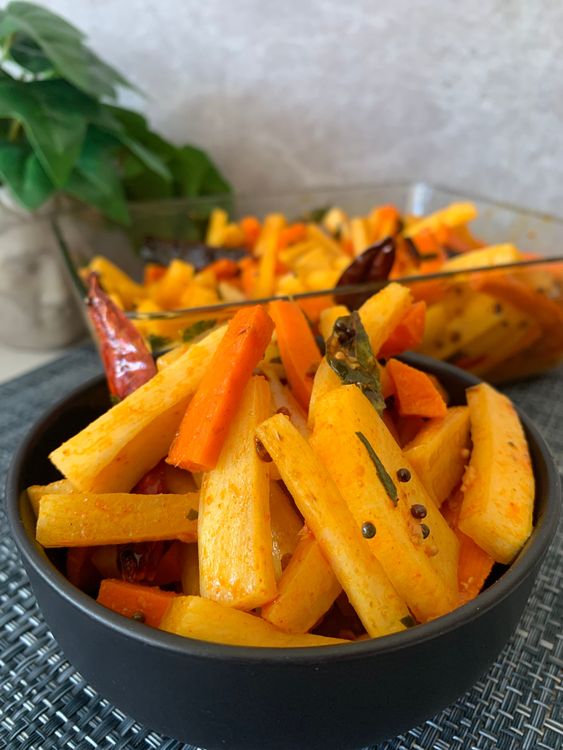
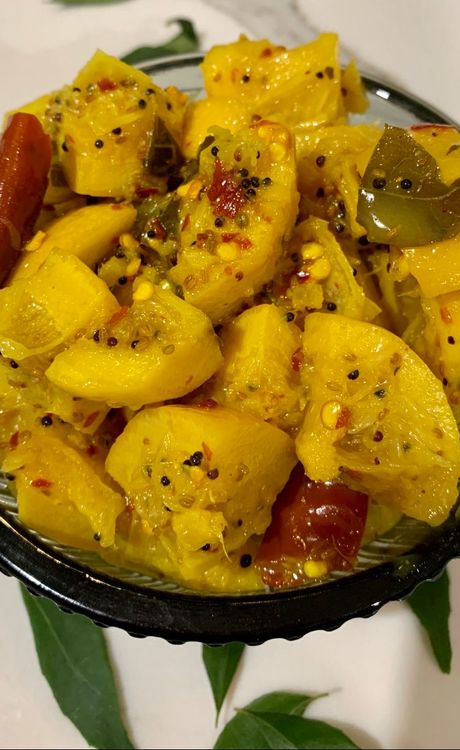
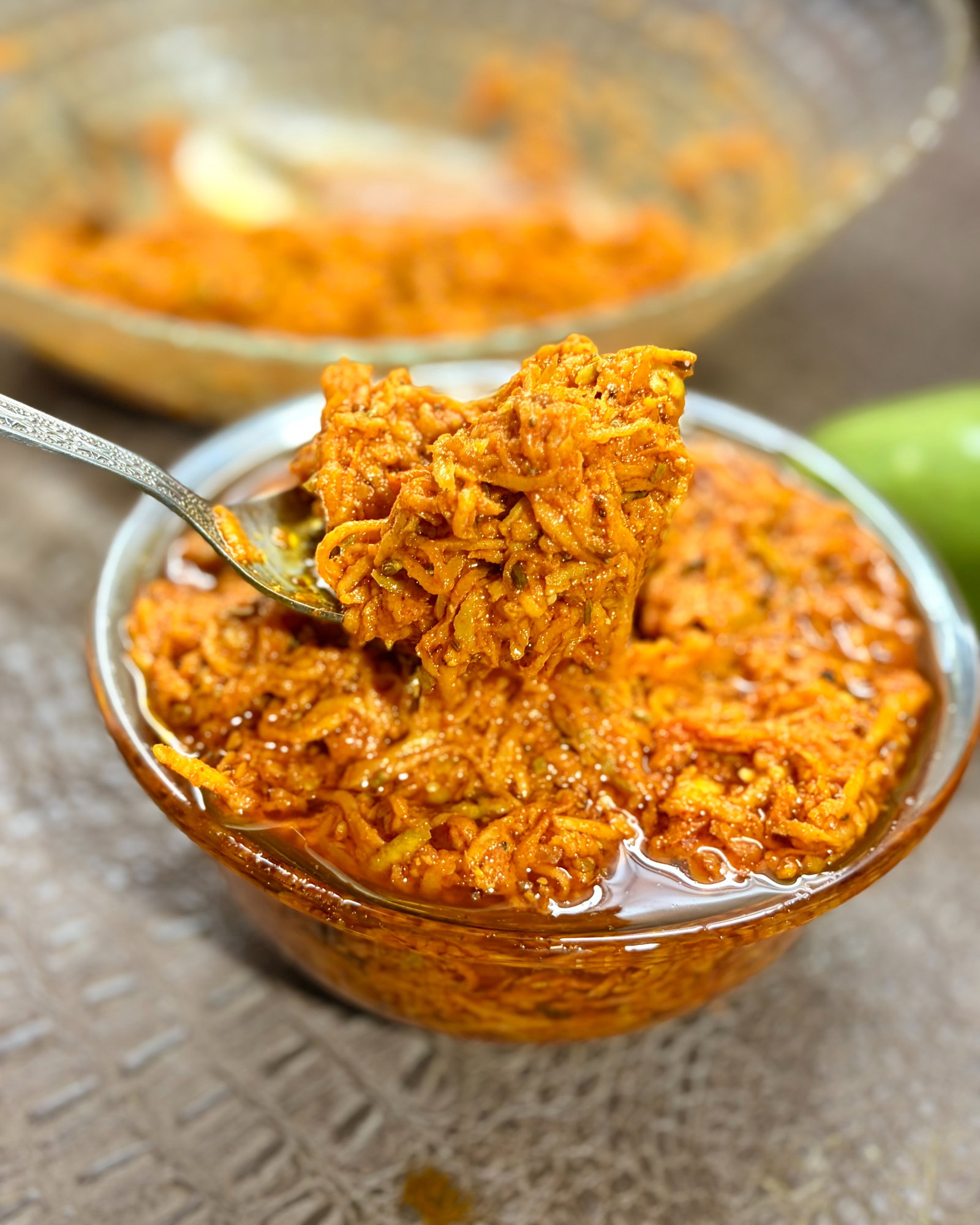
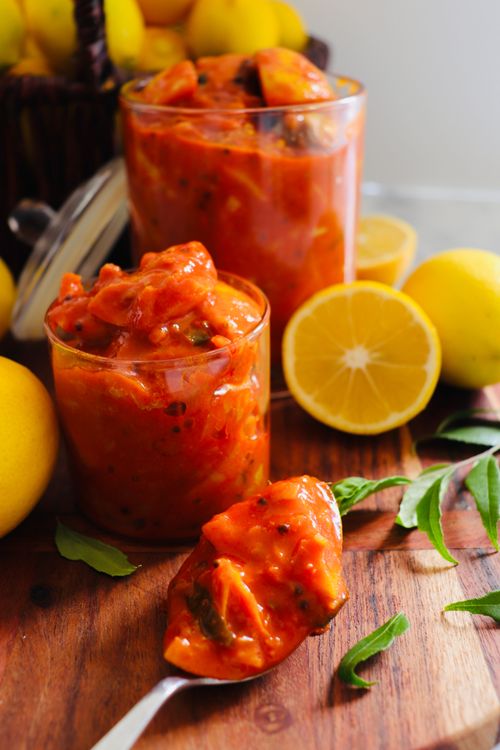
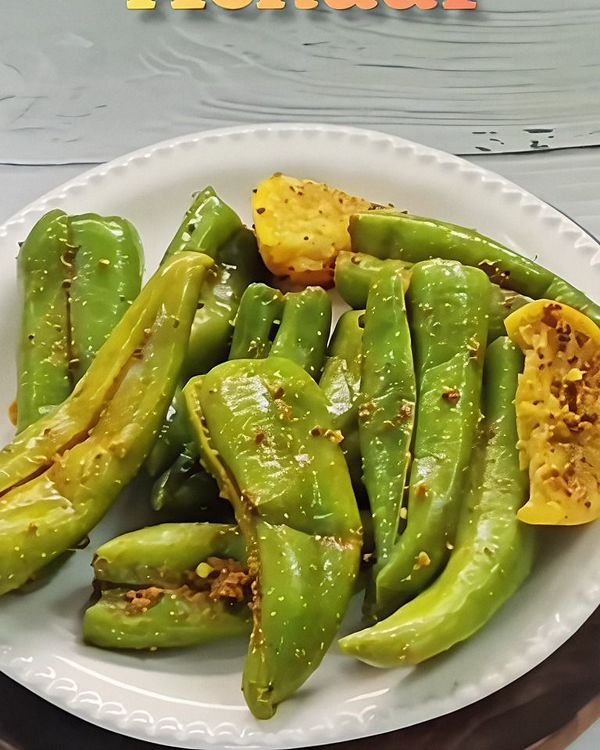
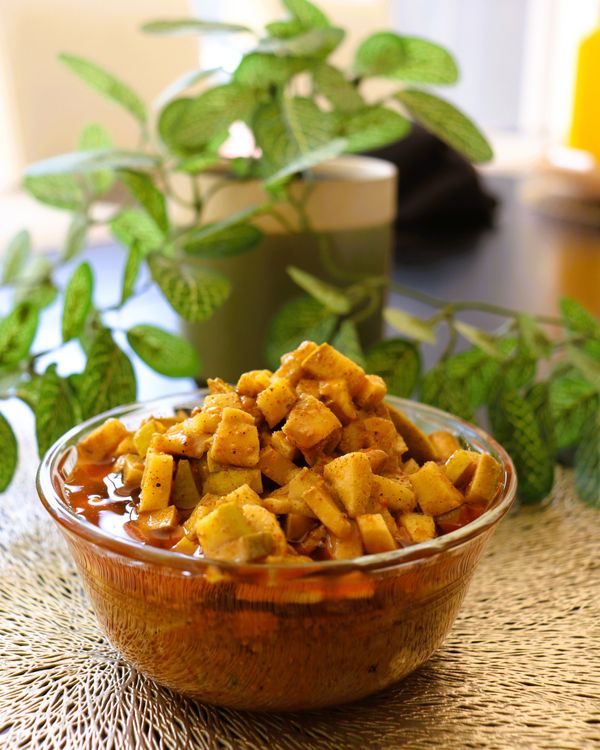
Pickling is preservation, and preservation is money. A glut of lemons in winter or raw mangoes in May costs very little; the same fruit in a jar in October is worth a great deal to a tired cook assembling cheap meals on a weeknight. These run from same-day instant pickles to jars that keep for a year. The craft is simpler than it looks: dry everything completely, use clean glass, keep the oil or brine sitting above the solids, and use a dry spoon every single time. Get those four right and nothing else can go wrong.
- Indian
- Vegan
- Side Dish
- Indian
- Vegan
- Side Dish
- Indian
- Vegan
- Sauce & Condiment
- Vegetarian
- Sauce & Condiment

- Indian
- Vegan
- Sauce & Condiment
- Indian
- Vegan
- Sauce & Condiment

- Indian
- Vegan
- Side Dish
- Indian
- Vegan
- Sauce & Condiment


- Global
- Vegan
- Breakfast
DIY Dairy, Fats and Pantry Staples
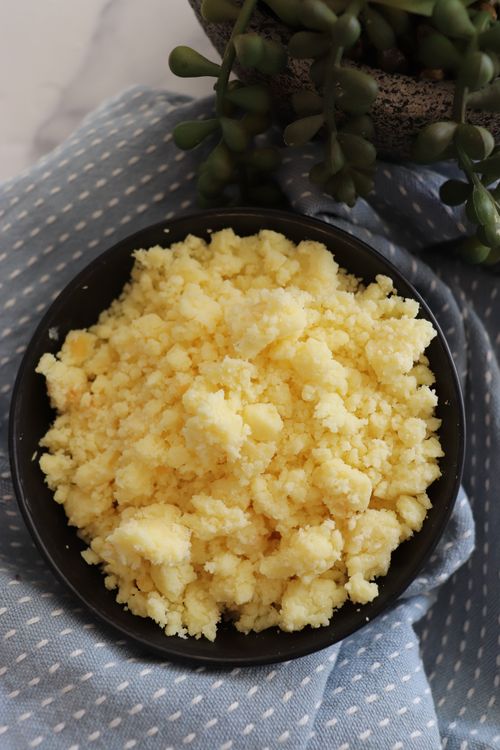
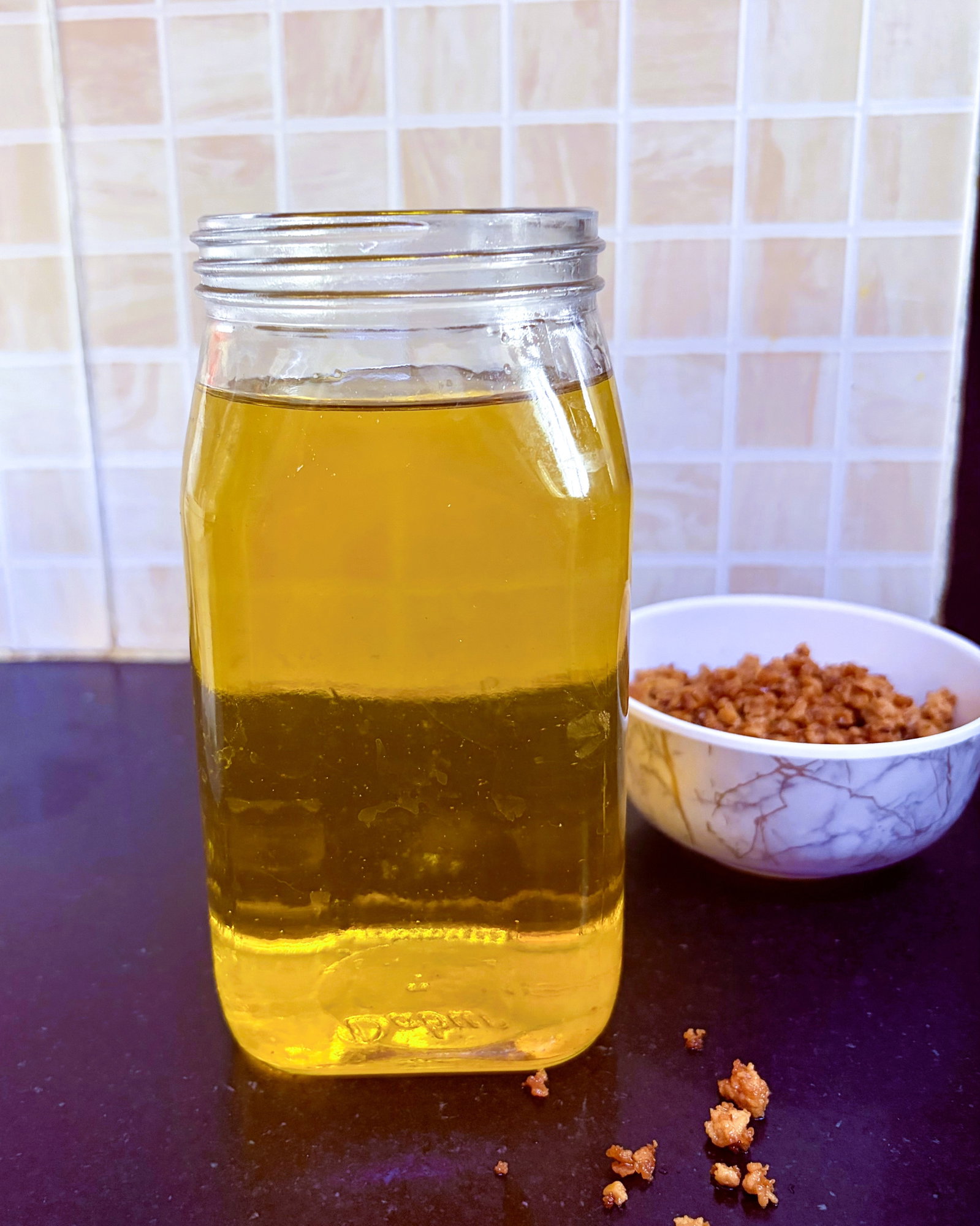
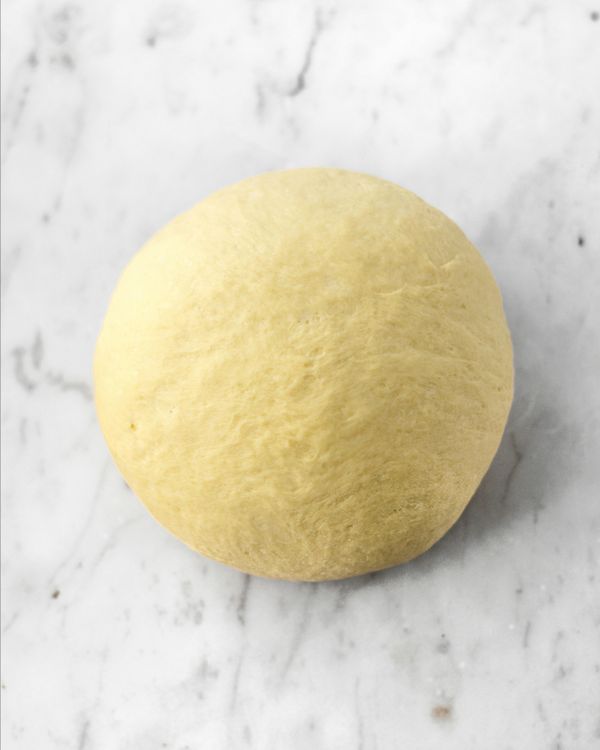
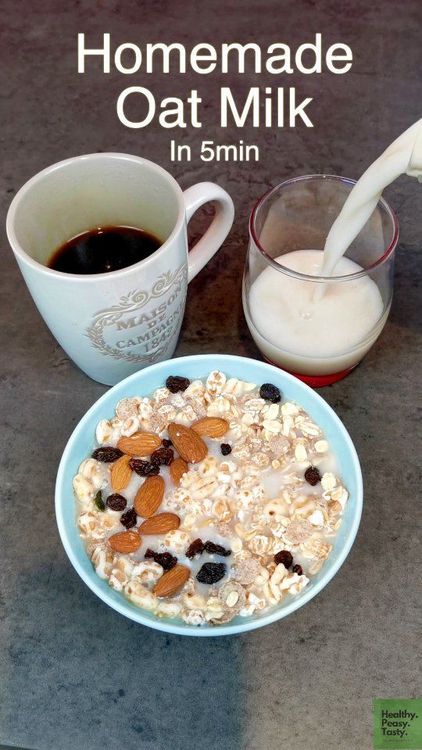
Paneer, ghee, labneh, cottage cheese, oat milk, pasta dough, stock — every one of these is something most of us buy at three or four times what it costs to make, and none of them are difficult. Milk plus an acid gives you curds in twenty-five minutes. Flour plus egg gives you pasta. The trade is your time against someone else's margin, and in a week when money is tighter than hours that is a good trade. These staples are the foundation that cheap meals are built on, and they are the reason the rest of this collection works.

- Vegetarian
- Appetiser
- Indian
- Vegetarian
- Dessert
- Indian
- Vegan
- Sauce & Condiment
- Vegetarian
- Vegetarian


- Japanese
- Vegan
- Side Dish
- Italian
- Eggetarian
- Lunch

- Indian
- Vegetarian
- Sauce & Condiment


- International
- Vegan
- Dessert
- Vegetarian
- Beverage


- Indian
- Vegetarian
- Side Dish

- Indian
- Vegetarian
- Side Dish
- General
- Vegan
- Sauce & Condiment

- Vegetarian
- Beverage

- American
- Vegan
- Snack
- Global
- Vegan
- Breakfast

- International
- Vegan
- Snack

- Global
- Vegan
- Dessert
Frugal Snacks, Bakes and Everyday Drinks
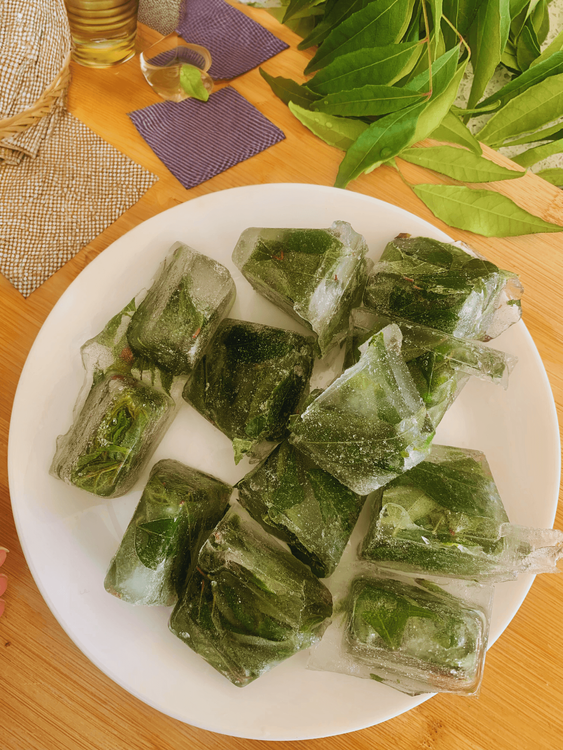
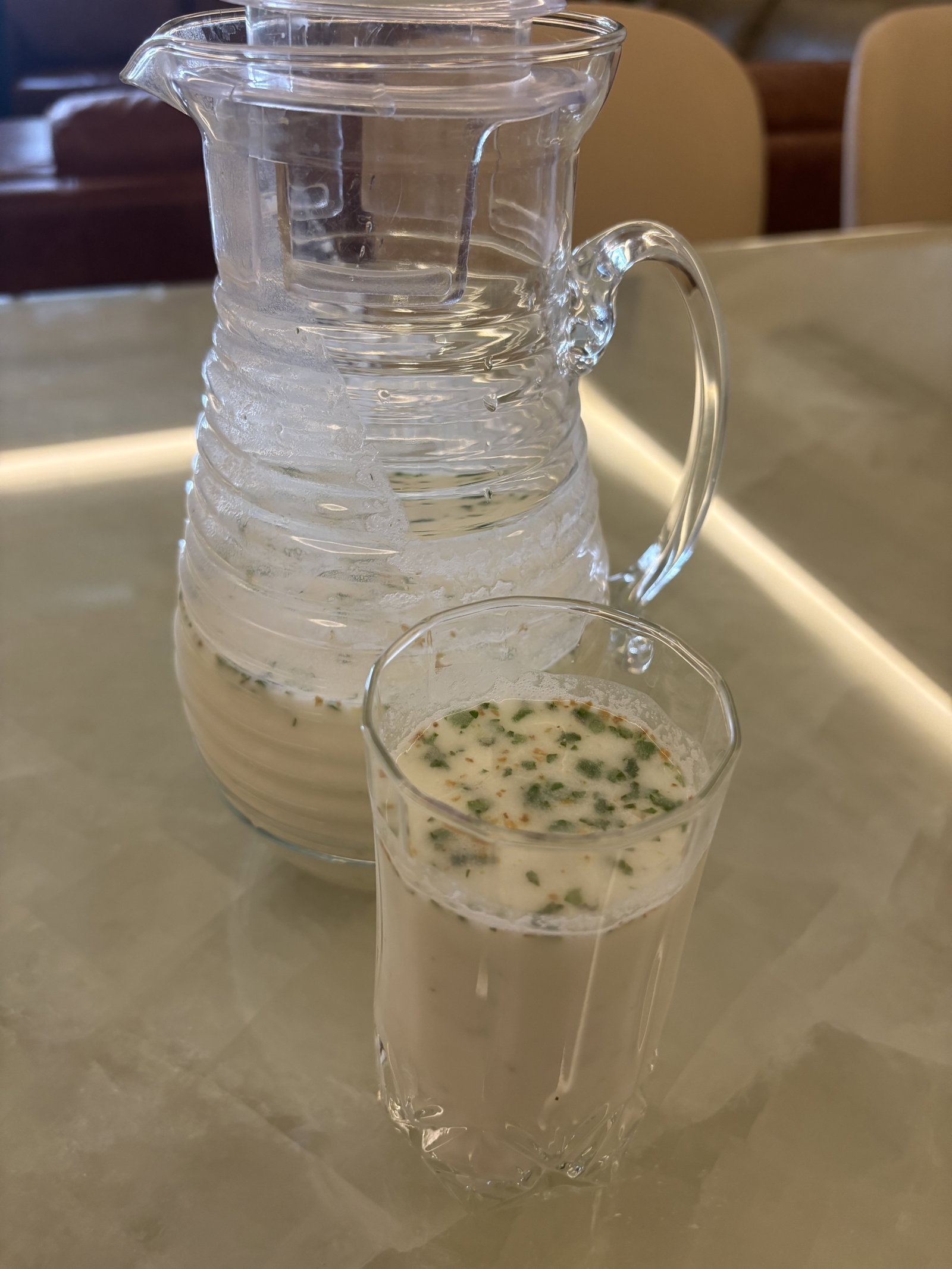
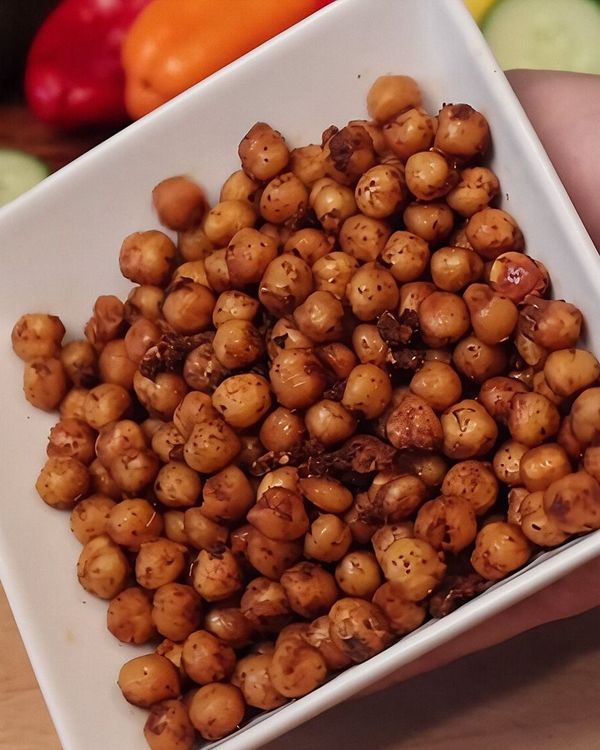
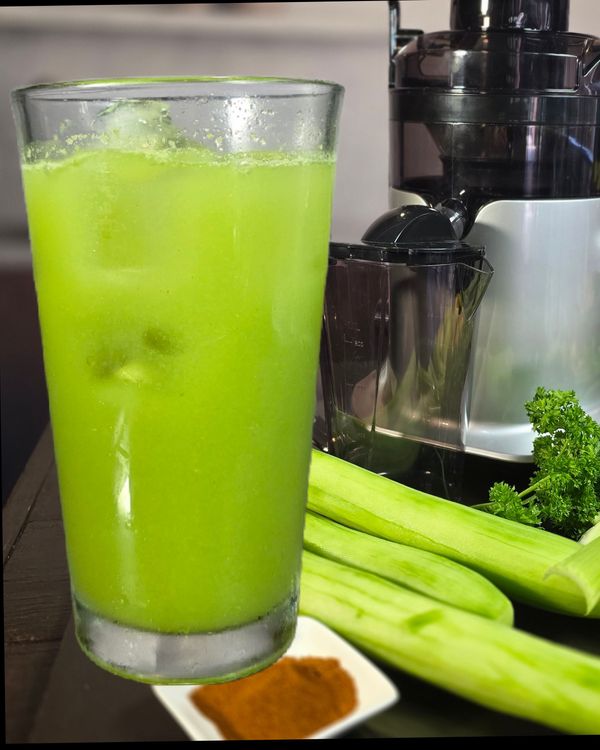
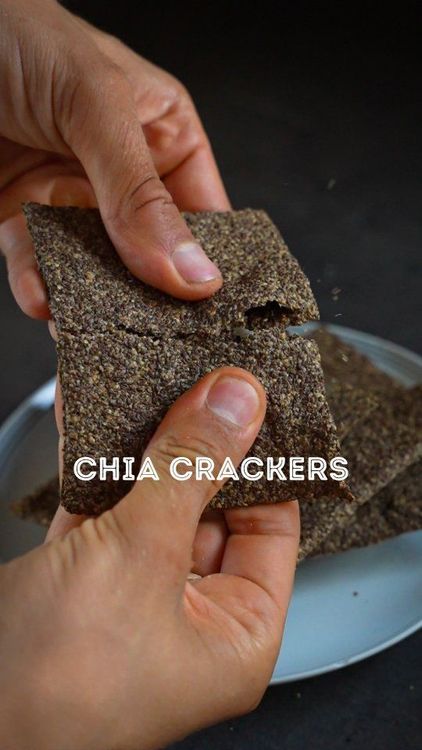
Snacking is where budgets leak fastest, because packets are convenient and convenience is priced accordingly. Granola, chivda, chia crackers, bagels and a tray of roasted chickpeas are the most budget-friendly things in this collection to make, costing a fraction of their shop equivalents and tasting markedly better within a week. The drinks work the same way: a bottle of mint syrup or a tray of frozen herb cubes turns tap water into something worth pouring. Bake or blend in batches on a quiet evening, store it properly, and the week takes care of itself without a single impulse buy.
- Indian
- Vegan
- Snack

- Vegetarian
- Beverage


- Beverage

- Goan
- Vegan
- Appetiser

- South Indian
- Vegan
- Breakfast

- Indian
- Vegan
- Beverage

- International
- Vegan
- Beverage

- Vegetarian
- Street Food

- Indian
- Vegan
- Snack

- Indian
- Vegan
- Sauce & Condiment

- Greek
- Vegan
- Snack

- American
- Vegan
- Breakfast
- International
- Vegan
- Breakfast

- American
- Vegan
- Breakfast

- International
- Vegetarian
- Snack


- Fusion
- Vegetarian
- Dessert

- International
- Vegan

- Global
- Vegetarian
- Breakfast

- European
- Eggetarian
- Snack
- International
- Vegan
- Lunch
- International
- Vegan
- Snack

- European
- Eggetarian
- Snack

- European
- Eggetarian
- Snack

- Indian
- Vegan
- Snack
Budget Friendly Recipes for One-Pot Dinners and Leftover Makeovers
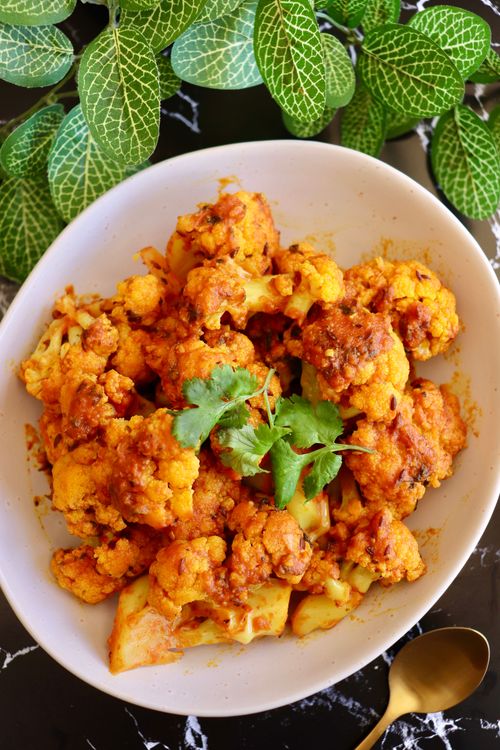
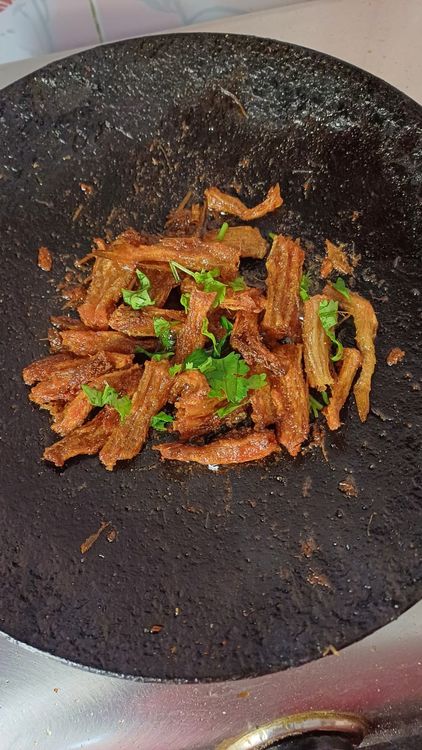
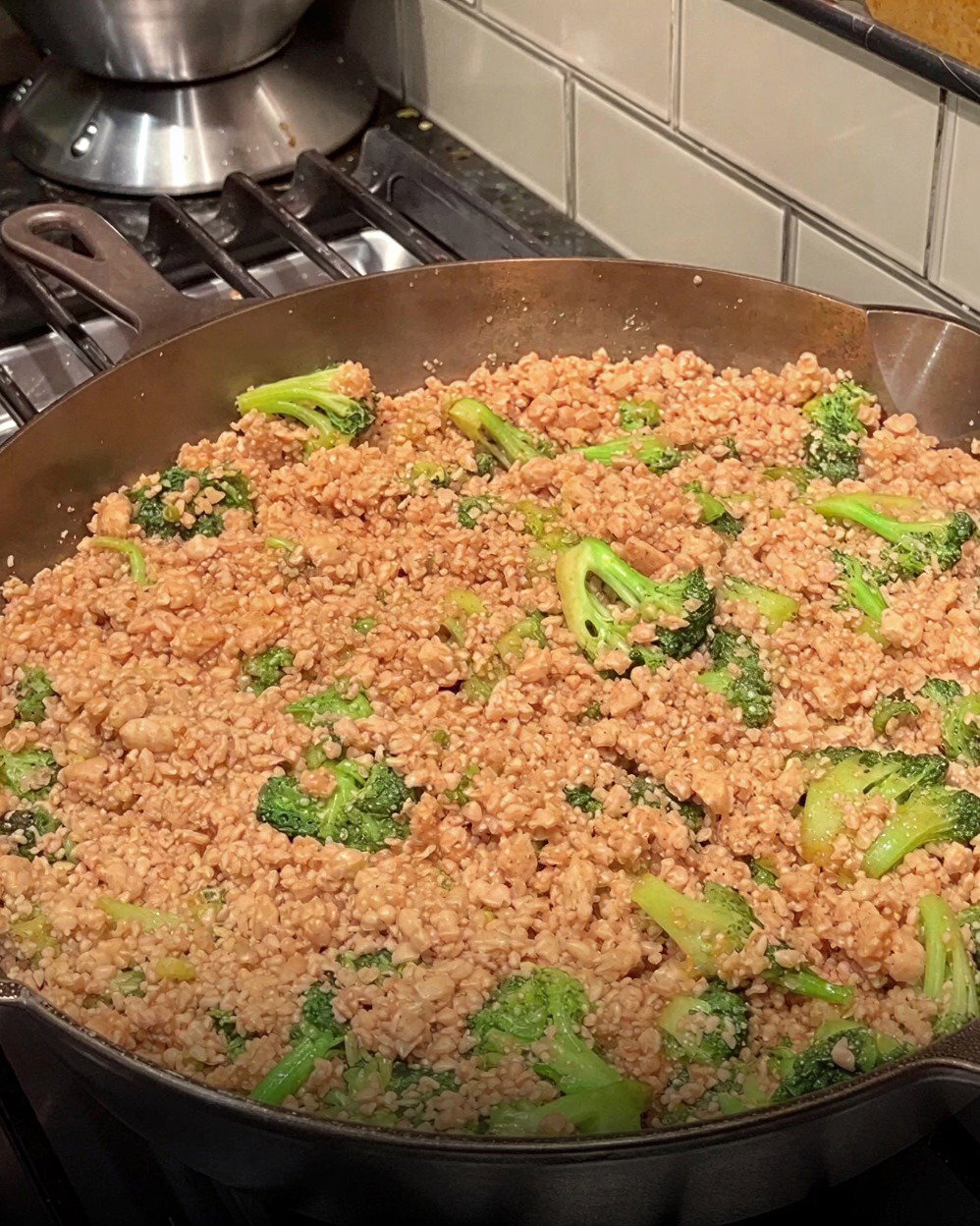
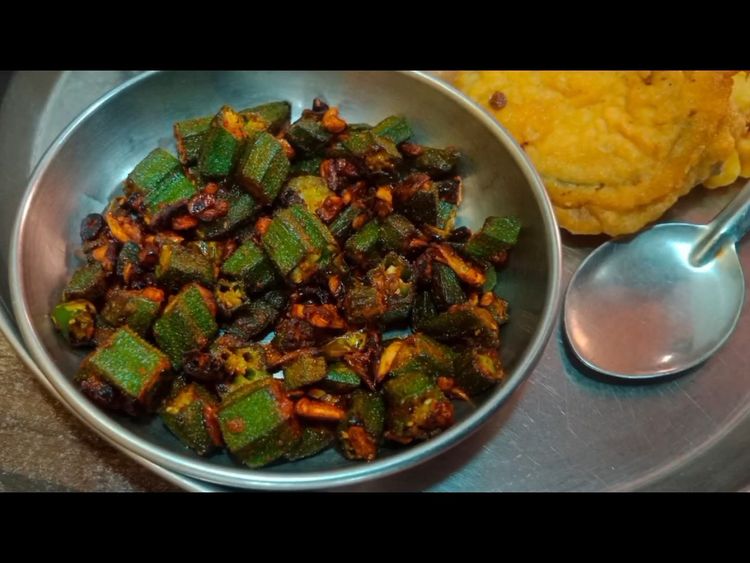
Here is where the week actually gets fed. The logic underneath every one of these is identical: a small amount of protein, a large amount of grain or vegetable, and enough seasoning that the ratio becomes invisible. Chickpeas bulk out turkey mince. Cream stretches two chicken breasts across four plates. Corn and yesterday's rice become a wok dish in twenty-five minutes. If you want cheap dinner ideas that hold up on a Wednesday night when nobody has energy, start with a one-pot method and build outward from whatever is already sitting in the fridge.
- Indian
- Vegan
- Side Dish
- Indian
- Pescatarian
- Appetiser

- Vegetarian
- Snack


- Vegetarian
- Main Course

- Gluten-Free
- Main Course

- Chinese
- Vegan
- Lunch
- Indian
- Vegan
- Lunch

- Gluten-Free
- Salad


- South Indian
- Vegetarian
- Breakfast

- International
- Non-Vegetarian
- Dinner
- Asian
- Non-Vegetarian
- Lunch


- Nigerian
- Vegan
- Lunch


- Chinese
- Non-Vegetarian
- Dinner

- American
- Non-Vegetarian
- Lunch
Cooking Well on a Tight Budget
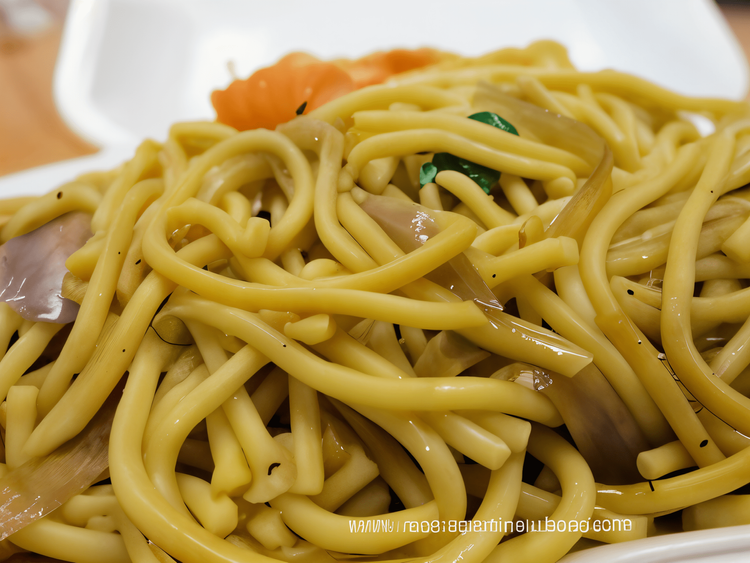
The first thing to unlearn is that cheap food means less food. What it actually means is a different ratio. Restaurants and packets sell protein as the centre of the plate; a well-run home kitchen puts grain, pulse or vegetable at the centre and treats protein as seasoning. A hundred grams of pork loin against a pot of noodles feeds two people properly. Two chicken breasts under cream feed four. Once you think in cost per serving rather than cost per packet, the whole calculation shifts underneath you.
The second thing is seasonality. Vegetables at their peak are abundant, and abundant means cheap and good at the same time — the one place where thrift and flavour point in exactly the same direction. Buy what the seller has piled highest, not what you had written down. Cook it that day. Preserve whatever you cannot eat.
The third is waste. Herb stems, mango skins, dal left in the pot, curry leaves going black in the drawer, a guava nobody wants: every one of those is an ingredient somewhere in this collection. A kitchen that throws nothing away runs meaningfully cheaper, and nobody at that table eats worse for it. That is where inexpensive dinner planning really begins — not in the shop, but in the fridge you already have.
The Cheap Pantry That Carries a Week
A stocked pantry is what stops you ordering in at eight on a Thursday. Mine is built in three layers. The base layer is bulk and boring: rice, atta, a couple of dals, chickpeas, oats, oil, salt, sugar, onions, garlic, ginger. None of it spoils quickly, all of it is cheap by weight, and between them they can become dinner on any given night without a plan.
The middle layer is everything you have made yourself: a jar of garam masala, one of pav bhaji masala, ginger-garlic paste in the fridge, ghee, one chutney, one pickle. This layer is the entire difference between plain and good, and it is essentially free once the base layer exists — you are spending twenty minutes on a Sunday, not money on a Tuesday.
The top layer is small and deliberate: one hard cheese, one bottle of decent vinegar, tamarind, a tin of something you like. These cost more per gram and last for months, which is precisely why they earn their shelf. Restock the base weekly, the middle monthly, the top whenever it runs out — three layers, and affordable recipes stop being a project. Do that and budget meals stop requiring any thought at all. You open the cupboard on a bad day and the answer is already sitting there waiting.
Pro Tips for Cooking Cheaply and Well
- Toast whole spices in a dry pan until they just start to smell, then grind them while still warm — the oils release properly, and the same weight of spice goes roughly twice as far as pre-ground powder.
- Freeze in cubes, not blocks. Herb pastes, stock, pesto and citrus juice all portion far better as cubes, so you use exactly what a dish needs instead of thawing a whole tub and watching half of it spoil.
- Buy the vegetable piled highest at the market rather than the one on your list. A seasonal glut is the only moment when cheap and delicious are the same thing, and a chutney or pickle carries that surplus forward into months of budget meals.
- Salt your pulses at the end, not the start. Chickpeas and dals cooked in salted water take longer and stay stubbornly firm, which quietly costs you fuel — and fuel belongs in your cost per serving just as much as ingredients do.
- Keep a strict dry-spoon rule for every jar. One drop of water in a pickle or a masala jar and you lose the entire batch to mould, which is the single most expensive mistake available in a thrifty kitchen.
- Cook the grain first and decide the rest afterwards. A pot of rice on the stove buys you twenty minutes to look honestly at the fridge, and most budget-friendly leftover makeovers get invented in exactly that window.
Frequently Asked Questions
What makes budget friendly recipes different from just eating cheaply?
Eating cheaply usually means eating less, or eating worse. Budget friendly recipes work the other way round: you swap bought convenience for twenty minutes of your own work — grinding a masala, straining paneer, boiling down a chutney — and end up with better food at a lower cost per serving. The skill itself is the saving.
How do I make a small amount of meat or fish feed more people?
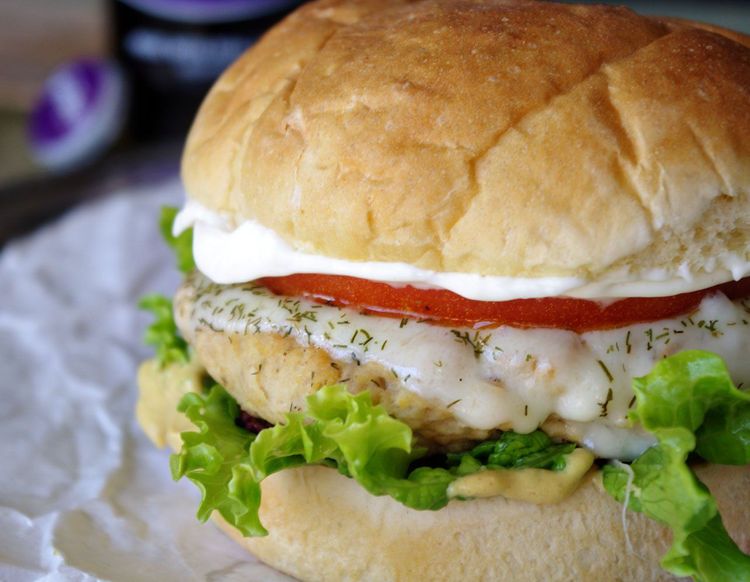
Stop treating it as the centre of the plate. Bulk it with a pulse or grain that takes the same seasoning: chickpeas through turkey burgers, noodles under pork loin, corn in fried rice. Cream, peanut sauce and stock all extend protein without diluting it. A hundred grams, well seasoned and spread through a dish, reads as plenty — that ratio is the whole basis of an inexpensive dinner nobody feels short-changed by.
Is grinding my own spice blends actually worth the effort?
Yes, and it is the highest-return habit on this page. Packet masala is largely filler and already stale by the time you open it. Twenty minutes of toasting and grinding gives you six months of garam masala, biryani masala or pav bhaji masala for very little, and every curry you cook afterwards is measurably better.
What should I cook when there is almost nothing in the fridge?
Start the rice or the dal, then look properly. Most of the cheap dinner ideas in this collection came out of exactly that moment: corn fried rice, toor dal chutney, bhindi with chilli and garlic. A jar of homemade chutney or masala turns whatever is left into a real meal, which is precisely why the pantry layer matters so much.
How long do homemade pickles and chutneys actually keep?
Instant pickles like the ginger-chilli or the grated mango are fridge items — eat them inside a fortnight. Oil-covered achaars such as naranga achar keep a year at room temperature, provided the oil sits above the solids and no water ever gets in. Fresh chutneys last three to five days, or months frozen in cubes.
Are affordable recipes automatically less healthy?
Usually the reverse. Dals, chickpeas, seasonal vegetables, curd, oats and homemade paneer are among the cheapest things in any market and among the best for you. What costs money is processing: the packet, the preservative, the convenience. Cooking from raw ingredients tends to make food both less expensive and more nourishing at the same time.
How do I plan cheap meals for a whole week without getting bored?
Batch the base and vary the top. Cook one big pot of a grain and one of a pulse, then change the condiment daily — coconut chutney on Monday, imli chutney on Tuesday, sambal on Wednesday. Same cost, completely different plates. Boredom on a tight budget is nearly always a condiment problem rather than an ingredient problem.
Cooking well without much money is a craft, and it rewards attention far more than it rewards spending. These 100 budget friendly recipes are the jars, blends, staples and one-pot dinners I keep going back to. Start with one masala and one chutney, get both into your kitchen this week, and everything after that gets easier and cheaper on its own.
Related
- frugal cooking
- pantry staples
- one pot meals
- homemade condiments
- meal prep
- leftover makeovers
Popular Searches
- Best budget friendly recipes
- Easy budget friendly recipes
- Quick budget friendly recipes
- Healthy budget friendly recipes
- Simple budget friendly recipes
- Homemade budget friendly recipes
- Delicious budget friendly recipes
- Popular budget friendly recipes
- cheap meals
- budget meals
- affordable recipes
- inexpensive dinner
Marnirni-apinthi Building, Lot Fourteen,
North Terrace, Adelaide, South Australia, 5000
Australia
