We use cookies on this website to ensure its proper functioning and to improve the quality of our services. Cookie Policy

Tags and nutritional info are auto-generated and may be inaccurate. Always check the full ingredient list before cooking.


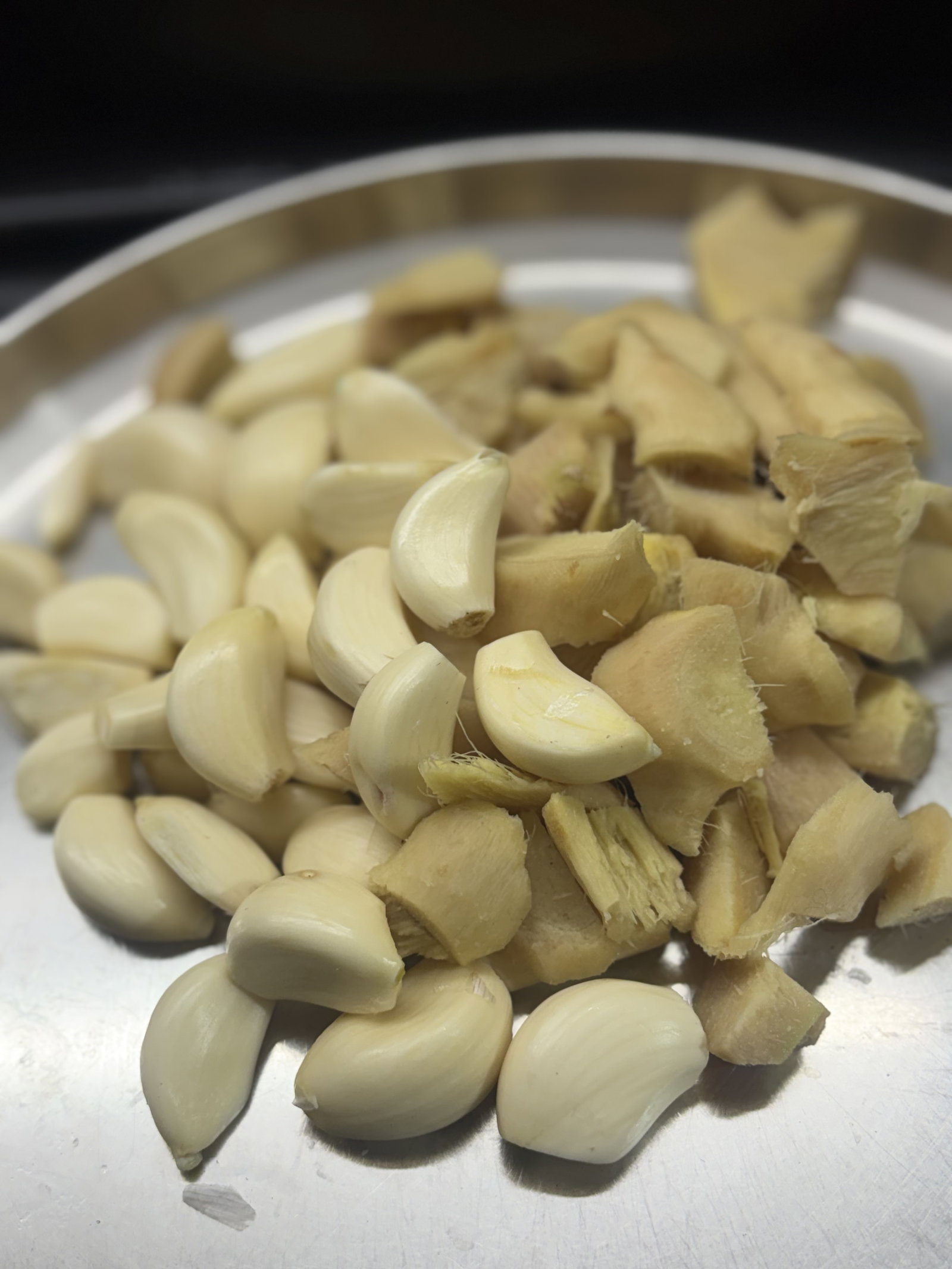
Wash the ginger thoroughly and pat it completely dry with a paper towel. Peel it using a paring knife or the edge of the spoon, then chop into small pieces. Trim the ends of the garlic pods and remove the papery skin.
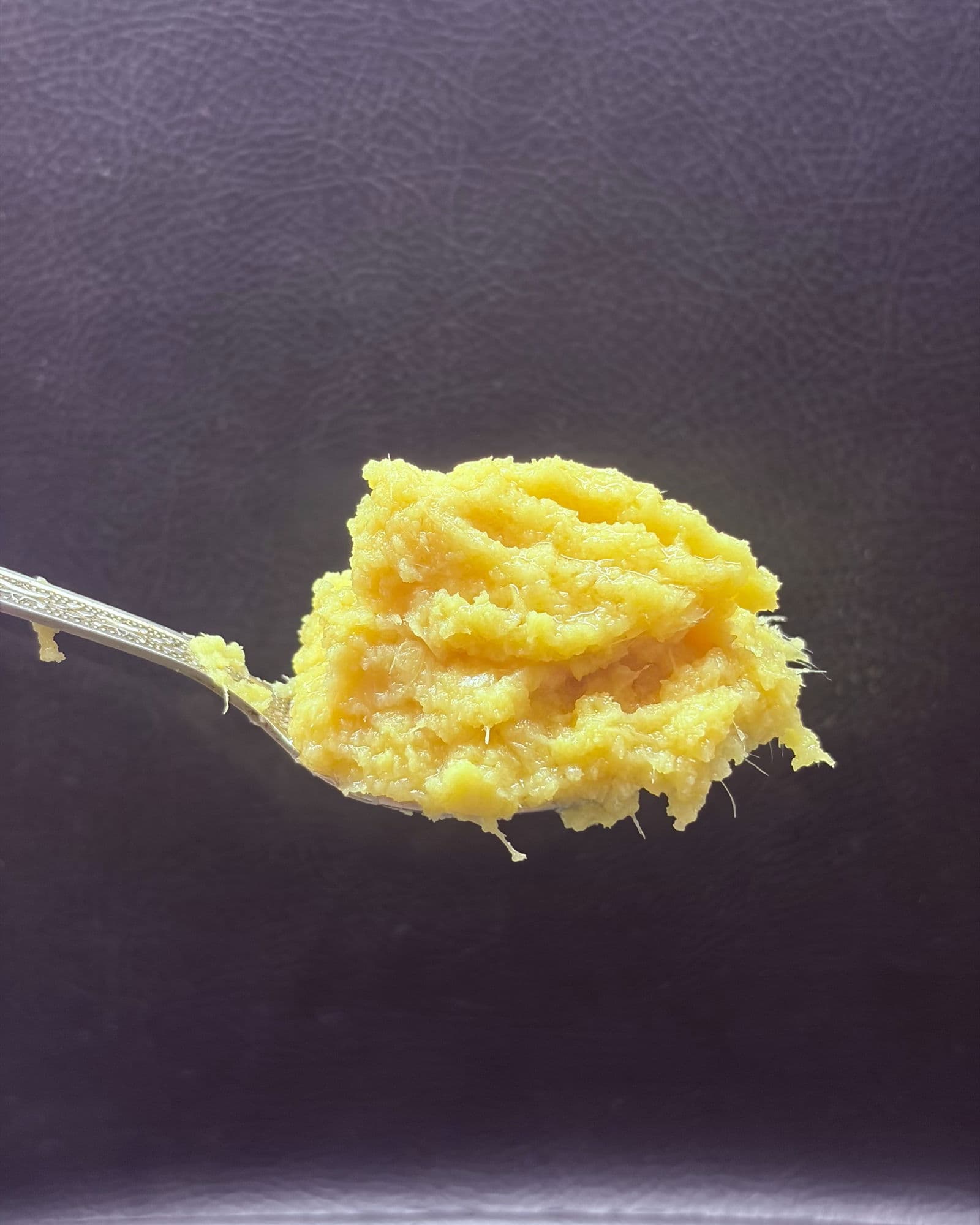
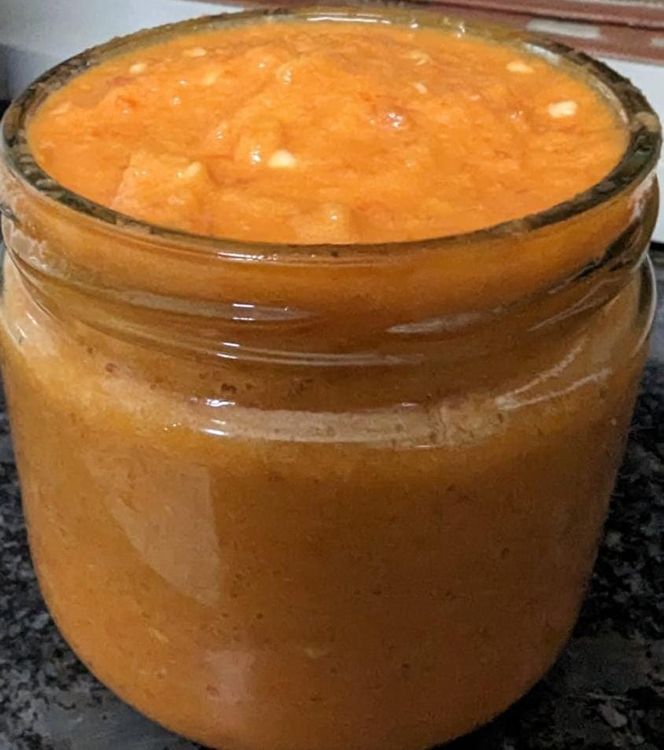
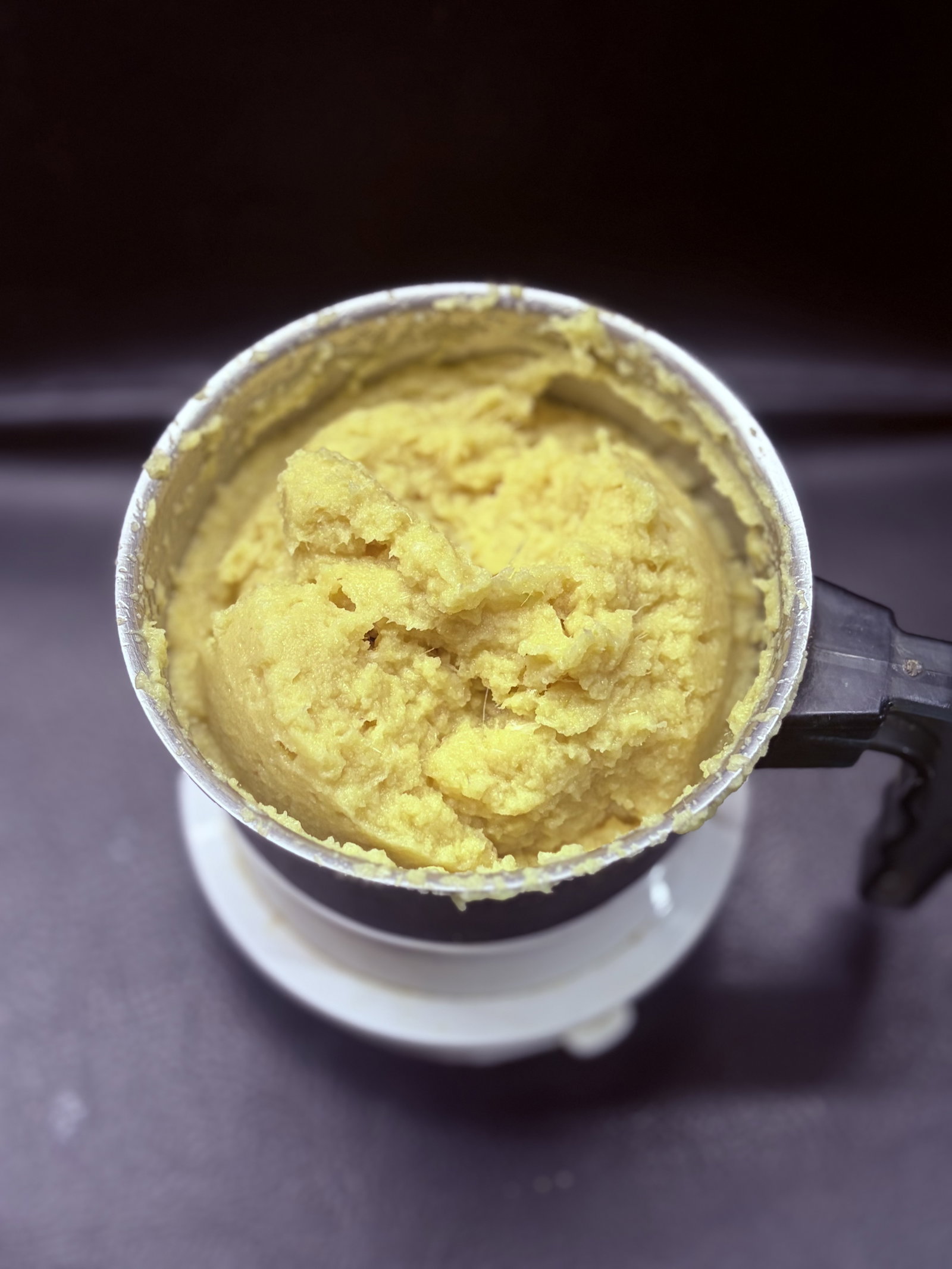
Add the ginger, garlic, salt, and 2 tbsp oil to a blender. Pulse, scraping down the sides as needed, until you achieve a smooth paste. Do not add water.
Transfer the paste to a sterilized glass jar. Smooth the top with a spoon and pour the remaining 1 tbsp of oil over the surface to create an airtight seal that prevents oxidation and discolouration.
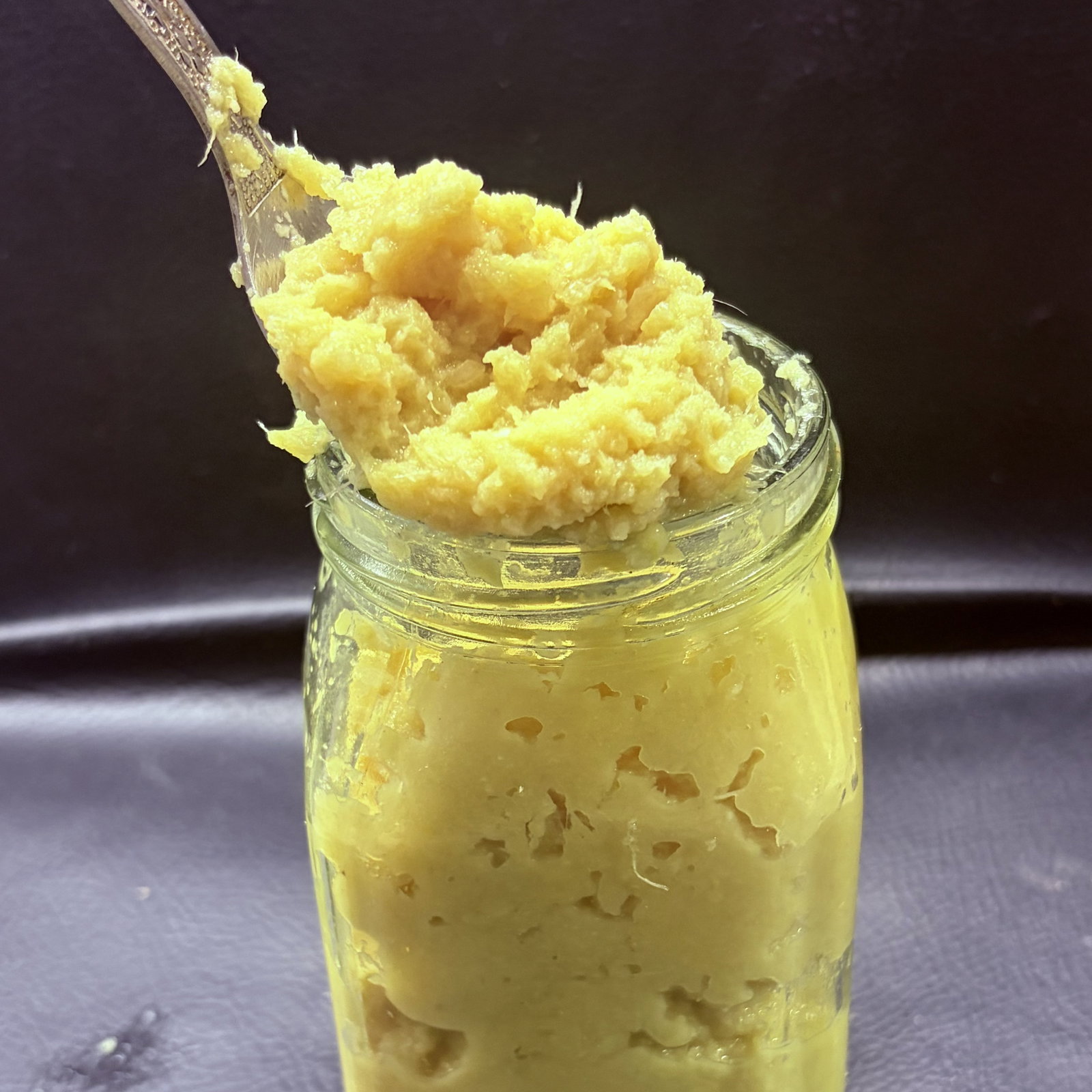
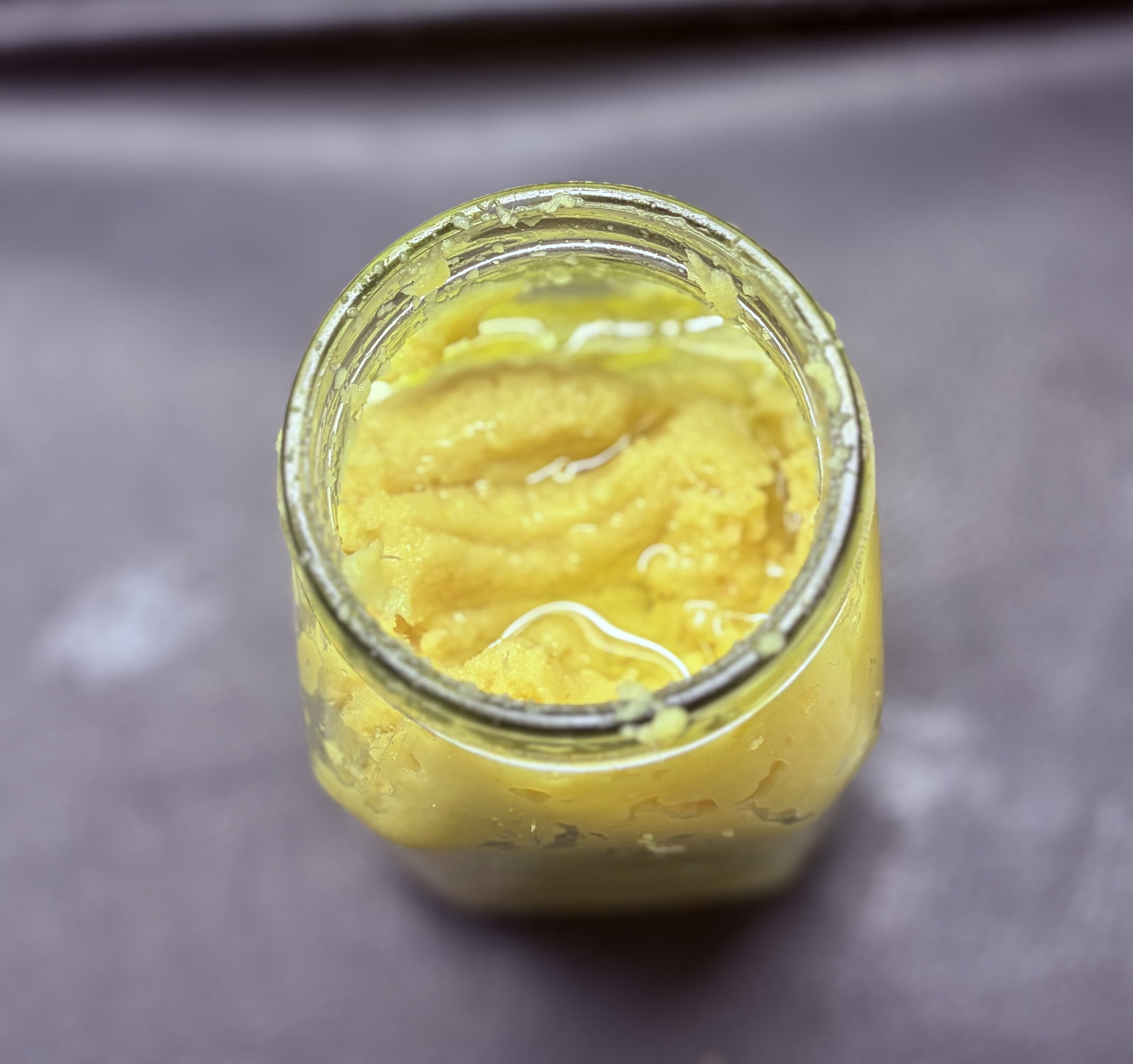
Refrigerate: Keeps fresh for up to 1 month.
Freeze: For long-term storage, spoon the paste into an ice tray and freeze. Once solid, pop the cubes into a freezer-safe ziplock bag. Defrost one cube at a time as needed for your recipes.
Want to keep this recipe for later? We can email it to you!
Avoid using garlic with shoots or wilted cloves; these can cause the paste to turn green or bluish over time due to enzyme reactions.
Ensure ginger and garlic are completely dry before blending to prevent spoilage.
Do not add water, as it causes splattering while cooking and also reduces shelf life.
Salt and oil act as natural preservatives in this paste.
Avoid using pre-peeled or frozen ginger/garlic for this recipe. Freshly peeled aromatics provide the best punch and aroma.
Can I make this without salt or oil?
Yes, but it will spoil faster. Salt and oil are the natural preservatives that keep it fresh for a month.
What is the best ginger-to-garlic ratio?
A 1:1 ratio by weight is the standard for most recipes and provides the most balanced flavour profile.
Why shouldn't I add water while blending?
Water introduces bacteria (shortening shelf life) and causes dangerous oil splattering during cooking.
How long does it stay fresh?
Up to 1 month in the fridge (if topped with oil) or up to 6 months in the freezer.
Can I use a food processor instead of a blender?
Yes. The texture may be slightly coarser, but it works perfectly for all types of cooking.