
Top 87 Strawberry Recipes: Shortcake, Pies, No-Bake Treats and More
Updated June 29, 2026 · Curated by Chefadora
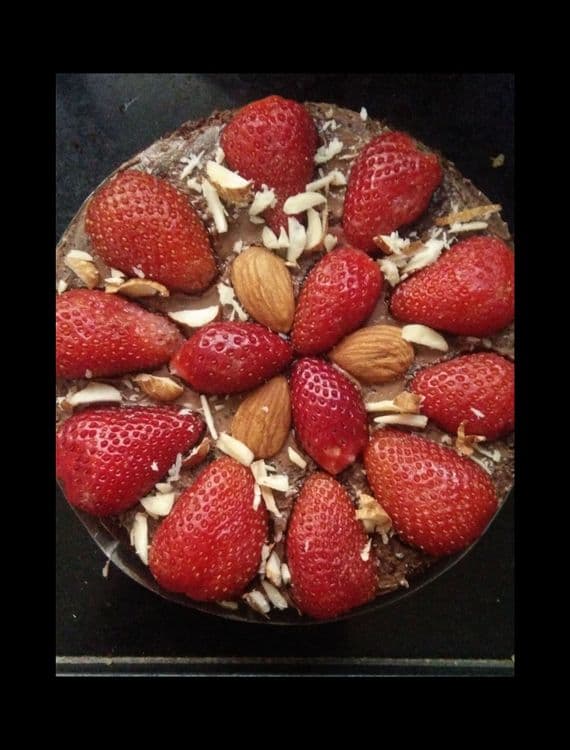
Strawberry recipes are summer in a bowl: a fragrant, jewel-red berry that needs almost nothing to shine and rewards you the moment it is genuinely ripe. The dishes below were chosen to show the fruit's range — pillowy shortcake and tender layer cakes, glossy pies and creamy cheesecakes, cool mousse and homemade ice cream, and the jams, drinks and salads that put a glut of berries to work — rather than ten variations on the same sliced-and-sugared bowl.
What makes strawberries special in the kitchen is also their challenge: they are mostly water and intensely perfumed, so the same juiciness that makes a ripe one so good can turn a pie soupy or a cake gummy. Almost every great strawberry dessert is built around managing that moisture — macerating to draw it out and concentrate the flavor, cooking it down into jam, or balancing it with cream, pastry and a clean set so the fruit sings without weeping everywhere.
You will find four clusters here: cakes and shortcake, pies and tarts and cheesecake, the no-bake and frozen treats, and the jams, sauces, drinks and salads. The same handful of moves — hulling, slicing, macerating, reducing — runs through all of them, so once you have learned to coax the best out of a punnet of berries in one recipe, the rest come far more easily.
Treat this as a working reference. Each recipe links to full ingredients and steps on Chefadora, and the guides below cover the decisions that actually make or break a strawberry dish: how to pick and store the ripest fruit, why and how to macerate, how to keep a pie or cake from going watery, and how to turn a seasonal surplus into jam and sauce that last.
Strawberry Cakes & Shortcake
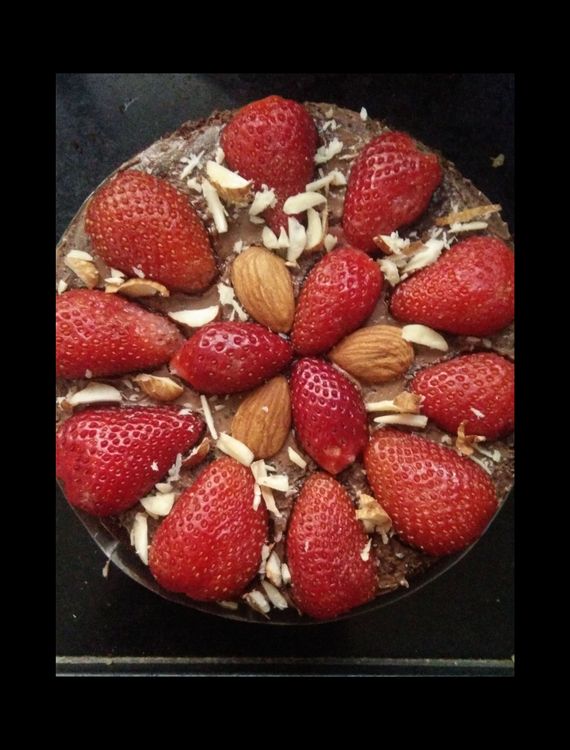
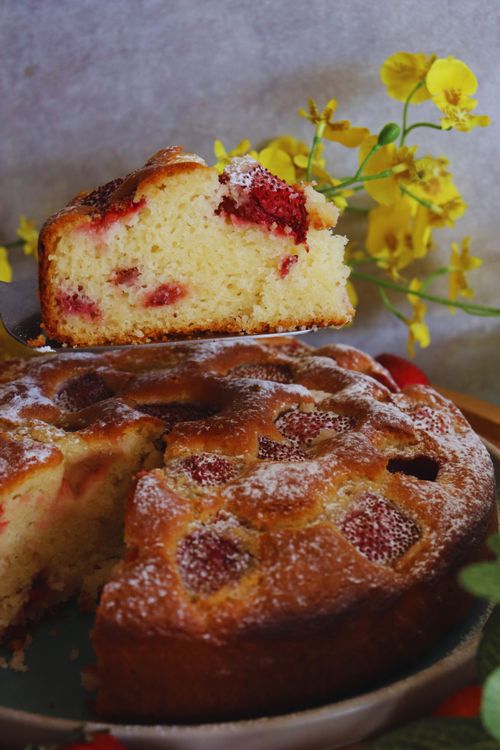
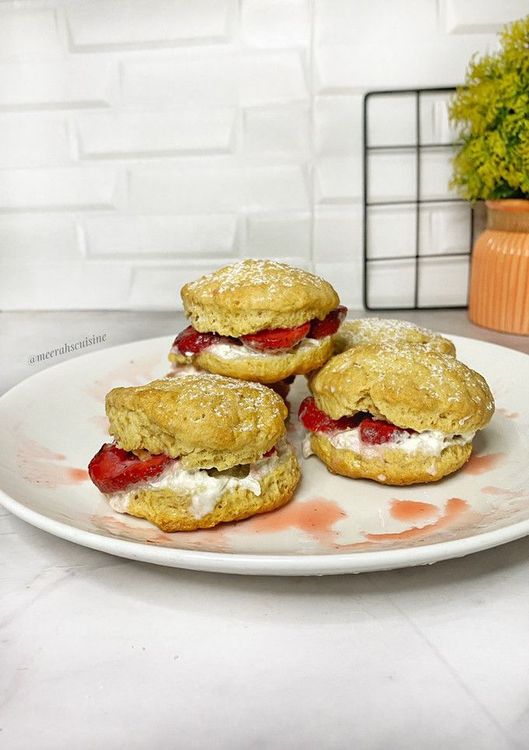
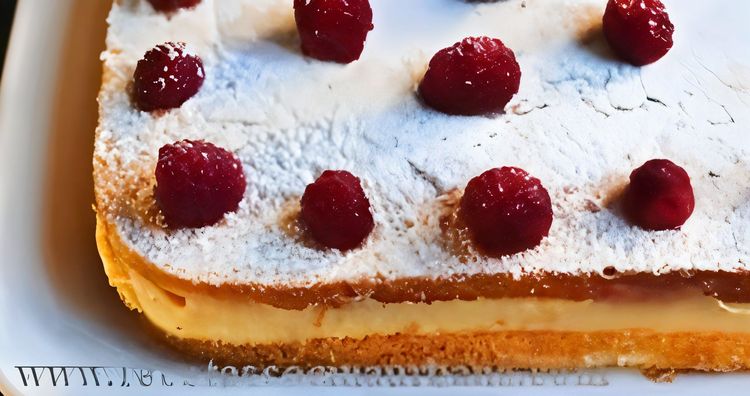
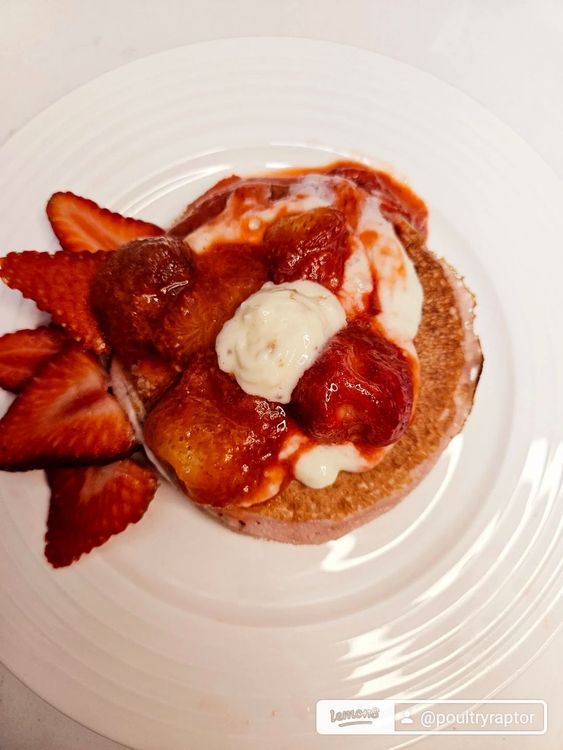
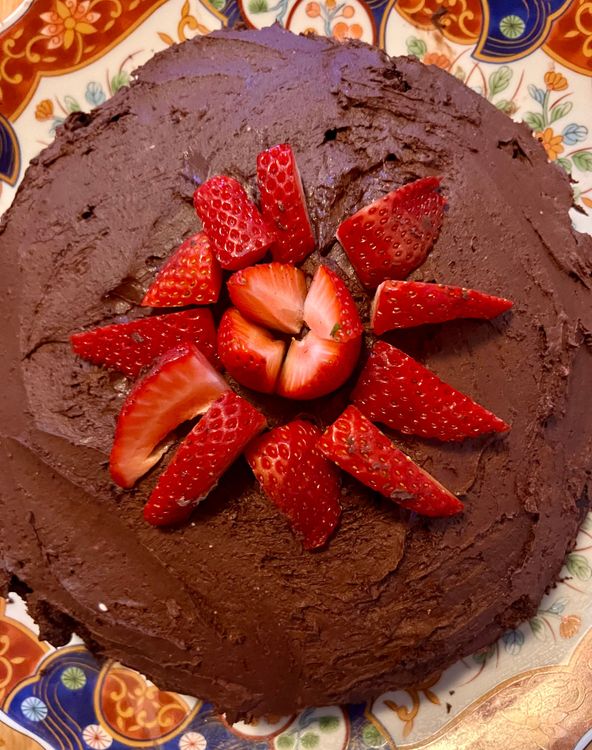
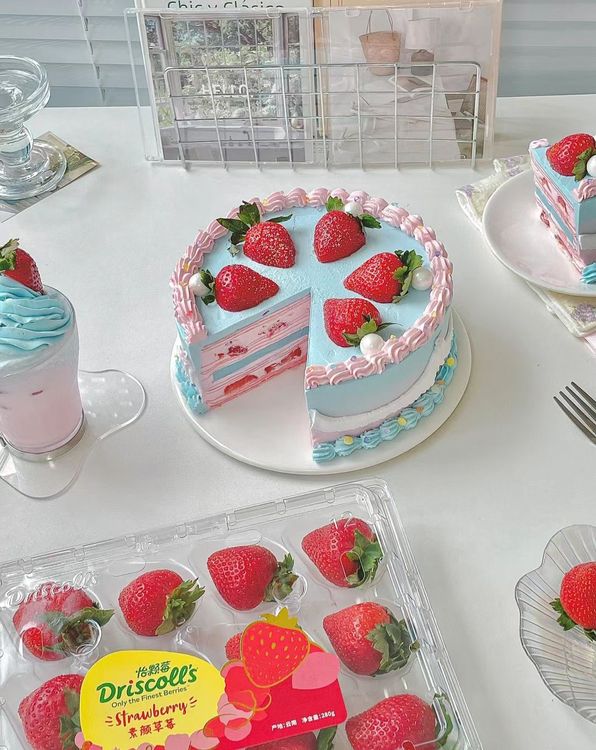
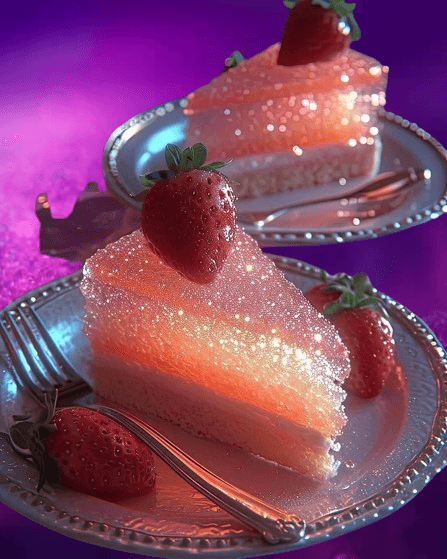
Cakes are where strawberries get to be the headline act, and the queen of them all is shortcake: a tender, buttery biscuit or light sponge split and piled with macerated berries and softly whipped cream. The single move that makes or breaks it is macerating the fruit first, tossing sliced berries with a spoonful of sugar and a squeeze of lemon and leaving them fifteen to thirty minutes so they weep a glossy red syrup you spoon generously over the cake. Assemble at the last minute, because a shortcake built too early goes soggy and sad. For layer cakes, loaves and cupcakes where the fruit goes into the crumb, the enemy is water: fresh slices sink and leave wet streaks, so toss them in flour first, keep the pieces small, or lean on reduced strawberry puree, jam or freeze-dried berry powder to flavor the batter without drowning it. Save the big juicy slices for the filling and the top, where their moisture is exactly what you want. Get those two habits right, concentrate the flavor and control the liquid, and every strawberry cake comes out tender, vivid and unmistakably of the fruit rather than just pink. Standouts here include 🍓 Strawberry Chocolate Cake in 10 min and Strawberry Chocolate Banana Bread Muffins, plus Strawberry Mousse Cake.

- Baking
- Vegetarian
- Dessert


- American
- Eggetarian
- Dessert


- Eggetarian
- Dessert

- American
- Eggetarian
- Dessert


- American
- Vegan
- Breakfast
- American
- Vegetarian
- Snack

- American
- Eggetarian
- Snack
- European
- Eggetarian
- Dessert

- American
- Vegetarian
- Snack
- American
- Eggetarian
- Breakfast

- Vegan
- Breakfast


- Gluten-Free
- Dessert

- Vegan
- Dessert

- Korean
- Eggetarian
- Dessert
- American
- Vegetarian
- Snack
- American
- Vegetarian
- Snack
- American
- Vegetarian
- Snack
- American
- Vegetarian
- Snack
- American
- Eggetarian
- Dessert
Strawberry Pies, Tarts & Cheesecake
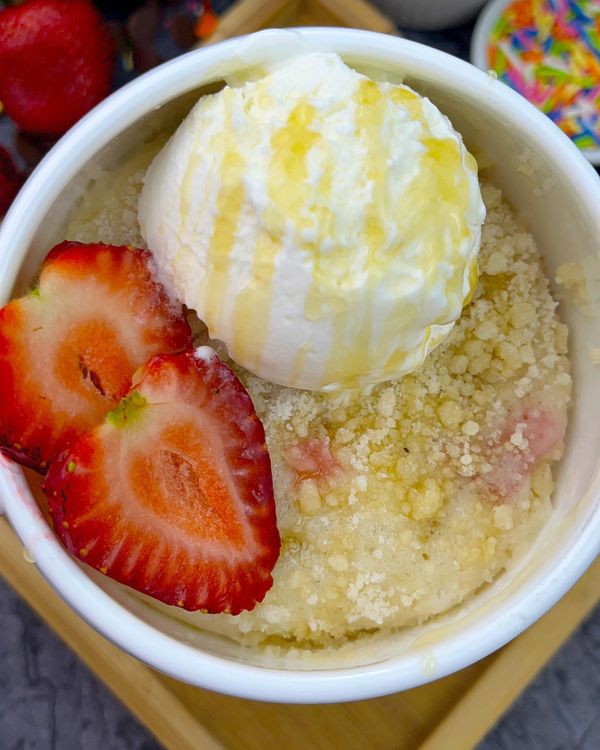
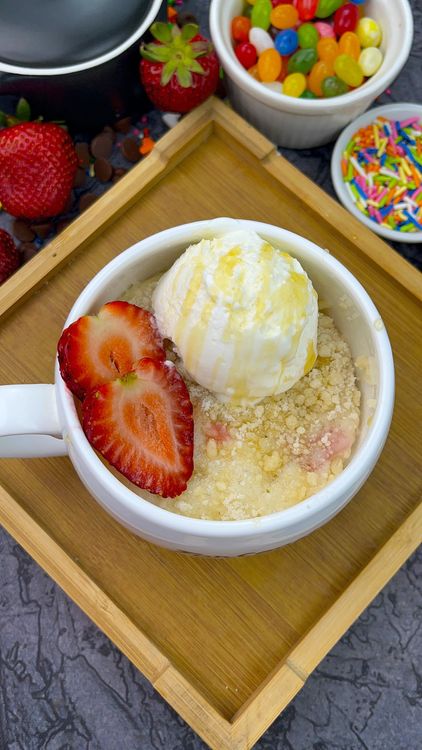
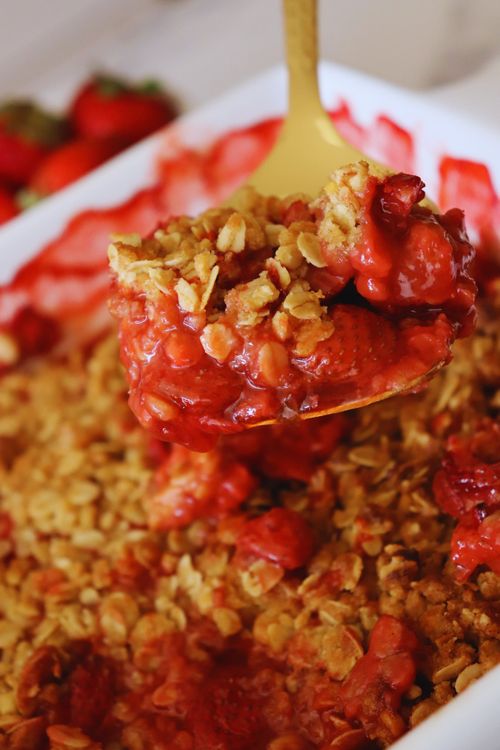
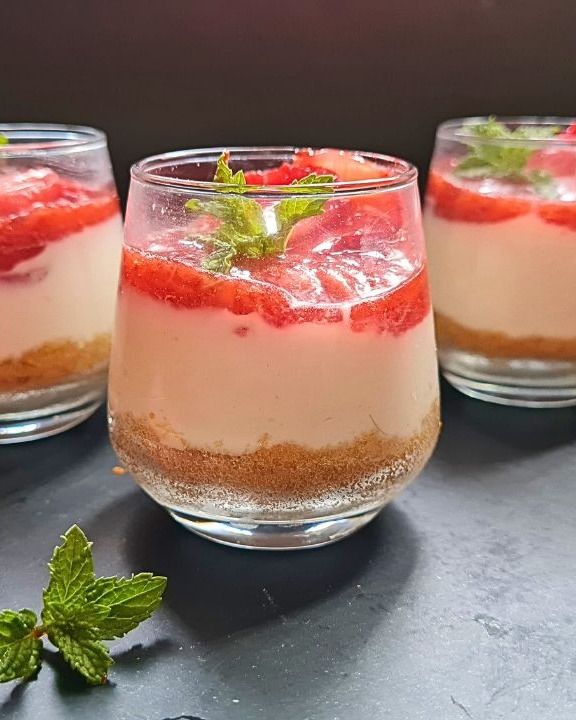
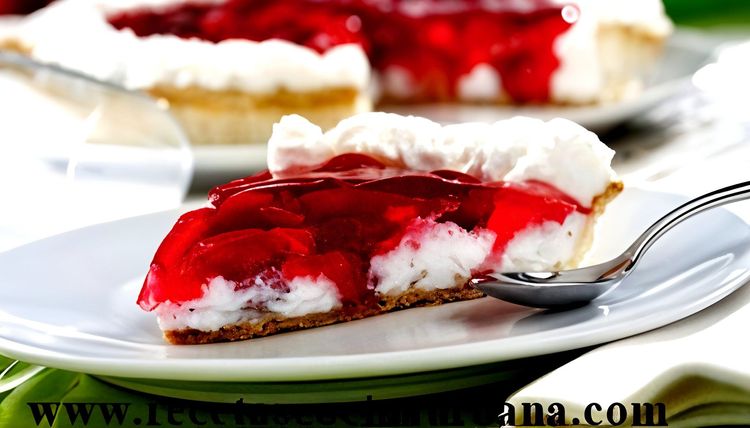
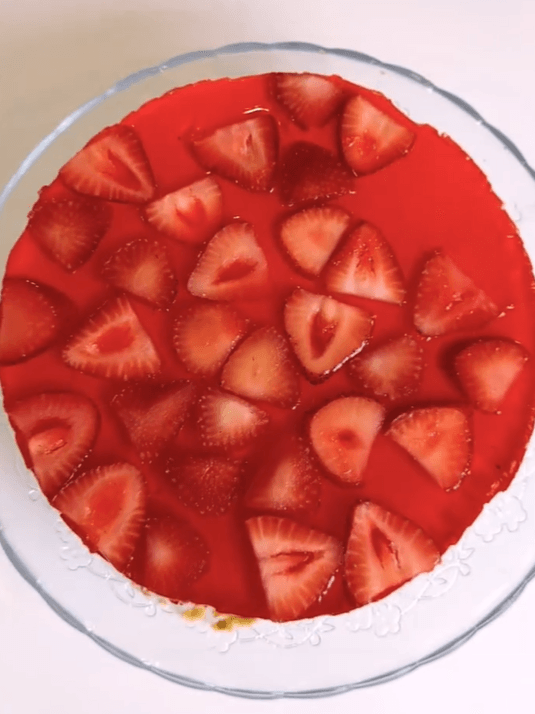
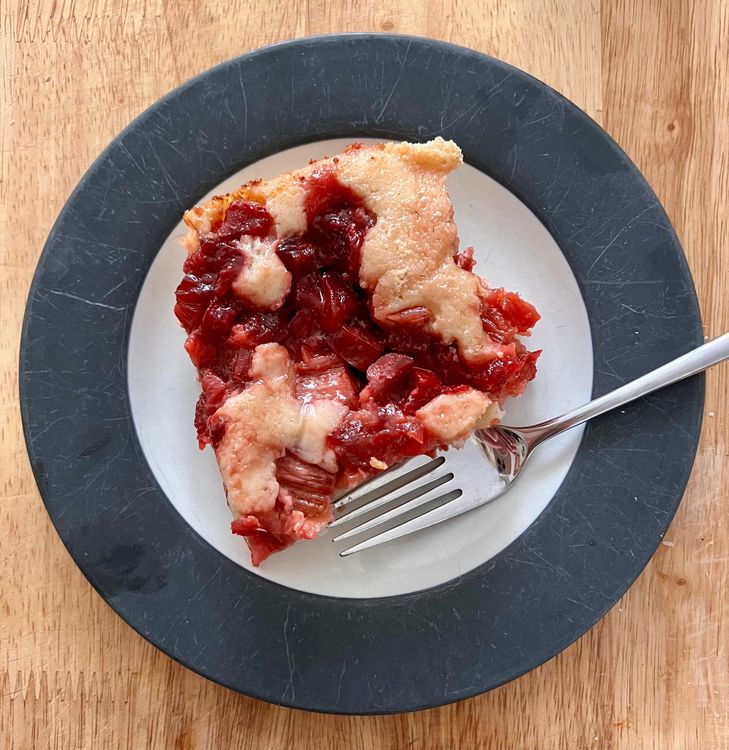
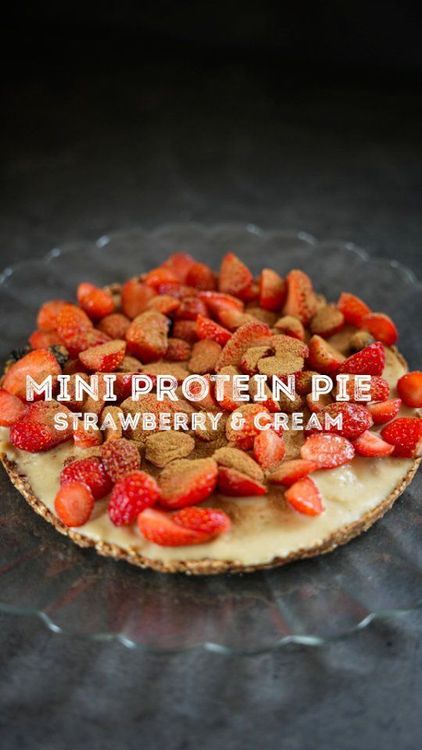
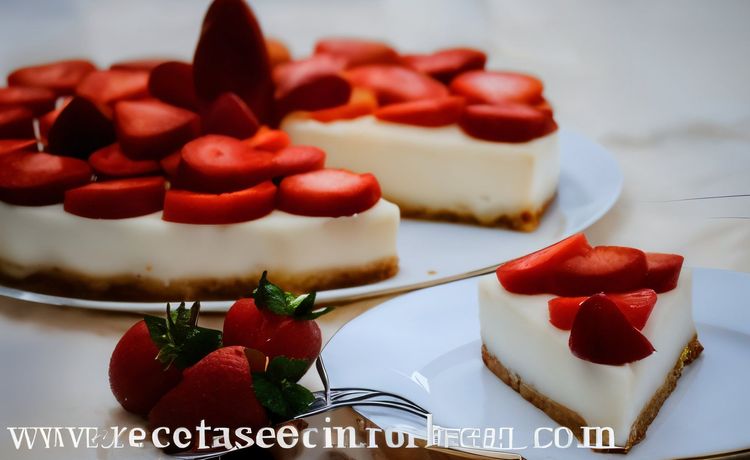
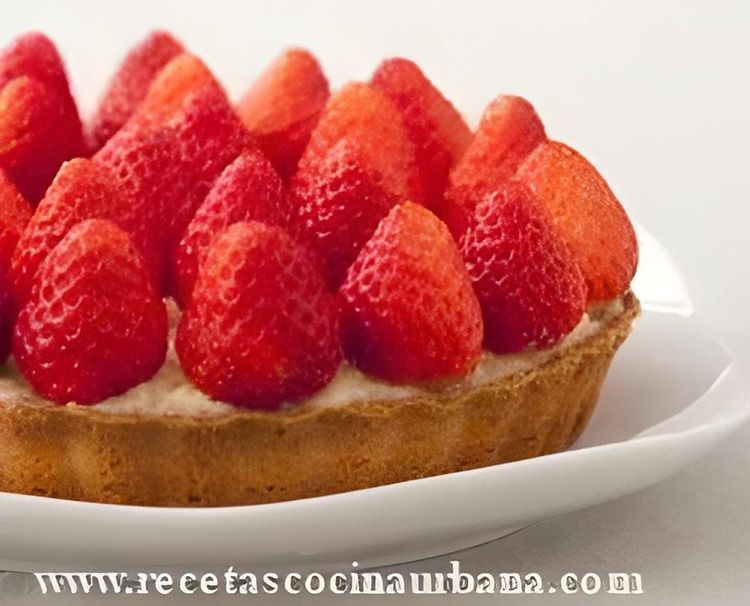
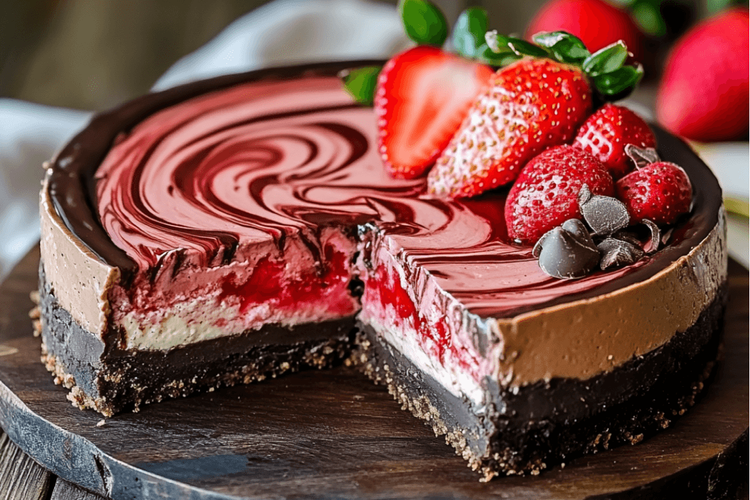
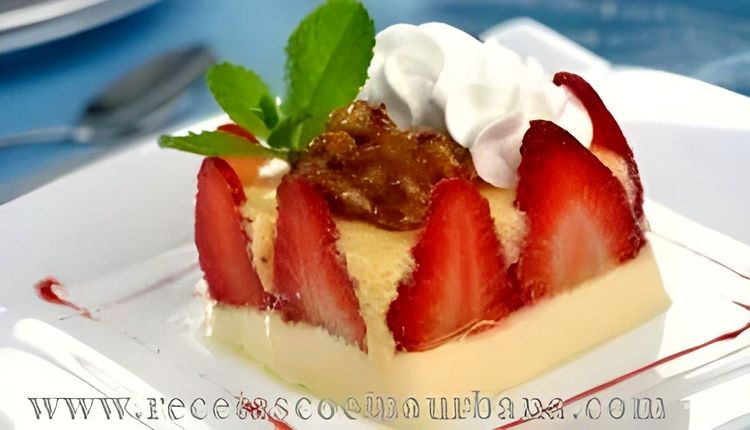
Pies, tarts and cheesecakes are the desserts where a clean set and a ripe, jammy filling matter most, and nearly every problem here traces back to moisture. For a fruit pie, toss the berries with a thickener, cornstarch or tapioca, and enough sugar to balance their tartness, then cook the filling until the juices bubble thick and glossy rather than thin and runny; underthickened, it sets to a slosh. Bake on a hot sheet on the bottom rack to sear and crisp the base before the filling soaks in. For a fresh-fruit tart on a blind-baked shell, build a barrier between juice and pastry: brush the cooled crust with melted chocolate or jam, spread a pastry cream or cheesecake base underneath, and glaze the berries with reduced jam rather than loose syrup so they shine without weeping. Cheesecakes split into two camps, baked and no-bake, and both want a smooth, properly set filling that lets a vivid strawberry topping or swirl do the talking. Whichever you make, taste your fruit first and reduce any watery puree to concentrate it, because a clean set and a deep, real strawberry flavor are what separate a great one from a pale, sweet, soggy disappointment. Standouts here include Strawberry Crumble (Warm, Fruity, Crunchy) and Strawberry Cheesecake, plus Strawberry and Cream Tart.
- American
- Vegetarian
- Dessert
- Fusion
- Vegetarian
- Snack
- International
- Vegetarian
- Dessert
- American
- Eggetarian
- Dessert

- American
- Vegetarian
- Dessert
- Vegetarian
- Dessert
- French
- Vegan
- Snack
- American
- Vegetarian
- Dessert
- International
- Vegetarian
- Dessert
- European
- Eggetarian
- Snack
- American
- Eggetarian
- Dessert
Strawberry Jams, Sauces, Drinks & Salads
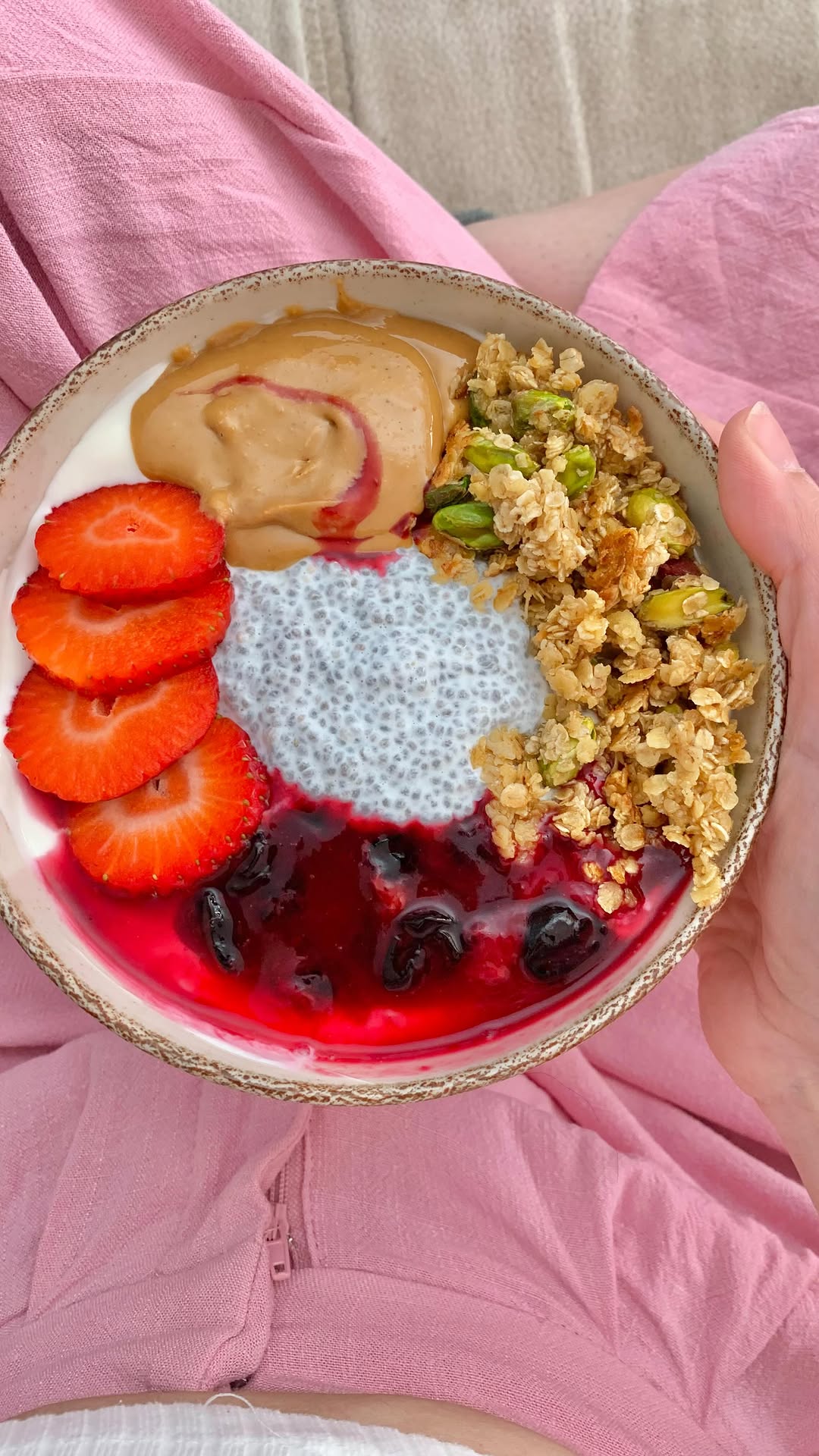
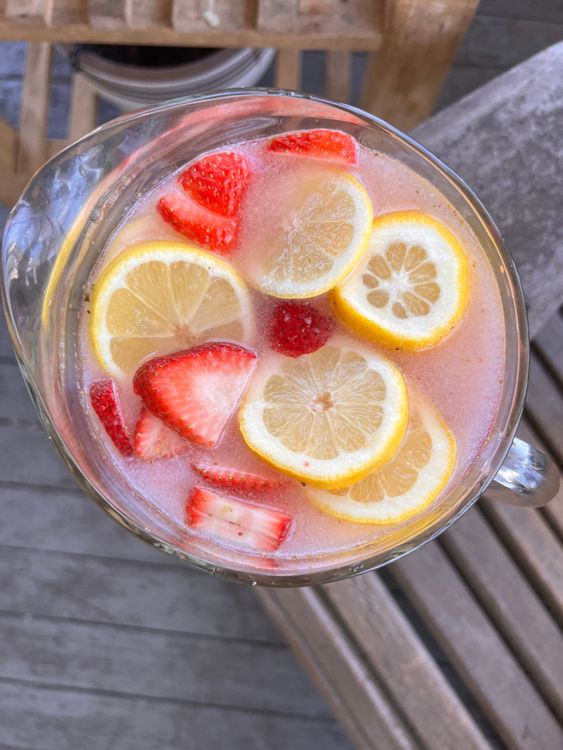
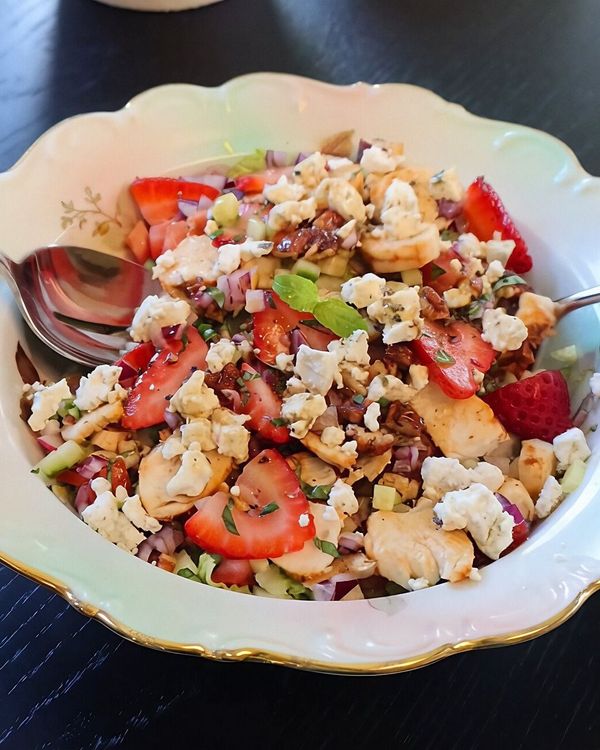
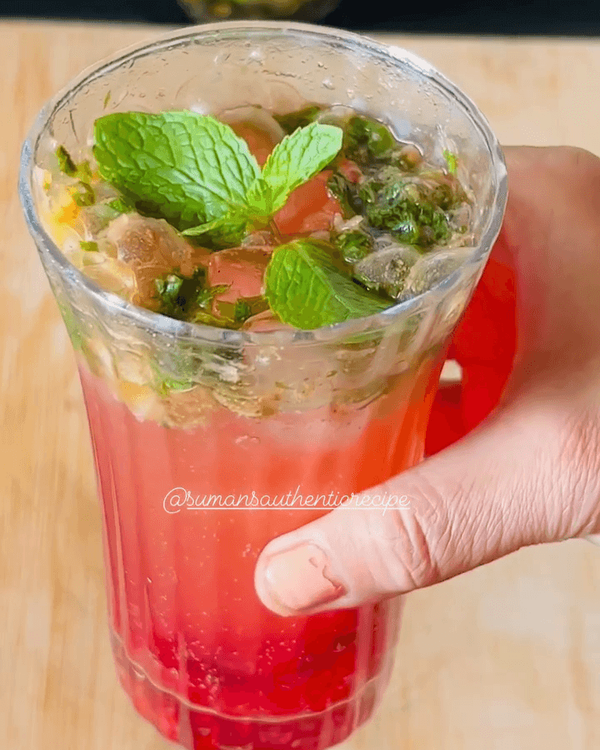
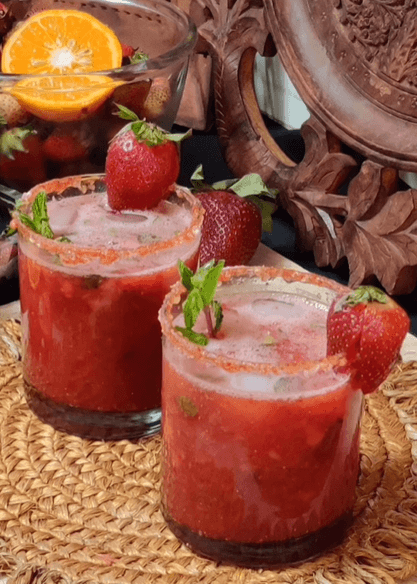
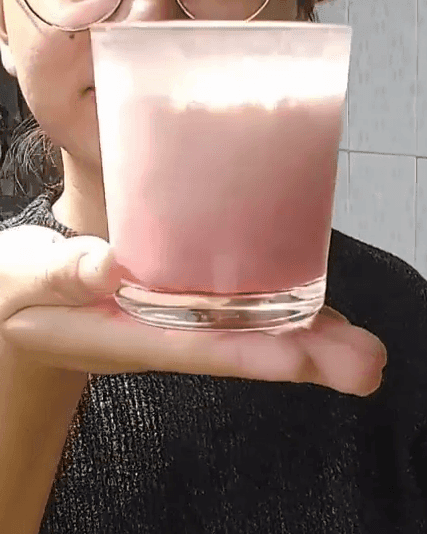
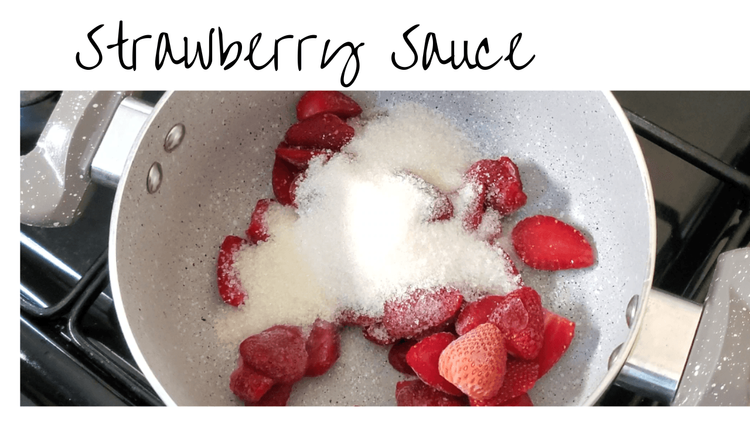
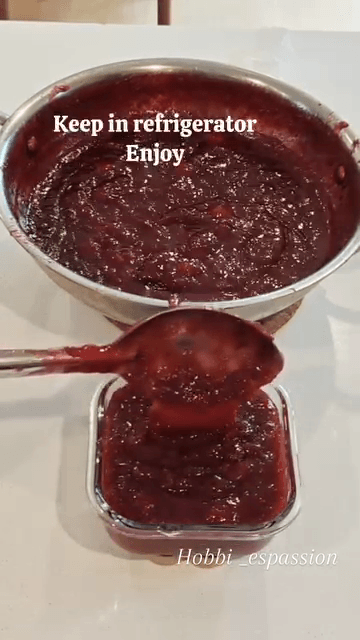
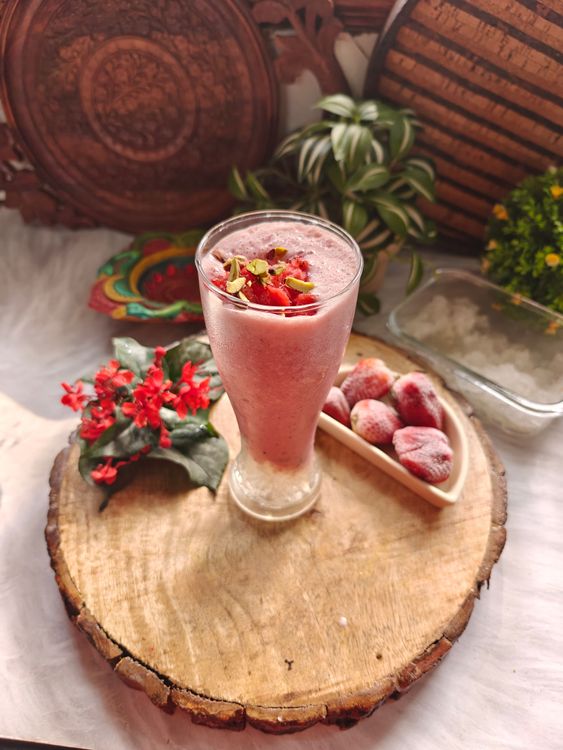
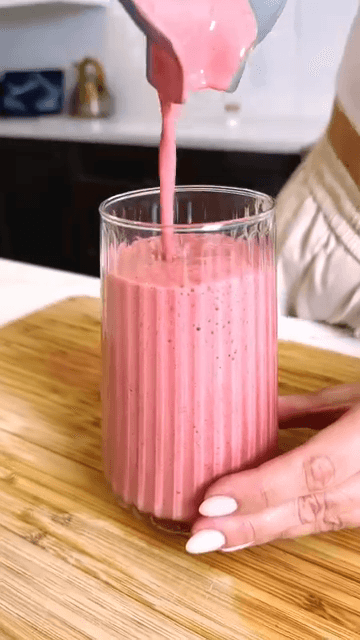
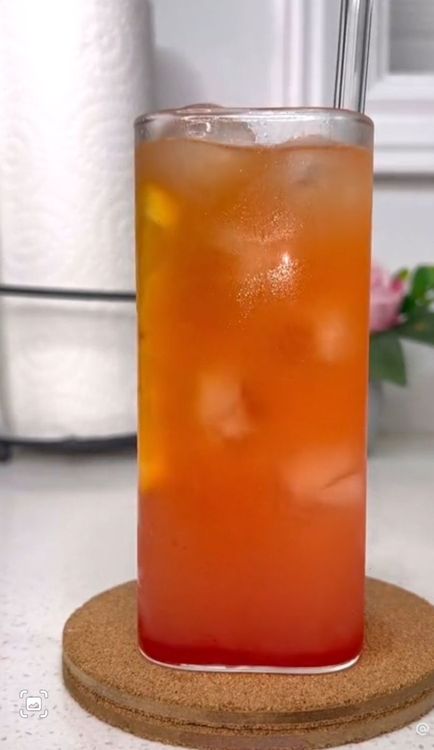
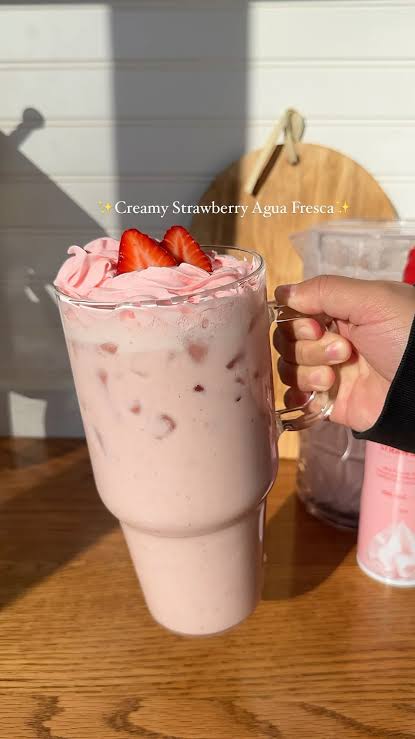
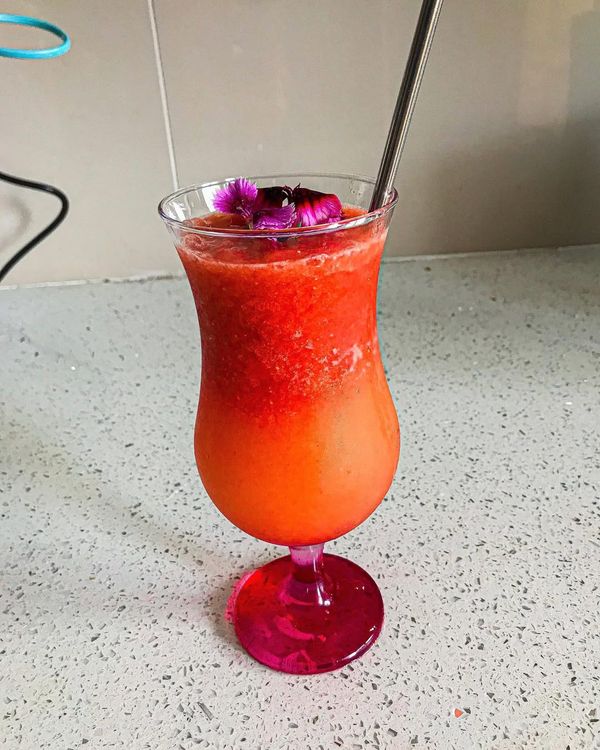
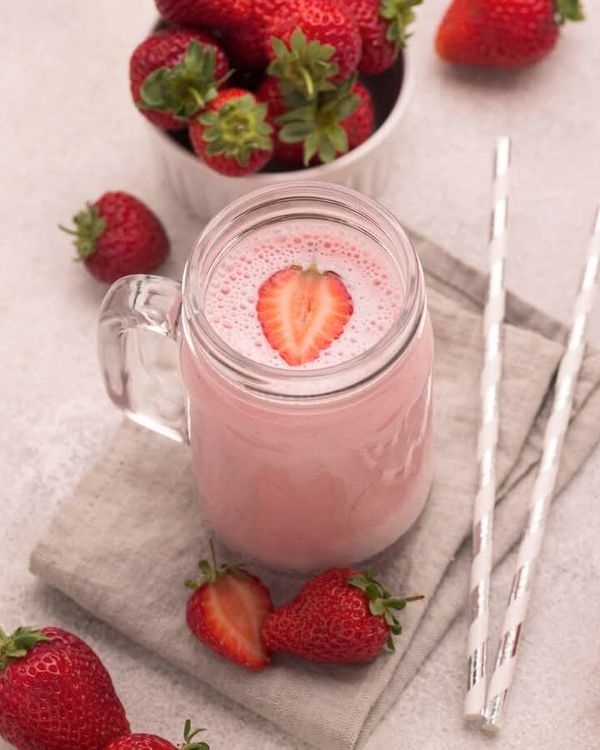
This is the fruit at its most useful, the cluster you reach for when you have more berries than you can eat fresh or simply want strawberry flavor in a glass or a salad. Jam and sauce are the workhorses: cook berries with sugar and a generous hit of lemon, since strawberries are low in pectin, in small batches that set fast and keep a bright color rather than a big pot boiled dark. Use the chilled-saucer wrinkle test to judge the set, and stop short of jam stage for a loose, pourable coulis to spoon over everything. On the drinks side, frozen strawberries are your friend in smoothies and milkshakes because they chill and thicken without watering things down, while a quick macerated-berry syrup turns lemonade, agua fresca and cocktails vivid and fragrant. Then there is the savoury swing many cooks overlook entirely: ripe strawberries are wonderful in salads with peppery greens, feta, balsamic and black pepper, or chopped into a bright salsa, where their sweetness plays against acid and salt. A squeeze of lemon and a careful hand with sugar tie the whole group together, letting the berry taste like itself in every form. Standouts here include Strawberry Yogurt Bowl with Chia Pudding, Granola, and Blueberry Jam and Strawberry Lemonade , plus Strawberry Mango Smoothie .

- Vegetarian
- Breakfast
- Vegan
- Beverage
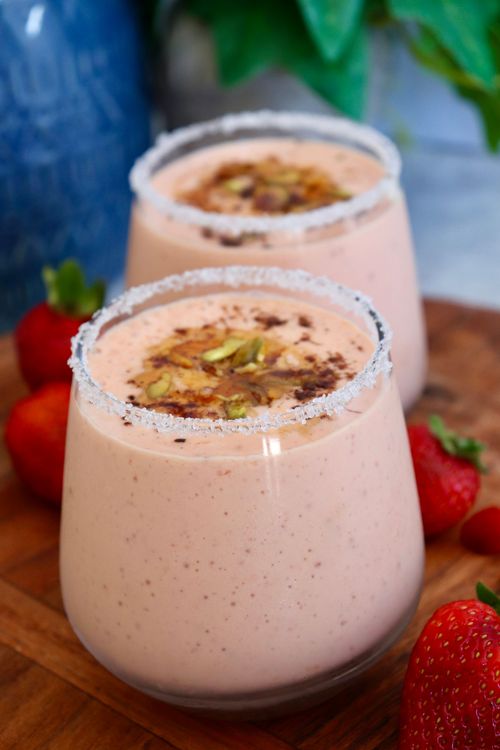
- Australian
- Vegetarian
- Dessert
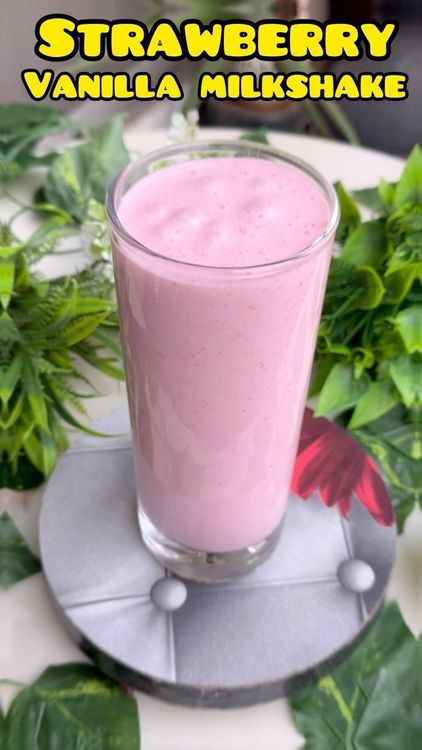

- American
- Vegetarian
- Beverage
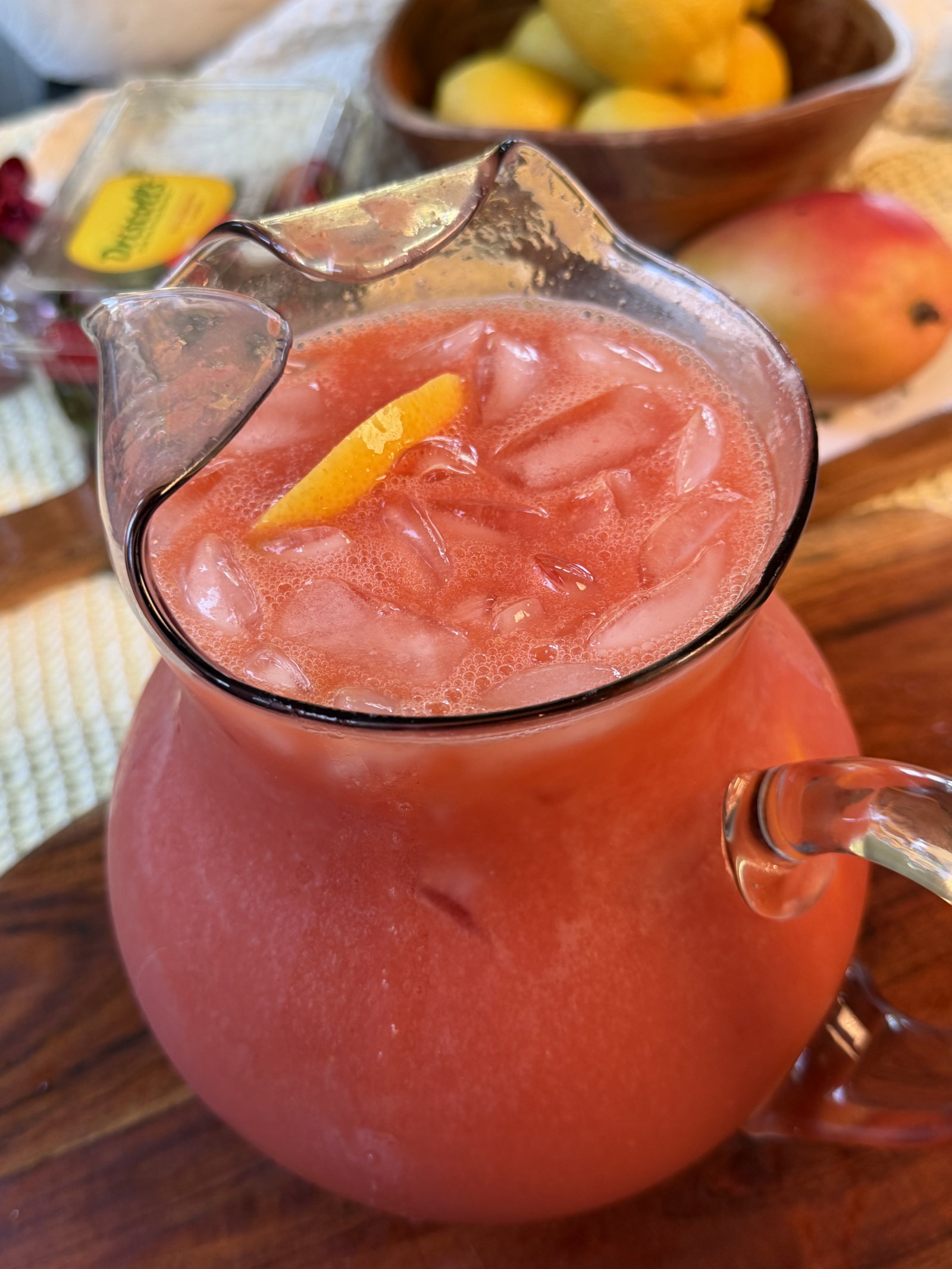

- American
- Vegan
- Beverage

- Vegan
- Beverage
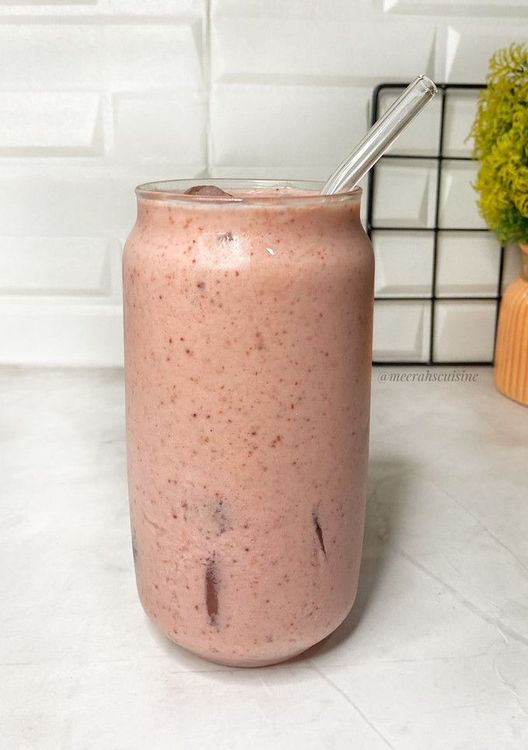
- American
- Vegetarian
- Breakfast
- American
- Non-Vegetarian
- Lunch


- Indian
- Vegetarian
- Breakfast
- American
- Vegan
- Snack
- American
- Vegetarian
- Snack
- Indian
- Vegetarian
- Breakfast

- International
- Vegetarian
- Dessert


- Vegetarian
- Salad

- Vegetarian
- Salad

- American
- Vegan
- Australian
- Vegan
- Breakfast
- Indian
- Vegetarian
- Snack
More Strawberry Favourites
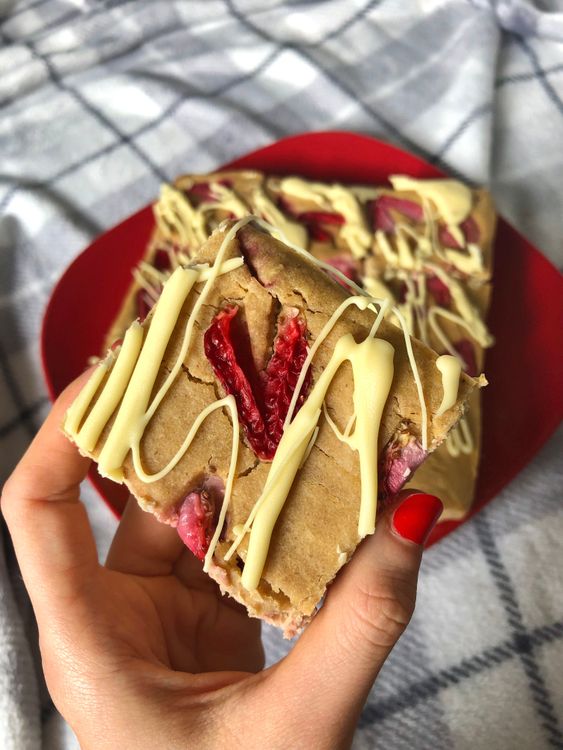
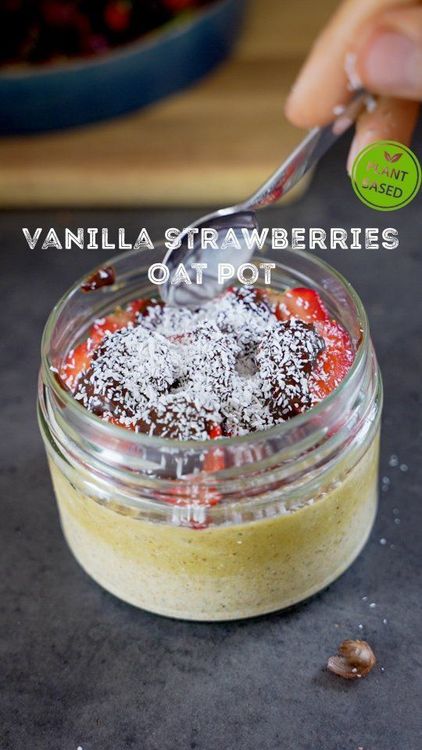
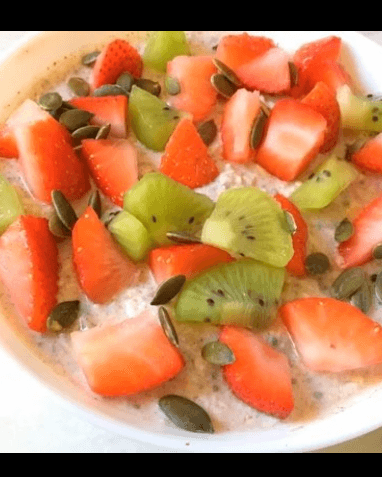
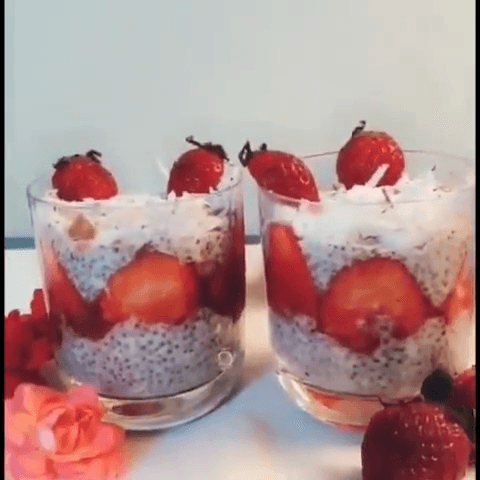
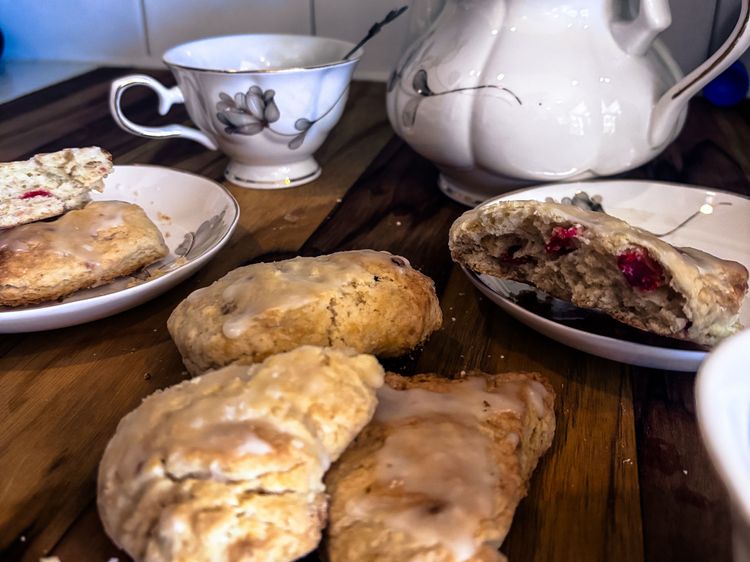
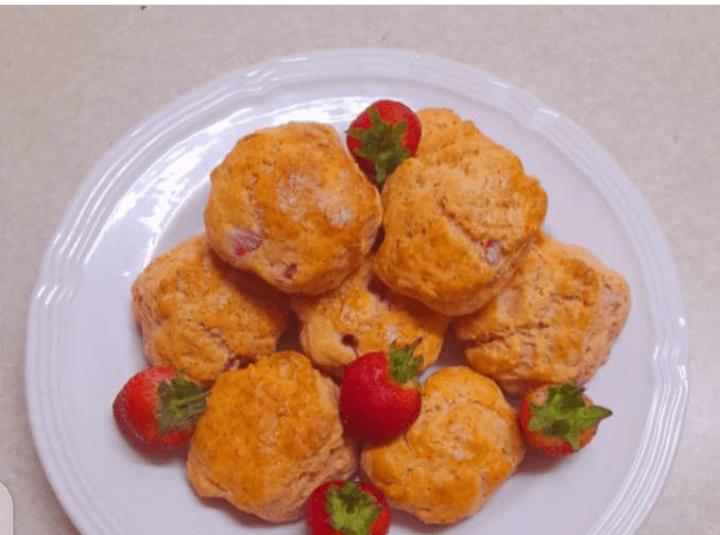
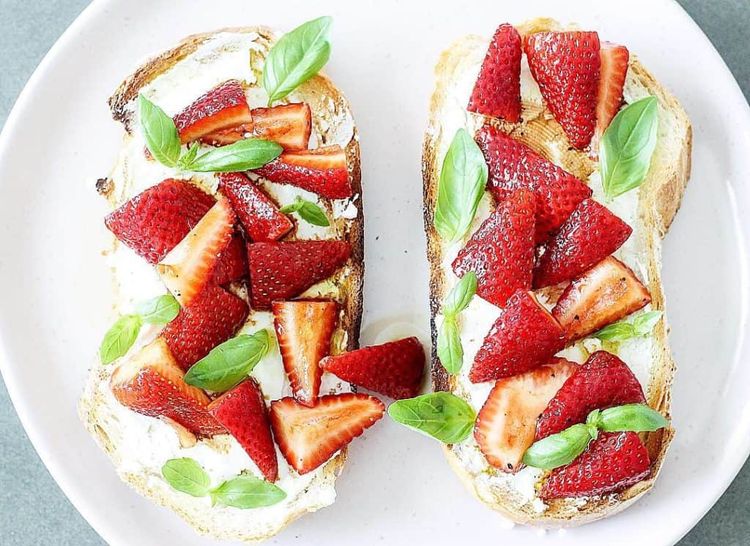
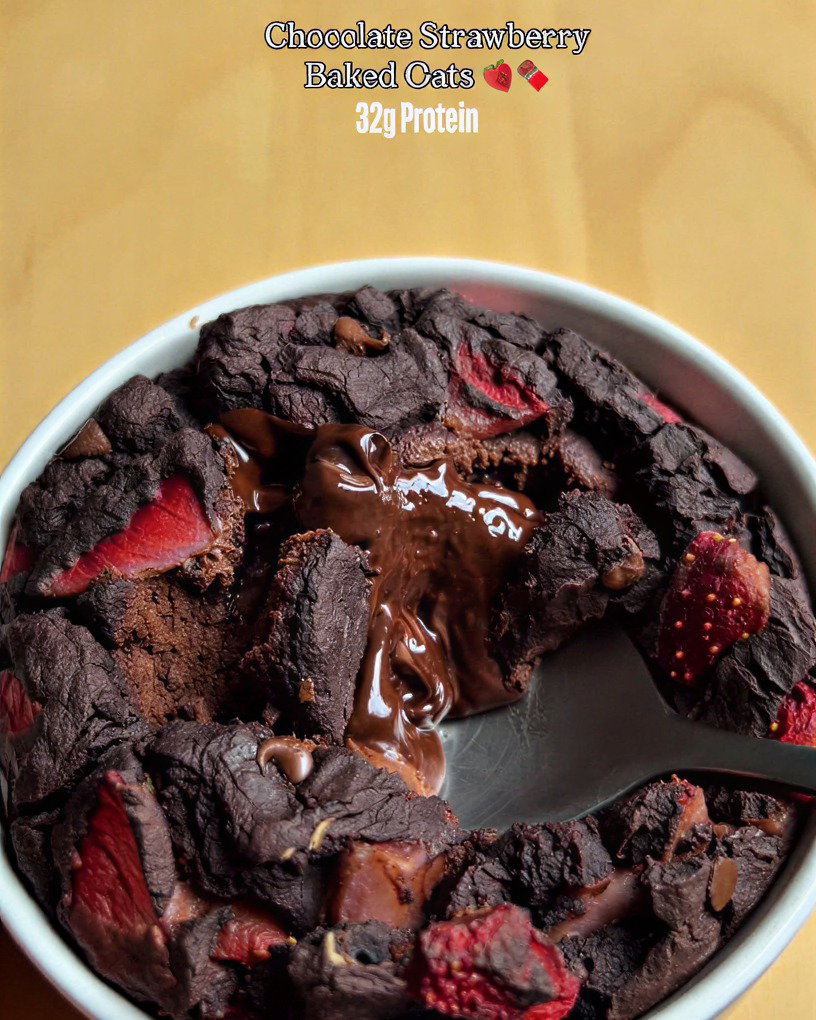
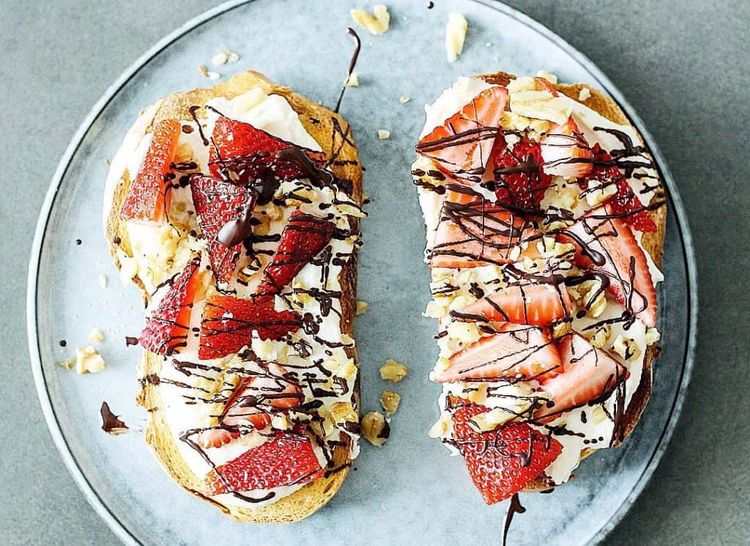
A few strawberry dishes never quite settle into a single category, and these are the ones worth keeping in your back pocket once the classics feel routine. They lean on the same handful of moves you already know, choosing ripe fruit, hulling and macerating, taming the moisture, but point them in directions you might not expect: chocolate-dipped berries, strawberry-stuffed French toast, a quick balsamic-roasted batch to spoon over yogurt, or fruit folded into pancakes, scones and breakfast bakes. Picking your next one is mostly about matching effort to mood and to what the season has given you. When berries are at their ripest and most fragrant, let them stay raw and barely dressed so nothing gets in the way; when they are firmer or slightly tart, cook or macerate them to coax out the sweetness and concentrate the flavor. Pay attention to moisture as always, draining or reducing where juice would otherwise run loose, and finish with the acid and aroma, a squeeze of lemon, a little vanilla, a grind of pepper, that make strawberries taste most like themselves. Think of this group as the natural next step after the staples, the recipes that quietly earn a regular spot in the rotation once you have tried them. Standouts here include Yogurt Bowl with Strawberry Chia Pudding and Strawberry Banana Bread, plus Healthy Strawberry Blondies 🍓.

- Vegetarian
- Breakfast

- Gluten-Free
- Breakfast

- English
- Vegetarian
- Dessert


- Mexican
- Vegetarian
- Beverage
- International
- Vegetarian
- Breakfast

- Malaysian
- Eggetarian
- Dessert

- Vegetarian
- Breakfast

- Vegetarian
- Appetiser
- Vegetarian
- Breakfast

- Vegan
- Breakfast
- Swiss
- Vegetarian
- Dessert
- Mexican
- Non-Vegetarian
- Breakfast

- Italian
- Eggetarian
- Dessert
- Healthy
- Vegetarian
- Breakfast
- American
- Vegetarian
- Dessert
- Indian
- Vegan
- Breakfast
- International
- Vegetarian
- Snack

- American
- Eggetarian
- Breakfast
- British
- Eggetarian
- Breakfast
- Italian
- Vegetarian
- Appetiser
- Vegetarian
- Breakfast

- Vegetarian
- Snack

- Eggetarian
- Dessert

- Eggetarian
- Dessert
- Australian
- Vegetarian
- Snack

- Vegan
- International
- Vegetarian
- Dessert


- International
- Eggetarian
- Snack
- French
- Eggetarian
- Dessert
- International
- Eggetarian
- Dessert
- Vegetarian
- Beverage


- American
- Vegetarian
- Snack

- European
- Vegetarian
- Dessert
- International
- Vegetarian
- Snack
- American
- Vegetarian
- Breakfast
- International
- Vegetarian
- Snack
Choosing, Hulling and Storing Strawberries
Strawberries do not ripen after picking, so the flavor you buy is the flavor you get — choose berries that are fully, evenly red right up to the shoulders, with no white or green caps and a deep, sweet smell. Smaller, in-season fruit is almost always more fragrant than the giant, hollow, out-of-season kind. Avoid any punnet with soft, weeping or moldy berries at the bottom, because the rot spreads fast and one bad strawberry will take the rest with it.
Wash strawberries only just before you use them, and wash them whole with the green tops still on — hulling first lets water rush into the porous flesh and turns them mushy and bland. A quick dunk in a bowl of cold water, then a gentle pat dry, is all they need. To hull, twist out the green crown with a paring knife or push a straw up through the base to pop the core out cleanly, then slice as the recipe asks.
Store unwashed berries in a single layer, loosely covered, in the fridge and use them within a couple of days — they are highly perishable and bruise easily. Do not crowd them into a sealed tub, where trapped moisture speeds spoilage. If you have a glut, freeze them: hull, spread on a tray to freeze solid, then bag them. Frozen strawberries are perfect for jam, sauce, smoothies and ice cream, though they slump when thawed and are best kept out of fresh applications.
Macerating: The Single Most Useful Move
Macerating is the one technique that makes almost every strawberry dessert better, and it could not be simpler: toss hulled, sliced berries with a spoonful or two of sugar and leave them to sit. Osmosis pulls the juices out of the fruit and dissolves the sugar into a glossy, intensely strawberry syrup, while the berries themselves soften and deepen in flavor. Fifteen to thirty minutes is enough for shortcake; an hour gives you more syrup. This is what gives that classic puddle of red juice you spoon over cake.
A little acid and aroma transform the result. A squeeze of lemon or a splash of balsamic brightens the berries and stops the syrup tasting flatly sweet; a scrape of vanilla, a grind of black pepper or a few torn basil or mint leaves add depth. Use a light hand with sugar — you are concentrating flavor, not making candy — and taste, because ripe berries need far less than firm, tart ones. Mashing a few of the slices with a fork releases even more juice and gives a looser, saucier texture.
Macerating also solves the watery-dessert problem. By drawing the juice out before the fruit goes near pastry or cake, you control where that liquid ends up — spooned deliberately over a sponge rather than leaking unbidden into a crust. For pies and tarts, drain the macerated berries and reduce the released syrup in a pan to a thick glaze before brushing it back on, so you get concentrated flavor and shine without a soggy bottom. It is the same trick, pointed at moisture management instead of just sweetness.
Keeping Cakes and Pies from Going Watery
The number one reason a strawberry dessert disappoints is excess moisture, and the fixes are mostly about giving that liquid somewhere to go that is not your crumb or crust. For pies, toss the fruit with a thickener — cornstarch, tapioca or a little flour — and enough sugar to balance, then let the filling cook until the juices bubble thick and glossy rather than thin and runny. Underthickened filling sets to a slosh; overthickened goes gluey, so measure, and remember frozen berries throw far more liquid than fresh.
For a blind-baked crust holding fresh fruit, build a barrier: brush the cooled shell with melted chocolate or a thin layer of jam, or spread a pastry cream or cheesecake base underneath the berries so the juice meets a buffer, not raw pastry. Glaze fresh strawberries with reduced jam rather than a flood of syrup. Bake fruit pies on a hot baking sheet on the bottom rack, which sears the base and helps it crisp before the filling soaks in.
Cakes need the same care. Folding sliced fresh berries straight into a batter often sinks them and leaves wet streaks, so toss them in a little flour first, use smaller pieces, or lean on reduced puree, freeze-dried strawberry powder or jam to flavor the crumb without the water. Save the big, juicy fresh slices for the filling and the top, where their moisture is a feature. When in doubt, concentrate the fruit by cooking or macerating-and-draining before it goes into anything baked.
Jam, Sauce and Preserving a Glut
When strawberries are cheap and ripe, turn the surplus into jam and sauce that carry the season for months. Strawberries are low in natural pectin, so a set takes help: cook them with sugar and a good hit of lemon juice (the acid and the pectin in the pips both aid the set), use jam sugar with added pectin, or simply cook a little longer for a looser, softer-set preserve. Small batches set faster and keep a fresher, brighter color than a giant pot boiled to death.
Test for set without a thermometer using the wrinkle test: chill a saucer in the freezer, drop a little jam on it, wait a moment, then push it with a finger — if the surface wrinkles, it is ready; if it floods back, cook on and test again. A thermometer reading of around 104–105°C (220°F) is the setting point if you prefer. Skim the foam for a clear jam, and pot into sterilized jars while hot for a proper seal and a long shelf life.
For a quick sauce or coulis rather than a set jam, simmer berries with a little sugar and lemon just until they collapse, then blend and, if you like, sieve out the seeds for a smooth, pourable coulis. Stop well short of jam stage — you want it loose enough to spoon over ice cream, cheesecake, pancakes or yogurt. Both jam and sauce freeze well, and a jar of reduced strawberry sauce in the freezer is the fastest route to dessert all year.
Pro Tips from the Test Kitchen
- Buy berries that are red to the shoulders and smell sweet — strawberries do not ripen after picking, so what you buy is what you get.
- Wash strawberries whole with the tops on, then hull; hulling first lets water flood the flesh and makes them mushy.
- Macerate sliced berries with a little sugar 15–30 minutes to draw out a glossy syrup and deepen the flavor.
- Add a squeeze of lemon or splash of balsamic to macerating berries to brighten the syrup and stop it tasting flatly sweet.
- Drain macerated berries and reduce the released juice to a glaze so pies and tarts get flavor and shine without a soggy bottom.
- Thicken fruit pie filling with cornstarch or tapioca and cook until the juices bubble thick and glossy, not thin and runny.
- Seal a blind-baked tart shell with melted chocolate or a thin layer of jam before adding fresh fruit to keep the base crisp.
- Toss fresh berries in a little flour before folding into cake batter so they do not sink or leave wet streaks.
- Frozen strawberries throw far more liquid than fresh — use them for jam, sauce, smoothies and ice cream, not fresh applications.
- For jam, add plenty of lemon juice (strawberries are low in pectin) and use the chilled-saucer wrinkle test to check the set.
Frequently Asked Questions
Why do you macerate strawberries?
Macerating — tossing sliced berries with a little sugar and leaving them to sit — uses osmosis to pull the juices out of the fruit into a glossy, intense strawberry syrup while softening and deepening the berries themselves. It gives you that classic puddle of red juice to spoon over shortcake, and because it draws the liquid out in advance, it lets you control moisture instead of having juice leak into a crust or cake. Fifteen to thirty minutes is usually enough.
How do you keep a strawberry pie from being watery?
Give the moisture somewhere to go. Toss the fruit with a thickener like cornstarch or tapioca and cook the filling until the juices bubble thick and glossy. For fresh-fruit pies, blind-bake the crust, seal it with melted chocolate or jam, and glaze the berries with reduced jam rather than loose syrup. Bake on a hot sheet on the bottom rack to crisp the base, and remember frozen berries release far more liquid than fresh ones.
Should you wash strawberries before or after hulling?
Always wash them whole, with the green tops still on, just before you use them — then hull. Strawberry flesh is porous, so if you hull first the water rushes into the cut fruit and turns it mushy and waterlogged, diluting the flavor. A quick dunk in cold water and a gentle pat dry is all they need. Washing well ahead of time also speeds spoilage, so wash only what you are about to use.
How do you make strawberry shortcake?
Macerate sliced strawberries with a spoonful of sugar and a squeeze of lemon for fifteen to thirty minutes until they release a syrup. Split a tender, slightly sweet biscuit or sponge shortcake, spoon the macerated berries and their juice over the bottom, pile on lightly whipped cream, and crown with the top and more berries. The contrast of buttery cake, juicy fruit and soft cream is the whole point — assemble it just before serving so the cake does not go soggy.
Can you use frozen strawberries instead of fresh?
For anything cooked or blended — jam, sauce, ice cream, smoothies, baked fillings — frozen strawberries work beautifully and are often cheaper and riper than out-of-season fresh. The catch is moisture: thawing berries slump and release a lot of liquid, so increase the thickener in pies and do not expect them to hold a neat shape. For fresh applications like shortcake topping, tarts or salads, where texture matters, stick with fresh.
Why are my strawberries not sweet?
Usually because they were picked underripe or are out of season. Strawberries do not continue to ripen once picked, so a pale or white-shouldered berry will never sweeten on the counter. Smaller, in-season, deeply red and fragrant fruit is almost always sweeter than the large, hollow supermarket kind. If you are stuck with tart berries, macerate them with a little extra sugar and lemon, or cook them into a sauce where you can adjust the sweetness.
How do you make strawberry jam set?
Strawberries are low in pectin, so a set needs help. Cook them with sugar and a generous amount of lemon juice, whose acid and the pectin in the pips both encourage gelling, or use jam sugar with added pectin. Cook to about 104–105°C (220°F), or use the wrinkle test: drop a little on a chilled saucer, and if it wrinkles when pushed, it is set. Small batches set faster and keep a brighter color than a big pot boiled long.
How long do strawberries last in the fridge?
Fresh strawberries are highly perishable and usually keep just two to three days. Store them unwashed in a single layer, loosely covered, and do not seal them in an airtight tub where trapped moisture speeds rot. Remove any soft or moldy berries immediately, because spoilage spreads fast through a punnet. For longer storage, hull and freeze them on a tray, then bag — frozen strawberries last several months and are ideal for jam, sauce and smoothies.
What goes well with strawberries?
Cream and dairy are the classic partners — whipped cream, mascarpone, cream cheese, vanilla ice cream and yogurt all balance the fruit's tartness. Among aromatics, vanilla, lemon, mint and basil lift them, while balsamic vinegar and a grind of black pepper draw out a surprising savoury depth. Chocolate (especially dark and white), almond, rhubarb and other berries pair naturally too. That range is why strawberries cross so easily from breakfast to dessert to salad.
Can you make strawberry desserts without an oven?
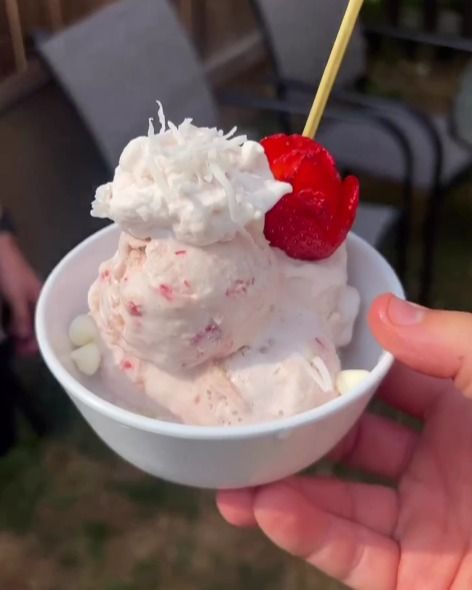
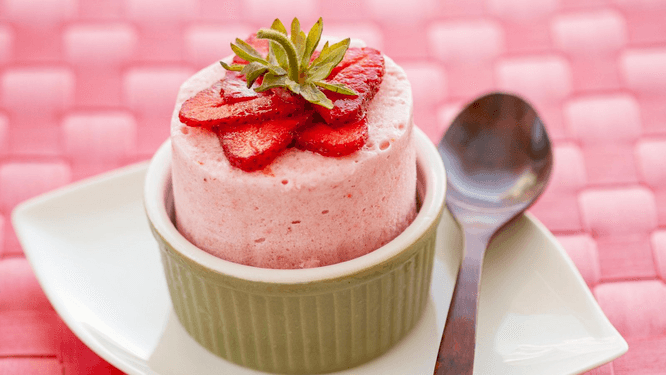
Plenty. No-bake cheesecake sets in the fridge on a biscuit base; mousse whips cream and fruit puree into something light and cold; no-churn ice cream needs only whipped cream and condensed cream folded with strawberries and frozen; and sorbets, popsicles, parfaits and trifles all skip the oven entirely. These cold, fridge- or freezer-set treats lean hardest on genuinely ripe, well-flavored fruit, since there is no caramelizing or baking to build flavor — so taste and sweeten your berries first.
The thread through every strawberry recipe here is the same: a fragrant, juicy berry that rewards ripe fruit and a little moisture management. Master the few moves in the guides — choose well, hull and store right, macerate to concentrate, and tame the water before it hits pastry or cake — and shortcake, pies, frozen treats and jam all fall into place.
Pick three to make this week — a shortcake, something frozen, and a jar of jam from any berries you cannot eat fast enough — and save your favorites to a Chefadora cookbook. Then work through the rest as the season runs; this page is built to be the strawberry reference you actually come back to.
Related
- Strawberry
- Dessert
- Summer
- Baking
- Fruit
- No-Bake
- Cake
Popular Searches
- Best strawberry recipes
- Easy strawberry recipes
- Quick strawberry recipes
- Healthy strawberry recipes
- Simple strawberry recipes
- Homemade strawberry recipes
- Delicious strawberry recipes
- Popular strawberry recipes
- strawberry shortcake
- strawberry cake
- strawberry dessert
Marnirni-apinthi Building, Lot Fourteen,
North Terrace, Adelaide, South Australia, 5000
Australia
