
Top 30 Soup Recipes: Creamy, Tomato, Asian and Hearty
Updated June 22, 2026 · Curated by Chefadora
Soup recipes are some of the most comforting, forgiving and useful cooking there is: a single pot, a handful of ingredients, and a bowl that can be a light starter or a whole meal. The recipes below show the full range — silky blended vegetable soups, deeply cooked tomato, bright Asian and noodle bowls, hearty lentil and chicken soups, and clear, restorative vegetable broths — rather than one thin pot repeated.
What separates a memorable soup from a watery one is almost always the base: a good stock and aromatics cooked down properly before the liquid goes in. Soup hides nothing, so flavour built early — browned onions, bloomed spices, a savoury backbone — is what gives the finished bowl its depth, and a final hit of acid or fresh herbs is what makes it taste alive.
You will find the collection grouped into clusters — Asian and noodle, lentil and hearty, tomato, creamy and blended, and vegetable and clear. Each leans on the same fundamentals, then takes them somewhere different, from a velvet-smooth puree to a brothy bowl full of texture.
Treat this as a working reference. Each recipe links to full ingredients and steps on Chefadora, and the guides below cover what actually decides whether a soup sings or falls flat — building a flavourful base, choosing blended versus brothy, seasoning and body, and how to garnish, store and freeze it.
Asian & Noodle Soups
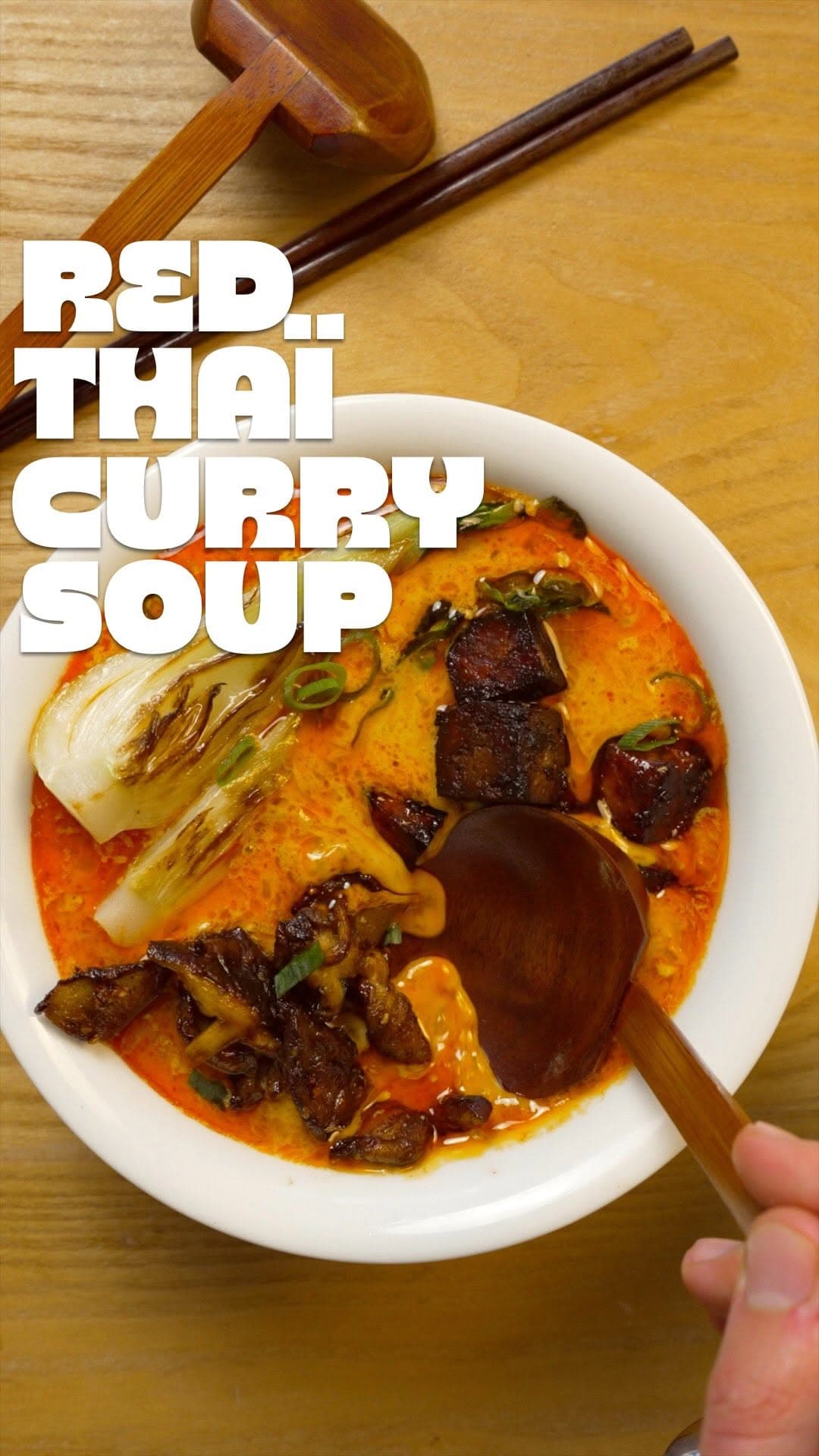
Asian soups are about a clear, deeply savoury broth and the play of textures floating in it, from silky tofu and egg ribbons to slippery noodles and crisp vegetables. Whether it is a Thai coconut-curry soup, a Japanese miso, a Chinese egg drop or sweetcorn, or a noodle bowl, the broth is the star, so build it with real backbone: good stock, aromatics like ginger, garlic, lemongrass and chilli, and a salty-umami base of miso, soy or fish sauce. Add delicate ingredients late, because tofu, leafy greens, egg and noodles need only moments and turn to mush if they simmer. For egg drop, stir the soup into a slow whirlpool and trickle the beaten egg in so it sets into fine ribbons rather than clumps. Balance is everything: taste for the salty-sour-spicy-sweet harmony these cuisines prize, and finish with fresh herbs, a squeeze of lime, or a drizzle of chilli oil right before serving so the top stays bright and aromatic. Standouts here include Red Thai Curry Soup and Tofu Egg Drop Soup, plus Miso Noodle Soup.


- Vegetarian
- Soup

- Pescatarian
- Soup


- Non-Vegetarian
- Soup

- Japanese
- Pescatarian
- Side Dish

- Japanese
- Pescatarian
- Appetiser
Lentil, Chicken & Hearty Soups
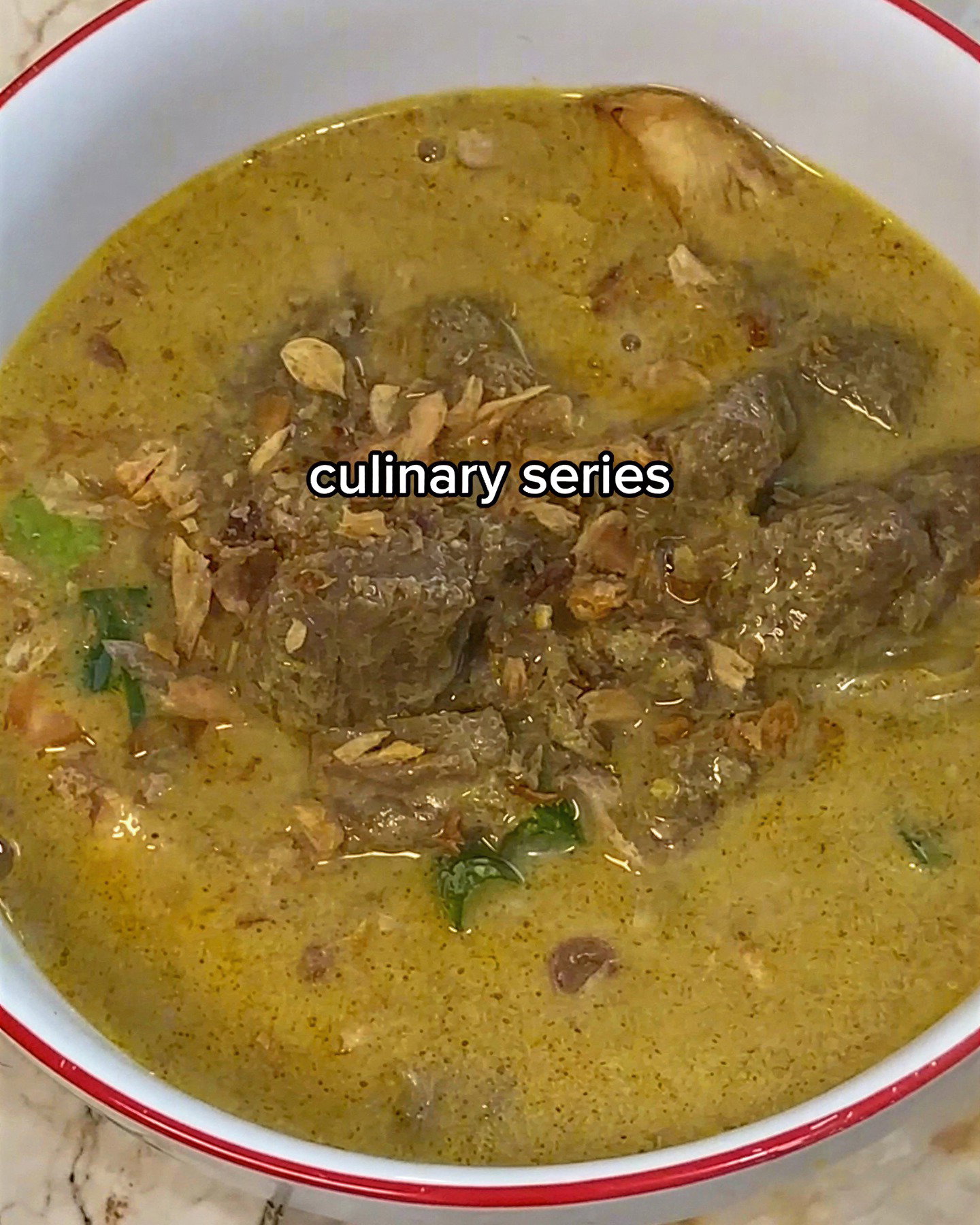
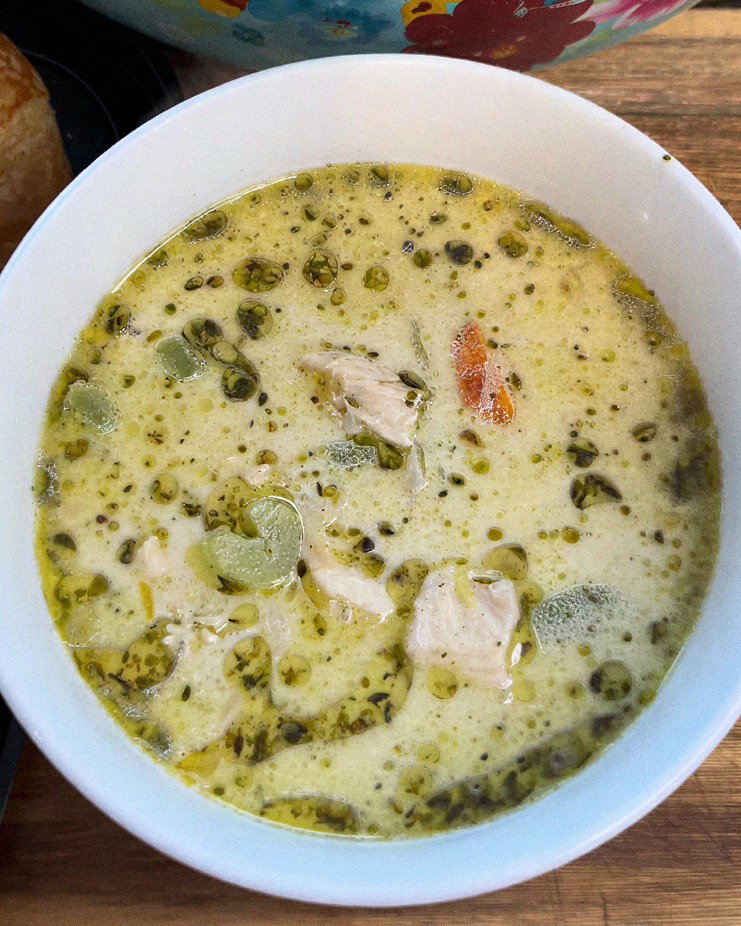
These are the soups that eat like a meal — built on lentils, beans, chicken, meat or fish, hearty enough to be dinner with nothing more than bread alongside. The principle is to layer flavour and let time do the work: brown the meat or saute the aromatics first to build a savoury base, then simmer gently so lentils and pulses turn creamy and tough cuts grow tender. Add quick-cooking proteins like chicken breast or fish near the end so they stay juicy, and slow ones like beef or whole pulses early so they soften fully. Salt pulses toward the end of cooking, since salting too early can keep them firm. A parmesan rind, a ham bone or a splash of soy deepens the savoury backbone, and a final hit of acid — lemon or vinegar — lifts the whole pot. The common mistake is rushing; a hearty soup rewards a long, low simmer, and most taste even better the next day once the flavours have settled and married. Standouts here include Soto Betawi - Creamy Aromatic Beef Soup and Post-Holiday Ham Glow-Up Soup, plus Mood Booster Soup with Red Lentils & Mozzarella Toastie.

- Non-Vegetarian
- Soup


- Non-Vegetarian
- Soup

- Vegetarian
- Soup

- Pescatarian
- Soup

- American
- Non-Vegetarian
- Dinner
Tomato Soups
Tomato soup is pure comfort, and a great one tastes of deeply cooked tomatoes rather than a thin, sharp puree. The secret is to concentrate flavour before you add liquid: roast the tomatoes (and a few aromatics like garlic and onion) until they char and caramelize at the edges, or cook them down hard in the pot until they turn jammy and the raw, tinny edge cooks off. A pinch of sugar balances the natural acidity, especially with tinned tomatoes, and a little stock loosens it to the texture you want. Blend for a smooth, restaurant-style bowl, or leave it rustic and chunky. Richness is a choice: a swirl of cream, a knob of butter, or a handful of blended cashews or bread all round it out, the latter two without any dairy if you prefer. Finish with fresh basil and black pepper, and of course a grilled cheese on the side. The frequent error is under-cooking the tomatoes, which leaves the soup tasting sharp and unfinished. Standouts here include Roasted Tomato Soup with Green Herb Oil and Burrata and Honey Nut Squash and Brie Tomato Soup, plus Roasted Tomato Soup + Melty Comté Grilled Cheese.

- Vegetarian
- Soup

- Vegetarian
- Soup

- Vegetarian
- Soup

- Vegetarian
- Soup
Creamy & Blended Soups
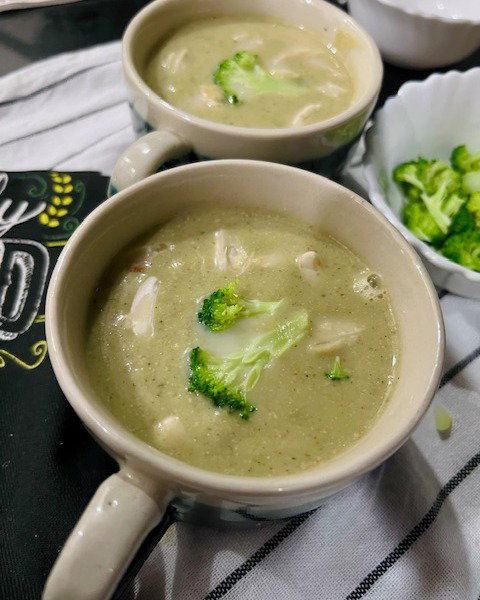
Blended vegetable soups are the easiest route to a silky, elegant bowl, turning humble vegetables — pumpkin, butternut, cauliflower, broccoli, potato, peas — into something far greater than the sum of their parts. The method is forgiving: sweat aromatics, add the chopped vegetable and just enough stock to cover, simmer until everything is truly soft, then blend until completely smooth. The two details that lift these from fine to excellent are roasting the vegetables first for a deeper, sweeter flavour, and not drowning them — too much liquid gives a thin, watery soup, and you can always loosen a thick one at the end. Cream is optional; many are luscious from the starch of the vegetable alone, and a splash of coconut milk or a handful of cashews blends in richness without dairy. Season assertively, since blended soups can taste flat, and finish with contrast: a swirl of cream, toasted seeds, croutons or a drizzle of good oil for texture against the velvet. Standouts here include Pumpkin & Butternut Soup and Cream of White Pumpkin Soup | Weight Loss Soup, plus Easy Pea Soup Recipe.

- Non-Vegetarian
- Soup


- Asian
- Vegetarian
- Soup

- Vegetarian
- Soup

- Vegetarian
- Soup

- Vegetarian
- Soup
Vegetable & Clear Soups
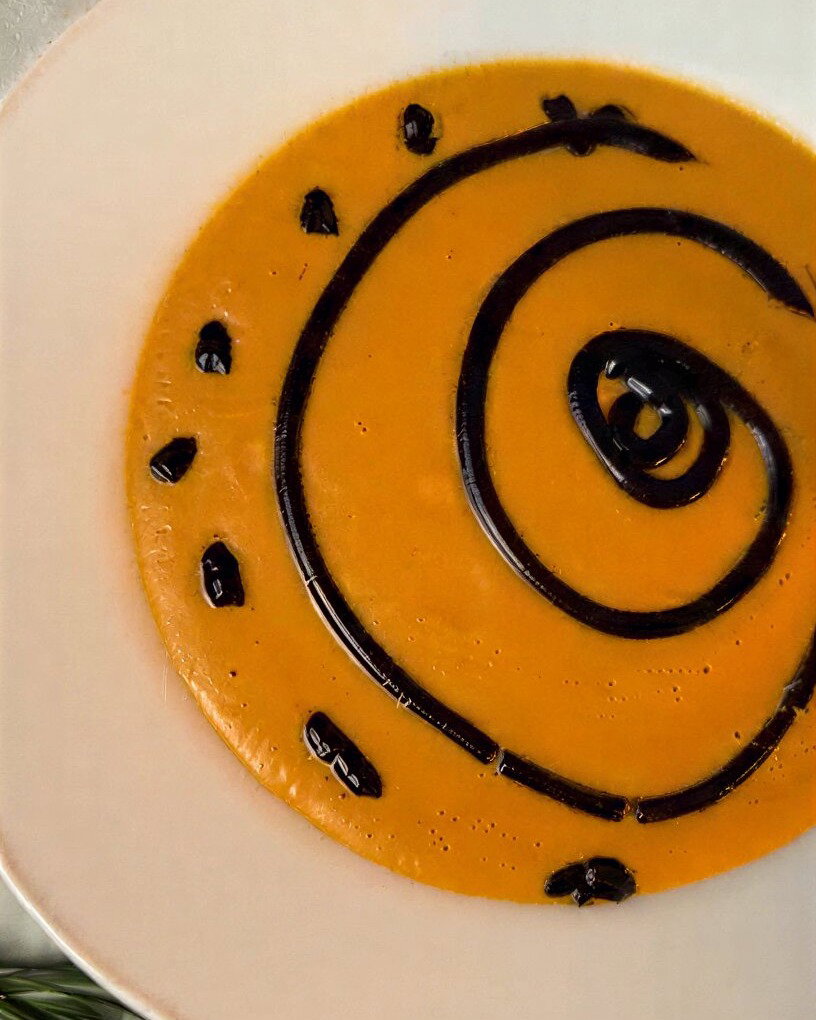
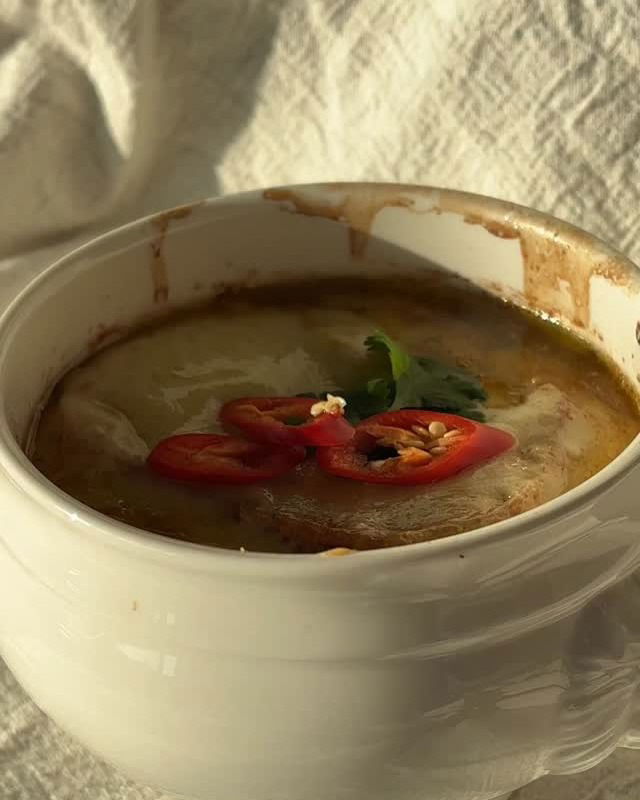
Clear and brothy vegetable soups are the lightest, most restorative end of the spectrum — minestrone, vegetable soup, French onion, pea and the like — where the broth stays loose and the vegetables keep their shape and bite. Here the stock genuinely matters, since there is nowhere to hide; a good homemade or quality stock is the backbone, and aromatics build depth on top. Add vegetables in order of how long they take so each is just tender rather than collapsed, and keep the simmer gentle so the broth stays clear rather than cloudy. French onion is the patient exception, where the whole point is onions cooked down slowly to deep, sweet brown before the stock goes in. Season in layers and brighten at the end with herbs or a squeeze of lemon. These soups are light but should never taste thin or bland; the fix for a watery bowl is almost always more seasoning and a better, more deeply flavoured broth rather than more ingredients. Standouts here include French Onion Soup and Roasted Vegetable Soup with Feta, plus Fusion French Onion Soup.

- Non-Vegetarian
- Soup
- Vegetarian
- Soup

- French
- Pescatarian
- Dinner
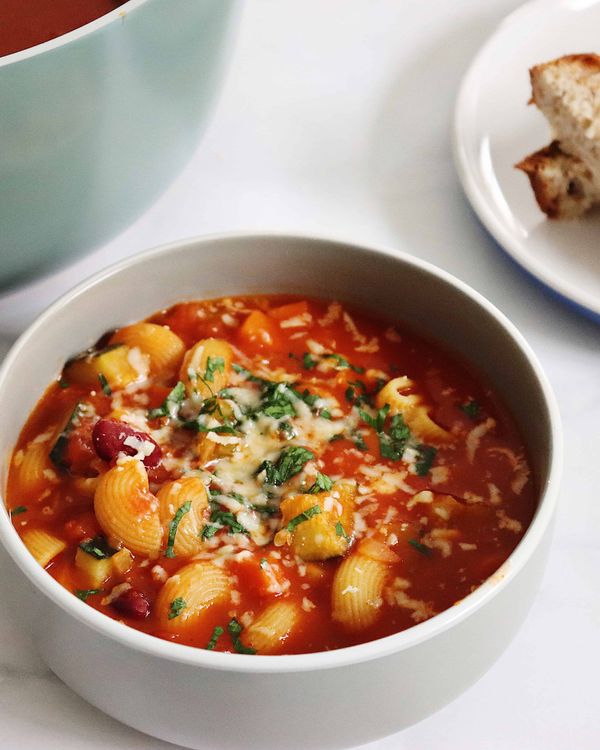
- Italian
- Pescatarian
- Lunch
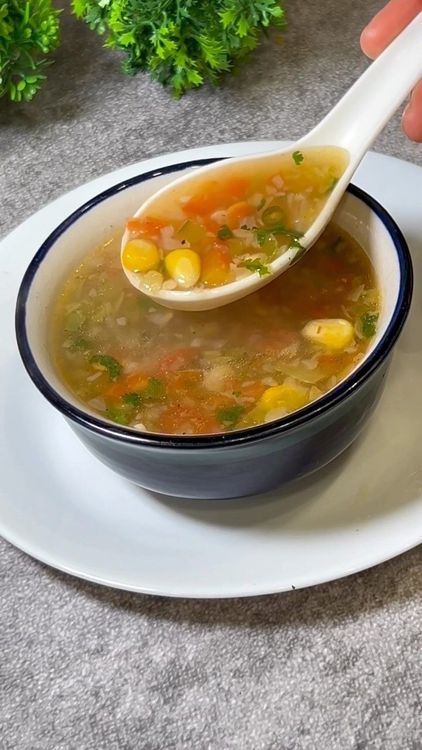

- Indian
- Vegetarian
- Lunch
More Soup Favourites
Beyond the main families, soup spans every cuisine and mood, and this group gathers the ones that do not slot neatly into a category — regional specialities, chowders, fusion bowls and clever one-offs. They all rest on the same fundamentals that make any soup good: a flavourful base built from properly cooked aromatics and a real stock, ingredients added in the right order so each is cooked just right, and careful seasoning balanced with a final hit of acid or fresh herbs. Choosing your next pot is mostly about time and what you are craving: a quick blended bowl on a weeknight, a long-simmered hearty one for the weekend, a bright Asian broth when you want something restorative. Almost all soups keep well and many improve overnight, so they are ideal for batch-cooking — make a big pot, and lunch is sorted for days. Build a few reliable favourites, then branch out one bowl at a time. Standouts here include Moroccan soup, often called Harira, is a hearty and flavorful dish and Groundnut Soup with Goat Meat, plus Turmeric and Carrot Soup.
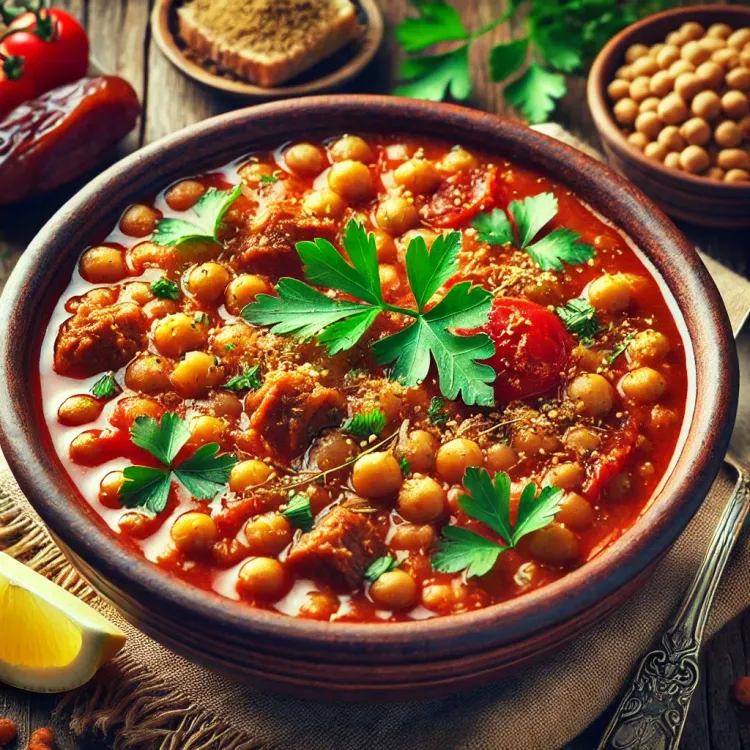
- Moroccan
- Non-Vegetarian
- Breakfast
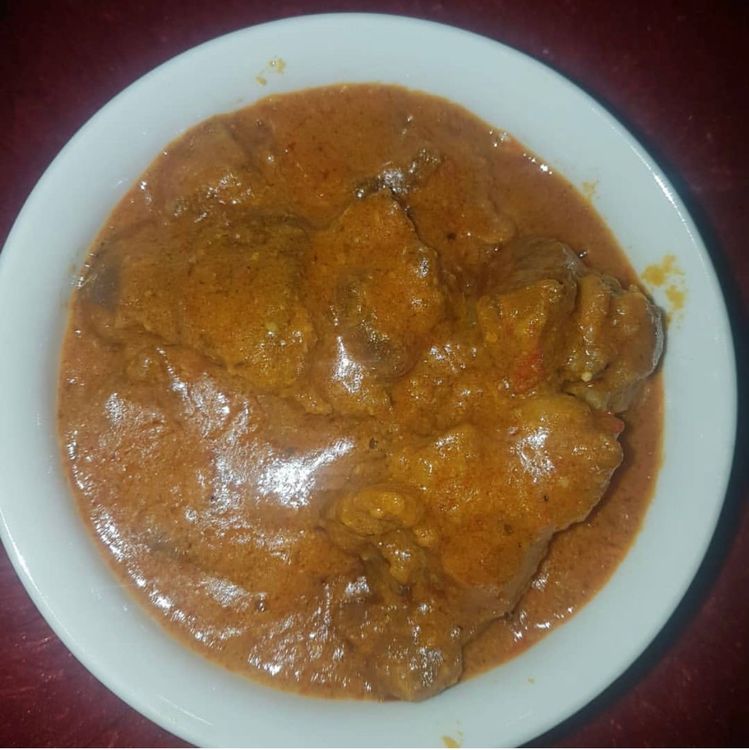
- Nigerian
- Non-Vegetarian
- Lunch


- Comfort Food
- Vegan
- Soup

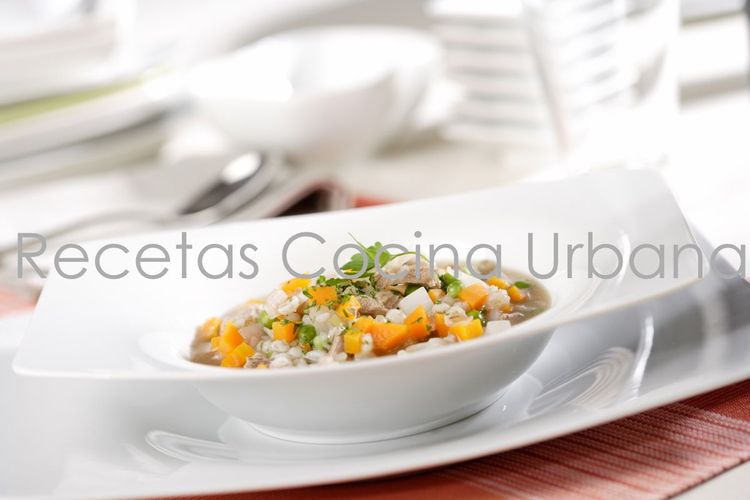
- Spanish
- Non-Vegetarian
- Soup
A Flavourful Base: Aromatics and Stock
Almost every good soup starts the same way: aromatics softened gently in fat. Onion, garlic, celery and carrot (or ginger, lemongrass and chilli for Asian soups) cooked slowly until soft and sweet build the foundation everything else sits on. Do not rush this — browning or sweating the aromatics properly is what gives the finished soup depth instead of a flat, boiled taste.
Stock is the backbone, especially in clear and brothy soups where there is nowhere to hide. A good homemade or quality stock makes an enormous difference; if you only have water or a cube, build flavour elsewhere with a parmesan rind, a splash of soy or miso, dried mushrooms, or a bay leaf and herbs. The goal is a liquid that already tastes of something before the main ingredients go in.
Toast spices and tomato paste in the pot before adding liquid to deepen their flavour, and deglaze any browned bits stuck to the bottom — that fond is pure savoury gold. The few extra minutes spent building the base are the difference between a soup that tastes thrown-together and one that tastes like it simmered all day.
Blended vs Brothy Soups
Decide early which kind of soup you are making, because it changes how you cook. Blended soups (pumpkin, tomato, cauliflower) want the vegetables cooked until completely soft, then pureed smooth — an immersion blender makes this easy, though a jug blender gives the silkiest result. Use just enough stock to cook the vegetables, since you can loosen a thick puree but cannot easily fix a watery one.
Brothy soups (minestrone, noodle soups, chicken soup) want the opposite: a flavourful liquid with ingredients that keep their shape and texture. Add vegetables and proteins in order of cooking time so each is just done, and keep the simmer gentle so the broth stays clear rather than turning cloudy and the ingredients do not overcook into mush.
Body without cream is easy if you want it: blend in some of the starchy vegetables or a handful of cashews or bread, stir in cooked lentils or beans, or simply reduce the soup a little. Cream and coconut milk add richness when you want it, but many of the best soups get their luxurious texture from the ingredients themselves.
Seasoning, Acid and Body
Soup needs more seasoning than you think, because the large volume of liquid dilutes everything. Season in layers as you cook rather than dumping salt in at the end, and taste constantly. A soup that tastes flat is far more often under-seasoned than missing an ingredient, so reach for salt and a savoury boost (soy, miso, fish sauce, parmesan) before assuming the recipe is at fault.
Acid is the most underused finishing touch. A squeeze of lemon or lime, a splash of vinegar, or a dollop of yogurt right at the end lifts a heavy soup and makes all the flavours pop — the same way it does in a curry or a stew. Add it off the heat and taste; the difference between a good bowl and a dull one is often a teaspoon of acid.
For pulses and beans, salt toward the end of cooking, since salting too early can keep them firm. And remember that soups thicken as they cool and sit, so a pot that seems slightly thin while hot is often perfect once served, while one that looks right in the pot may need loosening with stock or water on reheating.
Garnishes, Storing and Freezing
A garnish is not just decoration — it adds the contrast that makes a soup exciting. Against a smooth, blended bowl, something crunchy or fresh transforms it: croutons, toasted seeds, a swirl of cream or good oil, crisp fried onions, fresh herbs or a scatter of chilli. Add these at the table so they stay crisp and bright rather than wilting into the soup.
Soups are some of the best batch-cooking there is, and most improve overnight as the flavours meld. Cool them quickly, refrigerate for three to four days, and reheat gently, loosening with a little stock or water since they thicken as they sit. Add pasta, rice or noodles fresh on reheating where possible, since they turn bloated and mushy if stored in the liquid.
Most soups freeze well for up to three months, which makes a big pot a gift to your future self. The exceptions are cream- and dairy-heavy soups, which can split when frozen and thawed — freeze those before adding the cream, then stir it in fresh when you reheat. Leave headroom in containers, since liquid expands as it freezes.
Pro Tips from the Test Kitchen
- Build the base: cook aromatics down properly before adding liquid — soup hides nothing.
- Use good stock, or boost water with a parmesan rind, miso, soy or dried mushrooms.
- Season in layers and taste often; a flat soup is usually just under-salted.
- Finish with acid — lemon, lime or vinegar — to make all the flavours pop.
- For blended soups, use just enough stock; you can loosen thick but not fix watery.
- Roast vegetables before blending for a deeper, sweeter soup.
- Add delicate ingredients (tofu, greens, egg, noodles) late so they do not turn to mush.
- Salt lentils and beans toward the end, or they can stay firm.
- Add garnishes at the table so they stay crunchy and bright.
- Freeze cream soups before adding the cream, then stir it in fresh on reheating.
Frequently Asked Questions
How do you make soup taste better / more flavorful?
Start with a proper base — aromatics cooked down well and a good stock — and season in layers as you go rather than only at the end. If it still tastes flat, it is almost always under-salted or missing a savoury boost (soy, miso, parmesan, a ham bone) or acid. A squeeze of lemon or a splash of vinegar at the finish lifts everything. Toasting spices and tomato paste and deglazing browned bits also add real depth.
How do you thicken soup?
Several ways without cream: blend some or all of the soup, especially starchy vegetables like potato; stir in cooked lentils, beans or rice; or simply simmer to reduce it. A slurry of cornflour or a roux thickens quickly, and a handful of blended cashews or a slice of bread adds body. Cream and coconut milk add richness, but many soups are perfectly thick from their own ingredients.
Can you freeze soup?
Most soups freeze very well for up to about three months, which makes them ideal for batch-cooking. The main exceptions are cream- and dairy-based soups, which can separate when frozen and thawed — freeze those before adding the cream and stir it in fresh on reheating. Cool soup quickly, leave headroom in the container since liquid expands, and thaw in the fridge or gently on the stove.
How long does soup last in the fridge?
Most soups keep three to four days in the fridge, well cooled and covered. Many actually taste better the next day once the flavours have melded. Reheat gently and loosen with a little stock or water, since soup thickens as it sits. If a soup contains pasta, rice or noodles, they keep absorbing liquid and going mushy, so it is best to add those fresh when you reheat.
Is it better to blend soup hot or cold?
You can blend either, but be careful with hot soup: in a jug blender, hot liquid builds steam pressure and can blow the lid off, so fill it no more than halfway, hold the lid with a towel, and vent it. An immersion (stick) blender is safer and easier for hot soup since you blend right in the pot. Let very hot soup cool a few minutes before using a jug blender.
What can I use instead of stock in soup?
Water plus flavour-builders works well: a parmesan rind, a splash of soy or miso, dried mushrooms, a bay leaf and herbs, or a spoon of tomato paste all add savoury depth. Bouillon cubes or paste are a quick stand-in. Because the base carries the soup, lean harder on aromatics, seasoning and a final hit of acid when you do not have a good stock on hand.
How do you keep vegetables from getting mushy in soup?
Add them in order of how long they take to cook — hardy ones like carrots and potatoes early, tender ones like peas, greens and zucchini near the end — and keep the simmer gentle rather than at a hard boil. For brothy soups especially, you want the vegetables just tender with some bite. If you are reheating, the vegetables soften further, so slightly undercook them the first time.
What is the secret to a good tomato soup?
Deeply cooked tomatoes. Roast them with garlic and onion until they char and caramelize, or cook them down hard in the pot until jammy, so the raw, tinny edge disappears and the natural sweetness comes out. Balance the acidity with a pinch of sugar, loosen with stock, and add body with cream, butter, or blended cashews or bread. Under-cooked tomatoes are the usual reason a tomato soup tastes sharp and thin.
How do you make creamy soup without cream?
Let the vegetables do the work: blend starchy ones like potato, cauliflower or squash until silky and they create their own creamy body. A handful of cashews, a slice of bread, or some cooked white beans blended in adds richness, and coconut milk gives a dairy-free creaminess with character. Roasting the vegetables first deepens the flavour so you do not miss the cream at all.
Can soup be a full meal?
Absolutely — the hearty soups here, built on lentils, beans, chicken or meat, are filling enough to be dinner with just bread alongside. To make any soup more of a meal, add a protein (beans, lentils, chicken, tofu), a starch (rice, pasta, potatoes), and serve it with crusty bread or a grilled cheese. A blended vegetable soup becomes a meal with a protein-rich garnish and a good hunk of bread.
The thread through every soup recipe here is the same: build a real base, choose blended or brothy and cook accordingly, season in layers, and finish with acid and a contrasting garnish. Master those and creamy purees, deep tomato, bright Asian bowls and hearty lentil and chicken soups all come out tasting like they simmered all day.
Pick a few to cook this week — a silky blended bowl, a hearty lentil pot and a quick Asian broth — and save your favourites to a Chefadora cookbook. Then work through the rest; this page is built to be the soup reference you keep coming back to.
Related
- Soup
- Comfort food
- Vegetarian
- Healthy
- One pot
- Winter
- Lunch
Popular Searches
- Best soup recipes
- Easy soup recipes
- Quick soup recipes
- Healthy soup recipes
- Simple soup recipes
- Homemade soup recipes
- Delicious soup recipes
- Popular soup recipes
- soup dishes
- vegetable soup
Marnirni-apinthi Building, Lot Fourteen,
North Terrace, Adelaide, South Australia, 5000
Australia
