
100 Winter Recipes to Cook All Season, From Sarson Da Saag to Gajar Halwa
Updated July 16, 2026 · Curated by Chefadora
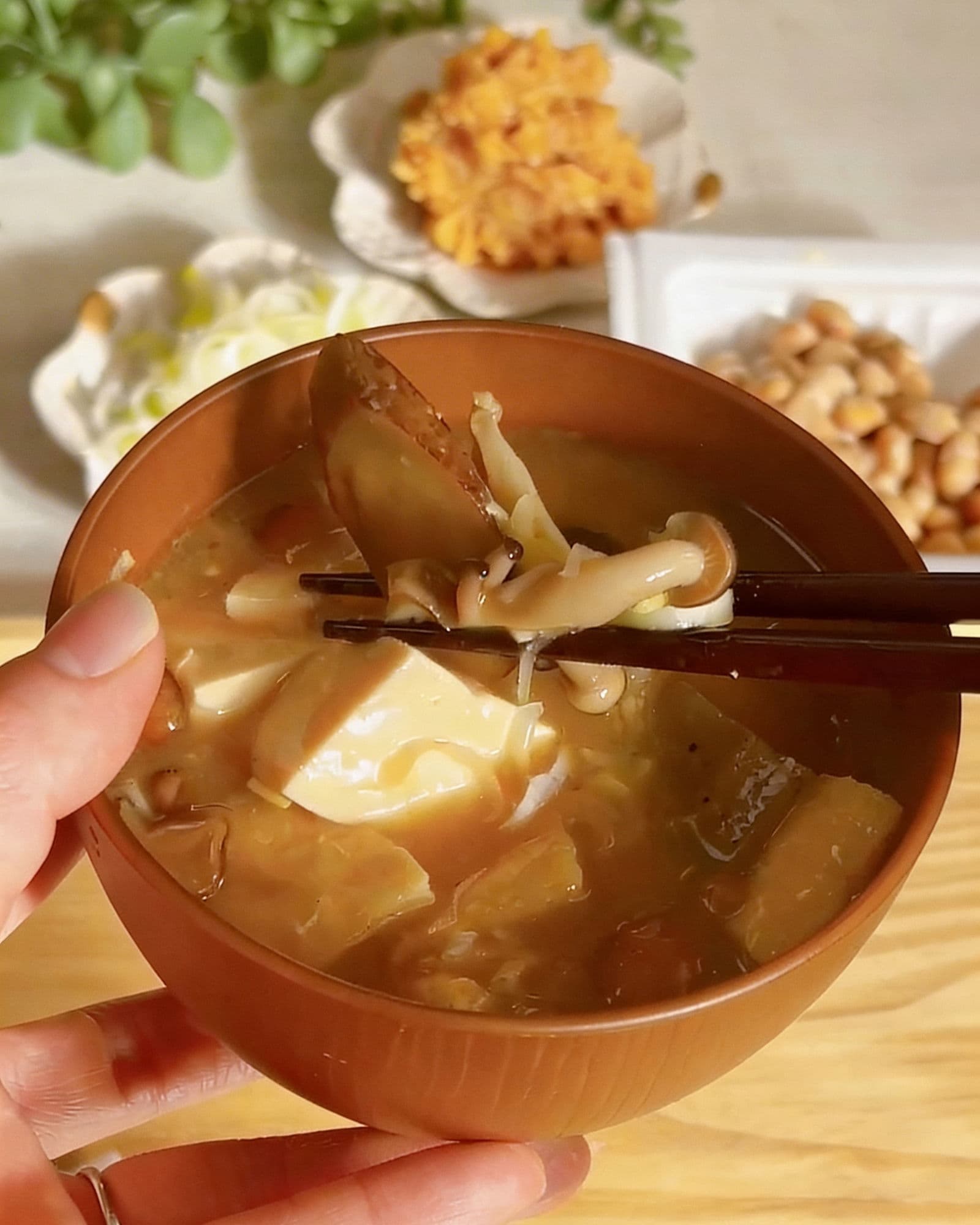
Somewhere in late November the light goes soft, the mornings turn sharp, and my cooking changes without my deciding anything. Ghee stops seizing in the jar. The sabziwala's cart fills with red carrots, methi, mooli and mustard greens that cost almost nothing. These 100 winter recipes are what I actually cook once that shift happens: sarson da saag under makki ki roti, gajar halwa stirred down for an hour, gond ke laddu rolled on a Sunday, a kadha for the cough that always arrives.
Most come from Punjab, Gujarat, Maharashtra and Bihar, then wander further out: Croatian strukli, Spanish callos, a French stew, a Cantonese melon broth. Some are twenty-minute weeknight food. Others are the slow, forgiving sort of cold weather recipes you start at four and eat at eight.
Everything is sorted into six sections so you can find what you need, and every single dish has a note from me on what it tastes like and when it is worth making.
Warming Winter Recipes: Soups and Shorbas for the Cold Months
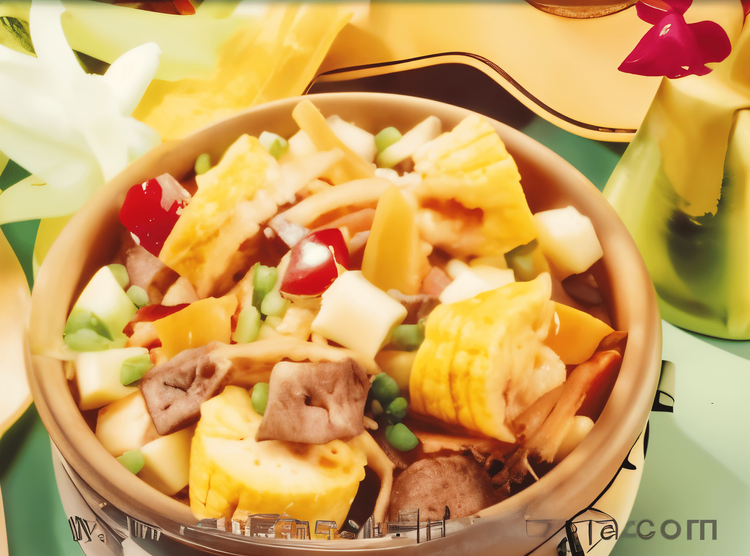
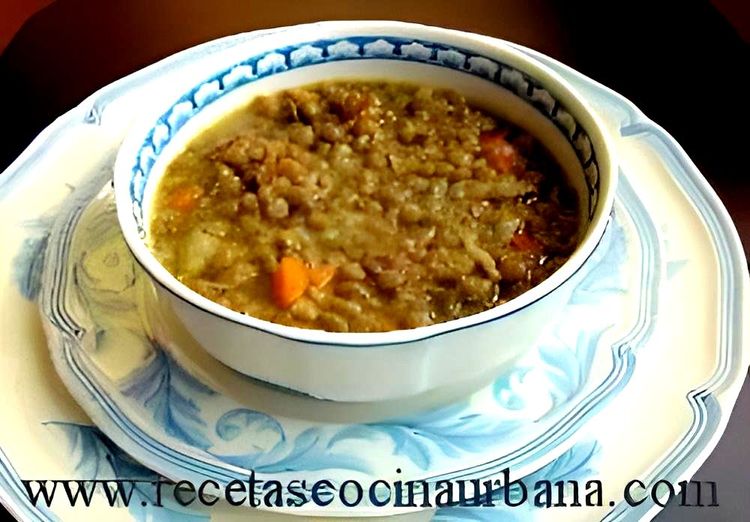
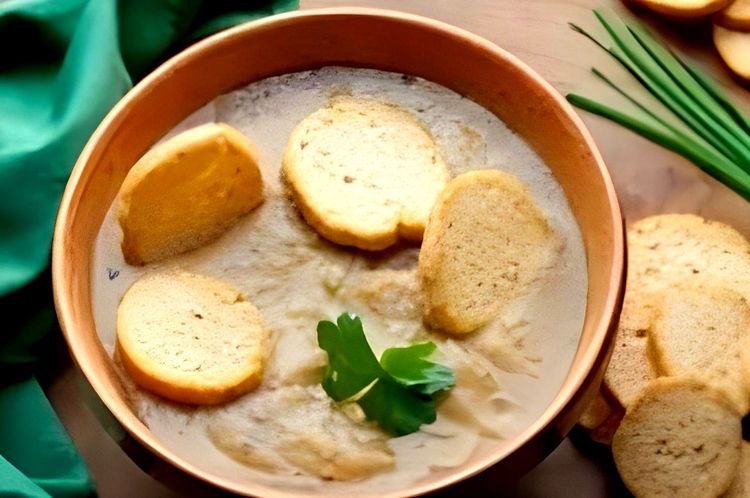
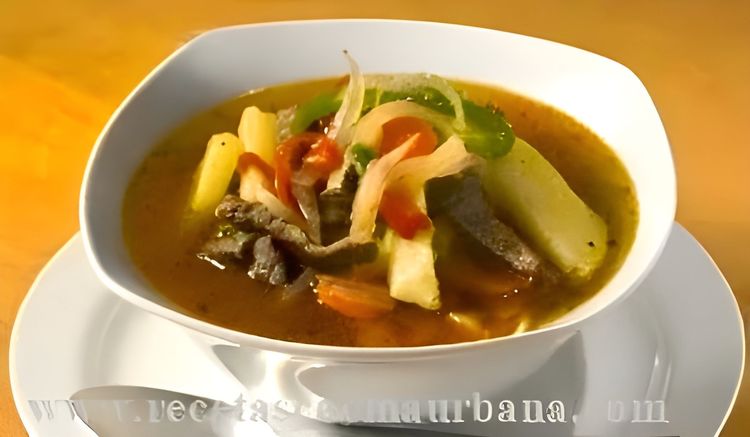
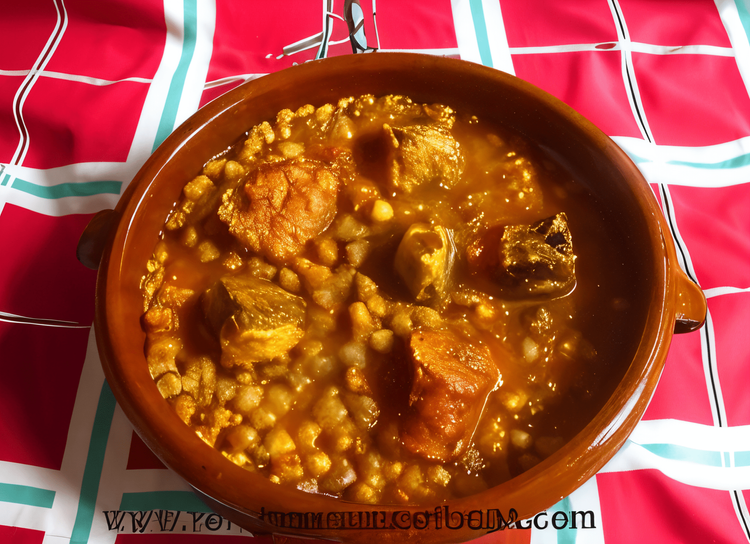
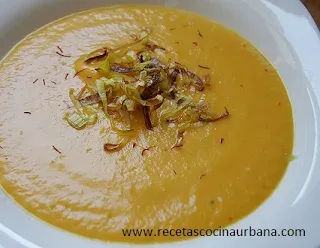
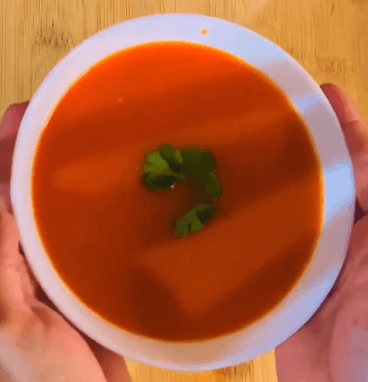
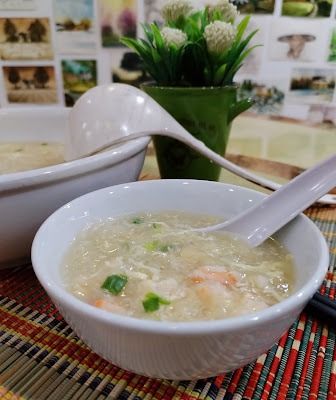
A soup earns its place once the temperature drops by being thick enough to count as dinner. Butter garlic and tomato lean sweet and consoling; the lentil pots from Asturias and Lebanon are full meals with bread. Salt in stages, because soup tastes flat when you dump it all in at the start. Finish every bowl with something sharp: lemon, a crack of pepper, coriander. Fat carries heat, so a spoon of ghee at the end makes the bowl feel warmer. This is winter comfort food at its least fussy.

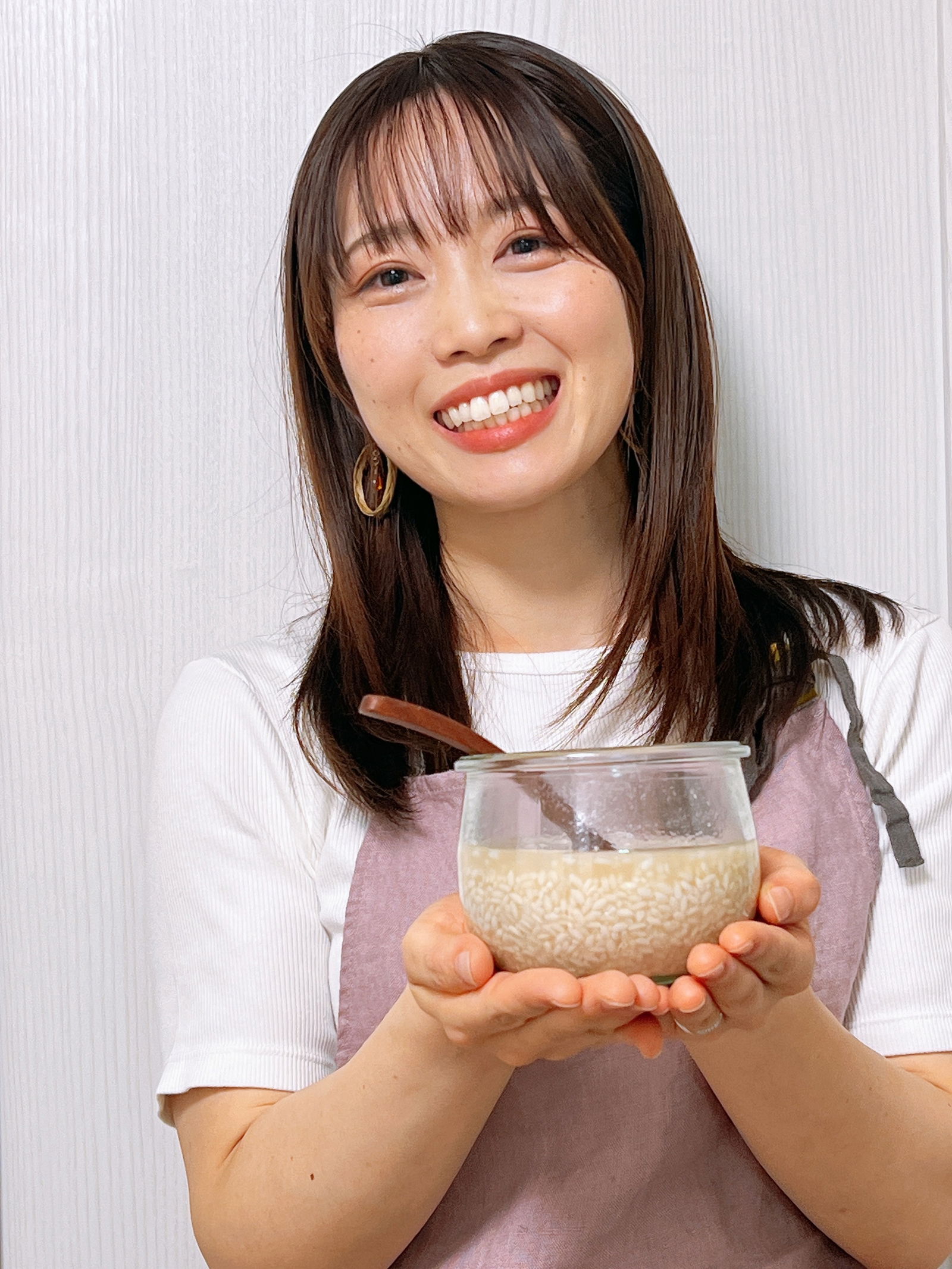
- Japanese
- Pescatarian
- Dinner
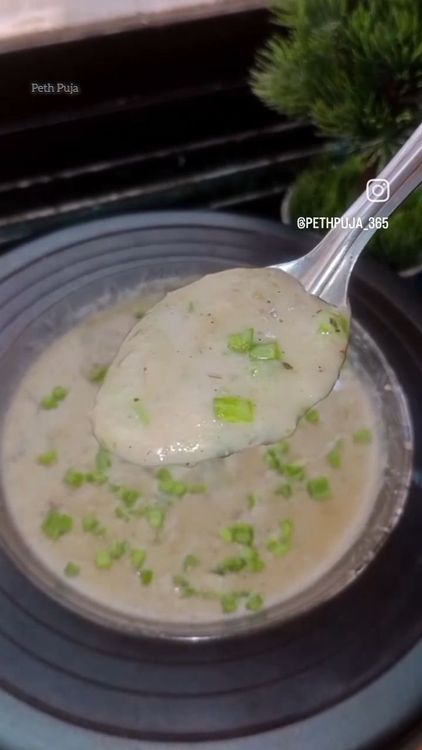

- Mexican
- Vegetarian
- Dinner


- Indian
- Vegetarian
- Lunch

- Fusion
- Vegan
- Lunch
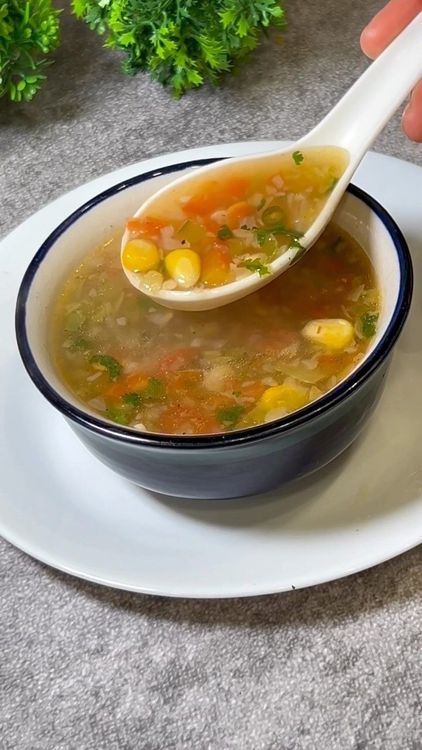
- Indian
- Vegetarian
- Lunch
- International
- Non-Vegetarian
- Lunch
- International
- Non-Vegetarian
- Lunch
- International
- Non-Vegetarian
- Lunch
- Chilean
- Non-Vegetarian
- Lunch
- Spanish
- Non-Vegetarian
- Lunch
- Spanish
- Non-Vegetarian
- Appetiser
- Vegetarian
- Vegan
- Dinner
- Chinese
- Non-Vegetarian
- Dinner
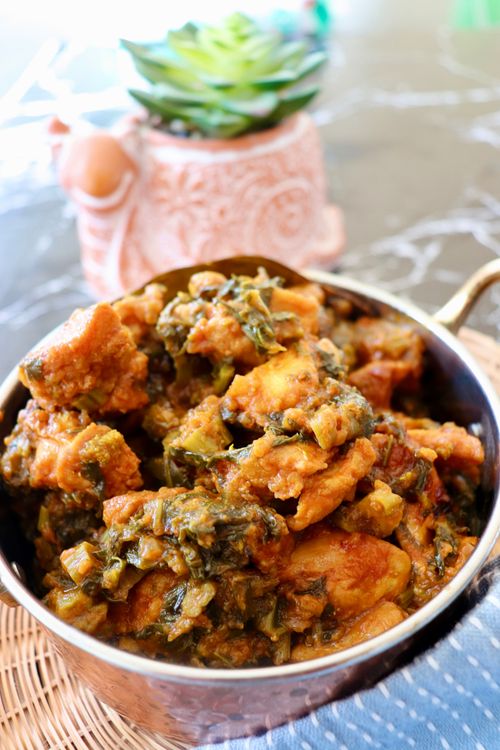
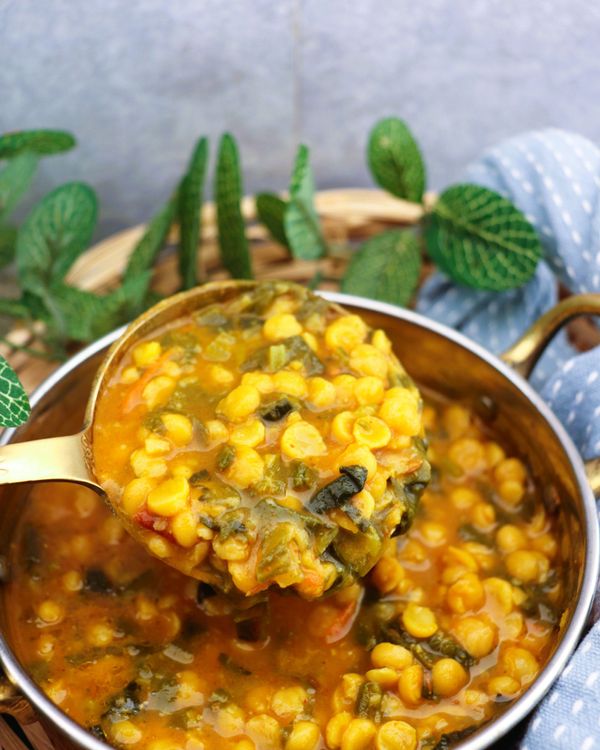
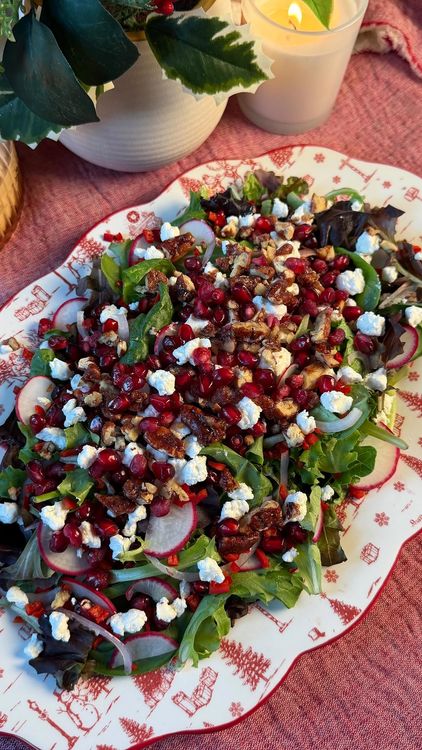
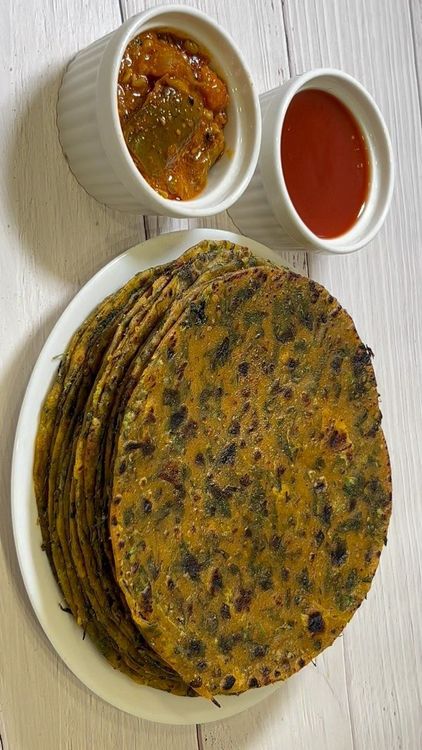
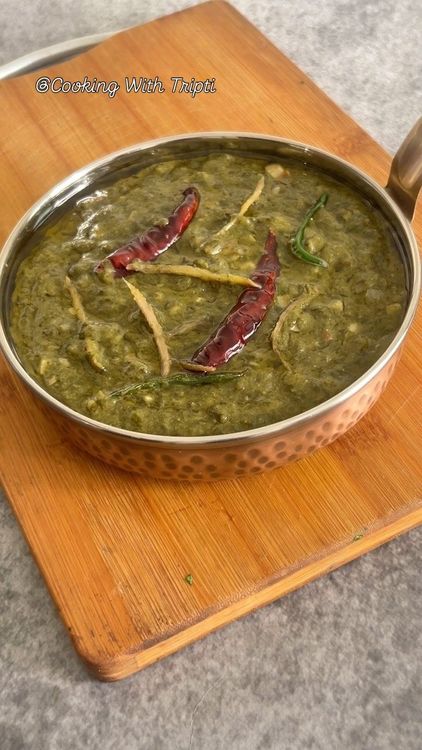
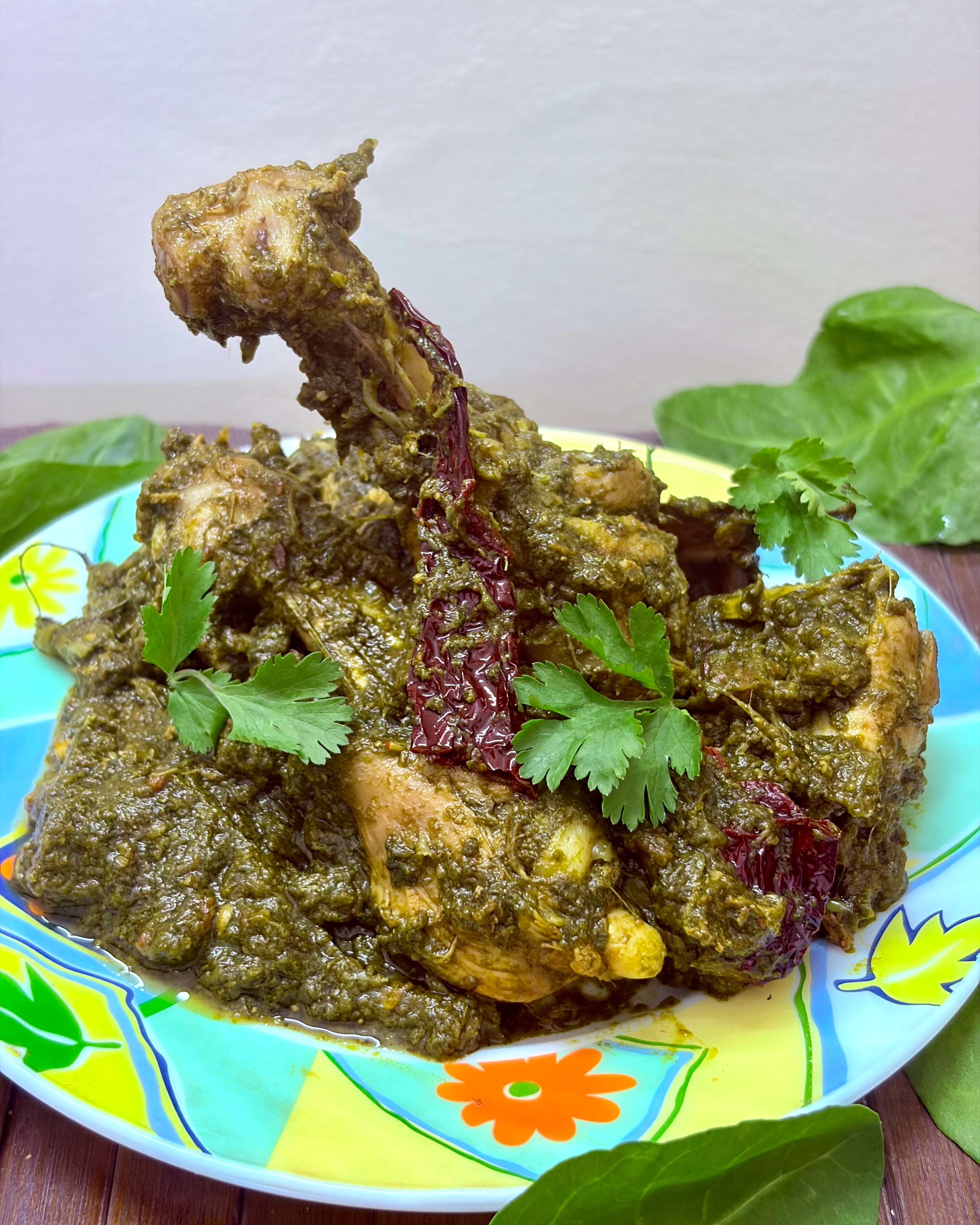
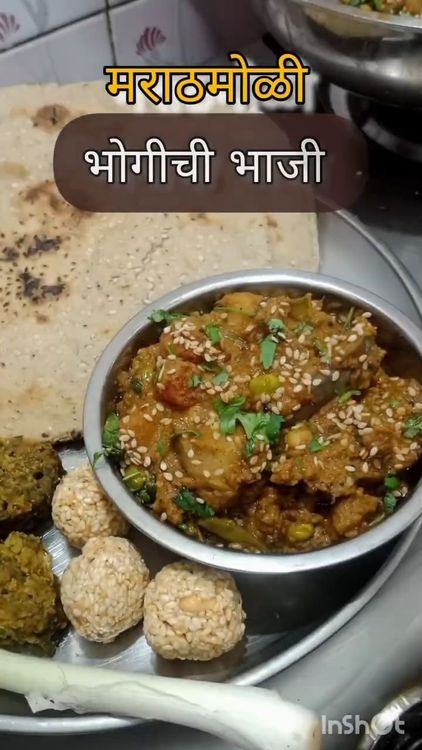
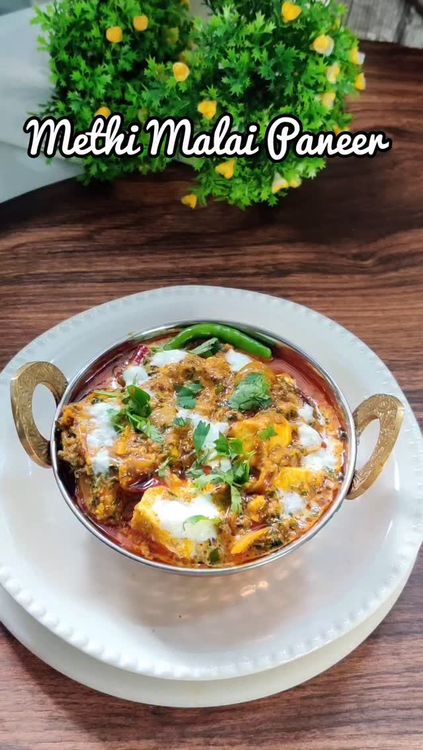
Sarson, Palak and Greens at Their Absolute Peak
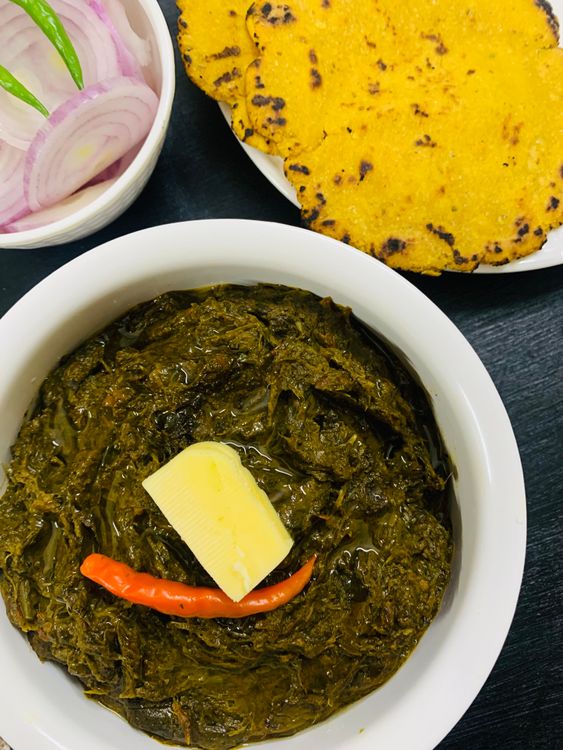
Mustard greens, methi, palak, bathua and mooli leaves are only this good for about ten weeks a year. Buy them muddy and stiff, never limp and pre-washed. Sarson ka saag wants a long, low pressure-cook and then a patient mash with a wooden ghotni; a blender turns it into baby food. Methi needs salting and squeezing to pull the bitterness out before it meets dough. And greens drink fat, so be braver with the ghee than feels sensible. No other winter food repays good sourcing this directly.

- Vegetarian
- Lunch

- Indian
- Non-Vegetarian
- Lunch

- Indian
- Vegetarian
- Breakfast
- Indian
- Vegetarian
- Lunch

- American
- Vegetarian
- Side Dish
- Indian
- Vegetarian
- Breakfast
- Indian
- Vegetarian
- Lunch
- Indian
- Non-Vegetarian
- Dinner
- Indian
- Vegan
- Lunch

- Indian
- Vegetarian
- Dinner
- Indian
- Vegetarian
- Lunch
- Mediterranean
- Vegan
- Appetiser

- American
- Vegetarian
- Side Dish
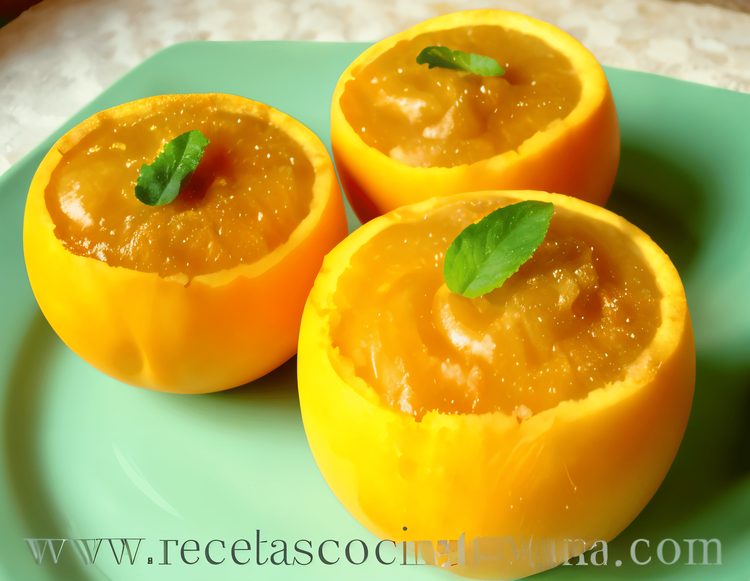
Gajar Halwa and the Sweets of the Season
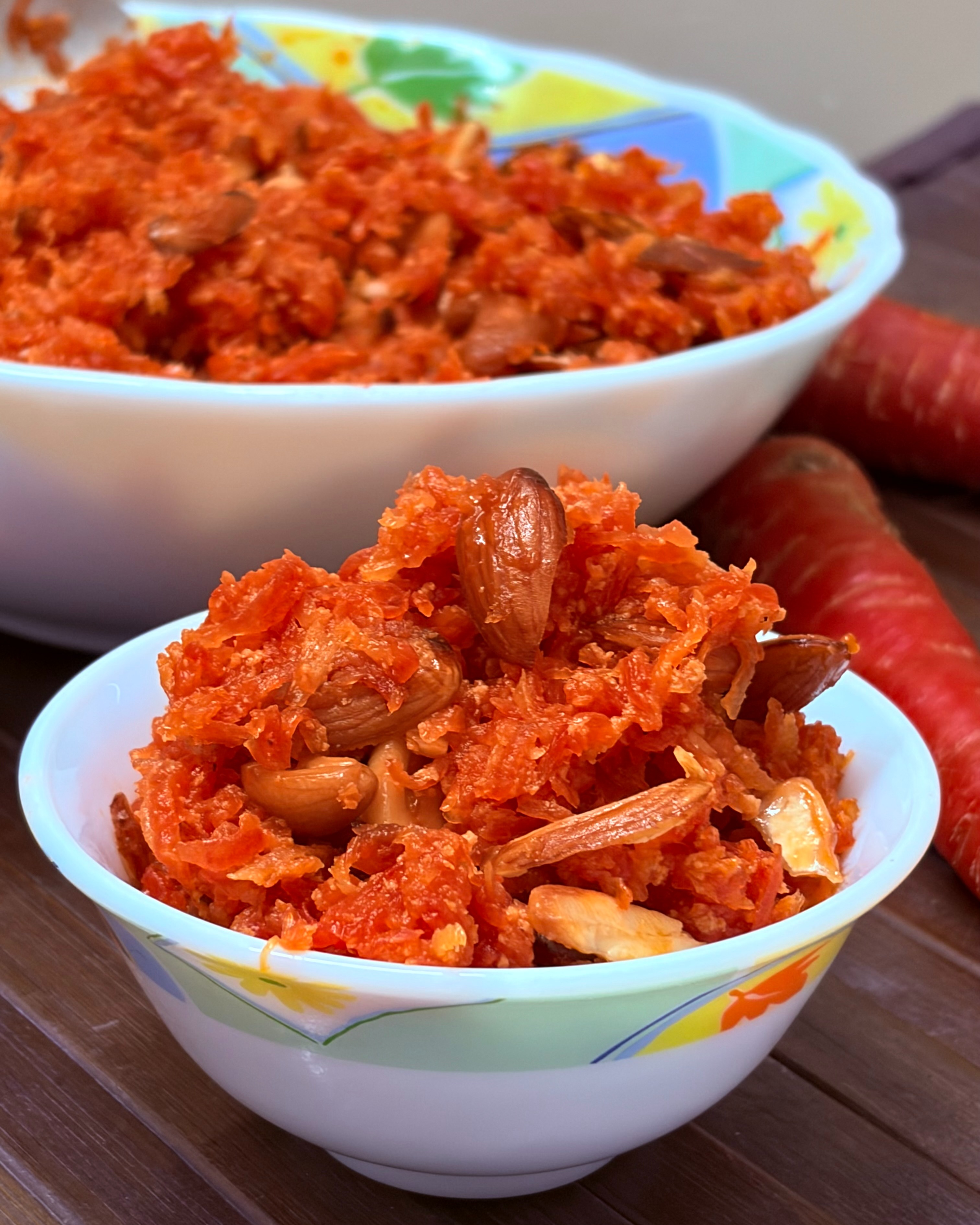
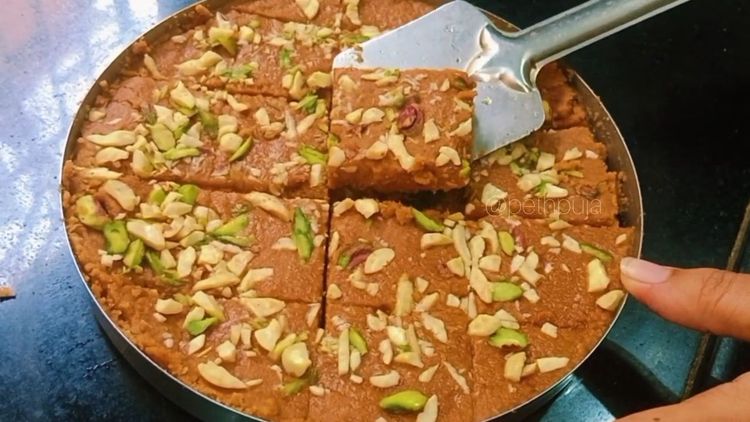
Red Delhi carrots turn up for roughly six weeks and gajar halwa is the entire reason to care about them. Grate by hand if you possibly can, because a processor bruises the shreds and the halwa weeps later. Cook the milk down before the sugar goes in, or the carrots simply stop softening. Beyond halwa sit the bakes people make when a hot oven is a gift rather than a punishment: a Linzer torte, a plum cake with no sugar or maida, a souffle eaten standing up. Sweet endings are what heavy winter meals are built towards.
- Indian
- Vegetarian
- Dessert
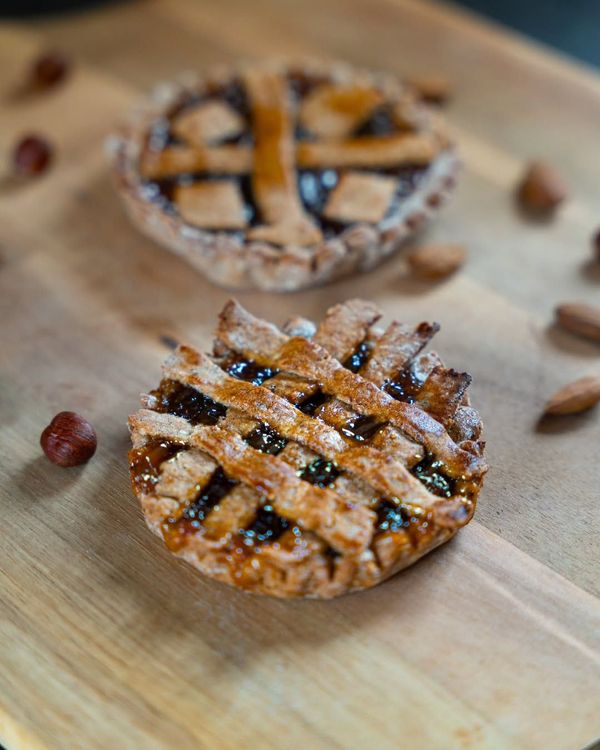
- Austrian
- Vegan
- Dessert

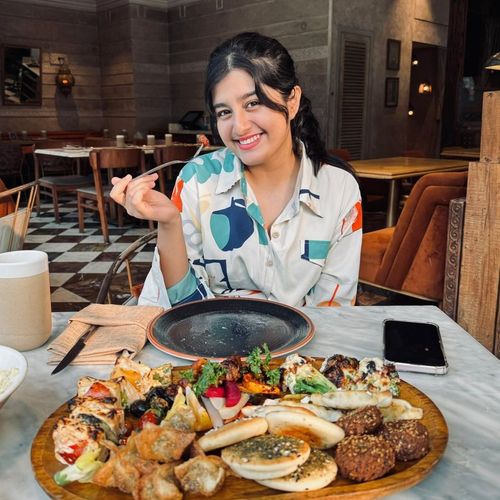
- Fusion
- Vegetarian
- Dessert
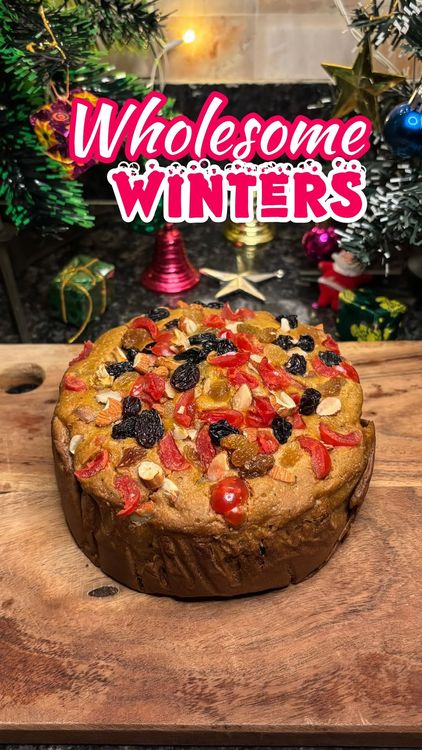
- Indian
- Vegetarian
- Dessert


- Vegetarian
- Breakfast
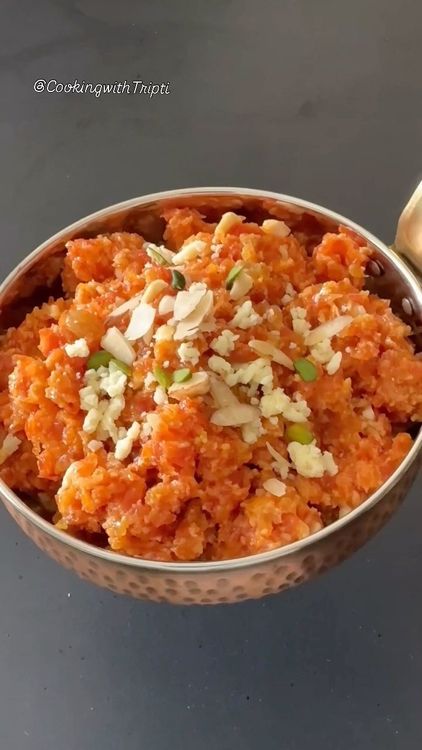
- Indian
- Vegetarian
- Dessert
- Maharashtrian
- Vegetarian
- Dessert

- Punjabi
- Vegetarian
- Dessert
- International
- Vegan
- Dessert
- Irish
- Eggetarian
- Snack
- International
- Eggetarian
- Breakfast

- French
- Eggetarian
- Dessert
- International
- Vegetarian
- Dessert
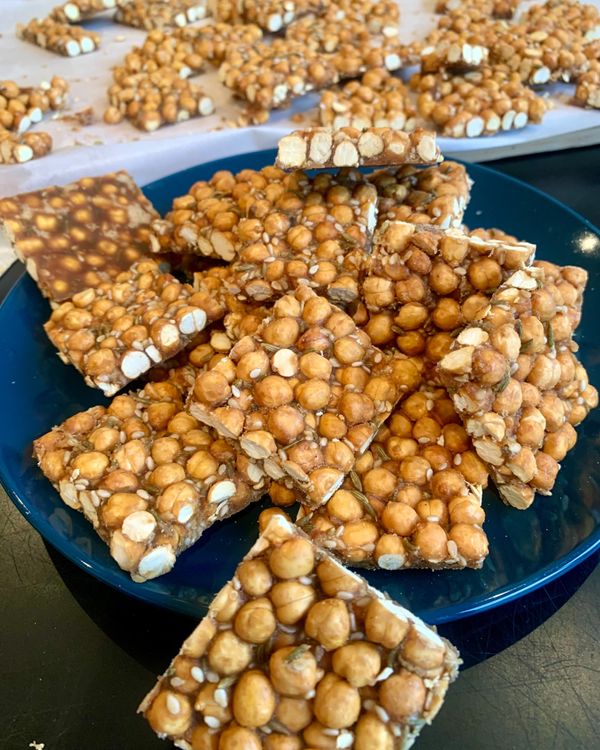
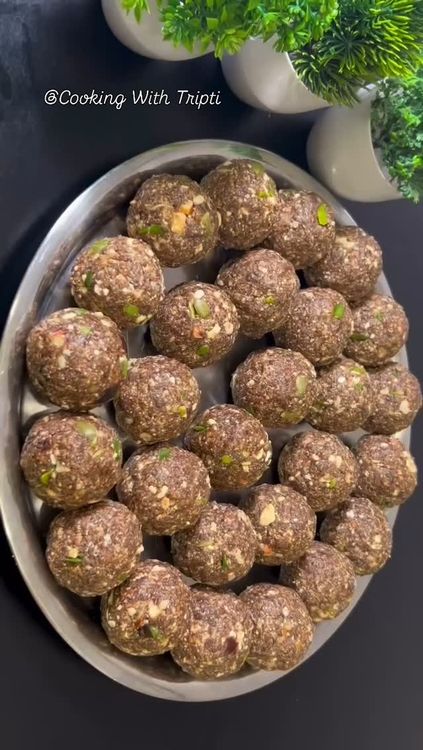
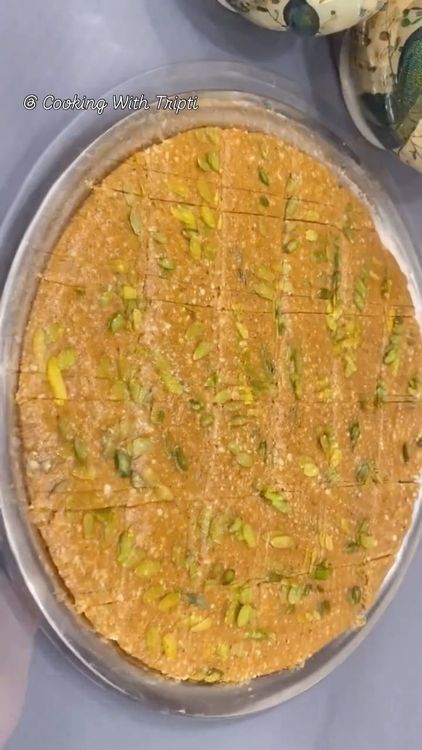
Gond, Panjiri and Laddoos That Carry You Through
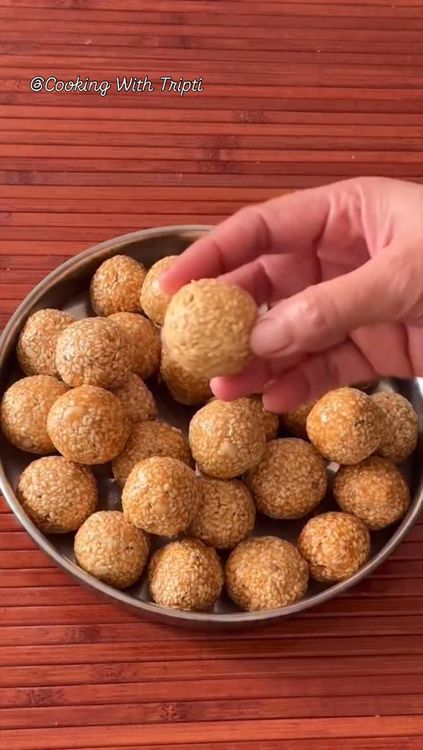
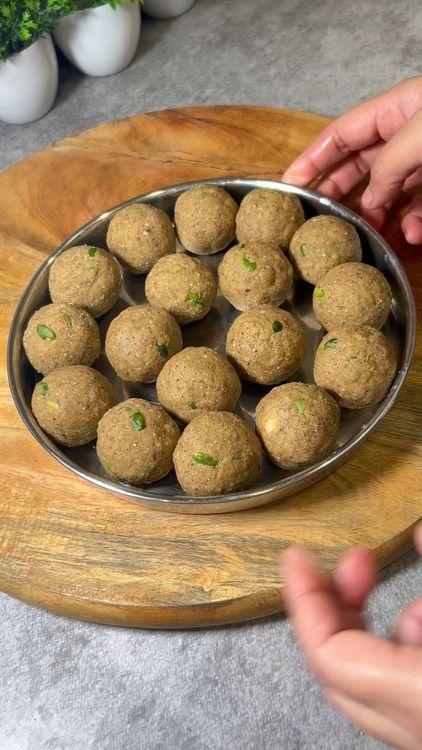
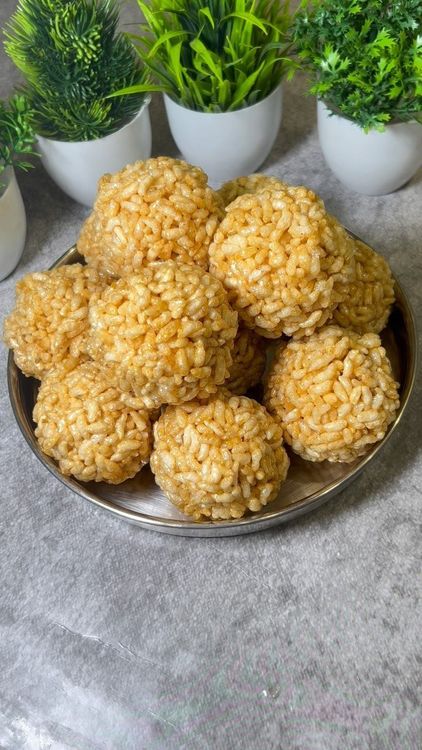
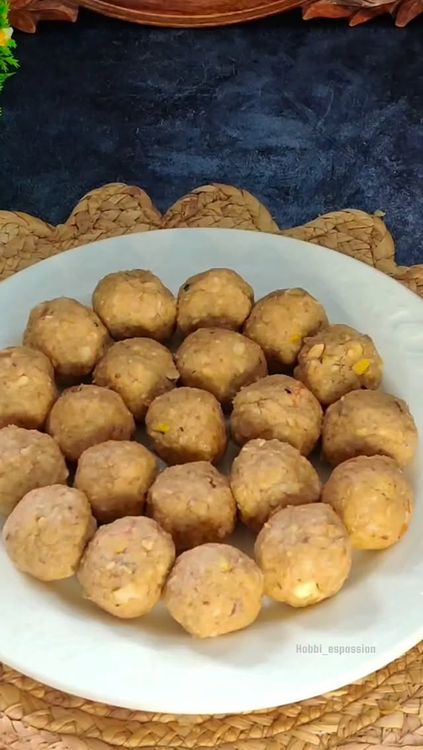
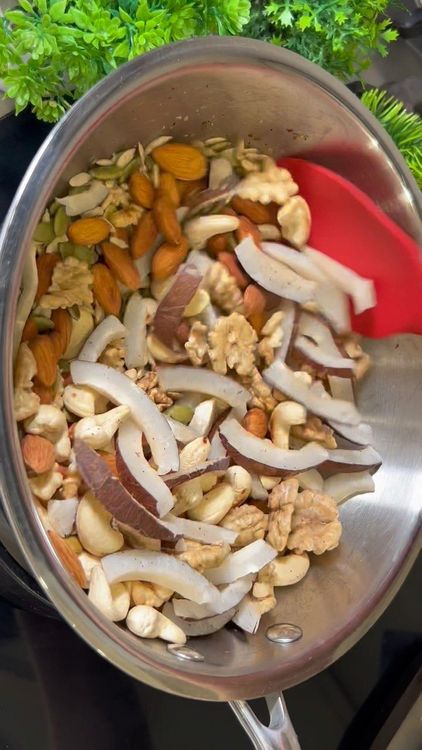
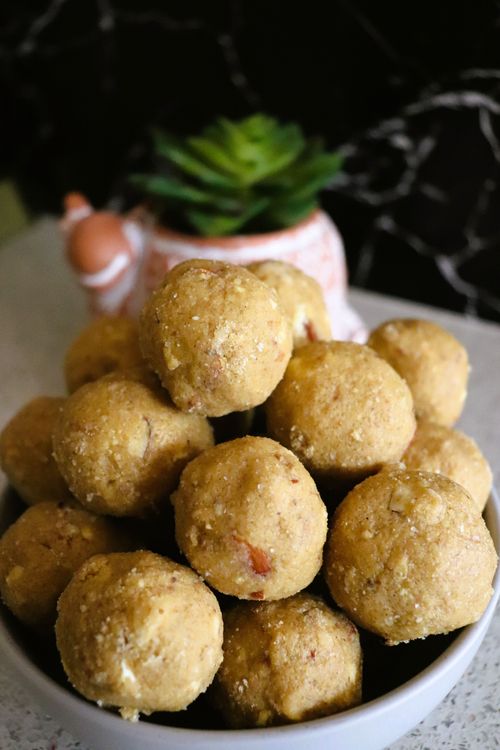
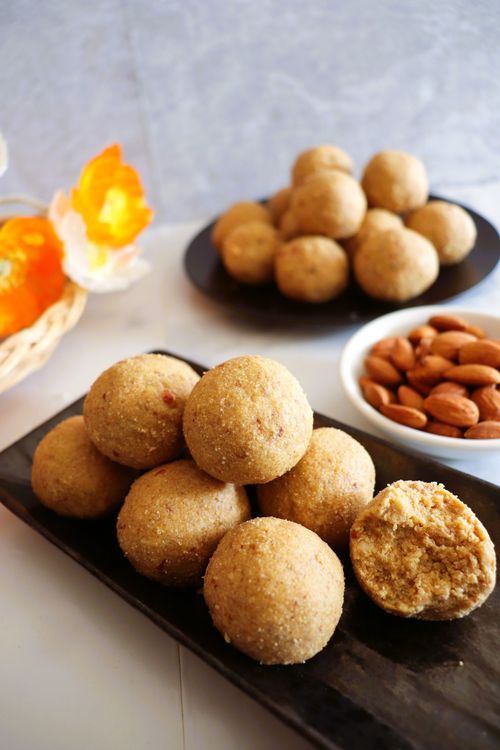
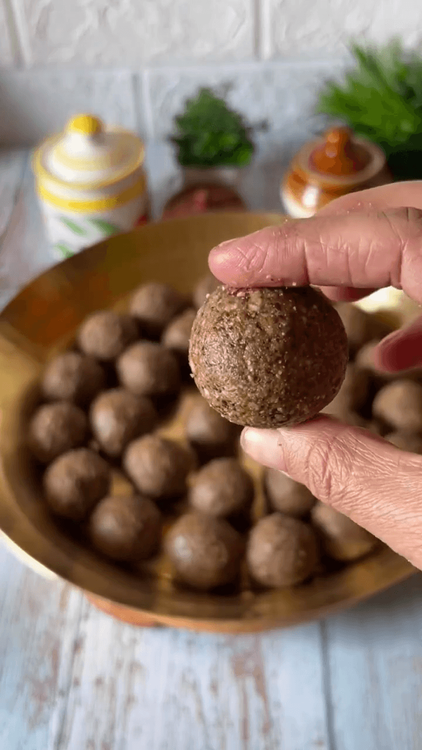
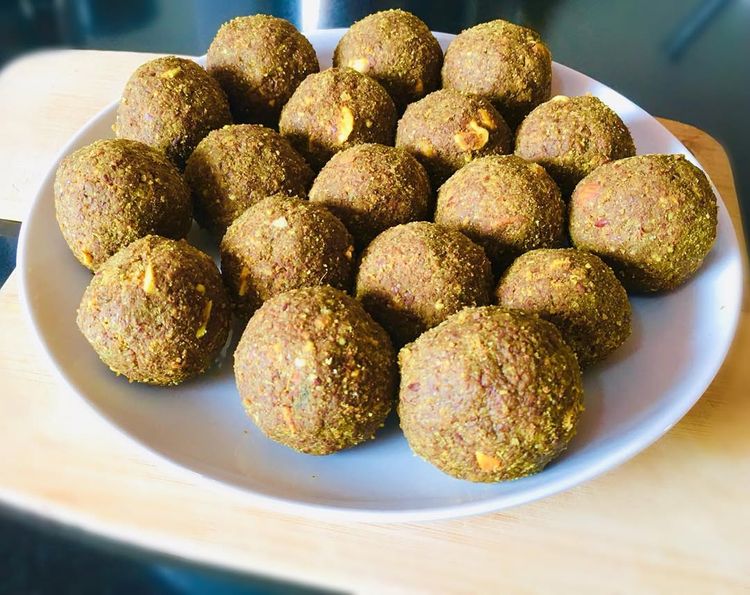
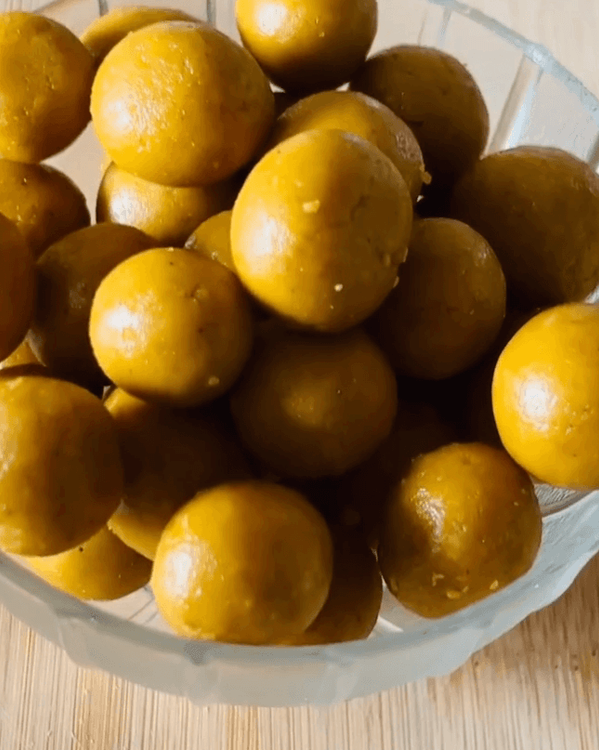
Gond, alsi, til, atta and dry fruit: these are the laddoos my nani made in batches of forty and rationed at one a morning. Fry the gond in hot ghee until every lump puffs into a white popcorn crumb, because underfried gond is like chewing gravel. Roast the atta until it smells of biscuit, not raw flour. Jaggery syrup should thread but never harden. Cool the mix to just-bearable before rolling or the laddoos crack in your palm. Nothing else on this page counts as winter food quite so completely.

- Indian
- Vegetarian
- Snack
- Indian
- Vegetarian
- Snack
- Indian
- Vegetarian
- Snack
- Gujarati
- Vegetarian
- Snack
- Indian
- Vegetarian
- Snack
- Indian
- Vegan
- Snack
- Indian
- Vegetarian
- Snack
- Punjabi
- Vegetarian
- Dessert
- Indian
- Vegetarian
- Snack
- Indian
- Vegetarian
- Snack
- Indian
- Vegetarian
- Snack
- Indian
- Vegetarian
- Snack
- Indian
- Vegetarian
- Snack
- Indian
- Vegetarian
- Snack
Hearty Mains, Rotis and Bakes for the Long Evenings
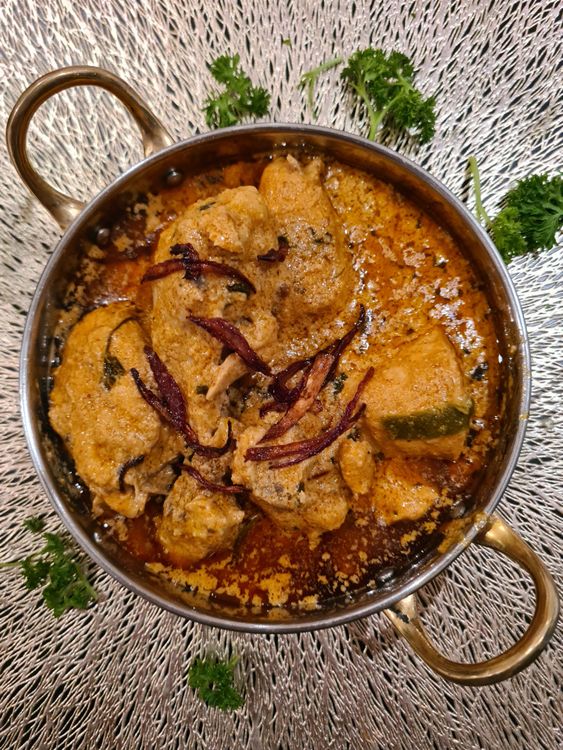
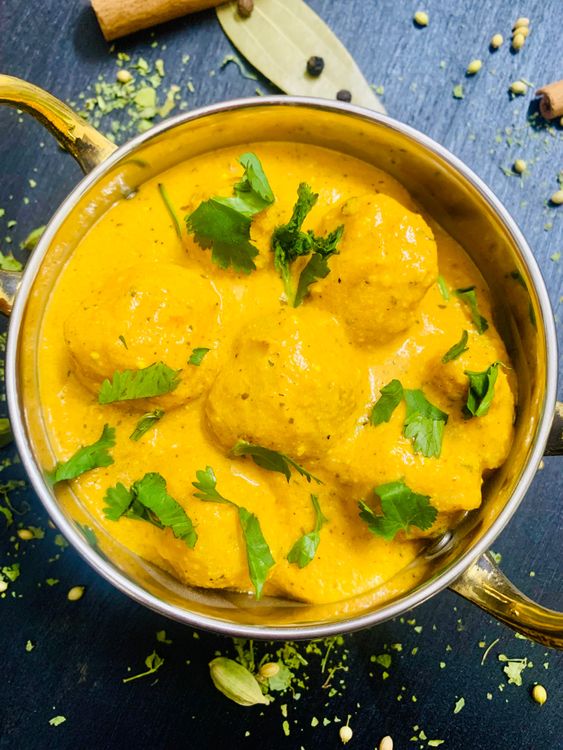
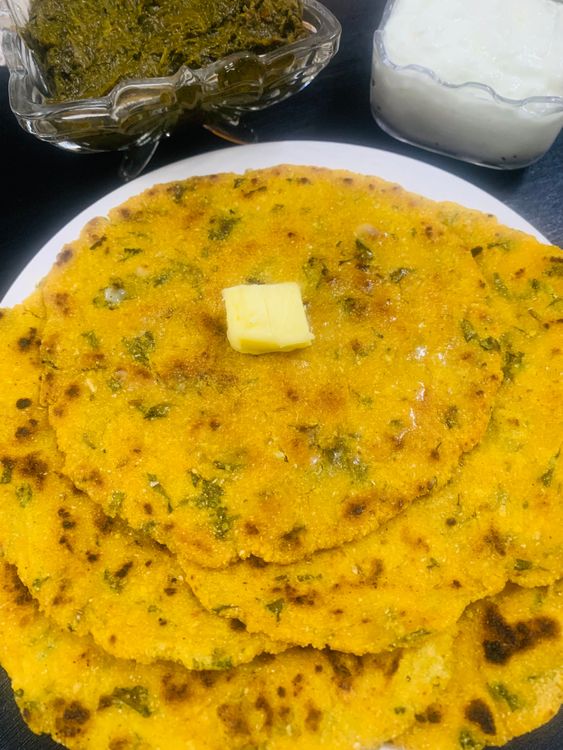
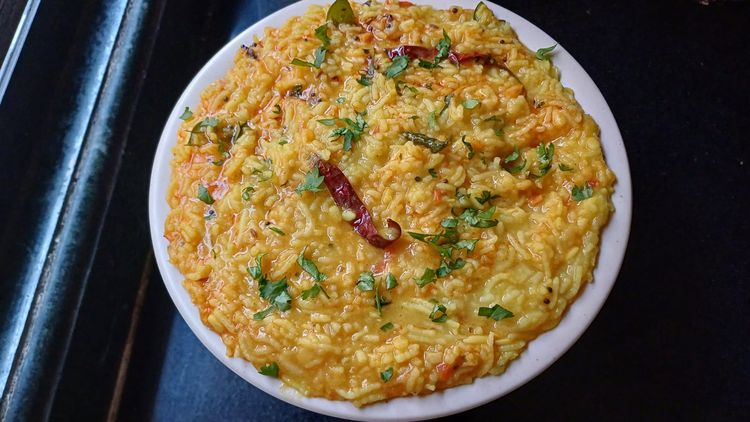
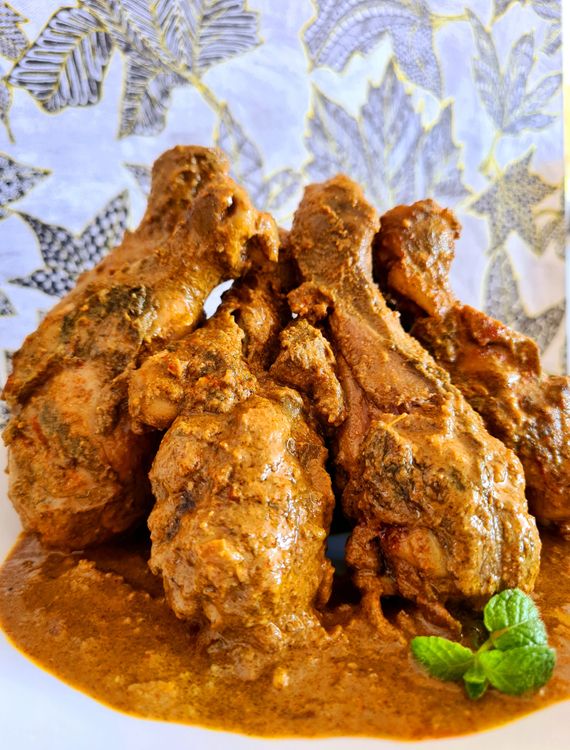
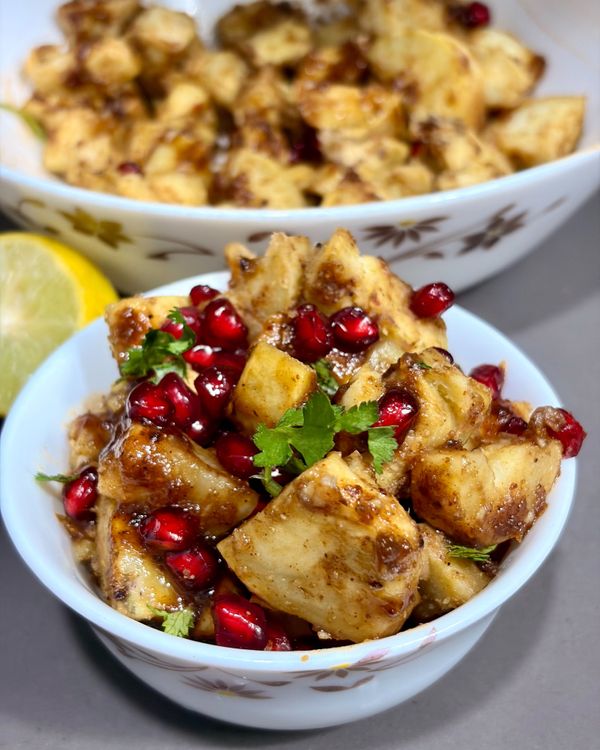
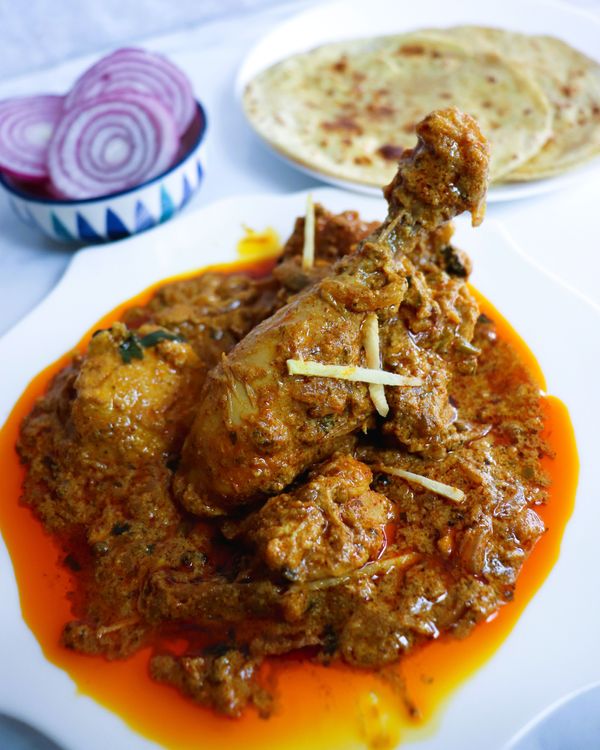
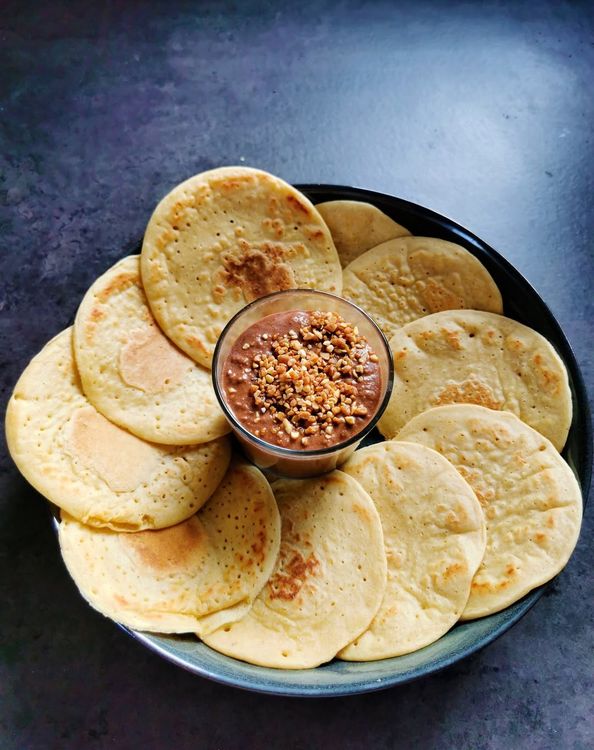
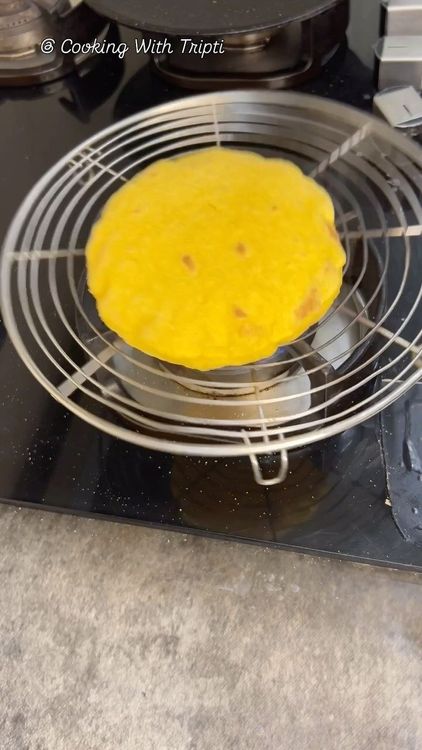
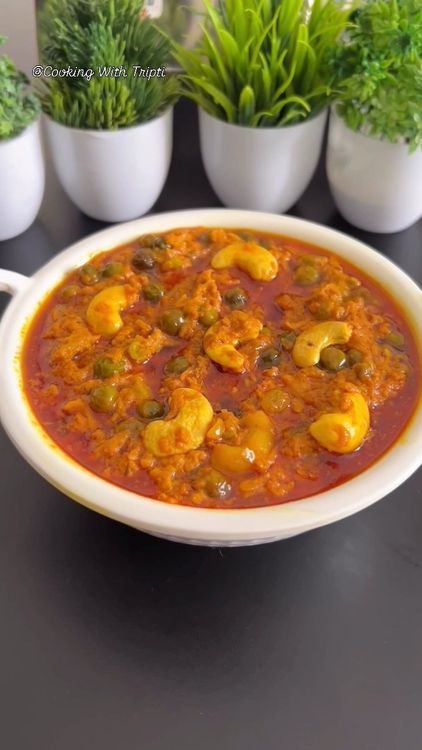
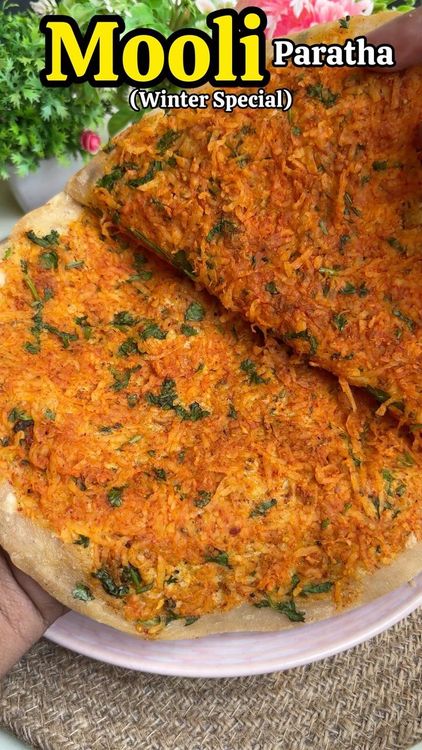
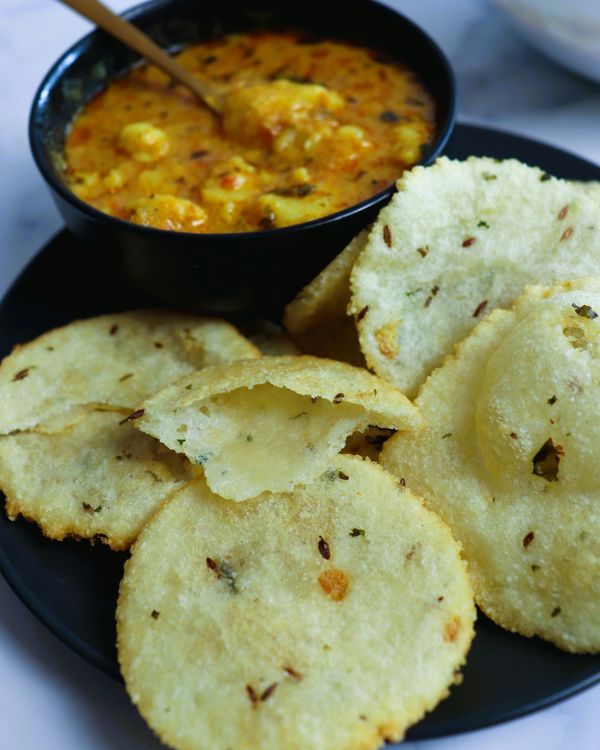
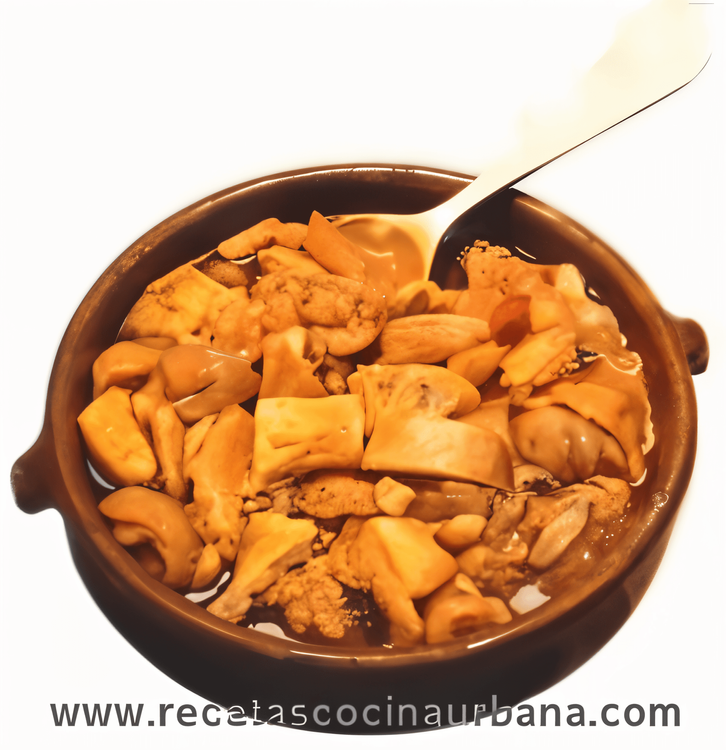
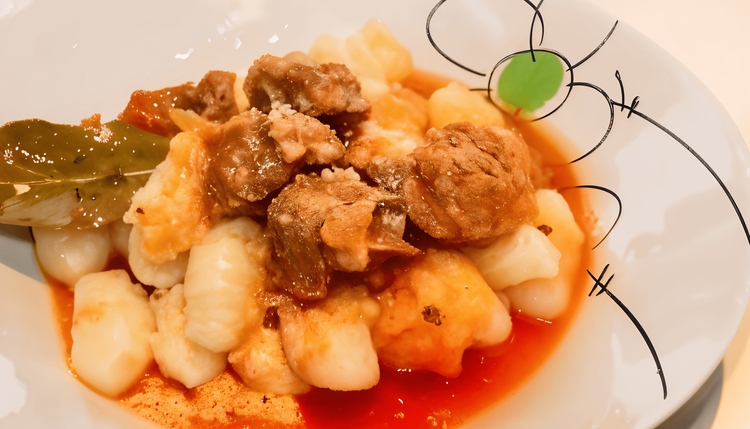
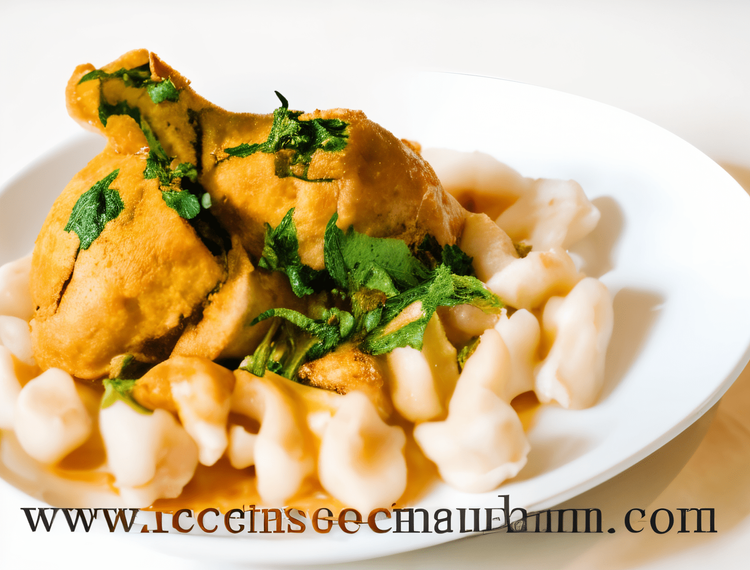
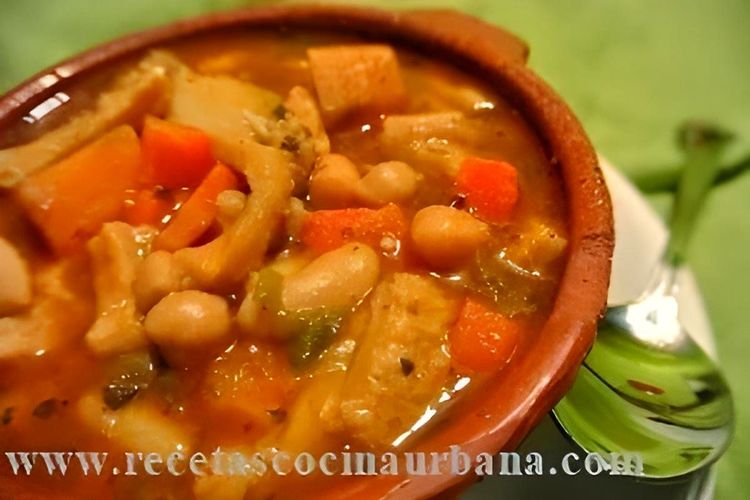
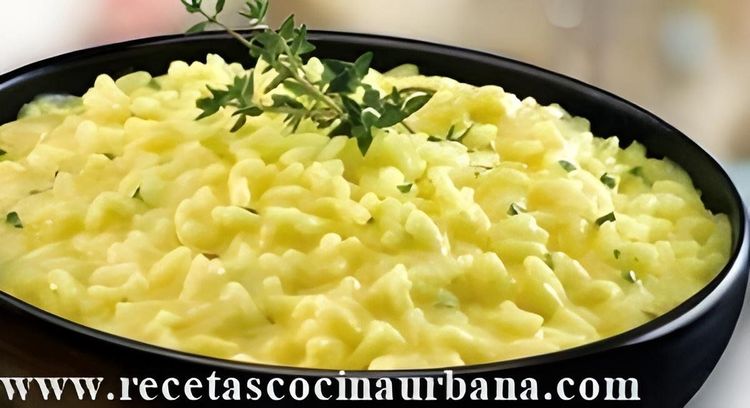
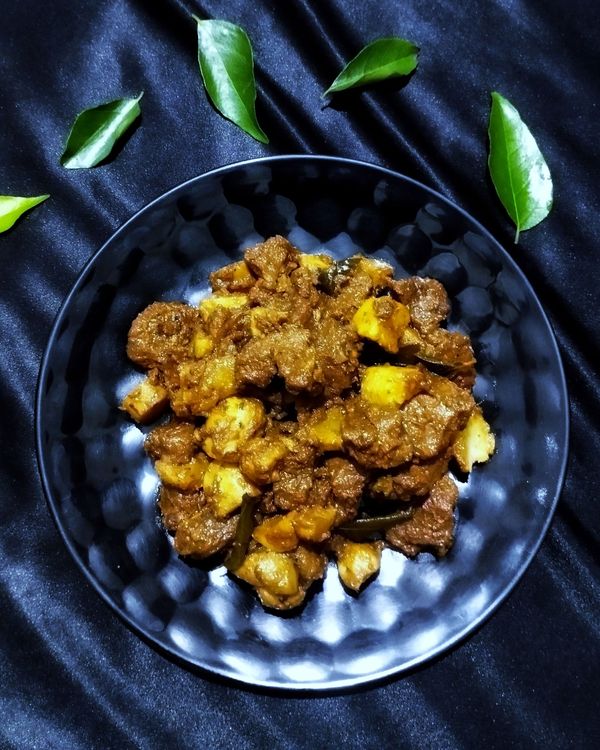
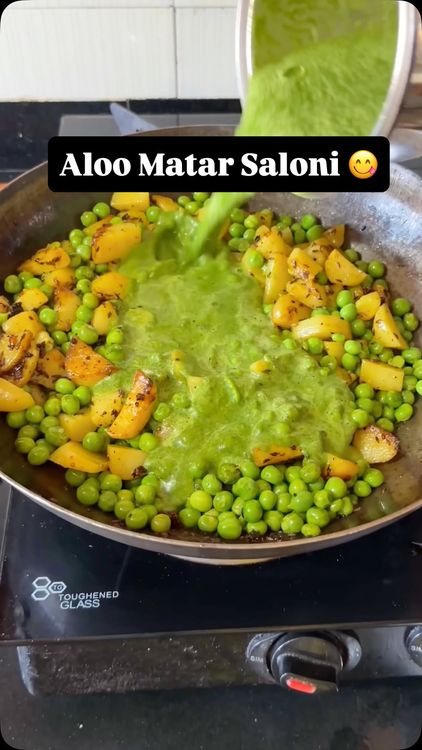
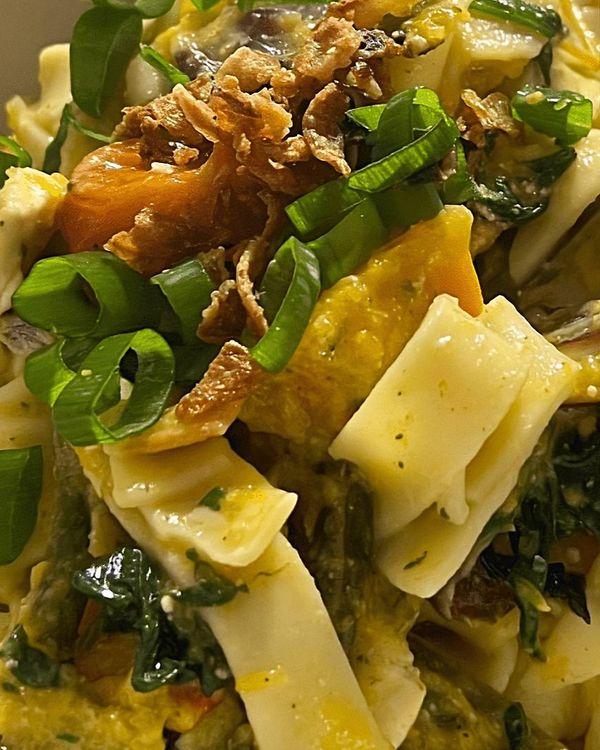
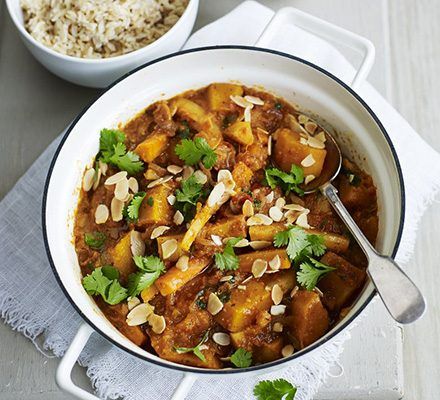
The biggest section here and the most useful: one-pot curries, tripe stews, braises, risottos and the rotis that go under them. Makki ki roti is the technical one, with no gluten to help you, so patch it on plastic and slide it onto a hot tawa. The braises reward you for doing nothing at all. Callos, buseca and Panamanian tripe each want three hours and a low flame, and every one of them is better reheated the next day. Batch these and your winter meals sort themselves out.
- Indian
- Non-Vegetarian
- Lunch
- Indian
- Vegetarian
- Lunch
- Indian
- Vegan
- Breakfast
- Indian
- Vegetarian
- Lunch
- Indian
- Vegetarian
- Snack
- Croatian
- Eggetarian
- Brunch
- Indian
- Non-Vegetarian
- Lunch
- Indian
- Vegan
- Appetiser
- Indian
- Non-Vegetarian
- Lunch
- Vegan
- Vegetarian
- Breakfast
- Indian
- Vegetarian
- Lunch
- Indian
- Vegetarian
- Lunch

- Indian
- Vegetarian
- Breakfast
- Indian
- Vegetarian
- Breakfast
- Indian
- Vegan
- Appetiser


- Italian
- Non-Vegetarian
- Dinner
- Indian
- Vegan
- Lunch
- French
- Non-Vegetarian
- Lunch
- Spanish
- Non-Vegetarian
- Lunch
- European
- Eggetarian
- Lunch
- Mexican
- Non-Vegetarian
- Lunch
- Italian
- Non-Vegetarian
- Dinner
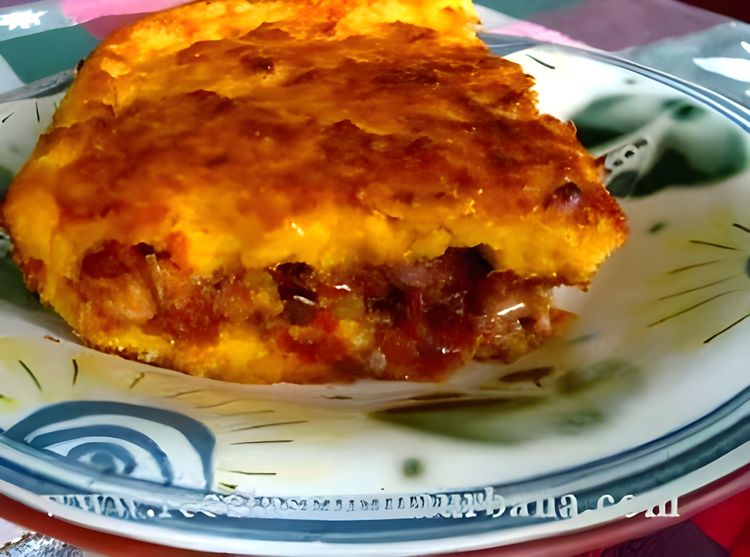
- Italian
- Non-Vegetarian
- Appetiser
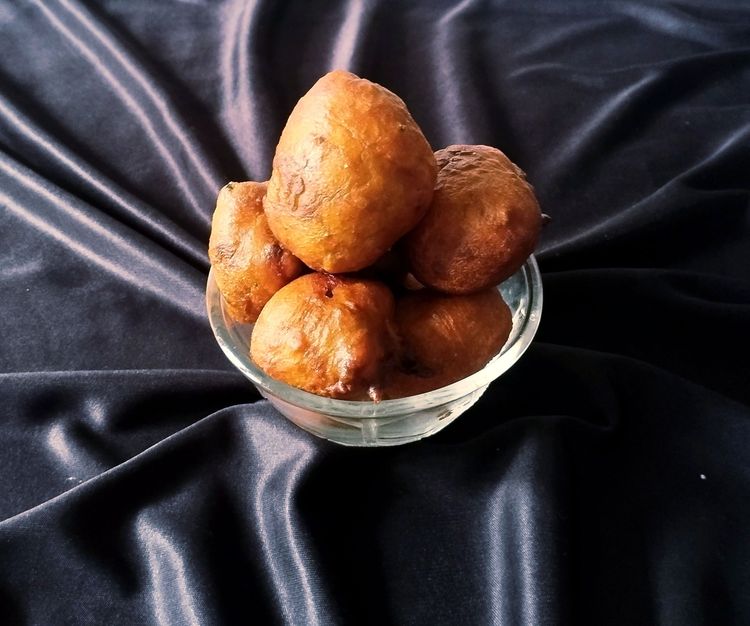
- Indian
- Vegetarian
- Snack
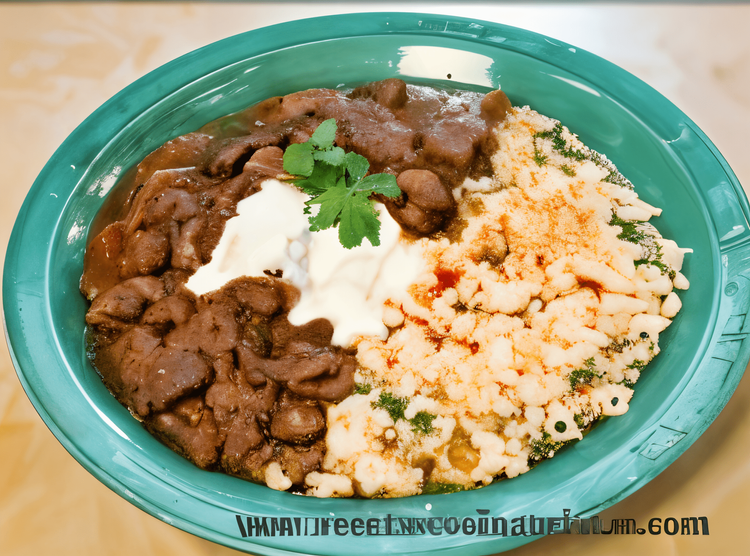
- Hungarian
- Non-Vegetarian
- Dinner
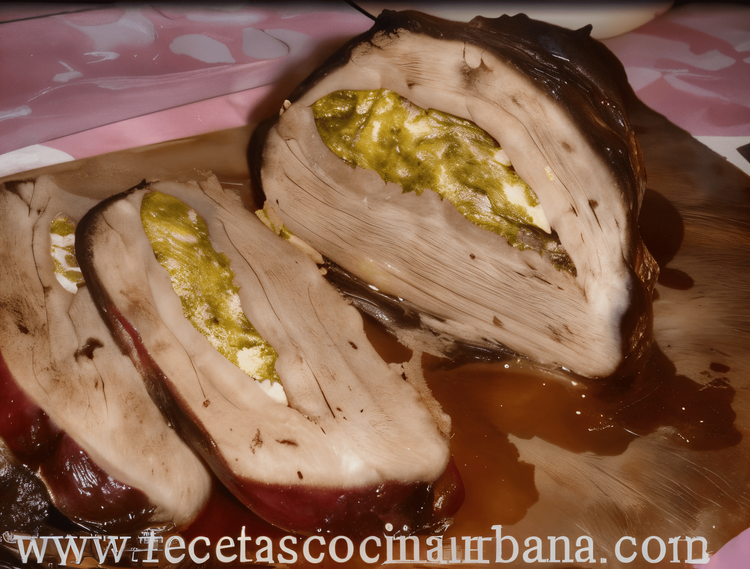
- Argentinian
- Non-Vegetarian
- Dinner
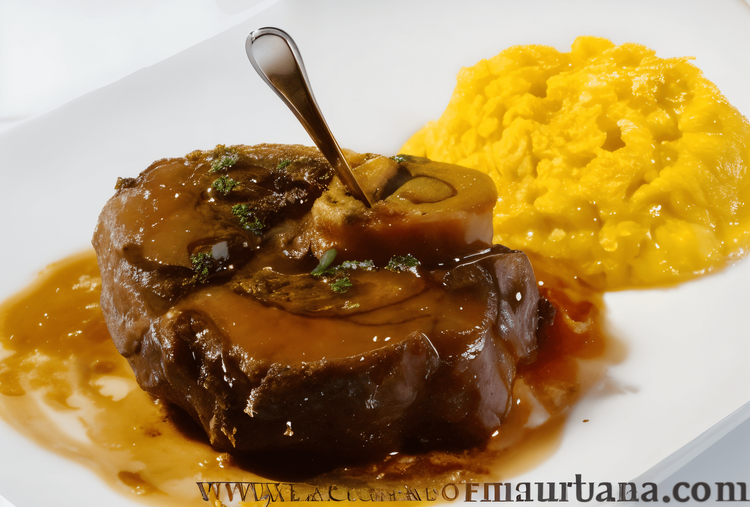
- Italian
- Non-Vegetarian
- Dinner
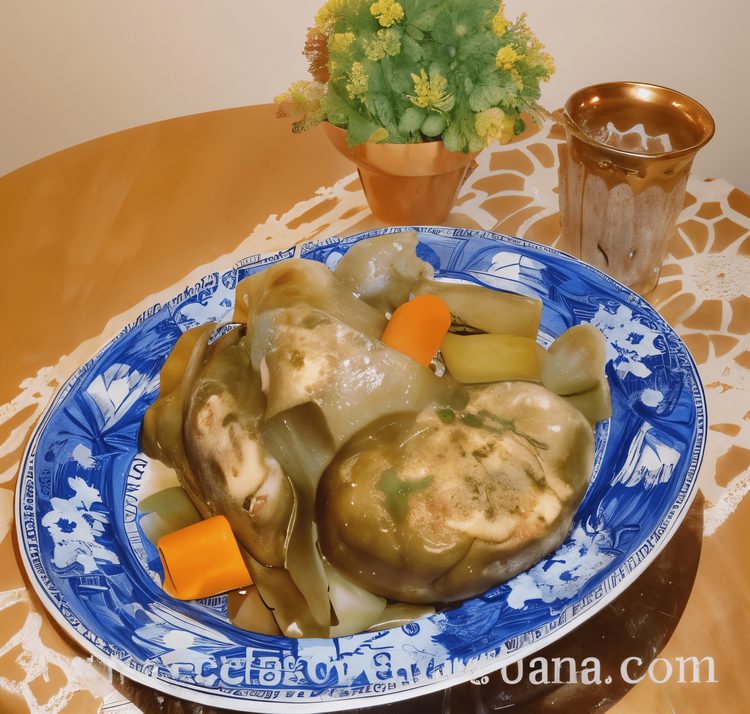
- Spanish
- Non-Vegetarian
- Lunch
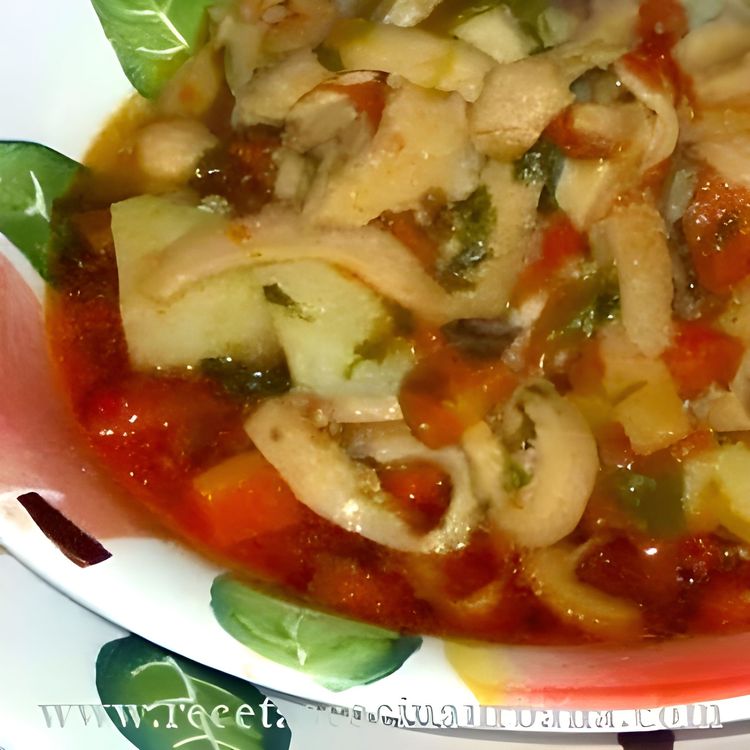
- Panamanian
- Non-Vegetarian
- Lunch
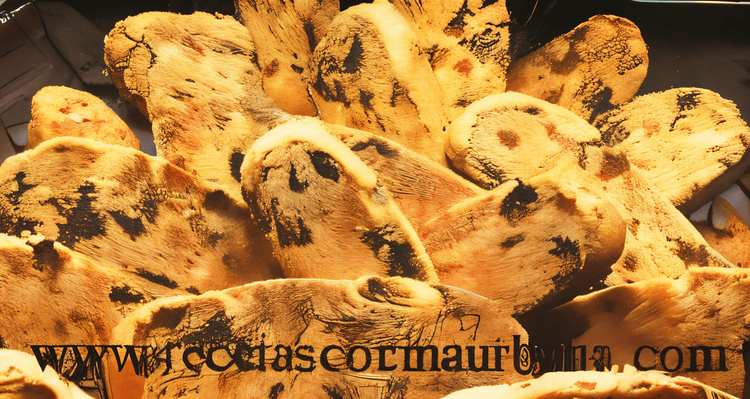
- International
- Eggetarian
- Breakfast
- European
- Non-Vegetarian
- Lunch
- Argentinian
- Non-Vegetarian
- Lunch
- Italian
- Vegetarian
- Lunch
- Indian
- Non-Vegetarian
- Lunch
- Indian
- Vegan
- Lunch
- Western
- Non-Vegetarian
- Lunch
- Indian
- Vegetarian
- Lunch
Kadhas, Hot Drinks and the Immunity Shelf
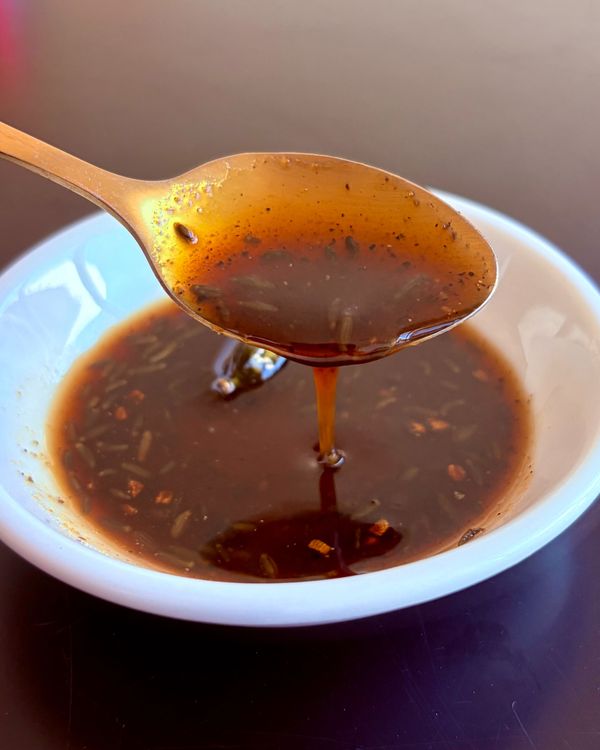
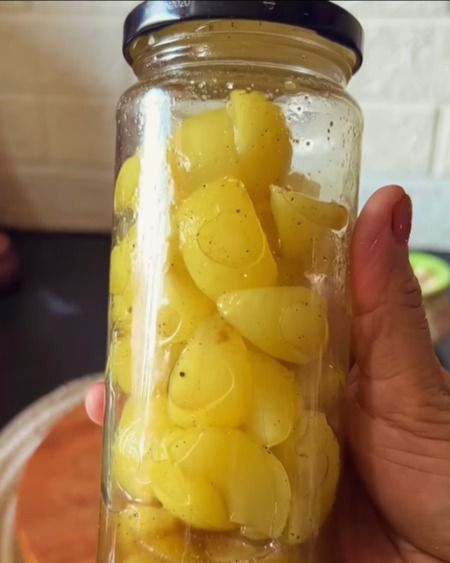
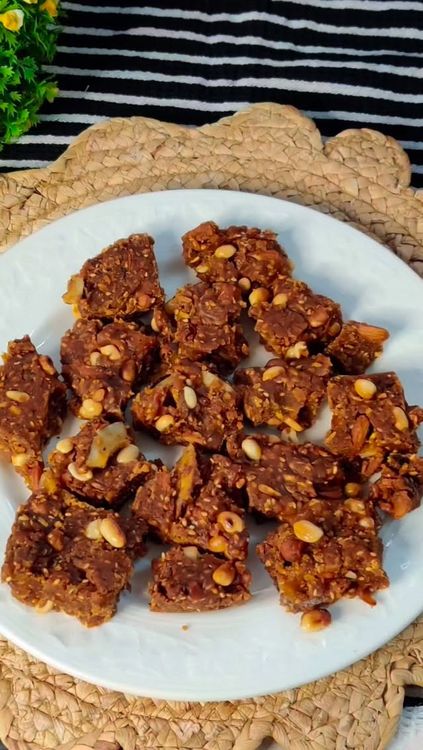
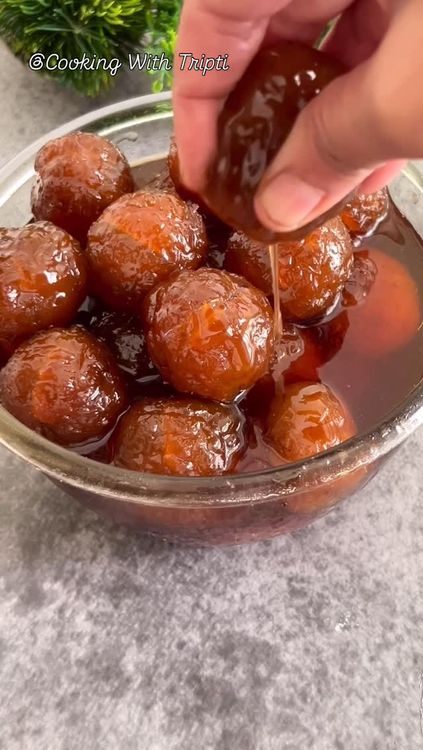
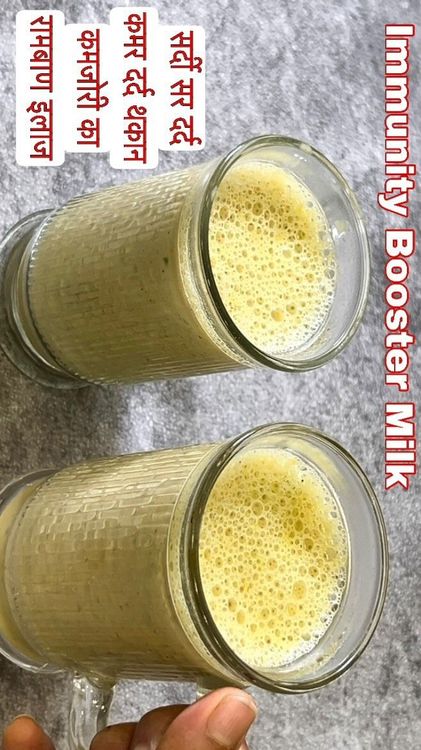
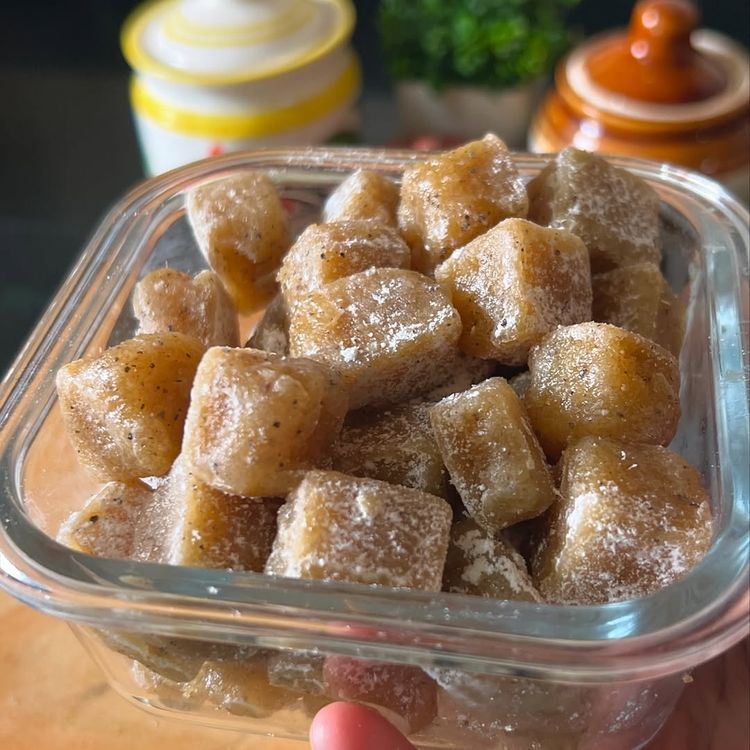
Every household has its cough remedy and this is mine: gud kadha, boiled down hard, drunk a shade too hot. Alongside it sit the amla things, candy and murabba and achaar, made in one afternoon in December and eaten a spoon at a time until March. Amla is at its cheapest and firmest right now. Prick each fruit before it goes into syrup or it will bob to the top and stay bitter. Masala gur belongs on that shelf too, the sweet full stop to a plate of winter comfort food.

- Global
- Vegetarian
- Beverage

- Indian
- Vegan
- Beverage
- Indian
- Vegan
- Beverage
- Indian
- Vegetarian
- Snack
- Indian
- Vegan
- Side Dish
- Indian
- Vegan
- Side Dish
- Indian
- Vegetarian
- Dessert
- Indian
- Vegan
- Snack
- Indian
- Vegetarian
- Breakfast
- Indian
- Vegetarian
- Snack
Eating Through an Indian Winter (the greens, the gur, the ghee)
Indian cooking does not really do a subtle seasonal shift; it swings. For eight months you are eating to stay cool, and then in a fortnight the entire logic inverts. Ghee goes from something you use sparingly to something you pour. Gur replaces sugar almost completely, partly for flavour and partly because it is pressed fresh now and tastes of sugarcane rather than caramel. And the mandi fills with produce that simply does not exist the rest of the year: mustard greens, bathua, fresh turmeric root, green garlic, red Delhi carrots, amla, mooli the size of your forearm. Almost every dish worth calling winter food here begins at that stall, not at the stove.
That produce is what makes the season worth cooking. Buy greens muddy, with the roots still attached, and wash them yourself. Buy amla when it is rock-hard and pale, not yellowing. Buy carrots that are genuinely red, not orange, because the orange ones have more water and less sugar and your halwa will taste of nothing. Good winter food in India is really just good sourcing plus patience.
Then there is the fat question. Every one of these dishes uses more ghee than a nutritionist would like, and there is a reason beyond tradition: fat carries flavour and slows digestion, so a meal sits with you for hours instead of leaving you hungry at nine. That is not folklore, it is just physics. Build your winter meals around a fat, a green and a grain and you will not think about food again until morning. That single rule is what nearly all the warming winter recipes below quietly obey.
Warming Foods That Actually Warm You
There is a difference between food that is hot and food that warms you, and it is worth being precise about it. A bowl of soup at eighty degrees raises your core temperature by a fraction for about ten minutes. What actually keeps you warm for the next three hours is thermogenesis: your body burning through what you just ate. Protein does this best, fat second, and that is the honest reason a plate of saag with butter and makki ki roti outperforms a salad on a January night, whatever else you think about either. Traditional winter food worked this out centuries before anyone measured it.
Spices are the other half. Ginger, black pepper, long pepper and clove genuinely raise peripheral blood flow, which is why a kadha makes your ears go hot. Turmeric does nothing measurable on its own; with black pepper and a fat it becomes bioavailable, which is exactly what haldi doodh has always been. None of this is mystical and none of it needs a supplement aisle. It needs a pan.
Practically, that means three things. Cook things longer than feels necessary, because collagen breaking down into gelatin is what gives a braise its body. Do not skimp on the tempering, since that is where the aromatics get activated. And eat the heavy things earlier in the evening. The best warming winter recipes are slow ones, and the most reliable winter comfort food is whatever was made yesterday and reheated tonight.
Pro Tips From My Kitchen
- Salt your methi and squeeze it hard before it goes anywhere near dough or gravy. Ten minutes with salt draws out the water and most of the bitterness, and the difference between a good thepla and a grim one is entirely this step.
- Fry gond in ghee that is hot but not smoking, a few lumps at a time, and pull them the second they puff white. They keep frying in residual heat. Crowd the pan and you get a batch of laddoos with gravel in them.
- Grate carrots for halwa by hand on the medium side of a box grater. A food processor shreds and bruises at once, releasing water, and the halwa will weep in the tray no matter how long you cook it afterwards.
- For makki ki roti, use water as hot as you can bear and knead it while it steams. Cold water gives you a dough that cracks on every side. Pat it out between two sheets of plastic and it will survive the trip to the tawa.
- Reheat, do not rush. Almost all the cold weather recipes here, especially the braises and lentil pots, taste better on day two because the starch has swelled and the fat has redistributed. Plan your winter meals as Sunday cooking, Monday eating.
- Keep one jar of gur, one of amla and one of laddoos within reach of the kettle. The whole tradition of Indian winter food rests on having something sweet, sour and dense already made, so nobody reaches for a packet at four in the afternoon.
Frequently Asked Questions
Where should I start with these winter recipes if I only cook one thing?
Sarson ka saag with makki ki roti, without hesitation. It takes an afternoon, uses greens that are only good for ten weeks, and teaches you the two techniques the rest of this season leans on: the long low cook and the double tempering. Make a big pot; it freezes perfectly and tastes better reheated.
Why does almost everything here use jaggery instead of sugar?
Partly timing and partly taste. Sugarcane is pressed from December, so gur is at its freshest and cheapest exactly now, and fresh gur tastes of cane and minerals rather than plain sweetness. It also carries a little iron and potassium. Mostly, though, laddoos and halwa made with gur simply taste older and rounder than the sugar versions.
My sarson ka saag always turns out bitter. What am I doing wrong?
Three usual culprits. You are using only mustard greens, when the traditional ratio is roughly two parts sarson to one part bathua and one part spinach to soften it. You are underscooking, since bitterness fades with time on the flame. Or you skipped the makki flour, which thickens and sweetens the pot at once.
Can I make gajar halwa with ordinary orange carrots?
You can, but manage expectations. Orange carrots hold more water and less sugar, so you will cook longer, get less colour, and need more sugar to compensate. If red Delhi carrots are anywhere near you, buy them and freeze the grated flesh. It keeps three months and the halwa is a different dish entirely.
How long do gond ke laddu and pinni actually keep?
Three to four weeks at room temperature in a properly airtight steel dabba, longer if your kitchen is cold. Ghee is the preservative, so the low-fat versions spoil faster. The enemy is moisture: never use a damp spoon, and never refrigerate them, because condensation on the surface turns the atta claggy within days.
What actually makes winter food feel warming, beyond simply being hot?
Thermogenesis. Digesting protein and fat generates real heat for hours, whereas a hot drink warms you for about ten minutes. Ginger and black pepper widen peripheral blood vessels, which is why a kadha makes your face flush. So a slow braise with ghee does more than a mug of tea, physiologically speaking.
I cook for one. Which of these cold weather recipes scale down sensibly?
The soups, theplas and parathas halve without any trouble. Braises, saag and laddoos do not: they need volume to cook properly and are frankly the wrong use of your afternoon in single portions. Make full batches of those, portion them out, and freeze. Good winter comfort food is nearly always made ahead anyway.
That is a whole cold season's cooking in one place. Start with the saag and the halwa, because they are the reason anyone looks forward to these months at all, then work outward into the laddoos and the braises. The best winter recipes are the ones you make twice: once to learn the rhythm of them, and once because everybody asked.
Related
- sarson ka saag
- gajar halwa
- gond laddu
- jaggery sweets
- warming soups
- comfort food
Popular Searches
- Best winter recipes
- Easy winter recipes
- Quick winter recipes
- Healthy winter recipes
- Simple winter recipes
- Homemade winter recipes
- Delicious winter recipes
- Popular winter recipes
- winter food
- winter meals
- warming winter recipes
- winter comfort food
Marnirni-apinthi Building, Lot Fourteen,
North Terrace, Adelaide, South Australia, 5000
Australia
