We use cookies on this website to ensure its proper functioning and to improve the quality of our services. Cookie Policy
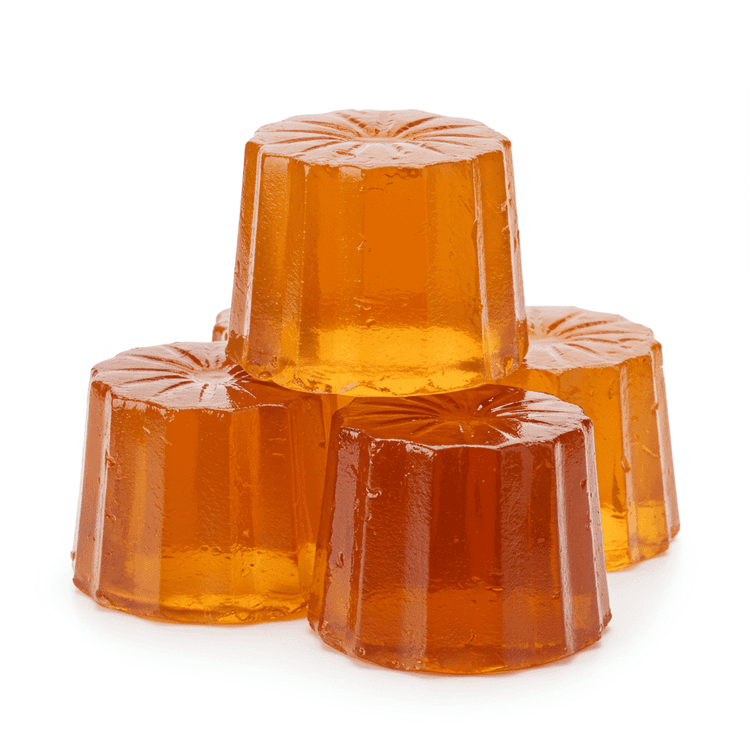
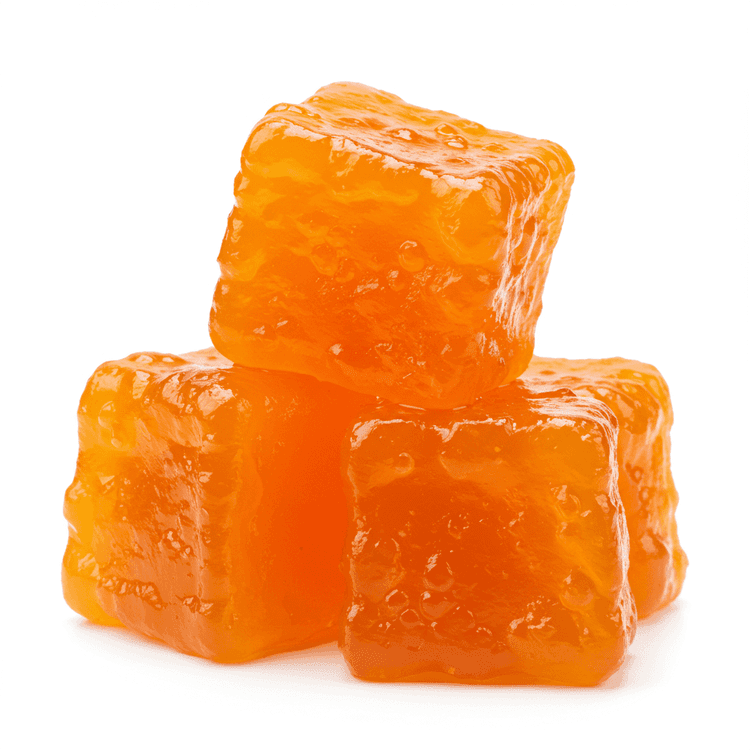
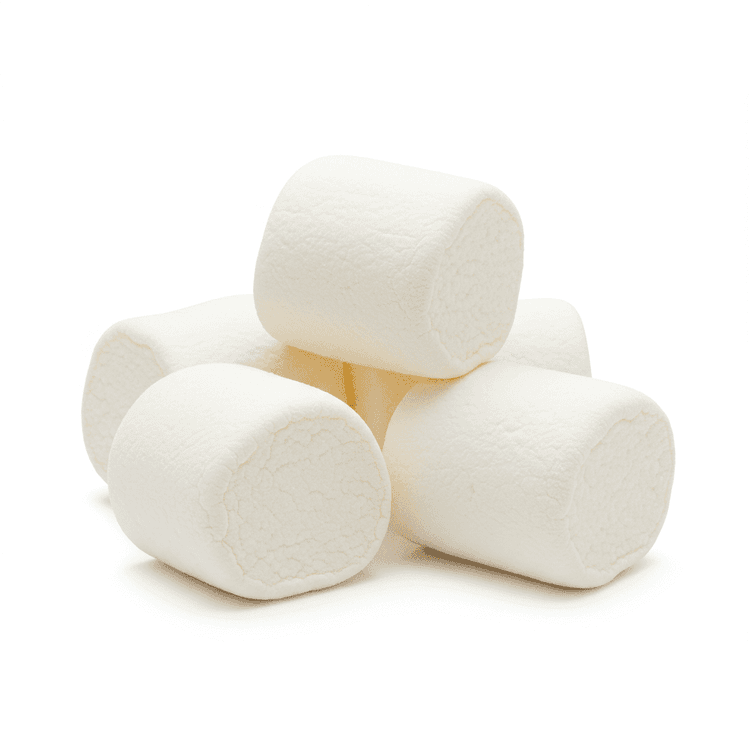
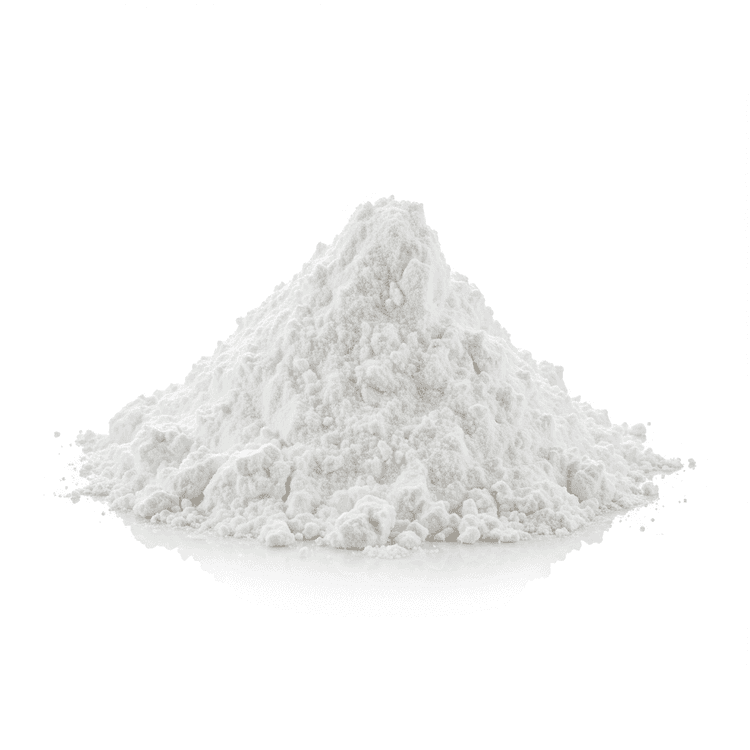
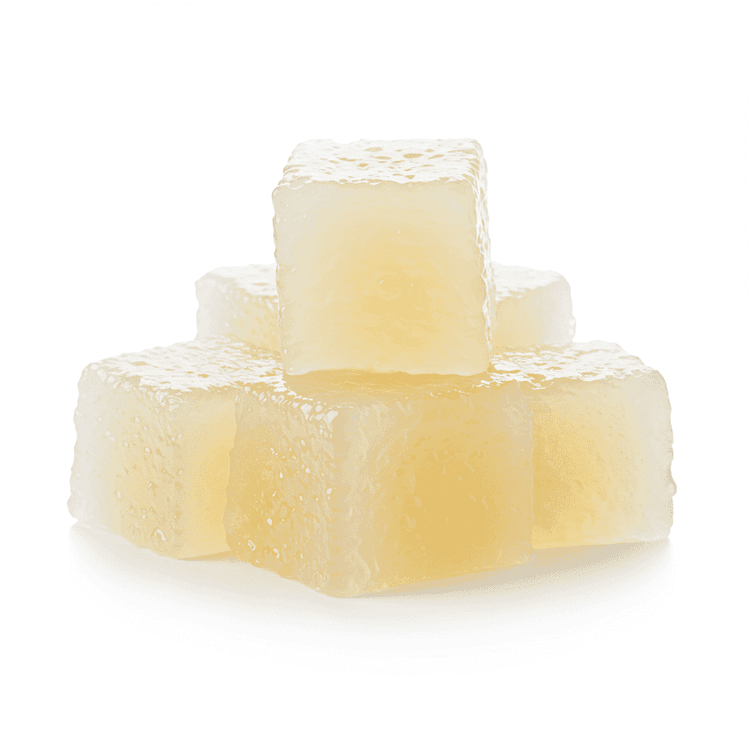
Gelatin is a translucent, colorless, flavorless food derived from collagen obtained from various animal by-products, primarily skin, bones, and connective tissues. It is commonly used as a gelling agent in food, pharmaceuticals, photography, and cosmetic manufacturing. Gelatin creates a smooth, jiggly texture and can be found in many desserts, including jellies, mousses, and marshmallows. Understanding gelatin's properties is essential for achieving desired consistency in your recipes. If you are looking for a versatile ingredient to thicken sauces, stabilize emulsions, or create unique textures in your culinary creations, then gelatin is an excellent choice. It's available in powdered and sheet forms, each requiring specific hydration techniques for optimal results. Powdered gelatin needs to be bloomed in cold water before use, while sheet gelatin is typically softened in cold water before dissolving in warm liquid.
Save recipes from anywhere, and get answers, swaps, and help as you cook.
Gelatin should be stored in a cool, dry place away from direct sunlight and heat. Unflavored gelatin powder can typically be stored at room temperature for extended periods, usually several years, as long as it remains dry and the packaging is intact. Flavored gelatin mixes should also be stored similarly, paying attention to the expiration date. Avoid storing in humid environments to prevent clumping.


Available now for early access users.