We use cookies on this website to ensure its proper functioning and to improve the quality of our services. Cookie Policy
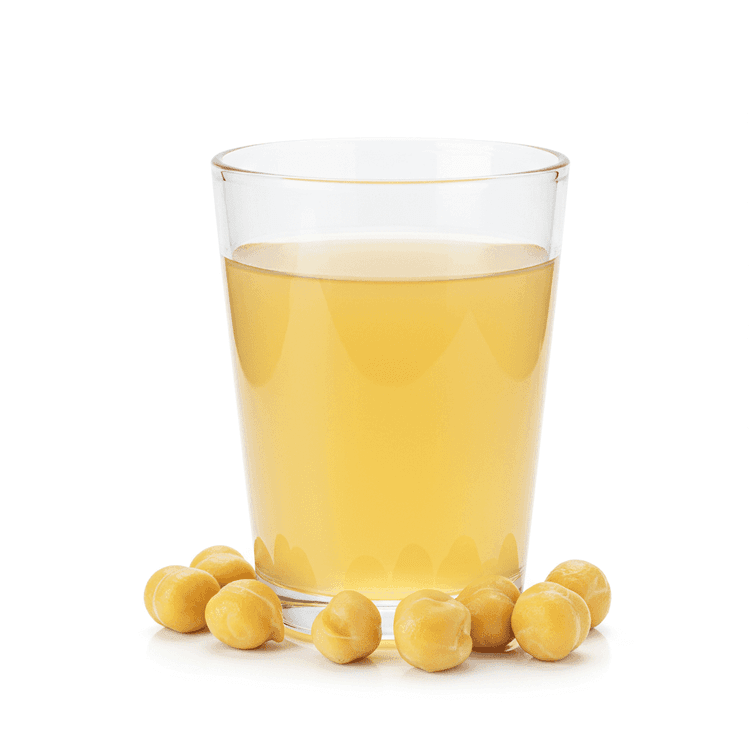
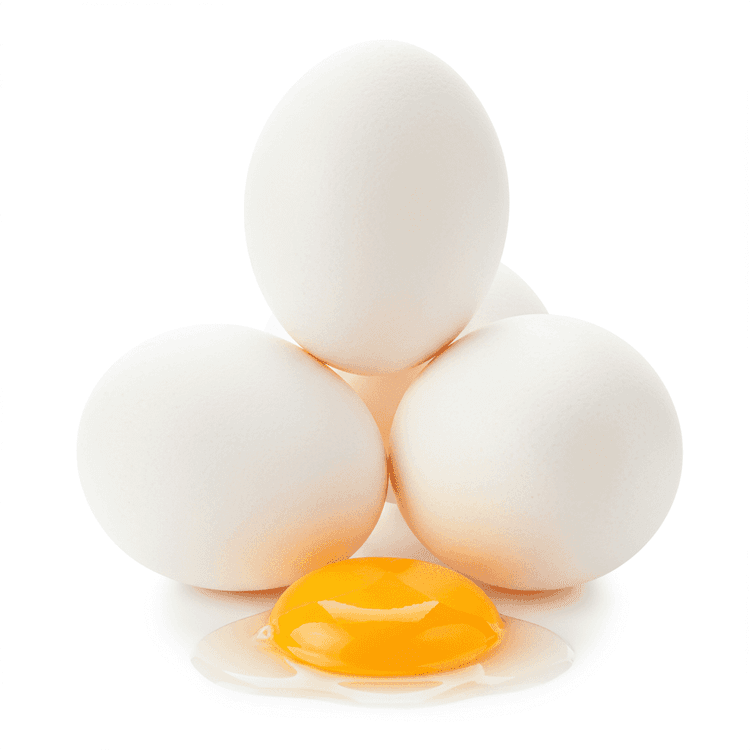
Chickpea water, better known as aquafaba, is the starchy liquid left over after cooking chickpeas or draining a can of them. It's a slightly viscous, off-white liquid with a faint beany smell, though that flavor almost always disappears once it's whipped, baked, or seasoned into a recipe. What makes it special is the dissolved plant protein and starch it carries out of the chickpeas, which together let it behave a lot like egg white — it foams, it binds, and it emulsifies.
The name comes from the Latin words for water (aqua) and bean (faba), and once vegan cooks discovered it could be whipped into stiff, glossy peaks, it opened the door to a whole world of egg-free baking and cocktails. Canned aquafaba tends to be the most consistent because the liquid is thicker and more reliable from can to can; homemade aquafaba can be thinner, so cooks often reduce it gently on the stove until it reaches a syrupy, egg-white-like consistency.
As a bonus, aquafaba is naturally gluten-free and vegan, and it's one of the few egg swaps that works for people avoiding both eggs and dairy. It won't add flavor of its own, which is exactly why it's so useful — it lends structure and lift while letting the vanilla, cocoa, or citrus in your recipe do the talking.
Save recipes from anywhere, and get answers, swaps, and help as you cook.


Available now for early access users.