The Vital Role of Liquids in Health and Culinary Arts
Liquids are fundamental to life, acting as the solvent for countless biochemical reactions and playing a crucial role in maintaining homeostasis. Beyond their life-sustaining properties, liquids are indispensable in the culinary world, forming the base for flavorful sauces, broths, soups, and beverages. This category encompasses a diverse range of fluids, from pure water to nutrient-rich milk, antioxidant-packed teas, and vegetable-based juices, each offering unique health benefits and culinary applications.
Hydration and Beyond: Unveiling the Health Benefits
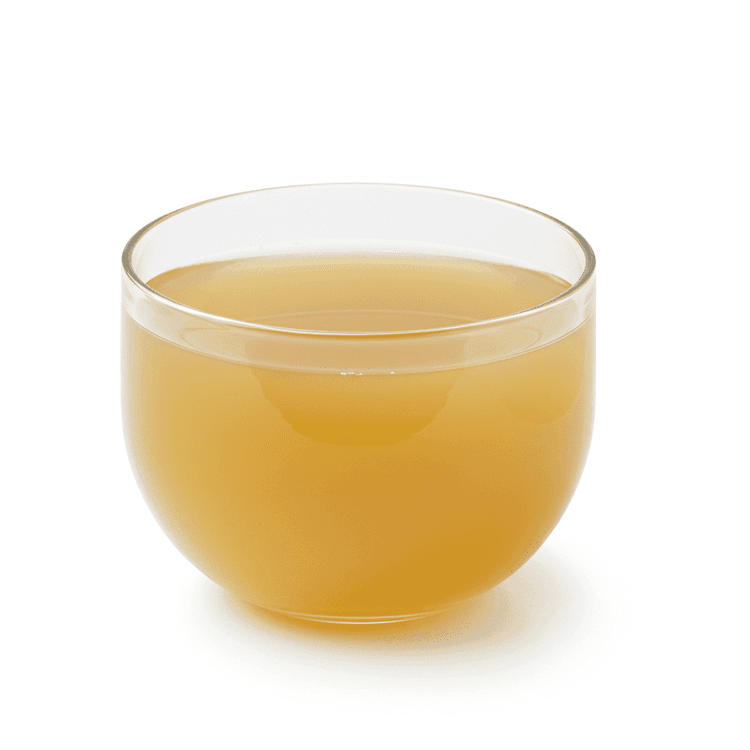
The primary benefit of consuming liquids is, of course, hydration. Water, the most essential liquid, is vital for regulating body temperature, transporting nutrients, and eliminating waste products. Dehydration can lead to fatigue, headaches, and impaired cognitive function. Beyond water, many liquids offer additional health advantages. Milk, for example, is a significant source of calcium and vitamin D, crucial for bone health. Juices derived from fruits and vegetables are rich in vitamins, minerals, and antioxidants. Orange juice is renowned for its vitamin C content, bolstering the immune system, while tomato juice is a source of lycopene, an antioxidant linked to reduced risk of certain cancers. Green tea is packed with catechins, powerful antioxidants that may protect against heart disease and improve brain function. Bone broth, simmered for extended periods, is rich in collagen and amino acids, potentially supporting joint health and gut function.
Culinary Versatility: A Liquid Palette for Flavor and Texture
Liquids are the backbone of countless culinary creations. Stocks and broths form the foundation of soups, stews, and sauces, adding depth and richness to dishes. Water is essential for cooking grains, pasta, and vegetables, ensuring proper hydration and texture. Milk and cream contribute richness and creaminess to sauces, desserts, and beverages. Oils, while technically liquids at room temperature, are crucial for sautéing, frying, and dressing salads. Juices are used to marinate meats, create refreshing cocktails, and add vibrant flavors to desserts. Wine is frequently used in sauces and braises, adding complexity and enhancing the flavor profile of dishes. Examples of dishes showcasing liquids include: creamy tomato soup, hearty beef stew, delicate hollandaise sauce, flavorful risotto, and refreshing lemonade. The versatility of liquids allows chefs and home cooks alike to explore a wide range of flavors and textures, creating culinary masterpieces.
Liquids: A Cornerstone of a Balanced Diet
Incorporating a variety of liquids into your daily diet is essential for maintaining overall health and well-being. Aim for adequate water intake throughout the day, and supplement with nutrient-rich liquids like milk, juice, tea, and broth. Be mindful of added sugars in sweetened beverages, opting for water, unsweetened tea, or fruit-infused water as healthier alternatives. Prioritize whole, unprocessed liquids over sugary drinks to maximize the health benefits and minimize the negative impact on blood sugar and weight management. A balanced intake of liquids ensures proper hydration, supports vital bodily functions, and provides a wealth of essential nutrients and antioxidants, contributing to a healthier and more vibrant life. By strategically incorporating diverse liquids into your diet, you can optimize your nutritional intake and enhance your culinary experiences. ||
Liquid are an essential part of a healthy diet, providing a wide range of nutrients and health benefits. Explore our collection of liquid ingredients.