Food additives are substances added to food to preserve flavor or enhance its taste, appearance, or other qualities. While often perceived negatively, many food additives play crucial roles in food safety and preservation, extending shelf life and preventing spoilage. Understanding their purpose and potential effects is essential for informed dietary choices.
One of the primary benefits of some food additives is their ability to inhibit microbial growth. Preservatives like benzoates, sorbates, and nitrites prevent the proliferation of bacteria, molds, and yeasts, significantly reducing the risk of foodborne illnesses. Antioxidants, such as BHA and BHT, protect fats and oils from rancidity, preventing off-flavors and maintaining the nutritional value of foods containing these fats. Emulsifiers, like lecithin and mono- and diglycerides, help to stabilize mixtures of oil and water, creating smooth and appealing textures in products like mayonnaise and ice cream.
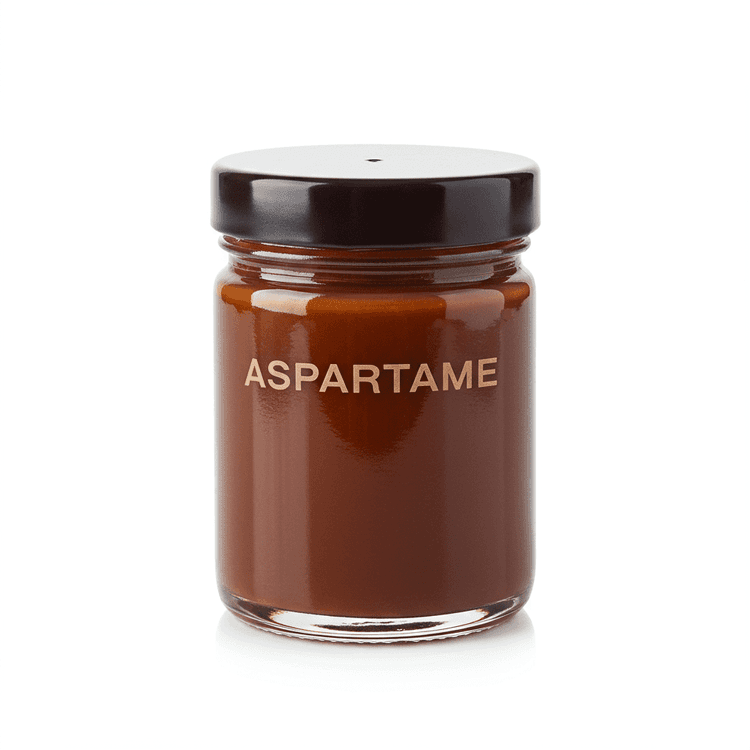
Food additives are widely used in various culinary applications. Colorings enhance the visual appeal of candies, beverages, and baked goods, making them more attractive to consumers. Flavor enhancers, like monosodium glutamate (MSG), amplify existing flavors, adding depth and complexity to savory dishes. Thickeners, such as starches and gums, improve the texture and consistency of sauces, soups, and desserts. Sweeteners, both natural and artificial, add sweetness to a range of products, from diet sodas to baked goods.
When used responsibly and within regulatory guidelines, food additives contribute to a balanced diet by ensuring food safety and availability. They allow for the distribution of food over longer distances and storage periods, preventing waste and ensuring that a variety of foods are accessible year-round. Certain additives, like iodized salt, address specific nutritional deficiencies in populations. However, it's important to be mindful of potential sensitivities or allergies to certain additives, and to prioritize whole, unprocessed foods whenever possible. Reading food labels carefully and understanding the function of each additive can empower consumers to make informed decisions about their diets. The use of food additives is strictly regulated by agencies like the FDA to ensure consumer safety and prevent harmful levels of intake. Many natural substances, such as citric acid (a preservative) and beta-carotene (a coloring), are also used as food additives, demonstrating that not all additives are synthetic or artificial. ||
Food Additive are an essential part of a healthy diet, providing a wide range of nutrients and health benefits. Explore our collection of food additive ingredients.