We use cookies on this website to ensure its proper functioning and to improve the quality of our services. Cookie Policy
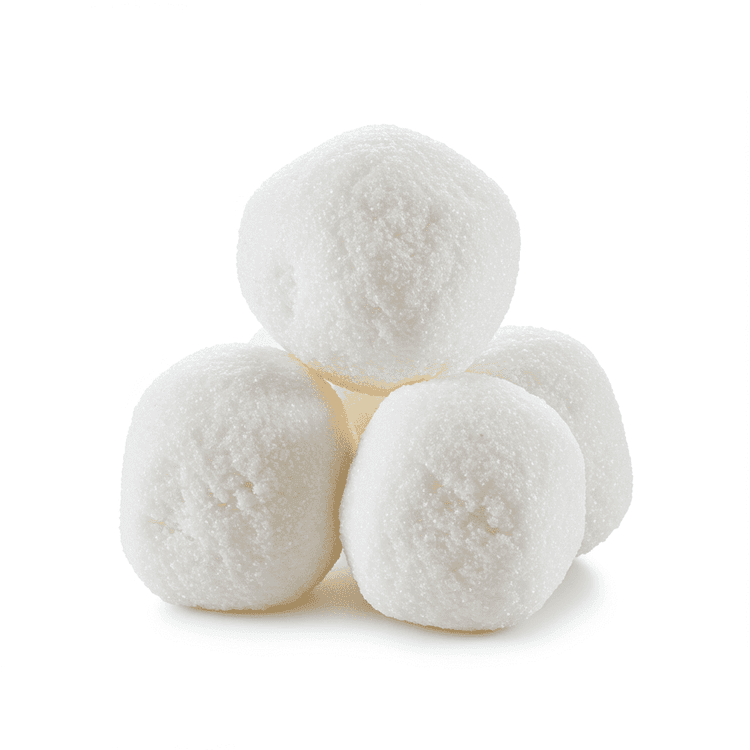
Potassium carbonate is a white, odorless, alkaline powder that has quietly earned a place in kitchens around the world. It carries a faintly salty, slightly soapy taste on its own — you'd never eat it by the spoonful — but that alkalinity is exactly the point. Used in tiny amounts, it shifts the pH of a dough or batter, which changes how proteins tighten, how starches brown, and how a finished bake feels in your mouth. If you've ever wondered why homemade ramen noodles have that springy, golden bite or why traditional German gingerbread (Lebkuchen) turns out soft and deeply colored, potassium carbonate is often part of the answer.
You'll see it labeled a few different ways depending on where you shop: potash, pearl ash, or its old baker's name "Pottasche." In East Asian cooking it's a close cousin of lye water (kansui), and it's the reason certain mooncake crusts stay tender and take on that glossy, tanned finish. Because it's such a concentrated alkali, a little goes a long way, and precise measuring matters more than it does with everyday pantry staples.
As a food additive, potassium carbonate does more than leaven. Bakers and drink-makers reach for it to balance acidity, deepen cocoa's color and flavor, and give pretzels and noodles their signature texture. It's a specialist ingredient rather than a daily one, but once a recipe calls for it, few substitutes behave quite the same way.
Save recipes from anywhere, and get answers, swaps, and help as you cook.


Available now for early access users.