Gelling agents are the unsung heroes of the culinary world, providing structure and texture to a vast array of dishes, from delicate desserts to savory sauces. More than just thickeners, these fascinating ingredients transform liquids into semi-solids or solids through a process of cross-linking and network formation. Understanding the different types of gelling agents and their properties is key to unlocking culinary creativity and achieving desired textures in your cooking.
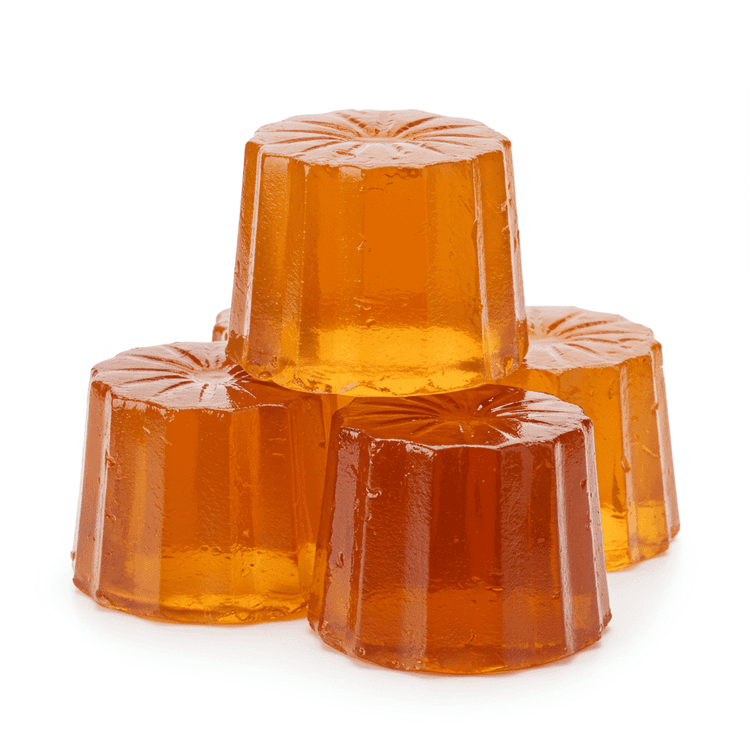
One of the most well-known gelling agents is gelatin, derived from collagen. It's a protein-based substance commonly used in jellies, mousses, and gummy candies. Gelatin is valued for its ability to create a clear, elastic gel. However, its animal origin makes it unsuitable for vegetarian and vegan diets. Agar-agar, derived from seaweed, is a popular plant-based alternative. It boasts a higher gelling strength than gelatin and is often used in vegan desserts and Asian cuisines. Pectin, found naturally in fruits like apples and citrus, is another excellent option, especially for making jams and jellies. Its gelling properties are activated by sugar and acid, resulting in that classic fruity spread texture.
Cornstarch, a readily available carbohydrate extracted from corn kernels, is a staple gelling agent for sauces, gravies, and puddings. While it creates a slightly opaque gel, it's incredibly versatile and easy to use. Tapioca starch, derived from the cassava root, offers a similar but slightly more translucent thickening effect. Arrowroot powder, another starch-based option, is prized for its ability to create clear, glossy sauces without cloudiness. Beyond these, ingredients like carrageenan (from seaweed), xanthan gum (produced through bacterial fermentation), and gellan gum offer unique gelling properties, often used in modernist cuisine and food manufacturing.
The importance of gelling agents extends beyond just aesthetics and texture. They contribute to the overall mouthfeel and enjoyment of a dish. A perfectly set dessert or a smoothly thickened sauce enhances the sensory experience, making the food more satisfying. While not primary sources of essential vitamins or minerals, some gelling agents, like agar-agar and carrageenan derived from seaweed, contain trace amounts of minerals like calcium and iodine, contributing slightly to your overall nutrient intake. They are generally low in calories and can be incorporated into a balanced diet to add textural variety without significantly increasing calorie count.
From classic panna cotta and fruit jellies to creamy vegan cheesecakes and perfectly thickened stir-fries, gelling agents are indispensable tools for any cook. Experimenting with different types of gelling agents allows you to control the texture and consistency of your dishes, opening up a world of culinary possibilities. So, embrace the power of these remarkable ingredients and elevate your cooking to the next level by mastering the art of gelling and thickening. ||
Gelling Agent are an essential part of a healthy diet, providing a wide range of nutrients and health benefits. Explore our collection of gelling agent ingredients.