We use cookies on this website to ensure its proper functioning and to improve the quality of our services. Cookie Policy
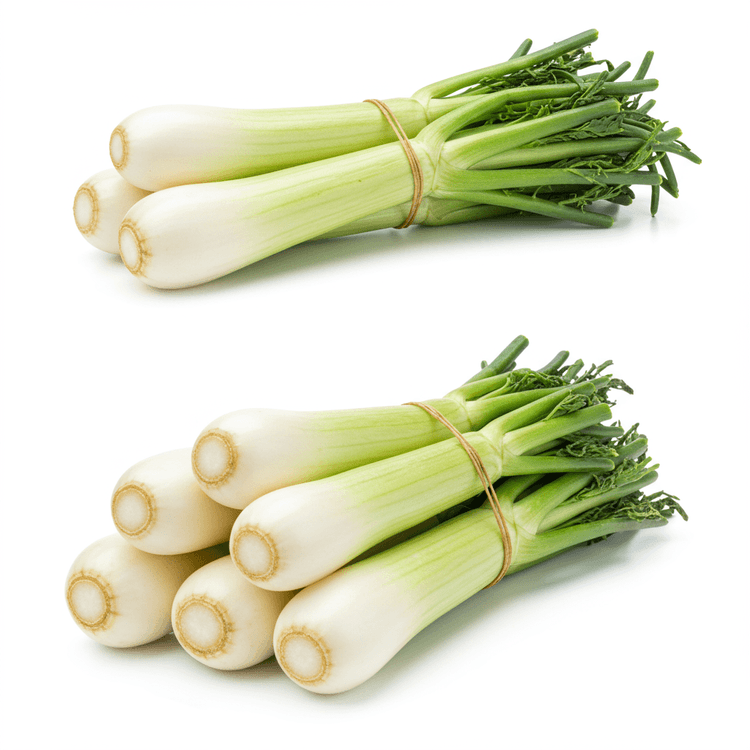
Mooli, also known as daikon radish or white radish, is a long, cylindrical root vegetable with a crisp, juicy texture and a mild, slightly peppery flavor. It belongs to the radish family but boasts a significantly milder taste compared to its smaller, red counterparts. Its smooth, white skin encases a dense, firm flesh that can range from pure white to translucent. Explore the culinary possibilities of fresh mooli in your favorite recipes for a refreshing crunch and subtle bite. Discover how to prepare and cook mooli to enhance the flavor in stir-fries, salads, and pickled dishes. Add mooli to your diet for a healthy, low-calorie option that offers unique taste and texture.
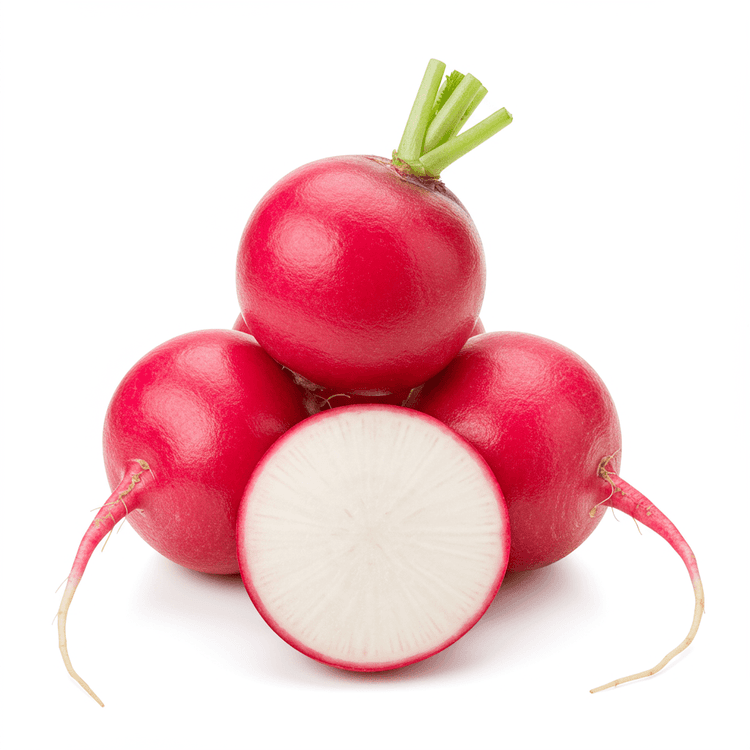
If you've never tasted mooli before, think of it as a gentler, more watery cousin of the peppery red radish you might already know. Raw, it's cool and lightly sharp on the tongue, with a clean, almost cucumber-like freshness. That bite mellows dramatically once it hits heat — simmer it in a broth or braise and it turns soft, sweet, and faintly savory, the way a good turnip does. This is what makes mooli so useful in the kitchen: it can wake up a raw salad or melt quietly into a comforting stew depending on how you treat it.
You'll find mooli at the heart of kitchens across Asia, from grated daikon served alongside grilled fish in Japan to the crunchy pickles tucked into Vietnamese sandwiches and the radish cake steamed for Lunar New Year. In South Asian cooking it's grated into parathas or simmered into sabzi. Naturally gluten-free, vegan, and very low in carbs, mooli slots easily into most eating styles, which is part of why it turns up in so many different cuisines around the world.
Save recipes from anywhere, and get answers, swaps, and help as you cook.


Available now for early access users.