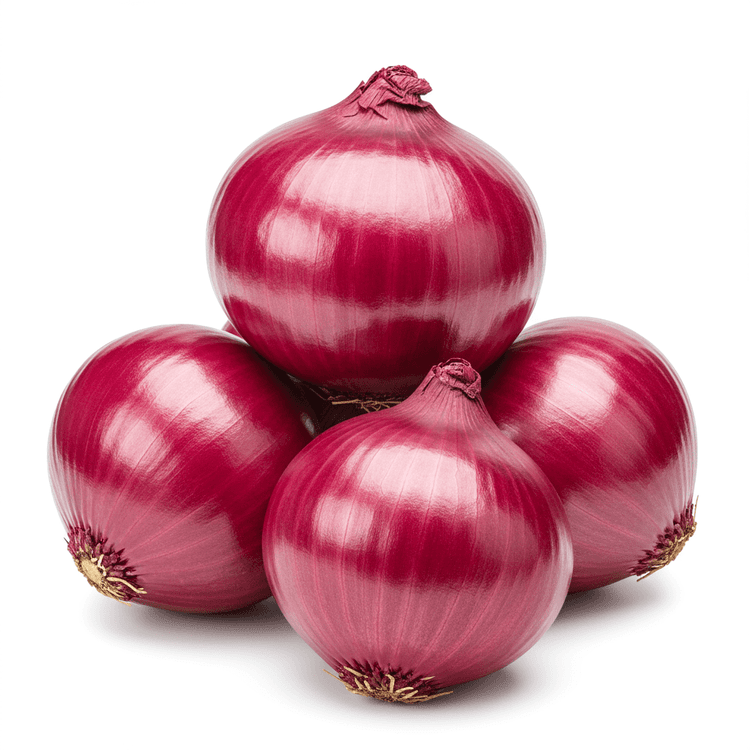
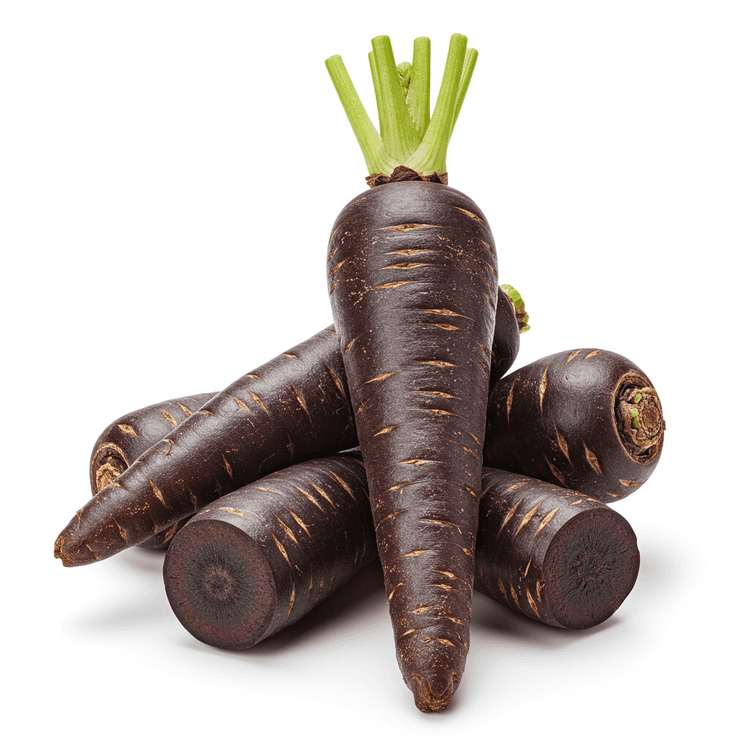
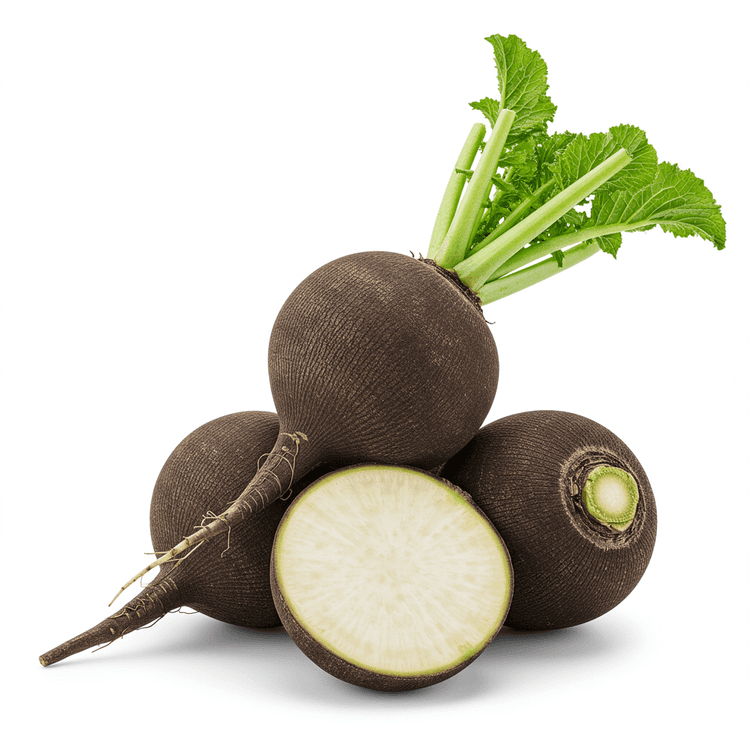
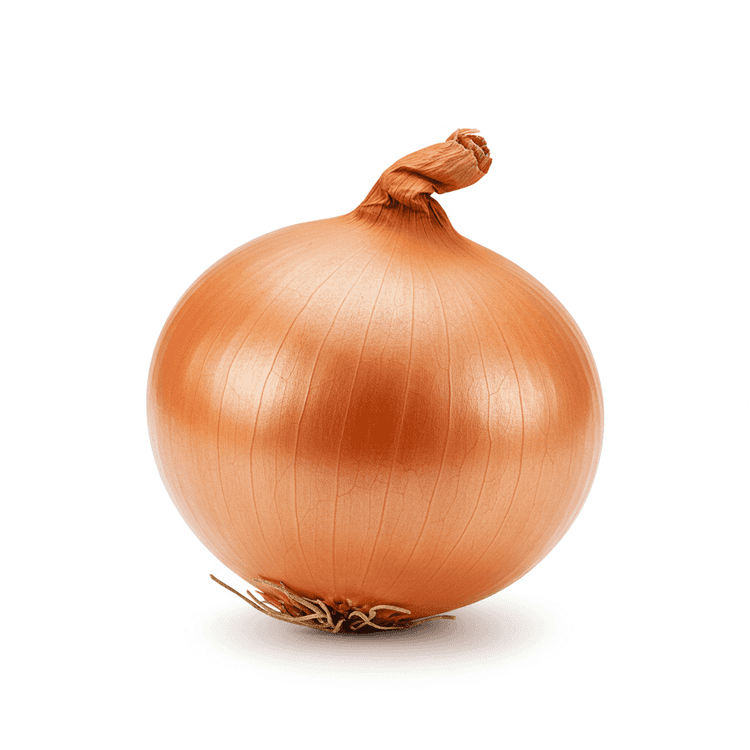
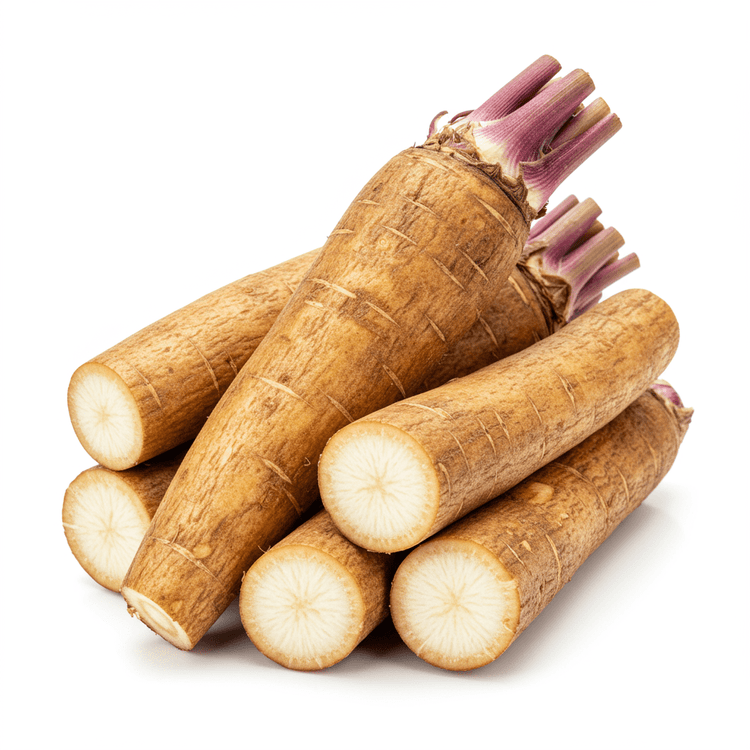
Root vegetables, the edible underground portions of plants, are nutritional powerhouses offering a wide range of health benefits and culinary versatility. From the familiar carrot and potato to the more exotic parsnip and cassava, these staples have nourished civilizations for centuries.
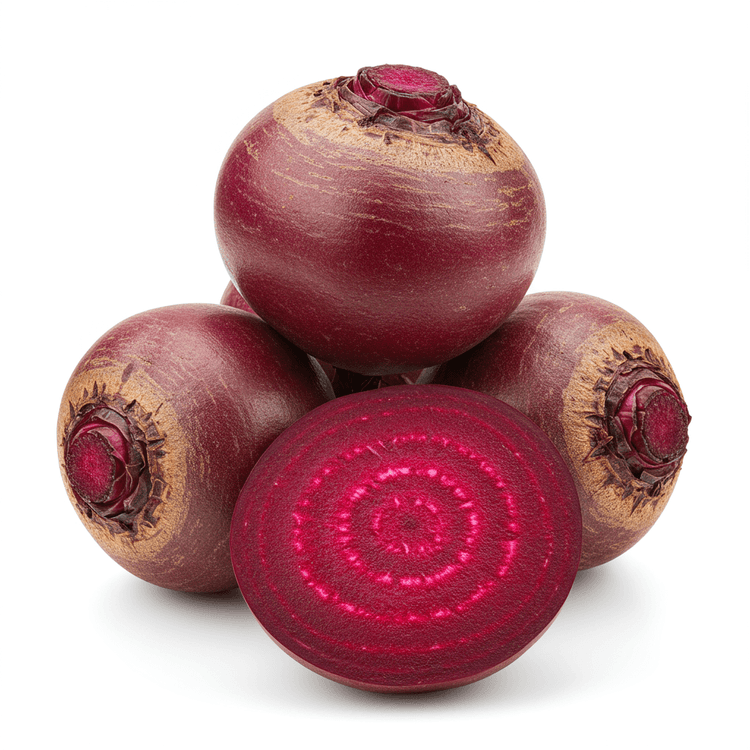
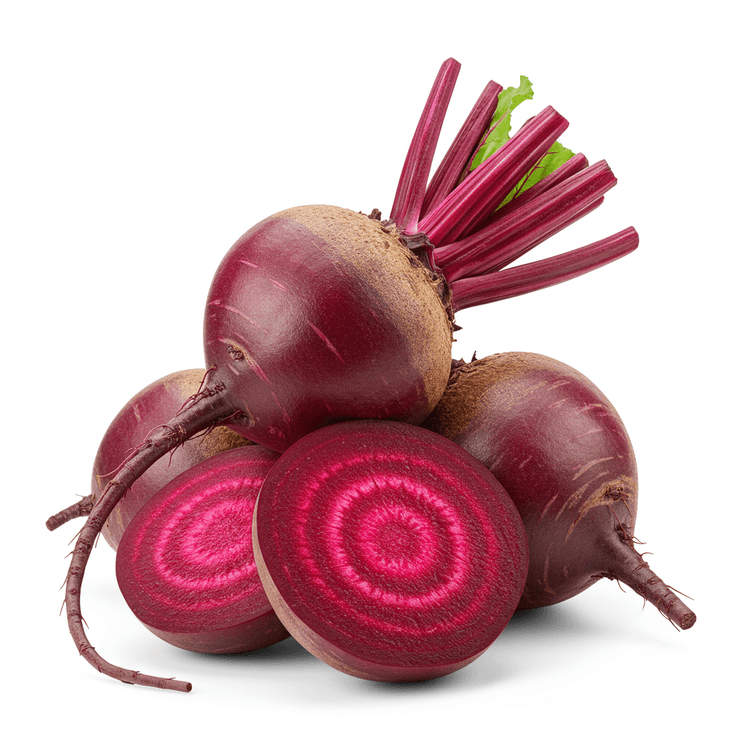
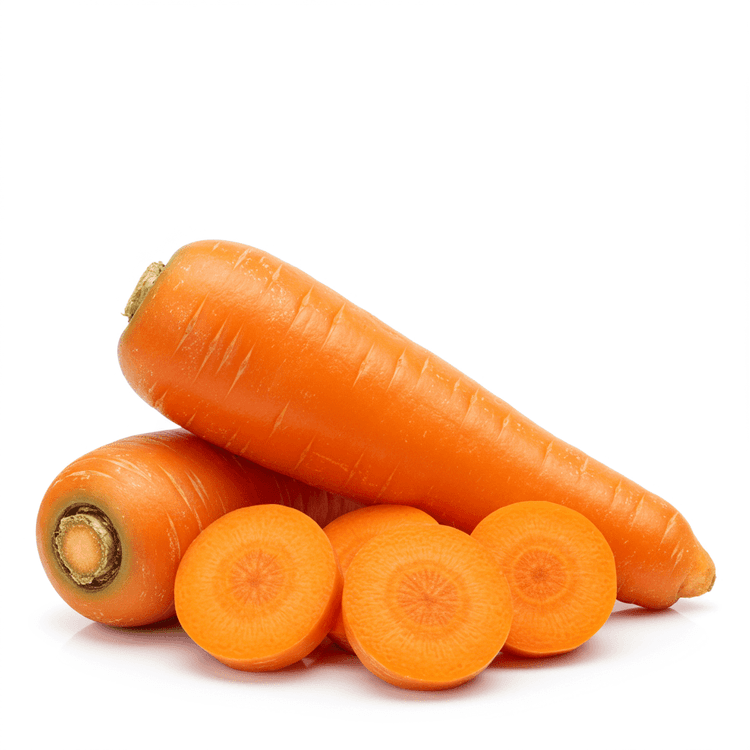
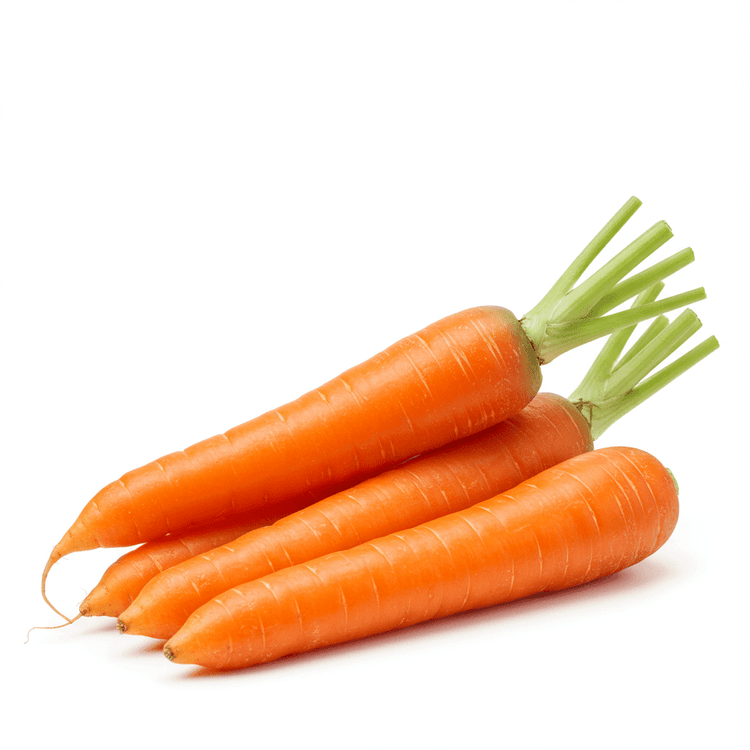
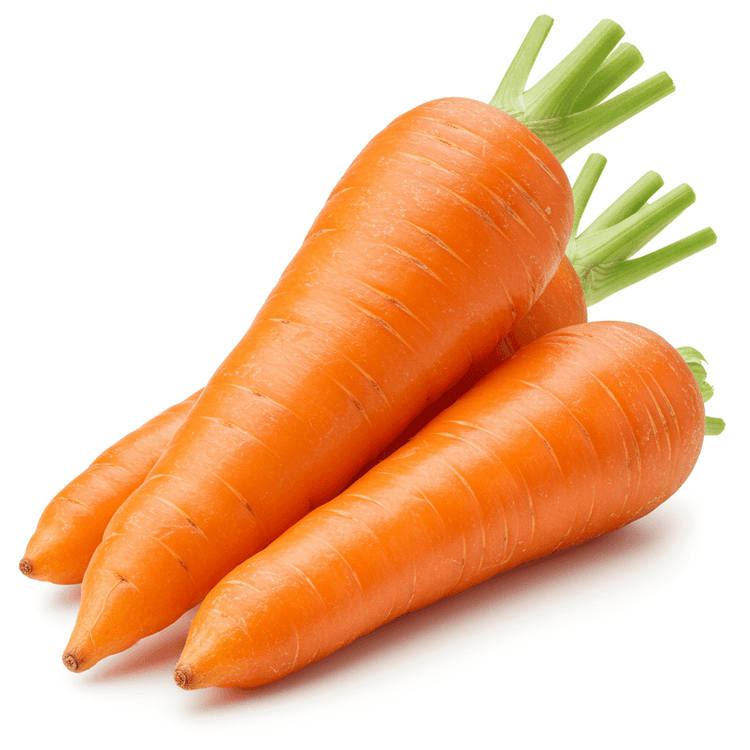
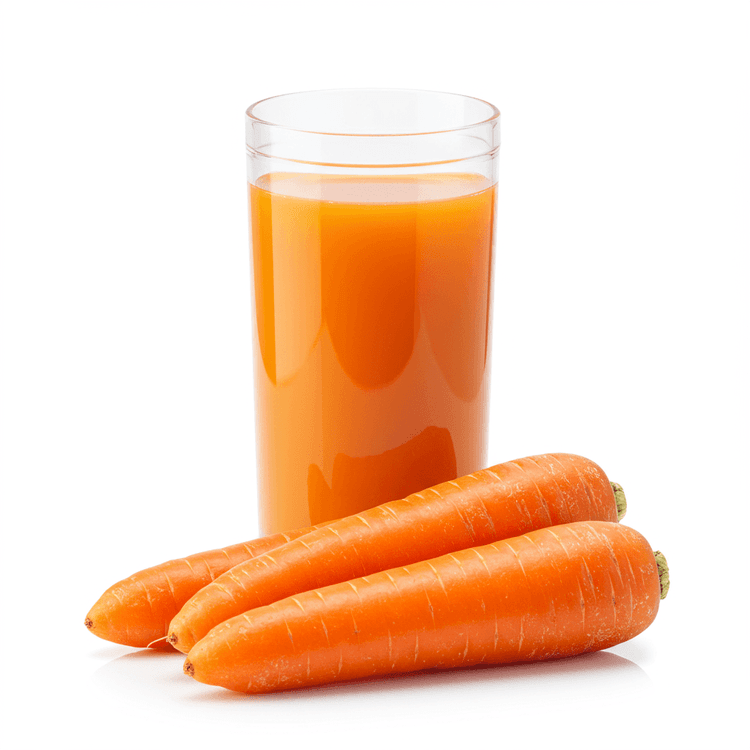
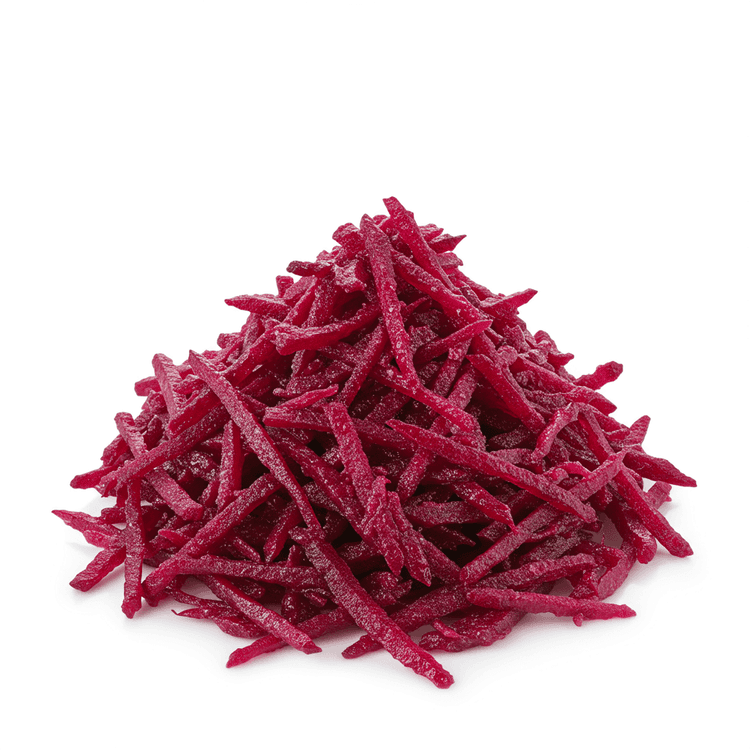
One of the primary reasons root vegetables are so beneficial is their dense nutrient profile. Many are excellent sources of complex carbohydrates, providing sustained energy release compared to simple sugars. This makes them ideal for managing blood sugar levels and fueling physical activity. Consider sweet potatoes, packed with beta-carotene, a precursor to vitamin A, crucial for vision, immune function, and cell growth. Carrots are similarly rich in beta-carotene, while beets boast high levels of nitrates, which can improve blood flow and lower blood pressure.
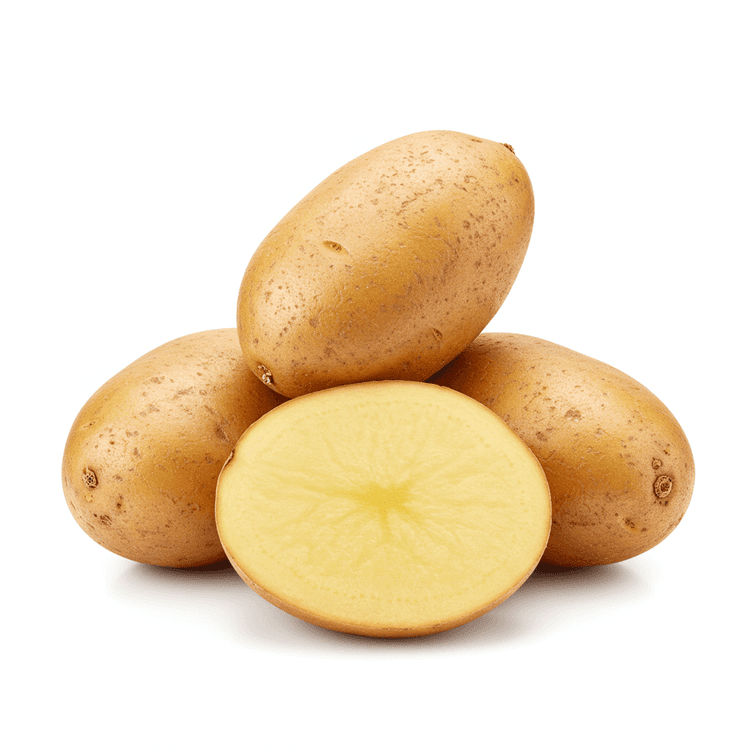
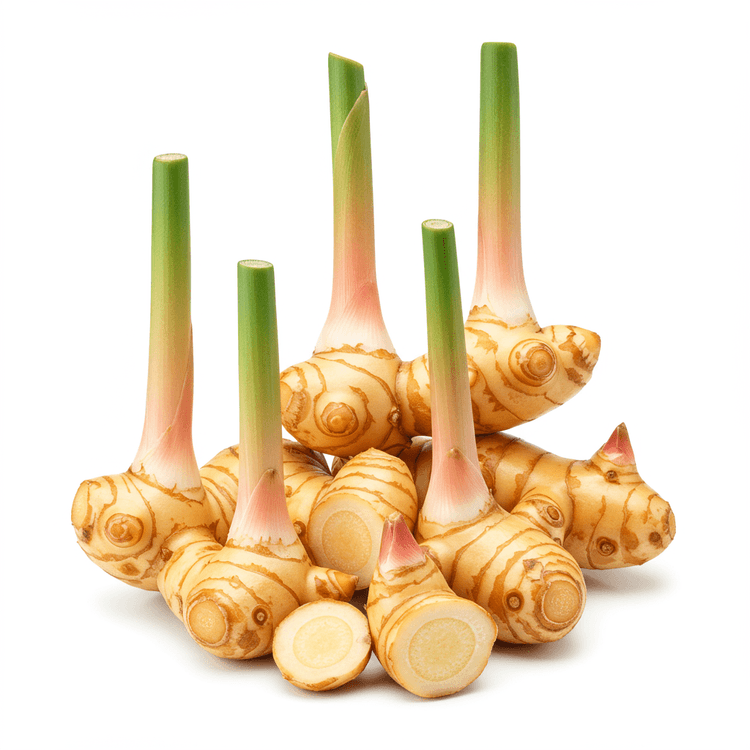
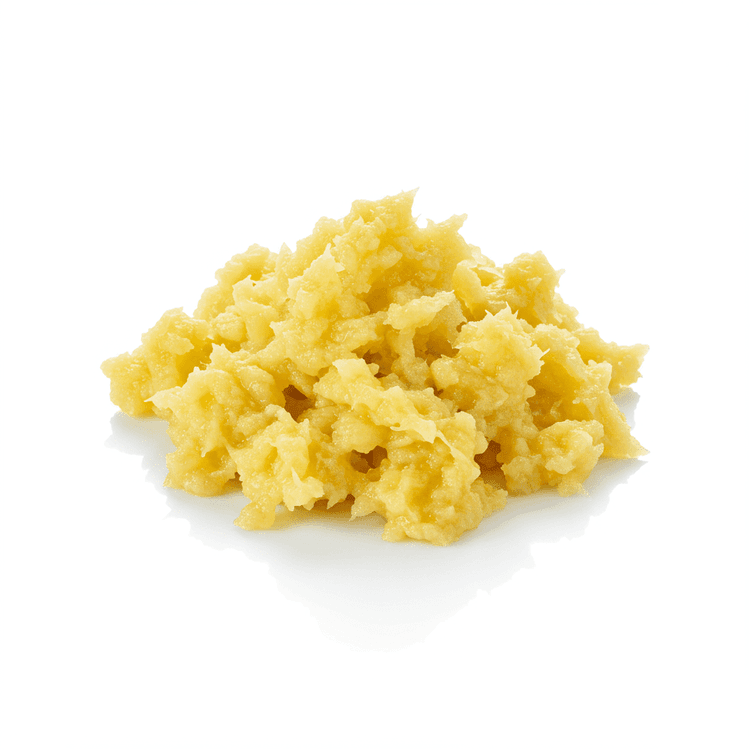
Beyond vitamins, root vegetables are abundant in essential minerals. Potassium, vital for maintaining healthy blood pressure and muscle function, is found in significant quantities in potatoes and turnips. Magnesium, involved in hundreds of enzymatic reactions in the body, is present in parsnips and sweet potatoes. Furthermore, many root vegetables offer a substantial dose of dietary fiber. This fiber aids in digestion, promotes gut health, and helps regulate cholesterol levels. The insoluble fiber in vegetables like carrots and beets adds bulk to the diet, promoting regularity and preventing constipation. Certain root vegetables, like ginger and turmeric, are prized for their potent antioxidant and anti-inflammatory properties, primarily due to compounds like gingerol and curcumin, respectively.
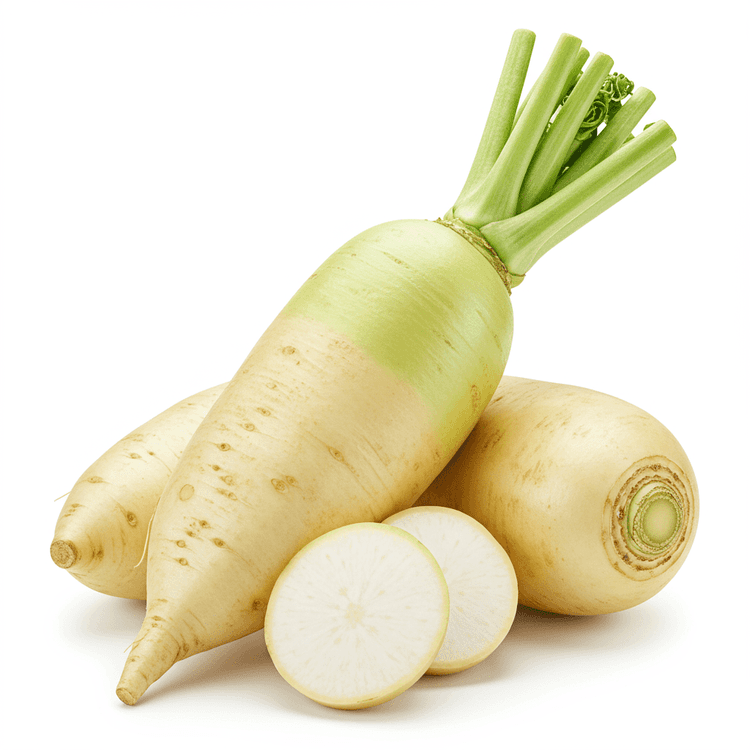
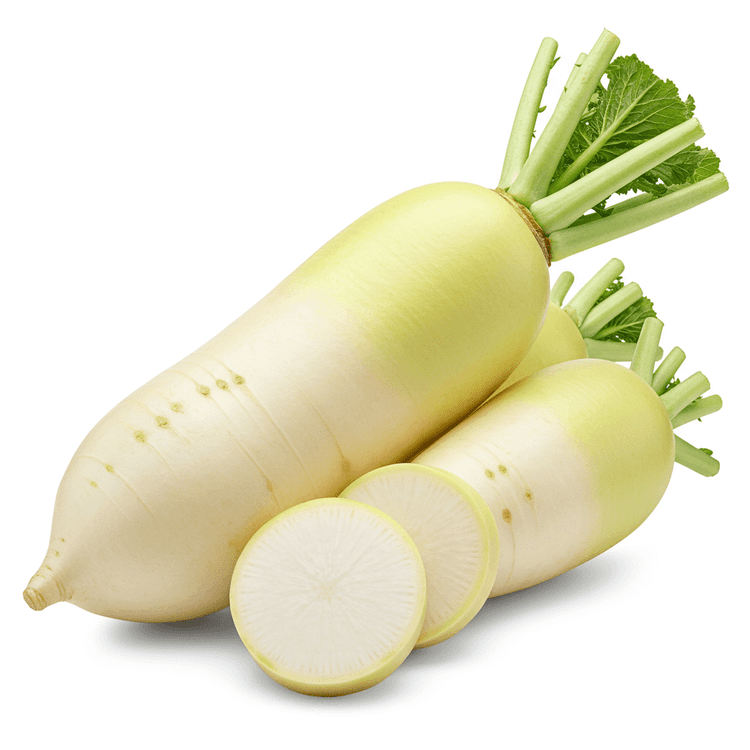
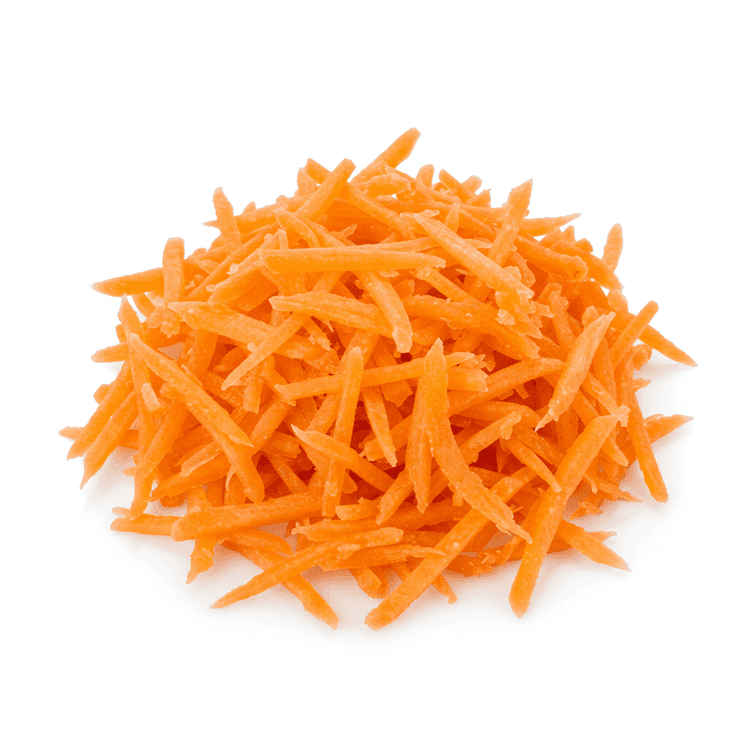
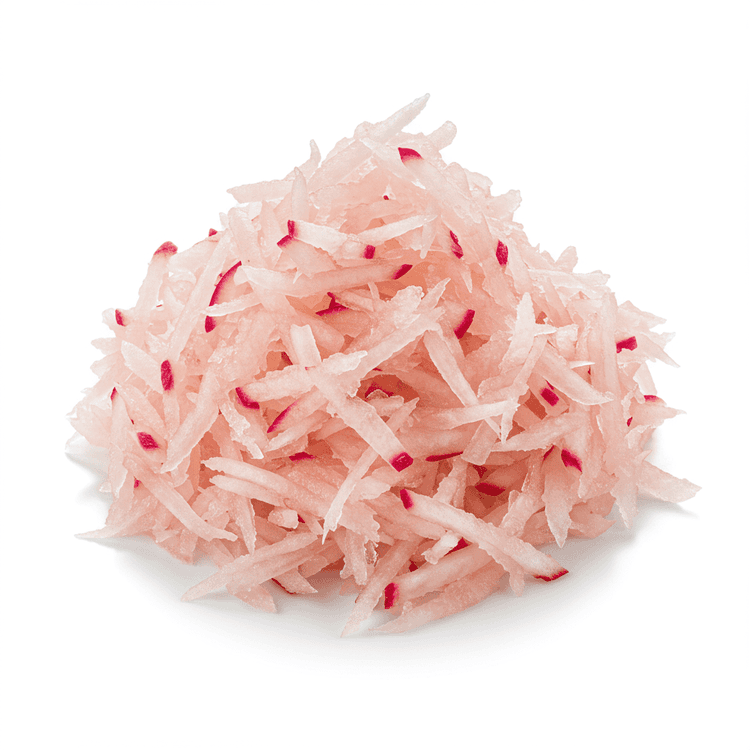
In the kitchen, root vegetables shine with their adaptability. They can be roasted, boiled, mashed, fried, grilled, or even eaten raw. Roasted root vegetables, like a medley of carrots, parsnips, and potatoes tossed with herbs and olive oil, are a classic comfort food. Mashed sweet potatoes offer a healthier alternative to mashed potatoes, while pureed parsnip soup provides a creamy and flavorful starter. Carrots and beets can be shredded into salads for added crunch and color. Globally, root vegetables feature prominently in countless dishes. Think of the potato's central role in Irish cuisine, the cassava's importance in many African and South American diets, or the daikon radish's prevalence in Asian cuisine.
Integrating root vegetables into a balanced diet is crucial for overall wellness. Their complex carbohydrates, vitamins, minerals, and fiber contribute to sustained energy, improved digestive health, and a reduced risk of chronic diseases. Unlike processed foods that often lack essential nutrients, root vegetables offer a wholesome and natural way to nourish the body. They are particularly valuable for those seeking plant-based sources of essential nutrients and complex carbohydrates. Embracing a variety of root vegetables ensures a broad spectrum of nutrients and adds exciting flavors and textures to your meals. From supporting heart health to boosting immunity, these humble vegetables provide a wealth of health benefits that make them an indispensable part of a healthy lifestyle. ||
Root Vegetable are an essential part of a healthy diet, providing a wide range of nutrients and health benefits. Explore our collection of root vegetable ingredients.