
Top 100 Indian Curry Recipes: Chicken, Vegetable, Dal and Meat
Updated June 29, 2026 · Curated by Chefadora
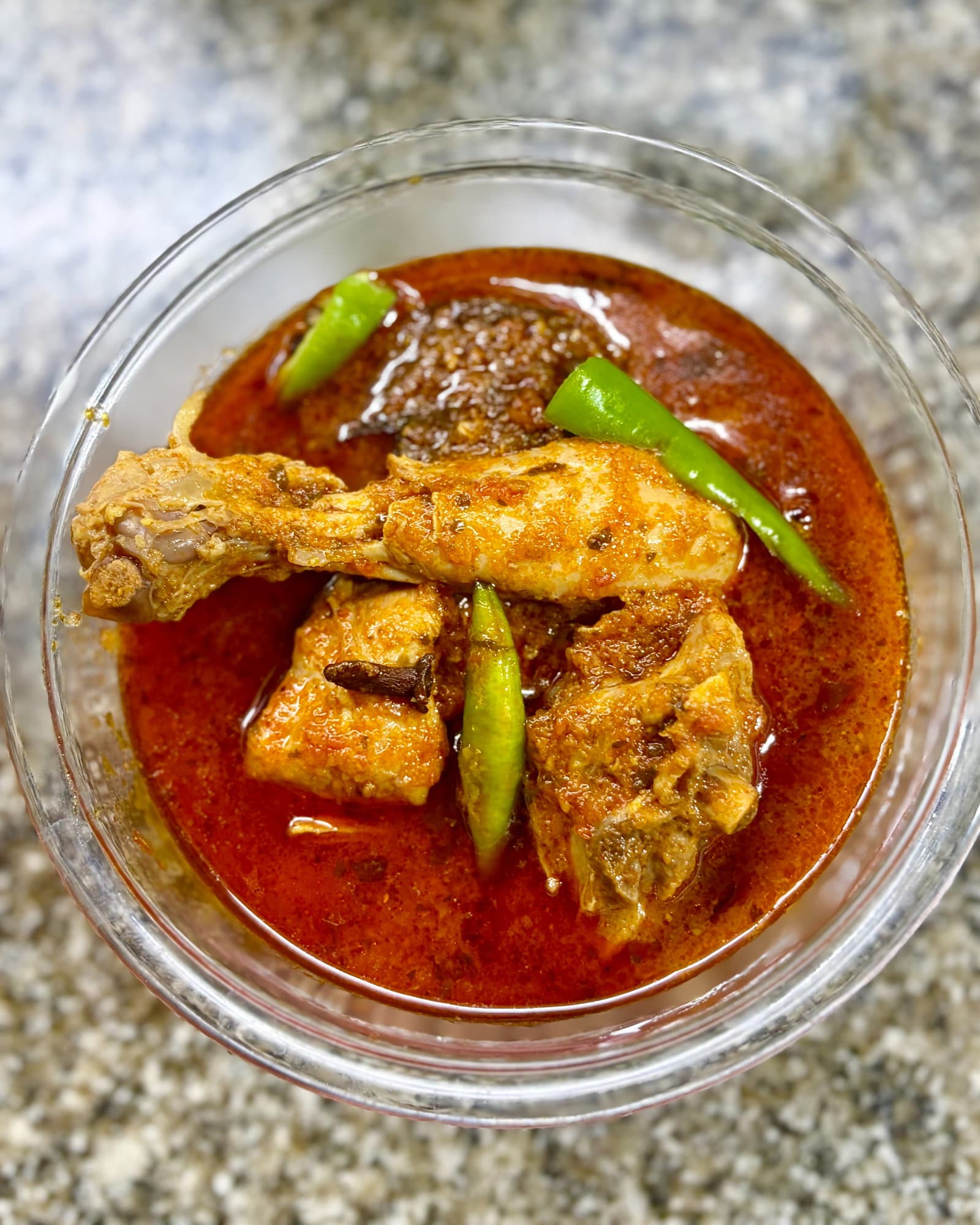
Indian curry recipes are not really one dish but a whole grammar of cooking: aromatics and spices simmered into a sauce that carries whatever you put in it, from a fast weeknight dal to a slow, festive mutton. What unites the hundreds of regional styles is less a fixed ingredient list than a shared method, and once that method is in your hands, the recipes below stop reading like instructions and start reading like variations on a theme you already know.
At the heart of almost every North Indian gravy sits the same foundation: the onion-tomato masala base. Onions cooked down until soft and golden, ginger and garlic bloomed in hot fat, whole and ground spices toasted until they smell cooked rather than raw, and tomatoes reduced until the oil glistens and separates at the edges. Rush that base and the whole curry tastes flat and harsh; give it the full ten to fifteen minutes and the same handful of ingredients turns deep, round and restaurant-worthy.
You will find four clusters here. Chicken curries are the everyday workhorse and the best place to learn the rhythm. Vegetable and paneer curries lean on the same base with bolder aromatics to make up for the missing meat juices. Lentil and dal curries swap the masala logic for a tadka finish. And the meat and seafood group is the slow, rich end of the table, where patience with tough cuts and restraint with delicate seafood make all the difference.
Treat this as a working reference rather than a list to scroll past. Every recipe links to full ingredients and steps on Chefadora, and the guides below cover the decisions that actually determine whether a curry sings or sits there: how to build that masala base, how to bloom and balance spices, how to match the cooking time to your protein, and how to finish a gravy so it tastes layered rather than one-note.
Chicken Curries
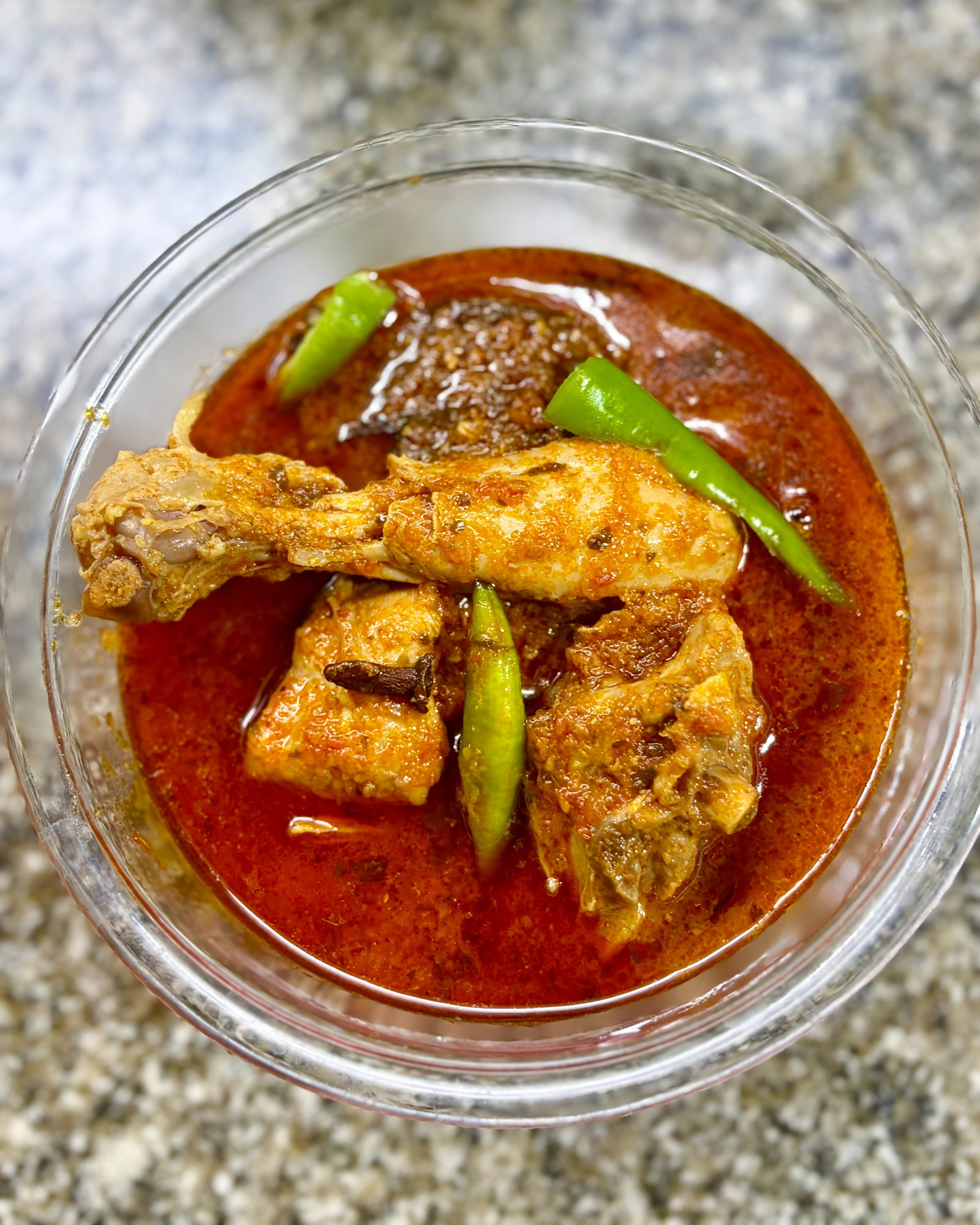
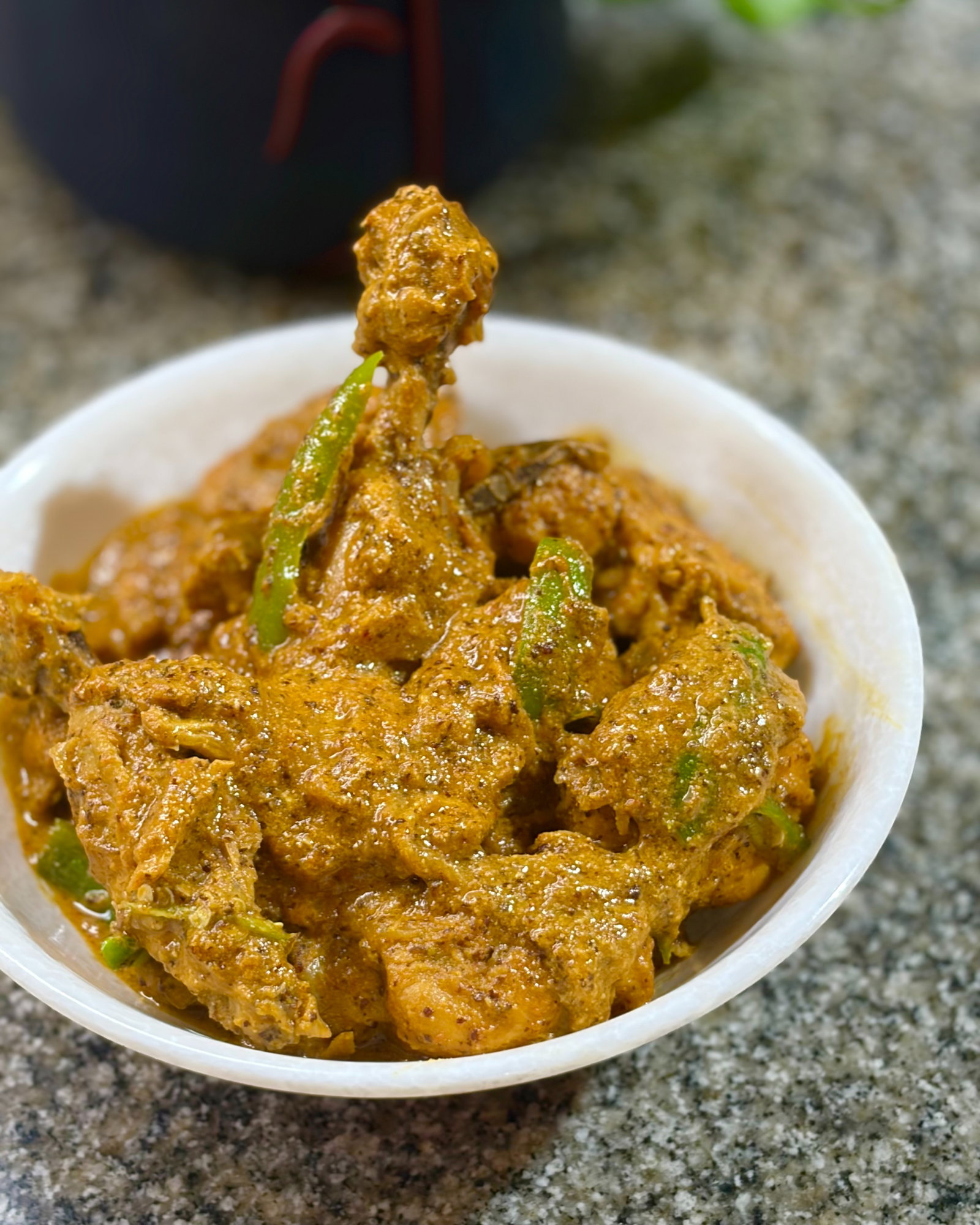
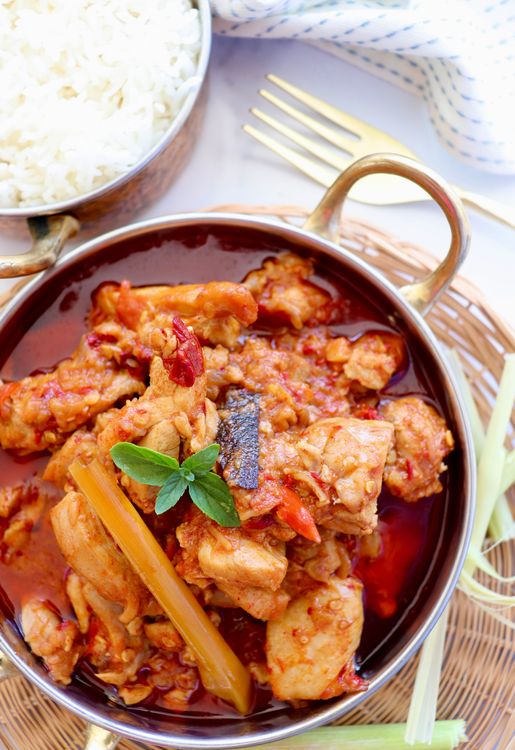
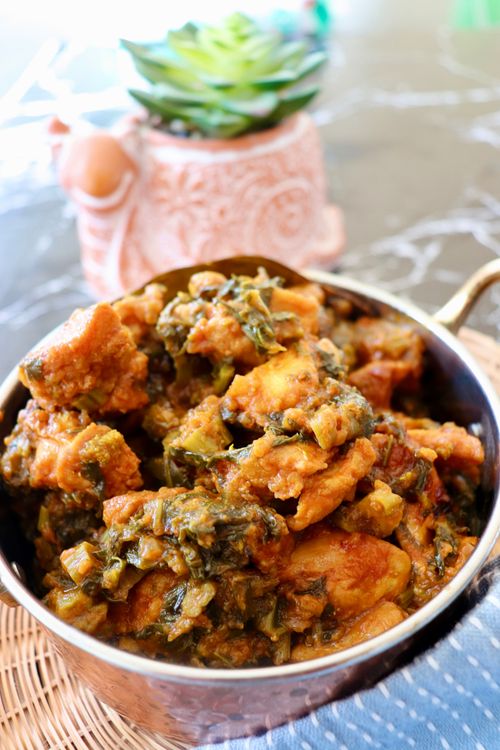
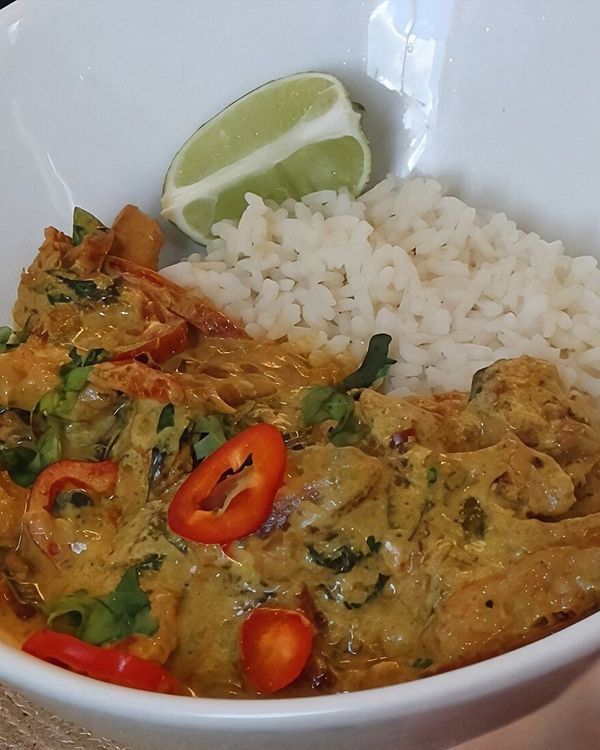
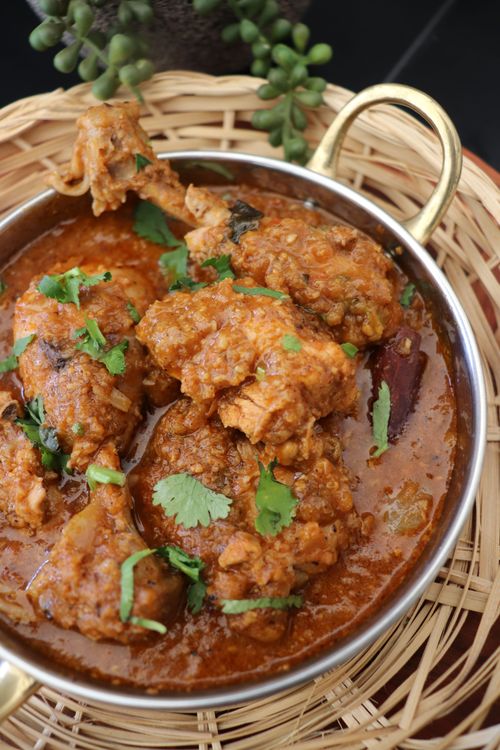
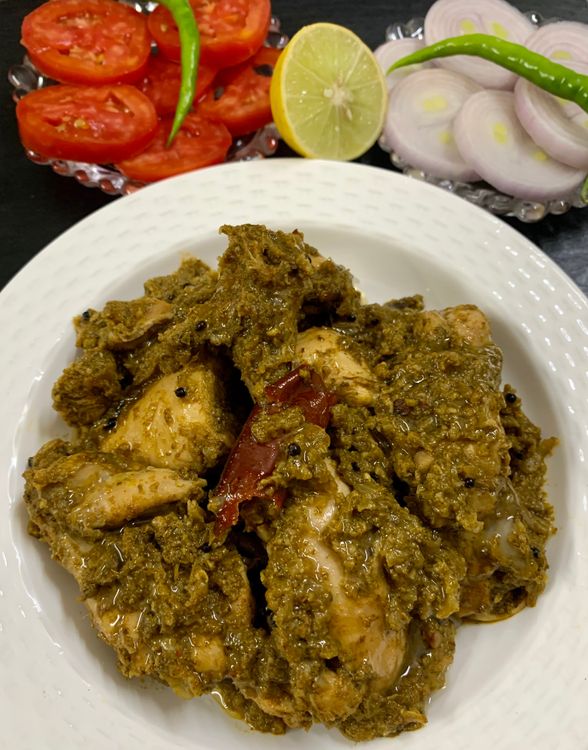
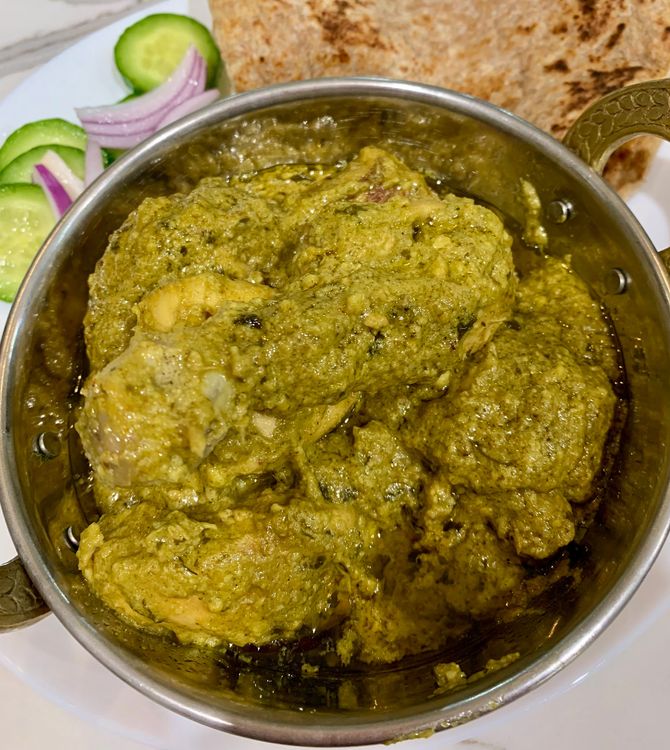
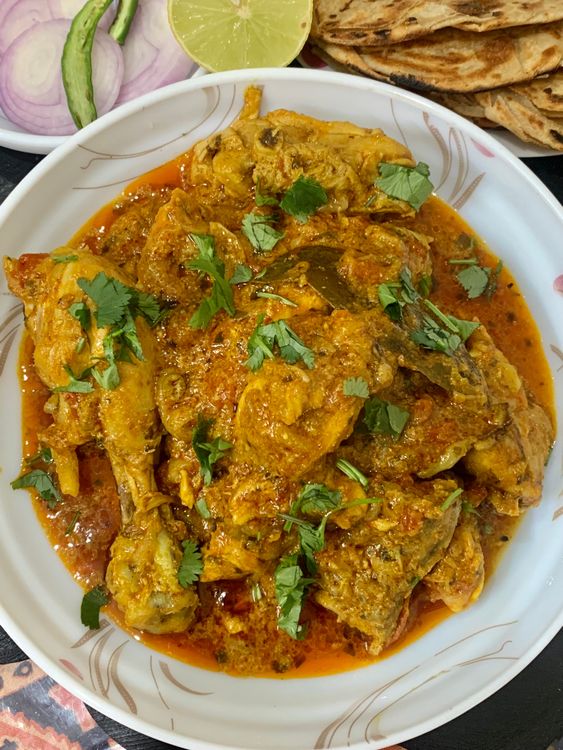
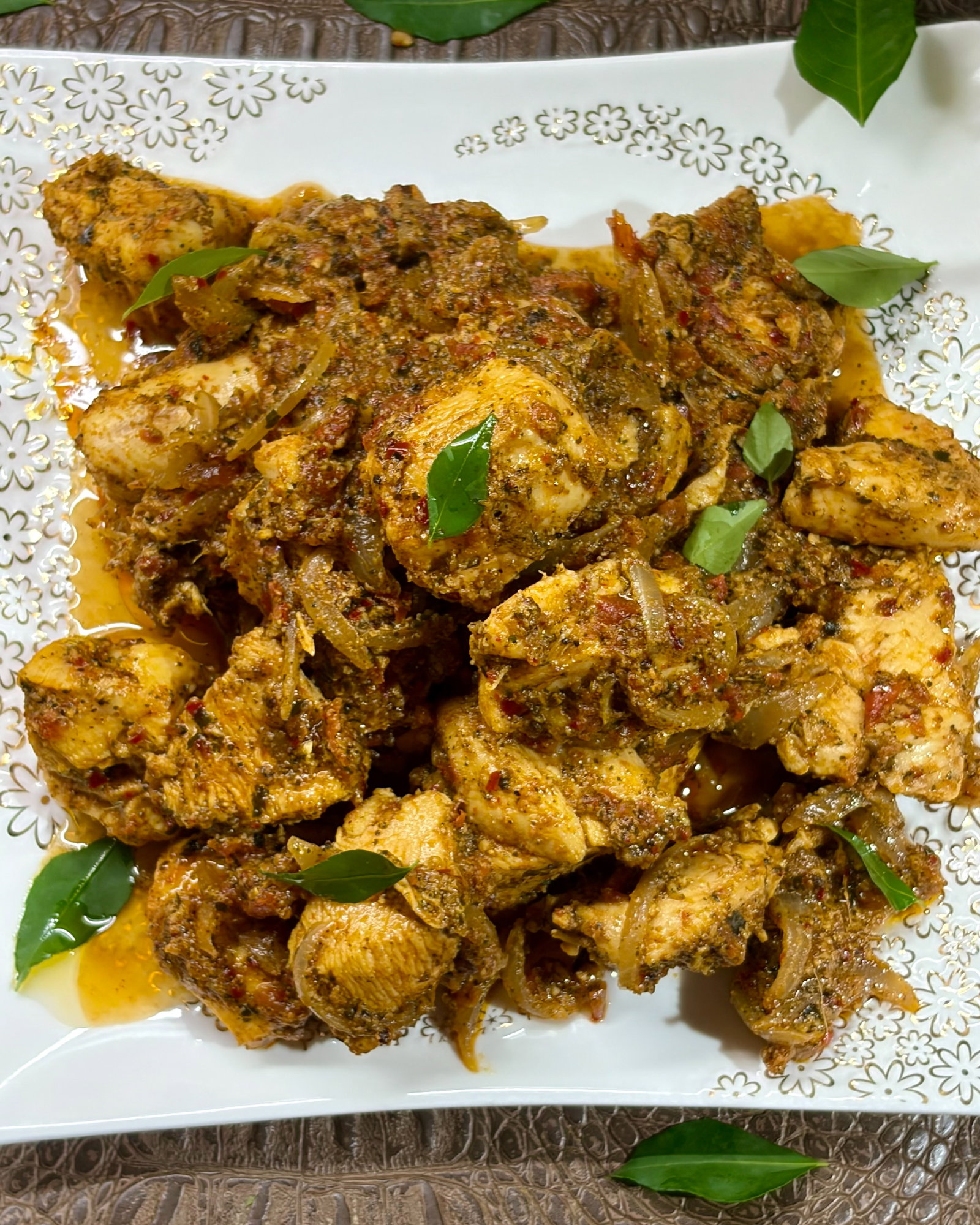
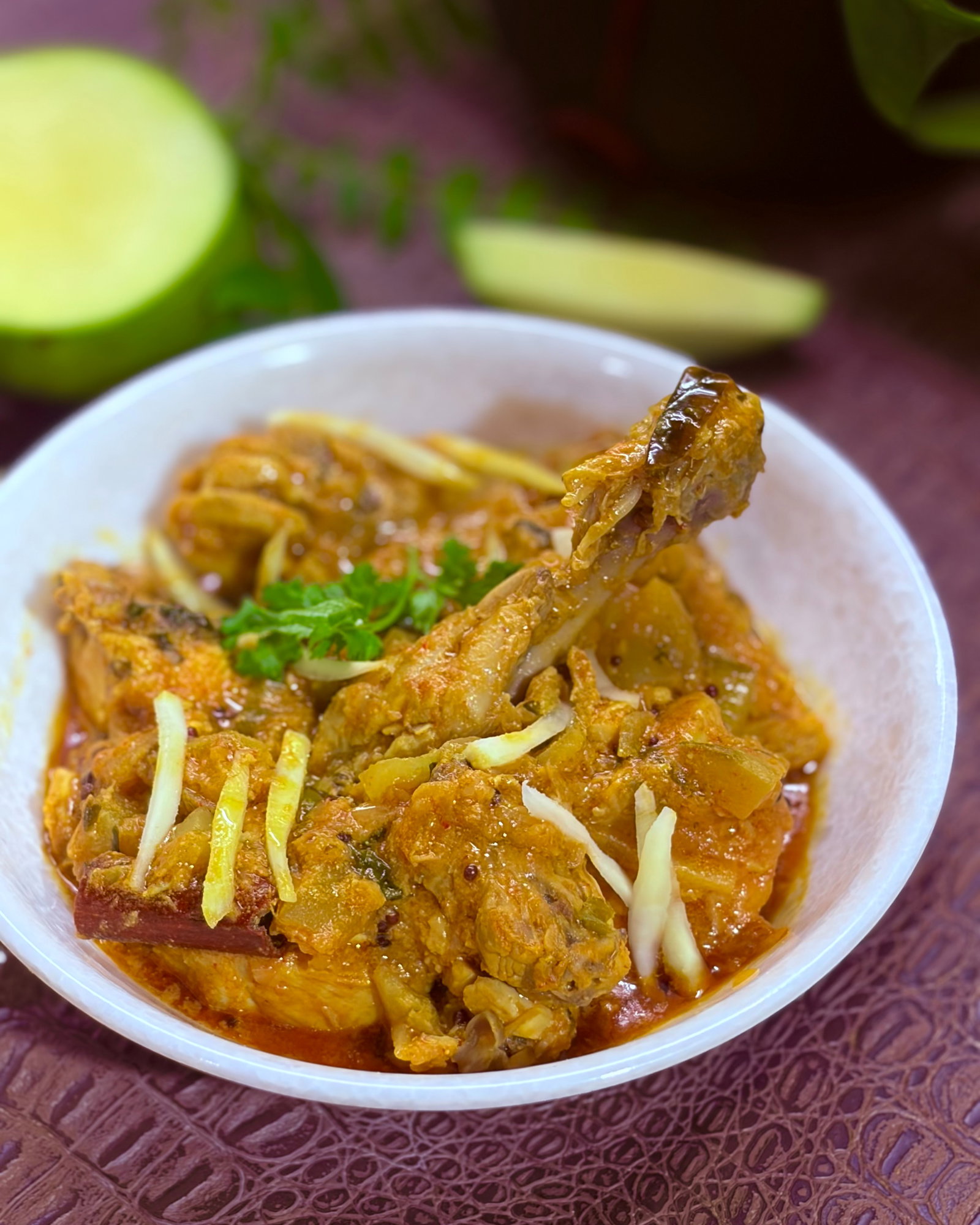
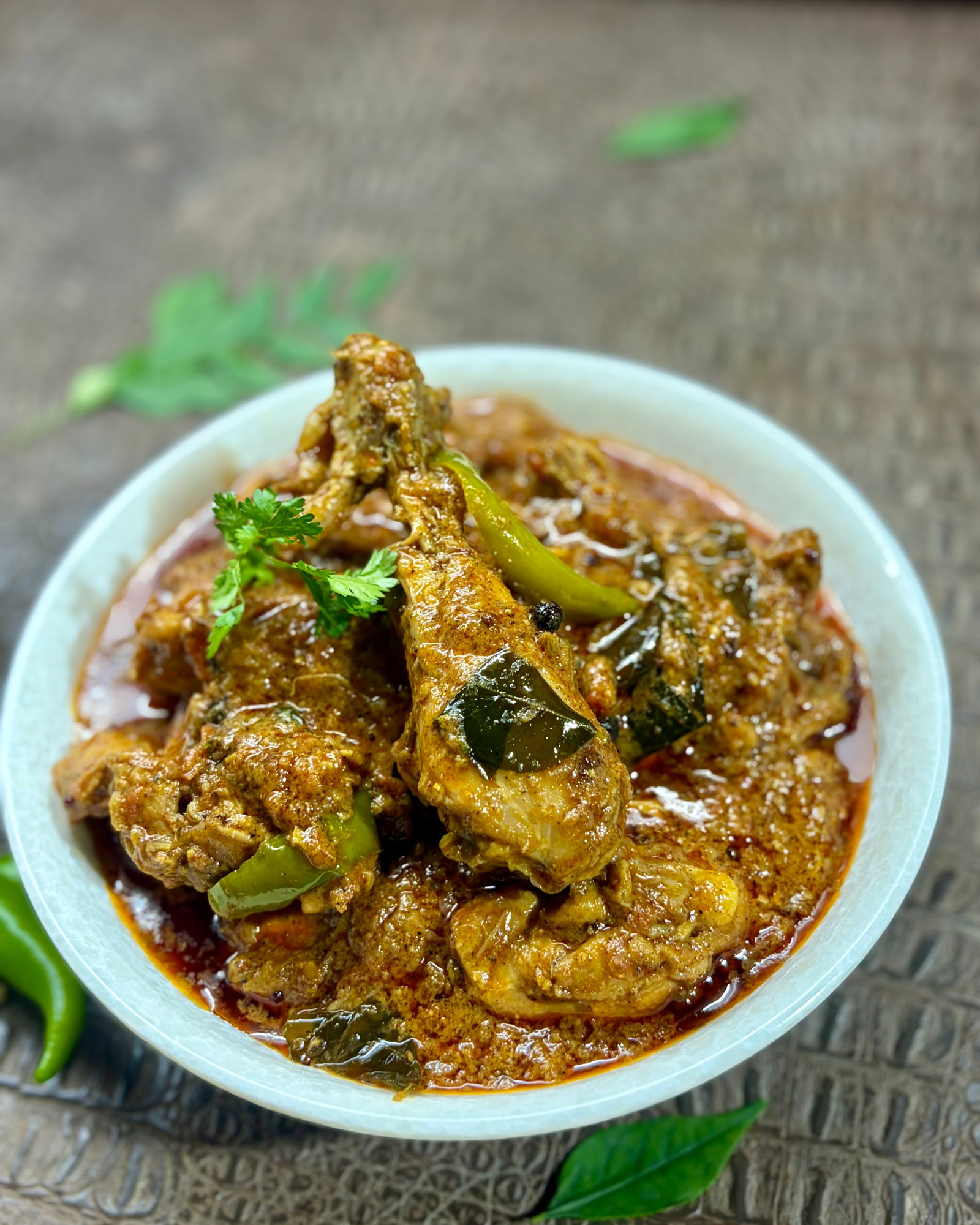
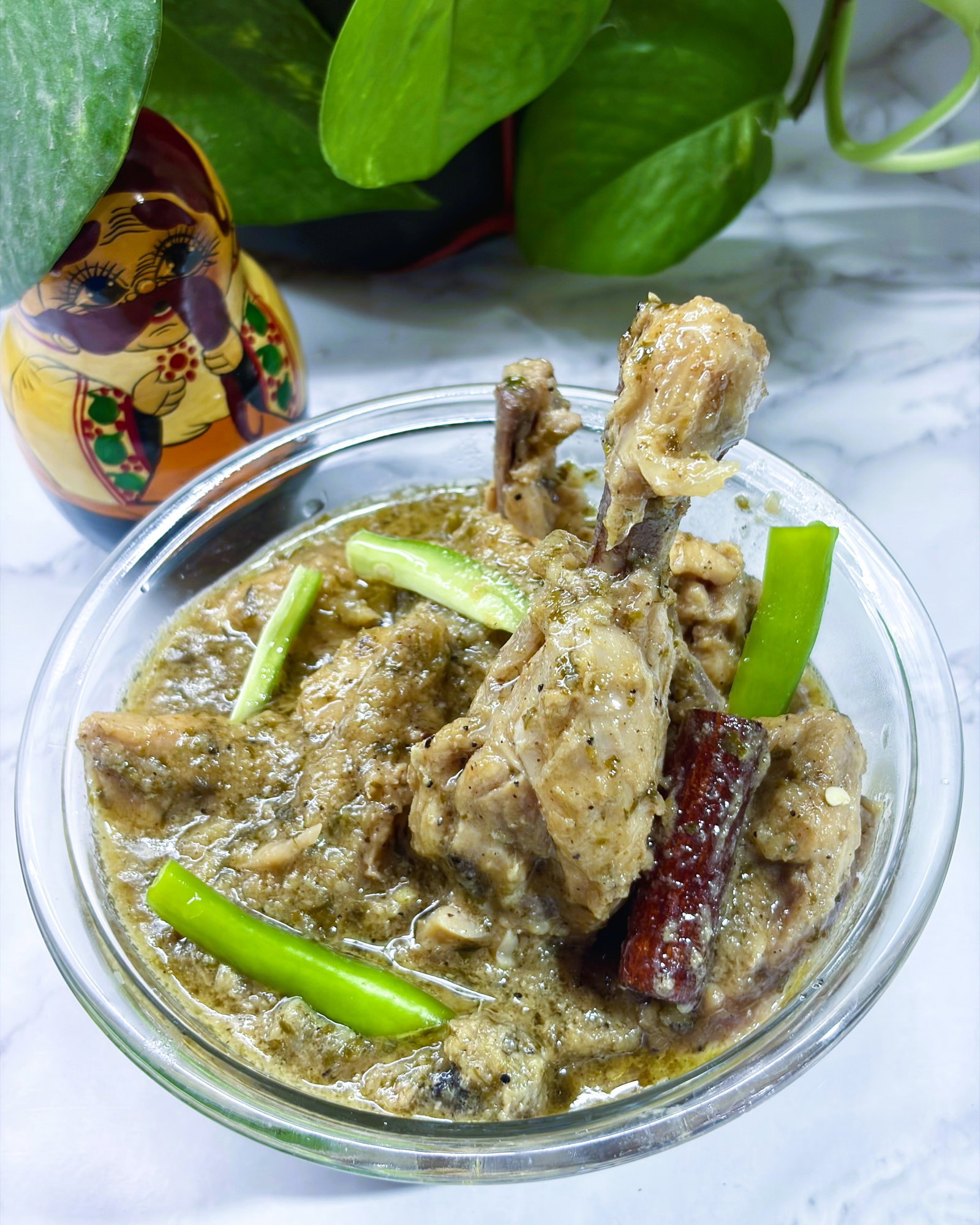
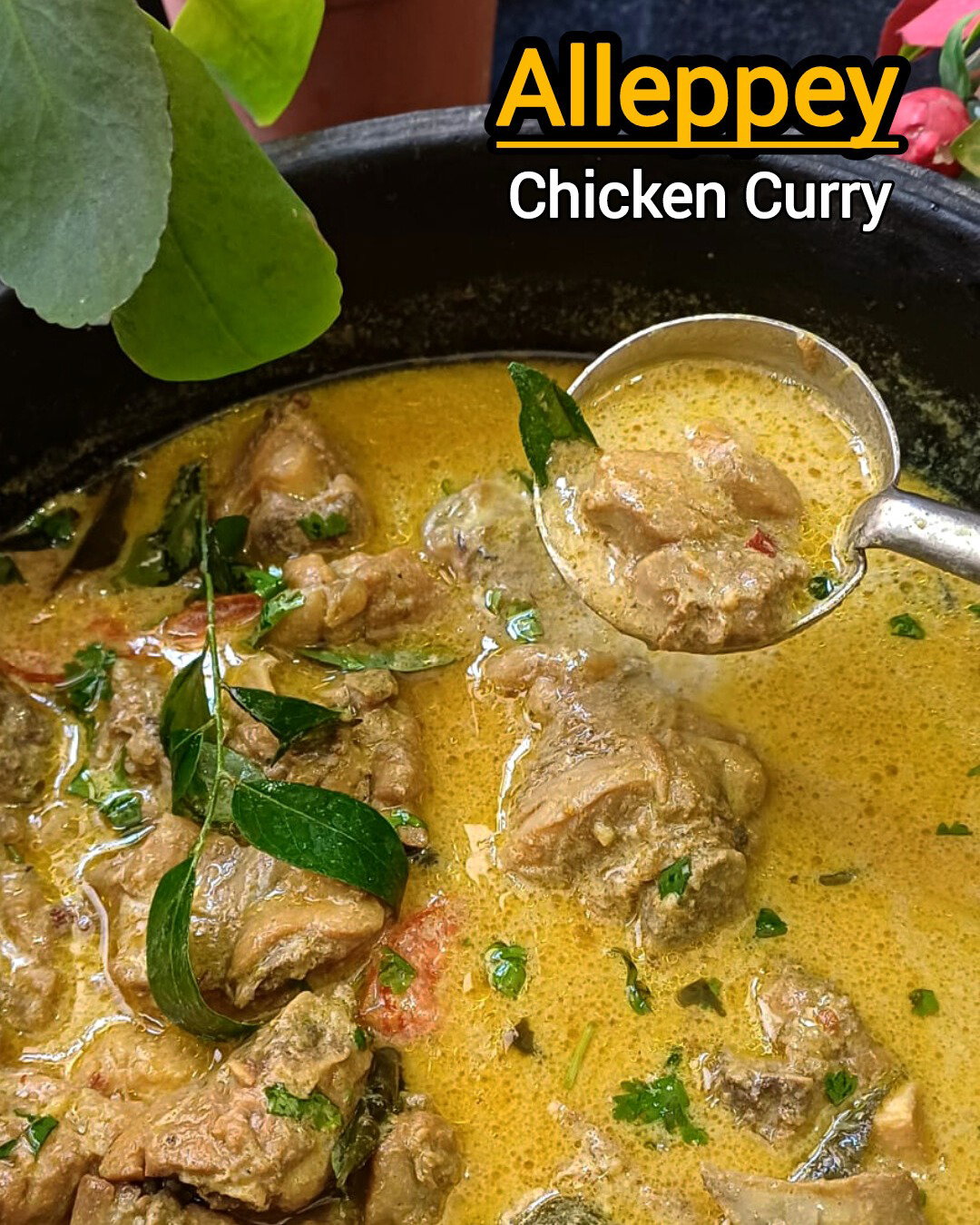
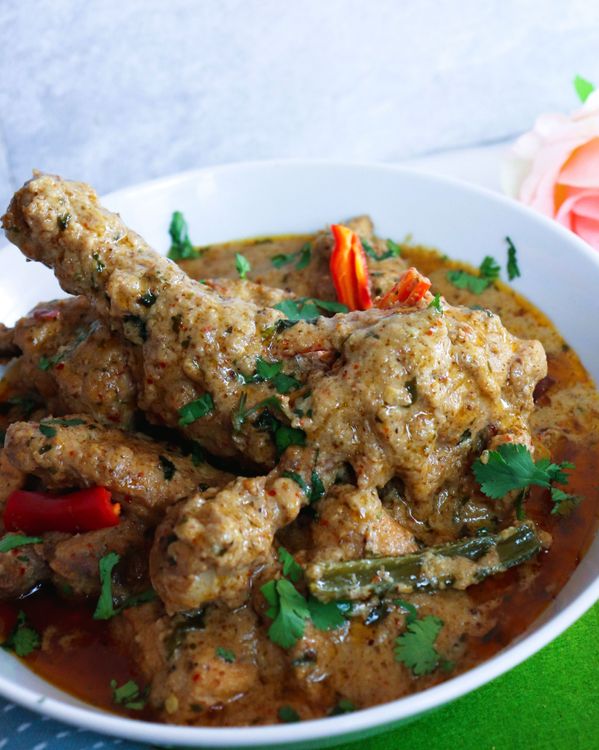
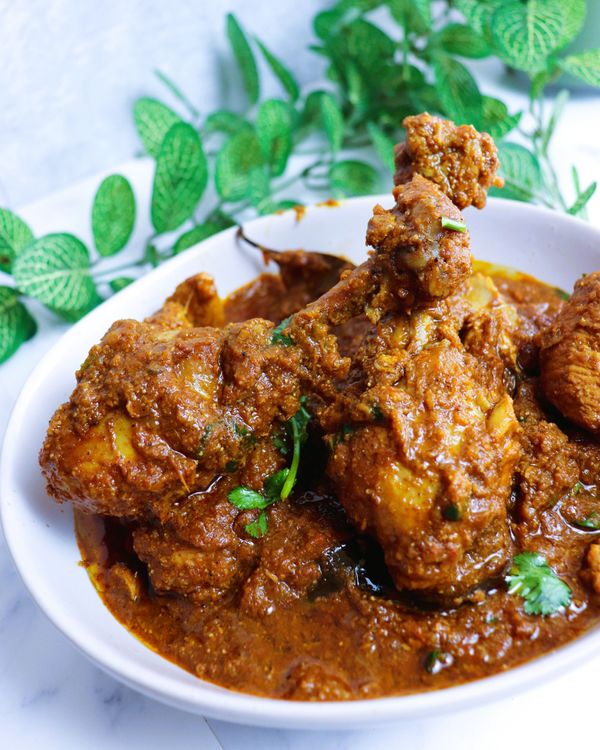
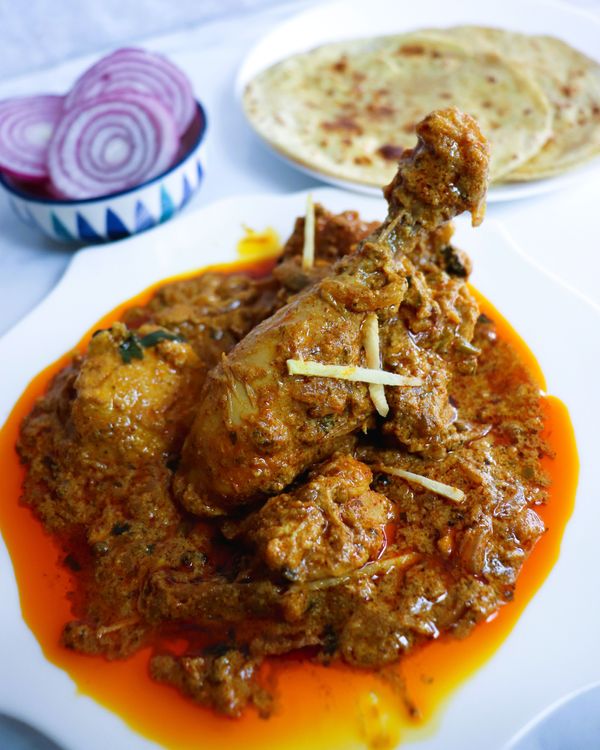
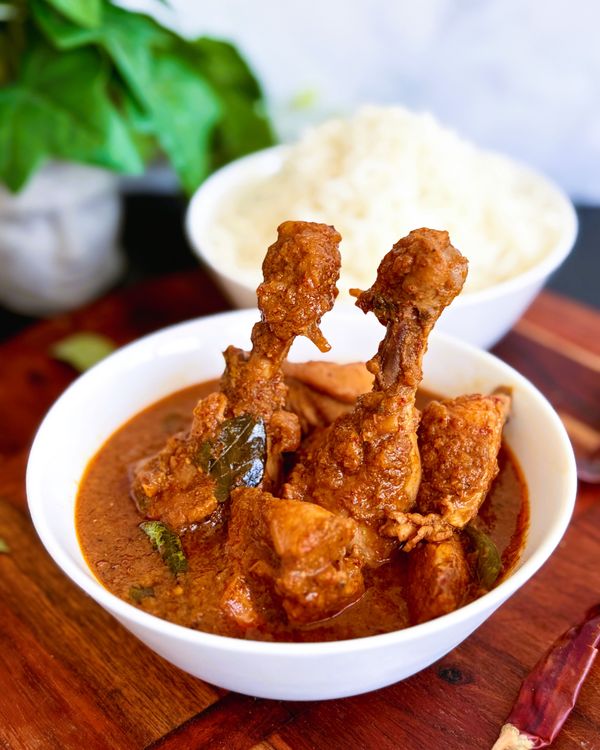
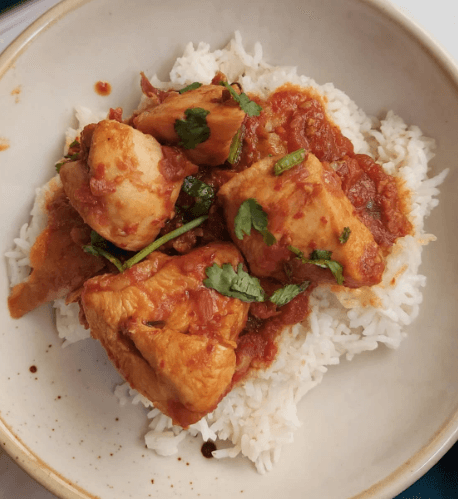
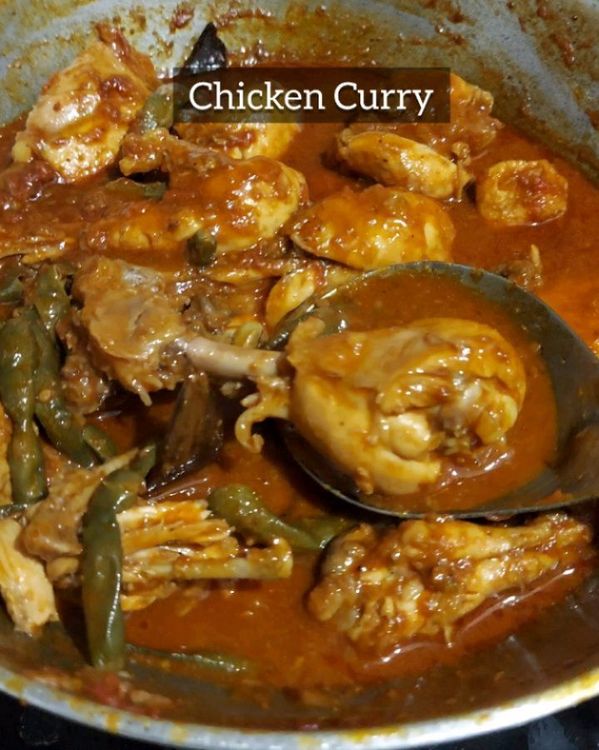
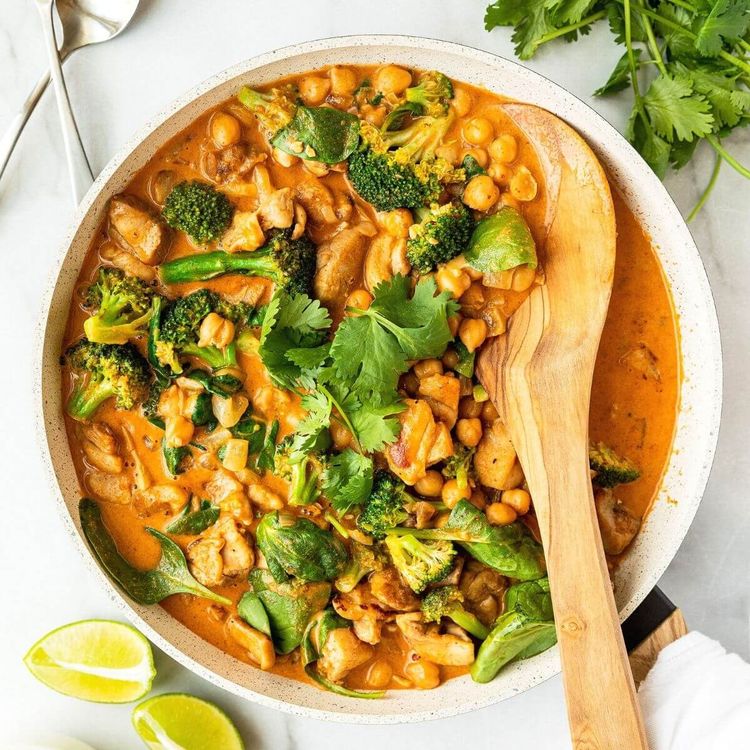
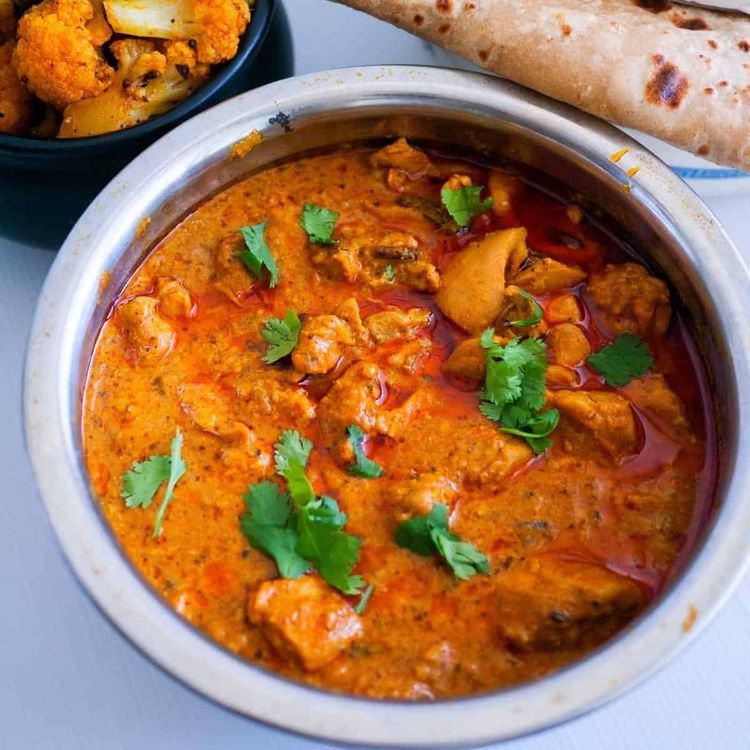
Chicken is where most cooks learn the Indian curry, and for good reason: it is quick, forgiving, and teaches the rhythm everything else depends on. The work is almost all in the base, so cook your onions down to a deep golden brown, bloom the ginger-garlic until the raw smell goes, and reduce the tomatoes hard until the oil glistens and separates at the edges before the chicken ever goes in. Bone-in pieces reward this style most, lending the gravy depth and staying juicier than breast through a simmer. Coat the chicken in the masala first so it seals and takes on color, then drop the heat and let it cook at a bare bubble for twenty to thirty minutes; a hard boil toughens the meat and can split a creamy sauce. From a smooth, buttery makhani to a fiery kadai or a coconut-rich southern style, the spice routes differ but the move is the same. Finish off the heat with garam masala, crushed kasuri methi and a swirl of cream or a squeeze of lime, so the gravy tastes layered rather than one-note. Standouts here include One-Pot Chicken Curry (Pressure Cooked) and Shorshe Chicken (Mustard Chicken Curry), plus Lemongrass Chicken Curry.

- Non-Vegetarian
- Lunch
- Gluten-Free
- Lunch
- Indian
- Non-Vegetarian
- Lunch
- Indian
- Non-Vegetarian
- Lunch

- Thai
- Non-Vegetarian
- Lunch
- Indian
- Non-Vegetarian
- Lunch
- Indian
- Eggetarian
- Lunch
- Indian
- Non-Vegetarian
- Lunch
- Indian
- Non-Vegetarian
- Lunch
- Indian
- Non-Vegetarian
- Lunch
- Indian
- Non-Vegetarian
- Lunch
- Gluten-Free
- Main Course
- Indian
- Non-Vegetarian
- Dinner
- Gluten-Free
- Dinner
- Indian
- Gluten-Free
- Dinner
- Gluten-Free
- Main Course

- Non-Vegetarian
- Lunch
- Indian
- Non-Vegetarian
- Lunch
- Indian
- Non-Vegetarian
- Lunch
- Indian
- Non-Vegetarian
- Lunch
- South Indian
- Non-Vegetarian
- Lunch


- Indian
- Vegan
- Dinner

- Indian
- Non-Vegetarian
- Dinner
- Manipuri
- Non-Vegetarian
- Dinner
- Indian
- Non-Vegetarian
- Dinner


- American
- Non-Vegetarian
- Dinner
- Asian
- Non-Vegetarian
- Main Course
- Indian
- Non-Vegetarian
- Dinner
- Indian
- Non-Vegetarian
- Lunch
Vegetable & Paneer Curries
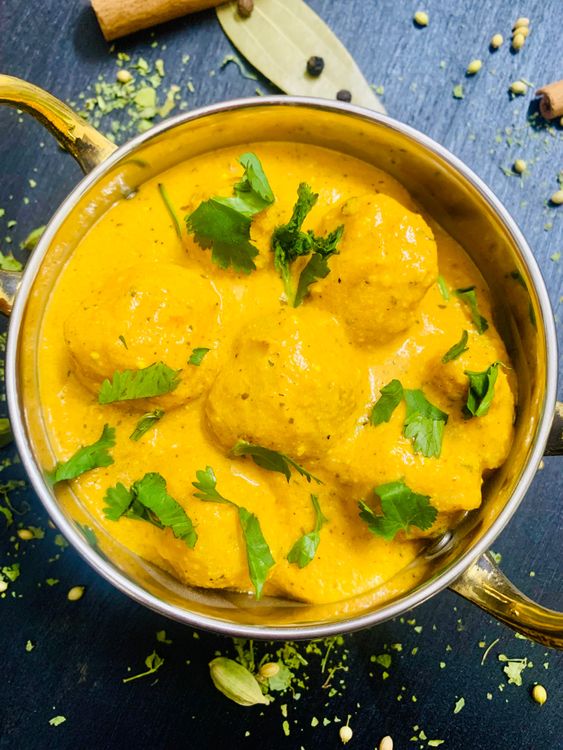
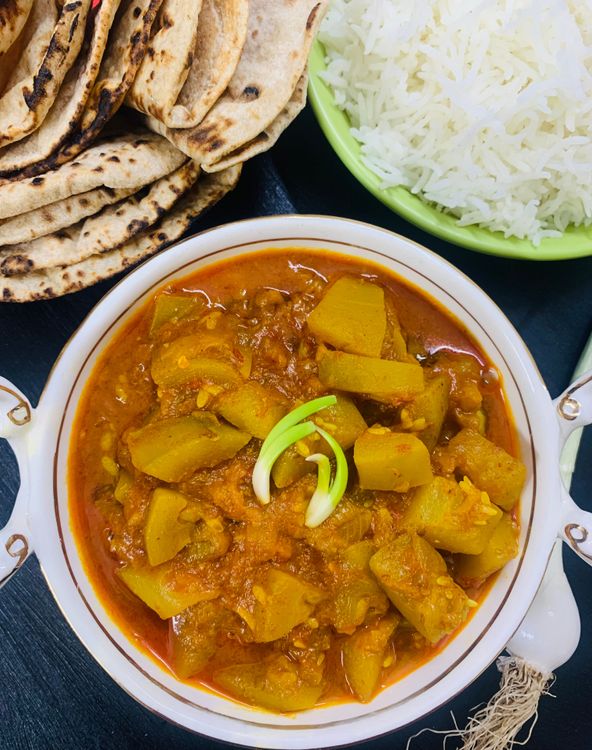
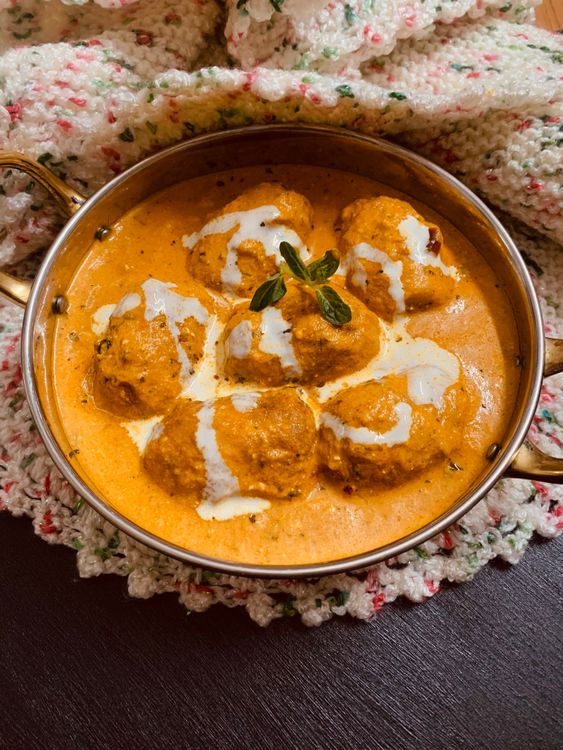
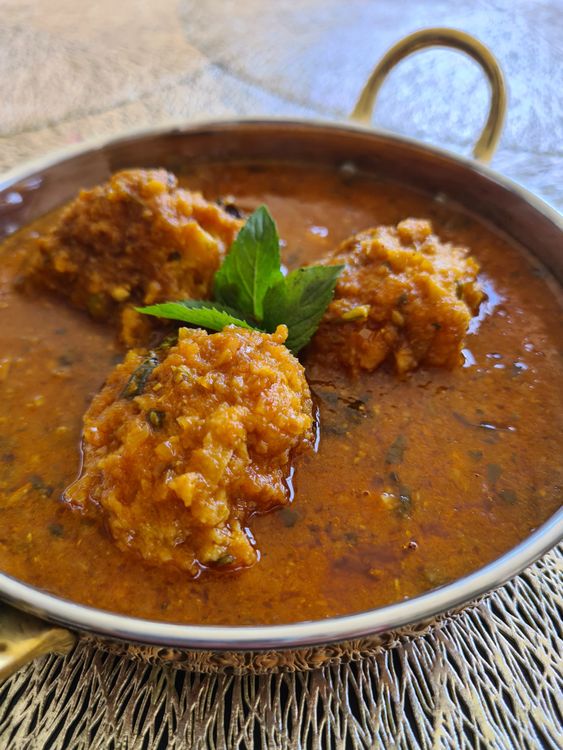
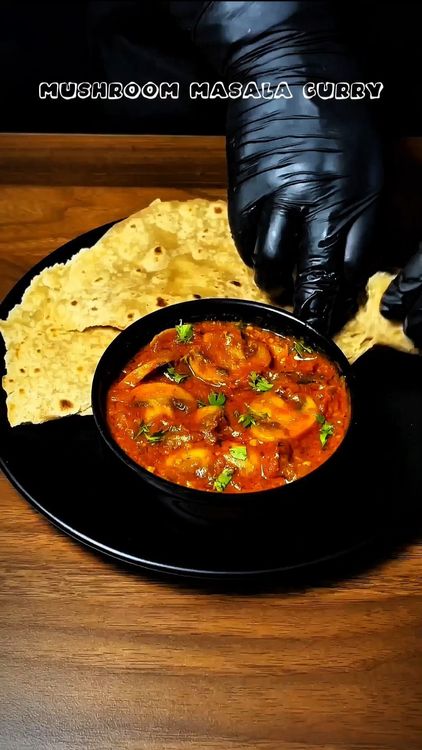
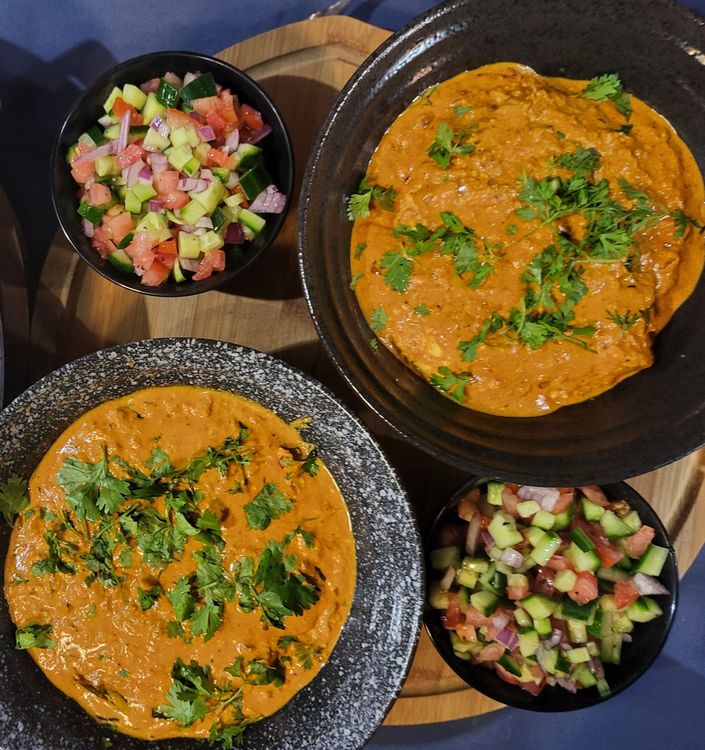
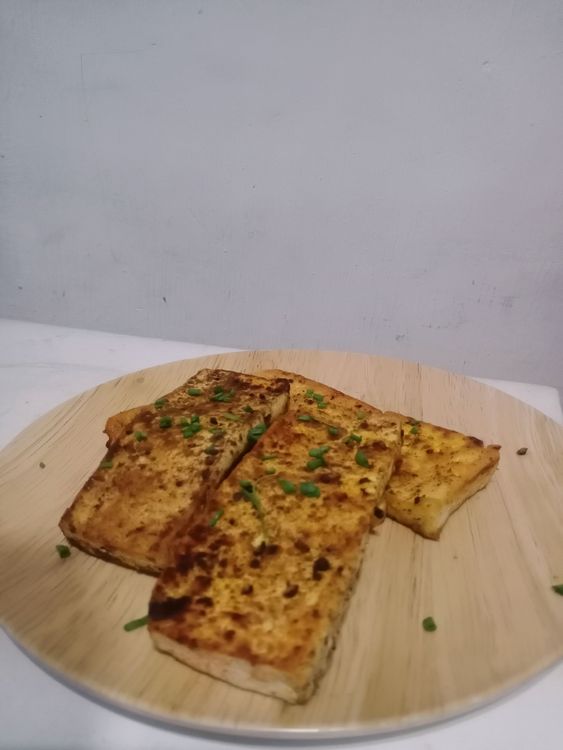
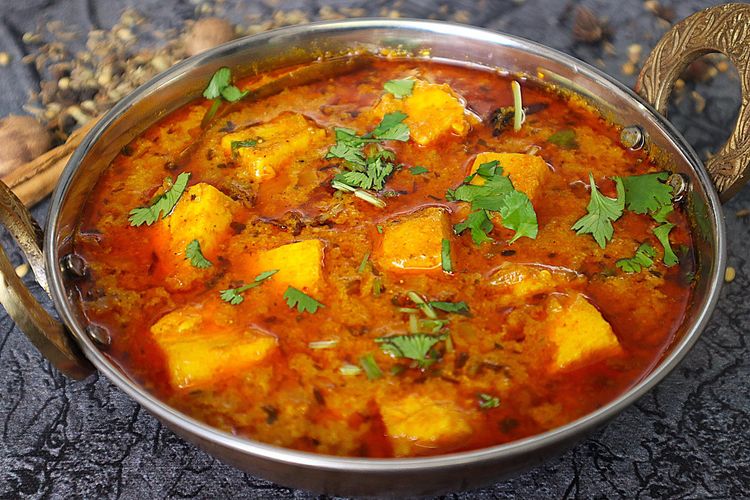
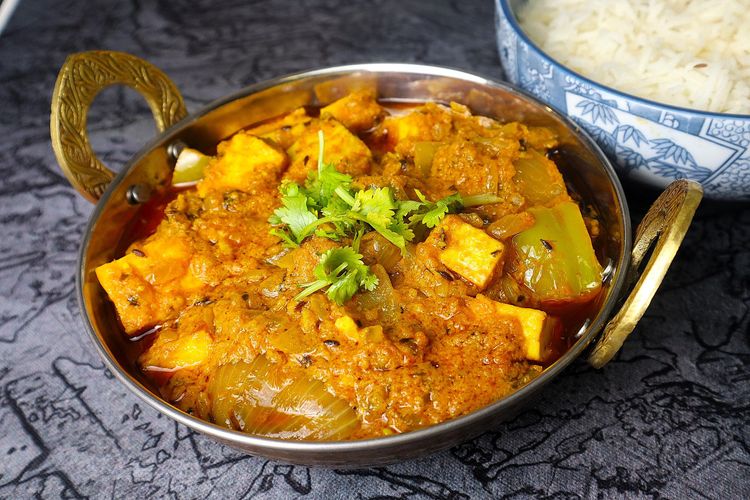
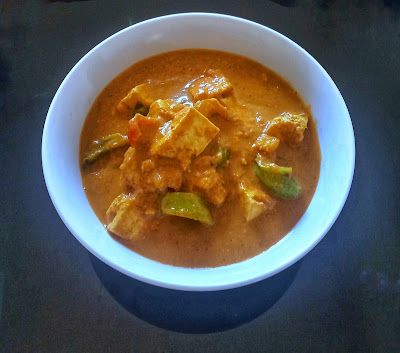
Without meat juices to carry the gravy, vegetable and paneer curries live or die on how hard you build flavor everywhere else. The same onion-tomato base applies, but lean into it: cook the onions further, be generous with ginger, garlic and whole spices, and let the tomatoes reduce until genuinely jammy so the sauce has real body. Paneer is the headline act here, and the trick is restraint at the end. Add the cubes only in the last five minutes and keep the simmer gentle, because long, hard boiling squeezes the moisture out and leaves them rubbery and squeaky instead of soft; if your block feels firm, soak the cubes in warm water for fifteen minutes first. Vegetables want ordering by toughness, so potatoes and cauliflower go in before peas and greens, each cooked just to tender rather than collapsed. For the silky restaurant gravies behind palak paneer or malai kofta, blend the base smooth and enrich it with cashew paste and cream; for rustic homestyle sabzis, leave it chunky. Either way, finish with kasuri methi and fresh coriander for that unmistakable aroma. Standouts here include Creamy Baby Potato Curry (Dum Aloo) and Bottle Gourd Curry (Lauki Sabzi) , plus Paneer Veggie Kofta Curry.
- Indian
- Vegetarian
- Lunch
- Indian
- Vegetarian
- Lunch
- Indian
- Vegetarian
- Lunch
- Indian
- Vegan
- Lunch

- Indian
- Vegan
- Lunch

- Indian
- Eggetarian
- Dinner
- Indian
- Vegetarian
- Lunch

- Indian
- Vegetarian
- Dinner

- Asian
- Vegan
- Lunch

- Indian
- Vegetarian
- Lunch
- Indian
- Vegetarian
- Lunch
- South Indian
- Pescatarian
- Lunch
- Indian
- Vegetarian
- Lunch
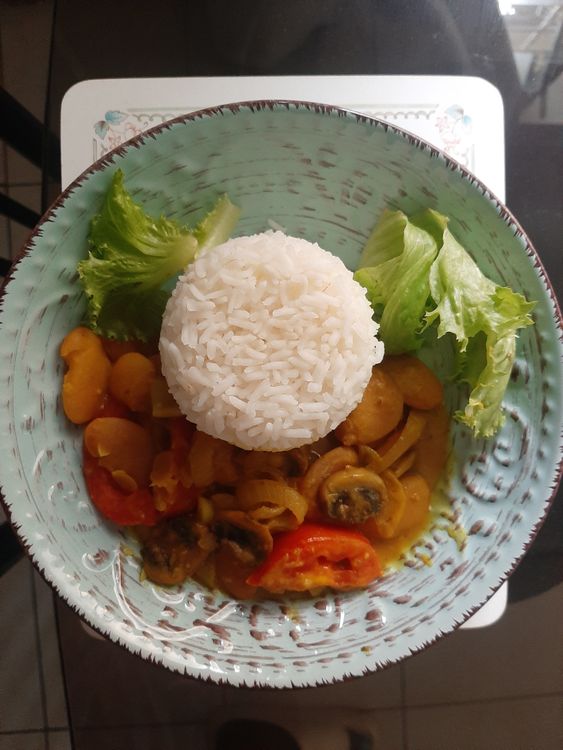

- Indian
- Vegan
- Lunch
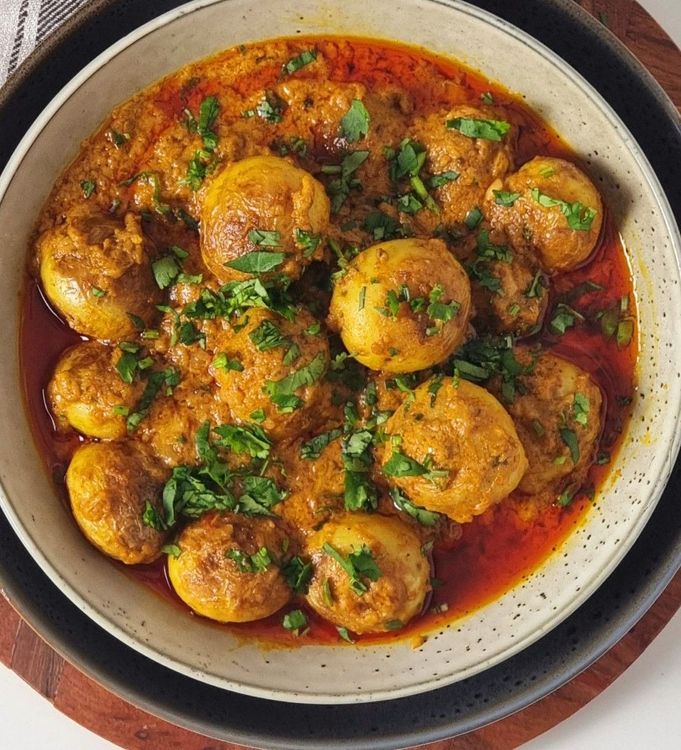
- Indian
- Vegetarian
- Lunch
Lentil & Dal Curries
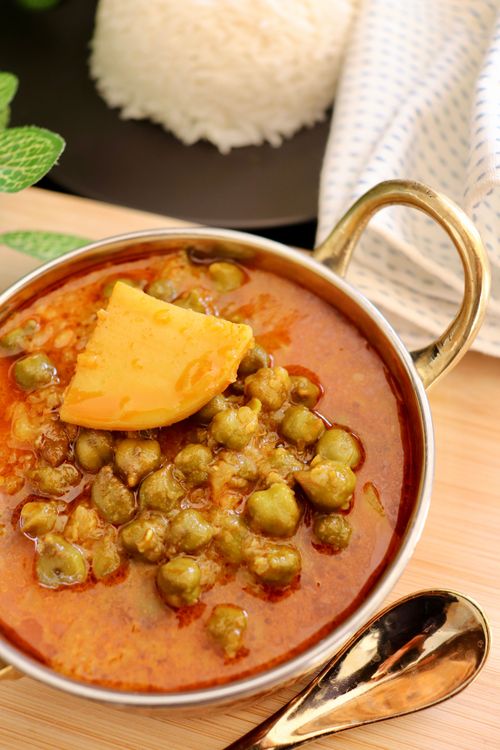
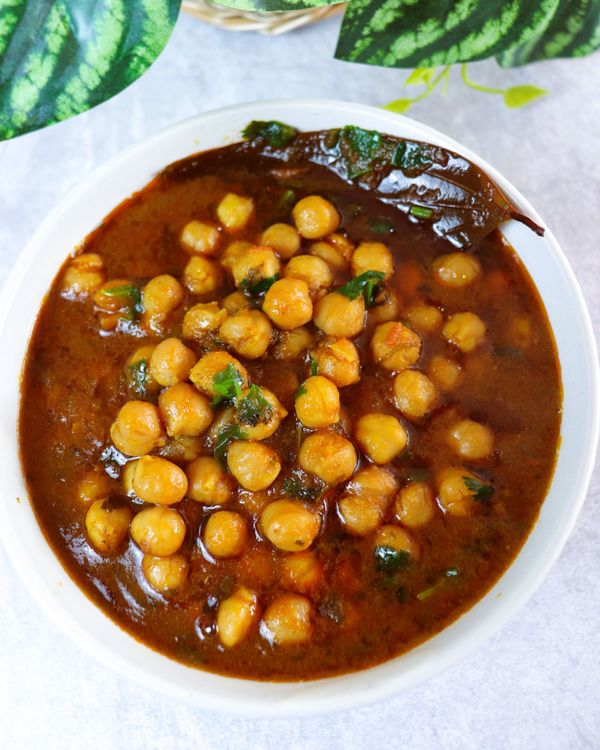
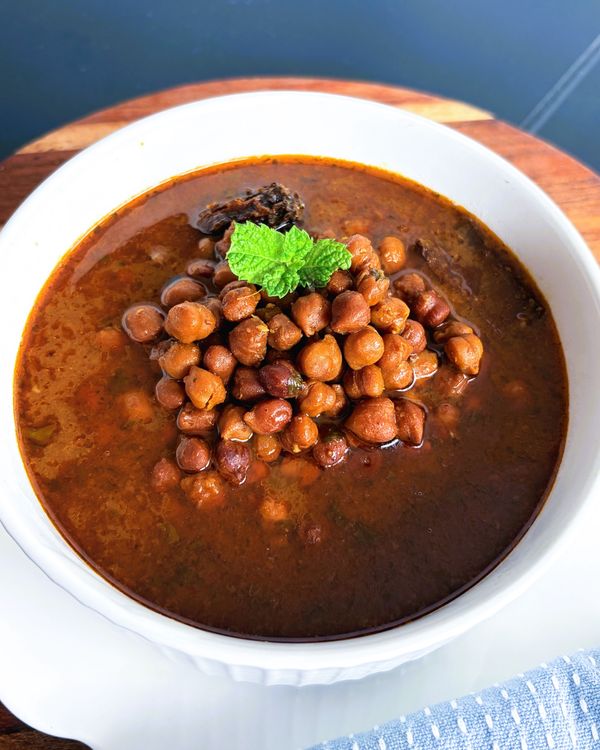
Dal is the daily backbone of the subcontinent, and it follows a different logic from the meat curries: a two-act structure of cooking the lentils soft, then finishing with a tadka. First simmer your pulses, often in a pressure cooker, until they collapse when pressed, matching the lentil to the dish: quick split moong and masoor break down in fifteen to twenty minutes, while whole black urad for dal makhani and chana want a long soak and a slow cook to turn truly creamy. Salt whole pulses only once they soften, since salting early can toughen the skins. Then comes the tadka, the soul of the dish: ghee or oil heated until it shimmers, cumin and a pinch of asafoetida crackled, garlic browned just to gold, and a little chilli and ground spice bloomed off the direct heat before the whole sizzling lot is poured over the pot. The most common mistake is burning that tempering and turning everything bitter, so pull the pan the moment the cumin darkens by a shade. From a twenty-minute tadka dal to slow, buttery dal makhani, the tadka is where a plain pot of lentils becomes crave-able. Standouts here include Masoor Dal (Brown Lentil Curry) and Kidney Beans Curry (Rajma Masala), plus Green Chickpeas Curry.
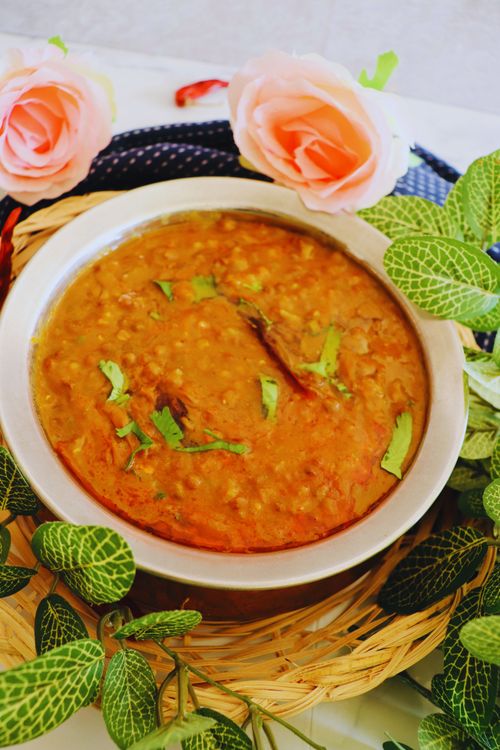
- Indian
- Vegetarian
- Lunch
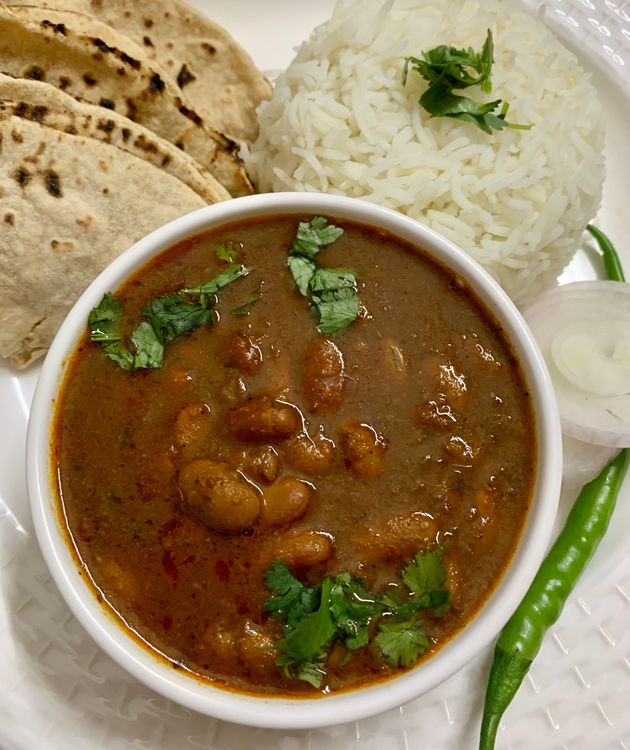
- Indian
- Vegan
- Lunch
- Indian
- Vegan
- Lunch
- Indian
- Vegan
- Lunch
- Indian
- Vegan
- Lunch
Meat & Seafood Curries
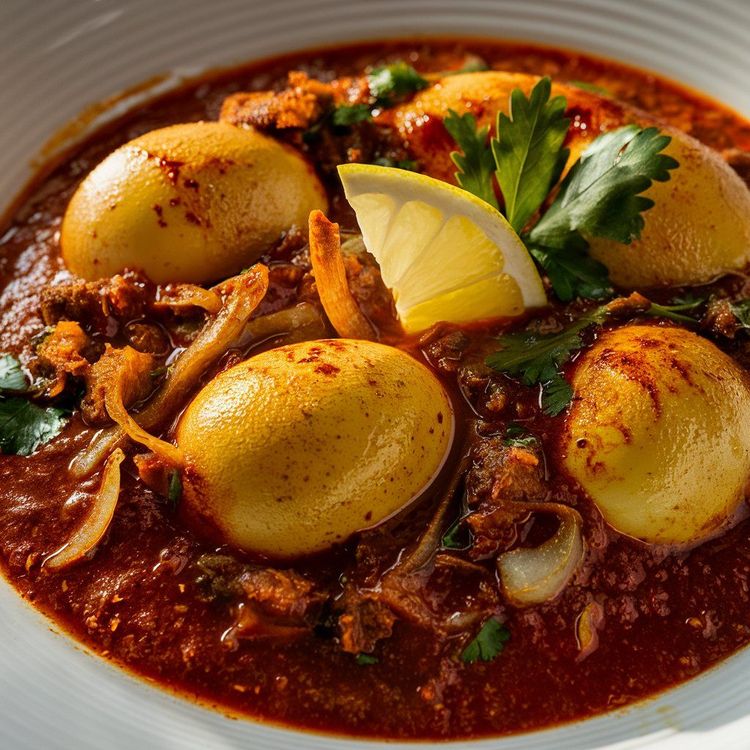
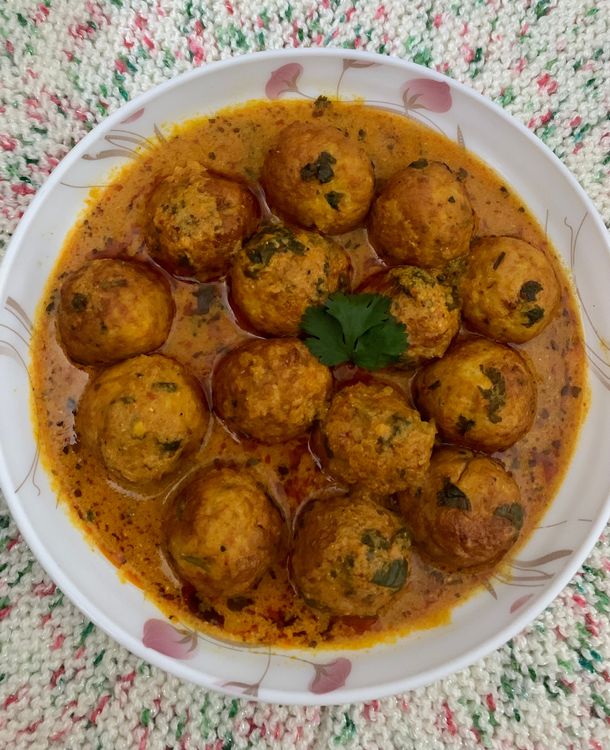
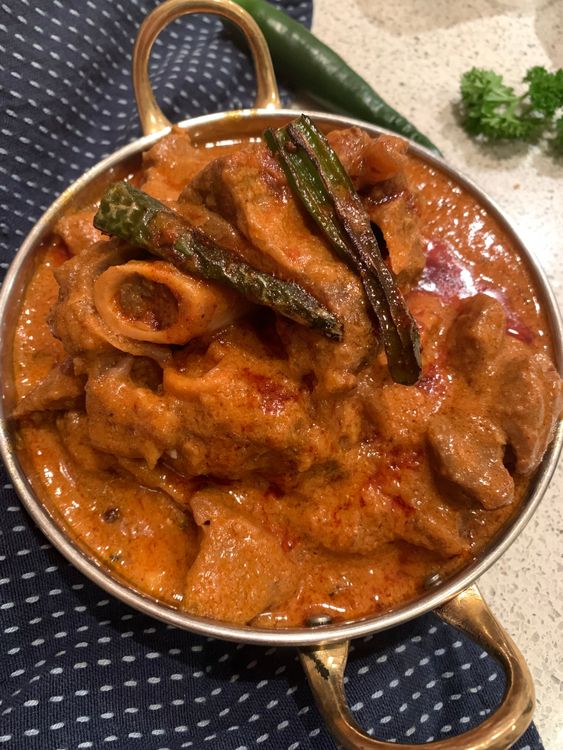
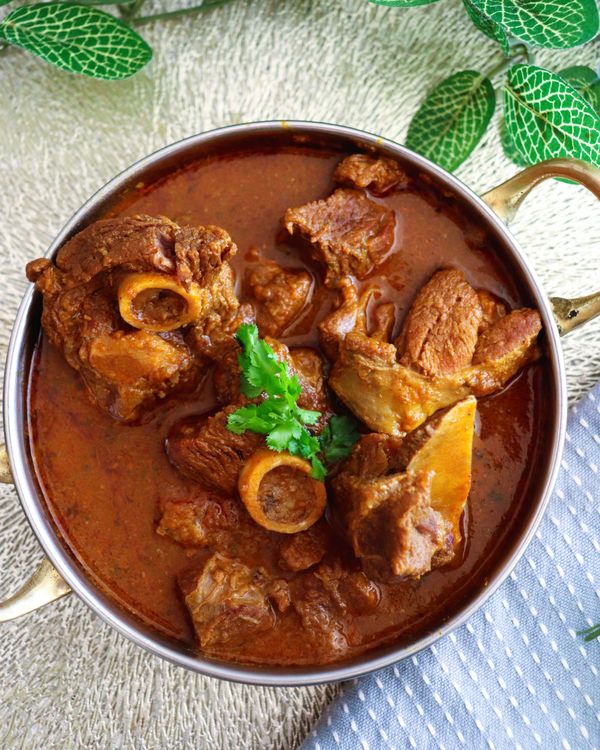
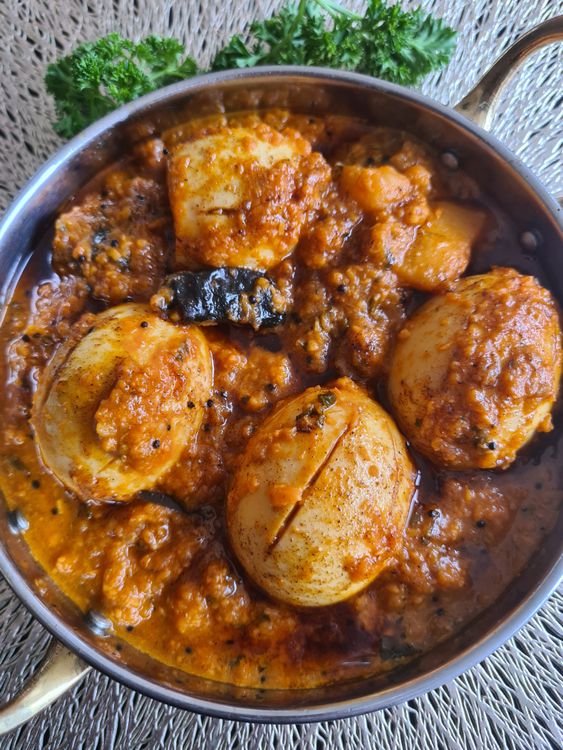
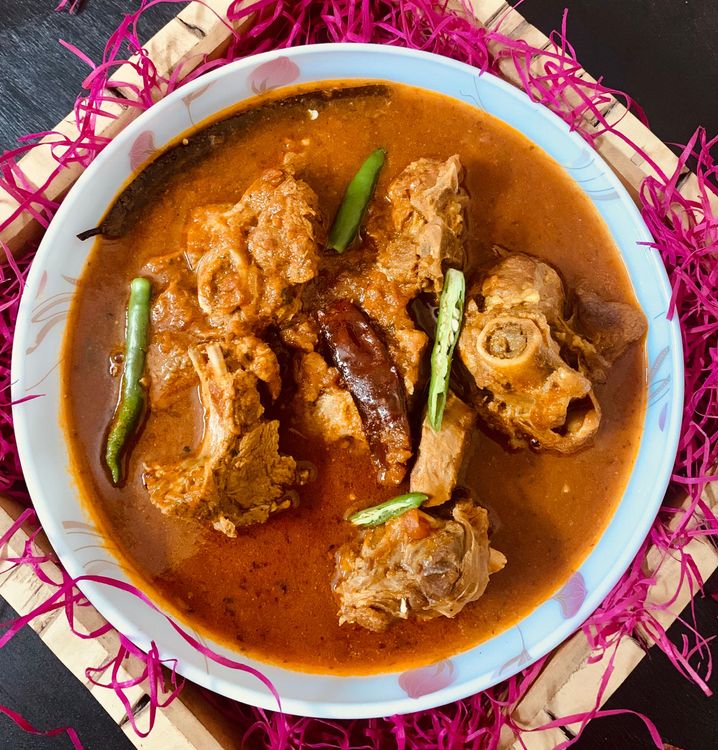
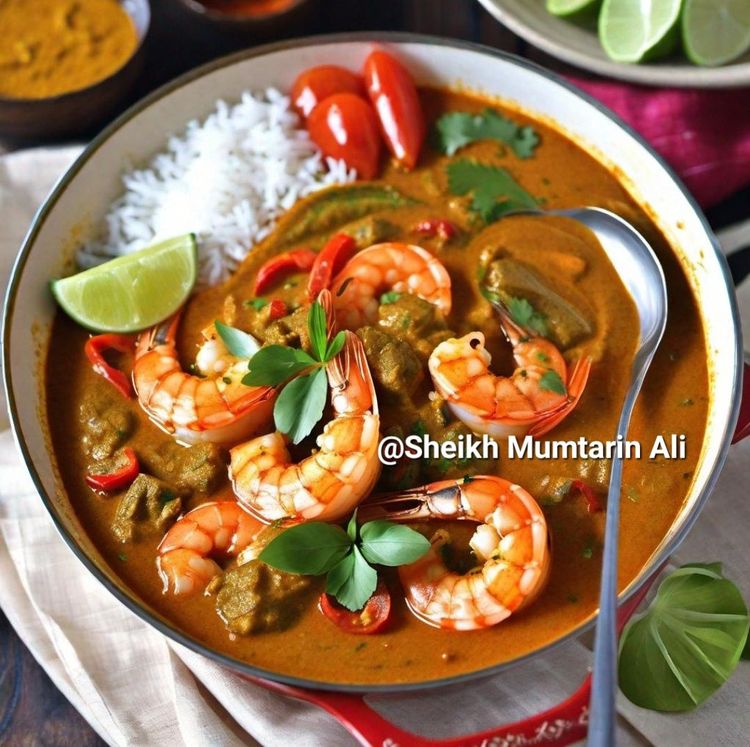
This is the slow, rich end of the Indian table, built on mutton, lamb, goat, prawn and fish rather than fast-cooking chicken, and the guiding principle is matching the cook to the protein. Tough red meats need real time: marinate mutton or goat in yogurt with ginger-garlic, then braise or pressure-cook it until nearly fork-tender before, or as, it simmers down on the masala base. That long, patient cook is exactly what builds the deep, unctuous gravy a rogan josh, nihari or kosha mangsho is prized for, so do not rush it; treating mutton like chicken is the classic way to end up with chewy meat in a thin sauce. Seafood asks for the opposite restraint. Prawns curl and turn rubbery in two or three minutes and fish flakes apart if you stir it, so add them to a finished, simmering gravy at the very end and pull the pan early, letting carryover heat do the rest. Egg curries sit in the easy middle: fry the boiled eggs lightly and slash the surface so the masala clings. Across all of them, a deeply cooked base and a spice profile to match the region, smoky Goan, fragrant Kashmiri or coconut-rich coastal, is what carries the dish. Standouts here include Balti Gosht (Goat Curry) and Dhaba-Style Mutton Curry (Goat Curry) , plus Coconut Egg Curry .
- Indian
- Non-Vegetarian
- Lunch
- Indian
- Non-Vegetarian
- Lunch
- Indian
- Eggetarian
- Lunch
- Indian
- Non-Vegetarian
- Dinner

- Malaysian
- Pescatarian
- Lunch

- Indian
- Pescatarian
- Dinner

- Parsi
- Pescatarian
- Sauce & Condiment
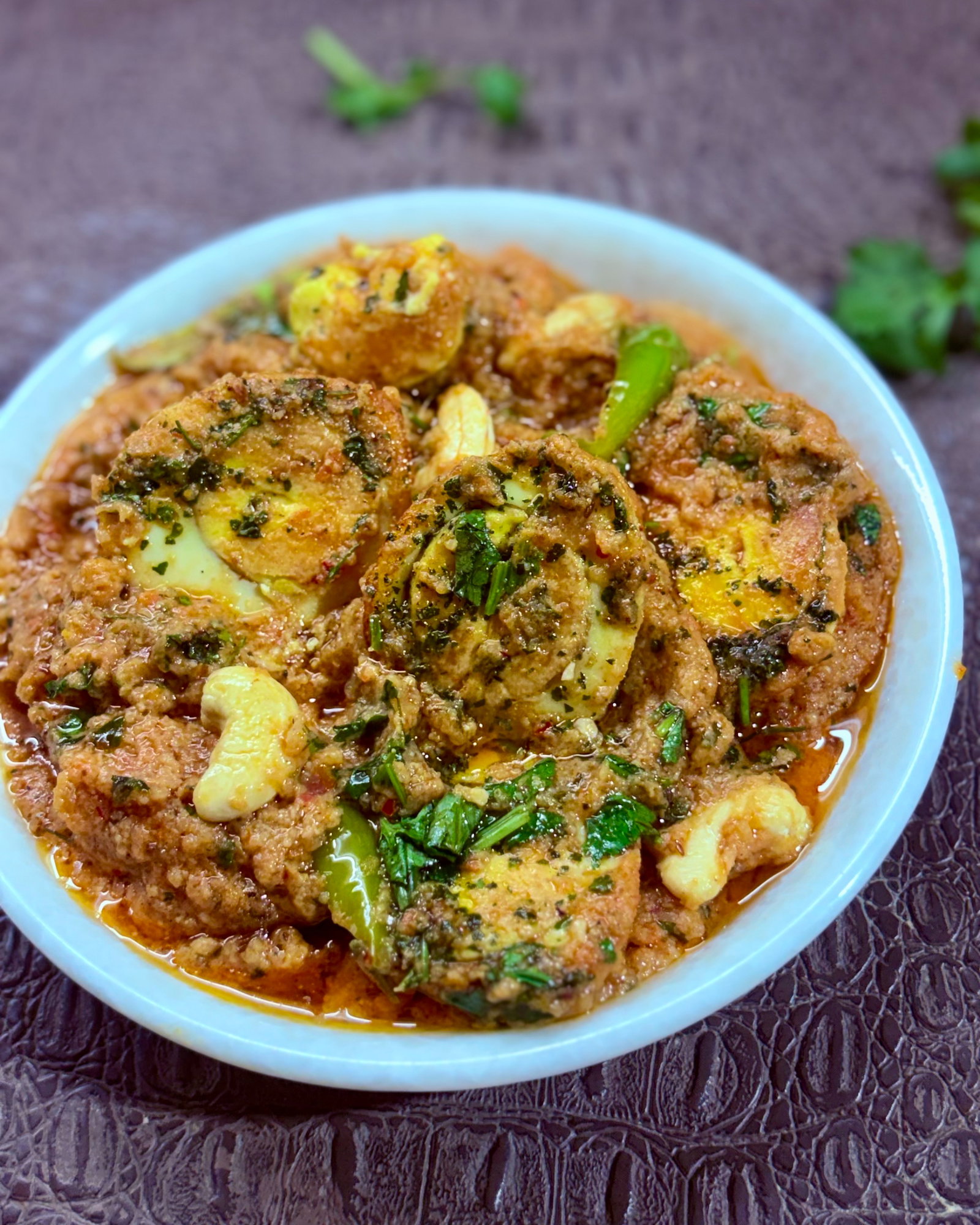
- Indian
- Eggetarian
- Dinner

- Gluten-Free
- Main Course

- Parsi
- Pescatarian
- Dinner

- Pescatarian
- Lunch


- Pescatarian
- Dinner
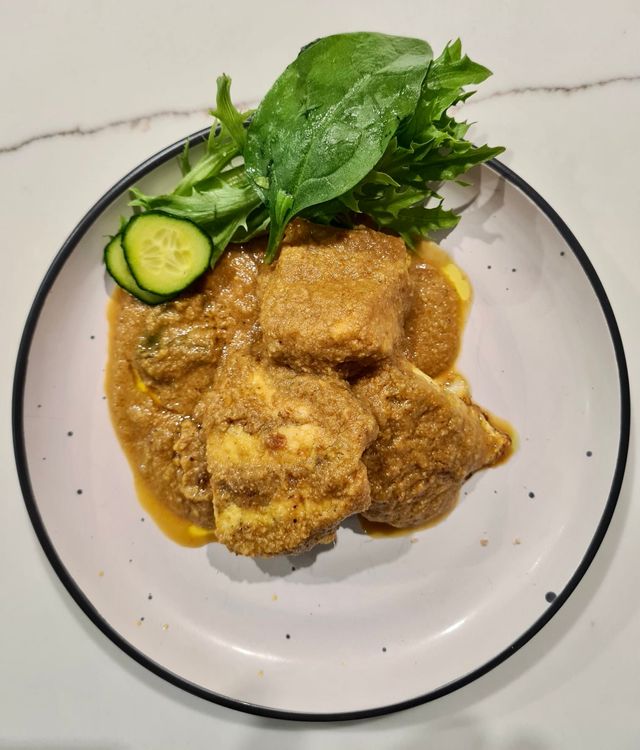
- Indian
- Pescatarian
- Lunch
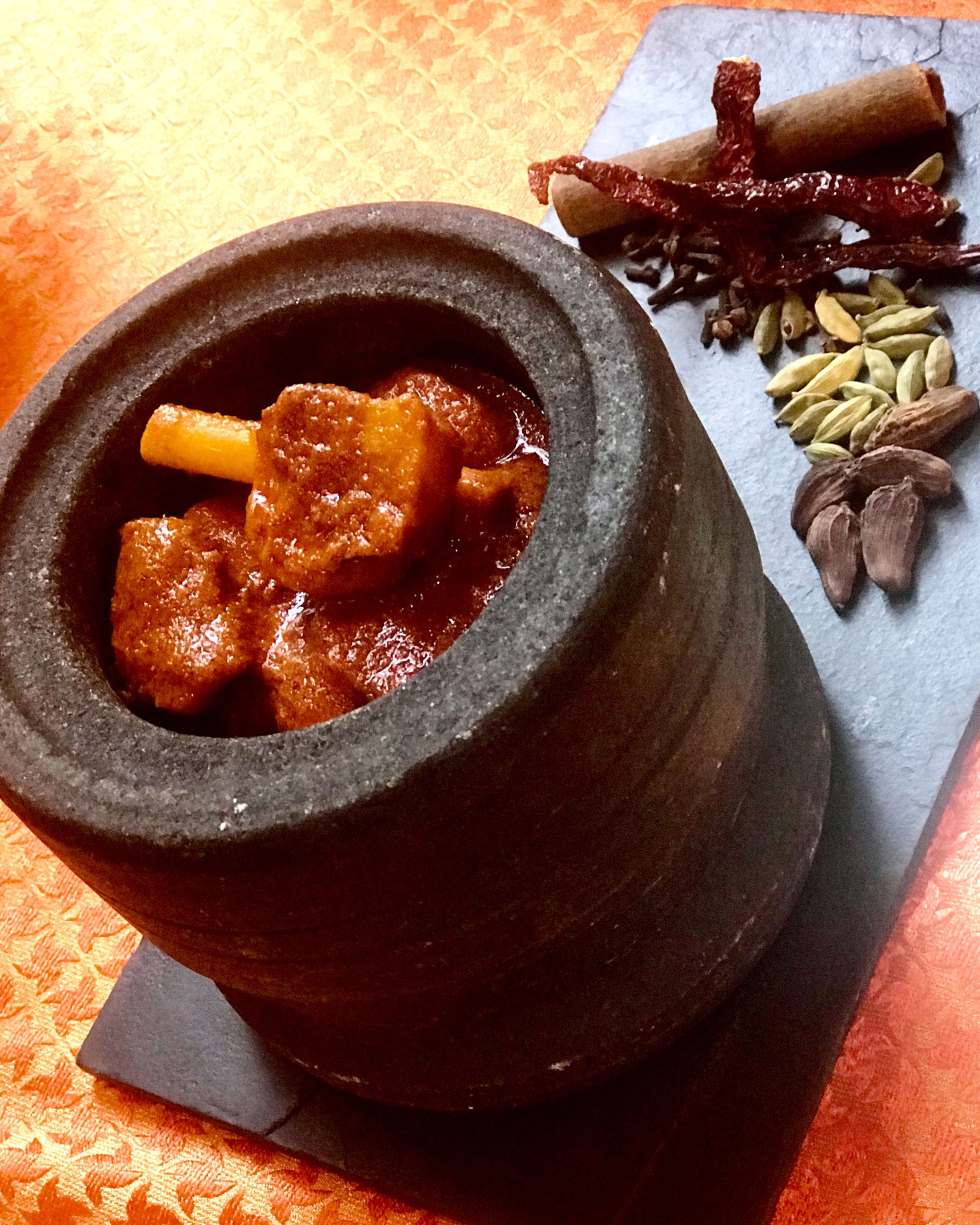
- Indian
- Non-Vegetarian
- Dinner
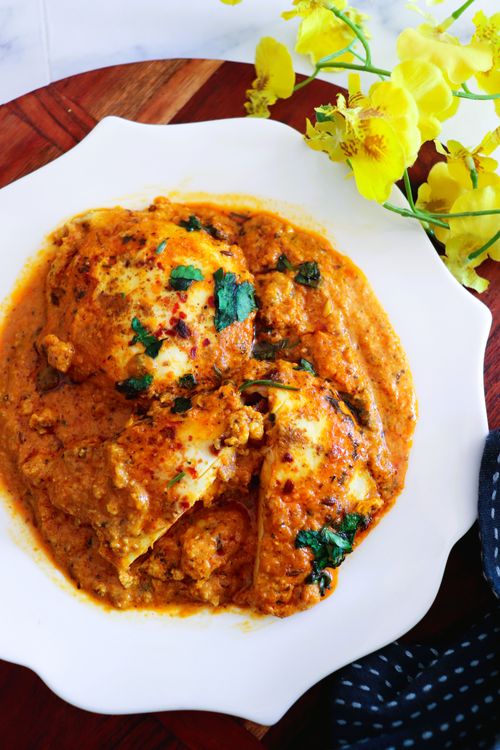
- Indian
- Eggetarian
- Lunch
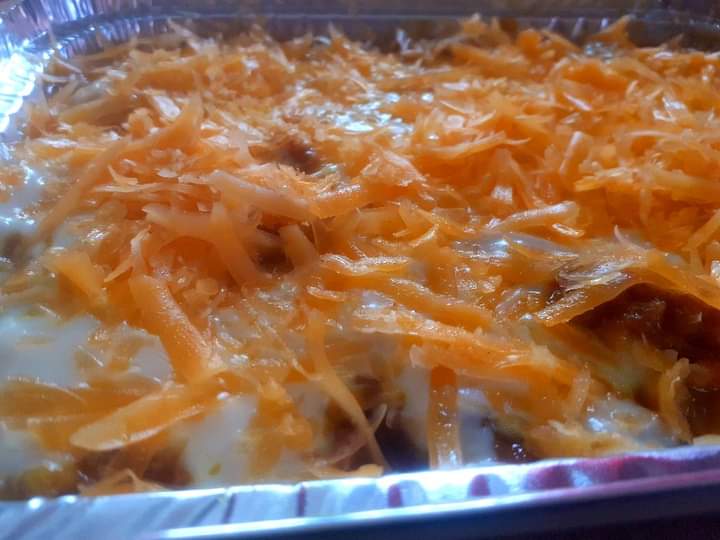

- Fusion
- Non-Vegetarian
- Dinner
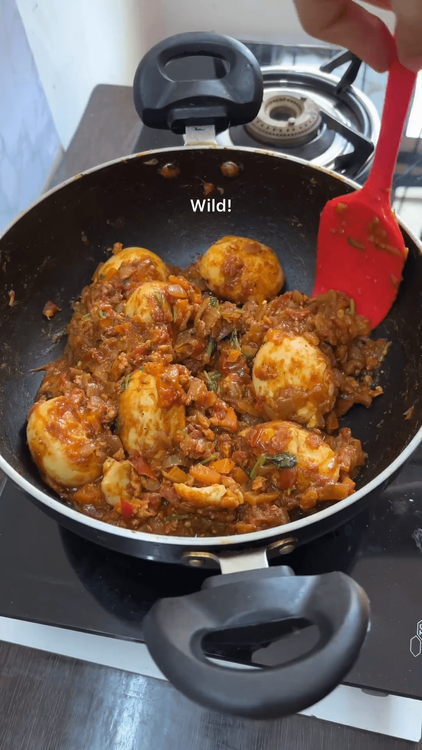
- Indian
- Eggetarian
- Dinner
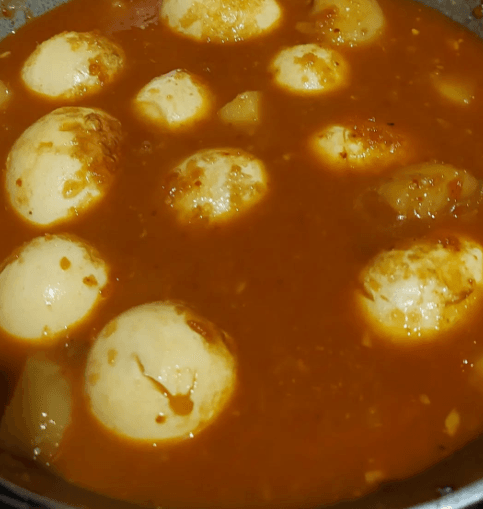
- Indian
- Eggetarian
- Dinner
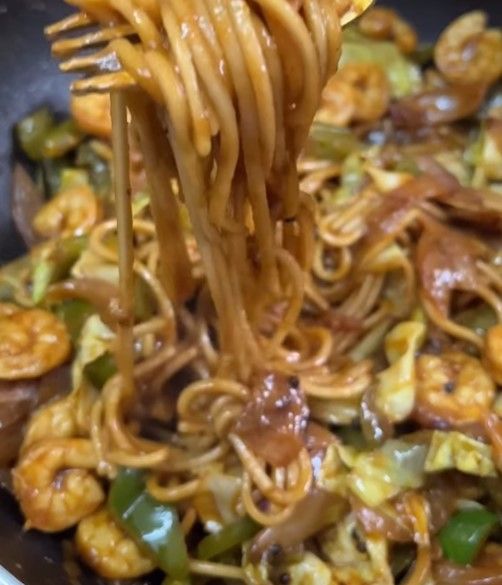
- Goan
- Pescatarian
- Dinner
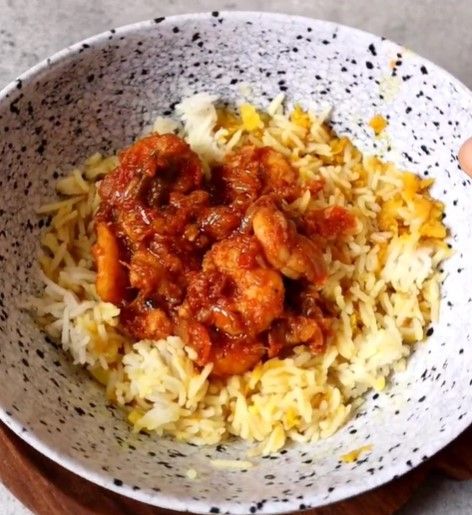
- Indian
- Pescatarian
- Dinner
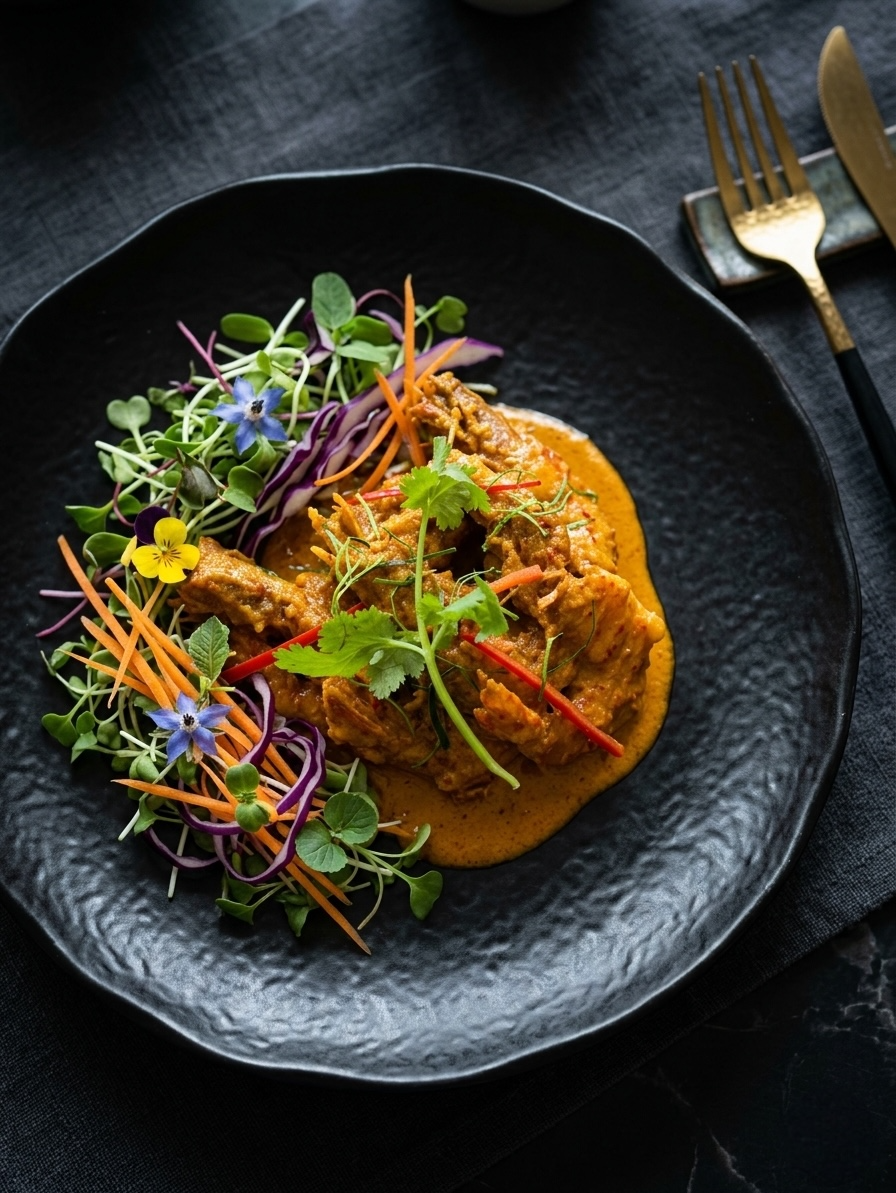

- Pescatarian
- Lunch
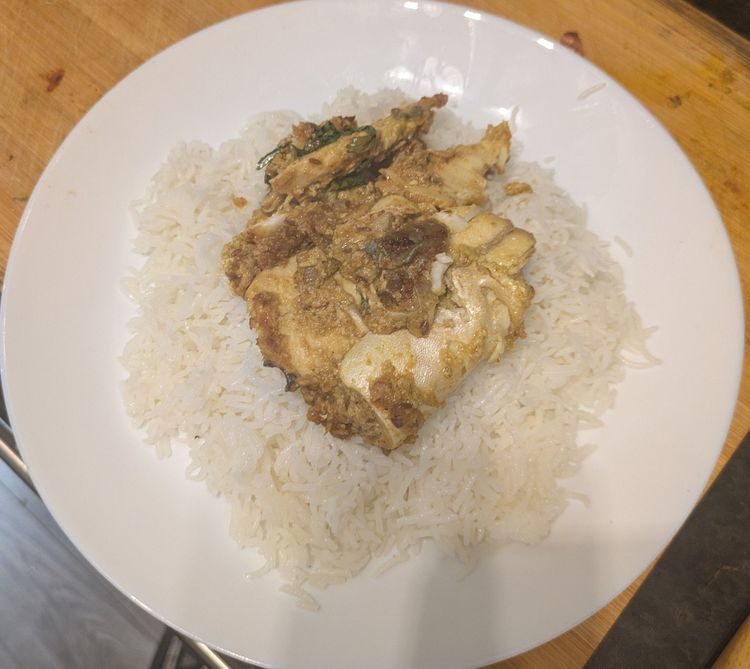
- Pakistani
- Pescatarian
- Lunch
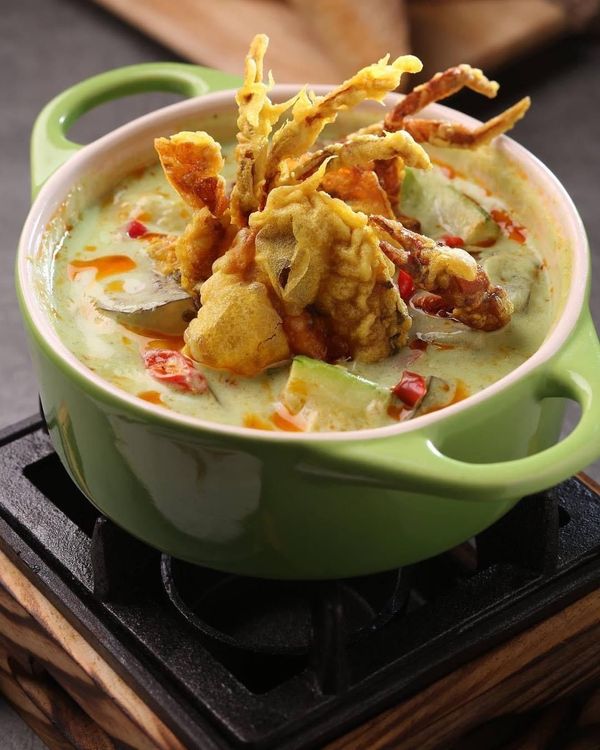
- Thai
- Non-Vegetarian
- Lunch

- Non-Vegetarian
- Dinner
More Indian Curry Favourites
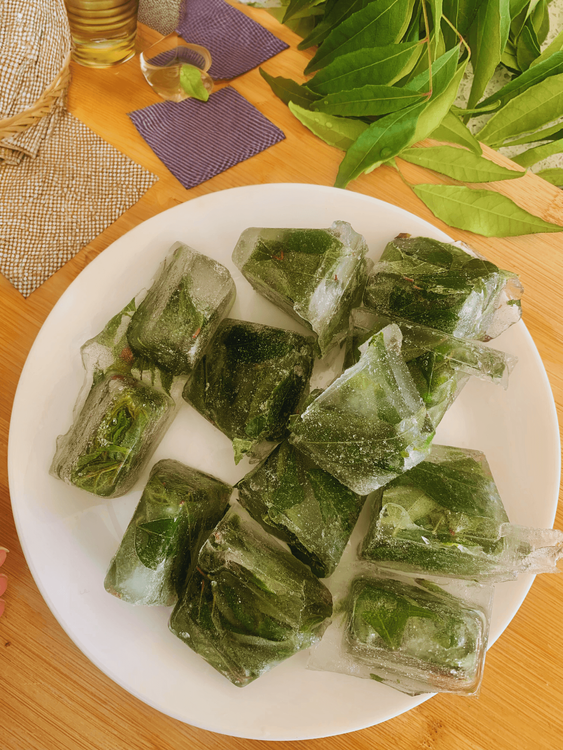
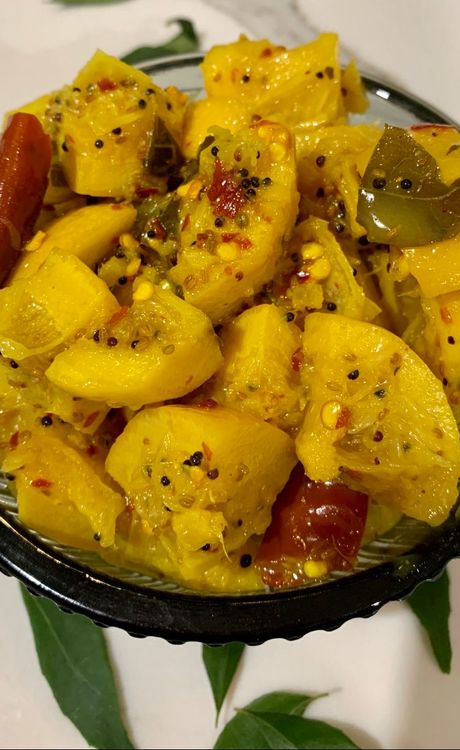
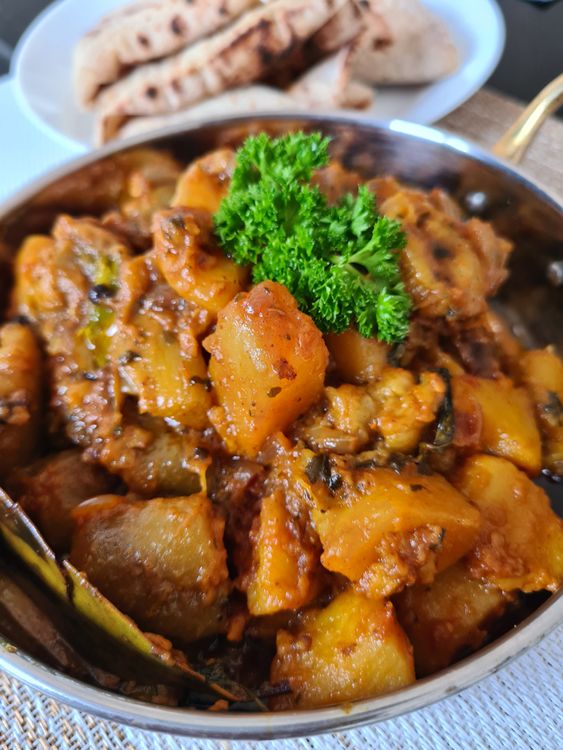
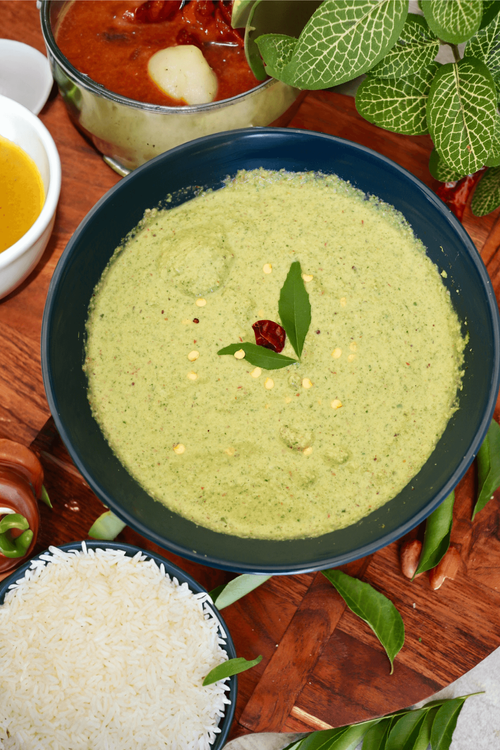
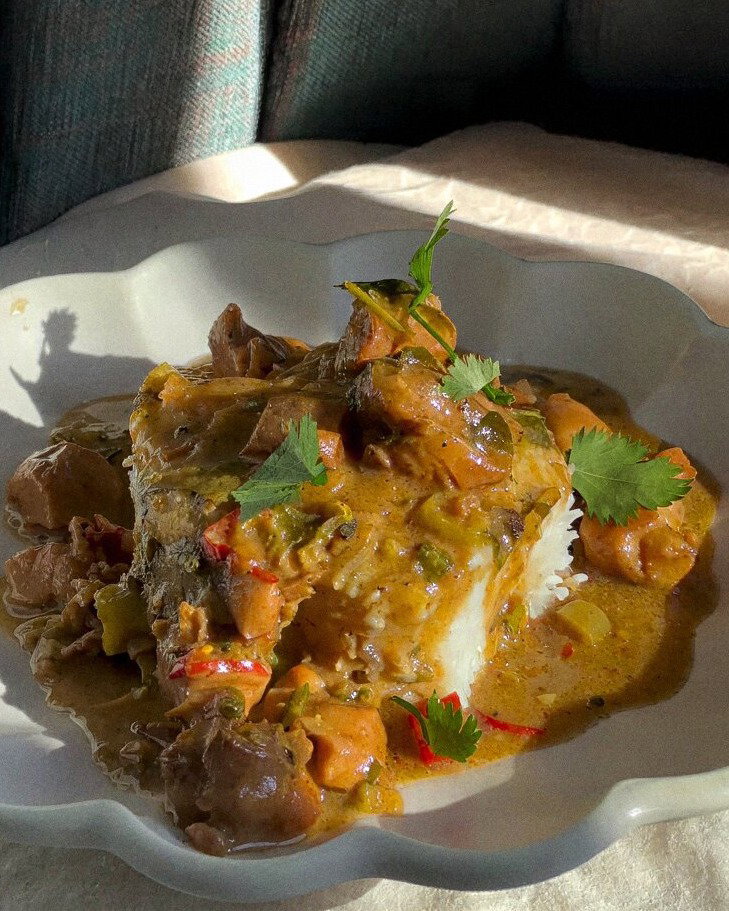
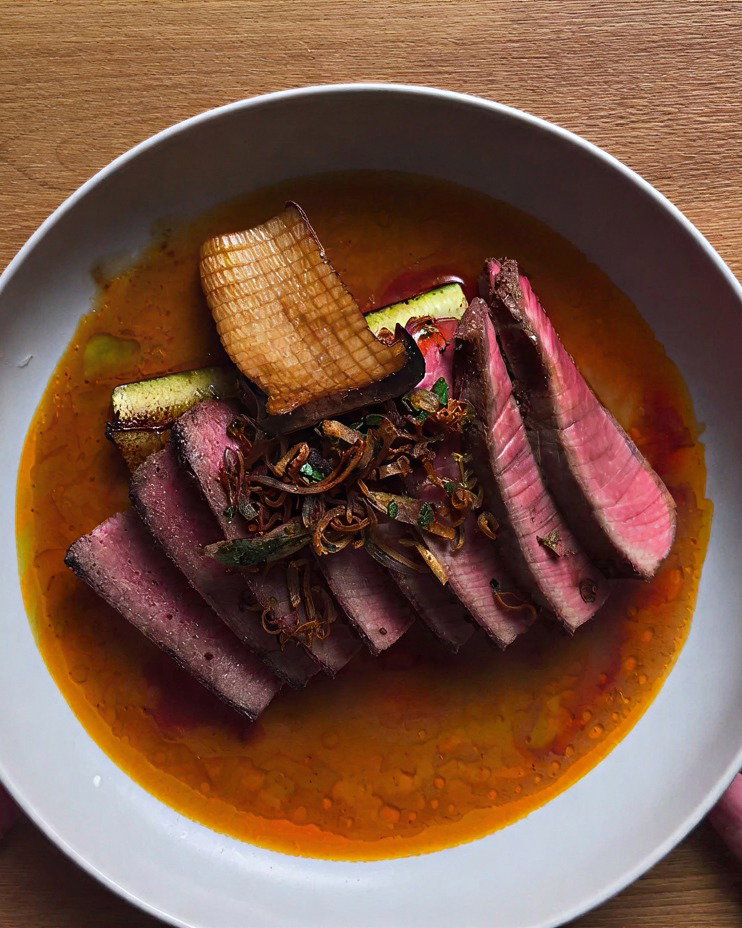
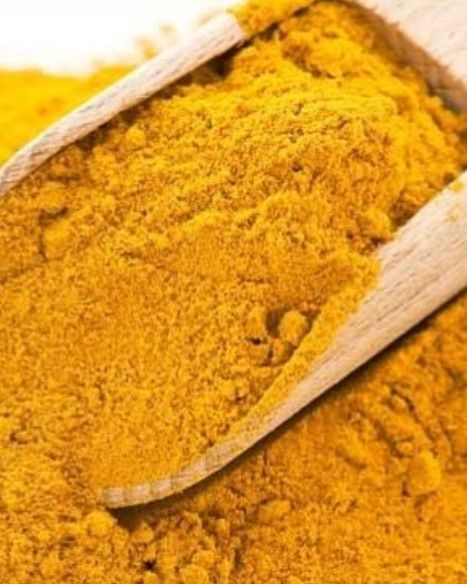
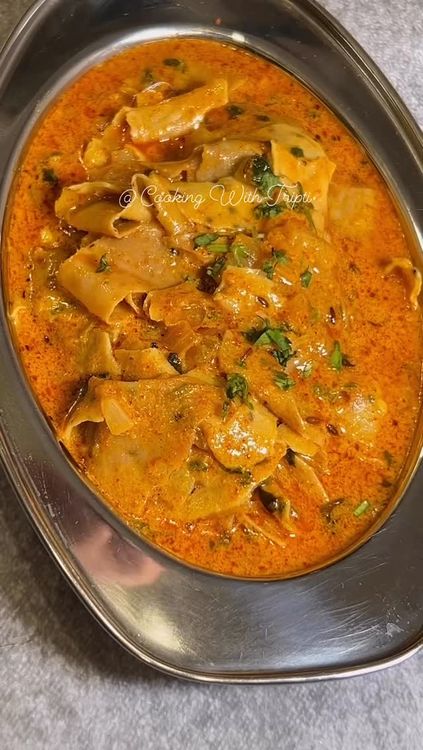
A handful of curries never quite fit a single cluster, and these are the ones worth keeping once the staples feel routine: regional one-offs, festive specials, and clever combinations that borrow from more than one tradition. They all rest on the same fundamentals you already know, so the skill transfers directly. Build the onion-tomato base until the oil separates, bloom and balance your spices in layers rather than dumping them in raw, match the simmer to whatever you are cooking, and finish off the heat with garam masala, kasuri methi and whatever richness or acid the dish wants. Picking your next one is mostly about matching effort to the evening: reach for a quick gravy on a busy night, and save the slow-simmered, multi-step numbers for a weekend when you can let the spices bloom properly. Pay attention to the region a recipe comes from, too, since a coastal coconut curry, a tangy tamarind-laced southern one and a yogurt-rich northern braise each ask for a slightly different hand. Think of this group as the natural next step after the classics, the recipes that quietly earn a permanent spot in your rotation once you have tried them. Standouts here include How to store Curry Leaves and Curry Leaf infused Lemon Pickle , plus Baby Shark Indian Curry - Malvani Style.
- Indian
- Vegan
- Sauce & Condiment
- Indian
- Vegan
- Sauce & Condiment

- Seafood
- Pescatarian
- Lunch
- Indian
- Vegan
- Lunch
- Indian
- Vegetarian
- Appetiser

- Thai
- Non-Vegetarian
- Dinner

- Indian
- Vegan
- Dinner

- Indian
- Vegan
- Side Dish


- Vegetarian
- Soup
- Gluten-Free
- Dinner

- Vegan
- Main Course

- Goan
- Pescatarian
- Dinner
- Indian
- Vegan
- Sauce & Condiment

- Rajasthani
- Vegetarian
- Lunch

- Thai
- Eggetarian
- Dinner
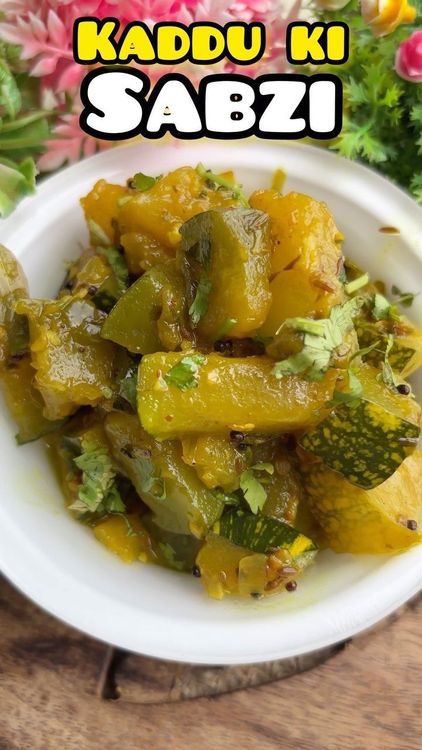

- Indian
- Vegan
- Lunch
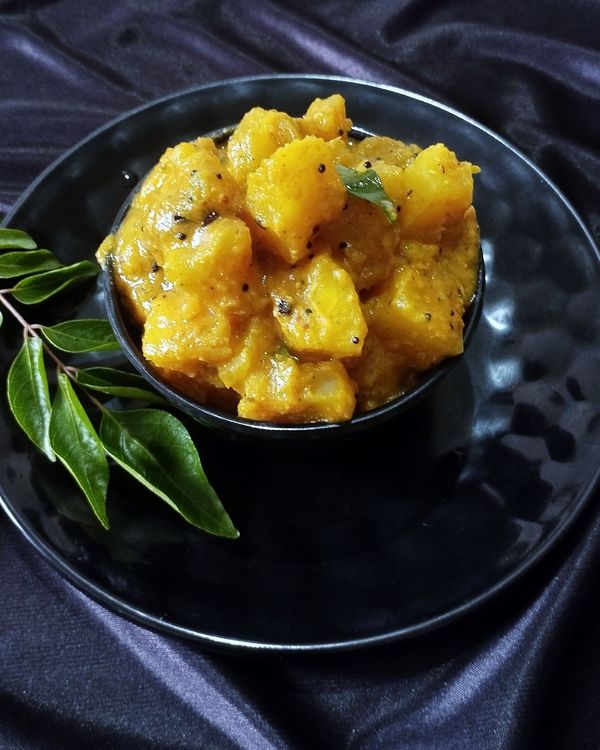
- South Indian
- Vegan
- Breakfast
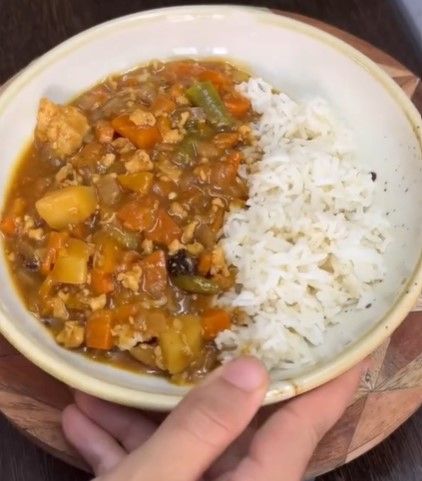
- Japanese
- Non-Vegetarian
- Dinner
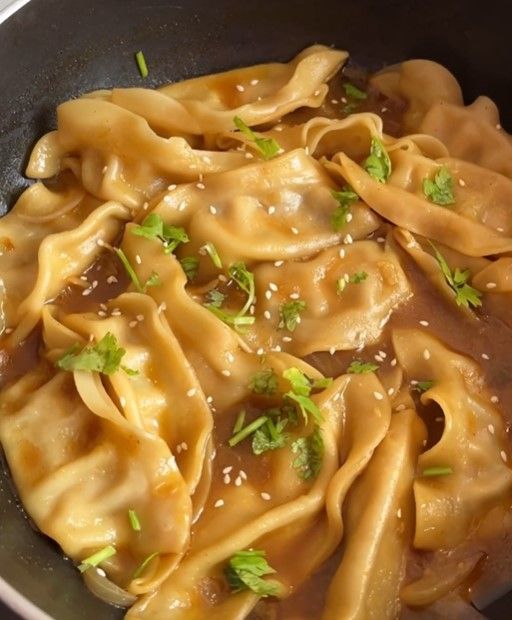
- Japanese
- Non-Vegetarian
- Lunch
- Indian
- Non-Vegetarian
- Lunch
- Indian
- Vegan
- Side Dish

- Fusion
- Eggetarian
- Breakfast

- Indian
- Vegetarian
- Lunch
- Thai
- Vegan
- Lunch

- Burmese
- Non-Vegetarian
- Dinner

- Indian
- Vegan
- Side Dish
Building the Onion-Tomato Masala Base
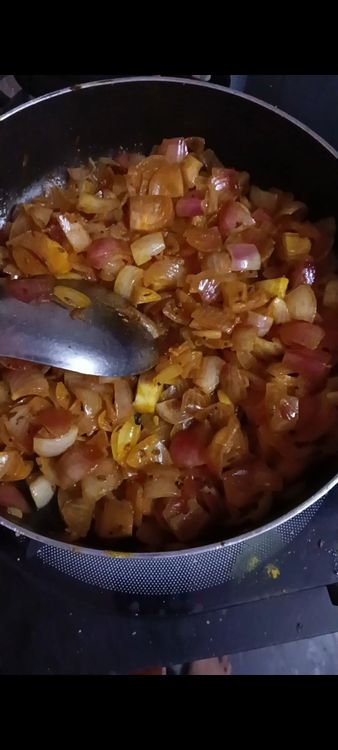
Almost every North Indian curry begins with the same base, and getting it right is the single biggest lever you have over the final dish. Start by cooking finely chopped or pureed onions in hot oil or ghee, low and patient, until they turn soft, then golden, then a deep nutty brown at the edges. This is where the gravy gets its body and natural sweetness, and there is no shortcut: pale, half-cooked onions taste raw and sharp no matter how much spice you pile on top. Many cooks add a pinch of salt early to draw out moisture and speed the browning along.
Once the onions are down, add ginger-garlic paste and let it lose its raw smell, a minute or two, before the tomatoes go in. Cook the tomatoes hard until they collapse, darken and the oil glistens and separates back out at the sides of the pan. That visible separation, what cooks call the masala "leaving the oil," is your signal that the base is properly cooked and ready to carry spice and protein. Skip it and the curry will taste of raw tomato and feel thin and watery rather than thick and clinging.
For the smooth, restaurant-style gravies you get with butter chicken or paneer makhani, blend the cooked base until silky and pass it back through the pan, often enriched with a cashew or melon-seed paste for body. For homestyle, rustic curries, leave it chunky. Either way, this base freezes beautifully, so it is worth making a batch on a quiet afternoon: portion it, freeze it, and a weeknight curry becomes a fifteen-minute job of thawing the base and dropping in your protein.
Spices: Blooming, Balancing and Garam Masala
Spices in Indian cooking are not sprinkled in raw; they are bloomed in hot fat so the oil extracts and carries their aroma. Whole spices go in first, cumin, cardamom, cloves, bay, a stick of cinnamon, crackled in hot oil until fragrant. Ground spices like turmeric, coriander, cumin powder and Kashmiri chilli go in later, usually onto the cooked base with the heat lowered, because they scorch and turn bitter in a split second over direct high flame. A splash of water or the moisture of the tomatoes protects them while they cook out their raw edge.
Balance is built in layers, not dumped at the start. Turmeric for color and earthiness, coriander powder for body, cumin for warmth, and Kashmiri chilli for a deep red color without punishing heat are the everyday backbone. Add green chillies for fresh heat, and reach for whole dried red chillies when you want a smokier burn. Taste as you go and remember that a curry seasoned only at the beginning always reads one-dimensional; the best ones are adjusted right through the cook and again at the end.
Garam masala is a finishing spice, not a base one. Stir it in near the end so its warm, fragrant top notes survive rather than cooking away, and crush a pinch of kasuri methi (dried fenugreek leaves) between your palms over the pot for that unmistakable restaurant aroma. Toasting and grinding your own garam masala beats any jar and keeps its punch for weeks in an airtight tin. These last-minute additions are what separate a flat home curry from one that smells alive when it hits the table.
Matching the Cook to Your Protein
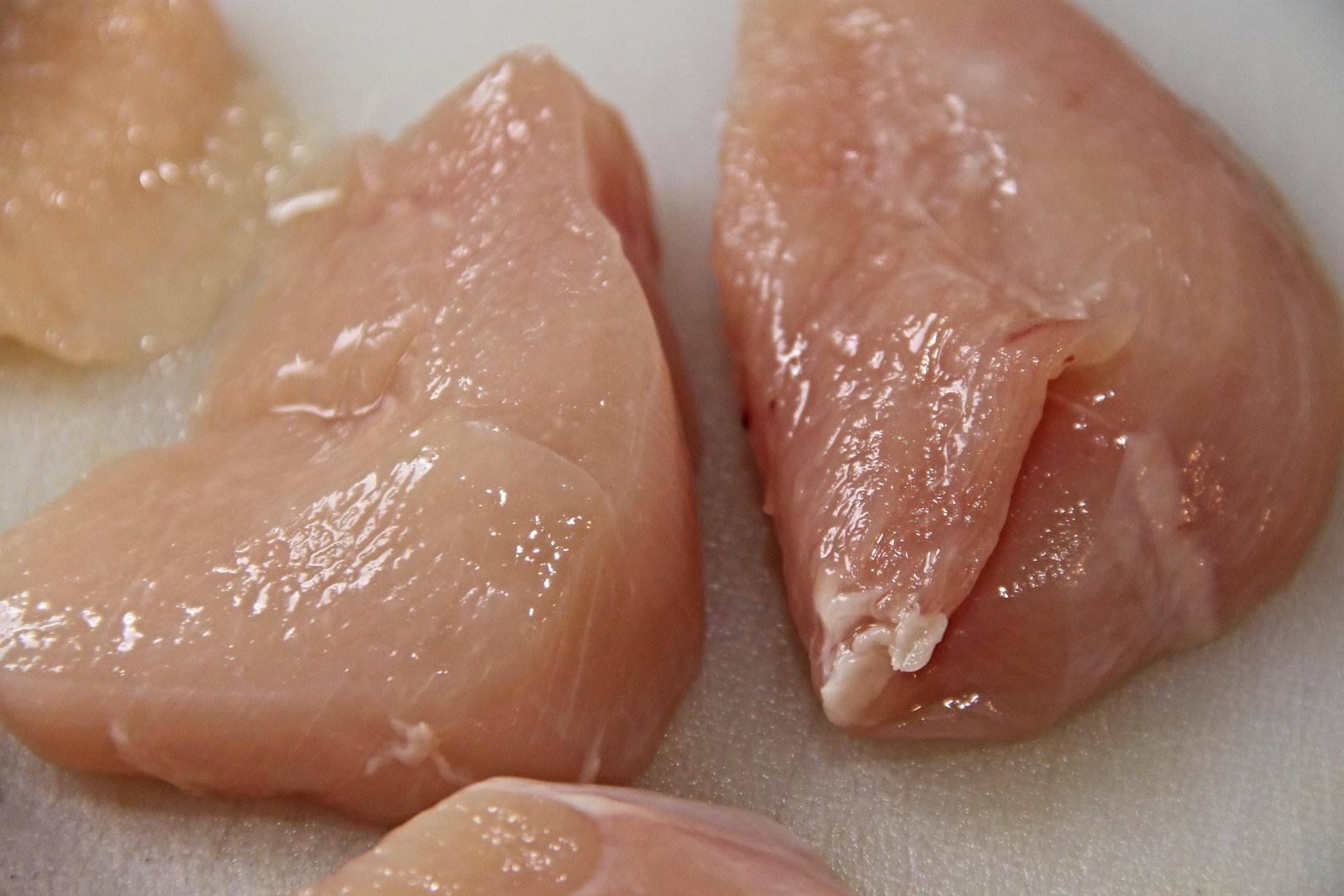
The masala base may be shared, but what you simmer in it changes everything about the timing. Bone-in chicken is the forgiving middle ground: it rewards a gentle simmer of twenty to thirty minutes, staying juicy and lending the gravy depth from the bones, where boneless breast dries out fast and is best added late. Coat the chicken in the base first so it seals and takes on color, then cook it at a bare bubble rather than a hard boil, which toughens meat and can split a creamy sauce.
Tough cuts like mutton, lamb and goat are the opposite problem and the most common place home cooks go wrong. They need real time, an hour or more of slow simmering, or a head start in a pressure cooker, before they turn fork-tender. A yogurt marinade with ginger-garlic, or a little raw papaya, helps tenderize them, and the long cook is exactly what builds the deep, unctuous gravy these curries are prized for. Treat mutton like chicken and you will be eating chewy meat in a thin sauce.
Seafood swings the other way and asks for restraint. Prawns curl and turn rubbery in two or three minutes, and fish flakes apart if you stir it too much, so add them to a finished, simmering gravy near the very end and pull the pan early; carryover heat finishes the job. Paneer and vegetables sit in between: add paneer late and keep the simmer gentle so it stays soft, and add vegetables in order of how long they take so each is just tender rather than collapsed.
Finishing, Serving and Make-Ahead
A curry is made or broken in its final minutes, off the direct heat. This is when you balance: a pinch of sugar to round out acidic tomatoes, salt adjusted to taste, a squeeze of lemon or a spoon of yogurt for lift if it feels heavy, and that crushed kasuri methi and garam masala for aroma. Richness is a choice you make here too, a swirl of cream or a knob of butter for the makhani styles, a spoon of coconut milk for southern and coastal ones, or nothing at all for a lean homestyle gravy that lets the spices speak.
Texture is worth fussing over. If a gravy is too thin, simmer it down or stir in a little cashew or yogurt paste rather than flour, which tastes pasty. If it is too thick, loosen with hot water, never cold, which shocks and dulls the sauce. Garnish with fresh coriander, a swirl of cream, a scatter of fried onions or julienned ginger, and serve curries the way they are meant to be eaten, with rice or a warm flatbread to mop up every bit of the gravy you worked so hard to build.
Most curries are better the next day, which makes them ideal for batch cooking: the spices meld and the flavors settle and deepen overnight. Cool the curry before refrigerating, and reheat gently rather than boiling hard, which can split a cream-based sauce or toughen paneer and meat. The exceptions are the delicate ones, seafood and crisp vegetables, which are best cooked fresh. Make the rich, slow gravies ahead, keep the masala base in the freezer, and a good curry is rarely more than minutes away.
Pro Tips from the Test Kitchen
- Cook the onions all the way to deep golden before anything else — pale onions taste raw and no spice will fix it.
- Wait for the masala to "leave the oil" (oil glistening at the edges) before adding protein; that is the base telling you it is cooked.
- Bloom whole spices in hot fat first, but add ground spices onto the cooked base with the heat lowered so they do not scorch.
- Use Kashmiri chilli for a deep red color without fierce heat; add green chillies separately for fresh heat.
- Simmer curries at a bare bubble, not a hard boil — boiling toughens meat and splits cream-based sauces.
- Give tough mutton or goat an hour-plus of slow cooking, or a head start in a pressure cooker, before expecting tender meat.
- Add prawns and fish at the very end and pull the pan early; they overcook in minutes.
- Stir garam masala and crushed kasuri methi in at the finish, not the start, so their aroma survives.
- Make the onion-tomato base in a big batch and freeze it in portions for fifteen-minute weeknight curries.
- Balance off the heat: a pinch of sugar for acidic tomatoes, salt to taste, and a squeeze of lemon or spoon of cream for lift.
Frequently Asked Questions
What is the base of most Indian curries?
The onion-tomato masala. Onions are cooked down to deep golden, ginger and garlic bloomed in the fat, whole and ground spices toasted, and tomatoes reduced until the oil separates at the edges. That cooked base carries every other ingredient. It is the single most important step: rush it and the curry tastes raw and thin, cook it properly and the same ingredients turn deep and glossy.
Why does my curry taste raw or bitter?
Usually one of two things. Either the onion-tomato base was not cooked long enough, so it still tastes of raw onion and tinny tomato, or the ground spices scorched over too-high heat and turned bitter. Cook the base until the oil visibly separates, and add ground spices onto the base with the flame lowered, protected by a splash of water, so they cook out rather than burn.
How do I make a restaurant-style creamy curry at home?
Build the masala base, then blend it smooth and pass it back through the pan for that silky texture. Enrich with a cashew or melon-seed paste for body, and finish off the heat with cream or butter, a pinch of sugar, kasuri methi crushed between your palms and a little garam masala. Gentle cooking and a strained, enriched gravy are what give butter chicken and paneer makhani their signature smoothness.
What is the difference between curry and masala?
Masala simply means a blend or mixture of spices, or the cooked spice-and-aromatic paste that forms a gravy base. Curry is the broader English term for the finished dish: a sauced preparation built on that masala. So a masala is part of how you make a curry. A "tikka masala" names a specific style of creamy, tomato-based gravy rather than a separate category of food.
How do I thicken an Indian curry?
Reach for ingredients that belong in the dish rather than flour, which tastes pasty. Simmer the gravy down to concentrate it, stir in a cashew or almond paste, blend a portion of the base and return it, or add a spoon of thick yogurt or cream off the heat. Fried-onion paste (birista) and ground melon seeds also thicken beautifully while adding flavor, which plain starch never does.
Can I make curry ahead of time?
Most curries are better the next day, as the spices meld and the flavors settle, so they are ideal to make ahead. Cool the curry before refrigerating and reheat gently, since hard boiling can split a cream-based sauce or toughen paneer and meat. Keep a batch of the onion-tomato base in the freezer too, and a fresh curry becomes a fifteen-minute job. Seafood and crisp vegetables are best cooked fresh.
What is the best chicken to use for curry?
Bone-in, skinless pieces are ideal. The bones add depth to the gravy and the meat stays juicier through a simmer than boneless breast, which dries out fast and should be added late if you use it. Thighs are the most forgiving cut, staying tender even with a longer cook. Cut larger pieces so they do not overcook, and coat them in the masala first to seal and color before simmering.
How do I tone down a curry that is too spicy?
Add richness and acid to balance the heat rather than trying to remove it. A swirl of cream, yogurt, coconut milk or a cashew paste mellows chilli noticeably, as does a pinch of sugar. Bulking the gravy with more tomato or blended base dilutes the heat across a larger volume. Serving with plenty of rice, raita or a flatbread also calms a fiery curry on the plate.
What is a tadka and why does dal need it?
A tadka (also tarka or chhonk) is a finishing tempering: whole spices, garlic, chilli and aromatics sizzled in hot ghee or oil and poured over the cooked lentils, where they bloom and perfume the whole pot. Dal cooked plain tastes flat; the tadka is where the flavor comes from. Heat the fat until it shimmers, crackle cumin and a pinch of asafoetida, brown the garlic just to gold, and pour it over while it hisses.
Which curries are best for beginners?
Start with a simple chicken curry or a tadka dal. Both teach the core rhythm — build the base, simmer, finish — without the timing traps of tough meat or delicate seafood. Chicken is forgiving and quick, and dal is nearly foolproof once you can cook lentils soft and make a good tempering. Master those two and paneer curries, richer gravies and slow mutton are just variations on the same handful of moves.
The thread running through every curry on this page is the same: a properly built onion-tomato masala base, spices bloomed and balanced rather than dumped in raw, and a cooking time matched to whatever you are simmering. Get those three right and the style barely matters — chicken, paneer, dal or slow mutton becomes a choice of mood and occasion, not a different skill to learn from scratch.
Pick three to cook this week: an everyday chicken curry, a comforting dal and one richer gravy for the weekend, and save your favorites to a Chefadora cookbook. Then work through the rest. This page is built to be the Indian curry reference you actually come back to, the one that makes the next gravy easier than the last.
Related
- Indian
- Curry
- Gravy
- North Indian
- Chicken Curry
- Vegetarian
- Dal
- Dinner
Popular Searches
- Best indian curry recipe
- Easy indian curry recipe
- Quick indian curry recipe
- Healthy indian curry recipe
- Simple indian curry recipe
- Homemade indian curry recipe
- Delicious indian curry recipe
- Popular indian curry recipe
- indian curries recipes
- indian curry dish
- indian curries
Marnirni-apinthi Building, Lot Fourteen,
North Terrace, Adelaide, South Australia, 5000
Australia
