
100 Anti Inflammatory Recipes That Actually Taste Like Dinner
Updated July 16, 2026 · Curated by Chefadora
I built this list of 100 anti inflammatory recipes the same way I'd plan a fortnight of cooking: by what I'd actually want to eat on a Tuesday. There's ginger tea and golden milk, yes, but there's also Balinese chicken skewers, a Moroccan tagine heavy with preserved lemon, and a dal that's on the table in forty-five minutes.
The idea behind an anti inflammatory diet isn't one miracle ingredient. It's a pattern: lots of vegetables and legumes, oily fish a couple of times a week, fats from olives and coconut rather than heavily refined oils, and whole spices doing the heavy lifting instead of sugar and salt. Every dish here comes from a Chefadora cook who tagged it that way, and I've grouped them so you can find a tonic, a condiment or a full dinner without scrolling past the other ninety.
Nothing on this page treats a condition. What it does is make the pattern pleasant enough to eat for months, which is the only version that has ever worked for anyone.
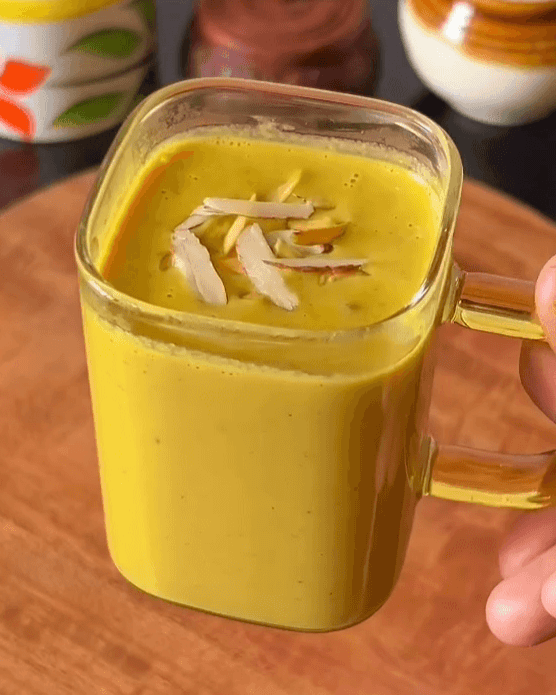
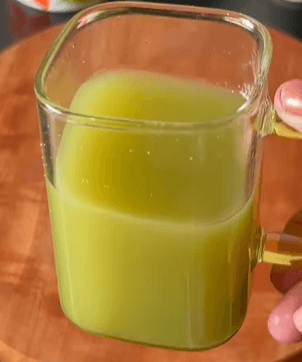
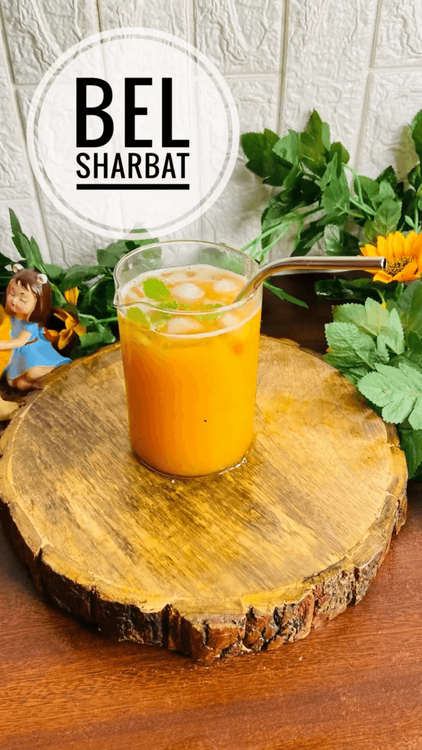
Turmeric Tonics, Golden Milk & Spiced Drinks
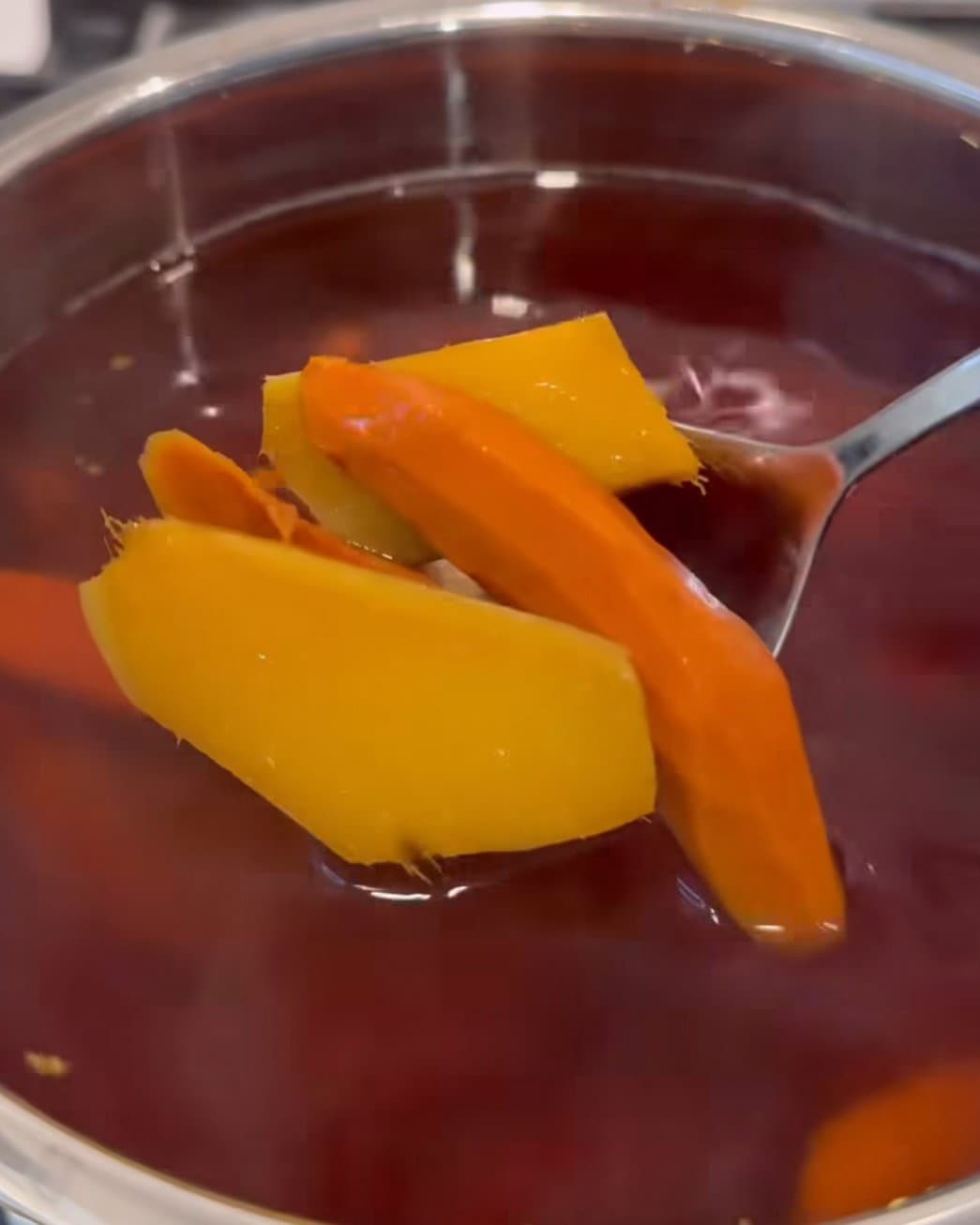
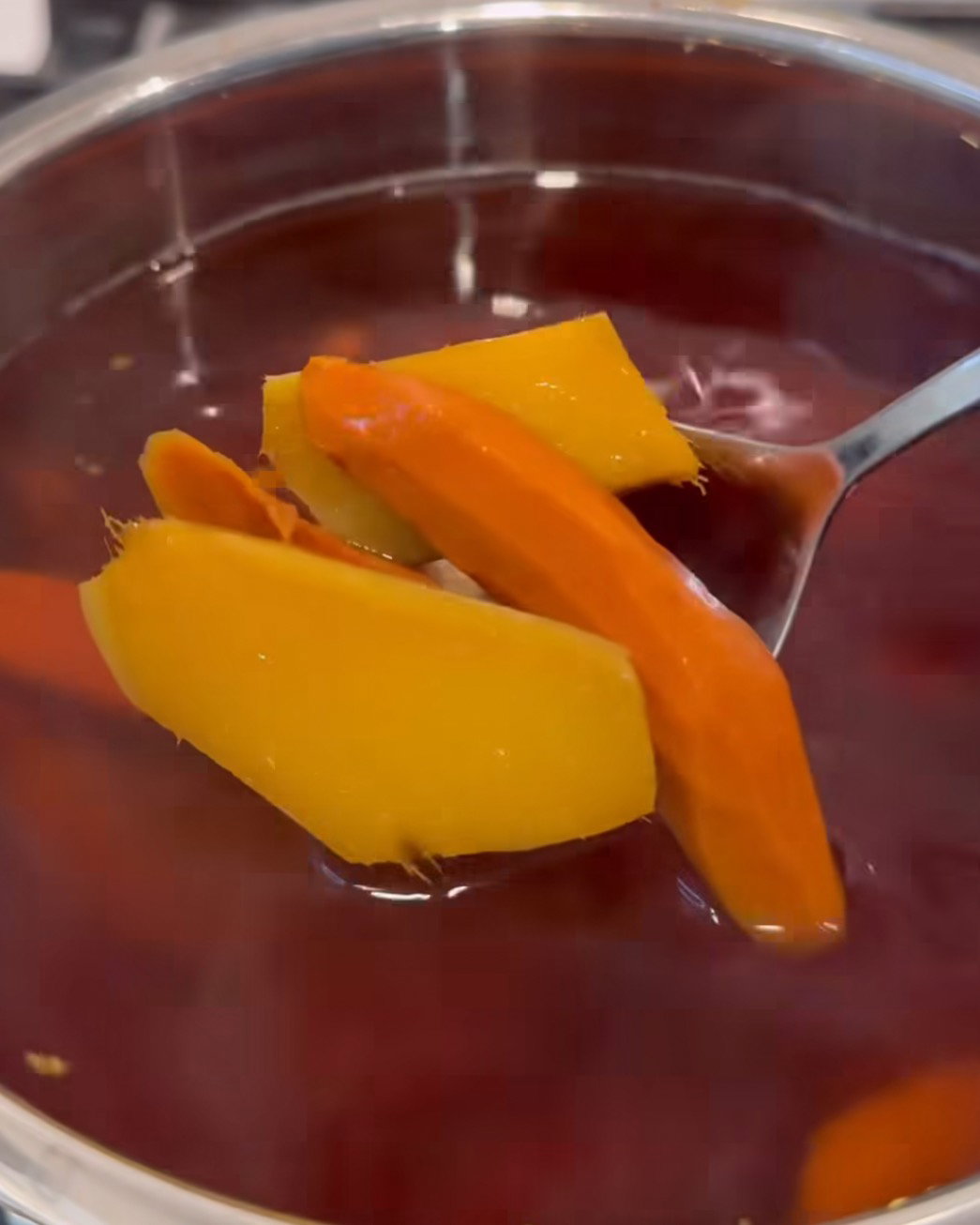
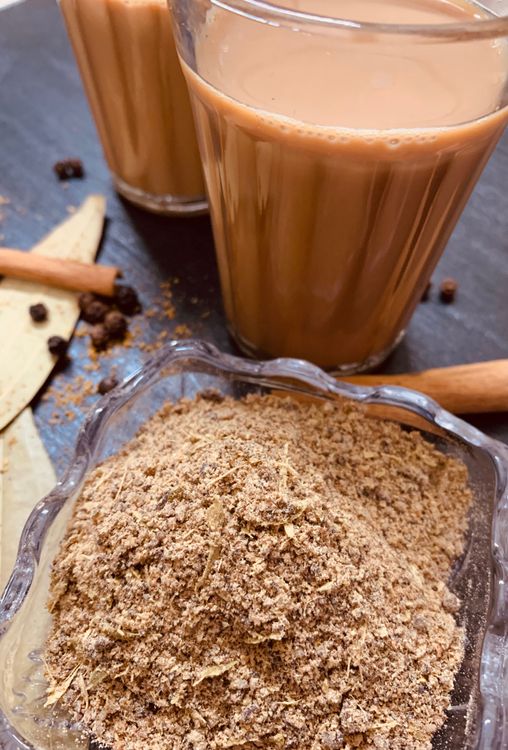
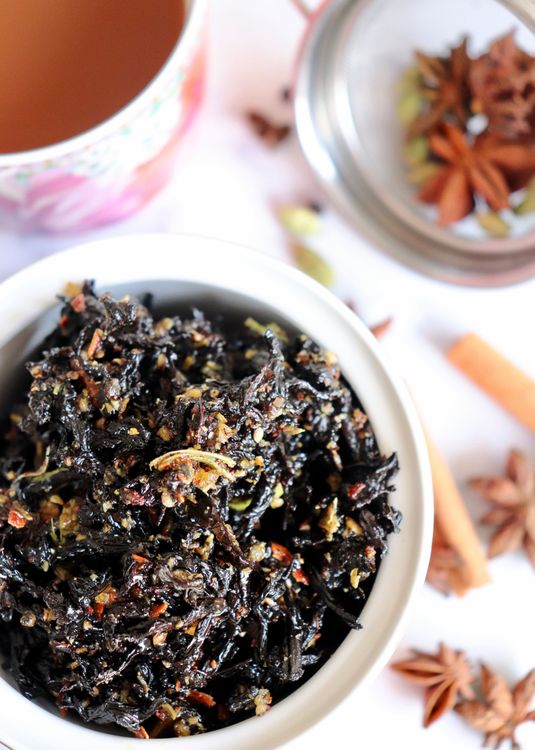
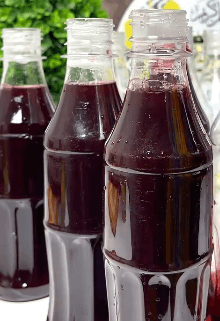
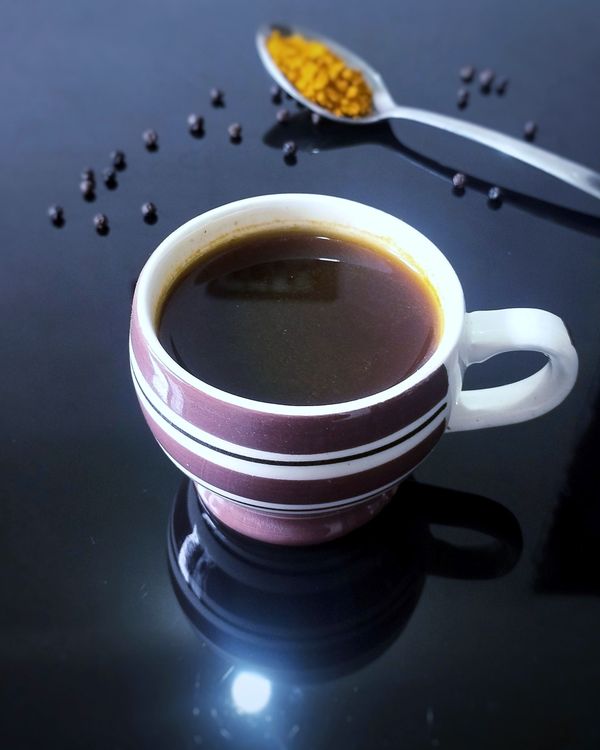
This is where most people start, and it's the easiest habit to keep, because a drink asks nothing of your evening. Warm spiced milk, brewed ginger, hibiscus steeped with pineapple skin. A few of these are old kitchen remedies rather than recipes, and I've kept them because that's how they were shared with us. Treat them as pleasant additions alongside the anti inflammatory foods you already eat, not as treatments for anything.

- Vegetarian
- Beverage

- Vegetarian
- Beverage

- Indian
- Vegan
- Beverage
- Indian
- Vegetarian
- Beverage
- International
- Vegetarian
- Snack
- Indian
- Vegetarian
- Beverage

- Indian
- Vegan
- Beverage

- African
- Vegan
- Beverage
- Global
- Vegetarian
- Breakfast
- Global
- Vegetarian
- Sauce & Condiment
- Global
- Vegan
- Sauce & Condiment
- Indian
- Vegetarian
- Snack
- Indian
- Vegan
- Beverage
- Indian
- Vegan
- Beverage

- International
- Vegetarian
- Snack
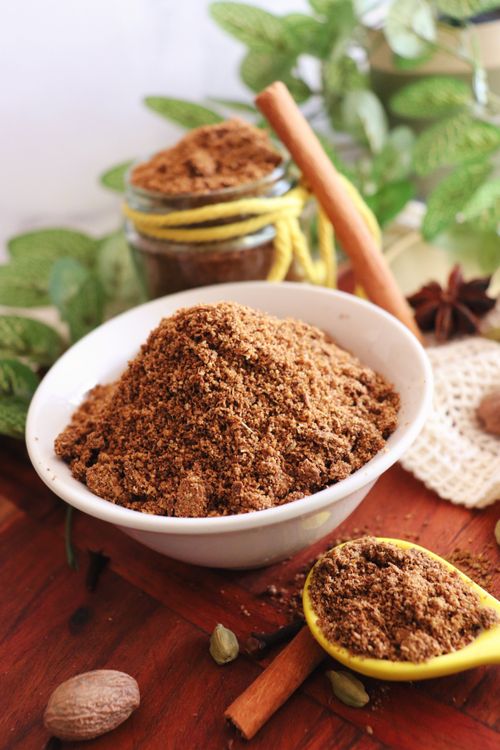
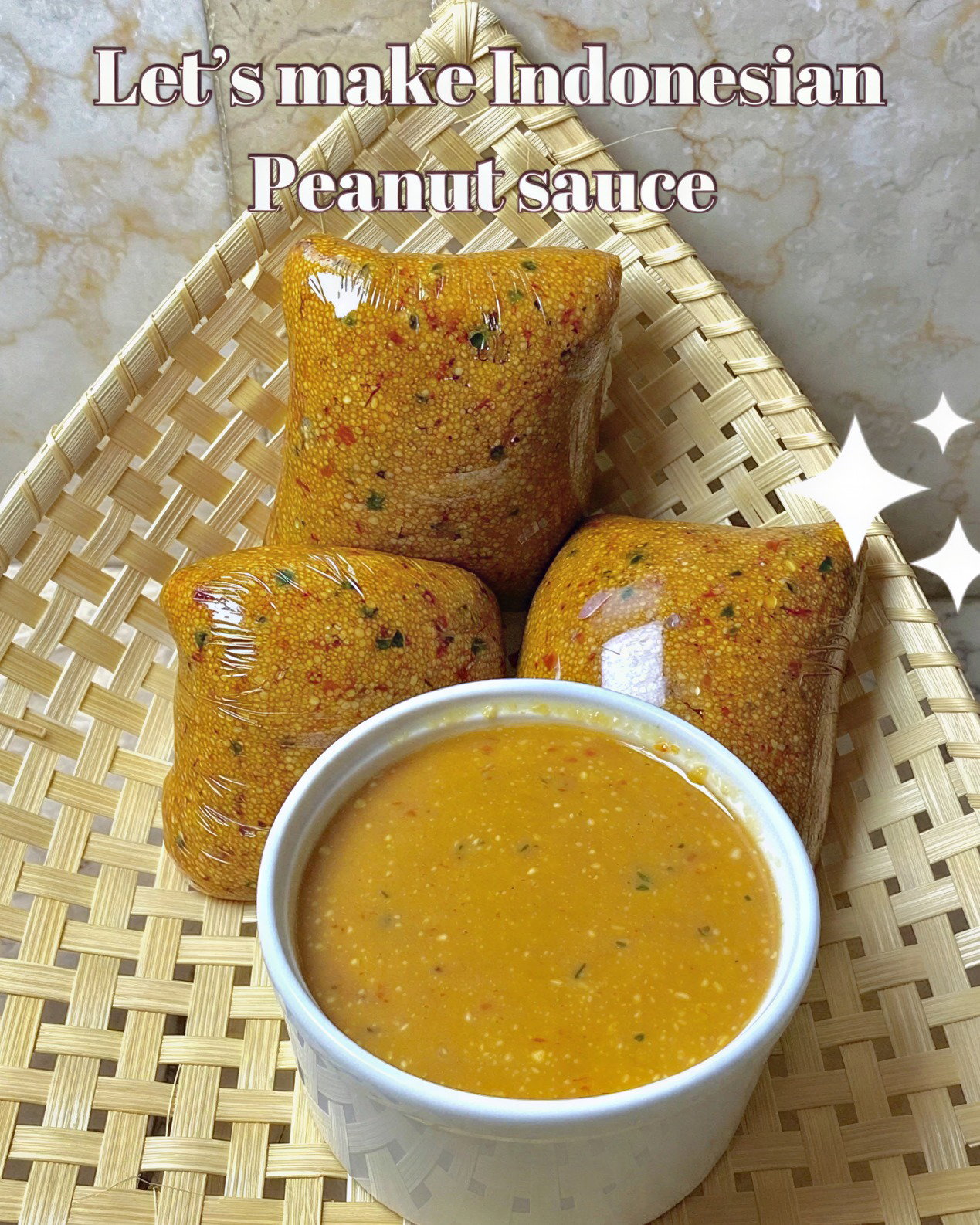
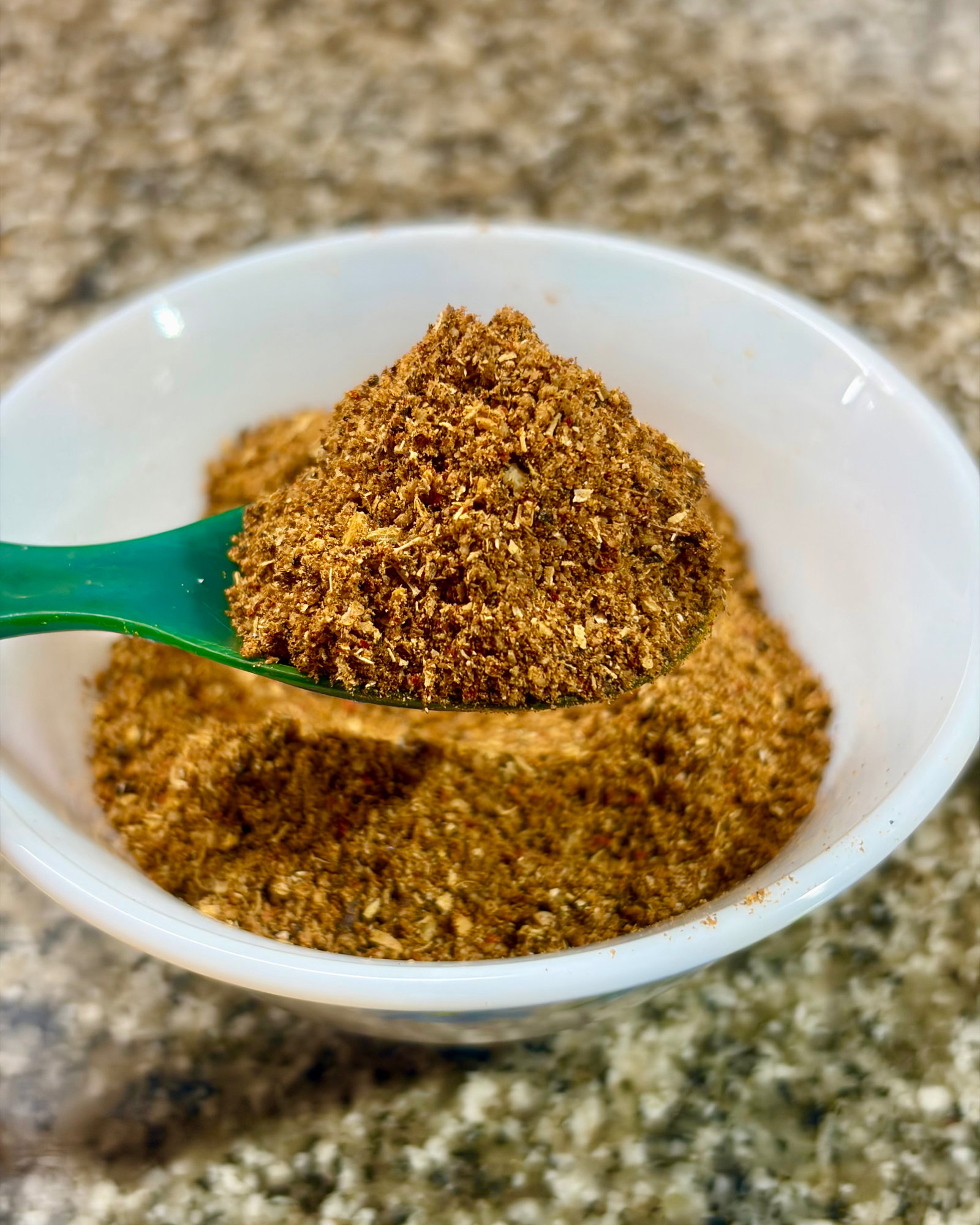
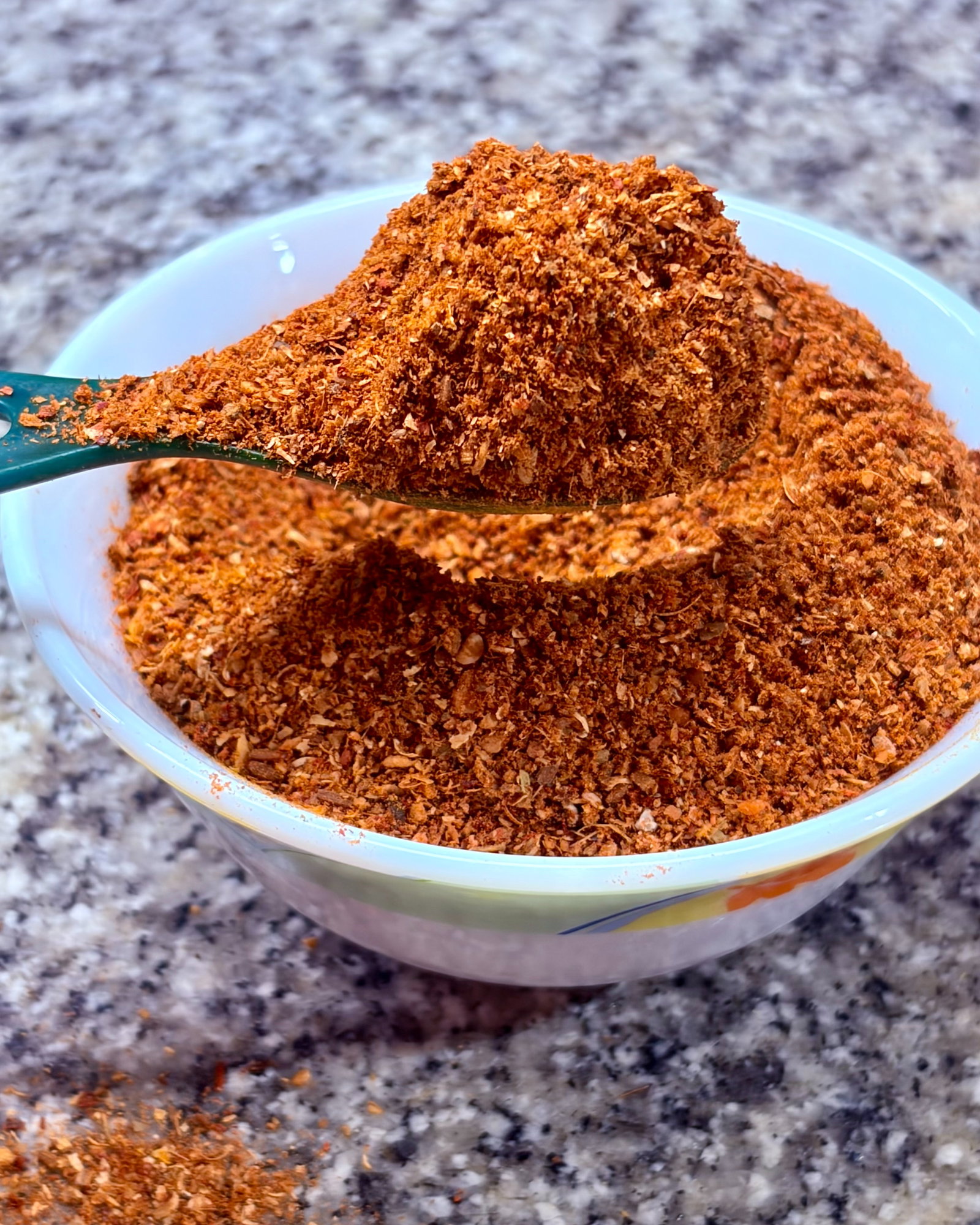
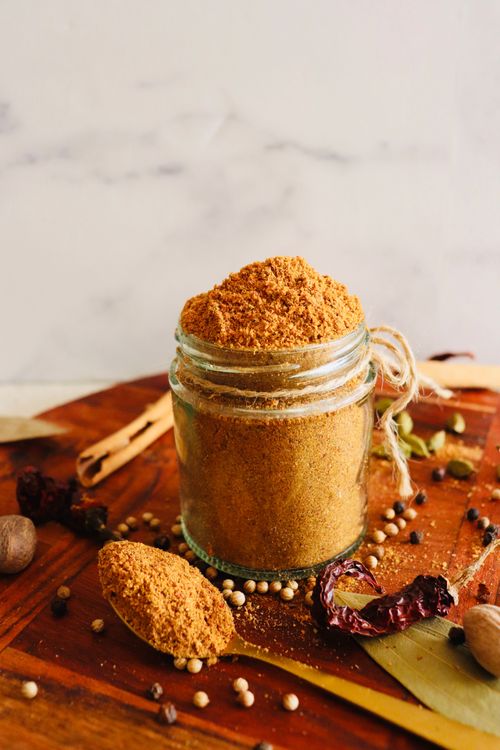
Spice Blends, Curry Pastes & Flavour Bases
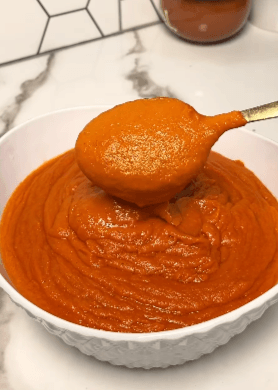
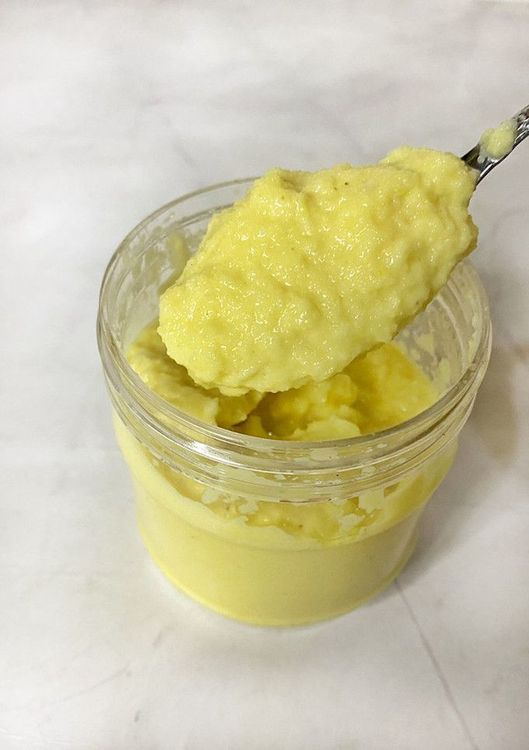
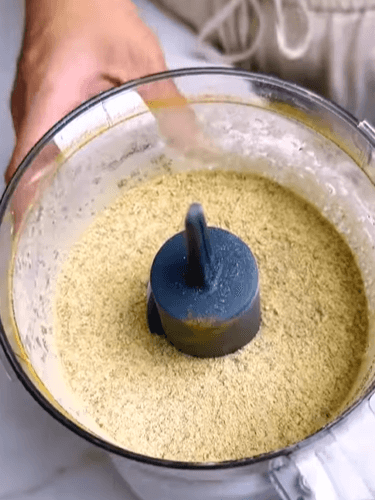
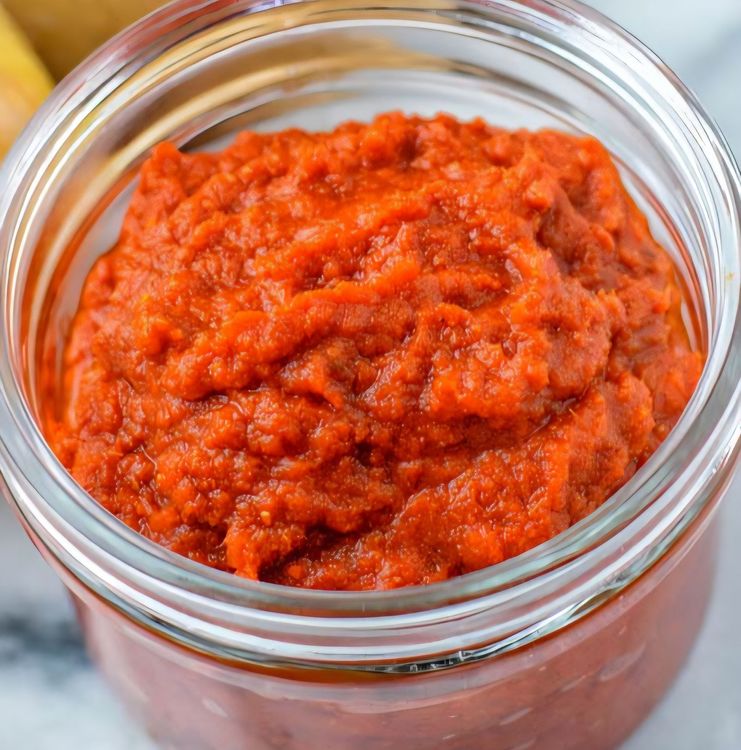
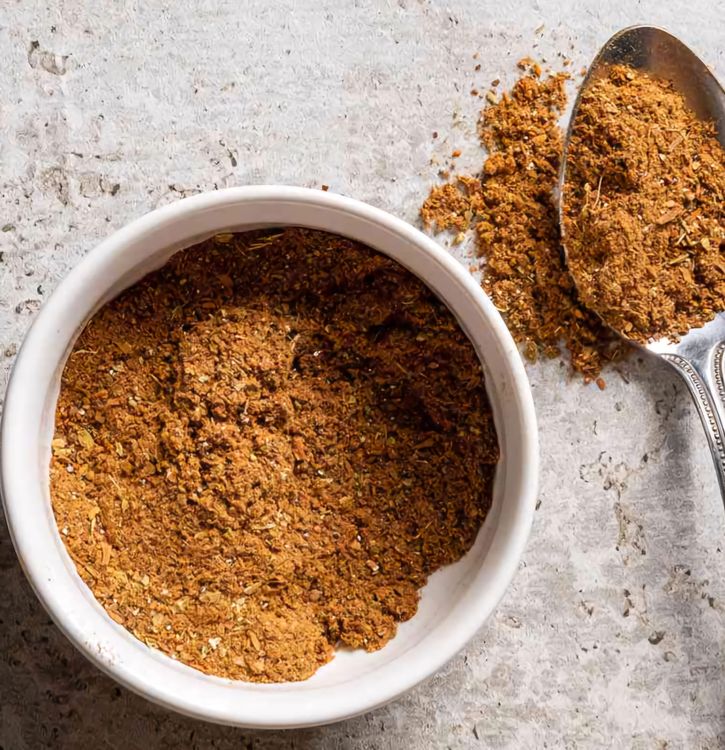
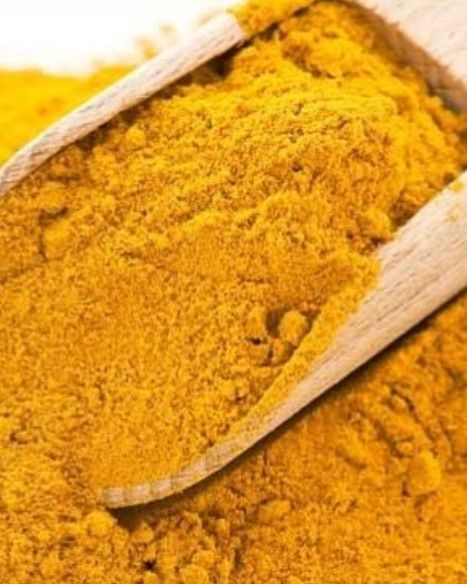
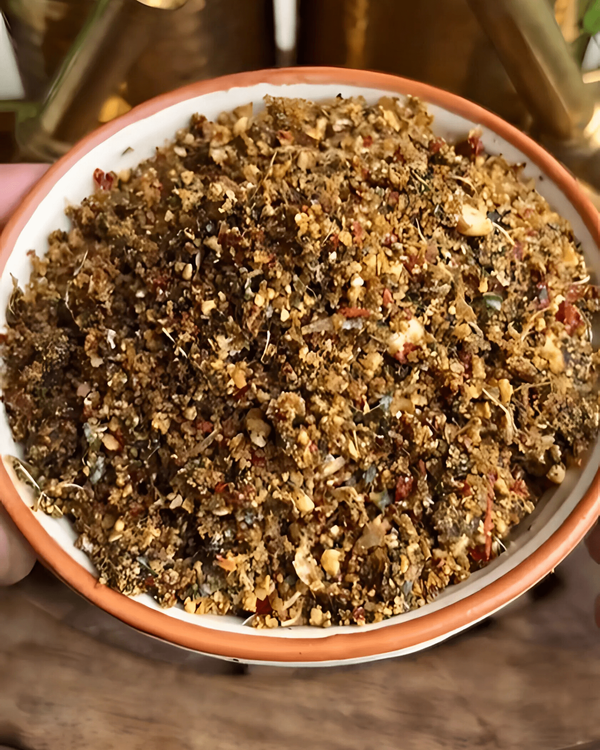
Grind your own and everything downstream improves. That isn't romance, it's just that ground spice loses its volatile oils within weeks. Toast whole seeds separately, because coriander and cumin don't finish at the same moment, and let them cool completely before grinding or you'll end up with a paste. These blends are also where the anti-inflammatory reputation of this cooking actually lives: turmeric, ginger, pepper, fennel and clove, used daily in small amounts rather than swallowed as a capsule.
- Indian
- Vegan
- Sauce & Condiment


- Parsi
- Pescatarian
- Sauce & Condiment

- Vegetarian
- Sauce & Condiment
- Vegetarian
- Sauce & Condiment
- Vegetarian
- Sauce & Condiment
- Indian
- Vegan
- Sauce & Condiment
- Ghanaian
- Vegan
- Sauce & Condiment

- Indian
- Vegan
- Sauce & Condiment

- International
- Vegan
- Sauce & Condiment

- Indian
- Vegan
- Sauce & Condiment
- Middle Eastern
- Vegan
- Sauce & Condiment
- Indian
- Vegan
- Sauce & Condiment

- Burmese
- Non-Vegetarian
- Dinner
Chutneys, Sambals & Fresh Relishes
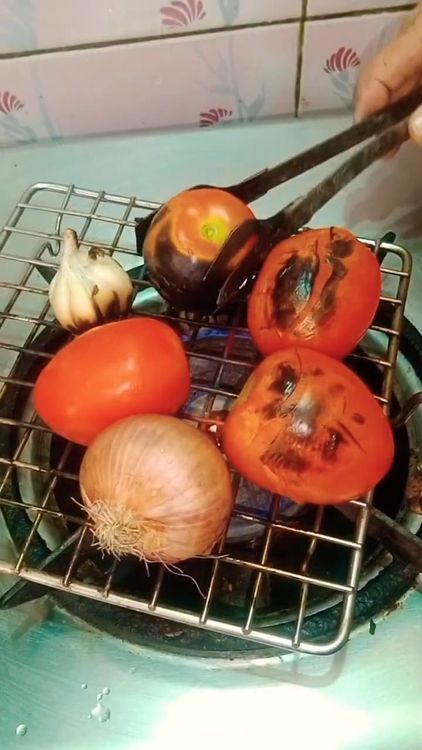
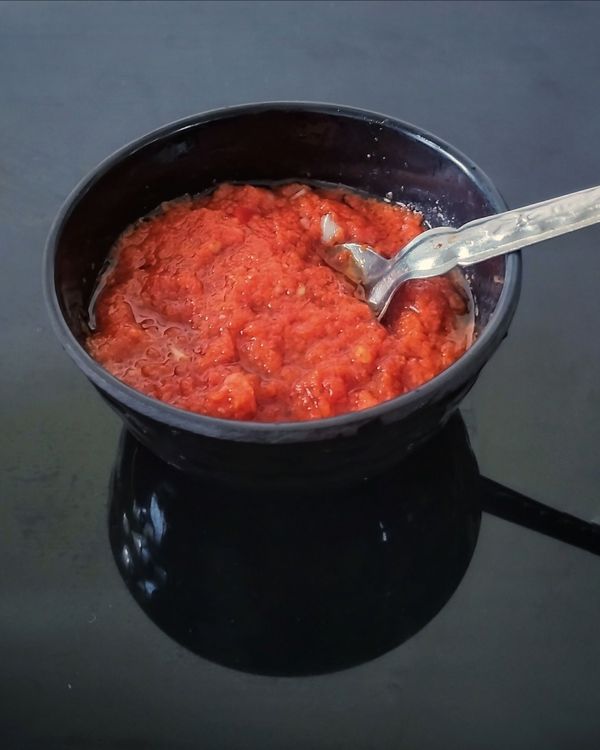
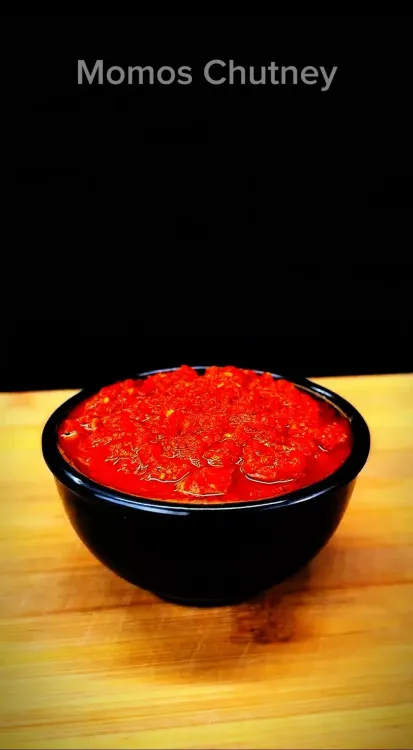
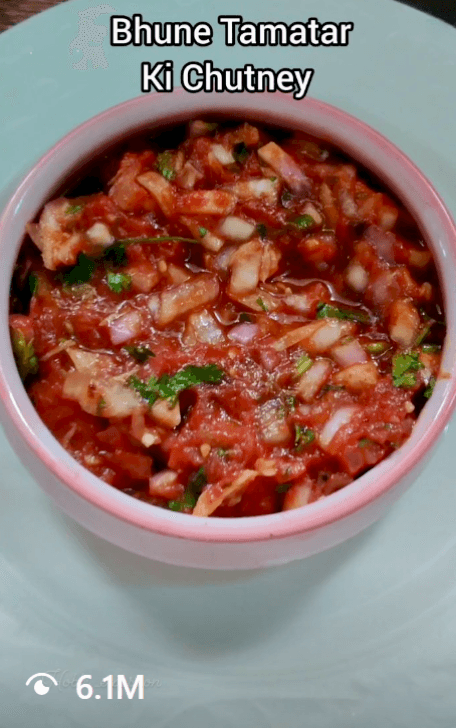
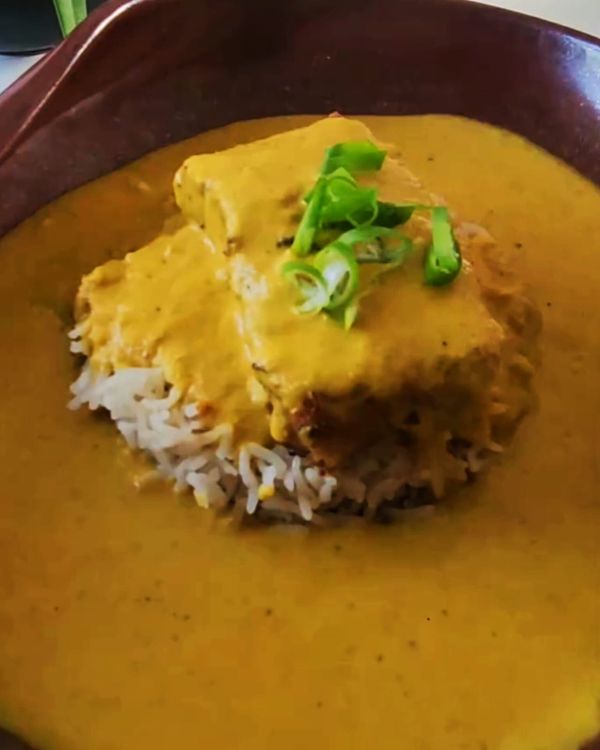
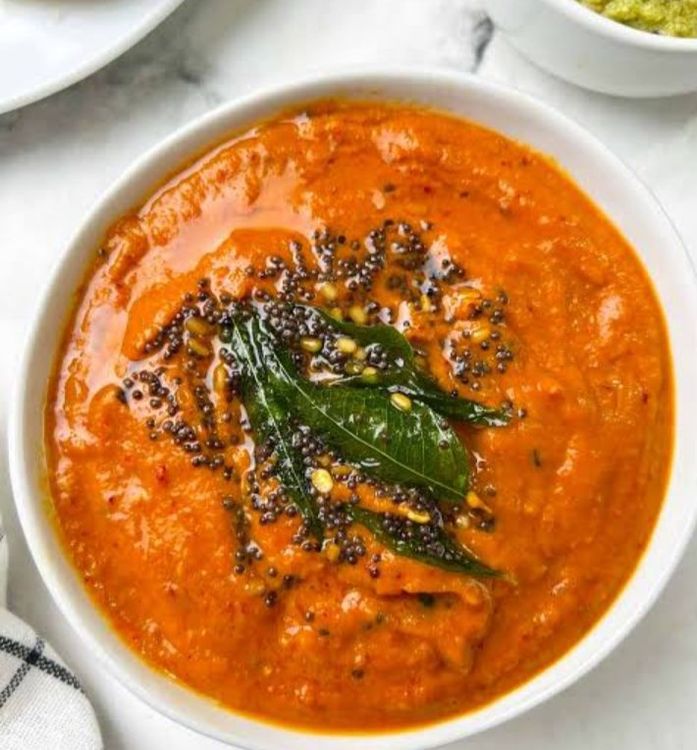
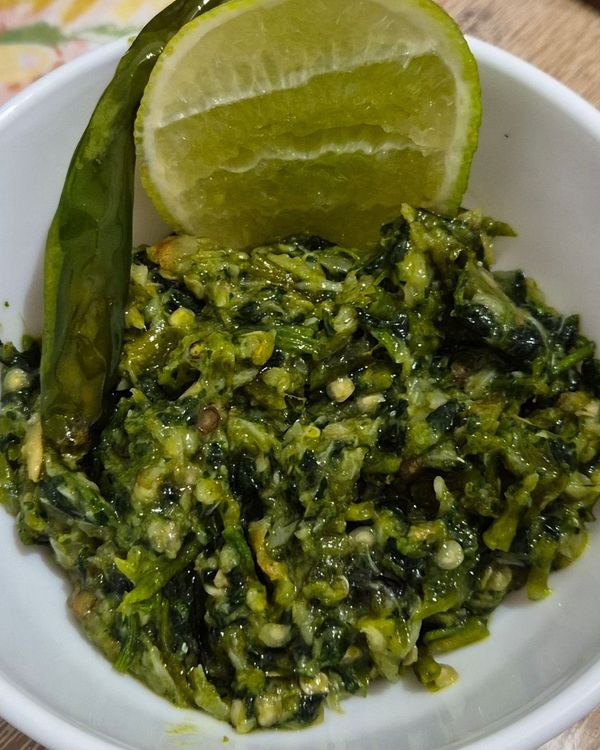
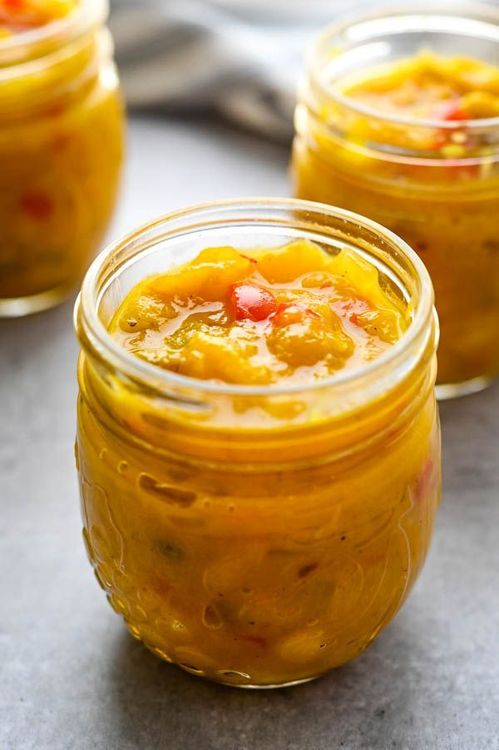
A good relish is how you make a plain grilled vegetable interesting enough to eat twice a week, which matters more than any single ingredient ever will. Most of these take under half an hour and several need no heat at all. The raw ones, dabu-dabu and chammanthi, are same-day only; the cooked ones with sugar and acid keep for a fortnight. Chilli, garlic, ginger and mustard oil do the work here, and they do it deliciously.

- Vegetarian
- Appetiser


- Vegetarian

- Vegetarian
- Sauce & Condiment

- Gluten-Free
- Sauce & Condiment
- Indian
- Vegan
- Sauce & Condiment
- South Indian
- Vegan
- Side Dish
- Tibetan
- Vegan
- Sauce & Condiment

- Indian
- Vegan
- Snack
- Indian
- Vegan
- Sauce & Condiment

- Fusion
- Vegan
- Sauce & Condiment

- Indian
- Vegan
- Side Dish
- Bengali
- Vegan
- Sauce & Condiment
- Indian
- Vegan
- Sauce & Condiment
Omega-3 Fish & Seafood Suppers
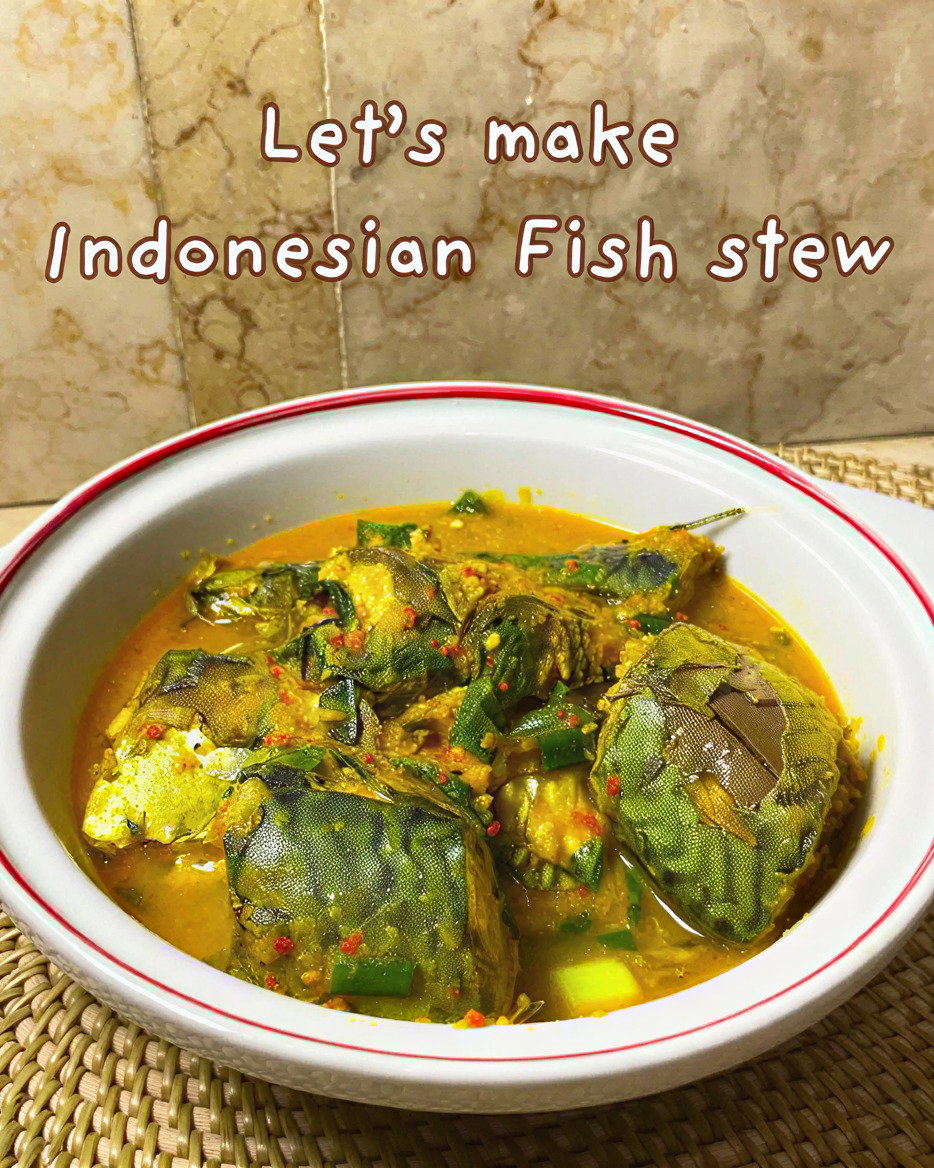
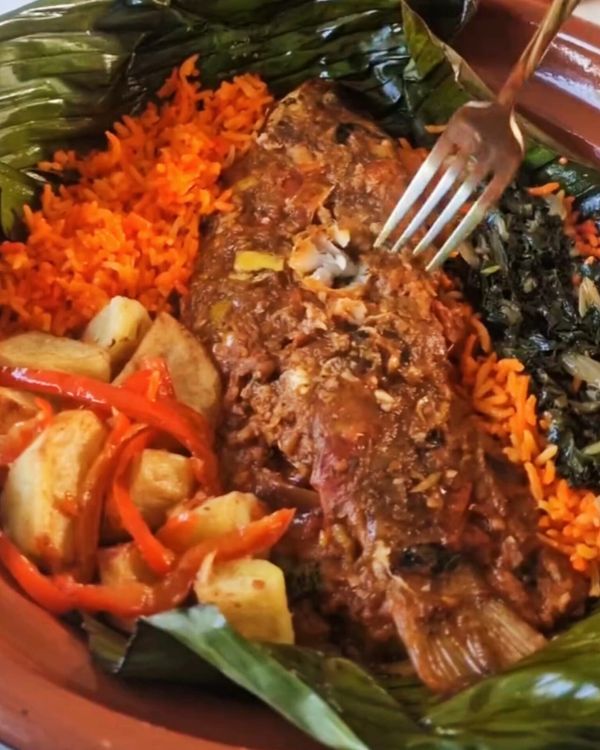
Oily fish is the one item on this page with genuinely solid evidence behind it. Long-chain omega-3s from salmon, sardines and mackerel are among the better-studied dietary influences on inflammatory markers, and two portions a week is the usual public-health advice. Snapper and shrimp are leaner, so they're here for the spice paste as much as the fish itself. Cook all of it less than you think; seafood carries on cooking off the heat.
- Gluten-Free
- Dinner

- Maharashtrian
- Pescatarian
- Main Course


- Pescatarian
- Dinner
- Indian
- Pescatarian
- Lunch
Slow-Simmered Chicken & Meat Mains
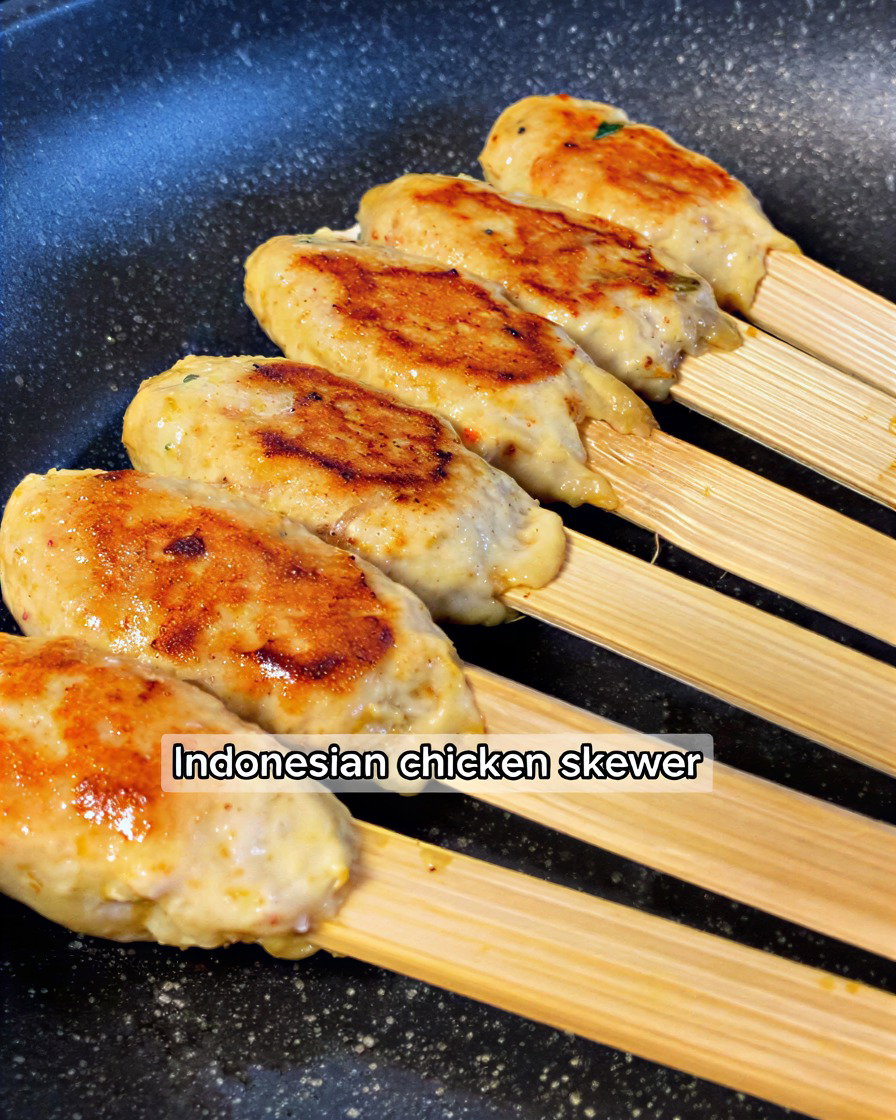
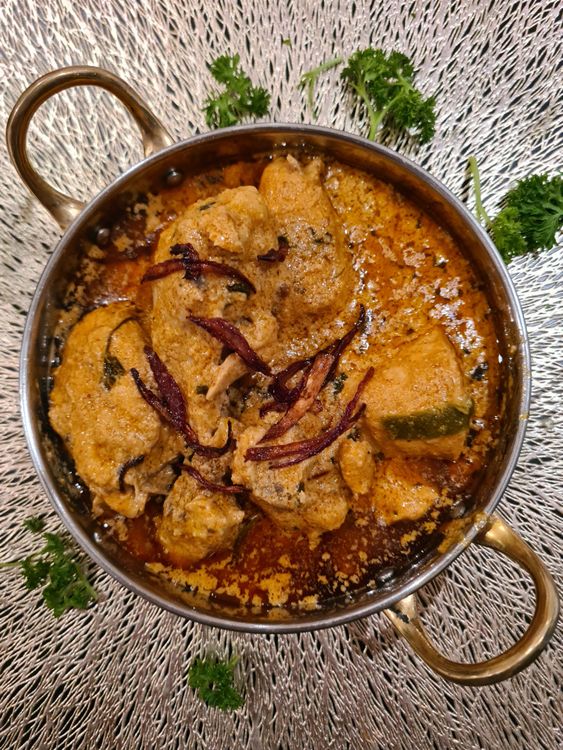
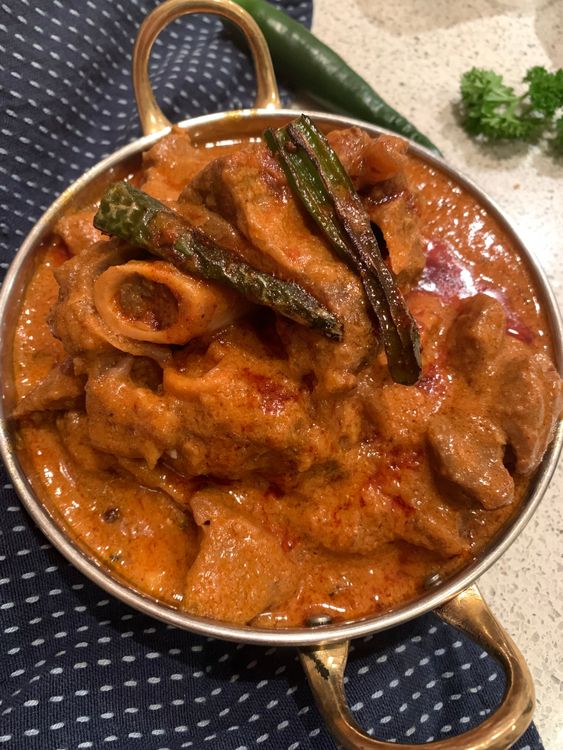
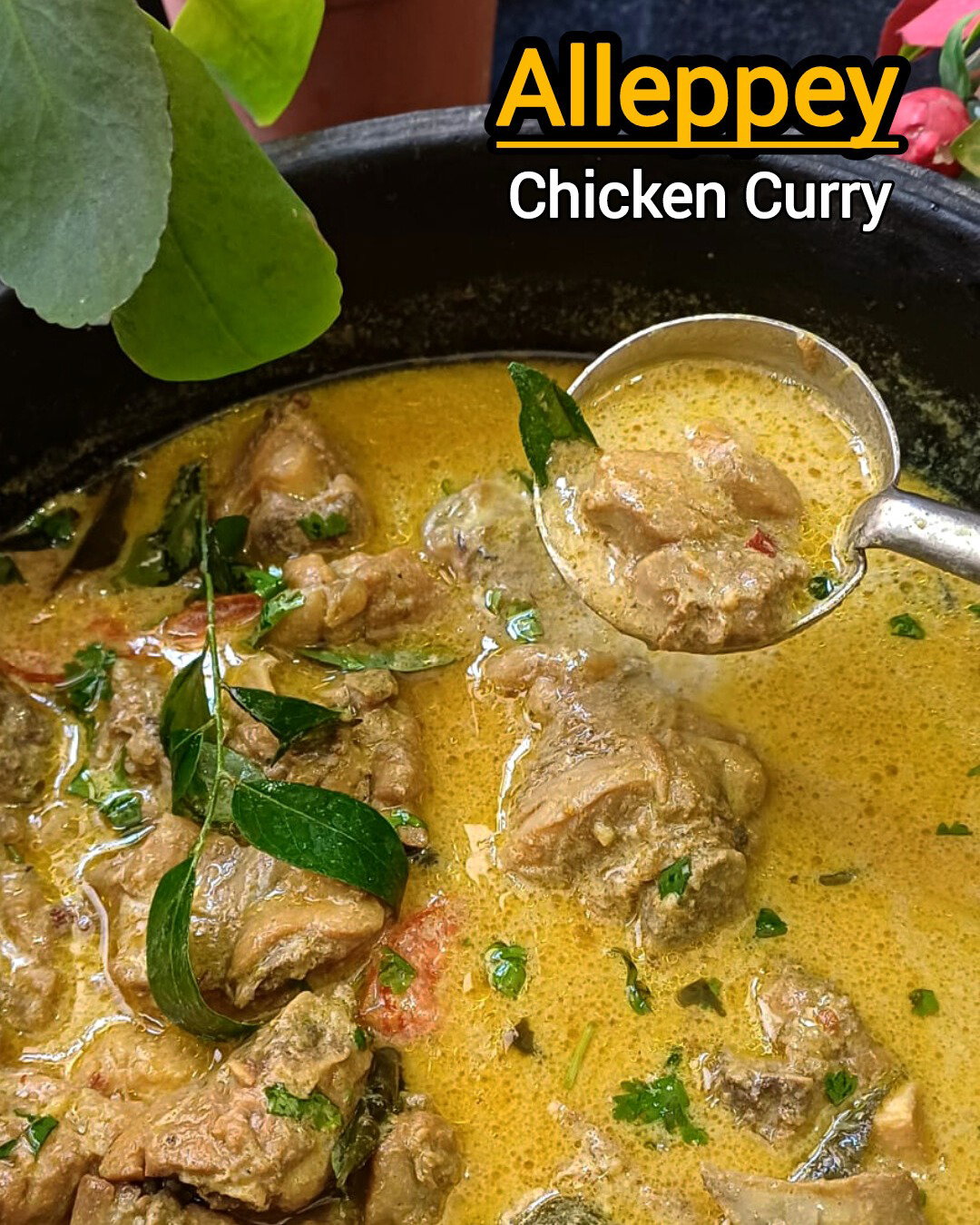
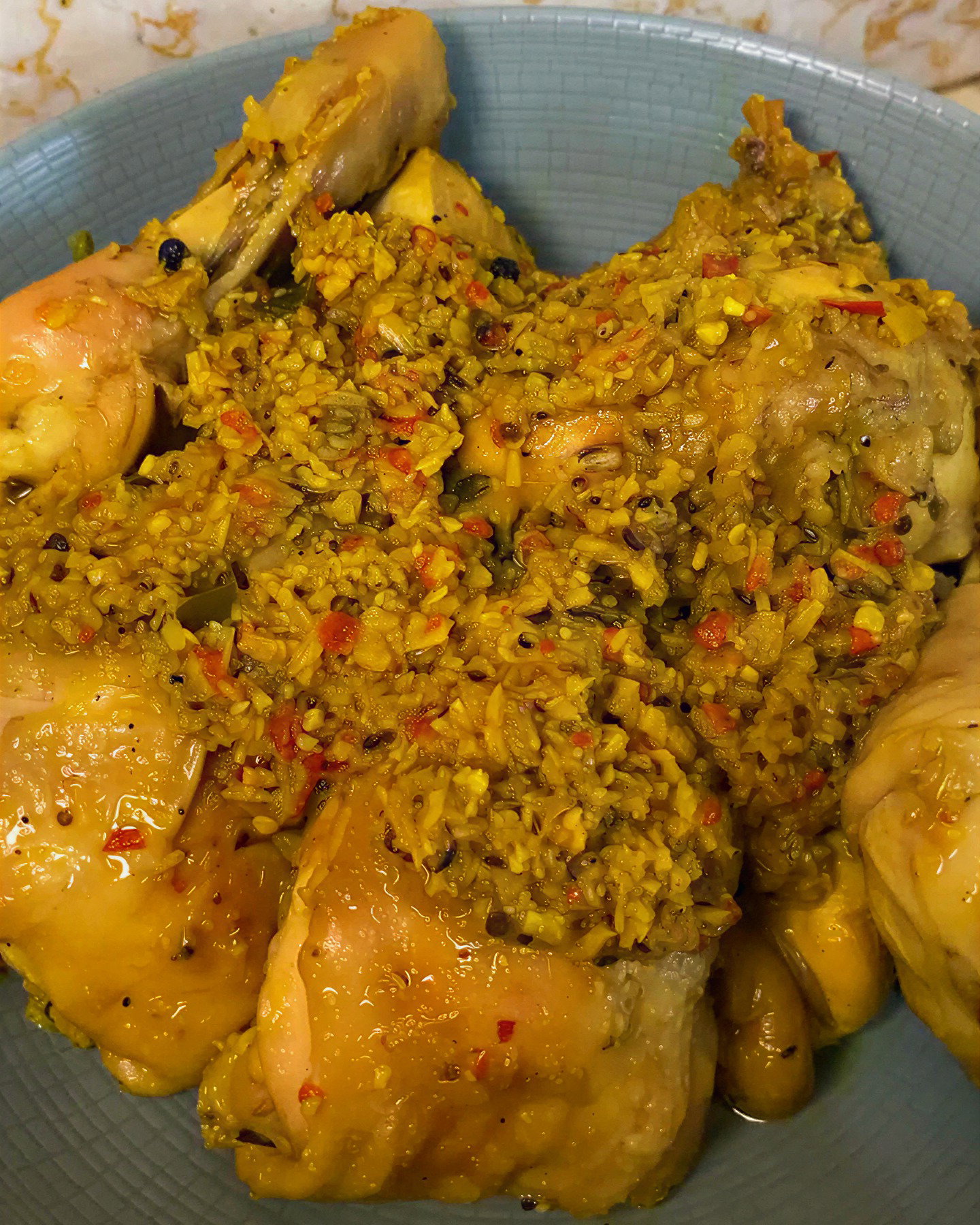
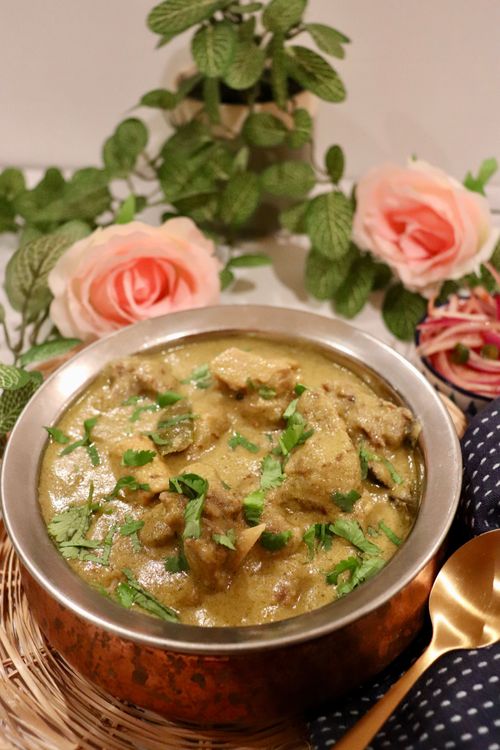
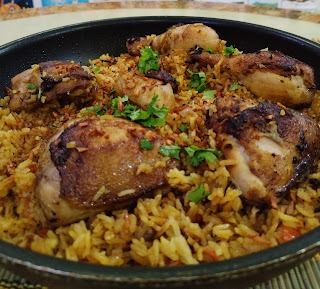
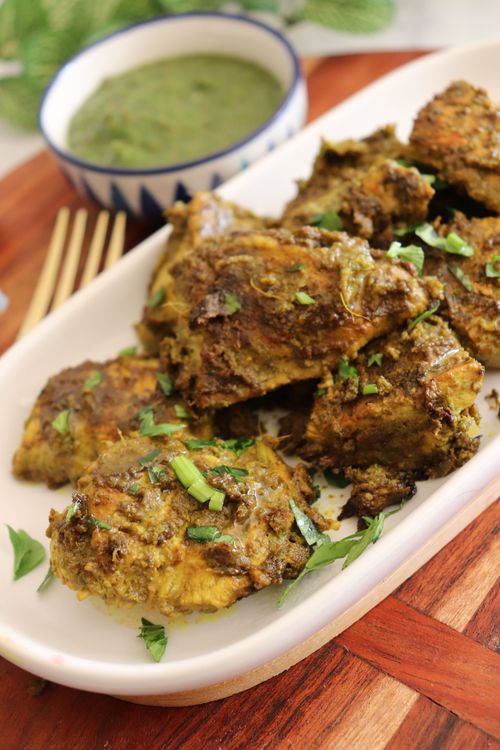
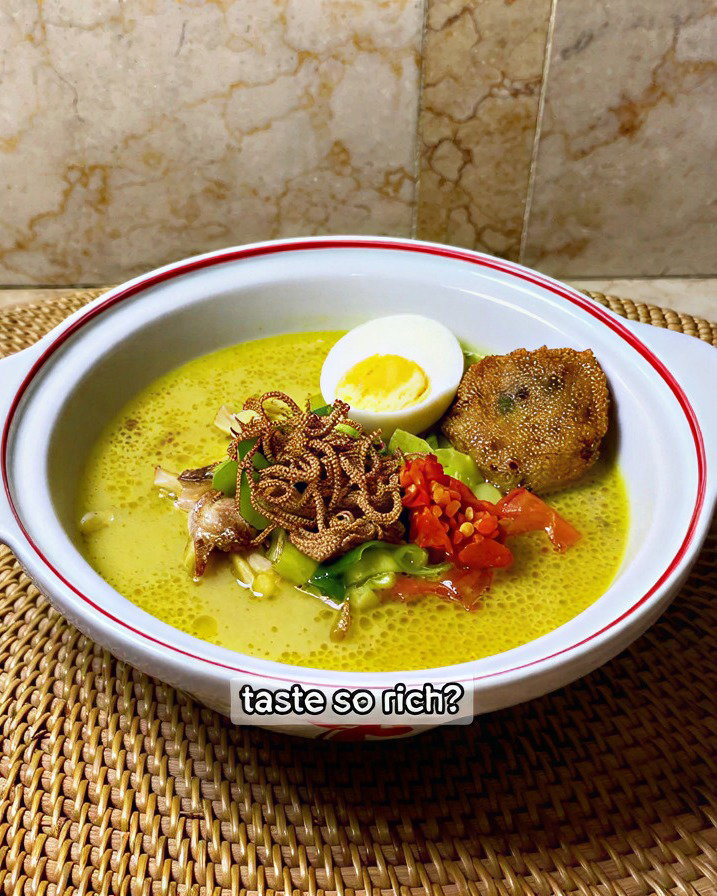
Meat isn't off the table here, because the pattern cares about proportion rather than prohibition. What these dishes share is that a spice paste does the flavouring instead of sugar or a stock cube, and most of them stretch a modest amount of protein across a lot of vegetables and gravy. Tagines, karahis and Indonesian braises are exactly the sort of inflammation reducing meals you can eat weekly without feeling like you're on a plan. Brown properly, then go low and slow.
- Gluten-Free
- Main Course

- Gluten-Free
- Dinner

- Indian
- Non-Vegetarian
- Lunch
- Indian
- Non-Vegetarian
- Lunch
- Indian
- Non-Vegetarian
- Lunch
- Non-Vegetarian
- Lunch

- Non-Vegetarian
- Dinner

- Vegetarian
- Dinner


- American
- Non-Vegetarian
- Lunch
- Non-Vegetarian
- Dinner
- Indian
- Non-Vegetarian
- Lunch
- Thai
- Non-Vegetarian
- Lunch
- Indian
- Gluten-Free
- Appetiser
- Gluten-Free
- Soup
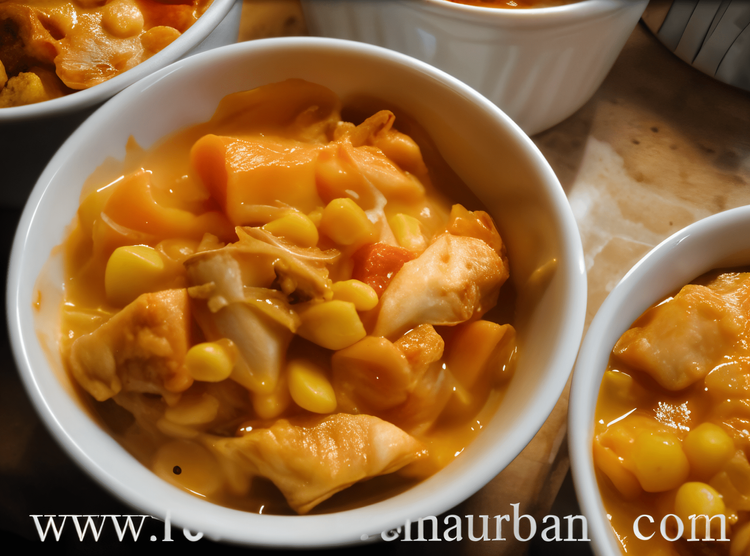
- Fusion
- Non-Vegetarian
- Lunch
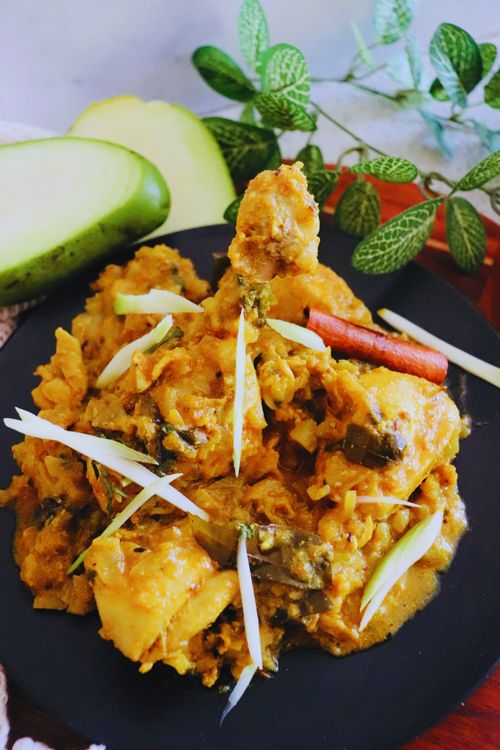
- Indian
- Non-Vegetarian
- Lunch
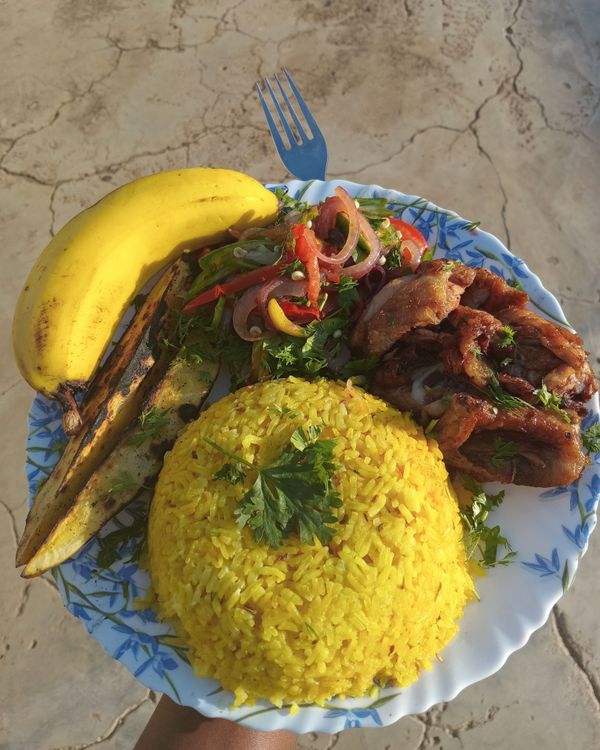
- Fusion
- Non-Vegetarian
- Lunch

- American
- Non-Vegetarian
- Dinner
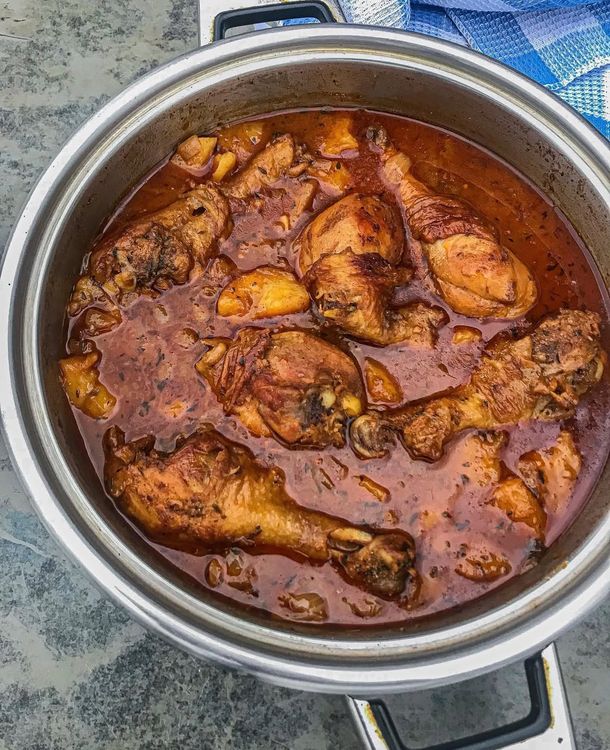
- African
- Non-Vegetarian
- Dinner
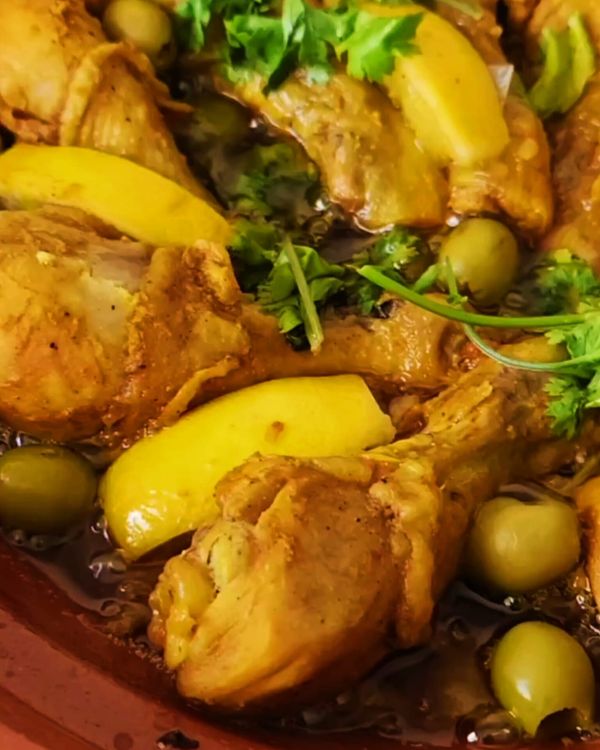
- Moroccan
- Non-Vegetarian
- Dinner
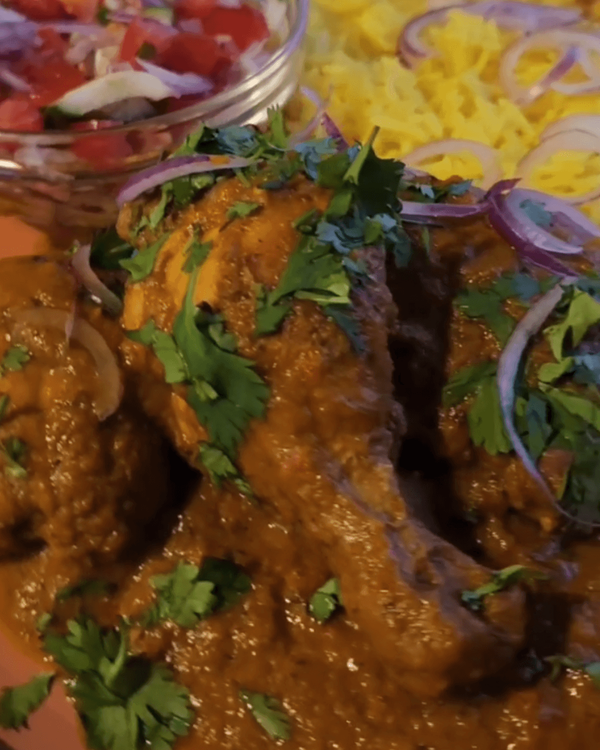
- Indian
- Non-Vegetarian
- Dinner
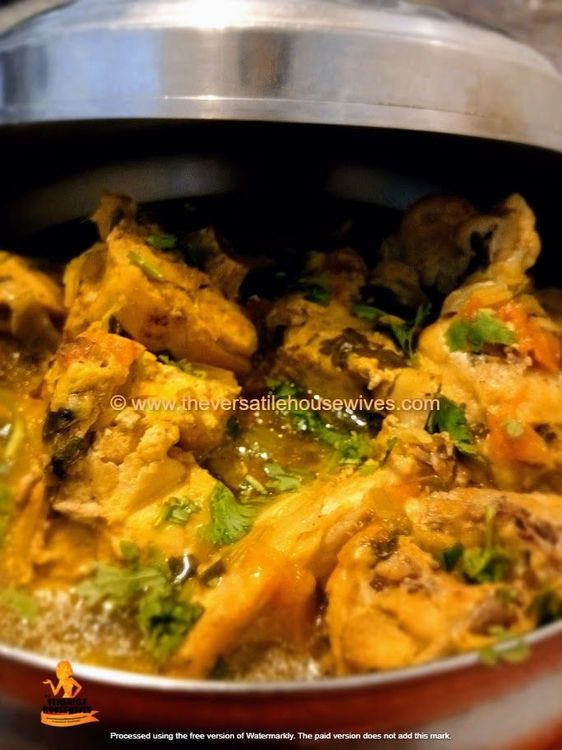
- Indian
- Non-Vegetarian
- Lunch
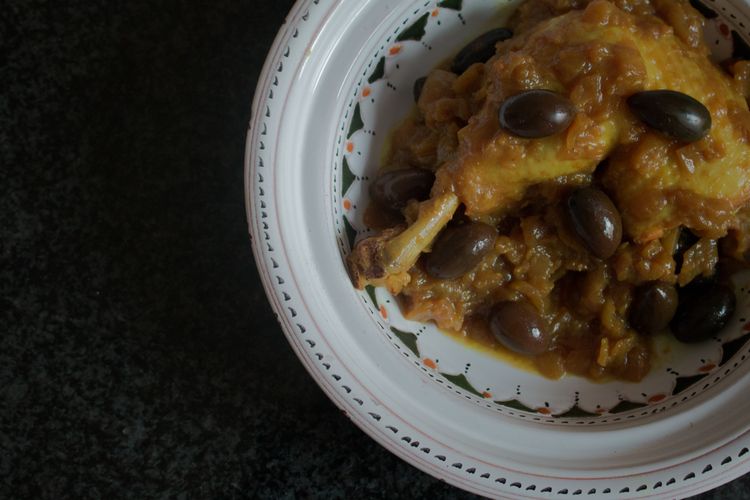

- Moroccan
- Non-Vegetarian
- Dinner
Vegetable-Forward Anti Inflammatory Recipes: Dals, Bowls & Roasted Plates
This is the biggest section, and it should be. Legumes, brassicas, aubergine, pumpkin, greens and whole grains belong at the base of the plate rather than around the edge of it. Dals freeze in portions. Roasted vegetables want a hot oven and space between them. Salads want their dressing added late, not in the morning. If you cook from only one part of this page, cook from here: these are the inflammation reducing meals that do the quiet, cumulative work.

- Vegetarian
- Salad

- Vegetarian
- Breakfast

- Gluten-Free
- Lunch

- Vegetarian
- Salad

- South Indian
- Vegan
- Breakfast
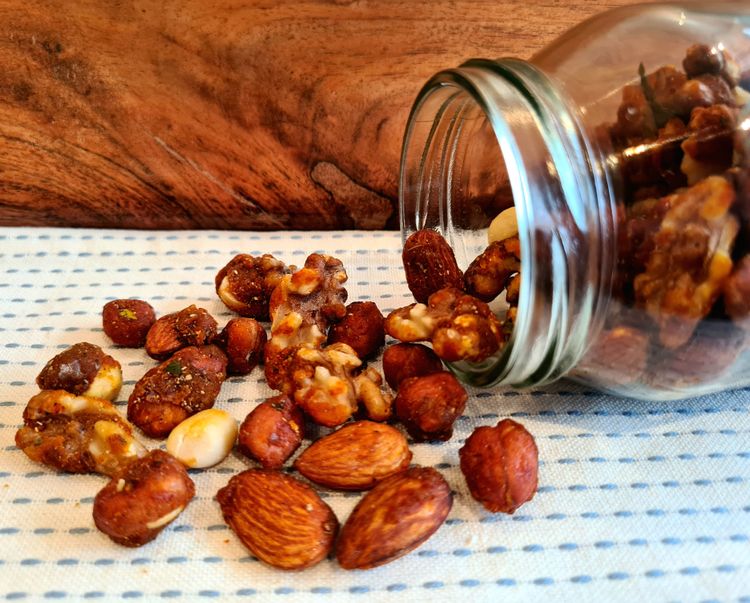
- Indian
- Vegan
- Snack
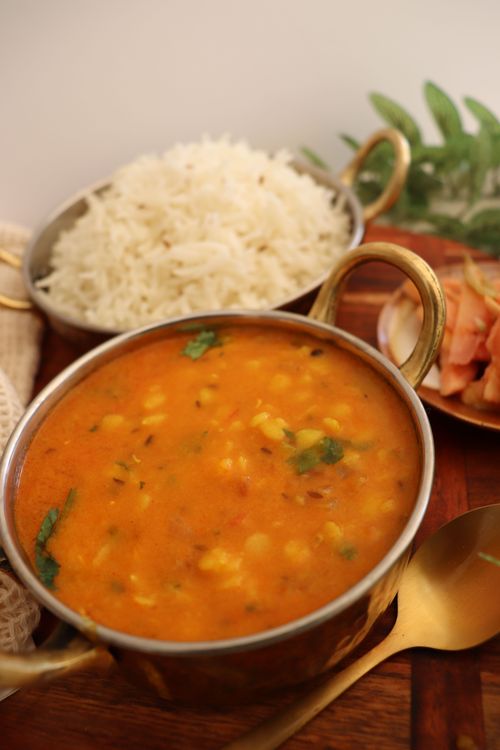
- Indian
- Vegetarian
- Lunch
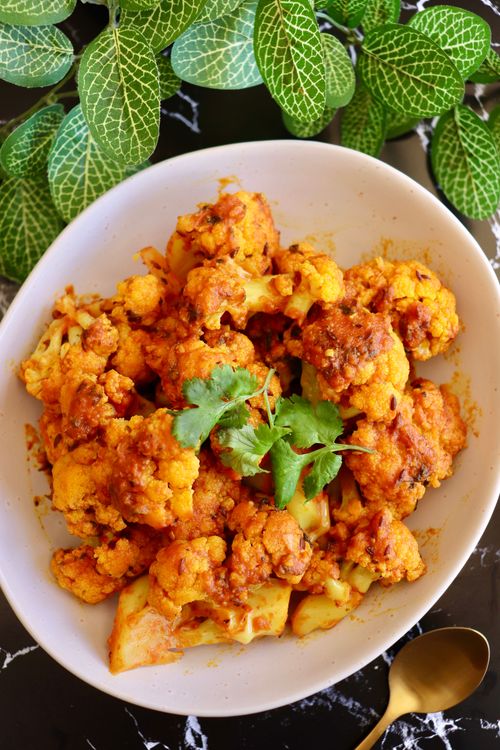
- Indian
- Vegan
- Side Dish
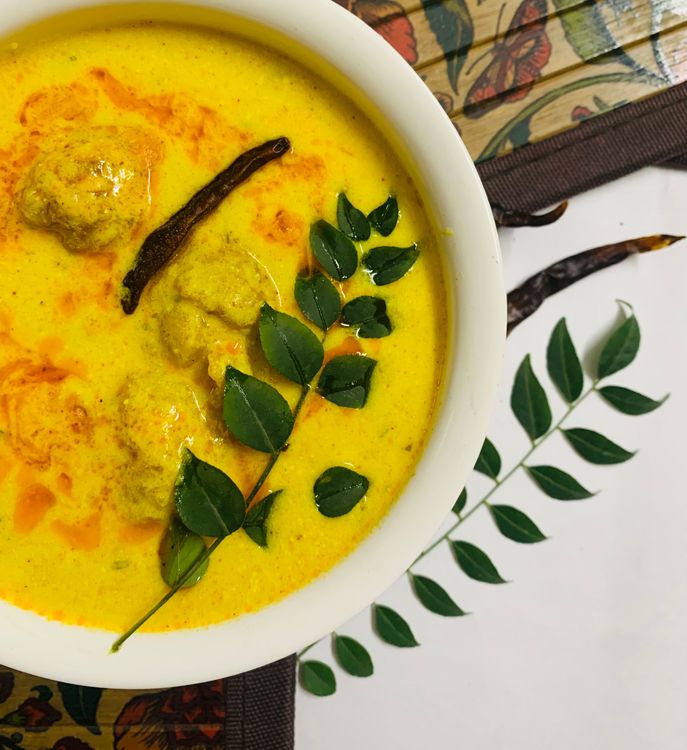
- Indian
- Vegetarian
- Lunch
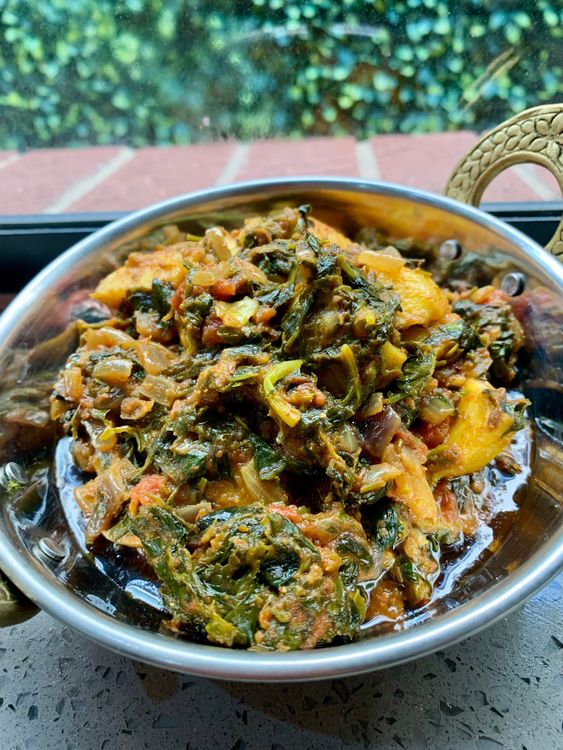
- Indian
- Vegan
- Side Dish

- Eggetarian
- Breakfast
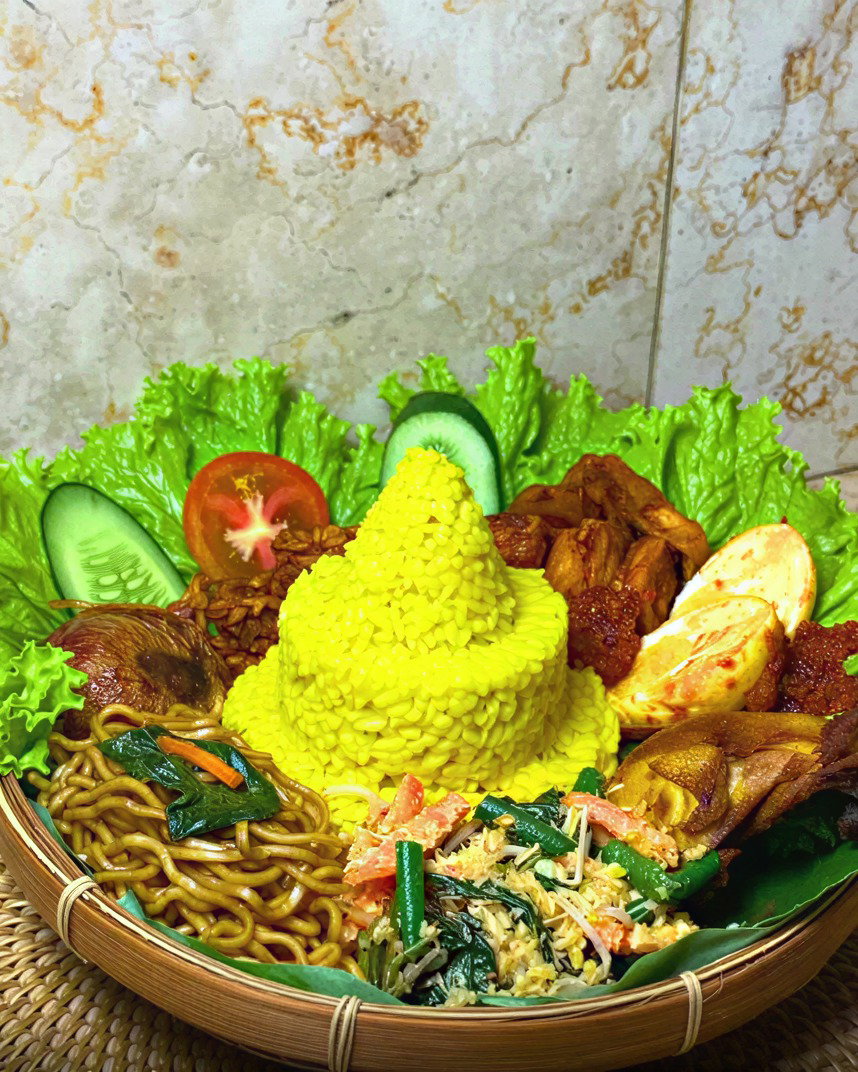
- Vegetarian
- Side Dish
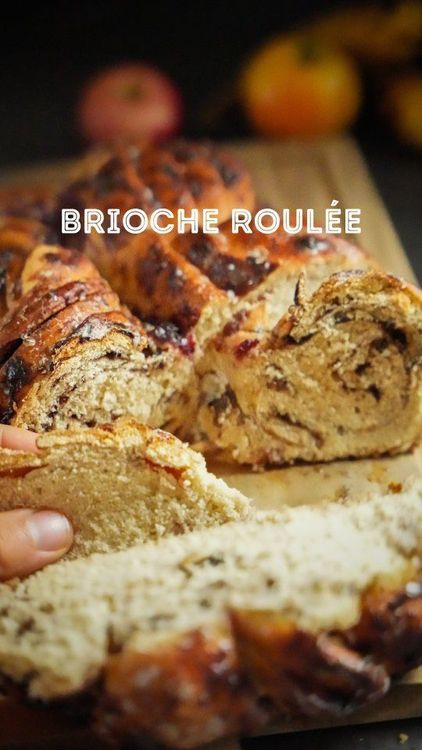
- International
- Vegan
- Breakfast
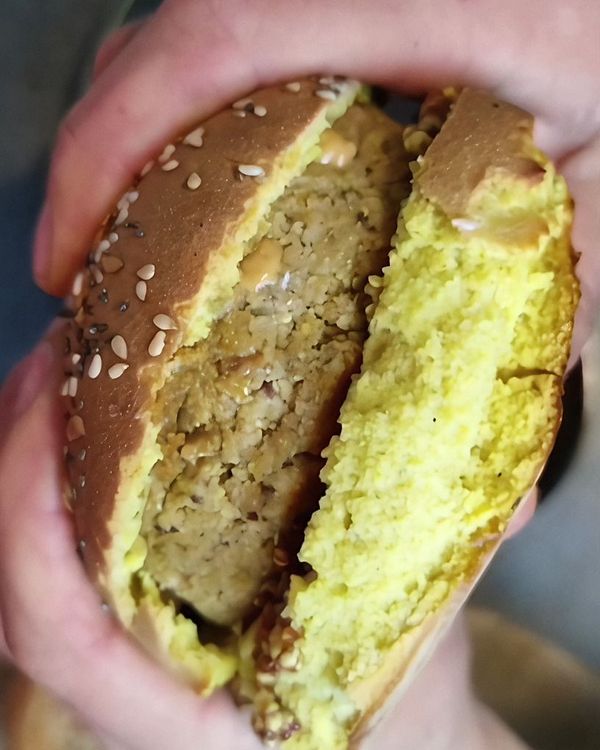
- International
- Vegan
- Lunch
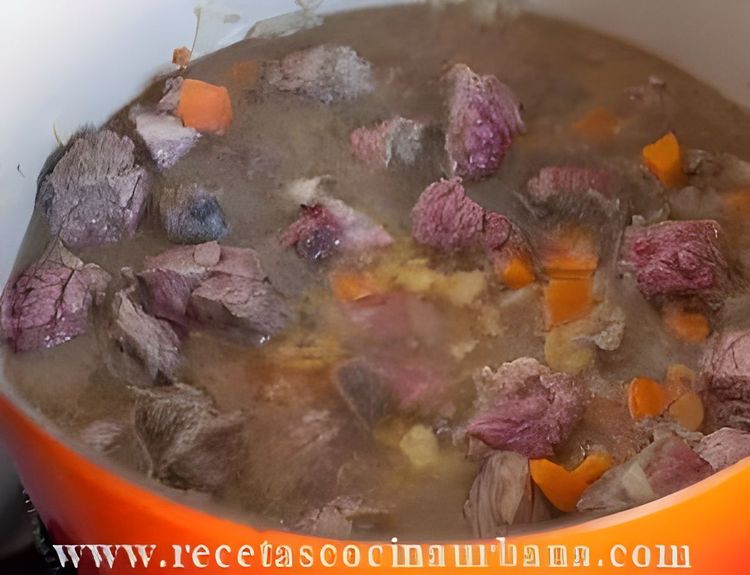
- Colombian
- Non-Vegetarian
- Lunch
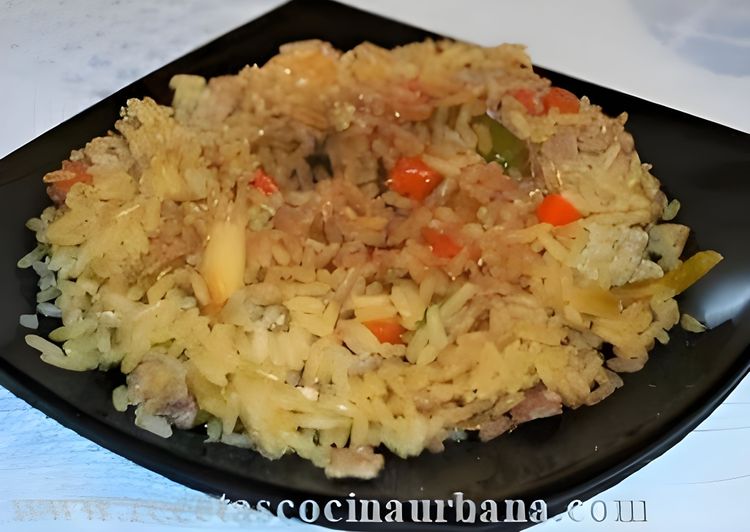
- International
- Vegan
- Lunch
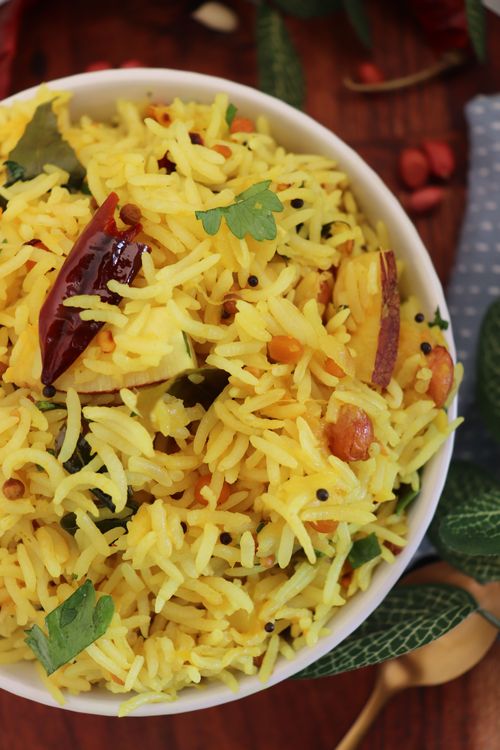
- Indian
- Vegan
- Lunch
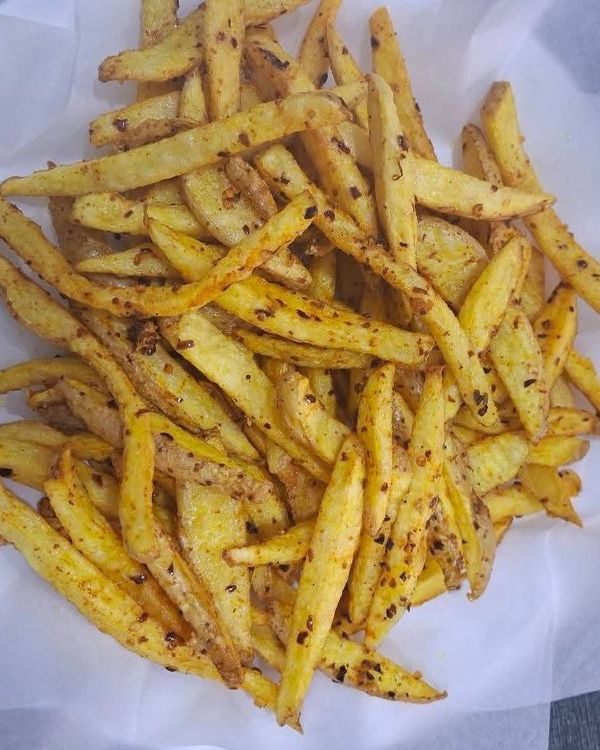
- Irish
- Vegan
- Snack
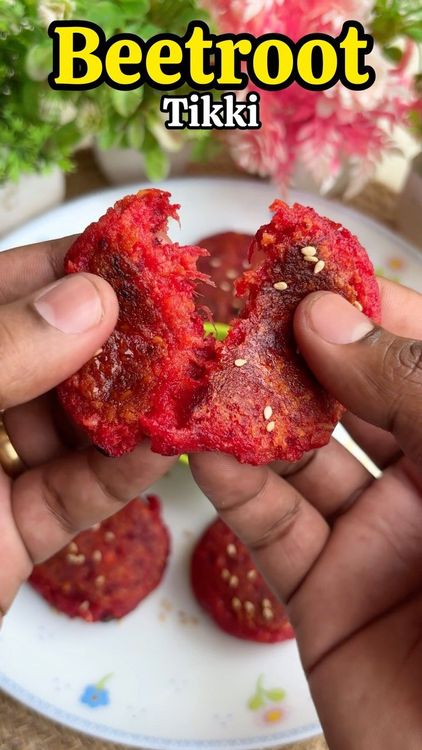
- Indian
- Vegetarian
- Snack
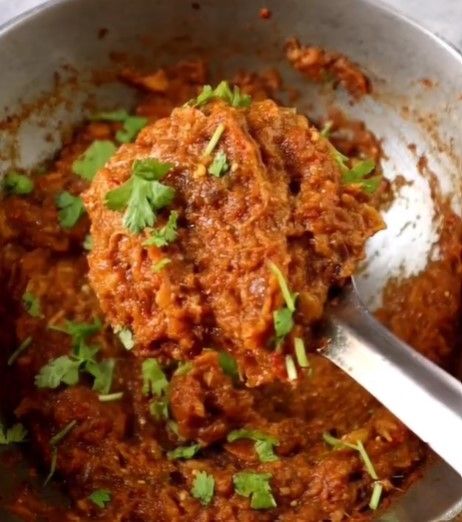
- Indian
- Vegan
- Dinner
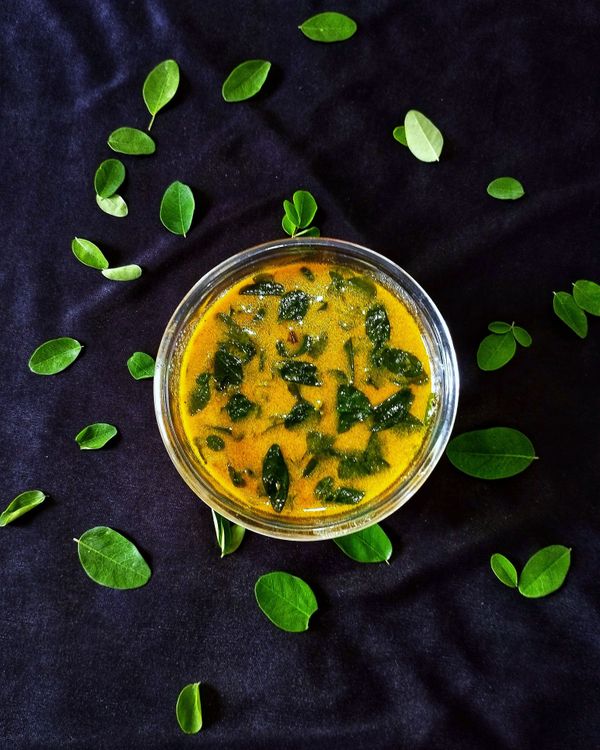
- South Indian
- Vegan
- Lunch

- Vegetarian
- Lunch

- Vegetarian
- Snack
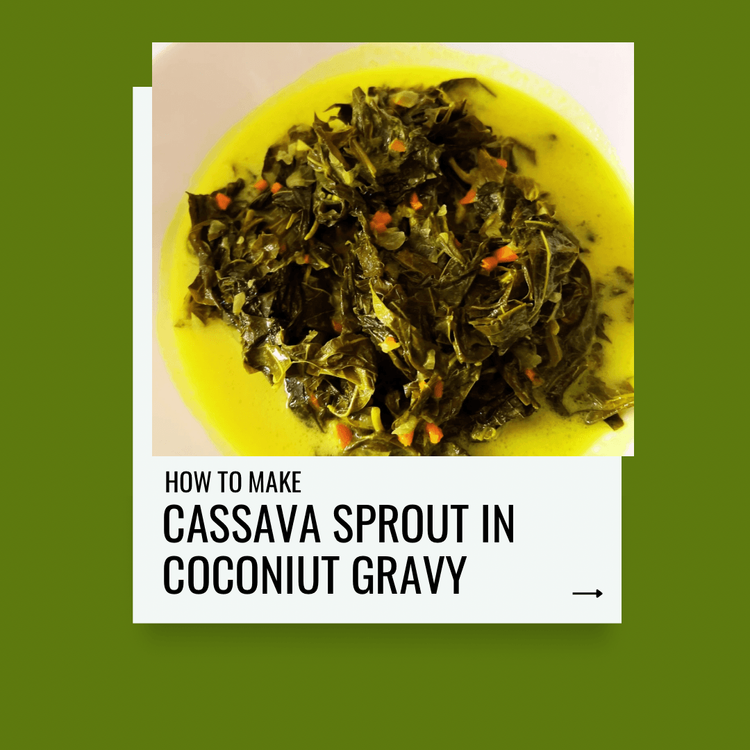
- Malay
- Pescatarian
- Lunch


- Global
- Vegan
- Breakfast
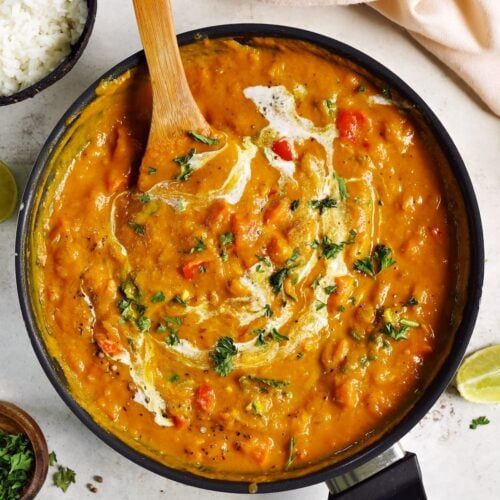
- Thai
- Vegan
- Lunch
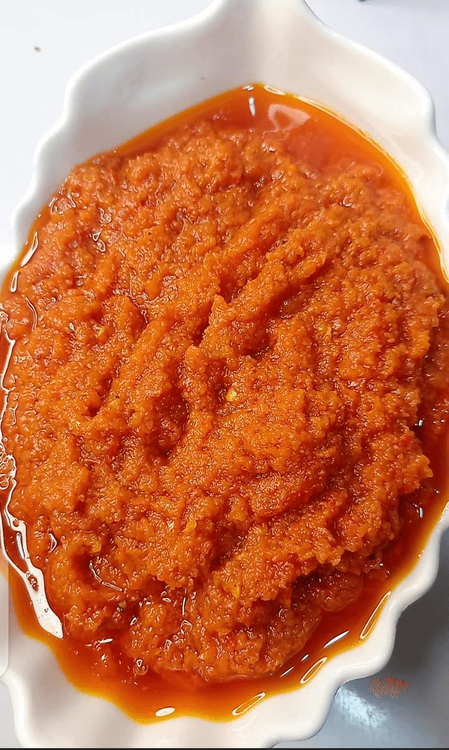
- African
- Non-Vegetarian
- Lunch
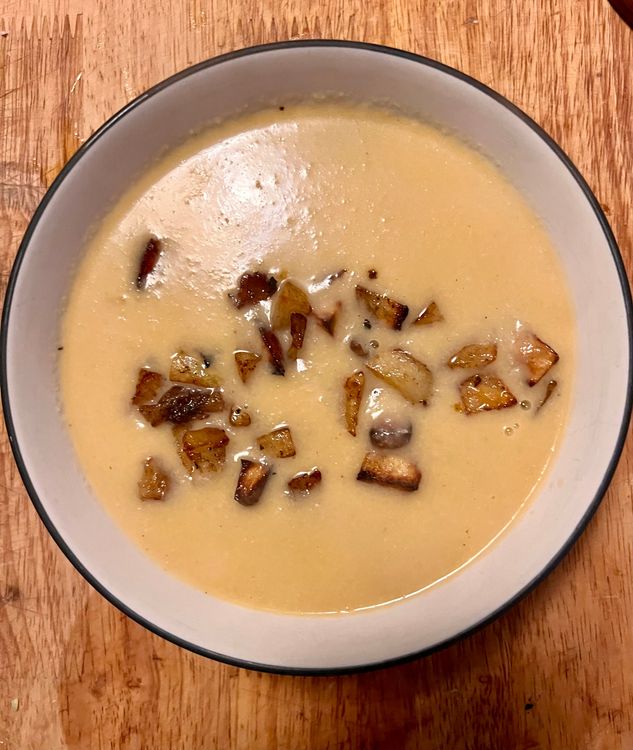

- Vegan
- Lunch
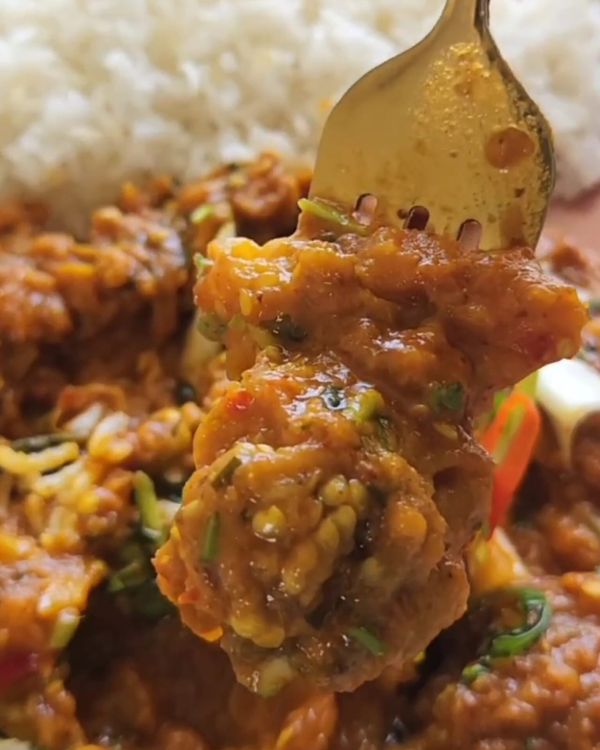
- Mediterranean
- Vegan
- Lunch

- Asian
- Non-Vegetarian
- Dinner
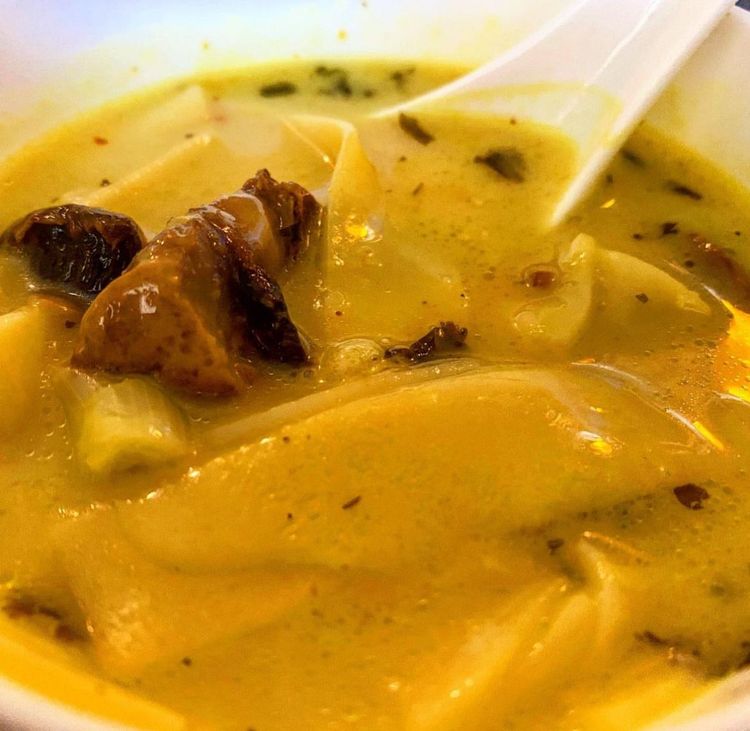
- Thai
- Non-Vegetarian
- Appetiser
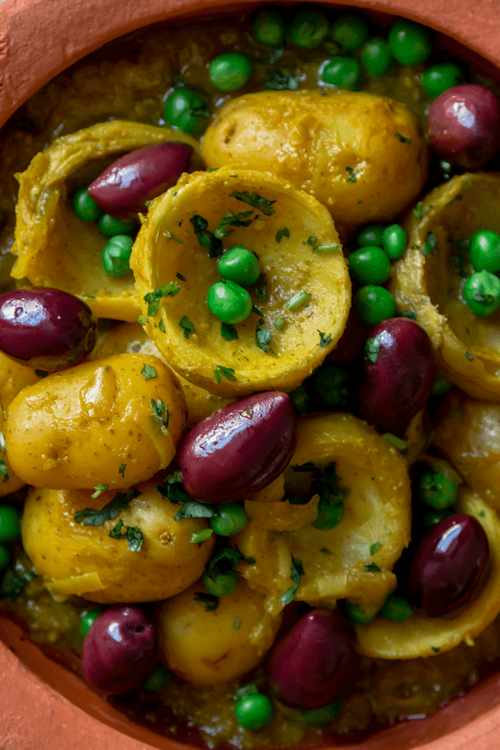
- Moroccan
- Vegan
- Dinner
The Anti-Inflammatory Plate: Spices, Omega-3s & Whole Foods
Ask what an anti inflammatory diet is and you'll usually get a list of superfoods. That's the wrong shape of answer. Chronic low-grade inflammation is influenced by the whole pattern of what you eat over months: the ratio of vegetables and legumes to refined starch, how much oily fish you get, whether your fats come from olives, nuts and seeds or from heavily processed oils, and how much added sugar rides along beside all of it. The Mediterranean pattern is the most studied version of this, and the observed effects on inflammatory markers are real but modest. No single meal moves the needle, and no single ingredient is load-bearing.
So build the plate, not the shopping list. Half of it vegetables, ideally more than one colour and at least one of them a leaf or a brassica. A quarter legumes, fish, eggs or a modest amount of meat, with oily fish twice a week if you eat it at all. A quarter whole grains, so brown rice, oats or millet rather than white flour. Then season hard with the things this collection is full of: turmeric, ginger, garlic, chilli, black pepper, curry leaves, coriander. The best anti inflammatory foods are the ones you'll actually cook on a wet Wednesday in February, which is precisely why I've weighted this page toward dinners rather than tonics.
Turmeric & Black Pepper — What's Actually Known
Curcumin, the yellow pigment in turmeric, does have measurable effects in a test tube. It interferes with signalling pathways involved in inflammation, and that finding is what launched a very large supplement industry. The complication is that curcumin is poorly absorbed. Eaten as a spice, only a small fraction reaches your bloodstream, and what does get there is cleared quickly. Piperine, the pungent compound in black pepper, slows that clearance and raises curcumin levels substantially in controlled studies. That is the mechanism behind the old folk pairing of turmeric with pepper, and behind the fat in a mug of golden milk.
What that does not license is the leap from mechanism to cure. Human trials have been mostly small, short and inconsistent, and the doses used are usually far beyond what any pot of curry contains. Reviews of the turmeric anti inflammatory literature tend to land on the same cautious note: plausible, sometimes promising, not established. High-dose supplements also interact with blood thinners and upset some stomachs. My honest position after years of cooking with it is this. Use turmeric because it makes rice gold and dal taste finished, pair it with pepper and fat because that's how the flavour works anyway, and let any benefit be a bonus rather than the reason.
Pro Tips from Our Kitchen
- Bloom ground turmeric in hot fat for twenty seconds before the onions go in. Stirred raw into a finished dish it tastes dusty and chalky, and the colour never fully develops.
- Buy whole spices in small quantities from a shop with real turnover. Ground turmeric that has sat on a supermarket shelf for two years has lost most of what you're buying it for.
- Fresh turmeric root stains everything it touches, including boards, nails and worktops. Grate it over a plate, wear gloves if you care, and wipe surfaces immediately rather than later.
- If you want inflammation reducing meals to actually happen on weeknights, batch the bases rather than the dinners. A jar of curry paste and a tub of cooked dal become six different meals.
- Oily fish twice a week is far easier with tinned sardines and frozen fillets than with a fishmonger you never get to. Salmon cooked straight from frozen is perfectly good.
- Taste for acid before you reach for the salt. A squeeze of lime or a spoon of tamarind usually fixes a flat curry, and it does it without pushing the sodium any higher.
Frequently Asked Questions
What makes these anti inflammatory recipes different from ordinary healthy cooking?
Honestly, less than the label suggests. Every dish here was tagged by the cook who published it, and what they share is a shape: vegetables and legumes doing the bulk of the work, whole spices instead of sugar and salt, unrefined fats, and oily fish where it fits. That overlaps heavily with plain good cooking, which is rather the point.
Can food actually reduce inflammation?
Dietary patterns are associated with differences in inflammatory markers like CRP in observational studies, and Mediterranean-style eating has some trial support behind it. The effects are modest and measured over months, not meals. Food is one input among sleep, movement, smoking, body composition and genetics. Worth getting right, certainly, but not a lever you pull once and forget.
Do I need a turmeric supplement to get any benefit?
No, and I would be careful. Supplement doses sit far above culinary amounts, the human evidence remains thin, and high-dose curcumin interacts with blood thinners and irritates some stomachs. Cooking with turmeric most days costs nothing and carries no such risk. If you are considering supplements, that is a conversation for your doctor rather than a recipe page.
Which anti inflammatory foods should I buy first if I'm starting from an empty cupboard?
Turmeric, cumin, coriander seed, black pepper, dried chilli, fresh ginger and garlic. Then tinned tomatoes, a bag of red lentils, decent olive oil and frozen spinach. That short list is cheap, and it opens up perhaps forty of the dishes on this page. Build outward from there rather than shopping for one recipe at a time.
Is an anti inflammatory diet the same as going vegetarian?
No. Oily fish is one of the better-evidenced components, and modest amounts of meat sit perfectly well inside the pattern, which is why you'll find mutton karahi and lamb tagine here. What tends to matter is proportion: more plants, less processed meat and refined starch. Plenty of vegetarian diets lean hard on white flour and sugar and aren't especially helpful.
How long before I notice anything?
That's the honest sticking point. Inflammatory markers shift over weeks to months, if they shift at all, and you won't feel it happening the way you feel a coffee. Some people report less stiffness or steadier digestion within a few weeks, but that's anecdote rather than evidence. Cook this way because the food is good, and treat any change as a bonus.
Can these dishes be batch-cooked and frozen?
Most of them, yes. Dals, stews, tagines and curry bases freeze extremely well, laid flat in bags and defrosted overnight. Chutneys built on raw shallot or fresh herbs don't, so make those the day you want them. Spice blends want an airtight jar in a dark cupboard, never the fridge, where condensation clumps them solid.
That's a hundred anti inflammatory recipes, and not one of them will fix anything on its own. What they will do is make a vegetable-heavy, spice-led, fish-friendly way of eating pleasant enough to keep up past February. Start with a curry paste and a pot of dal, and let the rest follow from there.
Related
Popular Searches
- Best anti inflammatory recipes
- Easy anti inflammatory recipes
- Quick anti inflammatory recipes
- Healthy anti inflammatory recipes
- Simple anti inflammatory recipes
- Homemade anti inflammatory recipes
- Delicious anti inflammatory recipes
- Popular anti inflammatory recipes
- anti inflammatory diet
- anti inflammatory foods
- turmeric anti inflammatory
- inflammation reducing meals
Marnirni-apinthi Building, Lot Fourteen,
North Terrace, Adelaide, South Australia, 5000
Australia
