
Top 99 Stuffed Recipes: Peppers, Chicken, Pasta and More
Updated June 29, 2026 · Curated by Chefadora
Stuffed recipes are one of cooking's oldest and most satisfying ideas: take something with a natural cavity — a pepper, a chicken breast, a pasta shell, a mushroom cap — and pack it with a flavorful filling so every bite delivers two textures at once. The dishes below were chosen to show the full range of the technique rather than ten variations on the same baked pepper: weeknight stuffed peppers, juicy stuffed chicken and pork, cheese-laden stuffed pasta, and an array of stuffed vegetables that turn a side dish into a main.
What unites all of them is a small set of decisions that decide success or failure. The filling has to be cooked or seasoned correctly before it goes in, because the outer wrapper rarely cooks long enough to finish a raw stuffing safely. The vessel has to be prepped — par-cooked, hollowed, drained or pounded — so it tenderizes in step with what is inside it. And the whole thing has to be sealed or sauced so the filling stays put and stays moist instead of leaking, drying out or turning the dish soggy.
You will find four clusters here: stuffed peppers, stuffed chicken and meats, stuffed pasta in all its baked forms, and stuffed vegetables and mushrooms. The skills carry across the whole page, so once you have learned to balance a filling, manage moisture and seal a parcel, every stuffed dish gets easier. Change the wrapper and the seasoning and you change the meal, but the rhythm stays the same.
Treat this as a working reference. Each recipe links to full ingredients and steps on Chefadora, and the guides below cover the make-or-break moves: how to build a filling that binds without going stodgy, how to prep and pre-cook each kind of vessel, how to seal and secure so nothing escapes, and how to manage moisture so the result is tender and juicy rather than dry or watery.
Stuffed Peppers
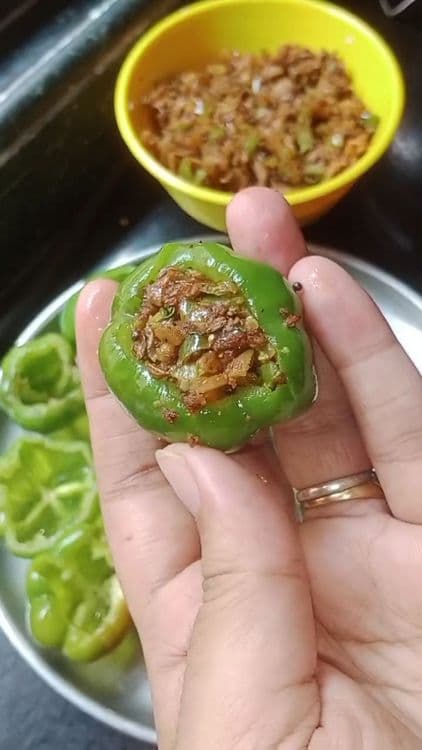
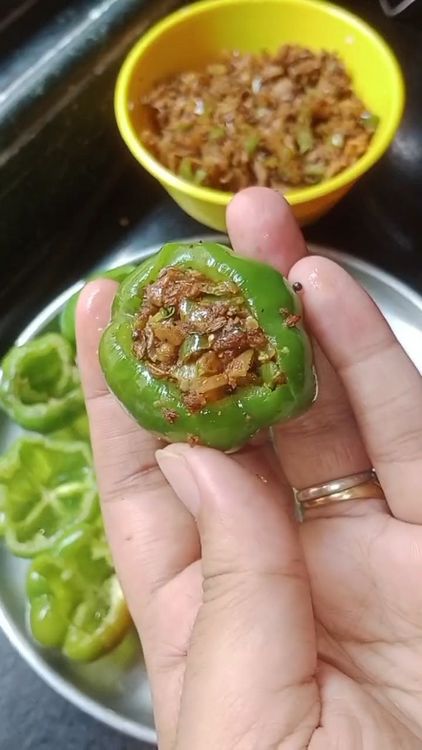
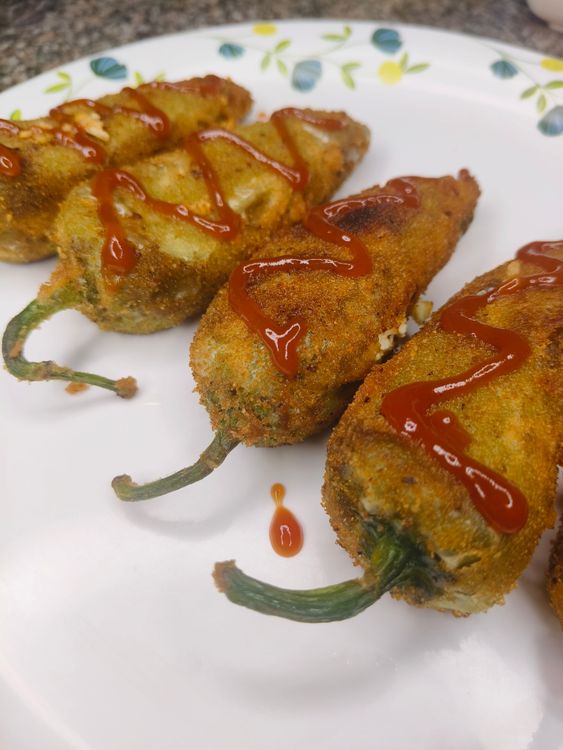
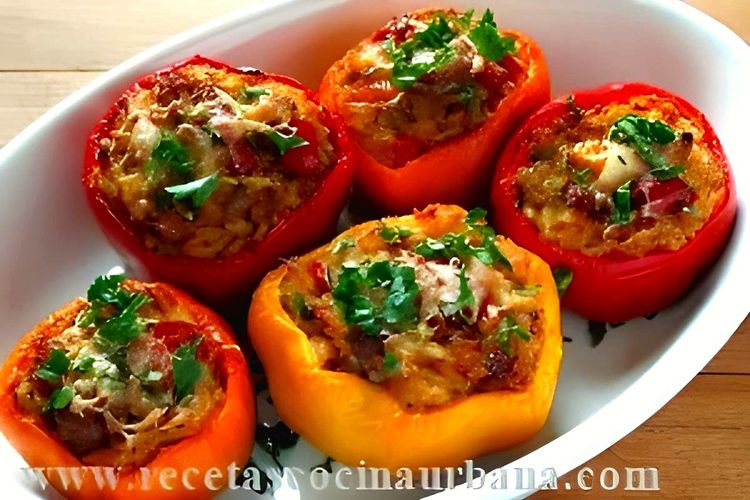
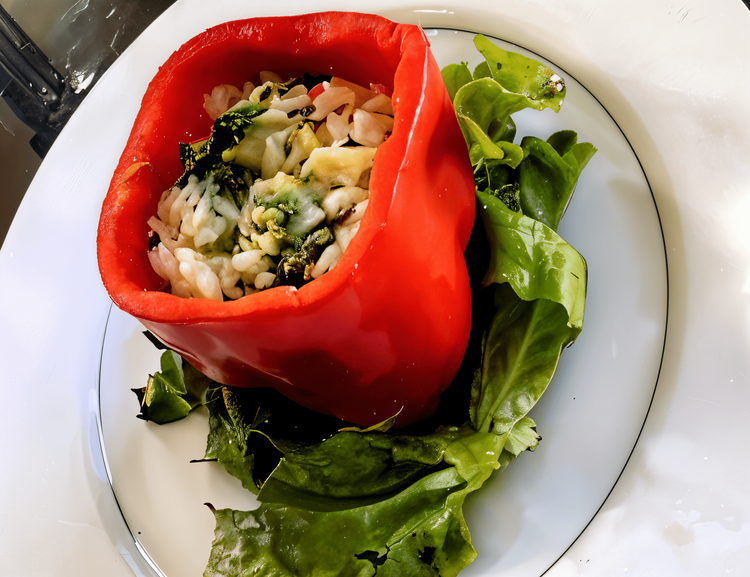
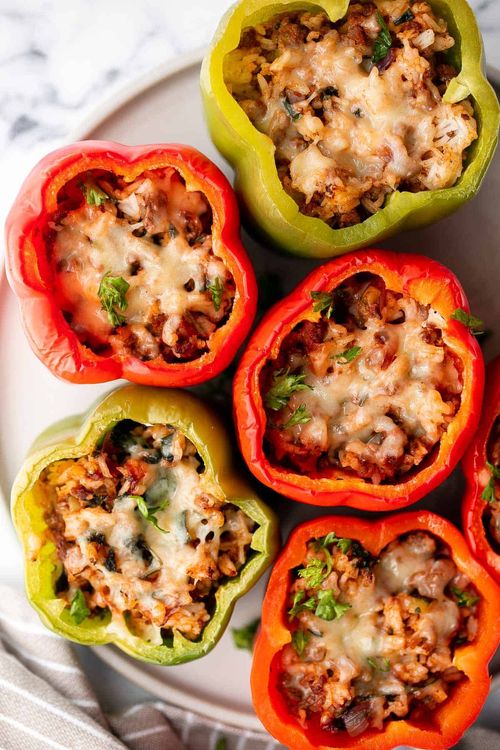
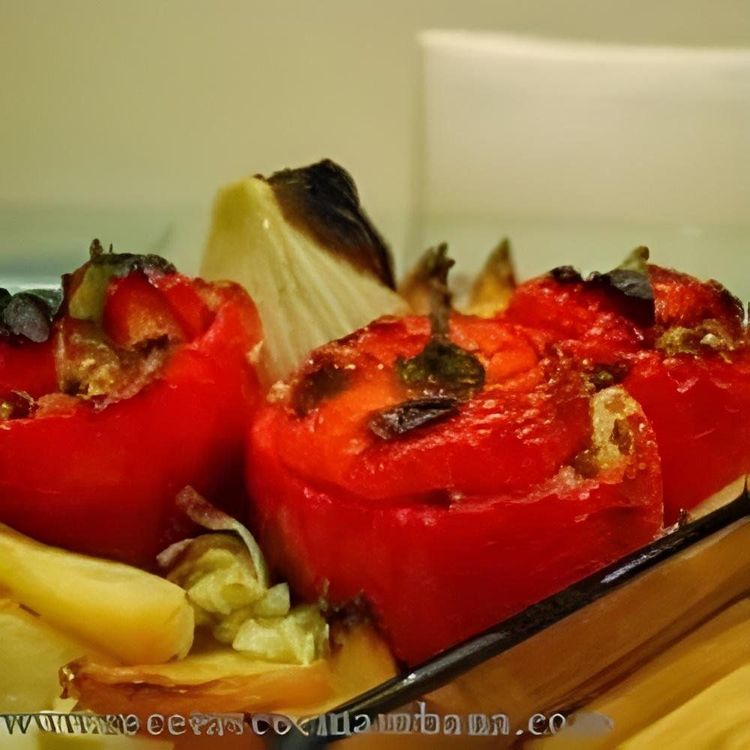
Stuffed peppers are the dish most people picture when they hear the word, and getting them right is almost entirely about timing and moisture. The pepper itself needs a head start, so blanch, microwave or roast it for a few minutes before filling; raw peppers either stay crunch when the stuffing is ready or force you to bake so long that the filling dries out waiting for them. Slice a thin sliver off the base so each one stands upright without tipping and spilling. The filling should already be cooked and well seasoned, because a 35-minute bake will not finish raw rice or safely cook ground meat buried in the center. Brown the meat, cook the rice until just done, bind it with cheese or a little tomato, and taste before it goes in. Pack generously but not heaped over the rim, since fillings expand as they heat. Cover with foil so the peppers steam tender, then uncover and add cheese for the last ten minutes to brown the top. Stand them snug in the dish so any liquid pools below rather than diluting the stuffing, and you get a tender shell with a hot, savory center in every bite. Standouts here include Stuffed Capsicum Fry / Bharwa Mirch Fry and Stuffed Capsicum Curry , plus Stuffed Pepper Chilli with Paneer.

- Indian
- Vegan
- Snack

- Indian
- Vegan
- Dinner

- Indian
- Vegetarian
- Appetiser
- International
- Non-Vegetarian
- Lunch
- Fusion
- Vegetarian
- Appetiser
- Mexican
- Non-Vegetarian
- Lunch


- Non-Vegetarian
- Dinner
- American
- Non-Vegetarian
- Dinner

- Indian
- Non-Vegetarian
- Lunch
Stuffed Chicken & Meats
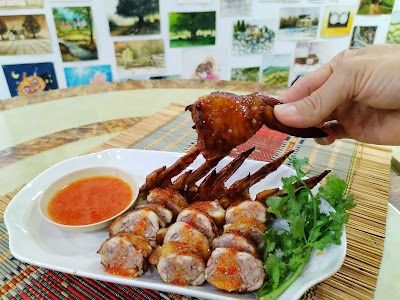
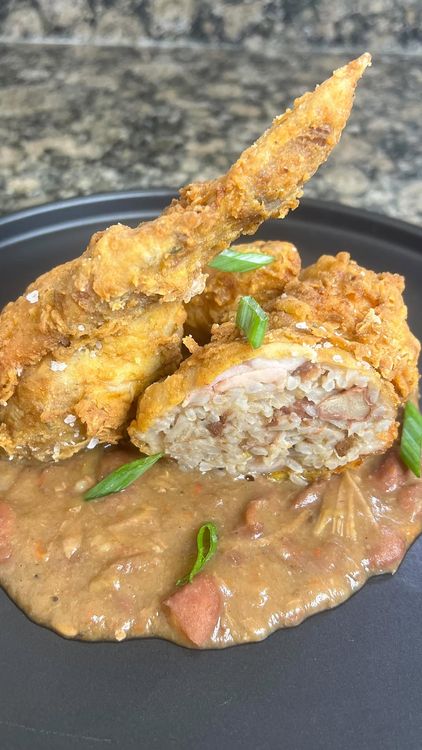
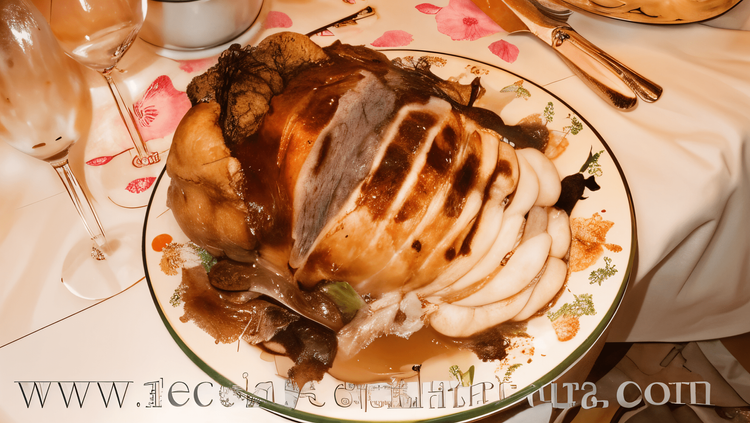
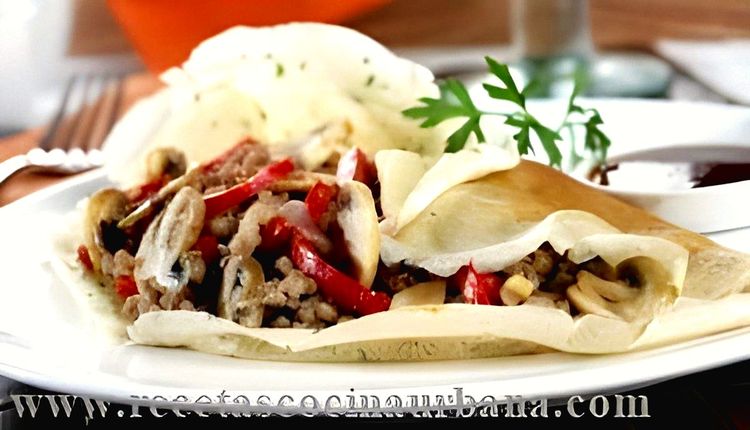
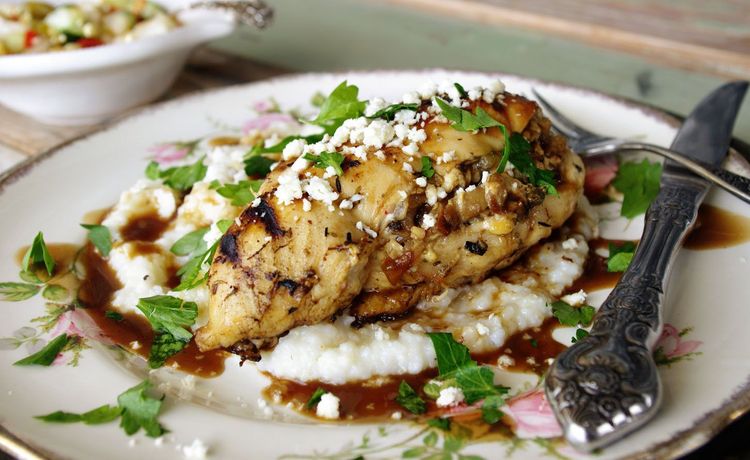
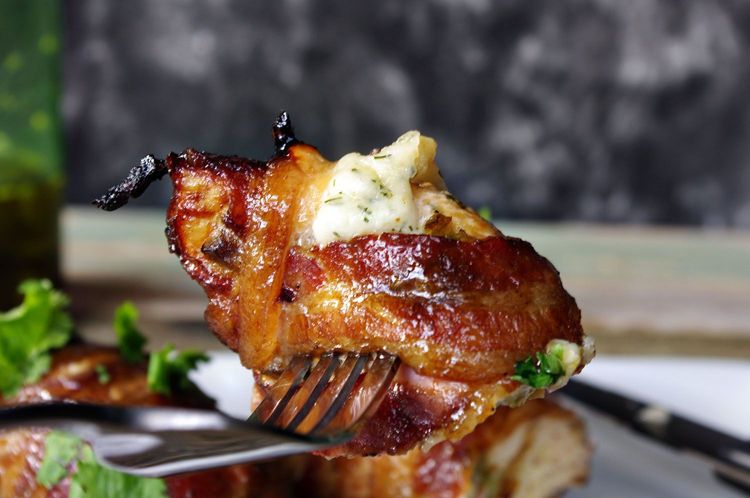
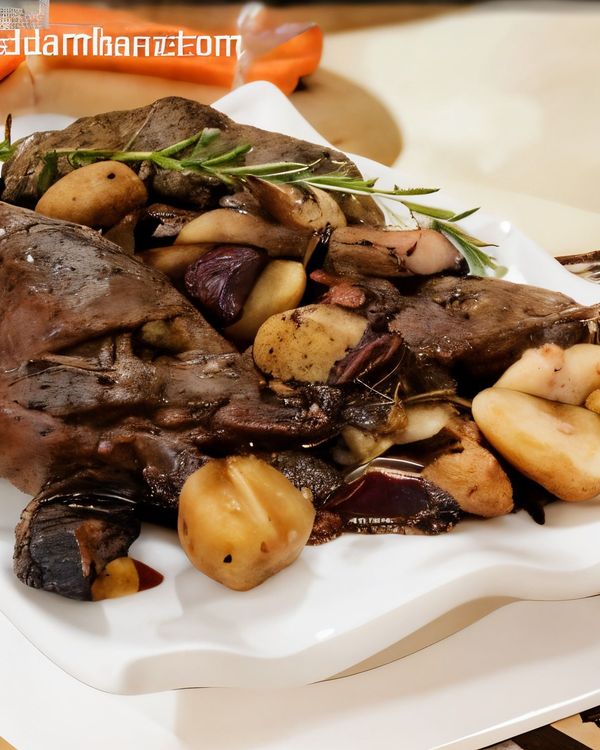
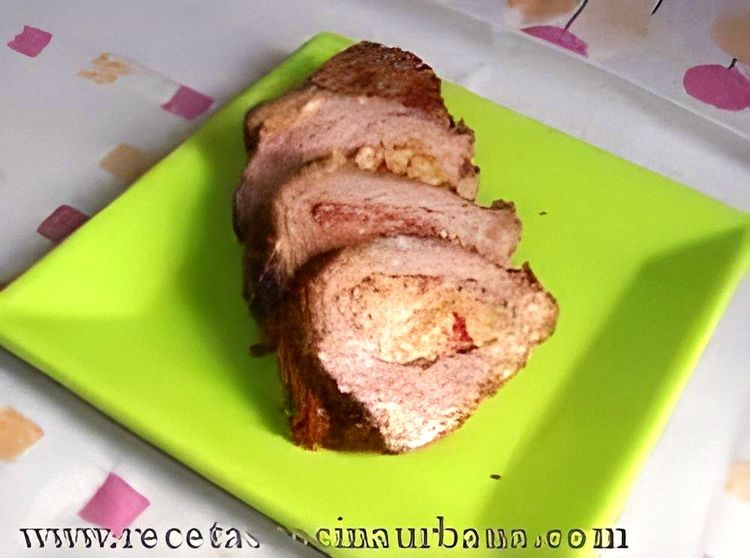
Stuffed meats are the most rewarding and least forgiving corner of this page, because the whole challenge is keeping the protein juicy while the filling cooks through. Start with the cut: butterfly a chicken breast and pound it even for rolling, cut a clean pocket into a pork chop toward the bone, or open out a loin for a spiral of stuffing. Even thickness is what stops thin edges from drying while the center catches up. Keep the filling moist and well seasoned, leaning on cheese, sauteed vegetables, herbs and a little fat, and do not overpack the cavity or it will split and weep as it cooks. Secure rolled meat with twine and pinned pockets with toothpicks, counting them in so you count them all out before serving. The single most important move is to cook by temperature rather than the clock: sear first for color, finish in the oven, and pull chicken at 74C/165F and pork around 63C/145F. Rest the meat five to ten minutes so the juices redistribute and the filling sets, then slice across the roll to show the spiral. The reward is meat that stays succulent around a golden, flavorful core. Standouts here include Stuffed Chicken Breasts with Gravy and Stuffed Pork Rack, plus Stuffed Chicken Bomb.


- American
- Non-Vegetarian
- Dinner
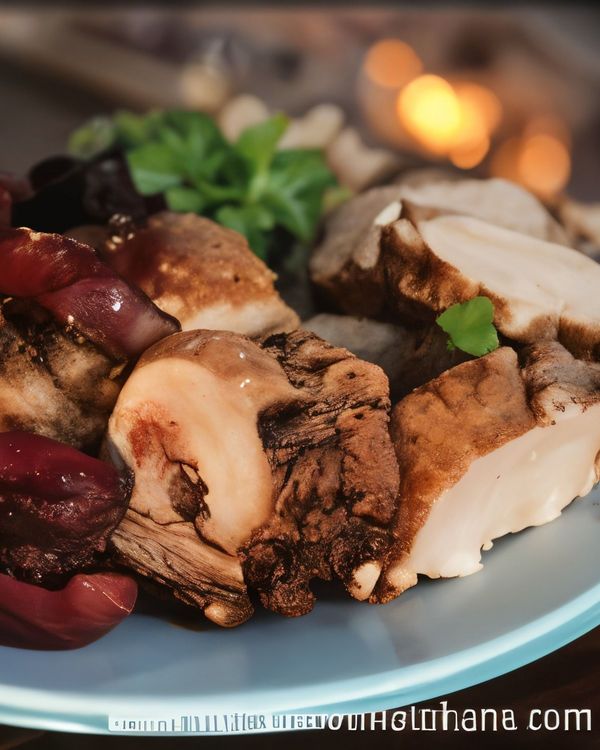
- German
- Non-Vegetarian
- Dinner
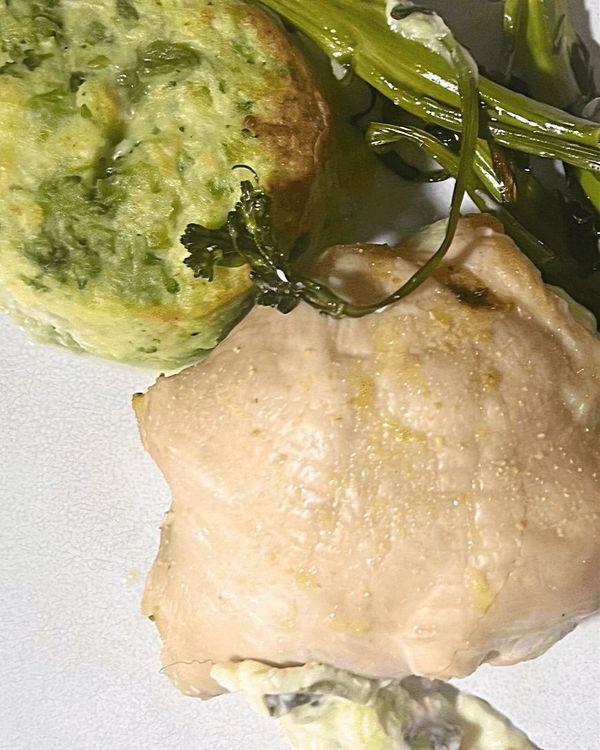
- International
- Non-Vegetarian
- Lunch
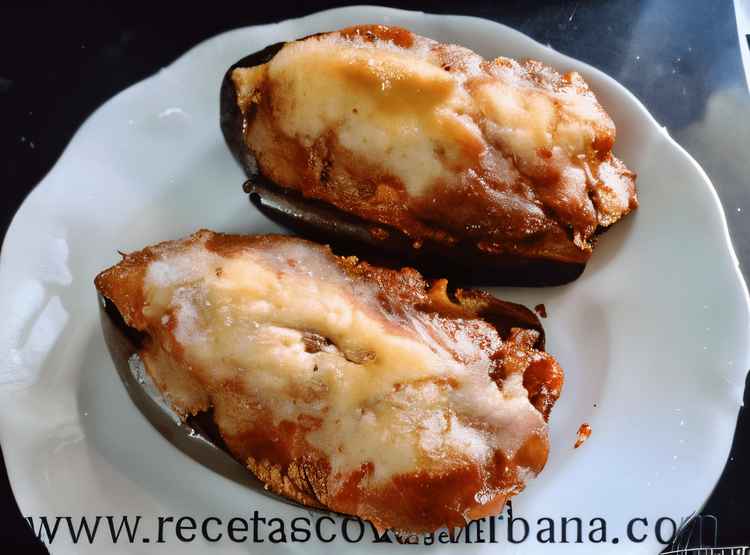
- Mediterranean
- Non-Vegetarian
- Lunch
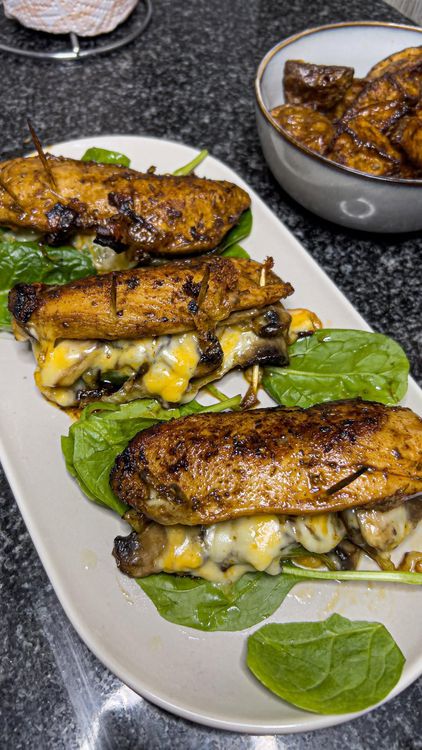
- American
- Non-Vegetarian
- Dinner
- Chinese
- Non-Vegetarian
- Appetiser


- American
- Non-Vegetarian
- Lunch


- American
- Non-Vegetarian
- Dinner


- American
- Non-Vegetarian
- Dinner
- Cajun
- Non-Vegetarian
- Dinner
- Middle Eastern
- Non-Vegetarian
- Dinner
- European
- Non-Vegetarian
- Dinner
- European
- Non-Vegetarian
- Main Course

- Indian
- Non-Vegetarian
- Lunch

- Greek
- Non-Vegetarian
- Dinner
- Caribbean
- Non-Vegetarian
- Lunch
- American
- Non-Vegetarian
- Lunch
Stuffed Pasta
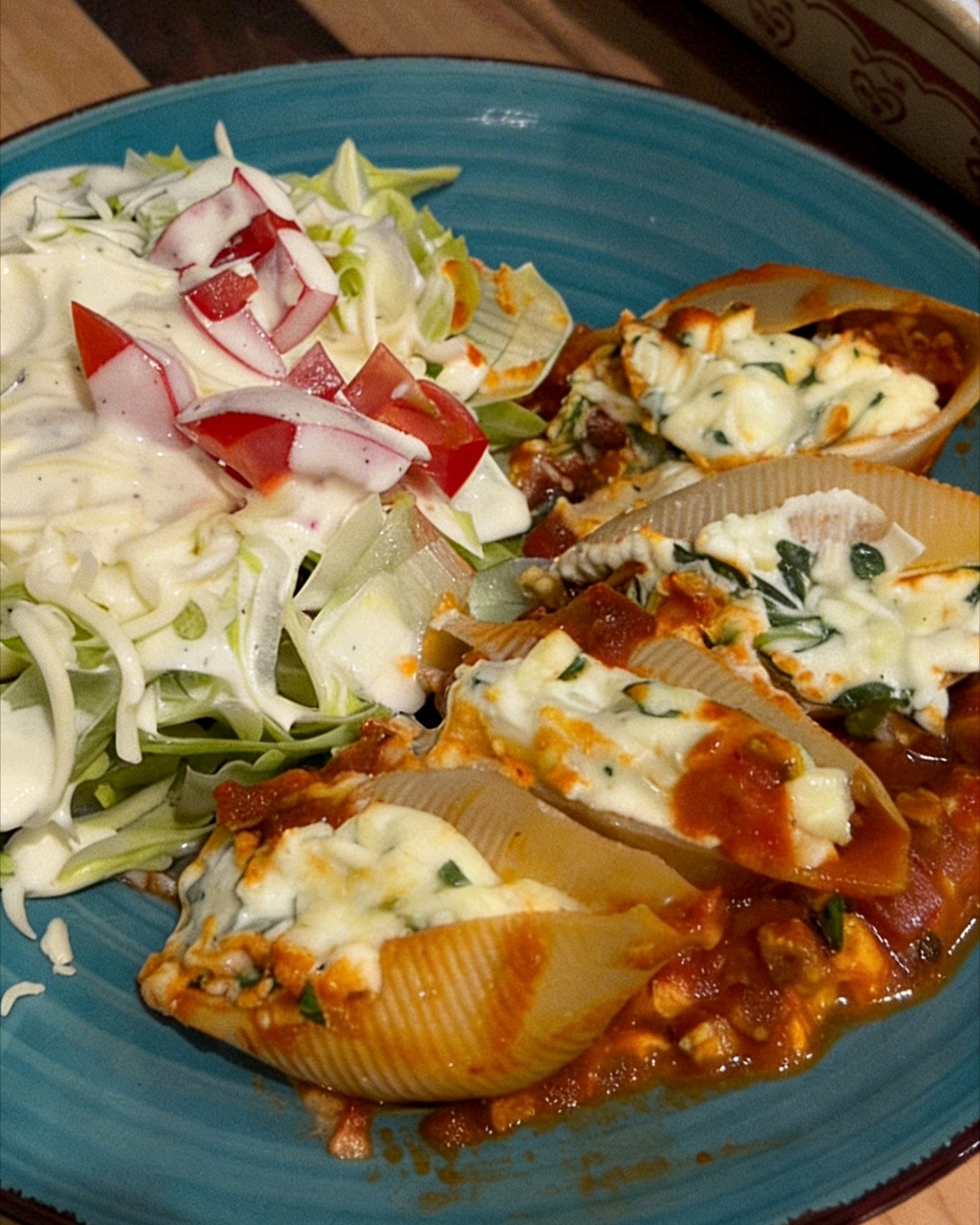
Stuffed pasta is comfort food built for a crowd and for making ahead, and the rules that separate a great baked tray from a gluey one are simple but easy to skip. Boil shells, manicotti and cannelloni a couple of minutes short of al dente, because they keep cooking in the oven and mushy baked pasta always starts with over-boiled pasta. Rinse and lightly oil them so they do not stick together while you fill. Keep the ricotta or meat filling on the firm side, well seasoned and bound with egg and parmesan so it does not slump out, and use a piping bag or a corner-snipped zip bag to fill the awkward tubes cleanly from the center outward. Do not overfill; the filling expands and the pasta swells, so leave a small margin at the open ends. Spread a layer of sauce on the bottom of the dish to stop sticking, lay everything snug, then blanket it generously with more sauce and cheese, because baked pasta drinks up liquid and a dry tray is a sad one. Cover with foil for most of the bake so it heats through without drying, uncover to brown the top, and rest it ten minutes before cutting so you get clean portions instead of a collapse. Standouts here include Stuffed Pasta Shells and Stuffed Italian Sausage Shells, plus Lemon Ricotta Stuffed Shells.

- Italian
- Vegetarian
- Dinner
- Italian
- Non-Vegetarian
- Dinner

- Italian
- Pescatarian
- Dinner
Stuffed Vegetables & Mushrooms
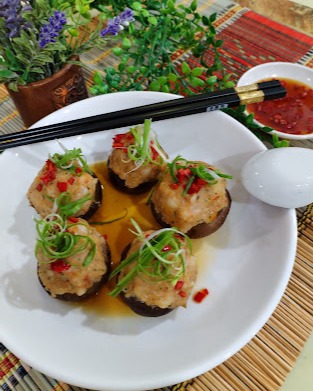
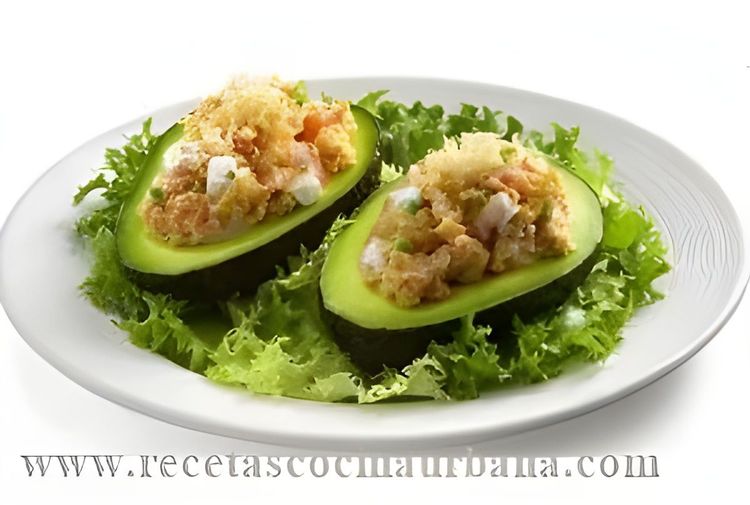
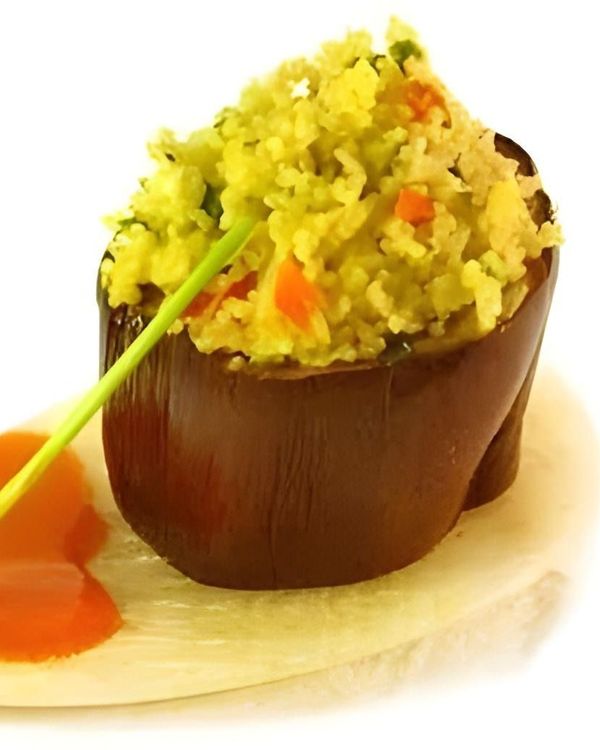
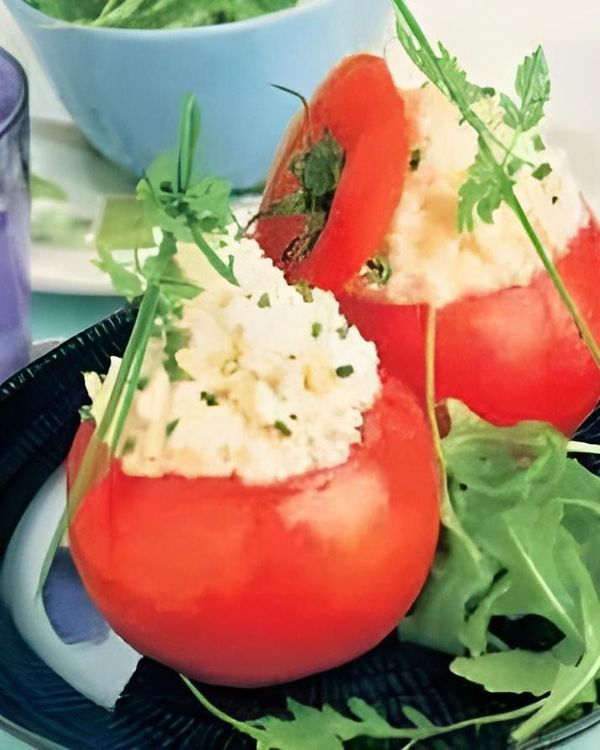
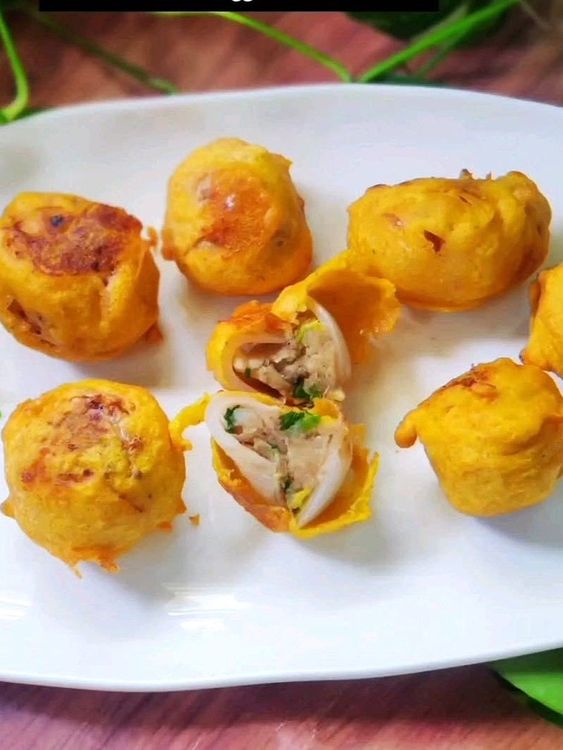
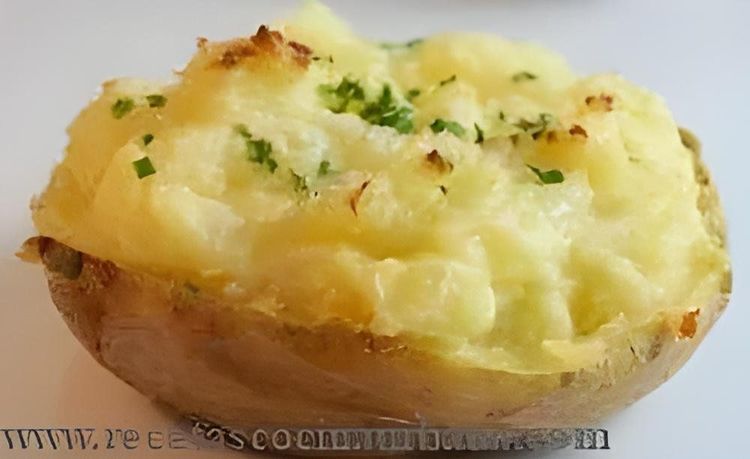
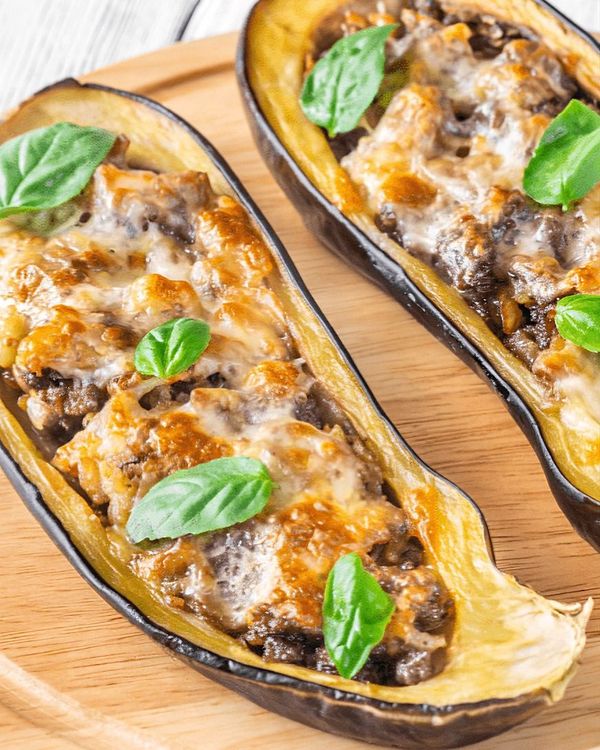
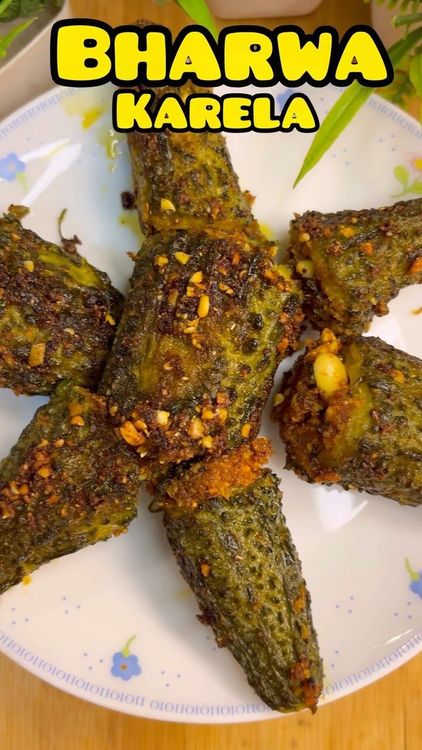
Stuffed vegetables and mushrooms turn humble produce into a centerpiece, and the make-or-break detail is moisture. The wetter vegetables — mushrooms, zucchini, tomatoes, eggplant — release a flood of water as they cook, so scoop out the watery centers, salt the cavities, and let them sit and drain for fifteen minutes before patting them dry and filling. Skip this and you get soggy, deflated vegetables sitting in a puddle instead of golden, crisp-topped ones. Denser vegetables like squash and potatoes go the other way and benefit from a head start in the oven before they are filled, so they finish tender in step with the stuffing. Keep the filling on the drier side too: a breadcrumb base bound with cheese, garlic and herbs, often using the chopped mushroom stems or scooped vegetable flesh sauteed down so nothing is wasted. Pack it level and firm enough to hold, then bake until the vegetable is tender and the top is browned and crisp; a drizzle of oil or a scatter of breadcrumbs and parmesan on top gives that golden, savory crust. Match the bake time to how long each vegetable needs to soften, and you get a tender shell with a flavorful, well-set filling. Standouts here include Stuffed Potato Roll with Chorizo and Steamed Stuffed Fresh Mushrooms with Seafood Paste, plus Stuffed Onions with Smoked Sauce Soubise.

- Non-Vegetarian
- Lunch
- Asian
- Pescatarian
- Appetiser


- Vegetarian
- Main Course
- Indian
- Vegetarian
- Breakfast
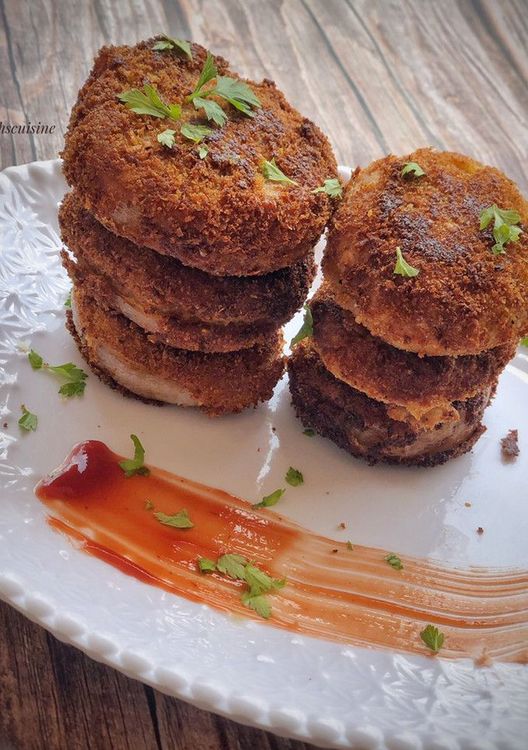

- African
- Pescatarian
- Appetiser
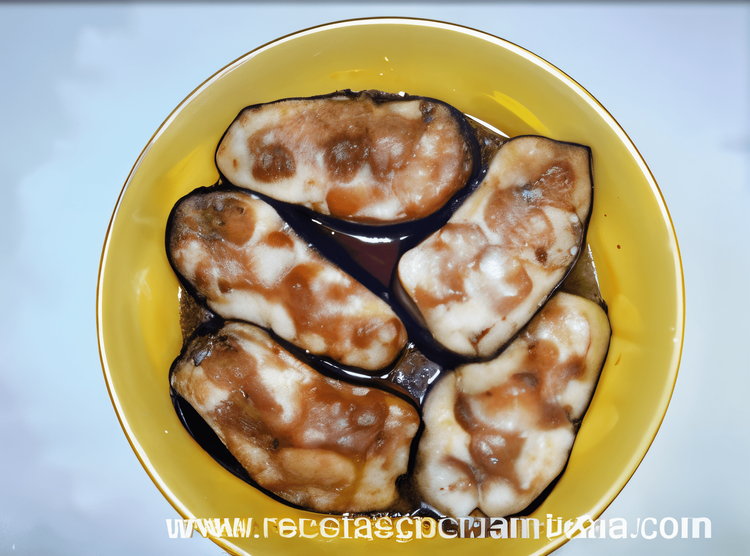
- Italian
- Eggetarian
- Lunch
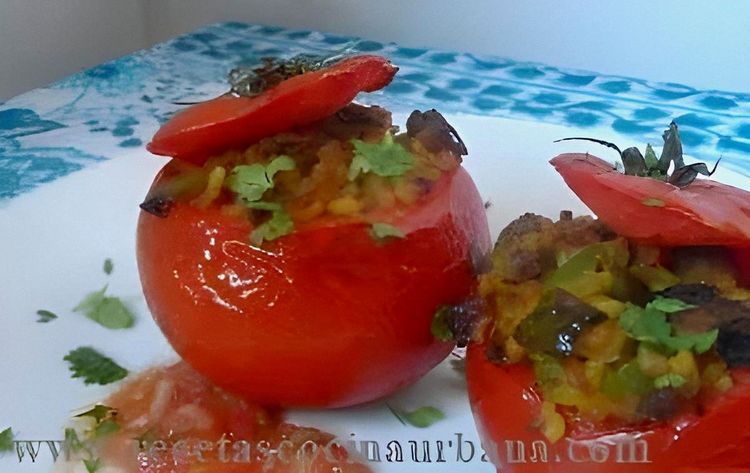
- European
- Eggetarian
- Lunch
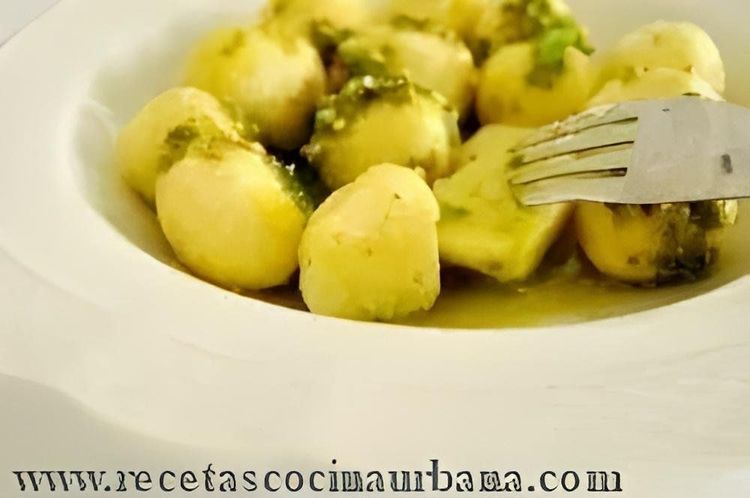
- Italian
- Gluten-Free
- Lunch
- Latin American
- Pescatarian
- Lunch
- Mediterranean
- Vegan
- Lunch
- Mediterranean
- Eggetarian
- Lunch

- Indian
- Vegan
- Snack
- Italian
- Non-Vegetarian
- Appetiser
- International
- Non-Vegetarian
- Lunch
- Mediterranean
- Non-Vegetarian
- Lunch

- Indian
- Vegetarian
- Appetiser
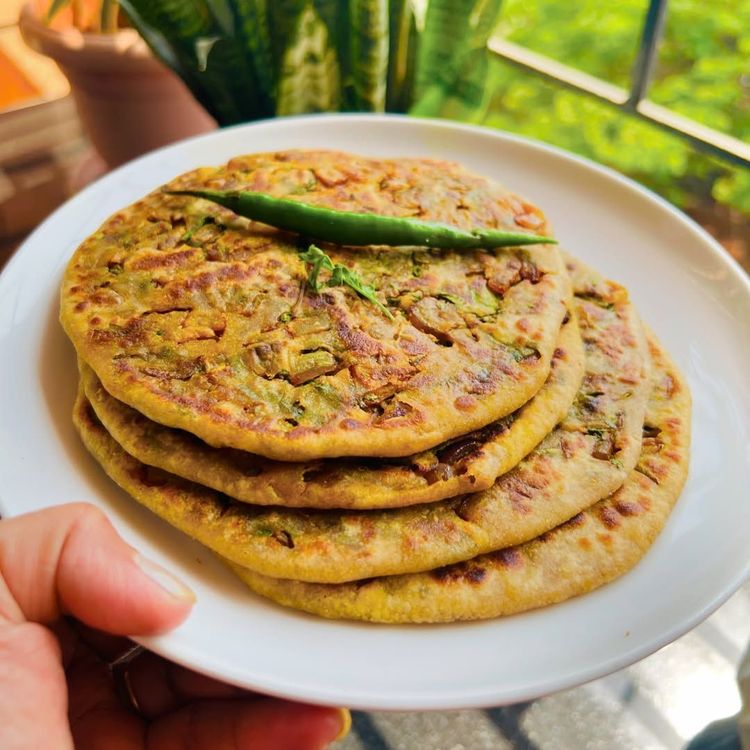
- Indian
- Vegan
- Snack
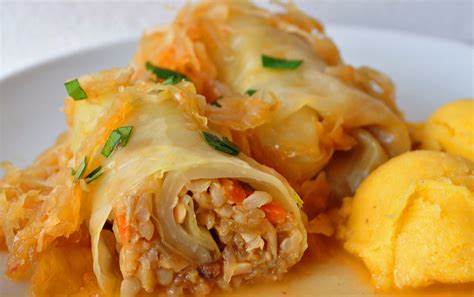
- Croatian
- Non-Vegetarian
- Dinner
More Stuffed Favourites
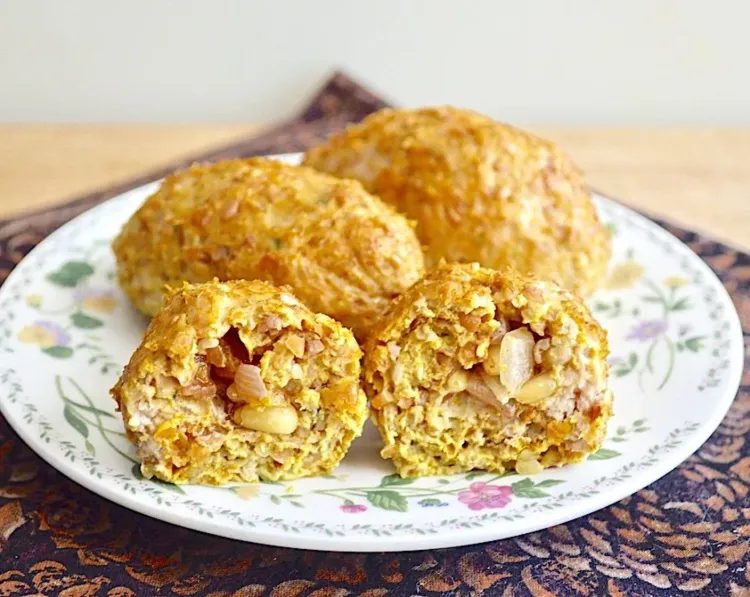
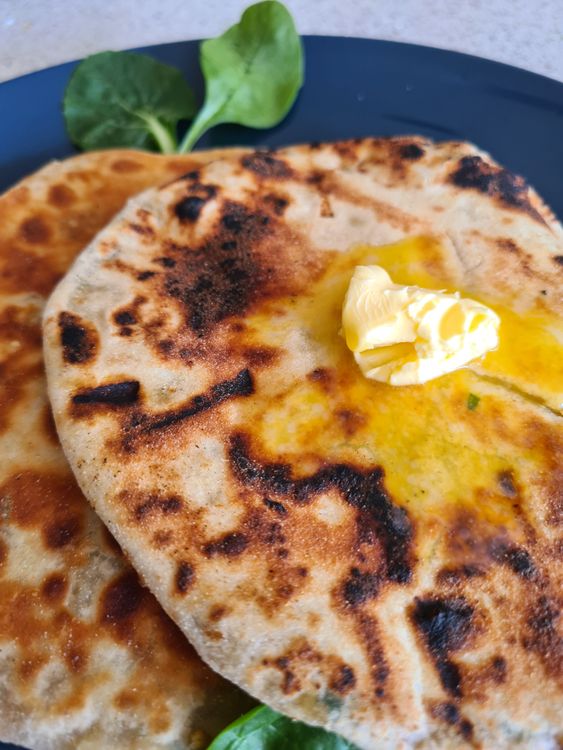
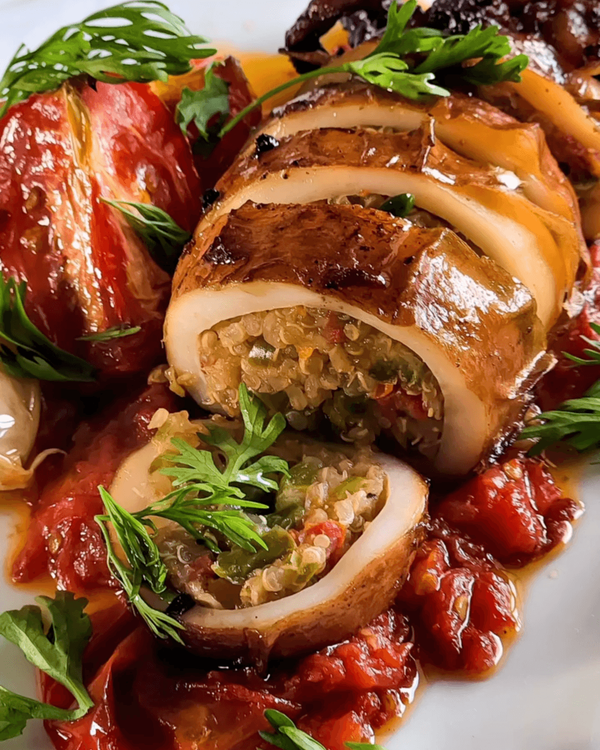
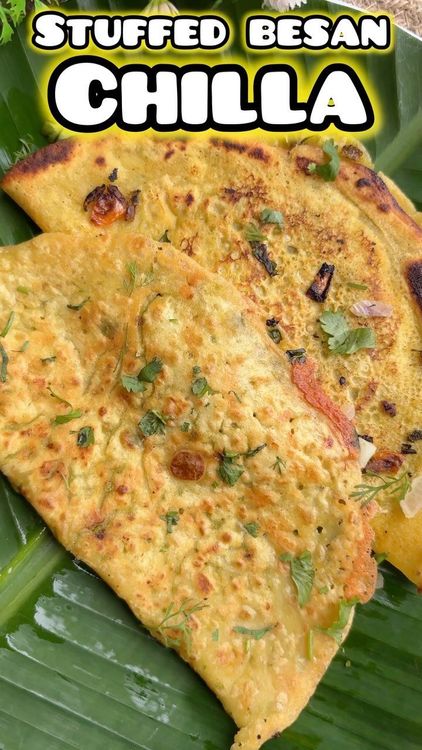
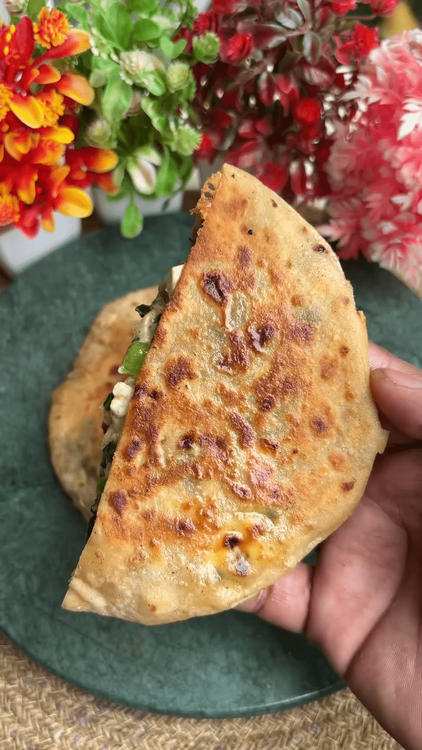
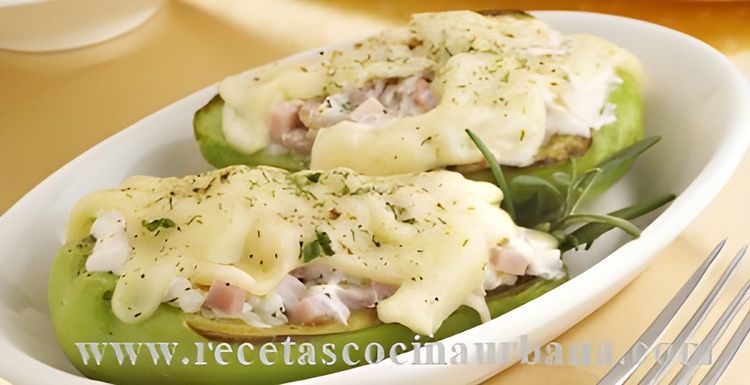
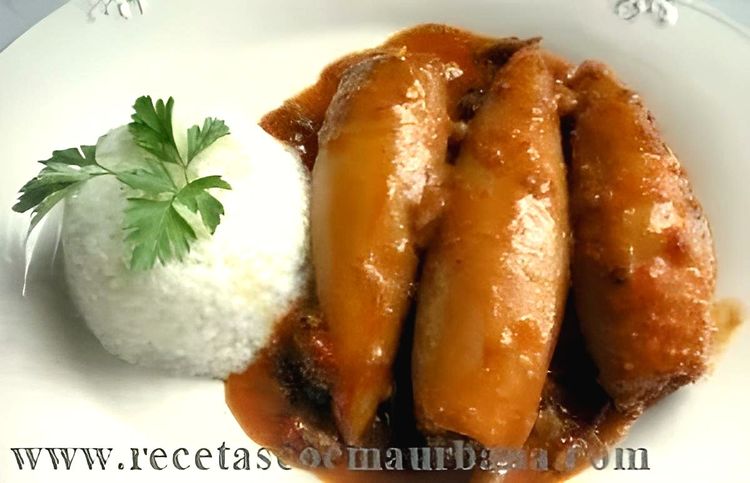
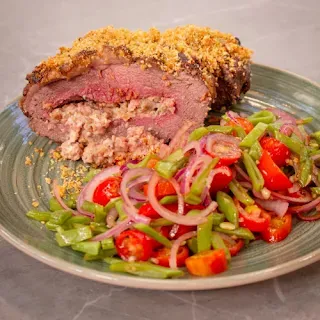
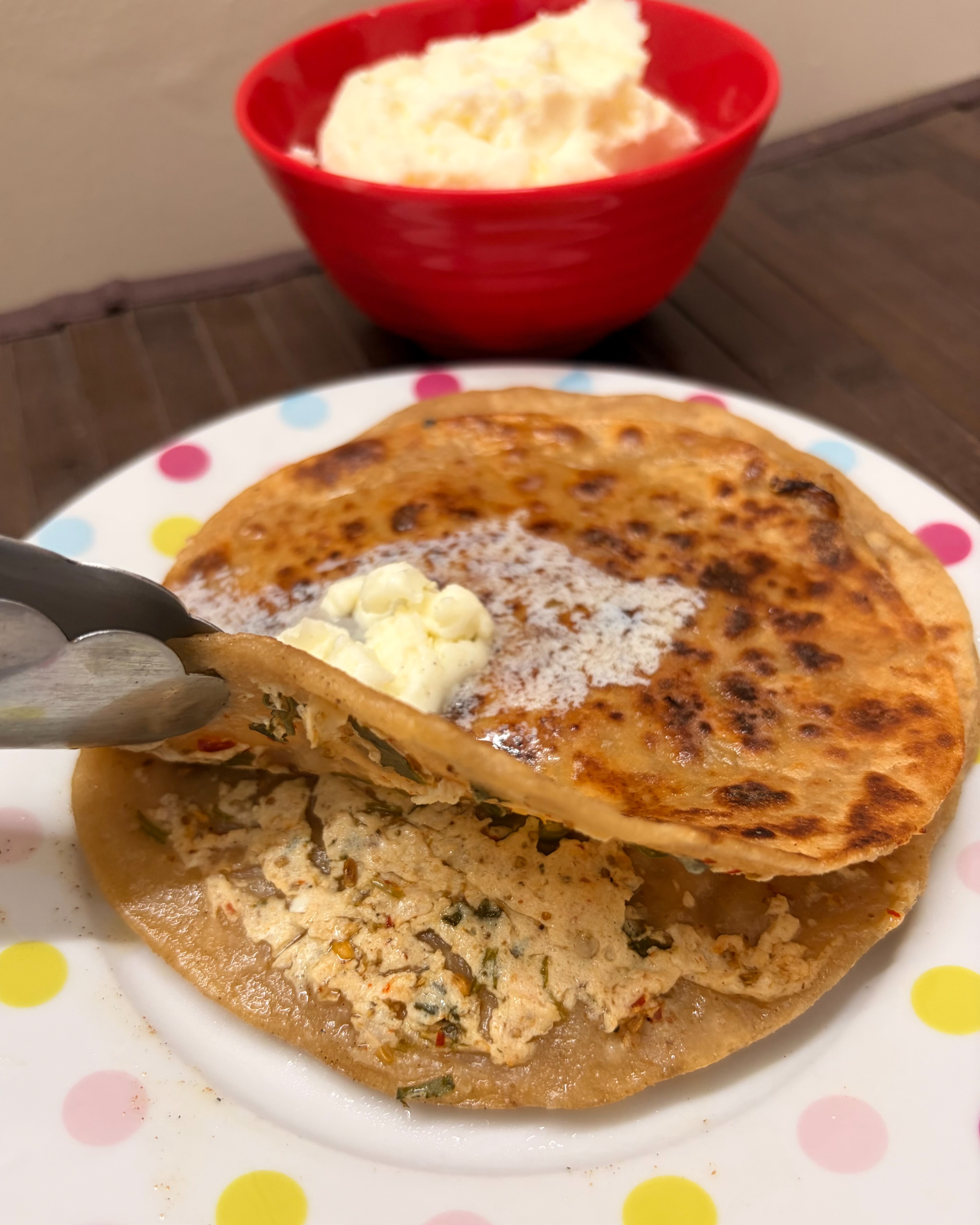
A few stuffed dishes never fit neatly into a single category, and these are the ones worth keeping in your back pocket once the staples feel routine — stuffed onions and cabbage rolls, dolma in grape leaves, stuffed avocados, stuffed breads and the occasional clever fusion. They all lean on the same handful of skills you already know: a filling seasoned boldly and bound so it holds, a vessel prepped so it tenderizes in step with the stuffing, a sensible seal so nothing leaks, and careful moisture management so the result is juicy rather than dry or watery. Choosing your next one is mostly about matching effort to your evening. Reach for a quick stuffed mushroom or a no-cook stuffed avocado on a busy night, and save the rolled, tied and slow-baked numbers for a weekend when you can give them attention. Pay attention to the vessel, too, since a thin wrapper cooks fast and a dense one needs a head start. Think of this group as the natural next step after the classics, the recipes that quietly earn a regular spot in the rotation once you have tried them and seen how far one good filling can stretch. Standouts here include Stuffed Mooli (Radish) Paratha and Stuffed Pumpkin with Mixed Rice and Nuts, plus Quinoa Stuffed Calamari Braised in White Wine.
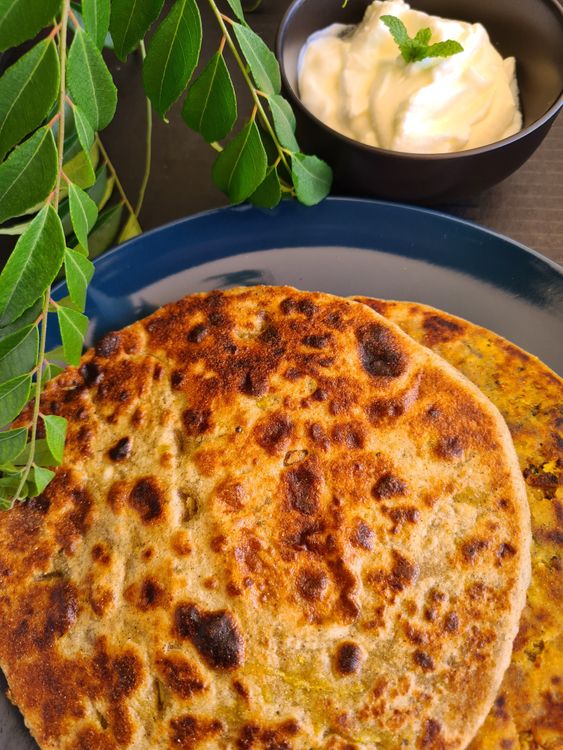
- Indian
- Vegan
- Breakfast
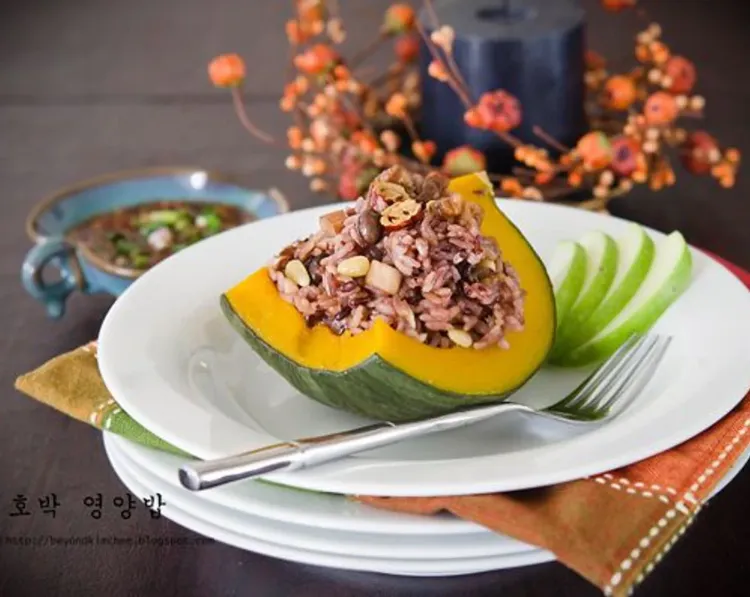
- Korean
- Vegan
- Dinner

- Mediterranean
- Pescatarian
- Dinner

- French
- Vegetarian
- Breakfast
- Indian
- Vegan
- Lunch

- Indian
- Vegetarian
- Breakfast

- Indian
- Vegetarian
- Breakfast


- Vegetarian
- Dessert
- Indian
- Vegetarian
- Breakfast
- Indian
- Vegetarian
- Breakfast
- Indian
- Vegan
- Lunch
- Indian
- Vegetarian
- Appetiser
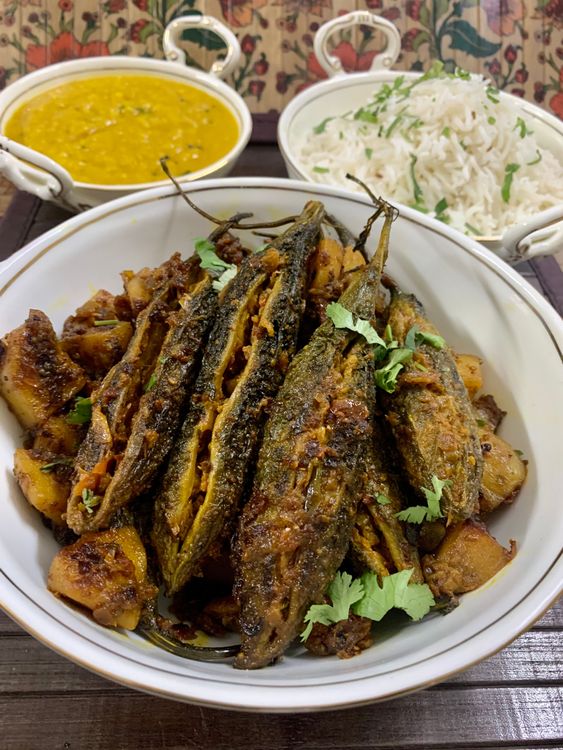
- Indian
- Vegan
- Side Dish
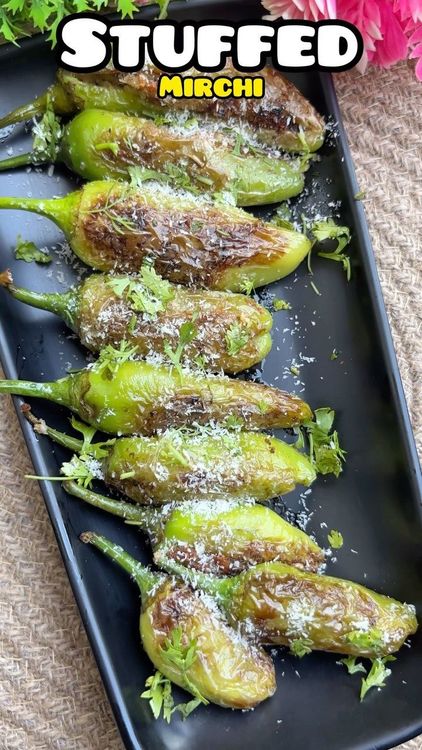
- Indian
- Vegan
- Snack
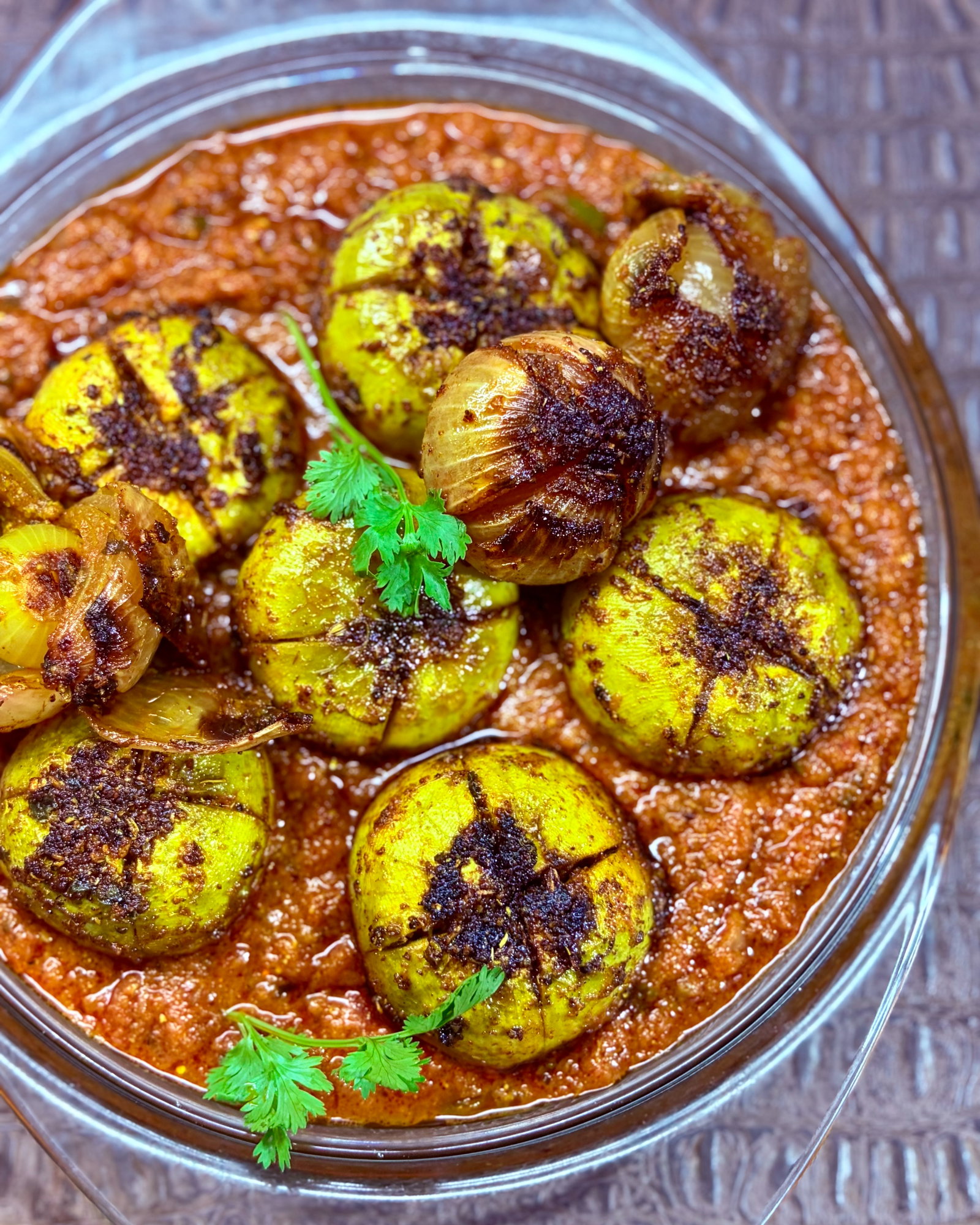
- Vegetarian
- Main Course
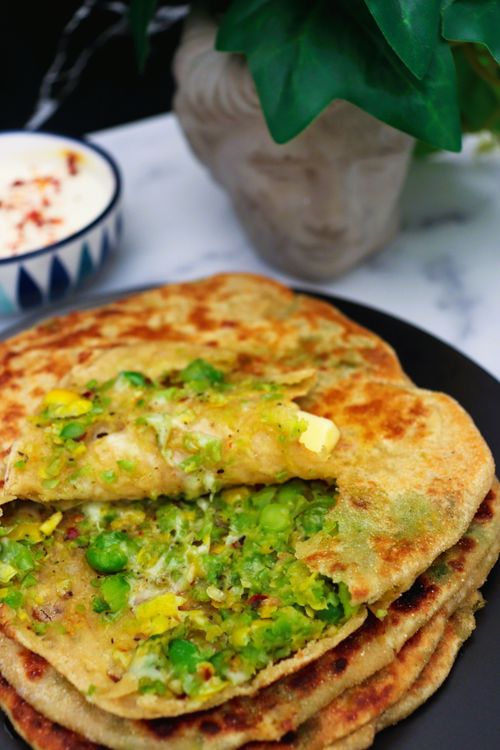
- Indian
- Vegetarian
- Breakfast
- Italian
- Non-Vegetarian
- Appetiser
- Italian
- Non-Vegetarian
- Lunch
- International
- Non-Vegetarian
- Dinner
- International
- Vegetarian
- Appetiser
- Mexican
- Non-Vegetarian
- Appetiser
- American
- Non-Vegetarian
- Dinner
- International
- Non-Vegetarian
- Lunch
- Mediterranean
- Non-Vegetarian
- Dinner
- Argentine
- Non-Vegetarian
- Dinner

- Vegetarian
- Breakfast
- Argentinian
- Non-Vegetarian
- Lunch
- Seafood
- Non-Vegetarian
- Lunch
- International
- Non-Vegetarian
- Appetiser

- Vegan
- Mediterranean
- Non-Vegetarian
- Dinner

- Ghanaian
- Vegan
- Breakfast

- Vegetarian
- Snack
- Fusion
- Eggetarian
- Breakfast

- Indian
- Vegan
- Lunch

- International
- Vegan
- Breakfast

- Non-Vegetarian
- Dinner
- Vegetarian
- Snack
- Indian
- Vegetarian
- Breakfast
- Italian
- Non-Vegetarian
- Appetiser
- International
- Eggetarian
- Dinner
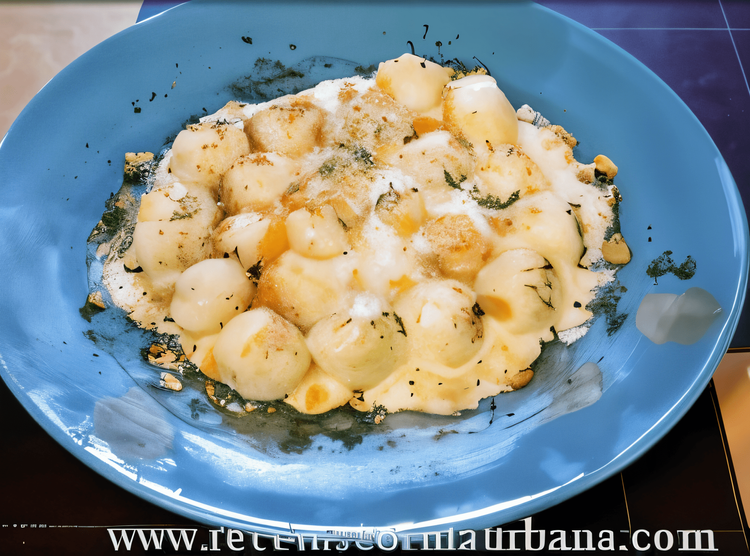
- Italian
- Eggetarian
- Lunch
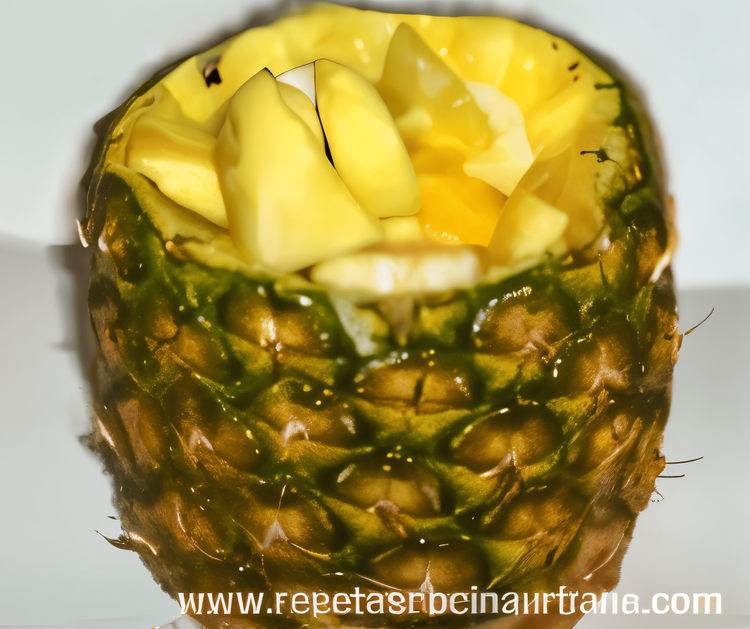
- Tropical
- Vegan
- Dessert
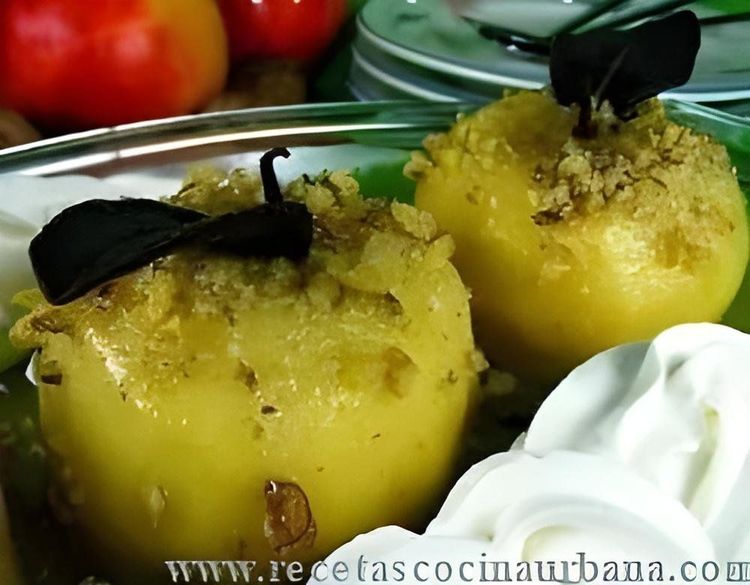
- Bosnian
- Vegetarian
- Dessert
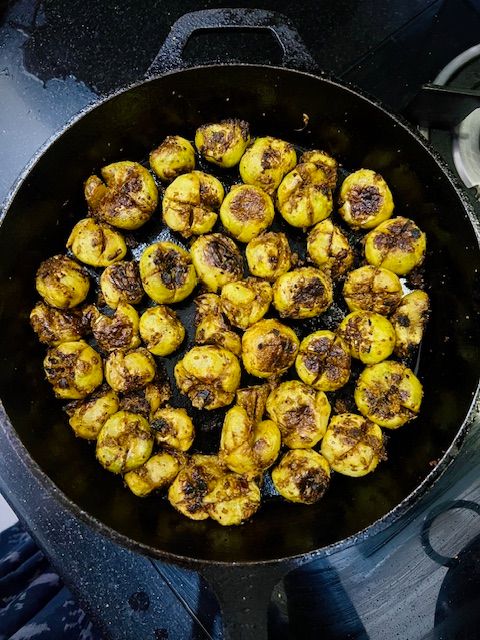

- Indian
- Vegan
- Lunch
- Portuguese
- Eggetarian
- Snack
- American
- Vegetarian
- Snack
- Malabar
- Vegetarian
- Snack
- Indian
- Vegetarian
- Breakfast
- Filipino
- Pescatarian
- Lunch
Building a Filling That Binds and Stays Moist
A good stuffing has three jobs: it has to taste of something on its own, it has to hold together, and it has to stay moist through the cook. Start by seasoning it more aggressively than feels right, because a bland filling tastes flat once it is hidden inside a mild pepper or pasta shell. Cook your aromatics — onion, garlic, herbs — properly first, and if the filling contains raw meat, brown and season it so you can taste and adjust before it goes anywhere it cannot be fixed.
Binders are what keep a filling from crumbling out the moment you cut in. An egg, a handful of breadcrumbs, a scoop of cooked rice, or a generous amount of cheese all knit the mix together; ricotta and cream cheese do double duty as binder and moisture. The balance matters: too little binder and the stuffing falls apart, too much and it turns dense and pasty. Mix gently and stop as soon as it coheres into a soft, scoopable mass.
Moisture is the quiet difference between a juicy stuffed dish and a dry one. Lean fillings — plain chicken, drained vegetables, low-fat cheese — need help, whether from a spoon of stock, a little oil or butter, sauteed vegetables, or melting cheese folded through. The reverse problem is a filling so wet it makes the wrapper soggy, which is why watery vegetables get salted and drained first. Aim for a mix that holds a soft shape on the spoon without weeping liquid.
Prepping the Vessel: Peppers, Meat, Pasta and Veg
Each kind of wrapper needs its own preparation, and most failures trace back to skipping it. Peppers and sturdy vegetables benefit from a head start — a few minutes of blanching, microwaving or roasting — so they finish tender at the same time the filling is hot, rather than staying crunchy or, worse, baking so long that the stuffing dries out waiting for them. Slice a thin sliver off the base of a whole pepper so it stands upright without tipping and spilling.
Meat takes the most finesse. To stuff a chicken breast, either butterfly it open and pound it to an even thickness for rolling, or cut a deep horizontal pocket that leaves three sides intact. Pork chops want a clean pocket cut into the side toward the bone. The goal in every case is even thickness so the meat cooks uniformly, and a cavity large enough to hold the filling without the walls splitting open under the pressure.
Pasta and vegetables both fight moisture. Boil shells, manicotti and cannelloni a couple of minutes short of al dente so they finish in the oven without turning to mush, and rinse and oil them lightly so they do not stick together while you fill them. For mushrooms, zucchini, tomatoes and eggplant, scoop out the watery centers and salt the cavities, letting them sit and drain for fifteen minutes so they do not flood the pan. Pat everything dry before stuffing.
Sealing, Securing and Stuffing Without Overpacking
Overstuffing is the single most common mistake across the whole category. A filling expands a little as it heats, and a wrapper packed to bursting will split, leak or refuse to close. Fill peppers and vegetables generously but not heaped past the rim, leave a small margin at the open edges of pasta, and resist the urge to cram a chicken pocket so full it cannot be pinned shut. A little restraint here is what keeps the filling inside where it belongs.
Securing depends on the shape. Rolled meat — a roulade, braciole or stuffed loin — gets tied with kitchen twine at intervals or pinned with toothpicks so it holds its cylinder as it browns and roasts. A stuffed chicken pocket can be closed with a couple of toothpicks or skewers; remember to count them in so you can count them all out before serving. Manicotti and shells need no fastening, just a snug layer in the dish, seam-side down where it matters.
For tidy filling, use the right tool: a piping bag or a zip bag with the corner snipped makes quick, clean work of manicotti and cannelloni, which are awkward to fill by spoon. A small spoon or a melon baller suits mushrooms and peppers. Pack firmly enough to eliminate air pockets, which can steam and push the filling out, but stop short of compressing it into a dense plug. The filling should sit level and settled, ready to set as it cooks.
Cooking, Moisture and Doneness
Most stuffed dishes cook gently and benefit from a covered start, because the filling needs time to heat through and the wrapper needs to soften without scorching. Cover stuffed peppers, pasta bakes and vegetables with foil for the bulk of the cook so they steam tender and stay moist, then uncover at the end to brown the top and bubble the cheese. A layer of sauce in the bottom of the dish keeps everything from sticking and adds the moisture a long bake quietly draws off.
Stuffed meat is the exception that lives by the thermometer. The danger is pulling it too late and serving dry chicken or pork around a perfect filling, or too early and leaving the center underdone. Sear rolled or pocketed meat first for color, then finish in the oven and check the internal temperature at the thickest point — 74C/165F for chicken and turkey, around 63C/145F for pork — letting it rest a few minutes so the juices settle before you slice and the toothpicks come out.
Moisture management runs through the whole cook. If a pasta bake looks dry going in, add more sauce; baked pasta drinks up liquid and a dry tray is a sad one. If stuffed vegetables are weeping into the pan, you skipped the salting-and-draining step, and next time you will fix it at the source. Rest baked dishes ten minutes out of the oven so the filling sets and you get clean portions rather than a collapse onto the plate.
Pro Tips from the Test Kitchen
- Season the filling more boldly than feels right — it has to carry flavor through a mild wrapper.
- Par-cook peppers and sturdy vegetables a few minutes so they finish tender without overbaking the stuffing.
- Salt and drain watery vegetables (mushrooms, zucchini, tomatoes) for 15 minutes before filling so they do not flood the pan.
- Boil pasta shells and tubes a couple of minutes short of al dente; they keep cooking in the oven.
- Use a piping bag or a corner-snipped zip bag to fill manicotti and cannelloni quickly and cleanly.
- Pound butterflied chicken to an even thickness so it cooks uniformly and rolls without tearing.
- Do not overstuff — fillings expand, and a packed wrapper splits or leaks.
- Tie rolled meat with twine or pin pockets with toothpicks; count them in so you count them all out.
- Cover with foil for most of the bake to steam tender, then uncover to brown and bubble the top.
- Cook stuffed meat to internal temperature (165F chicken, 145F pork) and rest before slicing.
Frequently Asked Questions
How do you keep stuffed peppers from getting watery?
Most of the water comes from the peppers themselves and an under-reduced filling. Par-cook the peppers briefly and drain them cut-side down, use a filling that is already cooked and not soupy (drain the tomatoes or rice well), and stand the peppers upright in a snug dish so any liquid that escapes pools in the bottom rather than diluting the stuffing. Covering for most of the bake and uncovering at the end also lets excess moisture cook off.
Should you cook the filling before stuffing peppers?
Yes, almost always. A bell pepper bakes for only 30 to 45 minutes, which is not enough to cook raw rice through or to safely finish raw ground meat in the center of a packed cavity. Brown and season the meat, cook the rice or grains until just done, and combine everything before stuffing. You are essentially reheating and melding a finished filling inside the pepper, not cooking it from scratch.
How do you keep stuffed chicken breast from drying out?
Cook to temperature, not to the clock. Sear the stuffed breast for color, then finish it in the oven and pull it the moment the thickest part hits 74C/165F, resting it five minutes before slicing so the juices settle. A moist filling with cheese, sauteed vegetables or a little fat helps, as does an even thickness from butterflying and pounding, which stops thin edges from overcooking while the center catches up.
What is the best filling for stuffed mushrooms?
Classic stuffed mushrooms use a breadcrumb base bound with cheese, garlic, herbs and often the chopped mushroom stems sauteed down. Cream cheese, parmesan and a little sausage are popular for richness. The key is to keep the filling on the drier side and to salt and drain the caps first, because mushrooms release a lot of water; a wet filling plus weeping caps gives you soggy, deflated mushrooms instead of golden, crisp-topped ones.
Do you boil pasta shells before stuffing them?
Yes, but undercook them. Boil jumbo shells, manicotti and cannelloni a couple of minutes short of al dente so they are pliable enough to fill but still firm, because they keep cooking in the oven. No-boil versions exist for some shapes and rely on extra sauce to hydrate them. Rinse boiled pasta and toss it with a little oil so the pieces do not stick together while you fill them one by one.
How do you stuff a chicken breast?
Two methods work. Butterfly the breast by slicing it almost in half horizontally and opening it like a book, then pound it to an even thickness, spread the filling and roll it up, securing with twine or toothpicks. Or cut a deep horizontal pocket that leaves three sides intact and spoon the filling in, pinning the opening shut. Either way, do not overfill, and sear before finishing in the oven for color and a clean cook.
Can you make stuffed recipes ahead of time?
Many are ideal for it. Stuffed peppers, baked pasta and stuffed vegetables can be fully assembled, covered and refrigerated a day ahead, then baked when you need them — add a few minutes since they start cold. Stuffed meat can be prepped and stuffed in the morning and cooked to order. Baked stuffed pastas reheat especially well, which is part of why lasagne, shells and cannelloni are such reliable make-ahead, feed-a-crowd dishes.
Why does my stuffed pasta leak filling?
Usually overfilling or a torn shell. Pasta swells and the filling expands as it heats, so pack tubes and shells generously but not bursting, and leave a small margin at the open ends. Handle boiled pasta gently so it does not split, fill from the center outward with a piping bag for control, and lay everything seam-side down in a saucy dish. A bottom layer of sauce also catches any filling that does escape so it bakes in rather than burning.
How long do you bake stuffed peppers?
Generally 30 to 45 minutes at around 190C/375F when the filling is already cooked, since you are mainly heating through and tenderizing the pepper. Cover with foil for the first two-thirds so they steam soft, then uncover and add cheese for the last ten to fifteen minutes to brown the top. Larger or firmer peppers and cold-from-the-fridge ones take longer; the pepper should be fork-tender and the filling piping hot in the center.
What vegetables are best for stuffing?
Anything sturdy with a natural cavity. Bell peppers, large tomatoes, zucchini and marrow, eggplant, portobello and large white mushrooms, onions, and winter squash all hold a filling well. The wetter ones — tomatoes, zucchini, mushrooms — need salting and draining first so they do not flood the dish, while denser ones like squash and potatoes benefit from a head start in the oven before they are filled. Match the bake time to how long the vegetable needs to turn tender.
The thread through every stuffed recipe here is the same handful of moves: build a filling that tastes good and holds together, prep the vessel so it tenderizes in step with the stuffing, seal it without overpacking, and manage moisture so the result is juicy rather than dry or watery. Get those right and the wrapper — pepper, chicken, pasta or mushroom — becomes a choice of mood, not a different skill to learn.
Pick three to cook this week — a tray of stuffed peppers, a stuffed chicken breast and a baked pasta — and save your favorites to a Chefadora cookbook. Then work through the rest of the page; it is built to be the stuffed-dish reference you actually come back to whenever you want something that eats like two dishes in one.
Related
- Stuffed
- Stuffed Peppers
- Comfort Food
- Dinner
- Make Ahead
- Baked
- Family Meals
Popular Searches
- Best stuffed recipes
- Easy stuffed recipes
- Quick stuffed recipes
- Healthy stuffed recipes
- Simple stuffed recipes
- Homemade stuffed recipes
- Delicious stuffed recipes
- Popular stuffed recipes
- stuffed peppers
- stuffed chicken breast
- stuffed mushrooms
Marnirni-apinthi Building, Lot Fourteen,
North Terrace, Adelaide, South Australia, 5000
Australia
