
Top 83 Orange Recipes: Cakes, Chicken, Marmalade and More
Updated June 29, 2026 · Curated by Chefadora
Orange recipes are the easiest way to fold brightness into a kitchen: a fruit that carries two distinct flavors at once — the perfumed, almost floral oils locked in its zest, and the sweet-tart juice beneath the peel. Used together they lift everything from a buttery cake to a sticky glaze. The recipes below were chosen to show that range — zesty bakes, savory orange chicken, set marmalade, fresh drinks and frozen treats — rather than ten variations on a single syrup.
What makes the orange so useful is that it works on both axes of flavor. The zest brings aroma and a gentle bitterness without acidity; the juice brings sweetness and tang without much perfume. Knowing which you need — and reaching for the zest when you want fragrance, the juice when you want lift — is the difference between a dish that merely tastes of orange and one that smells of it the moment it hits the table. Most of the best recipes here, savory and sweet alike, quietly use both at once.
You will find four clusters here: cakes and desserts that lean on zest and a juice soak, savory mains built around a sticky glaze, the preserving-and-salad group of marmalade, curd, sauces and crisp segments, and a run of fresh drinks and frozen treats. The techniques cross over — zesting, juicing, reducing a glaze, balancing sweet against tart — so learning a few moves well unlocks the whole page rather than just a single dish on it. Pick the cluster that suits the night and the method travels with you.
Treat this as a working reference rather than a list to read once. Every recipe links to full ingredients and steps on Chefadora, and the guides below cover the things that decide whether orange comes through clean and bright or muddy and one-note — how to zest without dragging up bitter pith, how to coax the most juice from a fruit, how to build a glaze that clings instead of slides, and how to coax marmalade to a proper, wobbling set.
Orange Cakes & Desserts
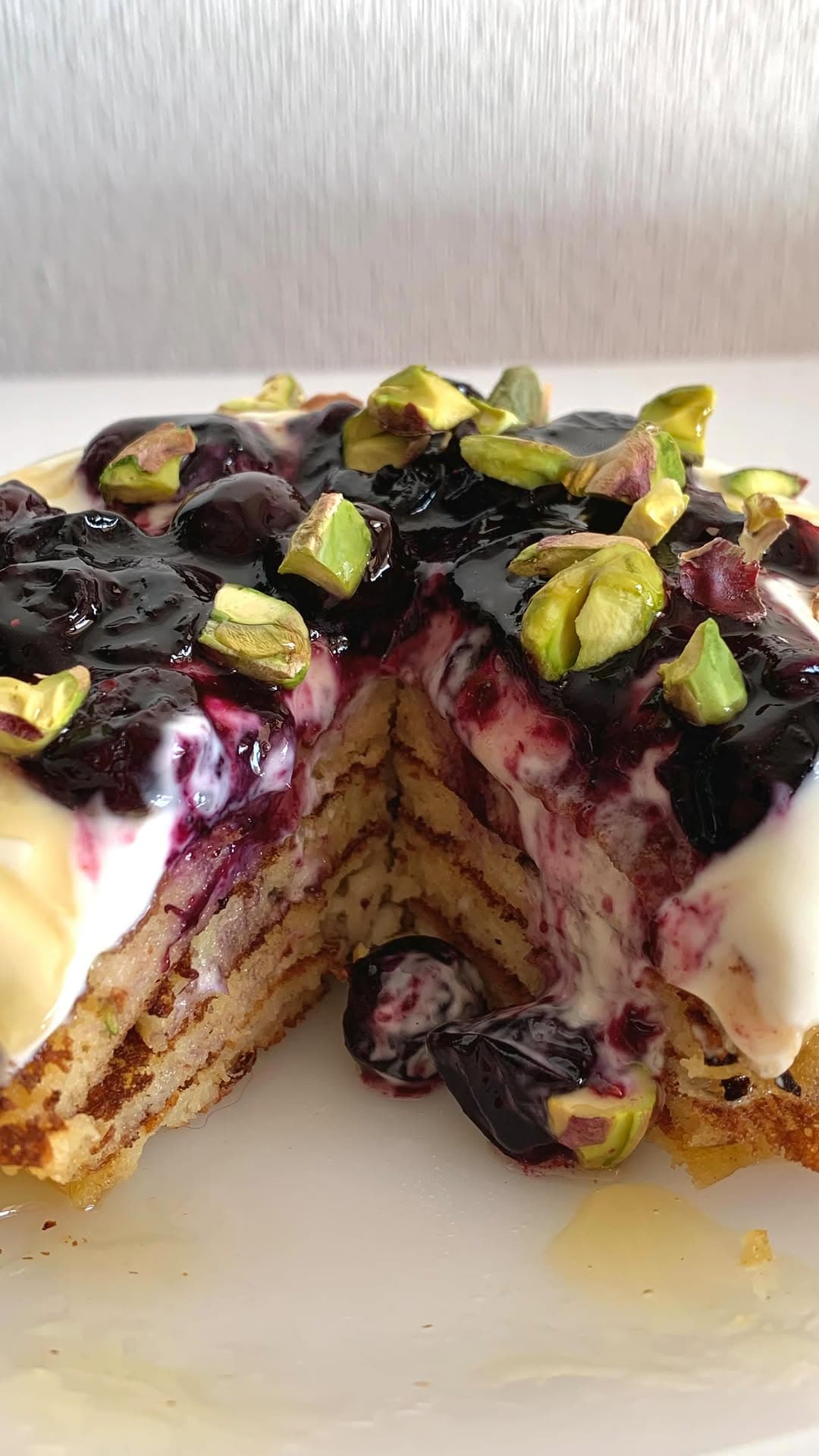
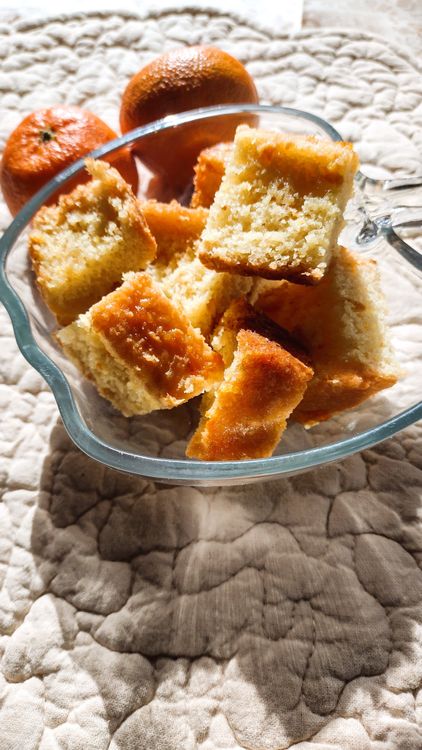
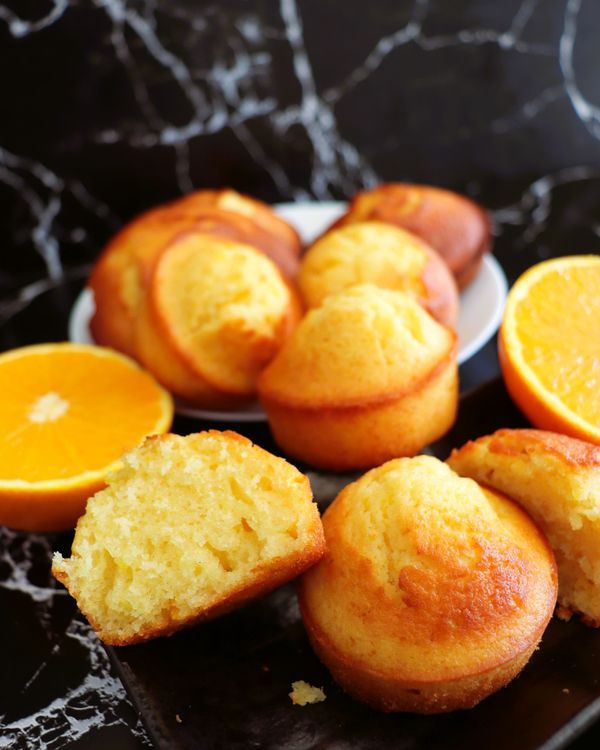
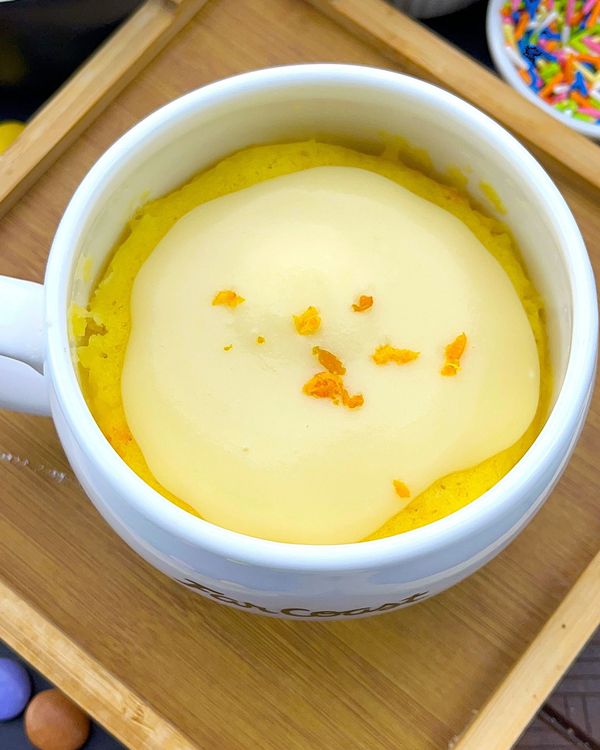
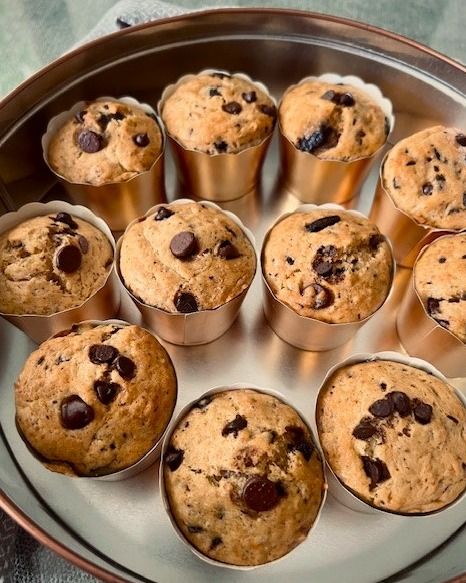
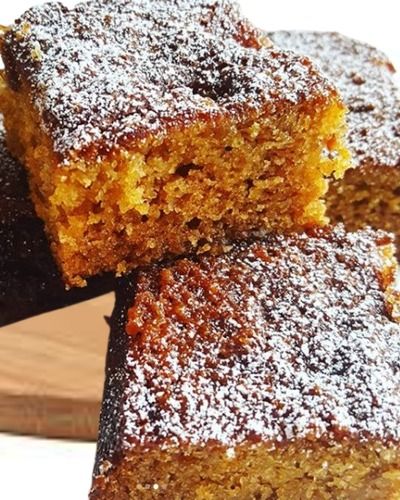
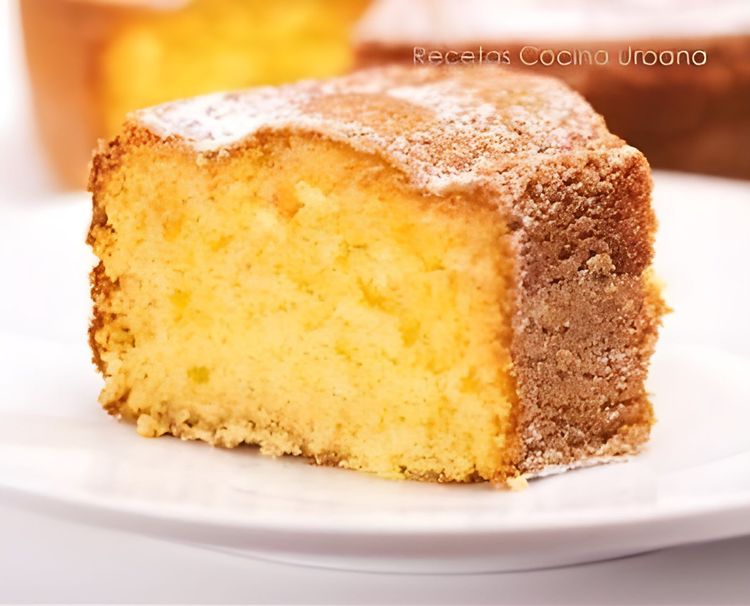
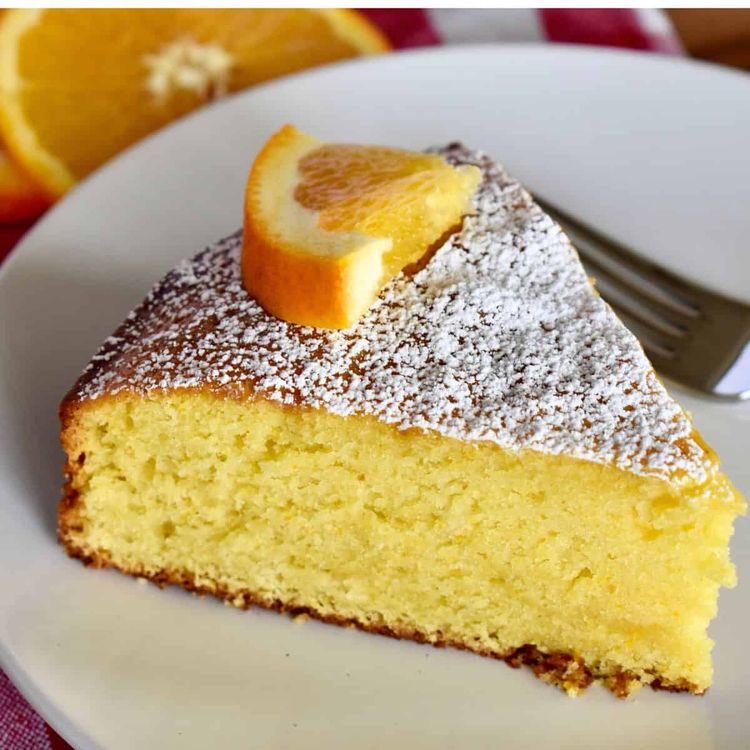
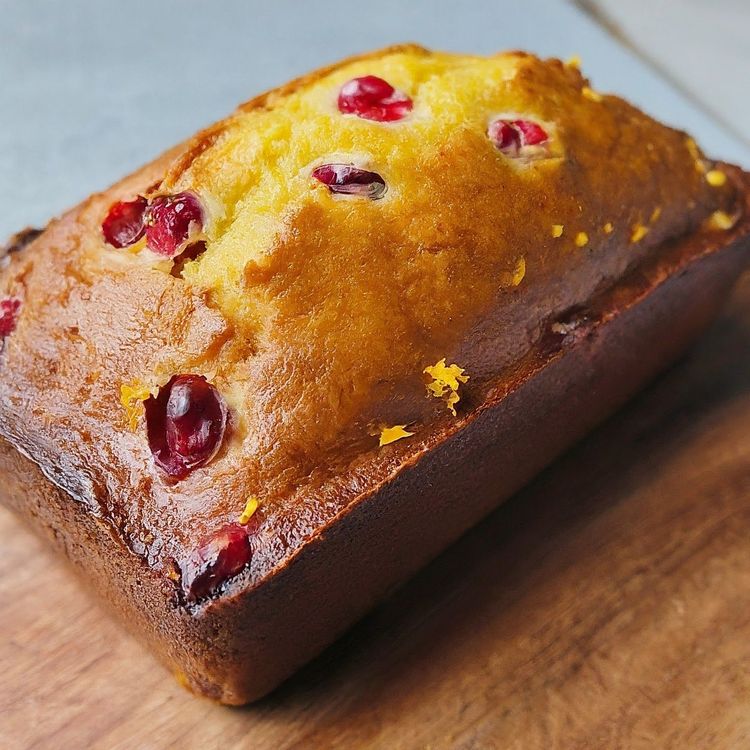
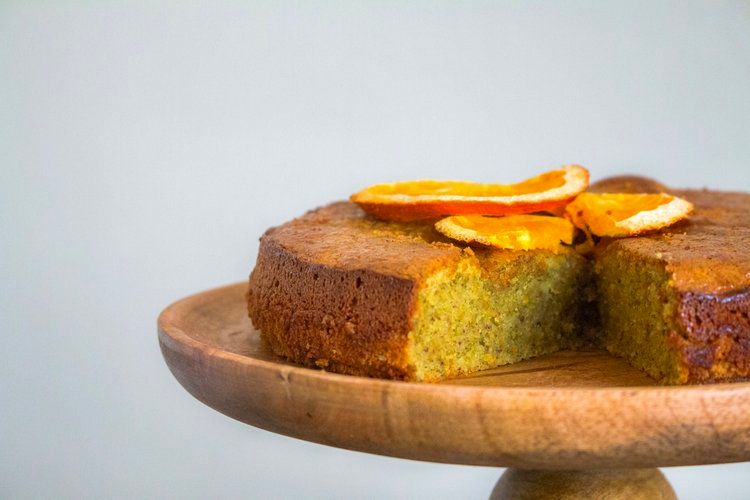
This is the part of the orange where the fruit truly sings, and the secret is to use both halves of it deliberately. The zest carries the perfumed, almost floral aroma, so rub it into the sugar with your fingertips before you cream anything; the crystals abrade the peel and release its oils through the whole batter, the single move that turns a faintly scented cake into an unmistakably orange one. The juice carries tang and moisture, best delivered as a warm syrup soak: prick the cake straight from the oven and spoon over fresh juice loosened with a little sugar so the crumb drinks it up and you taste citrus in every bite. The common stumble is reaching for more sugar to make a dessert taste more of orange, when a pinch of salt and a squeeze of lemon sharpen it far better. Whole-orange cakes, where you boil the entire fruit and blitz it pith and all into the batter, give the deepest, gently bitter flavor of the lot. Standouts here include Cottage Cheese Orange Pancakes and Orange Bundt Cake with Cream Cheese Glaze, plus C07 : ORANGE SPONGE CAKE.


- Gluten-Free
- Breakfast

- International
- Eggetarian
- Dessert

- Western
- Eggetarian
- Dessert
- American
- Vegetarian
- Dessert

- Indian
- Vegetarian
- Dessert

- International
- Eggetarian
- Snack

- International
- Vegetarian
- Dessert

- International
- Eggetarian
- Breakfast

- International
- Eggetarian
- Snack

- American
- Eggetarian
- Snack

- American
- Eggetarian
- Breakfast
- American
- Eggetarian
- Breakfast

- Vegetarian
- Dessert
- American
- Vegetarian
- Snack


- American
- Eggetarian
- Dessert


- Mediterranean
- Eggetarian
- Dessert

- International
- Eggetarian
- Breakfast
- European
- Eggetarian
- Snack

- Italian
- Eggetarian
- Snack

- Western
- Eggetarian
- Dessert

- Latin American
- Vegetarian
- Dessert


- International
- Eggetarian
- Dessert

- American
- Eggetarian
- Breakfast
- American
- Vegetarian
- Snack
- Italian
- Eggetarian
- Snack

- American
- Eggetarian
- Breakfast


- International
- Eggetarian
- Dessert

- Mediterranean
- Eggetarian
- Snack
Orange Chicken & Glazed Mains
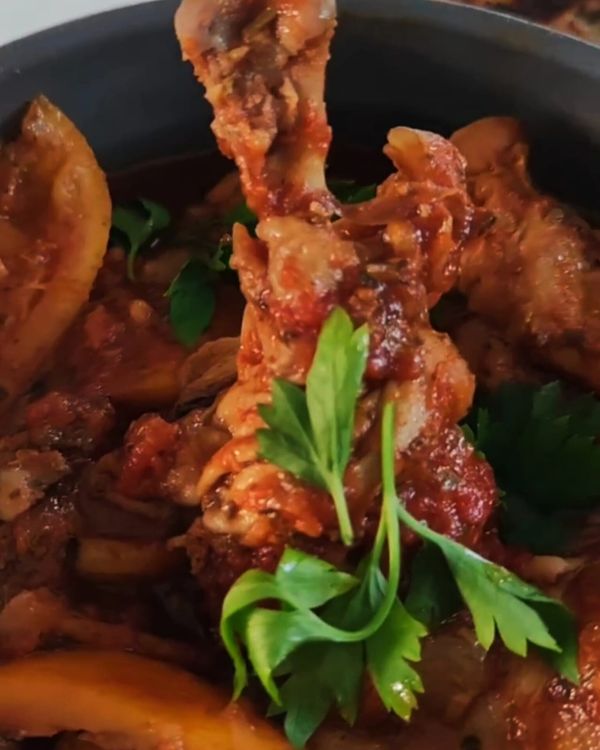
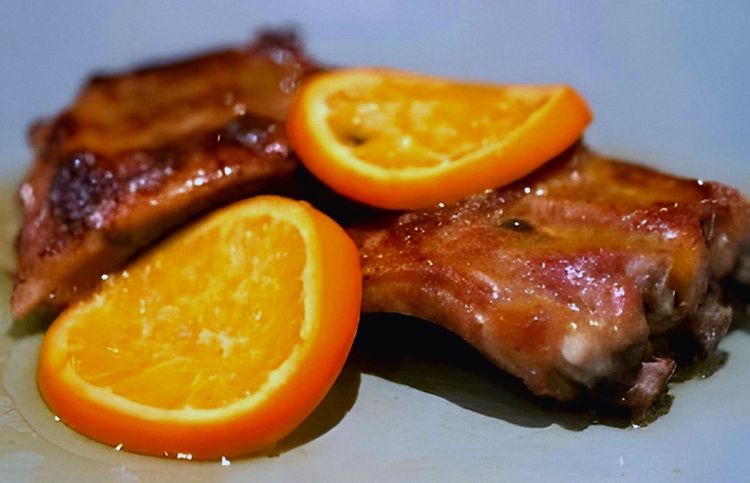
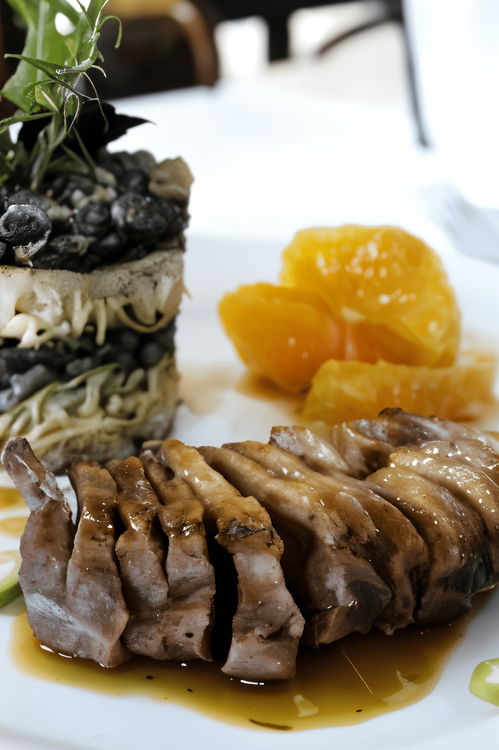
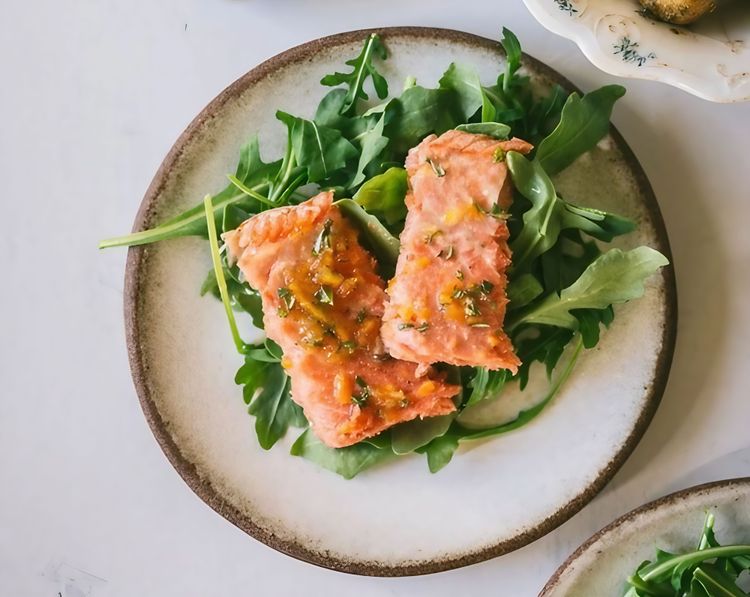
Here the fruit swaps from dessert to dinner, and its job changes entirely: orange brings a sweet-tart brightness that cuts through fatty proteins like duck, pork and salmon, and a glaze that turns sticky and glossy as it reduces. The arc is always the same. Brown the protein hard first for a genuinely crisp surface, then build the sauce separately from fresh juice and zest, soy or a splash of vinegar for savory depth, garlic, ginger, a touch of honey and a pinch of chilli, and simmer until it coats a spoon. A teaspoon of cornflour slurry is what tips a thin reduction into a glaze that clings. The mistake that ruins takeaway-style orange chicken at home is leaving the fried pieces to sit in the sauce, which softens the crust to mush; instead toss them through off the heat at the very last second. Taste before you combine, chasing the tension of sweet, salty, sour and hot, and finish with fresh zest for a bright top note over the cooked-down richness. Standouts here include Orange Baked Salmon Steak and Orange Chicken, plus Orange Glazed Salmon Steaks with Yogurt Garlic Sauce.


- Pescatarian
- Dinner

- Chinese
- Non-Vegetarian
- Dinner

- Pescatarian
- Dinner


- Chinese
- Non-Vegetarian
- Main Course


- Non-Vegetarian
- Dinner

- Asian
- Non-Vegetarian
- Dinner

- Non-Vegetarian
- Dinner
- French
- Eggetarian
- Dessert

- French
- Non-Vegetarian
- Dinner

- French
- Non-Vegetarian
- Dinner
- International
- Non-Vegetarian
- Dinner
- European
- Non-Vegetarian
- Dinner


- Fusion
- Non-Vegetarian
- Dinner
- American
- Pescatarian
- Dinner
- Mediterranean
- Vegetarian
- Salad
Marmalade, Sauces & Salads
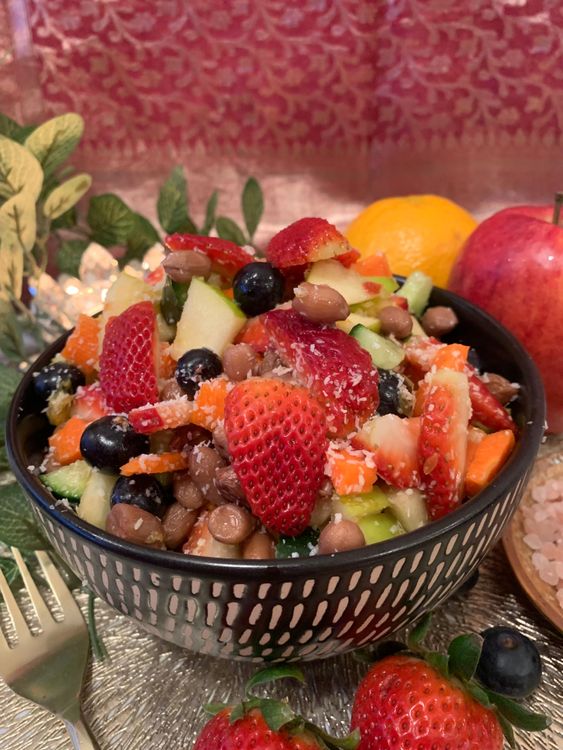
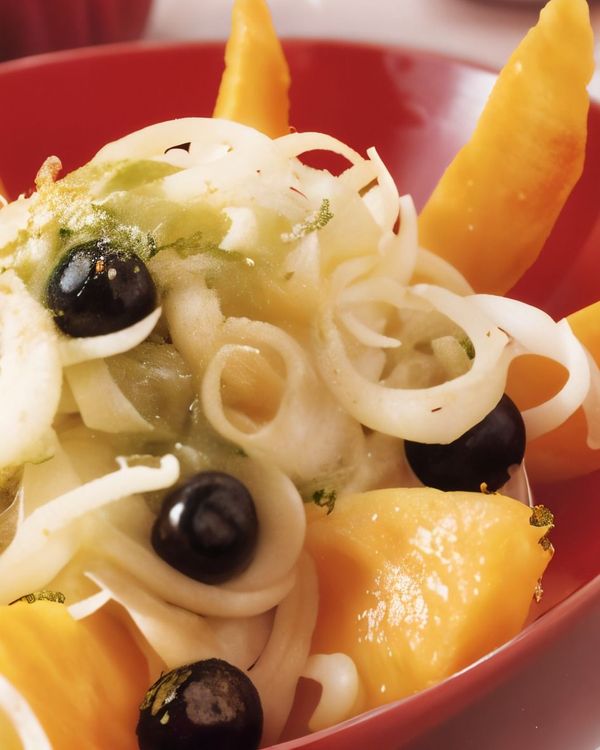
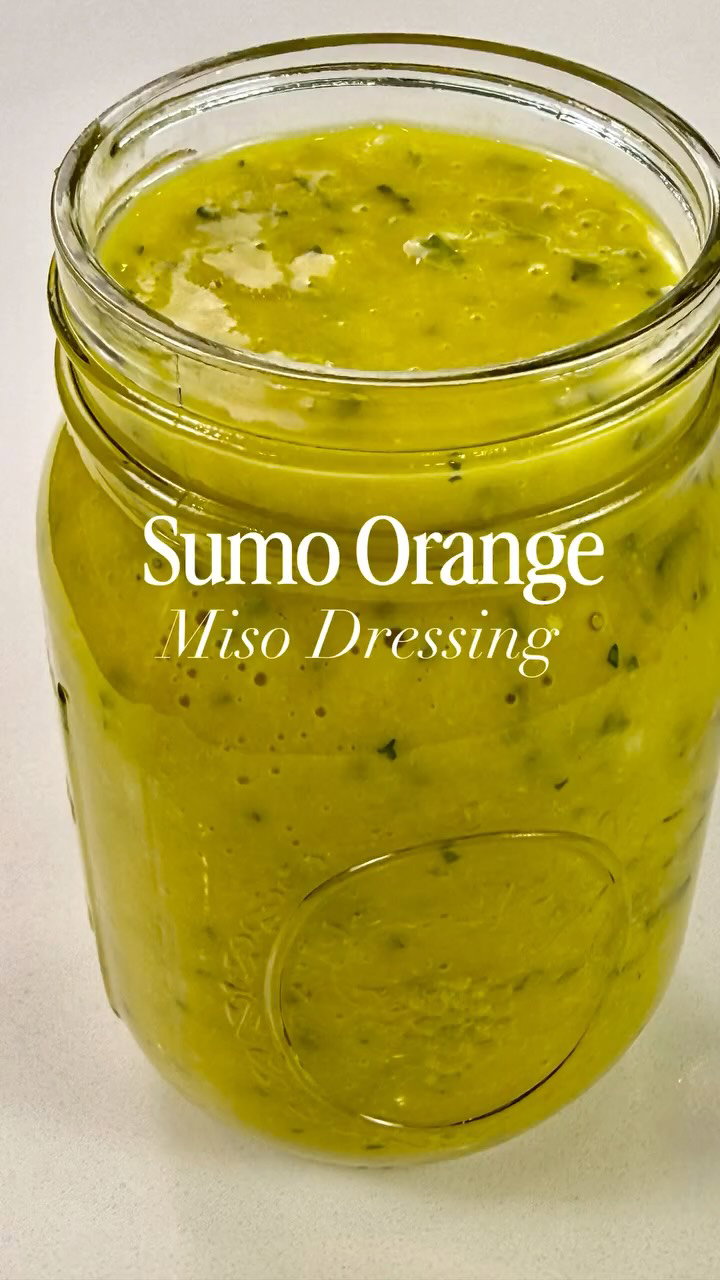
This cluster runs from the slow patience of preserving to the quick brightness of a fresh salad, both built on understanding where an orange keeps its flavor and its pectin. For marmalade, that pectin lives in the pith and pips, so tie them in a muslin bag and simmer it with the fruit before squeezing it out for the final boil; bitter Seville oranges are the classic choice because their sharpness and high pectin stand up to all the sugar. Soften the peel fully before the sugar goes in, since sugar locks the texture and any chewy strip stays chewy, then boil hard to setting point and check with the wrinkle test on a chilled plate. The same fruit makes a silky curd, cooked gently so the eggs never scramble, and fresh sauces and salsas. For salads, supreme the orange, cutting away peel and pith and slicing between the membranes for clean, juice-laden segments, then squeeze the spent membranes for a free hit of dressing. Bright, tangy and barely any cooking at all. Standouts here include Chilli Orange Fruit Salad and French Toast with Orange Marmalade Whipped Cream, plus Orange–Beetroot–Carrot–Apple High-Protein Salad.
- Indian
- Vegetarian
- Appetiser

- French
- Eggetarian
- Breakfast

- Indian
- Vegetarian
- Lunch
- Mediterranean
- Vegan
- Salad


- Vegan
- Sauce & Condiment

- American
- Eggetarian
- Breakfast
Orange Drinks & Frozen Treats
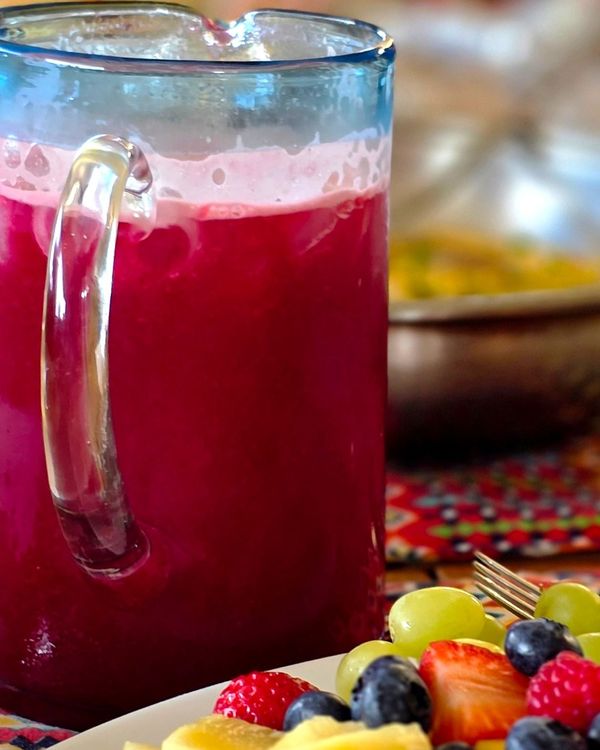
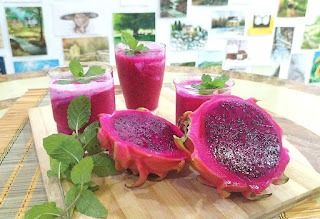
Cold and refreshing is the orange at its most direct, and almost everything here begins with one rule: fresh-squeezed beats bottled every single time, for aroma and brightness that processing strips away. Roll the fruit firmly on the counter or warm it briefly to coax out the most juice, then build from there. For coolers and mocktails, balance the sweet juice with something sharp, a squeeze of lemon or a splash of soda, and a pinch of salt to make the flavor pop. For smoothies, frozen segments thicken the blend without the dilution that ice brings. For sorbet and granita, the sugar level matters more than you would think; too little and it freezes rock hard, too much and it never sets firm, so taste the base sweeter than you want it because freezing dulls sweetness. Popsicles want the same generous seasoning and a strain if you dislike pulp. A little zest grated into any of them adds the perfumed top note that tells you instantly it was made from real fruit. Standouts here include Orange Mocktail and Pressed Orange, Beet & Ginger Juice, plus Dragon fruit mango orange smoothie.


- Indian
- Vegan
- Beverage

- International
- Vegan
- Breakfast
- Vegetarian
- Beverage
- International
- Vegan
- Snack
More Orange Favourites
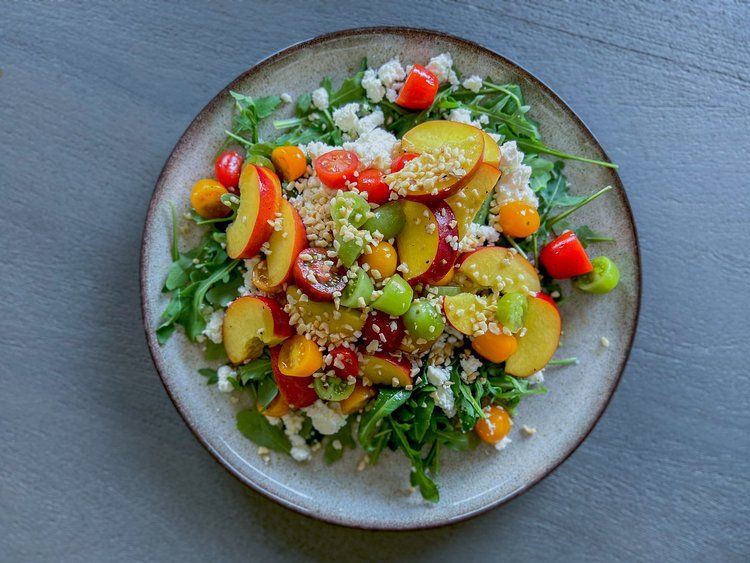
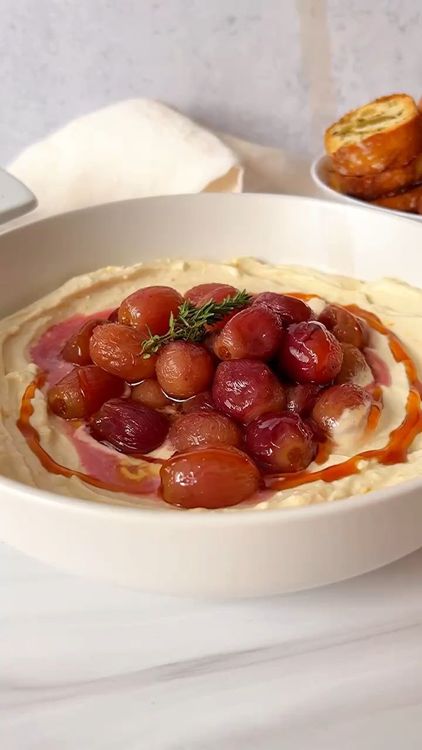
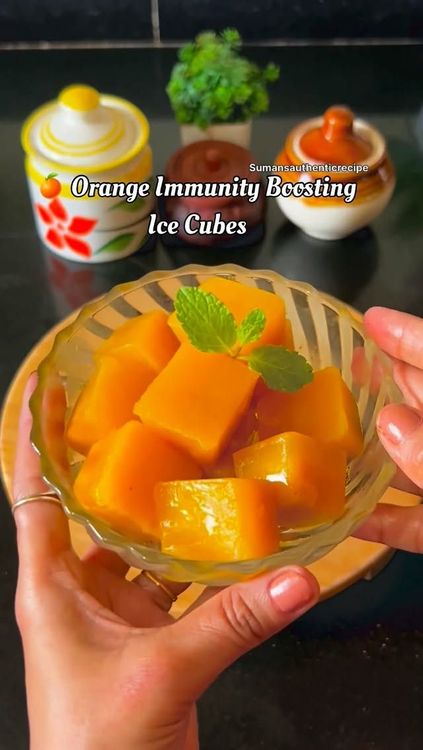
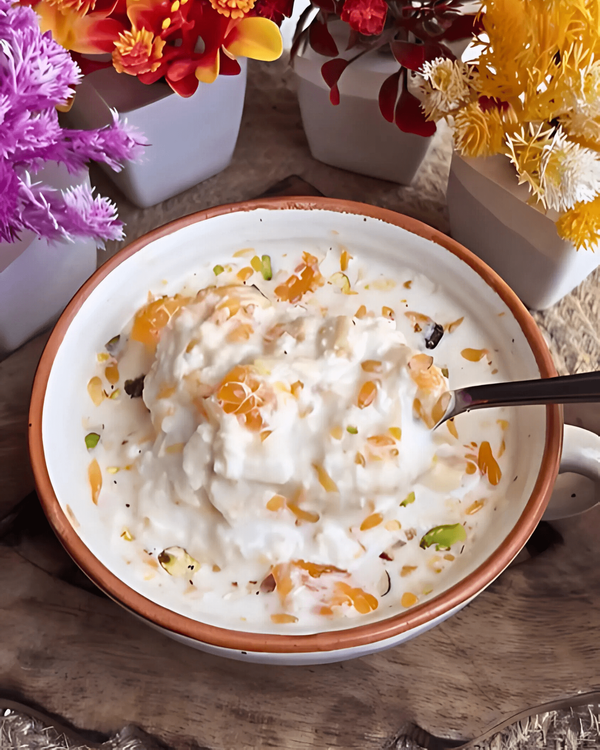
A few orange dishes never quite settle into one category, and these are the ones worth keeping once the staples feel routine. They lean on the same handful of techniques you already know, fragrant zest released into sugar or fat, fresh juice reduced or soaked in, the careful balance of sweet against tart, but steer them toward different textures and uses so the fruit never tastes the same twice. Picking your next one is mostly about matching effort to mood: choose a quick fresh sauce, a salad or a cooler on a busy day when you want brightness in minutes, and save the slow-simmered glazes and set preserves for an afternoon when you can let things reduce and develop properly. Pay attention to whether a recipe wants the perfume of the zest or the lift of the juice, because reaching for the wrong one is the usual reason an orange dish tastes vaguely sweet rather than clearly citrus. Think of this group as the natural next step after the classics, the recipes that quietly earn a regular spot in the rotation once you have tried them. Standouts here include Baked Grapes with Feta and Orange Zest and Orange Immunity Boosting Ice Cubes, plus Gelatine Free Orange Jelly.
- Mediterranean
- Vegetarian
- Appetiser
- International
- Vegetarian
- Snack

- Global
- Vegan
- Dessert
- Indian
- Vegetarian
- Dessert
- Italian
- Eggetarian
- Dessert

- French
- Eggetarian
- Dessert

- International
- Eggetarian
- Snack
- Mediterranean
- Pescatarian
- Lunch

- French
- Eggetarian
- Dessert
- International
- Vegetarian
- Dessert
- International
- Eggetarian
- Dessert
- French
- Eggetarian
- Dessert

- Andalusian
- Vegan
- Breakfast


- American
- Vegan
- Snack

- International
- Vegan
- Beverage

- Breakfast

- International
- Vegan
- Beverage

- Cuban
- Vegan
- Dinner
- Global
- Vegan
- Snack
- International
- Vegetarian
- Dessert

- Latin American
- Eggetarian
- Dessert
![Ultimate Chocolate Orange Truffles [Only 3 ingredients] recipe](https://chefadora-production.s3.ap-southeast-2.amazonaws.com/medium_1000178877_2df61433b6.jpg)

- European
- Vegetarian
- Snack
- Indian
- Vegetarian
- Dessert
- Fusion
- Vegan
- Appetiser

- East African
- Eggetarian
- Breakfast
- British
- Vegetarian
- Dessert

- French
- Vegetarian
- Dessert
Zesting, Juicing and Getting the Most from the Fruit
Zest is where the aroma lives, so treat it as the prize. Scrub and dry the orange, then take only the thin orange layer with a microplane or fine grater, turning the fruit as you go and stopping before the white pith, which is bitter. Zest before you juice — it is far easier to grip a whole fruit than a squeezed one — and use it fresh, because those volatile oils fade within hours of grating.
For juice, start with a fruit at room temperature and roll it firmly under your palm on the counter for a few seconds to break the interior membranes. A quick twenty seconds in the microwave does the same. Both tricks noticeably increase yield. Strain the juice if a recipe needs it clear, but for most cooking the pulp adds body and flavor, so leave it in.
Match the orange to the job. Navel oranges are seedless, sweet and easy to segment, ideal for salads and eating; Valencia is the classic juicing orange, thinner-skinned and very juicy; blood oranges add a deep crimson color and a berry note; and bitter Seville oranges, available only briefly in winter, are the traditional choice for marmalade. Fresh-squeezed juice always beats bottled for brightness and aroma.
Baking with Orange: Zest, Soaks and Balance
To get real orange flavor into a cake, rub the zest into the sugar with your fingertips before you cream it with butter. The sugar crystals abrade the zest and release its oils, perfuming the whole batter far more effectively than zest stirred in at the end. This one habit transforms an orange cake from faintly scented to unmistakably citrus, and it costs you thirty seconds.
A juice soak is what keeps an orange cake moist and intensely flavored. While the cake is still warm from the oven, prick it all over and spoon over a syrup made from fresh juice and a little sugar; the warm crumb drinks it up and you get tang in every bite. Whole-orange cakes — where you boil the entire fruit and blitz it, pith and all, into the batter — deliver the deepest, slightly bitter flavor of all.
Balance is everything with citrus desserts. Orange is sweet and only mildly acidic, so a pinch of salt and a squeeze of lemon often sharpen it more than adding more orange would. Watch the sugar, too: too much flattens the fruit. Taste a curd or a syrup before it sets and adjust — you are aiming for a clean, bright orange that reads against the sweetness, not a vague sweetness that happens to be orange.
Building a Glaze That Clings
The classic orange glaze — the one behind takeaway orange chicken and a glossy roast duck — is fresh juice reduced with aromatics until it thickens. Start by browning the protein hard for a crisp surface, then build the sauce separately: juice and zest, soy or a splash of vinegar for savory depth, garlic, ginger, a little sugar or honey, and a pinch of chilli. Simmer until it coats the back of a spoon.
A small amount of cornflour slurry turns a thin reduction into a glaze that truly clings. Whisk a teaspoon of cornflour into cold water, stir it into the simmering sauce, and let it bubble for a minute until glossy and thickened. Add the crisp protein only at the very end and toss to coat, off the heat — leave it sitting in the sauce and the crust softens into something soggy.
Taste and balance the glaze before it meets the food. You want the four pillars in tension: sweet from the juice and sugar, salty from the soy, sour from a splash of vinegar or extra juice, and a little heat. If it tastes flat, it usually needs salt or acid, not more sugar. Finish with fresh zest off the heat and a scatter of sesame or spring onion for a bright top note over the cooked-down depth.
Marmalade and Setting Preserves
Marmalade gets its set from pectin, and citrus is rich in it — most of it concentrated in the pith and pips. Tie the pips and any trimmed pith in a muslin bag and simmer it with the fruit, then squeeze it out before the final boil; that bag is doing the work of setting the preserve. Bitter Seville oranges are traditional because their high pectin and sharp flavor stand up to all the sugar.
Cook the peel until it is genuinely soft before you add the sugar — once sugar goes in, the peel will not soften further, so any chewy strips stay chewy. Then bring it to a hard, rolling boil to reach setting point, around 104–105C on a thermometer. The wrinkle test works without one: spoon a little onto a chilled plate, wait a minute, and push it with a finger; if it wrinkles, it is set.
Beyond marmalade, the same fruit makes a silky orange curd (juice, zest, sugar, butter and eggs cooked gently until thick — never boiled, or the eggs scramble) and quick fresh sauces and salsas. For salads, supreme the orange: cut away peel and pith, then slice between the membranes to free clean, juice-laden segments. Squeeze the spent membranes for a free hit of dressing.
Pro Tips from the Test Kitchen
- Zest before you juice — gripping a whole fruit is far easier than a squeezed one, and use the zest fresh before its oils fade.
- Take only the thin orange layer when zesting; the white pith underneath is bitter.
- Rub orange zest into the sugar with your fingertips before creaming — it releases the oils and perfumes the whole batter.
- Roll the orange firmly on the counter or microwave it 20 seconds before juicing to get noticeably more juice.
- Soak a warm orange cake with a fresh-juice-and-sugar syrup for moisture and tang in every bite.
- Reduce fresh juice with soy, garlic and ginger for a glaze, and thicken with a little cornflour slurry so it clings.
- Toss crisp orange chicken in the glaze off the heat at the last second so the crust stays crunchy.
- Tie marmalade pips and pith in muslin and simmer with the fruit — that is where the setting pectin lives.
- Soften the marmalade peel fully before adding sugar; sugar locks the texture and chewy strips stay chewy.
- A pinch of salt and a squeeze of lemon brighten orange desserts more than adding more orange does.
Frequently Asked Questions
What can I make with oranges?
Far more than juice. Oranges shine in cakes and bakes (where zest and a juice soak add bright flavor), in savory glazes for chicken, duck, pork and salmon, in marmalade and curd, and in fresh salads, drinks and frozen treats like sorbet and popsicles. This collection spans all of those. The key is using both parts of the fruit — the perfumed zest for aroma and the sweet-tart juice for lift.
How do you make orange chicken sauce?
Reduce fresh orange juice and zest with soy sauce (or a splash of vinegar), garlic, ginger, a little sugar or honey and a pinch of chilli, then thicken it with a teaspoon of cornflour slurry until glossy. Fry the chicken crisp separately and toss it in the sauce only at the end so it stays crunchy. Balance sweet, salty, sour and a touch of heat before it meets the chicken.
Should I use the zest or the juice in baking?
Usually both, because they do different jobs. The zest carries the perfumed orange aroma and the juice carries the sweet-tart flavor and moisture. For the strongest scent, rub the zest into the sugar before creaming; for moisture and tang, brush or soak the warm cake with a fresh-juice syrup. Whole-orange cakes use the entire boiled fruit for the deepest, slightly bitter flavor of all.
How do you get the most juice from an orange?
Start with a room-temperature fruit, then roll it firmly under your palm on the counter for a few seconds to break the inner membranes, or microwave it for about twenty seconds. Both noticeably increase the yield. Cut it across the segments rather than through them, and use a reamer or press. Valencia oranges are thin-skinned and especially juicy if you have a choice.
What is the best orange for marmalade?
Bitter Seville oranges, traditionally — they are high in the pectin that sets the preserve and their sharp flavor balances the large amount of sugar. They are in season only briefly in winter. If you cannot find them, sweet oranges work but you should add lemon juice for acidity and extra pectin, and the result will be milder and sweeter than a classic Seville marmalade.
How do I stop orange zest from being bitter?
Take only the thin, colored outer layer with a microplane or fine grater, turning the fruit as you go, and stop the moment you reach the white pith beneath — that pith is the bitter part. Scrub the fruit first if it is waxed or unwaxed-but-dirty. Use the zest fresh, since its aromatic oils fade quickly once grated, and you will get fragrance without bitterness.
How do you know when marmalade is set?
Use the wrinkle test: before you start, put a couple of small plates in the freezer. When the marmalade has boiled hard for a while, take it off the heat, spoon a little onto a chilled plate, wait a minute, then push it with a finger. If the surface wrinkles, it has reached setting point. With a thermometer, look for about 104–105C. If it is not set, boil a few minutes more and test again.
Can I substitute orange juice for fresh oranges?
For drinks and glazes, fresh-squeezed juice is far superior to bottled — it has a brighter aroma and cleaner flavor that bottled juice loses in processing. In baking you also need the zest for aroma, which bottled juice cannot provide, so reach for whole fruit. Bottled juice is a passable shortcut in a long-reduced sauce where the flavor concentrates, but never for anything where freshness shows.
What goes well with orange in cooking?
On the sweet side, orange loves chocolate, almond, cardamom, vanilla, cinnamon and a little lemon to sharpen it. On the savory side it pairs beautifully with soy, ginger, garlic, chilli, fennel and rich proteins like duck and pork, where its acidity cuts the fat. A pinch of salt brings out its sweetness everywhere. Think of orange as both a flavor and a brightener that lifts whatever it joins.
How do you segment an orange neatly?
This is called supreming. Slice off the top and bottom so the fruit sits flat, then cut down the sides following the curve to remove all the peel and white pith. Holding the peeled fruit over a bowl, slice between each membrane to release clean, pith-free segments that fall out whole. Squeeze the leftover membranes to capture the juice — it makes a free dressing for salads.
The thread through every orange recipe here is the same: two flavors in one fruit, the perfumed zest and the sweet-tart juice, used deliberately rather than interchangeably. Master the few moves in the guides — zest without bitterness, juice for yield, reduce a glaze that clings, coax marmalade to a set — and cakes, glazed mains, preserves and drinks all fall into place.
Pick three to cook this week — a zesty cake, a plate of sticky orange chicken and something cold and fresh — and save your favorites to a Chefadora cookbook. Then work through the rest; this page is built to be the orange reference you actually come back to.
Related
- Orange
- Citrus
- Baking
- Dessert
- Marmalade
- Chicken
- Drinks
- Fresh
Popular Searches
- Best orange recipes
- Easy orange recipes
- Quick orange recipes
- Healthy orange recipes
- Simple orange recipes
- Homemade orange recipes
- Delicious orange recipes
- Popular orange recipes
- orange chicken
- orange cake
- orange marmalade
Marnirni-apinthi Building, Lot Fourteen,
North Terrace, Adelaide, South Australia, 5000
Australia
