
Top 63 Tuna Fish Recipes: Salads, Steaks, Bakes and More
Updated June 29, 2026 · Curated by Chefadora
Tuna fish recipes cover an unusually wide stretch of the kitchen for one ingredient. At one end sits the humble can in your pantry, ready to become a five-minute sandwich, a creamy bake or a crisp patty. At the other sits a fresh tuna steak, dense and meaty, that wants a screaming-hot pan and barely a minute a side. The dishes below were chosen to show that full range rather than ten variations on the same scoop of mayonnaise.
Most of what people cook is canned, and that is where the everyday wins live: tuna salad, melts, casseroles and quick pasta. The skill with canned tuna is mostly about correcting for what the can does to it. It arrives wet, a little flat and easy to overwork into paste, so you drain it hard, flake it rather than mash it, and season more aggressively than you think you need, because cold tuna dulls everything you taste warm.
Fresh tuna is a different animal entirely. It behaves more like a lean steak than a fish, going from rosy and tender to dry and chalky in the space of a minute over high heat. The move there is the opposite of low-and-slow: dry the surface, sear hard and fast, and pull it while the center is still rare or barely pink. Treat it like beef, not like a delicate white fillet, and it rewards you.
You will find four clusters here: salads and sandwiches, casseroles and bakes, patties-cakes and melts, and pasta-rice-and-steaks. Each recipe links to full ingredients and steps on Chefadora, and the guides below cover the decisions that actually change the outcome — which can to buy, how to drain and season it, how to keep a bake moist, and how to sear a steak without overcooking it.
Tuna Salads & Sandwiches
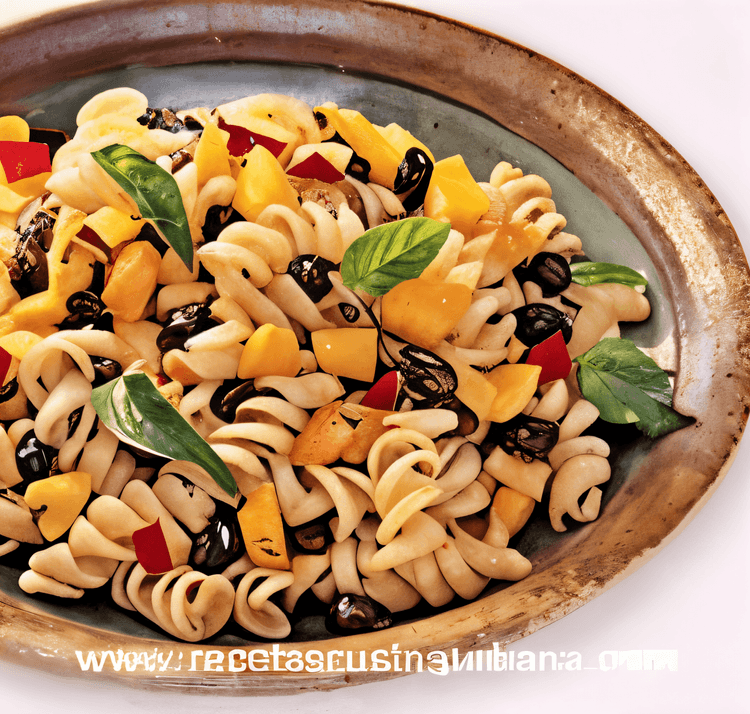
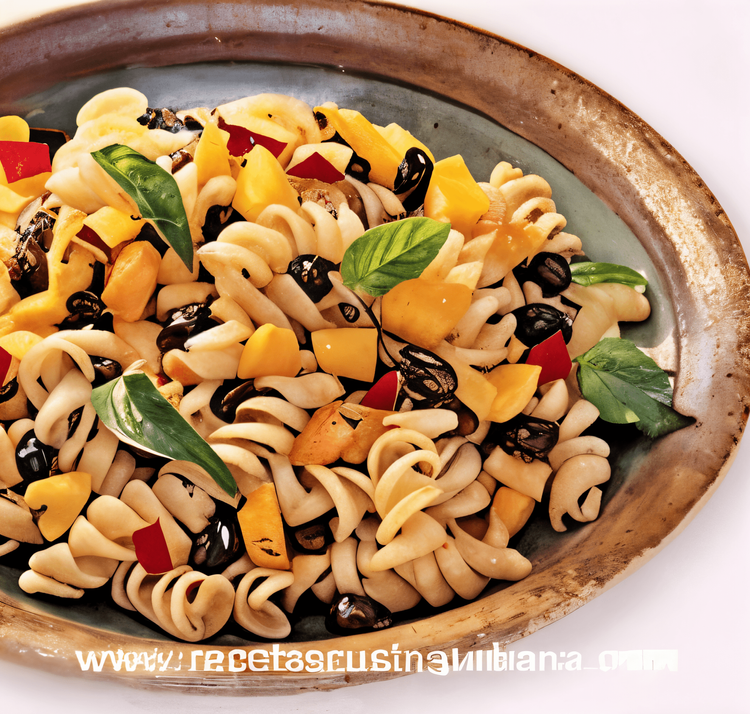
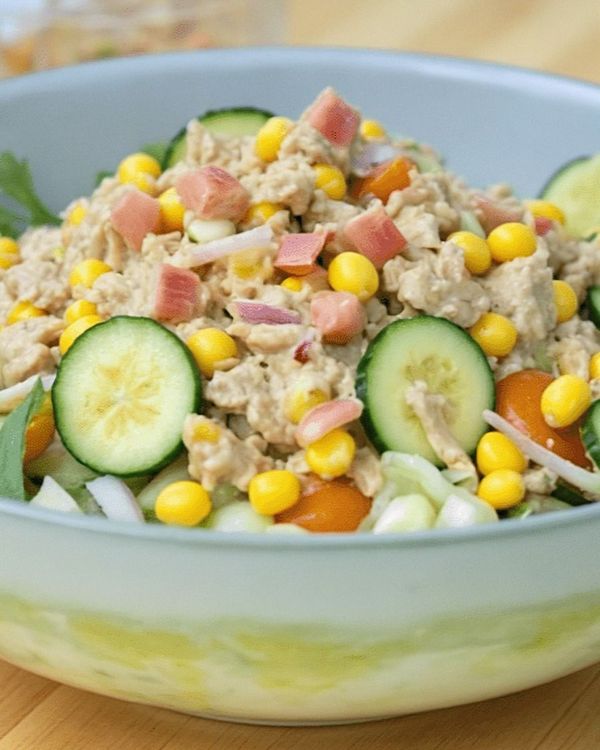
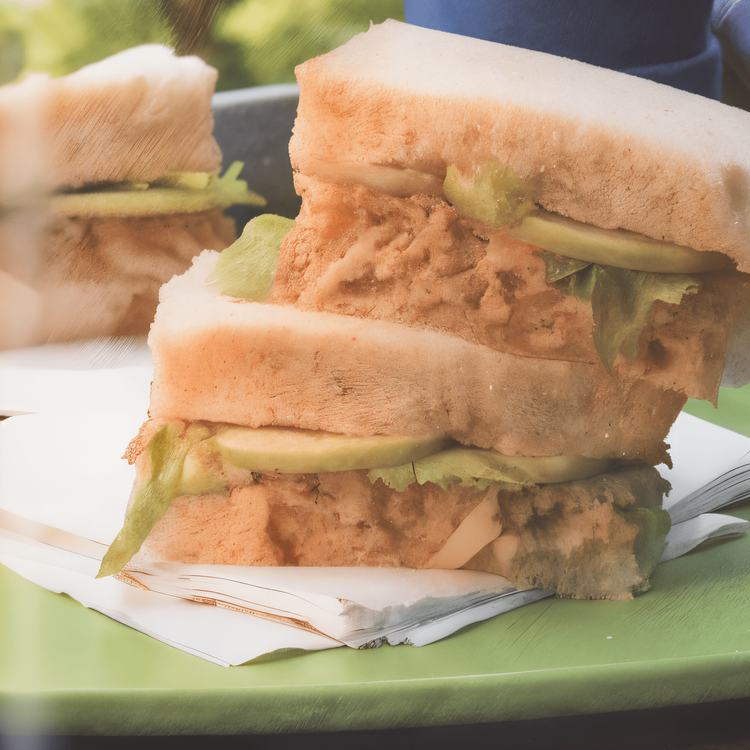
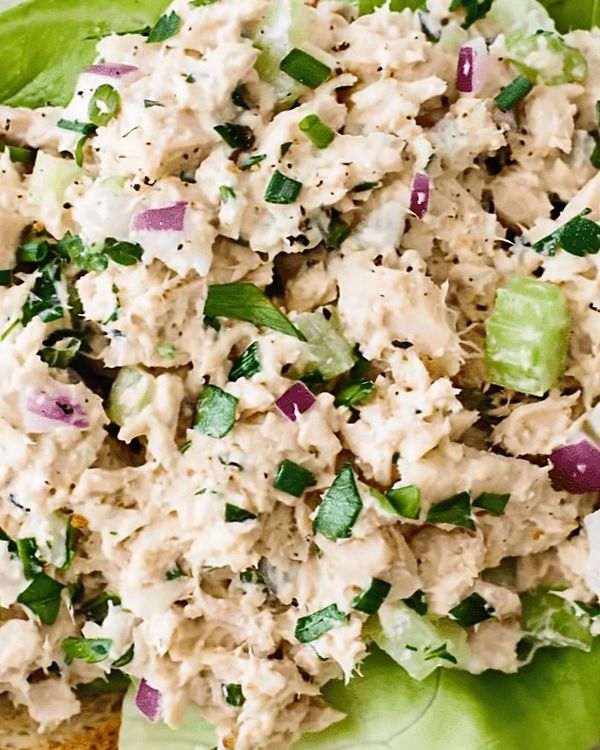
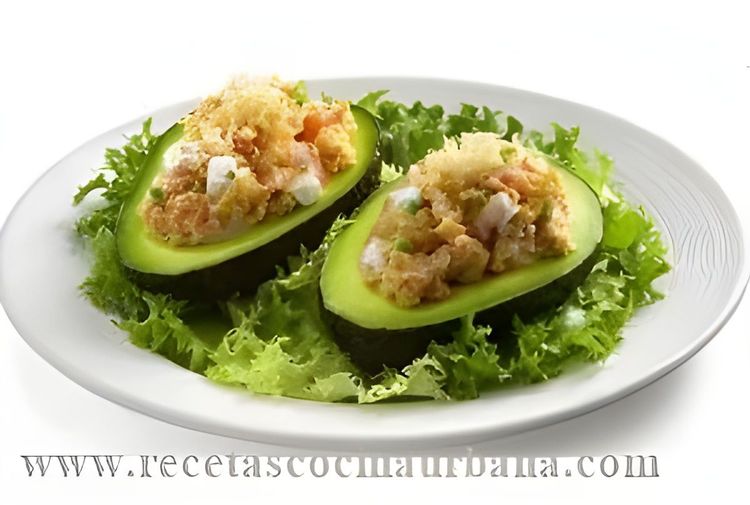
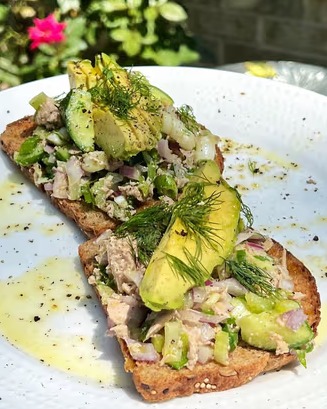
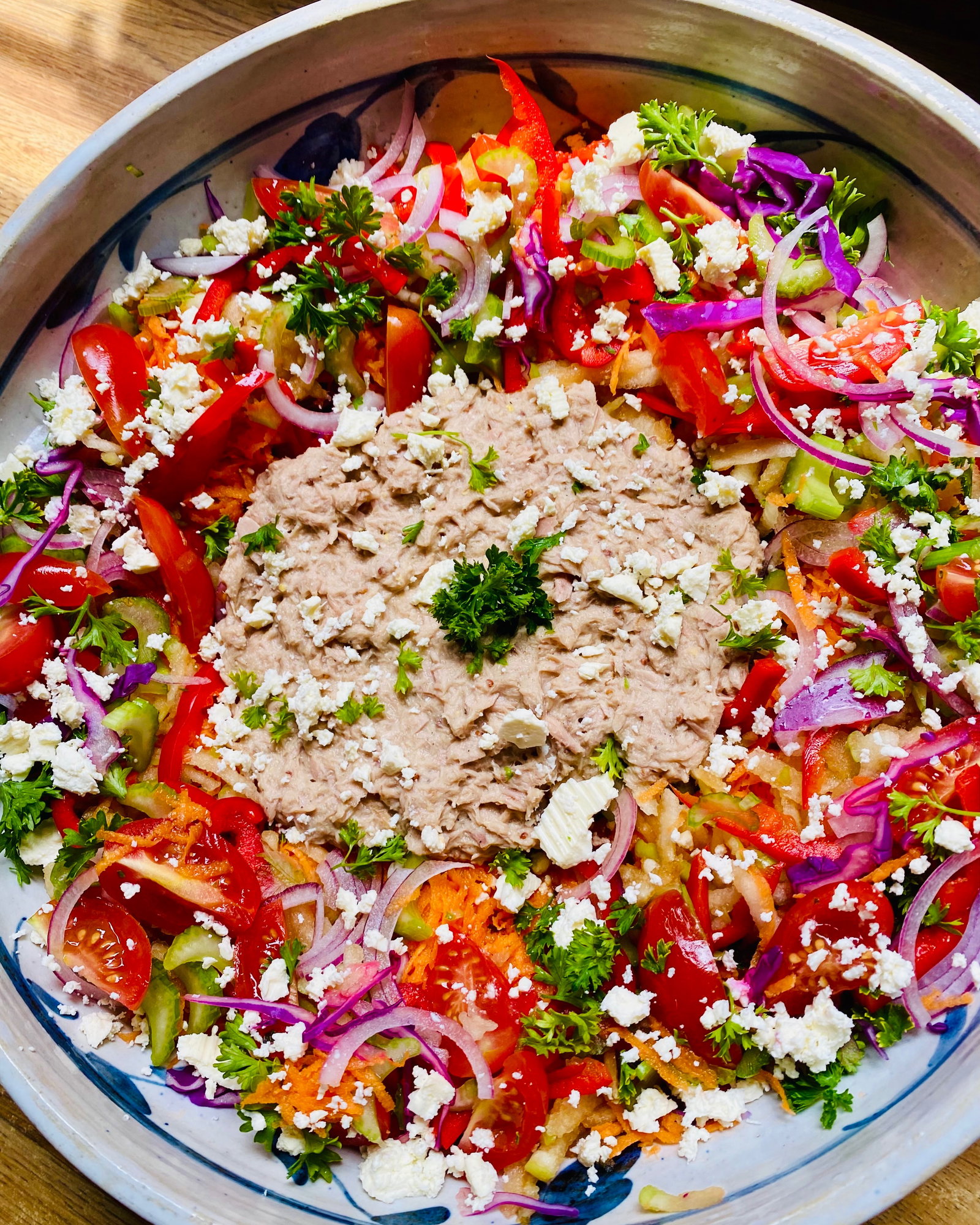
This is where most tuna actually gets eaten, and a great version is far more than tuna and a spoon of mayonnaise. The first move is draining: press the lid down hard over the open can, then press the flakes again in a sieve, because watery tuna dilutes everything you add and leaves the salad slick and dull. Flake it with a fork into rough, bite-sized pieces rather than mashing it to paste, and bind with only enough mayo to coat, cutting some of it with yogurt or a little Dijon for lift. The flavor lives in what comes next: a squeeze of lemon or splash of pickle brine for acid, diced celery, red onion, capers or pickles for crunch and sharpness, and fresh dill or parsley to read as fresh rather than tinned. Season cold and taste again, because chilling mutes salt and acid more than you expect. Then pile it onto toasted bread, scoop it into an avocado or tomato, spoon it over crisp lettuce, or serve it with crackers. Let it rest twenty minutes so the flavors settle before the final taste. Standouts here include Tuna Pasta Salad and Tuna Cucumber Salad, plus Tuna and Apple Sandwich.
- Italian
- Pescatarian
- Salad
- Mediterranean
- Pescatarian
- Lunch
- International
- Pescatarian
- Lunch
- International
- Pescatarian
- Lunch


- Fusion
- Pescatarian
- Dinner


- Pescatarian
- Lunch

- International
- Pescatarian
- Lunch

- Fusion
- Pescatarian
- Dinner


- Pescatarian
- Lunch

- Pescatarian
- Lunch


- American
- Pescatarian
- Lunch

- Pescatarian
- Lunch
- Latin American
- Pescatarian
- Lunch

- Asian
- Pescatarian
- Lunch
- American
- Pescatarian
- Lunch

- Pescatarian
- Lunch
- Japanese
- Pescatarian
- Appetiser

- International
- Pescatarian
- Lunch
- International
- Pescatarian
- Lunch
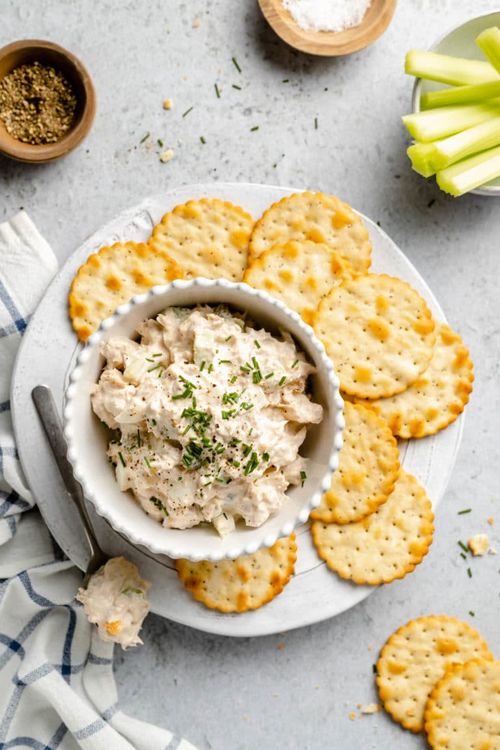
- American
- Pescatarian
- Lunch
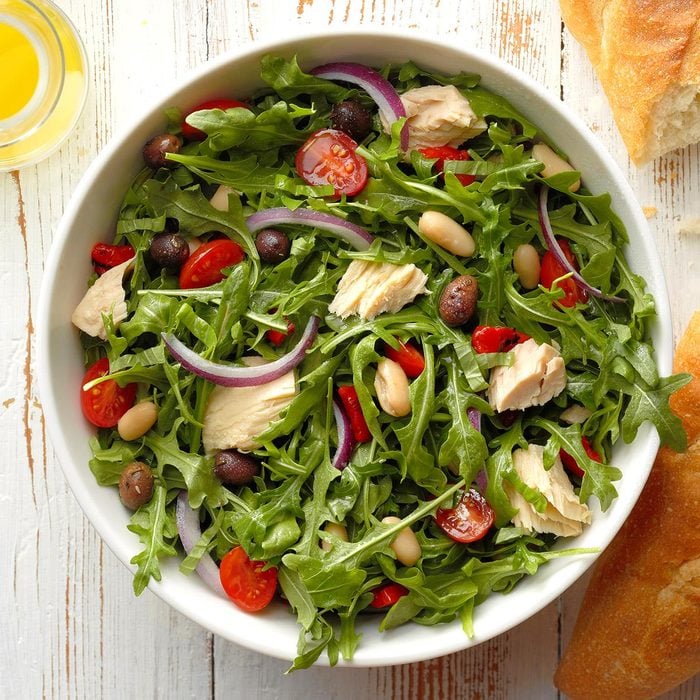
- Mediterranean
- Pescatarian
- Lunch
Tuna Casseroles & Bakes
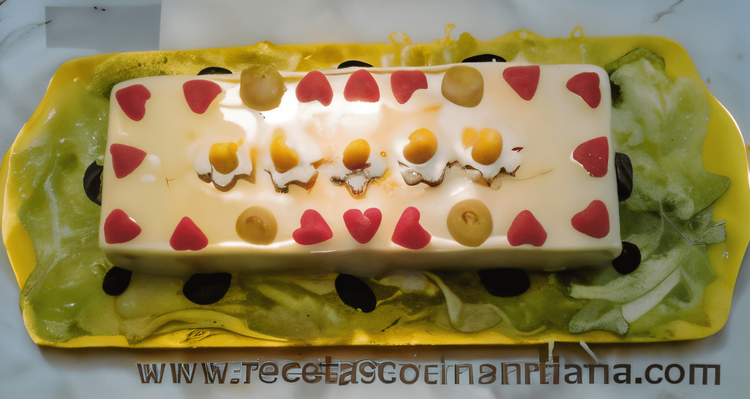
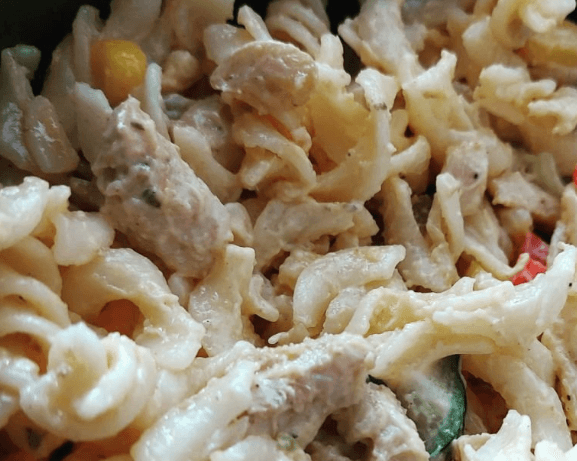
Warm, oven-finished tuna dishes are pure comfort food, and the whole game is keeping the inside moist while the top crisps. Start with a creamy base that pours and coats rather than sitting in a stiff mound — a quick béchamel, a loosened can of condensed soup, or a cheese sauce — and keep it a touch looser than feels right, because both the pasta and the baking time will drink up liquid. Slightly undercook the pasta, pulling it a minute or two before al dente, so it finishes in the sauce instead of overcooking while the top browns. Fold the tuna in last and gently: it is already cooked, so it only needs to warm through, and stirring it in hard just shreds it to mush and dries it out. Season the sauce properly at this stage, since you cannot fix a bland bake once it is in the dish. Finish with a real top for contrast — buttered breadcrumbs, crushed crackers, grated cheese or crispy fried onions — and bake until the edges bubble and the surface turns deep golden. Rest it ten minutes so it portions cleanly rather than sliding off the spoon. Standouts here include Tuna, Egg, and Cheese Casserole and Tuna Loaf, plus Tuna Loaf for Holy Week.
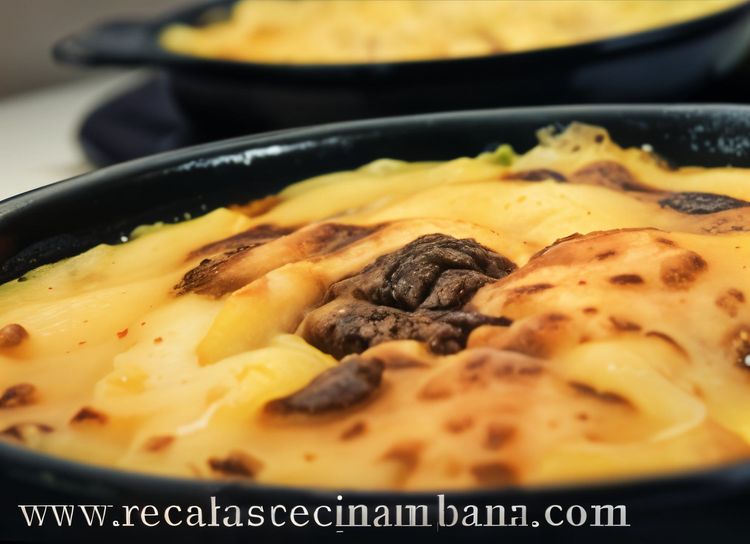
- International
- Pescatarian
- Lunch
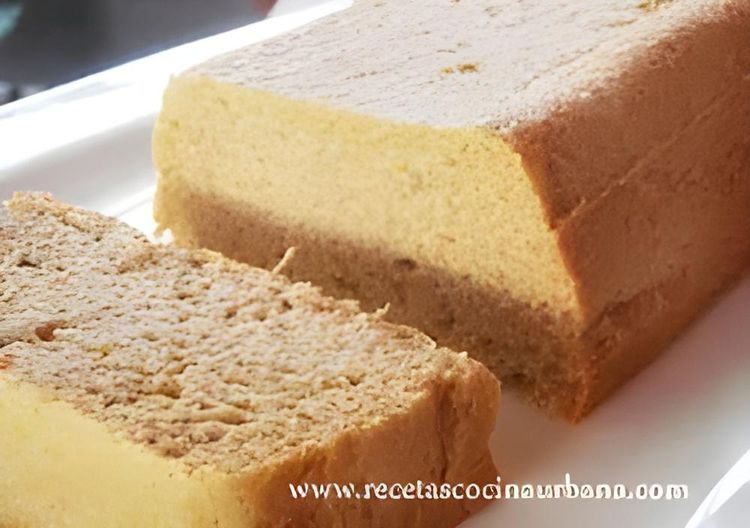
- International
- Pescatarian
- Bread & Baking
- International
- Pescatarian
- Lunch

- American
- Pescatarian
- Lunch
- Latin American
- Pescatarian
- Appetiser
Tuna Patties, Cakes & Melts
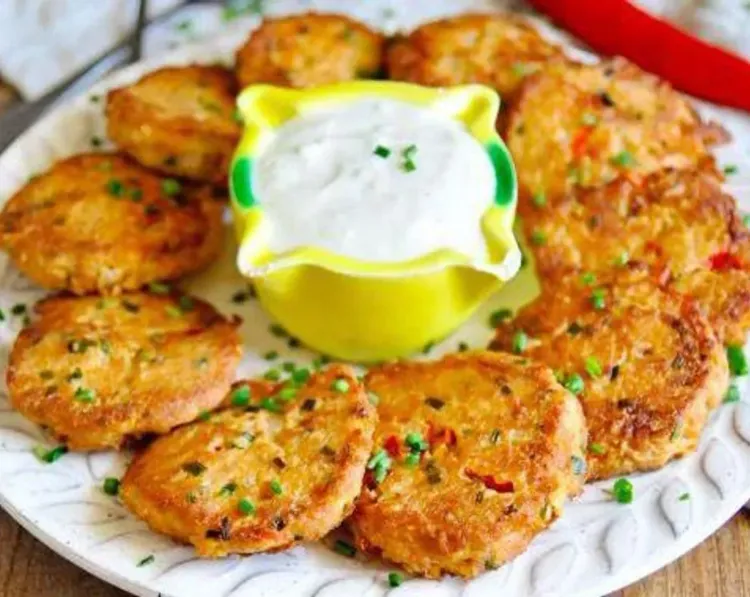
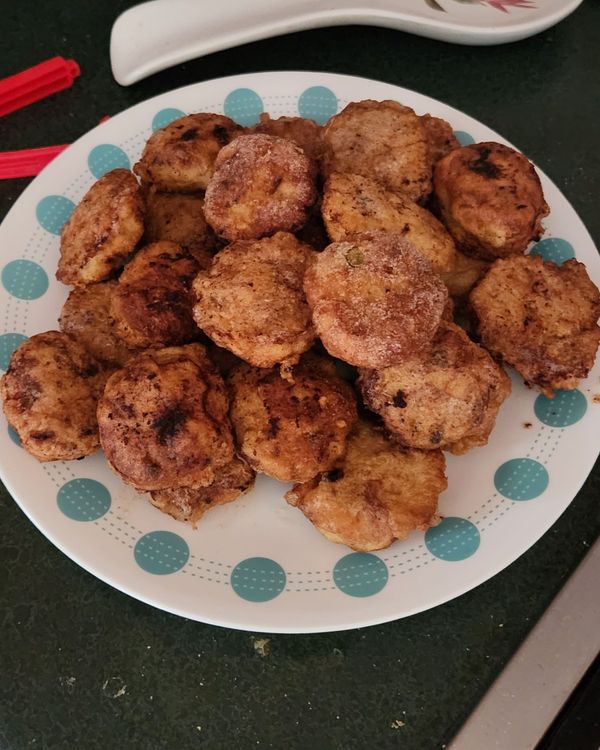
Patties, cakes and melts turn the same drained can into something hot and crisp. For patties and cakes, the texture of the mix is everything: drain the tuna very well, then bind it with beaten egg and a starch — breadcrumbs, crushed crackers or mashed potato — until it is firm enough to shape and hold. Too wet and they collapse the moment they hit the pan. Season the mix boldly with onion, herbs, lemon and pepper, form even patties, and chill them for fifteen to twenty minutes so they firm up before frying. Cook in a thin film of oil over medium heat and, crucially, leave them undisturbed until the underside is deep golden before flipping; moving them early is what makes them break apart. The melt is the open-faced cousin: pile a well-seasoned tuna mixture onto toasted bread, blanket it with cheese, and broil or griddle just until the cheese bubbles and the edges of the bread crisp. Keep the tuna on the drier side here too, or the bread goes soggy under the heat. Both reward a hot surface and a patient hand. Standouts here include Tuna Cakes and Crispy Tuna Cutlet, plus Spicy Tuna Cakes.
- Mediterranean
- Pescatarian
- Appetiser
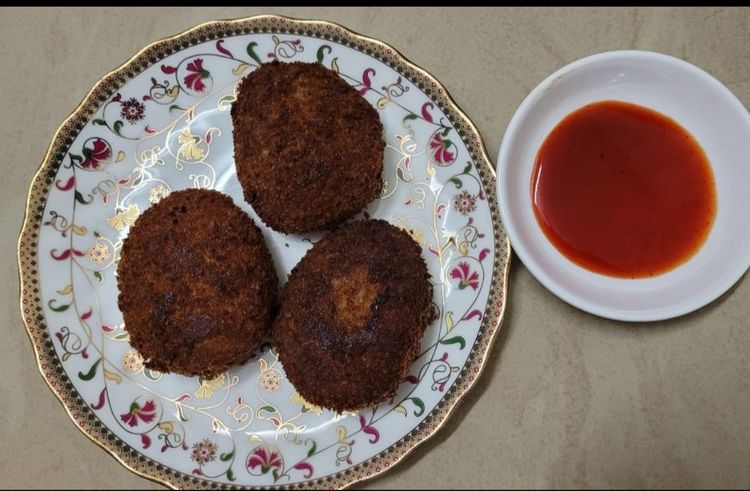
- Indian
- Pescatarian
- Appetiser
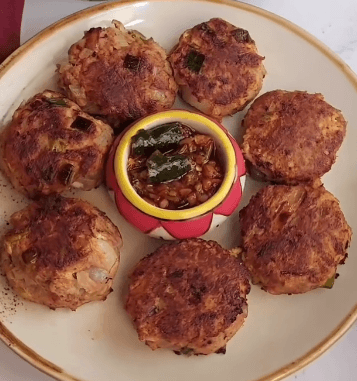

- Seafood
- Pescatarian
- Appetiser
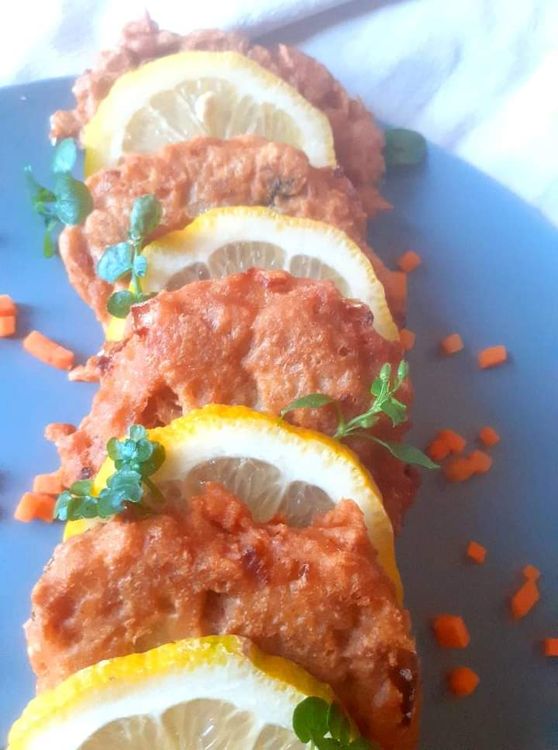

- International
- Pescatarian
- Snack
Tuna Pasta, Rice & Steaks
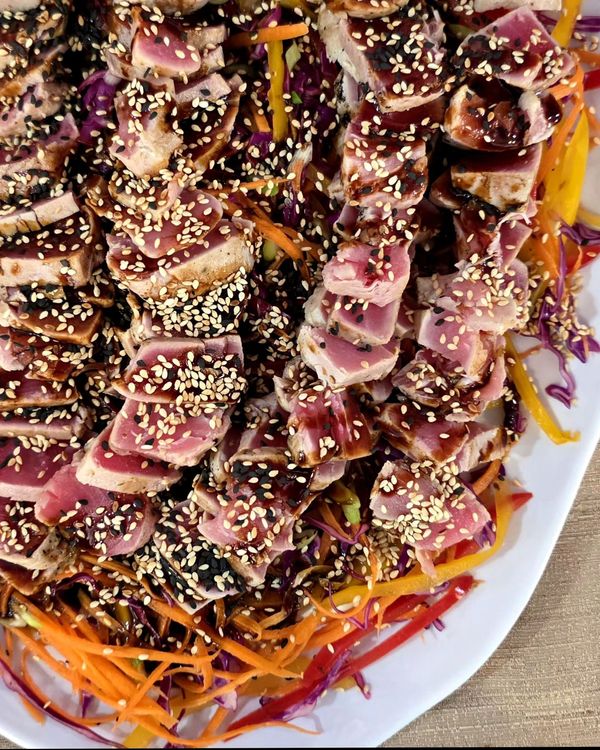
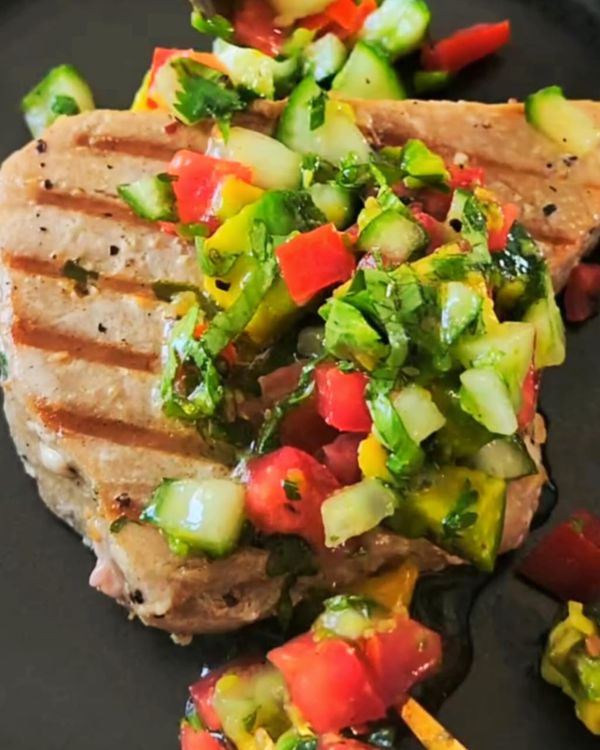
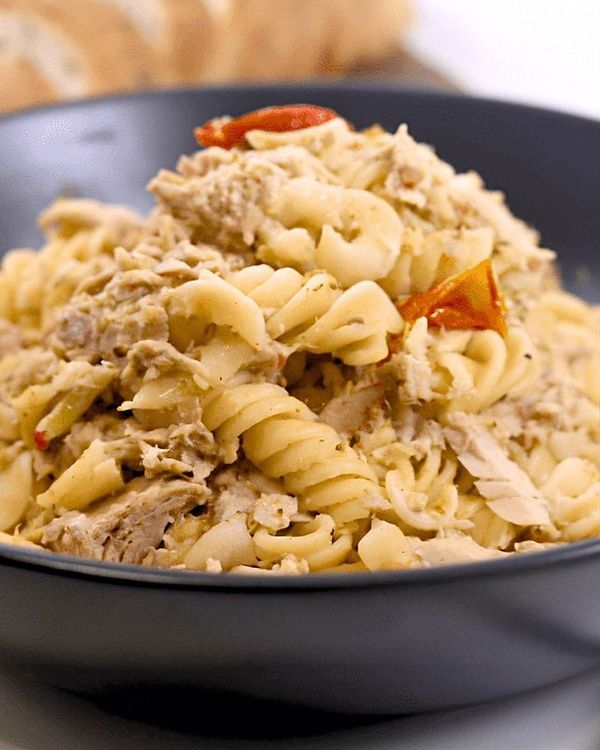
This cluster splits in two: canned tuna stirred through a fast pasta or rice bowl, and fresh tuna steaks seared on their own. For the canned side, the rule is to add the tuna at the very end, off the heat or with the pan just turned down, so it warms through and breaks into flakes through the dish without drying out or going to mush. Oil-packed tuna is especially good here, because its flavorful oil melts into the sauce. Build the pasta or rice around bold partners — garlic, chilli, lemon, capers, olives, tomatoes — that stand up to tuna's richness, and toss gently so the flakes stay intact. Fresh tuna steaks are the opposite discipline: pat them bone-dry, oil and season them, then sear in a ripping-hot pan for only one to two minutes a side so the crust browns while the center stays rosy and rare. Cooking a steak through turns it dry and chalky, so pull it early, rest it a couple of minutes, and slice across the grain. A sesame crust or a soy-ginger marinade suits its meaty flavor. Sliced over rice or noodles, a seared steak makes a fast, restaurant-worthy bowl. Standouts here include Tuna Rice and Tuna, Zucchini & Tomato Pasta, plus Crispy Rice Tuna.
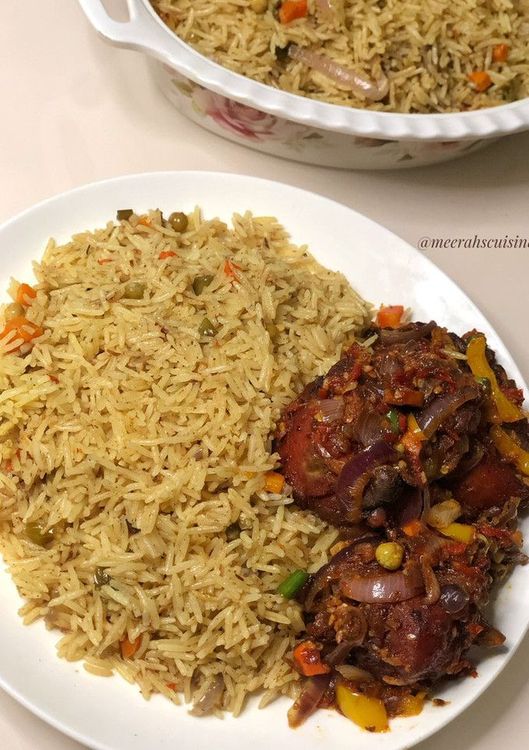

- African
- Pescatarian
- Lunch
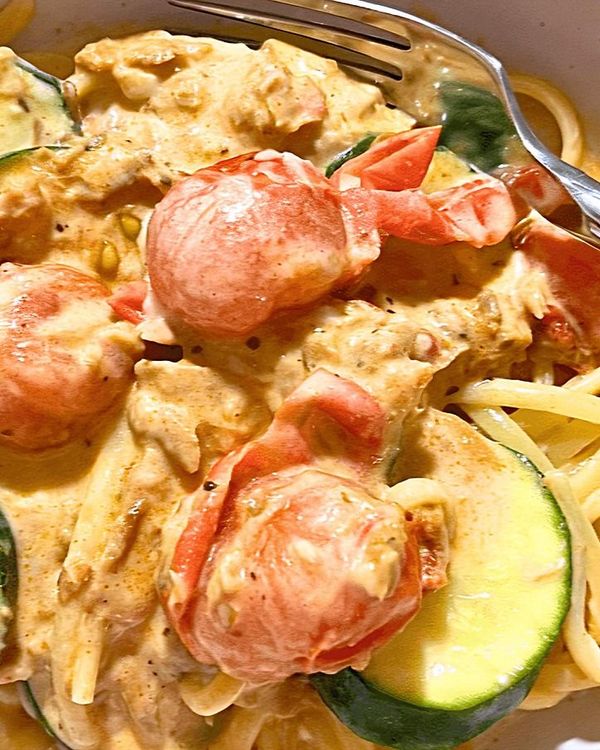
- Italian
- Vegetarian
- Lunch


- Pescatarian
- Snack
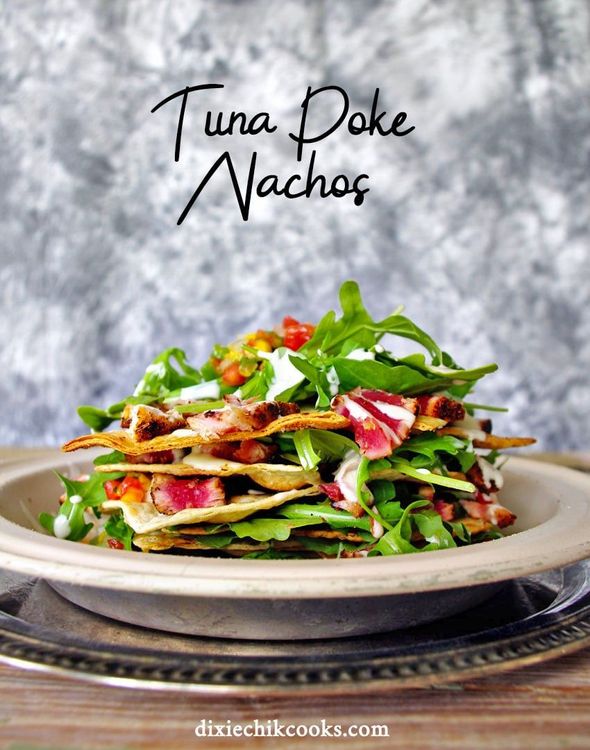

- Fusion
- Pescatarian
- Appetiser
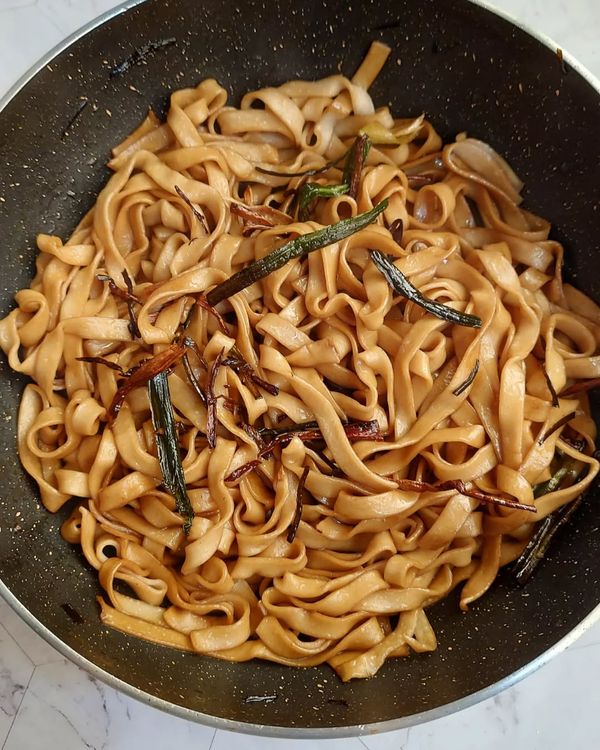
- East Asian
- Dairy-Free
- Dinner
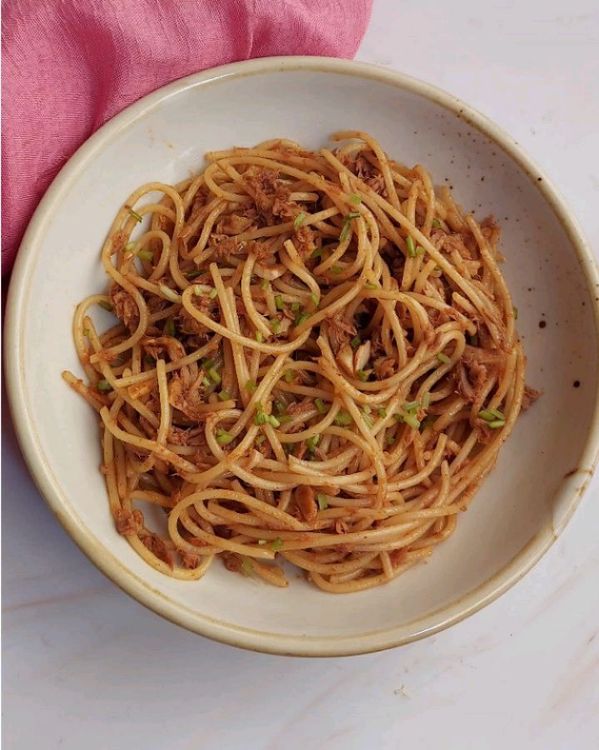
- Italian
- Pescatarian
- Dinner
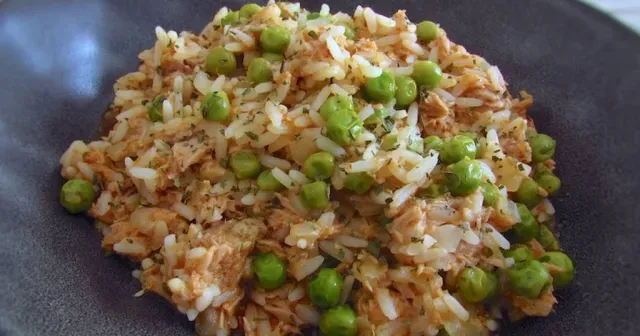
- Portuguese
- Pescatarian
- Lunch
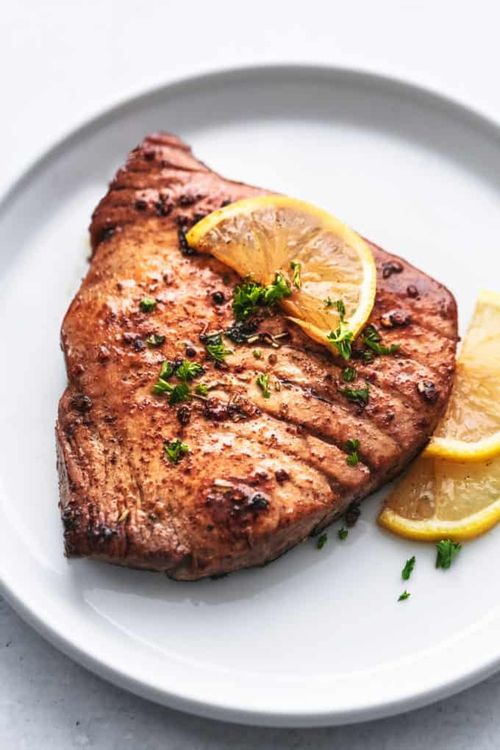
- American
- Pescatarian
- Lunch

- Fusion
- Pescatarian
- Dinner
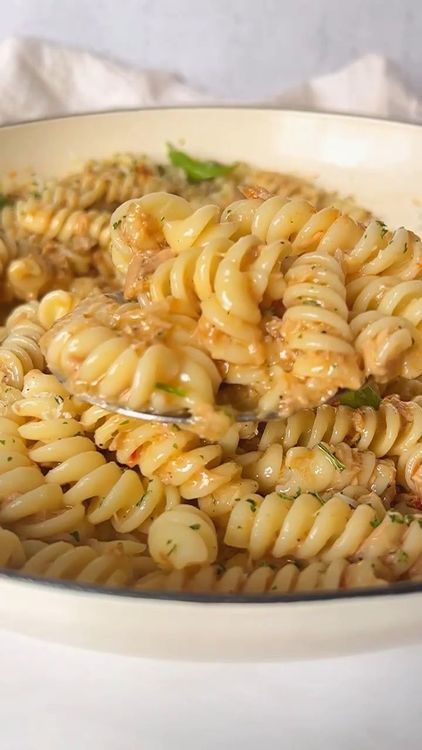
- Italian
- Pescatarian
- Dinner
More Tuna Favourites
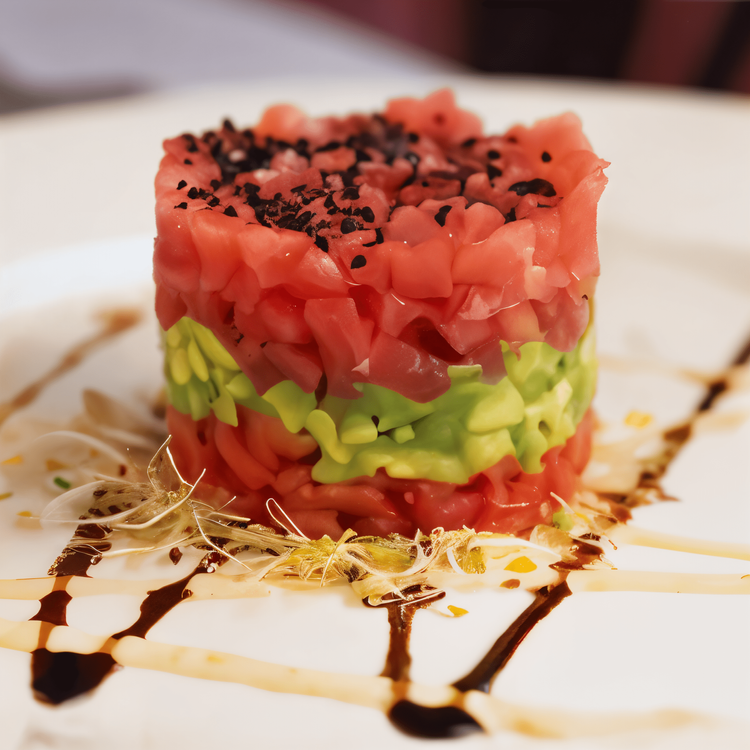
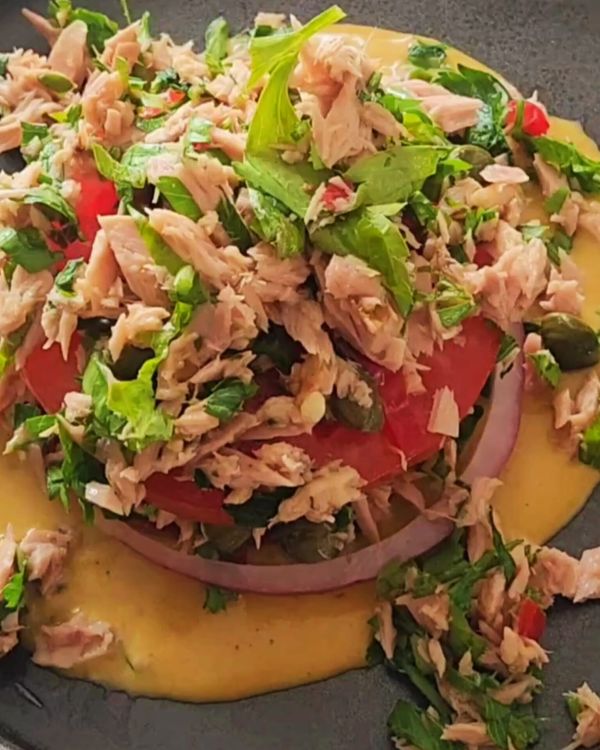
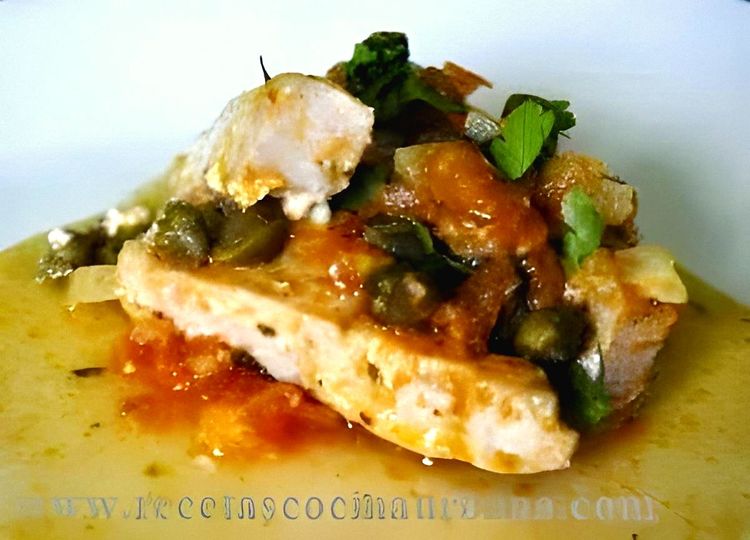
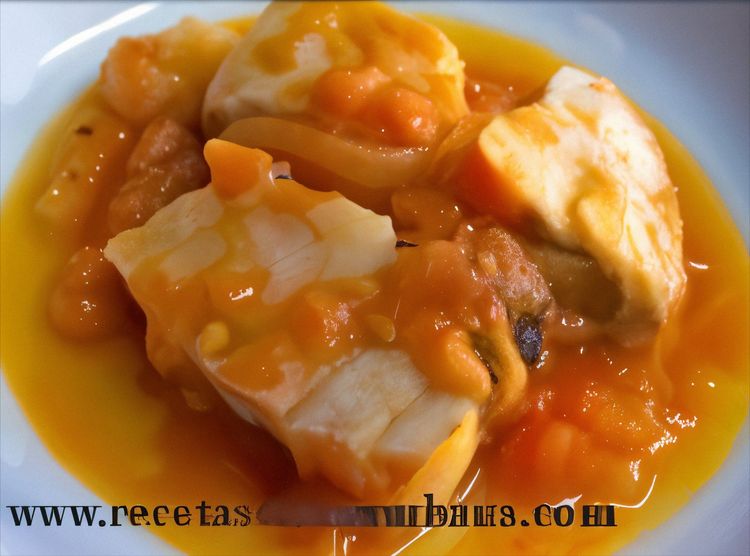
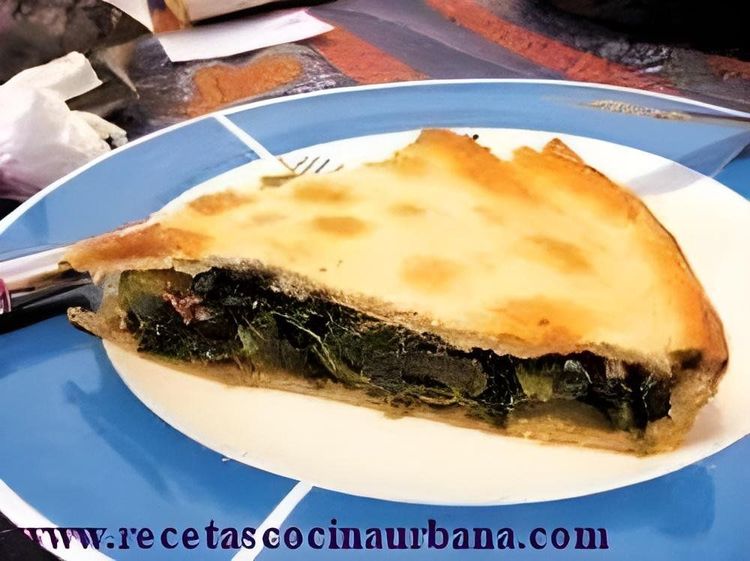
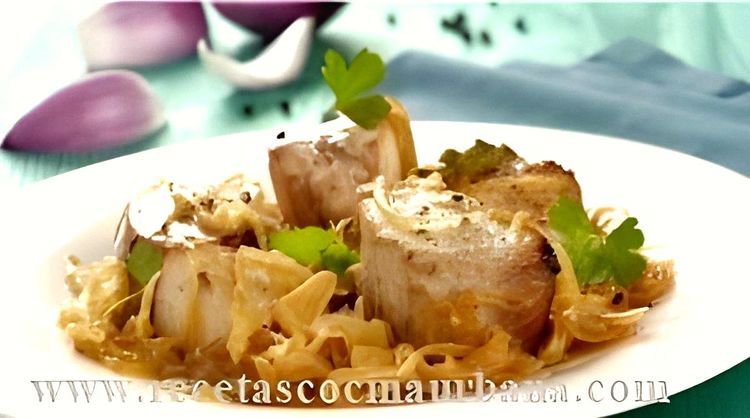
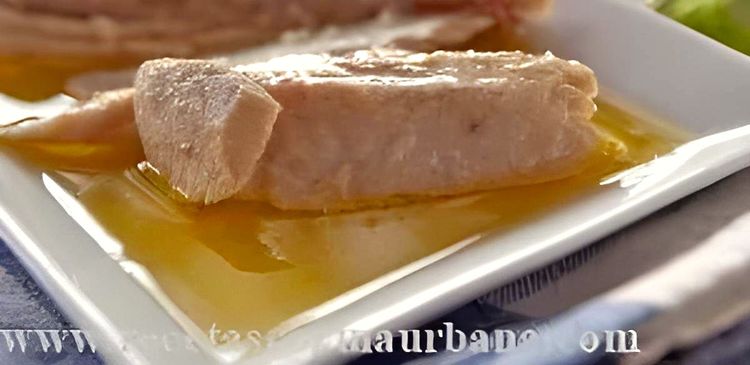
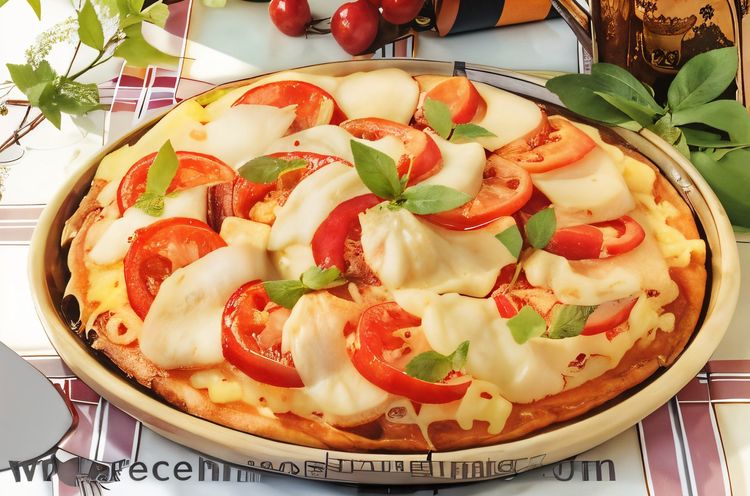
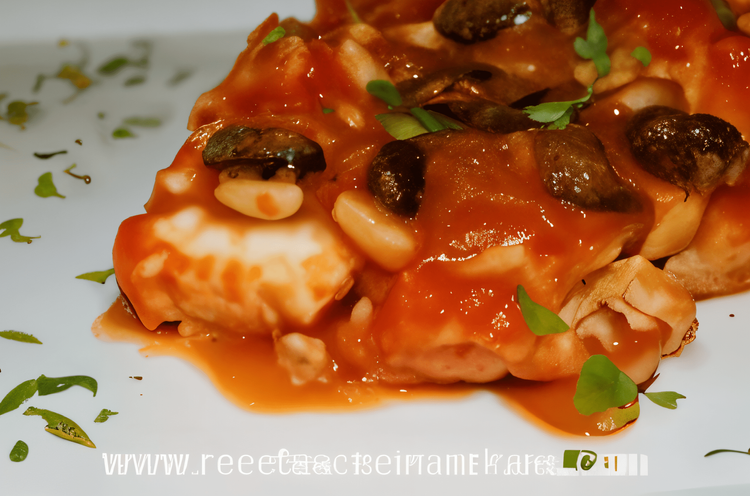
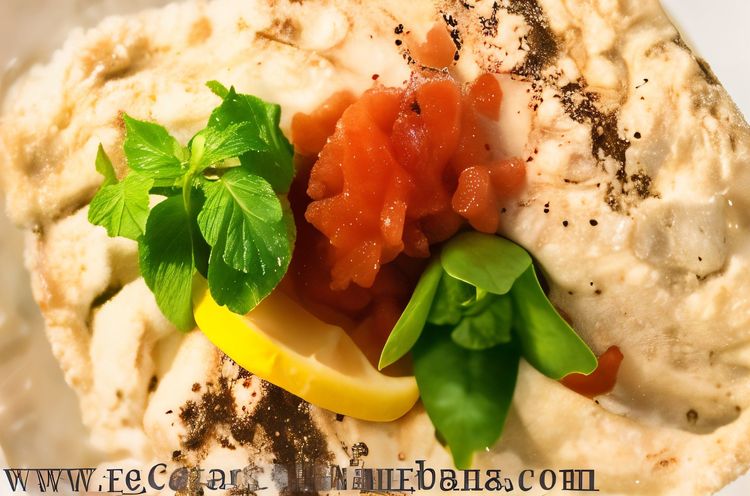
A few tuna dishes never quite fit a single category, and these are the ones worth keeping once the staples feel routine. They lean on the same handful of instincts you already know — drain hard and flake rather than mash for anything canned, season more boldly than seems necessary because tuna mutes flavor, warm the cooked fish gently so it never dries out, and treat fresh steaks like lean beef that wants a hot, fast sear. What changes is the format and the accent, whether that is a stuffed vegetable, a chilled niçoise-style plate, a quick dip or a fusion bowl. Picking your next one is mostly about matching effort to mood: reach for a no-cook salad or wrap on a busy night when you want lunch in five minutes, and save the seared-steak or oven-baked numbers for when you have a little more time and want something that feels like a proper meal. Pay attention to whether the tuna is the star or a background protein, and season accordingly. Think of this group as the natural next step after the classics, the recipes that quietly earn a regular spot in the rotation. Standouts here include Tuna Crudo with Tomato and Tuna with Capers and Black Olives, plus Tuna with Tomatoes.

- Pescatarian
- Appetiser
- Mediterranean
- Pescatarian
- Dinner
- Mediterranean
- Pescatarian
- Lunch
- Mediterranean
- Pescatarian
- Lunch
- Mediterranean
- Pescatarian
- Lunch
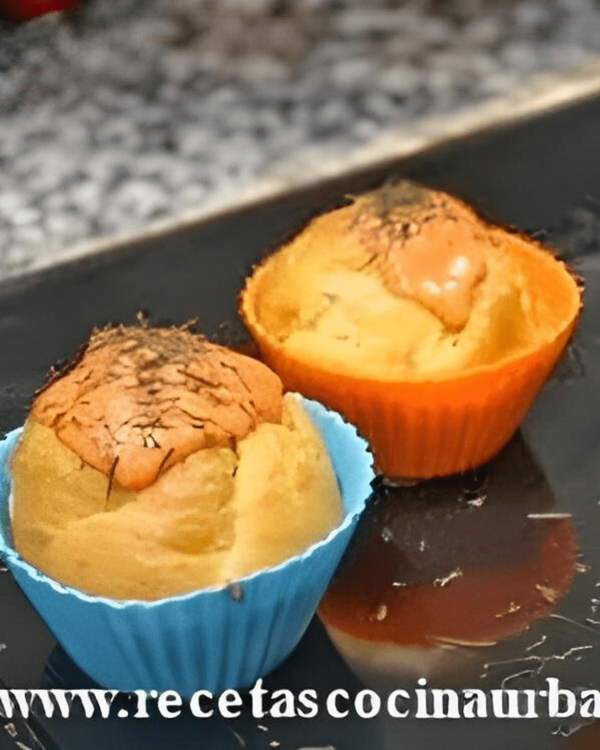
- International
- Pescatarian
- Lunch
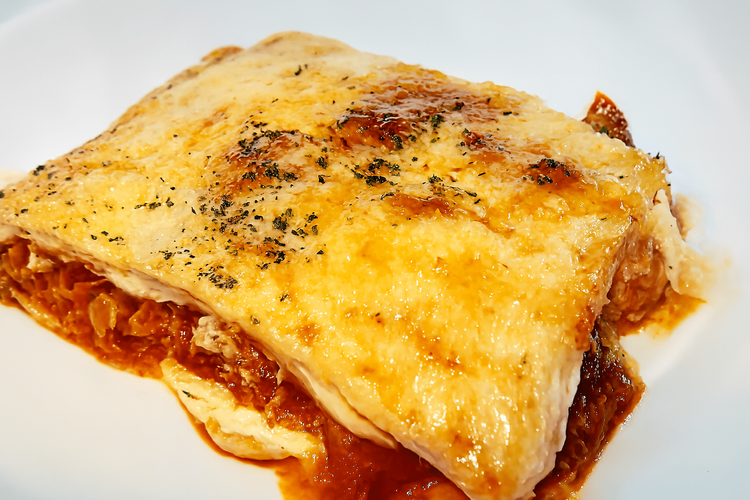
- Italian
- Pescatarian
- Lunch
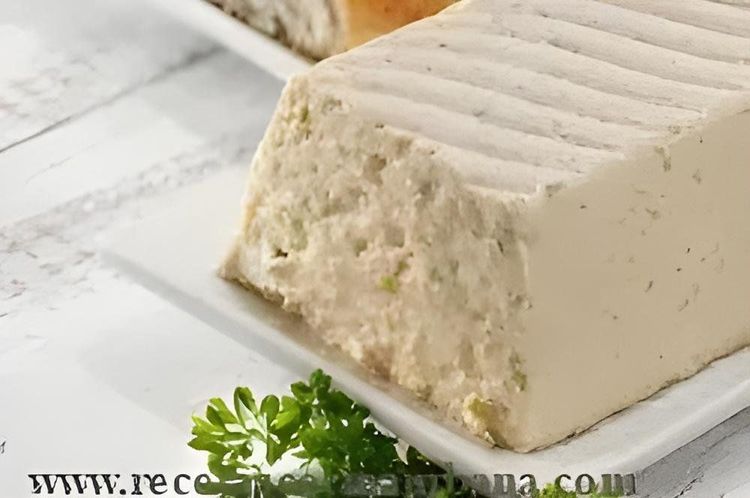
- French
- Pescatarian
- Appetiser
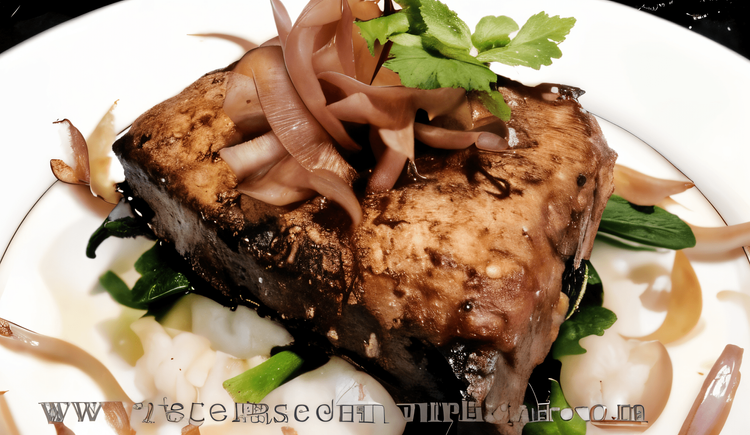
- Mediterranean
- Pescatarian
- Lunch
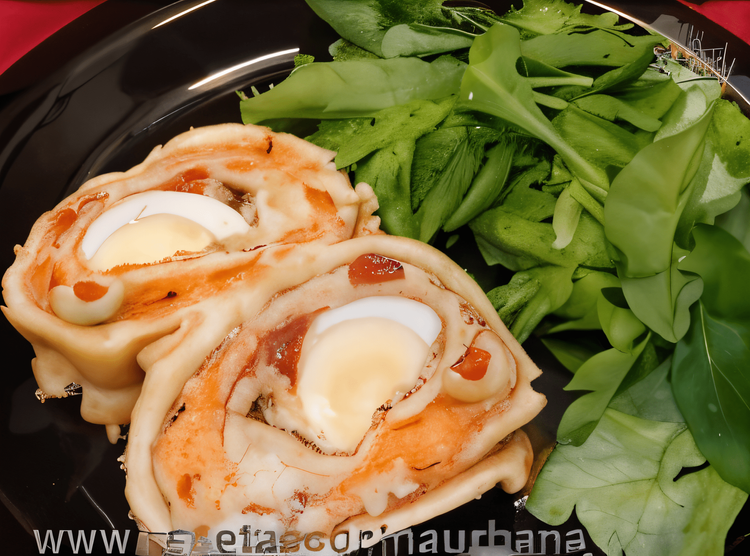
- Argentinian
- Pescatarian
- Appetiser
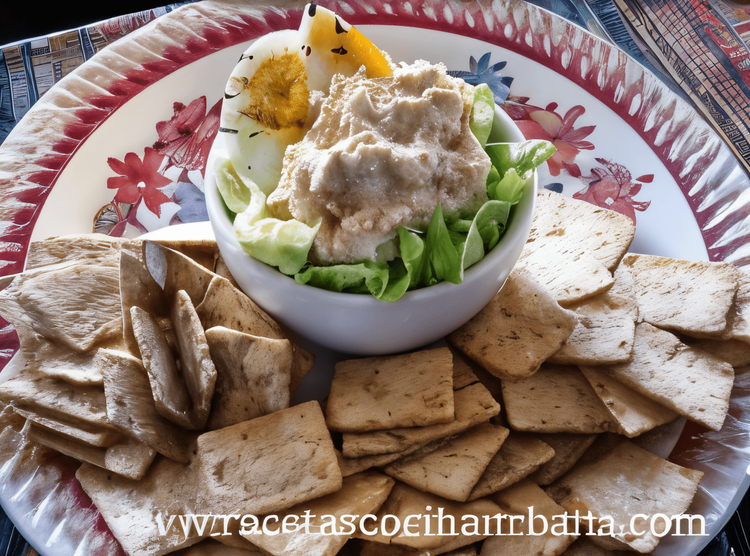
- French
- Pescatarian
- Appetiser
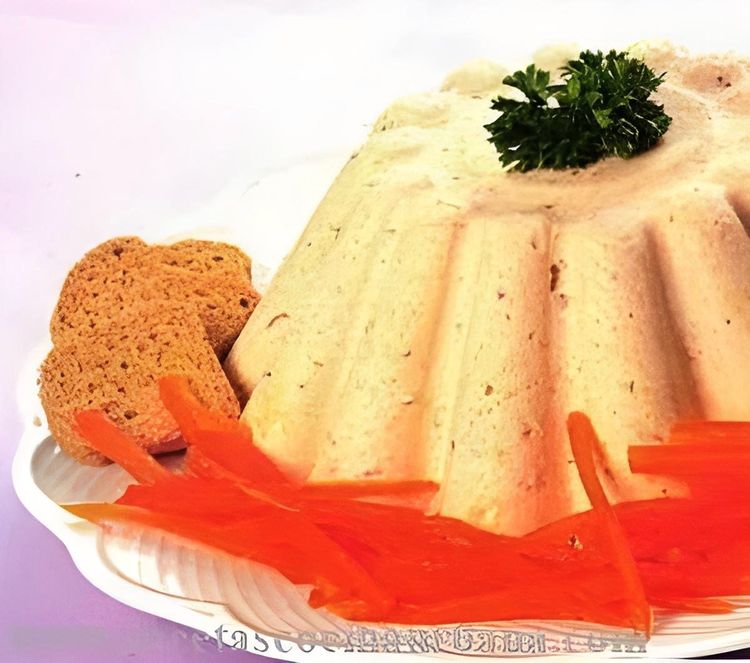
- International
- Pescatarian
- Appetiser
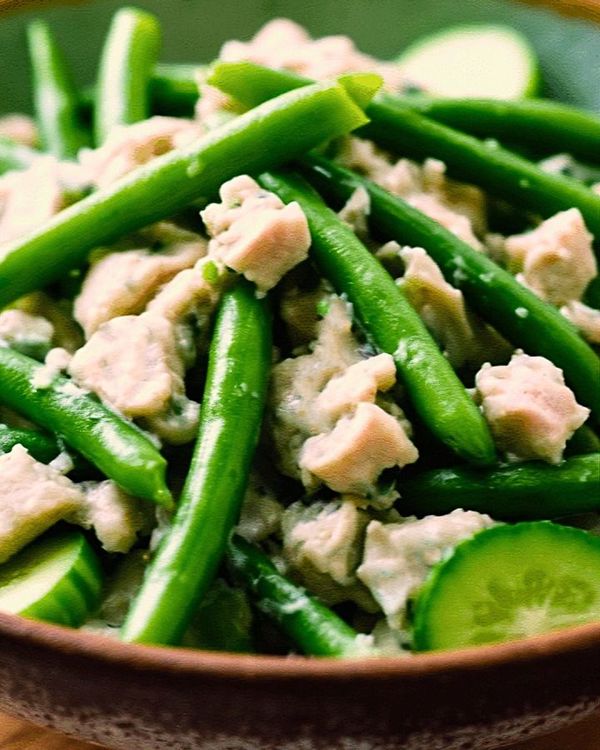
- Mediterranean
- Pescatarian
- Lunch
- Mediterranean
- Pescatarian
- Lunch

- Pescatarian
- Appetiser

- Pescatarian
- Appetiser
- Mediterranean
- Pescatarian
- Appetiser
- Mediterranean
- Pescatarian
- Lunch
- Sicilian
- Pescatarian
- Lunch
- Mediterranean
- Pescatarian
- Appetiser

- Portuguese
- Pescatarian
- Lunch
- Indian
- Pescatarian
- Appetiser
Buying & Draining Canned Tuna
Start with the can itself, because it sets a ceiling on the dish. Tuna packed in olive oil is richer, moister and more forgiving, and it makes a better salad or pasta where you want some of that oil to carry flavor. Tuna in water (or spring water) is leaner and lets you control the fat with your own mayo or dressing, which suits melts and bakes. Solid or chunk light tuna flakes into firmer pieces; flaked or shredded tuna goes softer and is fine for casseroles where it disappears into a sauce.
Draining is the step most people rush. Press the lid down hard over the open can and pour off every drop, then tip the tuna into a sieve and press again with a fork or your palm. Watery tuna dilutes the dressing, thins a sauce and makes a patty mix that will not hold together. For oil-packed tuna you can reserve a spoonful of that flavorful oil to fold back in, but the brine from water-packed cans should go down the drain — it tastes of nothing but salt and tin.
Flake, do not mash. Break the drained tuna apart with a fork into rough, bite-sized flakes and stop there. Over-working it past that point shears the fibers into a wet paste that turns gluey once dressed, and you lose the meaty texture that makes good tuna satisfying. Taste a flake plain first: that tells you how much salt, acid and fat you actually need to add rather than seasoning blind.
Building a Tuna Salad That Is Not Bland
A good tuna salad is a balancing act, not just tuna plus mayo. Bind with only enough mayonnaise to coat — too much and it turns into a slick, heavy scoop with no tuna flavor left. Many cooks cut half the mayo with plain yogurt or a spoon of Dijon for tang and lift. The mistake is treating mayo as the flavor; it is the glue. The flavor comes from everything else you add to it.
Build in acid, crunch and aromatics deliberately. A squeeze of lemon or a splash of pickle brine wakes the whole bowl up; finely diced celery, red onion, pickles or capers give the crunch and sharpness that keep each bite interesting; and fresh herbs like dill, parsley or chives read as fresh rather than tinned. Salt and pepper go in at the end, tasted cold, because chilled tuna salad always needs more seasoning than the same mix tastes warm.
Let it rest, then taste again. Twenty minutes in the fridge lets the flavors marry and the dressing settle into the flakes, and it is almost always at that point that the salad reveals it needs another pinch of salt or a final squeeze of lemon. Serve it cold: piled on toasted bread for a sandwich, scooped into an avocado or tomato, spooned over crisp lettuce, or alongside crackers. A watery salad usually means the tuna was not drained hard enough.
Keeping a Tuna Bake Moist
The classic failure of a tuna casserole is a dry, claggy interior. The fix is to keep the sauce a touch looser than you think it should be before it goes in the oven, because the pasta and the baking time will both drink up liquid. A creamy base — a quick béchamel, a can of condensed soup loosened with milk, or a cheese sauce — should pour and coat, not sit in a stiff mound. If it looks thick in the pot, thin it with a splash of milk or stock before folding everything together.
Fold the tuna in last and gently. The tuna is already cooked, so its only job in the oven is to warm through; stirring it in early and hard just shreds it into mush and dries it out. Slightly undercook the pasta — pull it a minute or two before al dente — so it finishes in the sauce rather than overcooking into softness while the top browns. Season the sauce well at this stage; a bland sauce makes a bland bake, and you cannot fix it once it is in the dish.
The contrast of textures is what makes a bake worth eating, so give it a proper top. Breadcrumbs tossed in melted butter, crushed crackers, grated cheese or crispy fried onions all crisp and brown under the heat and give you that crunch against the soft, creamy inside. Bake until the edges bubble and the top is deep golden, then rest it ten minutes so the sauce sets enough to serve in neat portions instead of sliding off the spoon.
Searing Fresh Tuna Steaks
Fresh tuna is lean and dense, so treat it like a steak and cook it fast and hot. Start by patting the steaks completely dry; surface moisture is what stops a crust forming and makes the pan spit. Brush them lightly with oil rather than oiling the pan, season generously with salt and pepper or a quick marinade, and bring the steaks close to room temperature so they sear evenly instead of going cold and grey in the middle.
Get the pan genuinely ripping before the tuna goes near it — a heavy skillet or grill pan over high heat until it is just starting to smoke. Lay the steak down and leave it alone; ninety seconds to two minutes a side is plenty for a steak around an inch thick, and that gives you a browned crust with a rosy, rare-to-medium-rare center. Sushi-grade tuna can go even rarer, seared just enough to firm the outer few millimeters. The single biggest mistake is cooking it through: tuna cooked to well-done turns dry, pale and chalky, like canned tuna but worse.
Rest it briefly and slice across the grain. Two or three minutes off the heat lets the juices settle, then cut the steak into slices against the grain so each bite stays tender. A sesame crust, a soy-and-ginger marinade, a salsa or a squeeze of citrus all suit tuna because its meaty richness can carry bold flavors. If the idea of rare tuna worries you, buy from a trusted source and look for sushi-grade or sashimi-grade fish, which is handled for raw or barely-cooked use.
Pro Tips from the Test Kitchen
- Drain canned tuna hard — press the lid down and then press again in a sieve; watery tuna ruins salads, sauces and patties.
- Flake tuna with a fork rather than mashing it; over-working shears it into a gluey paste and loses the meaty texture.
- Use just enough mayo to coat a tuna salad — cut some with yogurt or Dijon so the tuna flavor is not buried.
- Season cold tuna salad harder than it seems to need; chilling mutes salt, acid and pepper.
- Add lemon, pickle brine or capers for acid and celery or red onion for crunch so each bite stays interesting.
- Keep casserole sauce looser than you think before baking — pasta and the oven both absorb liquid.
- Fold tuna into a bake last and gently; it is already cooked and only needs to warm through.
- Top a tuna bake with buttered breadcrumbs, crushed crackers or cheese for crunch against the creamy inside.
- Pat fresh tuna steaks bone-dry and sear them hard and fast, 1–2 minutes a side, for a rosy center.
- Never cook tuna steaks well-done — they go dry and chalky; pull them while the center is still pink.
Frequently Asked Questions
How do you make tuna salad taste better?
Drain the tuna hard so the dressing is not diluted, then build flavor beyond the mayo. Cut some of the mayo with yogurt or Dijon, add acid from lemon or pickle brine, crunch from celery, red onion or pickles, and fresh herbs like dill or parsley. Season cold and taste again, because chilled tuna mutes salt and acid more than you expect.
Is canned tuna in oil or water better?
It depends on the dish. Oil-packed tuna is richer, moister and more flavorful, ideal for salads and pasta where you can use some of the oil. Water-packed tuna is leaner and lets you control the fat with your own dressing, which suits melts and bakes. Both work well; just drain whichever you use thoroughly before using it.
How do you keep a tuna casserole from being dry?
Keep the sauce looser than it looks like it should be, because the pasta and the baking time both absorb liquid. Slightly undercook the pasta so it finishes in the oven, fold the already-cooked tuna in last so it only warms through, and bake just until the edges bubble and the top browns. Resting it ten minutes lets the sauce set without drying out.
How long do you cook a tuna steak?
Very briefly. Over high heat in a ripping-hot pan, a steak about an inch thick needs only 1 to 2 minutes per side for a seared crust and a rosy, rare-to-medium-rare center. Sushi-grade tuna can be seared even less. Cooking it through turns tuna dry and chalky, so pull it while the center is still pink and rest it a couple of minutes before slicing.
Can you eat tuna steak rare or raw?
Yes, if it is fresh and from a trusted source. Look for sushi-grade or sashimi-grade tuna, which is handled for raw or lightly-cooked use, and tuna is most often served seared rare or even raw for that reason. If you are unsure of the source or serving someone vulnerable, cook it through, accepting that it will be firmer and drier than a rare sear.
How do you make tuna patties that hold together?
Drain the tuna very well, then bind it with beaten egg and a starch such as breadcrumbs, crushed crackers or mashed potato until the mix is firm enough to shape. Too wet and the patties fall apart in the pan. Chill the formed patties for fifteen to twenty minutes to firm up, then pan-fry in a thin film of oil over medium heat, undisturbed, until each side is golden and crisp.
What goes well with tuna?
Tuna pairs with bright, sharp and crunchy partners that cut its richness: lemon, capers, pickles, red onion, celery, olives and fresh herbs like dill and parsley. Creamy elements such as mayo, avocado and cheese balance it in salads and melts, while soy, ginger, sesame and citrus suit seared fresh steaks. Pasta, rice, crisp lettuce and toasted bread are the usual carriers.
Is canned tuna already cooked?
Yes. Canned tuna is cooked during the canning process, so it is ready to eat straight from the can in salads, sandwiches and wraps with no further cooking. When you add it to a hot dish like a casserole or pasta, you are only warming it through, which is why it should go in at the end and be handled gently to keep it from drying out or turning to mush.
How long does tuna salad last in the fridge?
Made with mayonnaise, tuna salad keeps about three to five days in an airtight container in the fridge, and it is best within the first couple of days. Keep it cold, do not leave it out at room temperature for more than two hours, and give it a stir and a taste before serving leftovers, as the dressing settles. Discard it if it smells off or the texture turns watery and slick.
What is the difference between canned and fresh tuna?
Canned tuna is cooked, flaky, mild and shelf-stable, built for quick salads, melts and bakes. Fresh tuna is a dense, meaty steak that behaves like lean beef, prized for searing rare. They are not interchangeable: canned tuna goes into cold or gently warmed dishes, while fresh steaks want fast, high-heat cooking and are ruined by the long, low handling that suits the can.
The thread through every tuna recipe here is moisture and restraint. With the can, that means draining hard, flaking rather than mashing, seasoning boldly and warming gently so it never dries into paste. With fresh steaks, it means the opposite kind of discipline: searing hot and fast and pulling the fish while the center is still rosy. Get those two instincts right and salads, melts, bakes and steaks all fall into place.
Pick three to cook this week — a sharp tuna salad, a comforting bake and a quick-seared steak — and save your favorites to a Chefadora cookbook. Then work through the rest. This page is built to be the tuna reference you actually come back to, whether you are reaching for a pantry can on a Tuesday or a fresh steak on the weekend.
Related
- Tuna
- Seafood
- Canned Fish
- Quick Meals
- High Protein
- Lunch
- Pasta
- Salad
Popular Searches
- Best tuna fish recipes
- Easy tuna fish recipes
- Quick tuna fish recipes
- Healthy tuna fish recipes
- Simple tuna fish recipes
- Homemade tuna fish recipes
- Delicious tuna fish recipes
- Popular tuna fish recipes
- tuna fish salad recipe
- tuna fish steak recipe
- recipes with tuna fish in a can
Marnirni-apinthi Building, Lot Fourteen,
North Terrace, Adelaide, South Australia, 5000
Australia
