
Top 53 Meatball Recipes: Italian, Swedish, Cocktail and More
Updated June 29, 2026 · Curated by Chefadora
Meatball recipes are some of the most universally loved comfort food there is: seasoned ground meat rolled into rounds, browned or baked, then sauced however the cuisine demands. The dishes below were chosen to show the full range — saucy Italian meatballs over spaghetti, the creamy Swedish kind in brown gravy, sticky cocktail bites for a party, and a world tour of baked and global versions — rather than ten near-identical takes on the same beef ball.
What unites every good meatball, no matter the flavor, is texture. The goal is a round that is tender and juicy all the way through, holds together without falling apart, and is seasoned so it tastes great on its own before any sauce. Almost everything that goes wrong with meatballs — dense, dry, rubbery, or crumbling — traces back to the mix, the handling, and the cook. Get those right and the style is just a choice of seasoning and sauce.
You will find four clusters here: Italian meatballs and spaghetti, Swedish and creamy-gravy versions, cocktail and appetizer trays, and a global, mostly baked group spanning Greek, Asian, Moroccan and lighter poultry meatballs. The core method — bind, season, shape gently, brown or bake, then sauce — carries across all of them, so once you nail one batch, every other meatball gets easier.
Treat this as a working reference. Each recipe links to full ingredients and steps on Chefadora, and the guides below cover the things that actually decide whether your meatballs turn out soft and juicy or tough and dry: how to bind and season the mix, why you must not overmix, how to brown or bake them, and how to build the sauce or gravy that brings the plate together.
Italian Meatballs & Spaghetti
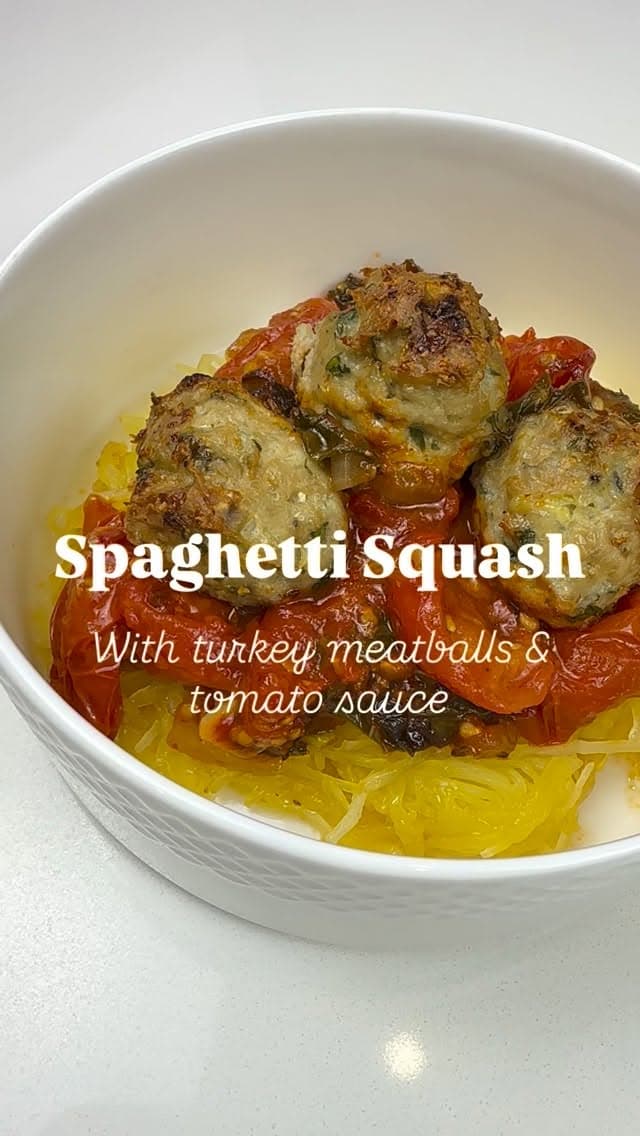
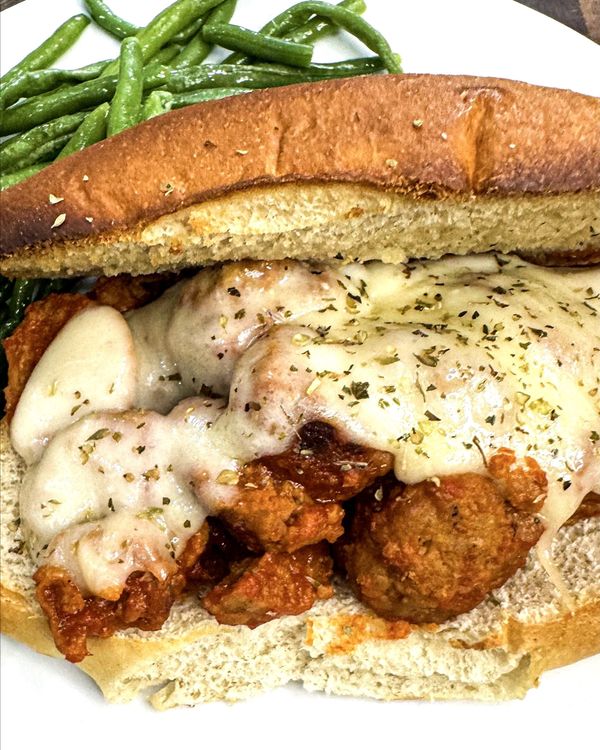
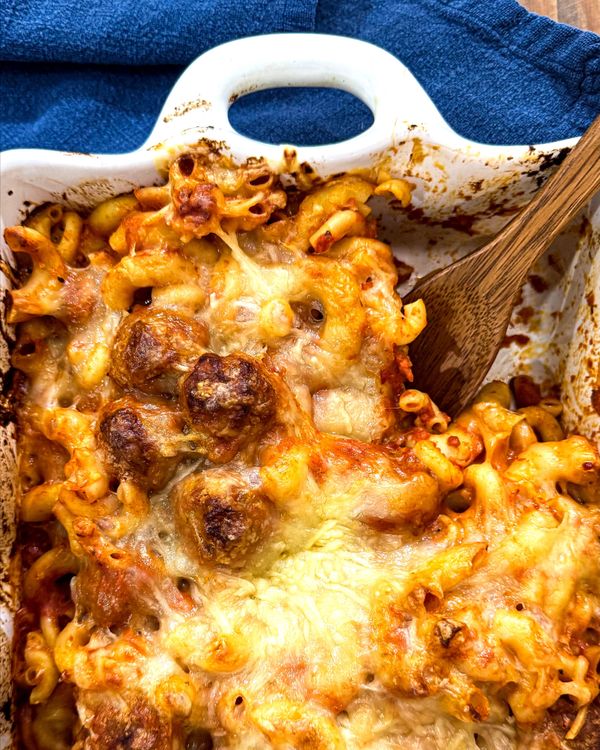
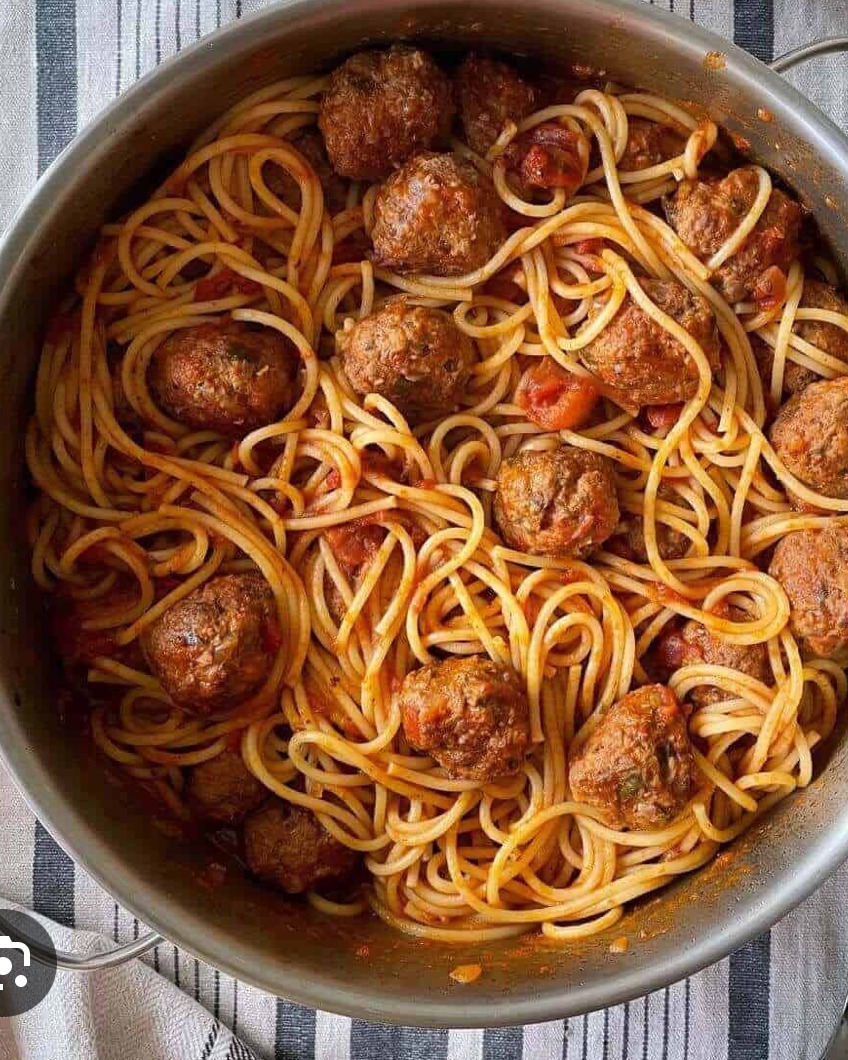
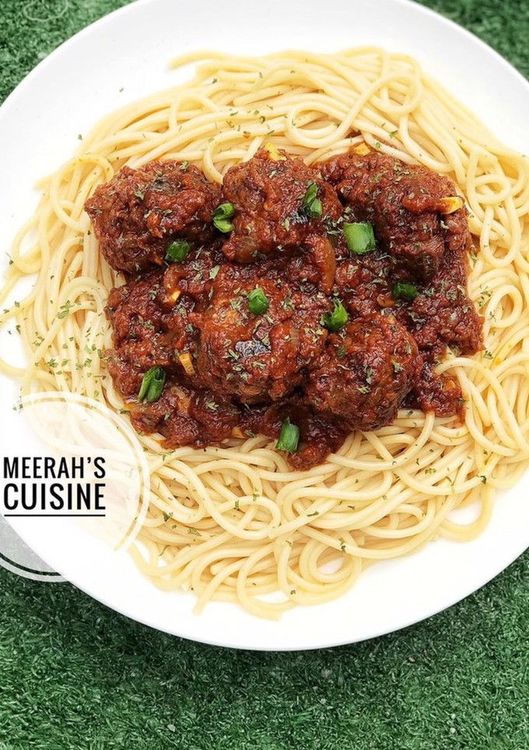
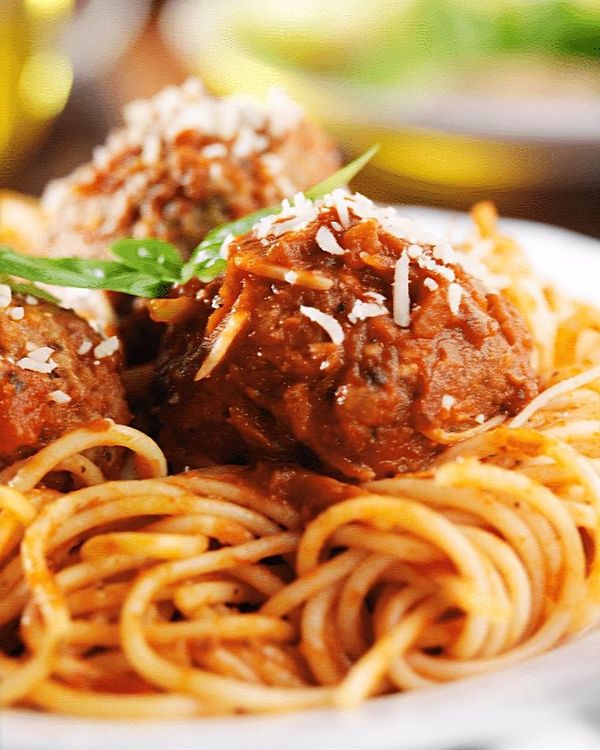
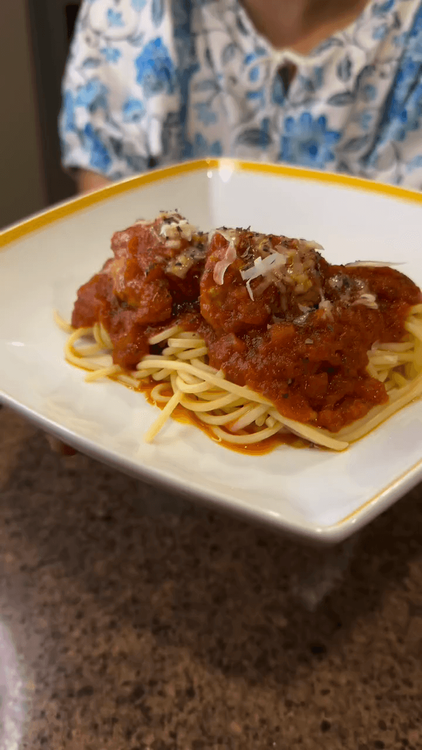
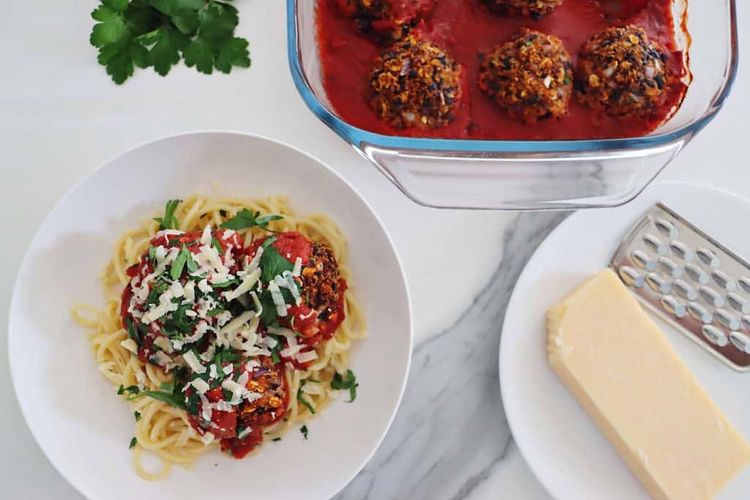
This is the meatball most people picture first, and it lives or dies on a tender mix and a patient simmer. Build the rounds from a beef-and-pork blend bound with a milk-soaked panade, season them with garlic, parsley and a good handful of parmesan, and roll them loosely so they stay soft. The cardinal rule is not to overmix; work the meat just until it comes together, because kneading it tight is exactly what turns a Sunday-sauce meatball dense and rubbery. Brown them first for color and flavor, then drop them into a good tomato sauce and let everything simmer gently for twenty minutes or more so the meatballs drink in the sauce and the sauce takes on richness from the meat. Keep the heat at a bare bubble, since a hard boil breaks them apart and toughens them. Whether you pile them on spaghetti, layer them into a sub with melted cheese, or serve them as polpette with crusty bread, the same handful of moves carries you through. Standouts here include Spaghetti Squash with Turkey Meatballs & Fresh Tomato Sauce and Easy Meatball Subs, plus Easy Pasta and Meatball Casserole.


- Non-Vegetarian
- Dinner

- American
- Non-Vegetarian
- Lunch
- American
- Non-Vegetarian
- Dinner


- Non-Vegetarian
- Main Course
- International
- Non-Vegetarian
- Lunch
- Thai
- Non-Vegetarian
- Dinner


- American
- Non-Vegetarian
- Dinner
- Greek
- Non-Vegetarian
- Appetiser
- Italian
- Non-Vegetarian
- Dinner
- International
- Non-Vegetarian
- Lunch

- Italian-American
- Dairy-Free
- Dinner
- International
- Non-Vegetarian
- Lunch
- Italian
- Dairy-Free
- Lunch

- Italian
- Non-Vegetarian
- Dinner
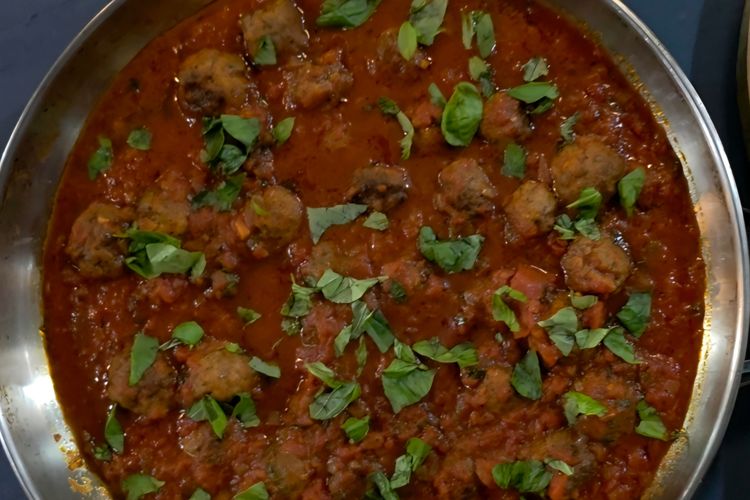

- Spanish
- Non-Vegetarian
- Dinner
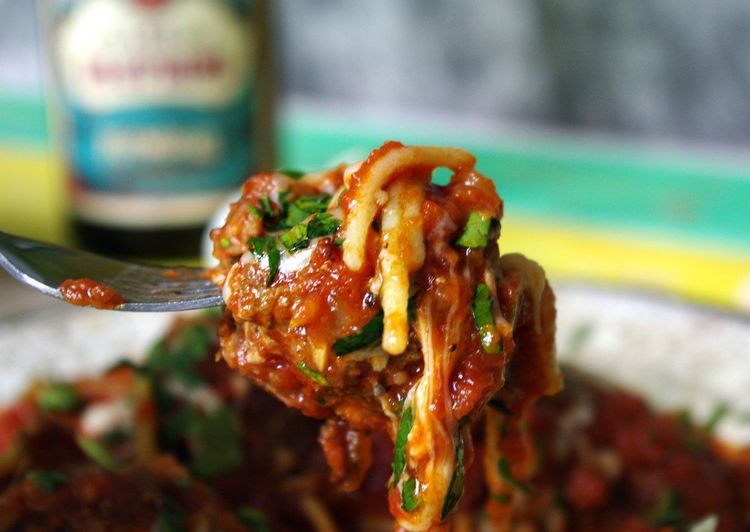

- Italian
- Non-Vegetarian
- Dinner
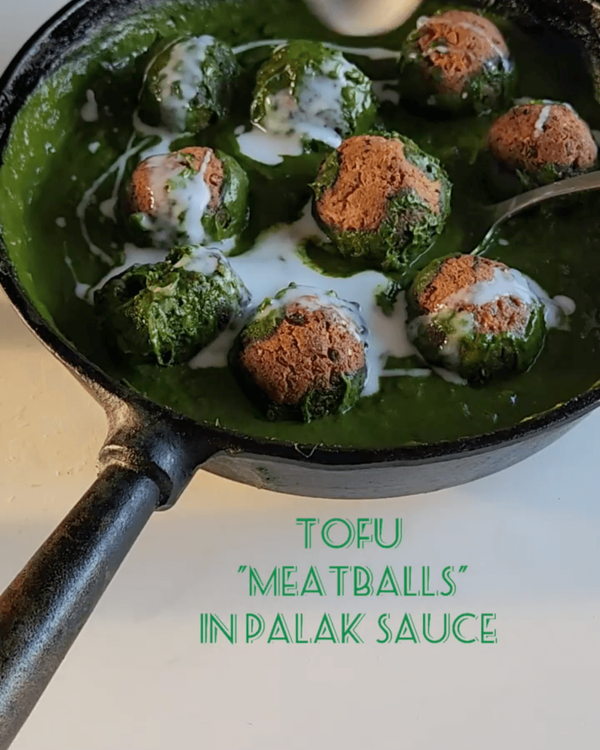

- Indian
- Vegan
- Dinner
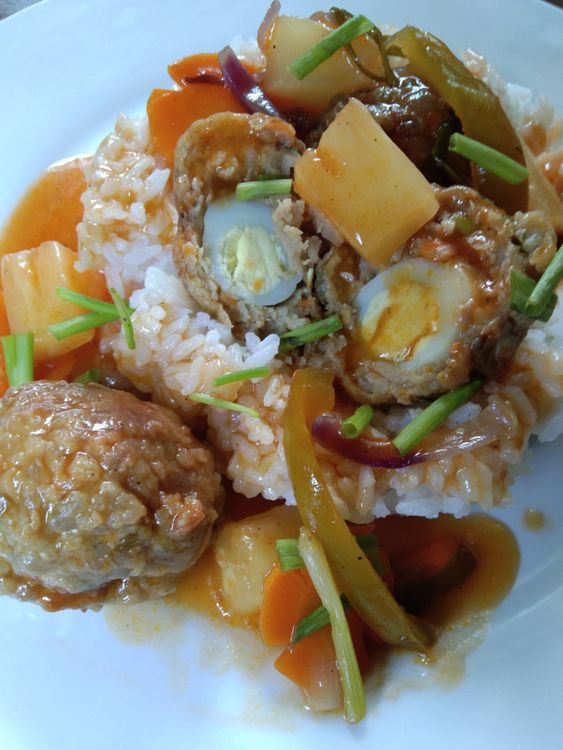
- Filipino
- Non-Vegetarian
- Brunch
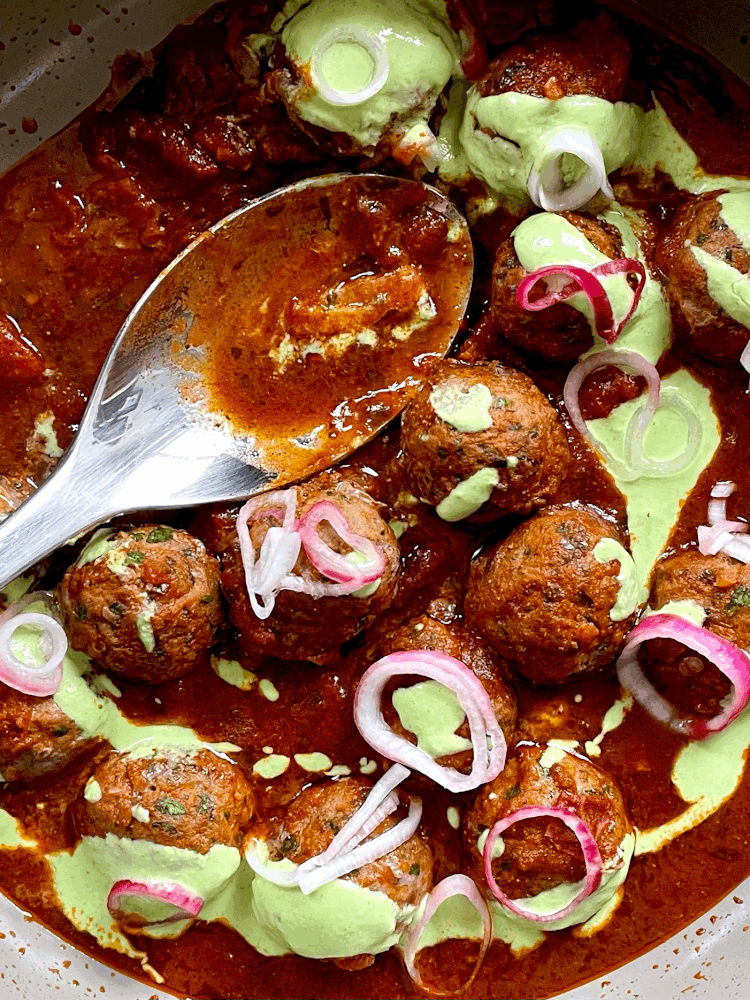

- Moroccan
- Non-Vegetarian
- Dinner
Cocktail & Appetizer Meatballs
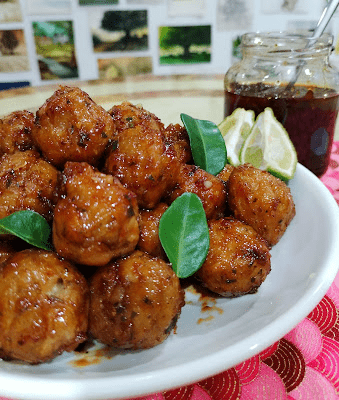
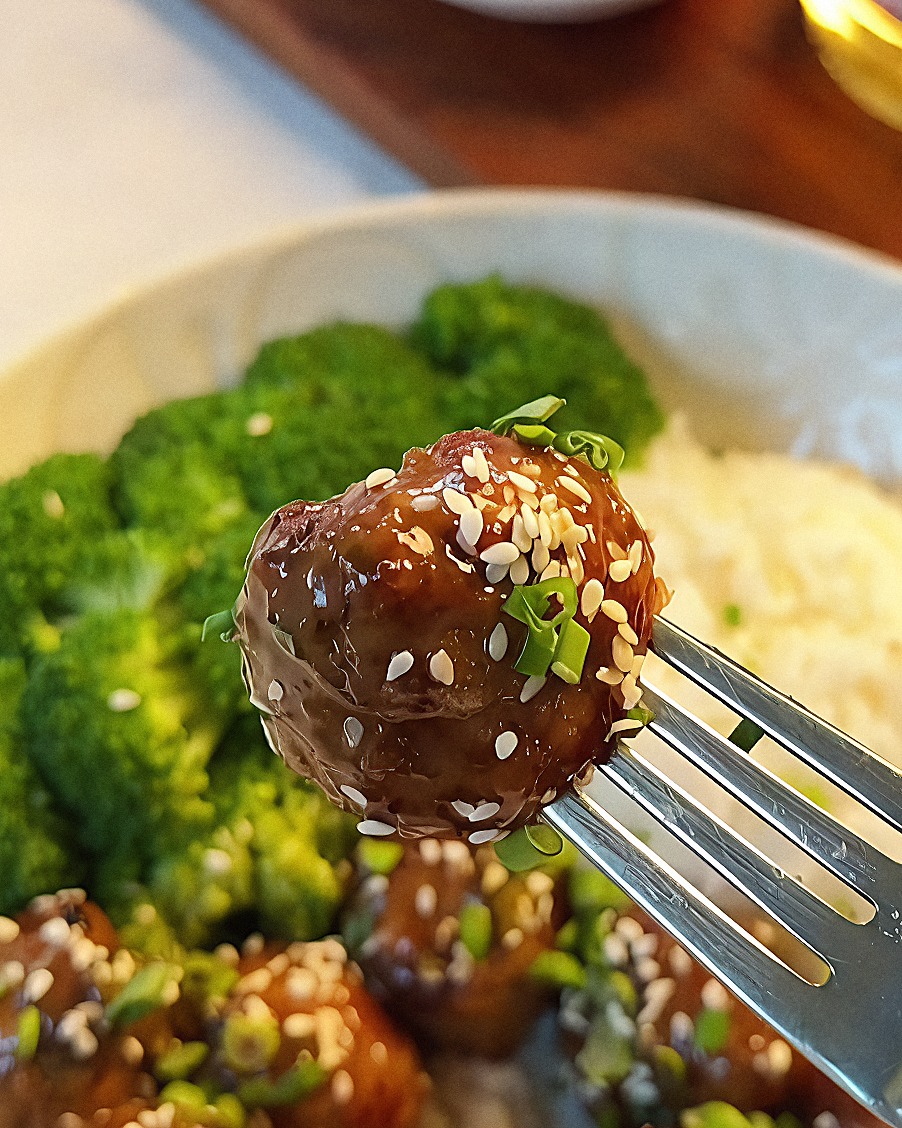
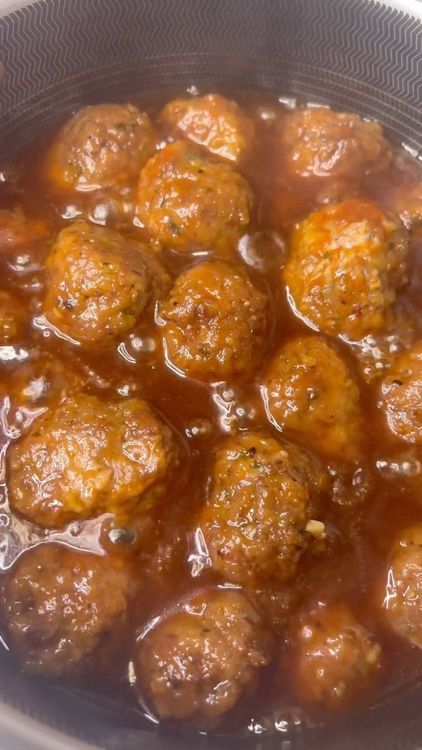
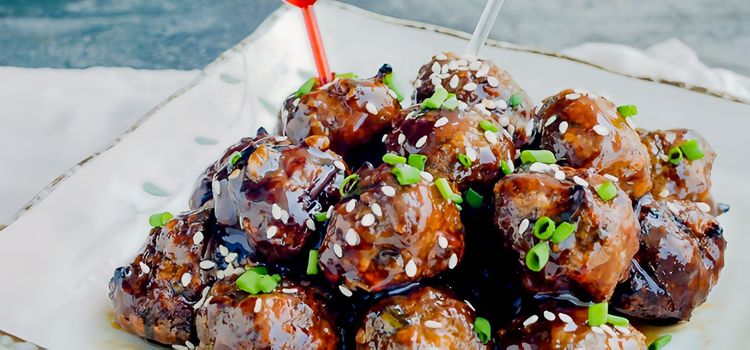
Cocktail meatballs are the party tray that vanishes first, and they are gloriously easy because the glaze does most of the talking. Roll the meatballs small and bite-size, brown or bake them so they have some texture, then let them simmer in something sticky and sweet-savory until it thickens and clings to every one. The legendary version could not be simpler: melt grape jelly with chili sauce into a glossy sweet-and-tangy glaze and let the meatballs bubble away in a slow cooker, which doubles as the serving dish and keeps everything warm for hours. From there the variations are endless — BBQ sauce for smoky depth, honey-garlic for sticky richness, teriyaki or sweet-and-sour for an Asian lean. The slow cooker is your friend here because it cooks the glaze onto the meatballs hands-off and holds them at the perfect temperature for a crowd. The one thing to watch is balance: these glazes are sweet, so a hit of acid, chili or garlic keeps them from cloying. Use frozen or homemade meatballs and serve with cocktail picks. Standouts here include Quick and Healthy Chicken Teriyaki Pineapple Meatballs and Crockpot French Onion Meatballs, plus Bourbon Peach Crockpot Meatballs.
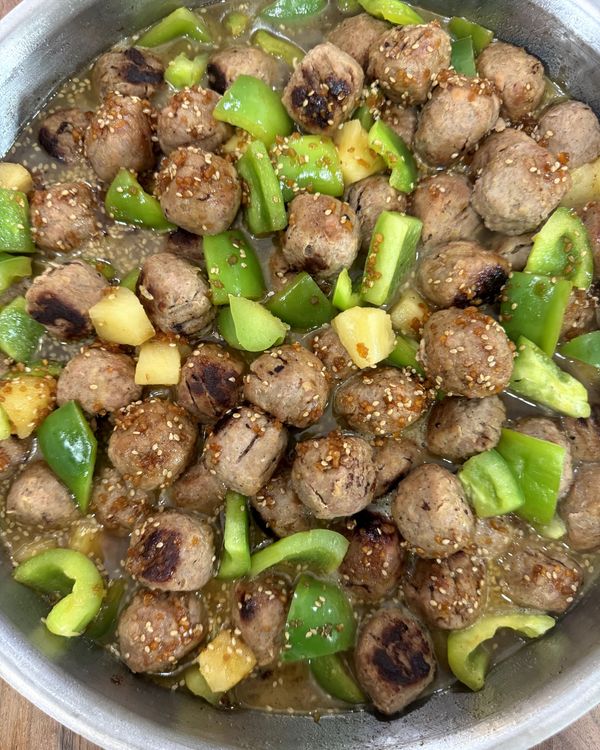
- Asian
- Non-Vegetarian
- Dinner
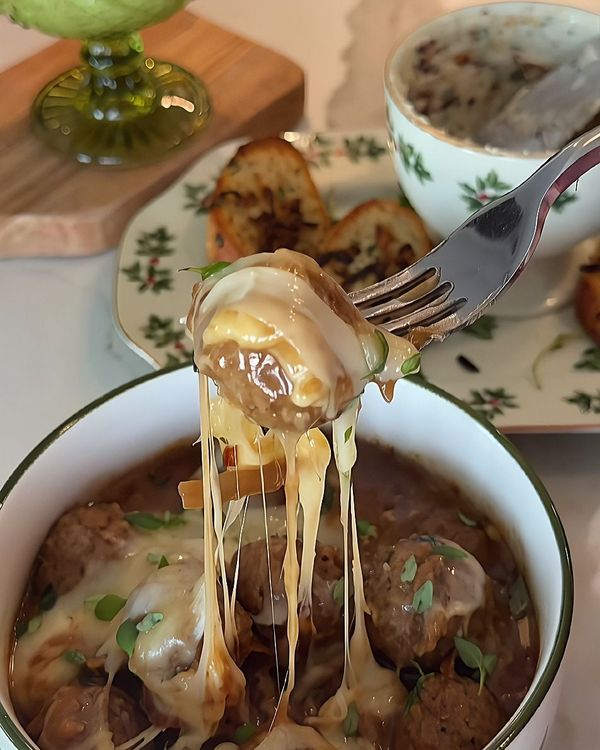

- American
- Non-Vegetarian
- Dinner

- Non-Vegetarian
- Appetiser
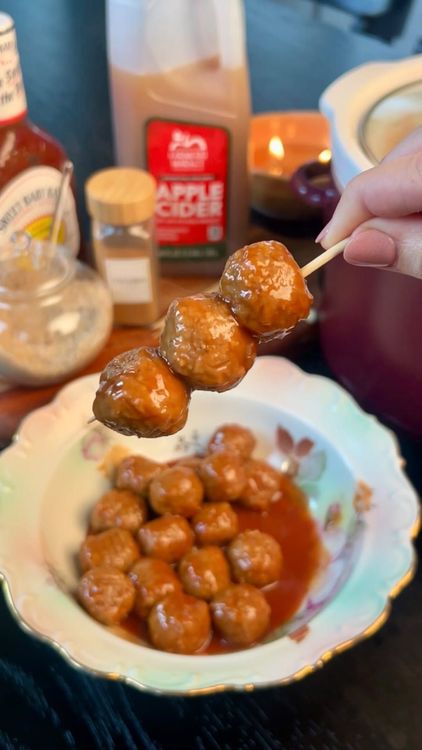
- American
- Non-Vegetarian
- Appetiser
- Asian
- Non-Vegetarian
- Dinner
- American
- Non-Vegetarian
- Appetiser
- Asian
- Non-Vegetarian
- Dinner
Global & Baked Meatballs
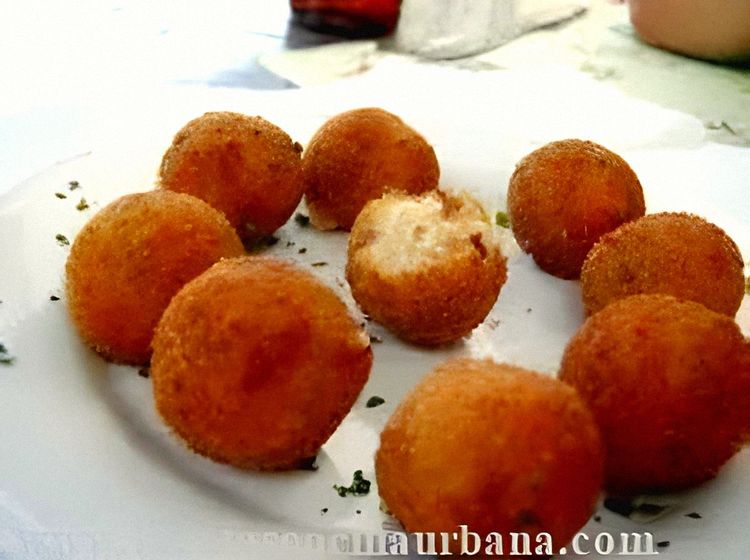
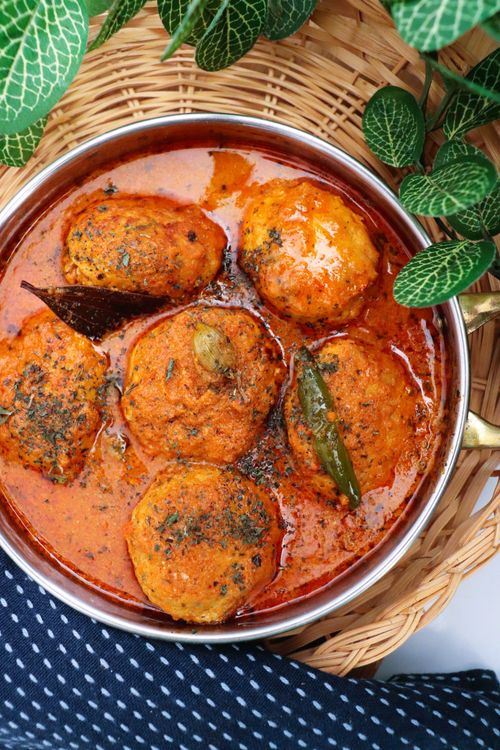
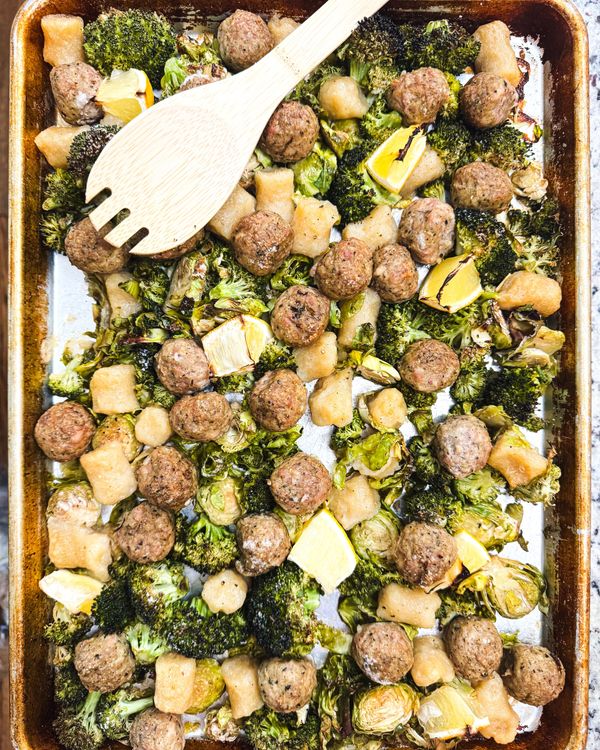
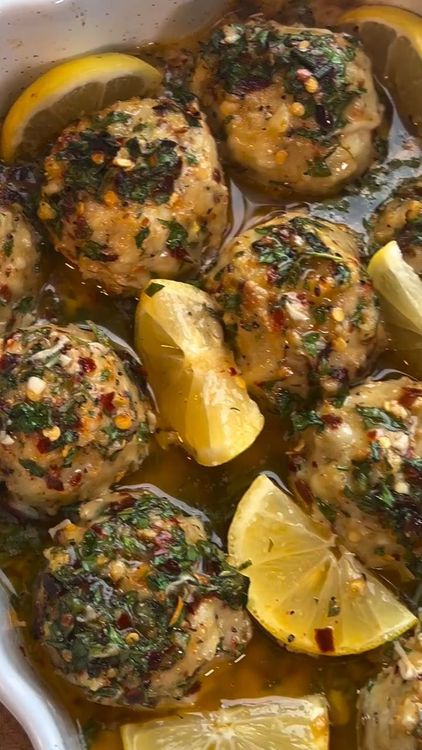
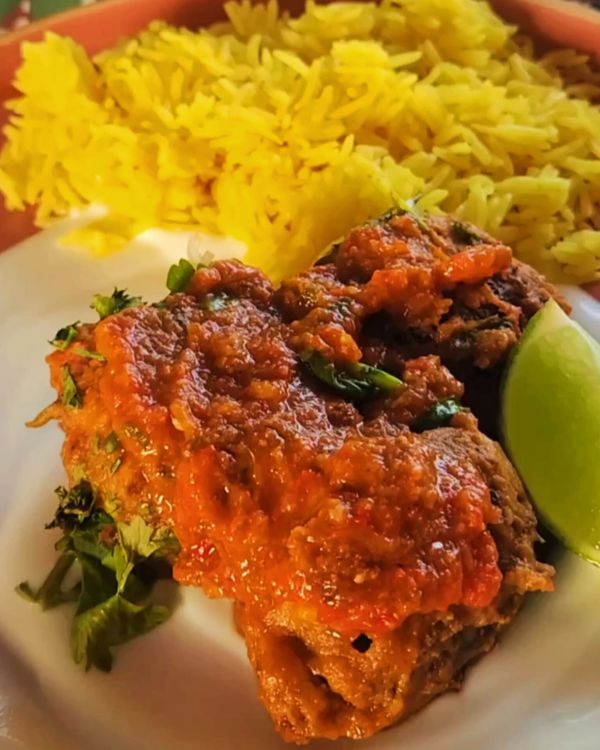
Meatballs belong to every cuisine, and this is where the collection travels — and where the oven earns its keep. Greek keftedes are perfumed with mint and oregano and brightened with lemon; Moroccan and Middle Eastern kofta lean on cumin, coriander and a yogurt-tahini drizzle; Asian pork meatballs glaze in soy, ginger and a little sweetness; and lighter turkey or chicken versions keep things lean without going dry. Many of these are baked on a sheet pan, which is the easiest, most hands-off route for a big batch: arrange them with space between each so they brown rather than steam, and roast in a hot oven until cooked through, rolling the pan once for even color. The same fundamentals still rule everything here — a good panade, a light hand so you never overmix, uniform shaping, and a cook to the right internal temperature. Poultry meatballs especially need extra moisture and a careful, shorter cook since they dry out faster than fattier blends. Match the seasoning and finishing sauce to the cuisine, and one basic technique unlocks a whole world of meatballs. Standouts here include Ginger Chicken Meatballs and Hearty Chicken Meatball Miso Soup, plus Chicken & Feta Meatballs.
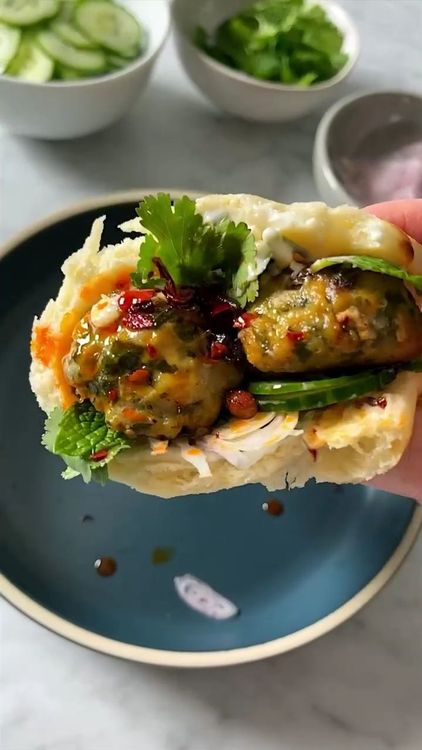
- Asian
- Non-Vegetarian
- Lunch


- Japanese
- Non-Vegetarian
- Dinner


- Gluten-Free
- Main Course
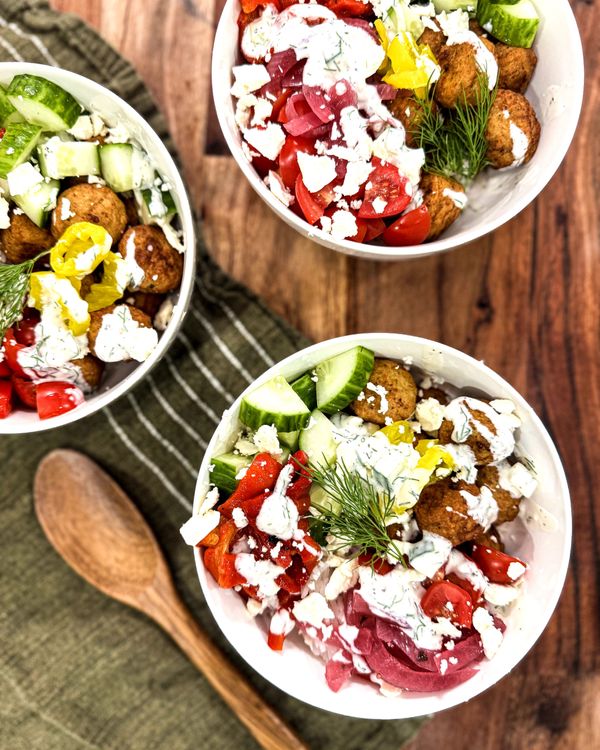
- Mediterranean
- Non-Vegetarian
- Lunch
- International
- Non-Vegetarian
- Lunch

- American
- Non-Vegetarian
- Dinner
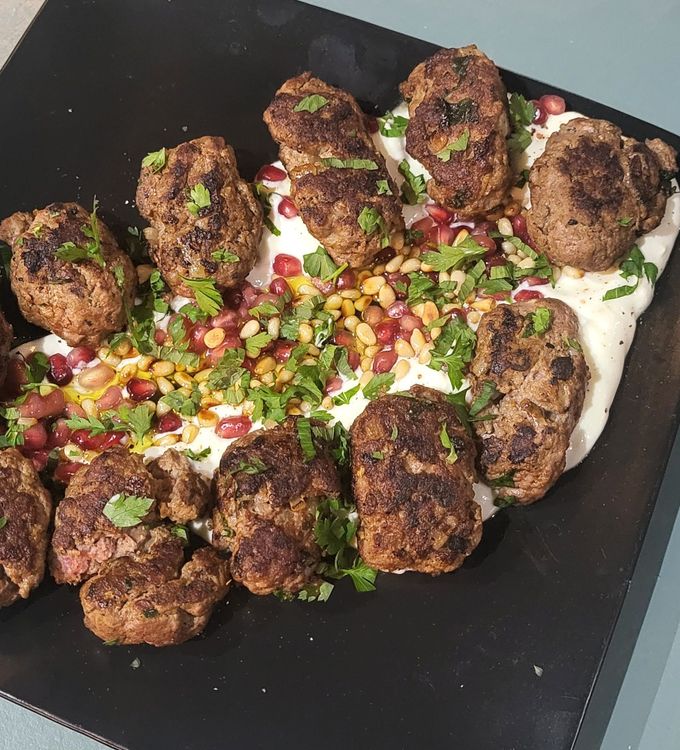
- Turkish
- Non-Vegetarian
- Lunch
- International
- Non-Vegetarian
- Lunch

- Indian
- Non-Vegetarian
- Lunch
- American
- Non-Vegetarian
- Dinner
- Latin American
- Non-Vegetarian
- Appetiser
- Mediterranean
- Non-Vegetarian
- Dinner
More Meatball Favourites
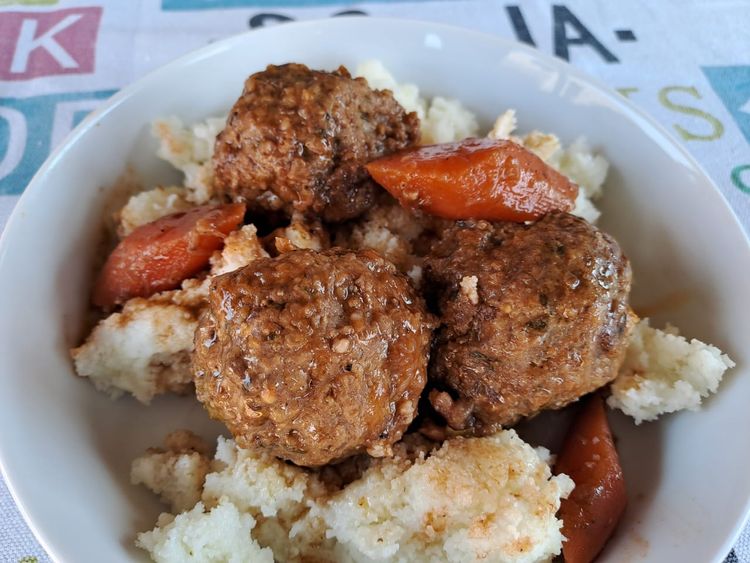
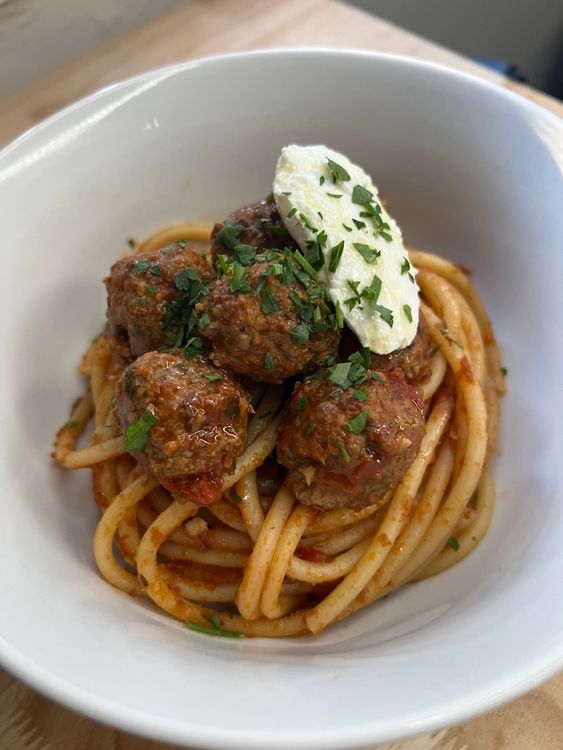
A few meatballs never quite fit a single category, and these are the ones worth keeping in your back pocket once the classics feel routine. They lean on the same handful of techniques you already know — a milk-soaked panade for tenderness, a light hand at the bowl so you never overmix, gentle shaping and a careful cook to temperature — but steer them toward different meats, textures and flavor profiles, from soups studded with tiny meatballs to lamb albondigas, buffalo-style bites and stroganoff-leaning pans. Picking your next one is mostly about matching effort to mood: choose a quick baked or skillet batch on a busy night when you want dinner fast, and save the slow-simmered, sauce-built numbers for a weekend when you can let things bubble. Pay attention to size, too, since smaller meatballs cook faster and suit soups and trays while larger ones anchor a plate of pasta. Think of this group as the natural next step after the staples — the recipes that quietly earn a regular spot in the rotation once you have tried them. Standouts here include Instant Pot Spicy Venison Meatballs and Meatball Sandwich, plus Meatball Bucatini.

- South African
- Non-Vegetarian
- Lunch


- Italian
- Non-Vegetarian
- Dinner
- Italian
- Non-Vegetarian
- Dinner

- Hawaiian
- Pescatarian
- Dinner

- Non-Vegetarian
- Main Course
- International
- Eggetarian
- Lunch

- American
- Non-Vegetarian
- Appetiser

- American
- Non-Vegetarian
- Dinner

- Italian
- Non-Vegetarian
- Dinner
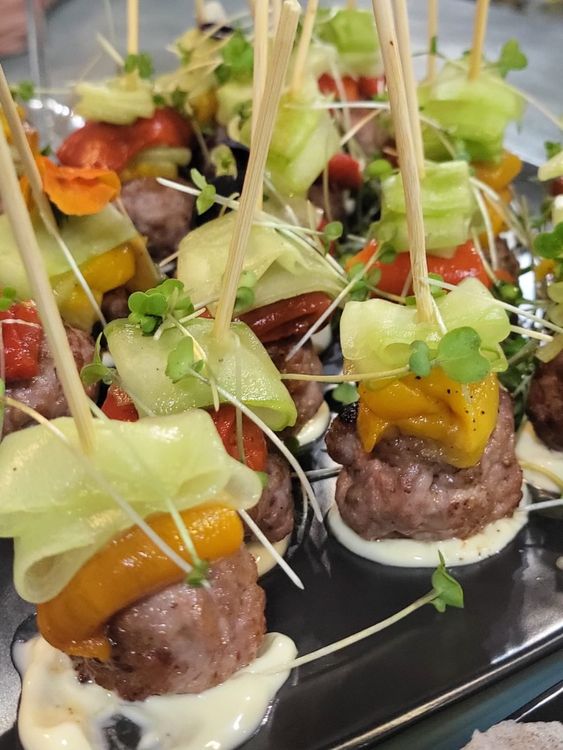
- Fusion
- Non-Vegetarian
- Appetiser
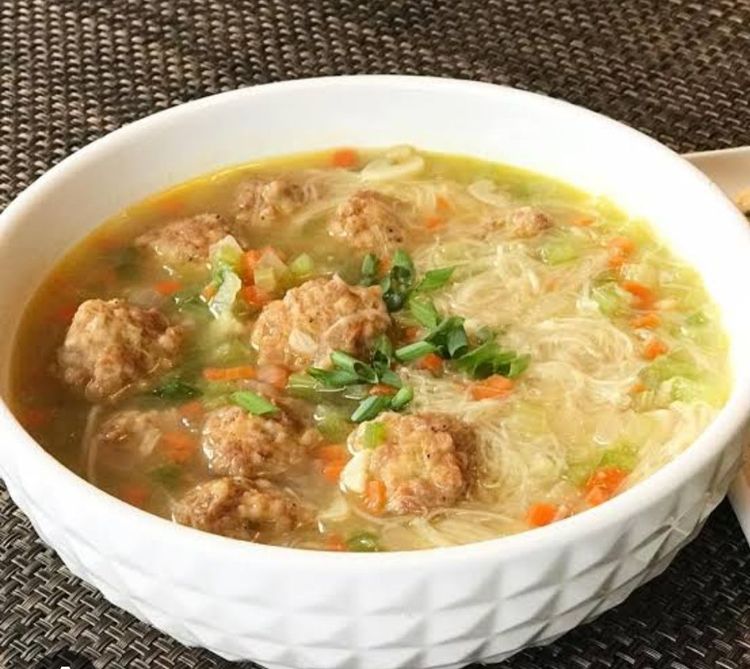
- Filipino
- Non-Vegetarian
- Lunch
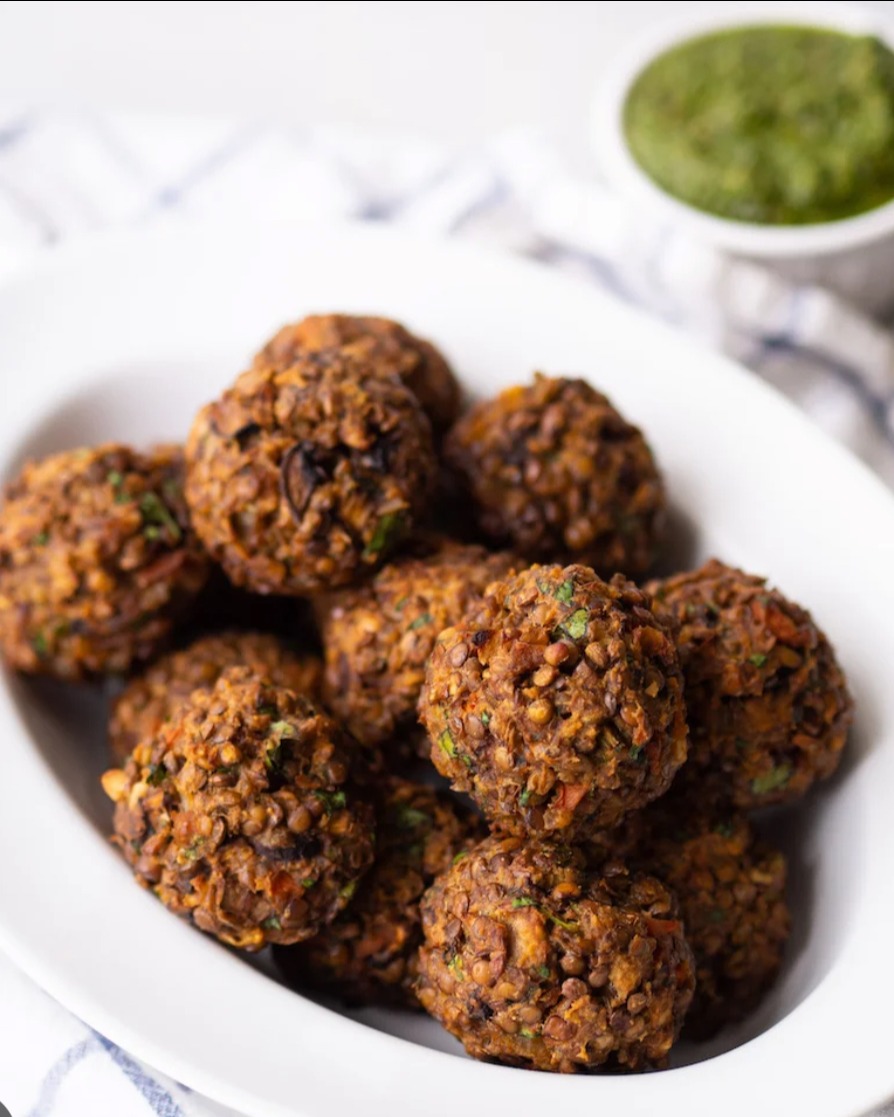
- Mediterranean
- Vegan
- Dinner
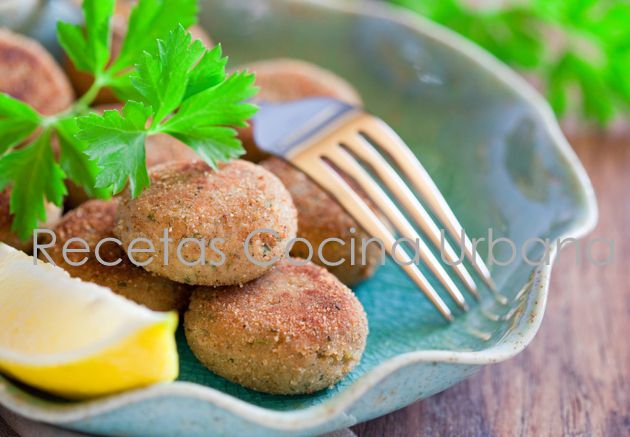
- Spanish
- Pescatarian
- Dinner
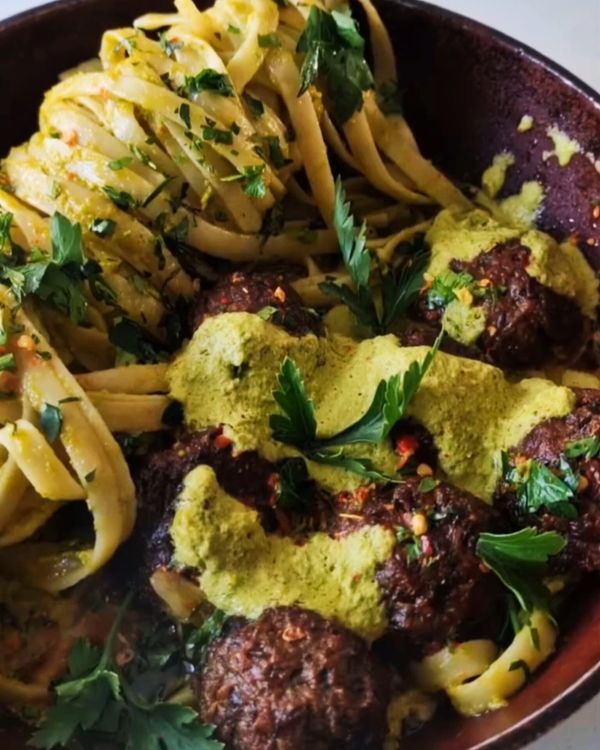
- Italian
- Vegan
- Lunch
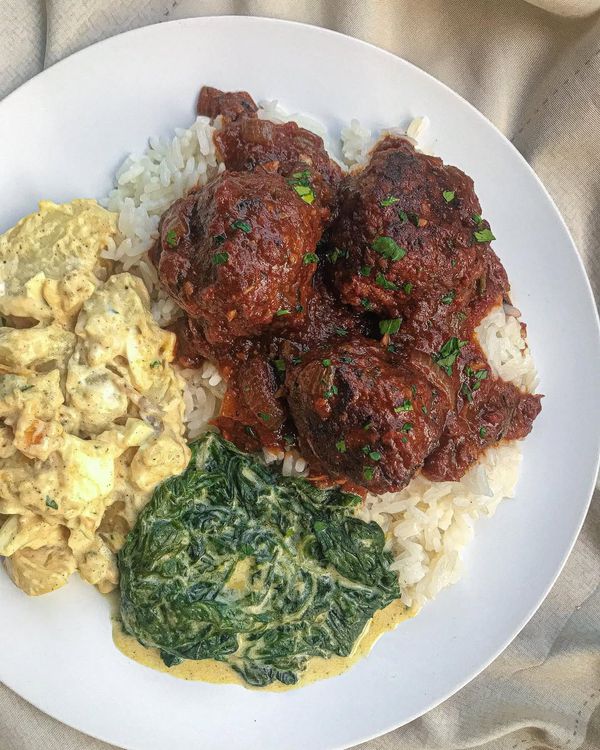
- American
- Non-Vegetarian
- Lunch
The Mix: Meat, Binder and Seasoning
Start with the meat. A blend is almost always better than one ground meat alone — the classic is roughly equal parts beef and pork, where the beef brings flavor and the pork brings fat and tenderness. Aim for ground meat with real fat content, around 80/20 for beef, because fat is what keeps a meatball juicy. Lean turkey or chicken can make excellent meatballs too, but they need extra moisture and a careful, shorter cook or they dry out fast.
The binder is what makes a meatball tender rather than dense, and the key is a panade: bread soaked in milk (or breadcrumbs plus milk) mashed into a paste before it goes in. The starch and moisture trap juices and keep the proteins from packing tight, which is the difference between a soft, melting meatball and a rubbery one. An egg helps hold everything together, but the panade does the real tenderizing work — do not skip it for plain dry breadcrumbs.
Season the mix generously and taste it before you commit. Salt, pepper, garlic and the aromatics for your style — parmesan and parsley for Italian, nutmeg and allspice for Swedish, mint and oregano for Greek — should be mixed through evenly. Because you cannot taste raw meat, fry off a small pinch of the mixture in a pan, taste it, and adjust the seasoning before rolling the whole batch. This one step saves a bland tray every time.
Mixing and Shaping Without Overworking
This is the single most important rule in the whole collection: do not overmix. Combine the meat, panade, egg and seasoning with your fingertips or a fork just until everything is evenly distributed, and then stop. Overworking the mixture — kneading it like dough or beating it in a stand mixer — develops the proteins and compacts the fat, and the result is a tough, dense, rubbery meatball no matter how good your ingredients were. Mix light, mix fast, and walk away the moment it comes together.
Shape with a light hand too. Wet your hands or use a cookie scoop to portion evenly so every meatball cooks at the same rate, then roll gently — just enough to form a round, not enough to pack it tight. Loosely formed meatballs stay tender; ones squeezed into dense little cannonballs cook up hard. Keep them uniform in size so none are raw while others overcook, and chill the shaped meatballs for fifteen to twenty minutes if you have time, which helps them hold their shape and brown better.
Size to the job: large meatballs for spaghetti and subs, small ones for Swedish gravy and soups, and bite-size for cocktail trays. Remember that a meatball that is too big will scorch outside before the center is done, especially if you are pan-frying. If a mix feels too wet and sticky to roll, chill it or add a touch more breadcrumb; if it is dry and crumbly, a splash of milk or another egg yolk brings it back. The mix should feel soft and just barely hold a shape.
Browning, Baking and Cooking Through
You have two main routes. Pan-searing builds the deepest flavor: get a film of oil hot in a heavy skillet, lay the meatballs in without crowding, and leave them alone until a brown crust forms before turning, so they release cleanly instead of sticking and tearing. Crowding the pan drops the temperature and steams them grey. Browning does not have to cook them through — you can sear for color, then finish them in sauce, which keeps them moist.
Baking is the easy, hands-off route, especially for a big batch or for cocktail and global meatballs. Arrange them on a lined sheet pan with space between each, and roast in a hot oven (around 200C/400F) until browned and cooked through, turning once or rolling the pan halfway for even color. Baking renders fat without constant attention and gives a more uniform result, though it browns a little less aggressively than a screaming-hot skillet. A wire rack over the tray lets fat drip away if you want them less greasy.
However you cook them, doneness is about internal temperature, not the clock — pull beef-and-pork meatballs at 71C/160F and poultry meatballs at 74C/165F, using a thermometer rather than guessing. The most reliable approach for saucy dishes is to brown the meatballs just to color, then simmer them gently in the sauce to finish; they cook through, stay juicy, and trade flavor with the sauce. A hard, rolling boil, though, toughens them, so keep that finishing simmer low.
Sauces, Gravies and Glazes
The sauce defines the dish as much as the meatball does. For Italian, simmer browned meatballs gently in a good tomato sauce for twenty minutes or more so they soak up flavor and the sauce takes on richness from the meat — the long, low simmer is the point, not a shortcut to skip. Keep the heat at a bare bubble; boiling hard breaks the meatballs apart and toughens them. Finish with basil and parmesan and serve over spaghetti or in a sub.
Swedish and creamy gravies are built right in the pan you browned the meatballs in. Make a quick roux with butter and flour in the fond, whisk in beef or chicken stock until smooth, then enrich with cream (and a little sour cream and Dijon for tang) and season with the signature nutmeg and allspice. Return the meatballs to warm through and coat in the silky sauce. The browned bits stuck to the pan are pure flavor, so do not wash them away — they make the gravy.
Sticky glazes are what make cocktail meatballs disappear off the tray. The famous slow-cooker version melts grape jelly with chili sauce into a sweet-savory glaze; others lean on BBQ sauce, honey-garlic, teriyaki or sweet-and-sour. Brown or bake the meatballs first for texture, then simmer them in the glaze — on the stove or in a slow cooker — until it thickens and clings to every one. For global meatballs, the same logic applies: keftedes get a squeeze of lemon, kofta a yogurt-tahini drizzle, Asian pork a soy-ginger glaze.
Pro Tips from the Test Kitchen
- Use a beef-and-pork blend with real fat (around 80/20) — fat is what keeps a meatball juicy.
- Make a panade: mash bread or breadcrumbs with milk into a paste before mixing — it is the key to tender, not dense, meatballs.
- Do not overmix: combine just until evenly distributed and stop. Overworking the meat makes it tough and rubbery.
- Fry off a small pinch of the mix, taste it, and adjust the seasoning before rolling the whole batch.
- Shape gently with wet hands or a scoop; loosely formed meatballs stay soft, tightly packed ones cook up hard.
- Keep them uniform in size so none are raw while others overcook.
- Brown for color, then finish in sauce — searing builds flavor and the gentle simmer keeps them moist.
- Bake a big batch on a lined sheet pan at 200C/400F for an easy, hands-off cook.
- Simmer Italian meatballs in tomato sauce at a bare bubble; a hard boil breaks them apart and toughens them.
- Use a thermometer: 71C/160F for beef-and-pork, 74C/165F for turkey or chicken.
Frequently Asked Questions
How do you keep meatballs from falling apart?
Two things hold a meatball together: a binder and gentle handling. Use a panade (bread or breadcrumbs soaked in milk) plus an egg to bind the mix, and roll the meatballs firmly enough to form a cohesive round. Then cook gently — brown them to set the outside before simmering, and keep any sauce at a bare bubble rather than a hard boil. Most meatballs crumble because they lack a binder or were boiled too aggressively.
Why are my meatballs tough and dense?
Almost always overmixing. Working the meat too much — kneading it or beating it in a mixer — develops the proteins and compacts the fat, giving you a hard, rubbery result. Mix just until the ingredients are combined and stop. Using very lean meat with no panade makes it worse, since there is little fat or moisture to keep them tender. Mix lightly, shape loosely, and do not overcook.
Should you fry or bake meatballs?
Both work well, and it is mostly a trade-off. Pan-frying builds a deeper browned crust and more flavor but needs attention and can be messy. Baking on a sheet pan is hands-off, ideal for big batches, and gives even results, though it browns a little less. A great middle path is to brown them in a skillet for color, then finish them in sauce — or simply bake them and toss in sauce afterward.
What is a panade and why does it matter?
A panade is bread or breadcrumbs mashed with milk into a paste, mixed into the ground meat before shaping. It is the single biggest factor in tenderness: the starch and moisture trap juices and keep the meat proteins from packing tight as they cook, so the meatball stays soft and moist instead of turning dense and dry. Skipping it, or using plain dry breadcrumbs, is why many homemade meatballs come out tough.
What meat is best for meatballs?
A blend beats a single meat. The classic is roughly equal parts beef and pork — beef for flavor, pork for fat and tenderness. Choose ground meat with real fat content (around 80/20 beef), since fat keeps them juicy. Veal is sometimes added for a softer texture. Turkey and chicken make lighter meatballs but need extra moisture from a good panade and a careful cook, as they dry out faster than fattier meats.
Can you cook meatballs in the sauce without browning them first?
Yes — dropping raw meatballs straight into simmering sauce is a traditional method and keeps them very tender and moist, since they poach gently rather than searing. The trade-off is you lose the browned, caramelized flavor that a sear adds, and the sauce can pick up a little grease. Make sure the meatballs are well bound and the sauce stays at a gentle simmer so they hold together while they cook through.
How do you make cocktail meatballs?
Brown or bake small, bite-size meatballs, then simmer them in a sticky glaze until it thickens and coats them. The famous version melts grape jelly with chili sauce in a slow cooker for a sweet-savory glaze; BBQ sauce, honey-garlic, teriyaki and sweet-and-sour are all popular too. A slow cooker is ideal for parties because it cooks the glaze on and keeps the meatballs warm and saucy for serving straight from the pot.
What makes Swedish meatballs different from Italian?
Mostly the seasoning and the sauce. Swedish meatballs are smaller, spiced with nutmeg and allspice, and served in a creamy brown gravy made with stock, cream and often a little sour cream and Dijon. Italian meatballs are larger, seasoned with garlic, parsley and parmesan, and simmered in tomato sauce over pasta. The base technique — bind, mix gently, shape, brown — is the same; the flavor profile and sauce are what set them apart.
How do you make meatballs ahead of time?
Meatballs are excellent make-ahead. You can shape them raw and refrigerate for a day or freeze on a tray, then bag them once solid. Cooked meatballs also keep three to four days in the fridge and freeze beautifully for a couple of months — freeze them in their sauce or gravy so they stay moist. Reheat gently in sauce on the stove or in the oven; avoid boiling hard, which toughens them.
Can you freeze meatballs?
Yes, raw or cooked. To freeze raw, place shaped meatballs on a tray until solid, then transfer to a bag so they do not clump, and cook from frozen with a little extra time. Cooked meatballs freeze for up to a couple of months, ideally in their sauce so they reheat moist. Thaw in the fridge and warm gently in sauce. Freezing makes them a perfect batch-cook staple for fast weeknight dinners.
The thread through every meatball here is the same: a well-bound, well-seasoned mix, handled lightly so it never turns tough, browned or baked for flavor, then finished in the right sauce. Master the few moves in the guides — build a panade, do not overmix, shape gently, cook to temperature and simmer low — and Italian, Swedish, cocktail and global versions all fall into place.
Pick three to cook this week — a big batch of Italian over spaghetti, a tray of sticky cocktail bites and a creamy Swedish pan — and save your favorites to a Chefadora cookbook. Then work through the rest; this page is built to be the meatball reference you actually come back to.
Related
- Meatballs
- Italian
- Comfort Food
- Beef
- Pork
- Party Food
- Dinner
- Make Ahead
Popular Searches
- Best meatball recipes
- Easy meatball recipes
- Quick meatball recipes
- Healthy meatball recipes
- Simple meatball recipes
- Homemade meatball recipes
- Delicious meatball recipes
- Popular meatball recipes
- italian meatballs
- swedish meatballs
- cocktail meatballs
Marnirni-apinthi Building, Lot Fourteen,
North Terrace, Adelaide, South Australia, 5000
Australia
