
Top 39 Pasta Sauce Recipes: Bolognese, Pesto, Alfredo and Beyond
Updated June 30, 2026 · Curated by Chefadora
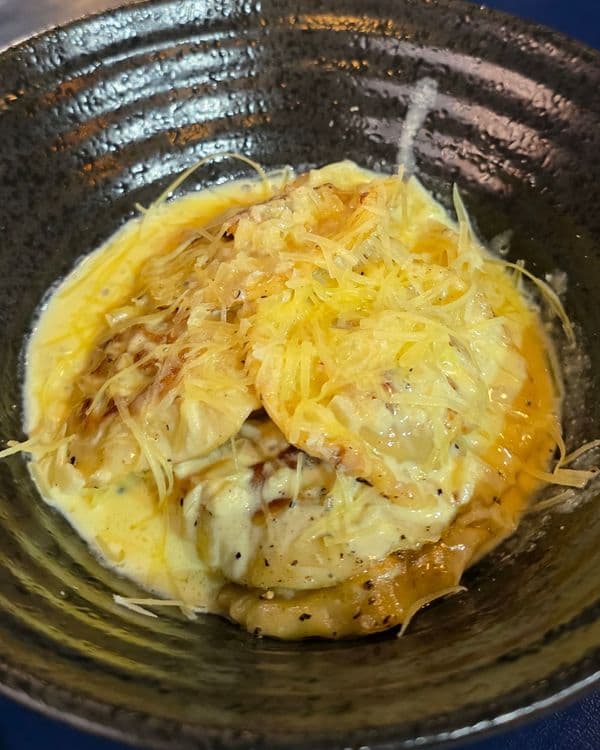
Pasta sauce recipes are the most-used family in any home cook's repertoire: quick enough for a weeknight, impressive enough for guests, and scalable from a solo dinner to a party pot. The sauces here range from a ten-minute basil pesto that requires no heat to a slow-cooked brisket ragu that improves over days — but what they share is that every one of them is worth making from scratch rather than opening a jar.
The four families of pasta sauce each have their own logic. Tomato-based sauces are about patience and heat — a good bolognese or puttanesca needs time for the liquid to reduce and the flavour to concentrate. Pesto-style sauces are about freshness — they are raw, bright and built in minutes. Cream and cheese sauces are about technique — low heat, fast tossing, and pasta water as the secret ingredient. Meat ragus are about long cooking — collagen breaking into gelatin, fat rendering into richness.
You will find all four here. Alongside the recipes, the guides cover the technique that separates a good pasta sauce from a great one: how to build a proper tomato base, how to emulsify pasta water into cream sauces so they cling rather than pool, how to make pesto that stays green and how to freeze batches without losing texture. Understanding these moves makes every sauce in the collection better.
Each recipe links to full instructions on Chefadora. Use this page as your pasta sauce reference — the right sauce for a weeknight is different from the right one for a Sunday, and it is different again from what you want to make in bulk and freeze. Browse by cluster, read the cluster intros, and match the sauce to the occasion.
Tomato-Based Pasta Sauces
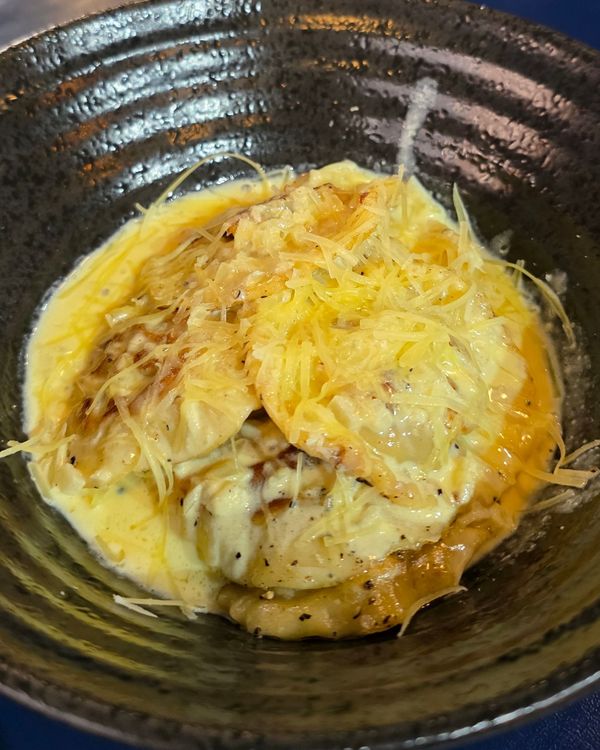
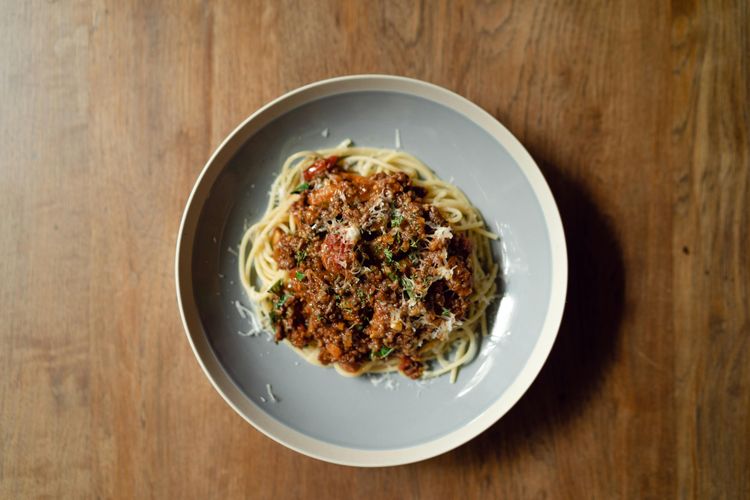
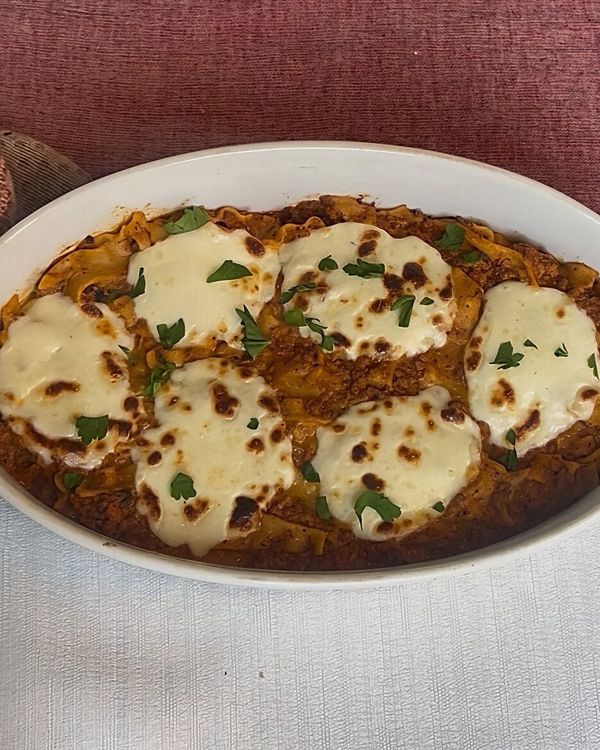
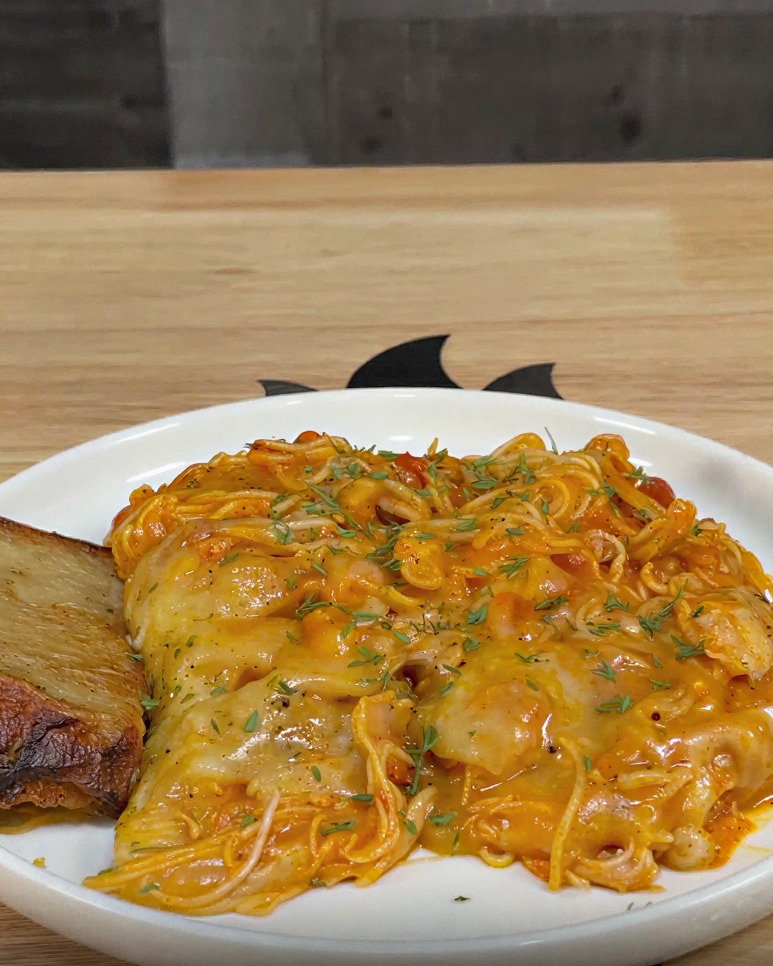
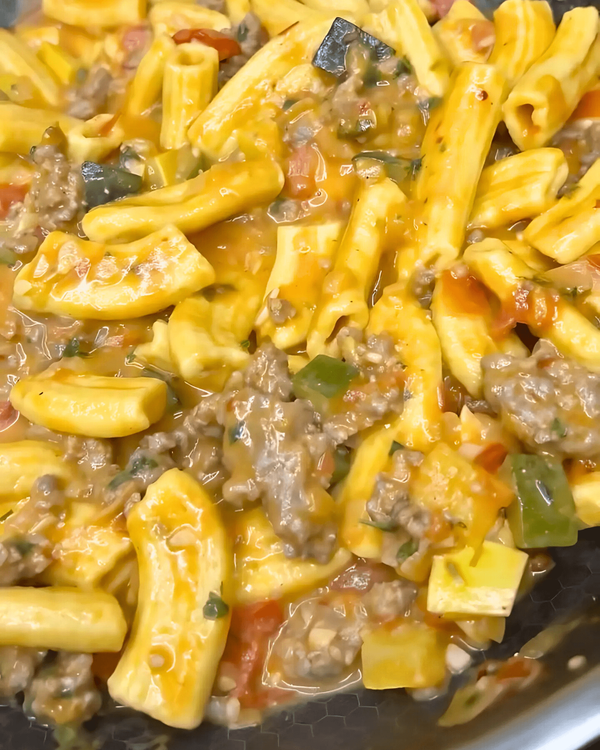
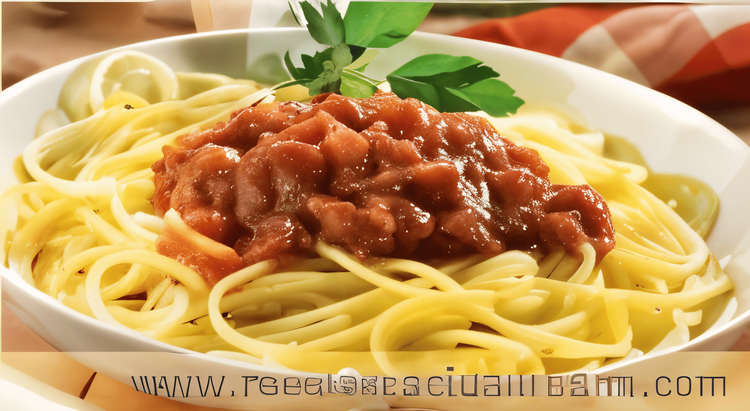
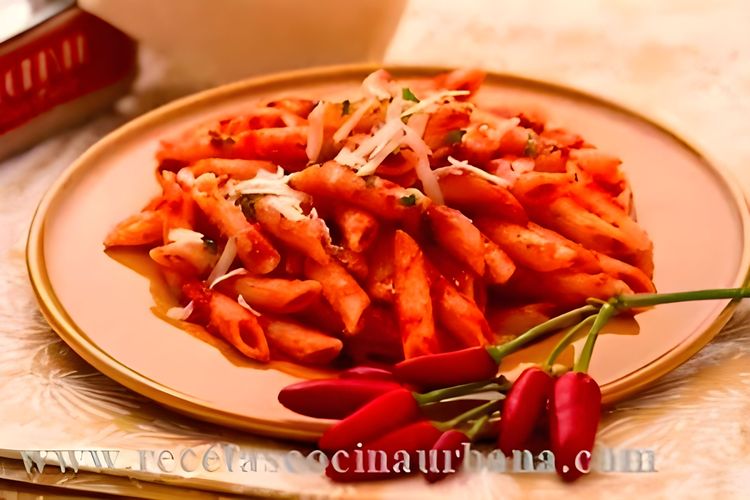
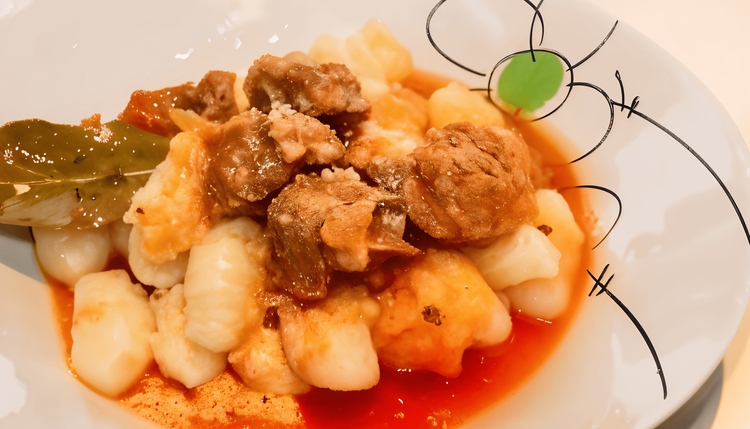
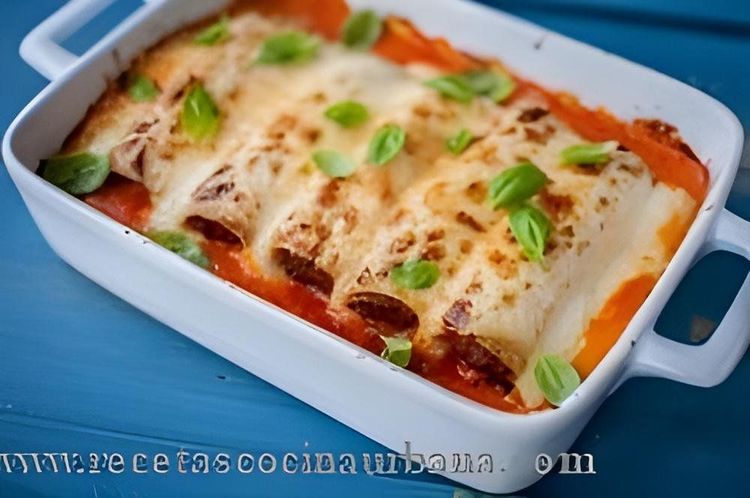
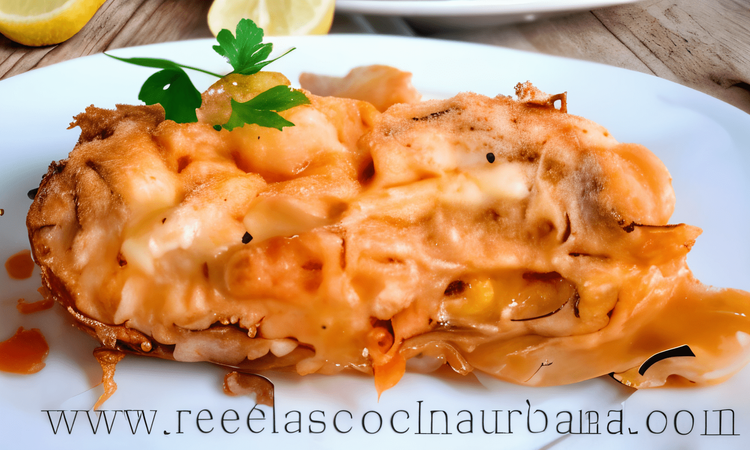
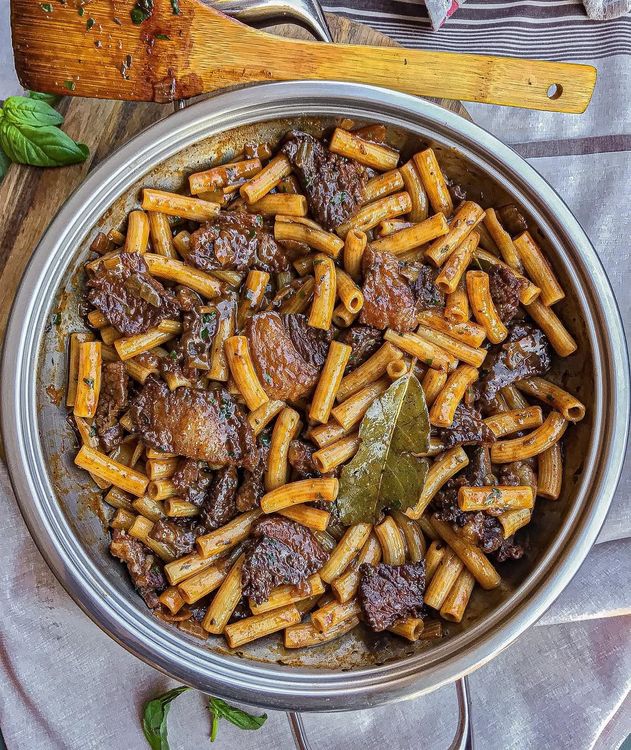
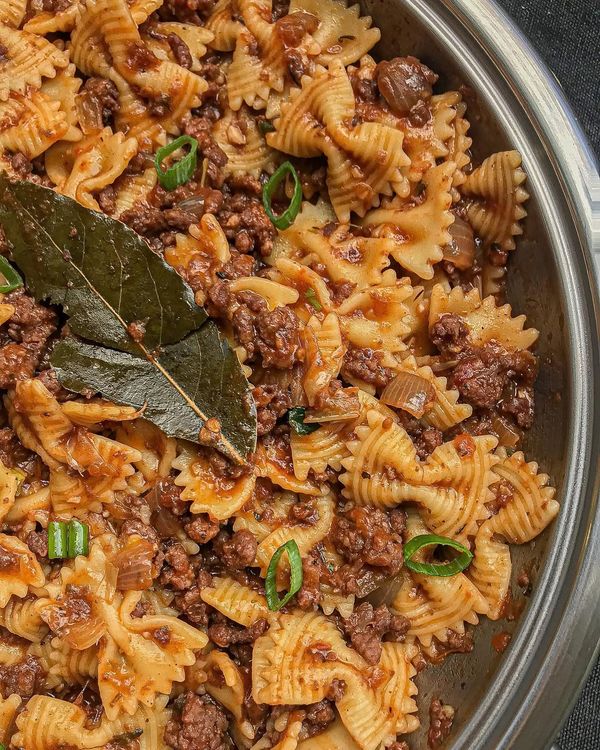
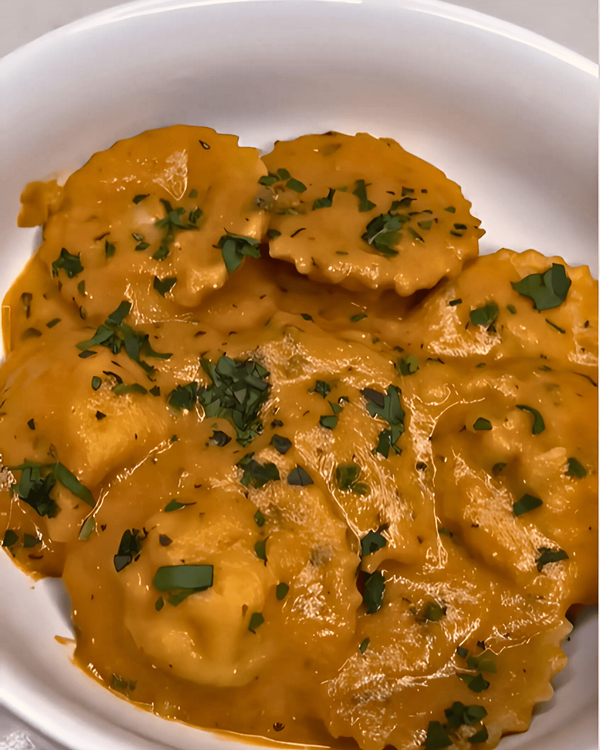
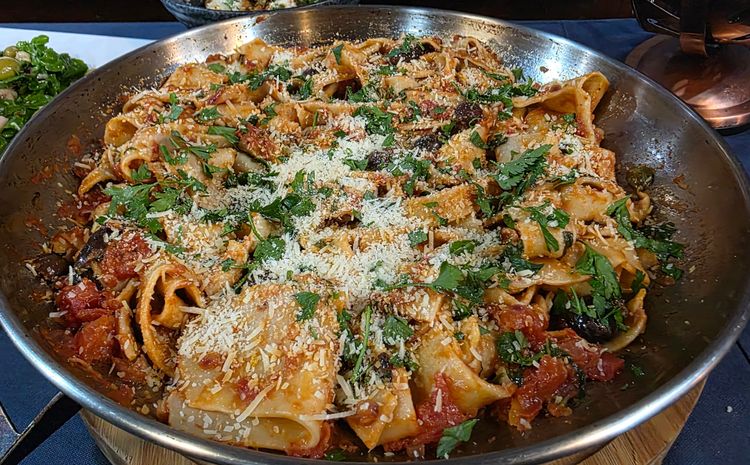
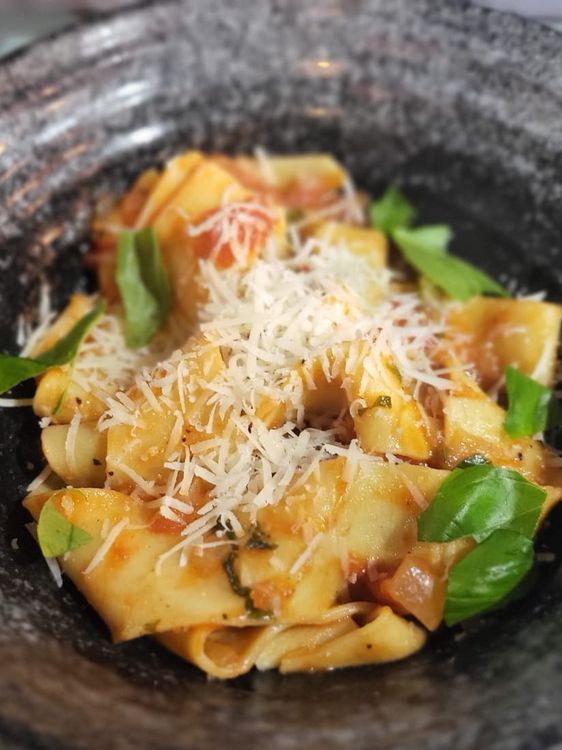
Tomato-based pasta sauces are the most important family to understand because the techniques transfer across every variation — from a simple marinara to a complex puttanesca to a Cajun cream tomato hybrid. The foundation is always the same: onion cooked low and slow until properly sweet, garlic added briefly so it does not burn, tomatoes reduced with enough time for the water to cook off and the flavour to concentrate. The mistake most home cooks make is pulling the sauce off the heat ten minutes too early, when it still tastes thin and sharp. Give it twenty to thirty minutes of uncovered simmering and a decent bolognese or marinara transforms from flat to rounded. The cluster here spans the full range: classic bolognese and chicken bolognese, puttanesca and marinara from the Italian tradition, Spicy nduja tomato sauce, Cajun fettuccine, a Creole tomato sauce, and several baked pasta dishes where the sauce serves as both coating and flavour base. Common mistakes to avoid: adding too much water (let the tomato do the work), over-salting early (taste at the end when the sauce has reduced), and choosing poor quality tinned tomatoes — the tomatoes are the lead ingredient here, and quality matters. Standouts here include Beef Ragu Ravioli and Spaghetti Bolognese, plus The BEST Pasta Bolognese.

- Italian
- Non-Vegetarian
- Lunch
- Italian
- Gluten-Free
- Dinner


- Non-Vegetarian
- Main Course

- Vegetarian
- Sauce & Condiment

- Italian
- Non-Vegetarian
- Dinner

- Italian
- Vegetarian
- Sauce & Condiment


- Vegetarian
- Dinner

- Nut-Free
- Dinner


- Non-Vegetarian
- Dinner

- Vegetarian
- Dinner


- Italian
- Non-Vegetarian
- Dinner

- Vegetarian
- Dinner
- Italian
- Nut-Free
- Dinner
- Italian
- Non-Vegetarian
- Sauce & Condiment
- Italian
- Vegetarian
- Lunch
- Italian
- Non-Vegetarian
- Dinner
- Italian
- Non-Vegetarian
- Dinner
- Italian
- Non-Vegetarian
- Lunch
- Italian
- Dairy-Free
- Dinner
- Italian
- Non-Vegetarian
- Dinner
- Creole
- Non-Vegetarian
- Sauce & Condiment
- Italian
- Lactose-Free
- Main Course
- Italian
- Eggetarian
- Dinner
- Italian
- Vegetarian
- Lunch
Pesto & Herb-Based Sauces
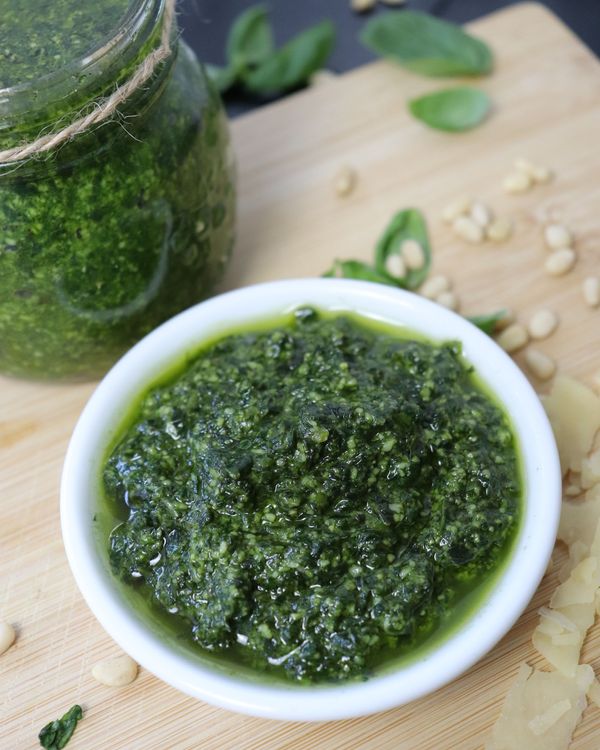
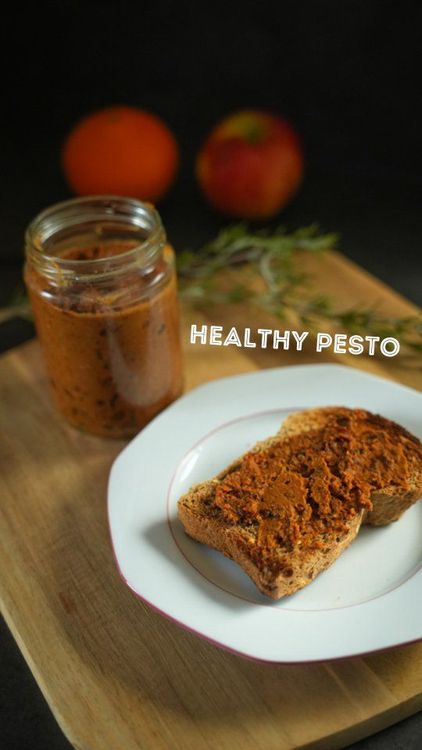
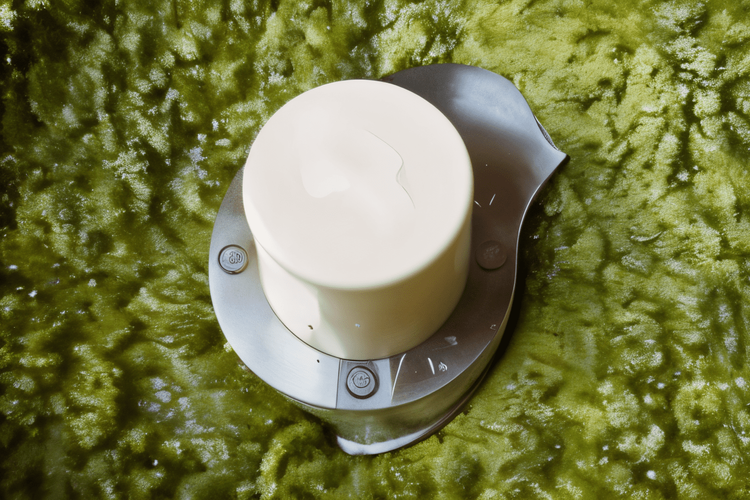
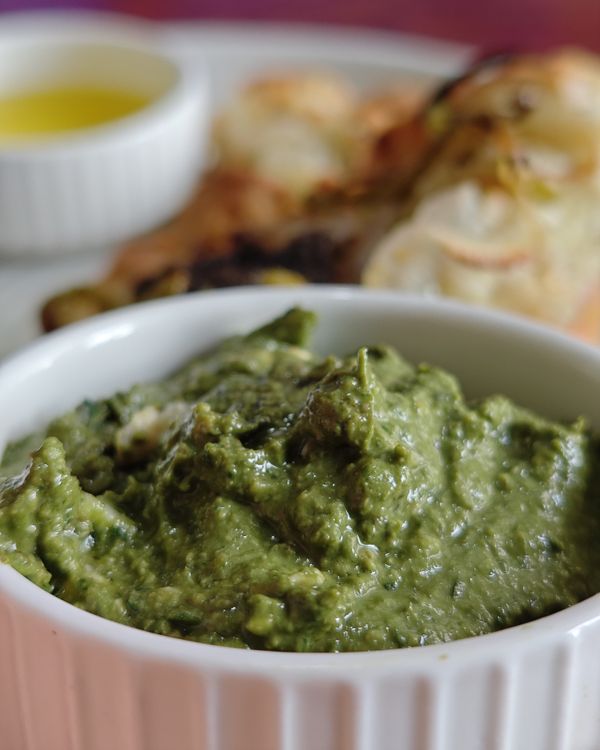
Pesto is one of the most misunderstood pasta sauce categories. Most people know basil pesto; fewer know that the same technique — raw herbs blended or pounded with oil, cheese and a nut — works with spinach, dill, fresh peas, sun-dried tomatoes, rocket and countless other bases. The cluster here covers the full range of pesto and herb sauces, from the classic Genoese basil pesto to lighter spinach and pea versions to the more robust walnut and sun-dried tomato variations. Each has its own character but shares a few things: they are raw or minimally heated, they come together in minutes, and they are best made in small batches and used quickly rather than cooked ahead. The oxidation problem — pesto turning dark brown within an hour — is the main technical challenge. Solutions include blanching the basil briefly before blending, covering the surface of stored pesto with a thin layer of olive oil, or simply making a small amount and using it immediately. Ice cube tray freezing is the practical answer for batch making: portion pesto into the tray, freeze solid, then bag and use cubes as needed over the following two months. Standouts here include Light Homemade Pesto Rosso and Spinach Pesto, plus Fresh Pea Pesto.
- Italian
- Vegan
- Snack

- Vegetarian
- Sauce & Condiment

- Vegetarian
- Appetiser

- Italian
- Vegetarian
- Lunch
- Italian
- Vegetarian
- Sauce & Condiment

- Italian
- Vegetarian
- Side Dish
Cream & Cheese Pasta Sauces
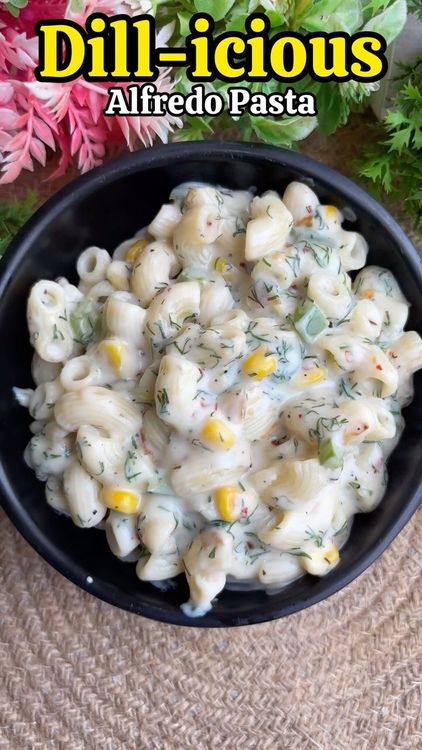
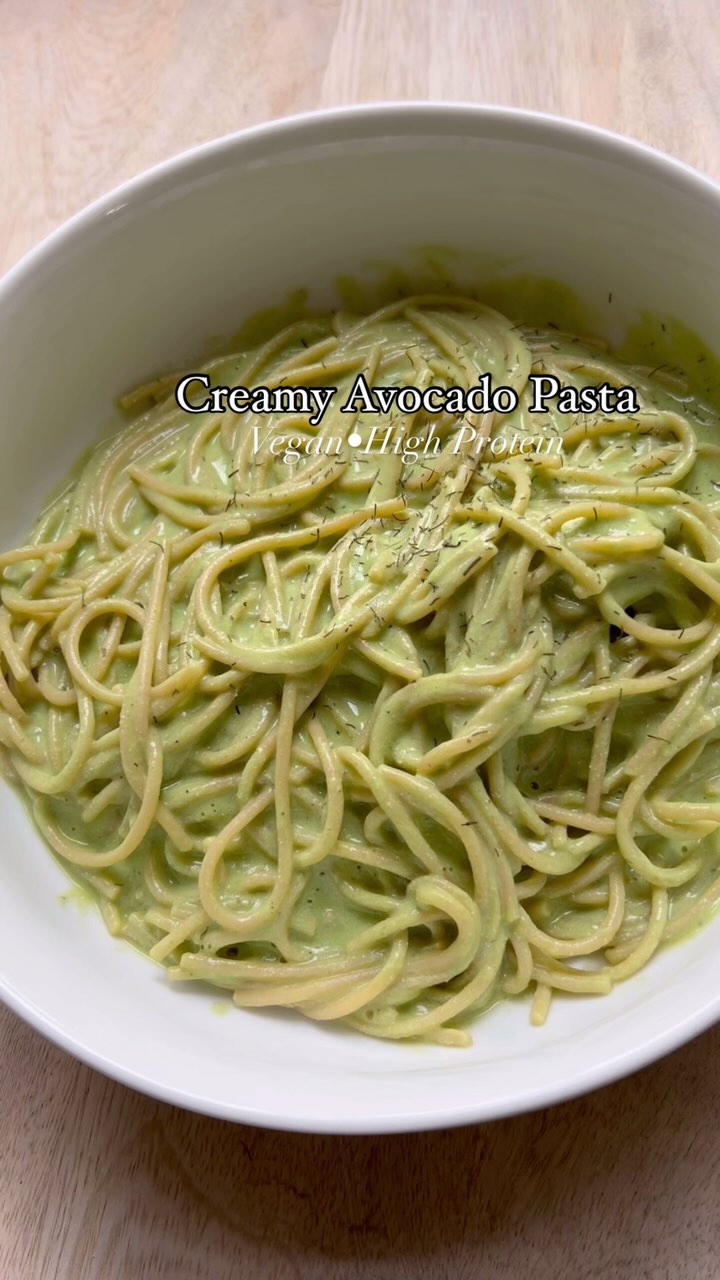
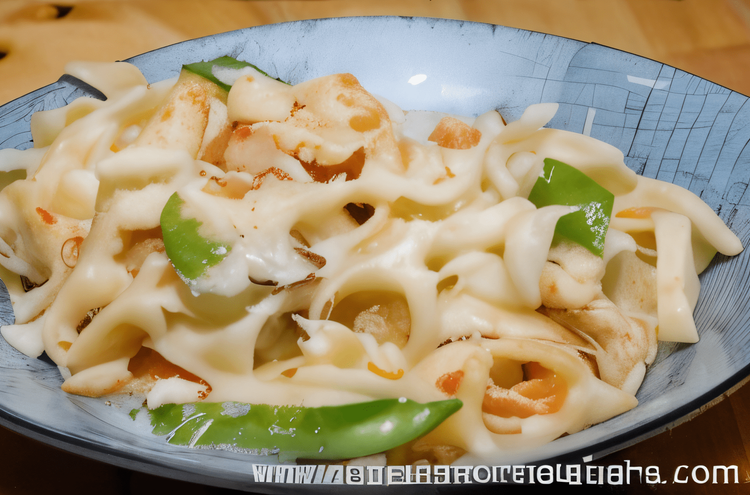
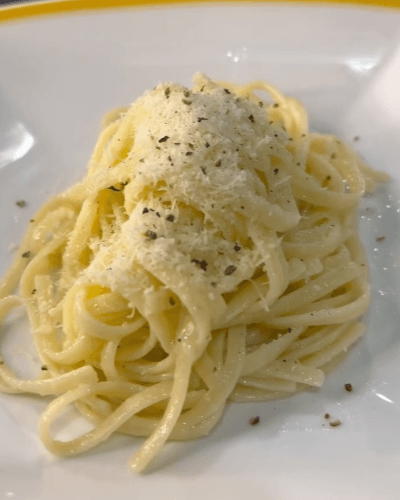
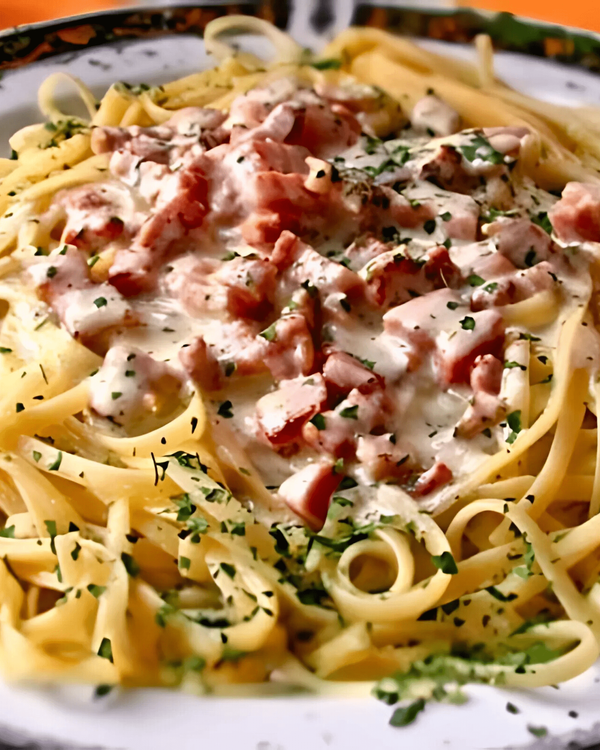
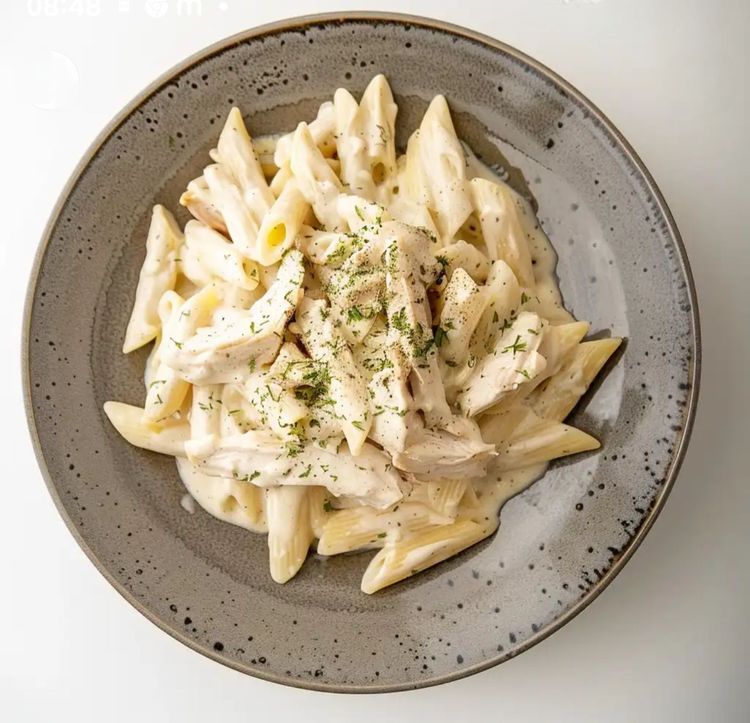
Cream and cheese pasta sauces are simultaneously the simplest and the most technically demanding category. Alfredo in its true form uses no cream — just pasta water, parmesan and pasta — emulsified by constant tossing. Carbonara uses only egg yolk, guanciale and cheese, with the eggs tempered by hot pasta water so they cook to a silk rather than a scramble. The modern variations in this cluster — creamy white wine sauce, avocado cream, tofu carbonara, dill alfredo — are more forgiving because they do use cream, which provides more stability than the traditional egg-only approach. The principle that unites all of them: low and slow, off the direct heat when the egg or cheese goes in, and pasta cooking water added by the ladleful to loosen and emulsify. Never add cold cream or cheese directly from the fridge to a hot pan — temper it first. The creamy avocado sauce is the most distinctive member of this cluster: raw avocado blended into a smooth, green sauce that is tossed with pasta and eaten immediately (it does not hold or keep well, as the avocado oxidises). Standouts here include Tofu Carbonara and Creamy Avocado and Tofu Pasta Sauce, plus Creamy White Wine Pasta Sauce.


- Vegetarian
- Lunch
- Vegetarian
- Lunch


- Italian
- Vegetarian
- Dinner
- Italian
- Vegetarian
- Sauce & Condiment

- Italian
- Vegetarian
- Main Course
- Italian
- Gluten-Free
- Dinner

- Italian
- Non-Vegetarian
- Dinner
Building a Proper Tomato Sauce Base
The foundation of every great tomato sauce is the same: onion softened in olive oil over low heat until sweet (not browned), garlic added for the last two minutes, then tomatoes cooked down with enough time for the water to evaporate and the flavour to concentrate. Rushing this process is the single biggest reason home tomato sauces taste thin and sharp. Plan for at least twenty to twenty-five minutes of gentle cooking.
Tinned whole plum tomatoes are better than diced for sauce — they have less added liquid, and you can crush them by hand directly into the pan to control the texture. San Marzano varieties have lower acidity and a sweeter flesh; they are worth seeking out for a classic marinara or puttanesca. For a bolognese or meat ragu, the tomatoes are a component rather than the lead, so standard tinned tomatoes are fine.
The finishing moves matter as much as the base. A small pinch of sugar rounds the acidity of tinned tomatoes without making the sauce noticeably sweet. Fresh basil or parsley added off the heat (not cooked in) keeps its aroma. A splash of pasta cooking water, starchy and salty, added when you toss the sauce with the pasta loosens it and helps it cling to every strand.
Making Pesto That Stays Bright Green
Pesto oxidises and turns dark within an hour of making if you are not careful. Two techniques prevent this: blanch the basil leaves briefly (ten seconds in boiling water, then into ice water) before blending, which deactivates the enzymes that cause browning, or simply work fast and store with a thin layer of olive oil on top to exclude air. The blanching method gives a more stable pesto; the fast raw method gives a brighter, more pungent result.
Classic Genoese pesto is made by hand in a mortar and pestle — the crushing action bruises the basil rather than cutting it, producing a coarser, more aromatic paste. A food processor is faster but generates heat that dulls the colour; pulse in short bursts rather than running continuously, and chill the bowl in the freezer for ten minutes before using. Do not add the parmesan until the end, as it can turn grainy when over-processed.
For spinach pesto, dill pesto, pea pesto and other herb variations, the same principles apply: work cold, add the cheese at the end, taste and adjust the salt and lemon before serving. All of these freeze well in ice cube trays — pop them out once frozen, bag them, and pull a cube or two into hot pasta for a weeknight dinner in five minutes.
Mastering Cream Sauces — Alfredo and Carbonara
The defining mistake with cream-based sauces is too much heat. Alfredo seizes when it boils; carbonara scrambles if the egg hits the pan too hot. For alfredo, the classic method uses only pasta cooking water and parmesan — no cream — emulsified by constant stirring. The starched, salty pasta water is the liquid that brings the sauce together, and it only works if you add it gradually while tossing off the direct heat.
For carbonara, the eggs are tempered with some of the hot pasta before anything goes in the pan — mix the egg and cheese in a bowl, add a ladleful of pasta water to warm them, then toss with the hot pasta off the heat. The pan should be warm, not hot. Work quickly and keep tossing until the sauce coats every strand. If it scrambles, there is no recovery; start again with lower heat.
Modern cream-based sauces that do use actual cream are more forgiving — a white wine cream sauce, a Cajun fettuccine or an avocado cream can all be gently heated without seizing. The technique is to reduce the cream over medium heat until it thickens slightly, then toss in the pasta with a generous splash of pasta water to loosen. The pasta water always matters: it is what moves a cream sauce from gluey to silky.
Slow-Cooked Ragus and Batch Freezing
A proper ragu — whether bolognese, brisket or a slow Sunday meat sauce — is built on three long stages: browning the meat deeply in batches (not steaming it in a crowded pan), building the soffritto of onion, carrot and celery until completely soft, and then a long, covered simmer at the barest possible heat. The final stage is where the magic happens: collagen from the meat dissolves into gelatin, the wine cooks out, and the fat rises to the top in small pools that you can spoon away or stir back in.
Time is the main ingredient in a ragu. A bolognese needs at least two hours; a brisket ragu or oxtail sauce four to six hours. The reward is that they improve over two or three days as the flavour deepens, and they freeze perfectly for two to three months. Cook a full pot on a Saturday and you have the backbone of weeknight pasta for weeks — thirty seconds out of the freezer, ten minutes in a pan, done.
To freeze, portion the cooled ragu into zip-lock bags or containers in single- or double-serving amounts. Lay flat to freeze so they stack efficiently and thaw faster. Reheat from frozen directly in a saucepan over low heat with a splash of water, covered, for fifteen minutes. Never microwave ragu from frozen — it heats unevenly and the texture suffers. Add freshly cooked pasta and toss with pasta water as always.
Pro Tips from the Test Kitchen
- Add a small pinch of sugar to tomato-based sauces to round the acidity without making them noticeably sweet.
- Always save at least one cup of starchy pasta cooking water before draining — it is the secret to a sauce that clings.
- Cook onions low and slow for 15–20 minutes before adding garlic; properly softened onion is the base of every great tomato sauce.
- Add fresh basil and parsley off the heat so the heat of the pan does not dull their aroma.
- Blanch basil briefly before blending for pesto that stays bright green for hours rather than turning dark.
- For carbonara, temper the eggs with hot pasta water before tossing, and work off the direct heat to avoid scrambling.
- Brown ragu meat in small batches over high heat — crowding the pan steams it grey instead of giving it colour.
- Freeze pesto in ice cube trays for single-serving portions that go from freezer to dinner in under ten minutes.
- Dress fresh pasta with sauce immediately after draining — it absorbs sauce better when still hot and slightly moist.
- A long-cooked ragu tastes better on day two; make it ahead and reheat gently for best results.
Frequently Asked Questions
What is the easiest homemade pasta sauce?
A simple basil pesto or a quick marinara are the most achievable for beginners. Pesto requires no cooking — just blending basil, garlic, parmesan, pine nuts and olive oil takes five minutes. A basic marinara (garlic, tinned tomatoes, olive oil, basil) takes twenty minutes and is fundamentally hard to get wrong once you know to cook it long enough. Both are far better than anything from a jar.
How do you make pasta sauce thicker?
The most reliable way is to cook it longer — simmering uncovered allows water to evaporate and the sauce to concentrate. For tomato sauces, twenty to thirty minutes of uncovered simmering on low-medium heat makes a noticeable difference. Adding a tablespoon of tomato paste also thickens and deepens colour. For cream sauces, reduce the cream before adding the pasta. Adding pasta cooking water (starchy, not plain water) thickens while also making the sauce cling.
What is the difference between marinara and bolognese?
Marinara is a simple, fast tomato sauce — garlic, tomatoes, olive oil, basil — with no meat and a bright, light flavour. It is done in twenty minutes. Bolognese is a slow-cooked meat sauce (typically beef and pork mince) with wine, milk and a small amount of tomato; it is richer, denser and needs at least two hours. Marinara is weeknight food; bolognese is a weekend project, or something made ahead and reheated.
What pasta goes with which sauce?
A general rule is that heavier, thicker sauces pair with wider, more robust pasta shapes, and lighter sauces with thinner ones. Bolognese and ragu work with pappardelle, tagliatelle or rigatoni — they grip the sauce. Pesto suits trofie, linguine or spaghetti. Carbonara and alfredo are traditional on fettuccine or spaghetti. Puttanesca and arrabiata suit spaghetti or penne. Light, no-cook sauces go with angel hair or thin spaghetti.
How long does homemade pasta sauce last in the fridge?
Tomato-based sauces keep well for four to five days refrigerated in a sealed container. Cream-based sauces (alfredo, carbonara) are best used within two to three days, as cream can develop an off-flavour. Pesto keeps for up to a week with a thin layer of olive oil on top to seal out air; without this, it oxidises and darkens within a day. Meat ragus keep for three to five days and improve as the days pass.
Can you freeze pasta sauce?
Most pasta sauces freeze very well for two to three months. Tomato sauces and meat ragus freeze perfectly and reheat beautifully. Pesto freezes best in ice cube trays, then stored in bags — add directly from frozen to hot pasta. Cream-based sauces are the exception: they can separate on thawing. Some recipes with cream freeze acceptably if reheated gently with extra pasta water to re-emulsify, but they are generally better made fresh.
How do you make pasta sauce from scratch without a recipe?
Start with olive oil and softened onion, add garlic, then tinned or fresh tomatoes. Season with salt, a pinch of chilli and dried oregano. Simmer uncovered for twenty to thirty minutes until thickened, taste and adjust. Finish with fresh basil off the heat. This basic framework is infinitely adaptable: add anchovies for puttanesca, capers and olives for a briny twist, nduja for heat and depth, or cream and white wine for a richer sauce.
What makes a pasta sauce taste restaurant-quality?
Three things make the biggest difference: cooking the base long enough (never rush the onion or the tomato reduction), finishing with reserved starchy pasta cooking water when tossing (this emulsifies the sauce and makes it cling), and seasoning in layers rather than just at the end. Restaurant kitchens also use good olive oil generously and finish with fresh herbs off the heat — small moves that lift a sauce from flat to rounded.
Is bolognese the same as meat sauce?
Traditional bolognese (ragù alla bolognese) is a specific Emilian recipe: a slow-cooked sauce with beef and pork mince, white wine, a small amount of tomato, and milk or cream added near the end to tenderise the meat. A generic "meat sauce" is a broader category that might use any meat, more tomato, red wine and fewer constraints. Bolognese is a specific style within the larger family; the terms are often used interchangeably in home cooking, though purists would note the distinction.
What is the best pasta sauce for meal prep?
A classic bolognese or brisket ragu is ideal for meal prep: it takes time to make but produces a large batch that improves over days and freezes for months. A simple marinara or arrabbiata is the best quick option — make double the quantity in the same time and refrigerate the second batch. Pesto in ice cube trays is arguably the most convenient: pull one or two cubes from the freezer and dinner is ready in the time it takes to cook the pasta.
Pasta sauce recipes reward the investment of learning a handful of techniques: how to build a tomato base properly, how to keep pesto bright, how to emulsify a cream sauce, how to be patient with a ragu. Once those moves feel natural, every sauce in this collection becomes more adaptable — you can vary the herbs, switch the protein, lean richer or lighter — because you understand what you are building towards.
Start with the sauce that matches tonight's situation: a pesto if there is no time, a marinara if there is twenty minutes, a ragu if the weekend allows. Save your favourites to a Chefadora cookbook and use this page as your pasta sauce reference across the seasons. The collection is built to cover every occasion, from the fastest weeknight dinner to the batch you make once and eat for a week.
Related
- Pasta
- Italian
- Sauce
- Bolognese
- Pesto
- Weeknight dinners
- Batch cooking
Popular Searches
- Best pasta sauce recipes
- Easy pasta sauce recipes
- Quick pasta sauce recipes
- Healthy pasta sauce recipes
- Simple pasta sauce recipes
- Homemade pasta sauce recipes
- Delicious pasta sauce recipes
- Popular pasta sauce recipes
- easy pasta sauce
- homemade pasta sauce
- best pasta sauce
Marnirni-apinthi Building, Lot Fourteen,
North Terrace, Adelaide, South Australia, 5000
Australia
