
Top 25 Tuna Recipes: Casseroles, Salads, Melts and Pasta
Updated June 24, 2026 · Curated by Chefadora
Tuna recipes are the easiest way to put a real, protein-rich meal on the table from one tin and a handful of pantry staples. The collection below shows the full range, from creamy baked casseroles and golden melts to crisp, fresh salads and bowls, lunchbox sandwiches and wraps, and quick tuna pasta and skillet patties. Whether you reach for canned tuna or a fresh steak, it is one of the most affordable and adaptable proteins in the kitchen.
What decides whether tuna turns out tender or dry is mostly about heat and moisture. Canned tuna is already cooked, so it needs only to be warmed through and dressed; the moment you boil or bake it hard, it tightens and turns chalky. Fresh tuna is the opposite — it wants a fast, fierce sear and a rare-to-medium centre, because a few minutes too long takes it from buttery to grey and dry. Drain canned tuna well so dressings cling rather than slide.
You will find the collection grouped into clusters — tuna casseroles and bakes, tuna salads and protein bowls, sandwiches, melts and wraps, and tuna pasta and skillet mains. Standout dishes range from a classic Tuna Noodle Casserole and a Tuna Melt to a Nicoise-style protein bowl and a quick Tuna Pasta, each built on the fundamentals the guides below lay out.
Treat this as a working reference. Each recipe links to full ingredients and steps on Chefadora, and the guides below cover what actually decides whether tuna stays moist or turns dry — choosing and draining the right tin, seasoning a tuna mix so it sings, and cooking bakes, pastas and fresh steaks so everything turns out creamy, fresh or seared exactly right.
Tuna Casseroles & Bakes
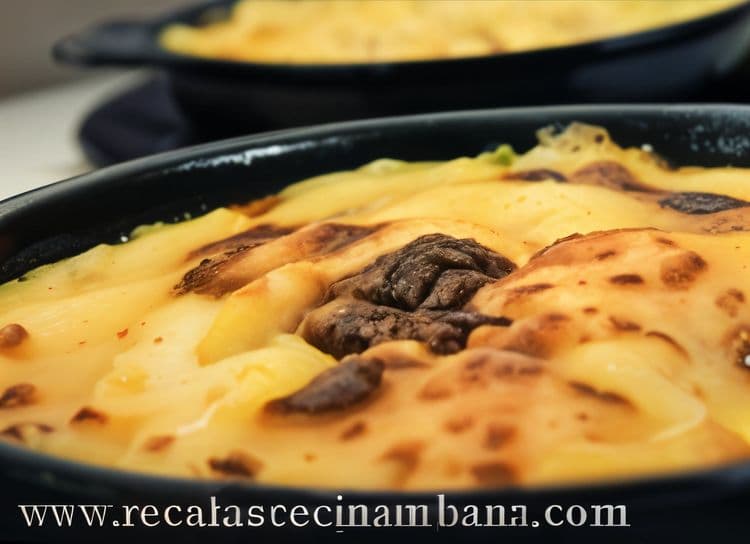
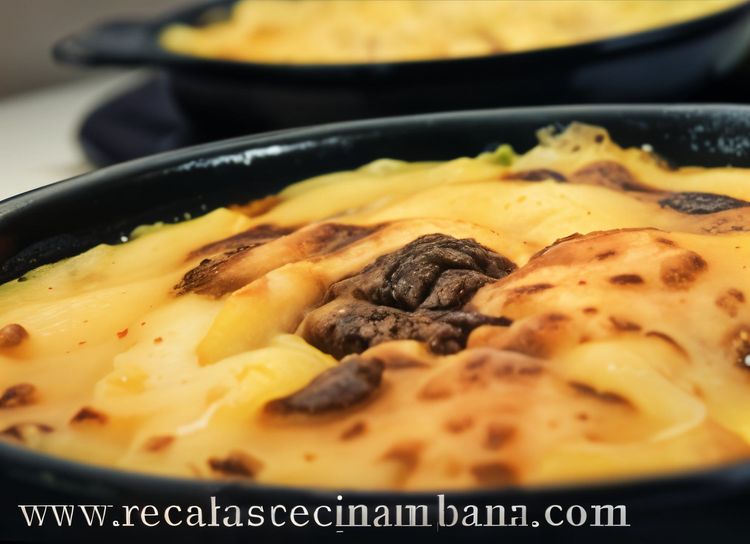
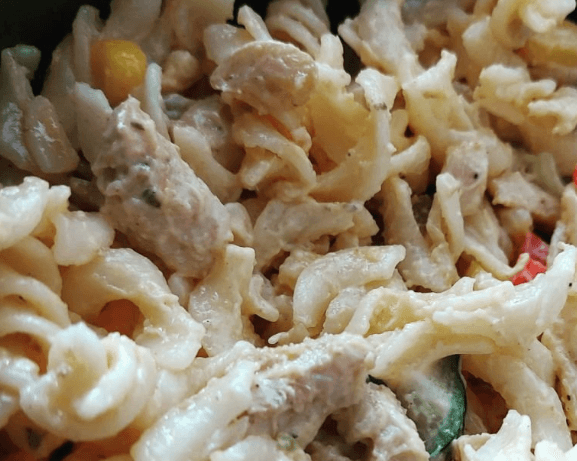
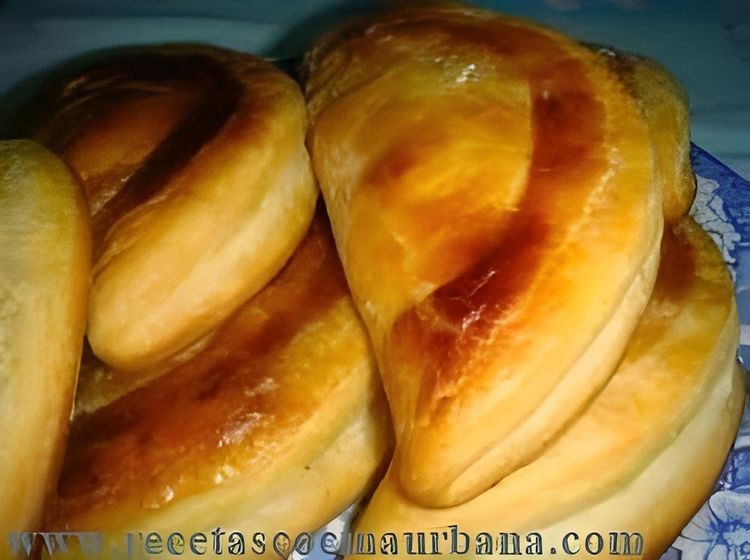
A tuna casserole is the original pantry dinner, and getting it right is all about moisture. The classic noodle bake binds pasta, tuna and peas in a creamy sauce, but pasta and rice keep drinking up liquid as they cook, so a mixture that looks perfectly saucy going into the oven can turn stodgy and dry coming out. The fix is to undercook the pasta by a minute, make the sauce noticeably looser than you think you need, and fold the drained tuna through at the very end rather than letting it simmer, which would tighten the flakes and turn them chalky. Top the dish with buttered breadcrumbs, crushed crisps or grated cheese for a golden, crunchy crust, and bake just until the edges bubble and the top colours, not a minute longer. A squeeze of lemon, a scatter of fresh herbs or a pinch of chilli stirred through the sauce keeps a rich bake from tasting heavy. The same logic carries through tuna pasta bakes, melts under the grill and stuffed shells, where a loose, well-seasoned sauce and gently treated tuna are what separate creamy comfort food from a dry, claggy disappointment. Standouts here include Tuna, Egg, and Cheese Casserole and Tuna Noodle Bake (or Rice), plus Baked Tuna and Corn Empanadas.
- International
- Pescatarian
- Lunch

- American
- Pescatarian
- Lunch
- Latin American
- Pescatarian
- Appetiser
- Latin American
- Pescatarian
- Lunch

- East Asian
- Dairy-Free
- Dinner
Tuna Salads & Protein Bowls
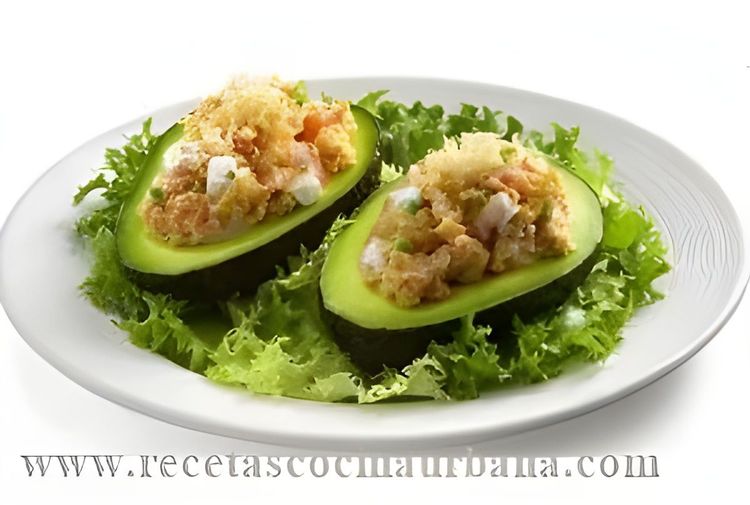
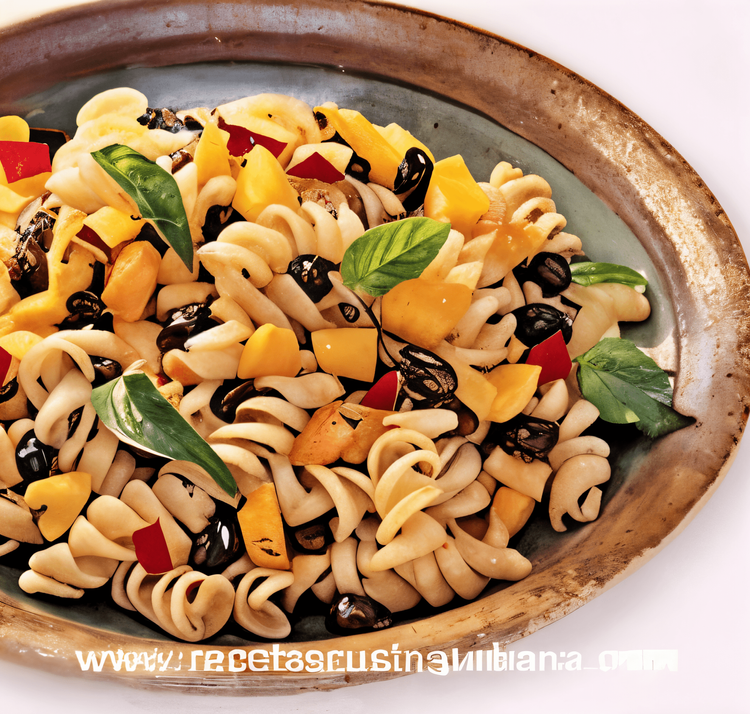
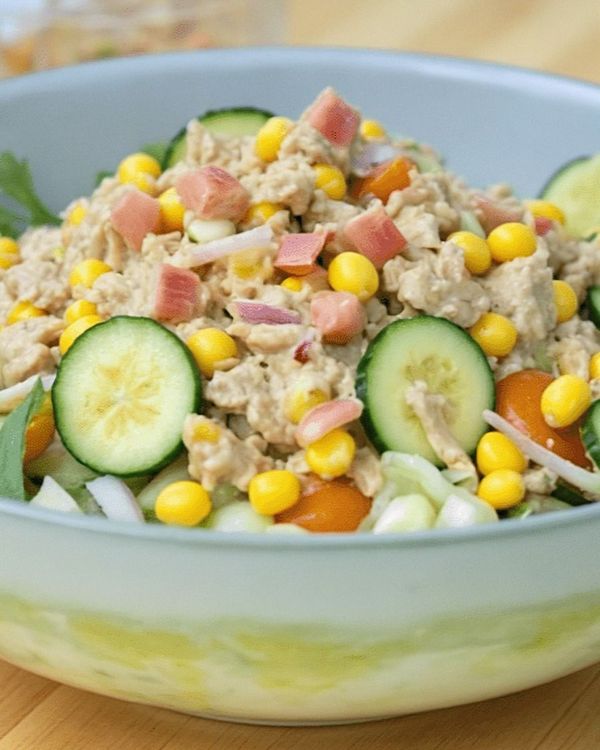
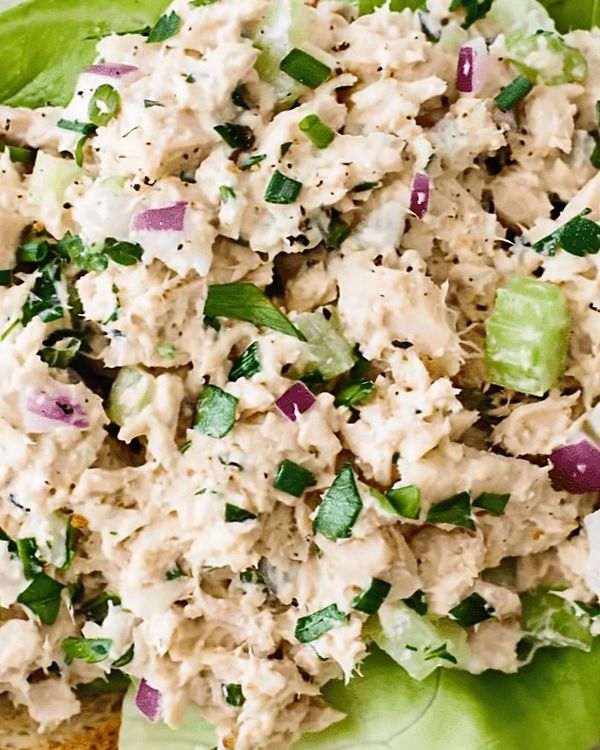
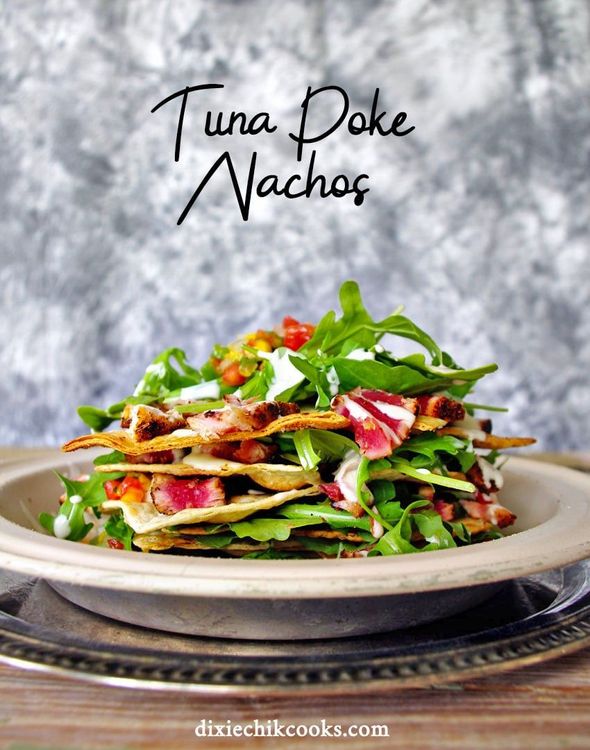
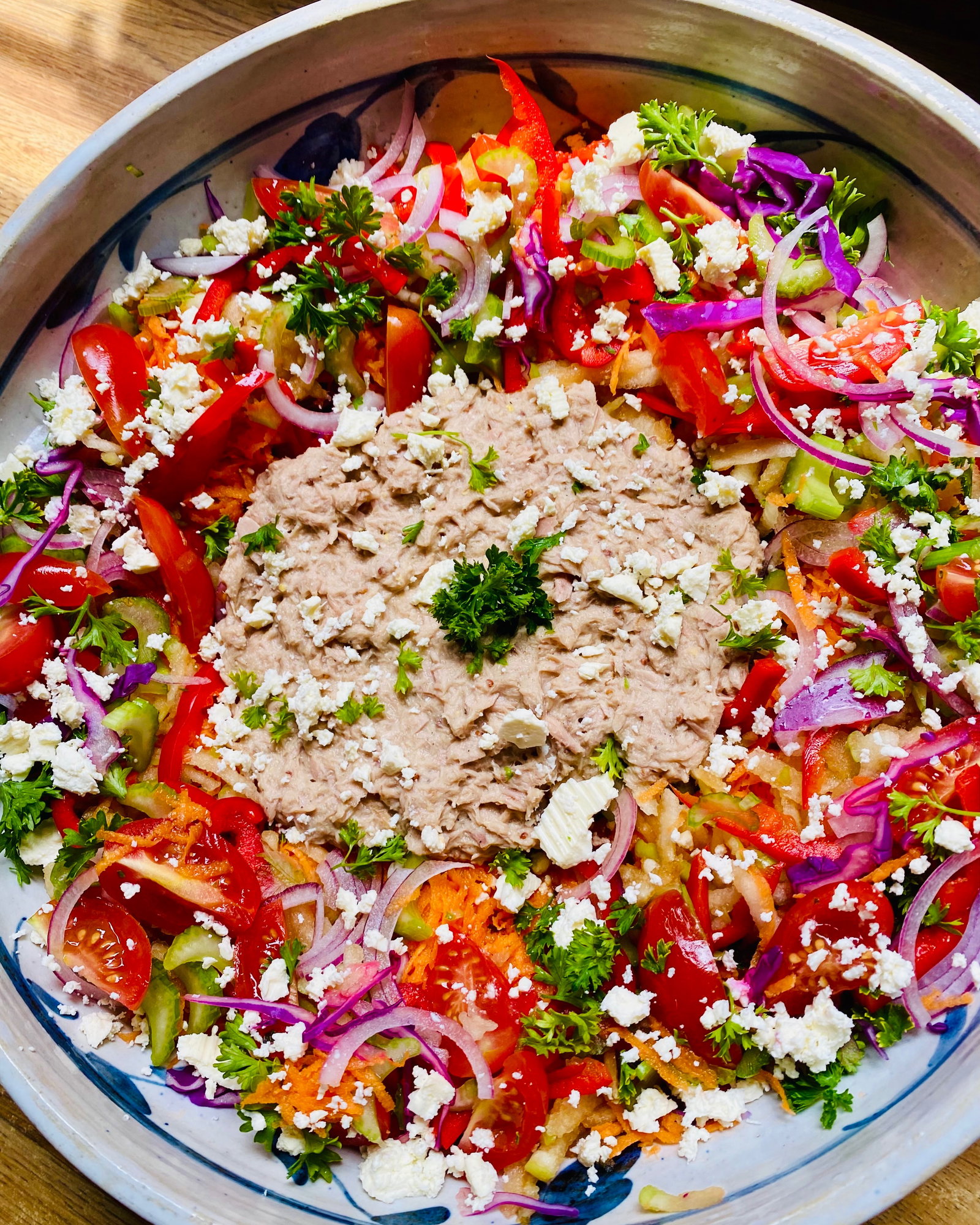
Tuna salads and protein bowls are where this lean fish really shines, turning one drained tin into a bright, filling meal in minutes. The single most important step is draining the tuna firmly, pressing out every drop of packing liquid so your dressing clings instead of sliding off into a watery pool at the bottom of the bowl. From there, balance is everything: a creamy or oil-based dressing for body, a sharp hit of lemon, vinegar or mustard to keep it fresh, and plenty of crunch from celery, red onion, cucumber or crisp lettuce. For a Nicoise-style plate, layer flaked tuna with boiled egg, green beans, olives and potatoes, dressed simply in olive oil and lemon. For grain and poke bowls, pile the tuna over rice or leaves with avocado, edamame and a punchy soy or sesame dressing. Because tuna is already cooked and mild, it happily carries assertive flavours, so season boldly and taste as you go. Dress the salad just before serving rather than letting it sit, since the acid slowly breaks down delicate leaves and the tuna can weep, leaving you with something soggy instead of the fresh, crisp, protein-packed bowl you were after. Standouts here include Tuna Pasta Salad and Tuna Cucumber Salad, plus Tuna Avocado Salad.
- Italian
- Pescatarian
- Salad
- Mediterranean
- Pescatarian
- Lunch
- International
- Pescatarian
- Lunch


- Fusion
- Pescatarian
- Dinner

- Fusion
- Pescatarian
- Appetiser
Tuna Sandwiches, Melts & Wraps
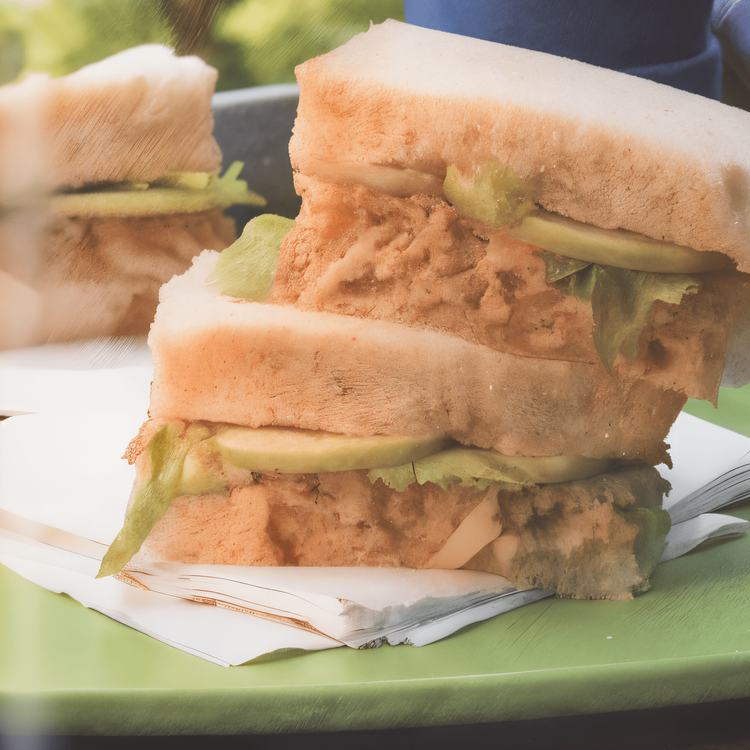
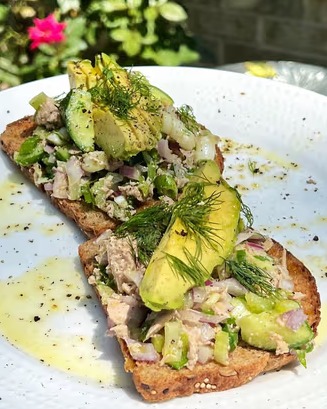
Sandwiches, melts and wraps are the everyday home of canned tuna, and a great one comes down to a well-seasoned mix and the right bread. Start by draining the tuna properly and binding it loosely with mayo or greek yogurt — just enough to hold the flakes together — then lift it with lemon, mustard, salt and pepper, and fold in crunchy celery, onion or pickles for texture and bite. For a classic cold sandwich or wrap, pile the mix onto sturdy bread or a warmed flatbread with crisp lettuce and tomato, and assemble it close to serving so nothing goes soggy. A tuna melt is a different beast: spread the mix on toasted bread, blanket it with cheese, and grill or griddle it until the cheese is molten and bubbling and the bread is deeply golden, so the heat warms the tuna through without drying it and the toasted base stays crisp under the filling. Keep fillings tidy and sauces controlled, because an overstuffed sandwich slides apart and turns the bread to mush. Toast bagels, panini and subs for contrast, and warm wraps briefly so they fold without cracking, giving you a handheld lunch with crunch, tang and richness in every bite. Standouts here include Tuna and Apple Sandwich and Tuna & Cucumber Wrap, plus Spicy Tuna Sandwich.
- International
- Pescatarian
- Lunch


- Pescatarian
- Lunch


- Pescatarian
- Lunch
- American
- Pescatarian
- Lunch

- Pescatarian
- Lunch
Tuna Pasta & Skillet Mains
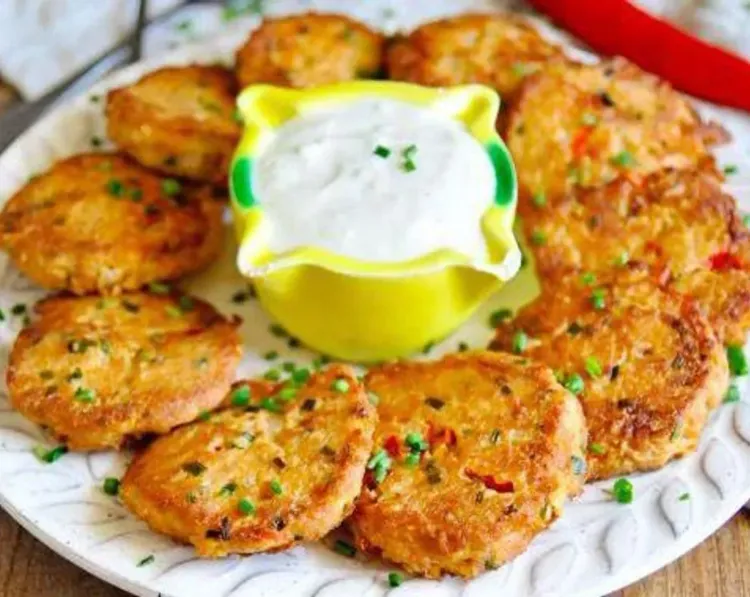
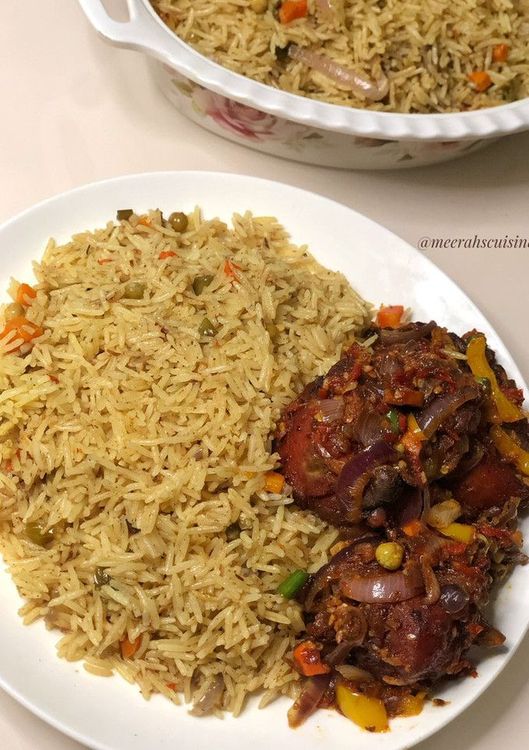
Tuna pasta and skillet mains are the fast, filling end of the repertoire, the dishes you reach for when dinner needs to be on the table in twenty minutes. The golden rule with pasta is to treat the tuna as a finishing ingredient, never something to cook hard: build your sauce first — garlic and chilli sizzled in olive oil, a tin of tomatoes simmered down, or simply lemon, capers and a ladle of starchy pasta water — then toss the drained, cooked pasta through it and fold in the flaked tuna off direct high heat at the very end, so it warms through and keeps its flake rather than tightening into dry threads. That starchy pasta water is your secret weapon, loosening everything into a glossy coat that clings to every strand. Skillet patties and cakes are the other staple here: bind flaked tuna with mashed potato or breadcrumbs, an egg and bold seasoning, shape into rounds, chill them so they hold, then shallow-fry until crisp and golden on both sides. The same flaked tuna folds beautifully into spiced curries, fried rice and kebabs, where it adds quick protein to an already-built base. Across all of them, season generously and add the tuna last, and a humble tin becomes a satisfying main. Standouts here include Tuna Cakes and Tuna Rice, plus Tuna, Zucchini & Tomato Pasta.
- Mediterranean
- Pescatarian
- Appetiser

- African
- Pescatarian
- Lunch
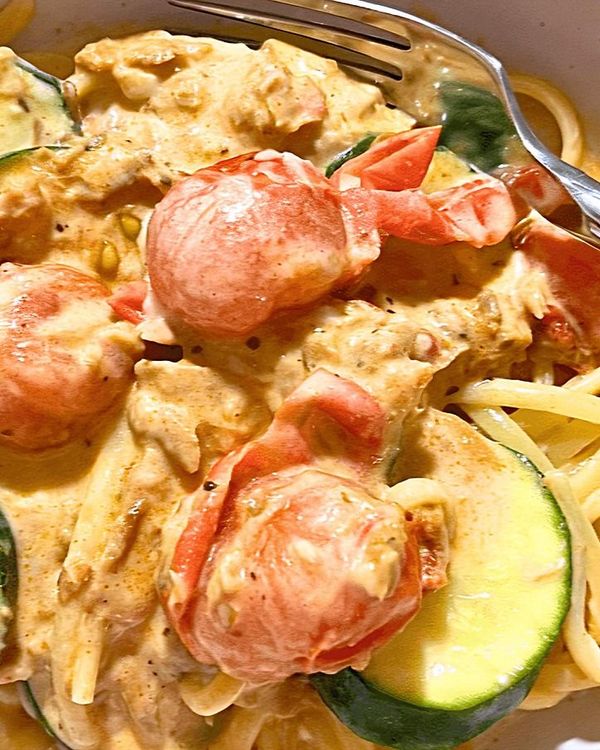
- Italian
- Vegetarian
- Lunch


- Pescatarian
- Snack
More Tuna Favourites
A few tuna dishes never quite fit a single category, and these are the ones worth keeping in your back pocket once the staples feel routine. They lean on the same handful of techniques you already know — draining the tin well, seasoning with bright acid and crunch, and treating the tuna gently so it never turns dry — but steer them toward different textures, formats and flavour profiles, so a single tin never tastes the same twice. You might find a tuna-stuffed pepper or avocado, a creamy tuna dip for crackers, a rice-and-tuna one-pan supper, or a spiced tuna filling for parcels and toasties. Picking your next one is mostly about matching effort to mood: choose a no-cook salad or dip on a busy night when you want protein in five minutes, and save the baked, fried or simmered numbers for when you have a little more time to let flavours build. Pay attention to how rich you want the result, too, since oil-packed tuna and a creamy binder lean indulgent while water-packed tuna with lemon and herbs stays light and fresh. Think of this group as the natural next step after the classics, the recipes that quietly earn a regular spot in your rotation once you have tried them and proved how far one affordable, protein-rich tin can really stretch. Standouts here include Crispy Tuna Cutlet and Tuna Crudo with Tomato, plus Tuna with Capers and Black Olives.
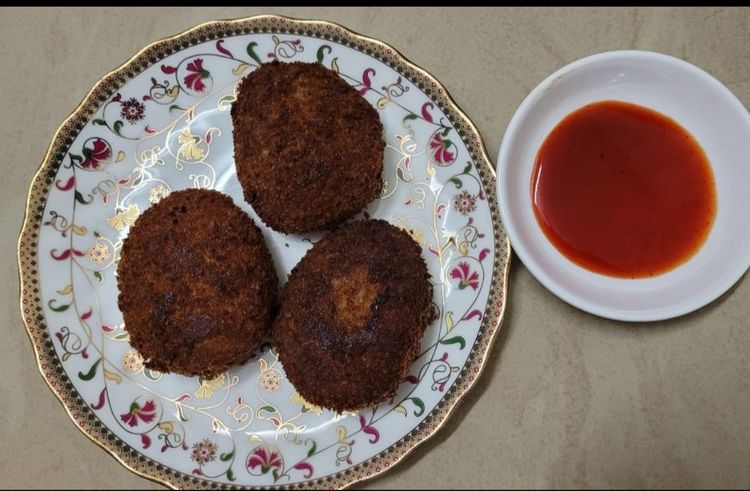
- Indian
- Pescatarian
- Appetiser

- Pescatarian
- Appetiser
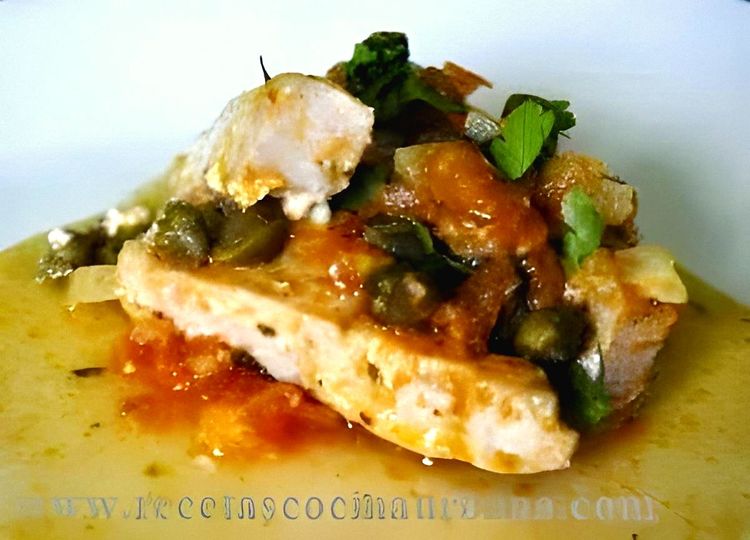
- Mediterranean
- Pescatarian
- Dinner
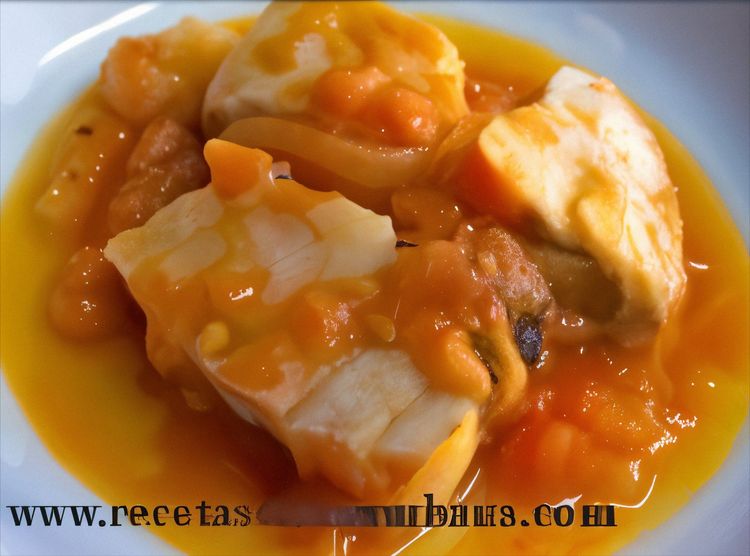
- Mediterranean
- Pescatarian
- Lunch
- Mediterranean
- Pescatarian
- Lunch
Choosing and Draining Your Tuna
The first choice is the tin itself. Tuna packed in oil is richer, more tender and more forgiving — the oil keeps the flakes moist and carries flavour, which suits melts, pastas and patties. Tuna in spring water or brine is leaner and lighter, ideal for salads and high-protein bowls where you do not want extra fat. Solid or chunk tuna gives meatier flakes for salads and steaks; flaked tuna is softer and blends smoothly into sandwich mixes and dips, so match the cut to the dish.
How you drain it matters more than people think. Press the tuna firmly in the tin lid or a sieve to squeeze out the packing liquid, since leftover brine or water thins a dressing and turns a sandwich filling soggy. For oil-packed tuna you can save a spoonful of that flavourful oil to fold back into a pasta or dressing. Flake the tuna with a fork rather than mashing it to paste, so the texture stays interesting and the mix does not go gluey.
For fresh tuna, look for steaks that are firm, deep red or pink and glossy rather than dull or browning at the edges, and ask for them cut at least an inch thick so you can sear the outside while keeping the middle rare. Pat fresh tuna completely dry before cooking, since surface water steams and stops it taking on colour. Keep both canned and fresh tuna well chilled, and use opened tins or cooked tuna within a day or two for the best flavour and safety.
Seasoning a Tuna Mix That Sings
A plain tin of tuna is a blank canvas, and the difference between dull and delicious is acid, fat and crunch. Start with a creamy binder — mayonnaise, greek yogurt or a mix of both — using just enough to bring the flakes together rather than drowning them. Then sharpen it: a squeeze of lemon or a splash of vinegar, a little Dijon mustard, and salt and plenty of black pepper. That brightness is what stops a tuna salad tasting flat and heavy, so taste and adjust the acid before you call it done.
Texture is the other half of the job. Finely diced celery, red onion, spring onion, pickles or capers add crunch and a savoury, briny lift that cuts through the richness of the mayo. Fresh herbs — dill, parsley or coriander — bring colour and freshness, while a pinch of chilli, a dab of sriracha or a spoon of sweetcorn takes it somewhere new. Add these last and fold gently, so the salad stays loose and varied rather than packing down into a dense, uniform paste.
Think beyond the Western deli salad, too. Tuna takes brilliantly to Indian and global flavours: fold in chopped green chilli, ginger, lime and coriander for a zingy sandwich filling, or bind it with mashed potato, garam masala and a beaten egg for crisp patties. A spoon of curry powder, a little grated apple and raisins makes a coronation-style mix. Because canned tuna is already cooked and mild, it carries assertive seasoning happily — be generous, then balance heat and acid until each forkful tastes complete.
Cooking Bakes, Pasta and Fresh Steaks
A tuna casserole is about managing moisture as it bakes. Cook the pasta or noodles a minute short of done, since they keep softening in the oven, and make the sauce looser than seems right — pasta and rice drink up liquid as the bake sets, and a casserole that looked perfect going in can turn stodgy coming out. Fold the drained tuna through at the end rather than simmering it, top with breadcrumbs or cheese for a golden crust, and bake just until bubbling so the tuna stays tender rather than drying out.
For tuna pasta on the stovetop, treat the tuna as a finishing ingredient, not something to cook. Build your sauce first — garlic and chilli in olive oil, a tin of tomatoes, or a splash of pasta water with lemon and capers — then drain the cooked pasta, toss it through the sauce, and only then fold in the flaked tuna off direct high heat so it warms through and keeps its flake. A ladle of starchy pasta water loosens everything into a glossy coat that clings, and a handful of herbs at the end keeps it fresh.
Fresh tuna steaks are a different discipline: hot, fast and barely cooked. Get a heavy pan or griddle genuinely smoking, brush the steak with oil and season it well, then sear for roughly one to two minutes a side for a steak left rare to medium in the middle, like a good piece of beef. Overcooking is the single biggest mistake — past medium, tuna goes pale, firm and dry. Rest it a minute, slice against the grain, and serve with something acidic like a squeeze of lime or a soy-and-ginger dressing to lift the rich flesh.
Pro Tips from the Test Kitchen
- Choose oil-packed tuna for melts, pastas and patties; water- or brine-packed for lean salads and protein bowls.
- Drain tuna firmly — leftover liquid thins dressings and turns sandwich fillings soggy.
- Flake tuna with a fork rather than mashing it, so the texture stays interesting and never gluey.
- Brighten any tuna mix with lemon or vinegar and a little mustard so it does not taste flat and heavy.
- Add crunch with diced celery, red onion, pickles or capers, folded in gently at the end.
- Fold canned tuna into casseroles and pastas at the very end, off hard heat, so it stays tender.
- Make casserole sauce looser than it looks — pasta and rice drink up liquid as the bake sets.
- Toast the bread and add cheese while hot so a tuna melt turns golden instead of soggy.
- Sear fresh tuna steaks hot and fast, one to two minutes a side, keeping the centre rare to medium.
- Pat fresh tuna bone-dry before searing, since surface water steams and stops it browning.
Frequently Asked Questions
What are the best tuna recipes to start with?
Begin with quick, forgiving wins: a well-seasoned tuna salad with lemon, mayo and celery, a golden tuna melt on toasted bread, a creamy tuna noodle casserole, or a fast tuna pasta tossed with garlic, chilli and capers. These show off how far one tin stretches. From there, branch into protein bowls with flaked tuna over greens and grains, crisp tuna patties, or a seared fresh steak. Canned tuna is the most affordable and beginner-friendly starting point.
What are some easy tuna recipes using canned tuna?
Canned tuna is built for easy cooking because it is already cooked and just needs warming or dressing. Stir it into a creamy salad for sandwiches and wraps, fold it through hot pasta with lemon and olive oil, bind it with potato and spices for patties, or layer it into a quick noodle casserole. Drain it well first so dressings cling, season boldly with acid and herbs, and you have a protein-rich meal from the pantry in minutes.
How do you make a tuna salad that is not bland or watery?
Two things fix bland, watery tuna salad: drain the tuna firmly and season it brightly. Press out every drop of packing liquid in a sieve so the dressing does not turn thin and runny. Then build flavour with mayo or greek yogurt for body, a squeeze of lemon or splash of vinegar and a little mustard for sharpness, salt and plenty of pepper, and crunchy bits like celery, onion and pickles. Taste and adjust the acid before serving, and dress it just before eating.
How do you keep tuna casserole from drying out?
Tuna casserole dries out when the sauce is too tight and the bake runs too long. Cook the pasta or noodles a minute short, since they keep softening in the oven, and make the sauce looser than seems right, because pasta and rice soak up liquid as it sets. Fold the drained tuna in at the end rather than simmering it hard, cover for most of the bake so it steams, then uncover briefly to brown the top, and pull it the moment it is bubbling.
Should you use tuna in oil or in water?
It depends on the dish. Tuna in oil is richer, more tender and more flavourful, which makes it ideal for melts, pastas, patties and anywhere you want moisture and depth — and you can save a little of that oil to fold back in. Tuna in spring water or brine is leaner and lighter, perfect for high-protein salads and bowls where extra fat is not wanted. Both work in most recipes; just drain either one well before using it.
How do you cook fresh tuna steaks without drying them out?
Cook fresh tuna hot, fast and rare. Get a heavy pan or griddle genuinely smoking, pat the steak completely dry, brush it with oil and season well, then sear for only about one to two minutes a side, leaving the centre pink and rare to medium like a good beef steak. Past medium, tuna turns pale, firm and dry. Rest it a minute, slice against the grain, and finish with something acidic such as lime or a soy-ginger dressing to lift the richness.
Is tuna healthy and high in protein?
Tuna is one of the leanest, most protein-dense foods you can keep in the cupboard — a single drained tin can carry around 20 to 25 grams of protein for very few calories, plus omega-3 fats, B vitamins and selenium. Water-packed tuna is the leanest option; oil-packed adds richness and a little more fat. It anchors filling salads, bowls and sandwiches with almost no effort. For variety, eat a mix of tuna and other fish, as oily fish brings the most omega-3s.
How long does tuna salad and opened canned tuna last?
Keep an opened tin of tuna or a made-up tuna salad in an airtight container in the fridge and use it within about two to three days for the best flavour and safety. Do not leave tuna out at room temperature, especially a mayo-based salad, for more than a couple of hours. Tuna salad does not freeze well because the mayo splits and the texture turns watery; make it fresh in small batches instead, and give it a stir and a taste before serving leftovers.
Can you make tuna recipes ahead of time?
Many tuna dishes are great for prep. A seasoned tuna salad actually improves after an hour or two as the flavours meld, and keeps a couple of days for quick sandwiches, wraps and bowls. Casseroles can be assembled ahead and baked when needed, and tuna patties can be shaped and chilled before frying. The exceptions are anything you want crisp or freshly seared — melts, fried patties and fresh steaks are best straight from the heat, so cook those to order.
The thread through every tuna recipe here is the same: drain the tin well, season with bright acid and crunch, and treat the tuna gently — fold it into bakes and pastas off hard heat, and sear fresh steaks fast so the centre stays rare. Master those and casseroles turn out creamy, salads stay fresh, melts go golden, and skillet mains come together in minutes from one affordable tin.
Pick a few tuna recipes to cook this week — a sharp lunchbox salad, a comforting noodle casserole and a quick tuna pasta — and save your favourites to a Chefadora cookbook. There is a tuna dish for every meal and budget; this page is built to be the tuna reference you keep coming back to whenever the cupboard looks bare.
Related
- Tuna
- High protein
- Canned
- Budget
- Lunch
- Seafood
- Quick
- Pantry
Popular Searches
- Best tuna recipes
- Easy tuna recipes
- Quick tuna recipes
- Healthy tuna recipes
- Simple tuna recipes
- Homemade tuna recipes
- Delicious tuna recipes
- Popular tuna recipes
- tuna casserole
- tuna salad
- tuna sandwich
- canned tuna recipes
Marnirni-apinthi Building, Lot Fourteen,
North Terrace, Adelaide, South Australia, 5000
Australia
