
43 Chaat Recipes That Taste Like the Stall on the Corner
Updated July 15, 2026 · Curated by Chefadora
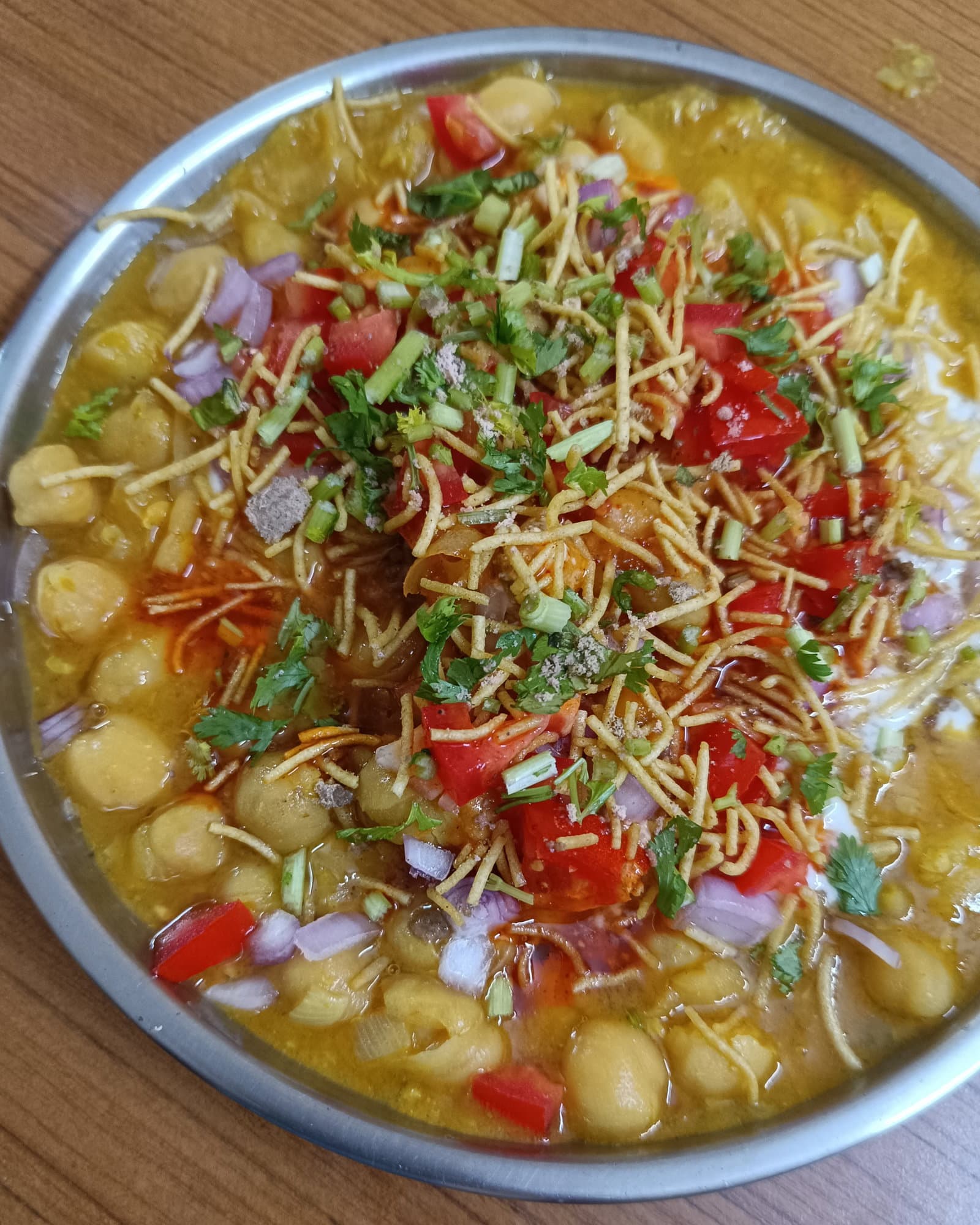
The best chaat recipes are not really cooking. They are assembly, and the whole thing lives or dies in the last ninety seconds — the moment the chutney hits the crisp bit. I have watched a Delhi vendor build forty plates without once looking down, and the lesson was the same every time: everything is prepped, and nothing is dressed until someone is standing there with their hand out.
That is the principle behind all 43 plates below, pulled from Chefadora's cooks across Punjab, Bengal, Gujarat, Awadh, coastal Karnataka and Pakistan. Some are five-minute guava bowls you make standing at the counter. Others, like the Awadhi katori, ask fifty minutes and a bit of nerve with hot oil. What ties indian chaat together is not an ingredient list at all — it is the collision of sour, hot, sweet, salty and crunchy in one spoonful, and the discipline to keep those elements apart until the last possible second.
Street-Style Chaat Recipes You Can Pull Off at Home
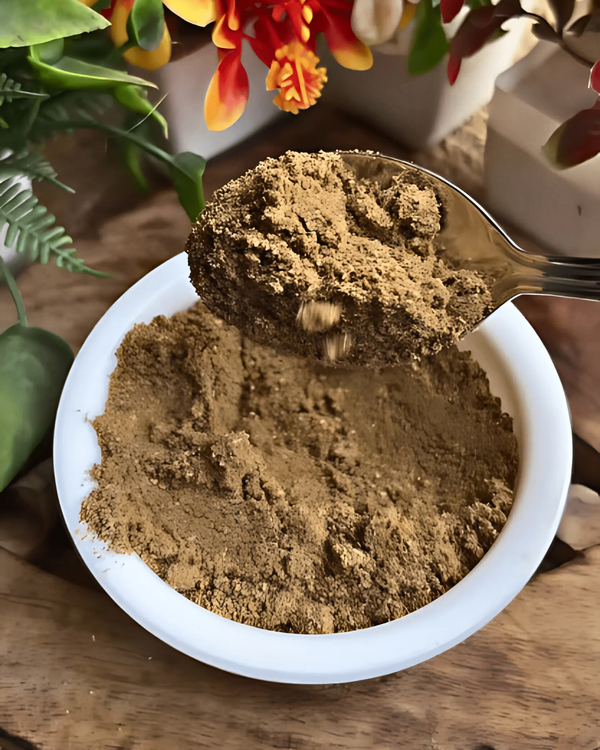
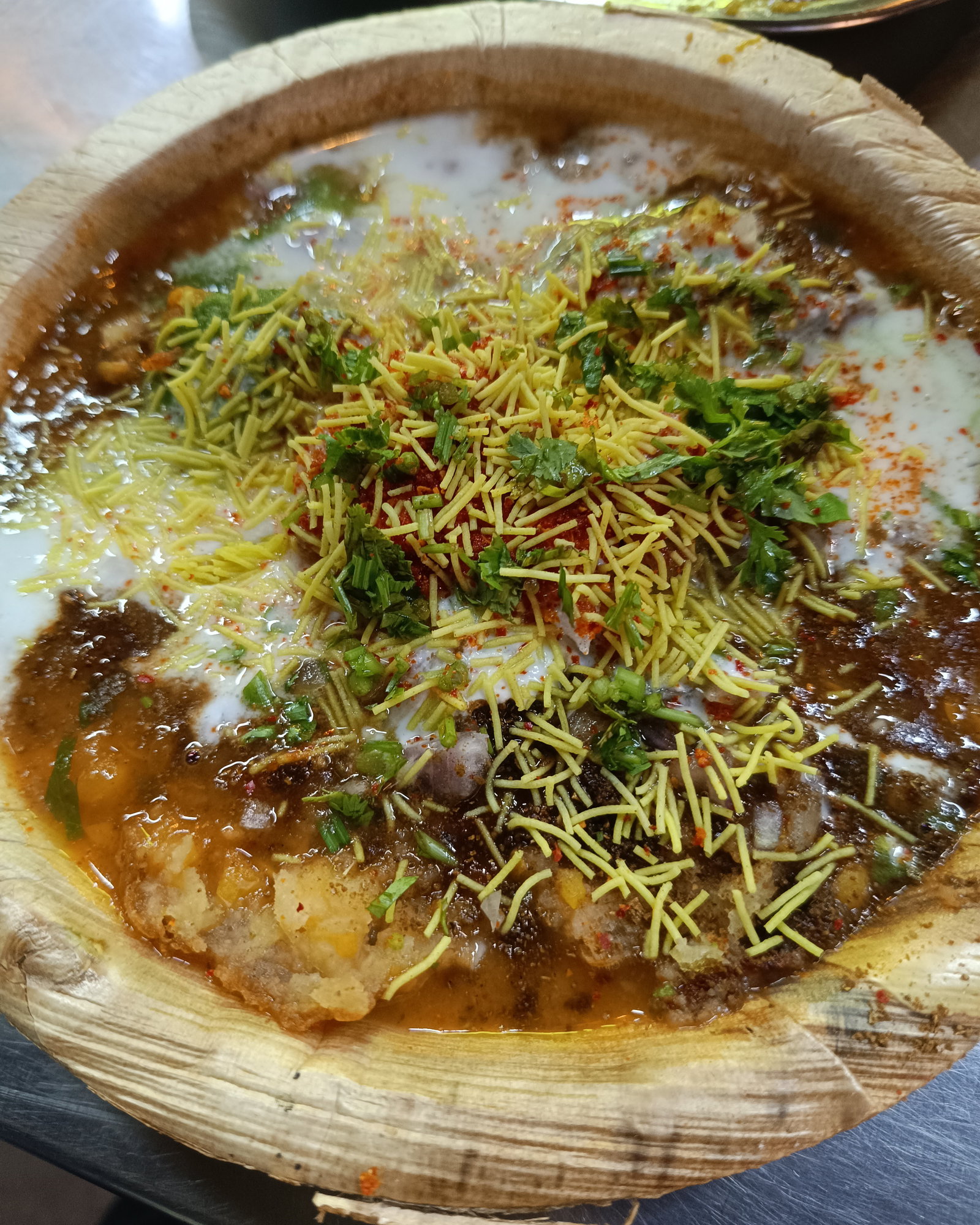
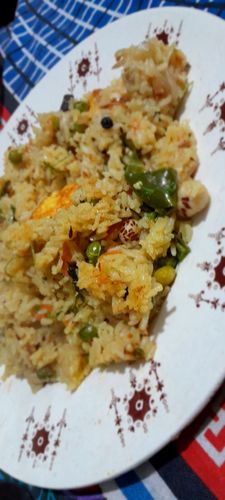
This is the pavement canon — the plates that built the whole category. Street style chaat runs on three non-negotiables: a tamarind chutney with real body, a green chutney carrying far more coriander than mint, and a spice blend with fresh amchur in it. Two of the recipes here are that blend, because a jar of homemade chaat masala quietly improves every other plate on this page. Build the components on Sunday, then assemble in ninety seconds flat.

- Vegetarian
- Snack


- Indian
- Vegan
- Snack

- Indian
- Vegan
- Appetiser
- Indian
- Vegan
- Sauce & Condiment

- Indian
- Vegan
- Appetiser

- Indian
- Vegetarian
- Snack
- Indian
- Vegan
- Sauce & Condiment
- Vegetarian
- Street Food

- Indian
- Vegan
- Snack
- Indian
- Vegan
- Appetiser

- Indian
- Vegetarian
- Appetiser
Chickpea, Pea and Sprout Bowls Built on Protein
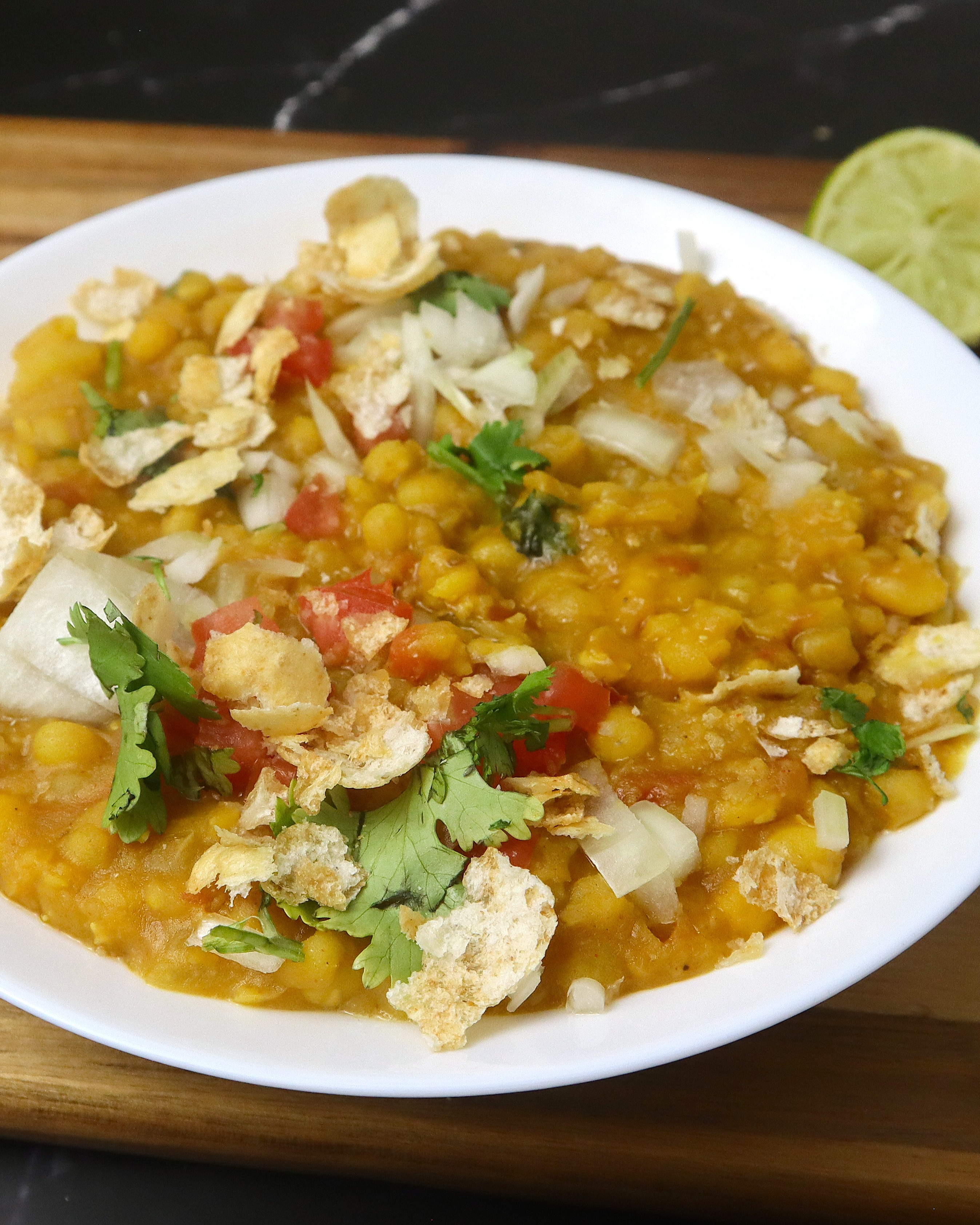
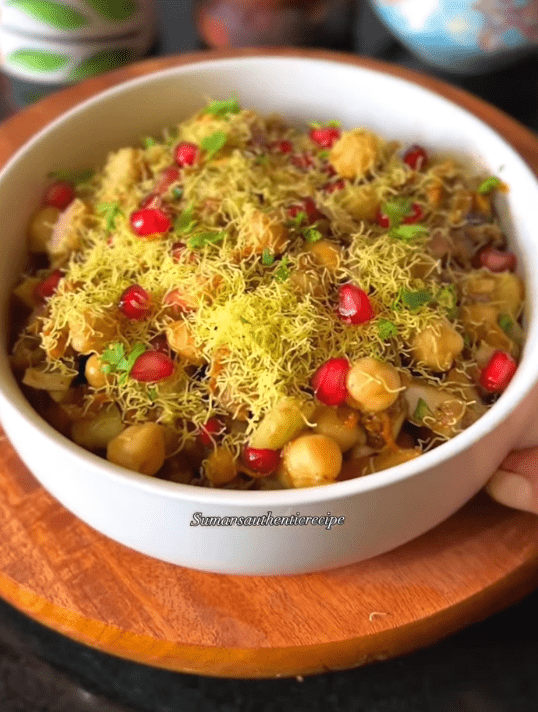
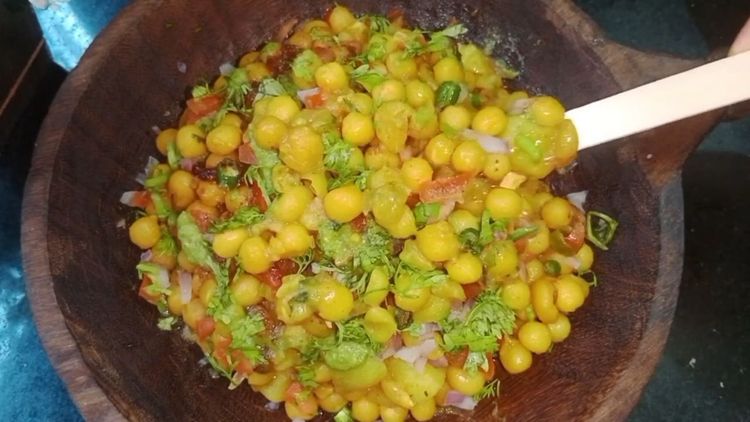
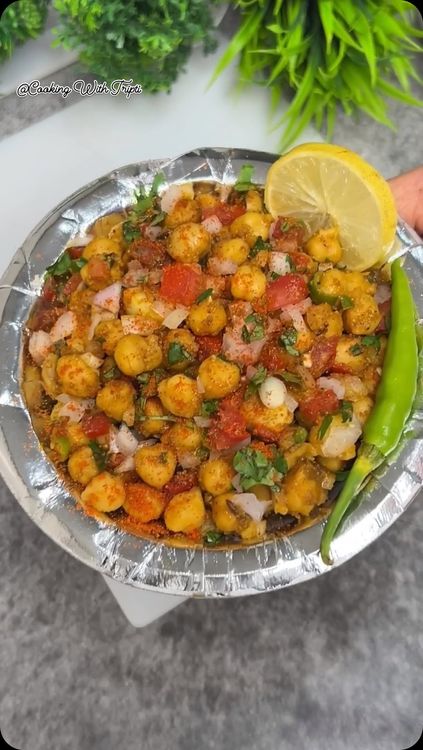
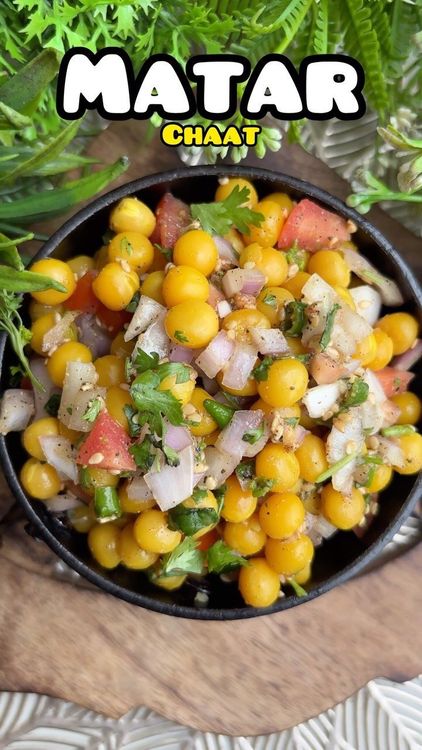
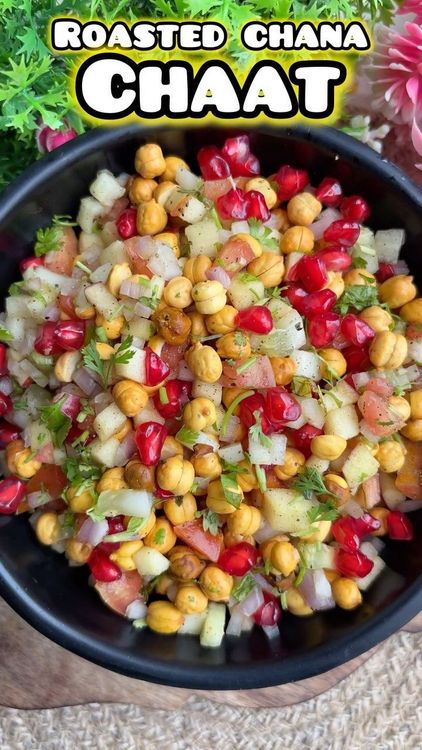
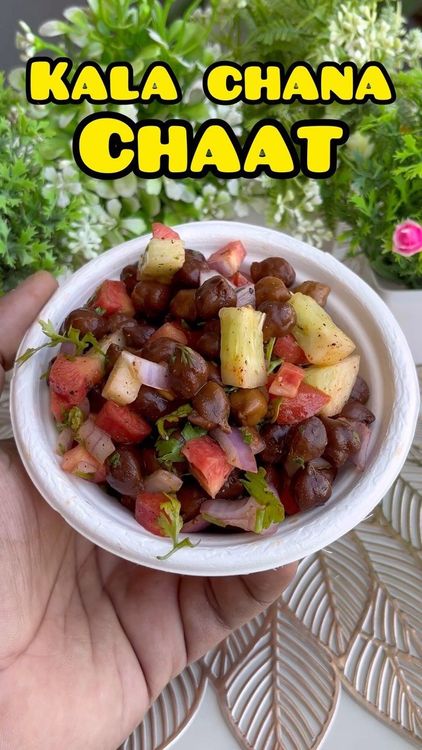
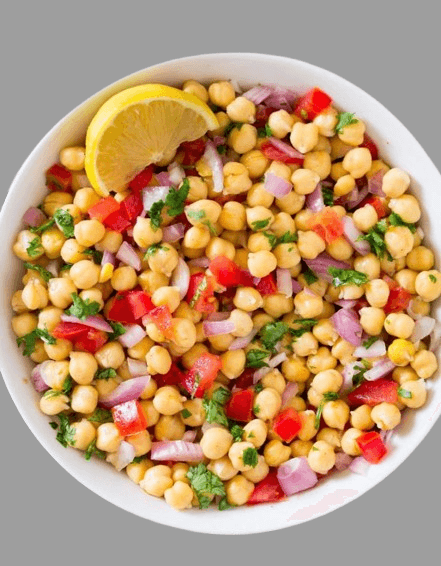
If you want something that eats like a meal rather than a snack, this is the section — and it is where healthy chaat stops being a contradiction. Chana, dried white peas and sprouted moong bring real protein, and they hold their shape in dressing for hours, which is why they travel to work better than anything crisp ever will. Cook the legumes in batches: pressure-cook chickpeas for four whistles, drain hard, and dress only what you will actually eat. Undressed, they keep four days.


- Indian
- Vegetarian
- Snack
- Indian
- Vegan
- Appetiser
- Indian
- Vegan
- Appetiser

- Indian
- Vegan
- Appetiser
- Indian
- Vegan
- Appetiser
- Indian
- Vegan
- Snack
- Indian
- Vegan
- Snack

- Indian
- Vegan
- Snack


- Indian
- Vegetarian
- Side Dish
- Pakistani
- Vegetarian
- Appetiser
Puffed, Roasted and Crunchy Snack Plates
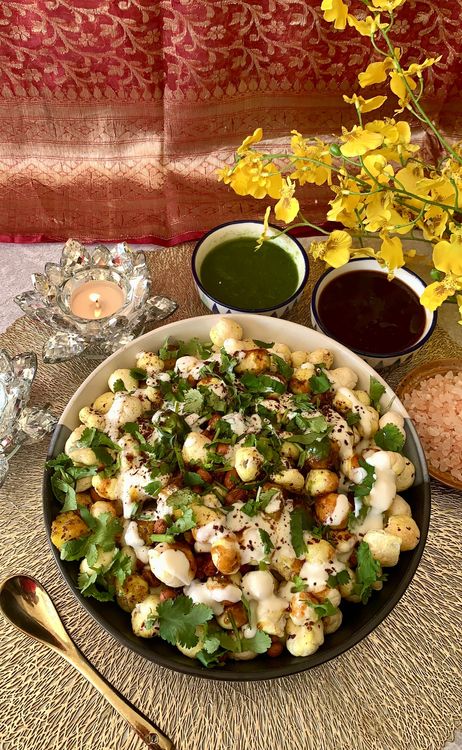
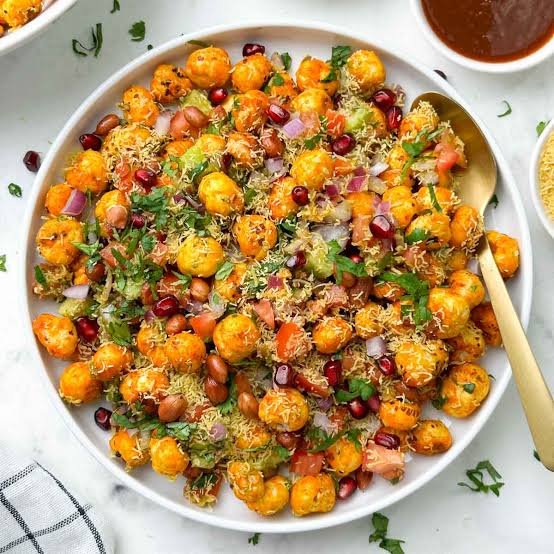
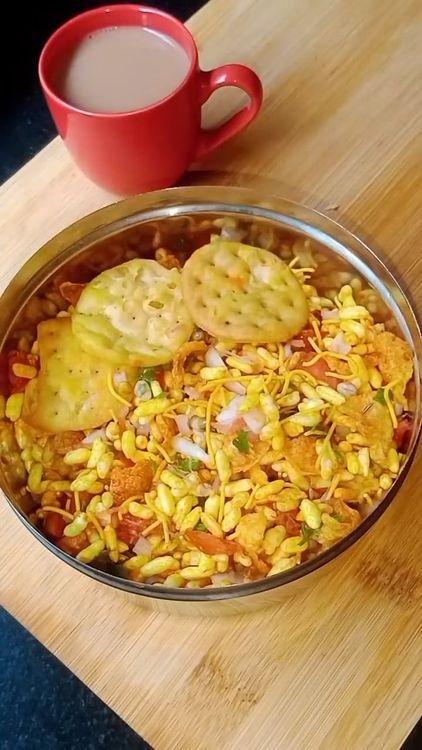
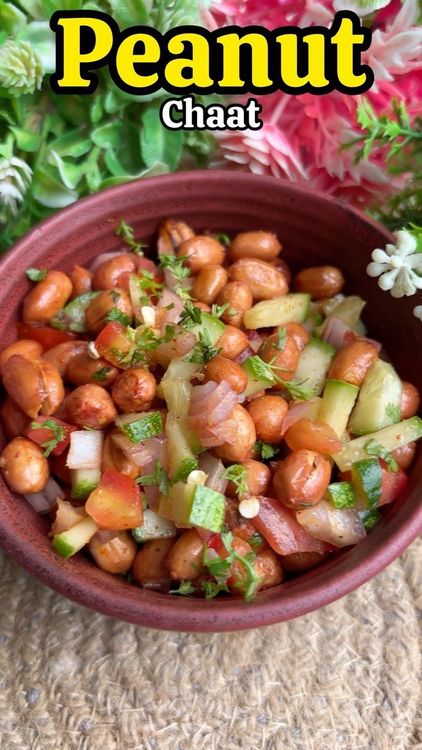
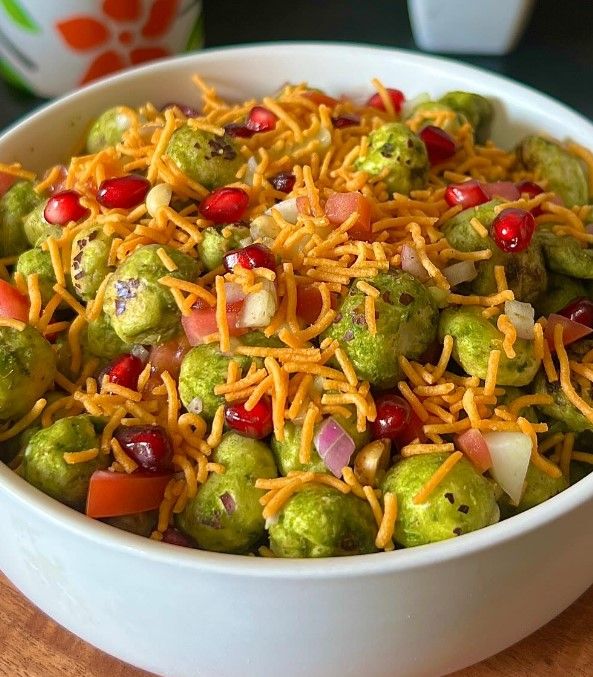
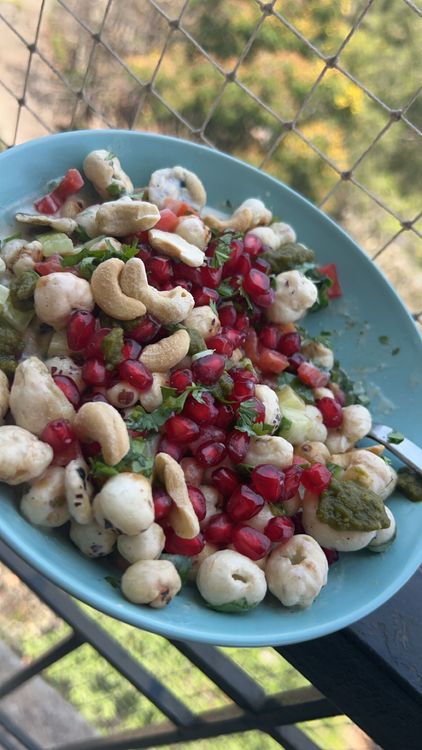
Makhana, kurmura and roasted chana all share one problem: they are hygroscopic, and dressing is wet. The fix is heat and sequence. Dry-roast foxnuts in a teaspoon of ghee over medium heat until they squeak against each other — about eight minutes, and they should snap rather than bend. Then dress at the table, not in the kitchen. A puffed-rice bowl mixed three minutes early is a different and much sadder dish. These are the plates I make at four in the afternoon, and the closest thing to a genuinely light snack in the category.
- Indian
- Vegetarian
- Appetiser
- Indian
- Vegetarian
- Appetiser

- Indian
- Vegetarian
- Appetiser
- Indian
- Vegan
- Snack
- Indian
- Vegan
- Snack
- Indian
- Vegan
- Appetiser
- Indian
- Vegetarian
- Appetiser

- Indian
- Vegetarian
- Breakfast
Fruity, Sweet-Tangy and Fasting-Friendly Plates
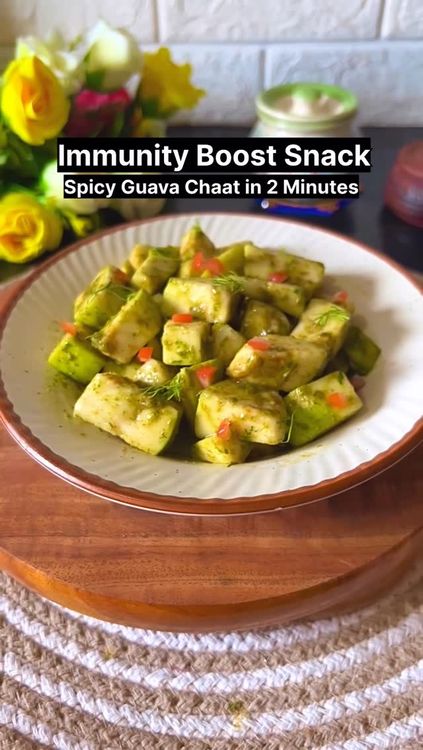
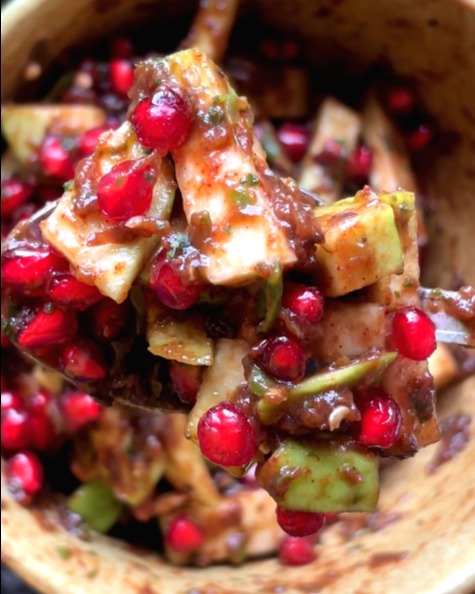
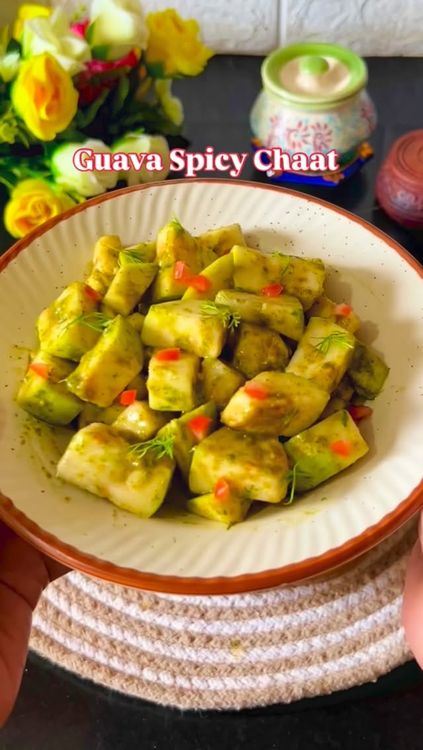
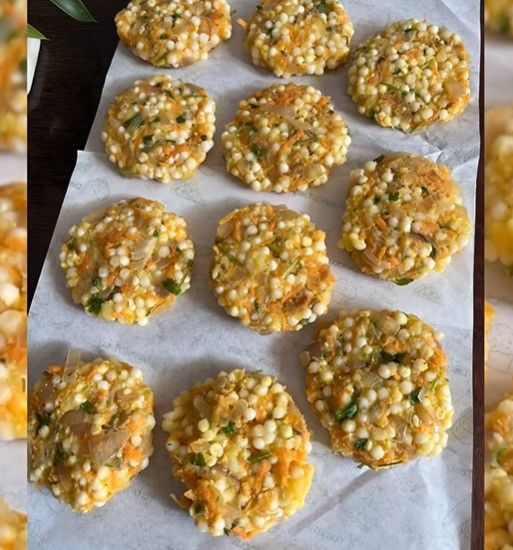
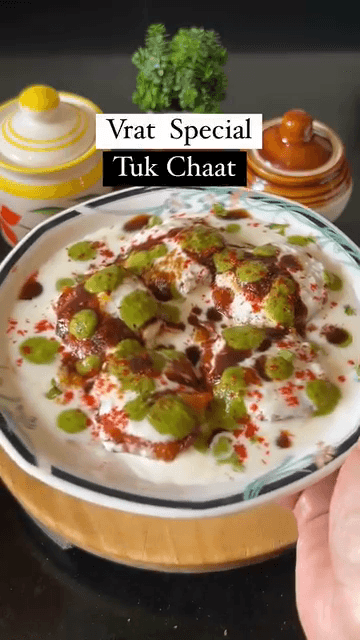
Two ideas live in this section. First, fruit: guava, mango and sweet potato need almost nothing beyond black salt, chilli and lime, and over-dressing them is the only real mistake available to you. Second, vrat cooking — sabudana, rajgira and potato tuk, made without onion, garlic or table salt, which sounds like a limitation until you taste how clean it is. Rock salt behaves differently from table salt; it is milder and less aggressive, so season by taste rather than by spoon.
- Indian
- Vegan
- Side Dish

- Indian
- Vegetarian
- Snack
- Indian
- Vegan
- Snack
- Indian
- Vegan
- Snack

- Indian
- Vegan
- Snack

- Indian
- Vegan
- Appetiser
- Indian
- Vegetarian
- Appetiser
Tikki, Paneer and Party Platters for a Crowd
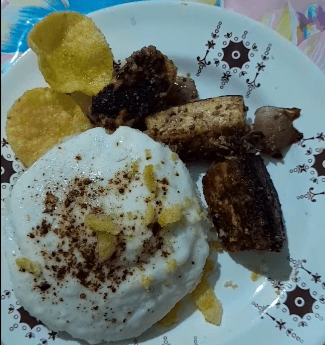
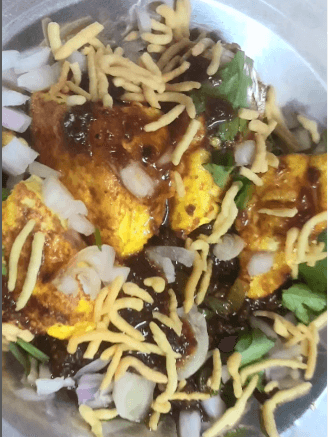
Everything here is built for a table of eight. The tikkis — potato, jackfruit, raw banana — are the fiddliest recipes on this page and the most rewarding: shape them cold, chill them for twenty minutes, and griddle in a thin film of oil until a crust forms before you touch them. Move them early and they tear straight down the middle. Paneer wants the opposite treatment: high heat, fast, out of the pan. And aloo chaat, in tikki form, is still the plate everyone reaches for first.

- Indian
- Vegetarian
- Appetiser

- Indian
- Vegetarian
- Appetiser
- Indian
- Vegetarian
- Appetiser
- Indian
- Vegan
- Appetiser

- Indian
- Vegetarian
- Appetiser
- Indian
- Vegetarian
- Appetiser
- Indian
- Vegetarian
- Snack
Chaat Masala, Tamarind and Green Chutney: The Three Flavour Engines
Almost every plate on this page is the same four components in different proportions: a base, a dressing, a crunch and a masala. Get the dressing and the masala right and the rest is arithmetic.
Tamarind chutney is the sweet-sour engine. Soak a lemon-sized ball of seedless tamarind in hot water for thirty minutes, squeeze it out through your fingers, and simmer the pulp with jaggery at roughly one part tamarind to one and a half parts jaggery, plus roasted cumin, ginger powder and black salt. It should coat the back of a spoon and taste slightly too sweet on its own — the yoghurt and the salt pull it back into line. It keeps three weeks refrigerated and freezes beautifully in ice-cube trays.
Green chutney is the sharp one. Coriander should outnumber mint about four to one, or the mint turns medicinal by day two. Blend it with green chilli, a spoon of roasted chana dal for body, and lemon juice added right at the end — acid is what keeps the colour from browning into sludge.
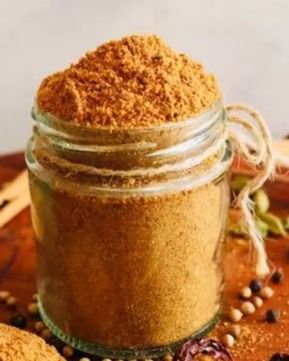
The masala is the signature. Good chaat masala is roughly one part amchur to one part cumin, with black salt, black pepper, ginger powder and a whisper of asafoetida behind them. Toast the whole spices separately, since coriander seeds burn well before cumin has woken up, then grind them cold. Commercial tins lean on citric acid for their sourness and taste flat by comparison; a homemade jar stays genuinely sharp for about six months.
How to Keep the Crunch: Assembly, Timing and Sog Control
Sogginess is the only real failure mode in this whole category. Everything else is just seasoning.
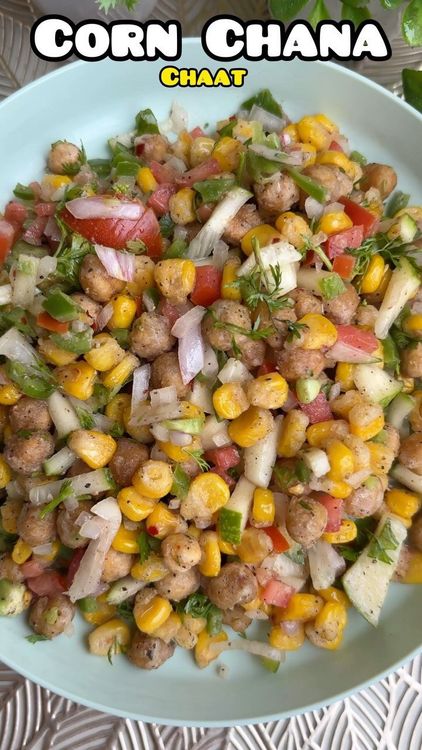
The rule I follow is simple: nothing wet touches anything crisp until the plate is in front of a person. That means puri, papdi, sev, boondi, makhana and kurmura stay in a sealed box; the yoghurt, the chutneys and the dressed base stay in the fridge; and they meet each other in the last ten seconds. Papdi chaat is the clearest test of this — a papdi that has sat under yoghurt for two minutes is a wet cracker, and no amount of chutney on top will rescue it.
Temperature matters more than most people expect. Chilled yoghurt over a room-temperature base gives the contrast you are actually after; both at one temperature reads flat and muddy. Whisk the yoghurt with a splash of milk until it pours rather than plops, and salt it separately — unsalted curd over a salted base tastes like somebody forgot a step, because somebody did.
Order of assembly, top to bottom: base, then yoghurt, then tamarind, then green chutney, then dry masala, then crunch, then raw onion and coriander. Dry masala goes before the crunch, always — dust it over sev and most of it slides straight off onto the plate.
For a party, set the components out and let people build their own. It solves the timing problem completely, and it is how every stall in the country works anyway.
Buying, Prepping and Storing the Components
Most of this is shopping, and shopping is where the plate is won or lost.
Tamarind: buy the seedless block, not the concentrate. The block tastes of fruit; the concentrate tastes of acid. Amchur should smell green and sour the moment you open the packet — if it smells of nothing, it is old, and stale amchur is the commonest reason a homemade blend comes out dull. Black salt, kala namak, is neither optional nor substitutable; that sulphur note is most of what people are identifying when they recognise the flavour of indian chaat.
Makhana: look for large, even pops with no grey patches. They stale fast once the bag is open, so decant them into a jar and re-roast for three minutes before using — even week-old foxnuts come back completely. Sev and papdi should snap audibly. If they bend, the packet has been open too long and no amount of hope fixes it.
Chana and white peas: soak overnight, always, and add salt only after cooking or the skins toughen. Four whistles for chickpeas, three for white peas, then let the pressure drop on its own — force it and they split apart.
Storage, roughly: dressed bases keep six hours, undressed ones four days, chutneys three weeks, and a homemade spice blend six months in a dark jar. The crunch keeps as long as the box is genuinely airtight, which most boxes are not. I use a jar with a rubber gasket, and I still re-roast before serving.
Pro Tips from the Stall
- Salt the yoghurt separately and whisk it loose with a spoon of milk. Unsalted, unwhisked curd just sits on top like a lid; salted and pourable, it seeps down into the base and actually does its job.
- Toast whole spices one at a time, never together. Coriander seeds are done in about ninety seconds; cumin needs closer to three minutes. Toast them in the same pan and half your blend is burnt before the other half has woken up.
- Add lemon at the very end, off the heat and after the salt has gone in. Acid added early dulls out and disappears; acid added last is the difference between someone saying chatpata and someone saying 'nice'.
- Slice onions thin and rinse them in cold water for two minutes before they go anywhere near the bowl. It pulls out the raw sulphur bite without killing the crunch, and it stops the whole thing tasting of onion an hour later.
- Keep one squeeze bottle for tamarind and another for green chutney. Drizzling from a spoon dumps too much in one spot; a bottle gives you an even coat across the plate using half the quantity.
- If a bowl tastes flat but you have already salted it, what it needs is sour, not more salt. A pinch of amchur or a squeeze of lemon rescues it nine times out of ten. Reach for the chaat masala last, not first.
Frequently Asked Questions
What are the easiest chaat recipes for a complete beginner?
Start with the five-minute plates: guava, kurmura sprouts, or boondi ragda. They need no cooking, they forgive imprecise measuring, and they teach you the balance of sour, salt and heat that every other plate on this page depends on. Once that instinct is there, move up to the chana bowls, and then to tikki. The tikkis are the only genuinely technical recipes in the collection.
Can I make chaat masala at home, and is it actually worth the effort?
Yes, and yes. The two blends on this page take ten and fifteen minutes respectively, and a homemade jar stays sharp for a good six months. Shop-bought tins lean on citric acid for their sourness, which reads as one-dimensional next to properly toasted amchur and cumin. The only real requirement is fresh amchur — if it smells of nothing when you open it, the blend will taste of nothing too.
How do I stop everything going soggy before I get it to the table?
Keep wet and dry apart until the last ten seconds. Crisp components live in a sealed box, the dressed base and the chilled yoghurt live in the fridge, and they meet on the plate directly in front of the person eating. For a crowd, lay the components out and let everybody assemble their own — that removes the timing problem entirely, and it is exactly how the stalls handle it.
Is healthy chaat actually possible, or is that just marketing?
It is real, but it comes from the base, not from the dressing. Roasted chana, sprouted moong, makhana and the fruit bowls are all genuinely light — the calories in a street plate come from fried puri, tikki and sev, not from the chutneys. Swap the fried components for roasted foxnuts or puffed rice, keep the chutneys exactly as they are, and you lose surprisingly little.
What is the difference between papdi chaat and aloo chaat?
Papdi chaat is built on crisp fried flour discs, layered with potato, yoghurt and chutneys, and it has to be assembled at the table or it collapses. Aloo chaat is far simpler — spiced fried or boiled potato tossed with lemon, amchur and coriander, with no yoghurt and no papdi involved. One is a layered plate you eat immediately; the other is a bowl you can carry around.
Which of these travel well to a potluck?
The legume bowls and the fruit plates travel well; anything crisp does not. Cook and dress chana, kala chana or white peas up to six hours ahead, and carry the onion, coriander and lemon in a separate container to add on arrival. For crunch, bring roasted foxnuts or sev in a sealed jar and scatter them over once you are actually there.
What can I eat during Navratri or a vrat?
Four plates here are fasting-friendly: sabudana, the rajgira popcorn, potato tuk and the makhana bowl. They skip onion, garlic and table salt, using rock salt instead. Rock salt is milder, so season by taste rather than by measuring spoon. Amchur and regular chaat masala are usually avoided during a strict fast, so lemon does the sour work in their place.
How far ahead can I prep for street style chaat at a party?
Chutneys three weeks ahead, spice blend six months, cooked legumes four days, tikki mixture one day (shaped and chilled on a tray), and fried components the same morning. The one thing that cannot be prepped is assembly. Do everything else in advance and the last ten minutes are pure plating, which is precisely how the stalls run their whole evening.
Forty-three chaat recipes, and the same lesson underneath all of them: prep everything, dress nothing, and assemble in front of the person who is going to eat it. Start with a five-minute guava bowl this week and a jar of the homemade masala next. Once your chutneys live in the fridge, the rest takes ninety seconds.
Related
- chaat masala
- street style chaat
- healthy chaat
- indian street food
- party snacks
- no cook snacks
Popular Searches
- Best chaat recipes
- Easy chaat recipes
- Quick chaat recipes
- Healthy chaat recipes
- Simple chaat recipes
- Homemade chaat recipes
- Delicious chaat recipes
- Popular chaat recipes
- indian chaat
- papdi chaat
- aloo chaat
- chaat masala
Marnirni-apinthi Building, Lot Fourteen,
North Terrace, Adelaide, South Australia, 5000
Australia
