
Top 92 Mango Desserts Recipes: No-Bake, Cakes, Frozen and Drinks
Updated June 29, 2026 · Curated by Chefadora
Mango desserts are the easiest way to turn the king of fruits into something memorable, and they range far wider than most home cooks realize. A perfectly ripe mango is already dessert on its own, but blend it into cream and you get mousse; fold it through a churned base and you get ice cream; layer it over crushed biscuits and you get the no-bake floats that disappear in minutes. The recipes below were chosen to show that full range rather than ten variations on the same pudding.
The thing that makes mango such a rewarding dessert ingredient is its natural sweetness and that thick, almost custard-like flesh when ripe. You rarely need much added sugar, and the puree behaves like a ready-made fruit base — it sets, it freezes, it folds into whipped cream without much fuss. The flip side is that mango is mostly water, so the recurring challenge across every cluster here is concentrating that flavor and keeping the result silky and set rather than thin, icy or weeping.
You will find four clusters: quick no-bake floats, mousses and puddings; baked and chilled cakes and cheesecakes; the frozen group of ice cream, kulfi and sorbet; and the drinks, parfaits and mango sticky rice that round out the table. The same handful of moves — picking truly ripe fruit, making a smooth puree, and balancing sweetness with a little acid — carries across all of them, so once one works, the rest follow.
Treat this as a working reference. Every recipe links to full ingredients and steps on Chefadora, and the guides below cover the decisions that actually decide whether a mango dessert turns out: how to choose and ripen the fruit, how to make a puree that is not watery, how to set and freeze without going icy, and how to keep that fresh mango color and flavor bright instead of dull.
No-Bake Floats, Mousse & Puddings
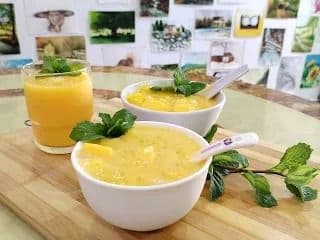
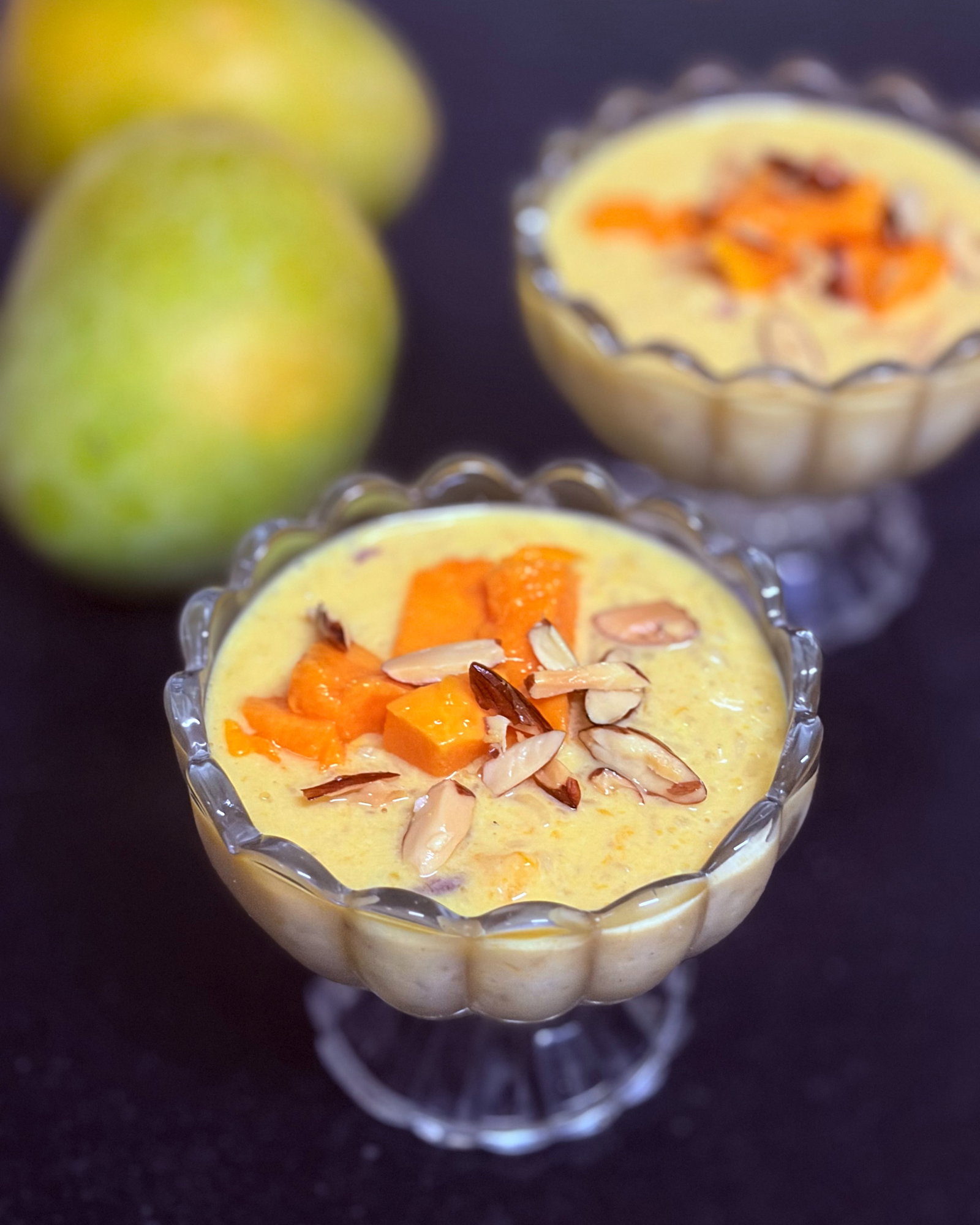
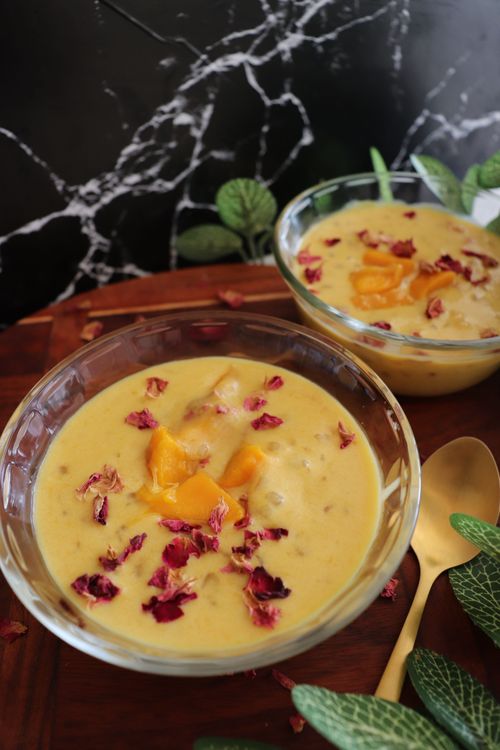
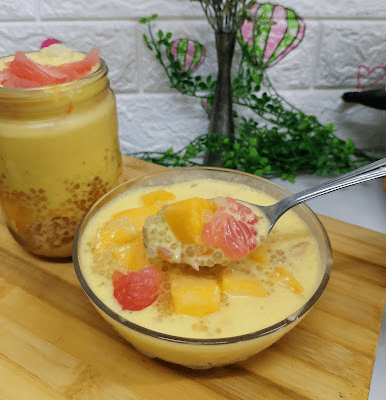
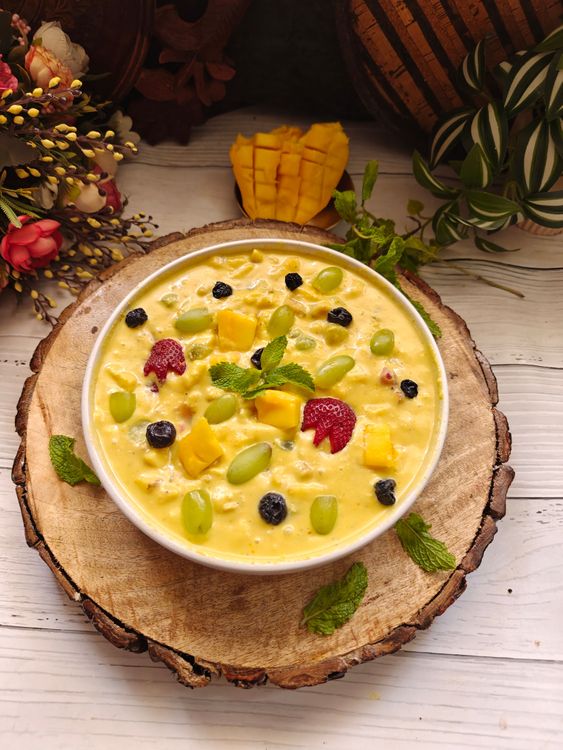
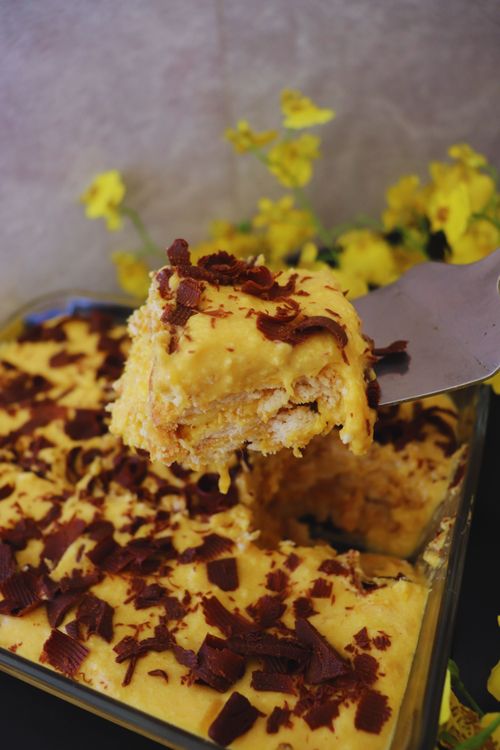
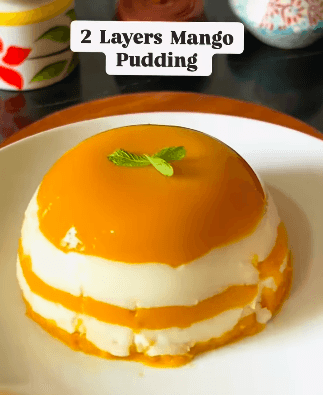
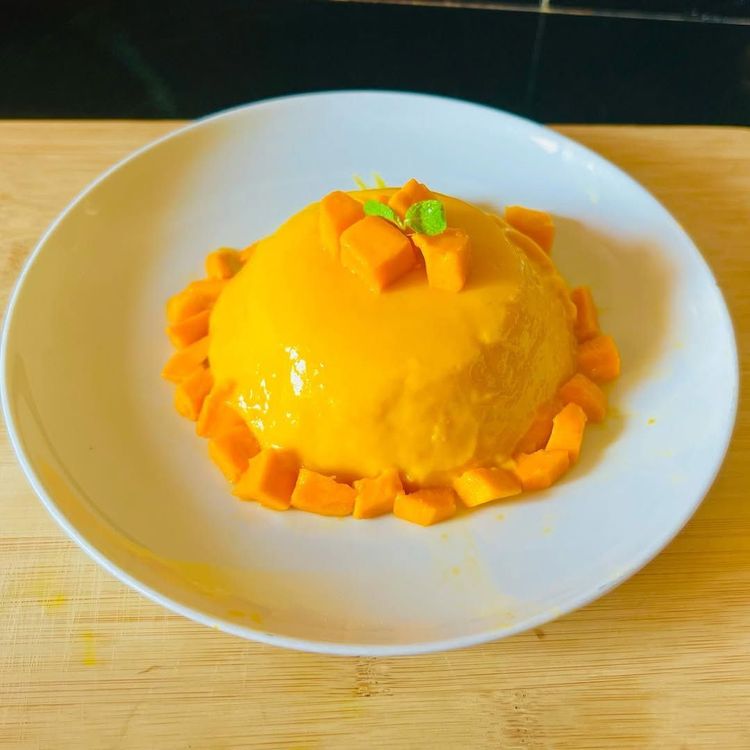
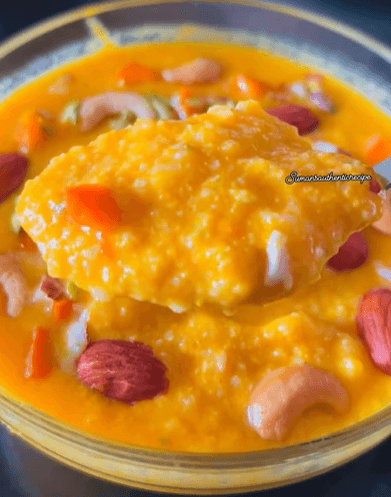
No-bake is where most mango desserts begin, because ripe fruit is already halfway to dessert and all you are really doing is giving it structure. The whole job is concentrating the flavor and getting a clean set, and the most common stumble is treating watery mango puree like a stable base. It is not. Reduce the puree gently on the stove for a few minutes first to drive off some water, cool it fully, then either fold it into softly whipped cream and cream cheese or set it with a gelling agent. If you use gelatin, bloom it in cold water and dissolve it in a little warm liquid before stirring it through; tip it in dry and it seizes into rubbery threads. Agar, the vegetarian setter behind many Indian mango puddings, must be boiled to activate and sets firmer, so go lighter. For layered floats like mango graham, soak the biscuits just enough to soften, alternate with the mango cream, and chill at least four hours so everything firms into sliceable layers. Brighten the mix with lime, and crown with fresh mango only at the end. Standouts here include Mango Pearl Ball Sago Dew and Creamy Mango Kheer (Mango Rice Pudding), plus Mango Rajgira Pudding (Vrat Special).
- Chinese
- Vegetarian
- Beverage

- Vegetarian
- Dessert

- Indian
- Vegetarian
- Dessert
- Asian
- Vegetarian
- Dessert


- Vegetarian
- Breakfast
- Asian
- Vegetarian
- Snack

- Indian
- Vegetarian
- Dessert
- Indian
- Vegetarian
- Dessert
- Indian
- Vegetarian
- Dessert
- International
- Vegetarian
- Dessert
- Indian
- Vegetarian
- Dessert
- Asian
- Eggetarian
- Dessert

- Indian
- Vegetarian
- Snack

- Vegetarian
- Dessert
- Tropical
- Eggetarian
- Snack
- Australian
- Vegetarian
- Dessert

- Fusion
- Vegetarian
- Snack
- Asian
- Vegetarian
- Dessert
Mango Cakes & Cheesecakes
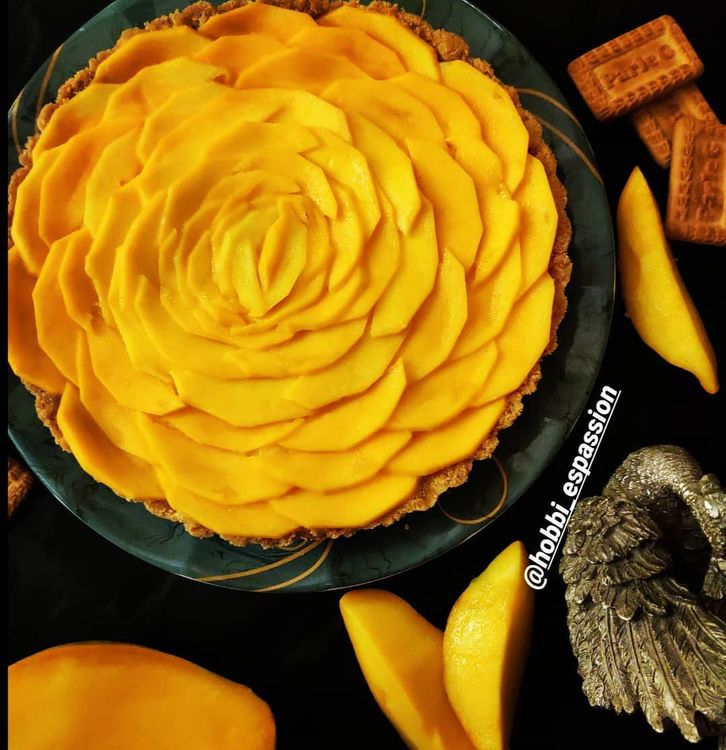
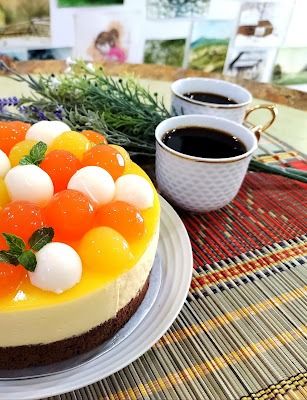
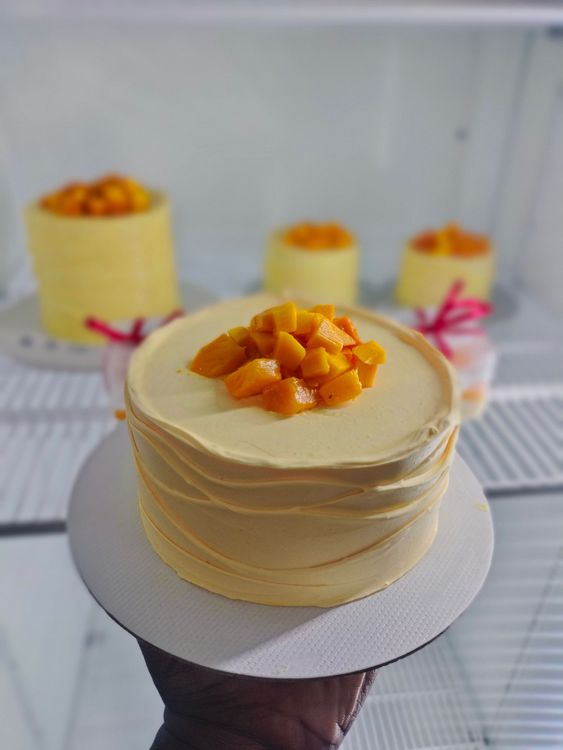
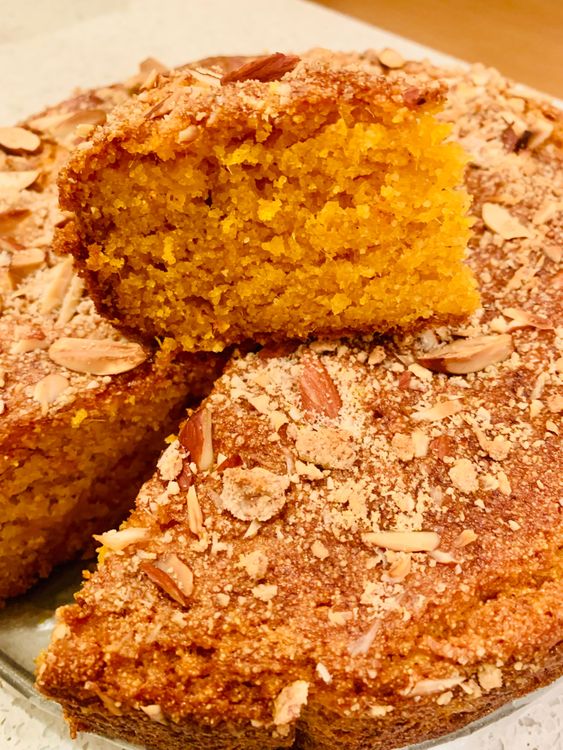
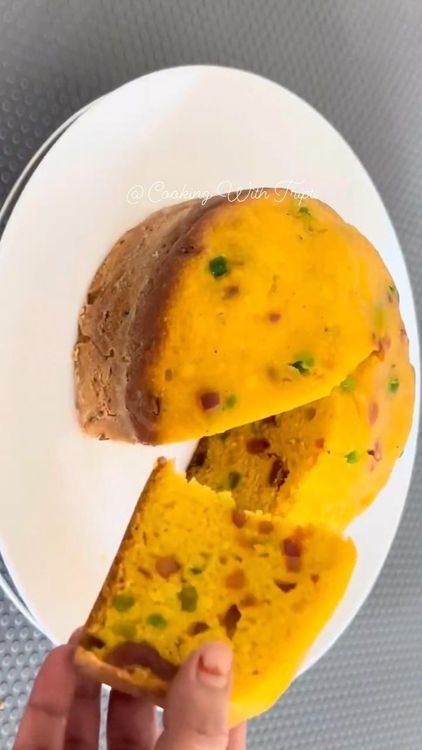
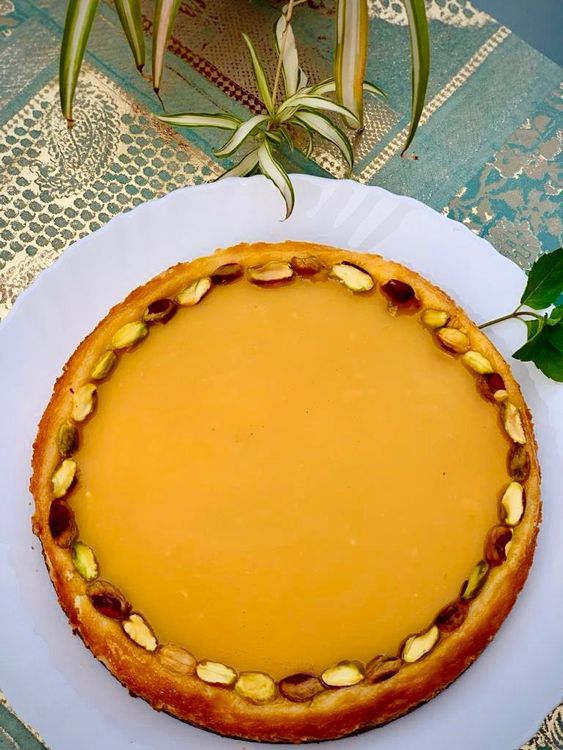
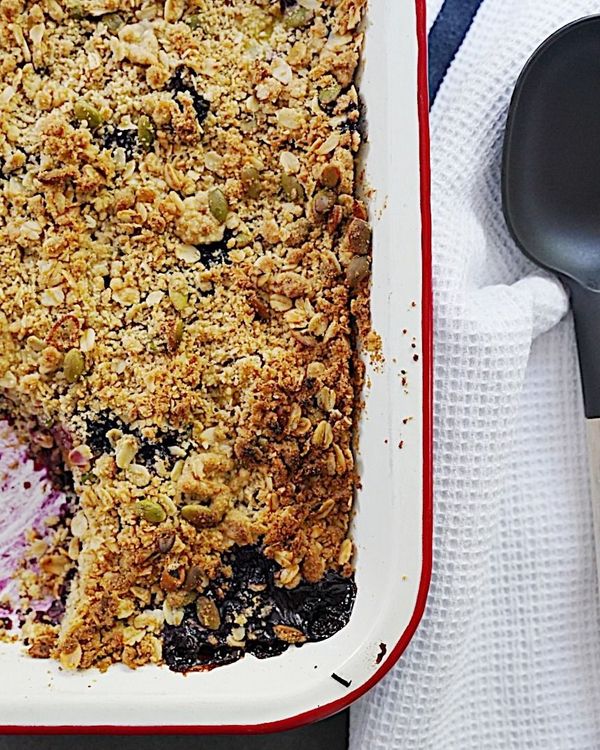
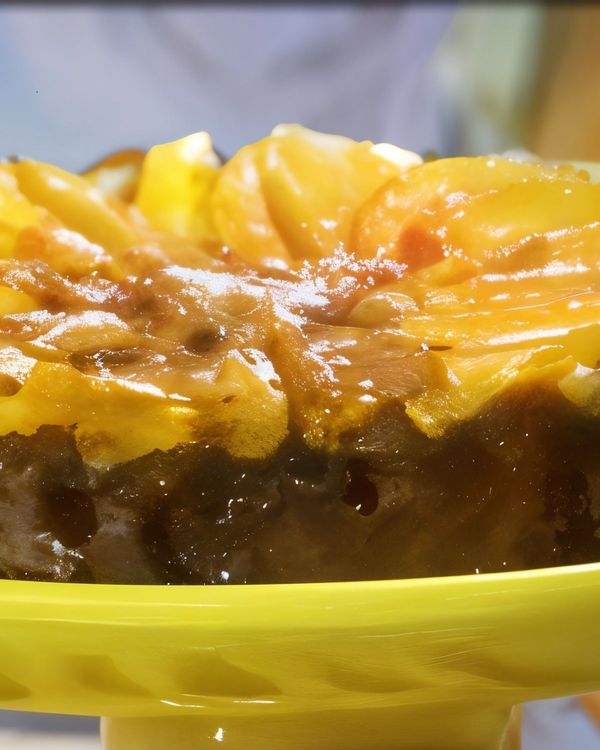
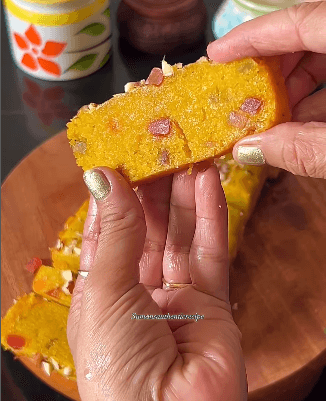
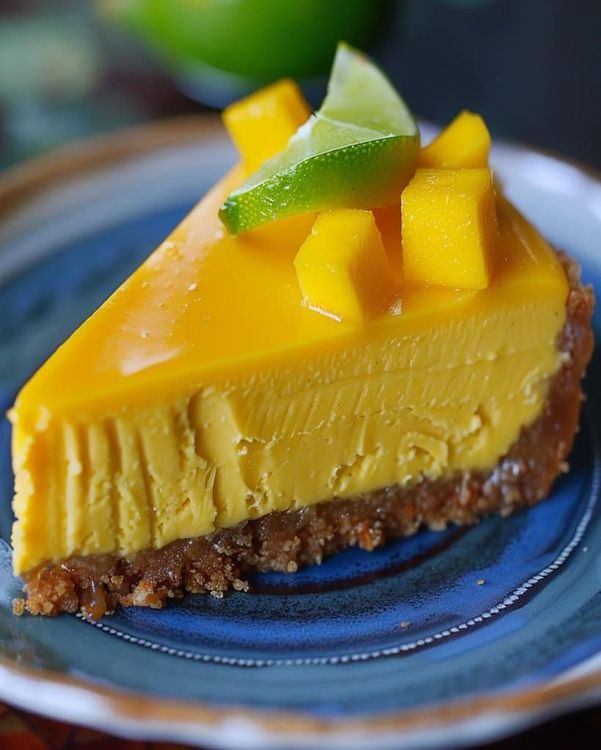
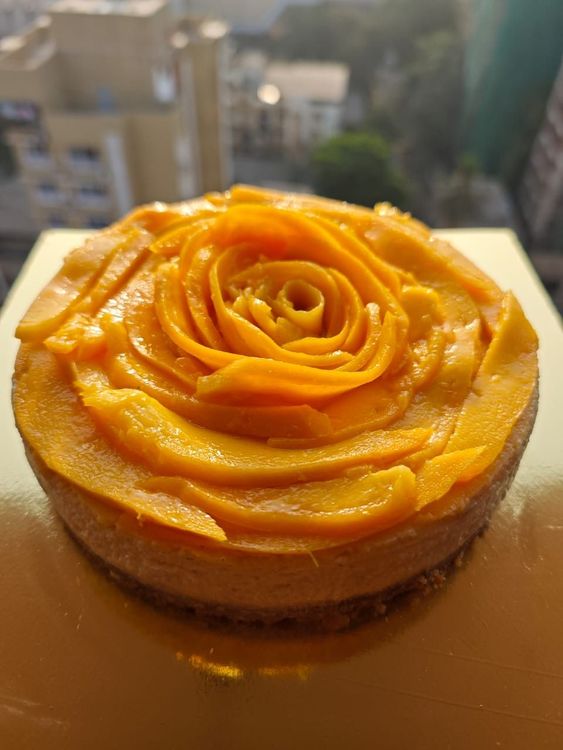
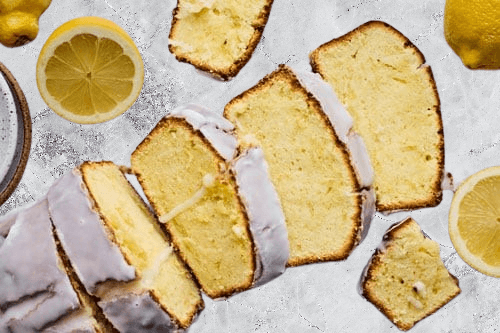
Cakes and cheesecakes are where mango moves from garnish to the heart of the bake, and the trick is getting that fruit flavor in without wrecking the texture. Mango puree is watery, so folding too much straight into a cake batter leaves you with a dense, gummy crumb; concentrate the puree first and treat it as part of the wet ingredients rather than an extra. For a tender mango cake, do not overmix once the flour goes in, and let the natural sweetness of the fruit mean a little less sugar. Cheesecakes split into two camps. A no-bake mango cheesecake folds whipped cream and concentrated puree into smooth full-fat cream cheese, sets with gelatin or agar over a biscuit base, and chills overnight. A baked one wants a gentle hand: bake low and slow, ideally in a water bath to stop cracks, and pull it while the center still wobbles, since it firms as it cools. Across both, save the bright mango glaze and fresh fruit for the fully chilled top so the color stays vivid and the flavor reads fresh rather than baked-out. Standouts here include Mango Tres Leches Cake – A Tropical Twist on the Classic and Mango Cake, plus Eggless Mango Cake.
- Mexican
- Eggetarian
- Dessert
- Indian
- Vegetarian
- Snack

- Indian
- Vegetarian
- Snack

- International
- Eggetarian
- Dessert
- Western
- Vegetarian
- Dessert

- English
- Eggetarian
- Dessert
- Indian
- Eggetarian
- Dessert

- Global
- Vegetarian
- Snack

- Brazilian
- Eggetarian
- Dessert
- Indian
- Vegetarian
- Snack
- International
- Eggetarian
- Breakfast
- Fusion
- Vegetarian
- Snack
- American
- Eggetarian
- Dessert
- Dessert
- Vegetarian
- Dessert
- Fusion
- Eggetarian
- Snack
Frozen: Ice Cream, Sorbet & Kulfi
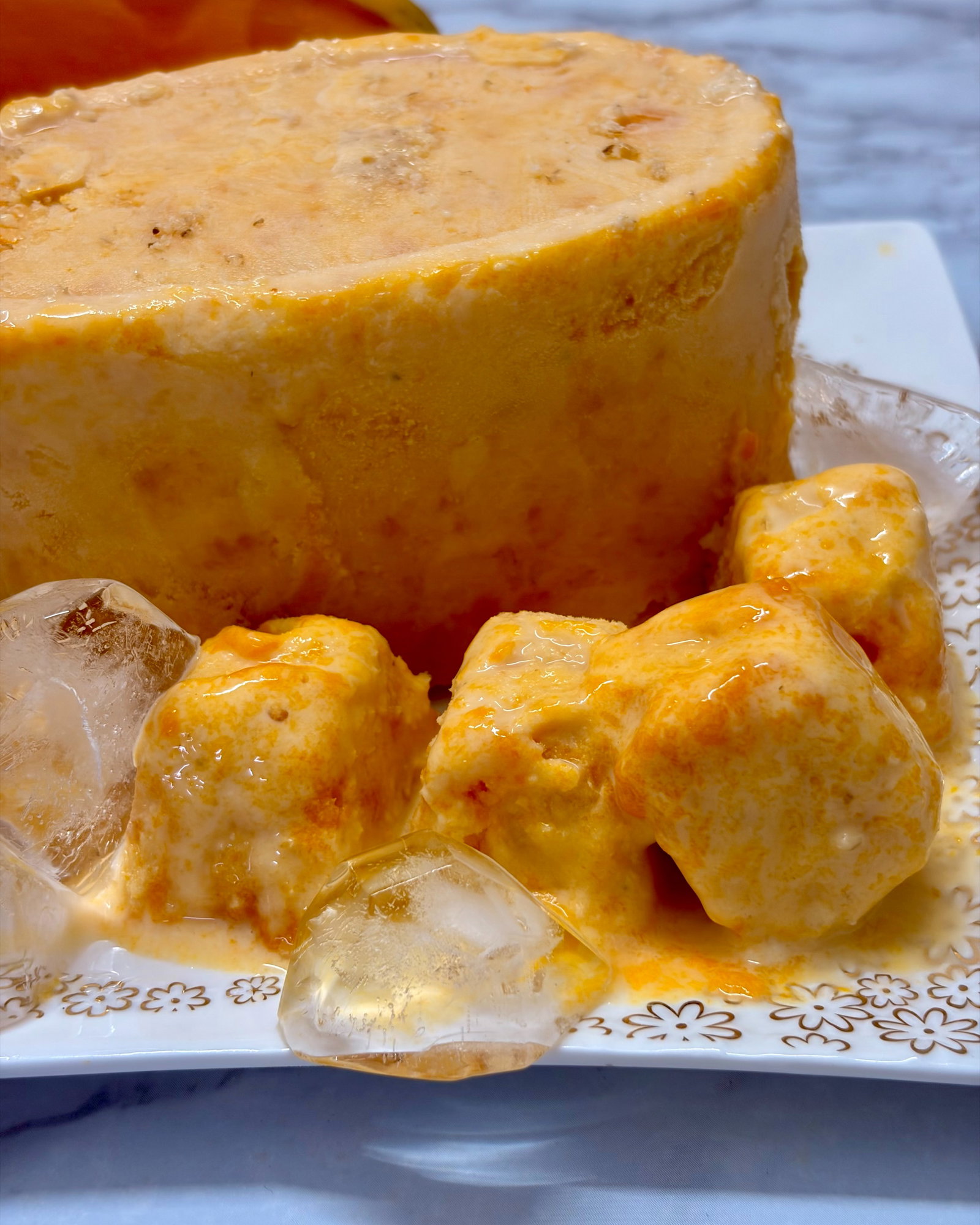
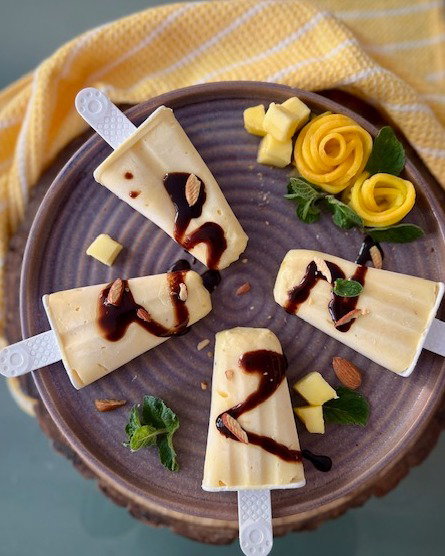
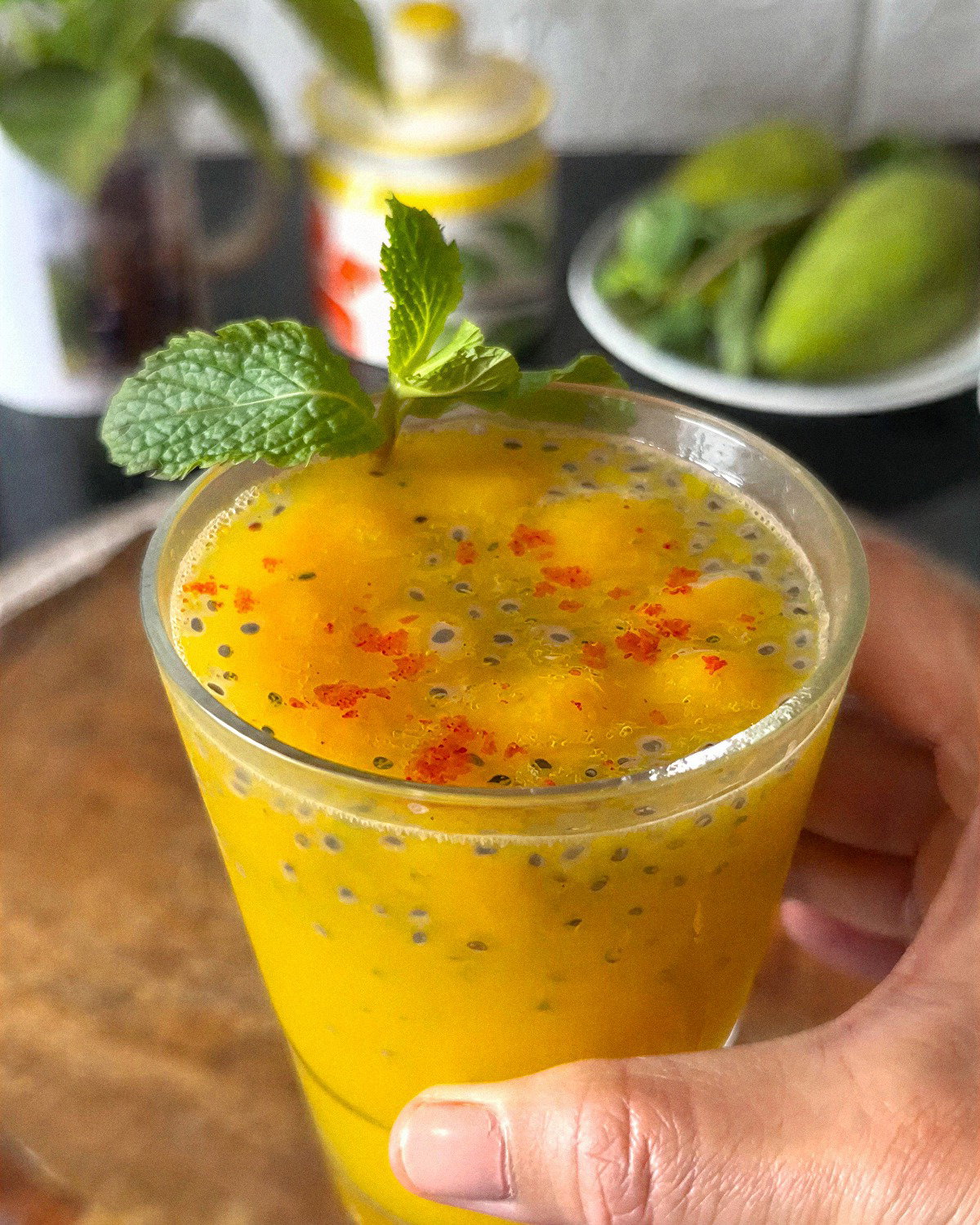
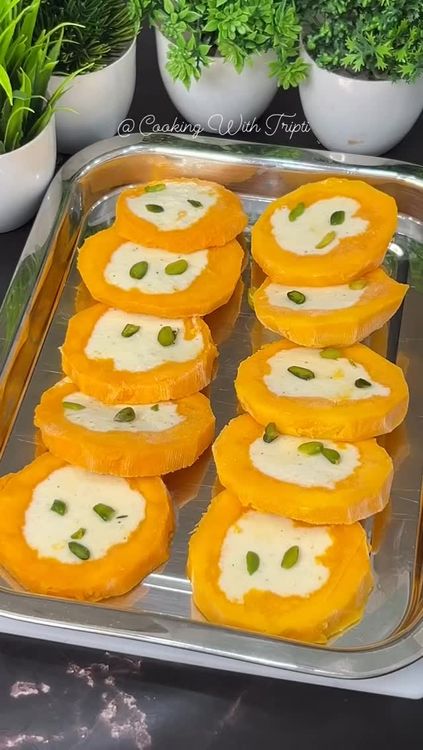
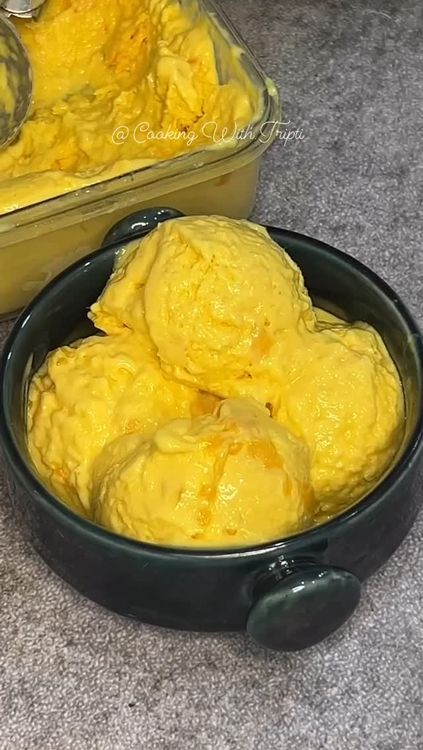
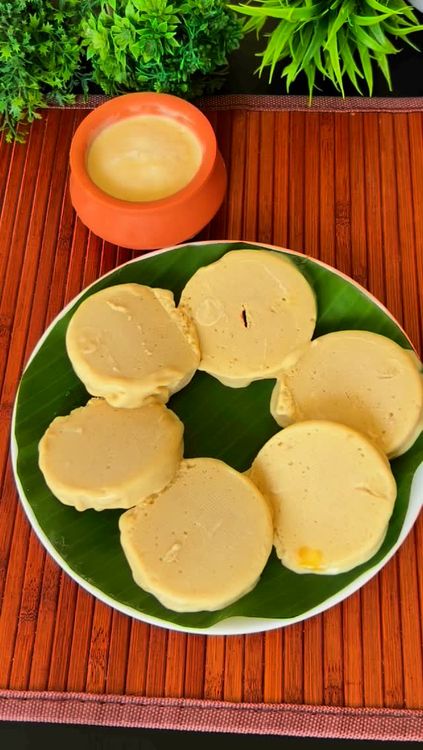
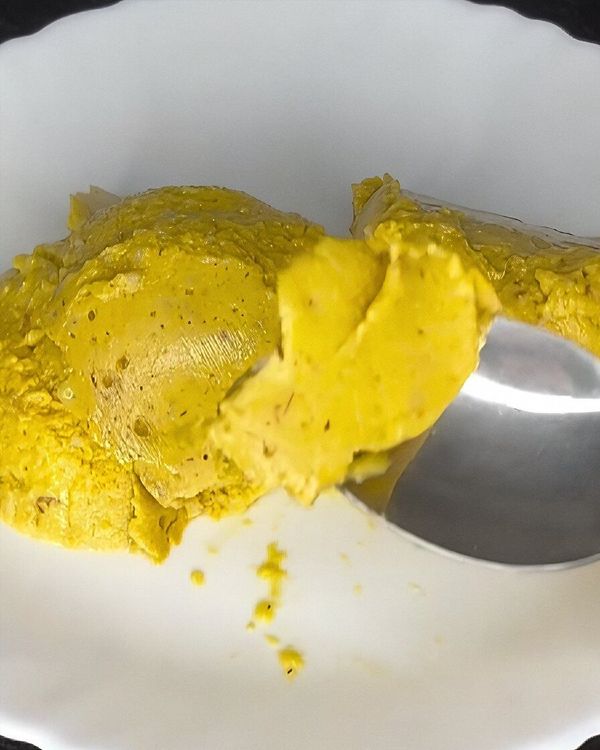
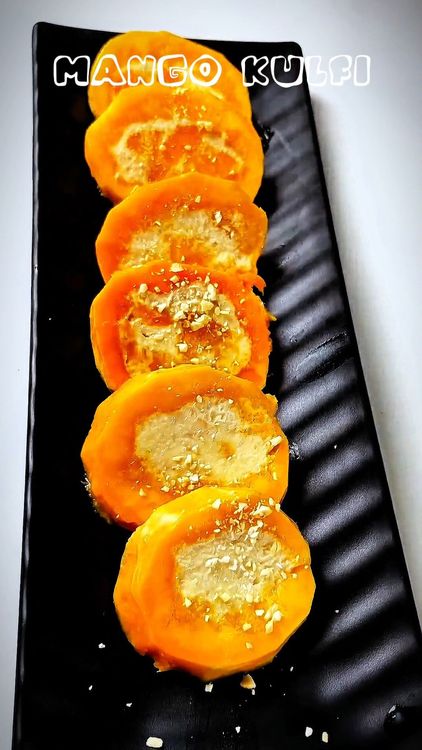
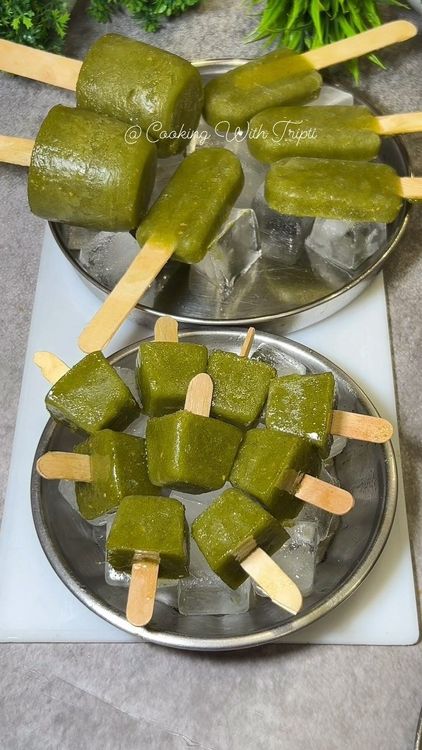
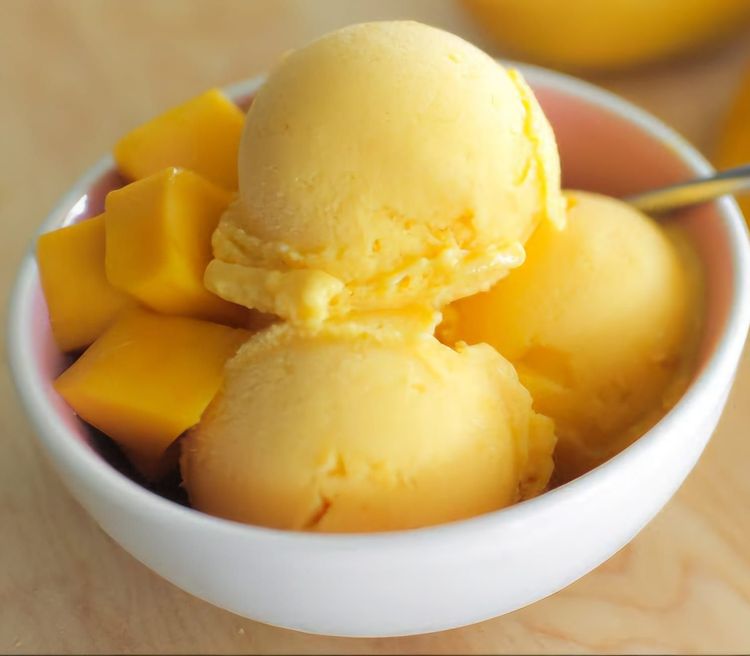
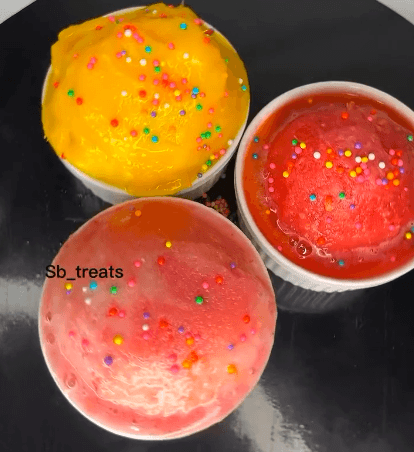
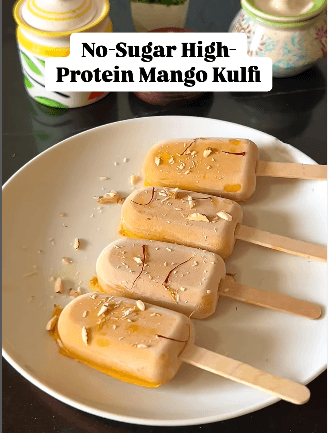
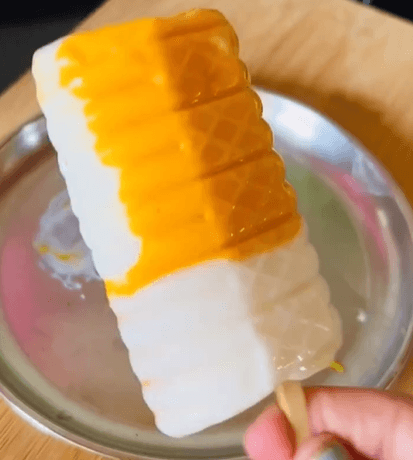
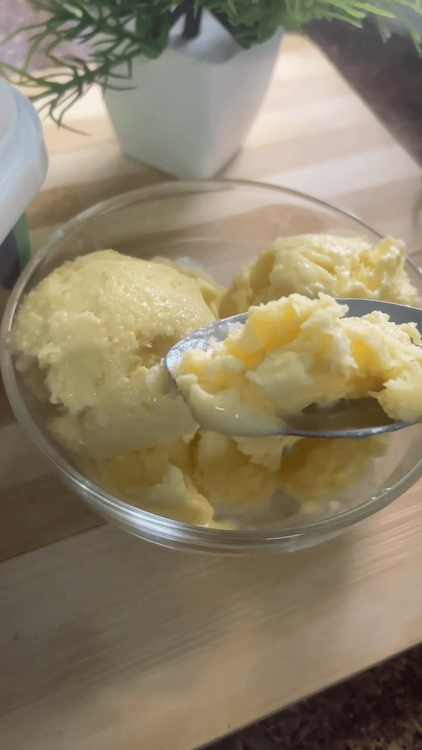
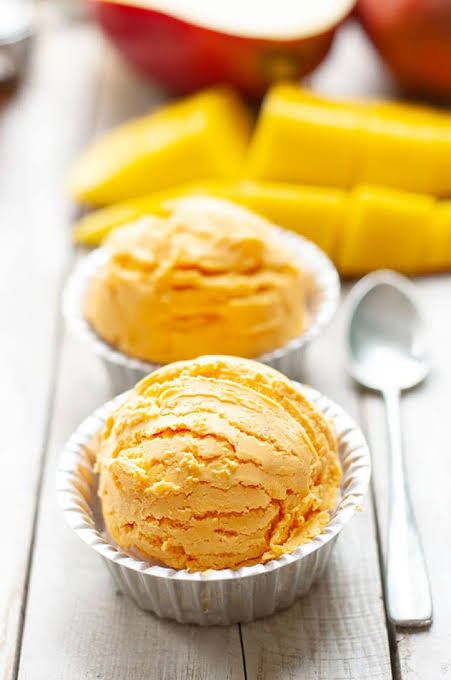
Frozen mango desserts are some of the most satisfying of all, and they split cleanly by technique. The enemy everywhere is the water in mango freezing into large, gritty crystals, so every method is really a different way of beating that. Ice cream relies on fat and sugar to coat the water and keep crystals small; the no-churn route of sweetened condensed milk folded into whipped cream with mango puree works without a machine for exactly that reason. Kulfi takes the opposite path, simmering and reducing milk for a long time to concentrate it and remove water, which gives that dense, fudgy chew with no churning at all — just stir in the puree once the milk has cooled so the acid does not split it, then freeze in molds. Sorbet is the dairy-free option, basically concentrated puree, sugar syrup and lime, where a higher sugar content keeps it scoopable rather than rock-hard. Two habits help across all of them: start from frozen mango chunks for an instant soft-serve texture, and let anything frozen solid soften for five to ten minutes before serving, since fruit flavor reads muted when it is too cold. Standouts here include Mango Kulfi and Creamy Mango Malai Kulfi , plus 2-in-1 Mango Magic – Drink + Popsicle.
- Vegetarian
- Dessert
- Vegetarian
- Dessert
- Indian
- Vegan
- Beverage
- Indian
- Vegetarian
- Dessert
- Indian
- Vegetarian
- Snack
- Indian
- Vegetarian
- Dessert

- Indian
- Vegetarian
- Snack

- Indian
- Vegetarian
- Snack
- Indian
- Vegan
- Snack

- Thai
- Vegan
- Dessert

- Dessert
- Vegetarian
- Snack
- Indian
- Vegetarian
- Snack
- Indian
- Vegetarian
- Snack

- Vegetarian
- Snack
- Indian
- Vegetarian
- Dessert
Drinks, Parfaits & Sticky Rice
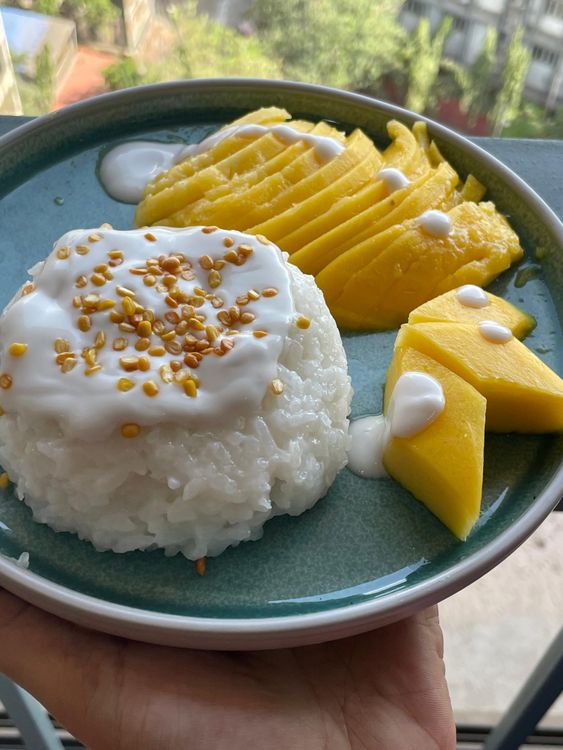
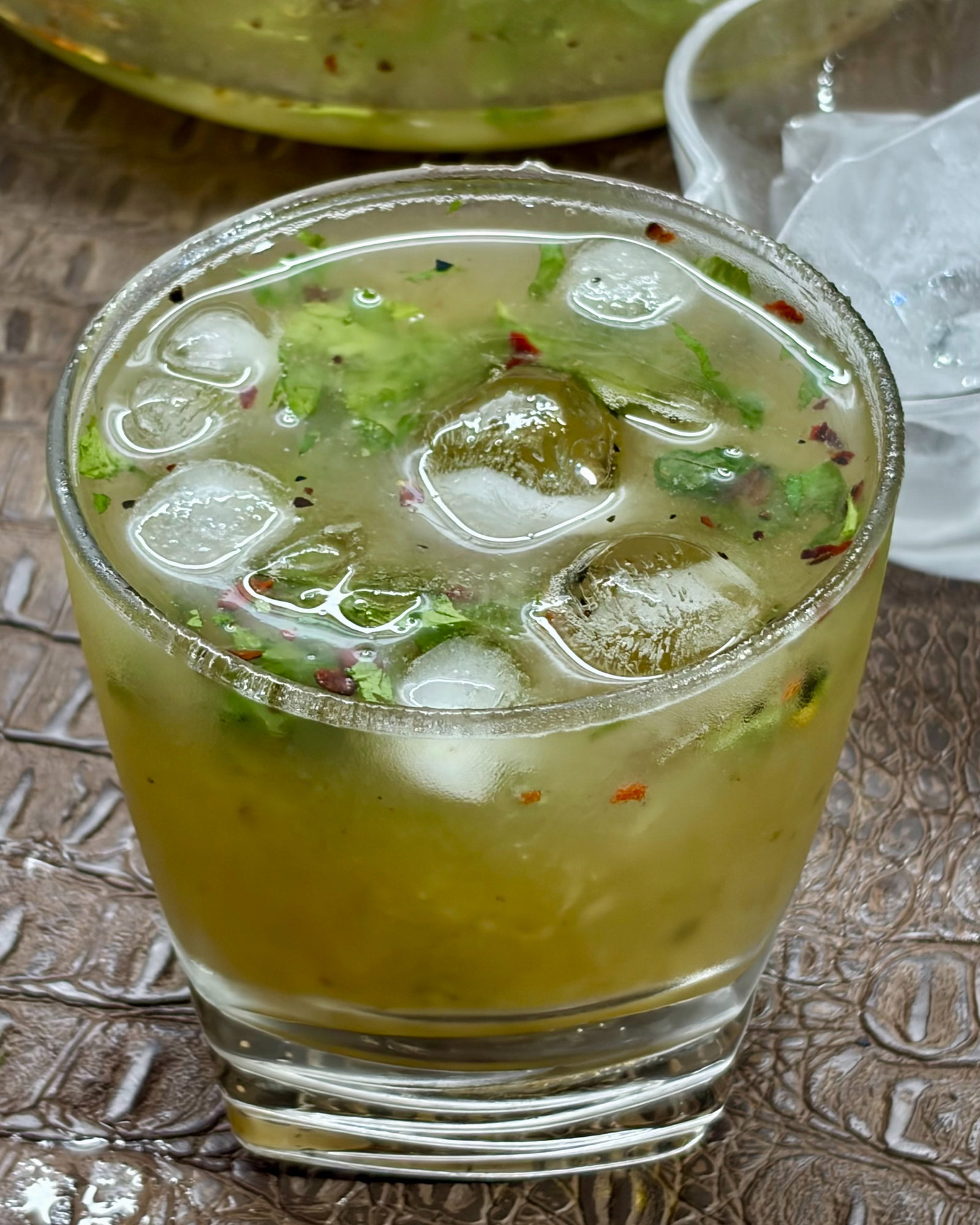
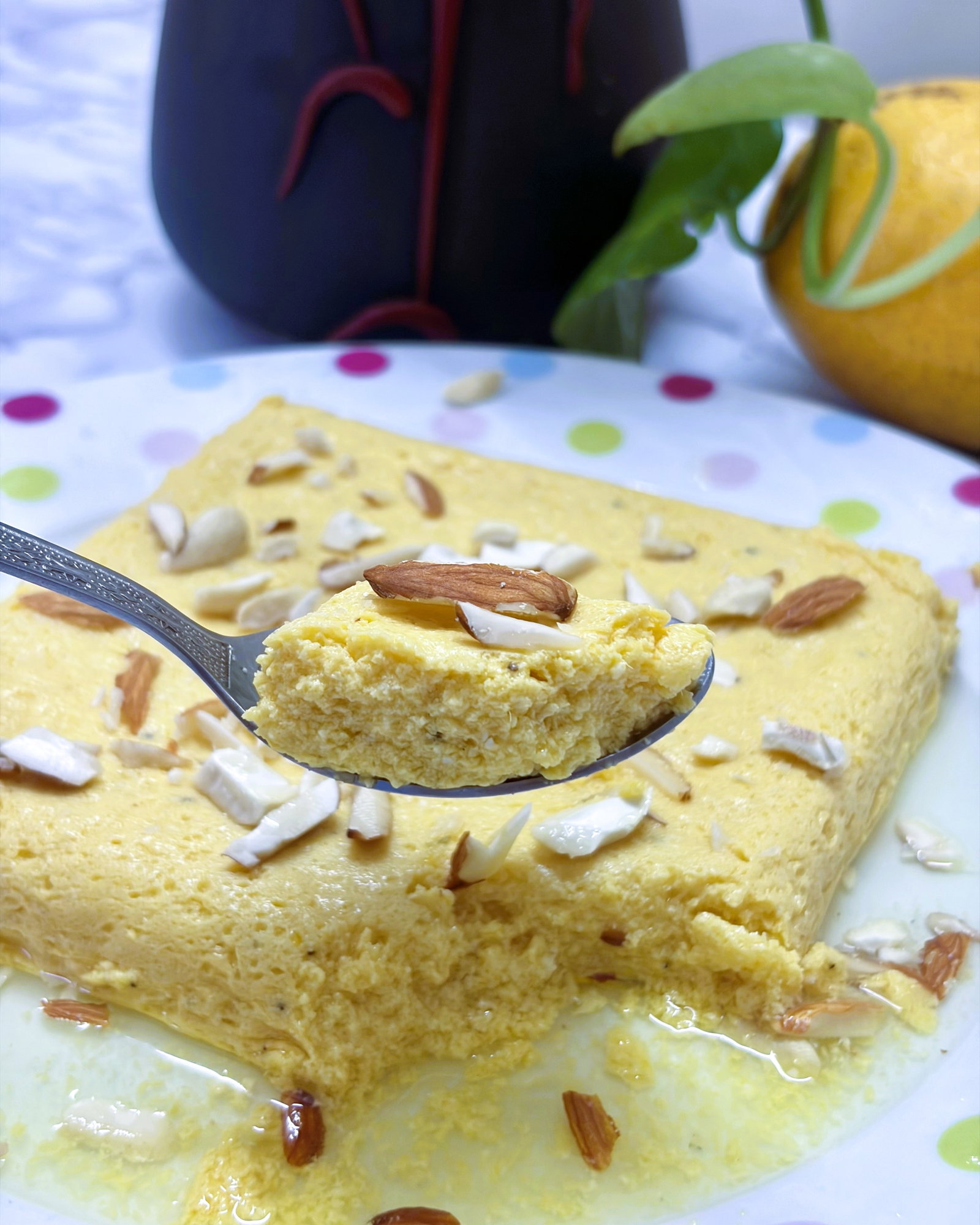
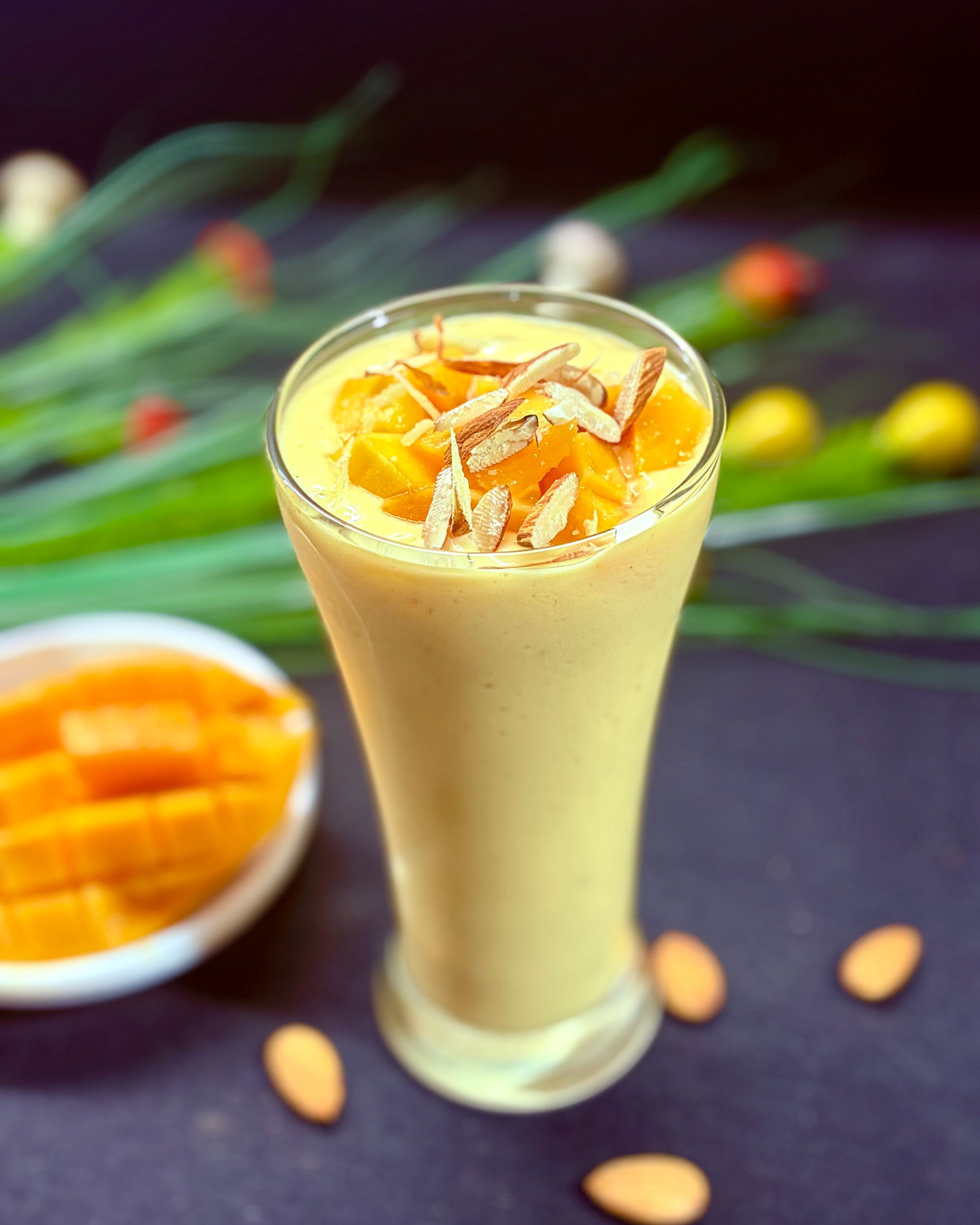
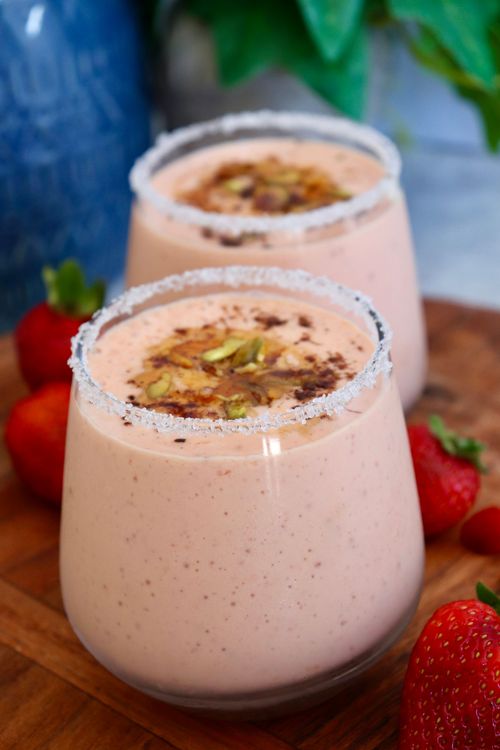
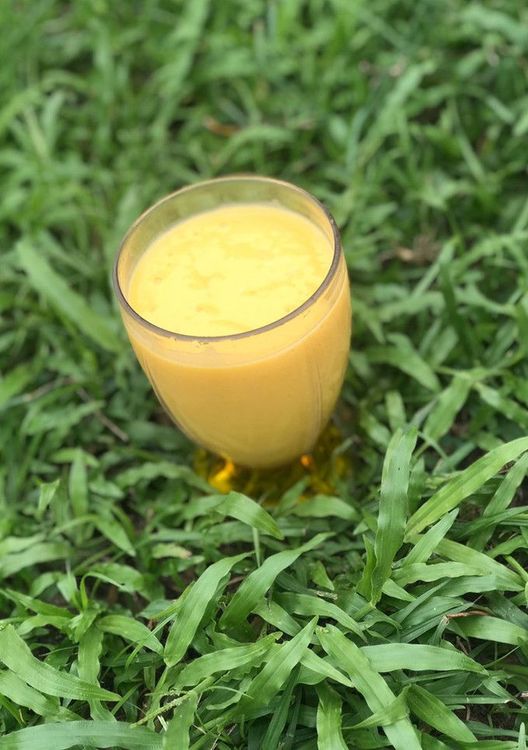
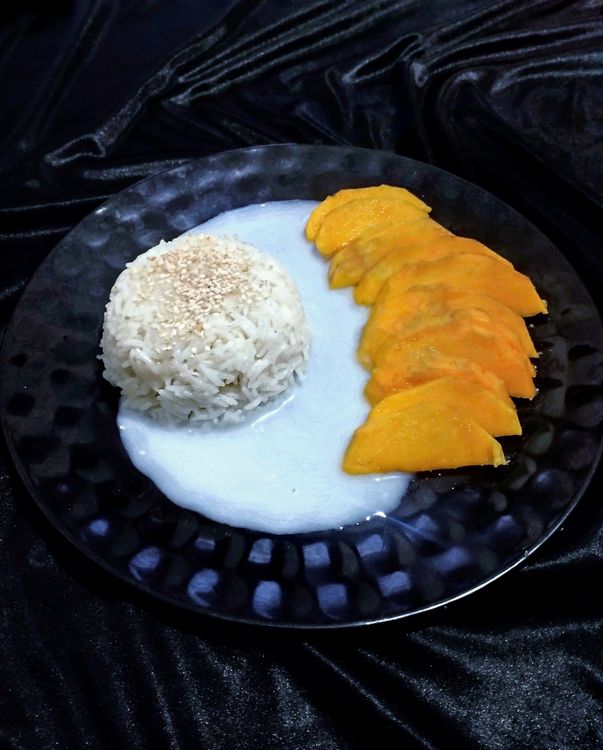
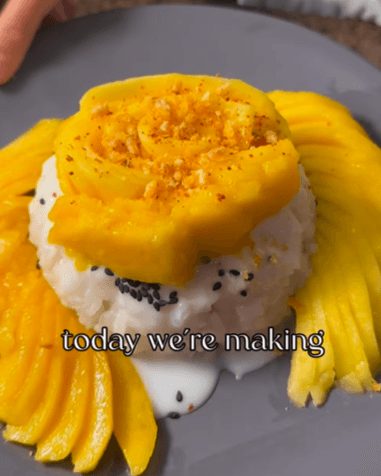
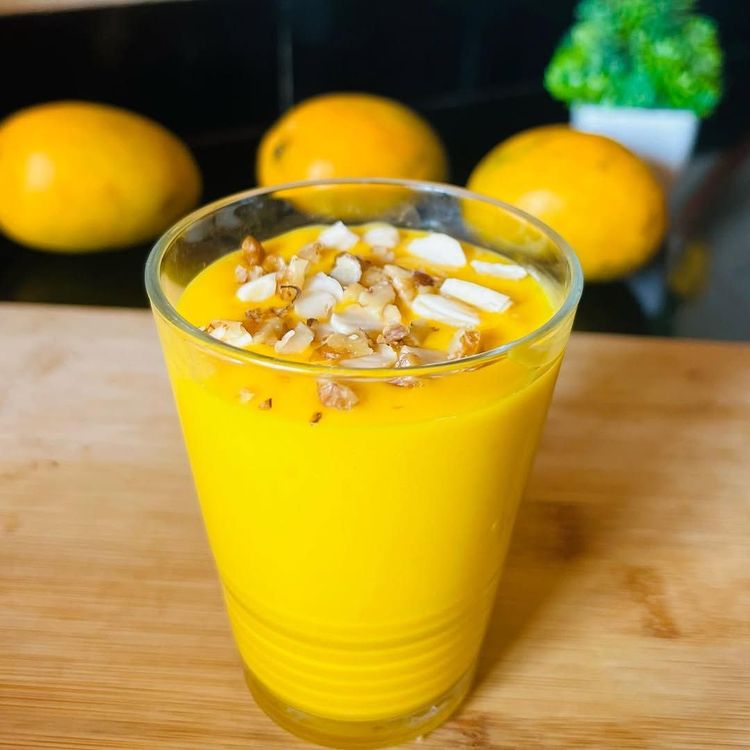
This is the fresh, assembled, sippable end of the mango table, and what unites it is speed and contrast. Mango lassi and shakes lean on the same logic as a smoothie: blend ripe mango or good pulp with chilled yogurt or milk, sweeten lightly, add a pinch of cardamom, and use frozen mango chunks rather than ice so you do not water it down. The thicker you want it, the more frozen fruit and the less liquid. Parfaits are about layering for both looks and texture — thick yogurt or whipped cream, mango puree or diced fruit, and something crunchy like granola or crushed biscuit, assembled in a clear glass and eaten before the crunch goes soft. Keep the fruit bright by tossing cut mango with a little lime. Mango sticky rice is the standout here and worth the small effort: glutinous rice steamed until tender, dressed while warm with sweetened, salted coconut milk so it drinks it in, then served with thick slices of ripe mango and a final drizzle of the salty coconut sauce that makes the dish. Sweet, fresh and on the table fast. Standouts here include Homemade Mango Sticky Rice and Smoky Aam Jhora (Bihari-Style Mango Drink) , plus Easy Mango Bhapa Doi (Steamed Bengali Mango Yogurt).
- Thai
- Vegan
- Dessert
- Indian
- Vegan
- Side Dish
- Vegetarian
- Dessert
- Indian
- Vegetarian
- Dessert
- Australian
- Vegetarian
- Dessert

- Indian
- Vegetarian
- Breakfast
- Thai
- Vegetarian
- Dessert

- Asian
- Vegan
- Dessert
- Indian
- Vegetarian
- Dessert
- Indian
- Vegetarian
- Beverage

- Indian
- Vegetarian
- Snack

- Vegetarian
- Snack
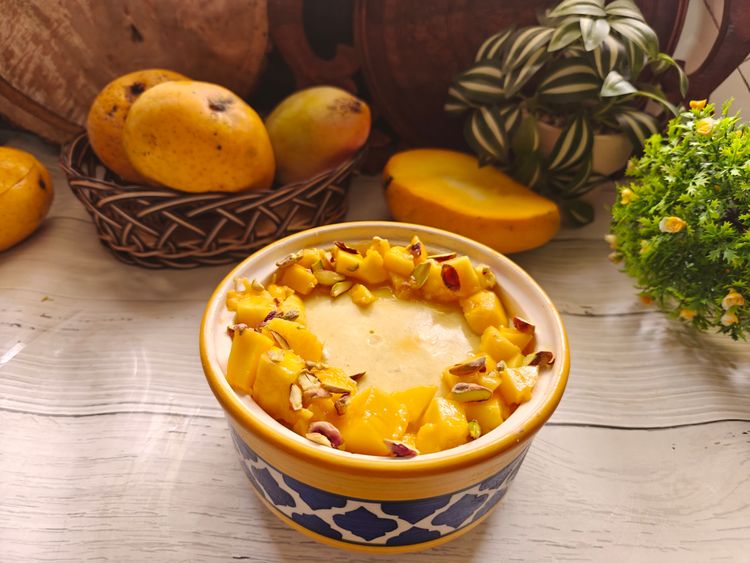
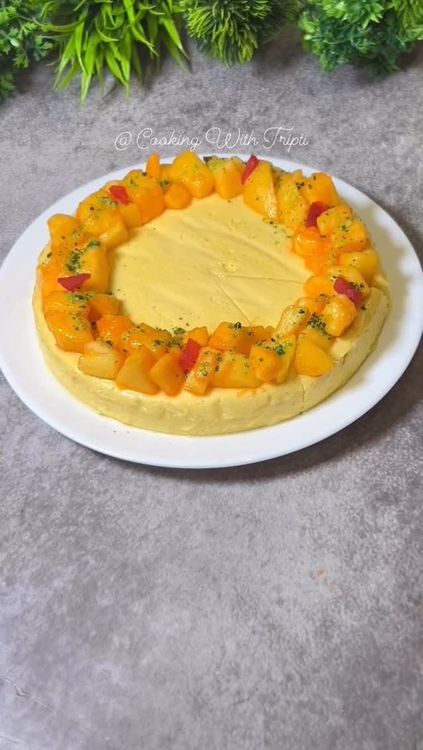
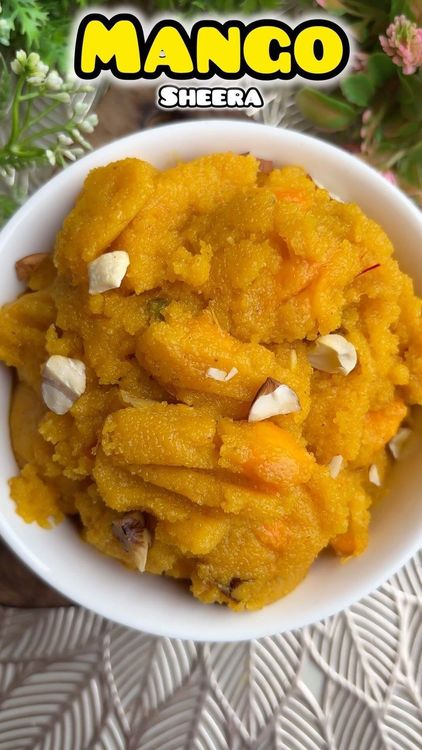
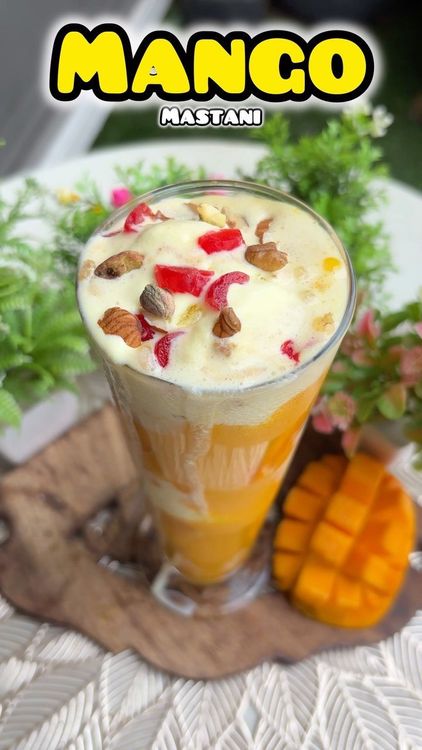
More Mango Dessert Favourites
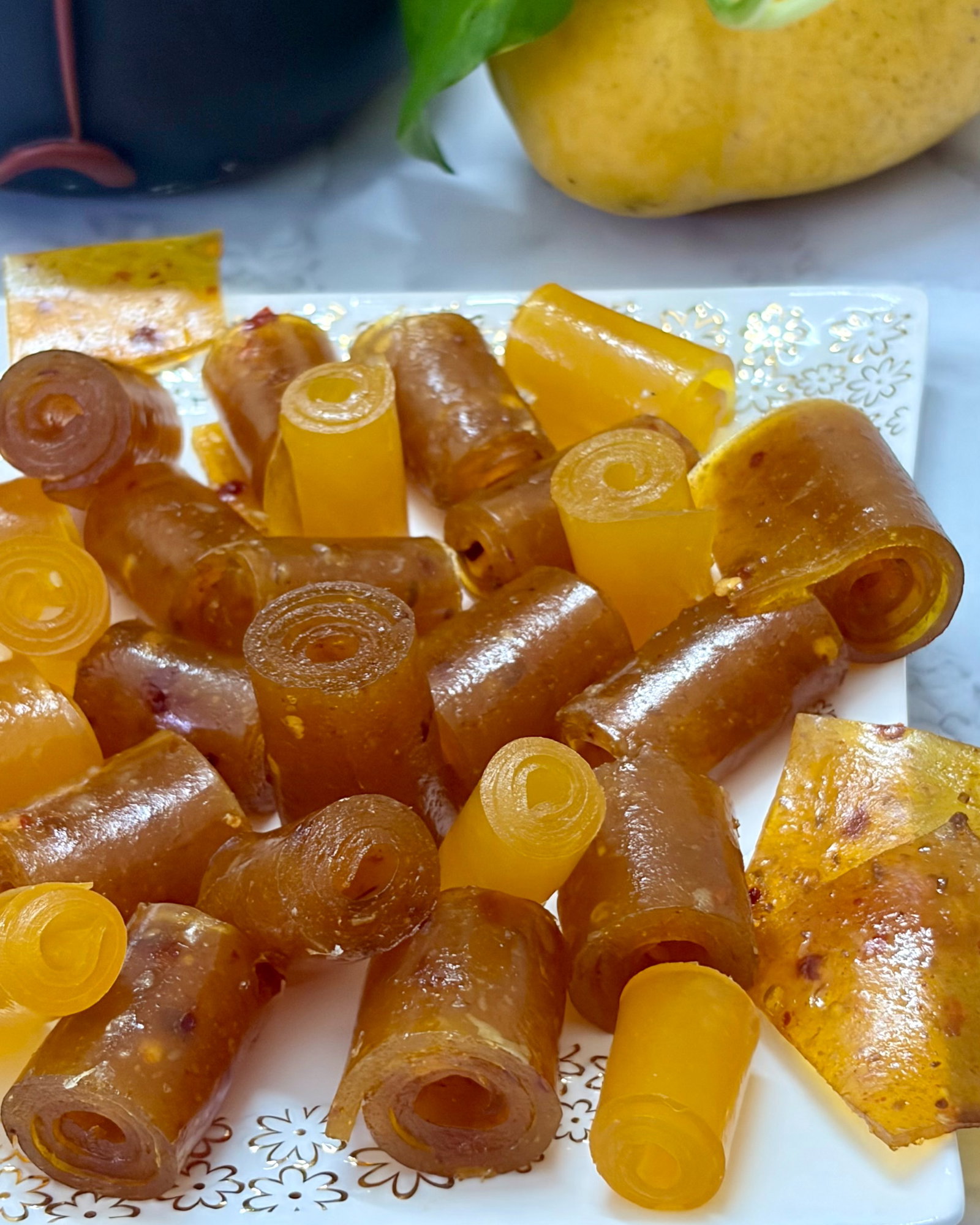
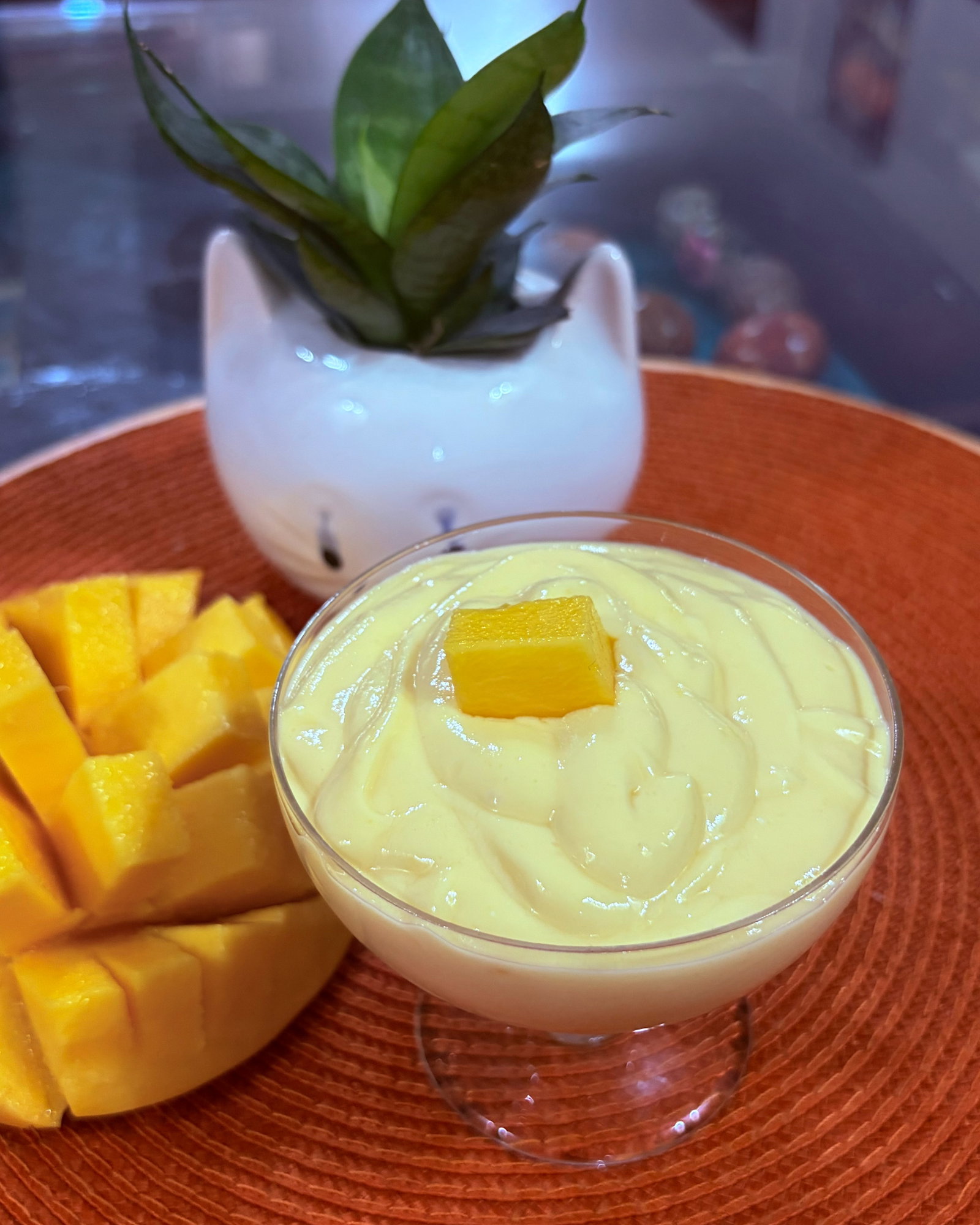
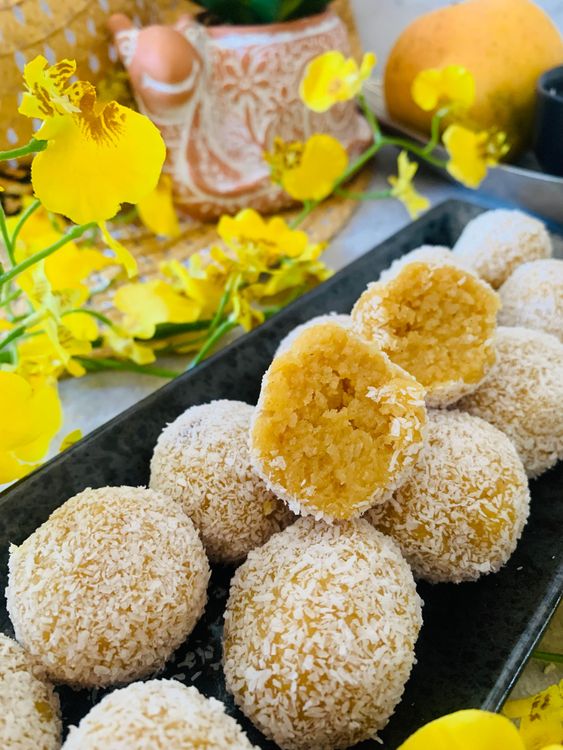
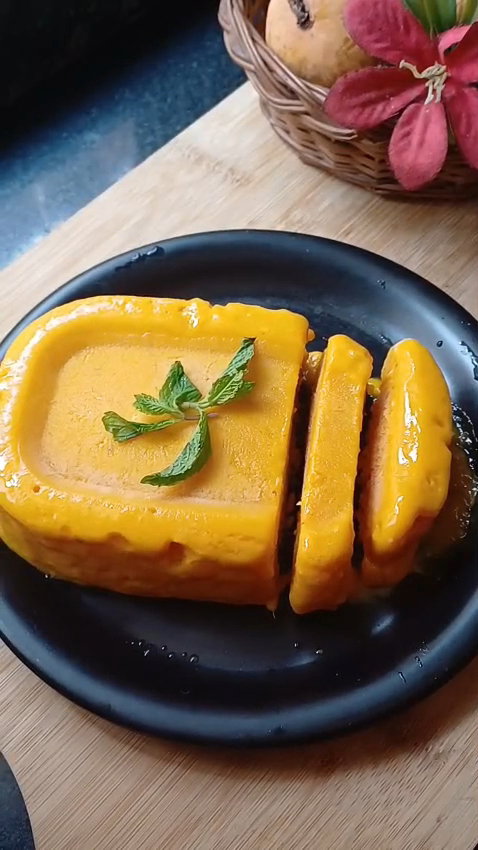
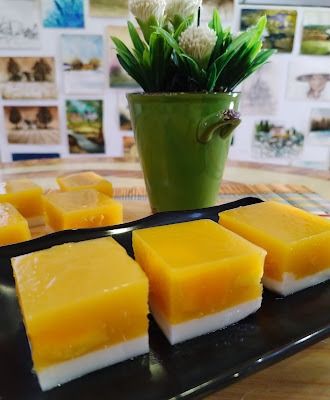
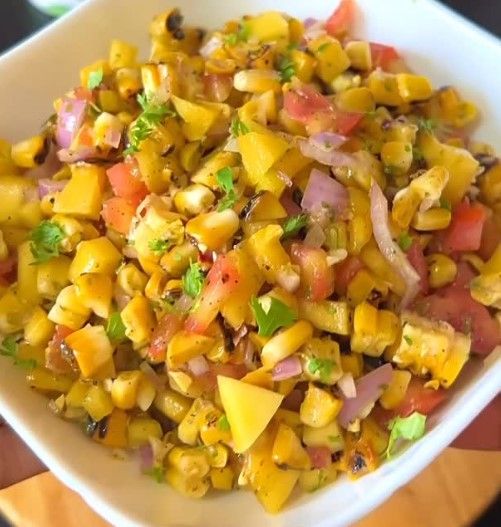
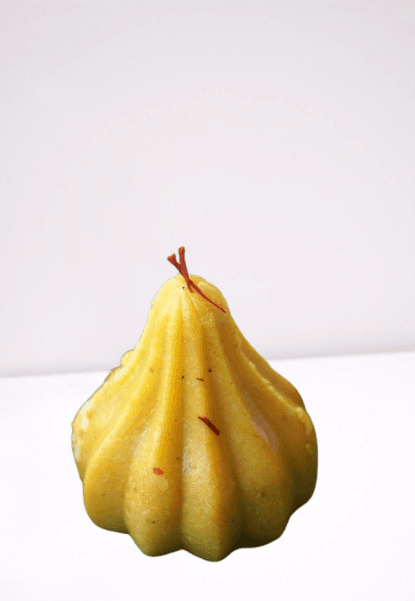
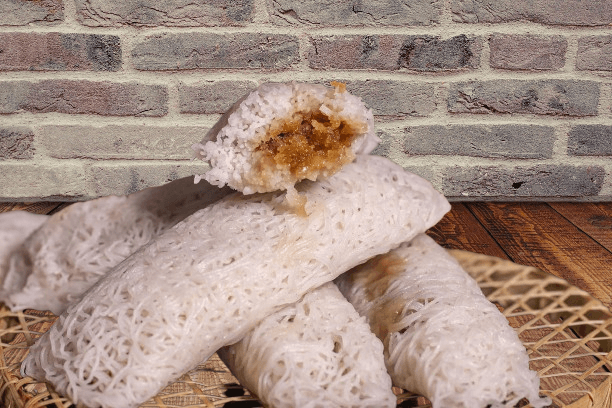
A few mango desserts never quite fit a single category, and these are the ones worth keeping in your back pocket once the staples feel routine. They lean on the same handful of moves you already know — picking genuinely ripe fruit, making a smooth concentrated puree, and balancing the sweetness with lime and a pinch of salt — but steer them toward different textures, whether that is a custardy phirni, a jelly, a chia pudding, or a fusion tart. Picking your next one is mostly about matching effort to mood: reach for a blender-and-chill dessert on a busy night when you want something good in fifteen minutes of active work, and save the layered, set-overnight numbers for when you can let them firm up properly. Pay attention to how watery your fruit is, since that one variable decides whether you need to reduce the puree, add a little more setting agent, or simply drain the thawed mango first. Think of this group as the natural next step after the classics — the recipes that quietly earn a regular spot in the rotation once the fruit is in season and you have tried them. Standouts here include Sweet & Masala Aam Papad (Mango Leather) and Easy Mango Srikhand (Aamrakhand), plus Mango Coconut Ladoo.
- Vegetarian
- Snack
- Vegetarian
- Dessert
- Indian
- Vegetarian
- Dessert

- Indian Fusion
- Vegetarian
- Dessert

- Asian Fusion
- Vegetarian
- Dessert

- Vegetarian
- Dessert
- Indian
- Non-Vegetarian
- Dinner
- Indian
- Vegetarian
- Breakfast
- Indian
- Vegetarian
- Dessert

- Indian
- Vegetarian
- Dessert
- Indian
- Vegetarian
- Beverage
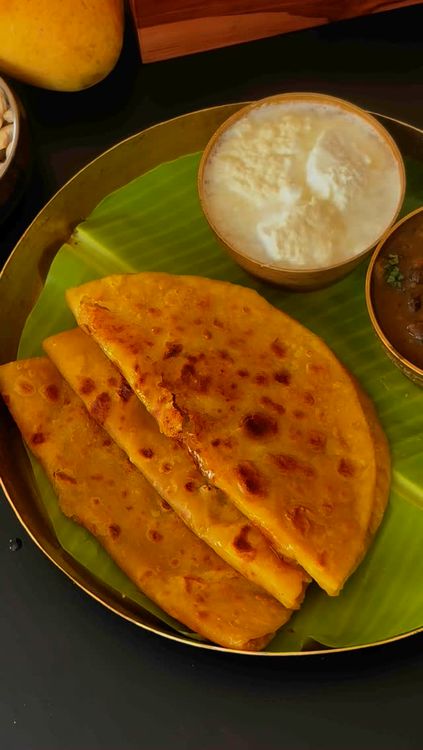
- Indian
- Vegetarian
- Snack
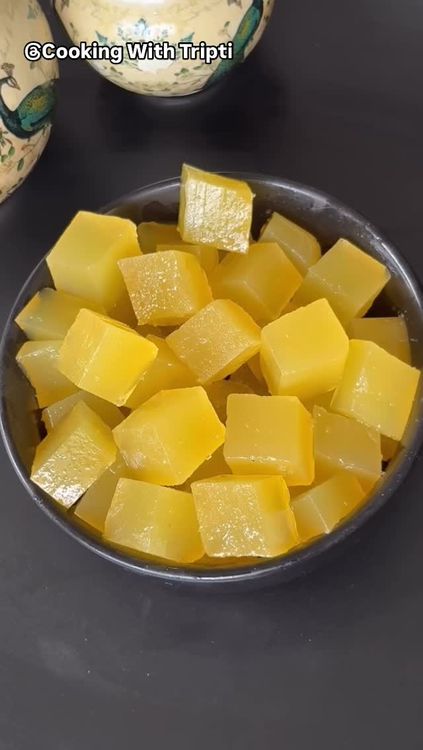
- Indian
- Vegan
- Snack
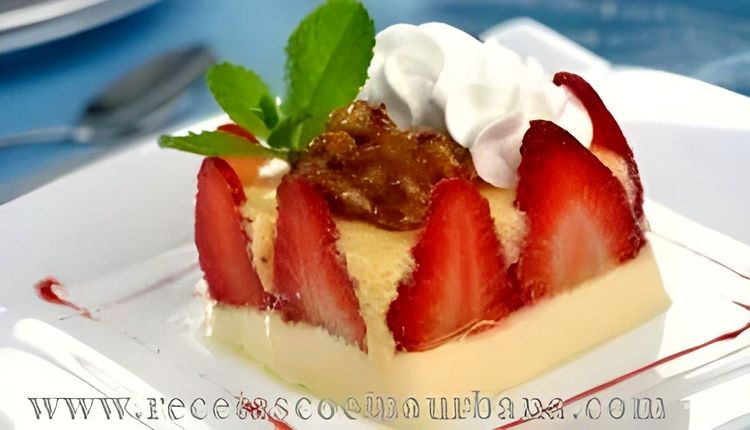
- International
- Vegetarian
- Dessert
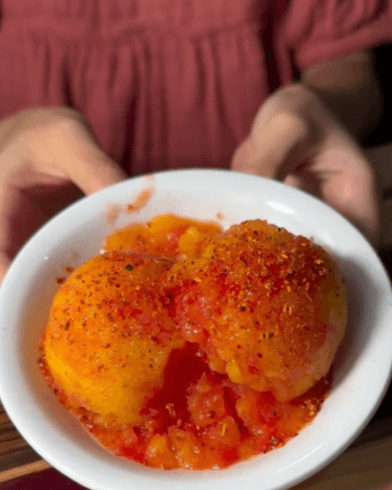
- Mexican
- Vegan
- Snack
- Global
- Vegan
- Snack
- Tropical
- Vegan
- Snack
- Tropical
- Vegetarian
- Dessert

- Mexican
- Vegetarian
- Dessert

- Indian
- Vegetarian
- Snack
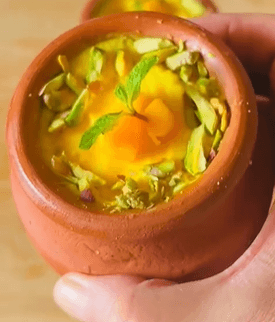
- Bengali
- Vegetarian
- Dessert
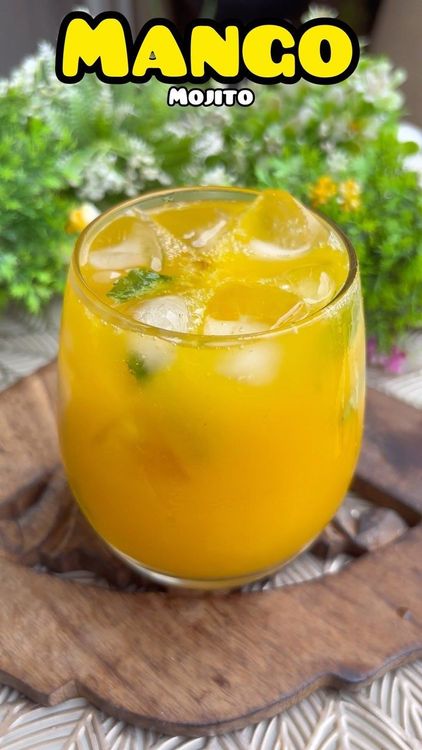
- International
- Vegan
- Beverage

- Eggetarian
- Dessert

- Vegetarian
- Beverage
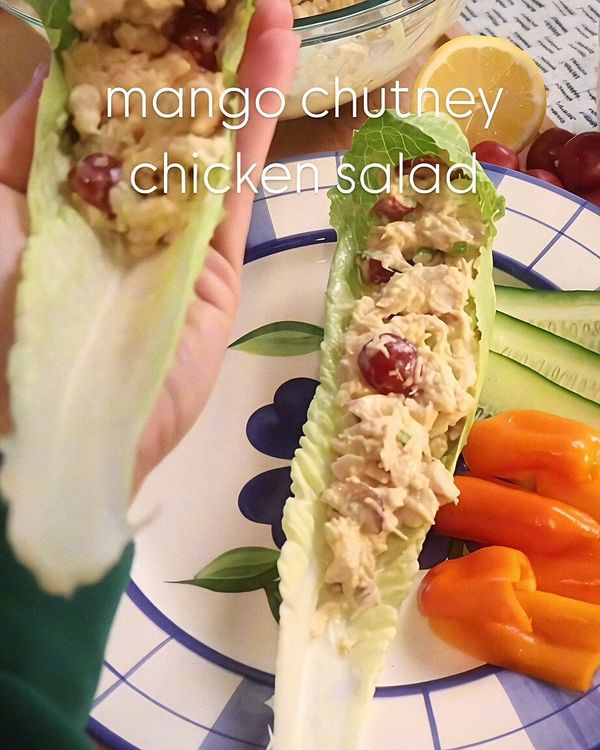

- Fusion
- Non-Vegetarian
- Lunch
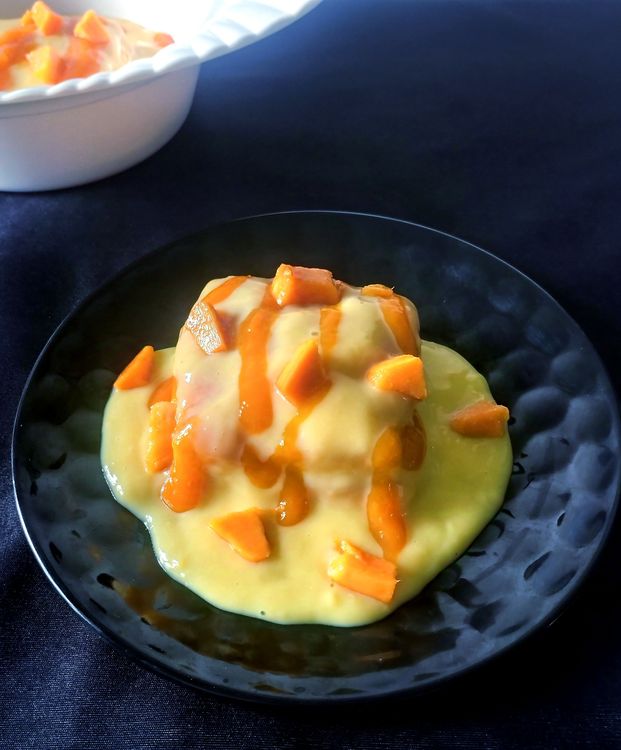
- Fusion
- Vegetarian
- Dessert
- Asian
- Vegan
- Snack
- Indian
- Vegetarian
- Appetiser
- Indian
- Vegetarian
- Dessert
- Fusion
- Vegetarian
- Snack
- Vegetarian
- Dessert
Choosing, Ripening and Pureeing Mango
The whole dessert rests on the fruit, so start with mango that is genuinely ripe. Go by smell and feel rather than color: a ripe mango gives slightly to gentle pressure near the stem and smells sweet and floral right there at the top. Varieties matter — Alphonso, Kesar and Ataulfo (Honey) are low-fiber and intensely sweet, ideal for purees and no-bake desserts, while stringier types are better juiced and strained. If your mango is firm, leave it at room temperature in a paper bag for a few days; refrigerating an unripe mango stalls it for good.
To puree, peel, slice the cheeks off the flat central stone, and blend the flesh until completely smooth. For fibrous fruit, pass the puree through a fine sieve so no strings end up in a mousse or sorbet. Taste before you sweeten — ripe mango often needs nothing, and a squeeze of lime does more for the flavor than extra sugar, lifting it and stopping it from tasting flat or cloying. A pinch of salt sharpens it further.
Good canned Alphonso pulp is a legitimate shortcut and the secret behind many restaurant mango desserts, especially out of season; it is already sweetened, so cut back any added sugar accordingly. Whatever your source, remember that mango puree is mostly water. If a recipe needs to set or freeze firm, you will get a far better result by reducing the puree gently on the stove for a few minutes to concentrate it, then cooling it fully before it goes anywhere near cream or a setting agent.
No-Bake Setting: Gelatin, Agar and Whipped Cream
Most no-bake mango desserts set one of two ways: with a gelling agent or by folding the puree into something already stable, like whipped cream or cream cheese. For gelatin, bloom it in cold water first, then dissolve it in a little warm puree or cream before stirring it through the rest — never tip dry gelatin straight into a cold mix, or it seizes into rubbery threads. Agar-agar, the vegetarian setter behind many Indian mango desserts, must be boiled to activate and sets firmer and faster, even at room temperature, so use a lighter hand.
Because mango is watery and acidic, it can resist a clean set. The fix is to concentrate the puree as above and to respect the ratios — too little setter gives a sloppy mousse, too much gives a bouncy jelly. For folded desserts, whip the cream only to soft peaks before folding in the puree; over-whipped cream turns grainy and refuses to marry with the fruit. Fold gently in two or three additions to keep the air you worked in, which is what makes a mousse light rather than dense.
Layered floats like mango graham need patience more than skill. Soak the biscuit layer just enough to soften without going to mush, alternate with the mango-cream mixture, and chill the whole thing for at least four hours, ideally overnight, so the biscuits hydrate into a cake-like crumb and the layers firm up enough to slice. Rushing the chill is the single most common reason a float collapses into a puddle on the plate. Always crown it with fresh mango only at the very end so the top stays bright.
Frozen Mango Without the Ice Crystals
Mango freezes beautifully, but its water content is exactly what turns a careless attempt icy. For ice cream, the cream, egg yolks or condensed milk in the base coat the water and keep crystals small; the popular no-churn route — sweetened condensed milk folded into whipped cream with mango puree — works because both the sugar and the fat suppress large crystals without a machine. If you do churn, chill the base thoroughly first so it freezes fast, since slow freezing is what grows the gritty crystals you want to avoid.
Kulfi is the denser, fudgier Indian cousin and takes a different path: milk is simmered and reduced for a long time until it thickens and concentrates, which removes water and gives kulfi its signature chew with no churning at all. Stir mango puree in only after the reduced milk has cooled, so the acid does not split the dairy, then freeze in molds. Sorbet is the dairy-free option — essentially concentrated mango puree, sugar syrup and lime — and here a higher sugar content actually keeps it scoopable rather than rock-hard.
Across all frozen mango desserts, two habits help most. First, start with frozen mango chunks where you can; blitzed straight from the freezer they give an instant soft-serve texture with almost no added ice. Second, let anything frozen solid sit out for five to ten minutes before serving so it softens to a scoopable, flavorful state — fruit flavors read as muted when something is frozen too hard, and mango especially blooms as it warms slightly on the tongue.
Keeping Color, Flavor and Make-Ahead Storage
Fresh mango flesh dulls and darkens once cut and exposed to air, so for any dessert where the fruit shows — a parfait, a glazed cheesecake top, a garnish — toss the cut pieces or brush the surface with a little lime juice, which both preserves the bright orange and sharpens the flavor. Add fresh mango toppings as close to serving as possible rather than the night before, and keep finished desserts covered in the fridge so the surface does not form a dull, dried skin.
Most mango desserts are made for getting ahead, which is part of their appeal. No-bake floats, mousses, puddings and cheesecakes all need a long chill to set anyway, so they are best made the day before; the flavors deepen overnight as the fruit and cream meld. Frozen desserts keep for weeks in an airtight container with the surface pressed against cling film to block freezer burn. Only the assembled, fruit-topped final touches should wait until the last minute.
A note on balancing sweetness over time: chilling and freezing both dull our perception of sweetness, so a base that tastes perfectly sweet warm will taste flat once cold or frozen. Sweeten frozen and chilled mixtures a touch more aggressively than seems right, and always rescue a flat-tasting batch with lime or a pinch of salt before reaching for more sugar. That brightness is what keeps a mango dessert tasting of fresh fruit rather than generic sweet cream.
Pro Tips from the Test Kitchen
- Pick mango by smell and give near the stem, not color — ripe fruit is fragrant and yields slightly there.
- Use low-fiber varieties (Alphonso, Kesar, Ataulfo) for purees; sieve stringier mango so mousse and sorbet stay smooth.
- A squeeze of lime and a pinch of salt brighten mango far better than extra sugar.
- Reduce watery mango puree on the stove for a few minutes before setting or freezing — it stops icy, sloppy results.
- Bloom gelatin in cold water and dissolve it in warm liquid first; never tip it dry into a cold mix.
- Agar sets firmer and faster than gelatin and must be boiled to activate, so use a lighter hand.
- Whip cream only to soft peaks before folding in mango; over-whipped cream goes grainy and will not marry.
- Chill no-bake floats at least 4 hours (ideally overnight) so the biscuit layer softens and the dessert slices clean.
- For frozen desserts, blitz frozen mango chunks straight from the freezer for instant soft-serve with no ice.
- Sweeten chilled and frozen mixtures a little extra — cold mutes sweetness, so they taste flat otherwise.
Frequently Asked Questions
How do you keep mango desserts from being watery?
Mango is mostly water, which is the usual culprit. Reduce the puree gently on the stove for a few minutes to concentrate it before you fold it into cream, set it with gelatin, or freeze it. Use ripe, low-fiber fruit rather than stringy mango, and resist adding extra liquid. For no-bake floats and mousses, chill long enough — at least four hours — so everything firms up properly.
What kind of mango is best for desserts?
Low-fiber, intensely sweet varieties make the smoothest, most flavorful desserts — Alphonso and Kesar from India, or Ataulfo (Honey) mangoes elsewhere. They puree clean with no strings and need little added sugar. Stringier types like Tommy Atkins work but are better juiced and strained. Out of season, good canned Alphonso pulp is a genuine shortcut and what many restaurants quietly rely on.
Can I make mango dessert without an oven?
Easily — most of the best mango desserts are no-bake. Mango floats layer the fruit and cream over crushed biscuits and set in the fridge; mousses and puddings fold puree into whipped cream or cream cheese; panna cotta and mango pudding set with gelatin or agar. Ice cream, kulfi and sorbet need only a freezer. The oven is optional, reserved mainly for cakes and baked cheesecakes.
How do I make mango ice cream without it being icy?
Ice crystals come from the water in mango freezing slowly into large grains. Beat them with fat and sugar: the no-churn method folds sweetened condensed milk and whipped cream into mango puree, both of which keep crystals tiny. Concentrate the puree first, chill the base before freezing so it sets fast, and start with frozen mango chunks where you can for an instant smooth texture.
What is mango graham float?
Mango graham float (mango float) is a beloved Filipino no-bake icebox dessert. You layer graham crackers, a sweetened all-purpose-cream-and-condensed-milk mixture, and ripe mango slices, repeating until the dish is full, then chill it overnight. The crackers soften into a cake-like crumb and the whole thing slices into a creamy, fruity layered dessert. It is one of the simplest and most popular mango desserts there is.
Can I use frozen mango for these desserts?
Yes, and for frozen desserts it is often better. Frozen mango chunks blitzed straight from the freezer give an instant soft-serve or nice-cream texture with almost no added ice. For mousses, purees and cakes, thaw the mango fully and drain off any released liquid first, since that extra water can make a dessert loose or weepy. Frozen mango is picked ripe, so the flavor is reliable year-round.
How do I make mango cheesecake set properly?
For a no-bake mango cheesecake, beat full-fat cream cheese smooth, fold in whipped cream and concentrated mango puree, and set it with bloomed gelatin or agar in a biscuit-base tin, chilling overnight. For a baked version, do not overbake — pull it when the center still has a slight wobble, as it firms as it cools. Either way, add the bright mango glaze or fresh fruit topping only once the cake is fully chilled.
What is the difference between mango kulfi and mango ice cream?
Kulfi is denser, chewier and richer because it is made by simmering and reducing milk for a long time to concentrate it, then freezing without churning — so it has no whipped-in air. Ice cream is churned to incorporate air, giving a lighter, softer scoop. Kulfi melts more slowly and tastes intensely milky; mango ice cream is creamier and fluffier. Both are excellent ways to freeze ripe mango.
How long do mango desserts last?
No-bake floats, mousses, puddings and cheesecakes keep three to four days covered in the fridge, and most taste even better the day after they are made as the flavors meld. Frozen mango desserts — ice cream, kulfi, sorbet — keep for several weeks in an airtight container with the surface pressed against cling film to prevent freezer burn. Add any fresh mango garnish just before serving so it stays bright.
How do I balance the sweetness in mango desserts?
Taste the fruit first — ripe mango is often sweet enough on its own, so add sugar only after tasting. The better fix for flatness is acid and salt: a squeeze of lime and a pinch of salt make mango taste more like itself without making it cloying. Remember that chilling and freezing dull sweetness, so sweeten cold and frozen mixtures a touch more than seems right when warm.
The thread through every mango dessert here is the same: start with genuinely ripe fruit, make a smooth concentrated puree, and balance that natural sweetness with a little lime and salt. Get those right and the format barely matters — the fruit will carry a no-bake float, a cheesecake, a scoop of ice cream or a bowl of sticky rice with almost no effort from you.
Pick three to make this mango season — a quick no-bake float, something frozen, and a cake or parfait for the table — and save your favorites to a Chefadora cookbook. Then work through the rest as the fruit comes into season; this page is built to be the mango dessert reference you actually keep coming back to.
Related
- Mango
- Dessert
- No Bake
- Summer
- Ice Cream
- Cheesecake
- Indian Sweets
- Fruit
Popular Searches
- Best mango desserts
- Easy mango desserts
- Quick mango desserts
- Healthy mango desserts
- Simple mango desserts
- Homemade mango desserts
- Delicious mango desserts
- Popular mango desserts
- mango dessert
- mango cheesecake
- mango ice cream
Marnirni-apinthi Building, Lot Fourteen,
North Terrace, Adelaide, South Australia, 5000
Australia
