
Top 57 Sausage Recipes: Skillet Dinners, Sheet-Pans, Soups and More
Updated June 29, 2026 · Curated by Chefadora
Sausage recipes are weeknight insurance: a single ingredient that arrives already seasoned, already rich, and ready to carry a whole dinner. Whether you reach for fresh Italian, smoky kielbasa, breakfast patties, a coil of bratwurst or spicy chorizo, the sausage does the heavy lifting on flavor so the rest of the dish can be as simple as pasta, a sheet of vegetables, or a pot of beans. The recipes below were chosen to show that range rather than ten versions of the same skillet.
What makes sausage so useful is that the seasoning is built in. The grind, the fat, the salt and the spice blend are all decided for you, so when you brown a link you are not just cooking meat — you are rendering a ready-made flavor base. That fat and the browned bits left in the pan become the foundation of a sauce, a soup, or a tray of caramelized vegetables. Learn to use what the sausage leaves behind and almost everything else gets easier.
You will find four clusters here: quick pasta and skillet dinners, hands-off sheet-pan and casserole bakes, hearty soups and stews, and the breakfast-and-grilled links that started it all. The differences between sausage types matter — fresh needs cooking all the way through, smoked is already cooked and just wants reheating and a hit of color — but the core moves repeat across every recipe on the page. Once you have browned one link well, the rest fall into a familiar rhythm no matter which cuisine the dish leans toward.
Treat this as a working reference rather than a one-time read. Every recipe links to full ingredients and steps on Chefadora, and the guides below cover the decisions that separate a great sausage dinner from a greasy, split-casing one: how to brown for flavor and fond, when to slip the meat out of its casing, how to handle fresh versus smoked, and how to keep links juicy instead of dry. Get those four right and a single package in the fridge becomes a week of genuinely different meals.
Sausage Pasta & Skillet Dinners
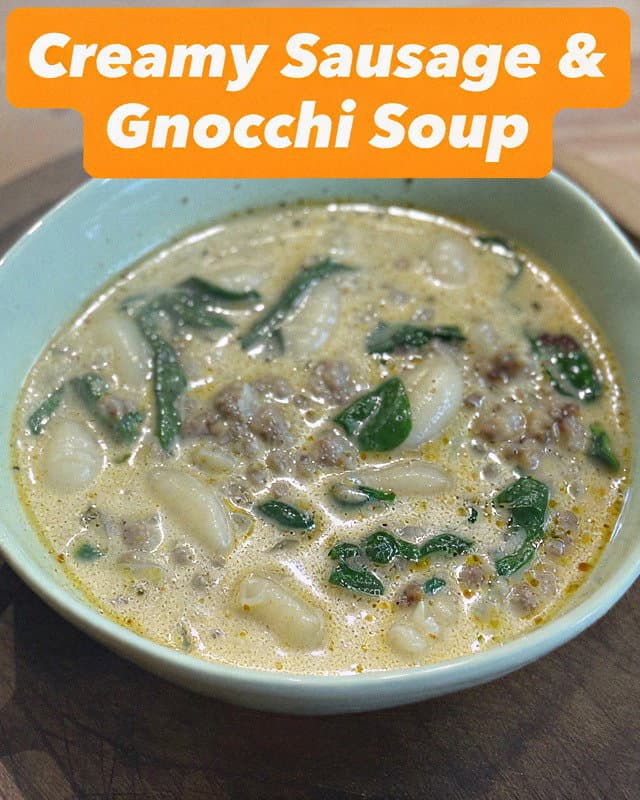
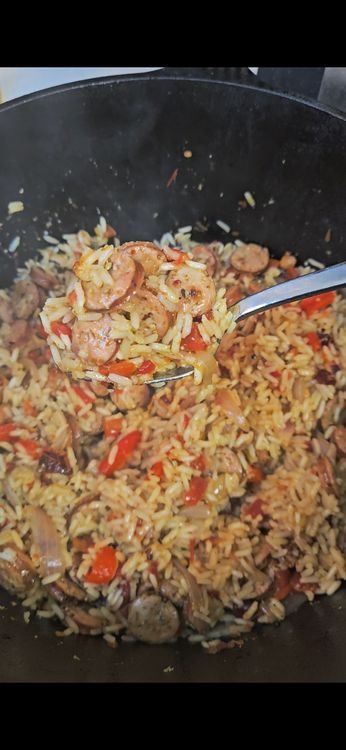
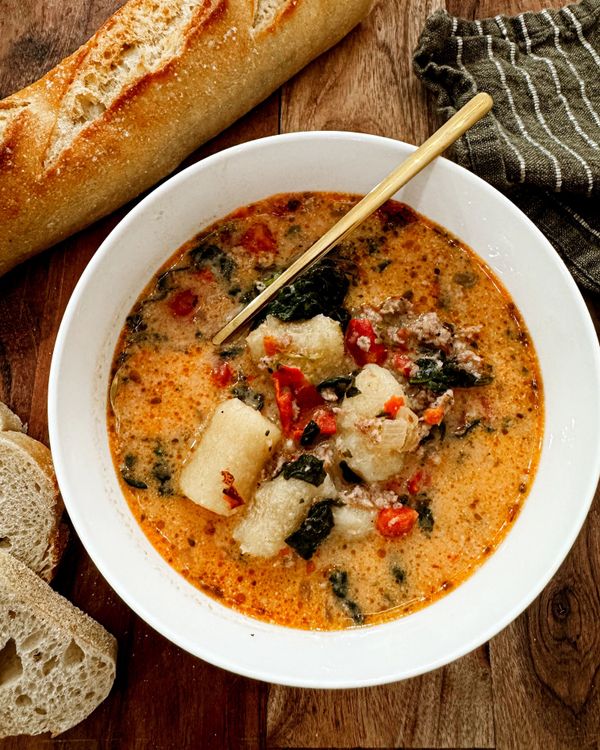
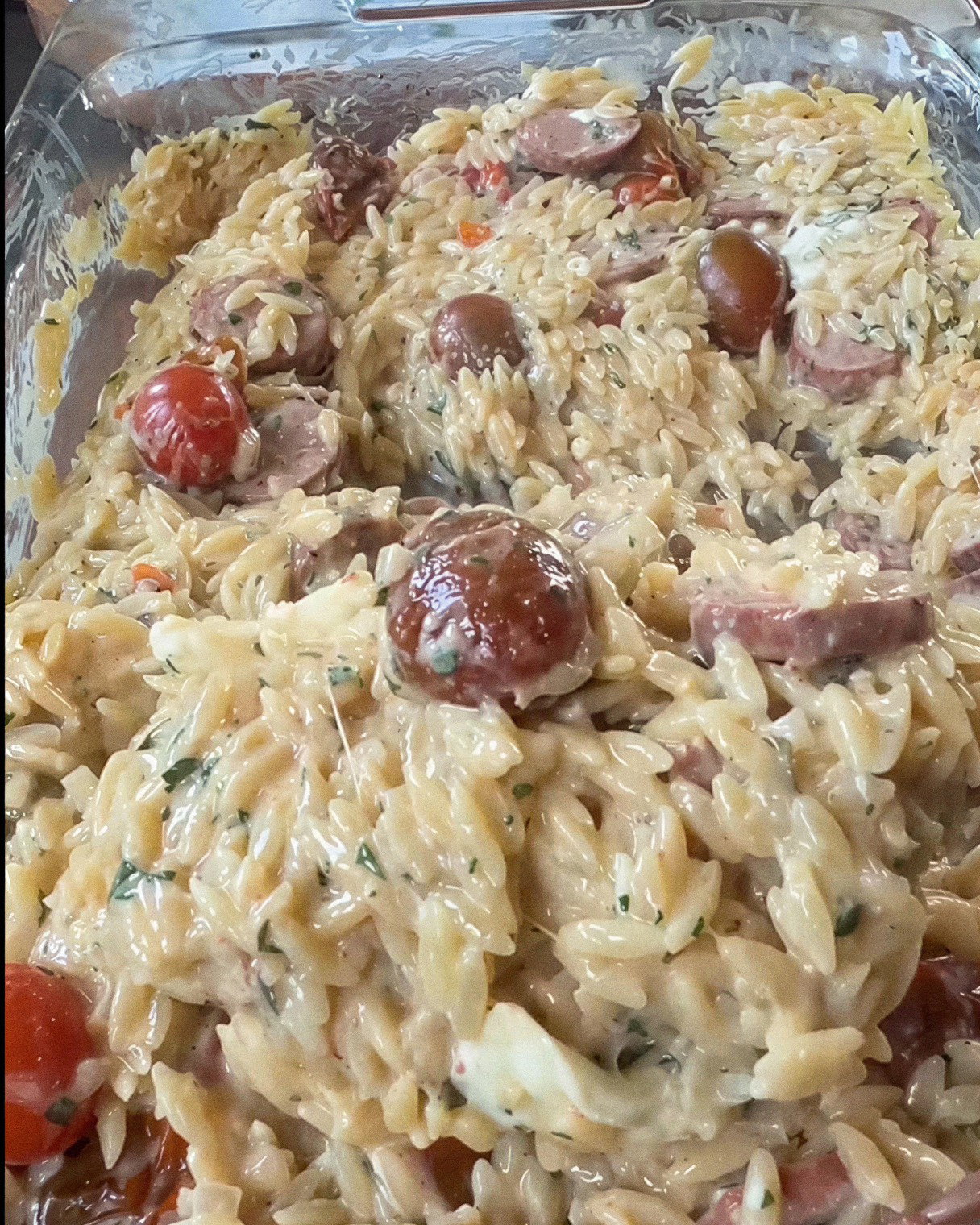
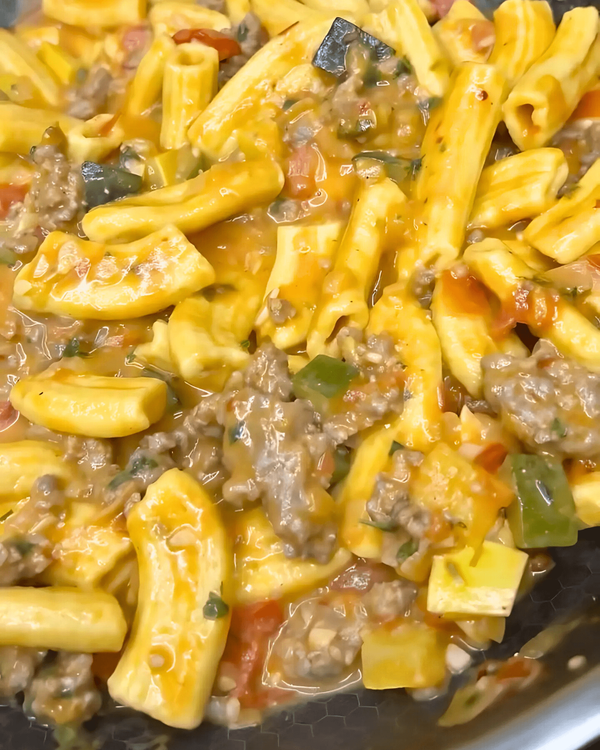
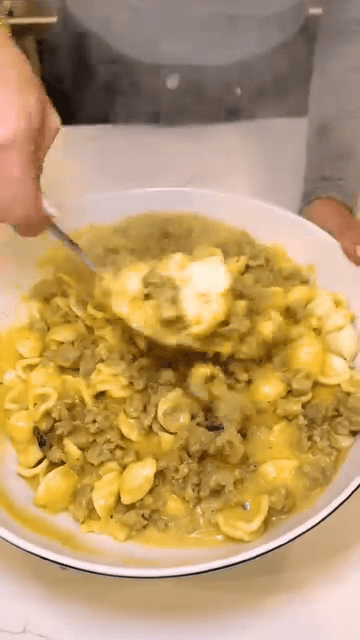
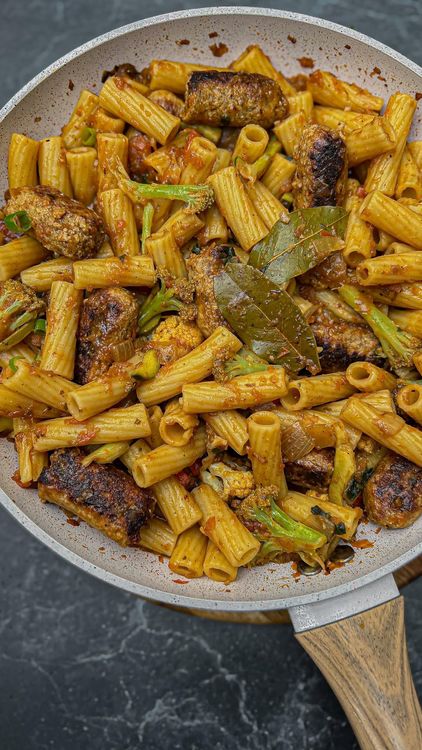
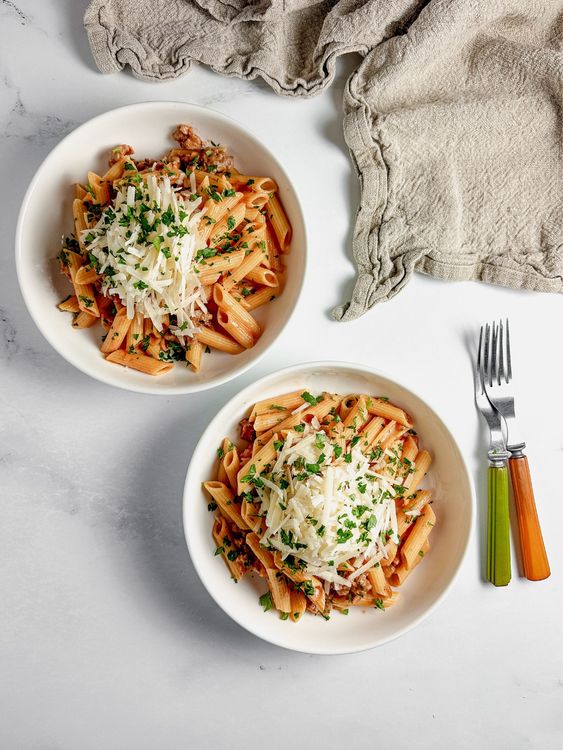
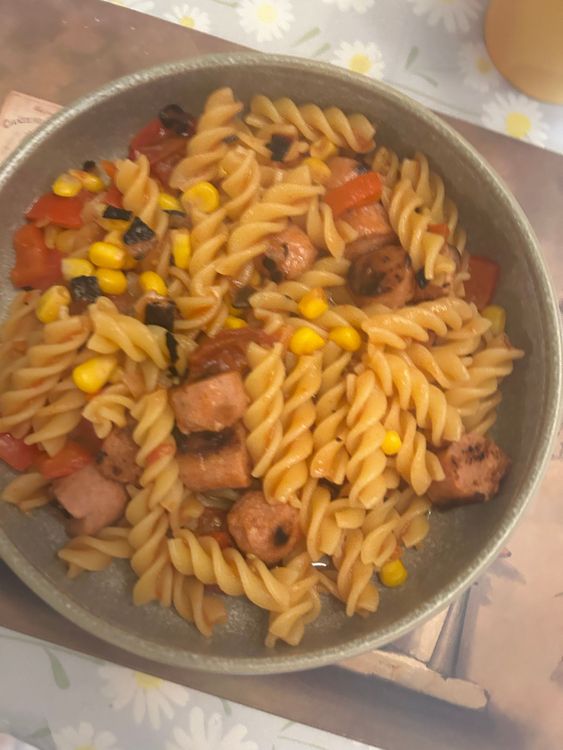
This is the fastest, most reliable way sausage turns into dinner, and it all starts with the brown. Get a wide skillet genuinely hot, render the sausage hard until the bottom of the pan is freckled with fond, then build everything else on top of that flavor. For loose Italian sausage, press it into a slab and let one face caramelize before you break it into chunks, since craggy bites taste far better than fine, stewed mince. Once the meat has color, the move is to deglaze, a splash of wine, stock, or a ladle of pasta water lifting all that stuck-on flavor into a sauce. The most common mistake is crowding a lukewarm pan, which steams the sausage grey and leaves you with no fond and no depth. Cook the pasta a touch under, then finish it in the pan with the sauce and a little starchy water so everything emulsifies and clings. A handful of cheese, a hit of chilli, and dinner is done in the time it takes the pasta to boil. Standouts here include Creamy Sausage & Gnocchi Soup and Sticky Honey Garlic Sausage and Sweet Potato Meal Prep (One Pan), plus Cajun Sausage and Rice Skillet.


- Nut-Free
- Soup

- Gluten-Free
- Lunch

- American
- Non-Vegetarian
- Dinner
- Italian
- Non-Vegetarian
- Dinner

- American
- Non-Vegetarian
- Lunch


- Non-Vegetarian
- Dinner

- American
- Non-Vegetarian
- Dinner
- American
- Non-Vegetarian
- Breakfast
- Italian
- Non-Vegetarian
- Dinner
- Italian
- Nut-Free
- Dinner
- American
- Non-Vegetarian
- Lunch


- Italian
- Non-Vegetarian
- Dinner
- Italian
- Nut-Free
- Dinner
- Italian
- Non-Vegetarian
- Dinner

- Italian
- Non-Vegetarian
- Dinner
- Italian
- Pescatarian
- Lunch

- Italian
- Non-Vegetarian
- Main Course
- Italian
- Non-Vegetarian
- Lunch
Sheet-Pan & Casserole Bakes
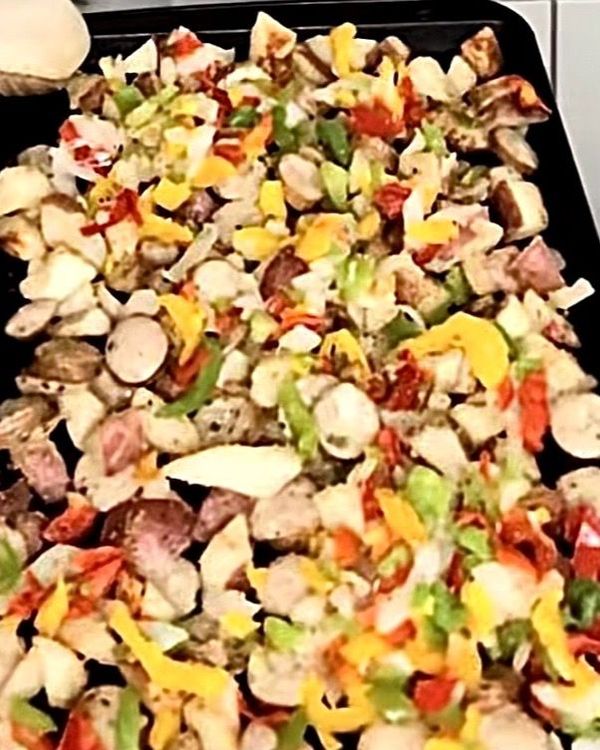
When you want flavor without standing at the stove, sausage and a hot oven do the work for you. The principle behind a great sheet-pan dinner is space: spread the sliced sausage and vegetables in a single layer so they roast and caramelize instead of steaming into a soggy pile, and cut everything to a size that finishes together. Dense potatoes and carrots want a head start, while peppers, onions and zucchini join later so nothing turns to mush. Roast around 200C/400F, give the tray a shake partway through, and let the sausage fat baste the vegetables as it renders. Casseroles trade the crisp edges for comfort and make-ahead ease: brown the sausage first for that essential fond, layer it with pasta, rice or potatoes and a sauce, and bake until bubbling and burnished on top. The frequent slip with both is skipping the initial browning; raw-pale sausage thrown straight into a bake never develops the savory backbone the dish needs. A few minutes of color up front pays off all the way through. Standouts here include Pork Sausage and Apple Stuffing and Stuffed Italian Sausage Shells, plus 10 minute sweet potato and sausage hash.
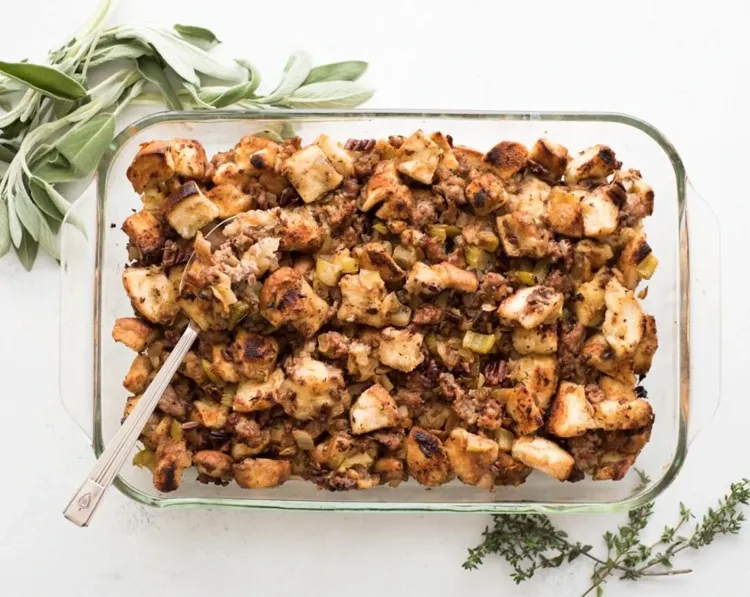
- American
- Non-Vegetarian
- Dinner
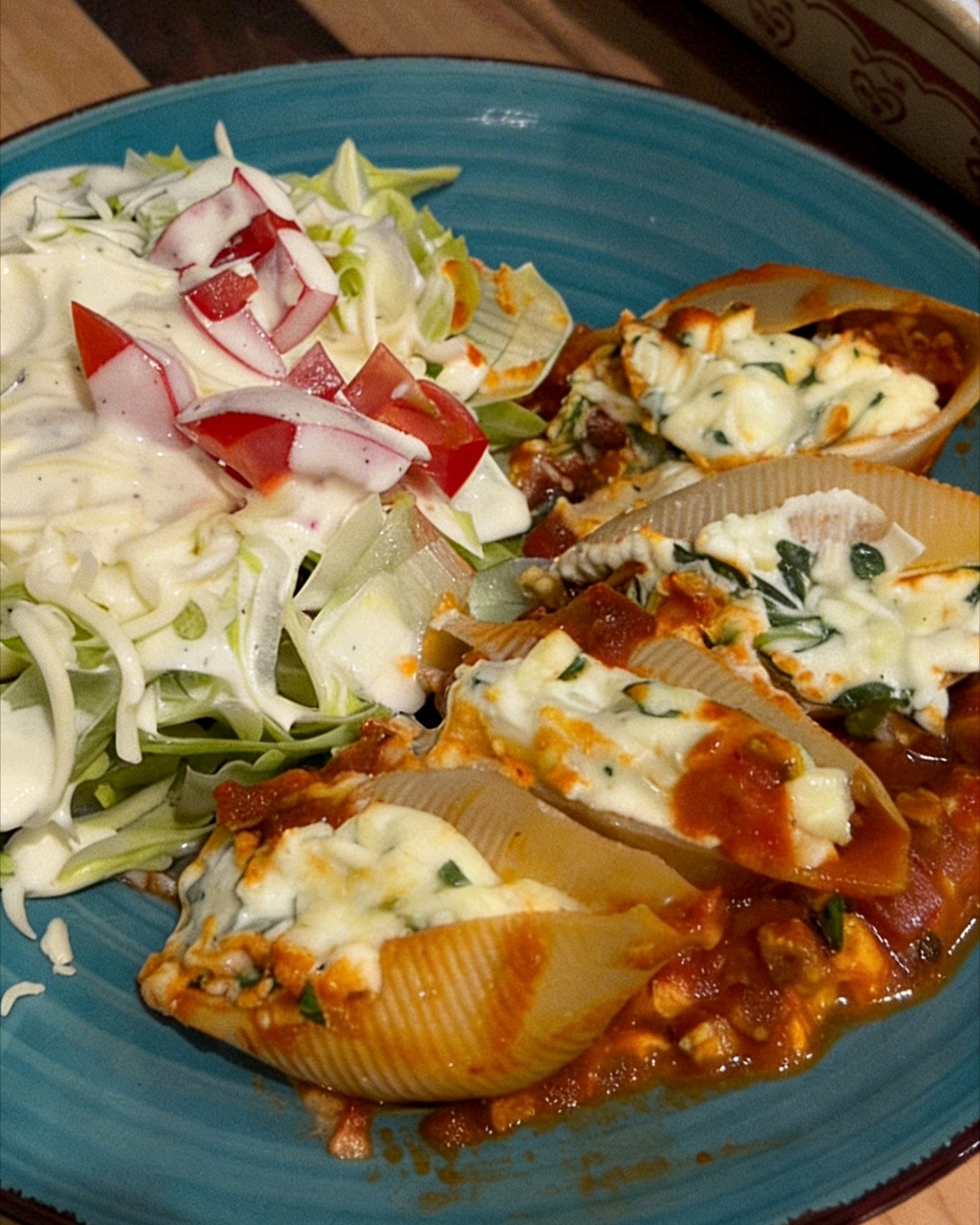

- Italian
- Non-Vegetarian
- Dinner
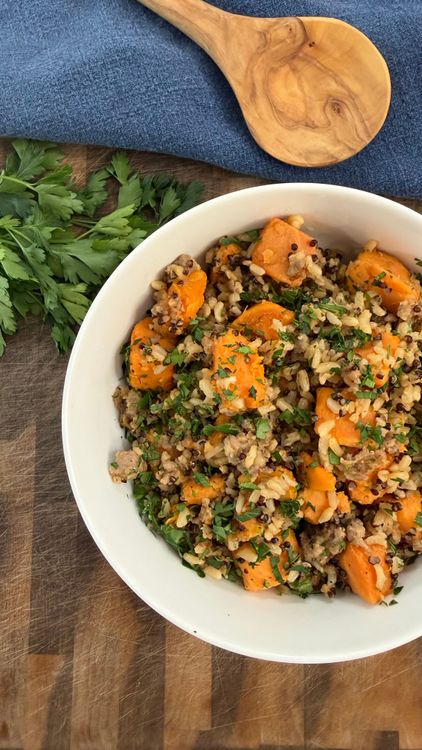
- American
- Non-Vegetarian
- Dinner

- American
- Non-Vegetarian
- Dinner

- American
- Non-Vegetarian
- Side Dish
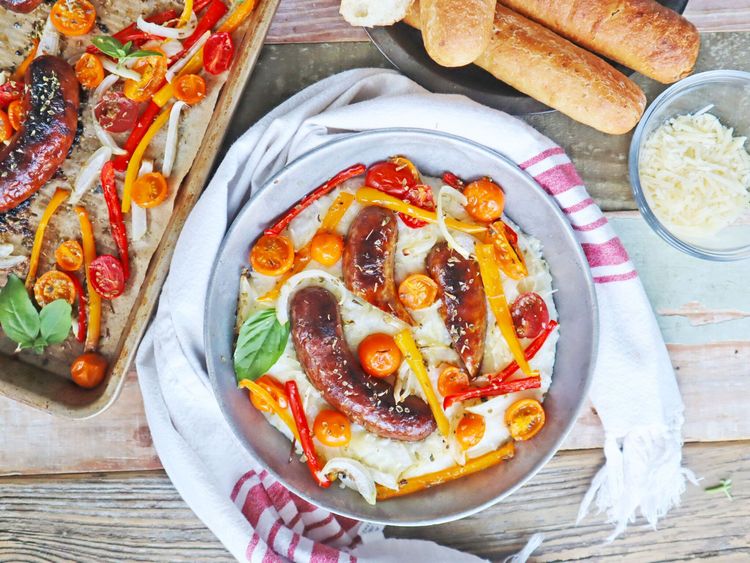

- Italian
- Non-Vegetarian
- Dinner
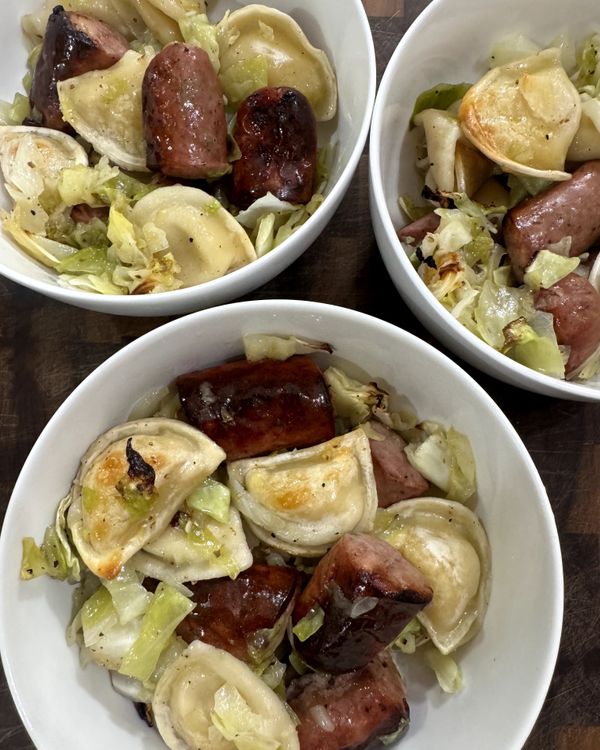
- American
- Non-Vegetarian
- Dinner
- Italian
- Non-Vegetarian
- Lunch
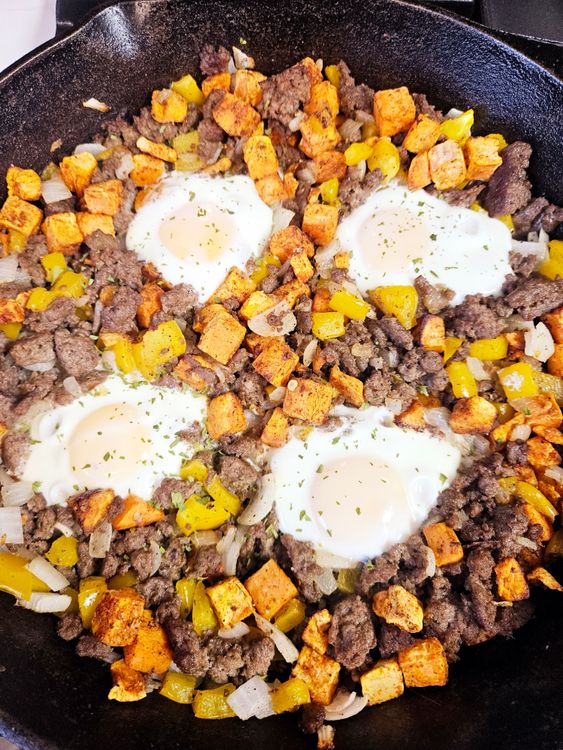
- American
- Non-Vegetarian
- Breakfast
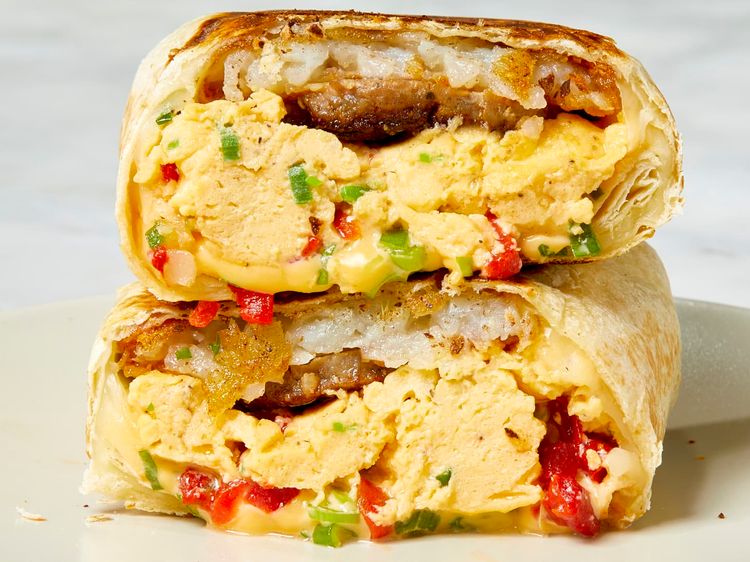
- American
- Non-Vegetarian
- Breakfast
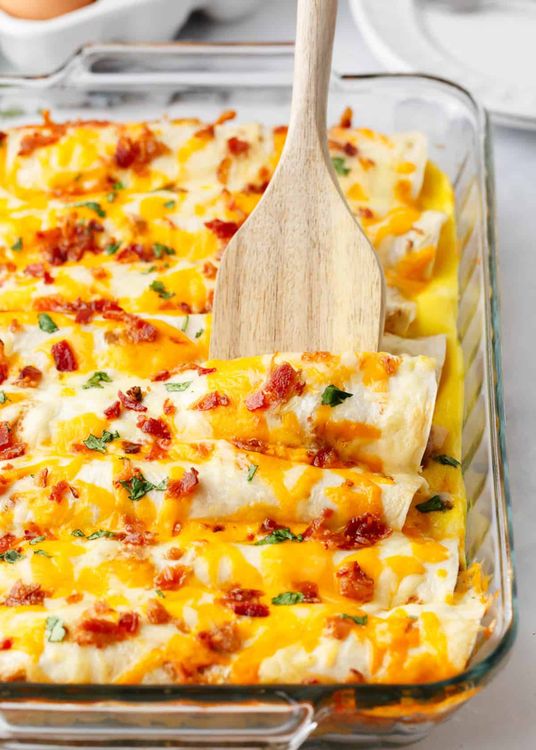
- Mexican
- Non-Vegetarian
- Breakfast
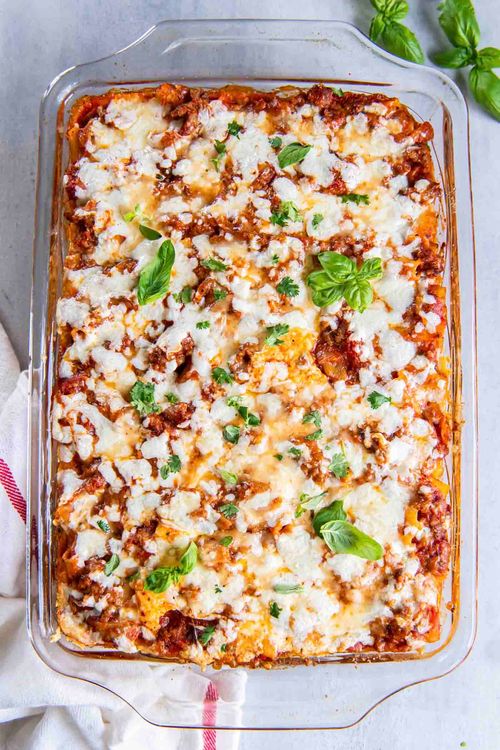
- Italian
- Non-Vegetarian
- Dinner
Sausage Soups & Stews
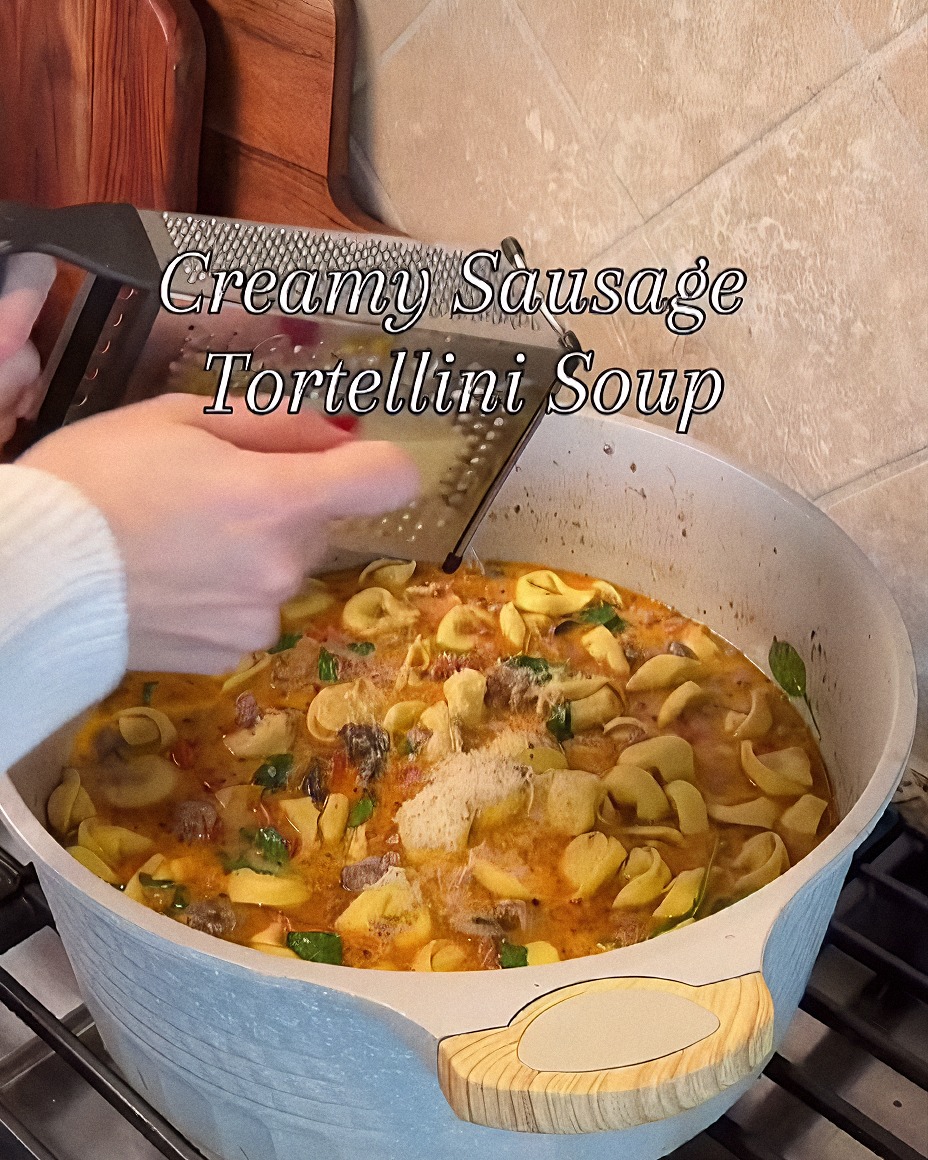
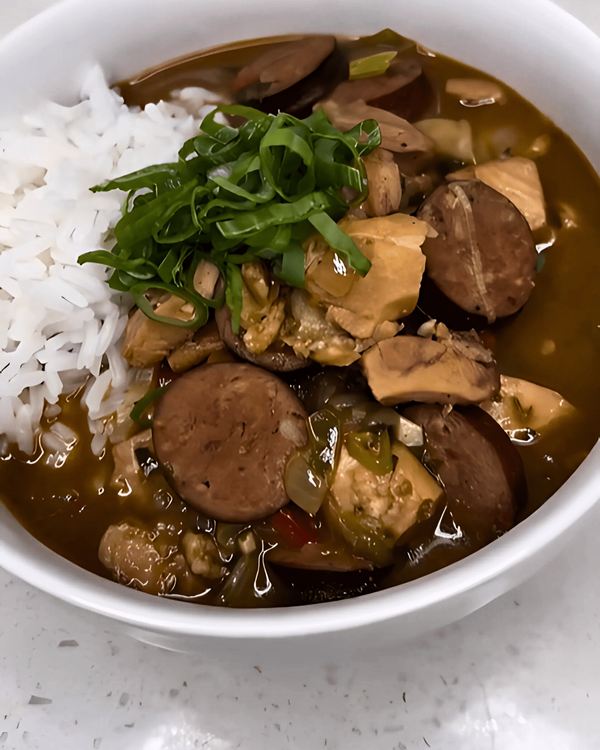
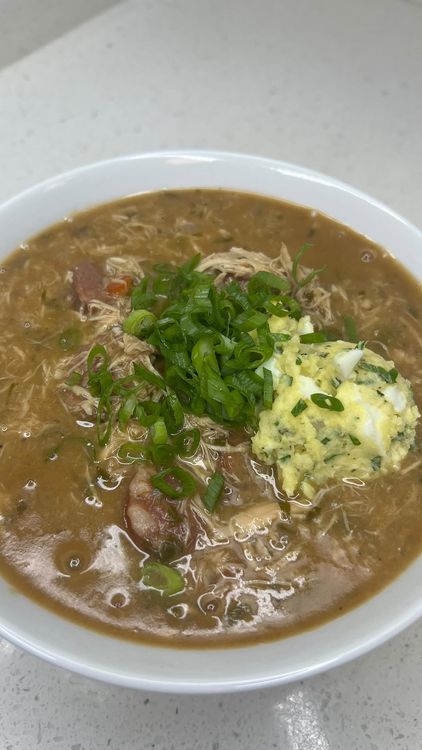
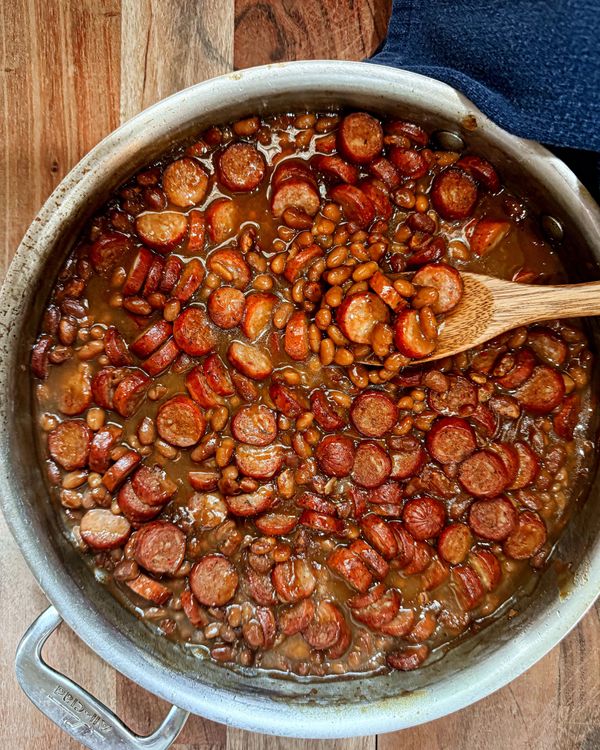
A little sausage seasons a whole pot, which is why it anchors so many of the world's great soups and stews. The technique is to treat the sausage as both the protein and the spice rack: brown it first, render its fat, and use that flavored base to soften your aromatics so every spoonful carries its warmth. For fresh sausage, crumble and brown it hard before the liquid goes in. For smoked sausage like kielbasa or andouille, the timing flips, sear it for color but add it back toward the end of the simmer so it stays juicy rather than boiling into something rubbery and washed-out. From there the pot can go anywhere: creamy Tuscan-style soups with kale and cream, smoky bean and lentil stews, or the holy trinity of gumbo and jambalaya. The mistake to avoid is letting the soup boil hard once the sausage is in, which toughens the meat and clouds the broth. Hold it at a gentle simmer, taste for salt at the end since the sausage already brings plenty, and let the fond you built do the rest. Standouts here include Smoked Chicken and Sausage Gumbo and Chicken And Sausage Jambalaya, plus Gumbo (Chicken and Sausage).
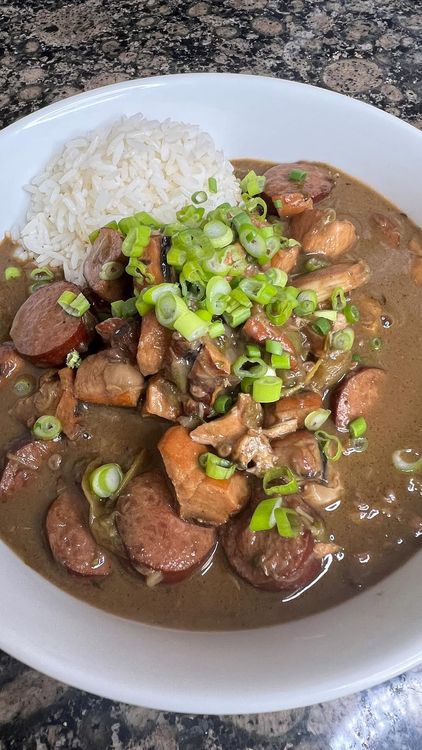
- Cajun
- Non-Vegetarian
- Dinner
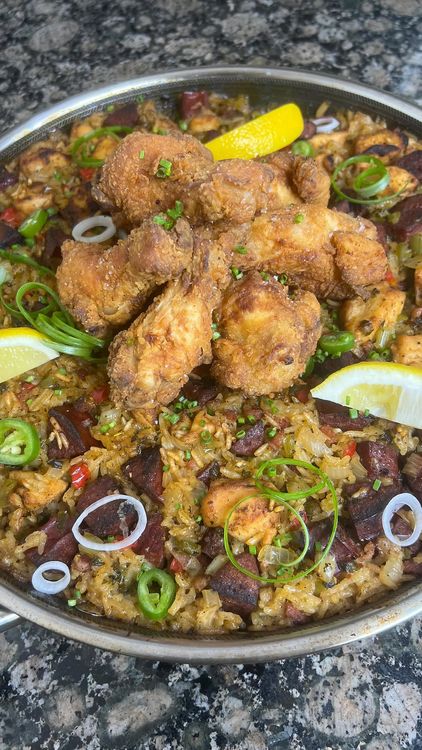
- Cajun
- Non-Vegetarian
- Dinner
- Cajun
- Non-Vegetarian
- Dinner
- Cajun
- Non-Vegetarian
- Lunch
- American
- Non-Vegetarian
- Lunch

- American
- Non-Vegetarian
- Main Course
Breakfast Sausage & Grilled Links
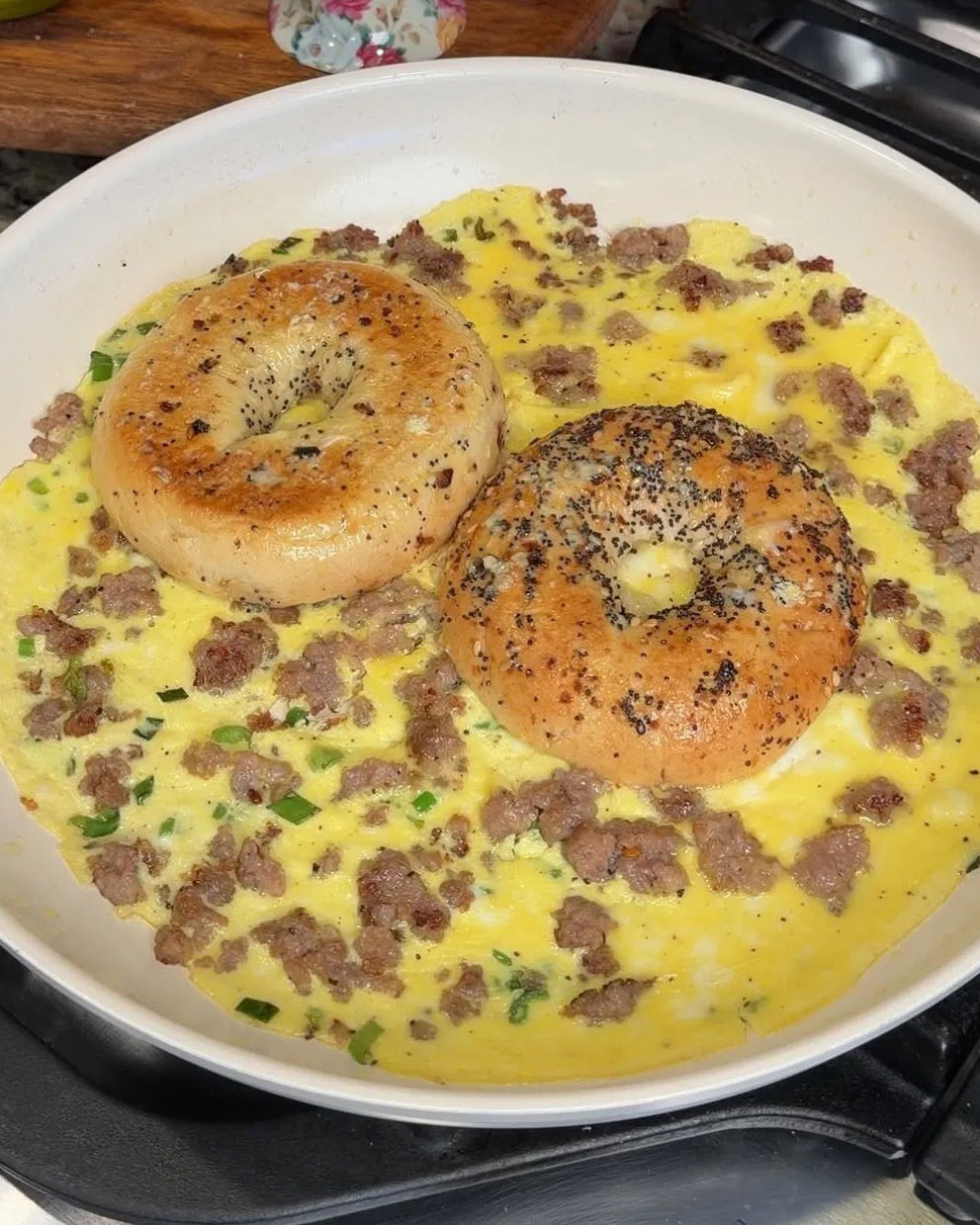
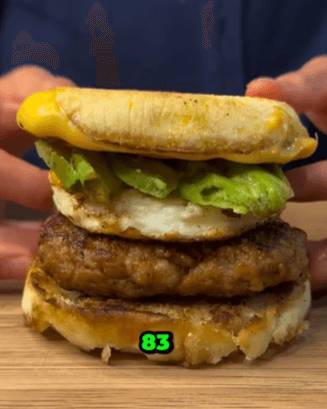
This is where sausage began and where it still feels most at home, whether that is patties sizzling next to eggs at dawn or bratwurst hissing over coals on a summer afternoon. For breakfast sausage, the goal is a deeply browned crust and a juicy center, so cook patties and links over medium heat, pressing patties only once to set the sear, and pull them the moment they hit 71C/160F so they do not dry out. They play beautifully into scrambles, frittatas, biscuits and gravy, and hash. On the grill, the rules change slightly: build a two-zone fire, sear the brats, kielbasa or dogs over direct heat for color, then slide them to the cooler side to finish through without splitting the casing. Resist pricking the links, which only drains the juices you want to keep, and resist the high-heat-everywhere approach, which chars the outside while the middle stays raw and bursts the casing. Rest them a couple of minutes off the fire, tuck them into a soft bun with mustard and onions or sauerkraut, and let carryover heat finish the job. Standouts here include Breakfast Sausage Pancake Corndog and Homemade Sausage Egg McMuffin, plus Homemade Breakfast Sausage.

- American
- Non-Vegetarian
- Breakfast

- American
- Non-Vegetarian
- Breakfast
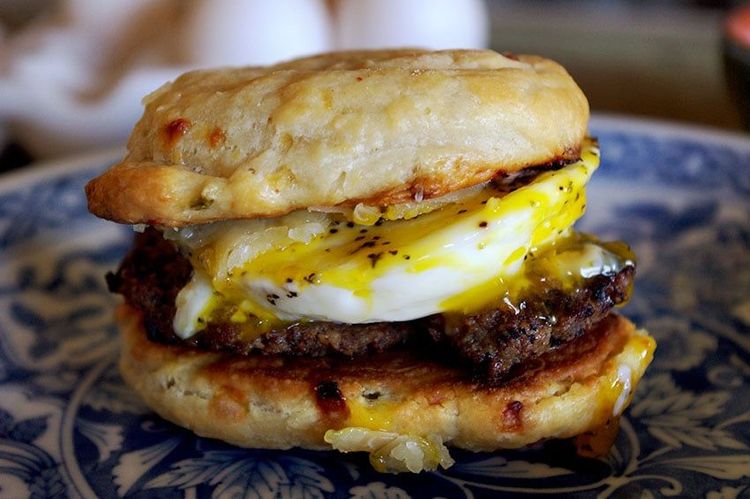
- American
- Non-Vegetarian
- Breakfast
More Sausage Favourites
A handful of sausage dishes never settle neatly into one category, and these are the ones worth keeping once the staples feel routine. They lean on the same fundamentals you already know, a hard sear for fond, the fresh-versus-smoked distinction, gentle heat to keep links juicy, but steer the same ingredient toward different textures and global flavors, so sausage never tastes quite the same twice. Picking your next one is mostly about matching effort to mood: reach for a quick skillet or a stuffed-and-baked number on a busy night when you want flavor in half an hour, and save the slow-simmered stews and two-zone grilled projects for a weekend when you can let things develop. Pay attention to the cut and the type, too, since a fine crumble melts into a sauce while thick coins hold their shape in a braise, and a fresh link behaves nothing like a smoked one in the same pot. Think of this group as the natural next step after the classics, the recipes that quietly earn a permanent spot in the rotation once you have cooked them once or twice. Standouts here include Vegetarian sausage rolls and Gluten Free & Low FODMAP Sausage Rolls, plus Spicy Sausage Mac & Cheese.
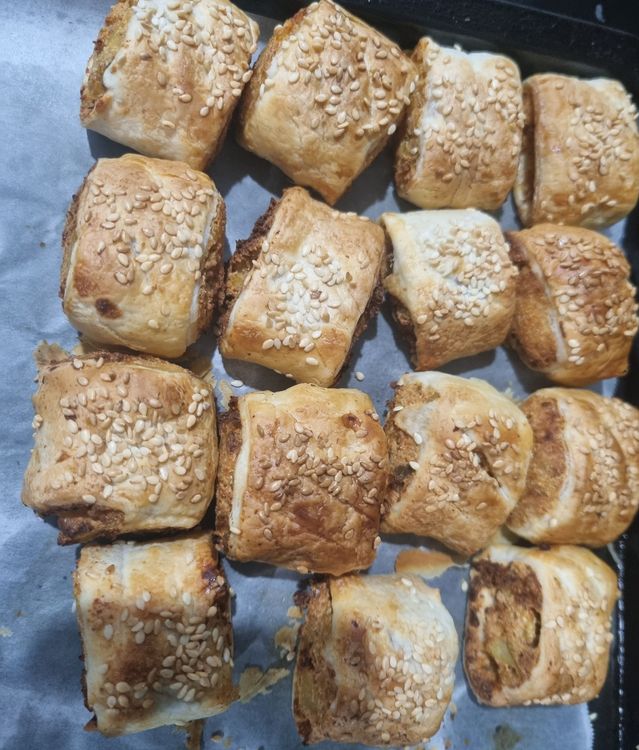

- Indian
- Vegetarian
- Lunch


- Non-Vegetarian
- Snack


- American
- Non-Vegetarian
- Dinner


- American
- Non-Vegetarian
- Appetiser
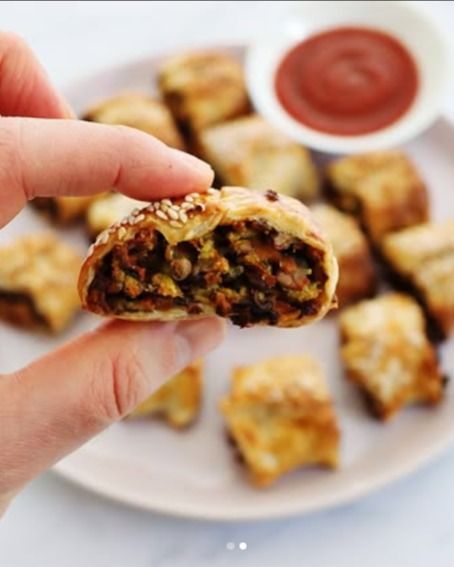
- Australian
- Eggetarian
- Appetiser
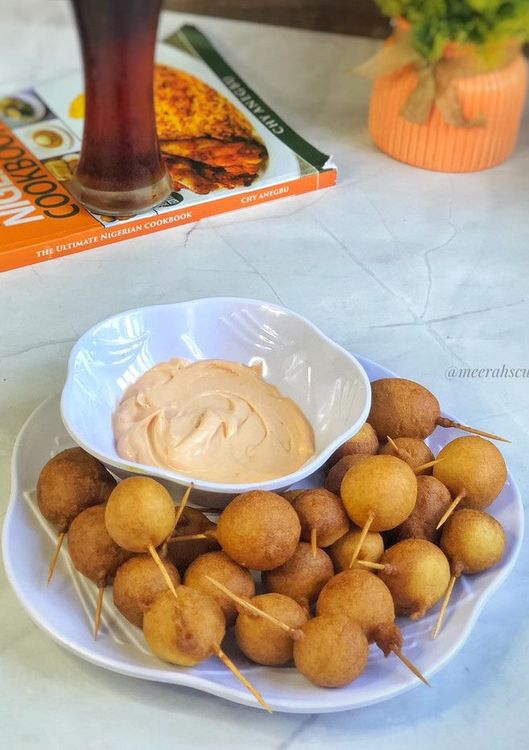

- American
- Non-Vegetarian
- Appetiser
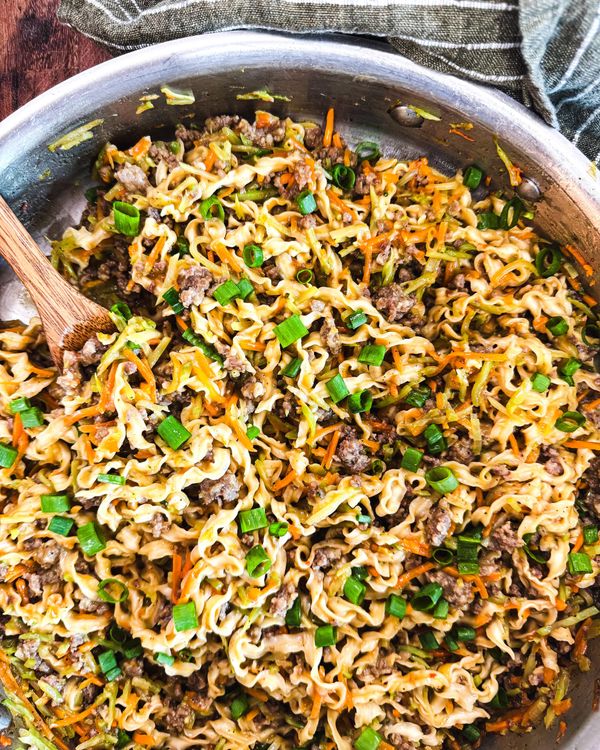
- Asian
- Non-Vegetarian
- Lunch
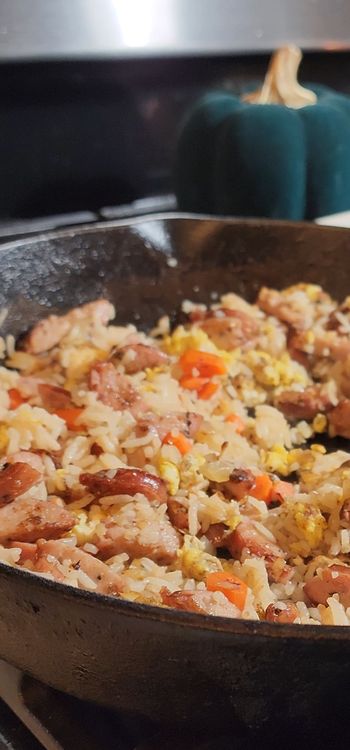
- Asian
- Non-Vegetarian
- Lunch

- American
- Non-Vegetarian
- Snack
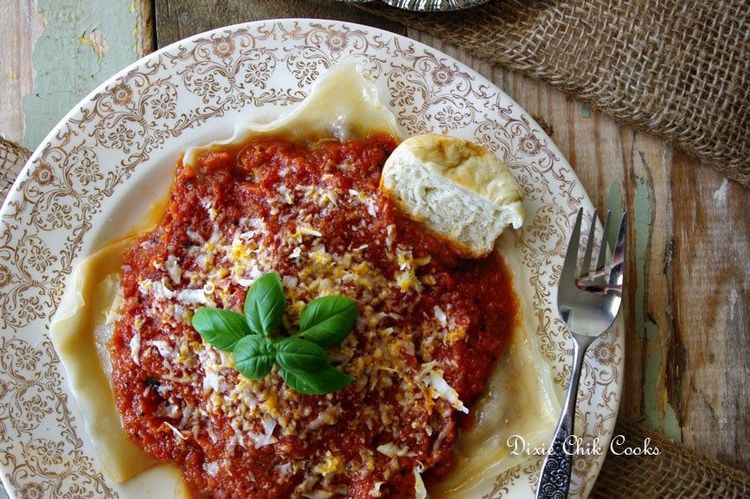
- Italian
- Non-Vegetarian
- Dinner
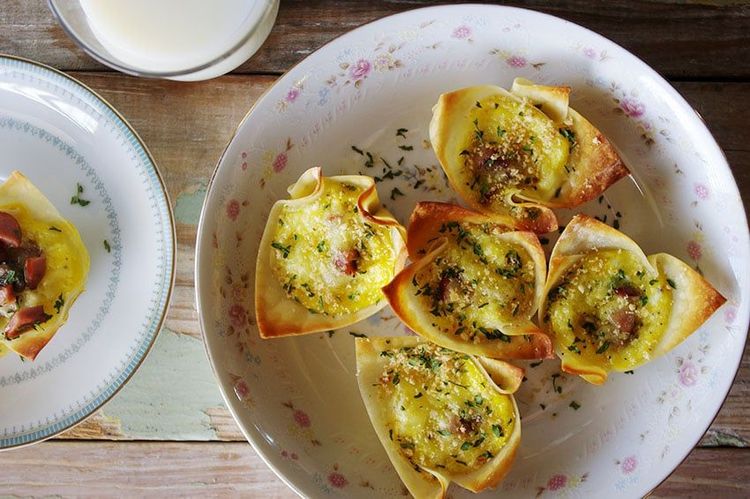
- Italian
- Non-Vegetarian
- Breakfast
- Bolivian
- Non-Vegetarian
- Lunch
- African
- Non-Vegetarian
- Breakfast
- Fusion
- Non-Vegetarian
- Breakfast
- Italian
- Non-Vegetarian
- Lunch
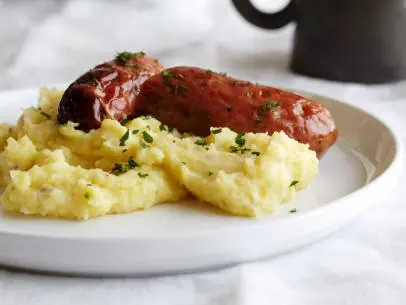
- American
- Non-Vegetarian
- Dinner
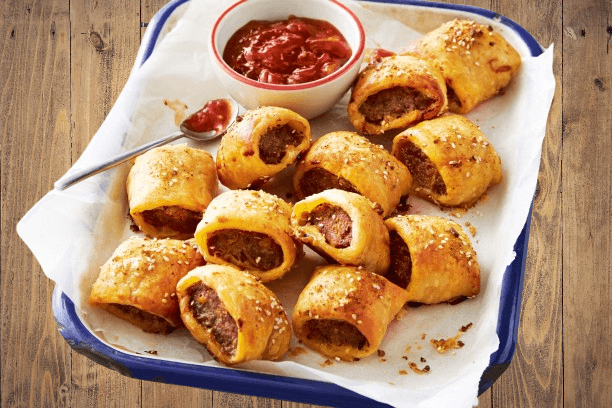
- Fusion
- Non-Vegetarian
- Appetiser
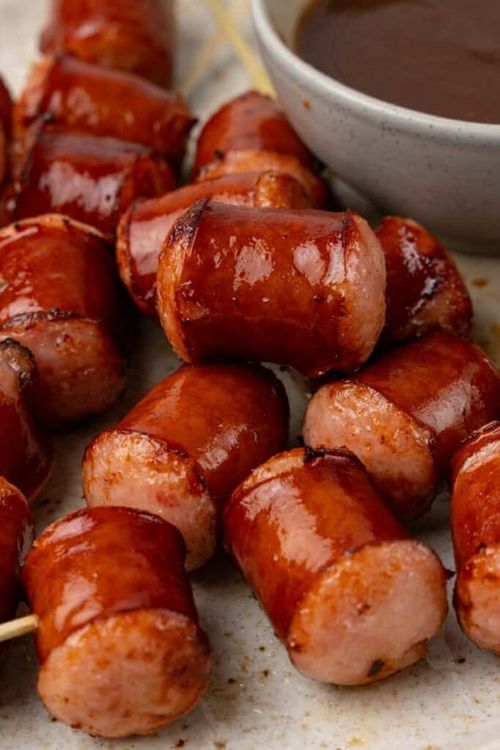
- Fusion
- Non-Vegetarian
- Lunch
Fresh vs Smoked: Knowing What You Have
The single most important thing to know before you cook is whether your sausage is raw or already cooked. Fresh sausage — most Italian, breakfast, bratwurst and chorizo links — is uncooked and must reach a safe internal temperature, around 71C/160F, all the way through. Smoked and cured sausages like kielbasa, andouille, hot dogs and most ring bologna are fully cooked at the factory, so you are only reheating and browning them. Treating one like the other is how dinners go wrong.
That distinction changes your whole approach. Fresh sausage wants gentler, more patient heat so the center cooks before the outside burns, and it gives up flavorful fat and fond as it browns. Smoked sausage can take a hard, fast sear purely for color and char, since the inside is already done — slice it on the bias for more surface area and crispy edges. Chorizo splits the difference: fresh Mexican chorizo crumbles and renders like loose sausage, while cured Spanish chorizo is firm and sliceable straight from the pack.
When a recipe calls for a flavor you cannot find pre-made, remember that sausage is mostly a seasoning profile. Ground pork or turkey loosened in the pan with fennel, garlic, chilli flakes and salt becomes a passable Italian sausage in minutes; the same meat with smoked paprika and cumin leans chorizo. Knowing this lets you cook from the page even when the shop is out of exactly what you wanted.
Browning for Flavor and Fond
The browned bits stuck to the bottom of the pan — the fond — are where a sausage dish gets its depth, so brown with intent. For sliced or whole links, lay them in a hot, lightly oiled pan in a single layer and leave them alone until the underside is deeply colored before turning. Crowding drops the temperature and steams the meat grey, so cook in batches if the pan is full. You want real caramelization, not a pale simmer.
For loose sausage destined for pasta sauce or soup, resist the urge to break it into tiny crumbs immediately. Press it into the hot pan as a slab, let one face brown hard, then break it into craggy, bite-sized pieces. Bigger chunks with browned faces taste far better than uniform fine mince that has stewed in its own moisture. Pour off excess fat only if there is a true pool — a couple of tablespoons left behind is flavor, not grease.
Once the sausage is out or pushed aside, deglaze. A splash of wine, stock, or even water lifts the fond off the pan with a wooden spoon, and that liquid carries all the concentrated flavor into your sauce. This one habit — brown hard, then deglaze — is the difference between a flat dish and one that tastes like it simmered all day, even when it took twenty minutes.
Casings, Crumbles and Cutting
Decide early whether you want the casing on or off. For a sauce, soup, or any dish where you want loose, crumbly sausage distributed throughout, slit the casing lengthwise with a knife and squeeze the meat out, then discard the casing. For grilling, pan-frying whole, or any dish where you want a snappy bite and juicy interior, keep the casing on — it holds the shape and seals in moisture.
If you keep links whole, never prick the casing. The old advice to poke holes is exactly wrong: it lets the fat and juices you want to keep escape into the pan, drying out the sausage and inviting flare-ups on a grill. Instead, cook over moderate heat so the casing browns without bursting. A split casing almost always means the heat was too high or the sausage went from fridge-cold straight onto screaming heat.
How you cut smoked sausage matters for texture. Coins cut straight across are fine, but slicing on a sharp diagonal exposes more surface to the pan, giving you more crisp, caramelized edges per piece — ideal for skillet dinners and sheet-pan bakes. For soups and stews, half-moons or thick coins hold their shape better through a long simmer than thin slices, which can go soft and rubbery.
Cooking Through Without Drying Out
Fresh sausage has a narrow happy zone: cooked through but still juicy. The reliable way to hit it is gentle heat plus a thermometer rather than guessing by color. For thick links, sear for color first, then finish over lower heat — or add a splash of liquid, cover, and let them steam-finish — until they read 71C/160F at the center. Rushing on high heat chars the outside while the middle stays pink, and overshooting squeezes out the fat that keeps them moist.
Resting matters as much as it does for a steak. Pull cooked links a couple of minutes before serving and let them sit; the juices redistribute and you lose far less when you cut in. This is especially true for grilled bratwurst, which keep cooking from carryover heat after they leave the grate. A two-zone fire — sear over direct heat, finish over indirect — gives you color without a burnt, split casing.
Smoked and pre-cooked sausage is more forgiving but still suffers from overcooking; pushed too far it turns dry and tough with a leathery casing. Since it only needs reheating, cook it just until hot through and the edges have taken on color. In soups and stews, add pre-cooked sausage toward the end rather than at the start, so it warms and lends its smoke without simmering into a rubbery, washed-out version of itself.
Pro Tips from the Test Kitchen
- Know if your sausage is fresh (cook to 71C/160F through) or smoked (already cooked — just reheat and brown).
- Brown loose sausage as a pressed slab first, then break it into craggy chunks; tiny crumbs stew and taste flat.
- Never prick the casing on whole links — it drains the juices and fat you want to keep in.
- Slice smoked sausage on a sharp diagonal for more surface area and crispier caramelized edges.
- After browning, deglaze the pan with wine or stock — that fond is the backbone of the sauce.
- Cook fresh links over moderate heat or sear-then-steam so the center cooks before the casing splits.
- Add pre-cooked smoked sausage near the end of a soup or stew so it stays juicy, not rubbery.
- Squeeze fresh sausage out of its casing for sauces and soups; keep it on for grilling and pan-frying whole.
- Pour off fat only if there is a real pool — a couple of tablespoons left in the pan is flavor.
- Rest grilled links a couple of minutes before cutting; carryover heat finishes them and the juices settle.
Frequently Asked Questions
How do you know when sausage is fully cooked?
Use an instant-read thermometer rather than color. Fresh pork, beef or chicken sausage is done at 71C/160F in the center; the juices should run clear and there should be no raw pink. Smoked and cured sausages such as kielbasa or hot dogs are already fully cooked, so you only need to heat them through to about 60C/140F for serving. When in doubt, temperature is the only reliable answer.
Should you remove the casing from sausage?
It depends on the dish. For sauces, soups, casseroles and anything where you want loose, crumbly meat, slit the casing and squeeze the sausage out, then discard it. For grilling, pan-frying whole, or any recipe that wants a snappy bite and juicy interior, leave the casing on — it holds the shape and seals in moisture. Natural casings are fully edible either way.
What is the best way to cook sausage so it stays juicy?
Use moderate heat and do not prick the casing. For thick fresh links, sear for color then finish gently — either over lower heat or by adding a splash of liquid, covering, and letting them steam through to 71C/160F. High, fast heat chars the outside before the middle cooks and bursts the casing, draining the fat that keeps them moist. Rest a couple of minutes before cutting.
Can you cook smoked sausage and fresh sausage the same way?
Not quite. Fresh sausage is raw and must be cooked all the way through to a safe internal temperature, so it needs gentler, more patient heat. Smoked or cured sausage is already cooked, so you are only reheating it and adding color — it can take a hard, fast sear or a quick browning. Treating fresh sausage like smoked is the most common cause of an undercooked center.
Why does my sausage split or burst when cooking?
Almost always too much heat, too fast — especially with fridge-cold sausage hitting a screaming pan or grill. The proteins seize and the casing bursts before the inside is done. Cook over moderate heat, let the sausage come off the worst of the chill first, and never prick the casing, which is sometimes blamed but actually makes drying out worse. A two-zone grill fire prevents flare-ups and splitting.
What dishes can I make with smoked sausage like kielbasa?
Smoked sausage is endlessly versatile because it is already cooked. Slice it on the diagonal and crisp it for sheet-pan dinners with potatoes and peppers, drop coins into bean soups, gumbo or jambalaya, toss it through skillet pasta, or pan-fry it for a fast dinner with sauerkraut or mustard. Add it near the end of long-simmered dishes so it stays juicy rather than turning rubbery.
How do you cook sausage in the oven?
Roasting is the easiest hands-off method, ideal for sheet-pan dinners. Arrange links or sliced sausage on a tray with a little oil, spacing them out so they brown rather than steam, and roast at about 200C/400F. Fresh links take roughly 20–30 minutes, turning once, until they reach 71C/160F; smoked sausage just needs 15–20 minutes to heat and color. Add vegetables that roast in the same time for a complete meal.
What is the difference between Italian sausage and other types?
Italian sausage is fresh pork seasoned with fennel and garlic, sold sweet (mild) or hot (with chilli), and is uncooked. Breakfast sausage is milder, often sage-and-pepper forward, in small links or patties. Bratwurst is a fresh German pork-and-veal sausage. Kielbasa and andouille are smoked and pre-cooked. Chorizo comes in a fresh, crumbly Mexican style and a cured, sliceable Spanish one. Each suits different dishes.
Can you substitute one sausage for another in a recipe?
Often, yes, as long as you match the cooking method. Swap fresh for fresh (Italian for bratwurst, say) and smoked for smoked (kielbasa for andouille) and the dish will work, though the spicing shifts. Be careful swapping across types: using pre-cooked smoked sausage where the recipe expects raw, or vice versa, changes the timing and food-safety steps. Adjust the heat level by choosing mild or hot versions.
How long does cooked sausage last in the fridge?
Cooked sausage and sausage dishes keep three to four days in an airtight container in the fridge. Cool it promptly and reheat to steaming before eating. Cooked sausage also freezes well for up to two to three months — wrap it tightly to prevent freezer burn. Uncooked fresh sausage should be cooked or frozen within a day or two of purchase; smoked sausage lasts longer unopened.
The thread through every sausage recipe here is the same: a pre-seasoned ingredient that rewards a hard sear and a little understanding of what you are holding. Know whether it is fresh or smoked, brown it for fond, keep the casings intact when it matters, and cook fresh links through gently — and pasta, sheet-pans, soups and the grill all open up from one package in the fridge.
Pick three to cook this week — a quick skillet pasta, a hands-off sheet-pan tray and a pot of something brothy — and save your favorites to a Chefadora cookbook. Then work through the rest; this page is built to be the sausage reference you keep coming back to.
Related
- Sausage
- Pork
- Quick Dinners
- One Pan
- Comfort Food
- Grilling
- Weeknight
- High Protein
Popular Searches
- Best sausage recipes
- Easy sausage recipes
- Quick sausage recipes
- Healthy sausage recipes
- Simple sausage recipes
- Homemade sausage recipes
- Delicious sausage recipes
- Popular sausage recipes
- sausage dinner ideas
- smoked sausage recipes
- sausage pasta
Marnirni-apinthi Building, Lot Fourteen,
North Terrace, Adelaide, South Australia, 5000
Australia
