
Top 41 African Recipes: Jollof, Soups, Snacks and More
Updated June 30, 2026 · Curated by Chefadora
African recipes span a continent of fifty-four countries, thousands of languages and an astonishing range of climates — from the rain-drenched Niger Delta to the high plateaus of Ethiopia and the Cape Winelands of South Africa. What holds this food together is not a single ingredient but a set of instincts: cooking in community, building depth through long simmering, celebrating fermented and smoked flavours, and treating starch as both comfort and vehicle. The collection on this page draws from West, East and Southern Africa.
Nigerian cooking dominates West African home kitchens and is richly represented here: jollof rice (the smoky, tomato-based one-pot that has its own international fan base), thick egusi soup made from ground melon seeds, ogbono with its distinctive draw, and the snack table — puff-puff, buns, egg rolls and suya — that turns any gathering into a party. These dishes are built for volume and for sharing, and the recipes reflect that generosity.
Beyond Nigeria you will find South African curries infused with Cape Malay spicing, mogodu (tripe) braised with carrot pap, mince lasagna and mutton curry — a reminder that South African home cooking is one of the continent's most underrated traditions. East Africa appears in the mandazi doughnuts, fragrant with coconut milk and cardamom. The common thread is that each dish is designed to be cooked at home, with readily available ingredients, and served in abundance.
This page is organised into four clusters: jollof, rice and grain dishes; soups and stews; street food and snacks; and South African classics. Use it as both a starting point and a reference — the guides below cover the technique questions that come up most often, whether you are cooking jollof for the first time or trying to get your puff-puff to come out light and airy rather than dense and doughy.
Jollof Rice, Pasta & Grain Dishes
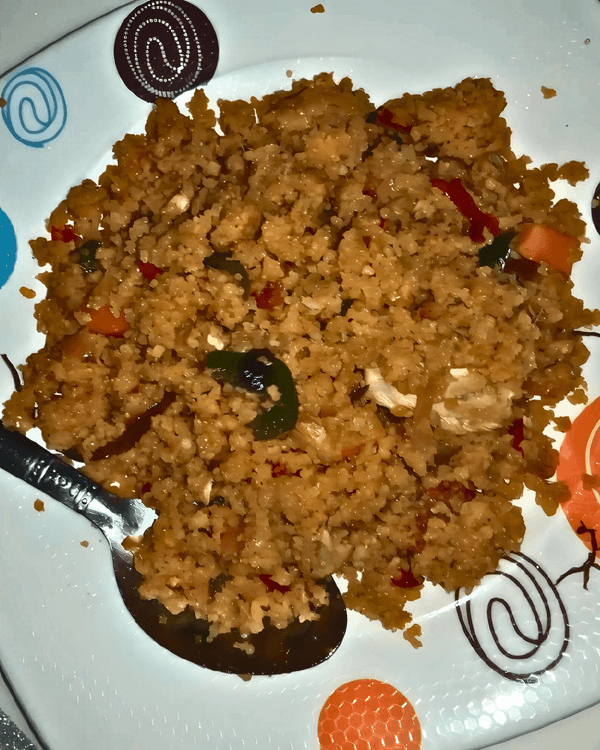
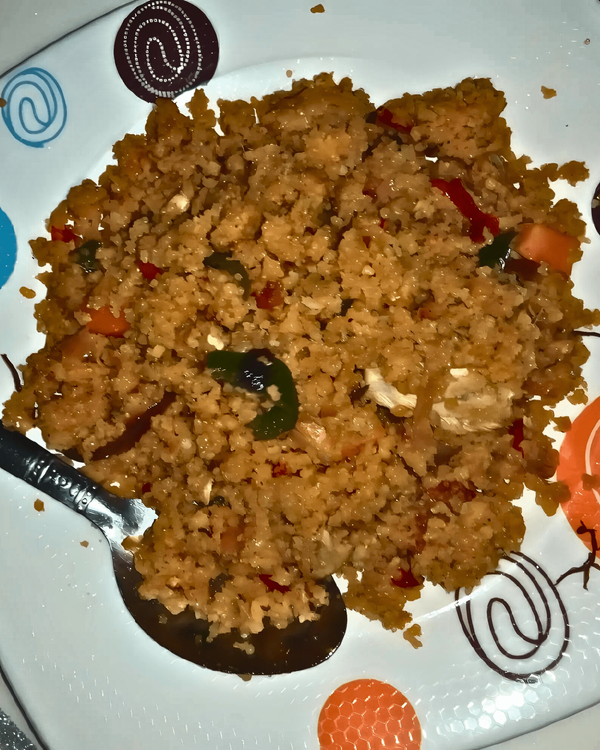
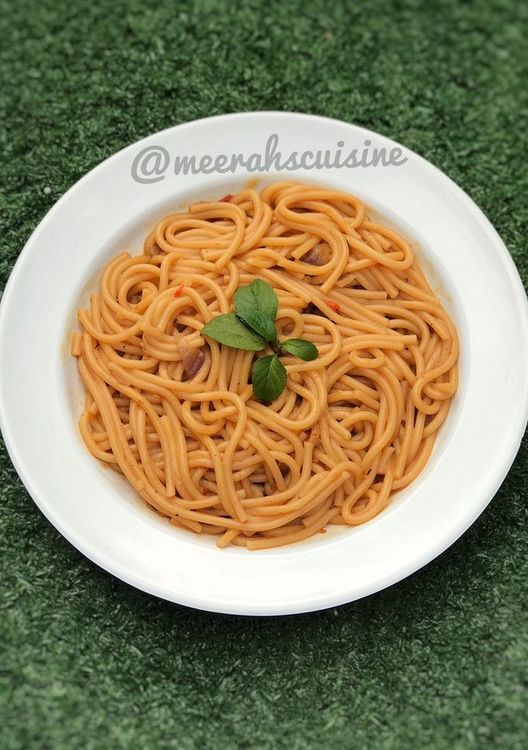
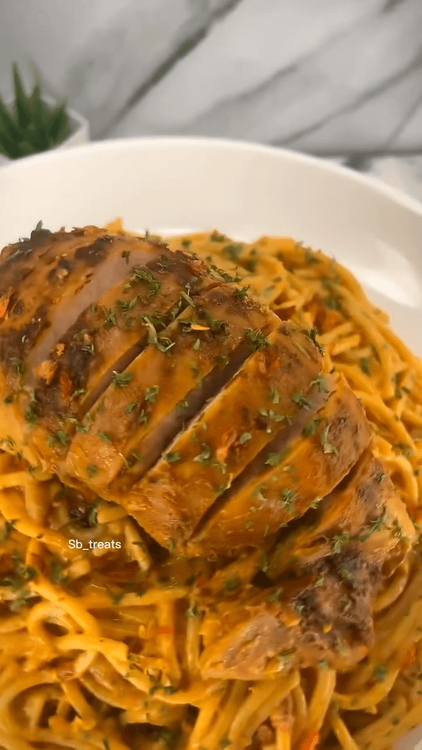
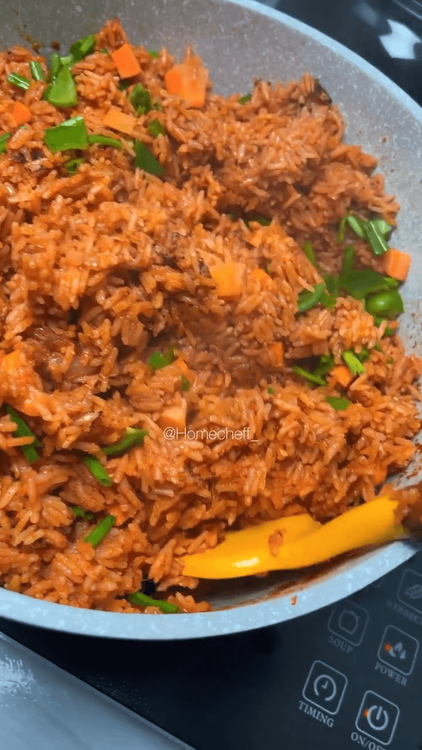
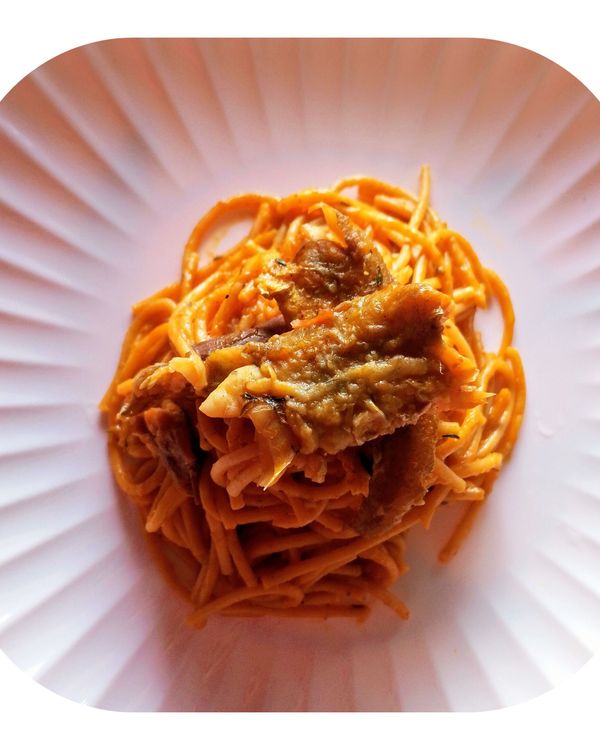
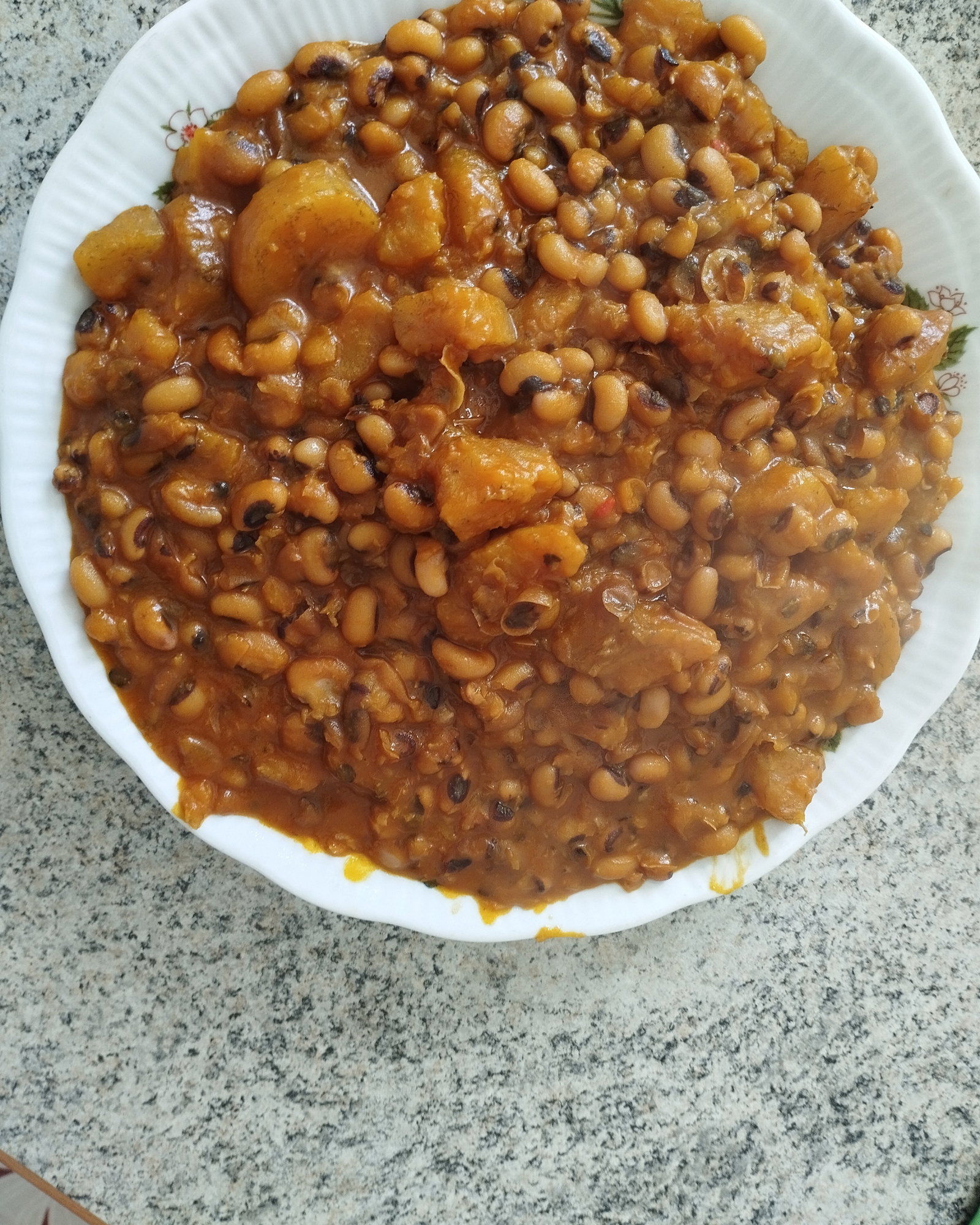
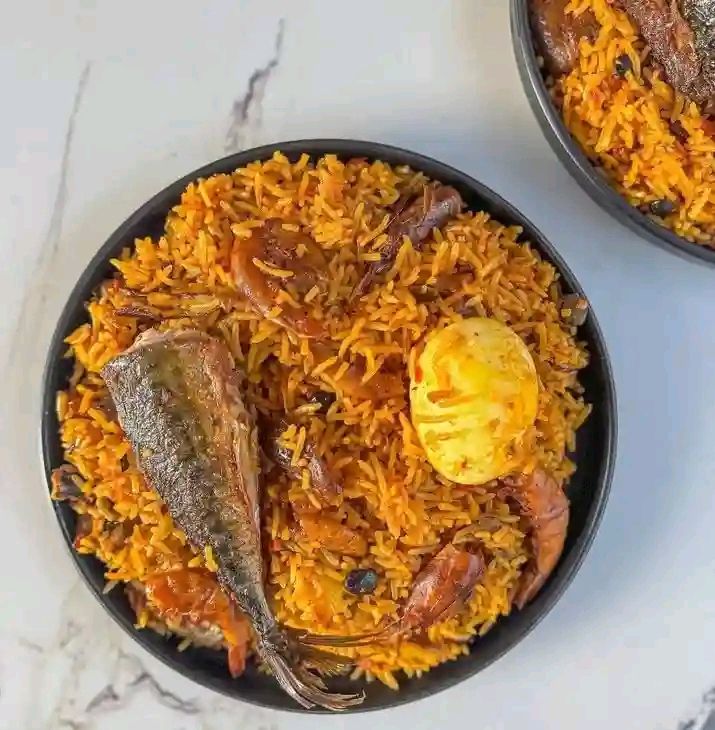
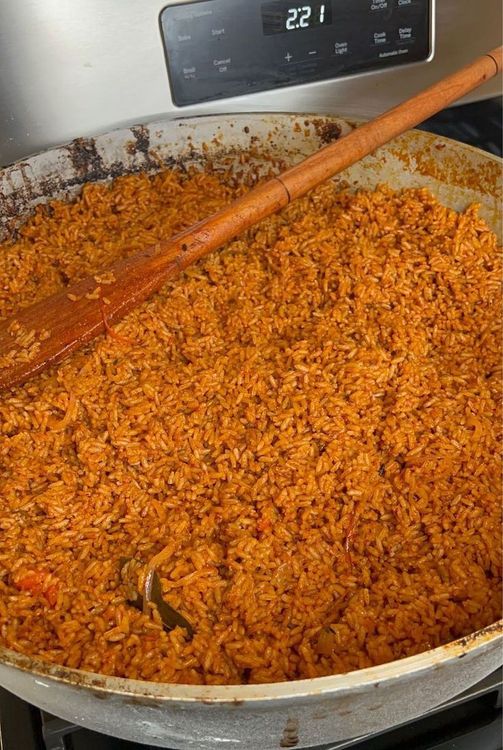
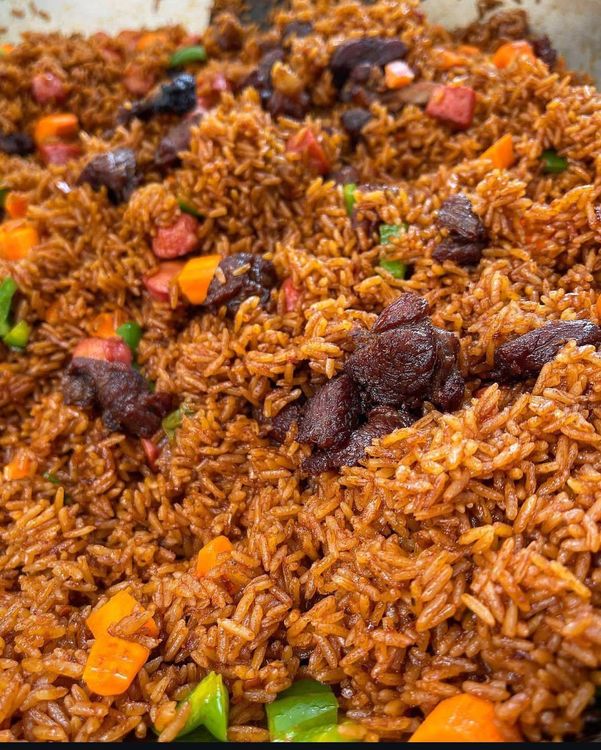
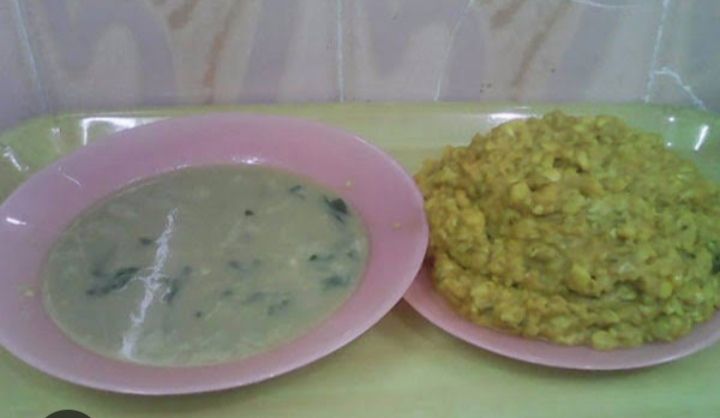
Jollof rice is possibly the most debated dish in West Africa — Nigerian, Ghanaian, Senegalese and Sierra Leonean versions all claim superiority, and they are genuinely different in ingredients, technique and outcome. What unites them is the method: raw rice or grain cooked directly in a spiced tomato base, absorbing the liquid and caramelising at the bottom of the pot to form a smoky crust. The Nigerian version uses long-grain rice, a tomato-pepper blend fried down to a brick-red paste, chicken stock, and a sealed pot to trap steam. The variations in this cluster extend the jollof principle to pasta and couscous — same technique, same satisfying result. Look for recipes where the tomato base has been properly cooked down before the starch goes in, and where the recipe specifies finishing over low heat for the smoky base. Standouts here include Veggies Jollof Couscous and Simple Jollof Spaghetti, plus Jollof Creamy Pasta.

- West African
- Pescatarian
- Lunch
- Nigerian
- Vegetarian
- Lunch

- African
- Vegetarian
- Dinner

- African
- Vegan
- Main Course
- African
- Vegan
- Main Course
- Pescatarian
- Main Course

- Nigerian
- Vegetarian
- Lunch
- Pescatarian
- Main Course

- West African
- Non-Vegetarian
- Lunch
- West African
- Vegan
- Lunch
- West African
- Non-Vegetarian
- Lunch
- West African
- Non-Vegetarian
- Lunch
- African
- Pescatarian
- Lunch
Soups, Stews & One-Pot Mains
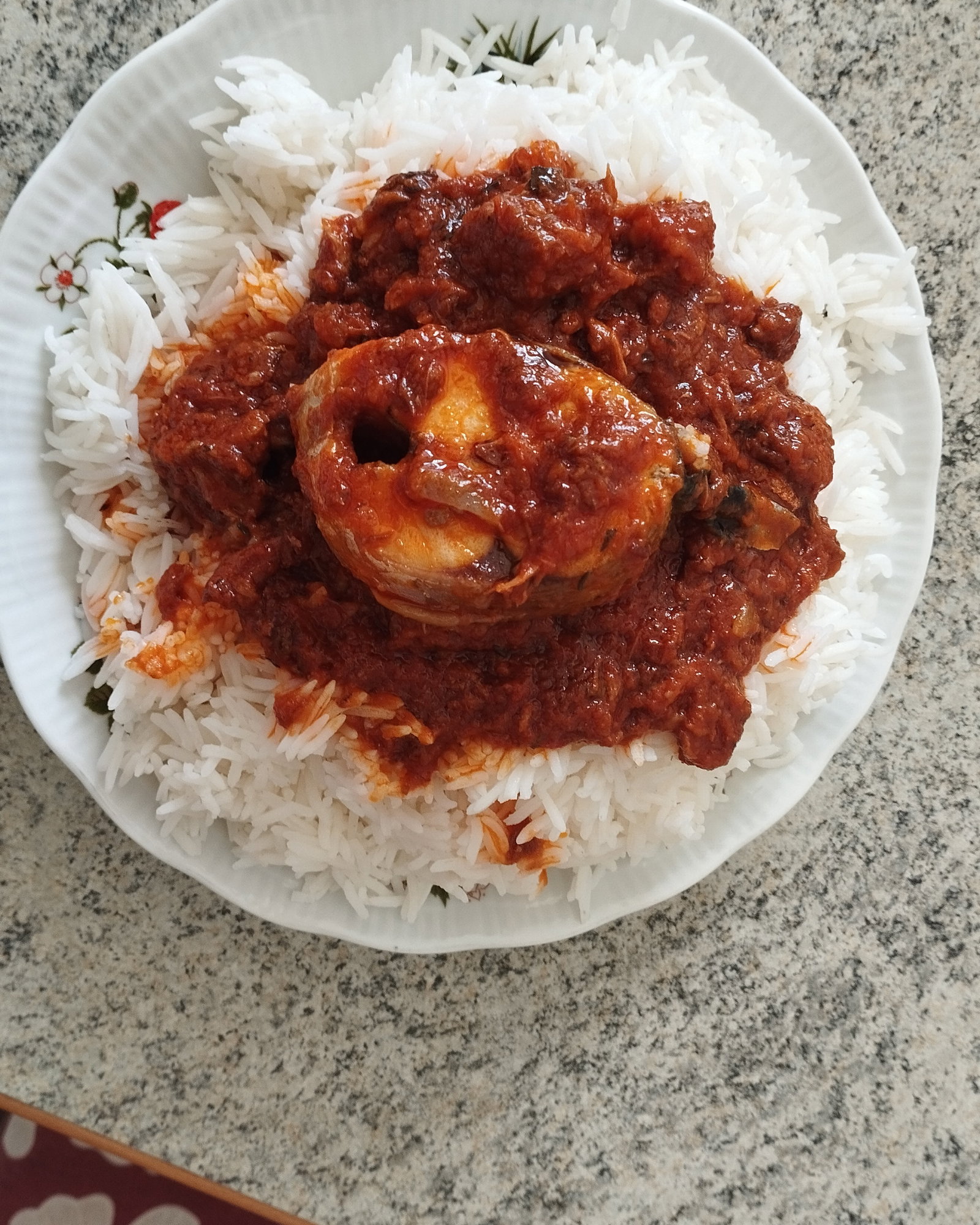
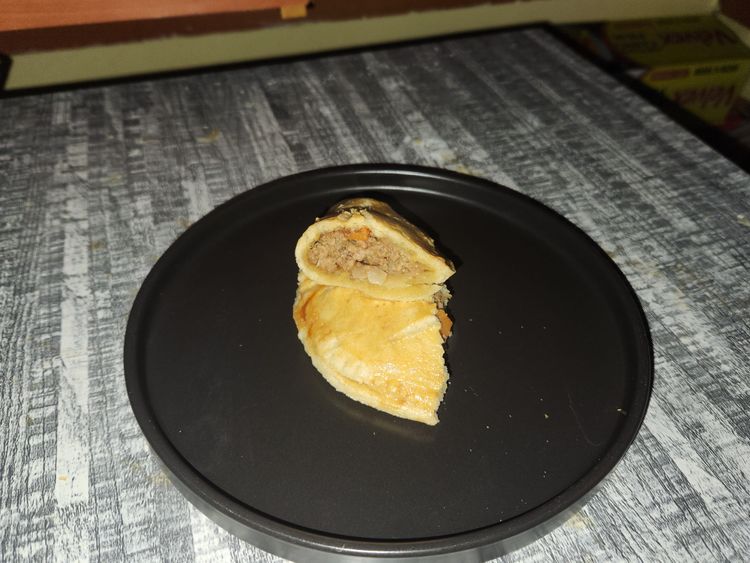
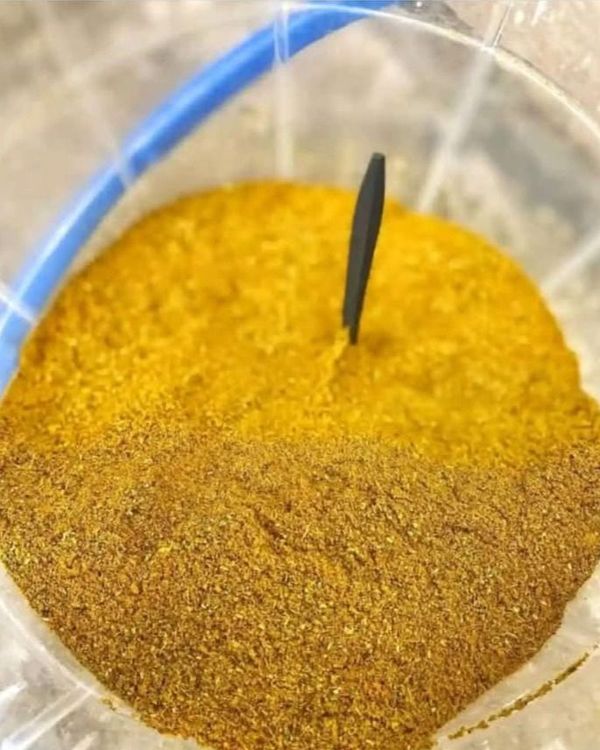
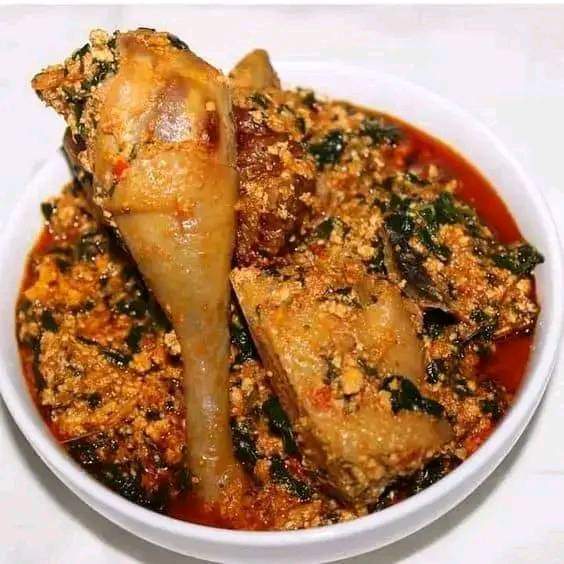
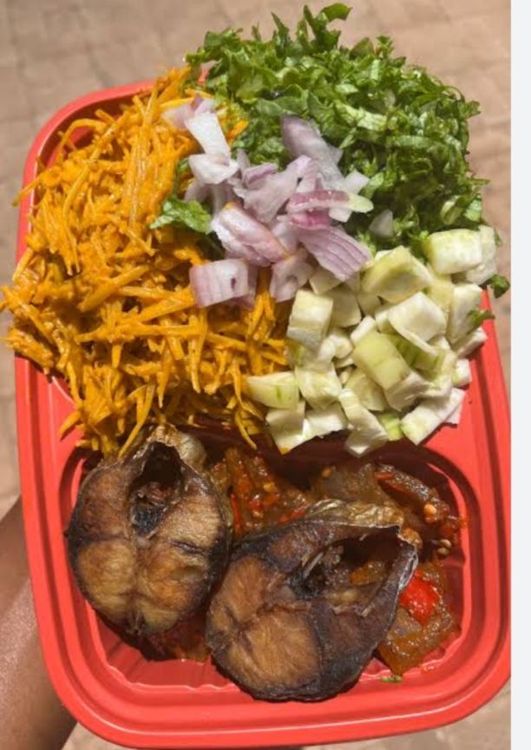
Nigerian soups are among the most complex and nutritious one-pot dishes in any cuisine. Egusi (ground melon seeds) and ogbono (wild mango seeds) are both used as thickeners and flavour agents in a way that has no real parallel in European cooking — they give body, a distinctive earthiness, and a draw (stretch) to the broth that is deeply satisfying. These soups are built around palm oil, crayfish, bouillon and leafy greens, with whatever meat and fish is available. South African stews in this cluster — curries, mogodu, mince-based dishes — follow different logic: spiced, slow-braised and deeply savoury. What unites all of them is that long cooking is not optional. These are dishes that improve with time and are almost always better the second day. Standouts here include The Ultimate Nigerian Meat Pie Recipe – A Delicious and Flaky Delight and High Scented Stew Spice(Nigerian inspired), plus Nigerian Egusi Soup.
- Nigerian
- Non-Vegetarian
- Snack
- Global
- Vegan
- Sauce & Condiment
- Nigerian
- Non-Vegetarian
- Lunch
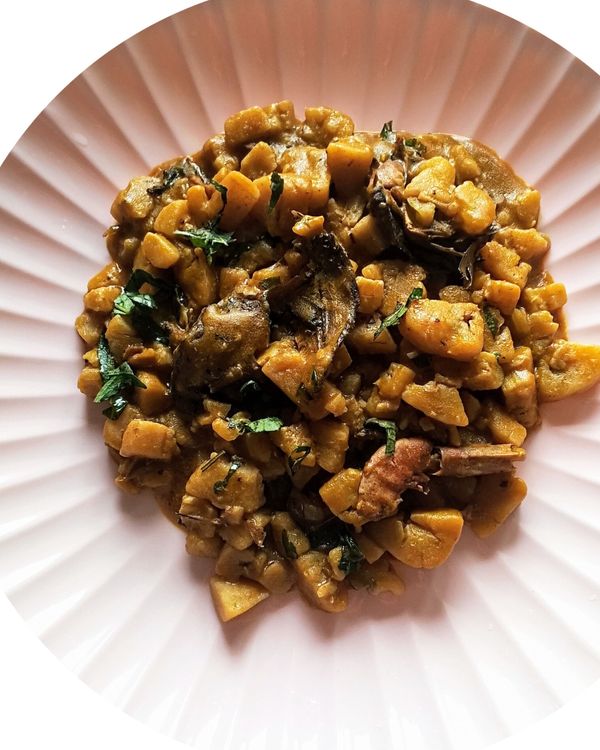
- Nigerian
- Pescatarian
- Lunch

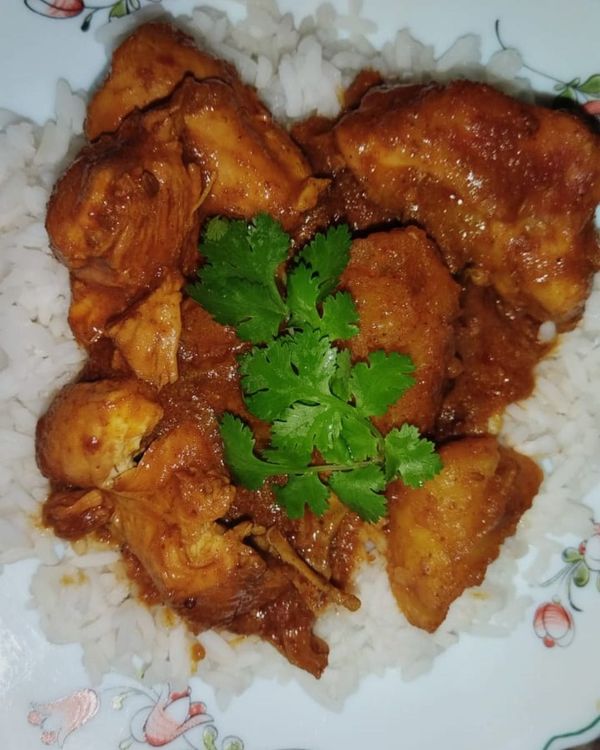
- South African
- Non-Vegetarian
- Lunch


- South African
- Non-Vegetarian
- Dinner
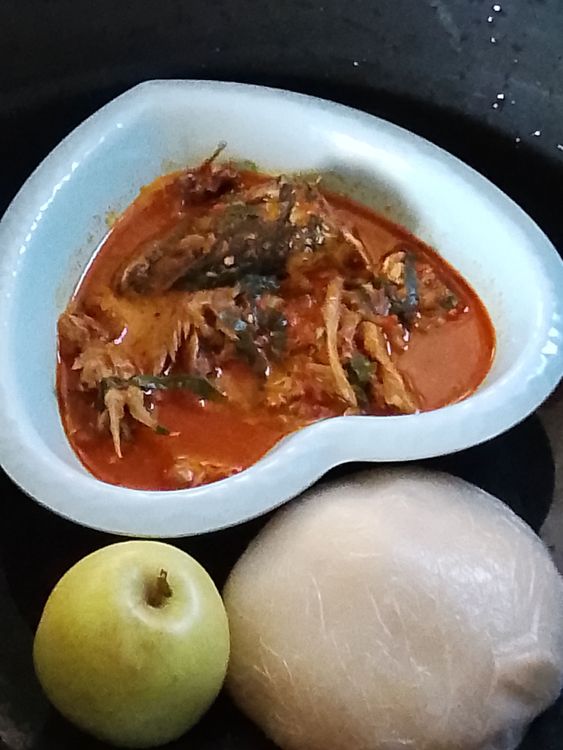
- African
- Pescatarian
- Brunch
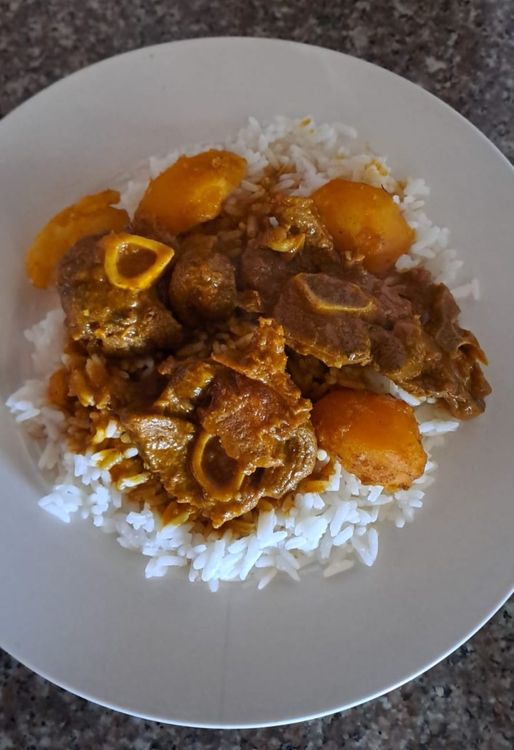
- South African
- Non-Vegetarian
- Lunch
- Nigerian
- Non-Vegetarian
- Lunch
Snacks & Street Food
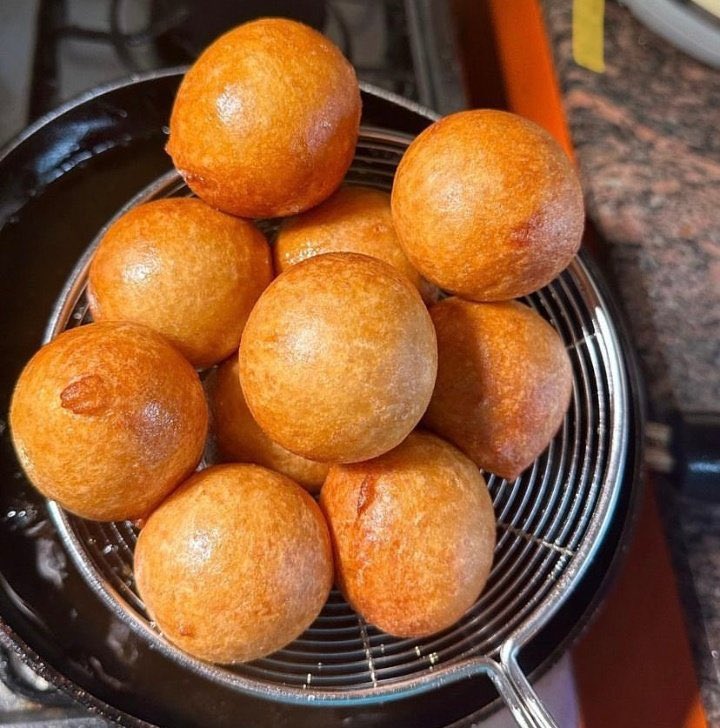
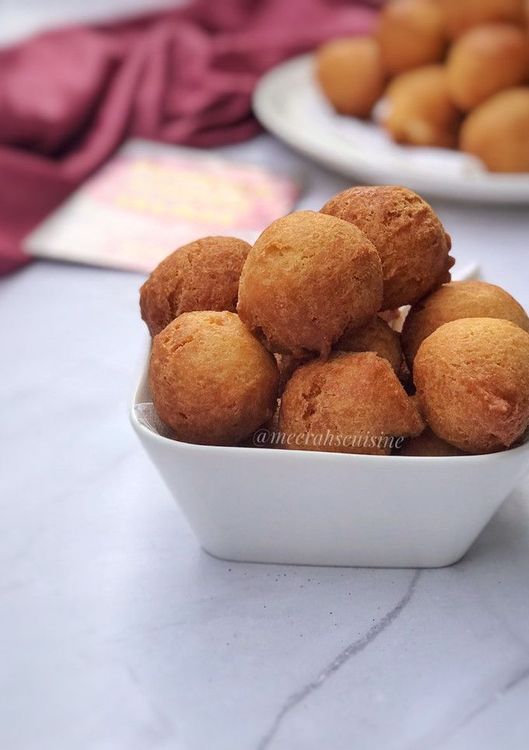
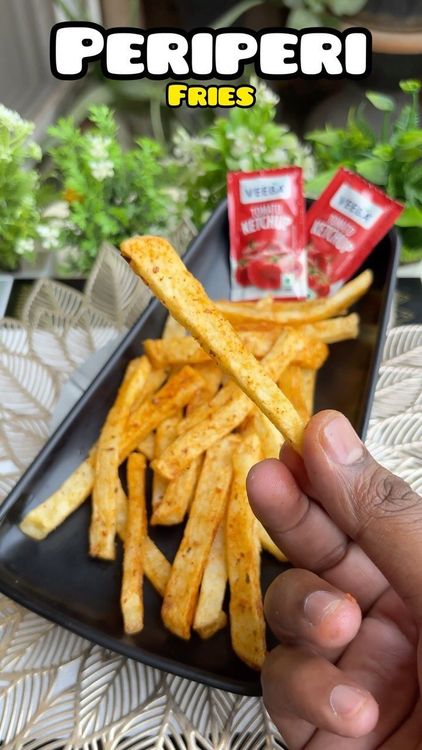
West African street food is an oil-drum economy — puff-puff, buns, egg rolls and suya are made and sold by vendors from roadside stalls, and the recipes are tightly held. What this cluster captures is the home-kitchen version of that tradition: the puff-puff recipe that a Nigerian mother would make for an evening gathering, the suya marinade with its ground peanut yaji spice, the egg rolls that show up at birthday parties. Mandazi, the East African variant, brings coconut milk and cardamom into a fried dough that is lighter and more aromatic than its West African cousins. These snacks are all best hot and straight from the oil — plan your cooking so they hit the table immediately. Standouts here include Nigerian Puff-Puff and Puff-Puff ( Nigerian style), plus Mini Mandazi Bites - Authentic East African Coconut Milk Donuts.


- Nigerian
- Vegan
- Appetiser
- African
- Vegetarian
- Snack


- Kenyan
- Eggetarian
- Snack
- African
- Pescatarian
- Lunch
- Nigerian
- Eggetarian
- Breakfast
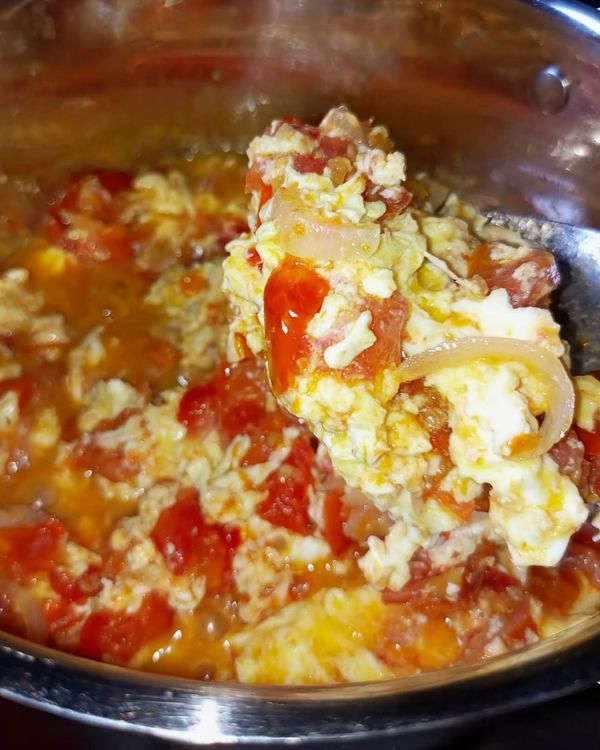
- Nigerian
- Non-Vegetarian
- Breakfast
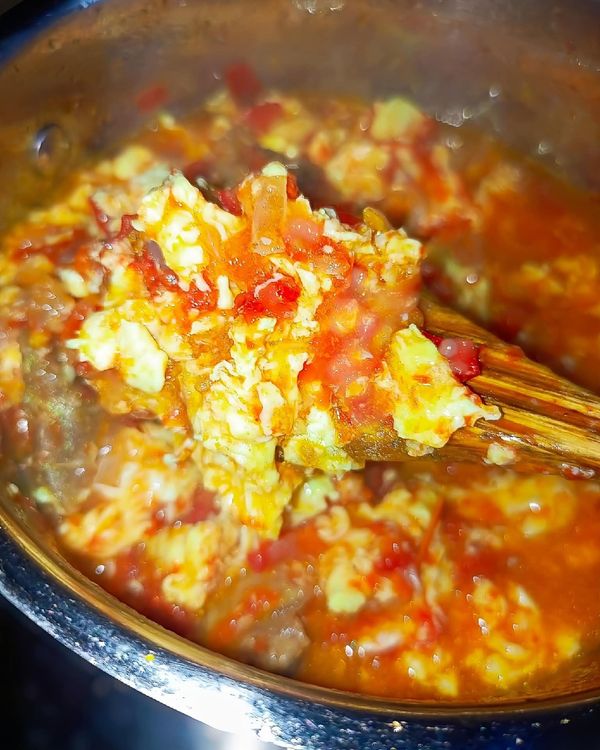
- Nigerian
- Non-Vegetarian
- Breakfast
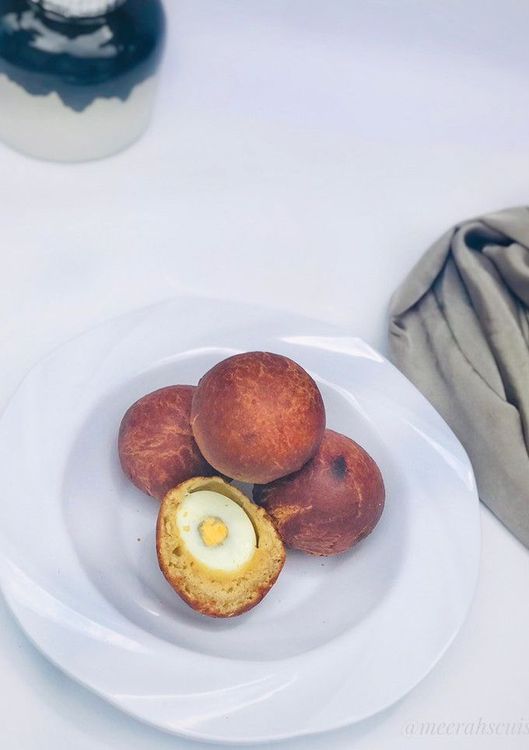
- Nigerian
- Eggetarian
- Appetiser
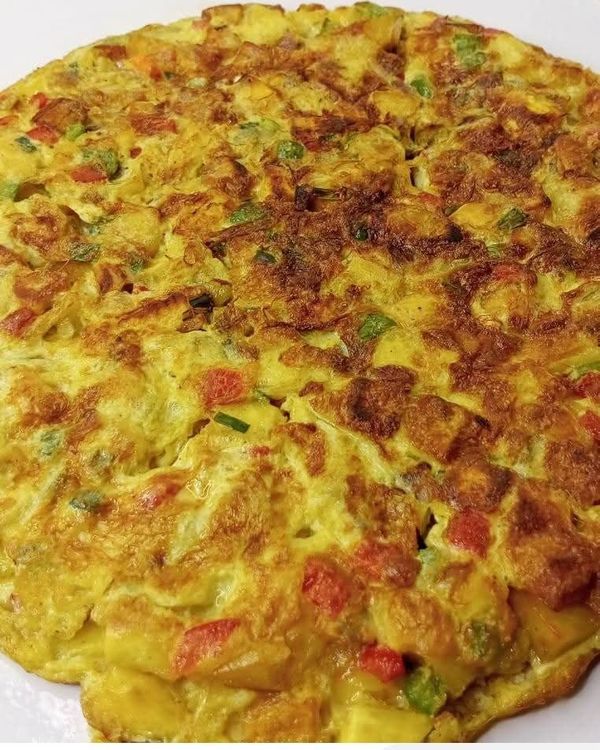
- African
- Eggetarian
- Breakfast

- West African
- Vegetarian
- Snack

- Nigerian
- Eggetarian
- Dessert

- Street Food
- Vegan
- Snack
- Nigerian
- Non-Vegetarian
- Snack
- West African
- Vegan
- Snack
- International
- Non-Vegetarian
- Breakfast
More African Favourites
A few more dishes worth a place in your rotation — same techniques, different results. Standouts here include Quick & Easy Peri Peri Corn Salad and Kunu Aya (Tiger Nut Drink) Nigerian style , plus South African Styled Beef Mince Lasagna.
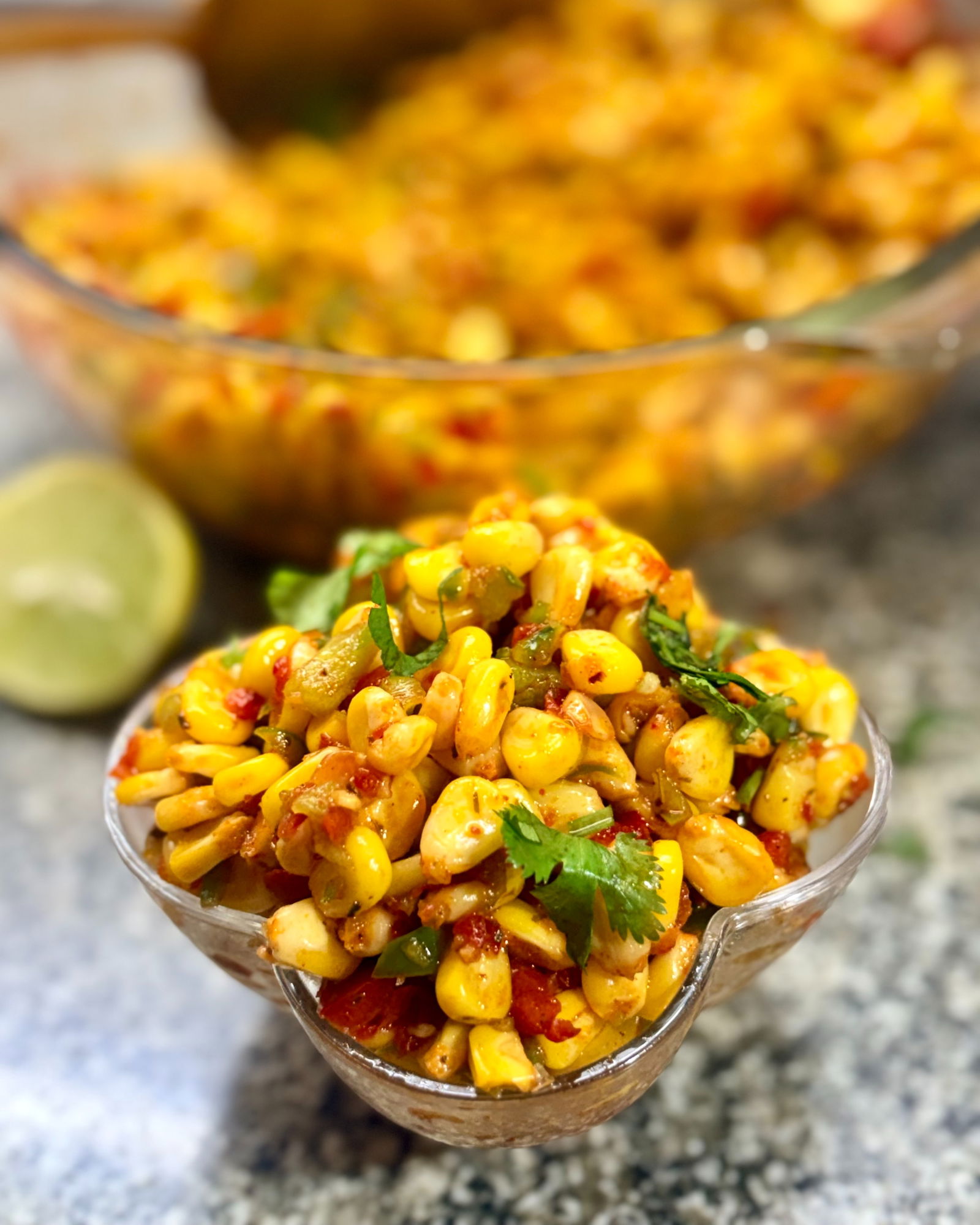

- Fusion
- Vegetarian
- Snack

- African
- Vegan
- Snack
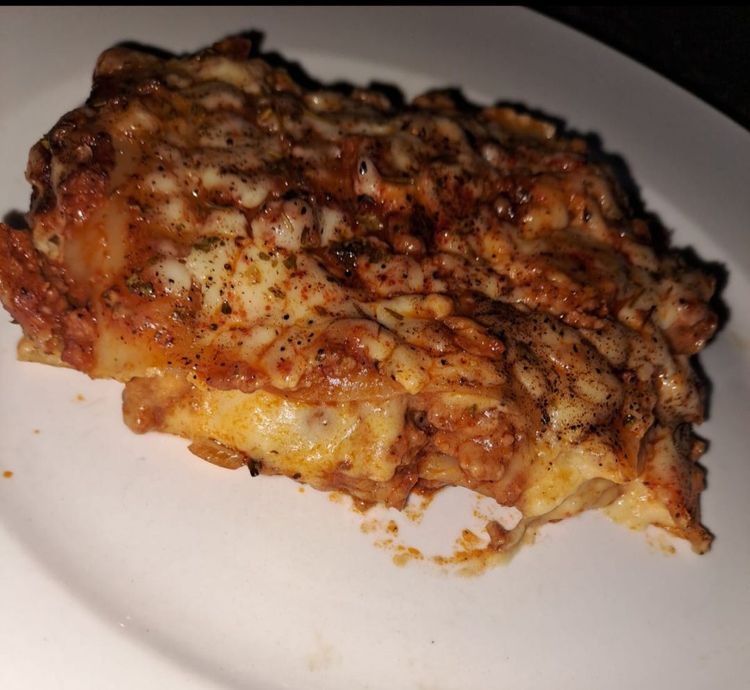
- South African
- Non-Vegetarian
- Dinner
How to Cook Perfect Jollof Rice
The foundation of jollof is the tomato base. Blend ripe tomatoes, red peppers and scotch bonnet, then fry the puree in a generous amount of oil over medium-high heat, stirring regularly, until most of the water has cooked off and the paste darkens from orange-red to a deeper, almost brick red. This step, which takes fifteen to twenty minutes, is what separates flat jollof from one with depth. Rush it and the rice will taste raw and sharp.
Once the base is ready, add stock, your spices (bay leaf, thyme, curry powder, bouillon) and the washed long-grain rice. The rice should absorb the liquid over medium heat with the lid on tight. Avoid lifting the lid for the first fifteen minutes — steam does a lot of the work. Near the end, turn the heat to its lowest setting and let the bottom of the pot catch slightly; that smoky layer, called party jollof, is not burnt — it is the goal.
Proportions matter more than timing: a good rule is one part rice to one and a half parts liquid (combined tomato base and stock). Too much liquid gives you soft, clumped rice; too little and the grains cook unevenly. Taste for salt and spice before you add the rice, because you cannot adjust properly once the lid goes on. Serve with fried plantain, coleslaw and chicken for the full experience.
Building an Egusi or Ogbono Soup
Egusi soup begins with the ground melon seeds, which you can fry directly in hot oil or mix with water into a paste first. The fry method gives a nuttier, more distinct flavour — add the egusi paste to hot palm oil, stir constantly and let it toast until it turns golden and smells roasted. Ogbono (wild mango seeds) works differently: it is added to hot oil and draws (thickens) the soup as it cooks, giving the characteristic viscous, stretchy texture that many Nigerians find comforting.
The stock base for both is built from meat — goat, beef, tripe or a combination — simmered with aromatics until tender, then the cooking liquid reserved. Palm oil is traditional and gives colour and flavour that vegetable oil cannot replicate; use it generously. Bitter leaf, ugu (pumpkin leaf) or spinach goes in near the end so it wilts without losing its green colour. Season carefully with bouillon, crayfish and salt — the crayfish, dried and ground, gives a savoury depth that is distinctive to these soups.
Egusi and ogbono are both served with swallows — pounded yam, fufu, eba (garri) or amala — and the etiquette is to scoop the swallow, make a well with your thumb, and use it to carry the soup. These soups keep well refrigerated for three to four days and reheat beautifully; the flavour deepens overnight.
Getting Puff-Puff and Fried Snacks Right
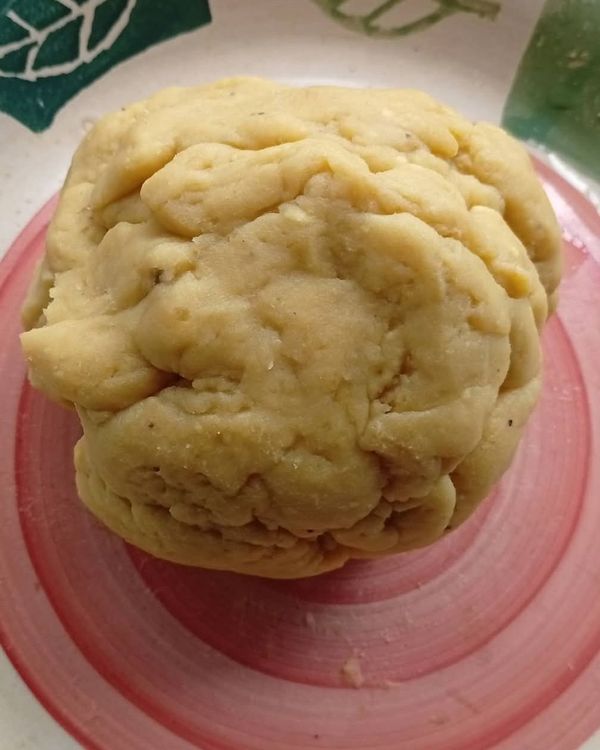
Puff-puff is a yeasted fried dough — essentially a West African beignet — and the biggest variable is fermentation. Mix flour, sugar, salt, yeast and warm water into a batter slightly thicker than pancake batter, cover, and let it rise in a warm place for thirty to forty-five minutes. An under-proofed batter makes dense, oily balls; a properly proofed one yields puffs that are light inside with a thin, slightly crisp skin.
Oil temperature is everything. Test with a small drop of batter: it should rise to the surface immediately, sizzling steadily. Too cool and the puff-puff absorbs oil and becomes greasy; too hot and the outside browns before the inside cooks through. Use a rounded tablespoon or your hand (wet your palm, scoop batter and squeeze a ball between thumb and forefinger) to drop uniform portions. Fry in batches and let the oil recover between batches.
Nigerian buns use a stiffer dough with egg and more flour, giving a denser crumb with a firmer shell — closer to a fist-sized fritter than a puff. Egg rolls wrap a boiled egg in the same bun dough before frying. Mandazi, the East African variant, is cut into triangles or rings and fried; coconut milk and cardamom in the dough are what set it apart. All three follow the same principle: proof properly, fry at the right temperature, drain well.
South African Curries and Stews
Cape Malay cooking — which underpins South African curry traditions — uses warm whole spices (cinnamon stick, cardamom pods, cloves and bay leaf) bloomed in oil before any onion goes in. The spices should sizzle and become fragrant within thirty seconds; this is what gives the curry its distinctive warmth rather than the sharper heat of, say, Indian or Thai curries. Turmeric, ground coriander and mild chilli powder are the standard ground spice trio.
Mutton curry is the benchmark: bone-in pieces browned in batches, then braised low and slow with the spiced sauce until the meat pulls from the bone. Tomatoes go in after the spices are fragrant and the onions are soft, cooked down until the sauce thickens and the oil rises. Potatoes added forty-five minutes before the end absorb the sauce beautifully. The key is patience — a hurried South African curry tastes thin and raw; a slow one is deeply layered.
Mogodu (tripe) and beef mince dishes follow similar logic but shorter timings. For mince-based recipes — like the lasagna that blends South African spicing with Italian structure — brown the mince in batches to get colour rather than steaming it. Season assertively and let the sauce reduce properly before layering. The result is a dish that reads as familiar but tastes distinctly South African.
Pro Tips from the Test Kitchen
- Fry your tomato-pepper blitz until it darkens to brick-red before adding anything else — this is the single biggest flavour step in jollof and most African stews.
- Use palm oil for egusi and ogbono; it gives the colour and nutty depth that neutral oils cannot replicate.
- Let puff-puff batter proof in a warm spot for at least 30 minutes — a properly risen batter is what makes them light, not dense.
- Keep the lid tight on jollof for the first 15 minutes and let the bottom catch slightly for that smoky "party jollof" flavour.
- Add bitter leaf or ugu to soup in the last few minutes so it stays green and does not turn grey.
- Brown meat for curries and stews in batches — crowding the pan steams rather than sears and flattens the flavour.
- Crayfish (dried, ground) is the umami backbone of many Nigerian soups; add it alongside bouillon rather than instead of it.
- Test oil temperature with a small drop of puff-puff batter — it should rise immediately, not sink or brown in under 10 seconds.
- Season jollof stock before the rice goes in; you cannot adjust properly once the lid is on and steam is doing the cooking.
- For South African curries, bloom whole spices in hot oil before the onion — this is where the warmth comes from, not from adding more chilli.
Frequently Asked Questions
What are the most famous African recipes?
Jollof rice is probably the most internationally recognised West African dish — a smoky, tomato-based one-pot that has its own devoted following outside the continent. Egusi soup, suya (grilled spiced meat skewers), puff-puff, and plantain dishes are other Nigerian staples with wide followings. From South Africa, Cape Malay curry, bobotie and mogodu (tripe stew) are beloved. East Africa is known for mandazi, pilau rice and nyama choma (roasted meat). This collection focuses heavily on Nigerian and South African cooking because that is where our recipe library is richest.
Is African food spicy?
It depends heavily on the region and dish. West African cooking, particularly Nigerian, uses scotch bonnet peppers which are genuinely hot — but the heat is balanced by palm oil, ground crayfish and bouillon in a way that feels warming rather than punishing. South African curries tend toward milder, aromatic warmth from whole spices rather than chilli heat. You can always adjust scotch bonnet quantities down without losing the character of a dish.
What is jollof rice and why is it so popular?
Jollof rice is long-grain rice cooked in a blended tomato and pepper sauce with aromatics and stock until the liquid is absorbed and the bottom catches a little — that smoky bottom layer is considered the prize. It is popular because it manages to be both a vehicle for other dishes and satisfying on its own, it scales easily for large groups, and it has a natural drama: the smoky aroma, the colour, the unveiling at the table. Nigeria and Ghana have a long-running friendly rivalry over who makes it best.
What is egusi soup made from?
Egusi soup is made from ground melon seeds (the seeds of a gourd related to watermelon) cooked in palm oil with meat or fish, leafy greens such as bitter leaf or ugu, and aromatics including crayfish, scotch bonnet and bouillon. The ground seeds thicken the soup and give it a distinctive earthy, nutty flavour. It is one of the most widely eaten soups in Nigeria and West Africa and is served with a starchy swallow like pounded yam, fufu or eba.
How do you make puff-puff light and fluffy?
The key is proper proofing. Mix the yeasted batter and leave it in a warm place for at least thirty to forty-five minutes until it is noticeably puffier and has small bubbles on the surface. Then fry at a steady medium heat — the batter ball should rise to the surface immediately when dropped in. Under-proofing or frying at too low a temperature both result in dense, greasy puff-puff. The batter should be thick enough to hold a shape but loose enough to drop from a spoon.
What are plantains and how are they used in African cooking?
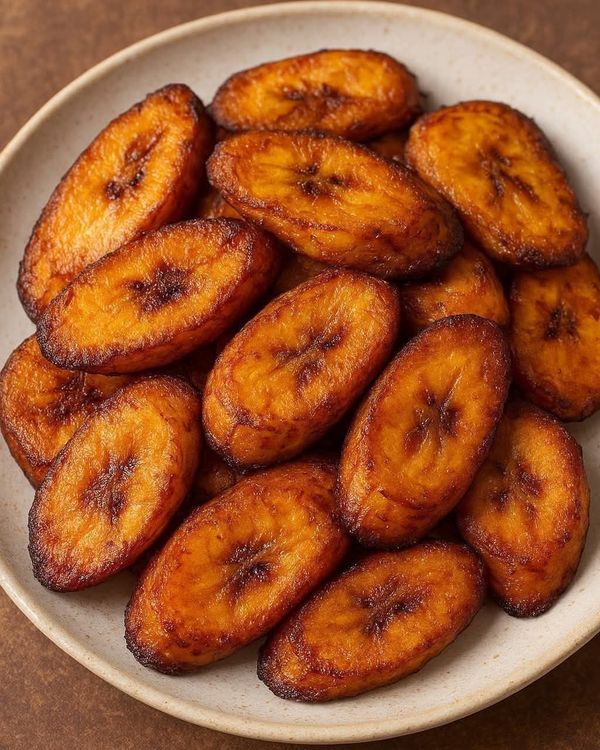
Plantains are starchy cooking bananas — related to the dessert banana but larger, less sweet and always cooked. In Nigerian cooking, ripe plantain is fried (dodo) until caramelised and served alongside jollof rice or stews; unripe plantain is used for fufu, pottage or fried into chips. Riper plantains are sweeter and caramelise well; green plantains hold their shape and absorb surrounding flavours in soups and pottage. They are one of West Africa's great carbohydrate staples.
What swallows go with Nigerian soups?
Nigerian soups — egusi, ogbono, edikaikong, vegetable soup — are served with a swallow: a dense, smooth starchy accompaniment eaten by hand. Common swallows include pounded yam (the most prized), fufu (cassava), eba or garri (dried cassava granules mixed with hot water), amala (yam flour), semo and wheat meal. The choice of swallow is often regional or personal — Yoruba households favour amala, Igbo households pounded yam, and both are correct.
What makes South African curry different from Indian curry?
South African Cape Malay curry evolved from the cooking of enslaved and indentured people from the Indian subcontinent, Malaysia and Indonesia who arrived in the Cape from the 17th century onward. The spicing is warmer and more aromatic — heavy on cinnamon, cardamom and bay — and less chilli-forward than North Indian curries. Fruit (apricots, raisins) sometimes appears in the sauce, and the cooking method tends to be a slow braise rather than a quick sauté. It is a distinct tradition, not a derivative of Indian curry.
Can I make Nigerian food without palm oil?
You can, but the flavour and colour will be noticeably different. Palm oil is what gives egusi soup its orange-red colour, egusi its toasty depth, and many stews their characteristic richness. For a lighter version, a neutral oil like groundnut (peanut) oil or vegetable oil works, and the dish will still taste good — just less distinctively West African. Some cooks use a blend of palm oil and neutral oil to reduce the intensity while keeping some character.
What is suya?
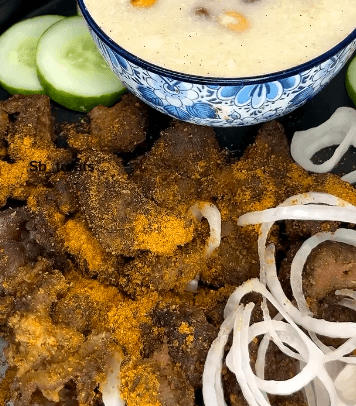
Suya is a West African street food of thinly sliced beef — usually sirloin or flank — skewered and coated in a dry spice mix called yaji or suya spice, which combines ground peanuts, ginger, paprika, garlic and chilli. The skewers are grilled over open charcoal fire, basted and charred at the edges. Suya is typically served wrapped in newspaper with sliced raw onion, tomato and chilli on the side. It is one of Nigeria's most beloved street foods and appears at night markets across West Africa.
African cooking rewards curiosity and patience in equal measure. The dishes here — whether you start with a batch of jollof rice, a pot of egusi or a tray of puff-puff — are built for generosity: they feed a table, they improve on reheating, and they carry a sense of occasion even on a weeknight. The techniques are learnable and the ingredients, once you find a good African grocery, are not hard to source.
Work through the clusters at whatever pace suits you. Start with jollof if you are new to the cuisine — it is the best single introduction to West African flavour. Then move to the soups, where the real depth of the tradition lives. Save your favourites to a Chefadora cookbook and come back as the collection grows.
Related
- Nigerian
- West African
- Jollof Rice
- South African
- Plantain
- African Food
- Dinner
Popular Searches
- Best african recipes
- Easy african recipes
- Quick african recipes
- Healthy african recipes
- Simple african recipes
- Homemade african recipes
- Delicious african recipes
- Popular african recipes
- african food
- jollof rice
- west african recipes
Marnirni-apinthi Building, Lot Fourteen,
North Terrace, Adelaide, South Australia, 5000
Australia
