
39 Korean Recipes to Cook This Week: Fried Chicken, BBQ & Banchan
Updated July 9, 2026 · Curated by Chefadora

These 39 Korean recipes are the ones I keep coming back to, whether I want a fast weeknight bowl or a slow, sticky-sweet braise for the weekend. I've pulled together everything from shatteringly crisp fried chicken to bubbling ramen, bulgogi-style beef bowls, and a whole tray of little banchan side dishes. If this cooking still feels intimidating, it shouldn't. Most of it hinges on a handful of pantry staples and a few repeatable techniques.
What I love about cooking Korean food at home is the balance: heat from gochujang and gochugaru, depth from soy and toasted sesame, brightness from quick pickles, and that satisfying chew of rice and noodles. You can build a full spread or just make one dish and call it dinner.
I've grouped the collection by how you'd actually cook and eat it, so scroll to the fried chicken if you're feeding a crowd, the rice and noodle bowls for meal prep, or the banchan section when you want to round out the table. There's a good mix of skill levels here too, from five-ingredient snacks a beginner can nail on the first try to weekend projects worth blocking off an afternoon for.
Korean Fried Chicken & Crispy Street Bites
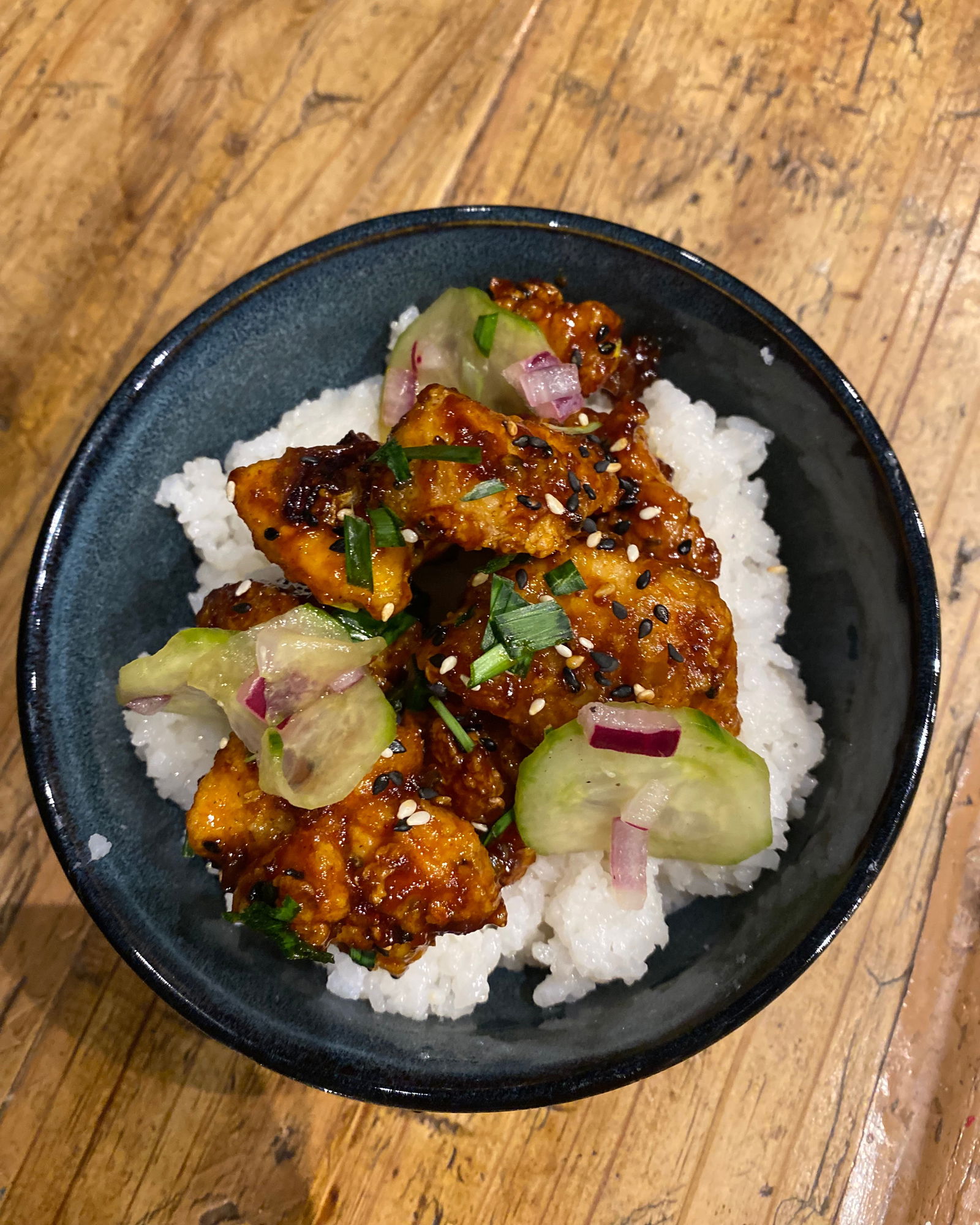
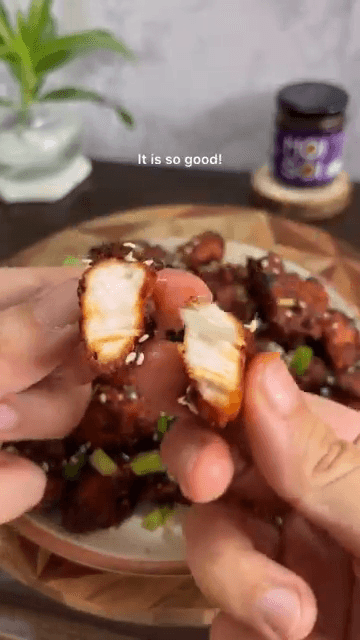
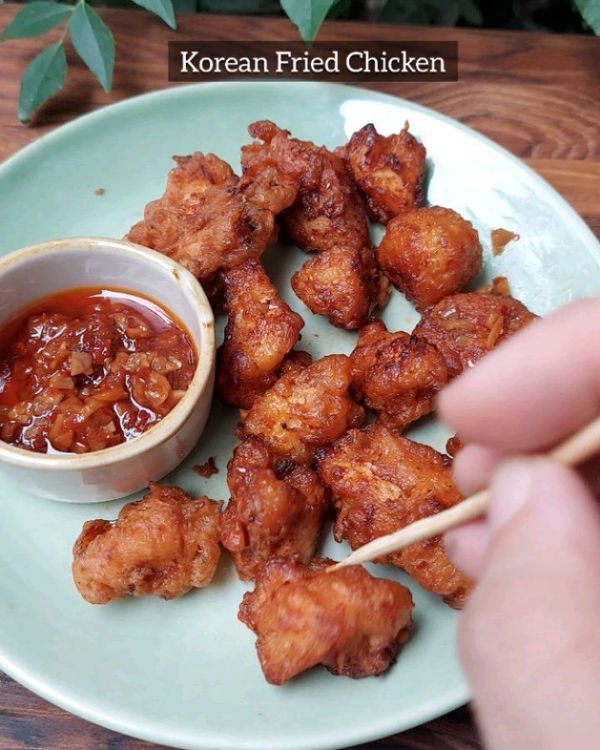
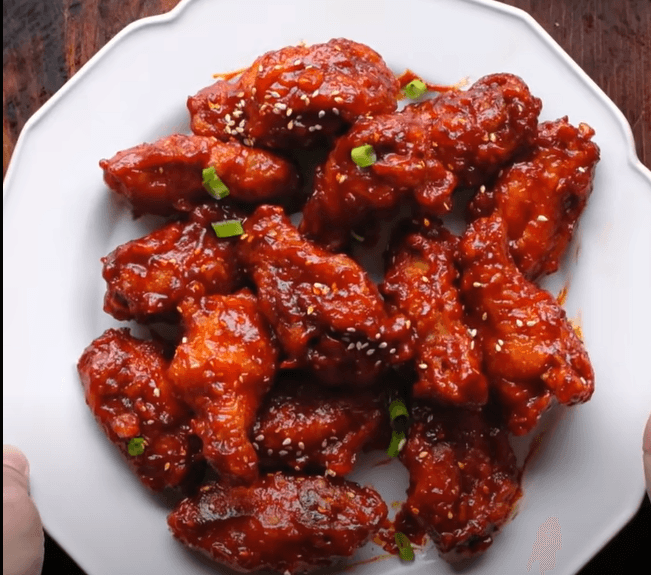
If one dish pulled this cuisine into the global spotlight, it's fried chicken. The magic is the double fry: an initial cook sets the crust, a short rest lets steam escape, and a second plunge in hot oil turns everything glass-shatteringly crisp before you toss it in a sticky glaze. These recipes run from four-ingredient street-style chicken to samosa mash-ups, juicy burgers, and cheese-pull corn dogs, so you can go as quick or as ambitious as the evening allows.


- Korean
- Eggetarian
- Appetiser

- Korean
- Non-Vegetarian
- Dinner


- Non-Vegetarian
- Lunch
- Korean
- Non-Vegetarian
- Snack
- Korean
- Non-Vegetarian
- Lunch

- Korean
- Non-Vegetarian
- Appetiser

- Korean
- Non-Vegetarian
- Appetiser
Beef, Bulgogi & Korean BBQ-Style Mains
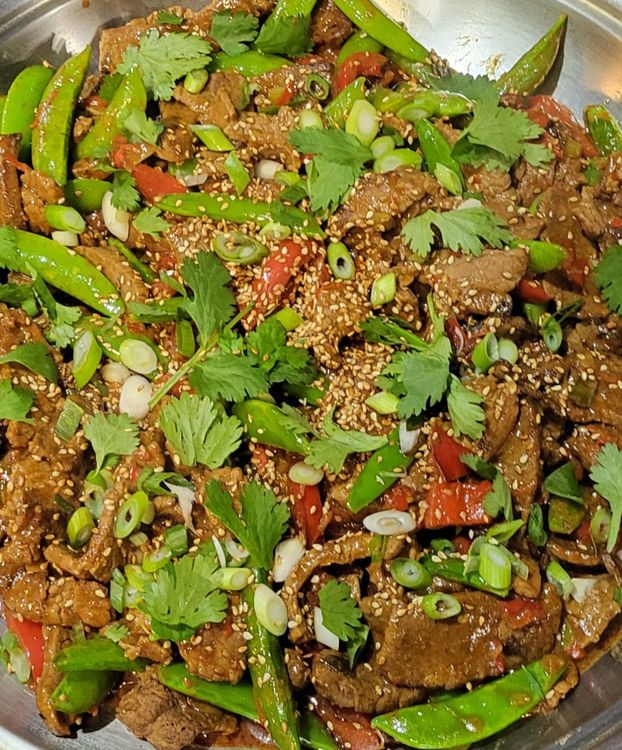
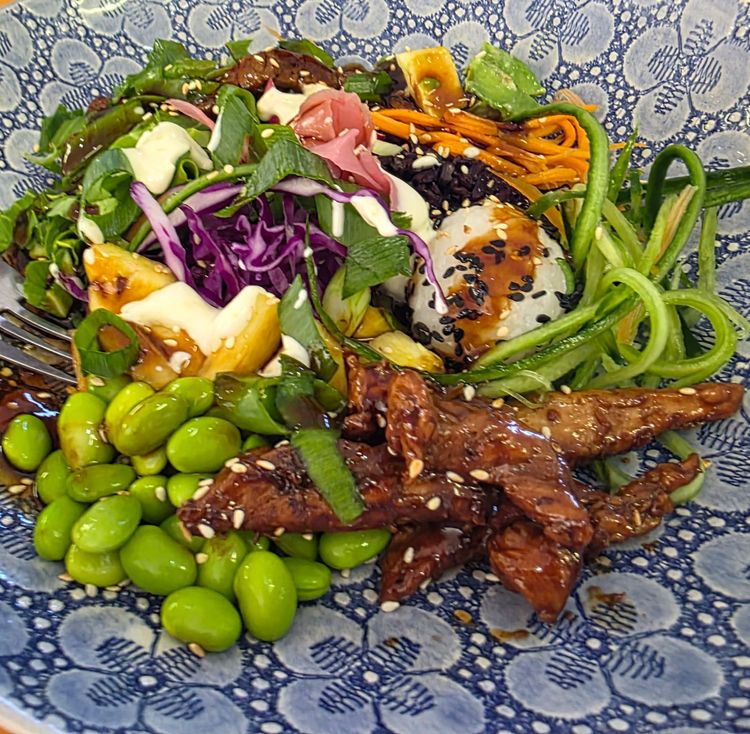
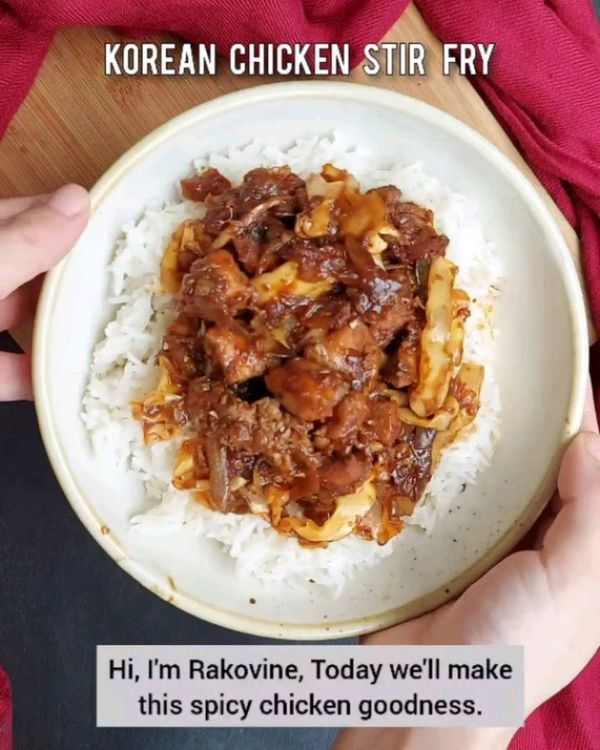
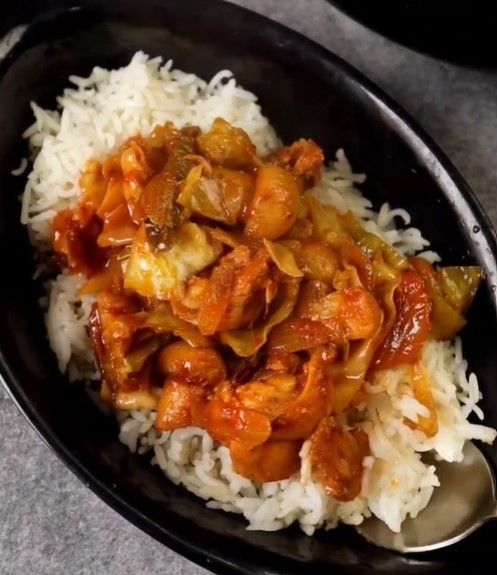
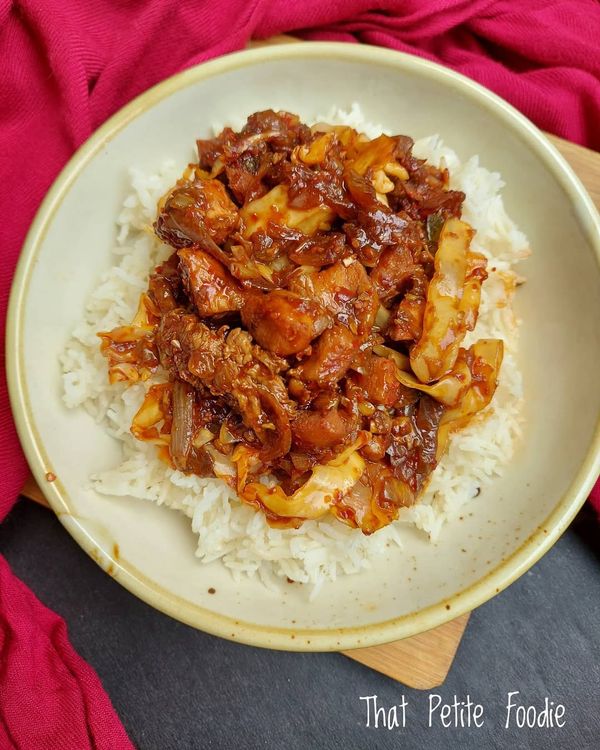
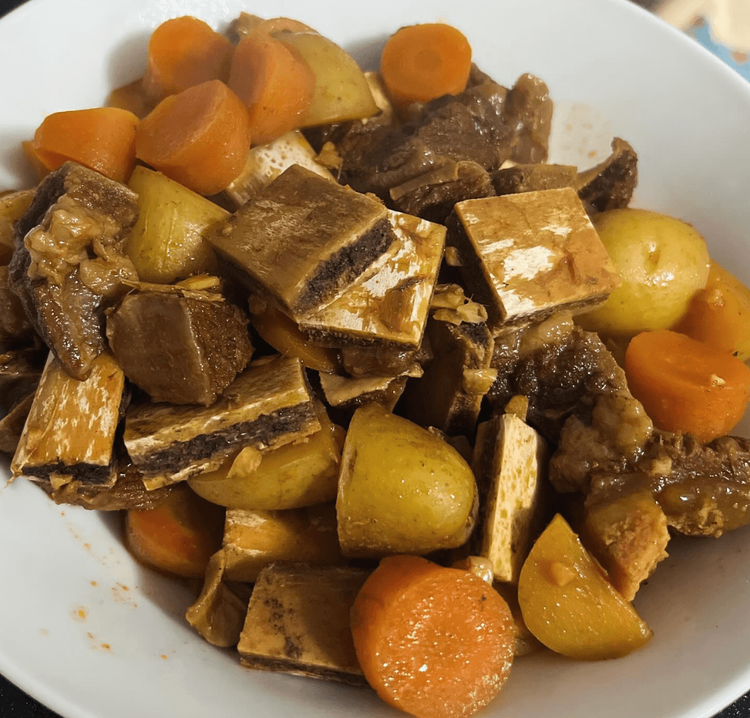
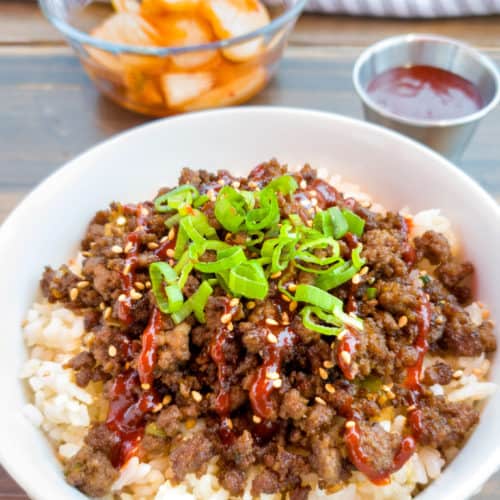
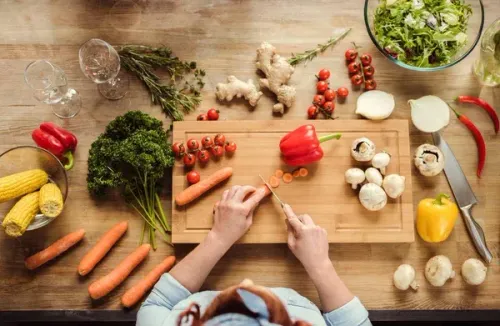
This is the heart of Korean BBQ at home: thin, marinated beef that sears fast and caramelizes at the edges, plus low-and-slow braises for when you have time to spare. Bulgogi-style bowls come together in under half an hour, while galbi-jjim short ribs reward almost two hours of patience with meat that falls off the bone. I've folded in a couple of saucy chicken braises here too, because they share the same sweet-savory-spicy backbone built on soy, garlic, and gochujang.

- Korean
- Non-Vegetarian
- Dinner
- Korean
- Non-Vegetarian
- Lunch
- Korean
- Non-Vegetarian
- Lunch
- Korean
- Non-Vegetarian
- Dinner
- Korean
- Non-Vegetarian
- Dinner
- Korean
- Non-Vegetarian
- Dinner
- Korean
- Non-Vegetarian
- Lunch
Rice Bowls, Noodles & Ramen
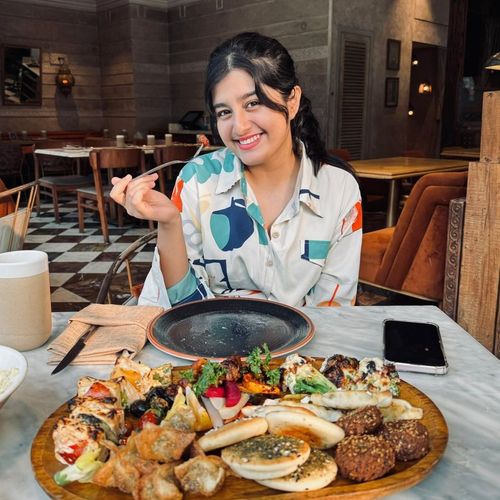
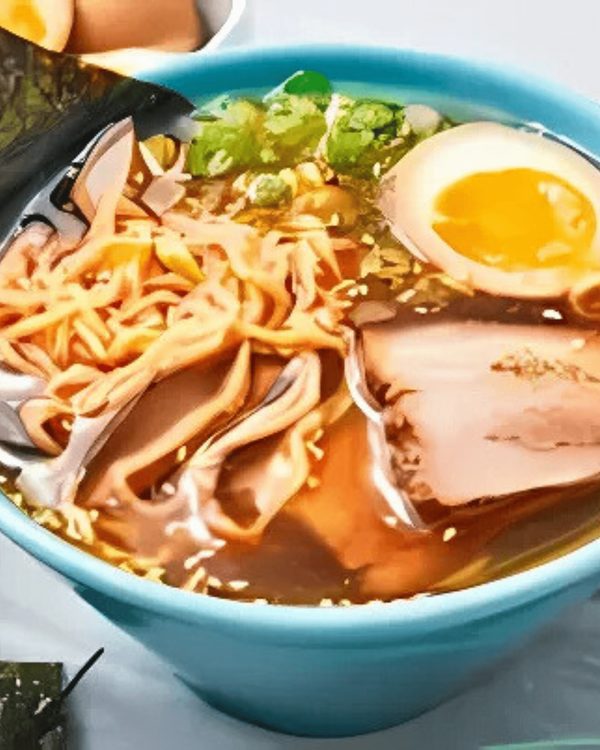
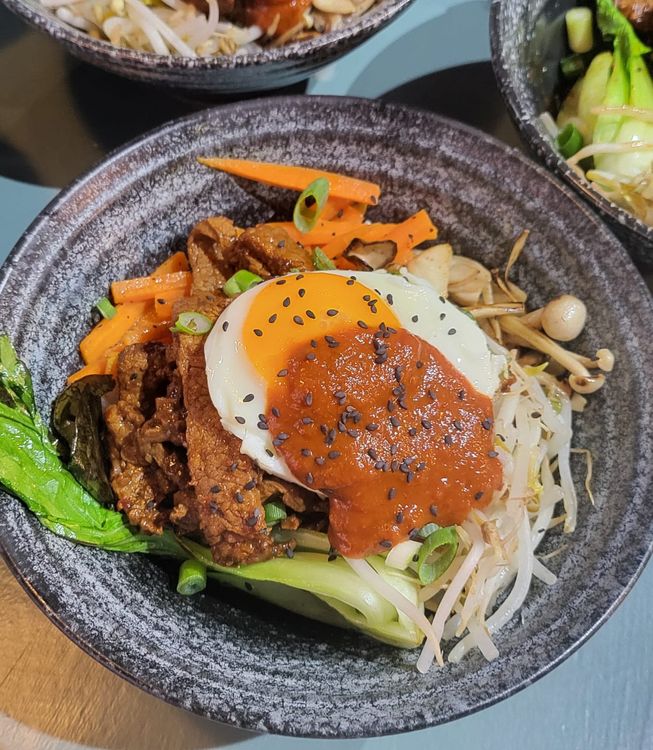
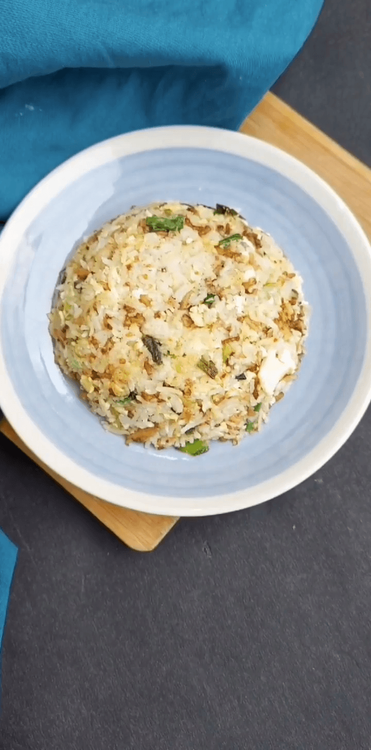
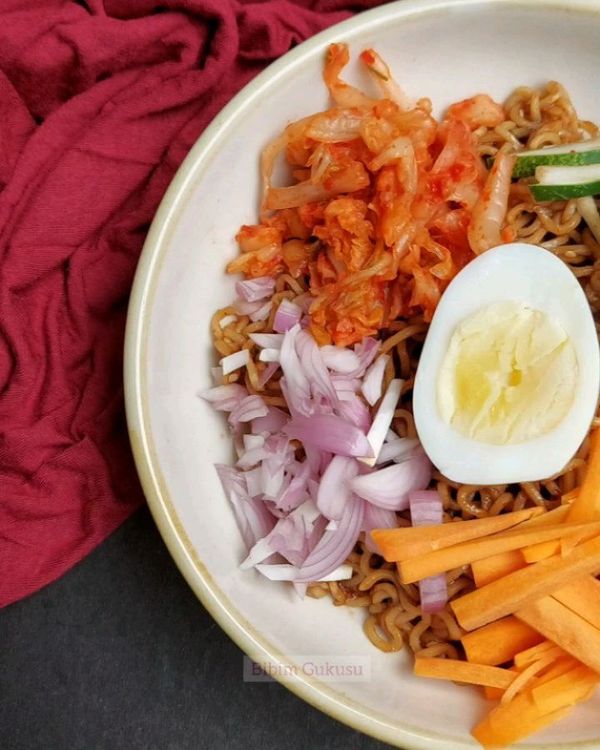
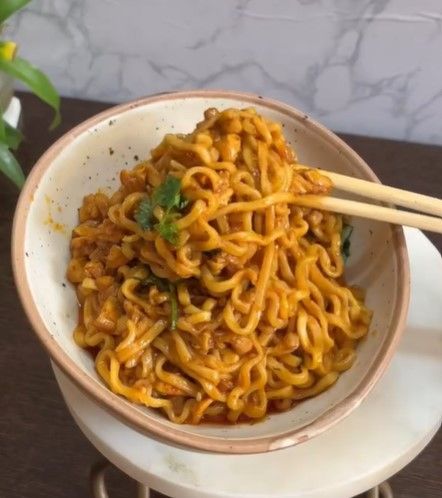
When I need dinner in a hurry, this is where I look. Fried rice turns yesterday's leftovers into something crave-worthy, bibimbap layers seasoned vegetables and beef over a bowl of rice, and a good pot of ramen fixes almost any cold or late-night mood. There are cold noodles for summer, a seafood-forward cod plate, and a fusion bowl that borrows spices from another coast. Keep cooked rice and a jar of gochujang on hand and most of these are weeknight-fast.

- Korean
- Non-Vegetarian
- Dinner
- Korean
- Dairy-Free
- Dinner
- Korean
- Non-Vegetarian
- Lunch
- Korean
- Eggetarian
- Lunch
- Korean
- Vegan
- Lunch

- Korean
- Nut-Free
- Lunch


- Pescatarian
- Dinner
- Fusion
- Vegetarian
- Dinner
Banchan, Pancakes & Vegetable Sides
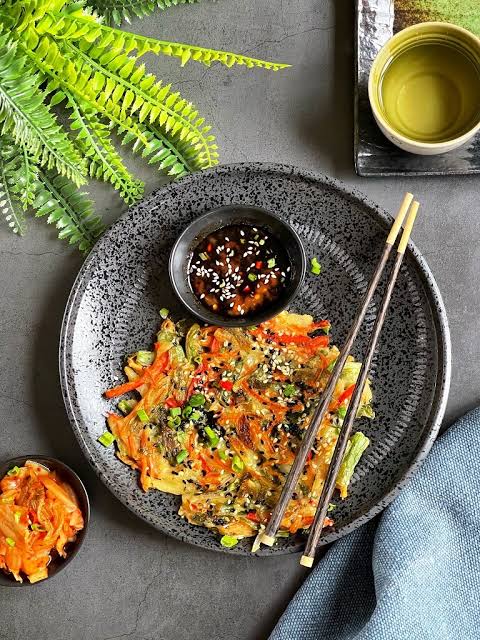
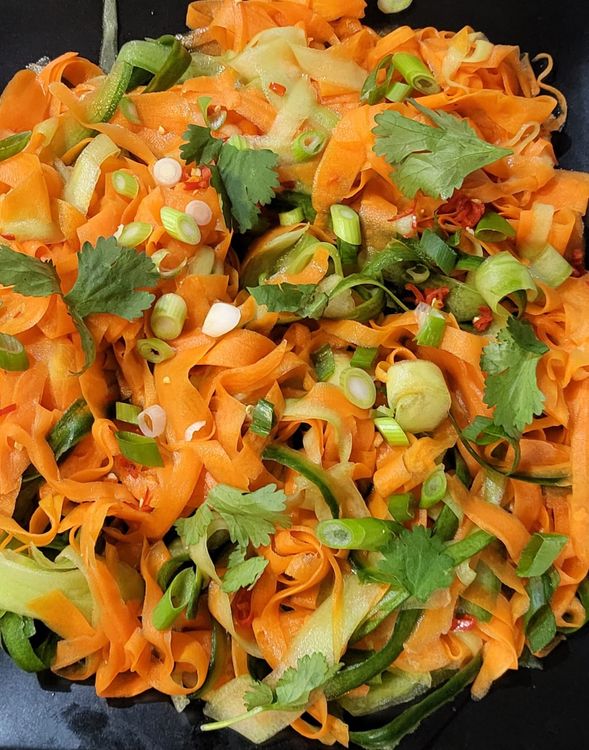
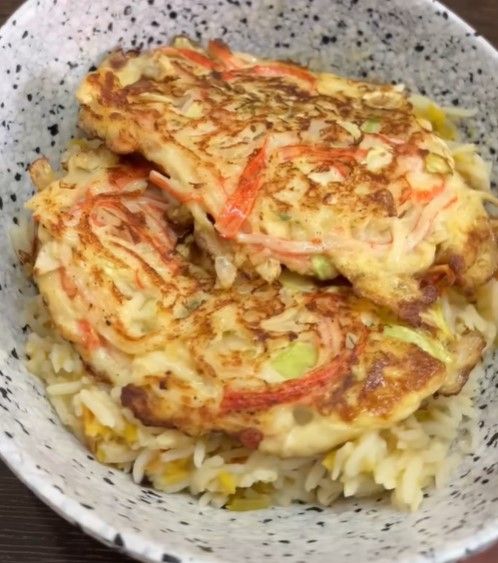
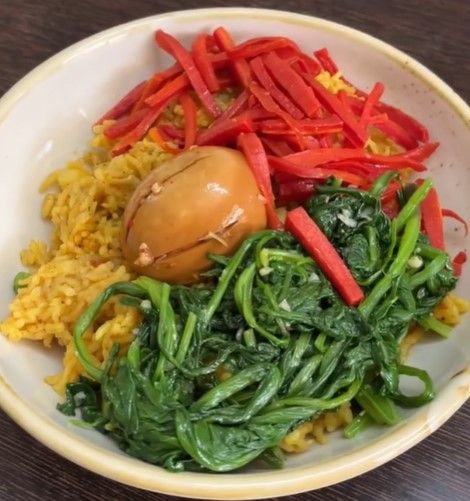
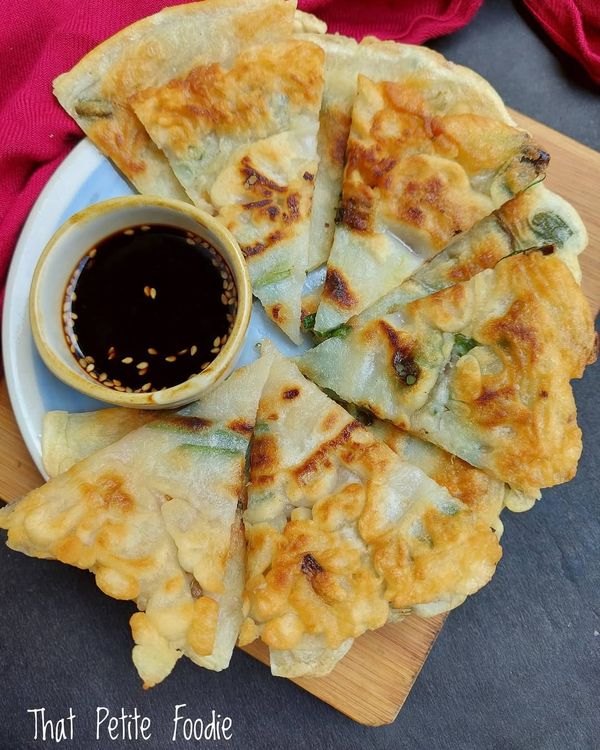
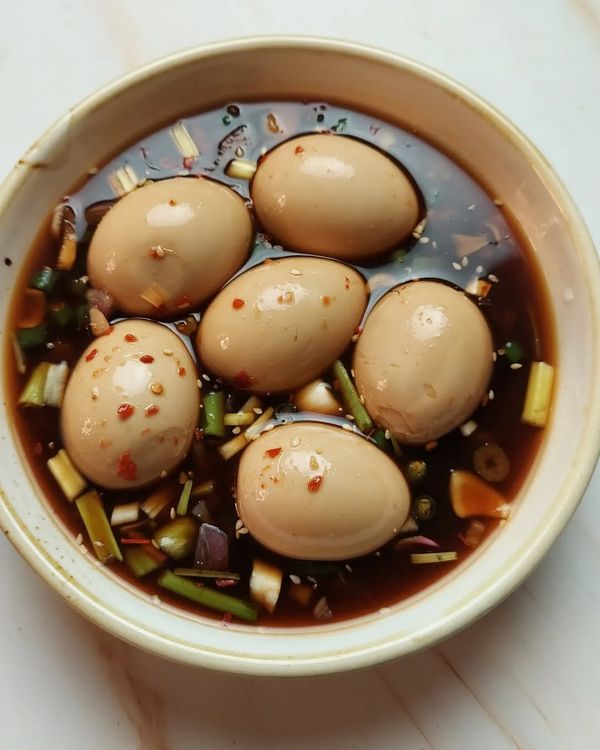
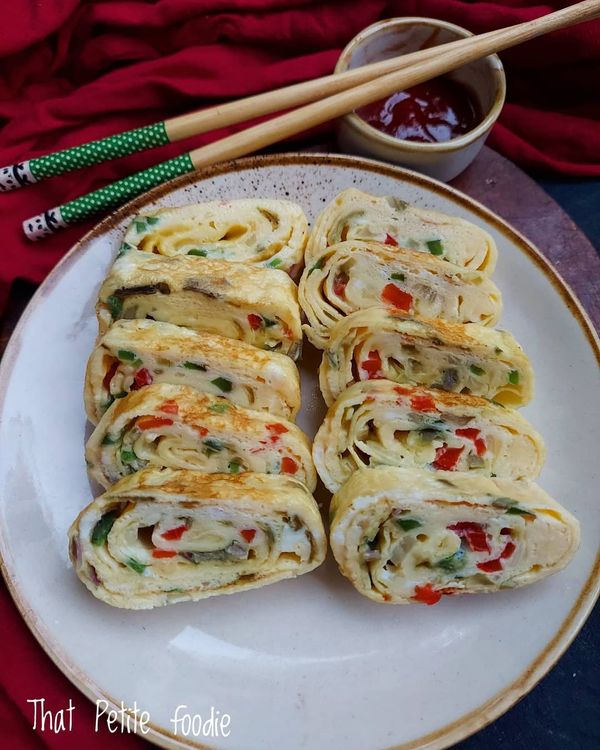
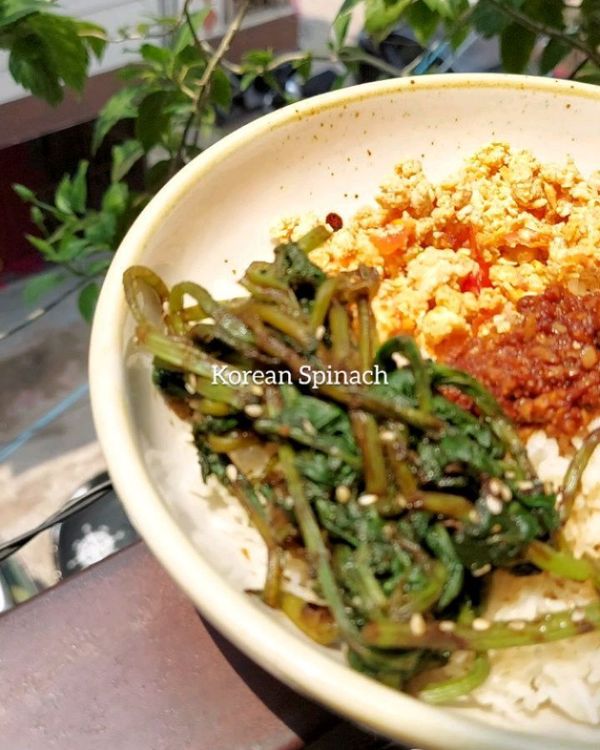
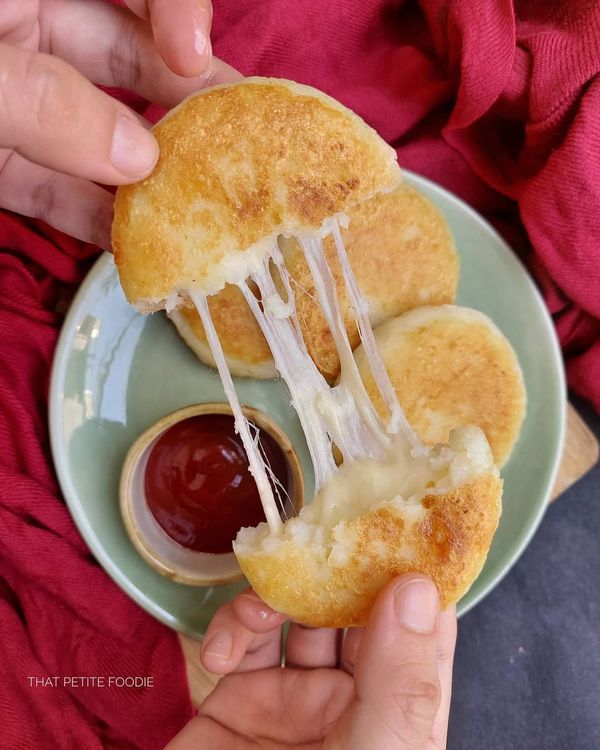
No proper meal feels complete without banchan, the little dishes that crowd the table and turn one main into a feast. This section is where the vegetables shine: sesame-dressed spinach, quick pickles, marinated mayak eggs, and a run of crisp-edged jeon pancakes made from scallions, potato, crab sticks, or a mix of vegetables. Most come together in well under 30 minutes, many keep for days in the fridge, and several double as lunchbox fillers. Make two or three and you have a spread.
- Korean
- Eggetarian
- Appetiser
- Korean
- Pescatarian
- Appetiser
- Korean
- Pescatarian
- Snack
- Korean
- Eggetarian
- Main Course
- Korean
- Vegan
- Appetiser
- Korean
- Eggetarian
- Snack
- Korean
- Eggetarian
- Appetiser
- Korean
- Vegan
- Snack
- Korean
- Eggetarian
- Appetiser
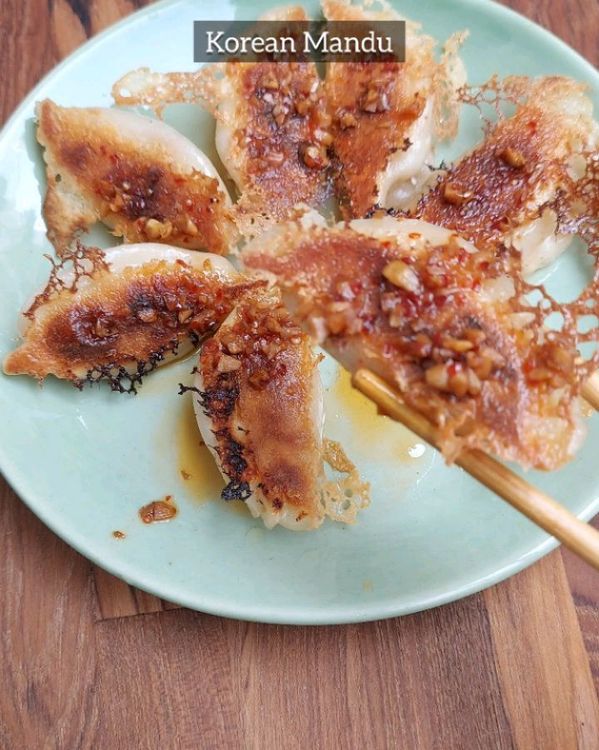
- Korean
- Non-Vegetarian
- Appetiser
Tofu, Eggs, Snacks & Sweet Treats
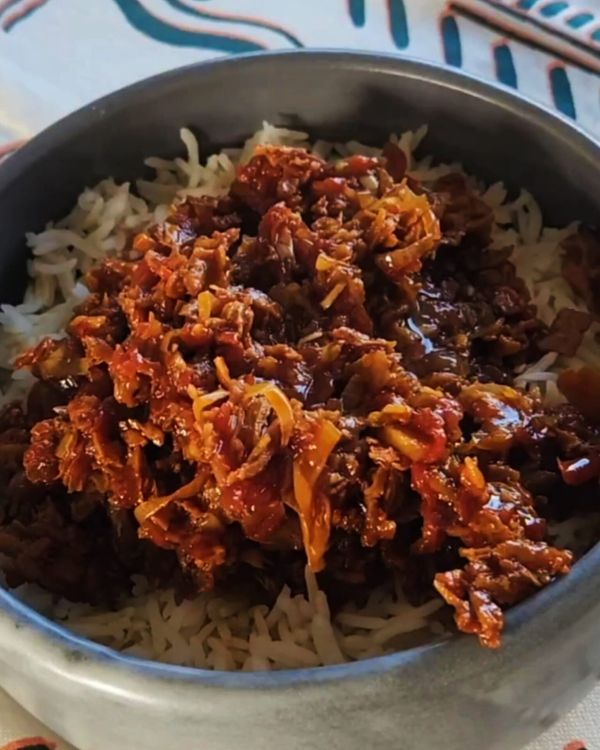
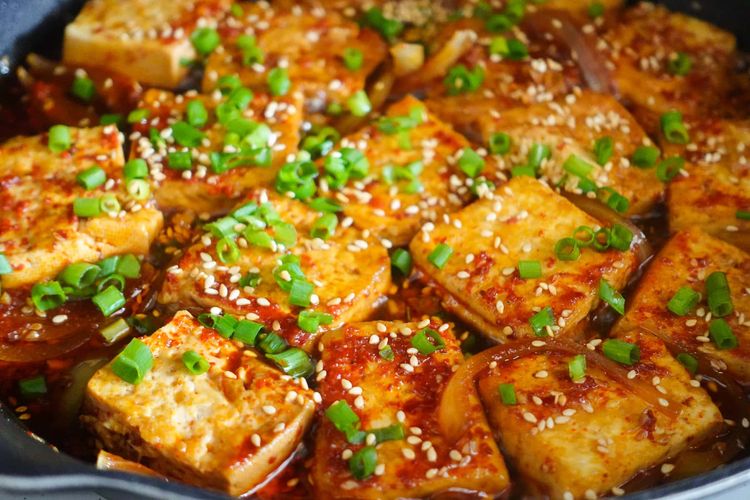
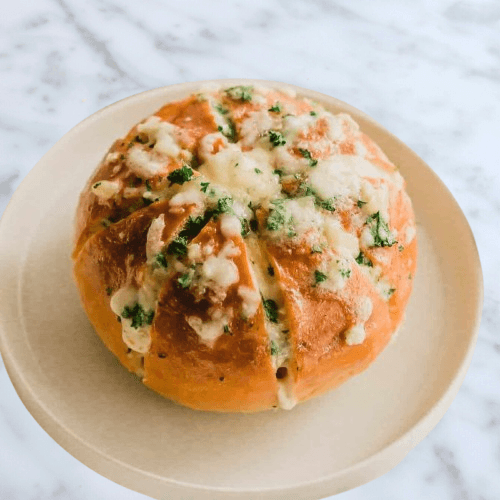
Korean cooking does vegetarian mains beautifully, and tofu is the star here, whether it's crumbled into a spicy gochujang sauce that eats like meat or pan-crisped and braised. I've also gathered the café-style bites that took over social feeds: fluffy egg sandwiches, fruit sandwiches with a clean cross-section, garlicky cream cheese buns, and even a stable whipped cream for those tiny bento cakes. These are the recipes for lunch, snacking, and dessert, no grill required.


- Korean
- Vegetarian
- Snack
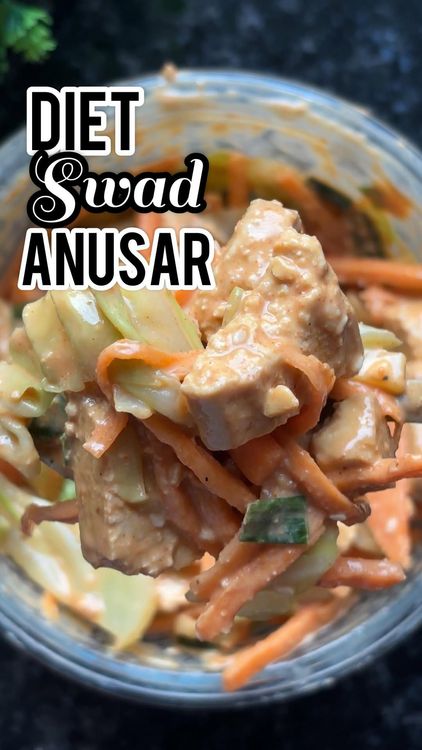
- Korean
- Vegetarian
- Salad
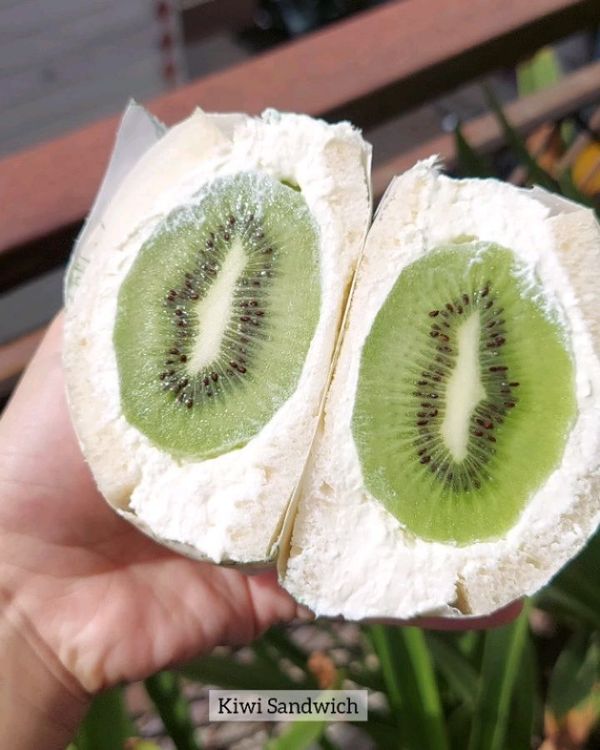
- Korean
- Vegetarian
- Breakfast
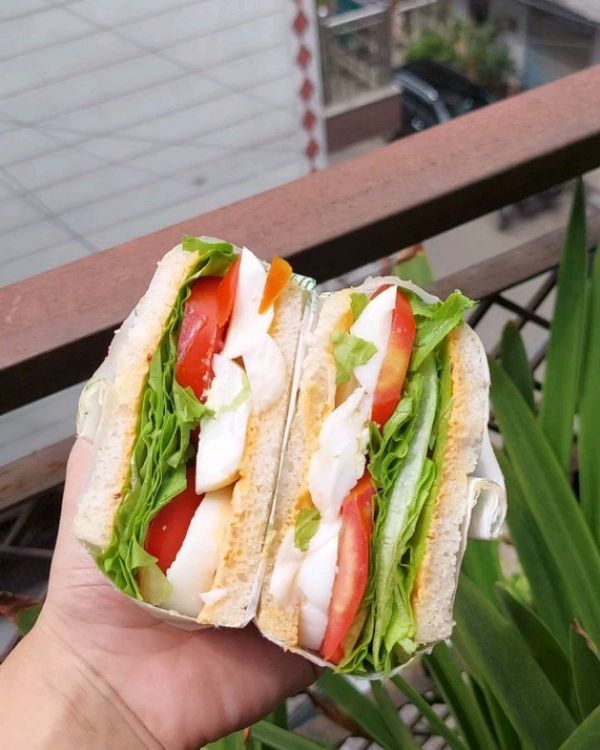
- Korean
- Eggetarian
- Breakfast

- Korean
- Vegan
- Lunch
- Korean
- Vegan
- Lunch
- Korean Fusion
- Eggetarian
- Appetiser
How to Build a Korean Recipes Pantry: Gochujang, Gochugaru & Sesame
Almost everything in this collection leans on four cornerstone ingredients, and once they're in your cupboard the cooking gets fast. Gochujang is the thick, fermented red chili paste that gives Korean food its signature sweet-savory heat; a spoonful thickens sauces and glazes and dissolves into soups. Gochugaru, the coarse red pepper flakes, brings brighter, cleaner heat without the sweetness, and it's what you want for kimchi, stews, and dressings. Soy sauce provides the salty umami backbone, and toasted sesame oil, added at the end rather than cooked, delivers that unmistakable nutty aroma.
Round those out with a few supporting players: rice vinegar for pickles and cold-noodle sauces, mirin or a little sugar to balance the chili heat, plenty of garlic and scallions, and toasted sesame seeds for finishing. Short-grain rice is worth buying by the bag, since it turns up in bowls, fried rice, and alongside nearly every main. For sauces, I keep a simple ratio in mind: roughly equal parts gochujang and soy, half as much sugar or honey, then garlic, sesame oil, and a splash of vinegar to taste.
If you can only buy one thing to start, make it gochujang; it single-handedly powers bibimbap, tteokbokki-style rice cakes, spicy chicken, and countless glazes. Store it in the fridge once opened and it keeps for months. Gochugaru also lives happily in the freezer, which preserves its color and heat. With this small kit you can cook the majority of the dishes below without a single specialty trip, and you'll start improvising your own bowls before long.
How to Make Korean Fried Chicken Extra Crispy
The whole point of Korean fried chicken is a crust so thin and crisp it stays crackly even after it's coated in sauce. The technique that gets you there is the double fry. Fry the chicken once at a moderate temperature, around 330°F, just until it's cooked through and pale gold, then pull it out and let it rest for a few minutes while the oil comes back up to heat. That rest lets trapped steam escape so the surface can dry out.
For the second fry, push the oil hotter, closer to 375°F, and return the chicken for a couple of minutes until it's deep golden and audibly crisp. This is where the shatter comes from. The coating matters too: a light dredge heavy on cornstarch or potato starch, rather than all wheat flour, fries up glassier and stays crunchier for longer. Some cooks add a splash of vodka or cold sparkling water to the batter, which limits gluten and keeps things delicate.
Sauce it at the very last minute. Warm your gochujang glaze in a wide pan, add the chicken, and toss just to coat so the crust doesn't have time to go soft. If you're skipping the deep fry, an air fryer gets you surprisingly close: spray generously, cook until deeply browned, and finish with the same last-second glaze. Serve immediately, with pickled radish or a quick cucumber salad on the side to cut the richness.
One more thing that separates good from great: oil temperature. Fry in small batches and give the oil a minute to recover between them, because crowding the pot drops the heat and leaves the coating greasy instead of crisp. A cheap probe thermometer takes the guesswork out entirely, and it pays for itself the first time your chicken comes out shatteringly crunchy rather than pale and soggy.
Korean BBQ, Hot Pot & Rice Cakes at Home
You don't need a tabletop grill to get the flavors of a good barbecue. A ripping-hot cast-iron pan does the job: marinate thin-sliced beef in soy, garlic, sugar, sesame oil, and grated pear or apple, then sear it in batches so it caramelizes instead of steaming. Bulgogi and beef bowls come from exactly this move, and short ribs take the same flavors into a long braise. The bar-b-q ritual is as much about the table as the grill, so serve the meat wrapped in lettuce leaves, with a smear of ssamjang, rice, and a few banchan, and you've recreated the restaurant experience. That lettuce wrap, called ssam, is the classic way to eat it: pile on a little rice, a slice of meat, and a dab of paste, then fold and go.
Hot pot, or a cozy one-pot dish, is the flip side: a bubbling, communal pot of broth you cook proteins and vegetables in at the table. Build a base with anchovy or beef stock, season it with gochujang and gochugaru for a spicy version, then add mushrooms, tofu, greens, thin-sliced meat, and noodles to finish. It's forgiving, scalable, and ideal for feeding a group without much last-minute work. If you want something soothing and unspiced instead, seolleongtang, the milky ox bone soup simmered for hours until the broth turns cloudy and rich, is the classic restorative bowl; season it only at the table with salt, scallions, and a scoop of rice.
Rice cakes, or tteok, deserve a spot too. The chewy cylinders soak up sauce like nothing else, which is why tteokbokki, cooked in a sweet-spicy gochujang sauce, is such a beloved street food. If you're working with dried or refrigerated rice cakes, soak them briefly first so they soften evenly, and stir often near the end because the starch thickens fast and can catch on the pan. Korean sweet potato, dense and honey-sweet, roasts or steams into a simple side; give it 40 to 50 minutes in a hot oven until the flesh is jammy and caramelized at the tips. Together these three ideas, grilled meat, a shared pot, and a tray of rice cakes, cover most of what people picture when they think of a Korean feast, and none of them demand special equipment.
Pro Tips for Cooking Korean Food at Home
- Keep a batch of cooked short-grain rice in the fridge; day-old rice fries up far better than fresh, and it's the foundation of half the bowls here.
- Taste your gochujang before you commit; brands vary a lot in heat and sweetness, so start with less and adjust the sugar and soy to balance it.
- Add toasted sesame oil off the heat, right at the end. Cooking it dulls the aroma, and a small drizzle finishes almost every dish beautifully.
- Grate a little pear or apple into beef marinades. The fruit enzymes tenderize the meat and add a subtle sweetness that balances the salty soy.
- Salt and drain cucumbers or spinach before dressing them so your banchan stays crisp instead of turning watery in the fridge.
- Make banchan ahead. Mayak eggs, pickled vegetables, and seasoned spinach all improve after a day, so a weekend hour sets up several weeknight meals.
- For the crispest pancakes and fried chicken, don't crowd the pan; work in batches so the temperature stays high and the surface actually browns.
- Keep a jar of quick pickled radish or cucumber on hand. That bright, tangy crunch is the classic counterpoint to rich, fried, and saucy mains.
Frequently Asked Questions
Which Korean recipes are best for beginners?
Start with dishes built on a simple sauce and few ingredients. Korean fried rice, sesame spinach, mayak eggs, and a bulgogi-style beef bowl are all forgiving and fast. Once you're comfortable balancing gochujang, soy, garlic, and sesame, you can tackle bibimbap, pancakes, and double-fried chicken with confidence.
How do I make Korean fried chicken really crispy?
Use a starch-heavy coating and fry twice. The first fry at a moderate temperature cooks the chicken; a short rest lets steam escape; then a hotter second fry crisps the crust until it shatters. Toss it in warm glaze at the last second so the coating stays crunchy rather than going soft.
What can I use if I don't have gochujang?
There's no perfect swap, but you can improvise. Mix white miso or a mild chili paste with a little gochugaru or sriracha, plus a touch of sugar and soy to mimic the sweet-savory heat. It won't be identical, but it carries most dishes. A jar of real gochujang is a worthwhile buy, though.
Is Korean food always spicy?
Not at all. Plenty of dishes are mild or savory rather than hot: gyeran-mari egg rolls, sesame spinach, jeon pancakes, mayak eggs, and beef bulgogi all skip the chili. Heat mostly comes from gochujang and gochugaru, so you can scale it up or down, or leave it out, without losing the dish's character.
What are banchan and how many should I serve?
Banchan are the small side dishes served alongside rice and a main. Two or three is plenty for a home meal; think a pickle, a seasoned vegetable like spinach, and something protein-rich like marinated eggs. They're meant to be made ahead and shared, so they're the easiest way to make dinner feel like a full spread.
How do I cook Korean rice cakes for tteokbokki?
If your rice cakes are dried or refrigerated, soak them in warm water for 10 to 20 minutes so they soften and cook evenly. Then simmer them in a sweet-spicy gochujang sauce until they turn tender and chewy and the sauce clings. Stir often near the end, as the starch thickens quickly and can stick.
Can I do Korean BBQ or hot pot without a special grill?
Yes. A hot cast-iron pan or grill pan sears marinated beef beautifully for a BBQ-style meal, and any deep pot on the stove works for hot pot. Set the pot in the middle of the table, keep the broth at a gentle simmer, and let everyone cook their own meat, tofu, and vegetables.
How do you cook Korean sweet potato?
Korean sweet potatoes are dense and very sweet with pale flesh. Roast them whole in a hot oven for 40 to 50 minutes until soft and caramelized at the ends, or steam them for a moister result. No seasoning needed; they're naturally honey-sweet and make a great simple side or snack.
What weeknight dishes can I make with ground beef or ground pork?
Ground meat is the fastest route to a big-flavor dinner. Brown ground beef with soy, garlic, sesame, and a spoon of gochujang for a sticky, sweet-savory topping over rice, essentially a shortcut bulgogi built from ground beef instead of sliced steak. The same treatment works for ground pork, which crumbles into a spicy stir-fry with scallions and chili, or gets folded into dumpling and pancake fillings. Either one comes together in about 20 minutes, so keep a pound in the freezer for those no-plan nights.
These Korean recipes are meant to be mixed and matched. Fry a batch of chicken for the weekend, keep rice and a few banchan on standby for busy nights, and let a jar of gochujang do the heavy lifting across bowls, braises, and glazes. Start with one dish that sounds good, get comfortable with the flavors, and you'll be building your own spreads in no time.
Related
- korean fried chicken
- gochujang
- bibimbap
- korean bbq
- banchan
- korean noodles
Popular Searches
- Best korean recipes
- Easy korean recipes
- Quick korean recipes
- Healthy korean recipes
- Simple korean recipes
- Homemade korean recipes
- Delicious korean recipes
- Popular korean recipes
- one pot hot pot & korean bbq
- top korean bbq & hot pot
- what is korean blood sausage made of
- how to cook korean sweet potato
Marnirni-apinthi Building, Lot Fourteen,
North Terrace, Adelaide, South Australia, 5000
Australia
