
Top 63 Tuna Casserole Recipes: Classic Noodle, From-Scratch and Lighter
Updated June 29, 2026 · Curated by Chefadora
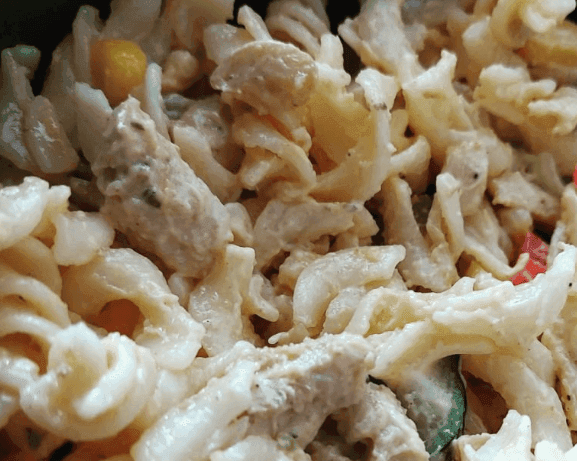
Tuna casserole is the original pantry dinner: a tin of tuna, a bag of noodles and whatever creamy binder you have on hand, baked into something warm, filling and almost impossibly cheap. It earned its place at weeknight tables and church suppers because it asks so little and delivers so much comfort. The recipes below show its real range, from the nostalgic noodle classic to from-scratch versions, lighter rice and veggie bakes, and quick stovetop dinners that skip the oven entirely.
What makes a tuna casserole good rather than gluey comes down to two things: the moisture of the sauce and the texture of the top. The sauce has to go into the dish looser than you think it should, because the noodles keep drinking liquid as it bakes, and a dry casserole is the most common complaint there is. The top, meanwhile, is where the contrast lives, a crunchy crown of crushed chips, buttered crumbs or browned cheese over the soft, creamy interior.
You will find four clusters here: the classic noodle casserole everyone grew up on, a from-scratch group that ditches the can of soup for a real white sauce, lighter versions built on rice and extra vegetables, and fast stovetop dinners for nights when you cannot face the oven. The core move is shared across all of them, so once you have nailed one you can improvise the rest with whatever is in the cupboard.
Treat this as a working reference. Each recipe links to full ingredients and steps on Chefadora, and the guides below cover the decisions that actually decide whether your casserole turns out creamy and golden or stodgy and dry: which tuna to buy, how to build a sauce that stays saucy, how to keep the noodles from overcooking, and how to get that crackling top without burning it.
Classic Tuna Noodle Casserole
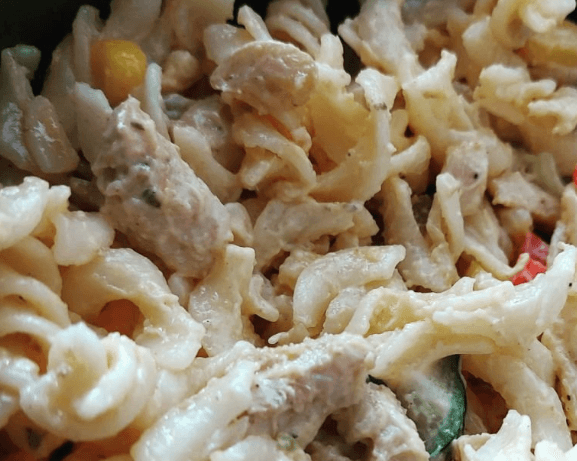
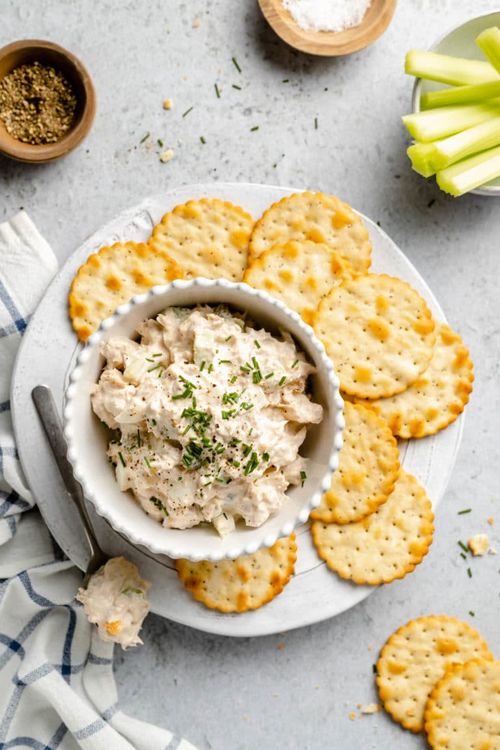
This is the version most people picture: wide egg noodles, flaked tuna and bright green peas bound in a creamy sauce, crowned with something crunchy and baked until the edges bubble. The whole thing succeeds or fails on two numbers. First, undercook the noodles by a good two minutes, because they keep drinking sauce in the oven and fully cooked pasta turns to mush. Second, make the sauce looser than your instinct says, since the tuna and noodles soak up liquid as it bakes; a casserole that looks perfect in the pan will come out dry. The classic binder is a can of condensed soup loosened with milk, but season it hard, with pepper, mustard and a little sharp cheese, so it does not taste one-note. Crushed potato chips or buttered crackers on top give that salty, golden crackle against the soft interior. Bake until the edges genuinely bubble, then rest it five minutes so the sauce sets rather than running across the plate. Standouts here include Tuna Noodle Bake (or Rice) and Crunchy Miso Tuna Dip That Steals the Party, plus High-Protein Crunchy Tuna Salad.

- American
- Pescatarian
- Lunch


- Pescatarian
- Appetiser


- American
- Pescatarian
- Lunch

- East Asian
- Dairy-Free
- Dinner
Lighter, Rice & Veggie Versions
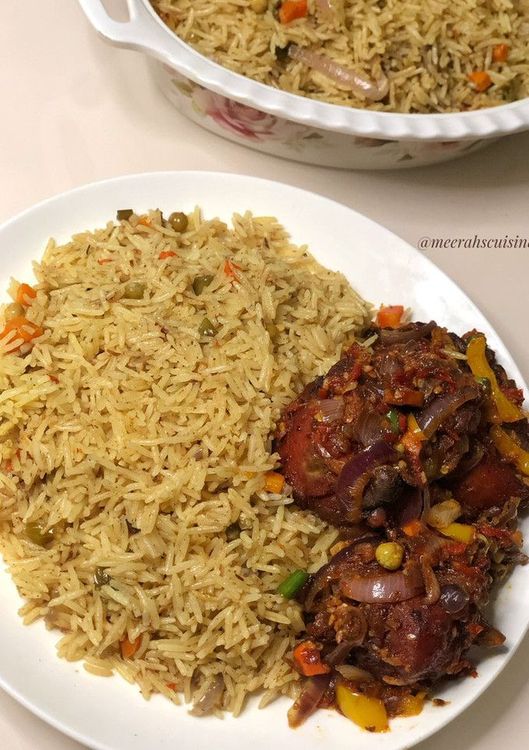
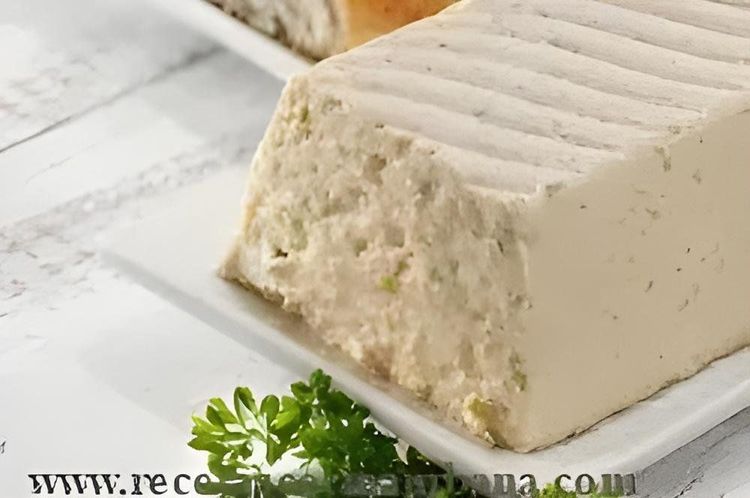
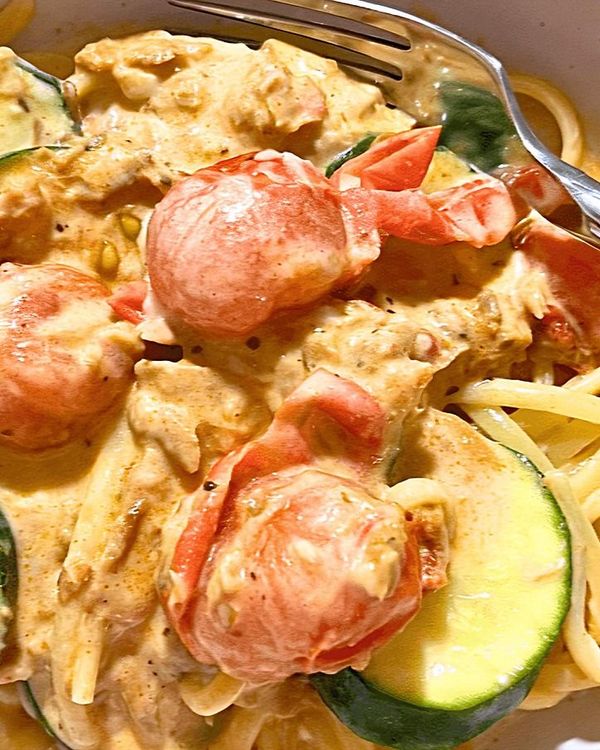
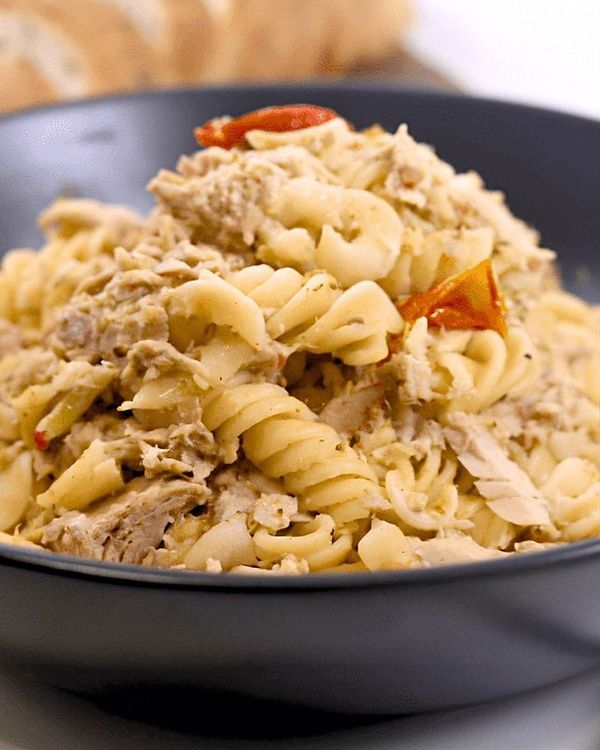
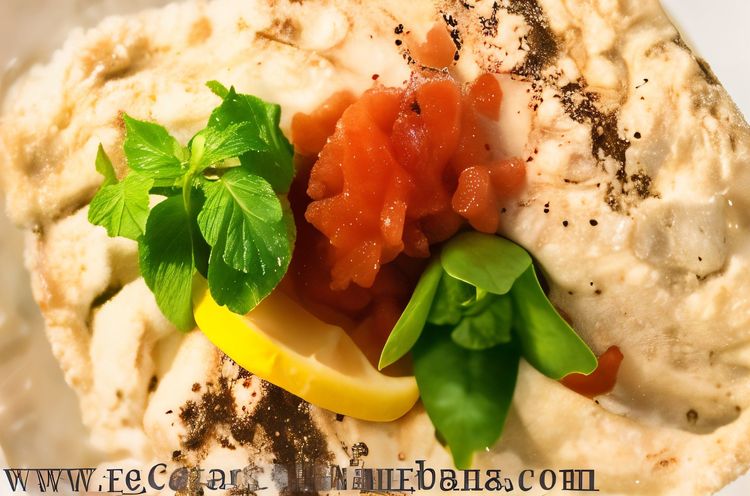
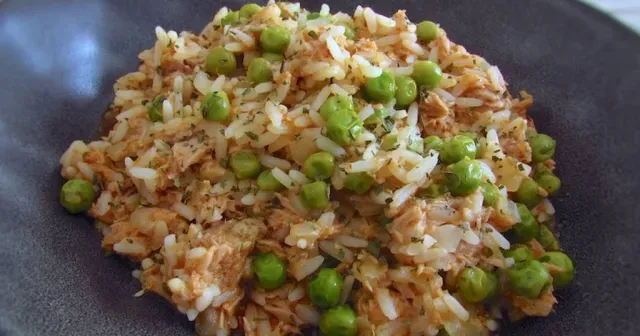
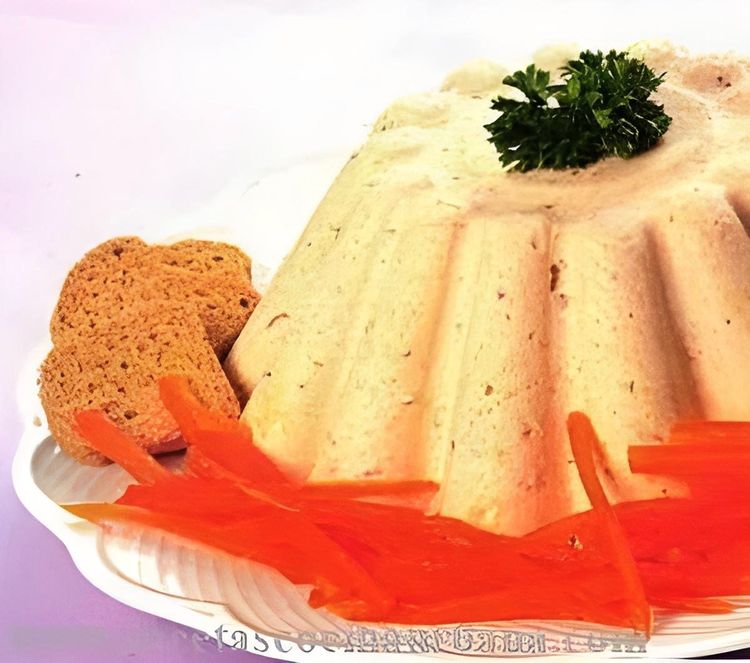
You do not have to choose between comfort and a lighter dinner, and this group proves it. Swap some or all of the noodles for cooked rice, quinoa or even riced cauliflower, lean on a big handful of extra vegetables like broccoli, spinach or zucchini, and stir Greek yogurt or a milk-thickened sauce into the binder in place of heavy cream or full-fat soup. The result is brighter, lower in fat and a genuinely good way to clear out the crisper drawer. The trick with the lighter versions is seasoning, because cutting the richness can leave things tasting thin, so be generous with mustard, lemon, fresh herbs and a sharp cheese that gives a lot of flavor for a little fat. If you are using yogurt, fold it in off the heat or at the very end so it warms through without splitting. Keep the vegetables in decent-sized pieces and slightly undercooked before they go in, so they hold their shape and texture rather than collapsing into the sauce during baking. Standouts here include Crispy Rice Tuna and Tuna Rice, plus Tuna and Vegetable Terrine.


- Pescatarian
- Snack

- African
- Pescatarian
- Lunch
- French
- Pescatarian
- Appetiser
- Italian
- Vegetarian
- Lunch
- Mediterranean
- Pescatarian
- Lunch
- Mediterranean
- Pescatarian
- Appetiser
- Portuguese
- Pescatarian
- Lunch
- American
- Pescatarian
- Lunch
More Tuna Casserole Favourites
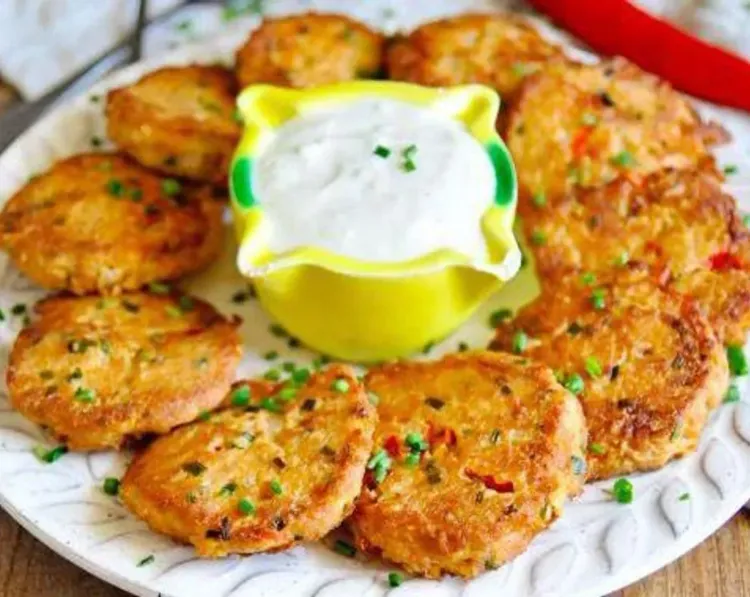
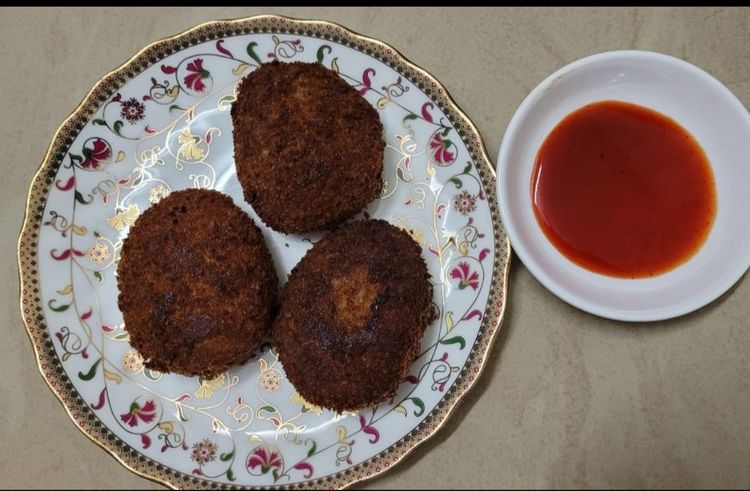
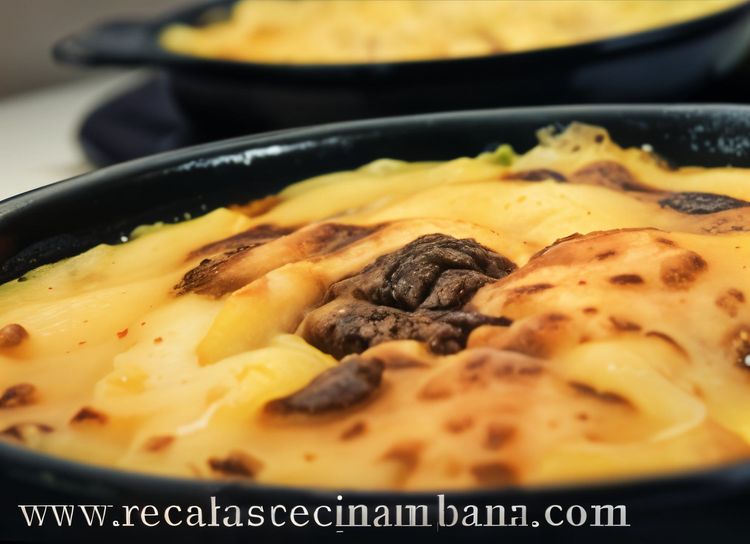
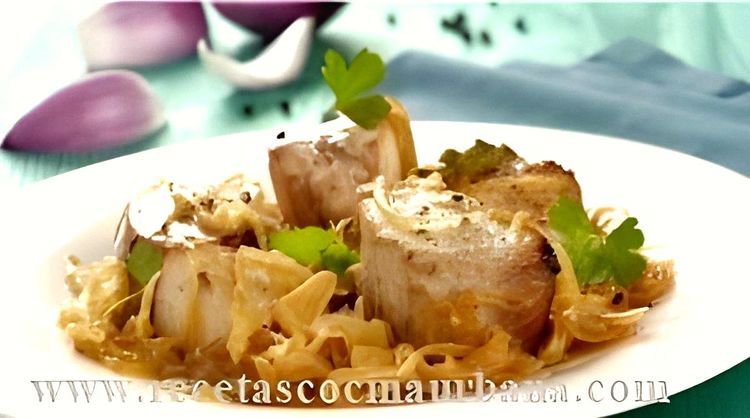
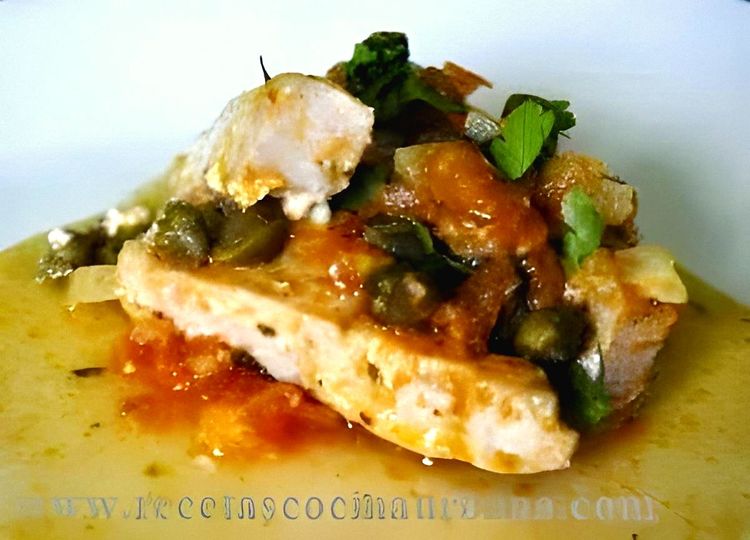
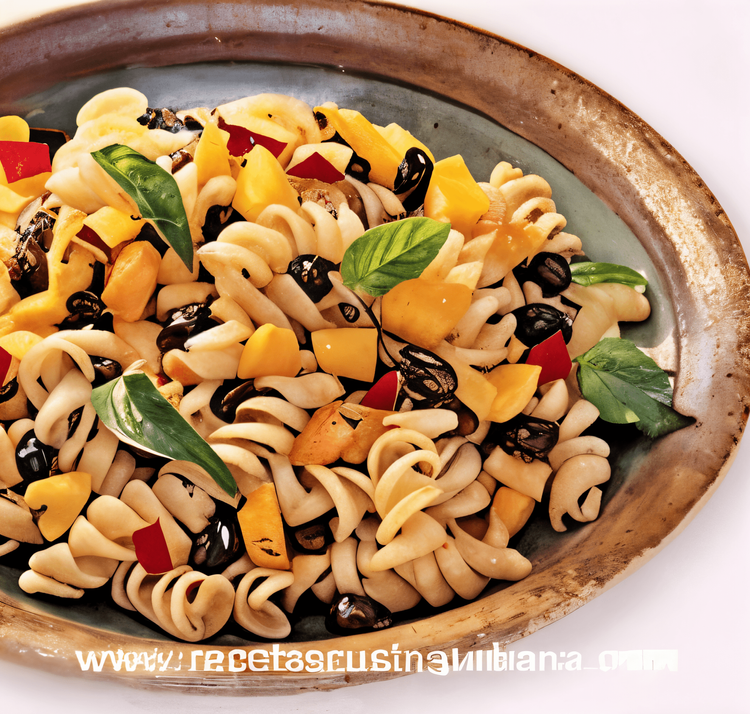
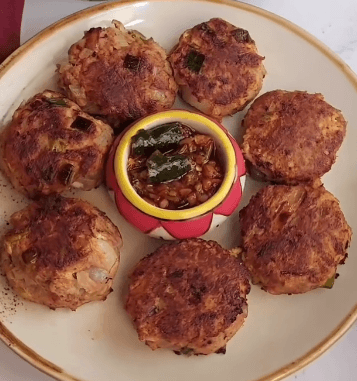
A few tuna casseroles never quite fit a single category, and these are the ones worth keeping in your back pocket once the staples feel routine. They lean on the same handful of moves you already know, a loose well-seasoned sauce, noodles cooked just shy of done, a crunchy top over a creamy middle, but steer them toward different formats and flavors, whether that is a Mediterranean spin with olives and lemon, a spicier build with chilli and pepper jack, or a handheld version baked into a pasta shell. Picking your next one is mostly about matching effort to mood: choose a quick skillet or a familiar noodle bake on a busy night, and save the from-scratch, multi-step numbers for a weekend when you can give the sauce proper attention. Pay attention to how loose the sauce goes in and how crisp the top comes out, since those two details decide every version. Think of this group as the natural next step after the classics, the recipes that quietly earn a regular spot in the rotation once you have tried them. Standouts here include Tuna Cakes and Crispy Tuna Cutlet, plus Tuna, Egg, and Cheese Casserole.

- Mediterranean
- Pescatarian
- Appetiser
- Indian
- Pescatarian
- Appetiser
- International
- Pescatarian
- Lunch
- Mediterranean
- Pescatarian
- Lunch


- Fusion
- Pescatarian
- Dinner

- Pescatarian
- Appetiser

- Fusion
- Pescatarian
- Dinner

- Pescatarian
- Appetiser

- Pescatarian
- Lunch
- Mediterranean
- Pescatarian
- Dinner
- Italian
- Pescatarian
- Salad
- Mediterranean
- Pescatarian
- Lunch
- Mediterranean
- Pescatarian
- Lunch
- International
- Pescatarian
- Bread & Baking
- International
- Pescatarian
- Lunch
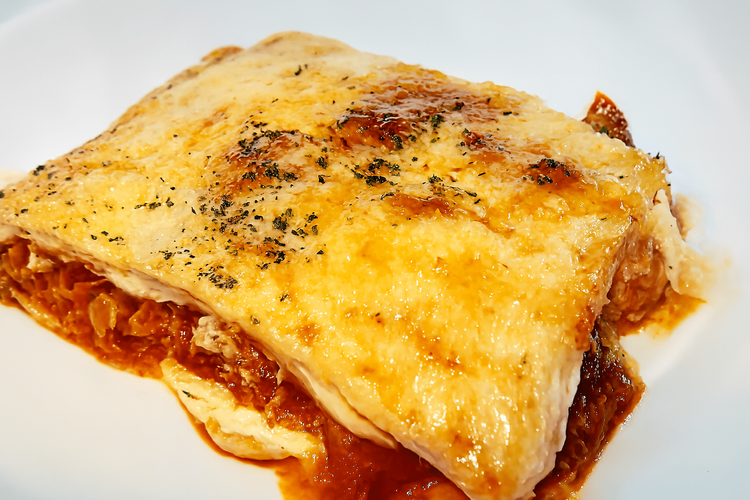
- Italian
- Pescatarian
- Lunch
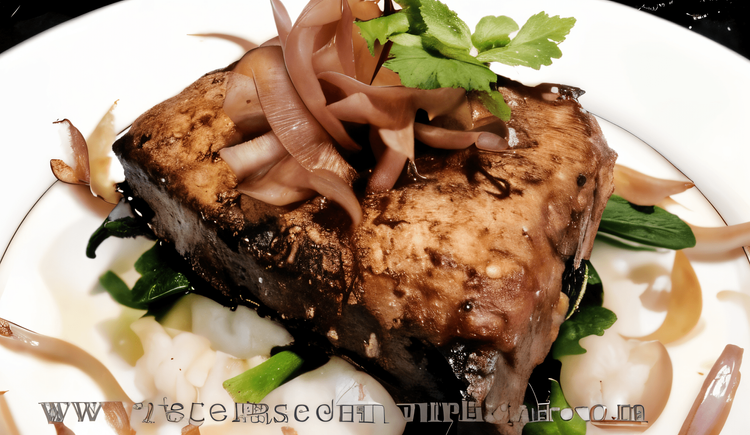
- Mediterranean
- Pescatarian
- Lunch
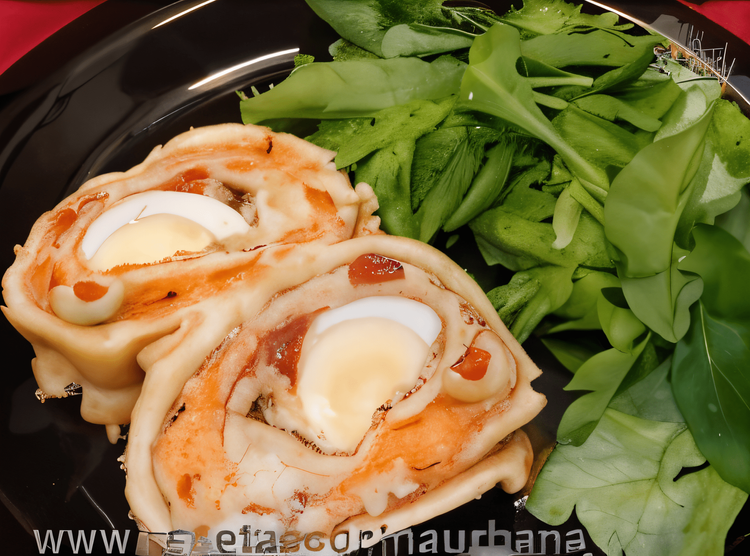
- Argentinian
- Pescatarian
- Appetiser
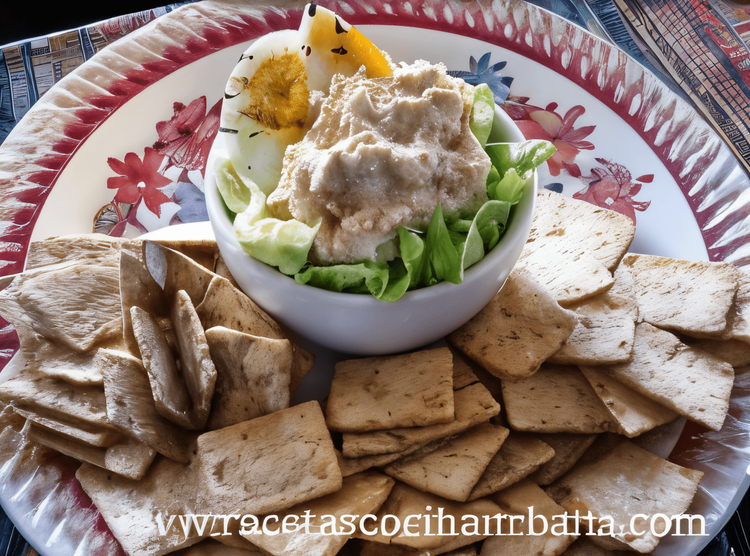
- French
- Pescatarian
- Appetiser
- Mediterranean
- Pescatarian
- Lunch
- International
- Pescatarian
- Lunch
- International
- Pescatarian
- Lunch
- International
- Pescatarian
- Appetiser
- Mediterranean
- Pescatarian
- Lunch
- International
- Pescatarian
- Lunch

- Pescatarian
- Lunch

- Fusion
- Pescatarian
- Appetiser


- Pescatarian
- Lunch

- International
- Pescatarian
- Lunch
- Mediterranean
- Pescatarian
- Appetiser
- Latin American
- Pescatarian
- Appetiser
- Mediterranean
- Pescatarian
- Lunch
- Sicilian
- Pescatarian
- Lunch

- Pescatarian
- Lunch
- Latin American
- Pescatarian
- Lunch

- Asian
- Pescatarian
- Lunch
- American
- Pescatarian
- Lunch

- Pescatarian
- Lunch
- Japanese
- Pescatarian
- Appetiser
- Seafood
- Pescatarian
- Appetiser
- Italian
- Pescatarian
- Dinner

- Portuguese
- Pescatarian
- Lunch

- International
- Pescatarian
- Lunch
- American
- Pescatarian
- Lunch

- Fusion
- Pescatarian
- Dinner
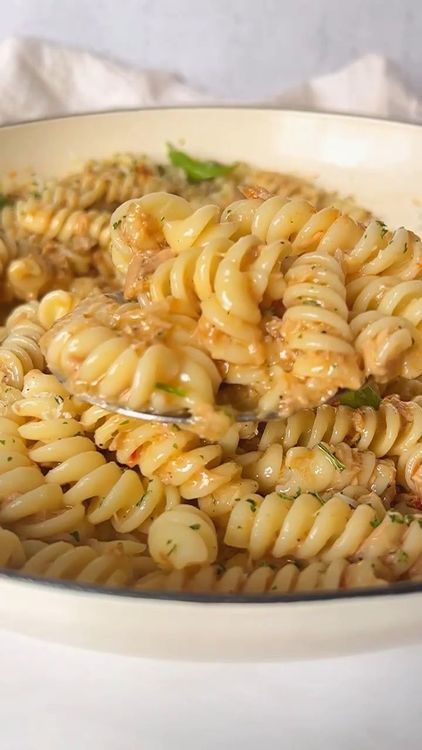
- Italian
- Pescatarian
- Dinner
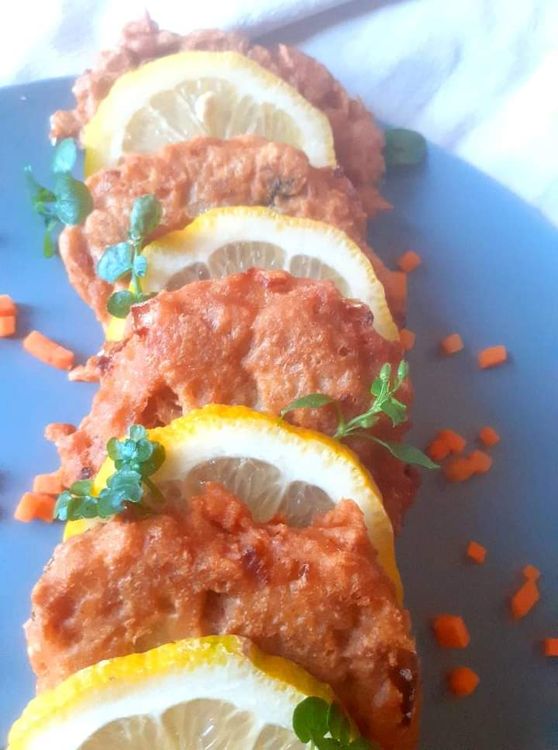

- International
- Pescatarian
- Snack
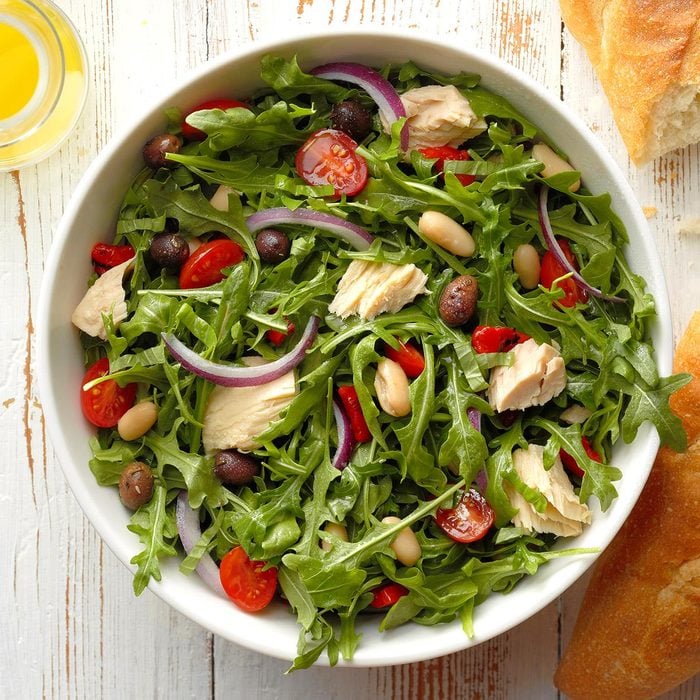
- Mediterranean
- Pescatarian
- Lunch
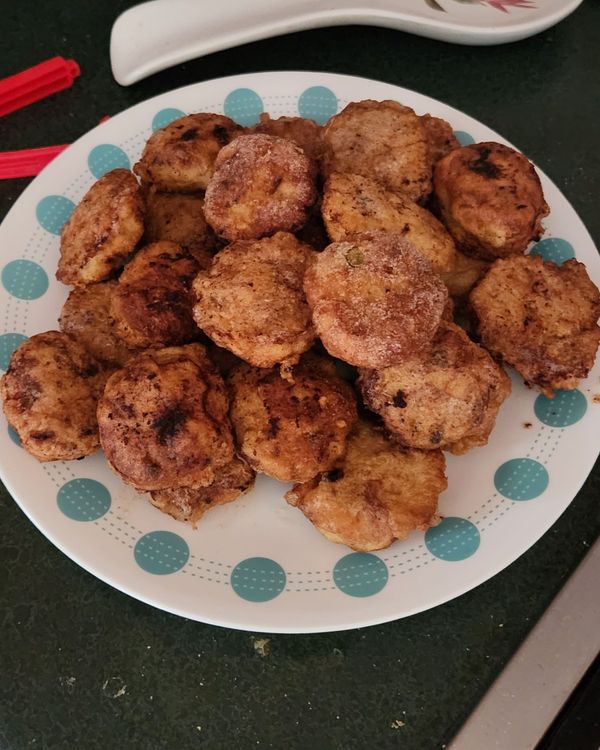
- Indian
- Pescatarian
- Appetiser
- International
- Pescatarian
- Lunch
Choosing Tuna, Noodles and the Mix-Ins
Start with the tuna, because it sets the whole tone. Tuna packed in oil is richer and more forgiving and will not dry out under the heat, while water-packed is leaner and lets the sauce flavor lead; either works, but drain it well so you do not water down the sauce. Chunk light tuna is milder and cheaper; solid white albacore is firmer and meatier. Flake it into bite-sized pieces rather than shredding it to mush so you still feel it in every forkful.
For noodles, the wide egg noodle is the traditional choice because its curls catch the sauce, but any short, sturdy shape works, fusilli, penne, rotini, even broken lasagne sheets. The one rule that matters: cook the pasta a good two minutes shy of al dente, because it will finish cooking in the oven as it absorbs sauce. Fully cooked noodles going into the dish are the fast track to a soft, blown-out casserole.
The classic mix-ins are frozen peas (added straight from the freezer, no pre-cooking needed) and sometimes diced celery or onion sweated in butter for a savory base. From there it is open season: sweetcorn, mushrooms, sliced water chestnuts for crunch, a squeeze of lemon for brightness, a spoon of Dijon or a dash of hot sauce to cut the richness. A little acid and a little heat are what keep a creamy casserole from tasting flat.
Building a Sauce That Stays Saucy
The shortcut version leans on a can of condensed cream-of-mushroom or cream-of-chicken soup, thinned with milk and brightened with a little cheese, mustard and pepper. It is genuinely fine and famously fast, but season it, because canned soup alone tastes one-note. Loosen it with extra milk until it is pourable rather than gloopy, then taste and adjust before the tuna ever goes in.
The from-scratch route is a simple white sauce and worth learning. Melt butter, whisk in an equal weight of flour and cook the raw taste out for a minute, then add warm milk a little at a time, whisking until smooth and just thickened. Off the heat, stir in grated cheese, mustard, salt and pepper. It takes ten minutes and gives you a fresher, silkier sauce with no tinny edge, and you control exactly how much salt and cheese go in.
Whichever sauce you use, make it looser than feels right. The noodles, tuna and vegetables all soak up liquid in the oven, so a sauce that looks perfect in the pan will bake dry. Aim for the consistency of pourable cream, and if in doubt add another splash of milk. This single adjustment fixes the number-one tuna casserole failure, and it costs you nothing but a few seconds of nerve.
The Crunchy Top and Baking It Right
The top is the payoff. The retro favorite is crushed potato chips, which crisp into a salty, golden crust, but buttered panko, crushed crackers (Ritz are a classic), french-fried onions or a layer of grated cheese all do the job. For the best of both worlds, scatter cheese first so it melts into the surface, then crumbs or chips on top for crunch. A drizzle of melted butter over crumbs is what turns them genuinely golden rather than dusty.
Bake in a hot oven, around 190C/375F, until the sauce is bubbling at the edges and the top is browned, usually twenty to thirty minutes for an already-warm assembly. If you built the casserole from cold, give it longer and consider covering it with foil for the first half so the inside heats through before the top scorches, then uncover to crisp. Bubbling edges are your real doneness cue, not the clock.
For an extra-crisp finish, slide the dish under the broiler for the last minute or two, watching it like a hawk, since crumbs and cheese go from golden to burnt in seconds. Let the casserole rest five to ten minutes out of the oven before serving; it firms up as it sits and the sauce stops being soupy. Serving it the instant it comes out is how you end up with a runny plate.
Make-Ahead, Storage and Reheating
Tuna casserole is a brilliant make-ahead. Assemble it fully, hold the crunchy topping, cover and refrigerate for up to a day, then add the topping and bake from cold, adding fifteen or so minutes to the time. Keeping the topping off until baking is the trick to crunch, since crumbs and chips go soggy if they sit in the fridge on top of the sauce. Pull it from the fridge while the oven heats so it is not fridge-cold going in.
To freeze, assemble in a freezer-safe dish without the topping, wrap well and freeze for up to three months. Thaw overnight in the fridge before baking for the most even result, or bake from frozen covered with foil, allowing a good deal of extra time. A béchamel-based sauce freezes more reliably than a can-based one, which can sometimes separate, so the from-scratch version is the better candidate for the freezer.
Leftovers keep three to four days refrigerated. They thicken as they sit, so loosen them with a splash of milk or cream before reheating, and warm gently in the oven or a covered pan rather than blasting them in the microwave, which can dry the edges and make the tuna fishy. Refresh a tired top with a handful of fresh crumbs and a quick run under the broiler.
Pro Tips from the Test Kitchen
- Drain the tuna well so you do not thin out and break the sauce.
- Cook noodles two minutes shy of al dente; they finish cooking in the oven.
- Make the sauce looser than looks right — the pasta and tuna soak up liquid as it bakes.
- Add frozen peas straight from the freezer; no need to pre-cook them.
- A squeeze of lemon or a spoon of Dijon cuts the richness and stops the casserole tasting flat.
- Scatter cheese under the crumbs so the top is both melty and crunchy.
- Drizzle melted butter over breadcrumbs or panko so they brown instead of staying dusty.
- Bake until the edges bubble — that, not the timer, is your doneness cue.
- Rest the casserole 5–10 minutes before serving so the sauce sets instead of running.
- Hold the crunchy topping until baking when making ahead, or it goes soggy in the fridge.
Frequently Asked Questions
How do you keep tuna casserole from drying out?
Build the sauce looser than feels right, because the noodles, tuna and vegetables all drink up liquid as the dish bakes. Aim for the consistency of pourable cream, and add an extra splash of milk if you are unsure. Cooking the noodles a couple of minutes under done helps too, since fully cooked pasta soaks up even more sauce. Cover with foil if the top browns before the inside is hot.
Should you cook the noodles before baking?
Yes, but only partly. Boil them about two minutes shy of al dente so they still have a firm bite, because they keep cooking in the oven as they absorb the sauce. Drain them well and toss with the sauce while still warm. Adding fully cooked or, worse, soft noodles is the most common reason a tuna casserole turns mushy and stodgy instead of tender.
Can you make tuna casserole without canned soup?
Absolutely, and many cooks think it is better for it. Make a simple white sauce instead: melt butter, whisk in an equal weight of flour, cook it for a minute, then add warm milk gradually until smooth and thickened, and finish with grated cheese, mustard and seasoning. It takes about ten minutes, has no tinny aftertaste, and lets you control the salt and richness exactly.
What kind of tuna is best for casserole?
Either oil-packed or water-packed works. Oil-packed is richer and more forgiving and resists drying out, while water-packed is leaner and lets the sauce lead, just drain it thoroughly. Chunk light is mild and economical; solid white albacore is firmer and meatier. Whichever you choose, flake it into bite-sized pieces rather than mashing it so you still get distinct, satisfying bites of tuna throughout.
What is the best topping for tuna casserole?
Crushed potato chips are the retro classic and crisp into a salty golden crust, but buttered panko, crushed Ritz crackers, french-fried onions or a layer of cheese all work beautifully. For the best texture, scatter cheese first so it melts into the surface, then add crumbs or chips on top for crunch. Drizzling melted butter over crumbs is what makes them brown properly.
Can you freeze tuna casserole?
Yes. Assemble it without the topping in a freezer-safe dish, wrap it well and freeze for up to three months. Thaw overnight in the fridge before baking for the most even result, or bake from frozen under foil with plenty of extra time. A from-scratch béchamel sauce freezes more reliably than a canned-soup base, which can occasionally separate, so it is the better choice for the freezer.
How long do you bake tuna casserole?
For an assembly that is already warm, twenty to thirty minutes at around 190C/375F until the edges bubble and the top is golden is usually enough. If you built it from cold or from the fridge, allow longer and cover it with foil for the first half so the centre heats through before the top burns, then uncover to crisp. Bubbling edges, not the clock, tell you it is done.
What can I add to tuna casserole to make it better?
Vegetables and acidity do the most. Peas, sweetcorn, mushrooms, sauteed onion and celery all add flavor and texture, while water chestnuts or crisp celery bring crunch. A squeeze of lemon, a spoon of Dijon or a dash of hot sauce cuts the creaminess and keeps it from tasting flat. Fresh herbs, sharp cheese and a properly crunchy top finish the job.
Can you make tuna casserole on the stovetop?
Yes, and it is a great weeknight shortcut. Cook the pasta, make the creamy sauce in the same pan, fold in drained tuna and peas, and warm everything through until bubbling, all in about twenty minutes with no oven. You lose the baked crunchy top, but you can fake it by toasting buttered crumbs separately and scattering them over each bowl just before serving.
How do you reheat tuna casserole?
Reheat it gently, because it thickens as it sits and the tuna can turn fishy if blasted. Loosen leftovers with a splash of milk or cream first, then warm in a covered dish in a moderate oven or a covered pan on the stove until heated through. The microwave works in a pinch but tends to dry the edges. Refresh the top with a few fresh crumbs under the broiler.
The thread through every tuna casserole here is the same: a generously loose, well-seasoned sauce, noodles cooked just shy of done, and a crunchy top over a creamy interior. Get those three right and the style is just a choice, the nostalgic noodle classic, a from-scratch béchamel, a lighter rice-and-veg bake, or a twenty-minute stovetop version on a busy night.
Pick a couple to cook this week, maybe the classic to settle a craving and a lighter or stovetop version for the weeknight rush, and save your favorites to a Chefadora cookbook. Tuna casserole is cheap, forgiving and endlessly adaptable; this page is built to be the reference you keep coming back to.
Related
- Tuna
- Casserole
- Pasta
- Comfort Food
- Budget
- Weeknight
- Seafood
- Family Dinner
Popular Searches
- Best tuna casserole
- Easy tuna casserole
- Quick tuna casserole
- Healthy tuna casserole
- Simple tuna casserole
- Homemade tuna casserole
- Delicious tuna casserole
- Popular tuna casserole
- tuna casserole recipe
- tuna noodle casserole
- tuna and noodles casserole
Marnirni-apinthi Building, Lot Fourteen,
North Terrace, Adelaide, South Australia, 5000
Australia
