
Top 29 Pear Recipes: Cakes, Poached, Salads and More
Updated June 29, 2026 · Curated by Chefadora
Pear recipes reward you for paying attention to one thing above all: ripeness. Unlike most fruit, pears ripen from the inside out and almost never on the tree, so the firm, slightly underripe pear you bring home is a different ingredient from the floral, dripping one it becomes three days later. That single fact runs through this whole collection — knowing which stage a recipe wants is the difference between a tart that holds clean slices and one that collapses into a puddle.
The dishes below were chosen to show pear at every stage of its short life. Firm, barely-ripe pears go into cakes and tarts where they need to keep their shape, and into a slow poach in spiced wine that turns them silky and translucent. Ripe-but-firm fruit slices raw over salads with blue cheese, walnuts and prosciutto, where its sweetness plays against salt and bitterness. And the softest, most fragrant pears — the ones you would otherwise let go to waste — get cooked down into crisps, butters, sauces and drinks.
You will find four clusters here: pear cakes and tarts, poached and baked pears, salads and savory dishes, and crisps, butters and drinks. The varieties matter too — a Bosc holds up to roasting and poaching, a Bartlett goes soft and sweet for sauce, an Anjou splits the difference, and a crisp Conference or Comice slices beautifully for a salad. Match the pear to the job and everything gets easier.
Treat this as a working reference. Each recipe links to full ingredients and steps on Chefadora, and the guides below cover the things that actually decide whether a pear dish works — how to judge and hasten ripeness, how to run a gentle poach that keeps the fruit whole, how to keep cut pears from browning, and how to pair their honeyed sweetness with salt, spice and richness so it never tastes one-note.
Pear Cakes & Tarts
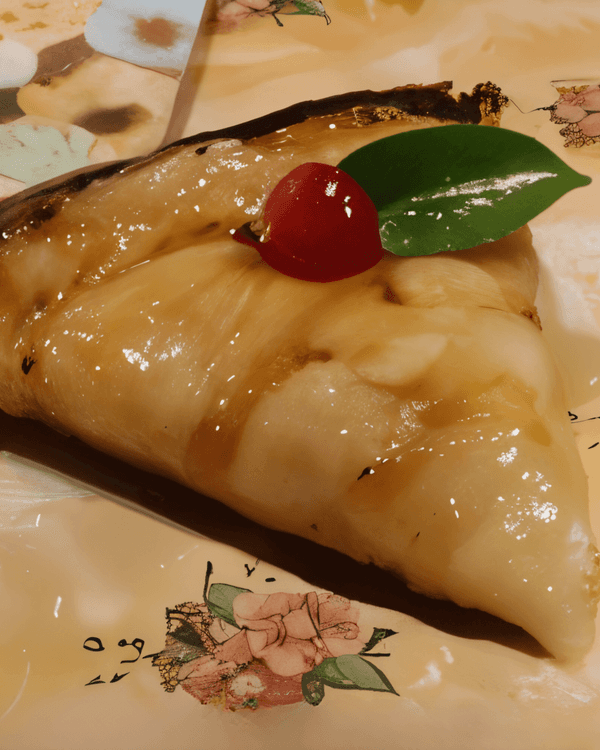
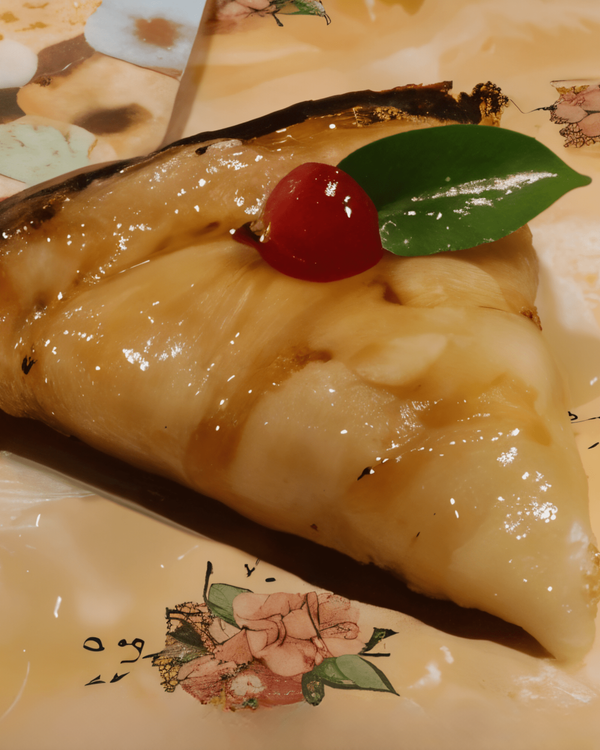
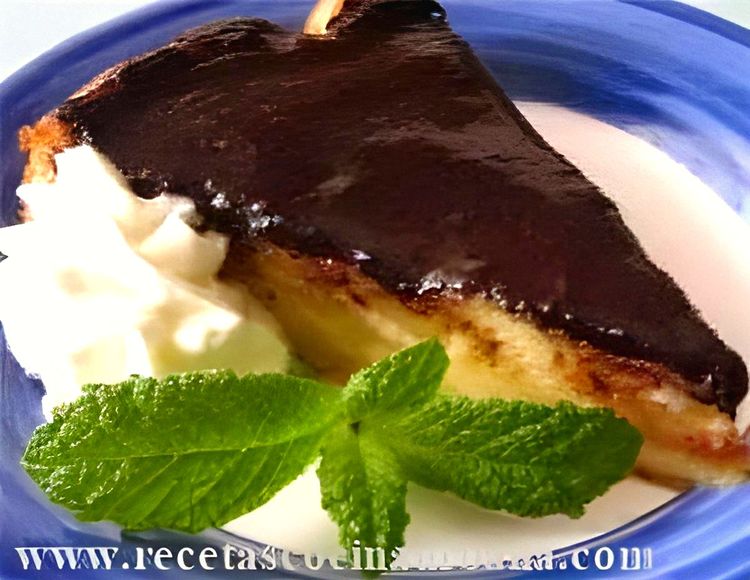
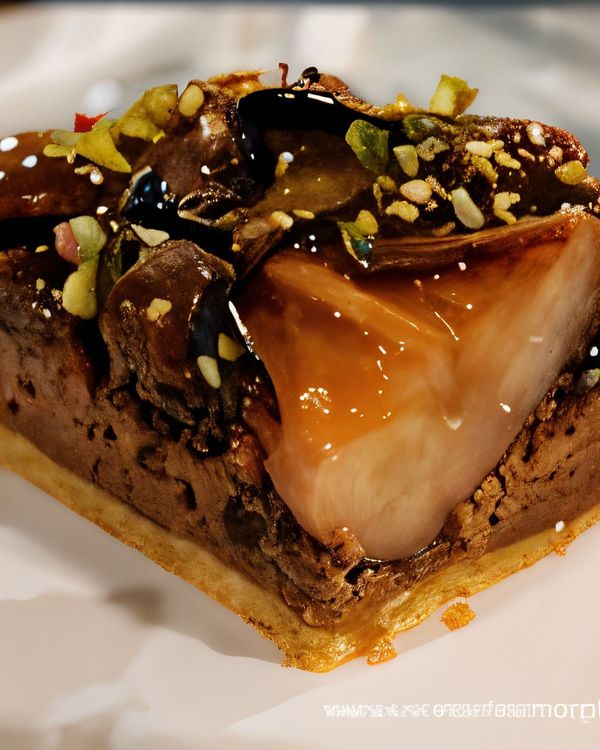
Pear is one of the great baking fruits, and this is where it gets to show off in tender crumbs and golden pastry. The thing to get right first is ripeness: you want pears that are ripe but still firm, so the slices hold their shape rather than weeping water and turning a cake or tart soggy. Pear and almond are the classic marriage, which is why frangipane tarts work so well, the nutty cream setting around the fruit and soaking up its juice. For a tarte Tatin, cook halved pears cut-side down in caramel until burnished before the pastry goes on, and for galettes and loaf cakes, fan thin slices and toss them with a little flour or ground almonds to absorb moisture. The most common stumble is using fruit that is too far gone, which floods the batter; reach for firmer pears and a squeeze of lemon to keep things bright. Lean into cinnamon, ginger, cardamom and vanilla, and you have bakes that taste unmistakably of autumn. Standouts here include Pear and Lemon Cream Tart and Pear Tart with Chocolate Topping.
- French
- Eggetarian
- Dessert
- European
- Eggetarian
- Snack
Poached & Baked Pears
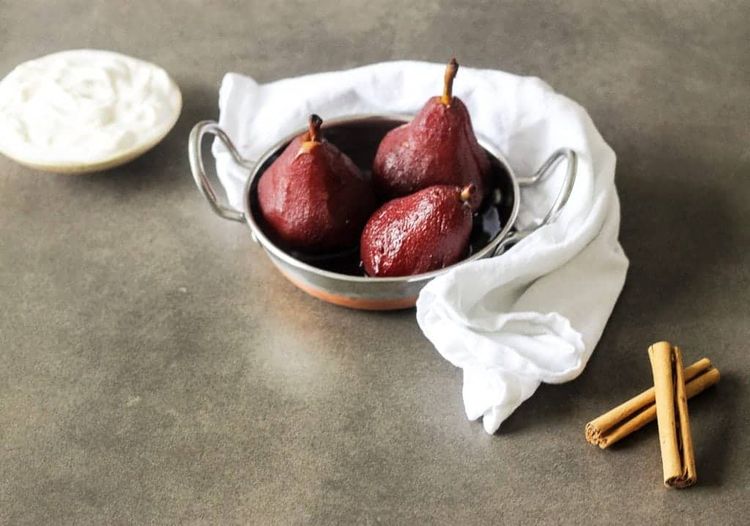
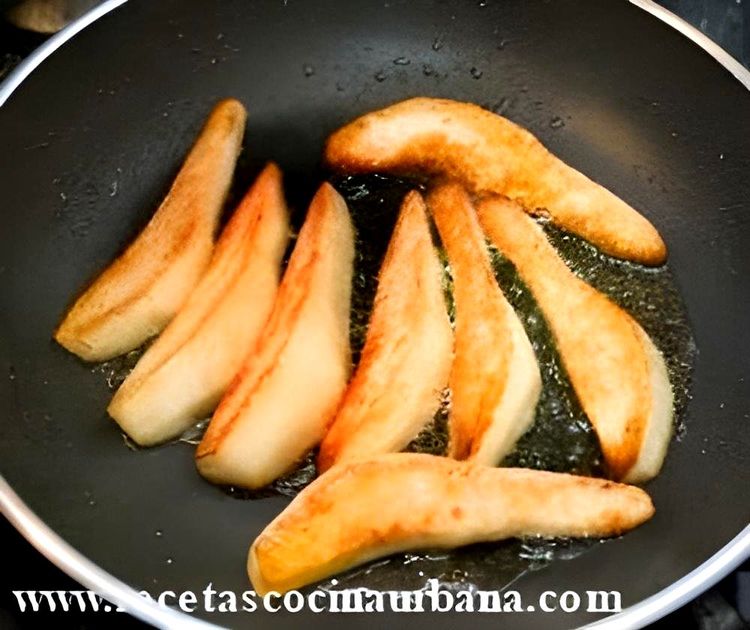
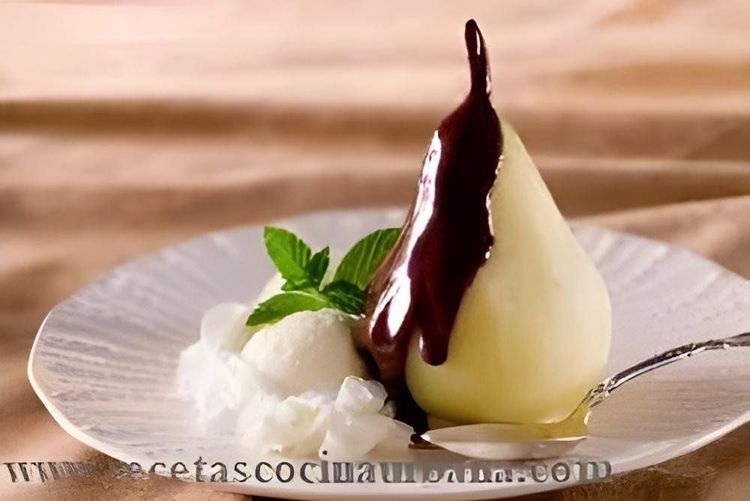
This is the most elegant corner of the collection and the one where ripeness and a patient poach matter most. Choose firm pears such as Bosc or Conference that will keep their shape, peel them smoothly, rub them with lemon, and core them neatly from the base with a melon baller so they stay whole and upright. Build a poaching liquid with intent, red wine for the ruby classic or a light syrup for something paler, perfumed with cinnamon, vanilla, star anise, clove and citrus peel. The single rule that separates silky from ragged is heat: keep the liquid at a bare, trembling simmer and never let it boil, because a rolling boil tumbles the pears and breaks their surface. Test with a knife tip, which should meet only slight resistance, then let the fruit cool in the liquid so the colour and flavour deepen. Roasting is the other route, where a hot oven concentrates the sugars and caramelizes the edges. Finish either by reducing the liquid to a glossy syrup to spoon over. Standouts here include Stewed Pear Yoghurt Bowl and Poached Pears, plus Caramelized Pears with Vanilla Sauce.


- Vegetarian
- Breakfast
- International
- Vegan
- Dessert
- International
- Eggetarian
- Dessert
Pear Salads & Savory Dishes
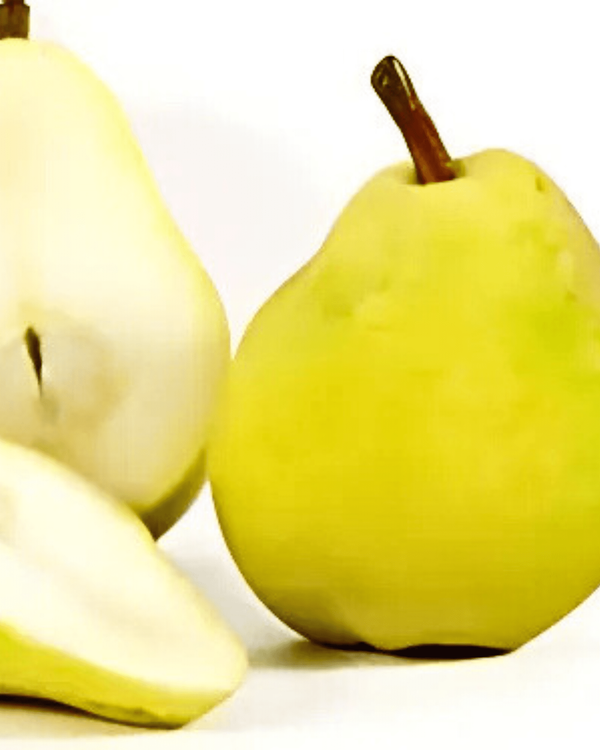
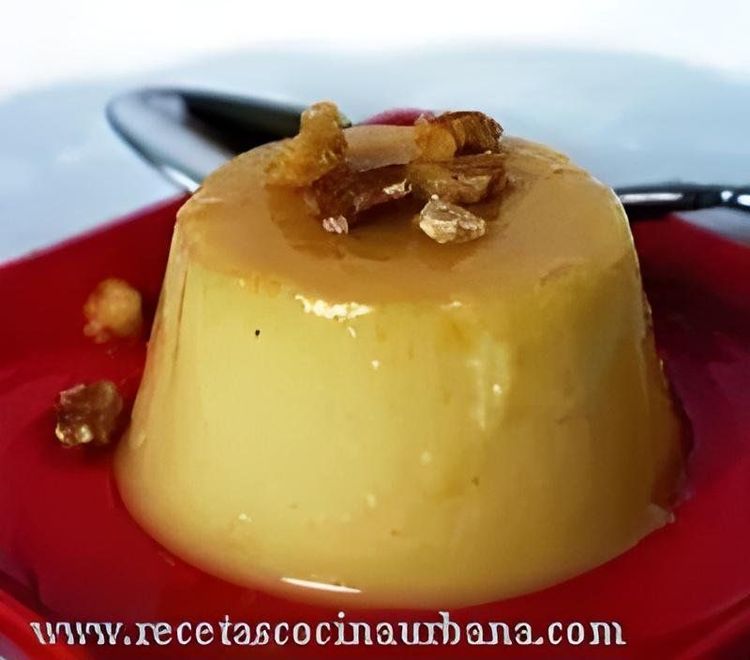
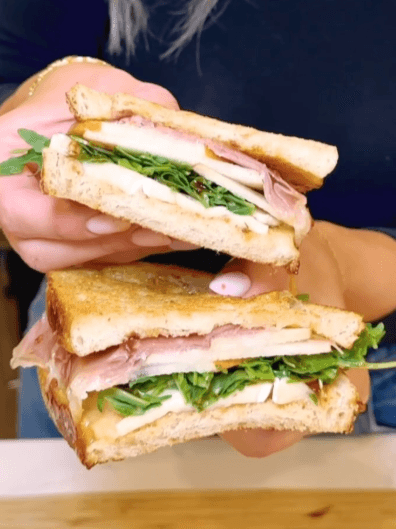
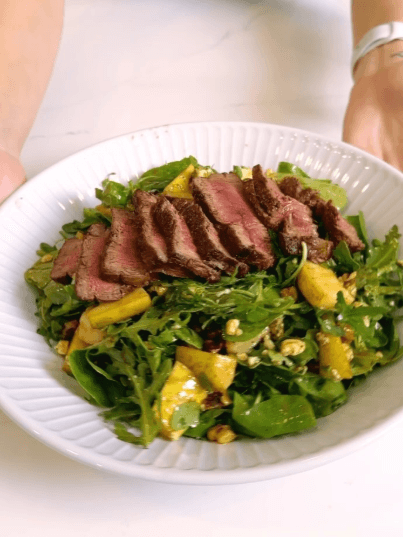
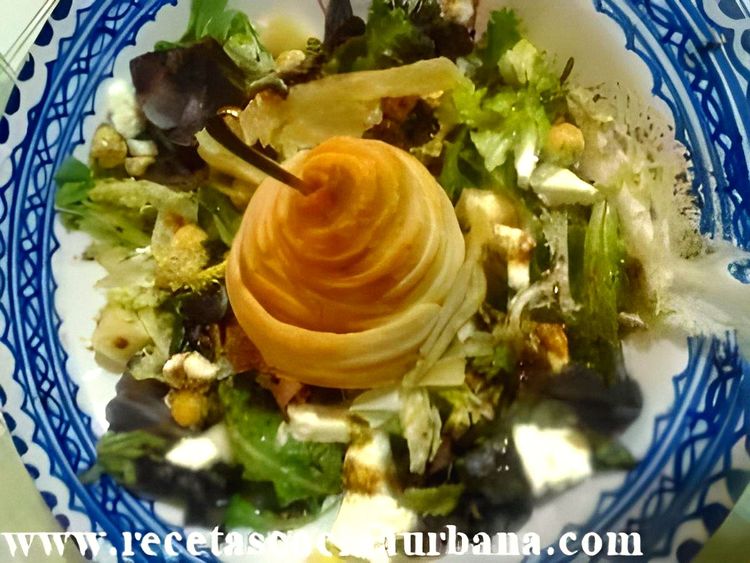
Here pear leaves dessert behind and proves how well its honeyed sweetness cuts against salt, fat and bitterness. The signature dish is a salad built on contrast: peppery rocket or bitter chicory, thin slices of ripe-but-firm pear, crumbled blue cheese like Gorgonzola or Roquefort, toasted walnuts or pecans, and a sharp vinaigrette pulling it all together, so every forkful hits sweet, salty, bitter, crunchy and acidic at once. Pear is just as happy with cured meat and rich cheese, draped in prosciutto for a five-minute appetizer, laid on a board beside a triple-cream brie, or scattered over a white pizza with caramelized onion. The detail that trips people up is timing, because cut pear browns fast and wilts greens once dressed; slice it close to serving, toss it with a little lemon to hold the colour, and assemble at the last minute. Lightly grilling or roasting the slices first deepens their sweetness and adds a smoky edge that stands up to all that salty, savoury company. Standouts here include Pear Chutney and Homemade Pear and Walnut Flan, plus Grilled Pear and Brie Prosciutto Sandwich.
- Indian
- Vegan
- Sauce & Condiment
- International
- Eggetarian
- Dessert

- American
- Non-Vegetarian
- Lunch
- American
- Vegetarian
- Lunch
- International
- Vegetarian
- Lunch
Pear Crisps, Butters & Drinks
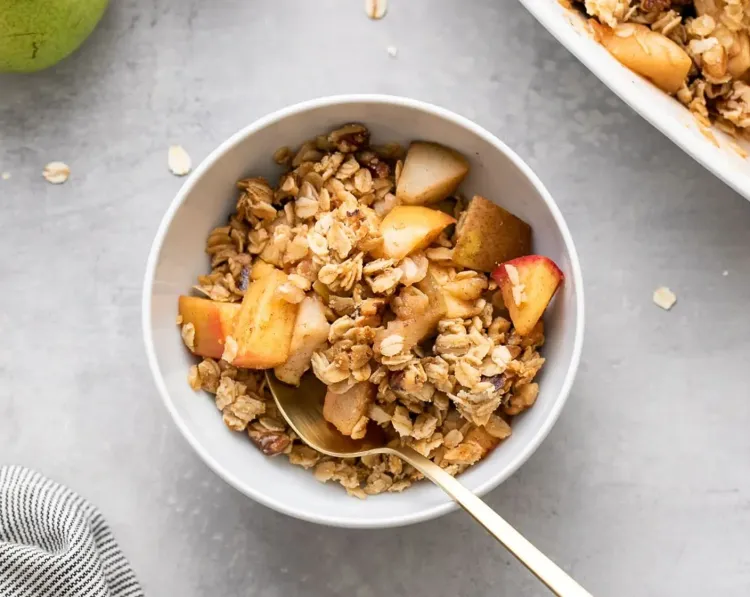
This is the forgiving, generous end of the pear spectrum, where the softest and most fragrant fruit finally has somewhere to go. Crisps and crumbles bubble away under a craggy oat topping, and the trick is to mix firmer and riper pears so you get both structure and sauciness, and to keep the topping cold and crumbly so it bakes golden rather than melting flat. Pear butter is the slow project worth the wait, simmered down for hours with warm spice until it turns thick, dark and spreadable for the pantry, while a quick pear sauce is ready in minutes for soft fruit you need to use up. On the drinks side, very ripe pears blitz into silky smoothies, simmer into spiced cider, and freeze into a clean, fragrant sorbet. Because all of these cook the fruit down, texture stops mattering and sweetness is the whole point, so this is the natural home for pears that are turning the moment you forget them. A squeeze of lemon across the board keeps the flavour lively rather than cloying. Standouts here include Chocolate Banana Bread with Pear and Dark Chocolate Chunks and 5-Minute Pear Sauce (Sweet & Spicy), plus Apple and Pear Crisp.

- Eggetarian
- Breakfast


- Vegan
- Sauce & Condiment
- American
- Vegan
- Dessert
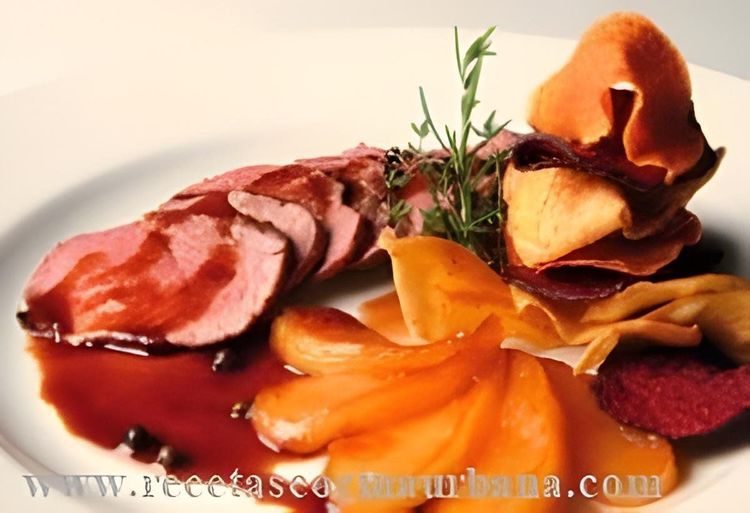
- French
- Non-Vegetarian
- Dinner
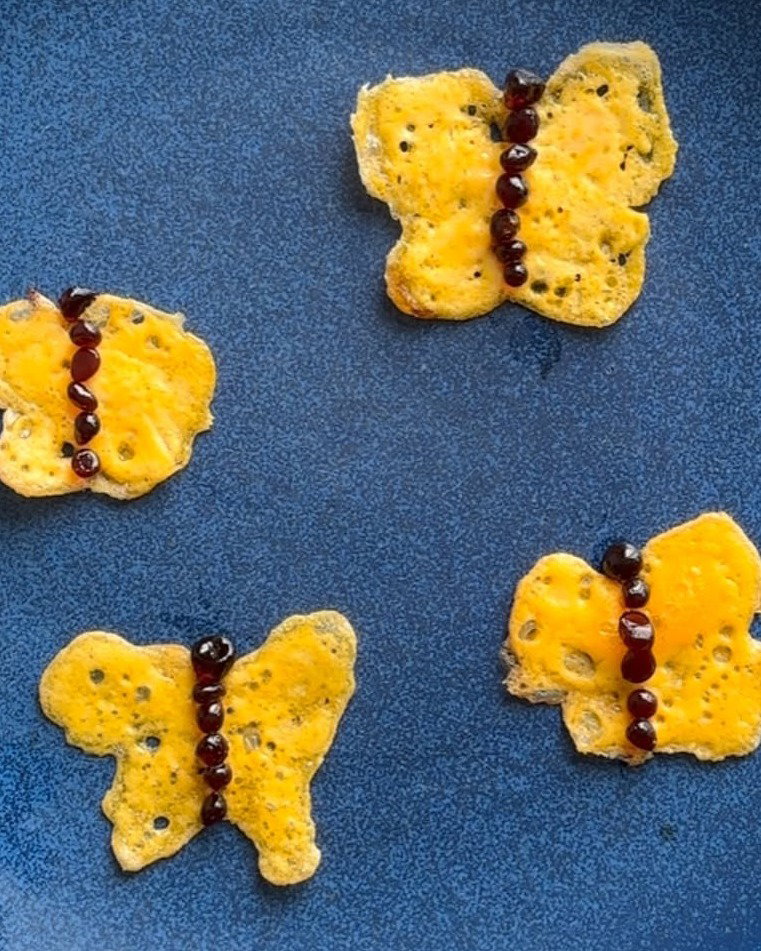
- Fusion
- Vegan
- Appetiser
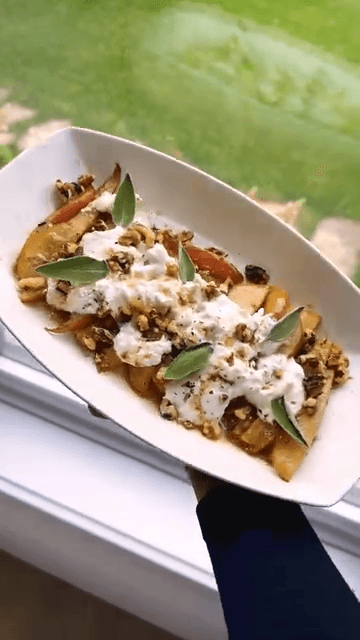
- Italian
- Vegetarian
- Appetiser
More Pear Favourites
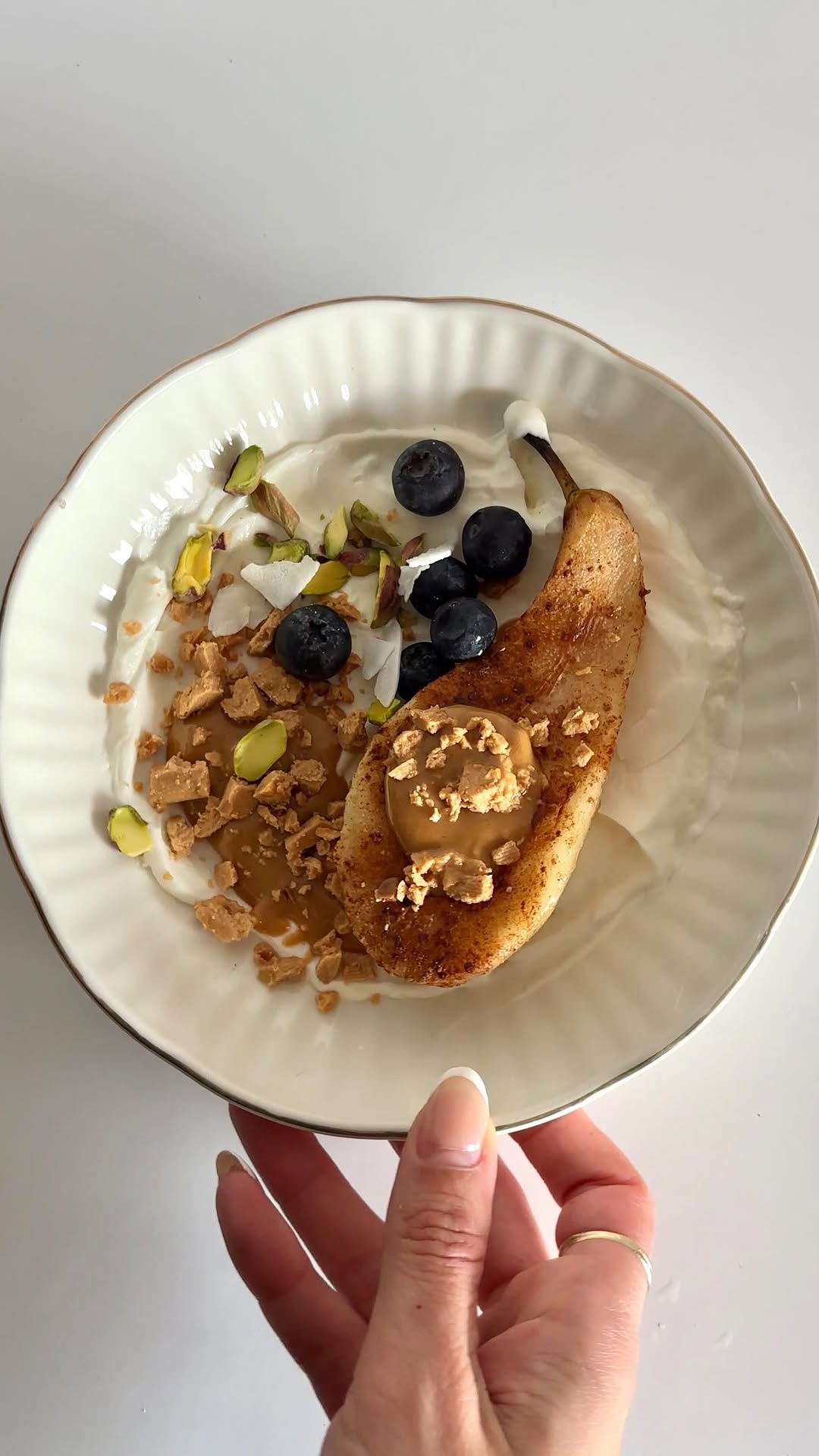
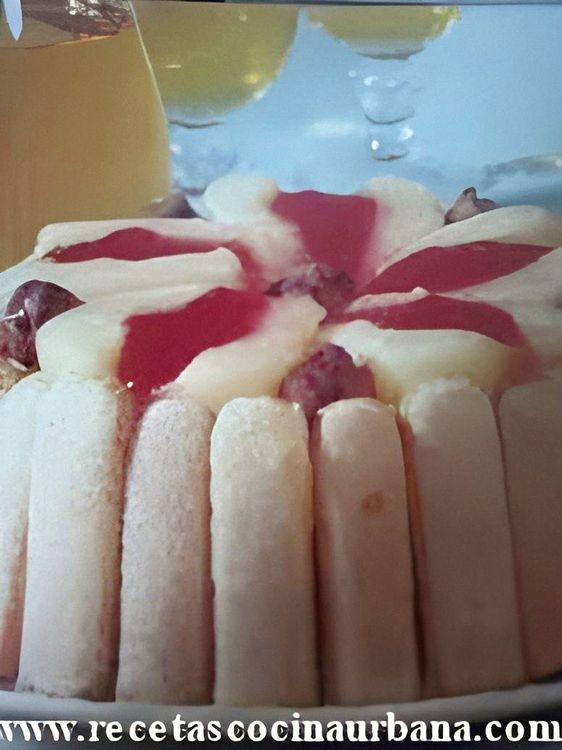
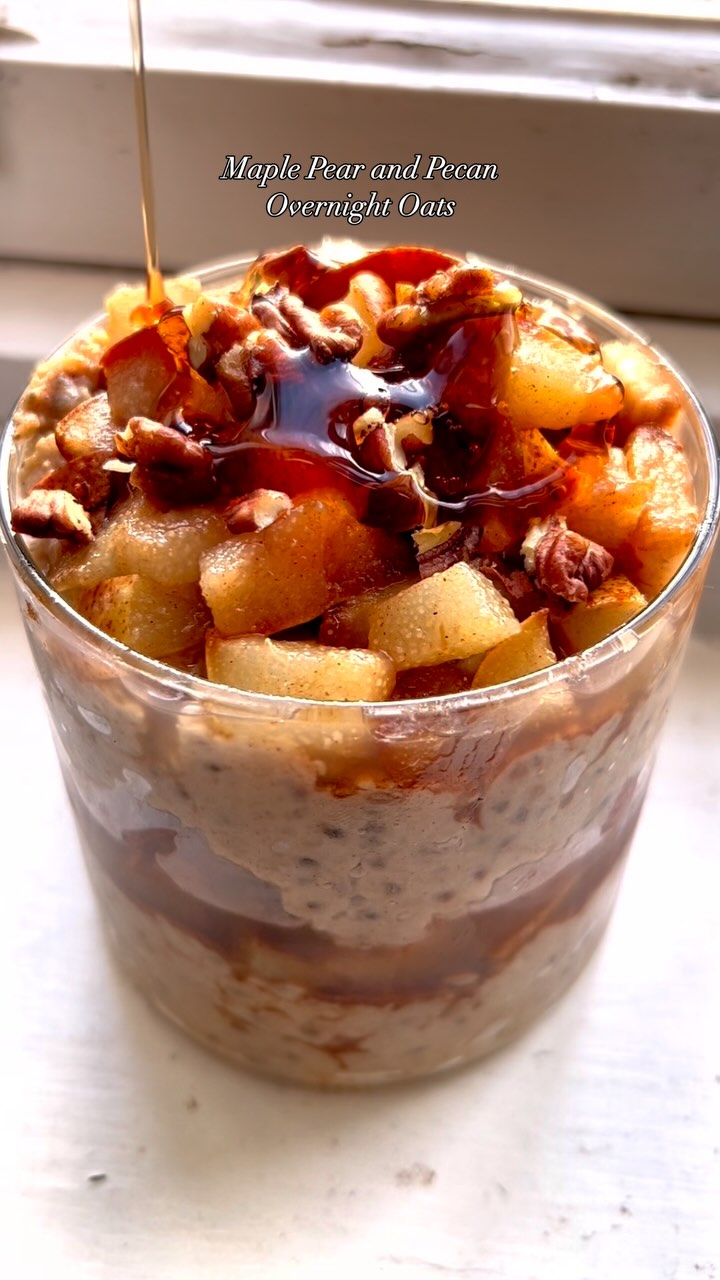
A handful of pear dishes never quite fit a single category, and these are the ones worth keeping in your back pocket once the staples feel routine. They lean on the same fundamentals you already know, judging ripeness by the neck, a squeeze of lemon to hold colour and lift flavour, and matching the firmness of the fruit to the job, but steer pear toward different textures and pairings so it never tastes the same twice. Choosing your next one is mostly about matching effort to mood and to the fruit you have on hand: reach for a quick raw preparation or a five-minute appetizer when the pears are perfectly ripe and you want something fast, and save the slow-poached, long-simmered numbers for when you can let the fruit and spices take their time. Pay attention to the variety too, since a firm Bosc behaves nothing like a soft, juicy Bartlett. Think of this group as the natural next step after the classics, the recipes that quietly earn a regular spot in the rotation once you have tried them. Standouts here include Greek Yogurt Bowl with Caramelised Pear & Spanish Nougat and Mango Pearl Ball Sago Dew, plus Pear Bars with Champagne.

- Vegetarian
- Breakfast
- Chinese
- Vegetarian
- Beverage
- Eastern European
- Eggetarian
- Dessert
- French
- Eggetarian
- Dessert


- Vegetarian
- Dessert
- Vegetarian
- Breakfast


- American
- Vegan
- Beverage

- Vegetarian
- Dessert

- Vegetarian
- Appetiser
- International
- Vegetarian
- Snack
- International
- Vegetarian
- Dessert

- Indian
- Pescatarian
- Dinner

- French
- Pescatarian
- Dinner
Ripeness: How to Buy, Judge and Hurry It Along
Pears are picked hard and ripen off the tree, so the ones in the shop are almost always underripe. The reliable test is not the belly but the neck: press gently with your thumb just below the stem, and if it gives slightly, the pear is ready to eat. A pear that is soft at the wide base is already overripe and grainy inside. Buying firm and ripening at home on your own counter gives you far more control than hoping the store got it right.
To speed ripening, leave pears at room temperature in a loose paper bag — the bag traps the ethylene gas they give off, and tucking in a banana or apple accelerates it further. Most firm pears soften in two to four days this way. Once they reach the stage you want, move them to the fridge, where they will hold for several days and effectively pause. Refrigerating a hard, unripe pear, by contrast, stalls it and can leave it mealy, so ripen first and chill second.
Crucially, match the stage to the recipe. For cakes, tarts, poaching and roasting you want pears that are ripe but still firm, so the slices hold their shape and do not weep water into the batter or fall apart in the pan. For raw salads you want fragrant, just-ripe fruit that slices cleanly. Save the softest, most aromatic pears — the ones turning the moment you forget them — for sauces, butters, crisps and smoothies, where their texture no longer matters and their sweetness is at its peak.
Poaching Pears So They Stay Whole and Silky
A poached pear is one of the great low-effort showstoppers, but the poach has to be gentle. Choose firm pears — Bosc and Conference are ideal because they keep their shape — peel them smoothly with a swivel peeler so the surface is even, and leave the stem on for the classic upright presentation. Rub the peeled fruit with lemon as you go to stop it browning. A melon baller through the base lets you neatly remove the core without splitting the pear in two.
Build the poaching liquid with intent: red wine for the deep ruby classic, white wine or a plain sugar syrup for something lighter, plus aromatics that suit pear — a cinnamon stick, a split vanilla pod, a few cloves, star anise, strips of orange or lemon peel, maybe a knob of ginger. The single most important rule is to keep the liquid at a bare, trembling simmer, never a rolling boil. A hard boil tumbles the pears, breaks their surface and turns them ragged; a slow poach lets them turn translucent and silky while staying intact.
Cooking time runs from about fifteen minutes for ripe pears to half an hour or more for firm ones — test with the tip of a knife, which should slide in with only slight resistance. Keep the pears submerged with a round of parchment pressed onto the surface so they colour evenly. Then let them cool in the liquid, which deepens both colour and flavour. To finish, lift out the pears and reduce the poaching liquid hard until it turns syrupy; that glossy syrup, spooned over, is half the dish.
Baking With Pear: Tarts, Cakes and Crisps
Pear and almond are a near-perfect match, which is why frangipane tarts are a classic — the nutty cream sets around the fruit and absorbs the juice it releases. For tarts and galettes, slice ripe-but-firm pears thinly and fan them over the frangipane or pastry; for a tarte Tatin, halve or quarter them and cook them in caramel cut-side down until they are burnished and tender before the pastry goes on top. Because pears are less acidic and wetter than apples, they need a touch more care so the base does not go soggy.
The big risk in pear baking is excess moisture. A pear that is too ripe weeps water and can leave a tart or cake damp and a crumble swimming. Counter this by using firmer fruit, by tossing slices with a little flour, cornflour or ground almonds to absorb juice, and by blind-baking pastry bases. For upside-down and Tatin styles, letting the caramelized fruit drive off some liquid in the pan first makes a real difference. A spoonful of lemon juice keeps the flavour bright and the colour pale.
Pear loves warm spice and other autumn flavours, so lean into cinnamon, ginger, cardamom, nutmeg and vanilla, and pair it with almond, walnut, hazelnut, chocolate or a little blue cheese for savoury bakes. For crisps and crumbles, mix firmer and riper pears so you get both structure and sauciness, and keep the topping properly cold and crumbly — rubbing cold butter into flour, sugar and oats — so it bakes up craggy and golden rather than melting into a flat, greasy crust.
Pear in Savory Cooking and Pairing
Pear earns its place on the savoury side because its honeyed sweetness and soft texture cut so well against salt, fat and bitterness. The canonical move is a salad: peppery rocket or bitter chicory, thin slices of ripe pear, crumbled blue cheese such as Gorgonzola or Roquefort, toasted walnuts or pecans, and a sharp vinaigrette to tie it together. The contrast is the whole point — sweet fruit, salty cheese, bitter leaves, crunchy nuts and acid dressing, with each bite hitting several notes at once.
Beyond salads, pear partners beautifully with cured meats and rich cheeses. Wrap slices in prosciutto for a five-minute appetizer, lay them on a cheese board next to a triple-cream brie or an aged cheddar, scatter them over a white pizza with caramelized onion and Gorgonzola, or perch them on crostini with ricotta, honey and black pepper. Lightly grilling or roasting the slices first concentrates their sweetness and adds a smoky edge that stands up even better to salty, savoury company.
Pear also makes excellent preserves and condiments for the savoury table — a spiced pear chutney for cheese and cold cuts, quick pickled pears with mustard seed, or a pear-and-onion relish. Because cut pear browns quickly once it meets air, slice it close to serving and toss it with a little lemon or lime juice; the acid both protects the colour and brightens the flavour. For salads, dress and assemble at the last minute so the fruit stays crisp and the leaves do not wilt under the dressing.
Pro Tips from the Test Kitchen
- Check ripeness at the neck, not the belly — a pear that yields just below the stem is ready; soft at the base means overripe.
- Ripen pears in a loose paper bag at room temperature, with a banana or apple to speed it up, then refrigerate to hold them.
- For cakes, tarts, poaching and roasting use pears that are ripe but still firm so the slices keep their shape.
- Choose Bosc or Conference for poaching and roasting; they hold together where softer Bartletts would collapse.
- Poach at a bare, trembling simmer — a hard boil knocks the pears about and turns them ragged.
- Rub cut and peeled pears with lemon juice to stop them browning and to brighten the flavour.
- Let poached pears cool in their liquid, then reduce that liquid to a glossy syrup to spoon over.
- Toss pear slices for tarts and crumbles with a little flour or ground almonds to soak up the juice they release.
- Save the softest, most fragrant pears for sauce, butter, crisps and smoothies, where texture no longer matters.
- Pair pear with salt and bitterness — blue cheese, prosciutto, walnuts and peppery leaves — so its sweetness never reads flat.
Frequently Asked Questions
How do you tell when a pear is ripe?
Press gently at the neck, just below the stem, rather than the wide base. If it gives slightly under your thumb, the pear is ripe and ready to eat. Pears ripen from the inside out, so checking the neck catches it before the centre turns soft and grainy. A pear that is already soft at the belly is overripe — fine for sauce or smoothies, but past its best for slicing or baking.
How do you ripen pears quickly?
Leave them at room temperature in a loose paper bag, which traps the ethylene gas they release and speeds ripening. Adding a banana or apple to the bag accelerates it further, since both give off plenty of ethylene. Most firm pears soften in two to four days this way. Once they reach the ripeness you want, move them to the fridge to pause the process for several days.
What are the best pears for poaching?
Firm-fleshed varieties that hold their shape, especially Bosc and Conference, are ideal because they stay intact through a long, gentle poach. Anjou works well too. Avoid very ripe or naturally soft pears like a fully ripe Bartlett, which can fall apart in the liquid. Choose pears that are ripe but still firm to the touch, peel them smoothly, and poach at a bare simmer rather than a boil.
How long does it take to poach a pear?
It depends on the firmness. Ripe pears can be tender in about fifteen minutes, while firmer ones may take half an hour or more at a gentle simmer. Test with the tip of a knife — it should slide in with only slight resistance. Keep the liquid trembling rather than boiling so the pears stay whole, and let them cool in the poaching liquid to deepen the colour and flavour.
How do you stop cut pears from going brown?
Toss the cut slices with a little lemon, lime or orange juice as soon as you cut them — the acid slows the enzymatic browning that turns the flesh dark. Working quickly and slicing close to serving also helps, as does keeping the pieces in a bowl of acidulated water until you need them. For salads, dress and assemble at the last minute so the pear stays pale and crisp.
What cheese goes best with pear?
Blue cheese is the classic partner — Gorgonzola, Roquefort or Stilton — because its salty, pungent bite plays off the pear's honeyed sweetness. Pear also loves creamy cheeses like brie and a sharp aged cheddar or Manchego. On a board or in a salad, add toasted walnuts and a drizzle of honey to round things out. The pairing works because sweet fruit and salty cheese balance each other on the palate.
Can you bake with pears like apples?
Mostly yes, but with a few adjustments. Pears are softer, wetter and less acidic than apples, so they release more juice and can make bakes soggy. Use firmer pears, toss the slices with a little flour or ground almonds to absorb moisture, and add a squeeze of lemon for brightness. They cook a touch faster than apples too, so check doneness early in pies, crisps and cakes.
What spices and flavours pair with pear?
Warm autumn spices suit pear beautifully: cinnamon, ginger, cardamom, nutmeg, star anise, clove and vanilla. For sweetness and richness it pairs with honey, maple, caramel and chocolate, and with almond, walnut and hazelnut among nuts. On the savoury side, blue cheese, prosciutto, rocket and a sharp vinaigrette are the classics. Red wine, in a poach, brings a deep, spiced elegance that flatters the fruit.
Why did my poached pears fall apart?
Almost always because the liquid was boiling rather than simmering, or the pears were too ripe to begin with. A hard boil tumbles the fruit and breaks its surface, while overripe pears have already softened too much to survive any poach. Use firm pears like Bosc, keep the liquid at a bare, trembling simmer, and press a round of parchment onto the surface to keep them gently submerged and intact.
What can I do with overripe or soft pears?
Soft, very ripe pears are perfect for cooking down, where texture no longer matters and their sweetness is at its peak. Simmer them into a pear sauce or compote, slow-cook them into pear butter for the pantry, fold them into a crisp or crumble, blitz them into a smoothie, or bake them into a quick loaf or muffin. A squeeze of lemon keeps the flavour bright. It is the best way to rescue fruit you might otherwise waste.
The thread through every pear recipe here is ripeness and gentle handling: a fruit that is firm for baking and poaching, ripe-but-firm for slicing into salads, and soft for sauces and crisps. Learn to read the neck of a pear, match the stage to the dish, and keep your poach at a whisper of a simmer, and cakes, tarts, salads and preserves all fall neatly into place.
Pick three to cook this week — a slow-poached pear in spiced wine, a salad with blue cheese and walnuts, and something baked or stewed from your softest fruit — and save your favorites to a Chefadora cookbook. Then work through the rest; this page is built to be the pear reference you actually come back to.
Related
- Pear
- Fruit
- Desserts
- Baking
- Autumn
- Salads
- Poaching
- Vegetarian
Popular Searches
- Best pear recipes
- Easy pear recipes
- Quick pear recipes
- Healthy pear recipes
- Simple pear recipes
- Homemade pear recipes
- Delicious pear recipes
- Popular pear recipes
- poached pears
- pear tart
- pear and blue cheese salad
Marnirni-apinthi Building, Lot Fourteen,
North Terrace, Adelaide, South Australia, 5000
Australia
