
Top 20 Vietnamese Recipes: Pho, Banh Mi, Bowls and Grilled Mains
Updated June 29, 2026 · Curated by Chefadora
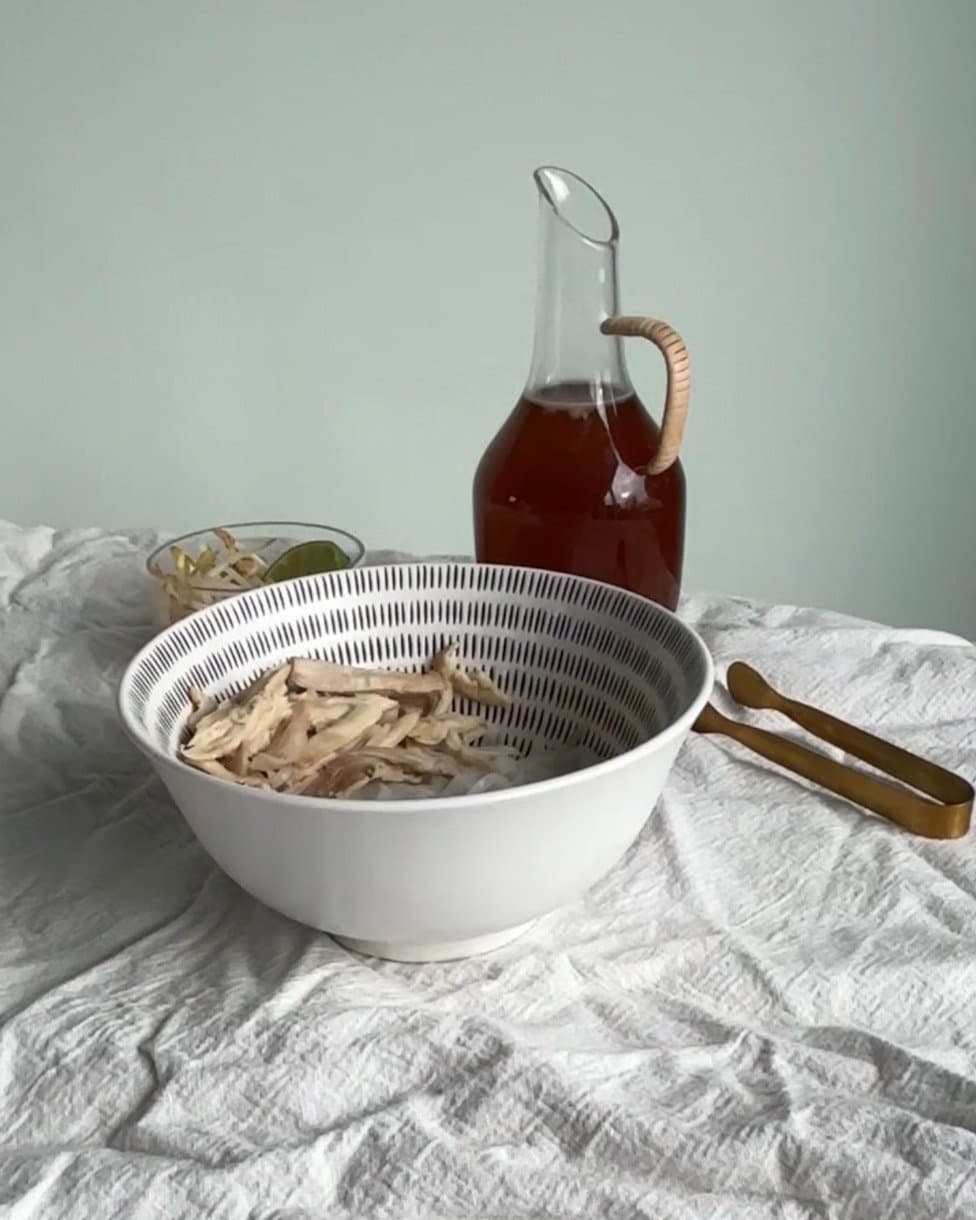
Vietnamese recipes are a masterclass in balance — the careful interplay of salty, sour, sweet, hot and the cooling green of fresh herbs in almost every dish. It is food built on bright contrasts rather than heavy richness: a clear, aromatic broth against chewy rice noodles, a crackly baguette against cool pickles, charred lemongrass pork against a mound of raw herbs. The recipes below were chosen to show that range, from the national bowl of pho to handheld rolls, vermicelli bowls and smoky grilled mains.
What ties the cuisine together is a small, repeatable toolkit. Fish sauce (nuoc mam) is the salt and the umami; lime and rice vinegar bring the sour; a little sugar rounds everything off; and fresh chilli, garlic and a heap of herbs — mint, cilantro, Thai basil, perilla — finish the plate. Master the dipping sauce nuoc cham and the charred-aromatic base of a good broth, and most of these dishes open up, because the same flavors recur in different forms across the whole table.
You will find four clusters here: pho and the wider family of noodle soups; banh mi sandwiches and the fresh and fried rolls; cool rice-noodle and vermicelli bowls; and the lemongrass grills, caramel-braises and sides that anchor a meal. The techniques overlap — a marinade for a grill becomes the topping for a bowl, the herbs from a roll garnish a soup — so learning one cluster well makes the next easier.
Treat this as a working reference. Each recipe links to full ingredients and steps on Chefadora, and the guides below cover the things that decide whether Vietnamese food sings or falls flat: how to coax a clear, deep broth from bones; how to mix a nuoc cham that is neither too sharp nor too sweet; how to roll rice paper without tearing; and how to grill lemongrass-marinated meat so it caramelizes instead of steaming.
Pho & Noodle Soups
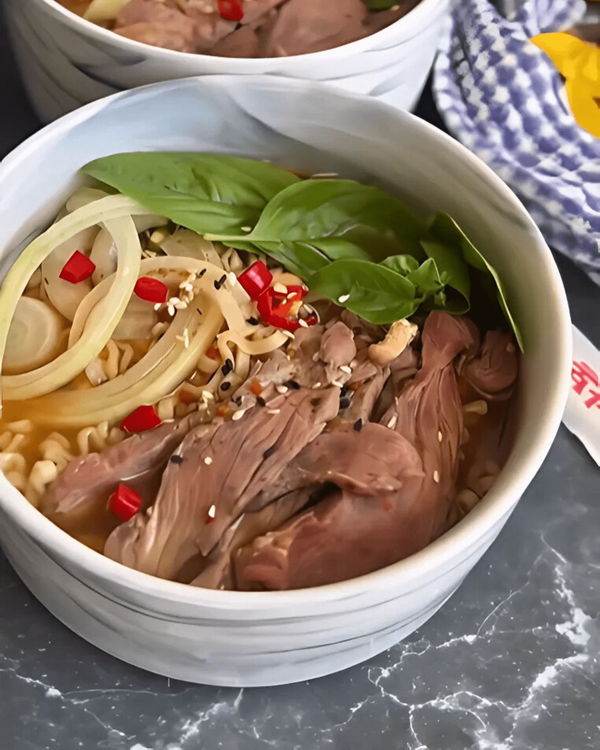
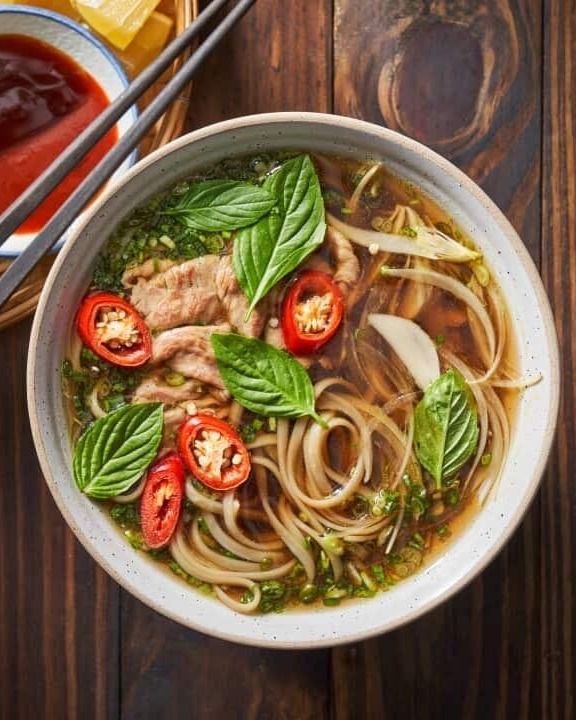
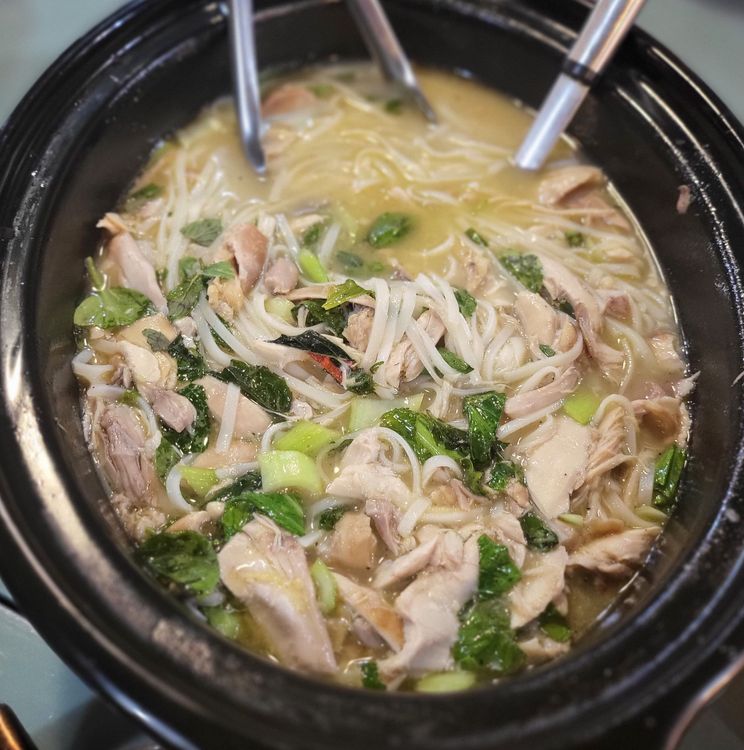
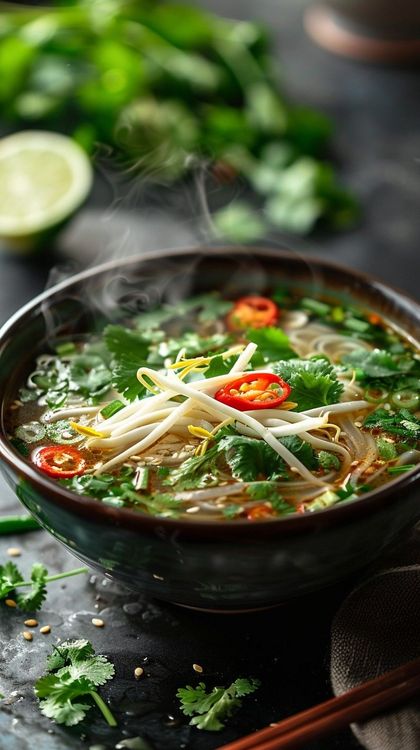
The soup pot is where Vietnamese cooking shows its patience, and a great bowl lives or dies on the broth. The single most important habit is keeping the liquid at a bare, trembling simmer rather than a rolling boil, because hard bubbling emulsifies the fat and clouds what should be a clear, golden broth. Before any of that, parboil the bones for a few minutes, dump that first scummy water and rinse them clean; skipping this step is the most common reason a home pho turns out muddy. The aroma comes from charring an onion and a knob of ginger black over a flame, rinsing off the ash, and dropping them in alongside toasted star anise, cinnamon and clove tied in a cloth so they perfume without scattering grit. Season only at the end with fish sauce, a little rock sugar and salt, tasting as you go. Soak the flat rice noodles soft and dunk them for mere seconds, then ladle the hot broth over and let everyone finish their own bowl with herbs, sprouts, lime and chilli at the table. Standouts here include Viatnamese Pho and Pho-Style Beef Noodles, plus Classic Vietnamese Beef Pho.

- Vietnamese
- Non-Vegetarian
- Dinner
- Vietnamese
- Non-Vegetarian
- Lunch
- Vietnamese
- Non-Vegetarian
- Lunch

- Vietnamese
- Non-Vegetarian
- Lunch
- Vietnamese
- Non-Vegetarian
- Lunch


- Non-Vegetarian
- Soup
Banh Mi & Fresh Rolls
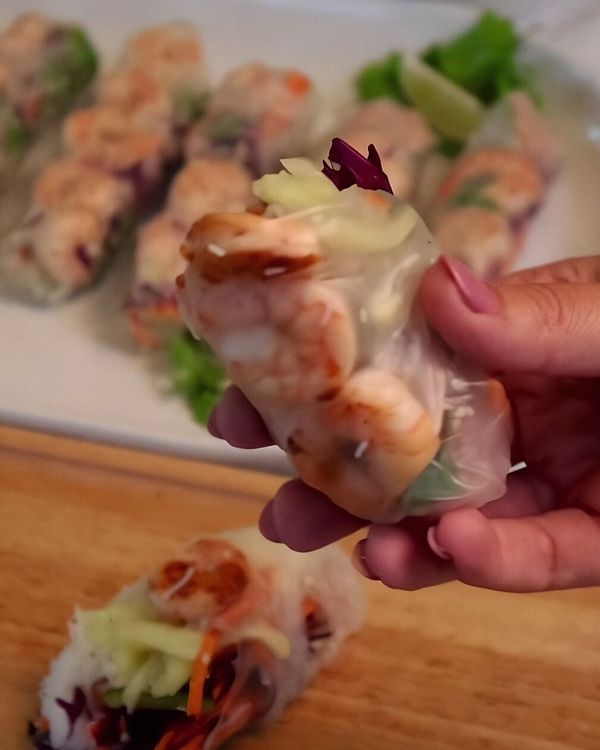
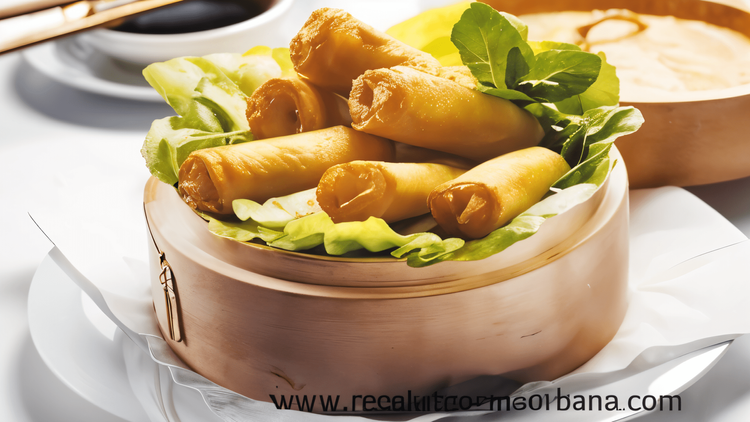
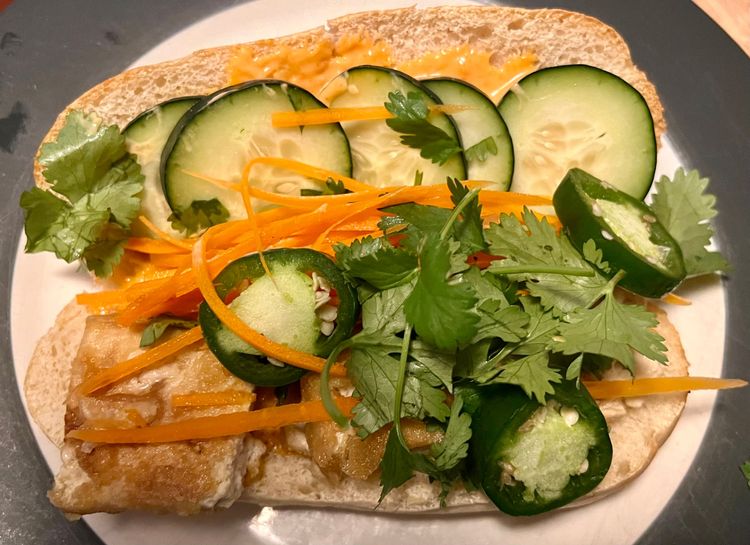
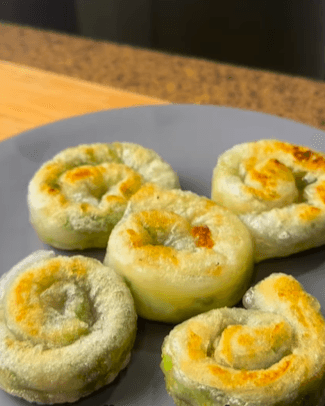
The handheld corner of the cuisine is all about contrast, and getting it right is mostly about texture and temperature playing against each other. A banh mi needs a genuinely crackly, airy baguette, warmed so the crust shatters, then layered with something savory and warm — grilled lemongrass pork, cold cuts, tofu — against cool pickled carrot and daikon, cucumber, cilantro and a swipe of pate or mayo. The mistake is a soggy roll: keep the wet elements controlled and assemble just before eating. Fresh summer rolls turn on the rice paper itself, dipped in warm water for only a couple of seconds so it stays slightly stiff and keeps softening on the board; soak it limp and it tears and glues to itself. Lay the filling a third of the way up, fold the sides in and roll tight like a burrito, tucking a lettuce leaf against the paper so sharp herbs do not pierce it. Fried rolls (cha gio) want the wrapper dry and the oil hot so they blister crisp. Serve everything with nuoc cham for dipping. Standouts here include Vietnamese Inspired Spring Rolls and Vietnamese Spring Rolls, plus Tofu Banh Mi .

- Vietnamese
- Pescatarian
- Lunch
- Vietnamese
- Non-Vegetarian
- Appetiser

- Vietnamese
- Eggetarian
- Lunch

- Asian
- Vegetarian
- Appetiser
Lemongrass Grills, Mains & Sides
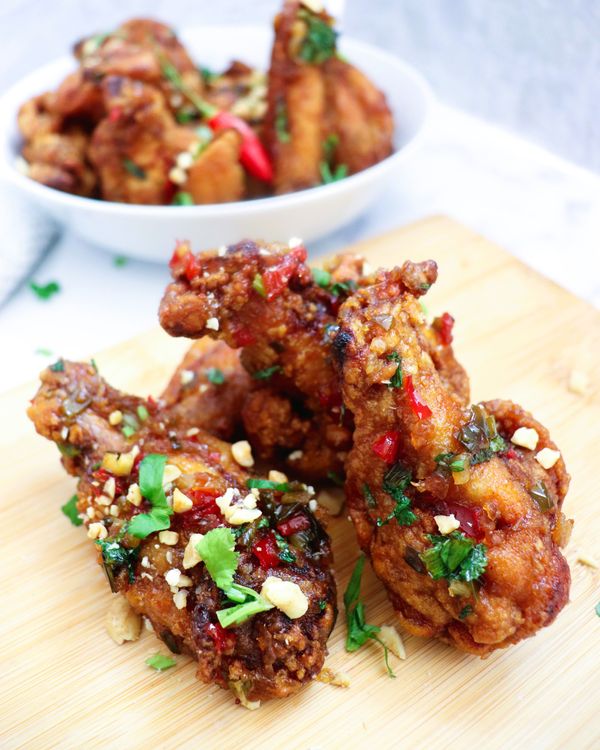
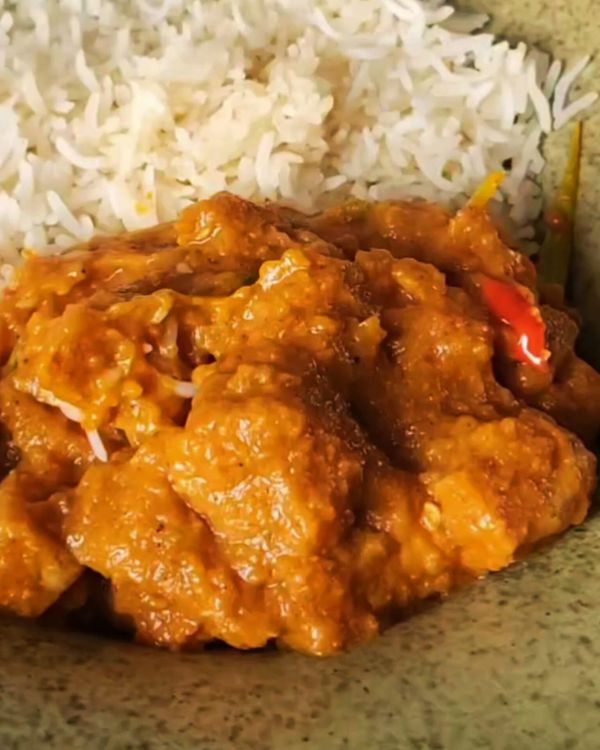
This is the smoky, caramelized heart of a Vietnamese meal, built on lemongrass and a confident hand at the grill. The marinade is the foundation: the tender pale lower third of lemongrass minced fine or blitzed to a paste, with garlic, shallot, fish sauce, a little sugar and oil, worked into pork, chicken or beef and left at least an hour, ideally overnight, so the flavor goes deep. That deliberate sweetness is what gives bun cha and grilled lemongrass meat their gorgeous lacquered char — but it also burns fast, so grill hot, fast and in a single uncrowded layer, watching closely for blackened edges rather than ash. The other defining technique is caramel braising (kho): sugar cooked to deep amber just short of burnt, then fish sauce and protein added and simmered low into a glossy, salty-sweet glaze for dishes like thit kho. Round the table out with quick stir-fries and crunchy fresh salads (goi). Whatever the method, finish the same way — fresh herbs, a squeeze of lime, sliced chilli and nuoc cham alongside. Standouts here include Fried Chicken Wings (Vietnamese-Style) and Vietnamese-Inspired Tofu Curry with Lemongrass and Coconut.

- Vietnamese
- Non-Vegetarian
- Appetiser

- Vietnamese
- Vegan
- Dinner
More Vietnamese Favourites
A handful of dishes never quite settle into a single category, and these are the ones worth keeping in your rotation once the staples feel routine. They lean on the same toolkit you already know — the fish-sauce-lime-sugar-chilli balance, the charred aromatics, the raw herb plate — but steer it toward different formats: a comforting congee (chao), a tangy green papaya or banana-blossom salad, a coconut-water caramel braise, a sizzling savory crepe (banh xeo) folded around shrimp and sprouts, or a sweet che for afterwards. Picking your next one is mostly about matching effort to mood: reach for a quick stir-fry or a dressed salad on a busy night, and save the long-braised or batter-based numbers for a weekend when you can give them attention. Pay attention to balance above all, tasting for that bright, layered harmony of salty, sour, sweet and hot that defines the cuisine, and keep a pile of fresh herbs and a bowl of nuoc cham within reach. Think of this group as the natural next step after the classics, the recipes that quietly earn a regular spot once you have tried them. Standouts here include Bánh Xèo - Vietnamese Pancakes and Vietnamese Rolls, plus Vietnamese Prawn and Sweet Potato Fritters (Banh Tom).
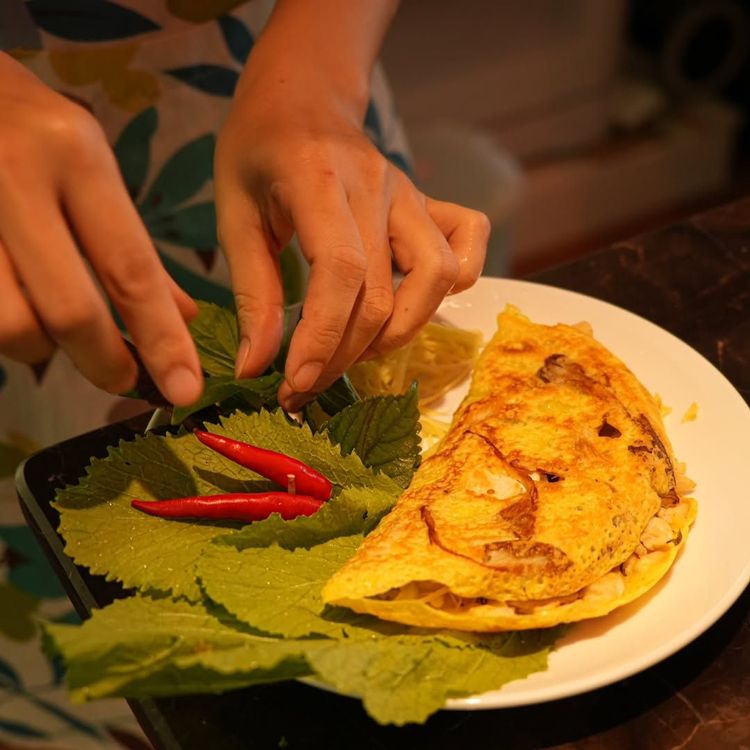
- Vietnamese
- Vegetarian
- Lunch
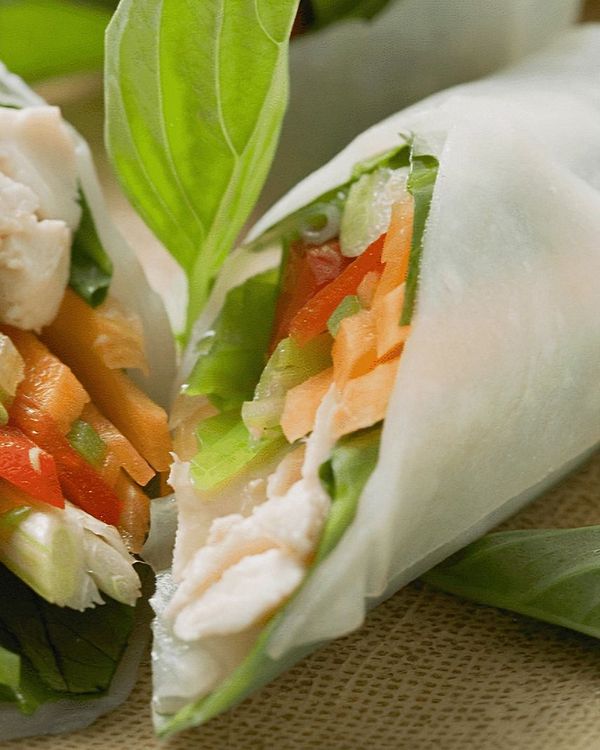
- Vietnamese
- Non-Vegetarian
- Lunch
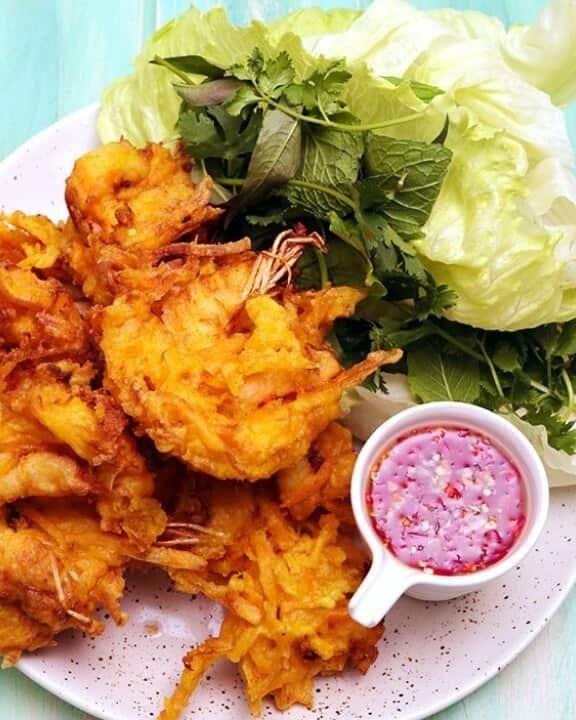
- Vietnamese
- Gluten-Free
- Snack
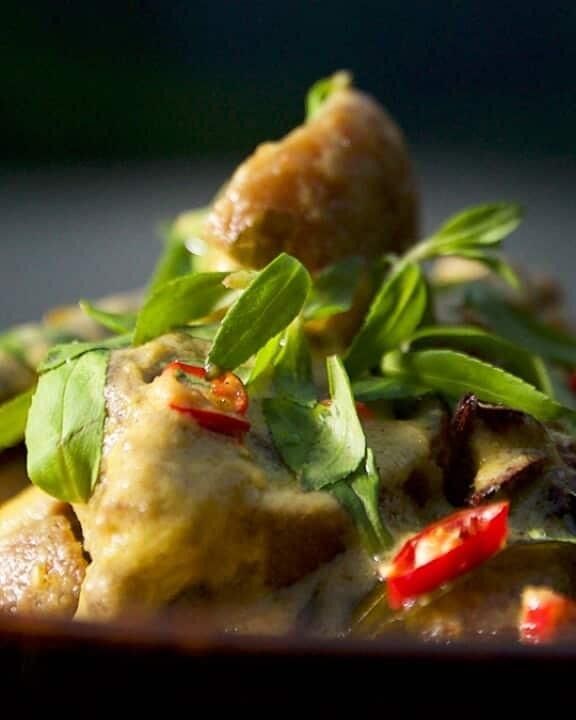
- Vietnamese
- Non-Vegetarian
- Lunch
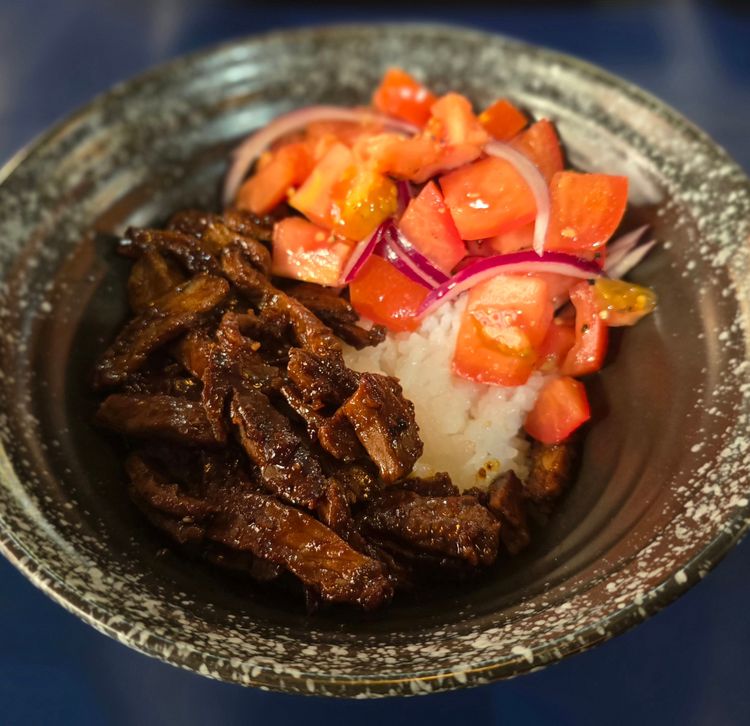
- Vietnamese
- Non-Vegetarian
- Dinner
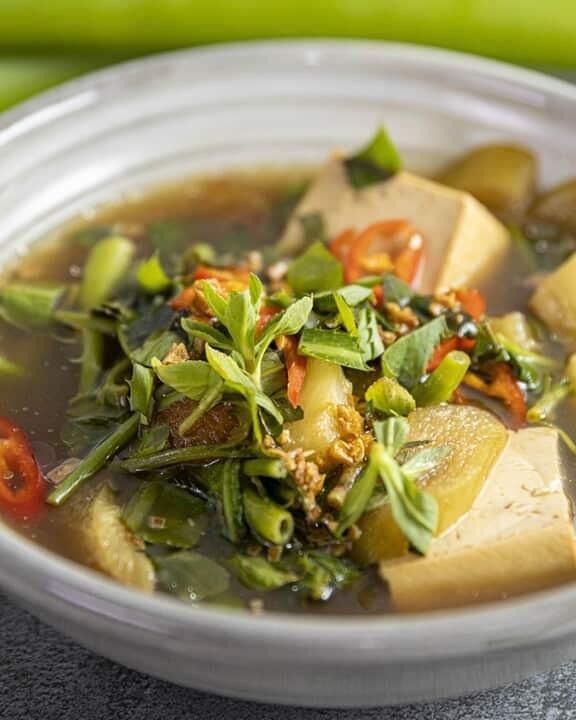
- Vietnamese
- Pescatarian
- Lunch
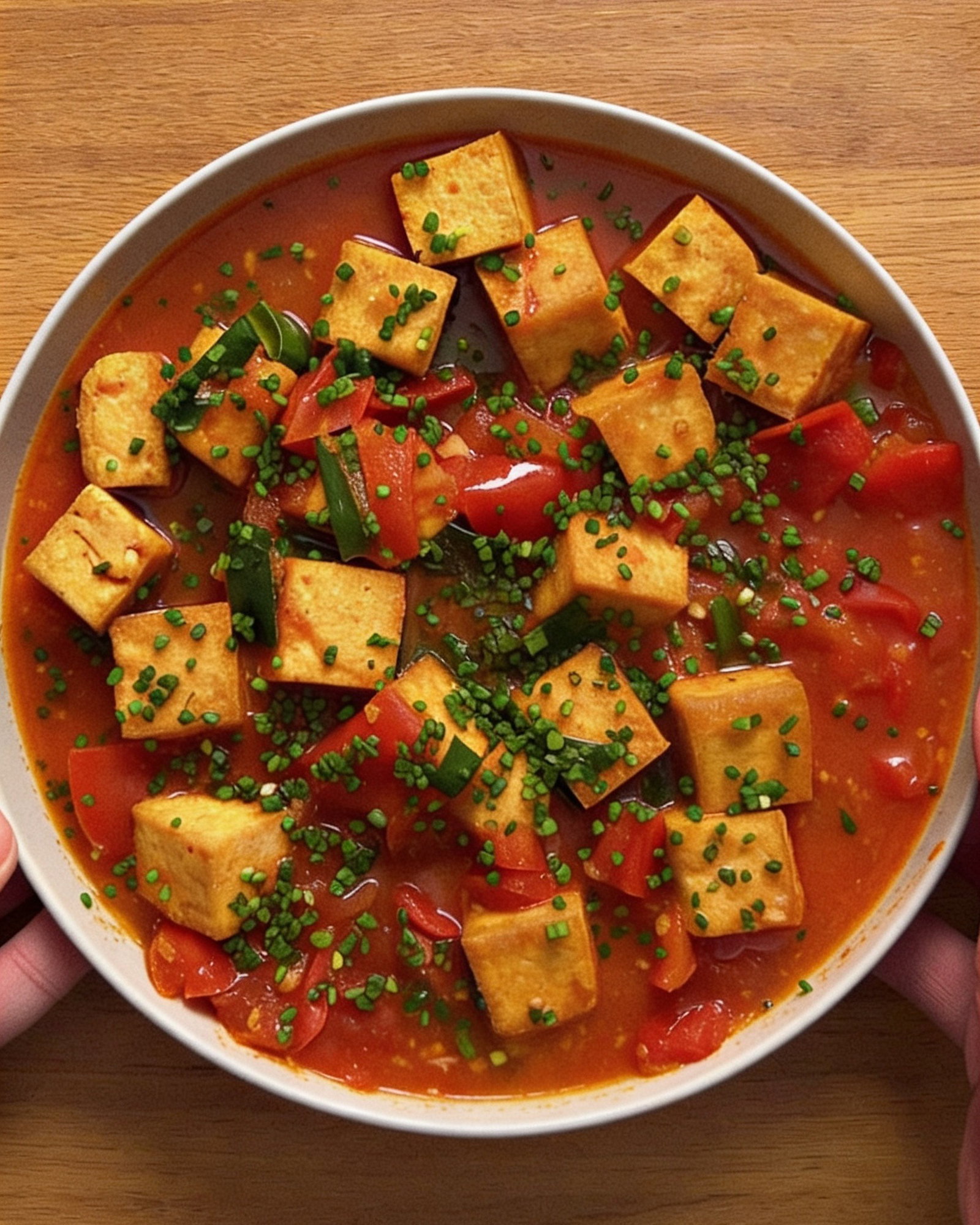
- Pescatarian
- Main Course
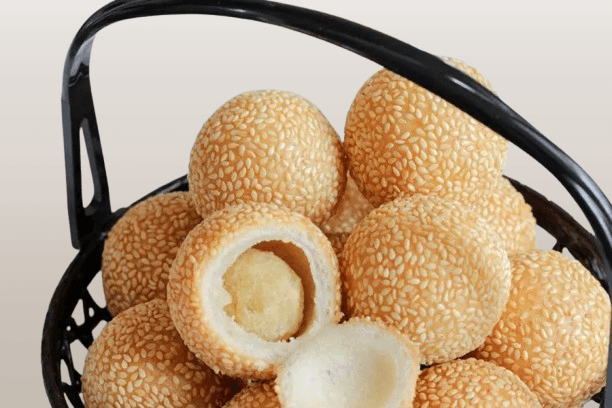
- Vietnamese
- Vegan
- Snack
Building a Clear, Aromatic Broth
The broth is everything in pho and its cousins, and clarity is the goal. Start by parboiling the bones for a few minutes, then dumping that first scummy water and rinsing the bones clean — this single step is what separates a clear, golden broth from a cloudy, muddy one. Refill with fresh cold water and simmer, never boil hard, skimming the foam and fat that rise to the top for the first half hour. A rolling boil emulsifies the fat back into the liquid and turns it grey.
Aromatics are charred, not raw. Hold a halved onion and a knob of ginger directly over a flame (or under a broiler) until the cut faces blacken, then rinse off the ash and drop them in — that smoky char is the backbone of pho aroma. Toast the whole spices too: star anise, cinnamon, clove, coriander and fennel, warmed in a dry pan until fragrant, then tied in a cloth or cage so they perfume the pot without scattering. Add them partway through so they do not turn bitter over hours of simmering.
Season the broth last and taste as you go. Fish sauce is the salt; a chunk of rock sugar or a pinch of regular sugar rounds the edges; salt fine-tunes. The broth should taste deeply savory and faintly sweet, clean rather than greasy. Strain it through a fine sieve before serving. Beef pho wants six hours or more for real depth; chicken pho is lighter and quicker, an hour or two — but the moves are the same: parboil, char, simmer gently, skim, and season at the end.
Nuoc Cham: The Dipping Sauce That Runs the Cuisine
If you learn one thing here, make it nuoc cham — the sweet-sour-salty-hot dipping sauce that dresses bowls, accompanies rolls and seasons grilled meat. The classic ratio is a starting point, not a rule: roughly one part fish sauce, one part lime juice or rice vinegar, one part sugar and three to four parts water, then garlic and chilli to taste. Dissolve the sugar fully — in a little warm water if needed — before the fish sauce and acid go in, or it stays gritty.
Balance by tasting, because limes and fish sauces vary. It should hit your tongue bright and tangy first, then salty, then a gentle sweetness, with the water stretching it into something you can spoon generously rather than a sharp concentrate. Too salty, add water and a squeeze more lime; too sour, a pinch more sugar; flat, more fish sauce. Mince the garlic and chilli fine so they float and cling rather than sinking to the bottom of the bowl.
Adjust the dilution to the job. For a dipping sauce alongside fresh or fried rolls, keep it lighter and looser so it coats without overpowering. For dressing a vermicelli bowl, make it a touch stronger and add shredded pickled carrot and daikon for crunch and tang. The same base, tuned up or down, seasons half the dishes on this page — which is why a good cook keeps the ratio in their head and the bottle of fish sauce within reach.
Rice Noodles, Rice Paper and Herbs
Rice noodles want gentle handling. The flat banh pho noodles for soup are best soaked in warm water until pliable, then dunked in boiling water for just seconds before they go into the bowl — overcooked, they bloat and turn pasty. For vermicelli (bun), boil briefly, then rinse under cold water and drain well so the strands stay separate and springy rather than clumping into a sticky mass. Cook them just before serving; they firm up and stick as they sit.
Rice paper (banh trang) is the wrapper for fresh summer rolls and, fried, for crispy ones. Dip one sheet at a time in warm water for just a couple of seconds — it should still feel slightly stiff when it comes out, because it keeps softening on the board as you fill it. Soak it limp and it tears and glues to itself. Lay your filling a third of the way up, fold the sides in, tuck and roll tight like a burrito, keeping a lettuce leaf or noodle nest against the paper so sharp herbs do not pierce it.
Herbs are an ingredient, not a garnish. Vietnamese cooking leans on a big, varied pile — mint, cilantro, Thai basil, perilla (tia to), saw-leaf, plus bean sprouts and lime — served raw alongside so each diner builds their own balance. Wash and dry them well, keep them crisp and cold, and add them at the last moment: into the hot soup at the table so they wilt just slightly, or rolled fresh into the cool rolls. The contrast of hot broth or grilled meat against cool, raw herb is the whole point.
Marinating and Grilling: Lemongrass, Caramel and Char
Lemongrass is the signature aromatic of the Vietnamese grill. Use only the tender pale lower third of the stalk, bruise it to release the oils, then mince it very fine or blitz it to a paste so it clings to the meat rather than ending up as woody splinters. Combine it with garlic, shallot, fish sauce, a little sugar and oil, and let pork, chicken or beef marinate for at least an hour — overnight is better — so the flavor goes deep and the sugar primes the surface to caramelize.
That sugar is also why technique matters at the grill. Vietnamese marinades are deliberately a little sweet, which gives the gorgeous caramelized char of bun cha or grilled lemongrass pork — but it also burns fast. Grill hot and fast over real heat, in a single uncrowded layer, and watch closely; you want blackened, lacquered edges, not ash. Thin slices and small pieces cook in minutes and take char best. A grill pan or broiler works when an outdoor grill is not an option.
Caramel cooking (kho) is the other defining technique — the savory-sweet braise behind thit kho and claypot dishes. Melt sugar in a little oil or water until it turns a deep amber (just short of burnt, which turns bitter), then carefully add fish sauce and the protein and braise low until tender and glossy with a salty-sweet glaze. Whether grilled or braised, finish Vietnamese mains the same way: a scatter of fresh herbs, a squeeze of lime, sliced chilli, and nuoc cham on the side.
Pro Tips from the Test Kitchen
- Parboil bones for a few minutes, dump that first water and rinse — it is the key to a clear, not cloudy, broth.
- Char the onion and ginger over a flame until blackened, then rinse off the ash; that smoky base defines pho aroma.
- Simmer broth gently and skim often — a hard boil turns it grey and greasy.
- Dissolve the sugar fully when mixing nuoc cham, then balance by tasting: bright first, then salty, then a little sweet.
- Soak rice paper just 2–3 seconds in warm water; it should still feel slightly stiff and will soften on the board.
- Rinse cooked vermicelli under cold water so the strands stay separate and springy instead of clumping.
- Use only the pale lower third of lemongrass, minced very fine, so it clings instead of leaving woody splinters.
- Grill sweet lemongrass marinades hot, fast and uncrowded — the sugar chars beautifully but burns in seconds.
- For caramel (kho), cook the sugar to deep amber just short of burnt before adding fish sauce and protein.
- Serve a big plate of raw herbs, sprouts and lime alongside and add them at the last moment for hot-against-cool contrast.
Frequently Asked Questions
How do you make pho broth clear instead of cloudy?
Parboil the bones in boiling water for a few minutes, then discard that first scummy water and rinse the bones clean before starting the real simmer. From there, keep the broth at a gentle simmer and never a hard boil, skimming the foam and fat that rise, especially in the first half hour. A rolling boil emulsifies the fat back into the liquid and clouds it; gentle heat and diligent skimming keep it golden and clear.
What spices go into pho?
The classic warm spices are star anise, cinnamon, cloves, coriander seed and fennel, sometimes with cardamom. Toast them in a dry pan until fragrant, then tie them in a cloth or spice cage so they perfume the broth without scattering grit. Just as important are the charred aromatics — onion and ginger blackened over a flame then rinsed — which give pho its distinctive smoky depth. Fish sauce, a little rock sugar and salt finish the seasoning.
What is nuoc cham and how do you make it?
Nuoc cham is the sweet-sour-salty-hot dipping sauce at the heart of Vietnamese cooking, used for rolls, bowls and grilled meat. A typical starting ratio is one part fish sauce, one part lime juice or vinegar, one part sugar and three to four parts water, plus minced garlic and chilli. Dissolve the sugar first, then balance by tasting — it should be bright and tangy, lightly salty and just sweet, never harsh or syrupy.
How do you keep rice paper from tearing when rolling?
Dip each sheet in warm water for only two or three seconds — it should still feel slightly stiff when it comes out, because it keeps softening on the board while you fill it. If you soak it until fully limp, it tears and sticks to itself. Place the filling a third of the way up, fold the sides in, and roll tight like a burrito, keeping a lettuce leaf or noodle against the paper so sharp herbs do not pierce through.
What is the difference between pho and bun?
Both are rice-noodle dishes, but pho is a hot soup built on flat banh pho noodles in a long-simmered broth, finished with herbs and lime at the table. Bun refers to round rice vermicelli, most famously served cool in a bowl topped with grilled meat, herbs and crunchy vegetables and dressed with nuoc cham rather than a broth. Pho is a soup; a bun bowl is more like a dressed noodle salad.
Can you make Vietnamese food vegetarian or vegan?
Yes, with a couple of swaps. Replace fish sauce with a soy-based or vegan fish sauce (or a salted soy-and-mushroom seasoning) in nuoc cham and marinades, and build broths on charred aromatics, mushrooms, daikon and the same toasted spices for a vegetarian pho. Tofu, mushrooms and plenty of vegetables stand in for meat in rolls, bowls and stir-fries. The herbs, noodles and balance of flavors carry the dishes either way.
What herbs are used in Vietnamese cooking?
A varied raw herb plate is central: mint, cilantro (coriander), Thai basil and perilla (tia to) are the mainstays, often joined by saw-leaf herb, Vietnamese coriander (rau ram), bean sprouts and lime wedges. They are served alongside rather than cooked in, so each diner adds them to taste — wilted into hot soup at the table or rolled fresh into cool rolls. Keep them washed, dried and cold so they stay crisp and aromatic.
What goes in a banh mi?
A banh mi starts with an airy, crackly baguette, split and spread with pate or mayonnaise. Inside goes a protein — grilled lemongrass pork, cold cuts, meatballs, lemongrass chicken or tofu — then the essentials: pickled carrot and daikon (do chua), cucumber, cilantro, sliced chilli and a dash of soy or Maggi seasoning. The magic is contrast: warm savory filling, cool tangy pickles, fresh herbs and that shatteringly crisp crust.
How long should you simmer pho broth?
It depends on the protein. Beef pho rewards a long simmer — six hours or more — to draw deep flavor and gelatin from the bones, so the broth has real body. Chicken pho is lighter and far quicker, often ready in one to two hours. Either way, the method is the same: parboil and rinse the bones, add charred aromatics and toasted spices, simmer gently while skimming, and season with fish sauce and a little sugar at the end.
What is the best way to use lemongrass?
Use only the tender pale lower third of the stalk; the upper green part is too woody to eat. Trim it, peel off the dry outer layer, bruise it to release the aromatic oils, then either mince it very finely or blitz it into a paste so it clings to meat instead of leaving stringy splinters. It shines in grill marinades with garlic, shallot and fish sauce, and in stir-fries and braises. Bruised whole stalks can also flavor broths, then be fished out.
The thread through every Vietnamese recipe here is balance: salty fish sauce, sour lime, a little sweetness, a hit of chilli and a cooling pile of fresh herbs, recombined in different forms across soups, rolls, bowls and grills. Master the broth, the nuoc cham, the rolling and the lemongrass grill, and the whole table opens up, because the same handful of moves and flavors run through all of it.
Pick three to cook this week — a fragrant pho, a vermicelli bowl and something grilled — and save your favorites to a Chefadora cookbook. Then work through the rest; this page is built to be the Vietnamese reference you actually come back to.
Related
- Vietnamese
- Pho
- Noodles
- Asian
- Fish Sauce
- Herbs
- Street Food
- Dinner
Popular Searches
- Best vietnamese recipes
- Easy vietnamese recipes
- Quick vietnamese recipes
- Healthy vietnamese recipes
- Simple vietnamese recipes
- Homemade vietnamese recipes
- Delicious vietnamese recipes
- Popular vietnamese recipes
- pho recipe
- banh mi
- bun noodle bowl
Marnirni-apinthi Building, Lot Fourteen,
North Terrace, Adelaide, South Australia, 5000
Australia
