
Top 60 Avocado Recipes: Toast, Guacamole, Salads and More
Updated June 29, 2026 · Curated by Chefadora
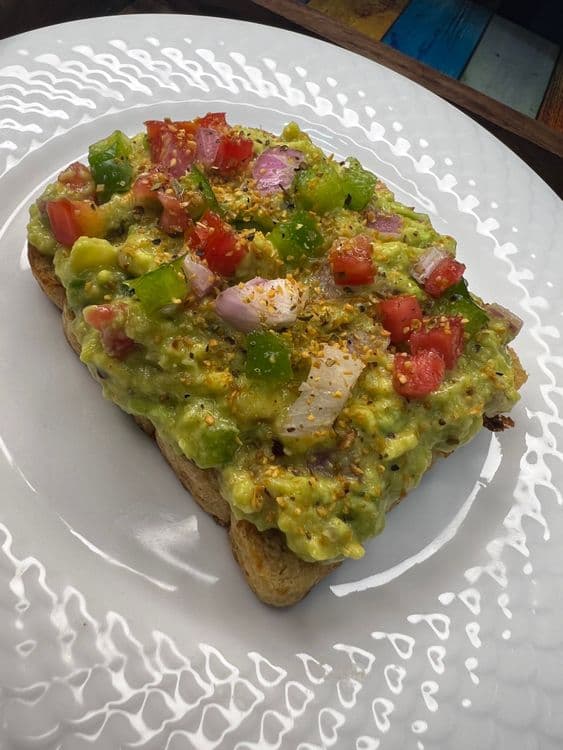
Avocado recipes have quietly taken over the way we eat breakfast, snack and build a quick meal — and for good reason. The fruit (yes, fruit) brings a buttery, almost custardy richness that no other plant ingredient quite matches, so a ripe avocado can stand in for butter on toast, for oil in a dressing, or for cream in a dessert. The recipes below show that full range, from the smashed-toast classic to guacamole, grain bowls and even a silky chocolate mousse.
What makes avocado special in the kitchen is that it asks almost nothing of you. There is no cooking required for most of these dishes — the work is in the choosing and the seasoning. A perfectly ripe avocado is mild and faintly sweet on its own, which is exactly why it loves salt, acid and a little heat. Lime, flaky salt, chilli and fresh herbs are the four levers you will reach for again and again across this whole page.
You will find four clusters here: avocado toast and breakfast plates, the guacamole, dips and salsa family, fresh salads and bowls, and the surprising sweet-and-stuffed corner of smoothies, desserts and baked halves. The same handful of moves carries across all of them — judge ripeness, cut cleanly, mash or slice, then season boldly and serve fast before it browns.
Treat this as a working reference. Each recipe links to full ingredients and steps on Chefadora, and the guides below cover the things that decide whether avocado turns out luscious or disappointing: how to pick one at the right ripeness, how to ripen or rescue an under-ripe one, how to cut and pit it safely, and how to stop that bright green flesh from going brown before it hits the table.
Avocado Toast & Breakfast
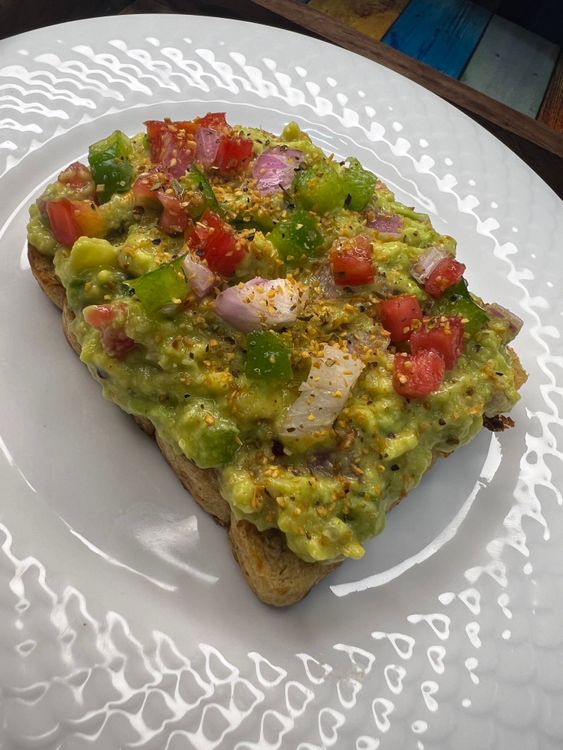
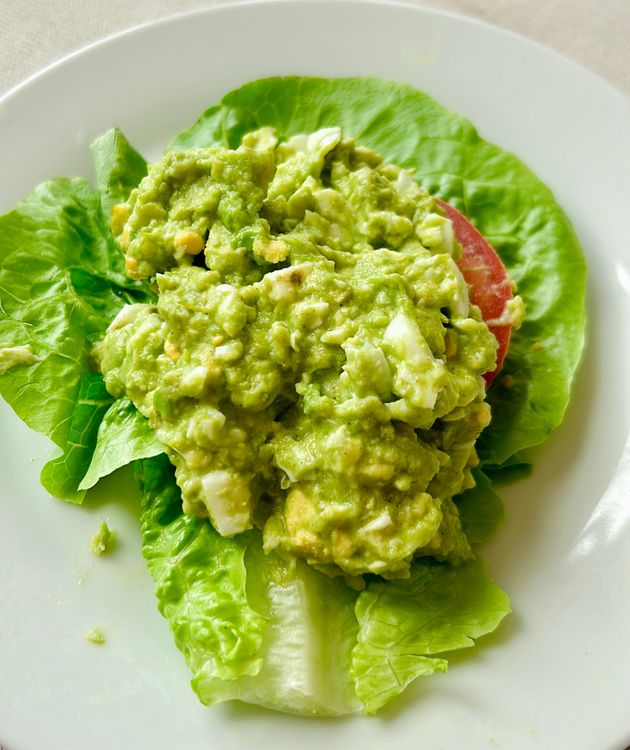
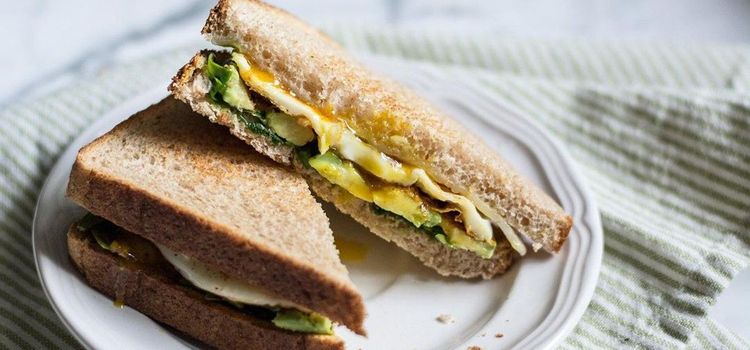
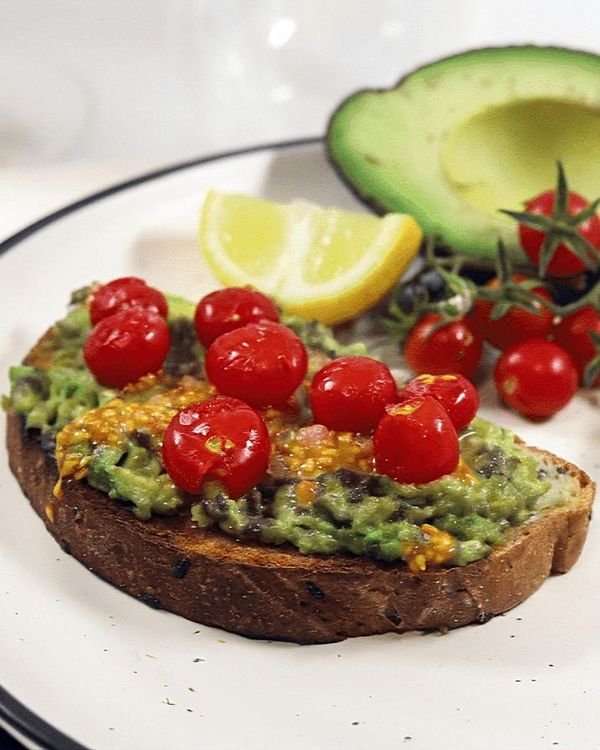
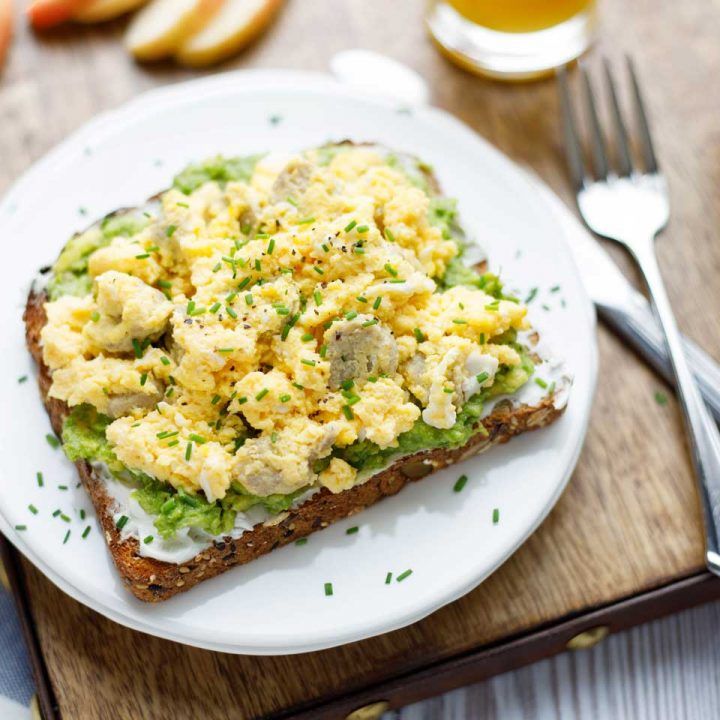
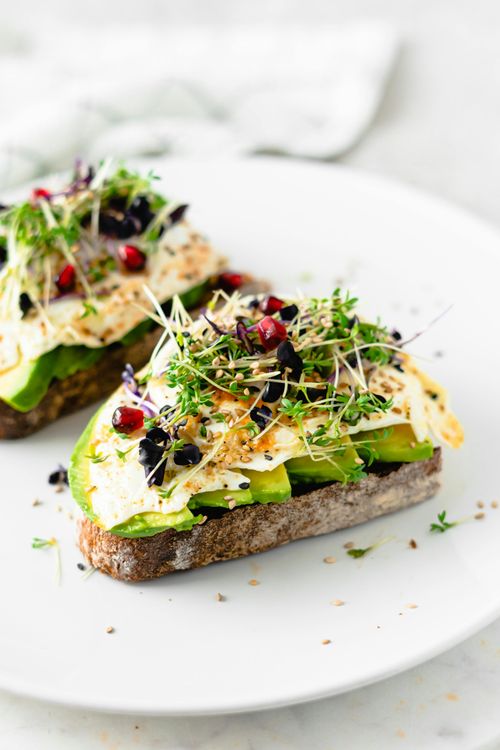
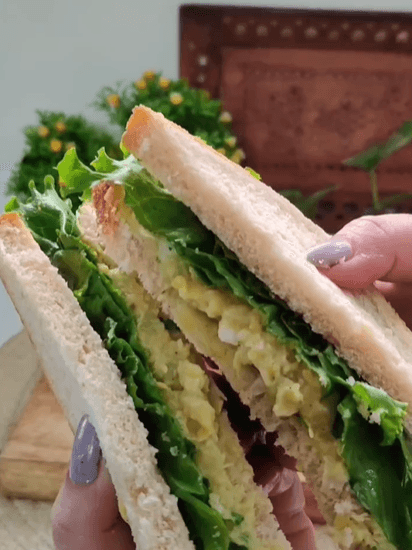
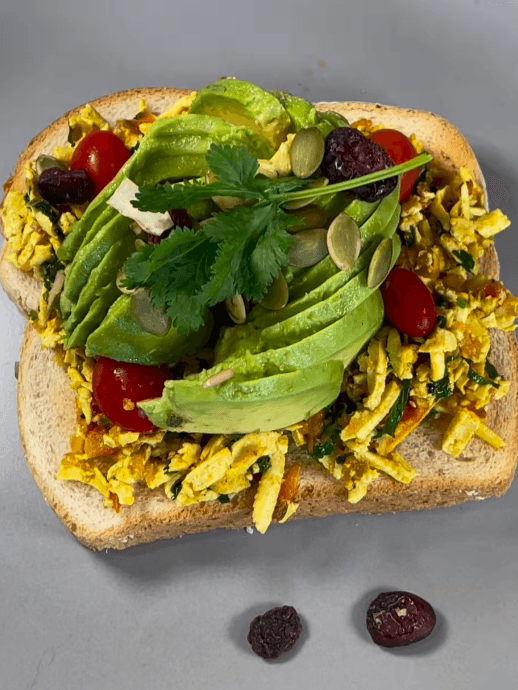
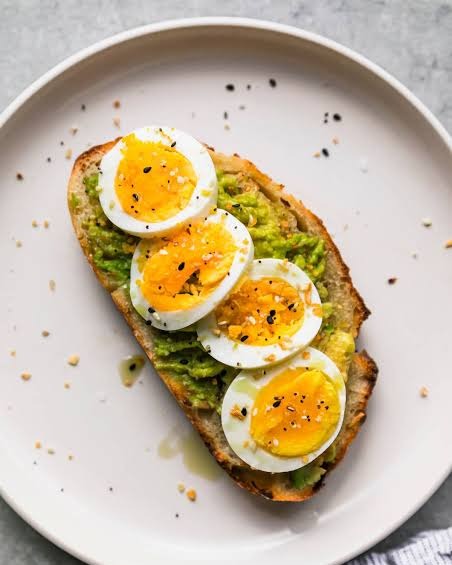
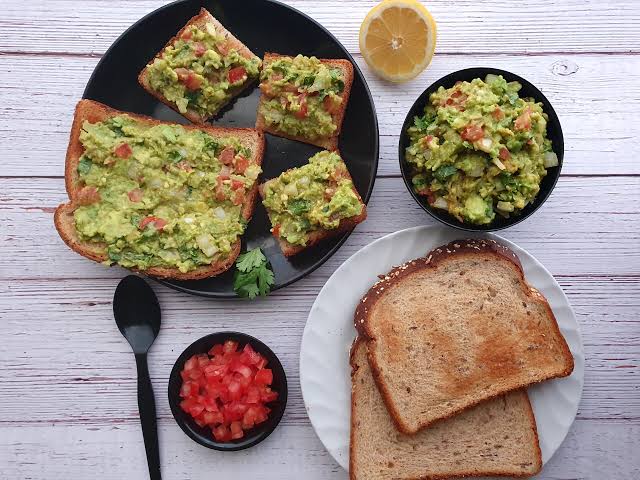
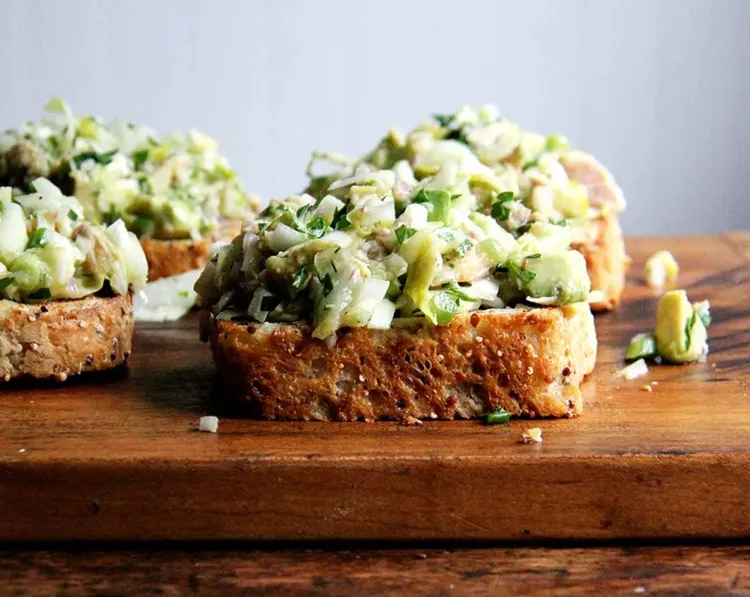
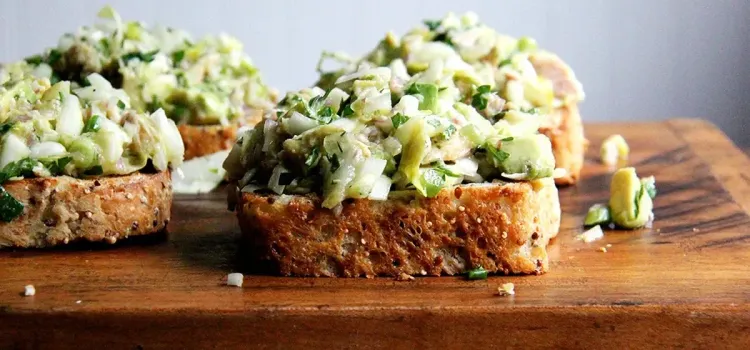
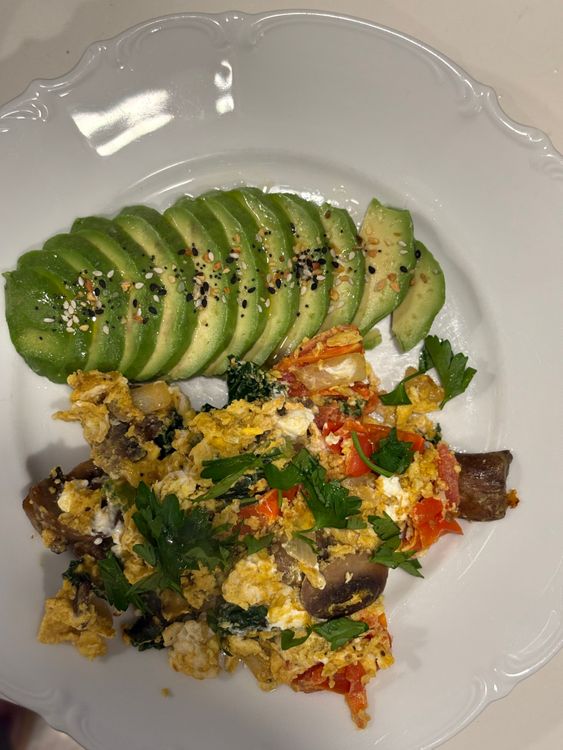
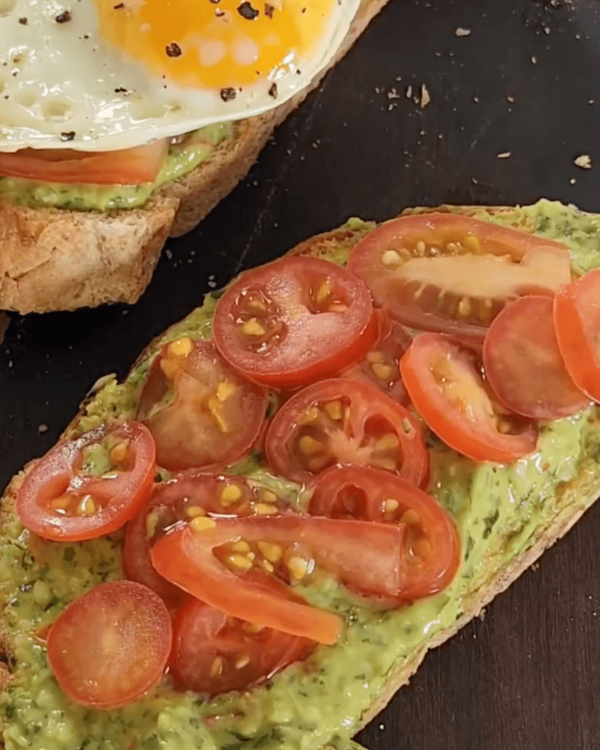
Avocado toast is the dish that turned this fruit into a household staple, and getting it right is mostly about the basics done well. Start with bread that can carry the weight: a thick slice of sourdough or a hearty seeded loaf, toasted until genuinely crisp and golden, because a soft, pale slice goes soggy the moment the avocado lands. Use a ripe avocado that yields evenly, mash it with a fork right on the toast or in a bowl, and season far more aggressively than feels natural, flaky salt, a squeeze of lime, cracked pepper and a pinch of chilli flakes. The single most common mistake is under-seasoning, which leaves the whole thing tasting flat and one-note. From there, build texture and contrast: a runny poached or fried egg, crumbled feta, quick-pickled onion, crisp radish or a handful of toasted seeds all play against the creamy richness. Whether it is a simple smashed toast, an egg breakfast bowl, or a stacked brunch plate, assemble it the moment before you eat so the bread stays crunchy and the avocado stays bright green. Standouts here include Avocado Toast (Guacamole) and Avocado and Egg Boats, plus Avocado, Spinach, and Egg Sandwiches with Aged Cheddar.

- American
- Vegan
- Breakfast

- International
- Eggetarian
- Lunch
- American
- Eggetarian
- Breakfast
- International
- Vegetarian
- Breakfast


- American
- Vegetarian
- Breakfast

- American
- Eggetarian
- Breakfast
- American
- Non-Vegetarian
- Breakfast
- American
- Eggetarian
- Breakfast

- Fusion
- Vegan
- Breakfast

- Vegan
- Vegan
- Breakfast


- Western
- Vegetarian
- Breakfast

- Dairy-Free
- Breakfast

- Non-Vegetarian
- Lunch
- Global
- Vegan
- Snack
- International
- Pescatarian
- Lunch
- American
- Pescatarian
- Lunch

- Eggetarian
- Breakfast
Guacamole, Dips & Salsa
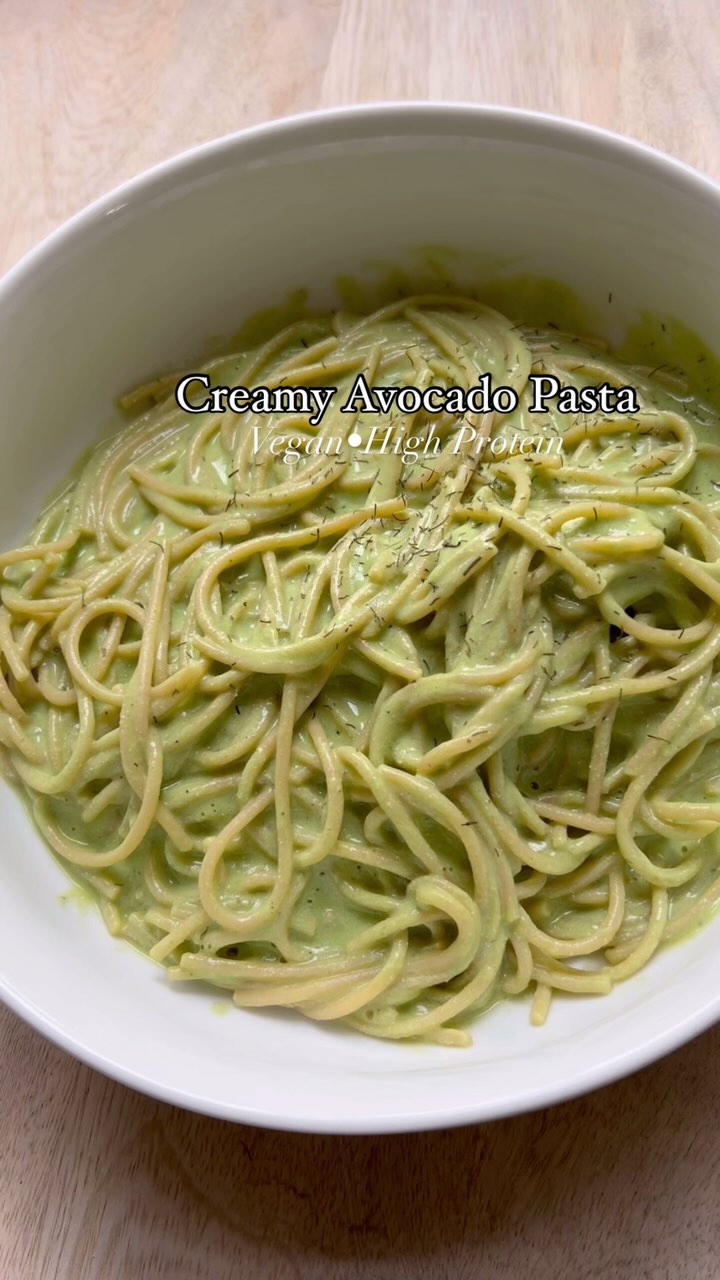
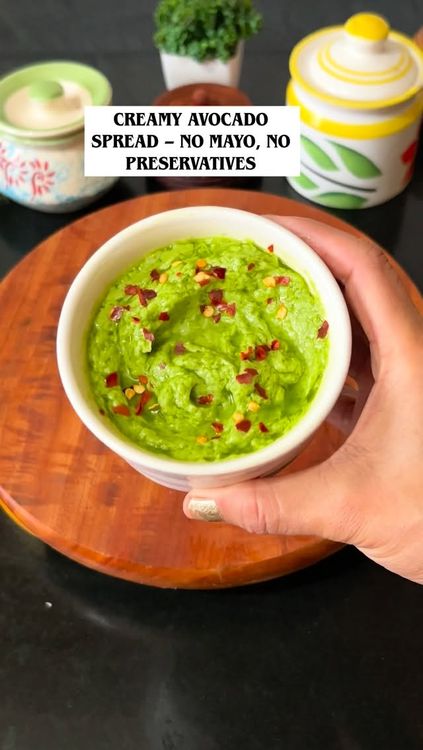
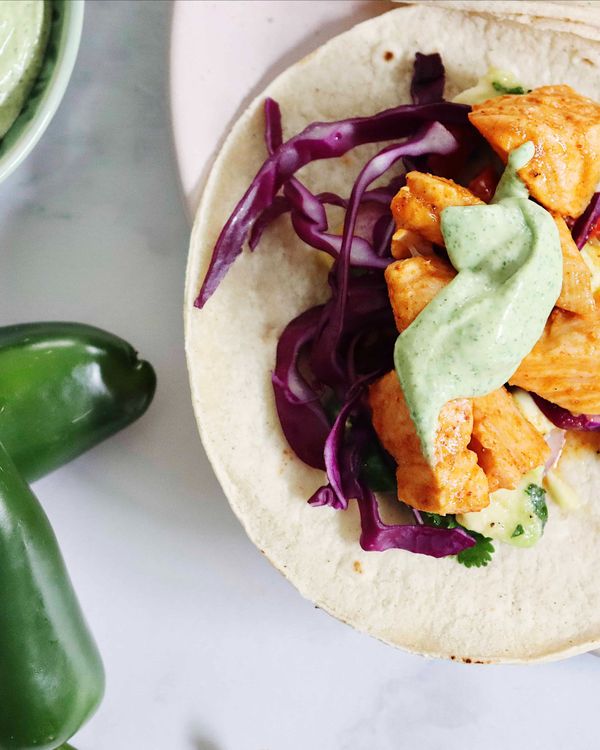
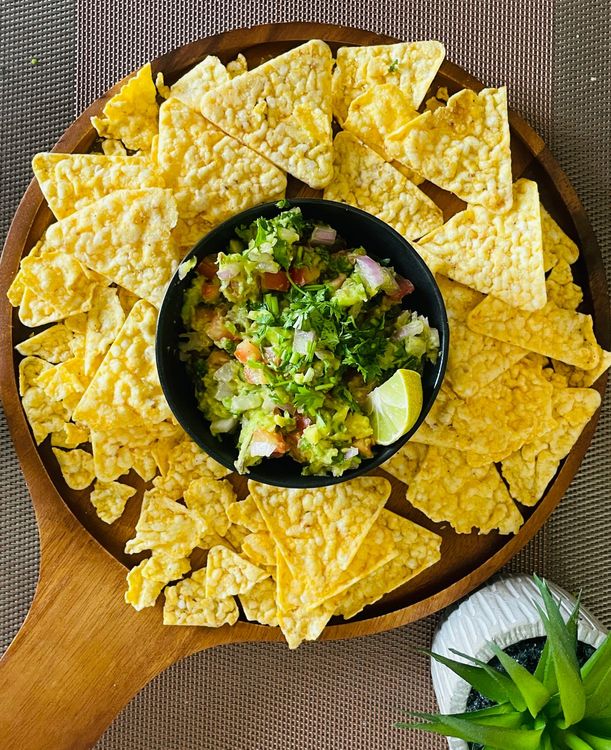
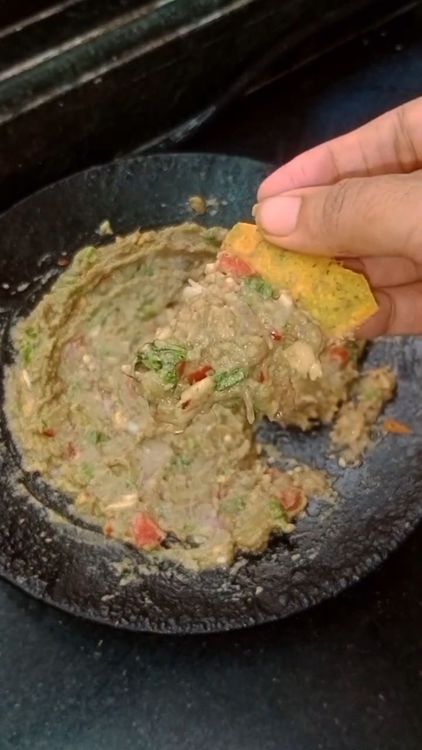
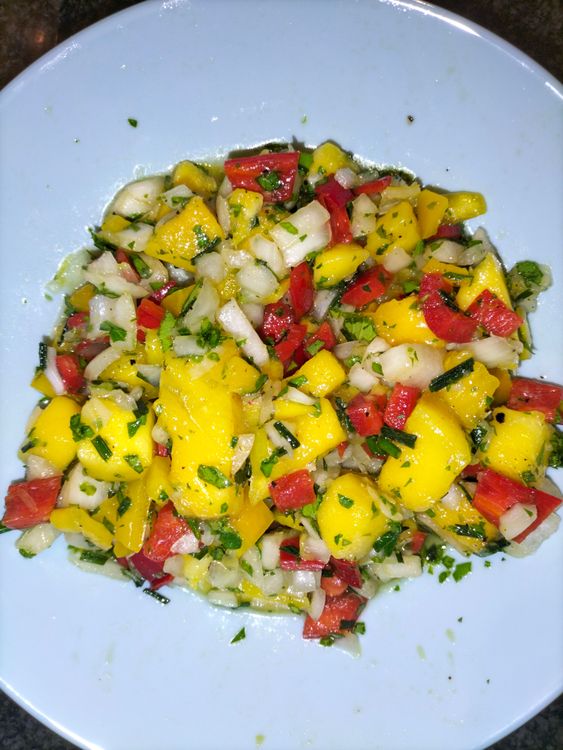
This is the corner where lime, salt and chilli do almost all the work, and a great guacamole proves how little cooking avocado needs to shine. The foundational move is to mash ripe avocado only partway, leaving it chunky rather than whipping it smooth, so each scoop has both creamy and toothsome bites. Build it in layers of flavour: lime juice and salt first, then finely diced onion, fresh green chilli, coriander and tomato folded through at the end so it stays bright and loose. Taste relentlessly and adjust the acid and salt, because a dull guacamole is nearly always under-limed and under-salted rather than short on anything exotic. The same buttery base blends into smoother things too, crema, green goddess dressing, an avocado-lime sauce that slicks tacos and bowls, where you do want it silky and pourable. The frequent stumble is letting any of these brown before serving; press cling film flat onto the surface with no air gaps, keep them cold, and make them as close to the table as you can. Bold seasoning and a fresh finish are everything here. Standouts here include Creamy Avocado and Tofu Pasta Sauce and Chipotle Shrimp Tacos with Mango Salsa & Avocado Crema, plus Baked Salmon with Sun-Dried Tomato Avocado Sauce and Pistachio.

- Vegetarian
- Lunch


- Pescatarian
- Lunch


- Pescatarian
- Dinner

- fusion
- Vegetarian
- Snack


- California
- Non-Vegetarian
- Lunch
- Fusion
- Vegan
- Snack
- Mexican
- Pescatarian
- Lunch

- Mexican
- Non-Vegetarian
- Lunch

- Mexican
- Pescatarian
- Dinner

- Mexican
- Vegan
- Appetiser

- Fusion
- Vegan
- Appetiser

- Fusion
- Vegan
- Breakfast
Avocado Salads & Bowls
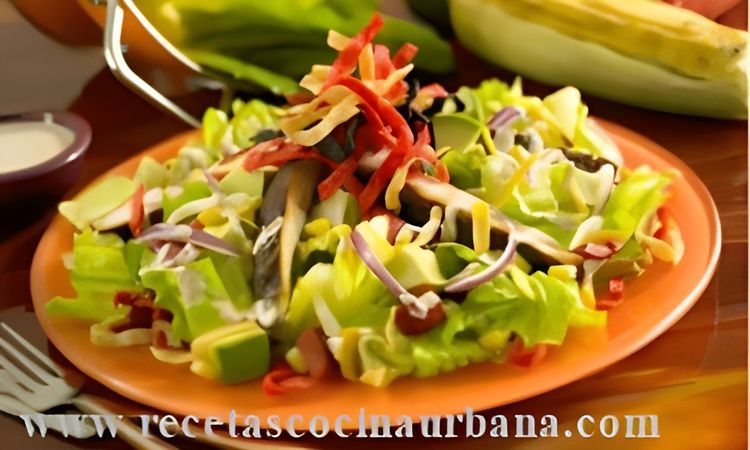
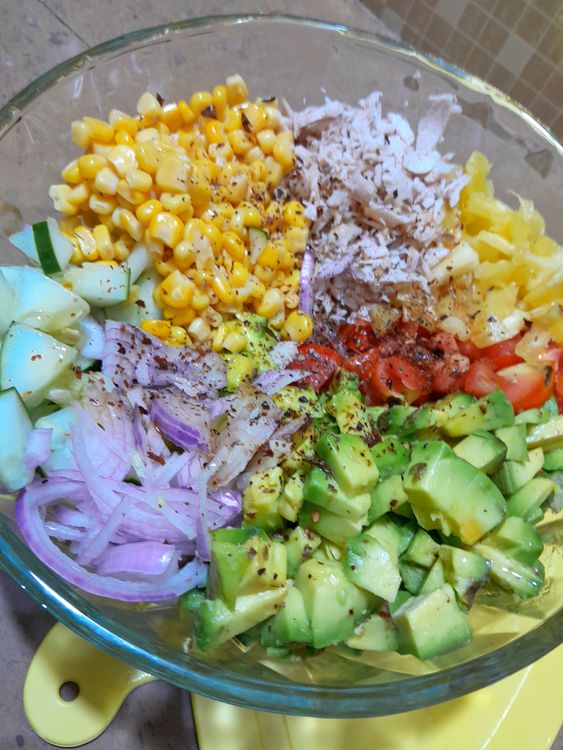
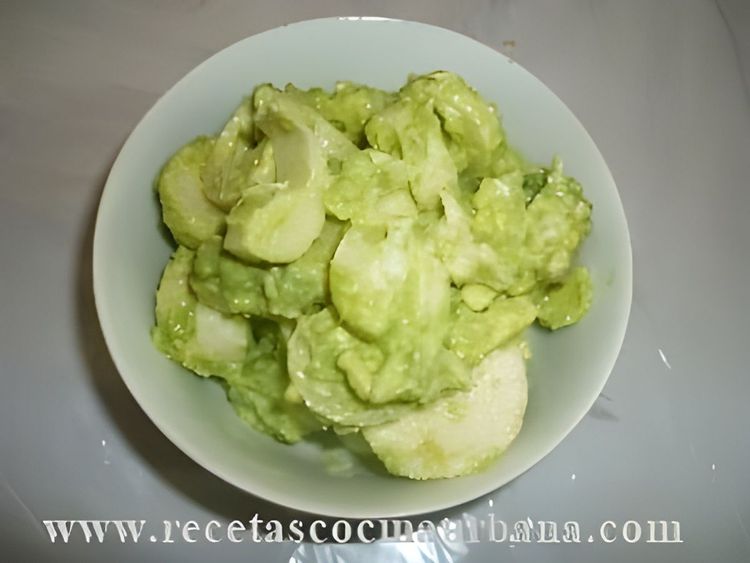
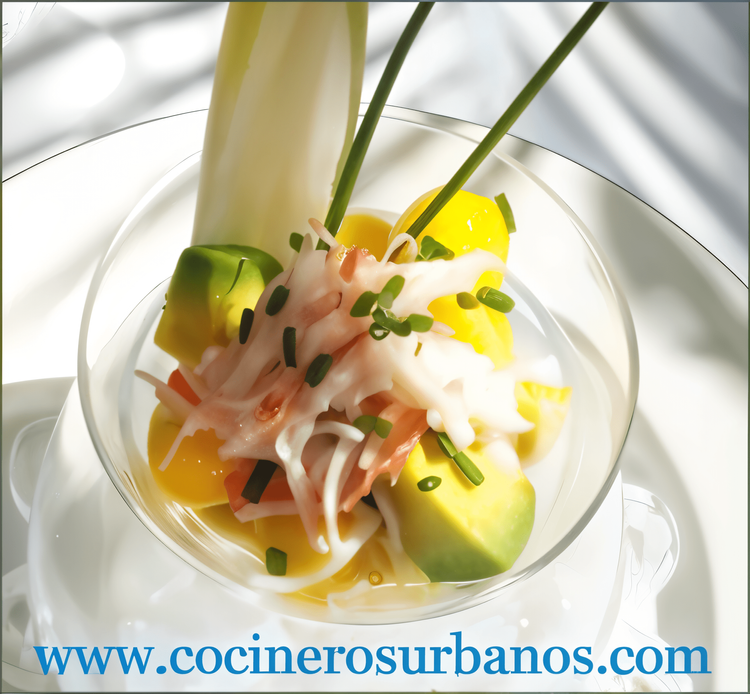
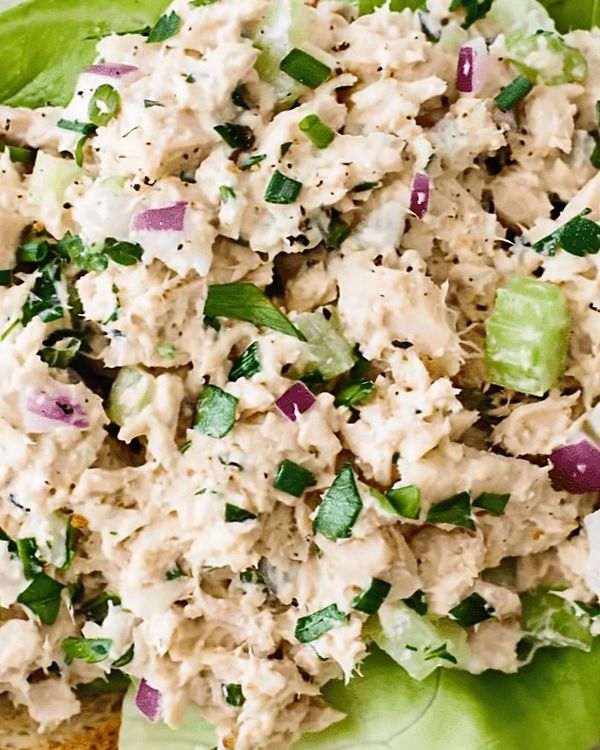
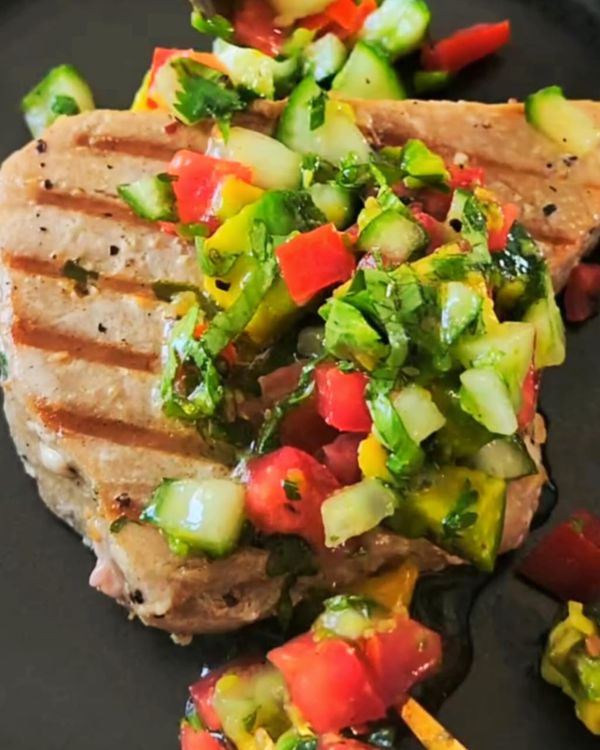
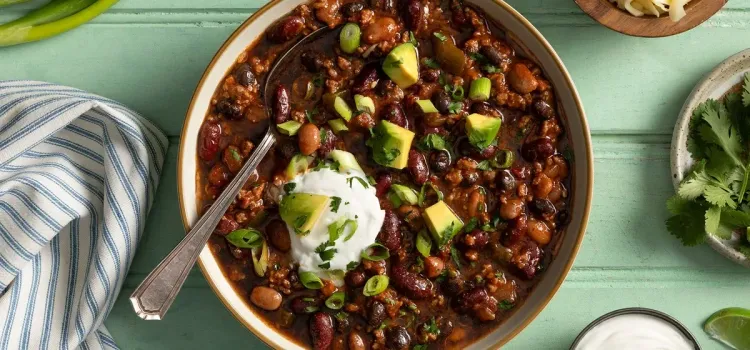
Here is where avocado stops being a topping and becomes the thing that makes a bowl feel complete and satisfying. Its richness does double duty, standing in for half the oil in a dressing and giving leafy salads, grain bowls, tacos and bean plates a luxurious, creamy body without any dairy. The trick is to add it late and handle it gently: dice or slice ripe avocado and fold it through at the very end, with a light hand, so the cubes stay intact rather than smearing into mush across everything. Dress the rest of the salad first, then crown it with avocado and toss minimally, or simply lay the slices on top. A squeeze of lime over the cut flesh keeps it green and seasons it at once. Balance is what carries these dishes, so pair the soft, fatty avocado with something crisp and something sharp, toasted seeds or tortilla strips for crunch, pickled onion or citrus for acid, a salty hit of feta or cotija. Choose firm-ripe rather than very soft avocados here so they hold their shape, and build the bowl just before eating so nothing wilts or browns. Standouts here include Classic Avocado Salad and Avocado Shrimp and Peach Salad, plus Avocado Salad with Shrimp, Mango, and Red Onion.
- Mexican
- Vegan
- Side Dish

- Pescatarian
- Lunch
- Fusion
- Pescatarian
- Appetiser
- Italian
- Non-Vegetarian
- Snack
- Brazilian
- Vegan
- Appetiser
- International
- Pescatarian
- Appetiser
- International
- Pescatarian
- Lunch
- International
- Pescatarian
- Lunch
- Mexican
- Non-Vegetarian
- Dinner

- Fusion
- Vegetarian
- Snack
Smoothies, Desserts & Stuffed
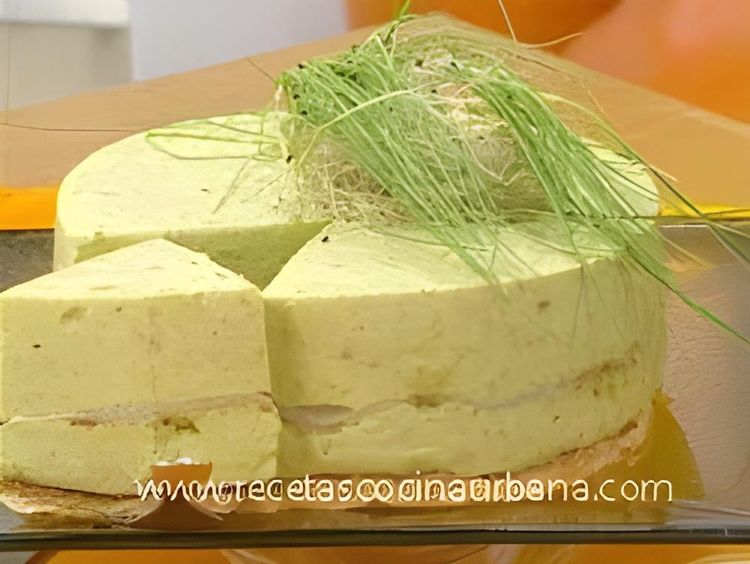
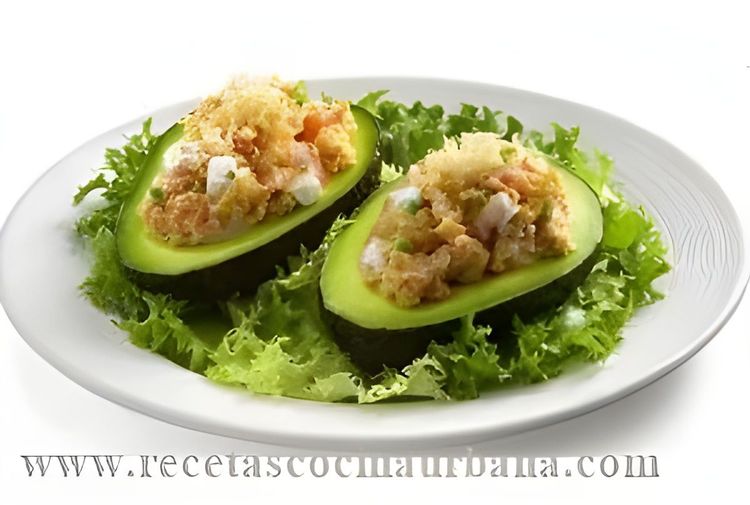
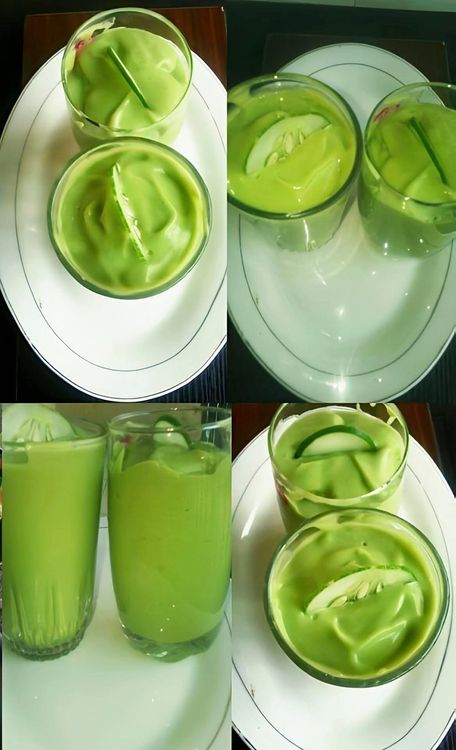
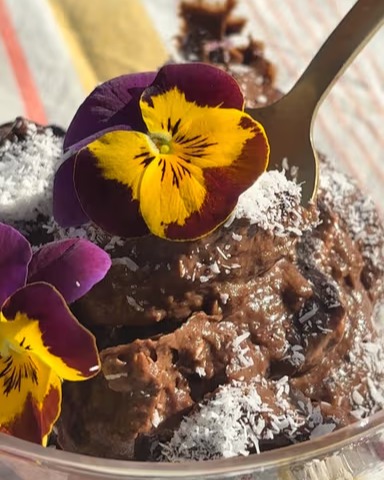
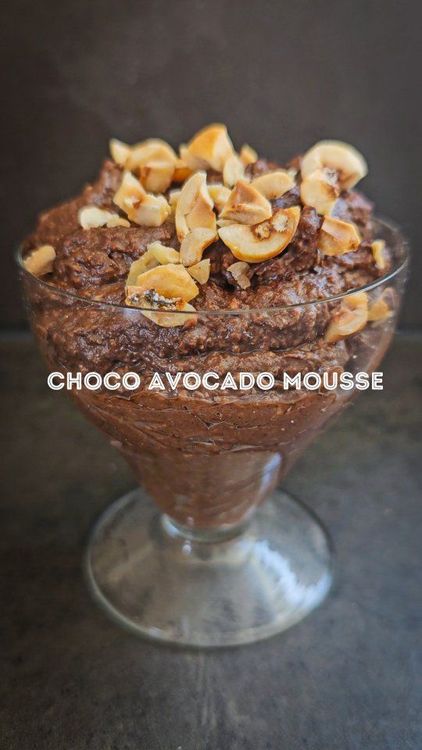
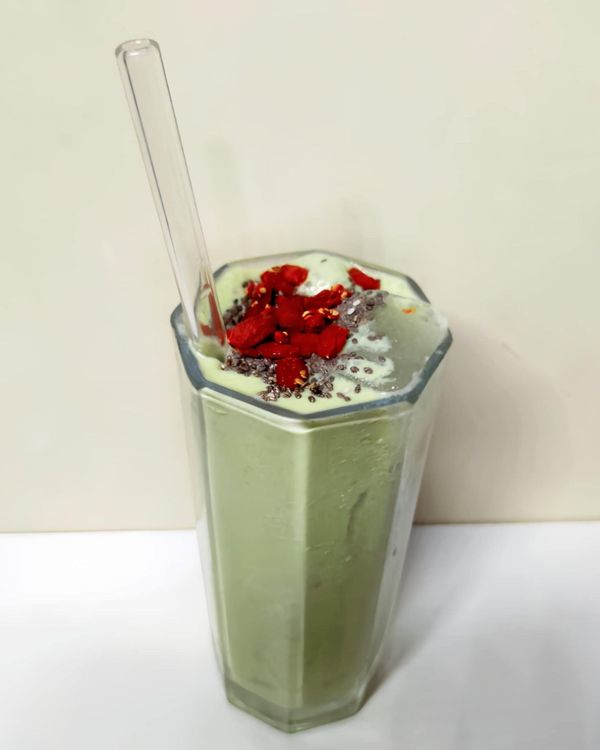
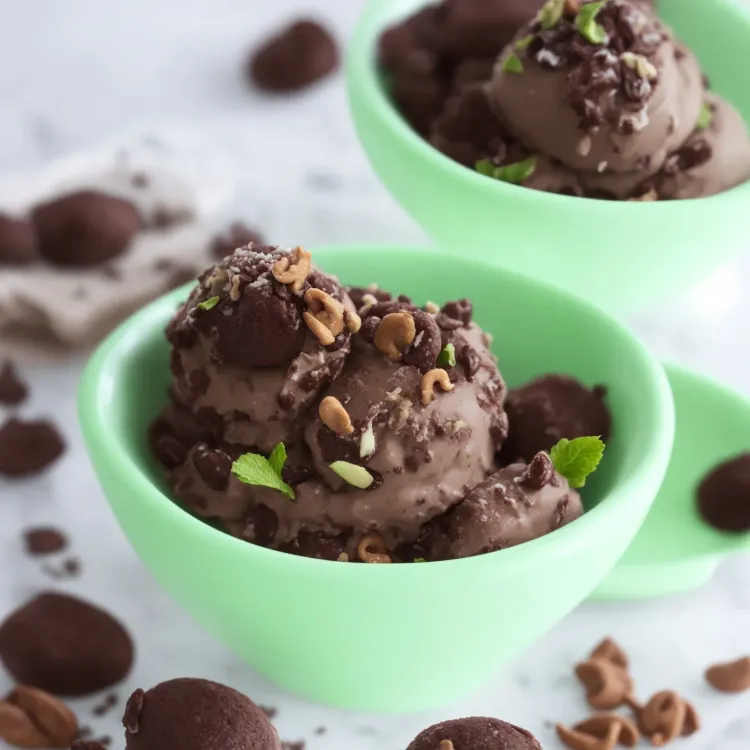
Here is the part many cooks never try: the same buttery flesh behind your savoury dishes makes some of the silkiest sweet things you can blend or bake. In a smoothie, half an avocado disappears entirely, lending an almost milkshake-thick, velvety body that no banana alone can match, while staying mild enough that cocoa, mango or lime takes the lead. The same logic powers a genuinely good chocolate mousse or pudding, where ripe avocado blended with melted dark chocolate and a little sweetener sets up glossy and rich, with no one able to guess the base. Use a properly ripe, soft avocado for these, since any firmness reads as grassy lumps once sweetened, and blend long enough to eliminate every fleck. Stuffed and baked versions take the other path: halve an avocado, widen the hollow, and crack an egg into it to bake, or pile it with a savoury filling and warm it briefly. Keep the heat short and moderate, because prolonged or fierce cooking turns avocado bitter and mushy. Sweet or savoury, the rule holds: ripe flesh, bold flavour, and a light touch with the heat. Standouts here include Avocado Mango Smoothie and Creamy Green Avocado Smoothie, plus Avocado and Ham Mousse.

- African
- Vegetarian
- Breakfast

- International
- Vegetarian
- Breakfast
- Mexican
- Non-Vegetarian
- Appetiser
- Latin American
- Pescatarian
- Lunch
- Global
- Vegetarian
- Snack

- American
- Vegetarian
- Breakfast
- Indonesian
- Vegan
- Dessert
- French
- Vegan
- Snack
- International
- Vegetarian
- Breakfast
- Fusion
- Vegan
- Snack


- International
- Vegetarian
- Beverage
More Avocado Favourites
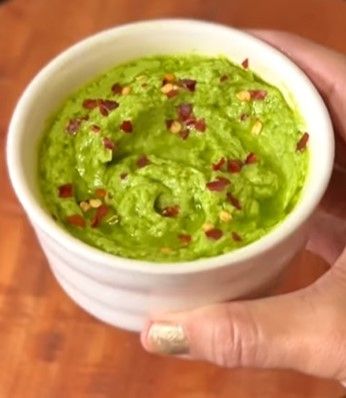
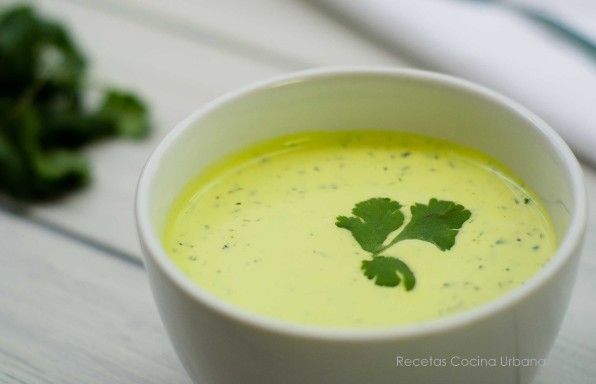
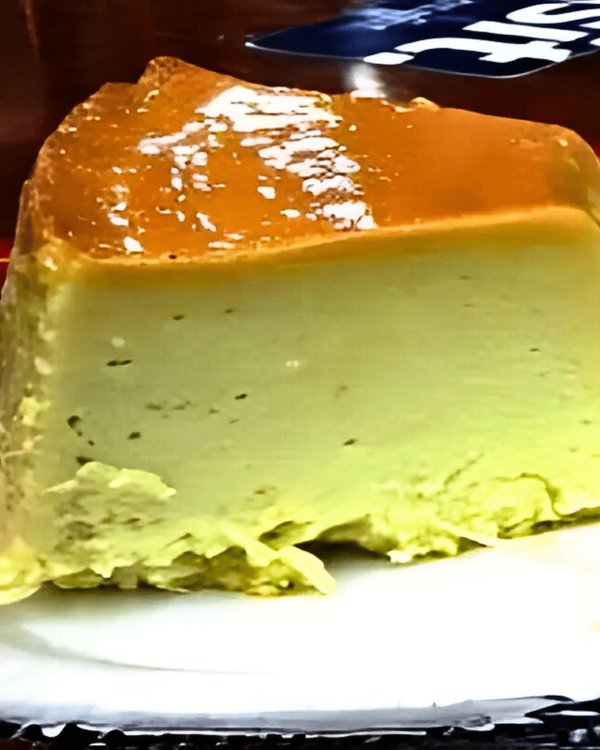
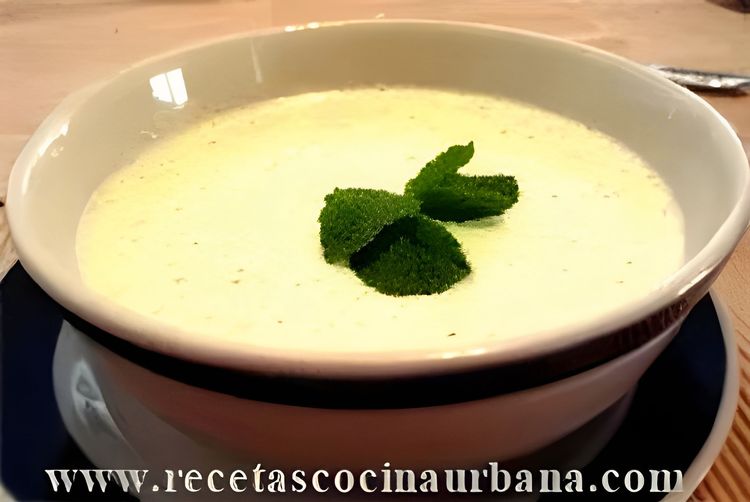
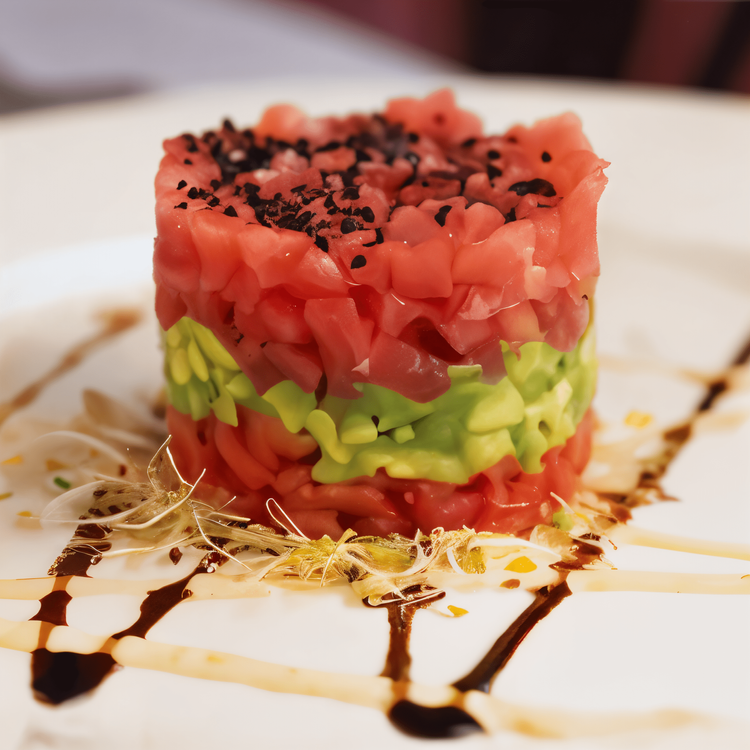
A handful of avocado dishes never settle neatly into one category, and these are the ones worth keeping in your back pocket once the staples feel routine. They lean on the same few techniques you already know, judging ripeness by feel, cutting cleanly, seasoning hard with salt and acid, and guarding against browning, but steer the fruit toward textures and pairings you might not expect, so it never tastes quite the same twice. Picking your next one is mostly about matching effort to mood: reach for a quick smash, a dip or a blended drink on a busy day when you want something good in five minutes, and save the stuffed, baked or more composed plates for when you have a little time to fan slices and fuss over contrast. Pay attention to ripeness above all, since a firm-ripe avocado holds its shape for slices and bowls while a very soft one blends or mashes best, and let that guide which dish you reach for. Think of this group as the natural next step after the classics, the recipes that quietly earn a regular spot in your rotation once you have tried them. Standouts here include Avocado Mayo and Avocado Vinaigrette, plus Avocado Flan.
- Fusion
- Vegan
- Snack
- American
- Vegetarian
- Sauce & Condiment
- Mexican
- Vegetarian
- Dessert
- Mexican
- Non-Vegetarian
- Lunch
- Japanese
- Pescatarian
- Appetiser

- Latin American
- Vegan
- Appetiser
Picking a Ripe Avocado (and Ripening One)
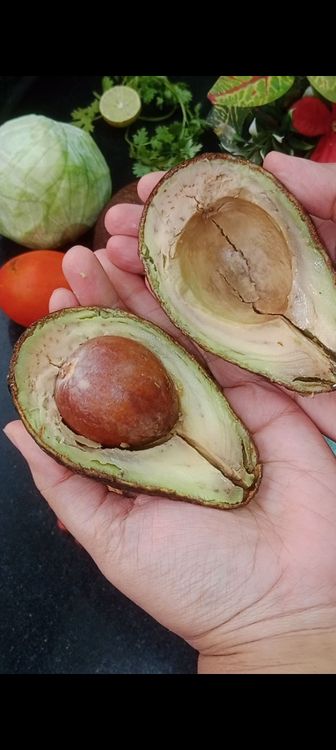
Ripeness is everything with avocado, and the supermarket is where most disappointments start. Cradle the fruit in your palm rather than pressing with a single fingertip, which only bruises it, and give it a gentle, even squeeze: a ready-to-eat avocado yields slightly all over, like the firm flesh at the base of your thumb when you touch thumb to little finger. Rock-hard means days away; mushy or dented means past it. Colour is a weak signal — Hass avocados darken to near-black when ripe, but other varieties stay green even when perfect.
The little stem nub at the top is the most reliable tell of all. Flick it off: if it comes away easily and the patch underneath is green, the avocado is ripe and good inside. If it clings, the fruit needs a few more days; if the patch is brown, expect stringy or spotted flesh under the skin. Buy a mix of ripe and firm if you want avocados to last the week rather than ripening all at once.
To ripen a firm avocado, leave it on the counter at room temperature for two to five days — never the fridge, which stalls ripening. Speed it up by sealing it in a paper bag with a banana or apple; the ethylene gas those fruits give off accelerates softening, often overnight. Once an avocado is perfectly ripe, move it to the fridge to hold it for two or three more days. The cold pauses the clock without ruining the texture, buying you a window to actually use it.
Cutting, Pitting and Scooping Safely
Run a knife lengthwise around the whole avocado until it hits the pit, then twist the two halves apart. The pit usually stays in one half. The genuinely safe way to remove it is not the dramatic knife-strike you see online — that "avocado hand" sends people to the emergency room every year. Instead, scoop the pit out with a spoon, or tap the heel of the knife into it gently and twist, keeping your other hand well clear and the avocado on a board, never in your palm.
For slices or a fan, leave the skin on and cut the flesh into wedges while still in the shell, then slide a spoon between flesh and skin to lift them out whole. For mashing or dicing, score a grid into the flesh down to the skin, then scoop with a spoon and the cubes fall out clean. A ripe avocado releases easily; if you are fighting the skin, the fruit is under-ripe and will taste grassy and firm rather than creamy.
Scoop right down to the skin to capture the darker green flesh just beneath, which is the most nutrient-dense part. Work with the fruit at room temperature for the softest texture, and have your lime and salt ready before you cut, because the clock on browning starts the moment the flesh meets air. Cut only what you will use right away, and keep the pit aside if you are storing a half — it is no magic preservative, but it does shield the flesh it covers.
Stopping Avocado From Browning
Cut avocado browns because an enzyme in the flesh reacts with oxygen, the same reaction that turns a sliced apple brown. It is harmless — the fruit is still perfectly good to eat — but it looks unappetising and dulls the bright green you want, especially in guacamole. The whole game is limiting contact with air and slowing that enzyme down, and acid is your single best tool: lime or lemon juice both lowers the pH the enzyme needs and forms a thin protective layer over the flesh.
For guacamole or a dip, press a sheet of cling film directly onto the surface so no air touches it at all, smoothing out every bubble, then seal the container. Some cooks float a thin layer of water over the top of packed guacamole and pour it off before serving — it sounds odd but it works, sealing the surface from oxygen completely. Either method keeps a bowl green for a day in the fridge far better than a loose lid.
For halves and slices, leave the pit in the unused half, rub the cut face with lime or lemon juice or a film of olive oil, and wrap it tightly. Storing it cut-side down in a little lime juice in a sealed tub also helps. The truth worth accepting, though, is that avocado is at its best the moment you cut it — so the real fix for browning is timing. Prep it last, season it immediately, and serve it straight away rather than fighting chemistry to hold it.
Seasoning, Pairing and Serving
A ripe avocado is rich but mild, so it needs assertive seasoning to come alive — under-salted avocado is the most common reason a dish tastes flat. Reach first for flaky salt and acid: lime is the classic partner, but lemon, a splash of vinegar or even a squeeze of orange all lift the fat and wake up the flavour. Black pepper, red chilli flakes or a sliced fresh chilli add the gentle heat that avocado was born to carry, and a drizzle of good olive oil deepens its own buttery character.
Texture and contrast are what turn avocado from a soft smear into a memorable plate. Because the flesh is so creamy, it begs for something crunchy alongside — toasted seeds, crushed nuts, crisp radish, a crackly piece of toast or a scatter of crispy onions. Fresh herbs (coriander, dill, basil), pickled onion, feta, a runny egg or a hit of hot sauce all play beautifully against its richness. Think in opposites: cool against warm, soft against crisp, fatty against sharp.
Serve avocado fresh and at room temperature, when its flavour and silky texture are at their peak — fridge-cold avocado tastes muted and waxy. Build the rest of the dish first and add the avocado last, whether you are folding it through a warm grain bowl, fanning it over toast, or topping tacos. Avocado does not reheat and does not hold, so treat it as a finishing ingredient and assemble at the last possible moment for the best colour, taste and texture.
Pro Tips from the Test Kitchen
- Squeeze the whole avocado gently in your palm — ripe yields evenly, not just under one fingertip (which only bruises it).
- Flick off the stem nub: green underneath means ripe and good, brown means stringy flesh inside.
- Ripen firm avocados on the counter, never the fridge; speed it up in a paper bag with a banana or apple.
- Once ripe, move avocados to the fridge to hold them an extra two to three days.
- Scoop out the pit with a spoon rather than striking it with a knife — "avocado hand" is a real ER visit.
- Score a grid into the flesh, then scoop, for clean cubes that fall straight out of the skin.
- Acid is your anti-browning tool: rub cut faces with lime or lemon juice to slow oxidation.
- Press cling film flat onto the surface of guacamole (no air gaps) to keep it green overnight.
- Season avocado boldly — flaky salt and lime first; under-salting is why it tastes flat.
- Serve avocado fresh and at room temperature; cut it last because it does not hold or reheat.
Frequently Asked Questions
How do you know when an avocado is ripe?
Cradle it in your palm and squeeze gently and evenly — a ripe avocado yields slightly all over, like the flesh at the base of your thumb. The most reliable test is to flick off the small stem nub at the top: if it lifts away easily and the patch underneath is green, it is ripe; if it clings or the patch is brown, it is under- or over-ripe. Skin colour is unreliable since only some varieties darken.
How do you ripen an avocado quickly?
Leave it at room temperature, never the fridge, which stalls ripening entirely. To speed things up, seal the avocado in a paper bag with a banana or apple — the ethylene gas those fruits release accelerates softening, often ripening a firm avocado overnight or within a day. Check it daily by feel. There is no genuine way to ripen a cut avocado, so always ripen it whole before slicing.
How do you stop avocado from going brown?
Browning is oxidation, harmless but unappealing. Acid slows it, so rub cut surfaces with lime or lemon juice. For guacamole, press cling film directly onto the surface so no air touches it, or float a thin layer of water over the top and pour it off before serving. For a half, leave the pit in, oil or acidify the cut face, and wrap tightly. Best of all, simply cut avocado just before you serve it.
Why is my avocado brown inside?
Brown or stringy flesh inside an uncut avocado usually means it is over-ripe or was bruised in handling and transit. Brown patches near the stem point to over-ripeness; brown streaks running through the flesh are often from cold damage or rough handling. Small brown spots can be cut away and the rest eaten, but widespread browning, sour smell or mushy texture means it is best discarded.
Is avocado good for you?
Yes — avocado is nutrient-dense and a good source of heart-healthy monounsaturated fat, fibre, potassium and vitamins E, K and several B vitamins. The fat also helps your body absorb fat-soluble nutrients from other foods eaten alongside it, like the vegetables in a salad. It is calorie-dense, so portion sensibly, but it is one of the most nourishing ways to add richness and creaminess to a meal without dairy.
Can you cook avocado?
You can, though it is usually best raw, since gentle heat softens and warms it while strong or prolonged heat turns it bitter and mushy. Warm applications work well: avocado halves baked with an egg cracked into the hollow, slices briefly grilled until charred, or quickly seared for tacos. The key is to keep heat short and moderate. For most dishes, though, fold avocado in at the very end so it warms through rather than cooks.
What can I make with a ripe avocado?
A great deal. Smash it onto toast with salt, lime and chilli; mash it into guacamole; dice it into salads, grain bowls and tacos; blend it into a creamy salad dressing or crema; or fold it into a smoothie or chocolate mousse where its buttery flesh turns silky. Because it needs no cooking and pairs with almost anything sharp, salty or spicy, a single ripe avocado can anchor breakfast, lunch, a dip or a dessert.
How do you store a cut avocado?
Leave the pit in the unused half, rub the exposed flesh with lime or lemon juice or a film of oil, and wrap it tightly in cling film or seal it in an airtight tub, cut-side down. Refrigerated this way it keeps for about a day before browning sets in. Mashed avocado or guacamole holds slightly longer if you press film flat onto the surface. Cut avocado does not freeze well in slices, but mashed avocado with lime freezes acceptably.
What is the difference between guacamole and mashed avocado?
Mashed avocado is simply ripe avocado crushed with a little salt and acid — a quick smear for toast or sandwiches. Guacamole is a proper Mexican dish: mashed avocado built up with lime, salt, onion, chilli, coriander and often tomato, balanced for tang and heat. Guacamole is chunkier and far more seasoned, meant for scooping with chips, while mashed avocado is a plainer base. The line between them is mostly how much you season and add.
What goes well with avocado?
Avocado loves anything sharp, salty, spicy or crunchy to offset its richness. Classics include lime, flaky salt, chilli, coriander, tomato and red onion; it also pairs beautifully with eggs, smoked salmon, feta, bacon, citrus, toasted seeds and crisp toast. For sweet dishes it works with cocoa, banana, honey and lime. The guiding idea is contrast — pair its creamy fat with acid and crunch, and almost anything in that family will work.
The thread through every avocado recipe here is the same: a buttery, mild fruit that rewards good ripeness and bold seasoning far more than any cooking technique. Master the few moves in the guides — pick one that is ready, cut it cleanly, keep it from browning, and season it hard with salt and lime — and toast, guacamole, salads and even desserts all fall into place.
Pick three to make this week — a loaded toast, a bowl of guacamole and something unexpected like a smoothie or mousse — and save your favourites to a Chefadora cookbook. Then work through the rest; this page is built to be the avocado reference you actually come back to.
Related
- Avocado
- Vegetarian
- Healthy
- Breakfast
- Mexican
- Vegan-friendly
- Quick
- No-cook
Popular Searches
- Best avocado recipes
- Easy avocado recipes
- Quick avocado recipes
- Healthy avocado recipes
- Simple avocado recipes
- Homemade avocado recipes
- Delicious avocado recipes
- Popular avocado recipes
- avocado toast
- guacamole recipe
- avocado salad
Marnirni-apinthi Building, Lot Fourteen,
North Terrace, Adelaide, South Australia, 5000
Australia
