
Top 45 One Pot Recipes: Easy One-Pan Dinners for Busy Weeknights
Updated July 2, 2026 · Curated by Chefadora
One pot recipes solve the same two problems every weeknight: too little time and too much washing up. The dishes gathered here — from spiced curries and paneer gravies to skillet pastas, sweet rice puddings and hearty beef bakes — all share one rule: everything cooks in a single pot, pan or skillet, layer by layer, so the fond from browning meat or blooming spices ends up flavoring the finished dish instead of sitting in a rinsed-out pan.
What ties one pot meals together is not a cuisine or an ingredient but a method. Aromatics go in first and get a proper cook; whatever protein or starch follows sits directly in that base, picking up flavor as it simmers, bakes or steams. Rice and pasta work particularly well this way, since the starch they release as they cook naturally thickens the sauce around them — no separate pot of boiling water required.
The recipes below split into four groups: rich curries, dal and paneer gravies; sweet and breakfast dishes that come together in one pan; rice, pasta and noodle mains where the starch does double duty; and hearty skillet dinners built around beef, chicken or sausage. Between them you have a full week of easy one pot dinners without repeating a single flavor profile.
Treat this page as a working list. Each recipe links through to full ingredients and method on Chefadora, and the guides further down cover the technique questions that actually decide whether a one pot dinner turns out right — how to layer flavor as you go, how to get rice or pasta to cook evenly in the same pot as everything else, and how to keep a dish from going watery or scorching before it is done.
One-Pot Curries, Dal & Paneer
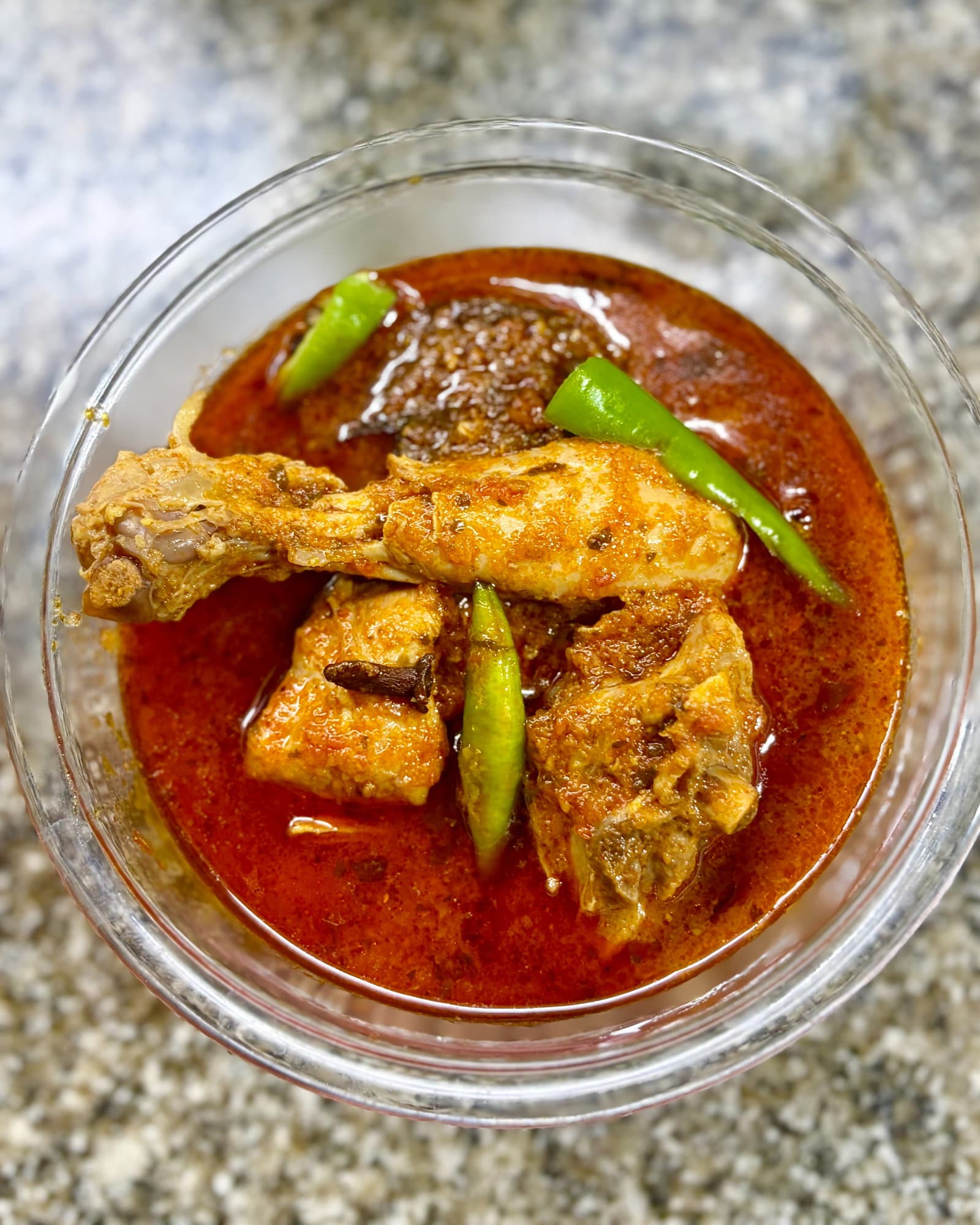
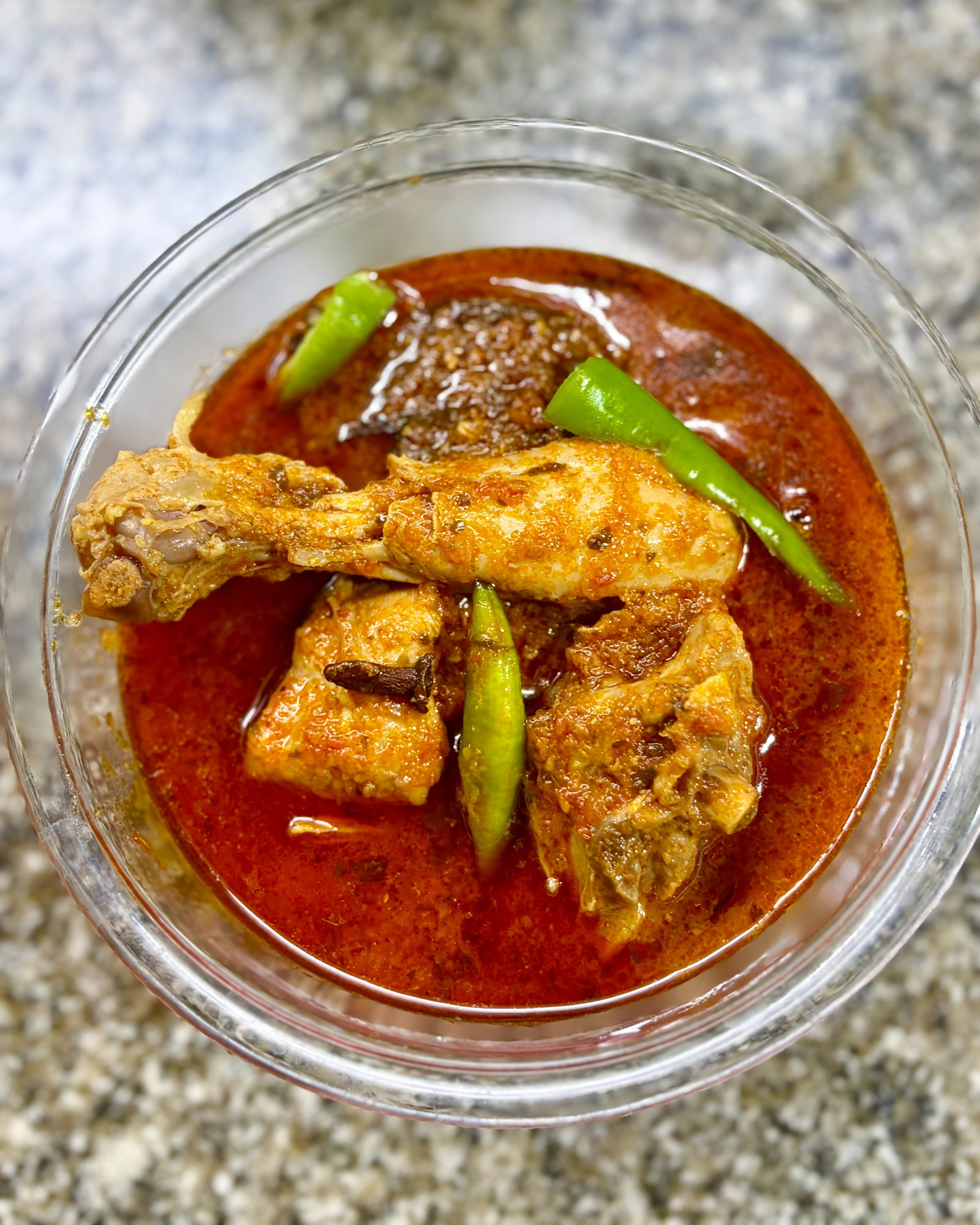
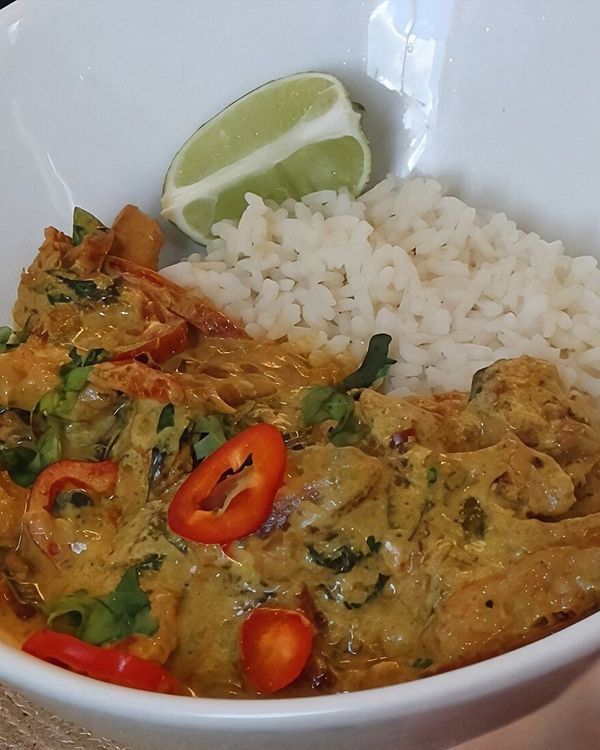
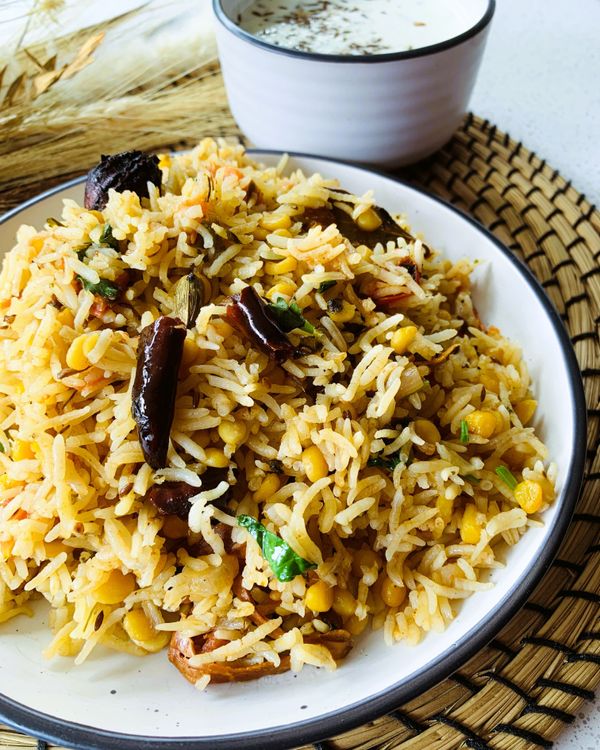
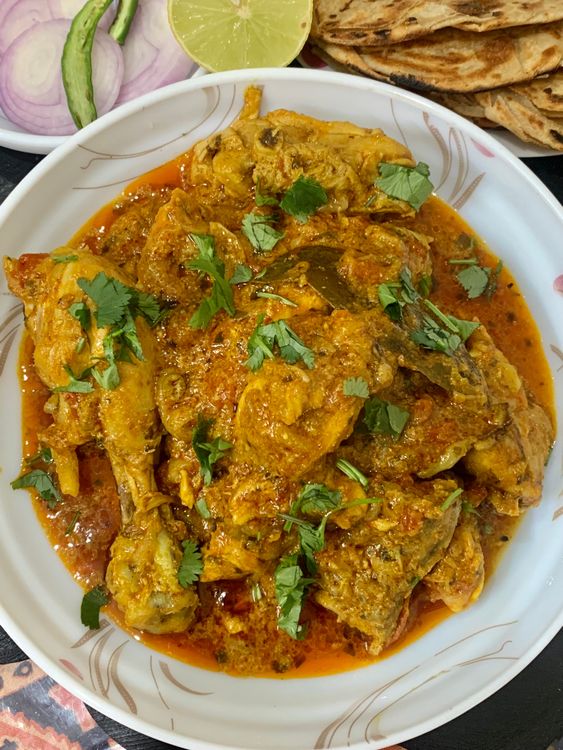
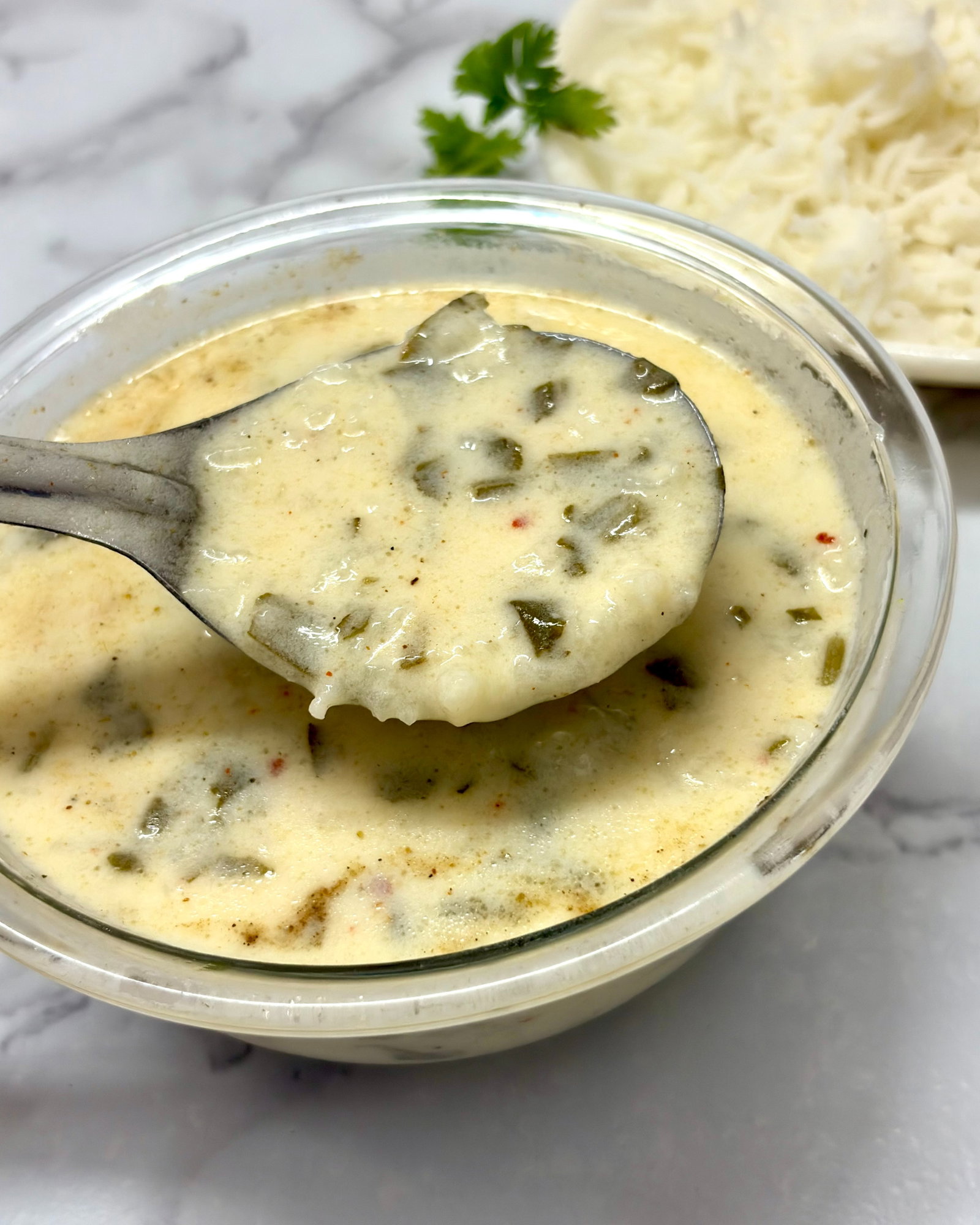
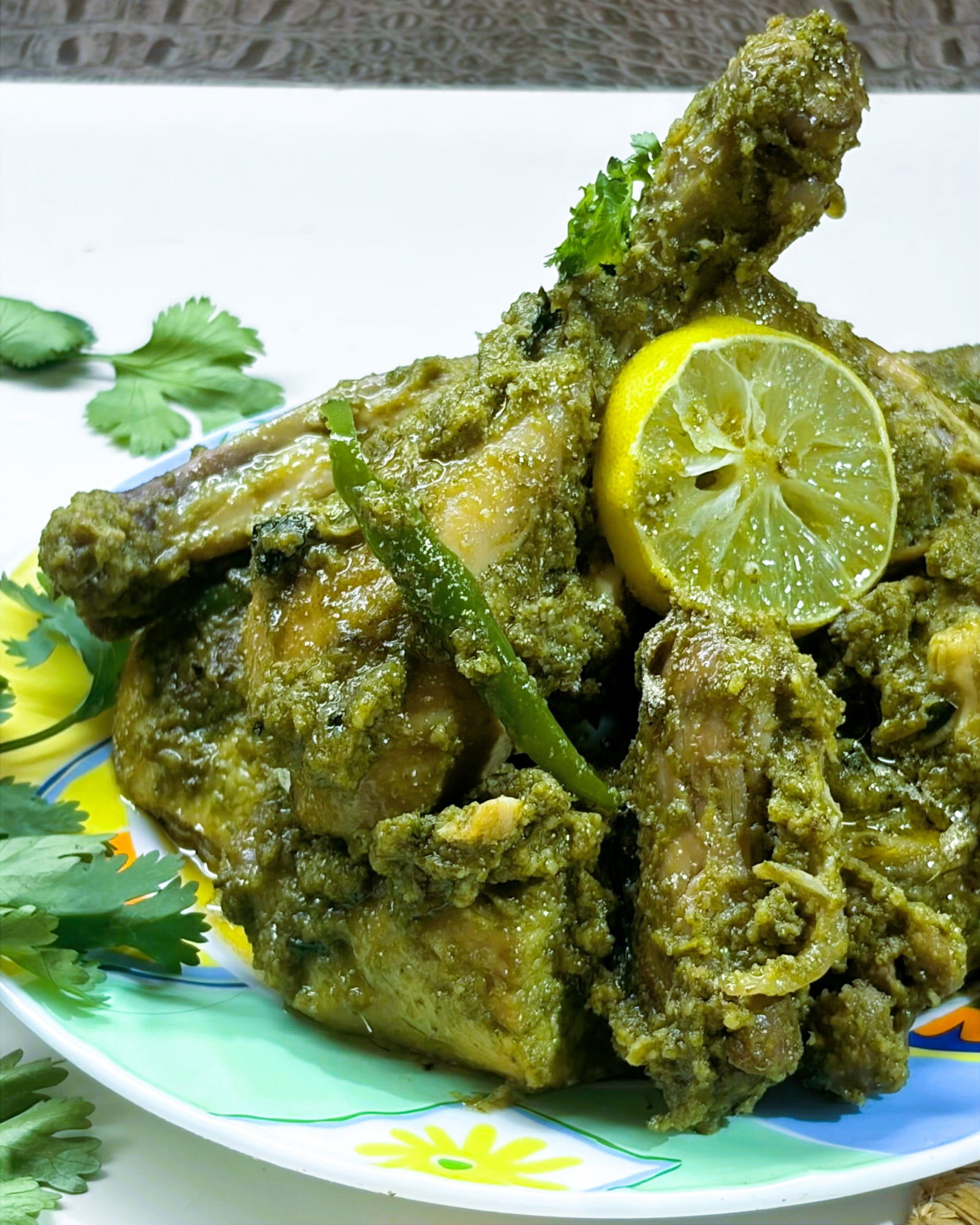
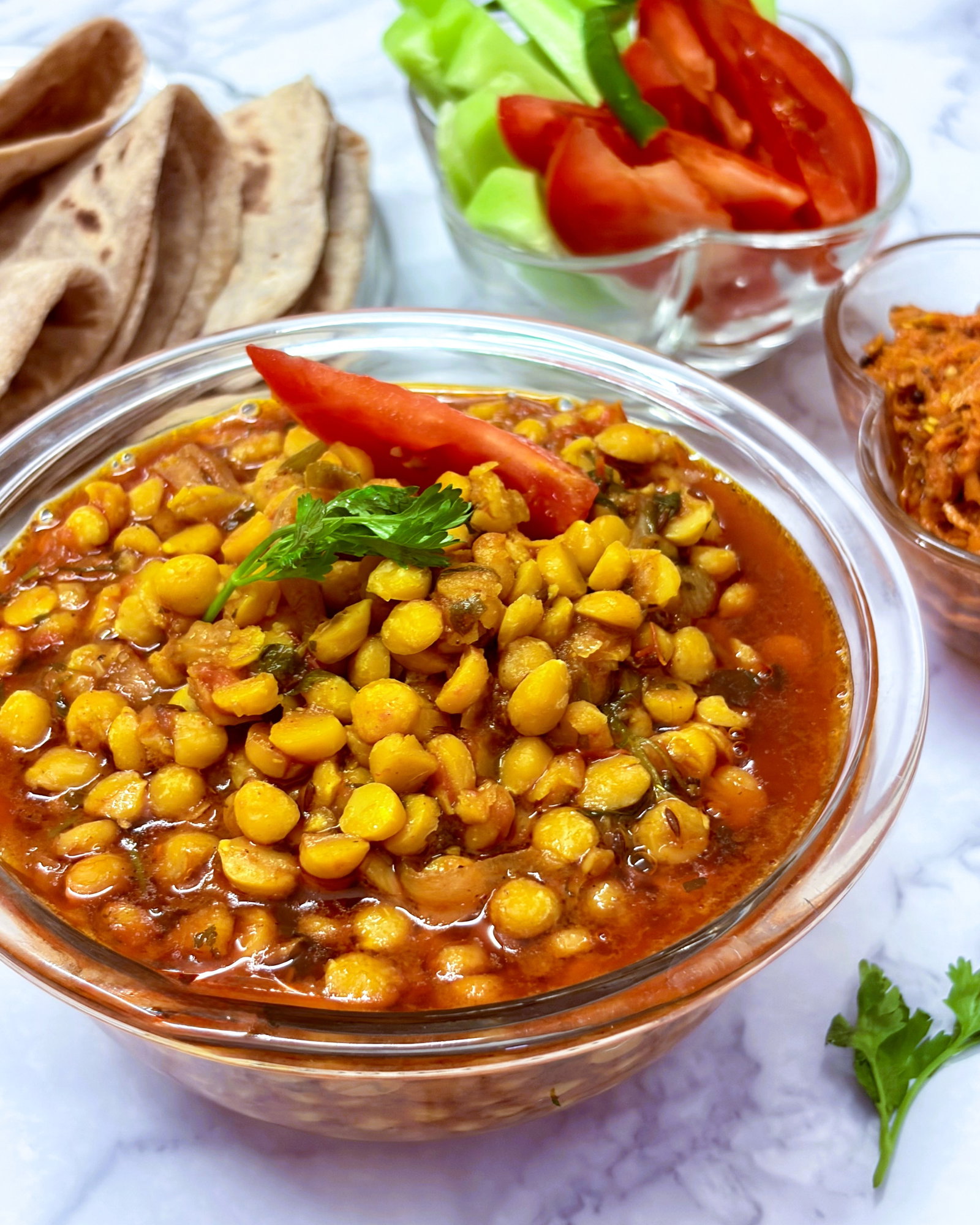
One-pot curries, dal and paneer gravies are the clearest example of what this method is good at: everything from the onion base to the final simmer happens in a single pot, so nothing gets left behind when you rinse out a separate pan. Start by cooking onions properly — soft, gold and starting to catch at the edges — before ginger, garlic and spices go in, since that base is what carries the whole dish. Ground and whole spices bloom fastest in hot fat rather than liquid, which is why frying them briefly before adding tomatoes or stock makes such a noticeable difference in flavor. From there, whether you are making a quick dal tadka, a rich paneer gravy or a spiced chicken curry, the method is largely the same: build the base, add the main ingredient, and let it simmer gently until the flavors have come together and the sauce has thickened to where you want it. Keep dairy-based additions like cream or paneer for near the end of cooking so they do not split or turn tough, and finish with a squeeze of lemon or a pinch of sugar to balance the dish before serving. Standouts here include One-Pot Chicken Curry (Pressure Cooked) and Creamy Thai Coconut Chicken Curry, plus Chana Dal Pulao (Punjabi-Style).

- Non-Vegetarian
- Lunch

- Thai
- Non-Vegetarian
- Lunch
- Indian
- Vegetarian
- Lunch
- Indian
- Non-Vegetarian
- Lunch

- South Indian
- Vegan
- Lunch
- Middle Eastern
- Non-Vegetarian
- Dinner

- Indian
- Vegetarian
- Lunch
- Vegetarian
- Main Course
- Indian
- Non-Vegetarian
- Dinner
- Indian
- Gluten-Free
- Appetiser
- Vegetarian
- Main Course

- Indian
- Vegetarian
- Dinner

- Indian
- Vegan
- Side Dish

- Gluten-Free
- Dinner
One-Pot Sweets, Breakfast & Snacks
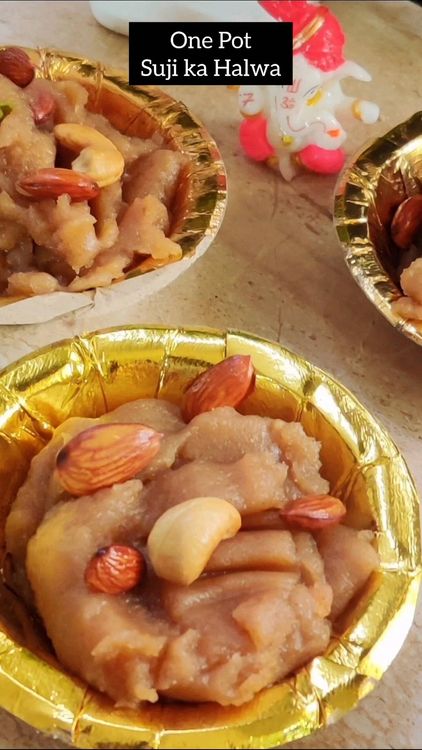
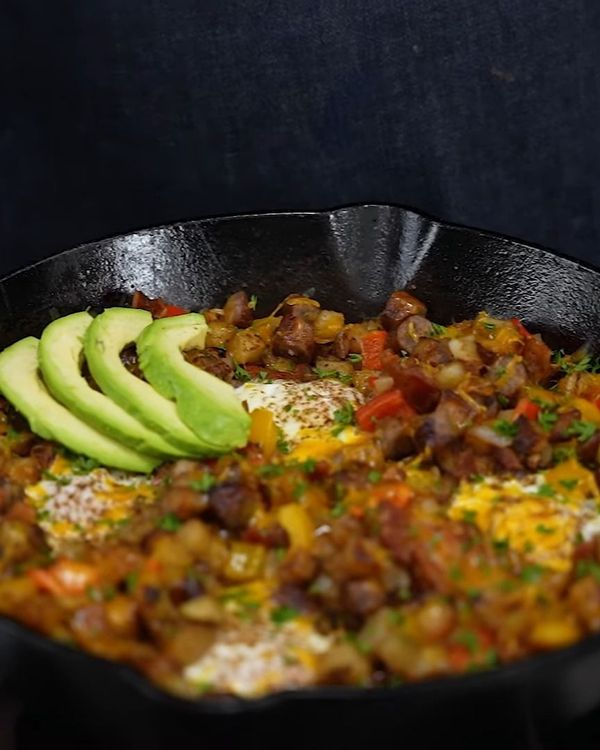
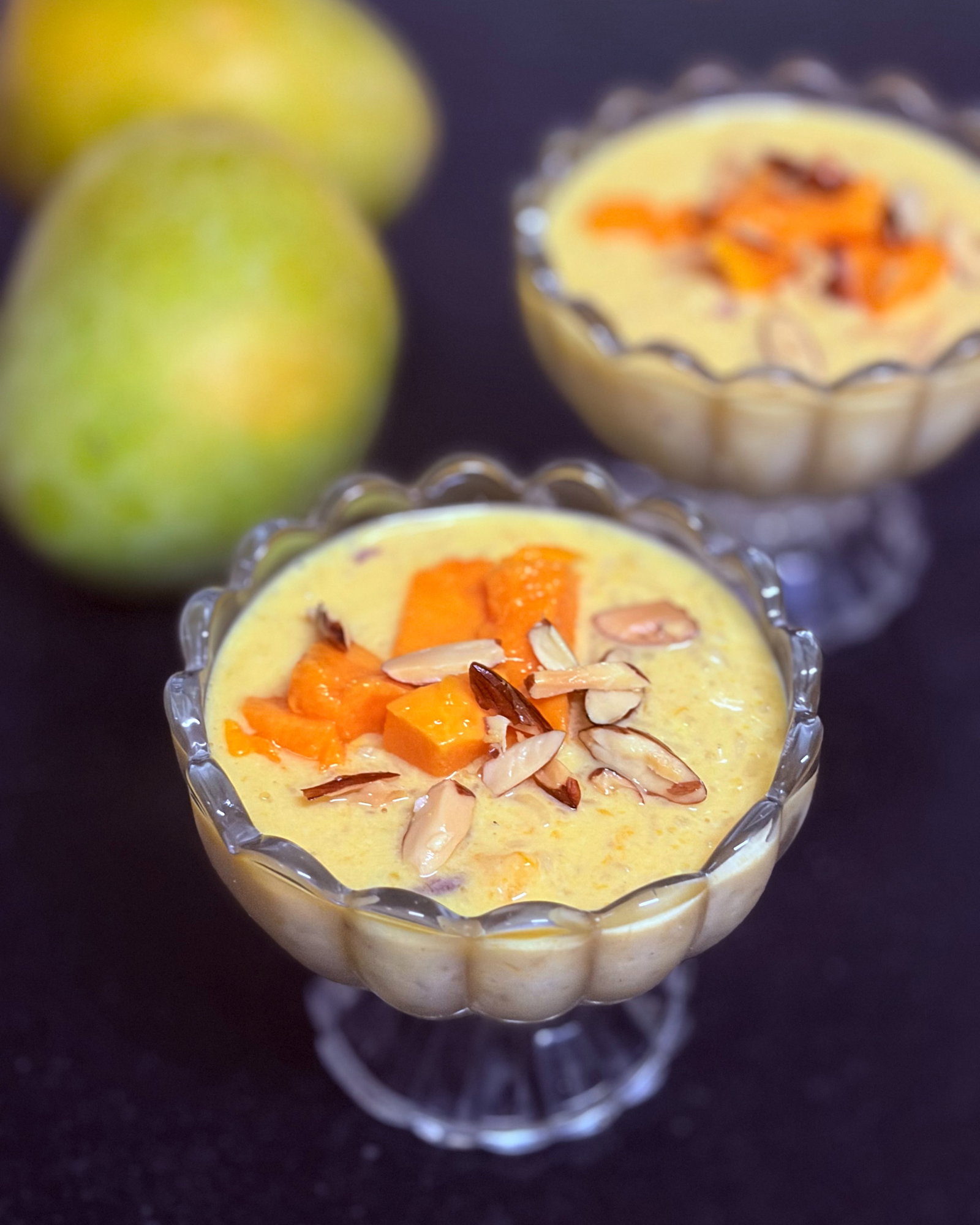
Sweet and breakfast dishes prove that one-pot cooking is not just a dinner trick — a single skillet or saucepan can turn out a stack of pancakes, a pot of halwa or a spoonable fruit compote just as efficiently as it turns out a curry. The same principles apply even when the ingredients are sweet rather than savory: build in stages, keep the heat moderate so sugar and dairy do not scorch on the bottom of the pan, and stir at the right moments rather than constantly. A one-pot halwa, for example, depends on toasting the semolina or flour in ghee until fragrant before liquid goes in, exactly the same blooming logic used for spices in a curry. Skillet breakfasts benefit from the same layering approach as dinner skillets — potatoes and heartier ingredients go in first to get a head start, with quicker-cooking additions like eggs or greens following once the base is mostly cooked. These recipes are also some of the quickest on the page, most ready well under thirty minutes, which makes them a practical answer for a fast breakfast or a simple dessert that does not need a separate saucepan and mixing bowl. Standouts here include Gluten-Free Easy Pancakes and Banana Breadmaxxing with Biscoff and Strawberries, plus 5-Minute Pear Sauce (Sweet & Spicy).


- Gluten-Free
- Breakfast


- Dairy-Free
- Bread & Baking


- Vegan
- Sauce & Condiment

- Indian
- Vegetarian
- Dessert
- Indian
- Vegan
- Breakfast
- American
- Eggetarian
- Breakfast

- Indian
- Vegetarian
- Side Dish
- Vegetarian
- Dessert
One-Pot Rice, Pasta & Noodle Mains
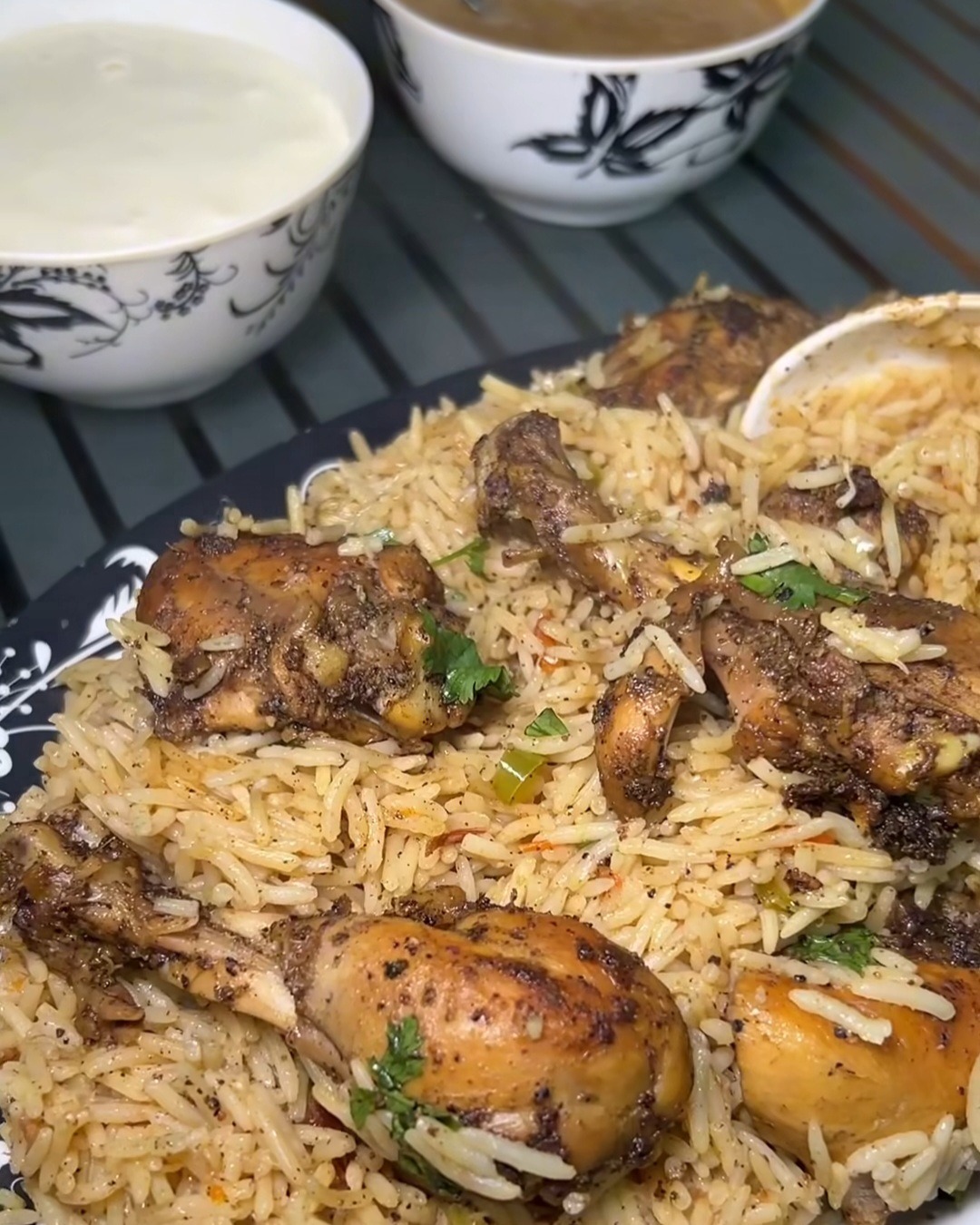
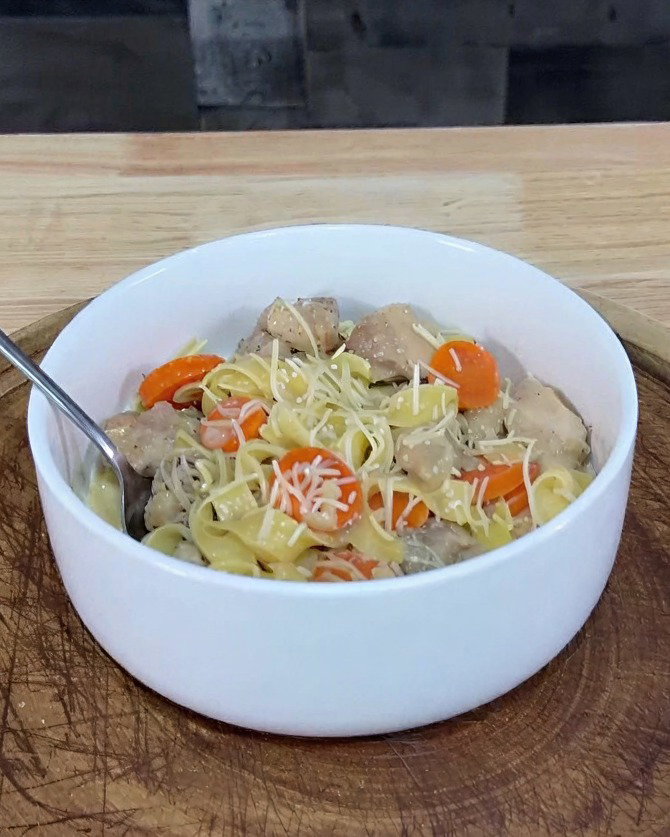
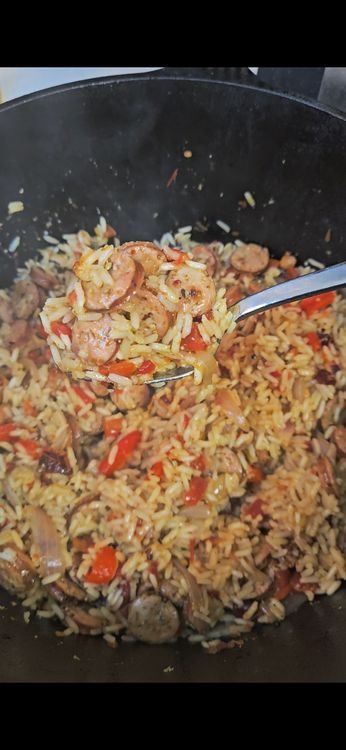
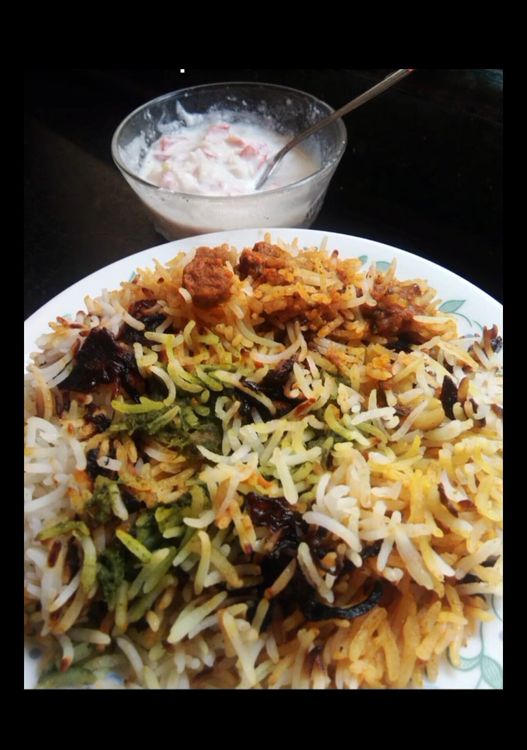
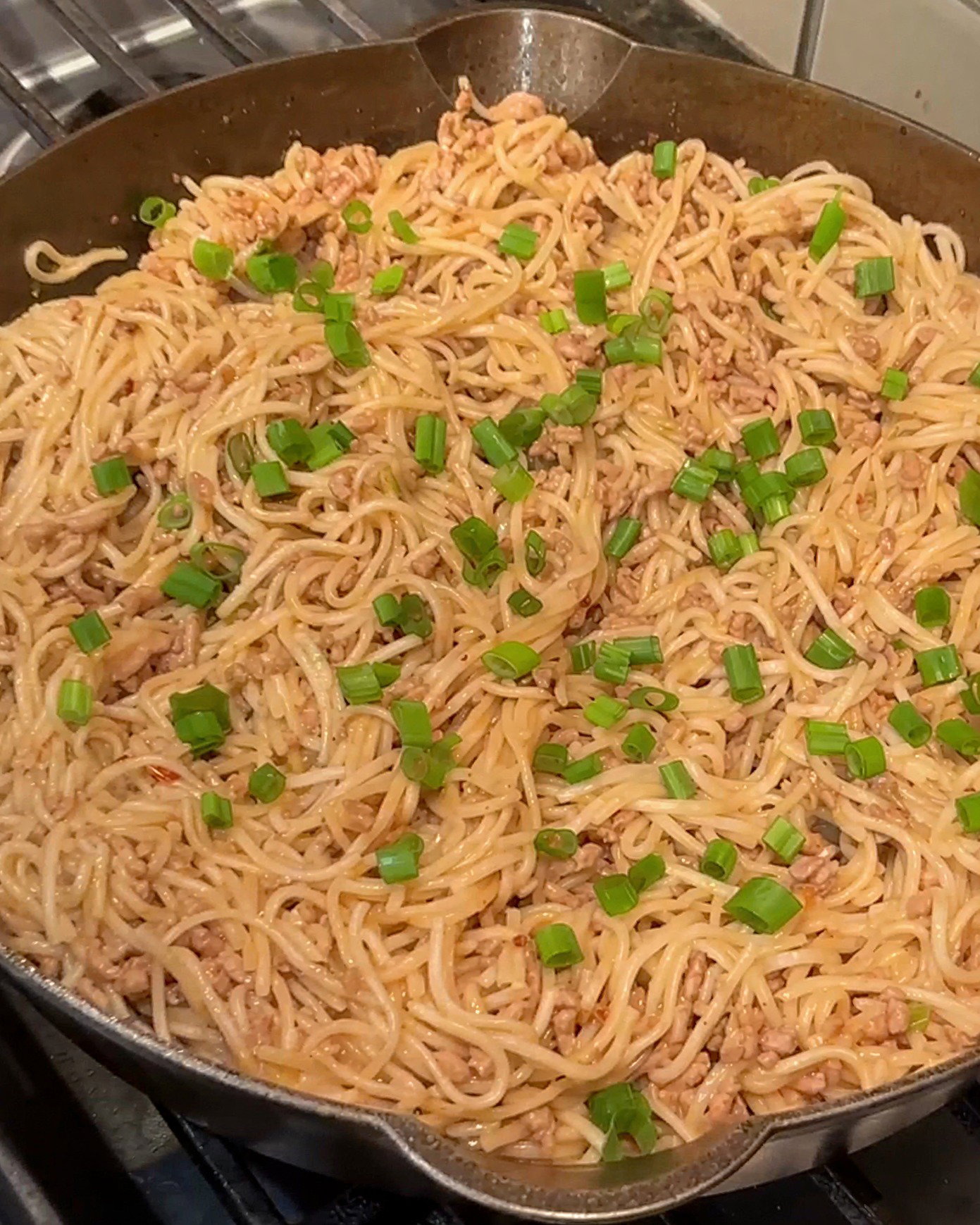
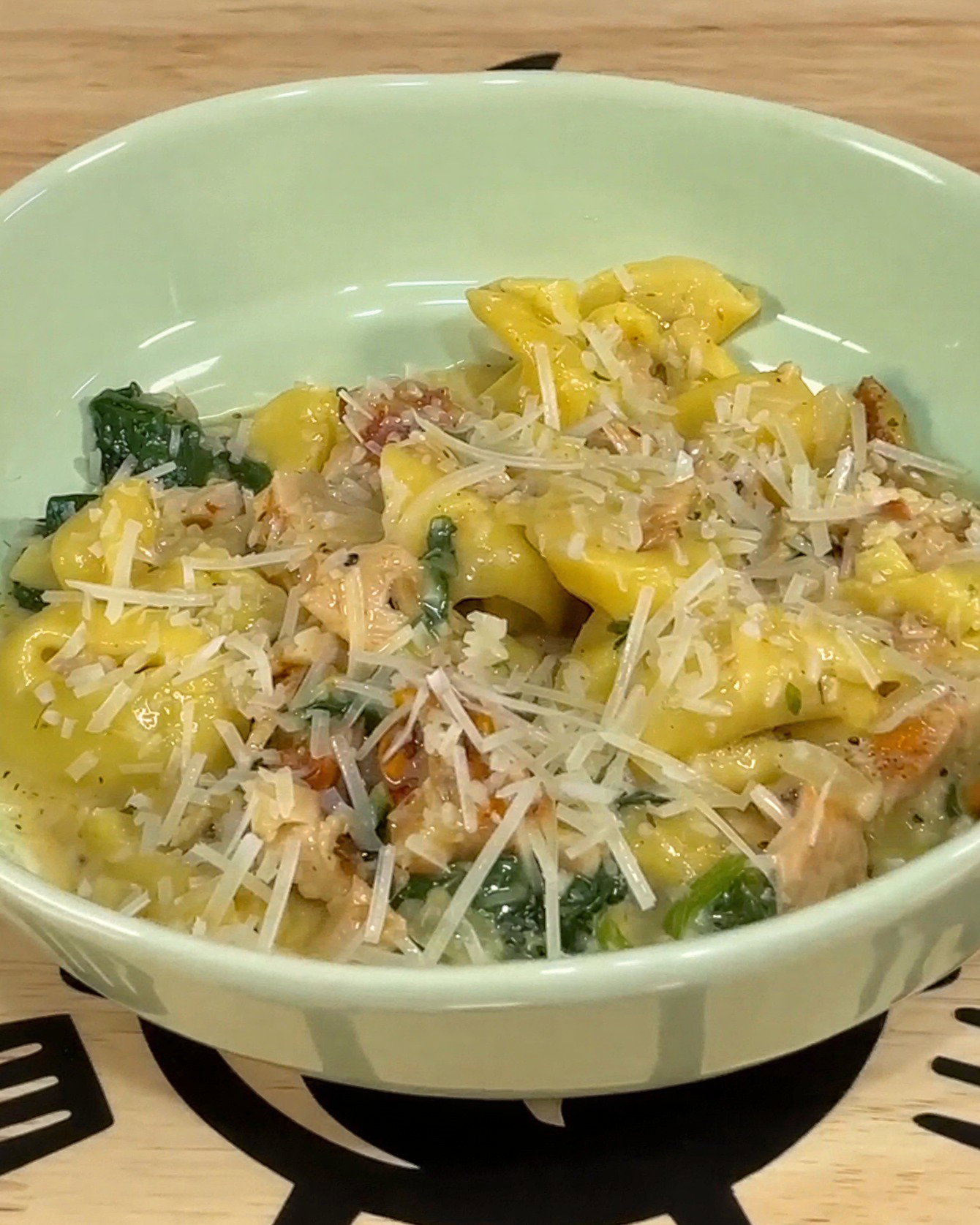
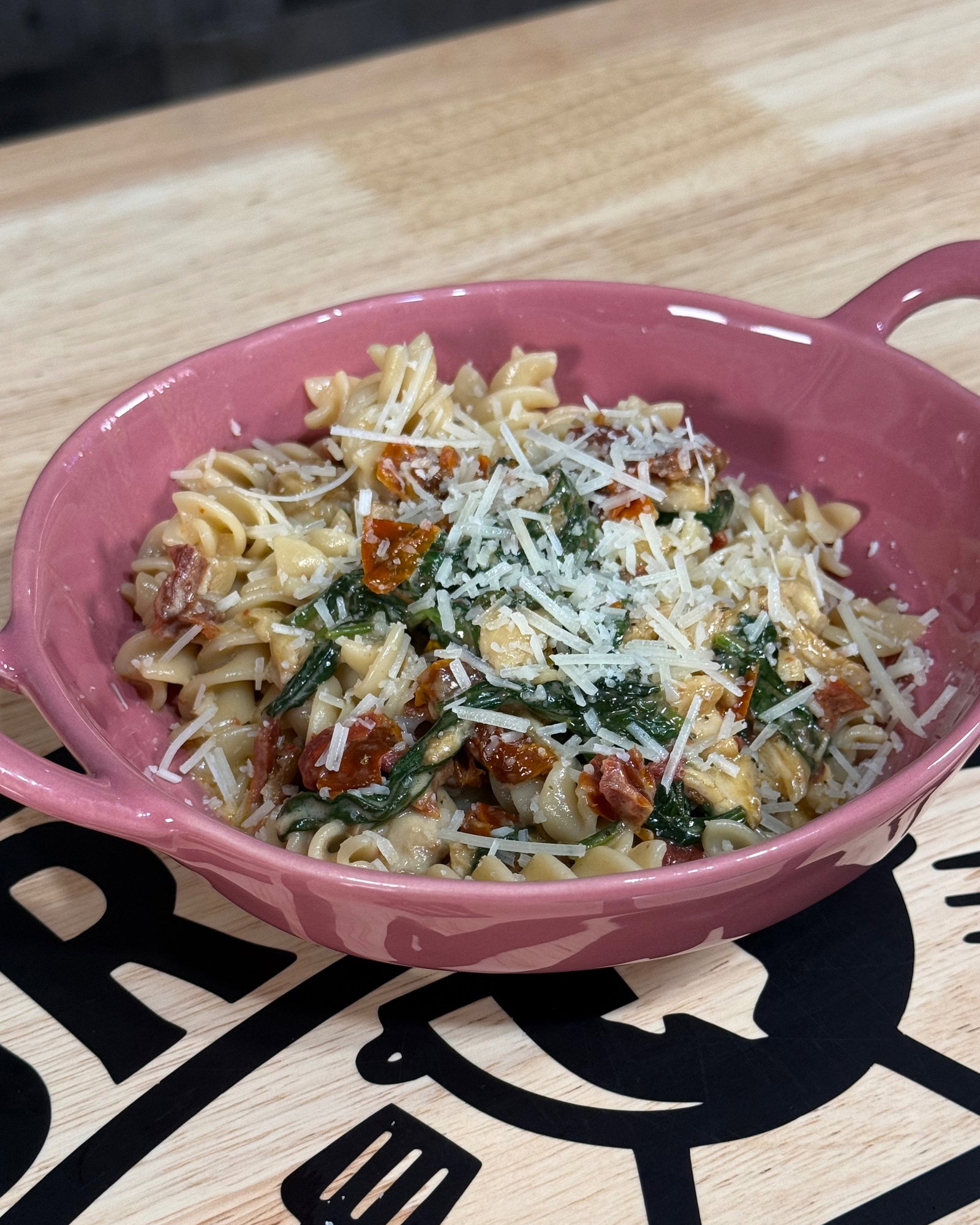
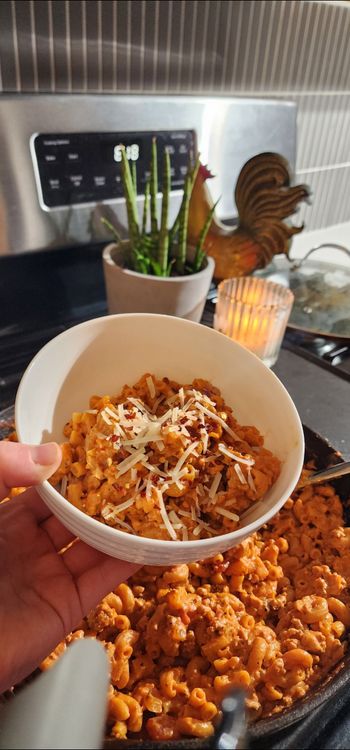
Rice, pasta and noodles are natural candidates for one-pot cooking because the starch itself becomes part of the finished sauce — instead of boiling the pasta separately and combining it with a sauce made in another pan, everything cooks together and the starch released thickens the liquid into something clingy and rich. Getting the liquid ratio right is the main technical hurdle: too little and the dish scorches before the rice or pasta is tender, too much and you end up with soup. Start with slightly more liquid than you would use to boil the same starch separately, since some evaporates as steam rather than being absorbed, and adjust the next time you make the recipe based on how it turned out. Rice dishes like biryani and pulao also benefit from a rinse beforehand to wash off surface starch that would otherwise make the grains stick together rather than stay separate. Once the liquid is at a simmer, cover the pot, resist stirring too often, and let the starch do its work — the payoff is a genuinely one-pan meal, from stovetop straight to the table, with a sauce no separate saucepan could have built any better. Standouts here include Creamy Garlic Chicken & Rice (One Pan) and Creamy Chicken & Noodles, plus Cajun Sausage and Rice Skillet.


- Gluten-Free
- Dinner
- Nut-Free
- Dinner

- American
- Non-Vegetarian
- Dinner
- Indian
- Vegetarian
- Lunch

- Indian
- Vegan
- Dinner
- Non-Vegetarian
- Dinner
- Non-Vegetarian
- Dinner
- Non-Vegetarian
- Dinner
- American
- Non-Vegetarian
- Lunch

- Non-Vegetarian
- Main Course
One-Pan Skillet Meat & Casserole Dinners
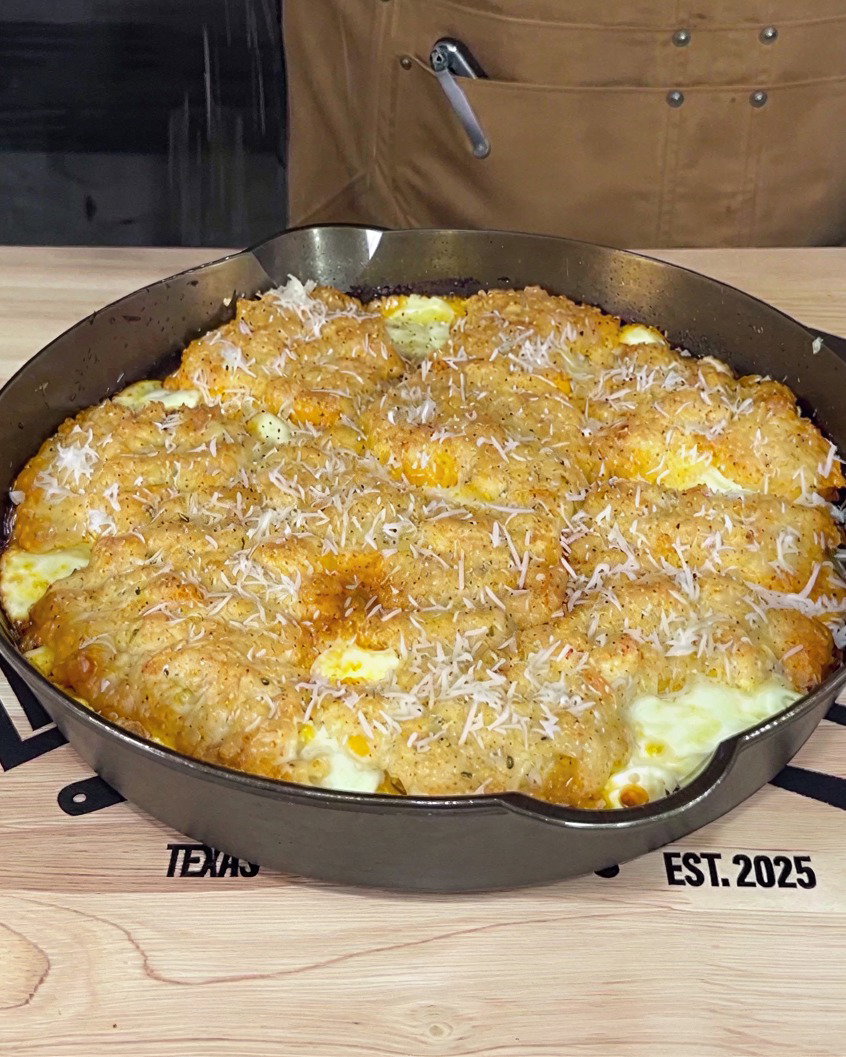
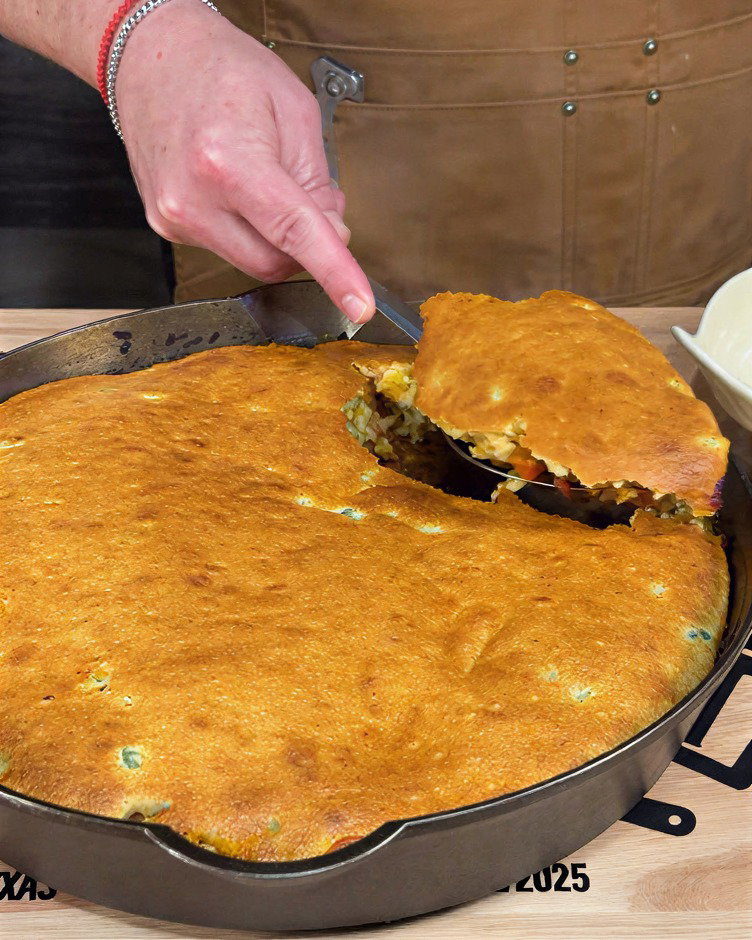
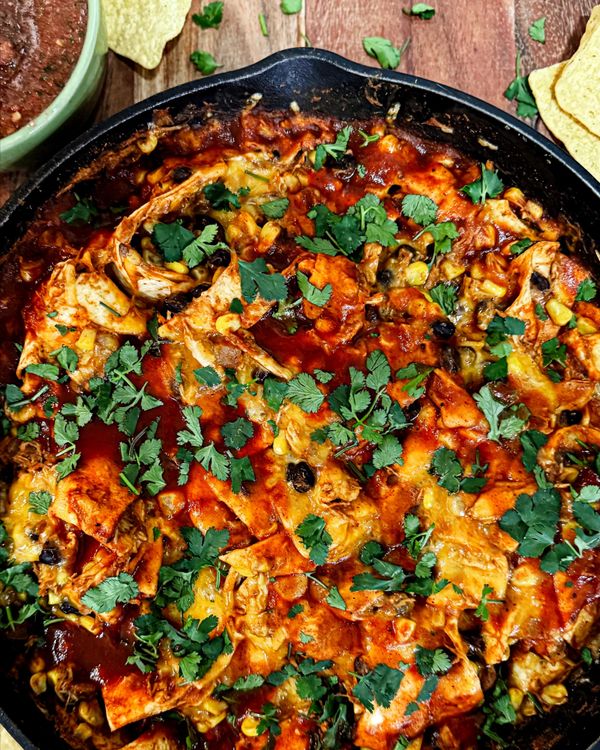
Skillet meat mains are the heartiest cluster here — beef, chicken and sausage dishes built around a single wide pan that goes from browning to simmering to, in several cases, straight into the oven. The technique starts with getting a proper sear on the meat before anything else happens in the pan; that browned layer on the bottom, often called fond, is what flavors everything added afterward, whether that is a cornbread topping, a cheesy sauce or a bed of roasted potatoes. Because these dishes often finish in the oven, checking that your skillet is fully oven-safe — handle, lid and any non-stick coating included — matters more here than almost anywhere else on this page. Build components in the order they take to cook: potatoes and other dense vegetables go in early enough to soften fully, quick-cooking additions like cheese toppings or tender vegetables go in only for the last stretch. These are the dinners built for feeding a hungry table on a weeknight without a stack of pans afterward, and most reheat just as well the next day, which makes them as useful for meal prep as they are for a fast dinner. Standouts here include Cheddar Bay Chicken Pot Pie Skillet and Texas Ranch House Beef & Potatoes, plus Cheddar Bay Pizza Skillet.

- Main Course

- Gluten-Free
- Dinner
- Gluten-Free
- Dinner

- Gluten-Free
- Lunch
- Non-Vegetarian
- Dinner

- Non-Vegetarian
- Main Course

- Non-Vegetarian
- Dinner
- Gluten-Free
- Main Course

- Mexican
- Non-Vegetarian
- Dinner

- Japanese
- Pescatarian
- Dinner
Building Flavor in Layers
The difference between a one pot dinner that tastes deep and one that tastes flat almost always comes down to the first five minutes. Onions need real time and heat to soften and turn golden before anything else goes in; garlic and ginger want only a minute once the onions are ready, since they scorch fast and turn bitter. Rush this stage and every layer built on top of it tastes thin, no matter how long the pot simmers after.
Spices, whether a spoon of curry powder or whole cumin and mustard seed, do the most work when they hit hot oil directly rather than going into liquid. This blooming step wakes up their aromatic oils, which is why a curry made by frying spices first tastes rounder than one where they are simply stirred into a simmering gravy. Add tomato paste or fresh tomatoes only after the spices have had their moment in the fat.
Season in stages rather than once at the end. A pinch of salt with the onions, another when the main ingredients go in, and a final taste-and-adjust just before serving gives a one pot dish the layered depth people usually credit to long cooking times. The pot itself is doing the work of a dozen small saucepans, so treat each addition as its own small dish that needs its own seasoning check.
Cooking Rice, Pasta and Noodles in the Same Pot
Rice and pasta cooked directly in a sauce or broth need a specific ratio of liquid, because none of it drains away — whatever the starch does not absorb becomes the finished sauce. As a starting point, use slightly more liquid than a package directs for boiling and drain-cooking, since some evaporates as steam rather than getting absorbed, then adjust up or down as you repeat a recipe.
Give rice and grains a quick rinse before they go into the pot if the recipe does not already account for their starch — unrinsed rice can turn a one-pot biryani or pulao gluey rather than separate-grained. Pasta, by contrast, benefits from its released starch, which is what naturally thickens a one-pot pasta sauce into something clingy without a jar of cream. Stir occasionally so it does not catch on the bottom.
Once the starch goes in, resist the urge to lift the lid constantly or stir too often — both let steam escape and slow the cook unevenly. Bring the liquid to a boil, then drop to a gentle simmer, cover, and set a timer rather than checking on instinct. If the dish looks dry before the rice or pasta is tender, add a splash more hot liquid rather than more heat.
Managing Heat So Nothing Scorches
A one pot dinner concentrates everything in one vessel, which means there is no second pan to bail you out if the heat runs too high. Start most dishes on medium for the aromatics, then drop to medium-low once liquid and starch are added — a hard boil in a crowded pot is what causes scorching on the bottom before the top is even cooked through.
Heavier pots and pans distribute heat more evenly and hold their temperature better, which matters more in one-pot cooking than almost any other style, since there is nowhere for uneven heat to hide. If a recipe seems to catch on the bottom every time, it is worth switching to a heavier skillet or Dutch oven rather than simply lowering the heat further and stretching the cook time.
For oven-finished skillet dishes, make sure the pan you are using is fully oven-safe — handles, lids and non-stick coatings all have temperature limits that a stovetop-only pan will exceed. Preheat the oven properly rather than sliding the skillet in as it comes up to temperature, and use a proper oven mitt; a skillet handle that has been on the stove and in a hot oven holds heat far longer than it looks like it should.
Make-Ahead, Leftovers and Reheating
Most one pot meals reheat better than they photograph fresh — the flavors keep melding in the fridge overnight, so a curry, dal or skillet bake often tastes even better the next day. Cool leftovers before covering and refrigerating, and store in a shallow container so the whole batch chills quickly rather than staying warm in the center for hours.
Rice- and pasta-based one pot dishes can dry out or turn stodgy in the fridge, since the starch keeps absorbing whatever liquid is left. A splash of water, stock or milk stirred in before reheating brings a dish back to its original consistency rather than leaving it gluey. Reheat gently on the stove with the lid on, or in short bursts in the microwave, stirring between each.
Many curries, dals and sauces freeze well for up to three months in an airtight container, though dishes with cream or a lot of rice already mixed in are better frozen before that final addition and finished fresh. Thaw overnight in the fridge rather than at room temperature, and reheat slowly so the sauce comes back together smoothly instead of splitting or turning grainy.
Pro Tips from the Test Kitchen
- Cook the onions to a real golden brown before anything else goes in — a rushed base is the single biggest reason a one-pot dish tastes flat.
- Bloom spices in hot oil for thirty seconds before adding liquid; this brings out far more aroma than stirring them into a simmering pot.
- Season in stages — a pinch with the onions, another with the main ingredients, a final taste before serving — rather than salting only once at the end.
- Use slightly more liquid than a package suggests for boiling rice or pasta separately, since some will steam off instead of being absorbed.
- Rinse rice before it goes into a one-pot dish unless the recipe says otherwise; unrinsed starch can turn a pulao or biryani gluey.
- Keep the pot at a gentle simmer once starch is added, not a hard boil — high heat scorches the bottom before the center is done.
- Choose a heavy-bottomed pot or skillet for one-pot cooking; it holds and distributes heat more evenly than a thin one, which matters when there is no second pan to fall back on.
- Check that a skillet is fully oven-safe, handle included, before sliding it under the broiler or into a hot oven.
- Add a splash of stock or water when reheating rice- or pasta-based leftovers, since the starch keeps absorbing liquid in the fridge.
- Freeze curries and gravies before stirring in cream or cooked rice, then finish those additions fresh after thawing for the best texture.
Frequently Asked Questions
What counts as a one pot recipe?
A one pot recipe is any dish where the whole meal — protein, vegetables, starch and sauce — cooks in a single pot, pan or skillet rather than several vessels used at once. That might mean a curry simmered in one pot, a skillet dinner finished under the broiler, or a pasta cooked directly in its sauce rather than boiled separately. The point is fewer dishes and more flavor staying in the pan rather than going down the drain with rinsed-out cookware.
Are one pot meals healthy?
They can be, since the format naturally encourages building a balanced plate — protein, vegetables and a starch all in the same pot — rather than relying on heavy sauces poured over separately cooked components. How healthy a specific dish is depends on the ingredients, not the method, so a cream-heavy skillet pasta and a vegetable-forward dal sit at very different ends of the spectrum even though both are technically one pot.
What is the best pot for one pot cooking?
A wide, heavy-bottomed pot or deep skillet with a lid is the most versatile choice, since it lets you sear or sauté first and then simmer or bake without switching vessels. A Dutch oven is ideal for curries, dals and braises because it holds heat evenly and can go from stovetop to oven. For dinners like skillet bakes, an oven-safe skillet with a metal handle covers most recipes in this collection.
How do I stop rice or pasta from turning mushy in a one pot dish?
Measure the liquid carefully rather than guessing, since too much is the most common cause of mushy rice or pasta, and keep the pot at a gentle simmer rather than a rolling boil once the starch goes in. Resist stirring constantly or lifting the lid to check, both of which release steam the dish needs to cook evenly. If it still turns out too soft, cutting the liquid back slightly next time usually fixes it.
Can I make one pot meals ahead of time?
Most curries, dals, gravies and skillet bakes make excellent make-ahead meals, since the flavors continue to develop as they sit in the fridge overnight. Rice- and pasta-based dishes are best made a day or two ahead at most, since the starch keeps absorbing liquid the longer it sits. Reheat gently with a splash of extra liquid stirred in to bring the dish back to its original consistency.
Why does my one pot curry taste flat?
The most common cause is rushing the base — onions that have not properly softened and browned, or spices added to liquid instead of bloomed in hot oil first, both leave a curry tasting thin no matter how long it simmers afterward. Under-seasoning is the second most common issue; taste and adjust salt at more than one stage rather than only at the very end, and finish with an acid like lemon or a pinch of sugar to balance the dish.
Can one pot recipes be frozen?
Yes — curries, dals, gravies and most skillet mains freeze well for up to about three months in an airtight container. Dishes that already include cream, rice or pasta mixed in can change texture after freezing and thawing, so where possible freeze the base and stir in those last few ingredients fresh once it is reheated. Thaw overnight in the fridge and reheat slowly rather than on high heat.
What is the difference between a one pot meal and a sheet pan meal?
Both minimize cleanup, but a one pot meal usually builds in layers on the stovetop or in a single pot that goes from stove to oven, with ingredients simmering or braising together in liquid. A sheet pan meal is roasted in the oven on a flat tray, with each ingredient in its own space rather than submerged in a shared sauce. Many recipes, like a skillet chicken bake, sit somewhere between the two.
Do I need special equipment for one pot cooking?
No — a good heavy-bottomed pot, a wide skillet and a lid that fits well cover almost every recipe in this collection. An oven-safe skillet is useful for dishes that start on the stove and finish under a broiler or in the oven, and a pressure cooker or Instant Pot speeds up dal- and curry-style dishes considerably, but neither is required to get good results.
How do I add vegetables to a one pot recipe without them turning mushy?
Add vegetables in stages based on how long they take to cook — hardier ones like potatoes and carrots go in early with the aromatics, while quick-cooking vegetables like spinach, peas or broccoli go in during the last few minutes. This keeps everything tender rather than some pieces disintegrating while others are still firm, and it is the same layering logic that makes the rest of one-pot cooking work.
One pot recipes reward the same handful of habits every time: build the base properly, add liquid and starch in the right ratio, keep the heat gentle once everything is in the pot, and season in stages rather than once. Master those and curries, skillet bakes, rice dishes and sweet one-pan treats all come together with barely any extra cleanup.
Pick a curry, a skillet dinner and something sweet to try this week, and save the ones you love to a Chefadora cookbook. This page is built to be the one-pot reference you come back to whenever a busy weeknight calls for one pan and not much else.
Related
- One-Pot
- Weeknight Dinner
- Skillet Meals
- Easy Dinner
- Curry
- Meal Prep
- Comfort Food
Popular Searches
- Best one pot recipes
- Easy one pot recipes
- Quick one pot recipes
- Healthy one pot recipes
- Simple one pot recipes
- Homemade one pot recipes
- Delicious one pot recipes
- Popular one pot recipes
- one pot meals
- one pot dinners
Marnirni-apinthi Building, Lot Fourteen,
North Terrace, Adelaide, South Australia, 5000
Australia
